Heat Exchange vs Cooling Capacity: What Matters in Plant Performance




Plant performance rarely depends on a single thermal number. In most facilities, the real question is not whether heat exchange or cooling capacity matters more, but how each one shapes reliability, energy intensity, and process control.
A system may offer large nominal cooling capacity and still underperform if heat exchange is weak, uneven, or poorly matched to the load. The reverse is also true. Strong heat transfer design cannot rescue a plant that is simply undersized for peak duty.
That balance is receiving more attention as power prices fluctuate, refrigerant rules tighten, and industries demand tighter thermal stability. In sectors tracked closely by GTC-Matrix, thermal decisions now affect both operating margins and strategic flexibility.
Why this comparison matters on the plant floor
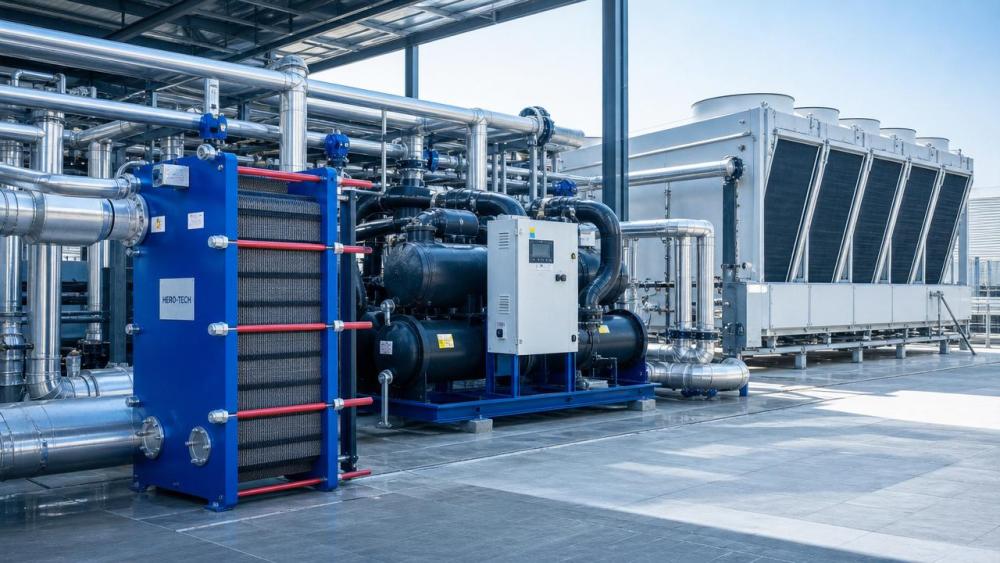
Heat exchange describes how effectively thermal energy moves between fluids, surfaces, or process zones. Cooling capacity refers to how much heat a system can remove over time under defined conditions.
They sound similar, but they guide different decisions. Heat exchange points to transfer efficiency, temperature approach, fouling sensitivity, and equipment design. Cooling capacity points to load handling, peak demand, and duty coverage.
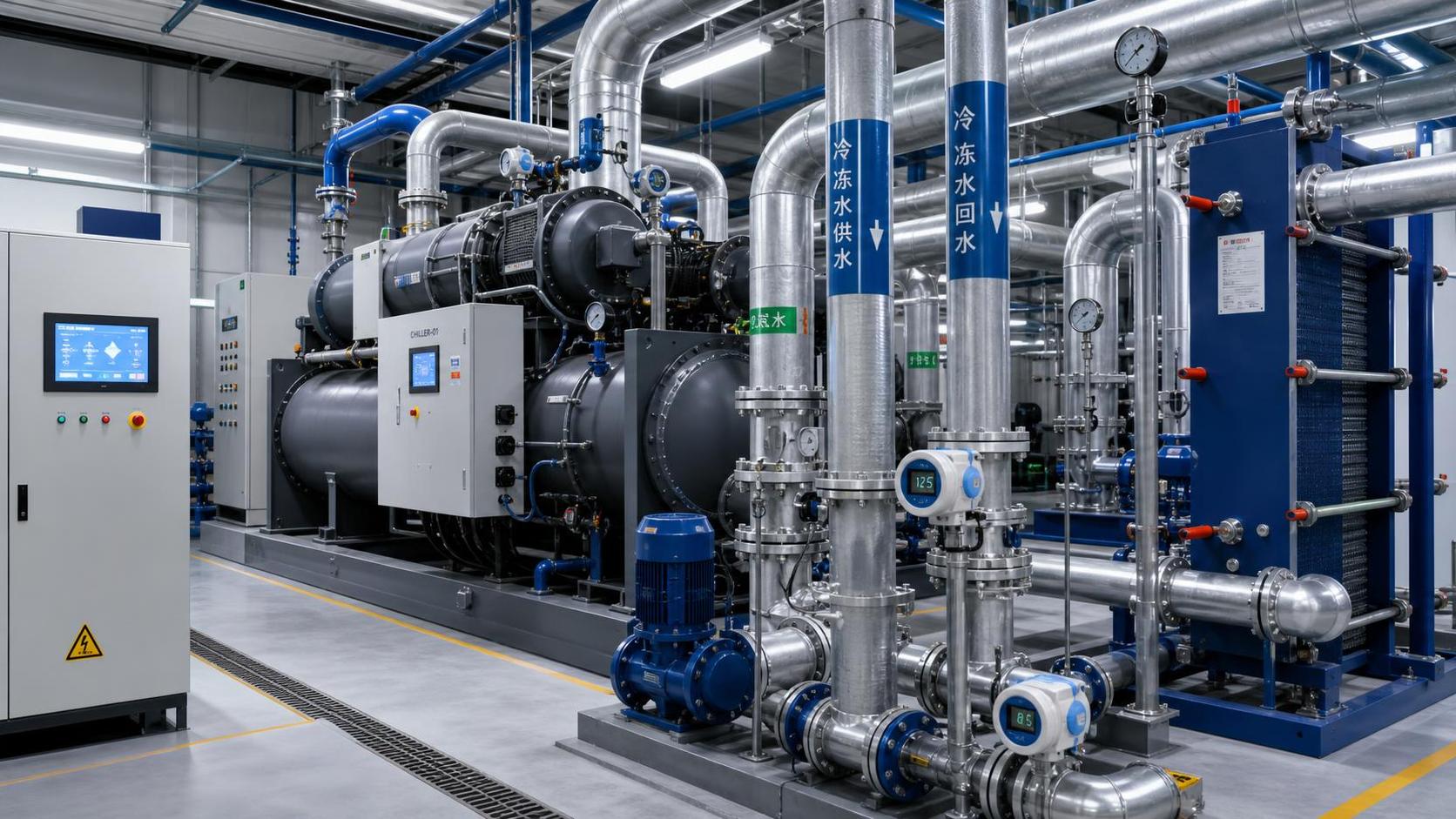
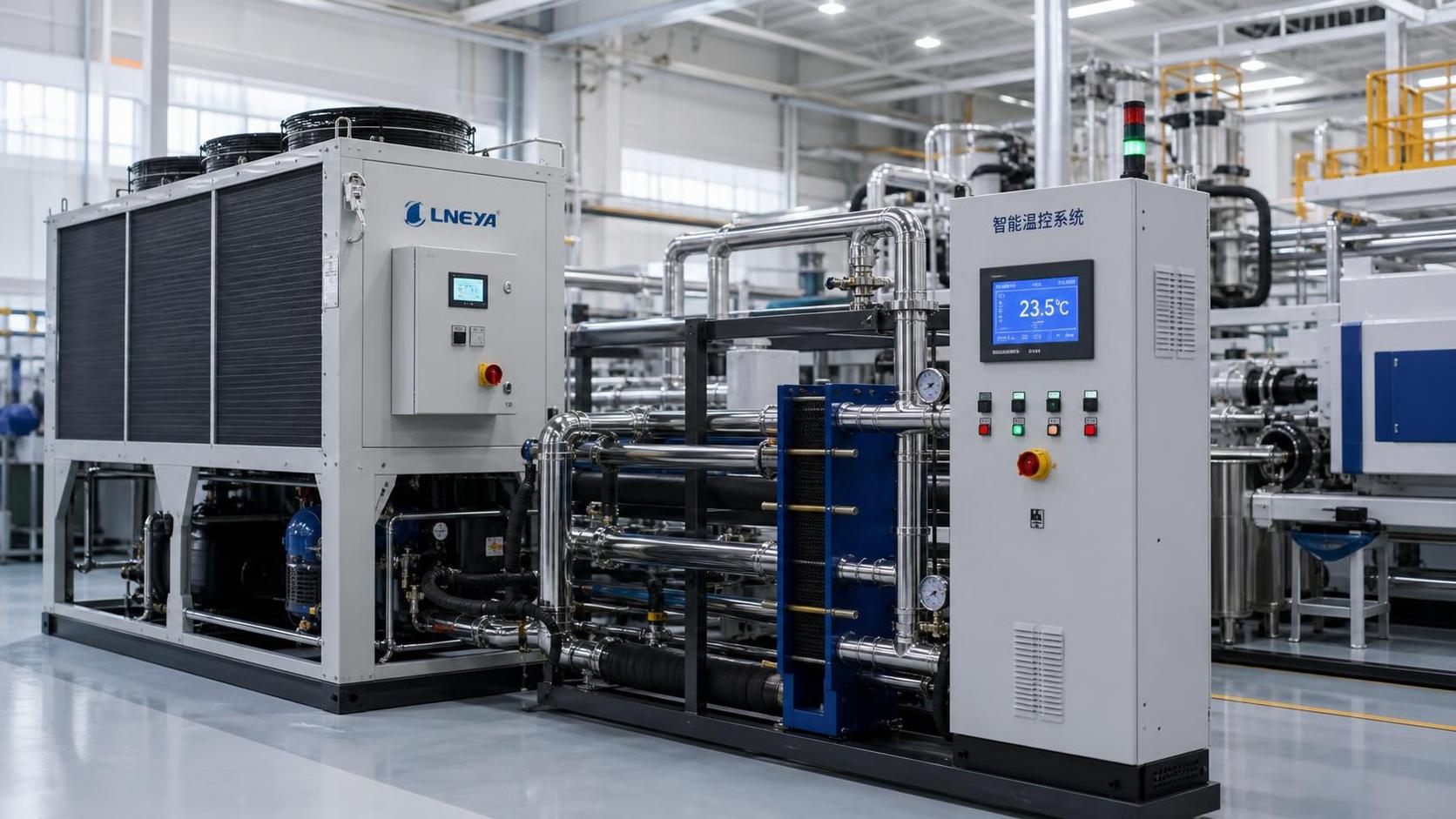
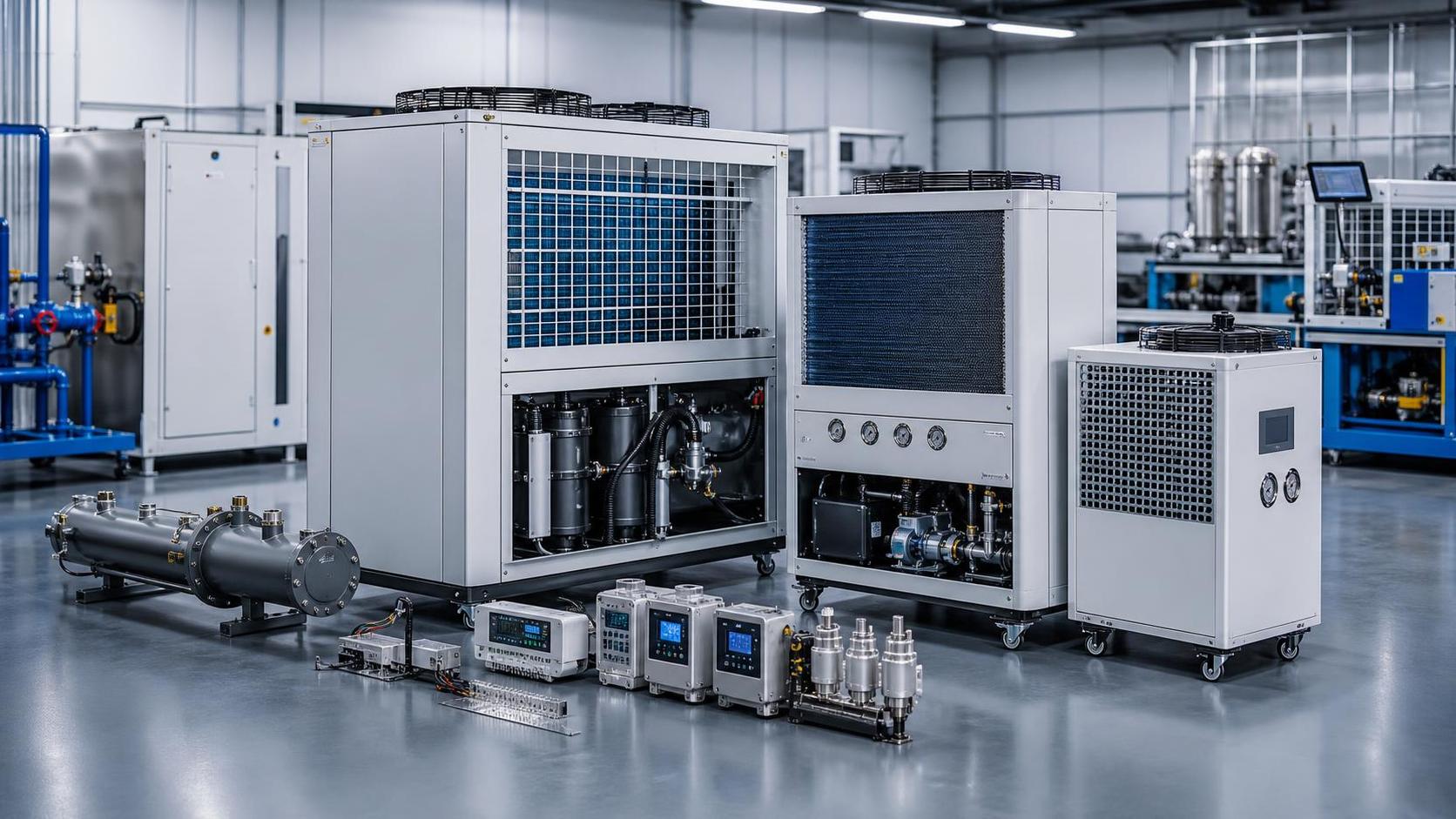
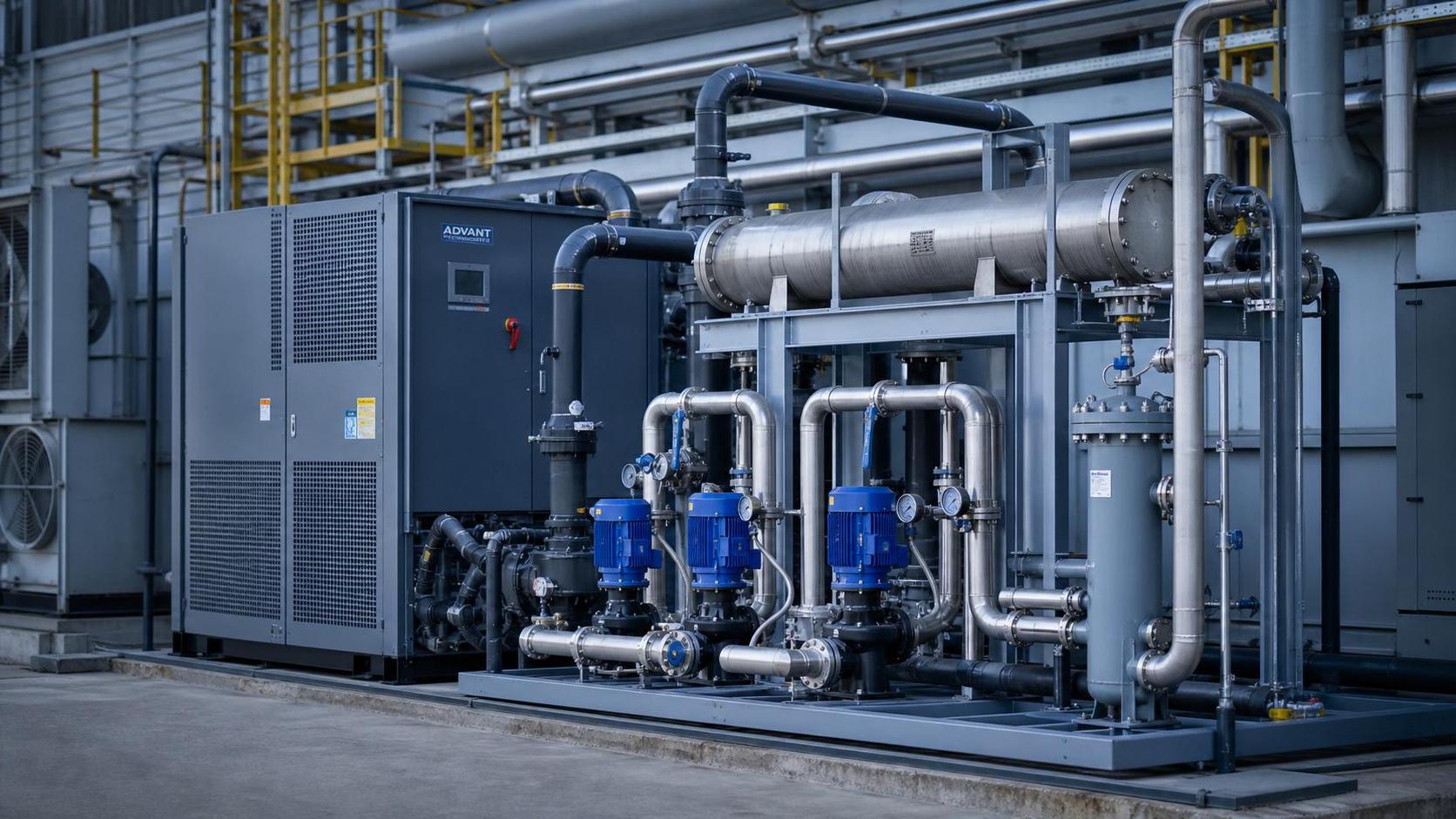
In real plants, neither metric lives alone. Chillers, evaporative systems, dry coolers, condensers, compressors, and heat exchangers operate as a chain. Weak performance at one link changes the value of every other link.
This is why a thermal review often reveals hidden losses. A site may blame insufficient capacity when the actual problem is degraded heat exchange caused by scale, airflow imbalance, or poor control logic.
Heat exchange is about transfer quality, not just hardware size
When people discuss heat exchange, they often focus on exchanger type alone. Yet plant results are shaped by a wider set of factors, including fluid velocity, temperature difference, surface condition, pressure drop, and maintenance discipline.
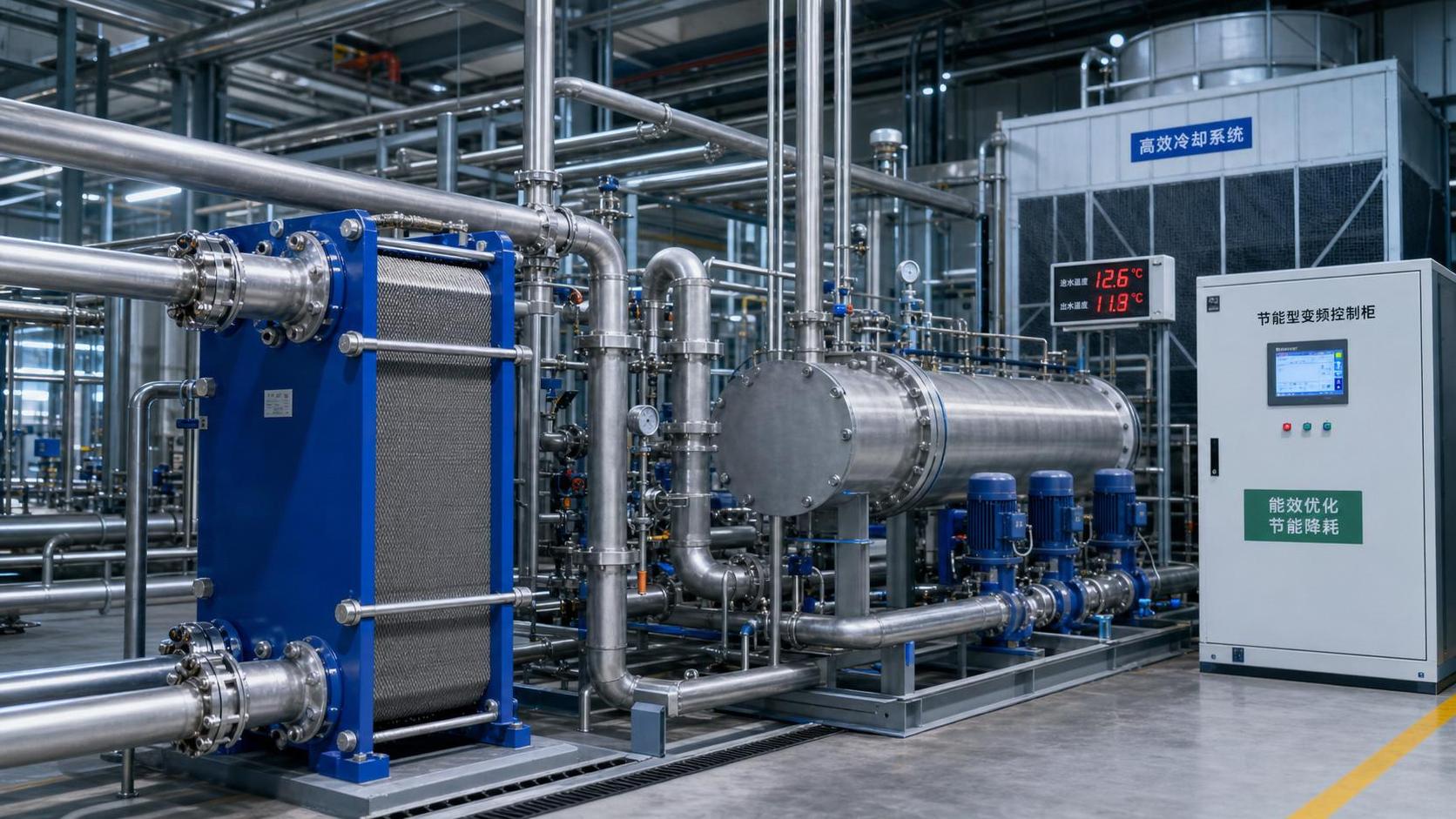
A well-designed plate exchanger, shell-and-tube unit, or microchannel coil can perform very differently depending on water chemistry, process variability, and cleaning intervals. Performance on paper is only the starting point.
Good heat exchange reduces approach temperature and allows the rest of the system to work with less strain. Compressors cycle less aggressively. Pumps may run at lower demand. Product temperature holds closer to target.
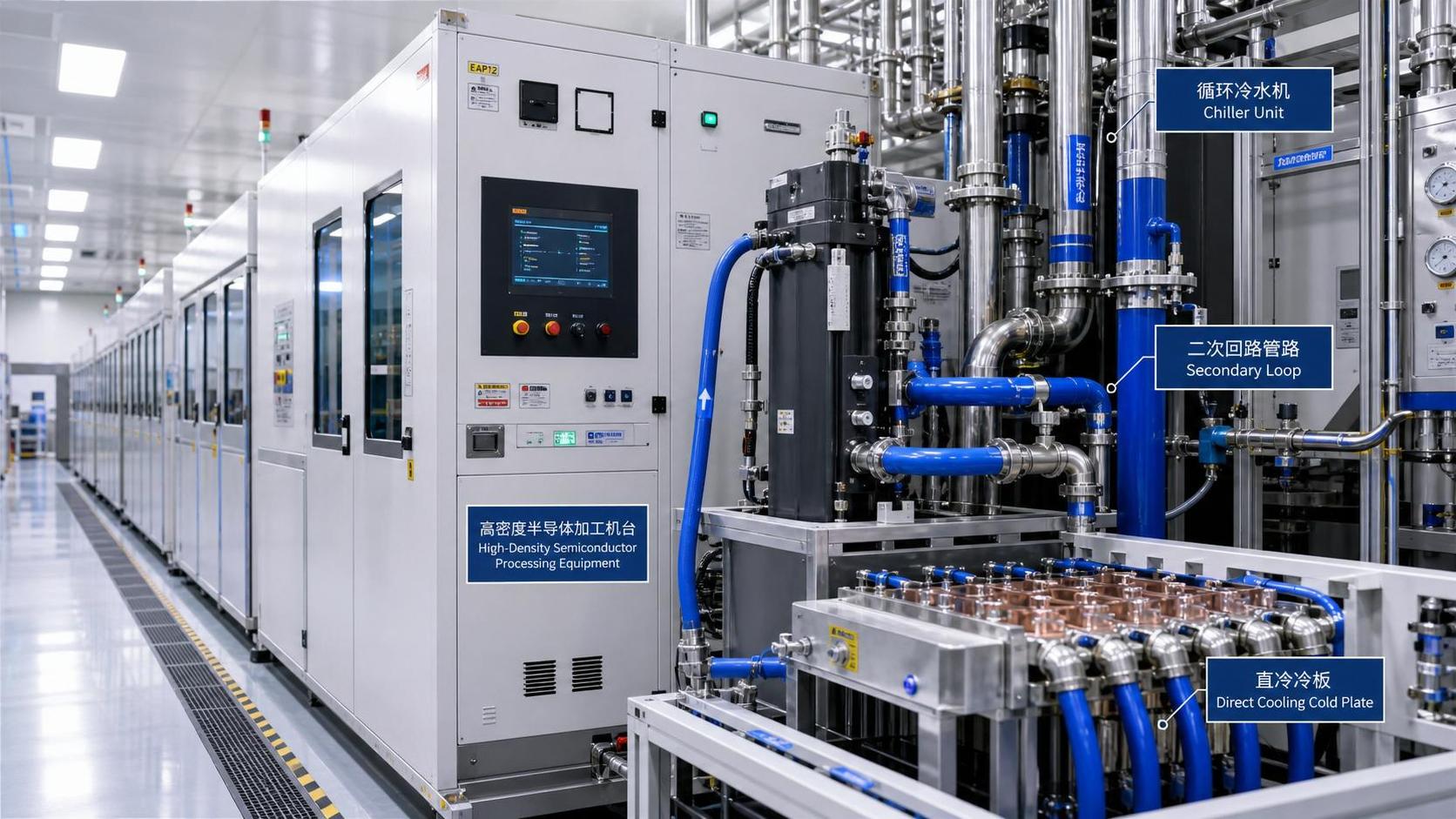
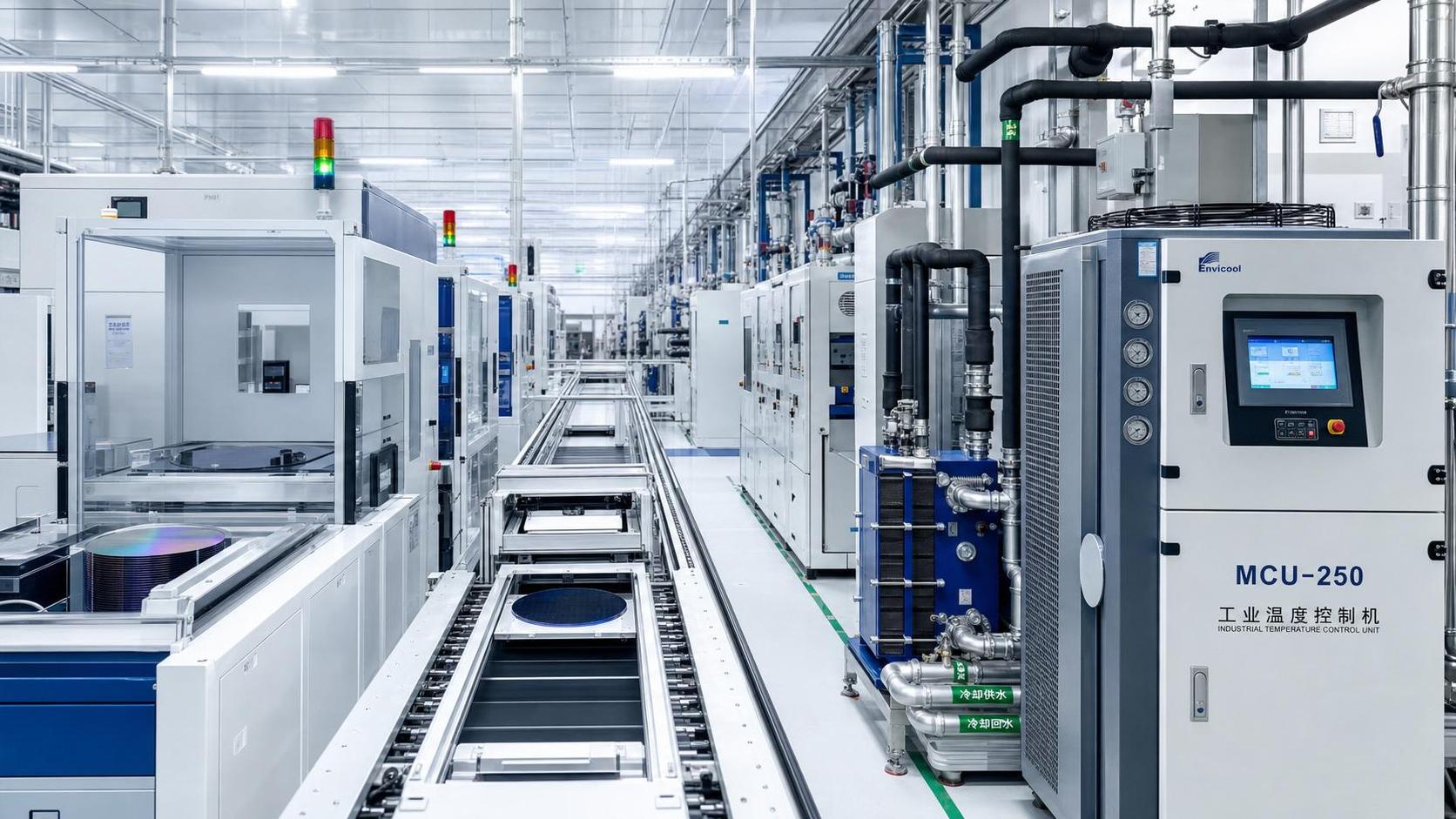
That is especially valuable in pharmaceutical, semiconductor, and food operations, where narrow temperature windows affect yield, quality, and compliance. In those environments, thermal inconsistency can be more costly than visible downtime.
What weak heat exchange usually looks like
- High energy use without proportional cooling benefit
- Large temperature gaps across process loops
- Frequent alarms during moderate ambient conditions
- Unexpected compressor loading or unstable cycling
- Capacity complaints that worsen as fouling develops
Cooling capacity defines whether the plant can carry the load
Cooling capacity remains critical because every plant faces load variation. Seasonal heat, expansion projects, denser production schedules, and tighter indoor conditions all increase the amount of heat that must be removed.
If the installed system cannot cover realistic peak demand, efficient heat exchange alone will not prevent thermal drift. Process temperatures rise, throughput slows, and operators may compensate with unstable workarounds.
This issue appears often in retrofits. Existing equipment may have acceptable heat exchange surfaces, but the plant has changed. New lines, denser electrical loads, or stricter environmental controls create a larger thermal burden.
Cooling capacity should therefore be treated as a live business parameter, not a static nameplate value. Actual capacity depends on ambient conditions, water temperatures, altitude, part-load behavior, and control sequencing.
Where capacity assessments often go wrong
Design assumptions are often too optimistic. Some systems are sized for average conditions rather than critical hours, while others ignore future expansion or changing utility economics.
Another common mistake is separating cooling capacity from heat exchange performance. Nameplate capacity can look sufficient, yet real output falls because transfer surfaces, flow rates, or controls prevent that capacity from being delivered.
The stronger metric depends on the operating scenario
In stable processes with predictable loads, heat exchange quality often creates the biggest gains. Better transfer can cut energy use, reduce equipment stress, and improve control precision without large capacity expansion.
In rapidly growing plants or sites with strong ambient swings, cooling capacity may become the limiting factor first. Once the thermal load exceeds practical system margins, efficiency improvements alone offer limited relief.
The most practical approach is to ask a sequence of questions rather than choose sides too early. Is the issue load shortage, transfer weakness, control instability, or some combination of all three?
Industry pressure is changing how thermal systems are judged
The comparison between heat exchange and cooling capacity is sharper today because industrial systems face tighter constraints. Energy cost volatility punishes waste. Decarbonization targets reward better thermal efficiency. Refrigerant policies change system design economics.
At the same time, production environments expect more precision. Clean manufacturing, advanced electronics, and temperature-sensitive processing need thermal systems that are both strong and predictable.
This is the context in which GTC-Matrix positions thermal intelligence. Its focus on industrial cooling, compression systems, vacuum processes, and heat exchange reflects a broader reality: plant performance depends on connected thermodynamic decisions, not isolated components.
Signals such as oil-free compression growth, microchannel heat exchanger adoption, and stricter combustion efficiency standards all point in the same direction. Plants are expected to deliver more thermal value from every unit of energy.
How to judge both metrics in practical project work
A useful review begins with the thermal load profile. Average load, peak load, start-up spikes, seasonal shifts, and process sensitivity should all be mapped before equipment conclusions are made.
Then look at the heat exchange path itself. Measure approach temperatures, inspect fouling trends, confirm design flow rates, and check whether control logic keeps transfer surfaces in their intended operating range.
It also helps to separate installed capacity from delivered capacity. Plants often discover a meaningful gap between what a system should provide and what it actually provides during difficult hours.
A practical evaluation checklist
- Compare peak load data with real operating capacity
- Track heat exchange performance across seasons
- Review fouling, scaling, and cleaning intervals
- Check pressure drop against thermal benefit
- Verify control sequences at part-load conditions
- Include future expansion and energy price exposure
A better decision comes from system balance
The debate is useful only if it leads to better plant judgment. Heat exchange improves how efficiently thermal work is done. Cooling capacity determines how much work can be done when conditions become demanding.
Facilities that treat one as a substitute for the other usually spend more over time. They either oversize equipment to mask poor heat exchange, or push efficient equipment beyond its realistic duty window.
A stronger path is to build a decision framework around process stability, delivered capacity, exchanger condition, energy cost, and future load growth. That creates a clearer basis for retrofit planning and capital timing.
If the next thermal review starts with those comparisons, the discussion moves beyond headline ratings. It becomes a structured assessment of where heat exchange, cooling capacity, and system design together shape plant performance.
Related News
- How Smart Thermal Systems Improve Industrial Cooling EfficiencyAuthor :Cryogenic Systems Expert

- How to Choose Process Cooling Equipment for Stable Temperature ControlAuthor :Cryogenic Systems Expert

- EU Finalizes 2026 HFC Quota Cut for R-134a ChillersAuthor :Cryogenic Systems Expert

- EU Tightens HFC-134a Quotas for Industrial ChillersAuthor :Cryogenic Systems Expert

- REACH SVHC Update Pressures HFC-134a Chiller Supply ChainsAuthor :Cryogenic Systems Expert

- EU PFAS Coolant Ban Reshapes Chiller ExportsAuthor :Cryogenic Systems Expert

- EU REACH Restricts PFAS Cooling Media ImportsAuthor :Cryogenic Systems Expert

- EU Ecodesign Rule Takes Effect for Industrial ChillersAuthor :Cryogenic Systems Expert

- EU REACH Rule Takes Effect for PFAS in Industrial Cooling ExportsAuthor :Cryogenic Systems Expert

- Industrial Cooling for Plastic Processing: How to Size for Stable Cycle TimesAuthor :Cryogenic Systems Expert

- EU F-Gas Update Bars R404A/R507 in Commercial CoolingAuthor :Cryogenic Systems Expert

- DOE Raises Chiller Efficiency Standard From October 2026Author :Cryogenic Systems Expert

- India Mandates BIS Energy Certification for Industrial ChillersAuthor :Cryogenic Systems Expert

- Energy-Efficient Heat Exchange for Process Cooling: Cost vs PaybackAuthor :Cryogenic Systems Expert

- EPA R-134a Import Ban Takes Effect on July 13, 2026Author :Cryogenic Systems Expert

- India BIS Rule Takes Effect for Industrial ChillersAuthor :Cryogenic Systems Expert

- EPA Cuts R134a Import Quotas 20% From July 10Author :Cryogenic Systems Expert

- How to Compare Energy-Efficient Cooling Systems for Factory Expansion ProjectsAuthor :Cryogenic Systems Expert

- Chiller Price Index Rises 11.3% in Q2Author :Cryogenic Systems Expert

- Saudi SASO Tightens Chiller Import Compliance From July 10Author :Cryogenic Systems Expert

- Dubai Opens Fast-Track Chiller TendersAuthor :Cryogenic Systems Expert

- Japan Raises Chiller COP Floor to 6.2 From Sept. 1Author :Cryogenic Systems Expert
![]()
- Compact Thermal Management in Smart Devices: Common Failure RisksAuthor :Cryogenic Systems Expert

- Thermal Management for Batteries: Cooling Methods ComparedAuthor :Cryogenic Systems Expert

- How Compact Thermal Design Extends Smart Device UptimeAuthor :Cryogenic Systems Expert

- Shanghai-Rotterdam Reefer Rates Jump 37% in a WeekAuthor :Cryogenic Systems Expert

- Process Cooling Equipment Low Maintenance: What Cuts Downtime Over 5 Years?Author :Cryogenic Systems Expert

- Semiconductor Cooling Solutions: Which Design Works Best for High-Density Tools?Author :Cryogenic Systems Expert

- Semiconductor Thermal Management Systems: Preventing Yield Loss from Heat DriftAuthor :Cryogenic Systems Expert

- EPA Clears R-1234ze(E) for Industrial ChillersAuthor :Cryogenic Systems Expert
 for Industrial Chillers")
- DOE Raises Chiller IEER Floor to 12.8 From Oct. 2026Author :Cryogenic Systems Expert

- Singapore Refrigeration Show Adds Green Compliance HubAuthor :Cryogenic Systems Expert

- How Food Industry Temperature Control Systems Reduce Product LossAuthor :Cryogenic Systems Expert

- EU REACH Adds 12 SVHCs, Raising Chiller Compliance RiskAuthor :Cryogenic Systems Expert

- Precision Temperature Control Air Cooling: Key Setup Mistakes That Reduce StabilityAuthor :Cryogenic Systems Expert

- India BEE Eyes APF Labels for Imported ChillersAuthor :Cryogenic Systems Expert