CTEF Debut Zone Puts Green Chillers in Focus




On June 9, 2026, the opening of CTEF at the Shanghai New International Expo Centre brought a notable market signal: a first-time “Green Refrigeration & Zero-Carbon Compression” zone moved Industrial Chillers, refrigerant substitution, and oil-cooled or magnetic-bearing oil-free compression into a more explicit compliance and procurement discussion. For equipment manufacturers, exporters, buyers, and supply-chain service providers, the development is worth watching because it suggests that purchasing decisions are increasingly being aligned with low-GWP refrigerant choices, energy-related product features, and documentation that can support cross-border delivery and technical review.
What the exhibition floor confirmed on day one
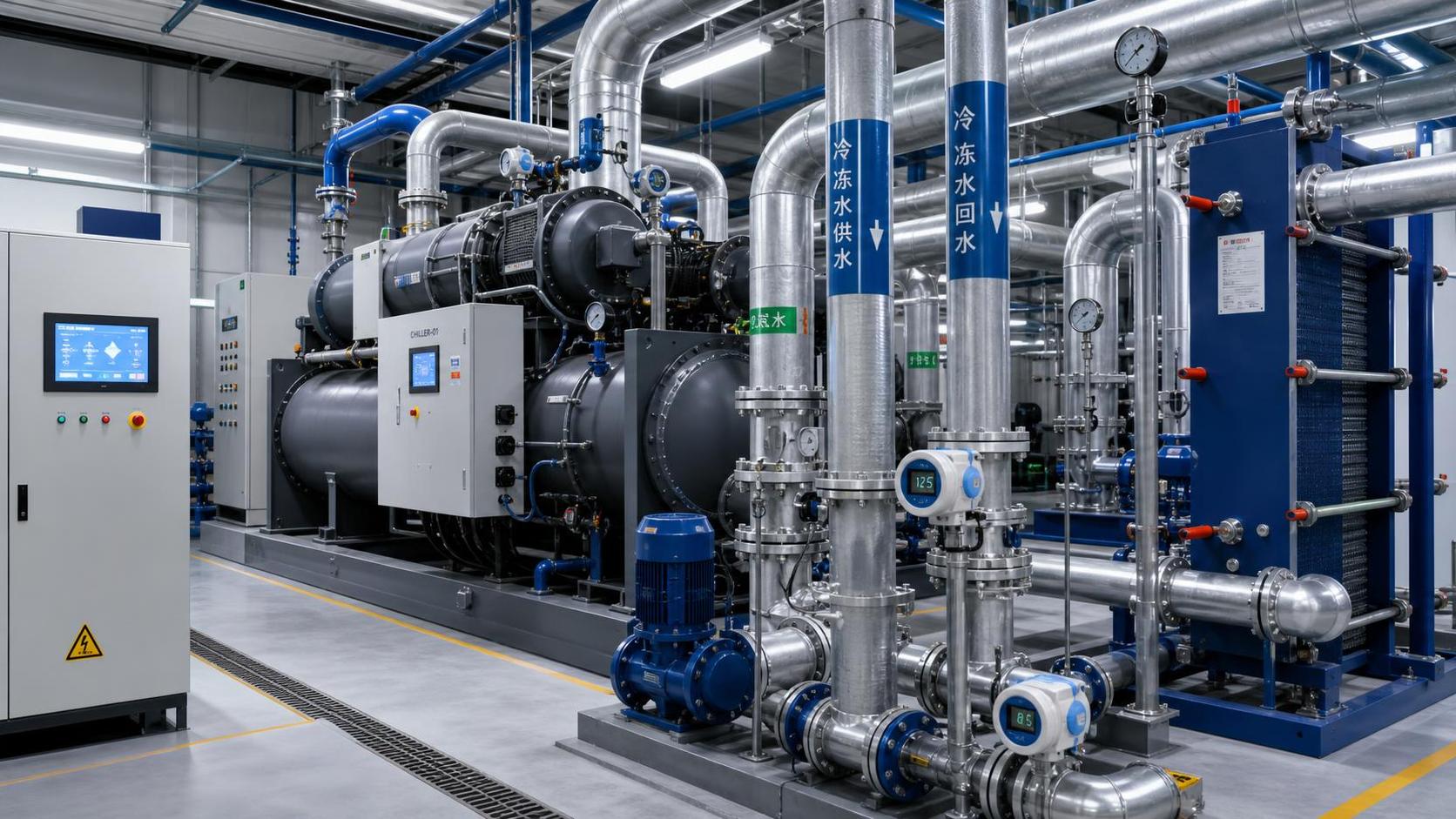
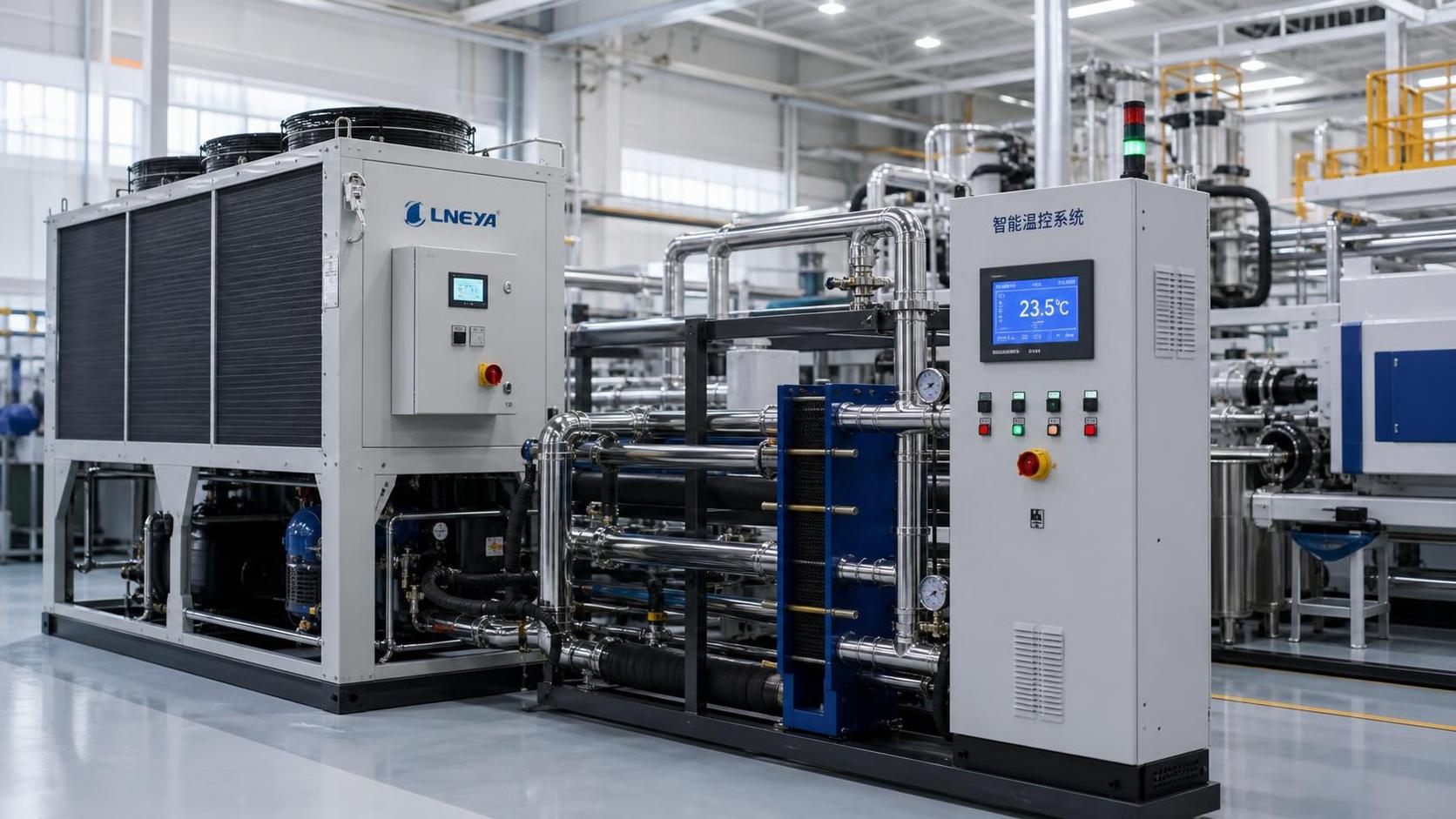
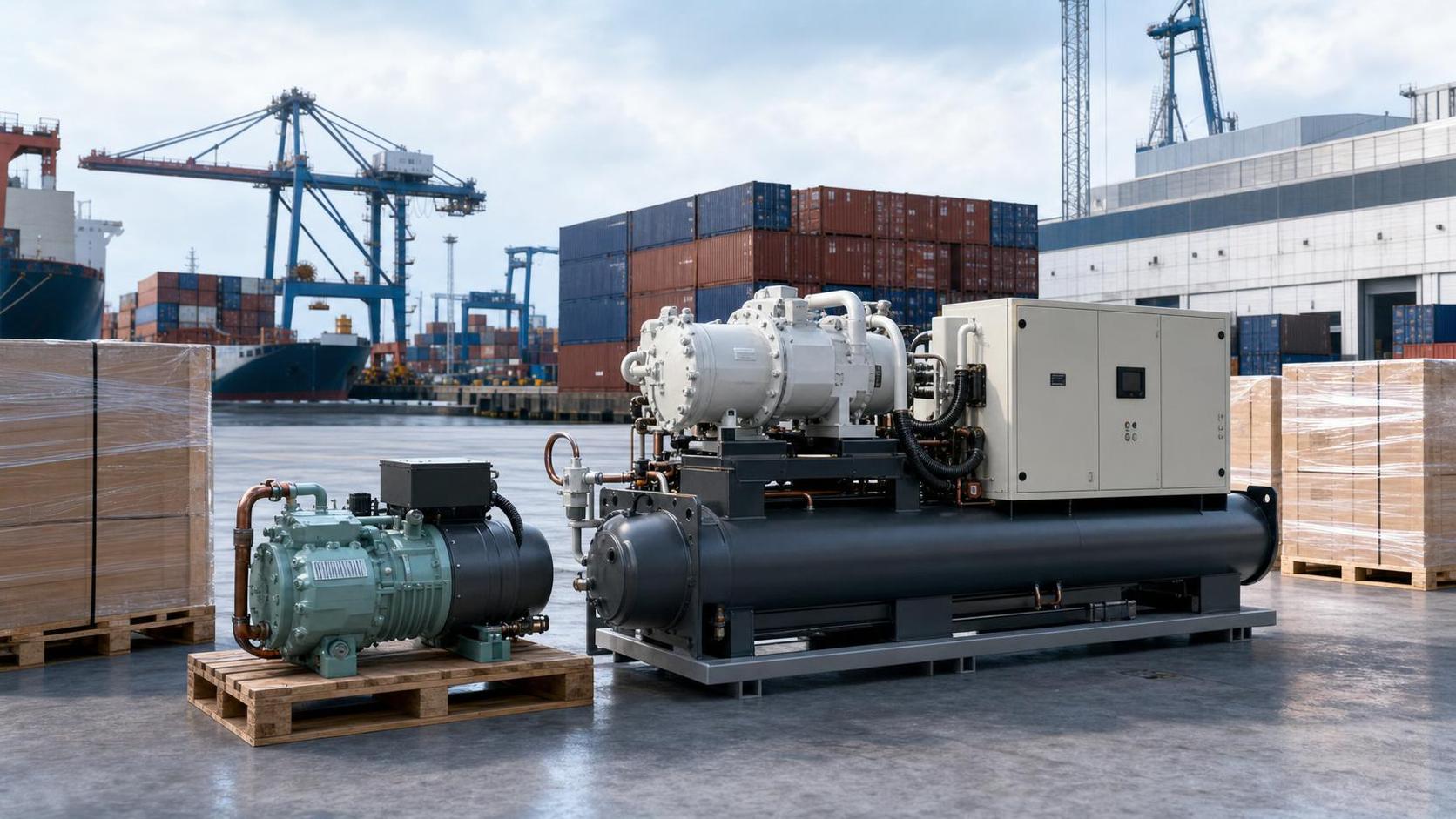
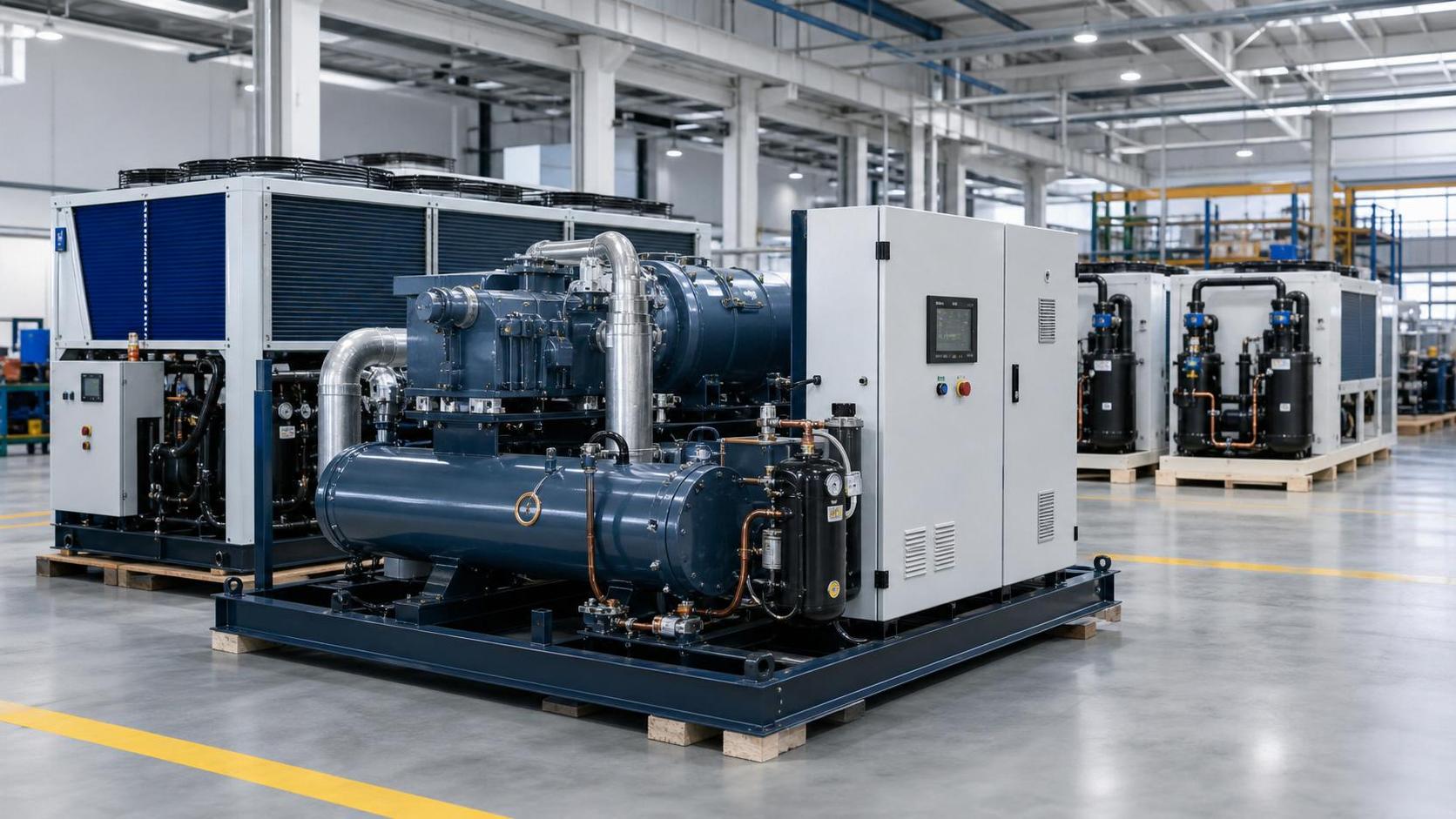
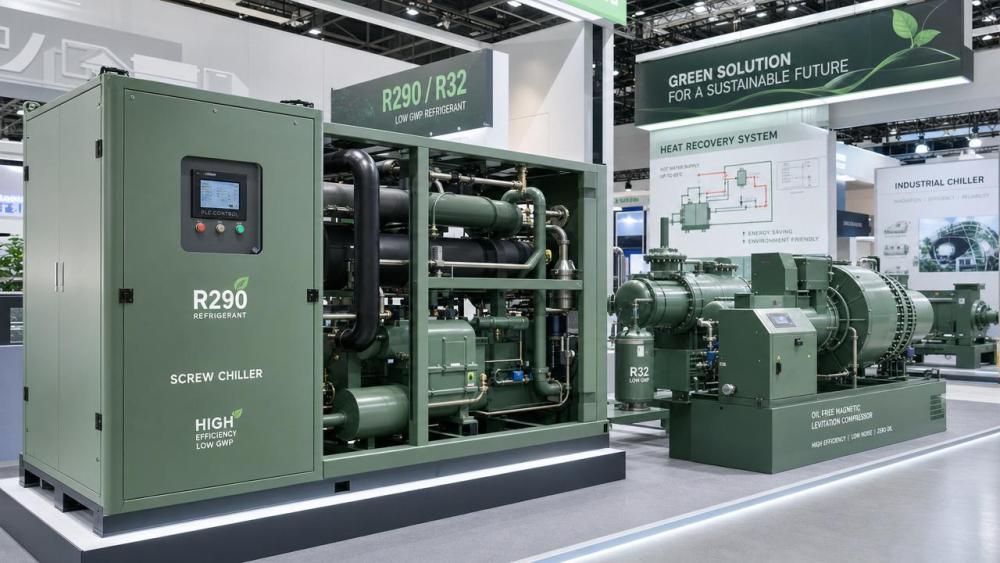
According to the provided event information, the China International Chemical Equipment Fair (CTEF) opened on June 9, 2026, at the Shanghai New International Expo Centre and introduced its first “Green Refrigeration & Zero-Carbon Compression” themed zone. The zone focused on Industrial Chillers, refrigerant replacement solutions, and oil-cooled and magnetic-bearing oil-free compression technologies.
The same event summary states that 37 cross-border orders were concluded on the first day of the show. European customers concentrated their purchases on low-temperature chillers using R290 and R32, while buyers from Southeast Asia mainly inquired about screw-type industrial chillers with waste-heat recovery functions.
Why this matters across trade and delivery chains
Export sales are likely to face tighter specification matching
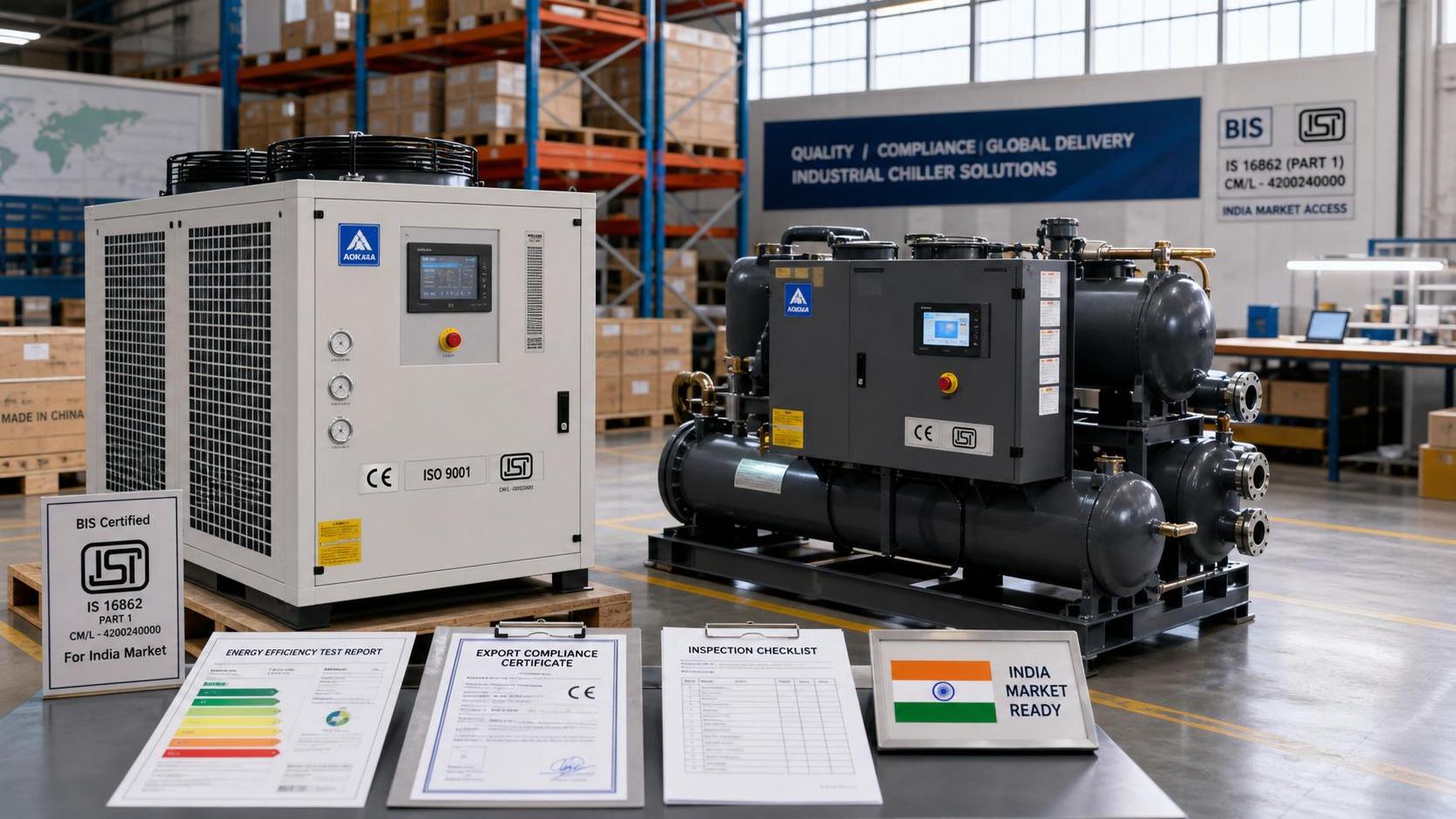
Analysis shows that exporters and overseas sales teams may be affected first because buyer attention is visibly clustering around specific refrigerants and equipment configurations rather than around generic cooling capacity alone. In practical terms, this can shift pressure onto quotation, technical bid alignment, model selection, and contract documentation. What deserves closer attention is whether product descriptions, refrigerant declarations, and performance documents are prepared clearly enough for cross-border review and downstream acceptance.
Manufacturing and sourcing teams may need to reassess component readiness
From an industry perspective, manufacturers and procurement departments are likely to feel the effect in bill-of-material planning, supplier qualification, and delivery scheduling. The demand signals in the event summary point to low-temperature R290/R32 units and screw chillers with waste-heat recovery as categories drawing immediate buyer interest. Observably, this does not prove a finalized regulatory change on its own, but it does indicate that product compliance positioning and feature selection may increasingly affect order conversion and fulfillment risk.
Technical service and certification support may become more central
For testing, certification, and after-sales participants, the event highlights a practical issue: when buyers focus on refrigerant substitution routes and oil-free compression technologies, technical files, operating condition descriptions, safety-related materials, and service traceability can become more important in pre-sale review and post-delivery support. Analysis shows that even where no specific new rule text is provided here, market attention is already rewarding equipment that can be explained, documented, and serviced in a compliance-oriented way.
What companies should track next
Check whether technical documents are ready for buyer scrutiny
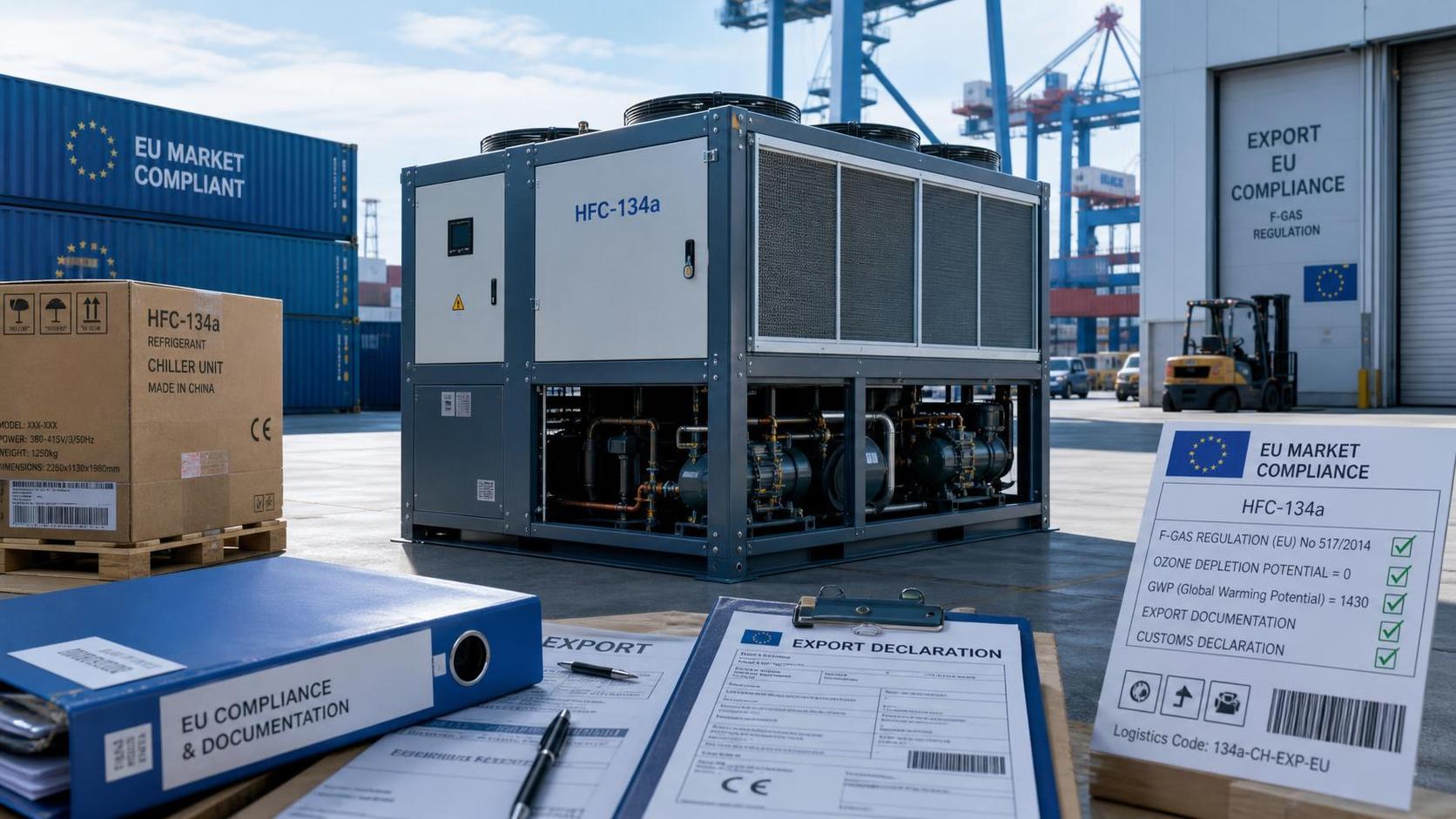
Companies involved in industrial chiller exports or procurement should review whether current technical sheets, refrigerant-related descriptions, operating condition data, and product configuration documents are consistent across quotations, contracts, and delivery files. This is especially relevant where buyer interest is tied to R290, R32, low-temperature applications, or waste-heat recovery functions.
Watch for changes in tender language and procurement preferences
Observably, the exhibition signal may later appear in tender specifications, approved-vendor requirements, or procurement questionnaires. Companies should therefore monitor whether buyers begin asking more explicitly about refrigerant alternatives, oil-free compression routes, or heat recovery capability in formal purchasing documents. At this stage, it is more appropriate to treat this as a market-facing signal rather than a confirmed universal rule change.
Reassess delivery planning and supplier qualification
Where demand starts concentrating on certain refrigerants or compressor architectures, delivery risk can shift from general production capacity to the availability and qualification status of specific components and subsystems. Analysis shows that businesses should pay attention to supplier documentation completeness, configuration consistency, and the ability to support cross-border shipment and installation records without gaps.
Prepare for closer post-sale and traceability expectations
For sellers and service providers, another practical point is whether after-sales teams can support troubleshooting, maintenance records, and configuration traceability for the exact refrigerant and system design ordered. This is not yet proof of a new mandatory service framework in the provided information, but it is a reasonable compliance-related area to monitor if low-carbon and efficiency-linked features continue to shape procurement decisions.
How to read this signal at the current stage
Analysis shows that this development is best understood as an execution signal from the market rather than as a standalone, fully defined regulatory action. The creation of a dedicated exhibition zone, combined with first-day cross-border orders centered on refrigerant substitution and energy-related equipment features, suggests that buyers are increasingly translating broader green and efficiency expectations into concrete equipment selection. At the same time, the provided information does not establish a specific new law, standard number, or formal enforcement timeline, so follow-up verification remains necessary.
A measured reading of the procurement shift
From an industry perspective, the event points to a clearer connection between low-carbon positioning and real equipment purchasing behavior in industrial refrigeration. It is more appropriate to understand this as an early but tangible indicator that compliance logic, technical specification alignment, and cross-border documentation may carry more weight in future transactions involving chillers and compression systems. The prudent conclusion is not that the entire market has already changed uniformly, but that companies should not treat refrigerant choice, heat recovery design, and technical file readiness as secondary issues.
Basis of this article and what still needs verification
This article is generated from the user-provided news title, event date, and event summary. For events of this type, relevant source categories usually include official exhibition announcements, regulatory releases, trade or customs authority information, industry association updates, standards organization documents, and reporting by established industry media.
No specific official source link was provided in the input, so the precise official documentation behind any policy, certification, or enforcement interpretation still requires continued verification. What still needs monitoring includes later official wording, certification practice, tender-document changes, buyer-side technical requirements, market feedback, and how companies actually implement these expectations in procurement and delivery.
Related News
- How Smart Thermal Systems Improve Industrial Cooling EfficiencyAuthor :Cryogenic Systems Expert

- How to Choose Process Cooling Equipment for Stable Temperature ControlAuthor :Cryogenic Systems Expert

- EU Finalizes 2026 HFC Quota Cut for R-134a ChillersAuthor :Cryogenic Systems Expert

- EU Tightens HFC-134a Quotas for Industrial ChillersAuthor :Cryogenic Systems Expert

- REACH SVHC Update Pressures HFC-134a Chiller Supply ChainsAuthor :Cryogenic Systems Expert

- EU PFAS Coolant Ban Reshapes Chiller ExportsAuthor :Cryogenic Systems Expert

- EU REACH Restricts PFAS Cooling Media ImportsAuthor :Cryogenic Systems Expert

- EU Ecodesign Rule Takes Effect for Industrial ChillersAuthor :Cryogenic Systems Expert

- EU REACH Rule Takes Effect for PFAS in Industrial Cooling ExportsAuthor :Cryogenic Systems Expert

- Industrial Cooling for Plastic Processing: How to Size for Stable Cycle TimesAuthor :Cryogenic Systems Expert

- EU F-Gas Update Bars R404A/R507 in Commercial CoolingAuthor :Cryogenic Systems Expert

- DOE Raises Chiller Efficiency Standard From October 2026Author :Cryogenic Systems Expert

- India Mandates BIS Energy Certification for Industrial ChillersAuthor :Cryogenic Systems Expert

- Energy-Efficient Heat Exchange for Process Cooling: Cost vs PaybackAuthor :Cryogenic Systems Expert

- EPA R-134a Import Ban Takes Effect on July 13, 2026Author :Cryogenic Systems Expert

- India BIS Rule Takes Effect for Industrial ChillersAuthor :Cryogenic Systems Expert

- EPA Cuts R134a Import Quotas 20% From July 10Author :Cryogenic Systems Expert

- How to Compare Energy-Efficient Cooling Systems for Factory Expansion ProjectsAuthor :Cryogenic Systems Expert

- Chiller Price Index Rises 11.3% in Q2Author :Cryogenic Systems Expert

- Saudi SASO Tightens Chiller Import Compliance From July 10Author :Cryogenic Systems Expert

- Dubai Opens Fast-Track Chiller TendersAuthor :Cryogenic Systems Expert

- Japan Raises Chiller COP Floor to 6.2 From Sept. 1Author :Cryogenic Systems Expert
![]()
- Compact Thermal Management in Smart Devices: Common Failure RisksAuthor :Cryogenic Systems Expert

- Thermal Management for Batteries: Cooling Methods ComparedAuthor :Cryogenic Systems Expert

- How Compact Thermal Design Extends Smart Device UptimeAuthor :Cryogenic Systems Expert

- Shanghai-Rotterdam Reefer Rates Jump 37% in a WeekAuthor :Cryogenic Systems Expert

- Process Cooling Equipment Low Maintenance: What Cuts Downtime Over 5 Years?Author :Cryogenic Systems Expert

- Semiconductor Cooling Solutions: Which Design Works Best for High-Density Tools?Author :Cryogenic Systems Expert

- Semiconductor Thermal Management Systems: Preventing Yield Loss from Heat DriftAuthor :Cryogenic Systems Expert

- EPA Clears R-1234ze(E) for Industrial ChillersAuthor :Cryogenic Systems Expert
 for Industrial Chillers")
- DOE Raises Chiller IEER Floor to 12.8 From Oct. 2026Author :Cryogenic Systems Expert

- Singapore Refrigeration Show Adds Green Compliance HubAuthor :Cryogenic Systems Expert

- How Food Industry Temperature Control Systems Reduce Product LossAuthor :Cryogenic Systems Expert

- EU REACH Adds 12 SVHCs, Raising Chiller Compliance RiskAuthor :Cryogenic Systems Expert

- Precision Temperature Control Air Cooling: Key Setup Mistakes That Reduce StabilityAuthor :Cryogenic Systems Expert

- India BEE Eyes APF Labels for Imported ChillersAuthor :Cryogenic Systems Expert