EU Import Limits Push Chiller Refrigerant Shift




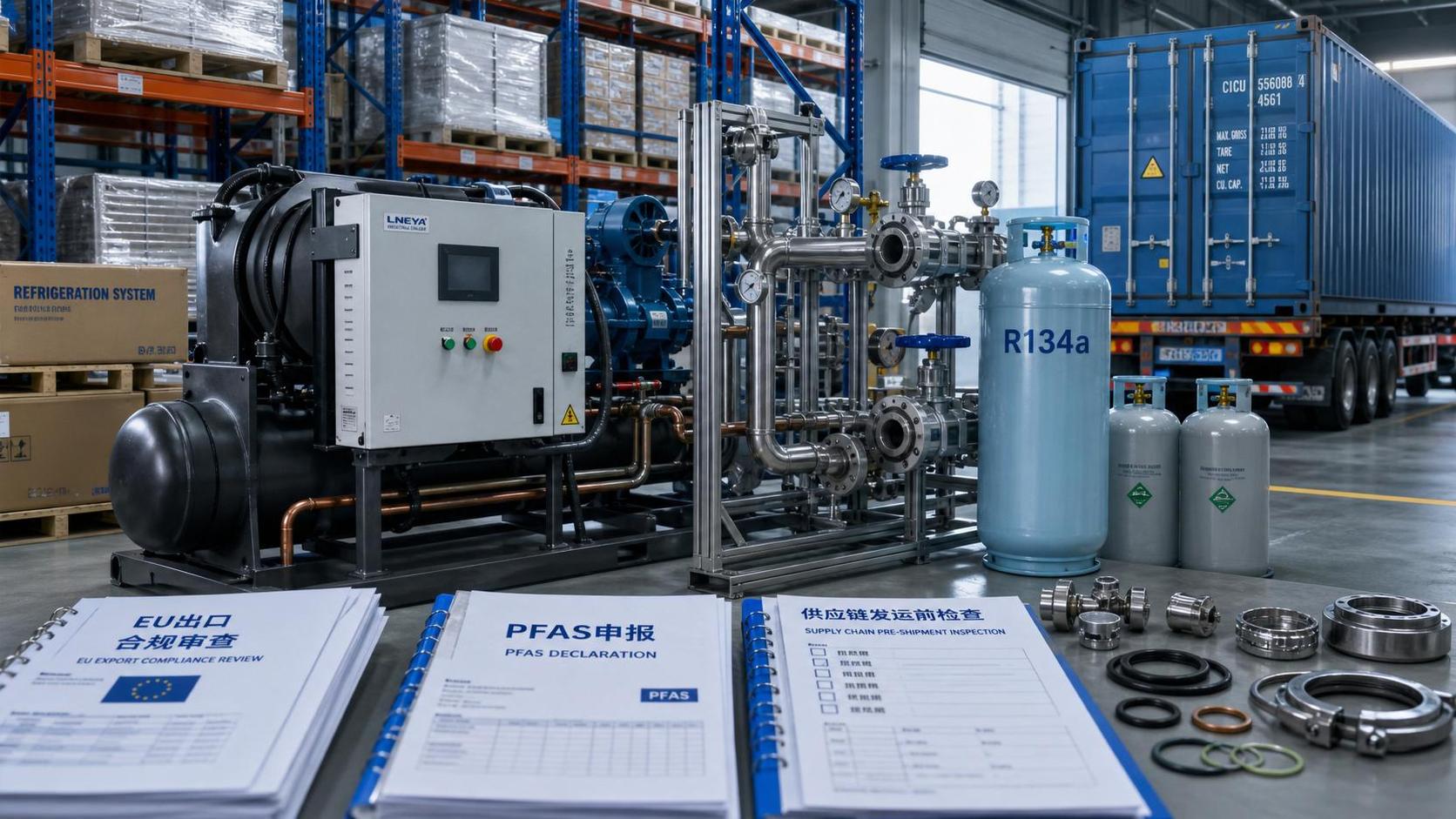
On June 1, 2026, the EU began enforcing the revised (EU) 2024/572 rules in a way that directly affects new equipment imports using high-GWP HFC refrigerants, including HFC-134a. For exporters, equipment manufacturers, buyers, certification-related service providers, and delivery teams involved in industrial chillers, screw compressors, and condensing units, this is not just a regulatory update but an immediate trade and compliance checkpoint because import clearance, refrigerant selection, technical documentation, and shipment readiness may now be assessed under a stricter framework.
What the new import restriction now covers
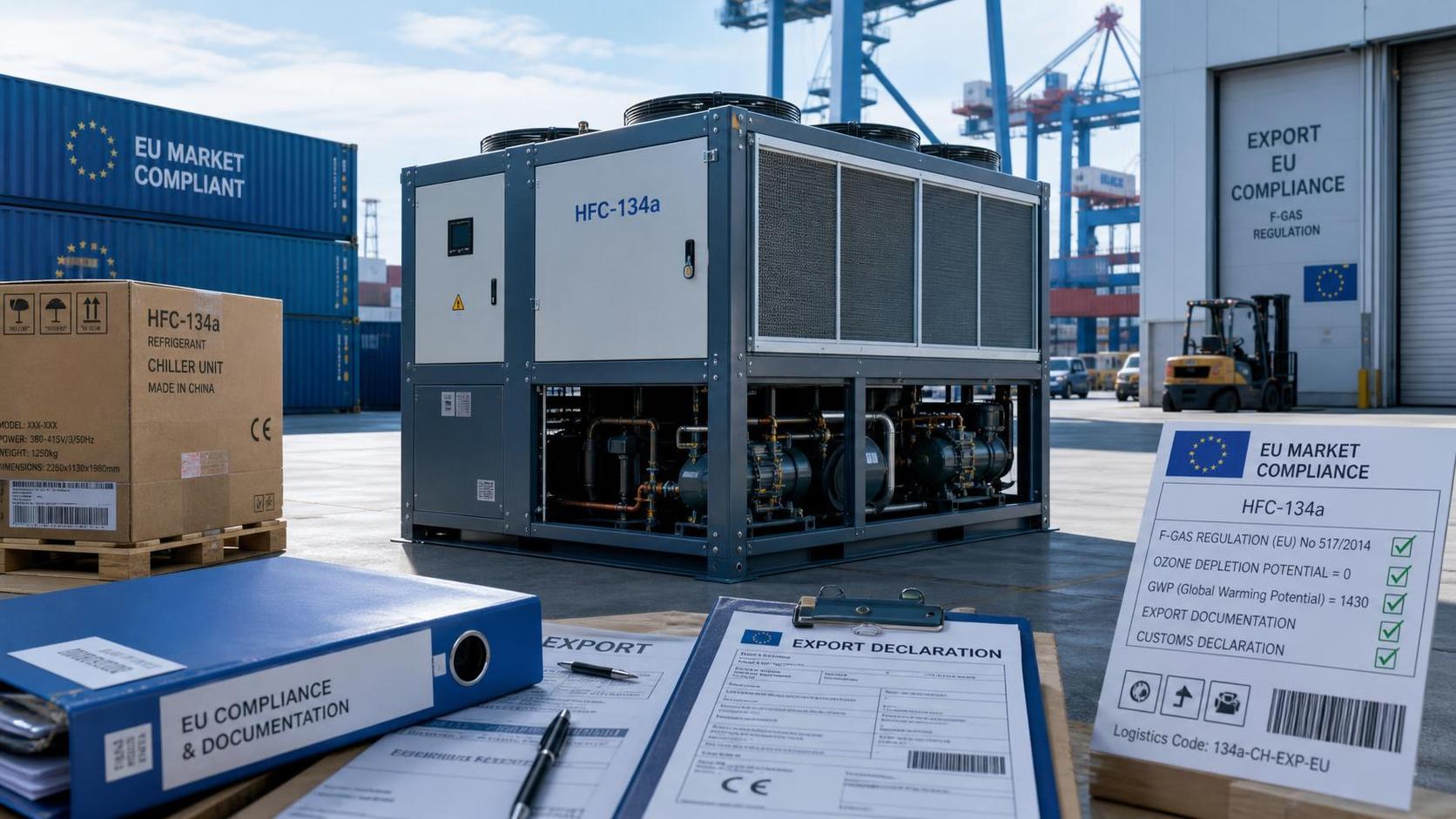
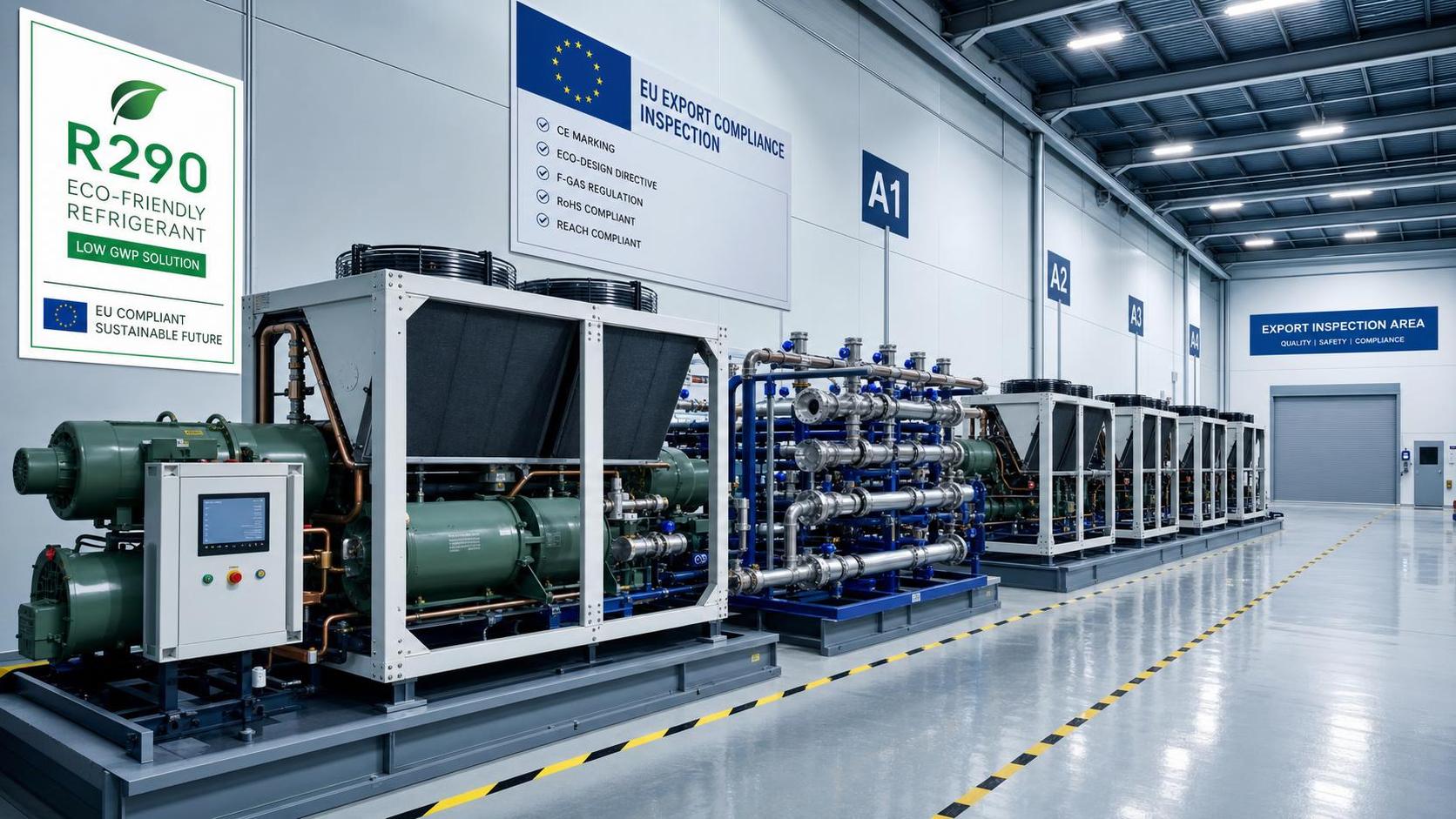
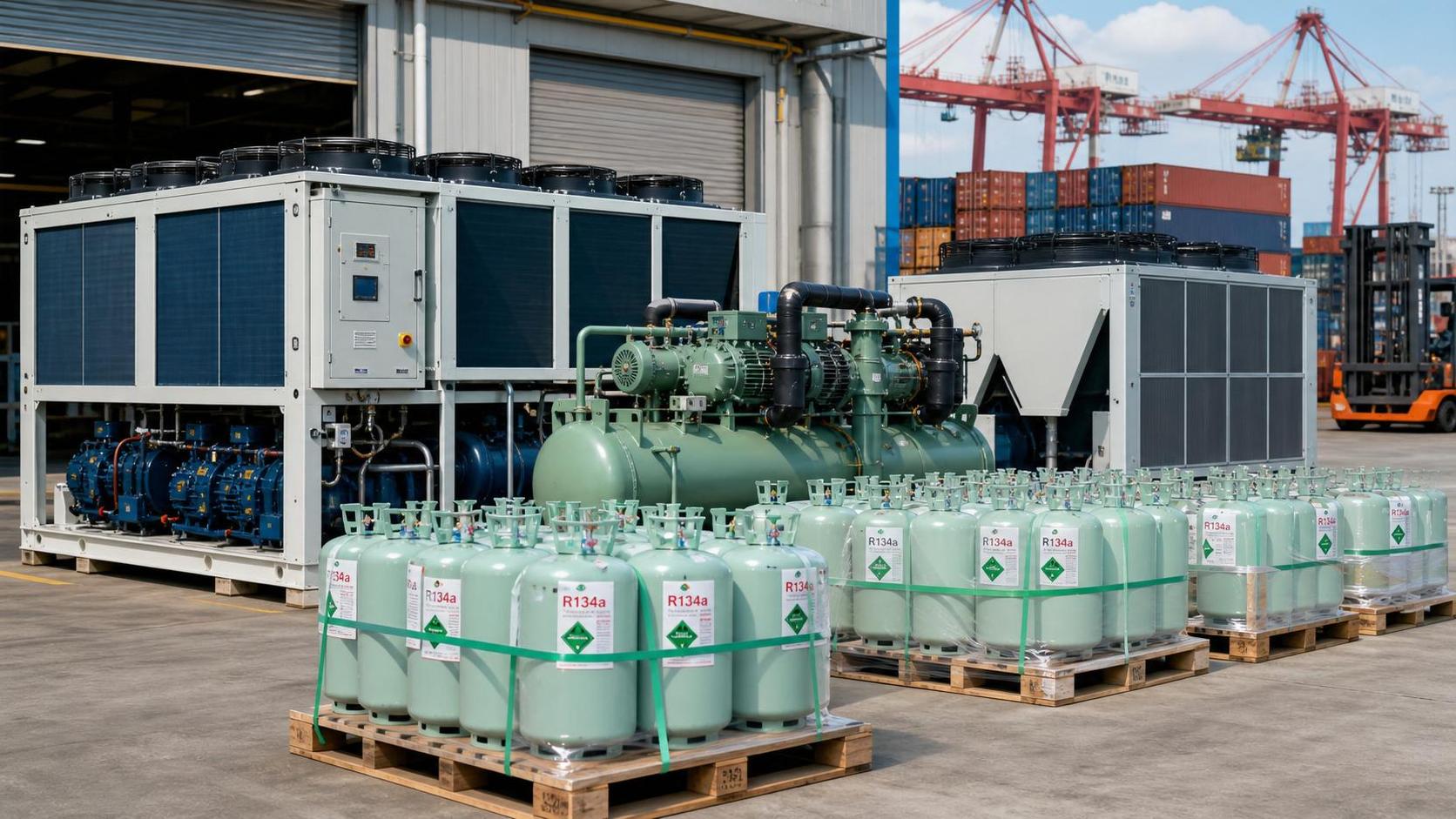
According to the provided information, from June 1, 2026, the EU formally implements the revised (EU) 2024/572 regulation to broadly restrict imports of new equipment containing HFC refrigerants with a GWP above 150, including HFC-134a.
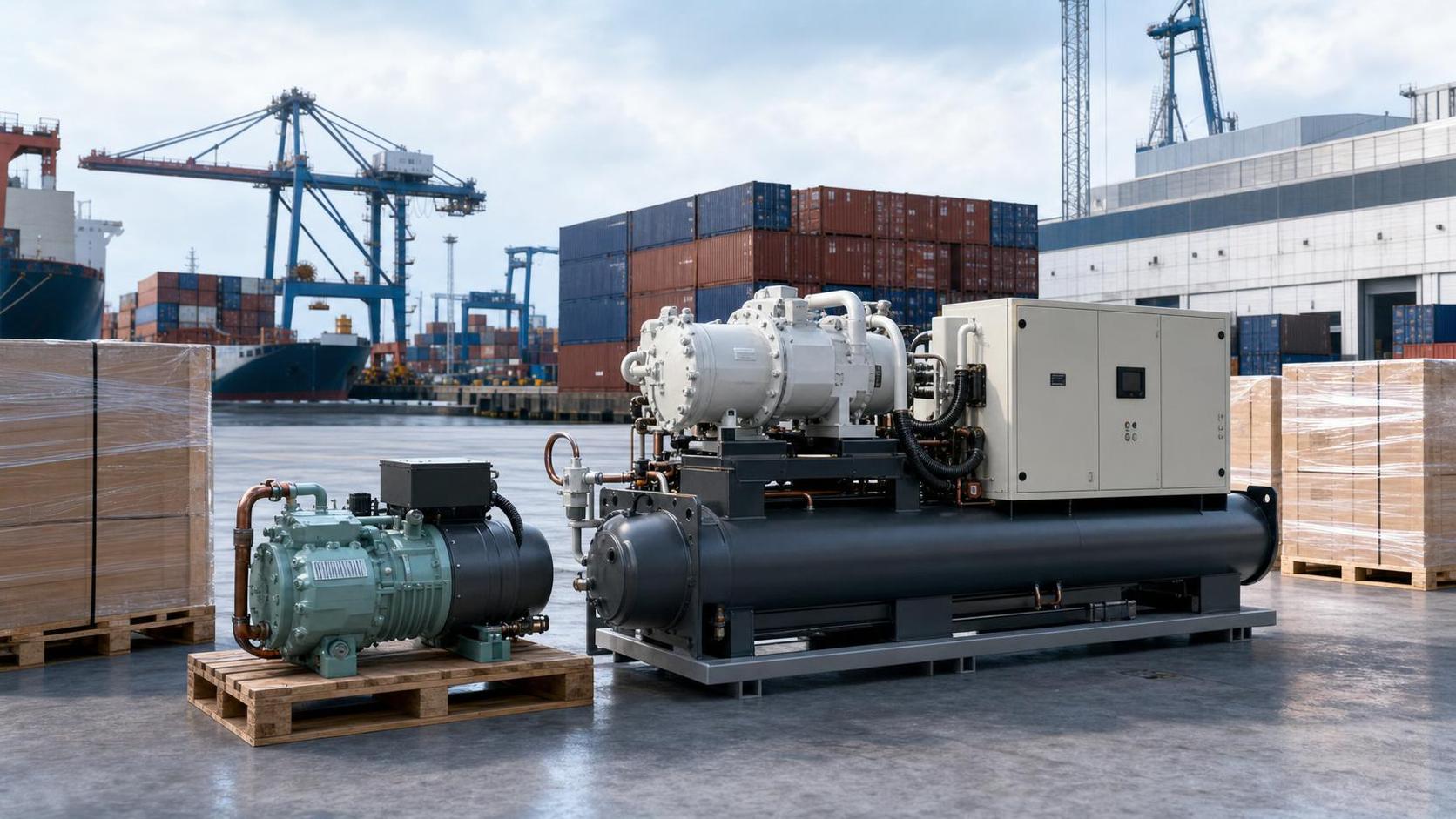
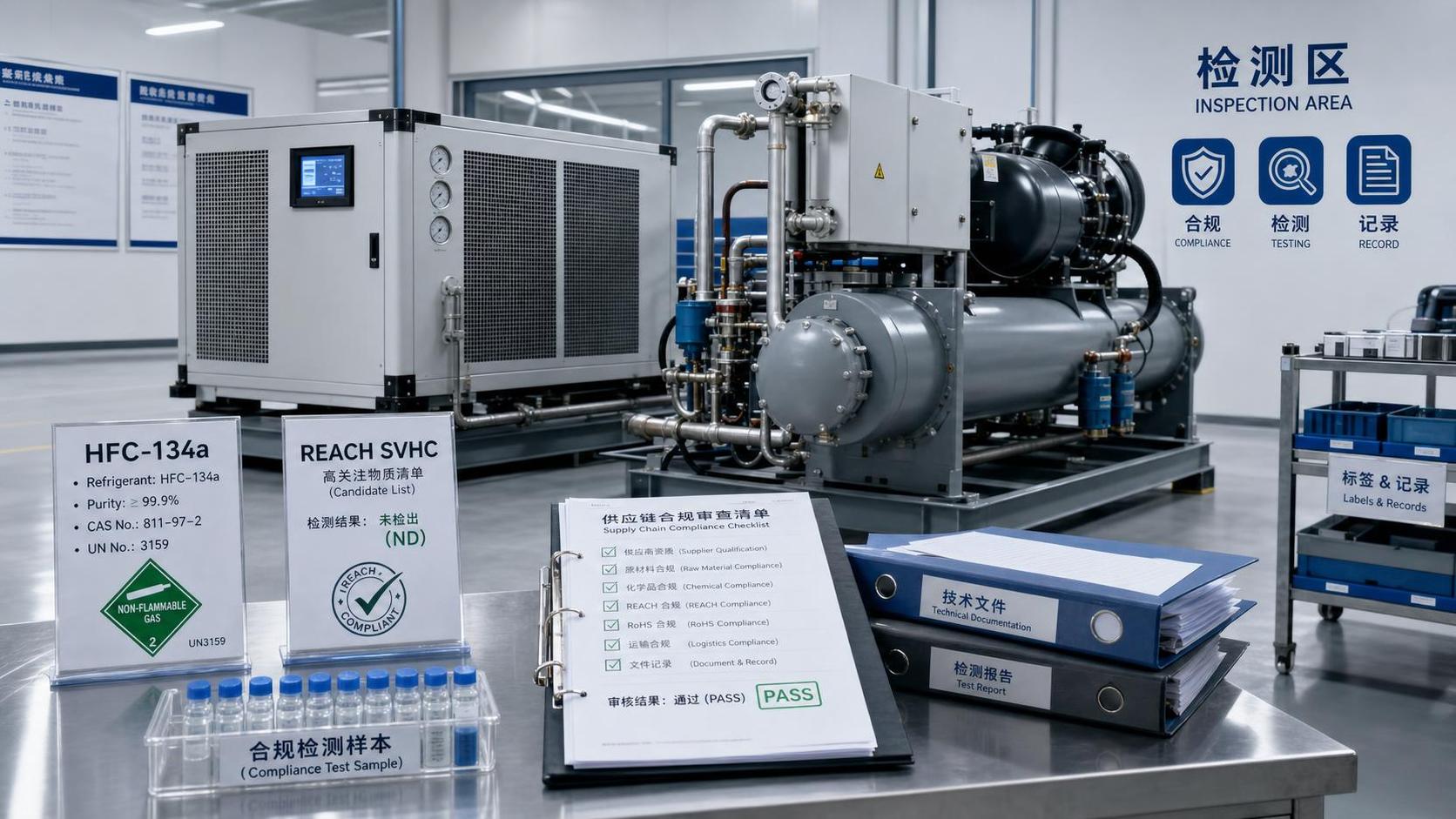
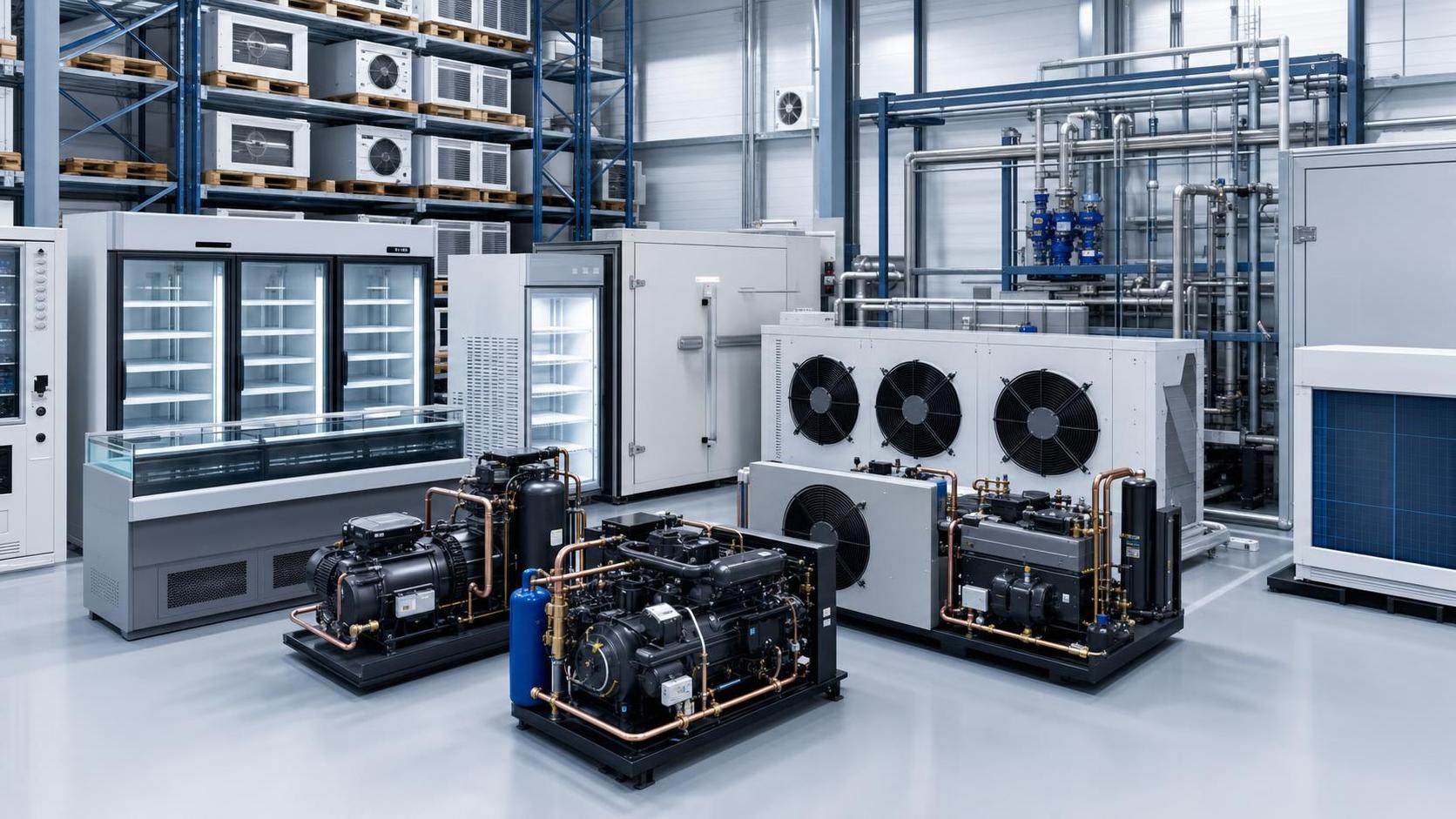
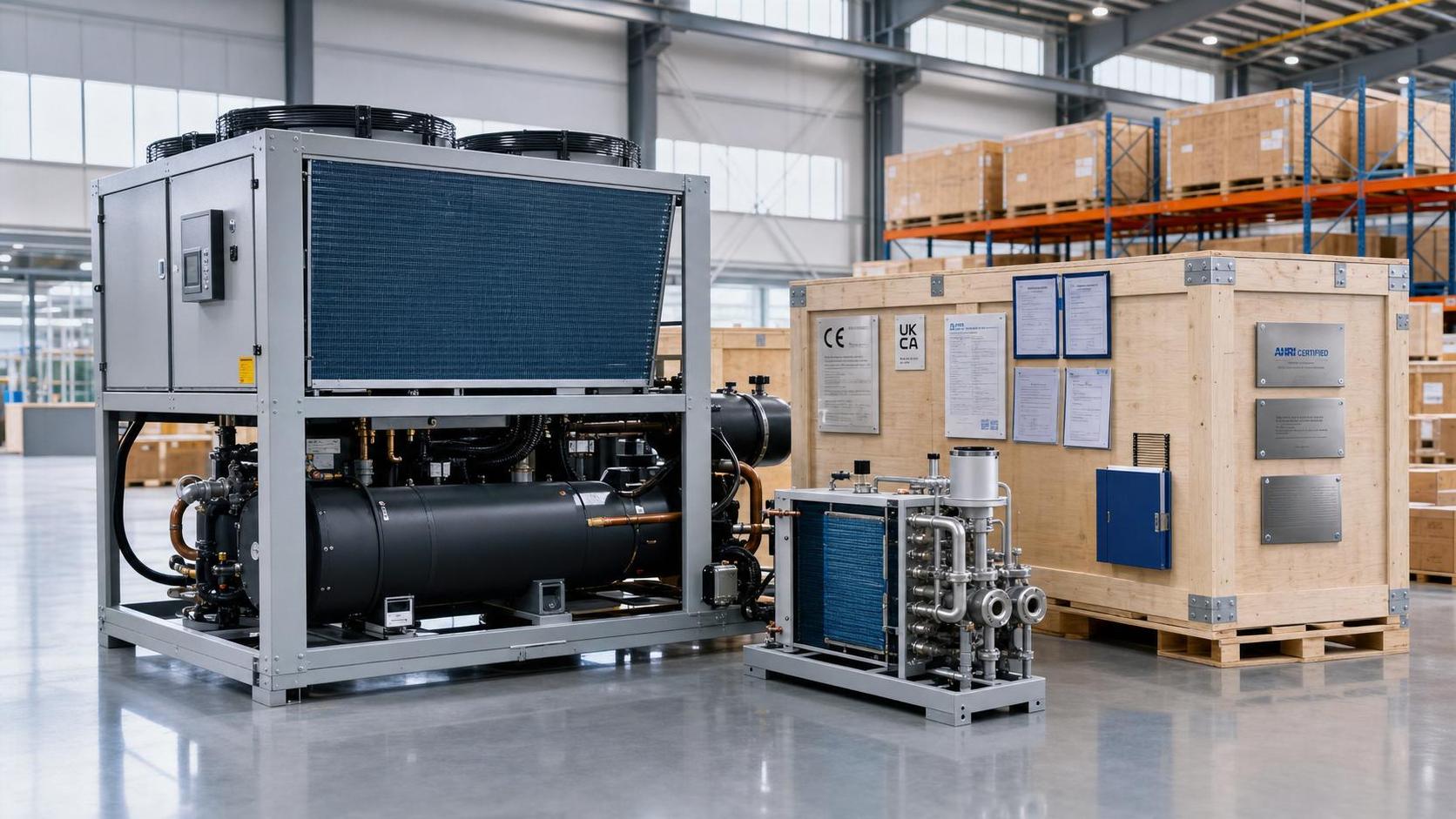
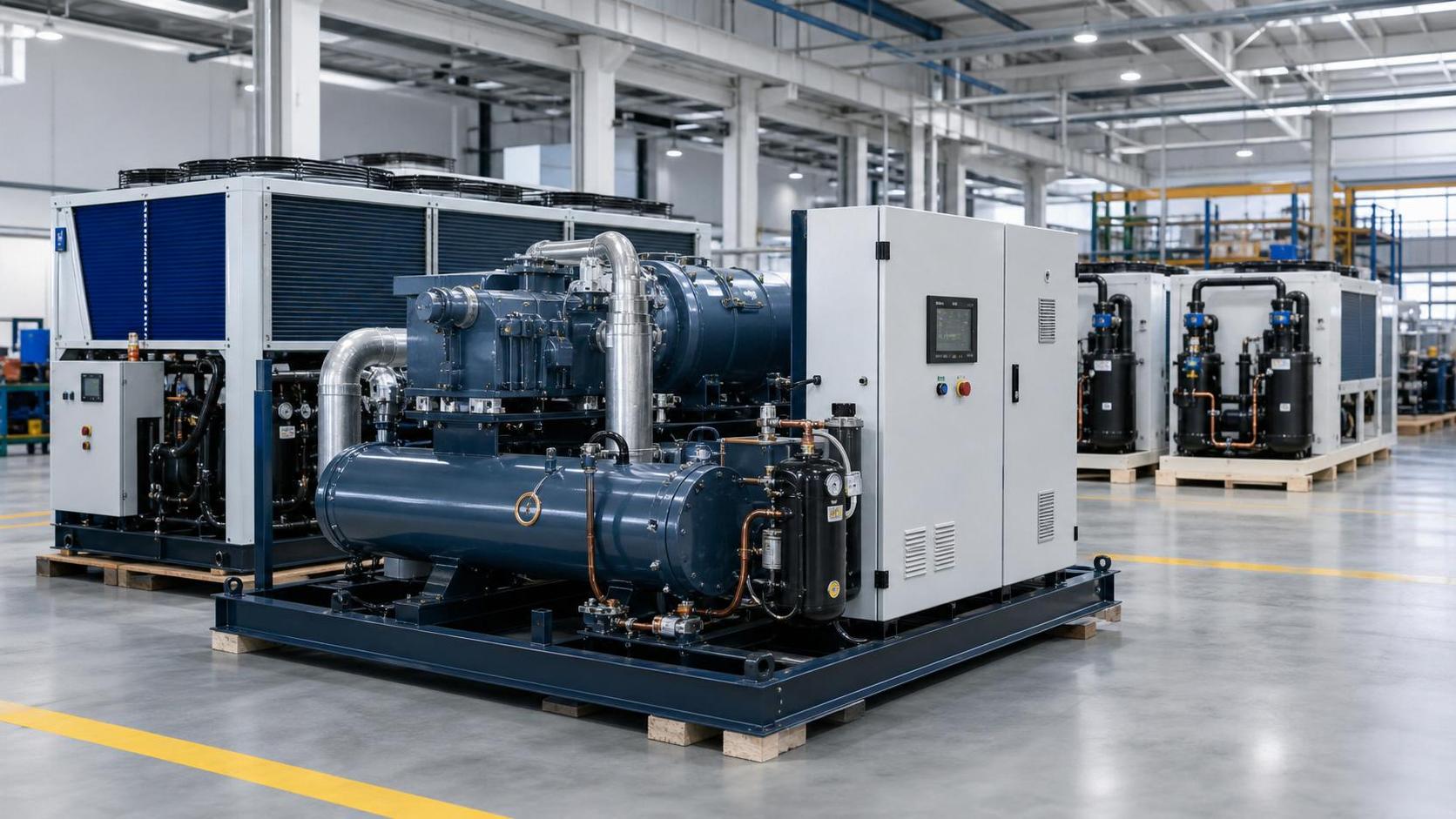
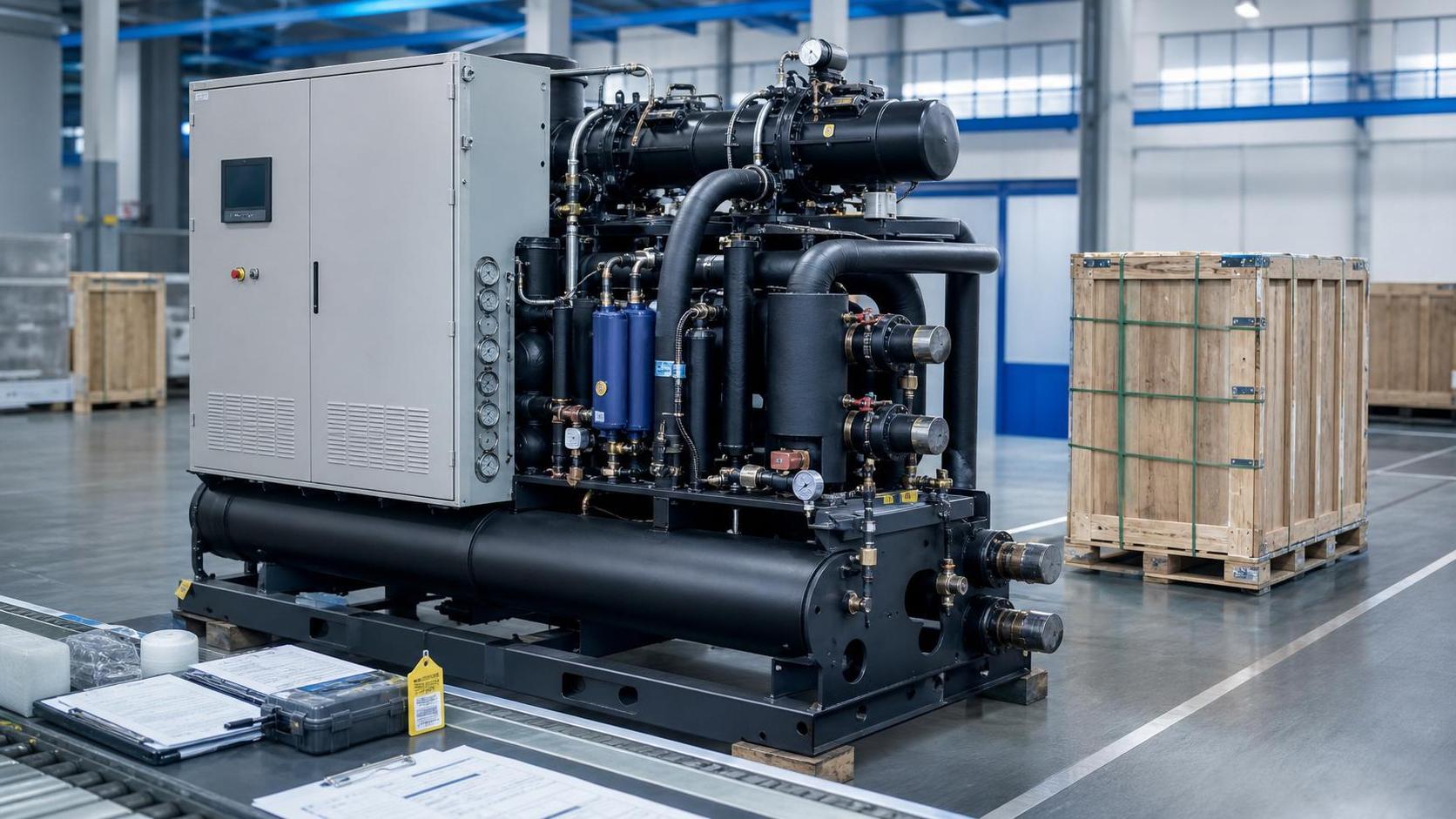
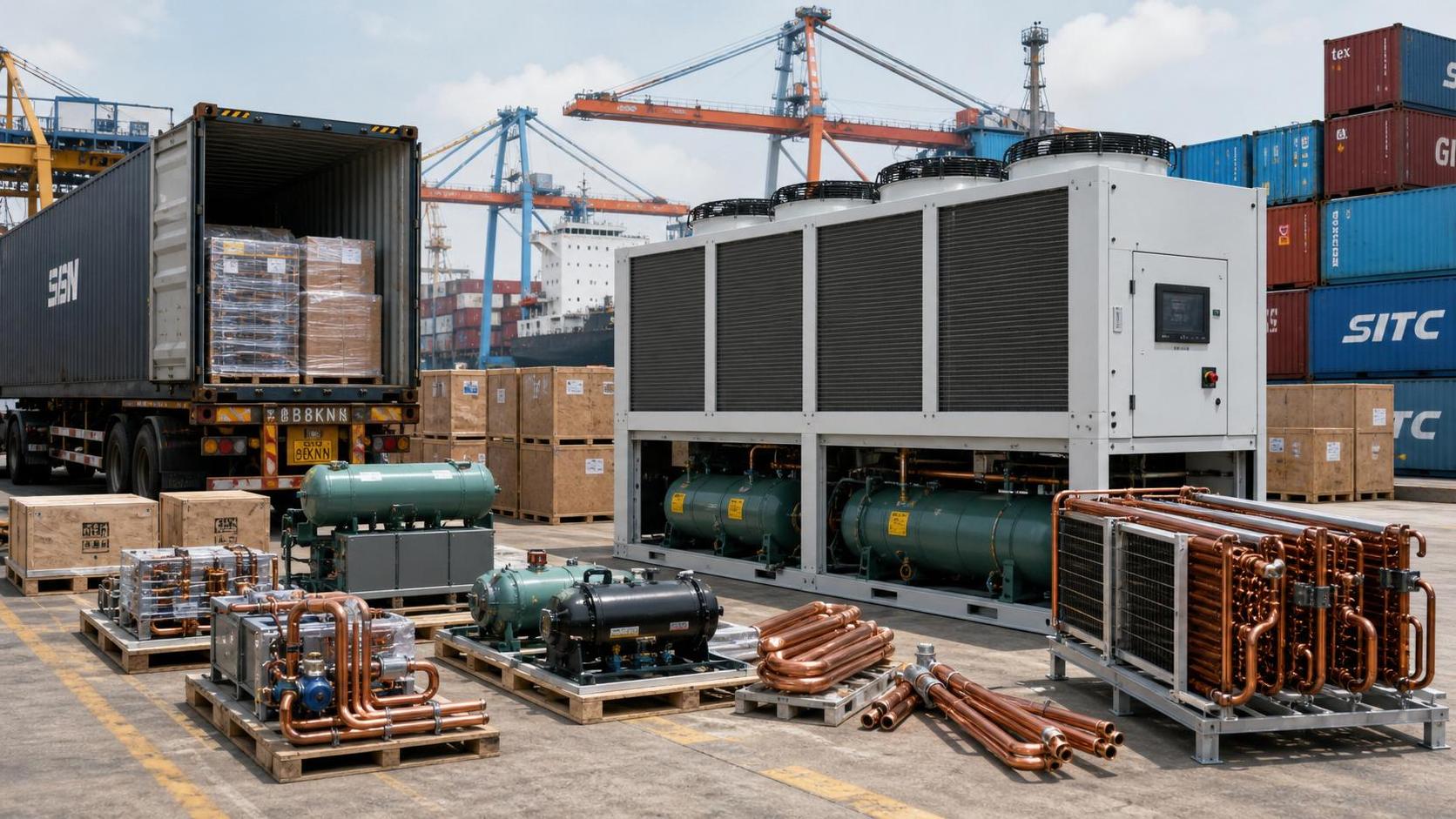
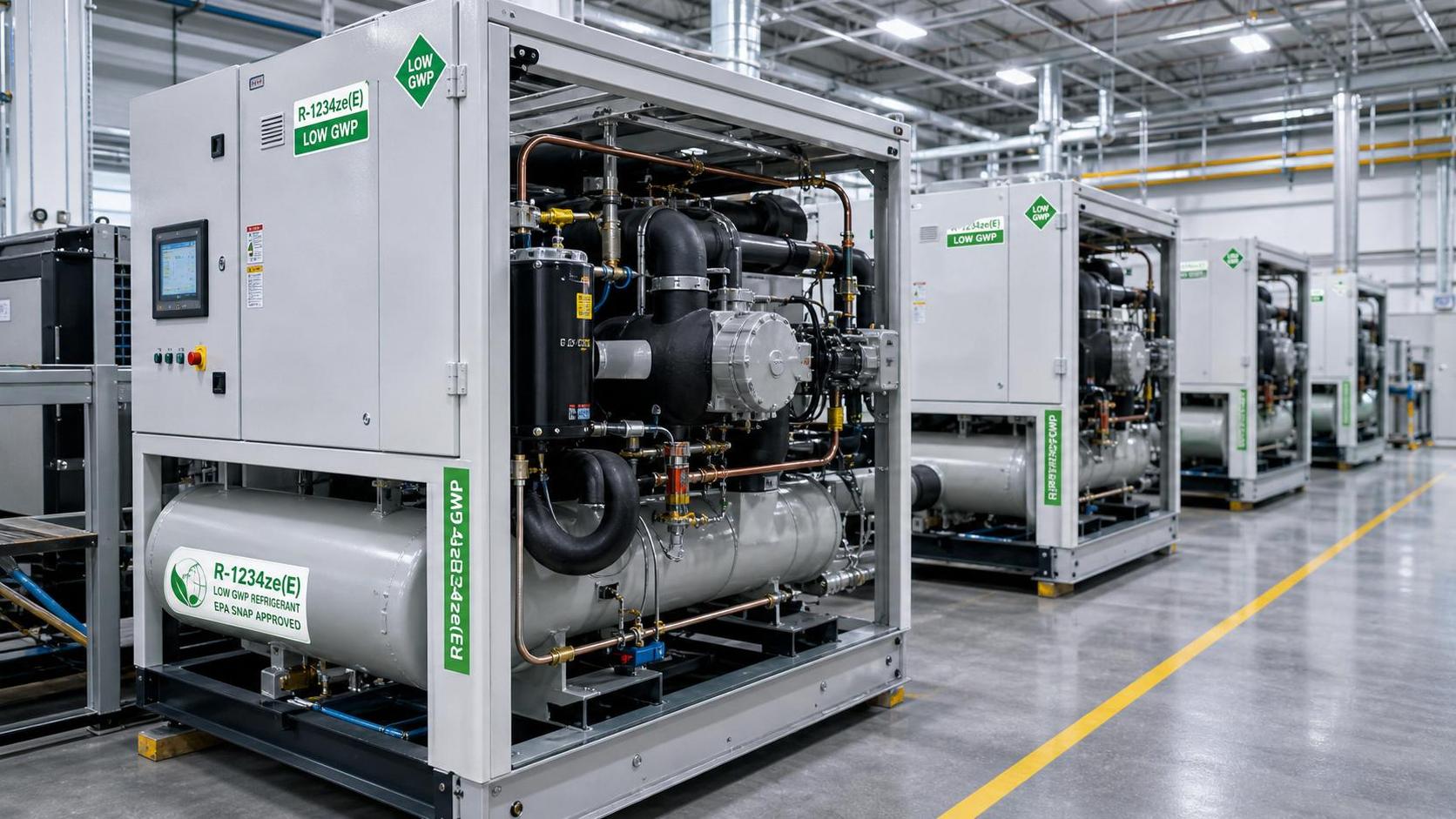
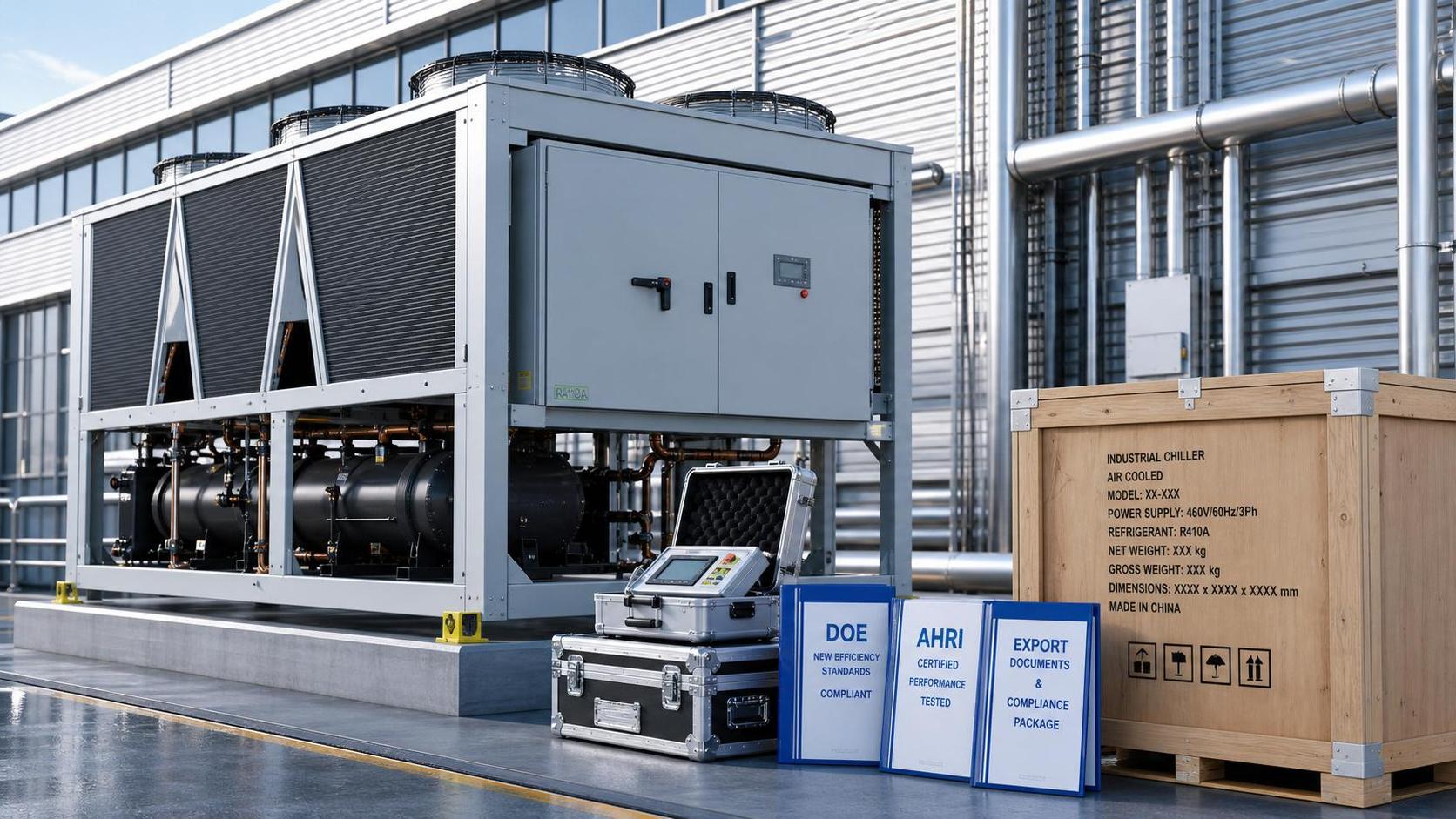
The affected equipment named in the input includes industrial chillers, screw compressors, and condensing units. If these products still use the restricted refrigerant, they may face refusal at customs clearance or mandatory return shipment.
The same information also states that Chinese exporting companies are required to complete filing for refrigerant substitution plans before the end of June and provide an EN 378-1:2025 compliance declaration.
Where the pressure is likely to appear across the supply chain
Export shipments now face a sharper customs compliance threshold
From an industry perspective, exporters are likely to be affected first because the rule change directly touches import eligibility. The main pressure point is no longer only product performance or price, but whether the shipped unit still contains HFC-134a or another HFC with GWP above 150, and whether the supporting compliance documentation is ready before customs review.
What deserves closer attention is the connection between technical configuration and shipping execution. A product that was previously arranged for export may now carry a higher risk of clearance refusal or forced return if refrigerant selection and declaration materials are not aligned.
Manufacturing and engineering teams may need to reconnect design with compliance
For equipment manufacturers, the stated restriction suggests that refrigerant choice has become part of market access for relevant new equipment entering the EU. Analysis shows that this can affect model configuration, technical file preparation, and internal review before delivery, especially for industrial chillers and related assemblies identified in the provided summary.
It is more appropriate to understand this as a practical compliance trigger rather than a purely technical adjustment. If a product line still relies on HFC-134a, the issue may extend from design selection to export readiness and customer acceptance documentation.
Buyers and project procurement teams may need earlier document checks
For procurement teams and buyers sourcing affected equipment, the rule change may alter what must be checked before order confirmation and shipment release. Observably, refrigerant type, substitution filing status, and the availability of an EN 378-1:2025 compliance declaration may become important preconditions in supplier review and delivery coordination.
This means the purchasing side may need to look beyond commercial terms and pay closer attention to technical specification alignment, compliance statements, and whether equipment intended for the EU market is configured for the new rule environment.
Certification and testing-related service providers may see tighter documentation demands
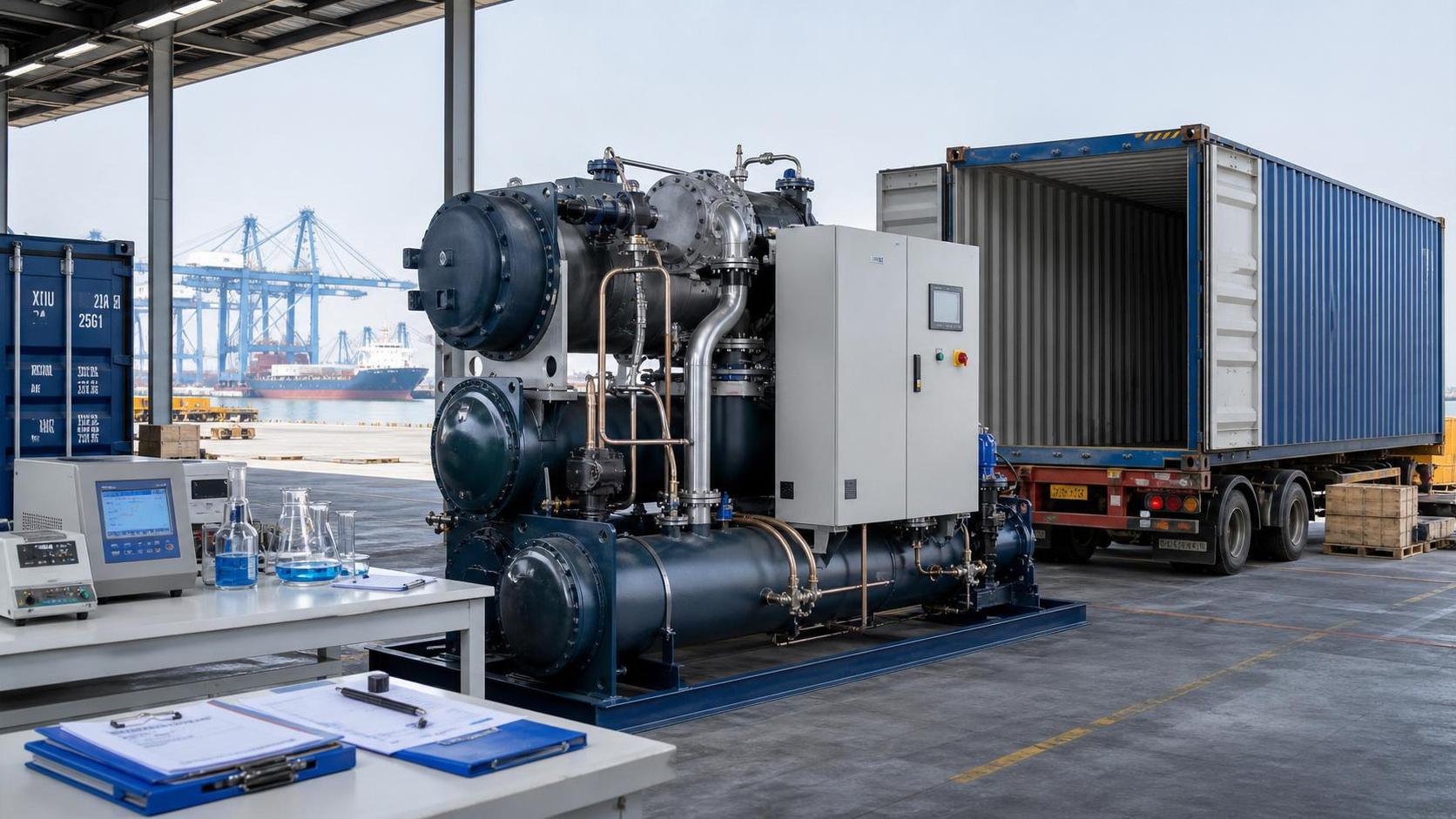
Certification-related companies and testing service providers may also be drawn more directly into transaction timelines because exporters are asked to provide an EN 378-1:2025 compliance declaration. Analysis shows that this may increase the importance of document consistency between product configuration, refrigerant substitution materials, and declared conformity.
Even where the input does not provide detailed execution procedures, the named declaration requirement alone indicates that compliance support work may move closer to the front end of shipment preparation and customer documentation review.
What companies should review now
Check whether affected product models still rely on restricted refrigerants
Companies involved in EU-bound exports should first review whether new industrial chillers, screw compressors, or condensing units still use HFC-134a or other HFC refrigerants above the stated GWP threshold. Analysis shows that this is the most direct screening point because the import restriction is tied to refrigerant content in new equipment.
Prepare filing and compliance documents with greater consistency
The provided information specifically mentions a filing deadline by the end of June for refrigerant substitution plans and the need for an EN 378-1:2025 compliance declaration. What deserves closer attention is whether internal technical documents, trade paperwork, and customer-facing declarations all describe the same configuration and compliance basis.
Recheck delivery schedules and shipment release conditions
Observably, the risk of customs refusal or forced return makes delivery timing a practical concern, not just a legal one. Companies may need to recheck whether equipment already scheduled for export still meets the applicable import conditions and whether shipment release depends on updated compliance review.
Watch for further execution wording and market-side document changes
The input confirms the rule implementation and the immediate filing and declaration requirements, but it does not provide detailed enforcement wording beyond those points. It is therefore reasonable to keep watching for how compliance expectations may be reflected in trade documents, technical submissions, procurement specifications, and customer acceptance requirements.
Why this looks like an execution signal, not just a policy headline
Analysis shows that this development is better understood as an already landed compliance change with direct trade consequences, rather than as a distant policy direction. The reason is that the input links the rule to immediate import restriction, named product categories, specific clearance risk, and a near-term filing and declaration requirement.
At the same time, it is also appropriate to treat part of the market response as still worth observing. The provided information does not define every enforcement detail, documentation review path, or downstream procurement adjustment, so companies still need to monitor how the rule is reflected in practical execution and market feedback.
How this update is best understood at this stage
From an industry perspective, the key significance of this event is that refrigerant selection for relevant new equipment has moved closer to a market-entry and delivery-risk issue in the EU context. For exporters and related service providers, the immediate takeaway is not simply that standards are changing, but that product configuration, filing readiness, and compliance declaration may now directly affect whether goods can enter the market as planned.
It is more appropriate to understand this update as a rule implementation signal with immediate operational relevance, while still keeping watch on how execution language, document expectations, and industry response continue to develop.
Basis of this article and points still requiring verification
This article is generated based on the user-provided news title, event date, and event summary. For developments of this kind, commonly relevant source types may include official announcements, regulator releases, customs or trade authority information, industry association updates, standards organization documents, and reporting by authoritative media.
No specific official source link was provided in the input, so the exact official reference path still requires continued verification. Observably, the points that still merit follow-up include detailed implementation wording, certification and declaration interpretation, changes in tender or procurement documents, market feedback, and how affected companies carry out refrigerant substitution and compliance execution in practice.
Related News
- How Smart Thermal Systems Improve Industrial Cooling EfficiencyAuthor :Cryogenic Systems Expert

- How to Choose Process Cooling Equipment for Stable Temperature ControlAuthor :Cryogenic Systems Expert

- EU Finalizes 2026 HFC Quota Cut for R-134a ChillersAuthor :Cryogenic Systems Expert

- EU Tightens HFC-134a Quotas for Industrial ChillersAuthor :Cryogenic Systems Expert

- REACH SVHC Update Pressures HFC-134a Chiller Supply ChainsAuthor :Cryogenic Systems Expert

- EU PFAS Coolant Ban Reshapes Chiller ExportsAuthor :Cryogenic Systems Expert

- EU REACH Restricts PFAS Cooling Media ImportsAuthor :Cryogenic Systems Expert

- EU Ecodesign Rule Takes Effect for Industrial ChillersAuthor :Cryogenic Systems Expert

- EU REACH Rule Takes Effect for PFAS in Industrial Cooling ExportsAuthor :Cryogenic Systems Expert

- Industrial Cooling for Plastic Processing: How to Size for Stable Cycle TimesAuthor :Cryogenic Systems Expert

- EU F-Gas Update Bars R404A/R507 in Commercial CoolingAuthor :Cryogenic Systems Expert

- DOE Raises Chiller Efficiency Standard From October 2026Author :Cryogenic Systems Expert

- India Mandates BIS Energy Certification for Industrial ChillersAuthor :Cryogenic Systems Expert

- Energy-Efficient Heat Exchange for Process Cooling: Cost vs PaybackAuthor :Cryogenic Systems Expert

- EPA R-134a Import Ban Takes Effect on July 13, 2026Author :Cryogenic Systems Expert

- India BIS Rule Takes Effect for Industrial ChillersAuthor :Cryogenic Systems Expert

- EPA Cuts R134a Import Quotas 20% From July 10Author :Cryogenic Systems Expert

- How to Compare Energy-Efficient Cooling Systems for Factory Expansion ProjectsAuthor :Cryogenic Systems Expert

- Chiller Price Index Rises 11.3% in Q2Author :Cryogenic Systems Expert

- Saudi SASO Tightens Chiller Import Compliance From July 10Author :Cryogenic Systems Expert

- Dubai Opens Fast-Track Chiller TendersAuthor :Cryogenic Systems Expert

- Japan Raises Chiller COP Floor to 6.2 From Sept. 1Author :Cryogenic Systems Expert
![]()
- Compact Thermal Management in Smart Devices: Common Failure RisksAuthor :Cryogenic Systems Expert

- Thermal Management for Batteries: Cooling Methods ComparedAuthor :Cryogenic Systems Expert

- How Compact Thermal Design Extends Smart Device UptimeAuthor :Cryogenic Systems Expert

- Shanghai-Rotterdam Reefer Rates Jump 37% in a WeekAuthor :Cryogenic Systems Expert

- Process Cooling Equipment Low Maintenance: What Cuts Downtime Over 5 Years?Author :Cryogenic Systems Expert

- Semiconductor Cooling Solutions: Which Design Works Best for High-Density Tools?Author :Cryogenic Systems Expert

- Semiconductor Thermal Management Systems: Preventing Yield Loss from Heat DriftAuthor :Cryogenic Systems Expert

- EPA Clears R-1234ze(E) for Industrial ChillersAuthor :Cryogenic Systems Expert
 for Industrial Chillers")
- DOE Raises Chiller IEER Floor to 12.8 From Oct. 2026Author :Cryogenic Systems Expert

- Singapore Refrigeration Show Adds Green Compliance HubAuthor :Cryogenic Systems Expert

- How Food Industry Temperature Control Systems Reduce Product LossAuthor :Cryogenic Systems Expert

- EU REACH Adds 12 SVHCs, Raising Chiller Compliance RiskAuthor :Cryogenic Systems Expert

- Precision Temperature Control Air Cooling: Key Setup Mistakes That Reduce StabilityAuthor :Cryogenic Systems Expert

- India BEE Eyes APF Labels for Imported ChillersAuthor :Cryogenic Systems Expert