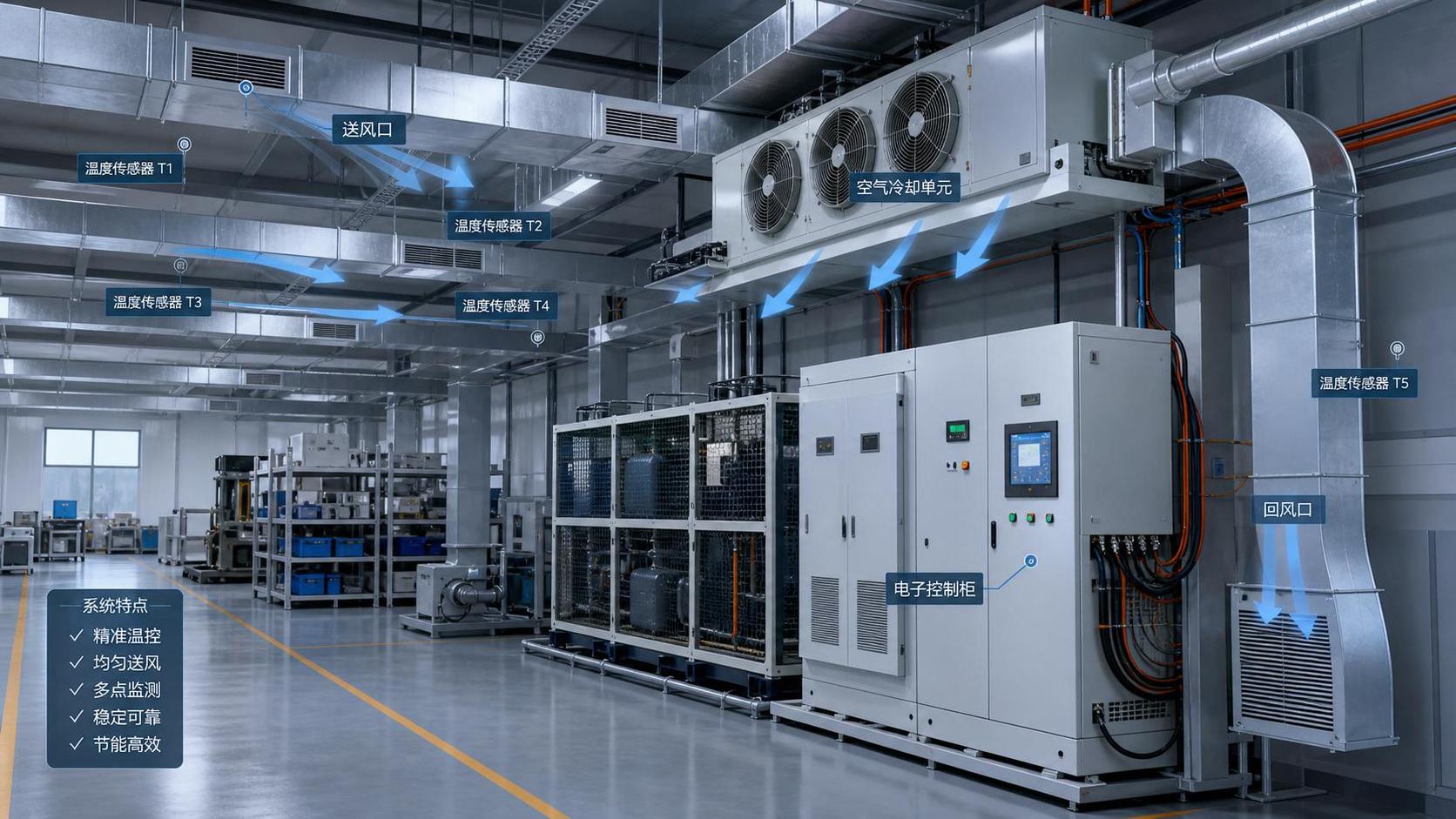
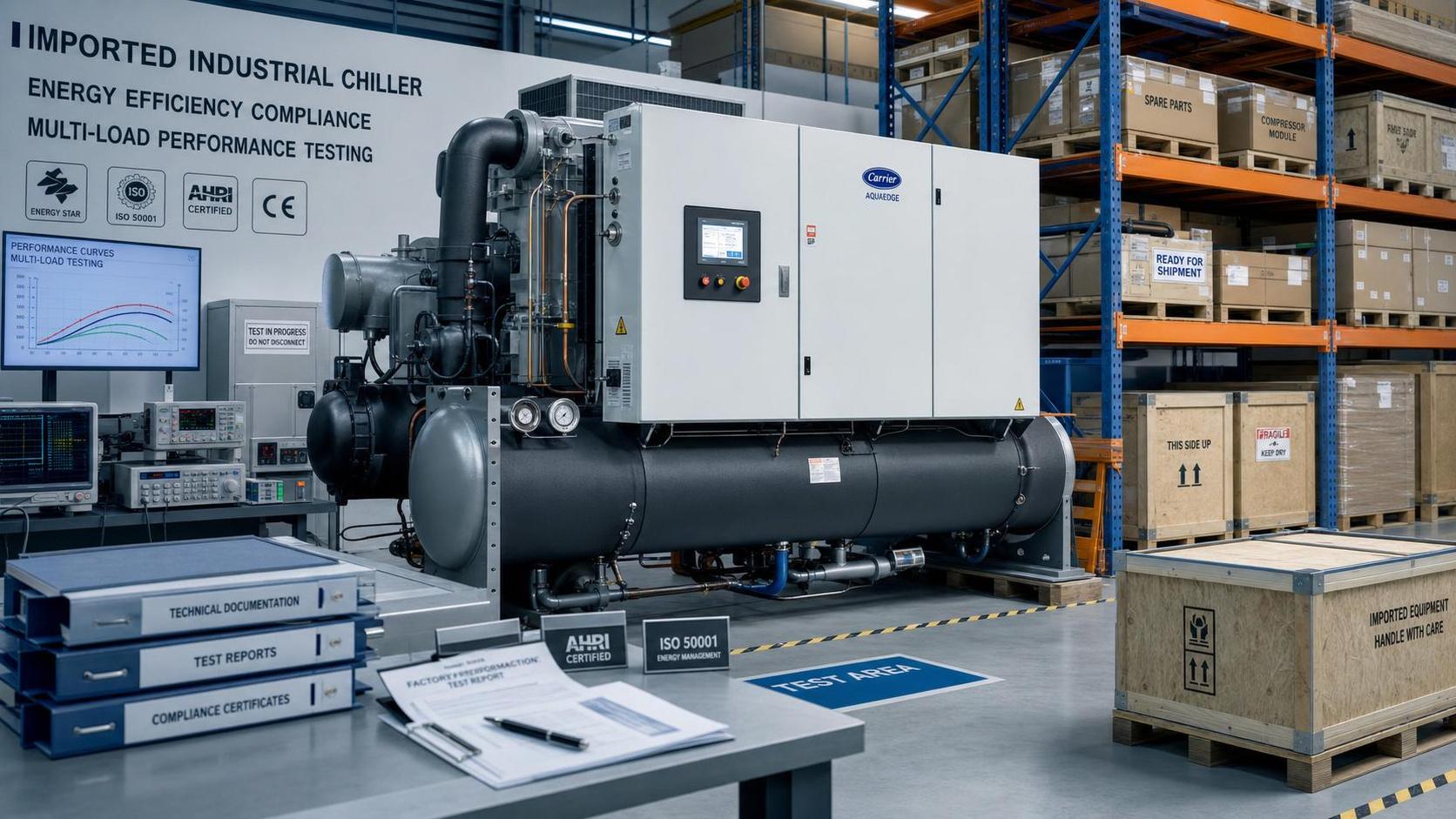
How High-Precision Temperature Control Improves Product Consistency




Product consistency often looks like a quality outcome, yet it usually begins with thermal discipline. In many production environments, small temperature shifts change viscosity, reaction speed, moisture behavior, pressure stability, and material structure. That is why high-precision temperature control matters far beyond engineering performance.
For operations shaped by compliance, traceability, and process safety, tighter thermal control reduces batch variation and helps protect every stage of output. It also connects directly with the broader industrial transition toward efficient cooling, cleaner compression, stable vacuum conditions, and smarter heat exchange management.
Why temperature precision shapes consistency
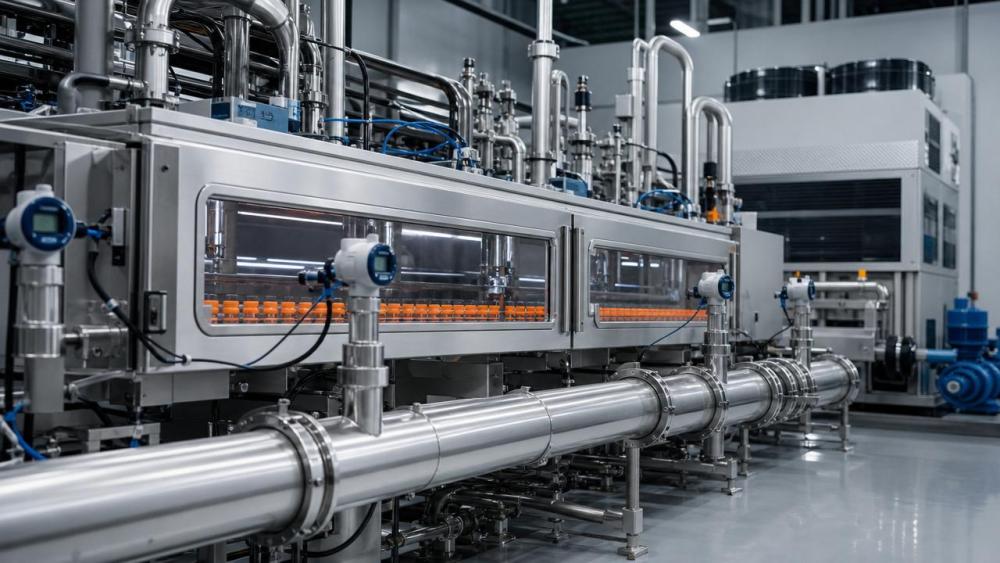
A process does not fail only when temperature runs far outside the setpoint. More often, inconsistency appears inside a narrow but unmanaged range. A few tenths of a degree may alter crystal growth, coating thickness, drying speed, or microbial control.
High-precision temperature control means maintaining a target thermal condition with minimal deviation, fast correction, and repeatable response. It is not just about reaching a number. It is about holding that number under changing loads, ambient conditions, and production rhythms.
This distinction is critical in mixed industrial settings. A stable recipe on paper may still produce variable results if cooling capacity fluctuates, compressed air introduces heat, or heat exchangers respond too slowly during peak demand.
Where the industry is paying closer attention
Across pharmaceutical, semiconductor, food, specialty chemical, electronics, and advanced materials production, thermal precision is now tied to both quality and competitiveness. The reason is simple. Tolerance windows are getting tighter while energy, compliance, and sustainability pressures are rising.
This is also where the perspective of GTC-Matrix becomes relevant. By tracking industrial cooling, compressed air, vacuum processes, and heat exchange technologies, the platform highlights a common pattern. Product consistency is increasingly influenced by the performance of thermal infrastructure, not only by the final production machine.
Its Strategic Intelligence Center follows shifts in energy costs, refrigerant policy, oil-free compression, microchannel heat exchangers, and low-emission thermal systems. These factors shape how facilities maintain stable process temperatures without sacrificing efficiency or environmental targets.
In other words, high-precision temperature control is no longer a niche concern. It has become part of the decision framework for quality assurance, risk prevention, and operational resilience.
How thermal variation shows up in real production
Temperature instability affects products in different ways, depending on the process. Sometimes the impact is immediate and visible. In other cases, it appears later as shelf-life loss, dimensional drift, stress cracking, or inconsistent test results.
Common process effects
- Mixing and blending may produce uneven texture, density, or ingredient distribution.
- Heating and cooling cycles may create unstable reaction rates or incomplete phase change.
- Packaging lines may suffer from sealing defects when material temperature shifts.
- Vacuum-based processes may lose repeatability if thermal loads distort pressure behavior.
- Compressed air systems may introduce hidden heat that changes downstream conditions.
The practical lesson is that temperature should be treated as a live process variable, not a background utility parameter. Once it moves outside a controlled band, quality signals often begin to spread across the line.
High-precision temperature control as a quality and safety tool
The value of high-precision temperature control is not limited to better output uniformity. It also strengthens process predictability, which supports safer operations and cleaner investigations when deviations occur.
When thermal behavior is stable, root-cause analysis becomes easier. Teams can separate material issues from equipment issues more quickly. Alarm thresholds become more meaningful. Corrective action becomes less reactive and more data-based.
This is especially important in regulated or high-risk environments, where thermal excursions can trigger product hold, contamination risk, overpressure events, or equipment stress. Precise control helps prevent those problems before they appear as reportable failures.
The systems behind stable thermal performance
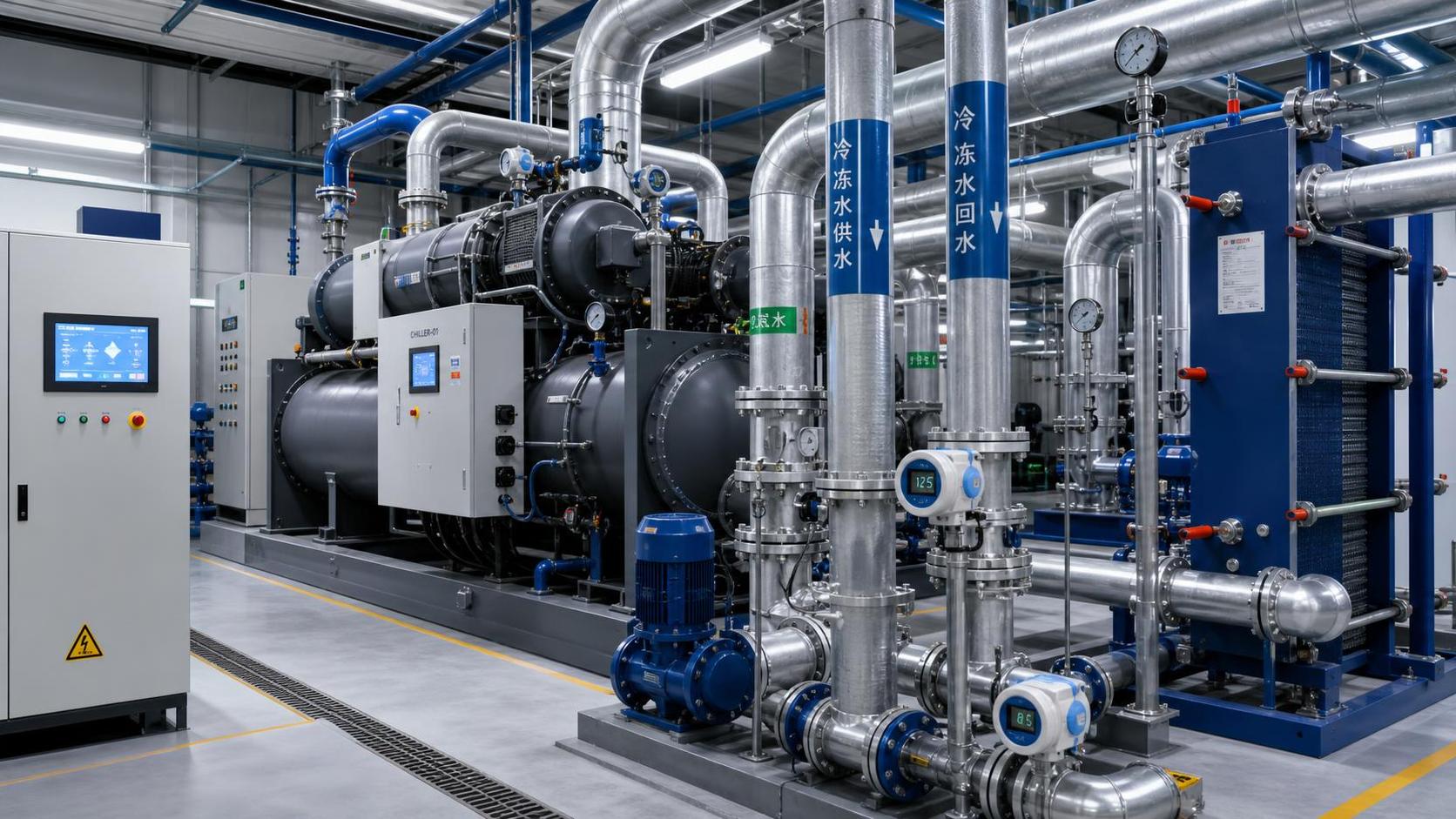
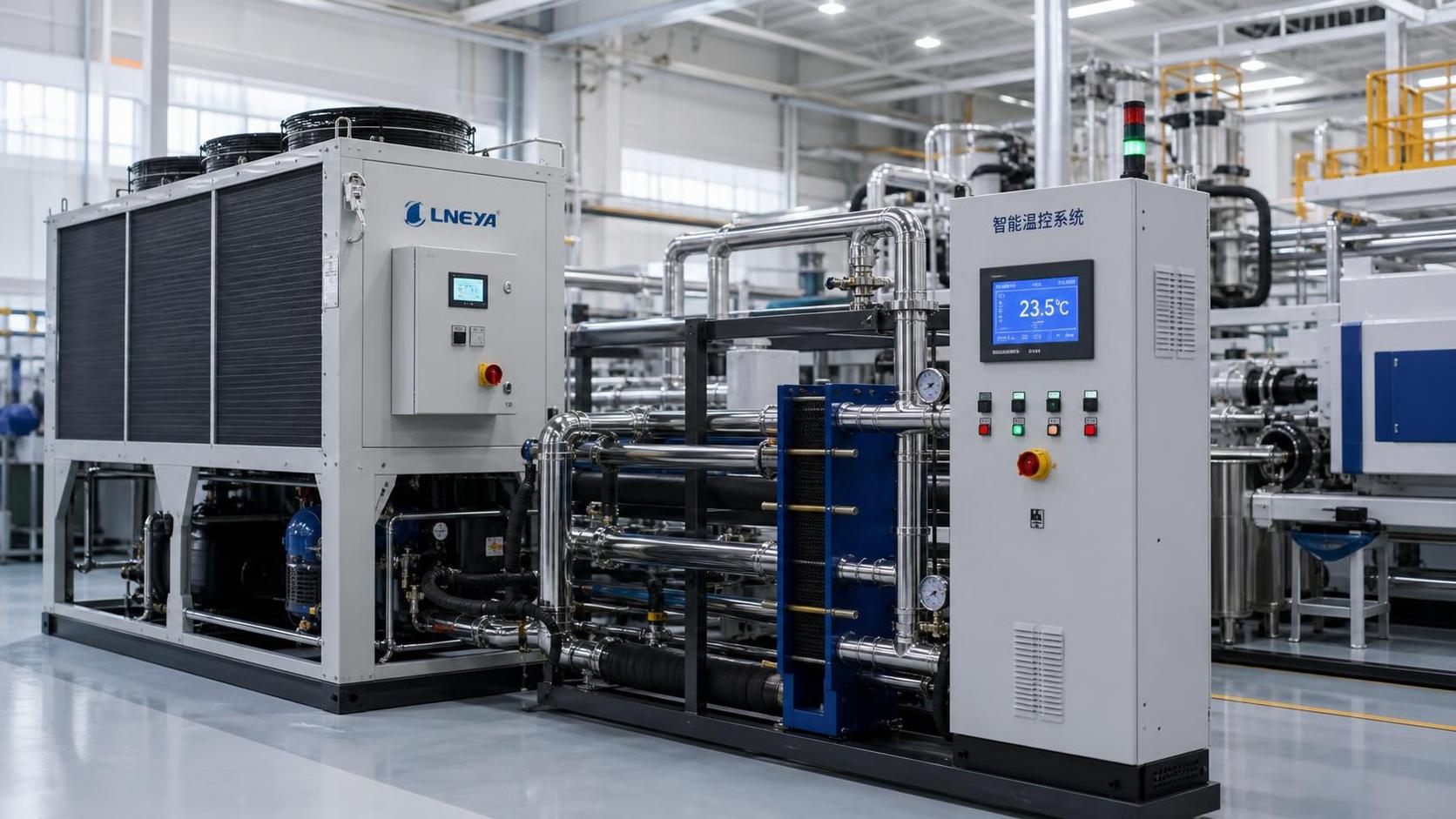
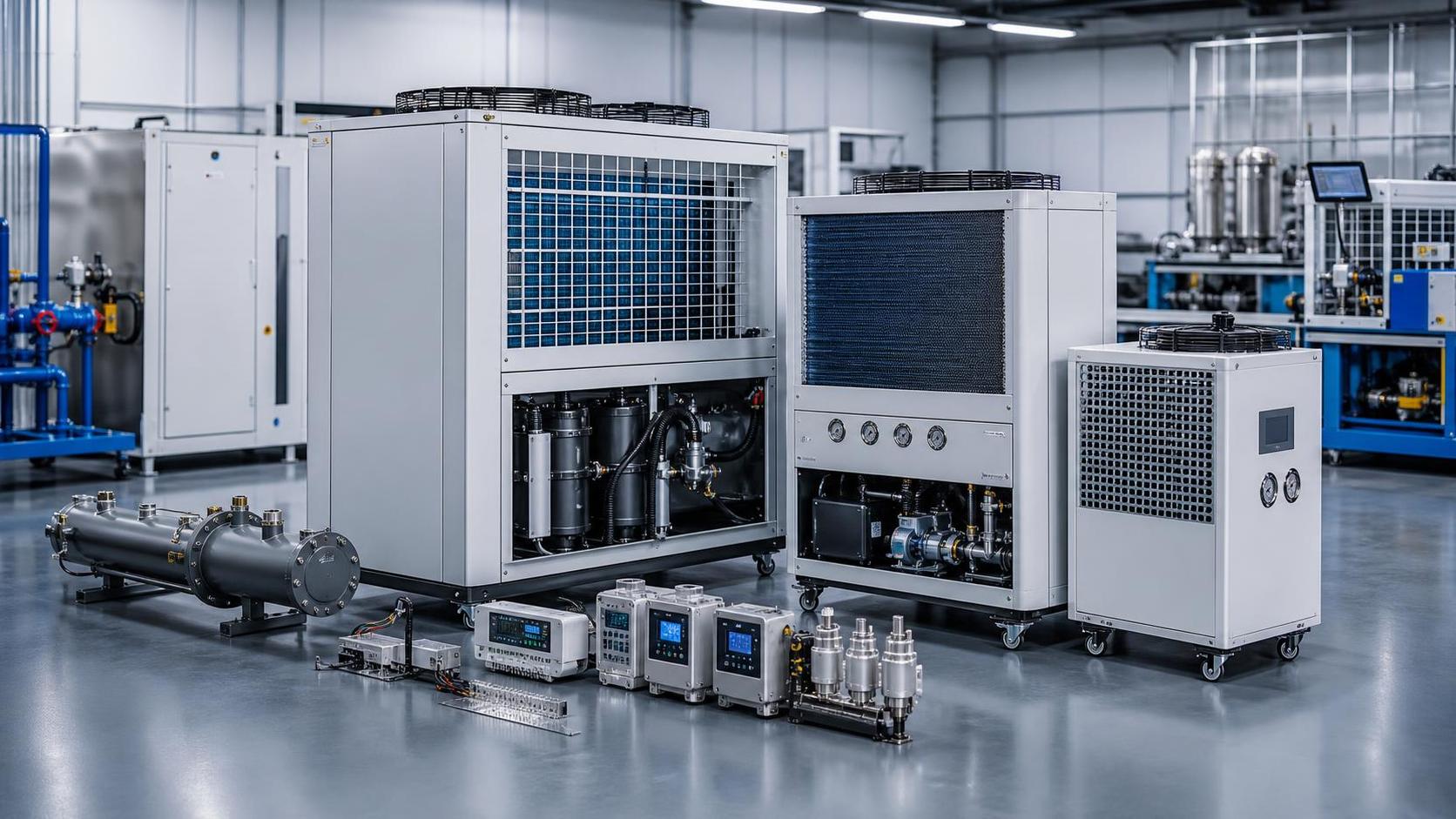
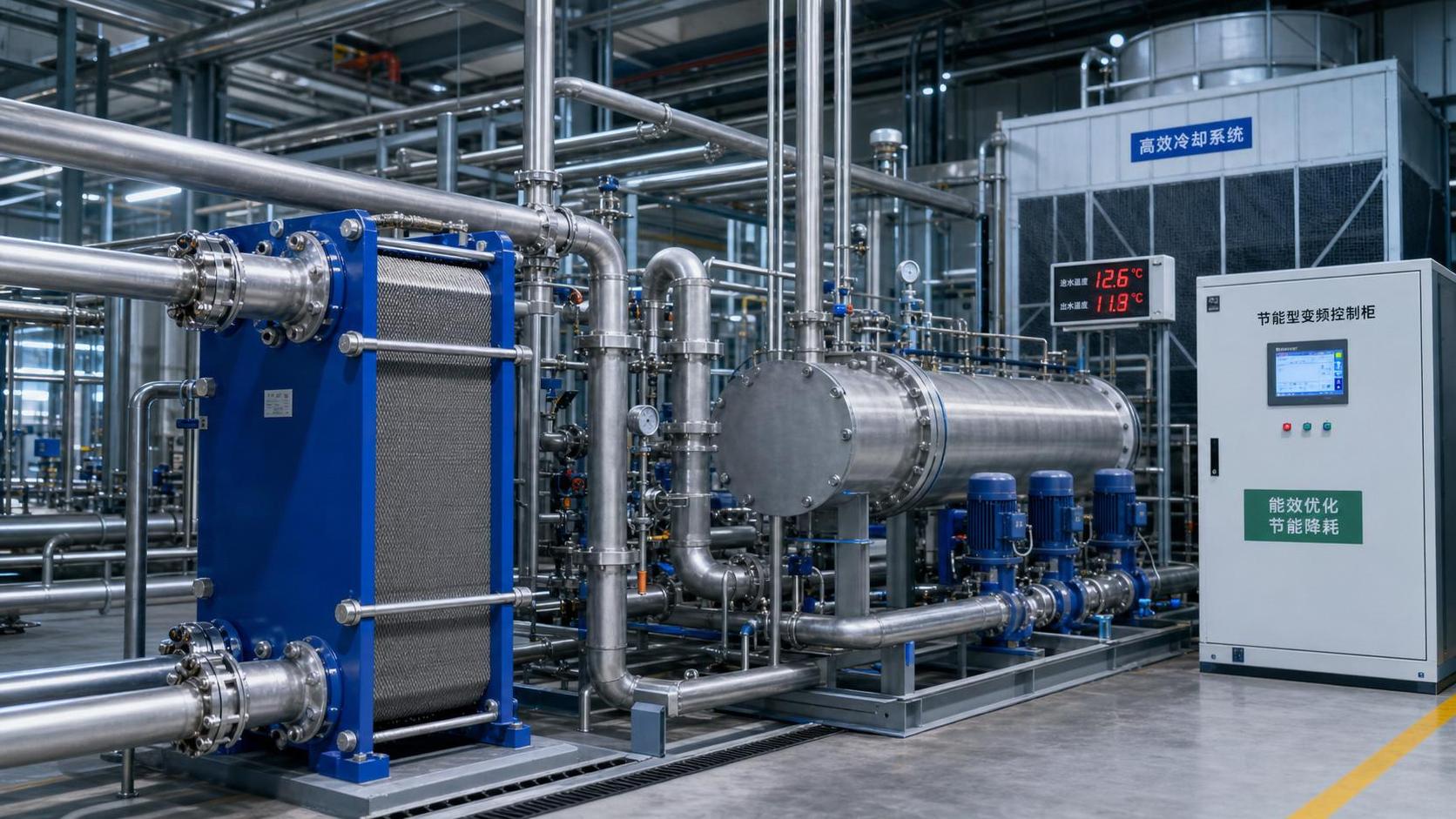
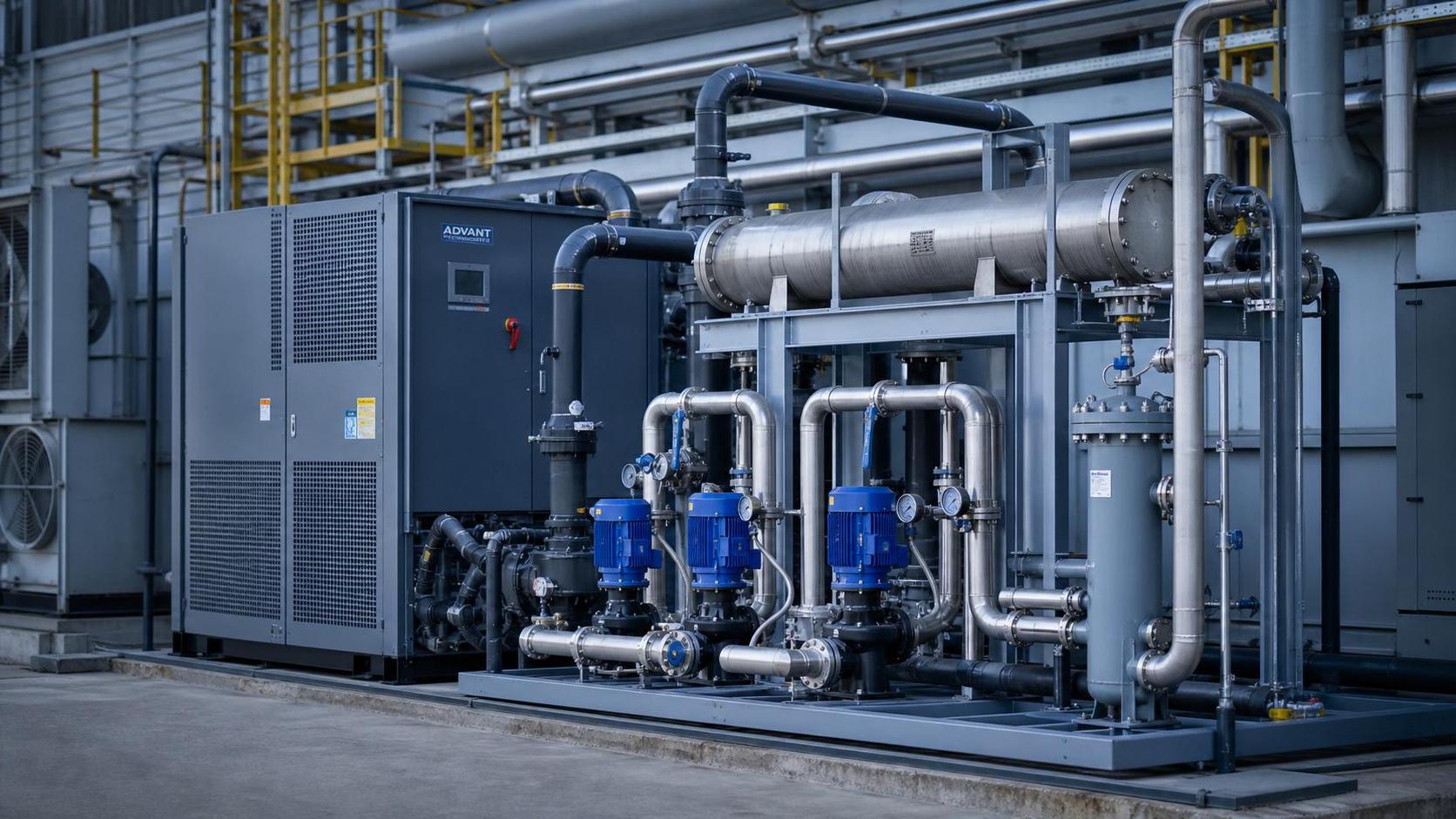
Temperature precision depends on more than a sensor and controller. It relies on the full thermal chain, including chillers, compressors, valves, heat exchangers, insulation, piping layout, response logic, and maintenance discipline.
In practical terms, a line may miss its consistency target even when the control software looks advanced. Slow heat transfer, fouled exchangers, air contamination, load spikes, or poorly balanced cooling loops can all weaken control accuracy.
This is why integrated thermal intelligence matters. GTC-Matrix emphasizes the connection between thermodynamic logic and compression power systems because process stability often depends on how these systems work together, not separately.
Signals worth checking early
- Repeated minor deviations at shift change or startup
- Frequent adjustment of setpoints to keep product within spec
- Rising cooling energy without visible output improvement
- Uneven results between production lines using the same recipe
- Quality variation that correlates with ambient temperature or load peaks
Typical scenarios across industries
The same principle applies across sectors, but the risk profile changes by process. High-precision temperature control should therefore be judged in context, not by one universal benchmark.
Selected use cases
In food production, thermal stability supports texture, preservation, and hygienic processing windows. A narrow and reliable temperature band also reduces waste caused by underprocessing or product damage.
In pharmaceuticals, high-precision temperature control helps protect formulation integrity, cleanroom conditions, and validated process steps. A small drift can affect potency, stability, or documentation confidence.
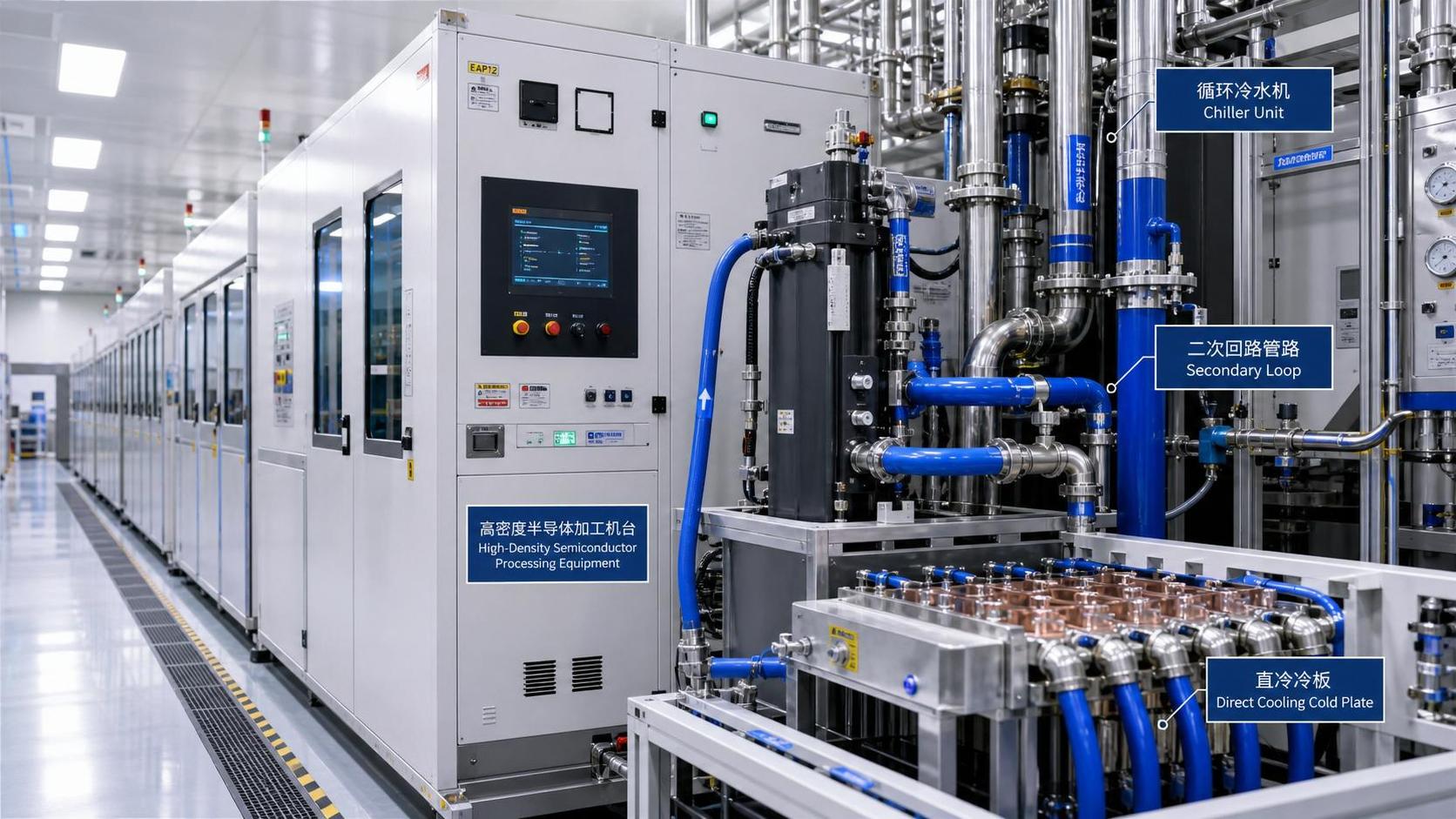
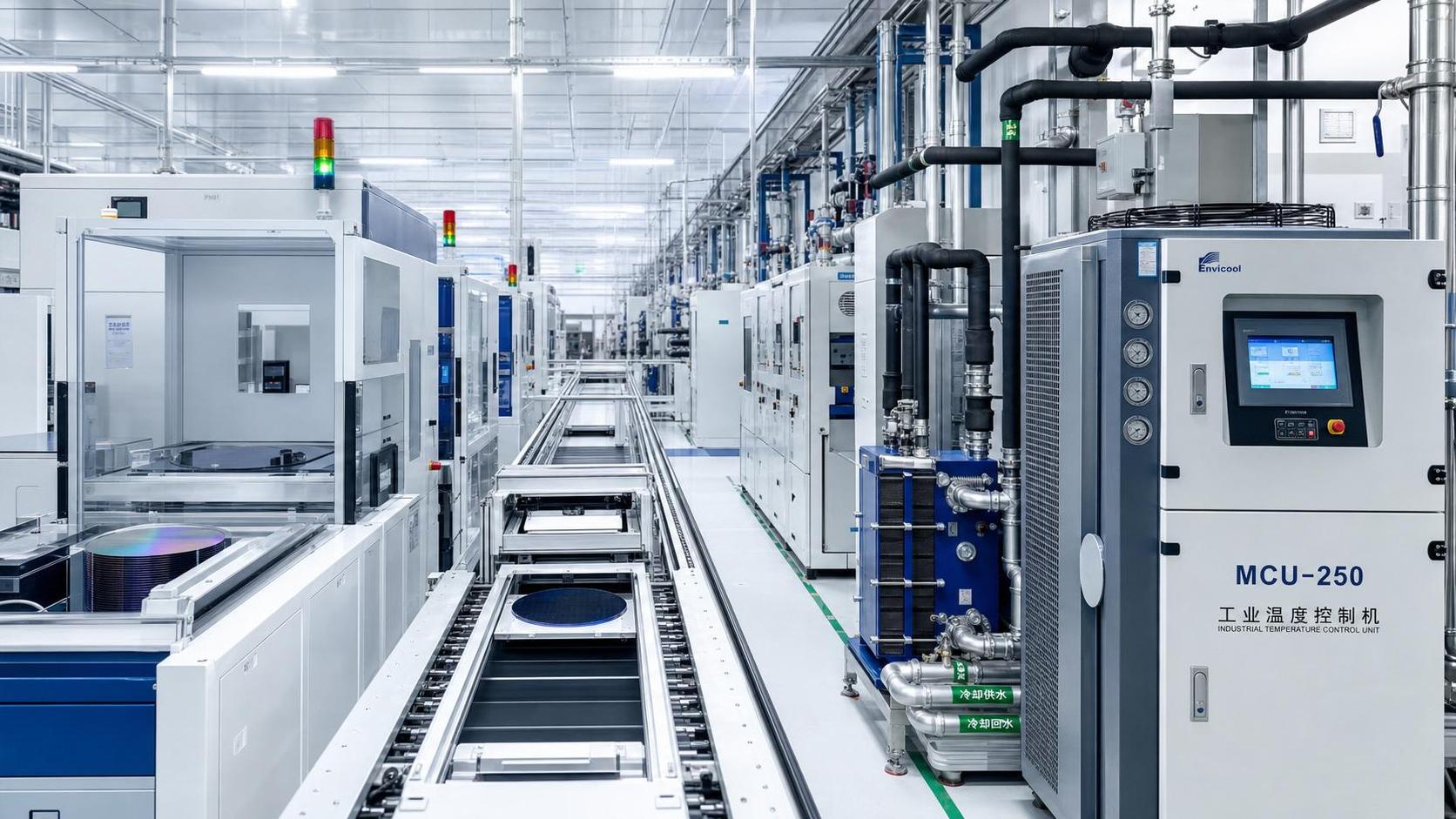
In semiconductor and electronics manufacturing, precise cooling and vacuum-linked thermal management influence deposition quality, etching consistency, and dimensional tolerance. Here, micron-level output may depend on stable thermal behavior.
In specialty chemicals and advanced materials, thermal precision supports controlled reaction pathways, safer exothermic management, and consistent final properties. Material science rarely tolerates unstable heat transfer.
How to evaluate whether control is truly precise
A system should not be judged only by its nominal setpoint accuracy. What matters is performance under real operating conditions, including load variation, maintenance state, environmental change, and upstream utility fluctuation.
Several questions help separate apparent control from real control.
- How quickly does the system recover after a disturbance?
- Does the measured temperature match the actual product or process condition?
- Are deviations concentrated at one stage, or spread across the thermal chain?
- Is the control loop stable during peak throughput and startup periods?
- Do maintenance records align with thermal performance trends?
These checks often reveal whether the issue lies in control logic, heat exchange efficiency, compressed air quality, refrigerant behavior, or basic instrumentation placement.
A practical direction for the next decision
If product consistency has become harder to maintain, temperature should be reviewed as a strategic variable rather than a routine utility metric. Start by mapping where thermal deviations first appear, how they move through the process, and which systems influence them most.
It is also useful to compare control performance with broader industry signals. Intelligence on cooling technology, oil-free compression, exchanger design, energy pricing, and refrigerant policy can clarify whether a local issue is really a wider system limitation.
That is where a platform such as GTC-Matrix adds value. Its cross-sector view helps connect product consistency concerns with the thermal and compression infrastructure behind them, making future decisions more evidence-based.
In many facilities, the next improvement does not begin with a bigger machine. It begins with a clearer thermal baseline, better performance data, and a sharper understanding of how high-precision temperature control protects consistency from one production cycle to the next.
Related News
- How Smart Thermal Systems Improve Industrial Cooling EfficiencyAuthor :Cryogenic Systems Expert

- How to Choose Process Cooling Equipment for Stable Temperature ControlAuthor :Cryogenic Systems Expert

- EU Finalizes 2026 HFC Quota Cut for R-134a ChillersAuthor :Cryogenic Systems Expert

- EU Tightens HFC-134a Quotas for Industrial ChillersAuthor :Cryogenic Systems Expert

- REACH SVHC Update Pressures HFC-134a Chiller Supply ChainsAuthor :Cryogenic Systems Expert

- EU PFAS Coolant Ban Reshapes Chiller ExportsAuthor :Cryogenic Systems Expert

- EU REACH Restricts PFAS Cooling Media ImportsAuthor :Cryogenic Systems Expert

- EU Ecodesign Rule Takes Effect for Industrial ChillersAuthor :Cryogenic Systems Expert

- EU REACH Rule Takes Effect for PFAS in Industrial Cooling ExportsAuthor :Cryogenic Systems Expert

- Industrial Cooling for Plastic Processing: How to Size for Stable Cycle TimesAuthor :Cryogenic Systems Expert

- EU F-Gas Update Bars R404A/R507 in Commercial CoolingAuthor :Cryogenic Systems Expert

- DOE Raises Chiller Efficiency Standard From October 2026Author :Cryogenic Systems Expert

- India Mandates BIS Energy Certification for Industrial ChillersAuthor :Cryogenic Systems Expert

- Energy-Efficient Heat Exchange for Process Cooling: Cost vs PaybackAuthor :Cryogenic Systems Expert

- EPA R-134a Import Ban Takes Effect on July 13, 2026Author :Cryogenic Systems Expert

- India BIS Rule Takes Effect for Industrial ChillersAuthor :Cryogenic Systems Expert

- EPA Cuts R134a Import Quotas 20% From July 10Author :Cryogenic Systems Expert

- How to Compare Energy-Efficient Cooling Systems for Factory Expansion ProjectsAuthor :Cryogenic Systems Expert

- Chiller Price Index Rises 11.3% in Q2Author :Cryogenic Systems Expert

- Saudi SASO Tightens Chiller Import Compliance From July 10Author :Cryogenic Systems Expert

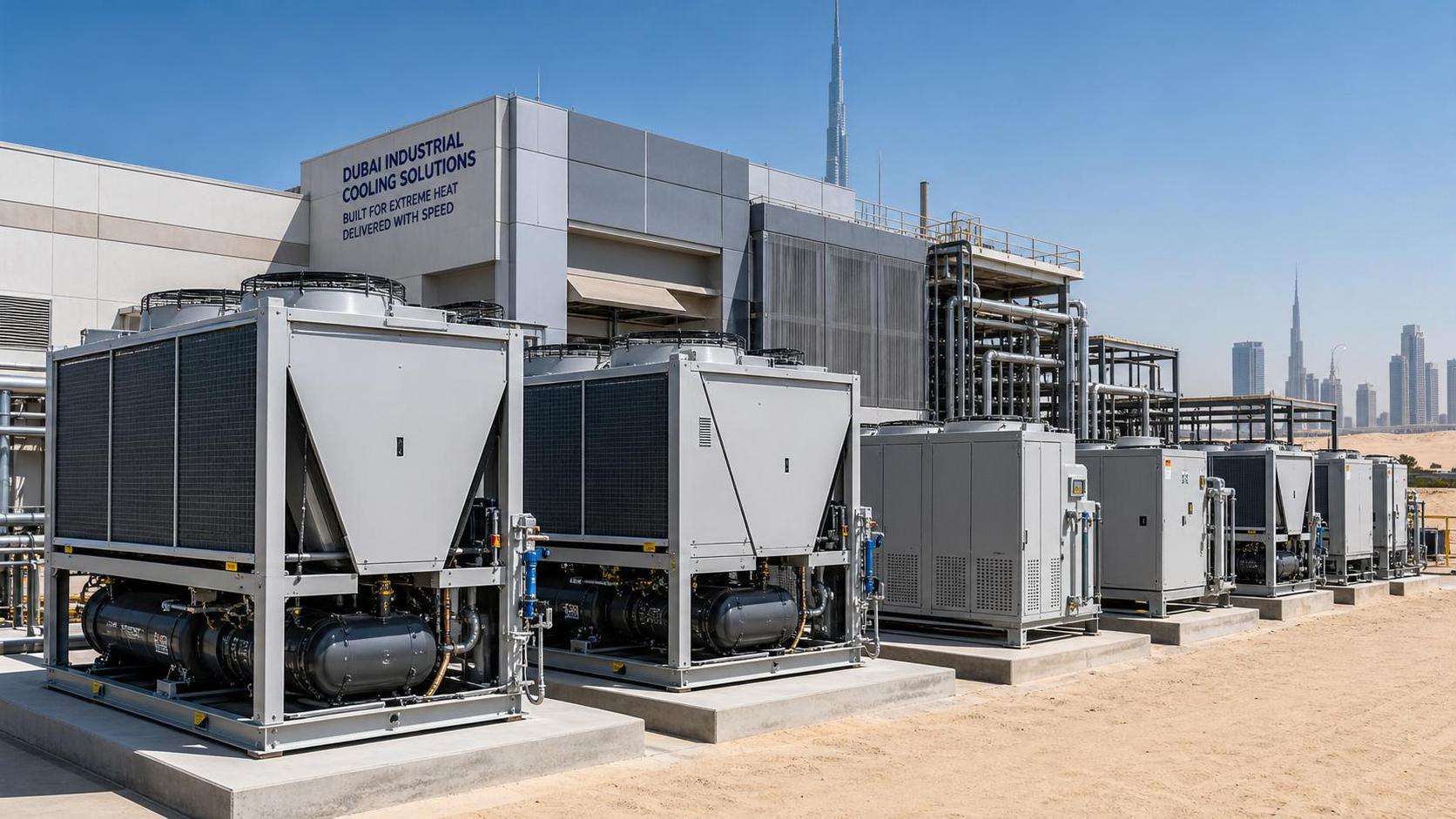
- Dubai Opens Fast-Track Chiller TendersAuthor :Cryogenic Systems Expert

- Japan Raises Chiller COP Floor to 6.2 From Sept. 1Author :Cryogenic Systems Expert
![]()
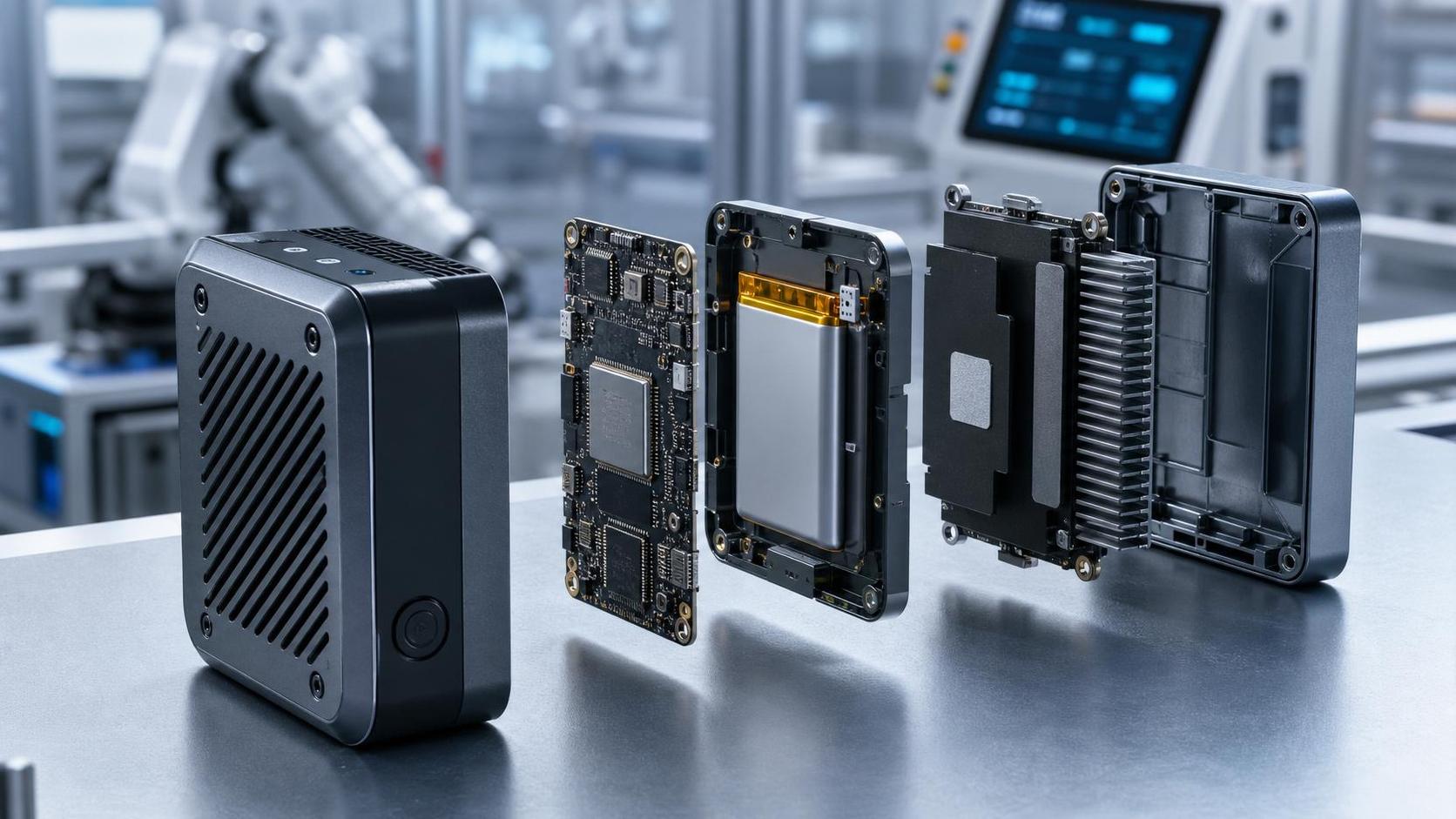
- Compact Thermal Management in Smart Devices: Common Failure RisksAuthor :Cryogenic Systems Expert

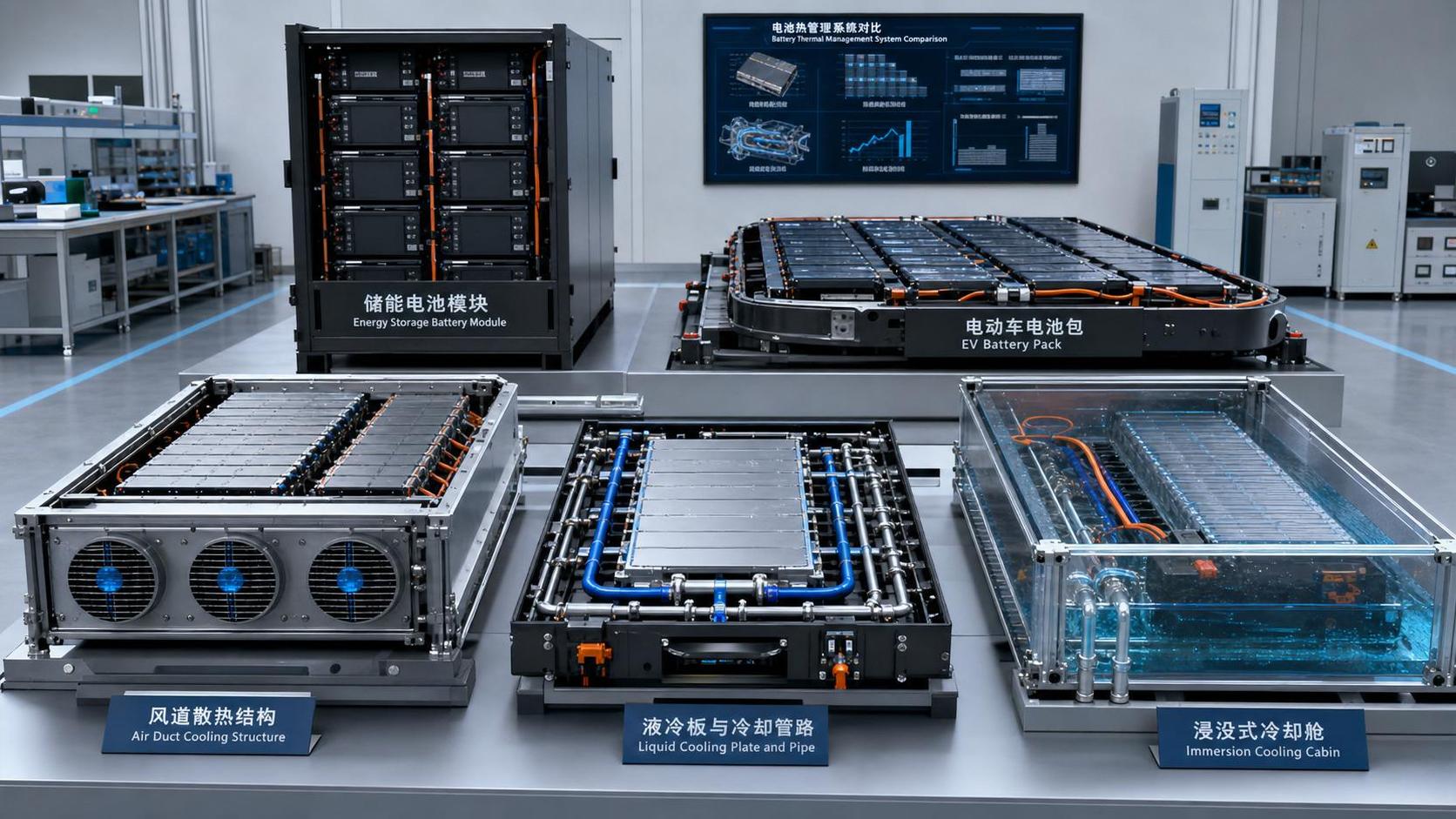
- Thermal Management for Batteries: Cooling Methods ComparedAuthor :Cryogenic Systems Expert

- How Compact Thermal Design Extends Smart Device UptimeAuthor :Cryogenic Systems Expert

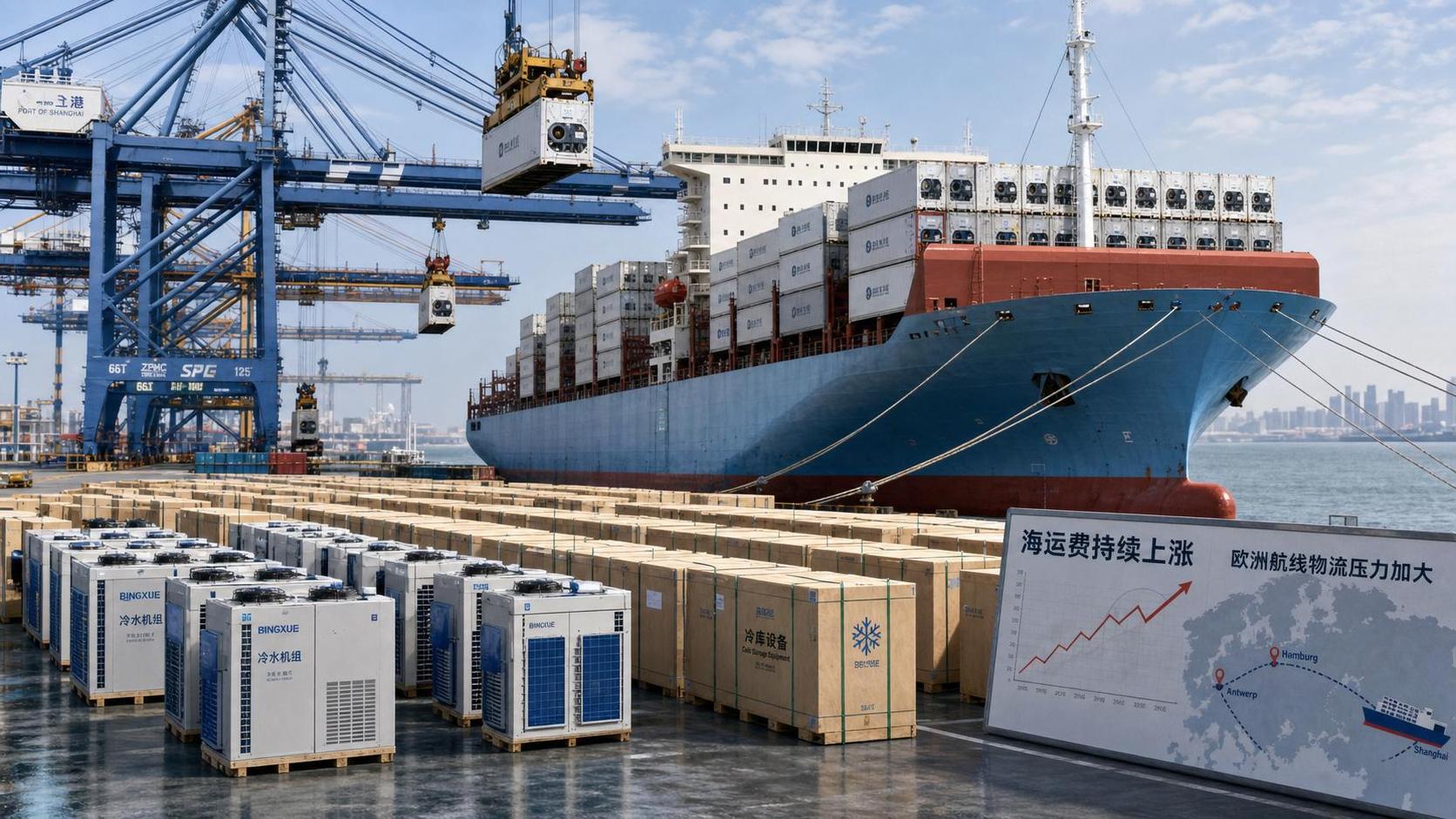
- Shanghai-Rotterdam Reefer Rates Jump 37% in a WeekAuthor :Cryogenic Systems Expert

- Process Cooling Equipment Low Maintenance: What Cuts Downtime Over 5 Years?Author :Cryogenic Systems Expert

- Semiconductor Cooling Solutions: Which Design Works Best for High-Density Tools?Author :Cryogenic Systems Expert

- Semiconductor Thermal Management Systems: Preventing Yield Loss from Heat DriftAuthor :Cryogenic Systems Expert

- EPA Clears R-1234ze(E) for Industrial ChillersAuthor :Cryogenic Systems Expert
 for Industrial Chillers")
- DOE Raises Chiller IEER Floor to 12.8 From Oct. 2026Author :Cryogenic Systems Expert

- Singapore Refrigeration Show Adds Green Compliance HubAuthor :Cryogenic Systems Expert

- How Food Industry Temperature Control Systems Reduce Product LossAuthor :Cryogenic Systems Expert

- EU REACH Adds 12 SVHCs, Raising Chiller Compliance RiskAuthor :Cryogenic Systems Expert

- Precision Temperature Control Air Cooling: Key Setup Mistakes That Reduce StabilityAuthor :Cryogenic Systems Expert

- India BEE Eyes APF Labels for Imported ChillersAuthor :Cryogenic Systems Expert