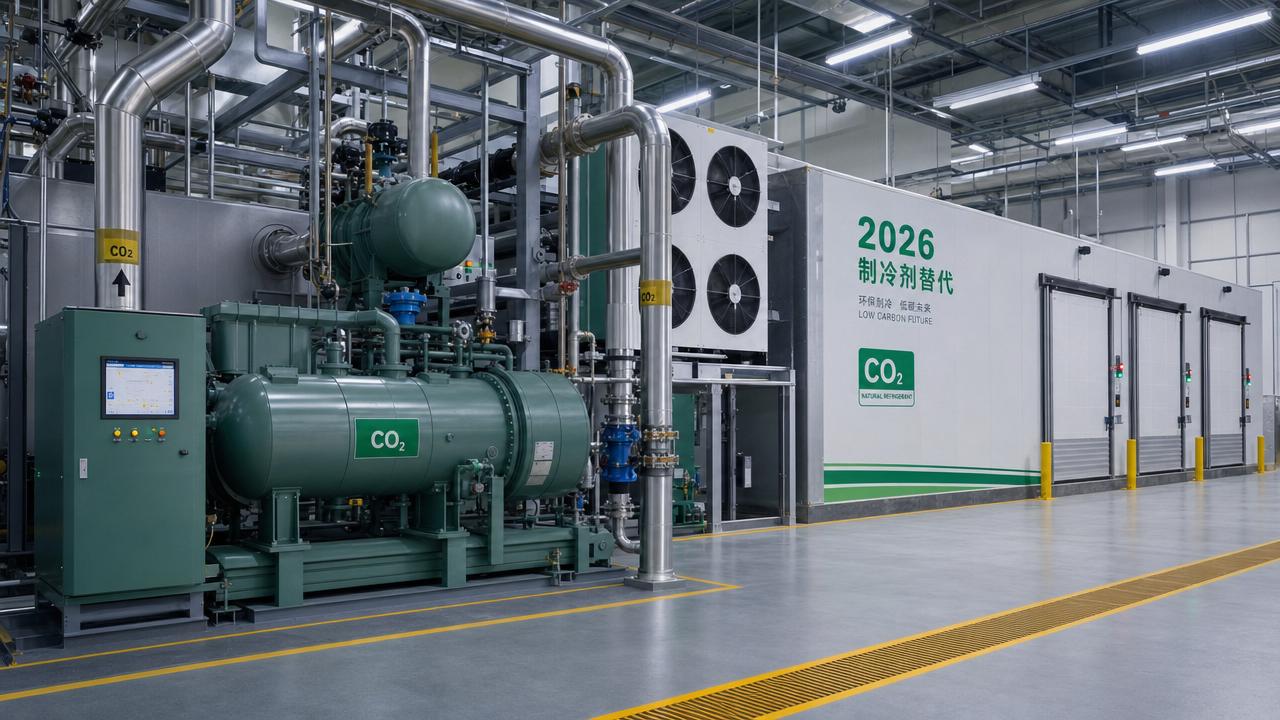
EU F-Gas Revision Cuts R410A Quotas 40%




On July 27, 2026, the European Commission put the third revision of the F-Gas Regulation (EU No 517/2014) into effect, introducing a stepped reduction in HFC import quotas and cutting the annual quota for R410A by 40% versus 2025. At the same time, CE type-approval requirements for equipment using lower-GWP refrigerants such as R32 and R290 were tightened through new mandatory test items under IEC 60335-2-40:2026. For exporters of industrial chillers, condensing units, and heat exchange systems, the immediate issue is not only refrigerant choice but also the timing of compliance, certification, and shipment readiness.
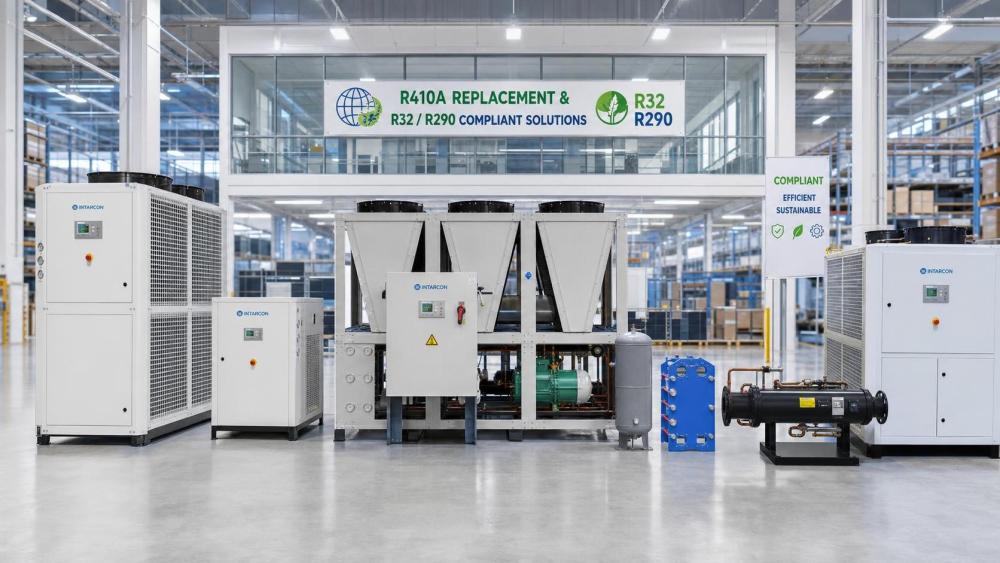
What the revised rule changes from July 27
The confirmed change is twofold. First, the revised measure applies a stepped reduction to HFC import quotas, with the annual quota for R410A reduced by 40% compared with 2025. Second, CE type-certification requirements for equipment using low-GWP refrigerants including R32 and R290 have been tightened, with additional mandatory test items introduced under IEC 60335-2-40:2026. According to the provided event summary, these changes directly affect the compliance delivery window and technical adaptation cycle for exporters of industrial chillers, condensing units, and heat exchange systems.
Where pressure is likely to appear across the supply chain
Export shipments face a narrower compliance window
From an industry perspective, exporters selling relevant equipment into the EU may be affected first because quota tightening and certification changes both sit close to the point of market entry. The main pressure is likely to appear in shipment planning, product documentation, and delivery scheduling, especially where orders were prepared under earlier assumptions about refrigerant availability or certification timing.
Manufacturing teams may need faster technical alignment
Manufacturers of industrial chillers, condensing units, and heat exchange systems may feel the impact through product adaptation cycles. Analysis shows that the issue is not limited to switching away from higher-GWP refrigerant dependence; it also includes whether product design, testing, and compliance files can keep pace with the updated CE type-approval requirements tied to R32 and R290 equipment.
Procurement and supply chain coordination becomes more sensitive
For procurement teams and supply chain service providers, the likely impact sits in material planning, supplier coordination, and document consistency. What deserves closer attention is whether refrigerant-related specifications, certification status, and delivery commitments remain aligned across suppliers, factories, and customers once the revised rule is already in force.
Buyers and project-side users may focus on delivery certainty
For buyers and end-use project stakeholders, the practical concern may shift toward delivery reliability and compliance confirmation. Observably, projects involving regulated equipment may require closer checks on whether a unit is certified under the updated testing framework and whether delivery timing still fits the project schedule.
What companies should watch now
Separate quota impact from certification impact
Analysis shows that companies should avoid treating this as a single compliance issue. The R410A quota reduction and the stricter CE type-certification path for R32 and R290 equipment may affect different products and different stages of order execution. Internal reviews should therefore distinguish refrigerant supply exposure from equipment certification exposure.
Recheck affected product categories and open orders
What deserves closer attention is the status of industrial chillers, condensing units, and heat exchange systems already in production, pending shipment, or under quotation for the EU market. The immediate task is to confirm whether the applicable refrigerant route, technical file, and certification progress still match the revised requirements and planned delivery dates.
Pay closer attention to supplier documents and testing readiness
For teams working with external component suppliers, contract manufacturers, or certification partners, document integrity becomes more important after the rule change takes effect. Companies may need to verify whether suppliers can support the required technical evidence and whether testing plans reflect the new mandatory items under IEC 60335-2-40:2026.
Keep customer communication tied to verifiable milestones
From a practical operations perspective, customer communication should stay close to confirmed milestones such as certification progress, documentation readiness, and delivery timing. This matters because the policy signal and actual shipment readiness are not always the same thing, particularly when technical adaptation and compliance review move on different timelines.
Why this looks like more than a short-term adjustment
Observably, this development can be read as both an immediate compliance event and a longer-term policy signal. The immediate effect is clear in the 40% reduction of the R410A annual quota versus 2025 and the tighter certification path for R32 and R290 equipment. Analysis shows that the broader meaning lies in how regulatory pressure is now hitting both refrigerant allocation and equipment approval at the same time. That does not by itself confirm a final market outcome, but it does indicate that exporters and manufacturers can no longer treat refrigerant transition and certification readiness as separate side issues.
How the market should interpret this stage
It is more appropriate to understand this as an active operational change with longer-tail implications, rather than as a headline-only policy update. The confirmed facts already affect compliance timing and technical adaptation for relevant exporters. At the same time, the full commercial impact still depends on how companies manage certification progress, supply coordination, and customer delivery commitments under the revised framework.
Basis of this article and points for further verification
This article is based on the user-provided news title, event date, and event summary concerning the July 27, 2026 implementation of the third revision to the EU F-Gas Regulation (EU No 517/2014). For this type of development, commonly relevant source categories include official announcements, company disclosures, industry association updates, authoritative media coverage, and standards organization documents. A specific official source link was not provided in the input, so the exact wording of the official text and any subsequent implementation clarification still require ongoing verification. Continued attention should be paid to later official interpretations, certification practice under IEC 60335-2-40:2026, and any further rule-related updates affecting delivery and compliance execution.
Related News
- EU F-Gas Revision Cuts R410A Quotas 40%Author :Cryogenic Systems Expert

- EPA Freezes R-410A Quotas, Fast-Tracks R-32Author :Cryogenic Systems Expert

- Low GWP Refrigerants HFO Blends: Key Stability and Safety FactorsAuthor :Cryogenic Systems Expert

- R-32 Price Spike Reshapes Chiller ProcurementAuthor :Cryogenic Systems Expert

- How to Compare Environmentally Friendly Refrigerants by GWP, Safety, and CostAuthor :Cryogenic Systems Expert

- R-454B Export Quota Cut 18% as Lead Times DoubleAuthor :Cryogenic Systems Expert

- Japan Cuts R32 and R290 Import Quotas From July 10Author :Cryogenic Systems Expert

- EPA Cuts R-134a Import Quotas 42% From July 2026Author :Cryogenic Systems Expert
![]()
- Low GWP Refrigerants HFO Blends: Performance and Compliance in 2026Author :Cryogenic Systems Expert

- R-513A Jumps 23% as China Tightens Export QuotasAuthor :Cryogenic Systems Expert

- Environmentally Friendly Refrigerants in 2026: Compliance Risks and Upgrade PrioritiesAuthor :Cryogenic Systems Expert

- Pharmaceutical Temperature Control Systems: Common Compliance RisksAuthor :Cryogenic Systems Expert

- China Tightens Q3 R32 Export QuotasAuthor :Cryogenic Systems Expert

- California EPR Deadline Nears for Refrigeration MakersAuthor :Cryogenic Systems Expert

- Resource Circularity Trends Reshaping Refrigerants and Cooling SystemsAuthor :Cryogenic Systems Expert

- HFCs Filing Rules Enter Full EnforcementAuthor :Cryogenic Systems Expert

- How Environmentally Friendly Refrigerants Affect Chiller ComplianceAuthor :Cryogenic Systems Expert

- EU REACH Tightens Refrigerant Impurity Limits for R134a ExportsAuthor :Cryogenic Systems Expert

- China Seeks Feedback on 2027 Refrigerant QuotasAuthor :Cryogenic Systems Expert

- EU to Ban High-GWP ACs in 2029 as R410A Exits HomesAuthor :Cryogenic Systems Expert

- US, UK Delay HFC Phaseout, Extending R32/R134a Export WindowAuthor :Cryogenic Systems Expert

- EU HFC Cut Tightens by 2029 as Gen-3 Output Falls 10%Author :Cryogenic Systems Expert

- Kuwait Bans HCFC AC Imports as Shift to R32/R290 Speeds UpAuthor :Cryogenic Systems Expert

- Saudi SASO Rules Tighten AC Imports in DecemberAuthor :Cryogenic Systems Expert

- Environmentally Friendly Refrigerants: Compliance, Safety, and Retrofit RisksAuthor :Cryogenic Systems Expert

- SABIC Force Majeure Keeps Chiller Refrigerant Supply TightAuthor :Cryogenic Systems Expert

- SABIC Force Majeure Tightens Refrigerant FeedstocksAuthor :Cryogenic Systems Expert

- UL 60335-2-89 Tightens R290 Leak Test RulesAuthor :Cryogenic Systems Expert
![]()
- UL 60335-2-89 Adds R290 Vacuum Leak TestAuthor :Cryogenic Systems Expert

- Global Refrigerant Price Index Falls 8.3% MoM in MayAuthor :Cryogenic Systems Expert
![]()
- PSA Jurong Island Launches Mandatory Cold-Chain Traceability for RefrigerantsAuthor :Cryogenic Systems Expert
![]()
- 2026 Refrigerants Shift: What Changes for Cold StorageAuthor :Cryogenic Systems Expert

- Shanghai Pudong Pilots E-Labels for Imported CosmeticsAuthor :Cryogenic Systems Expert

- 2026 Refrigerant Shift: Safer Options With Lower Compliance RiskAuthor :Cryogenic Systems Expert

- Vitafoods Europe Highlights Clinical Herb Data, Cold Chain Demand SurgesAuthor :Cryogenic Systems Expert
![]()
- U.S. Treasury Yield Surge Stabilizes Silver, Eases Refrigerants Export PricingAuthor :Cryogenic Systems Expert