US DOE Raises Chiller IEER Floor to 12.8 From 2027




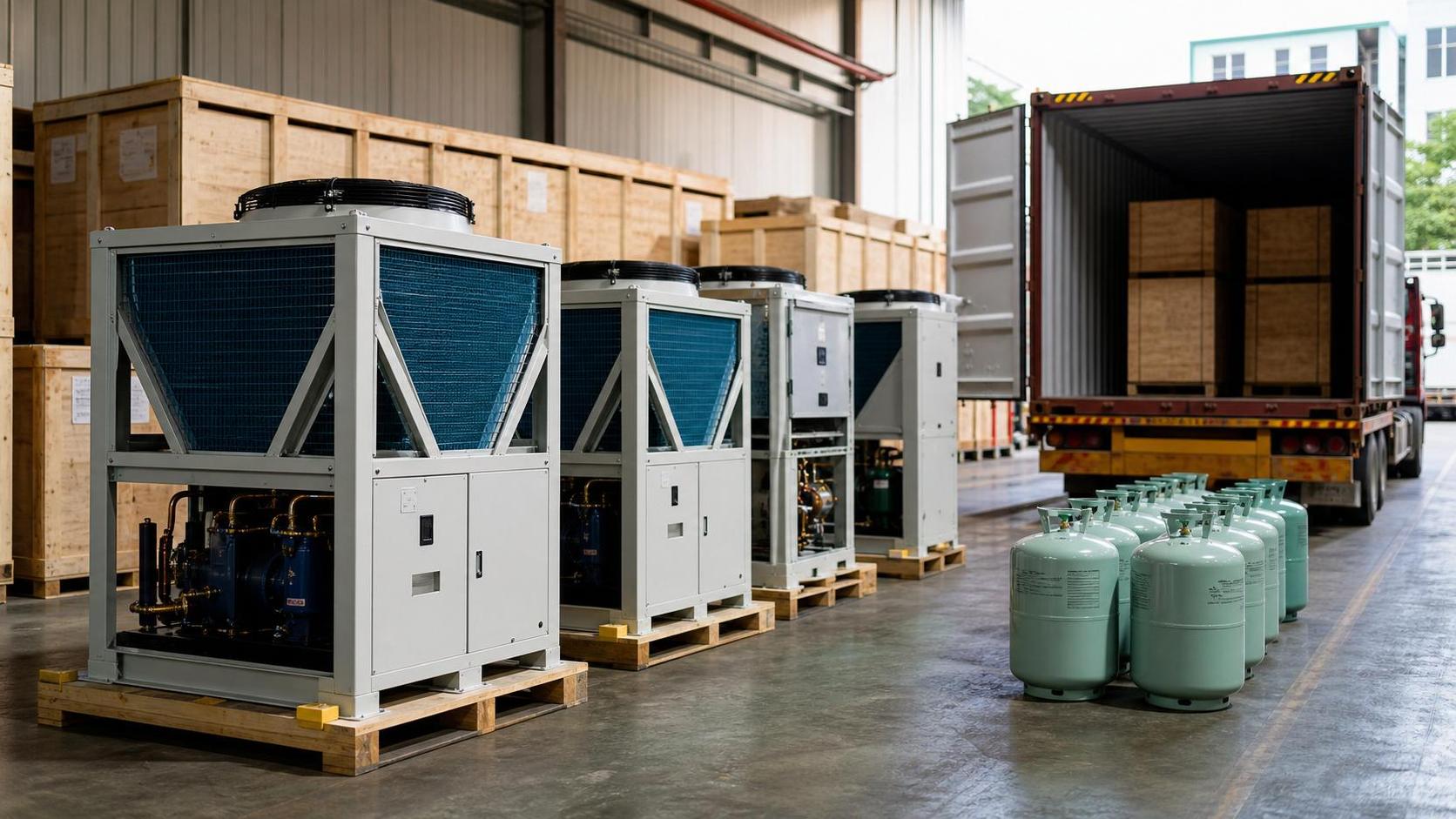
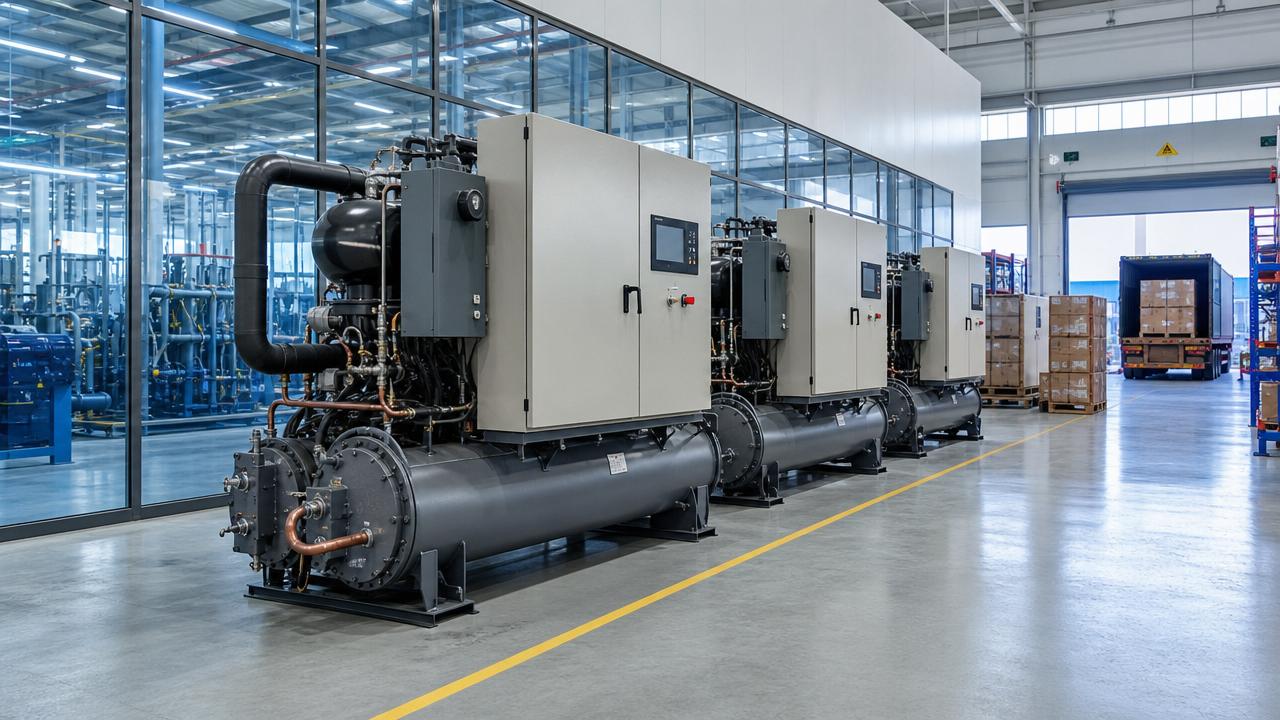
On June 28, 2026, the US Department of Energy (DOE) issued a final rule under 10 CFR Part 431 that tightens the minimum energy-efficiency requirement for air-cooled industrial chillers in the 30-240 RT range. The change matters beyond product specification: it directly affects export compliance, certification preparation, technical documentation, and delivery readiness for manufacturers, importers, testing-related parties, and buyers handling shipments into the US market ahead of the July 1, 2027 effective date.
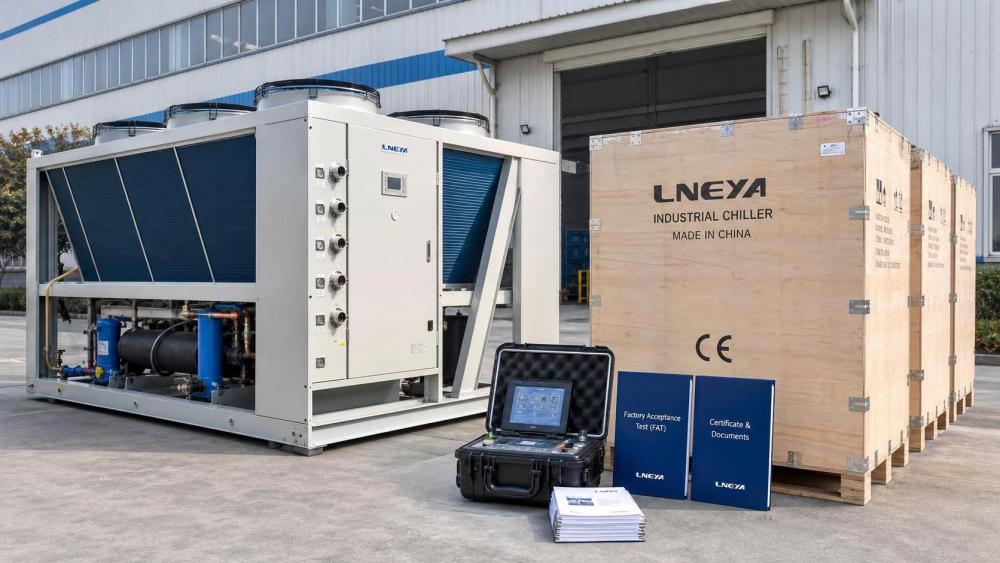
What the new DOE rule changes
According to the provided information, DOE released the final rule on June 28, 2026. The rule raises the minimum Integrated Energy Efficiency Ratio (IEER) for air-cooled industrial chillers with cooling capacity of 30-240 RT from 11.5 to 12.8.
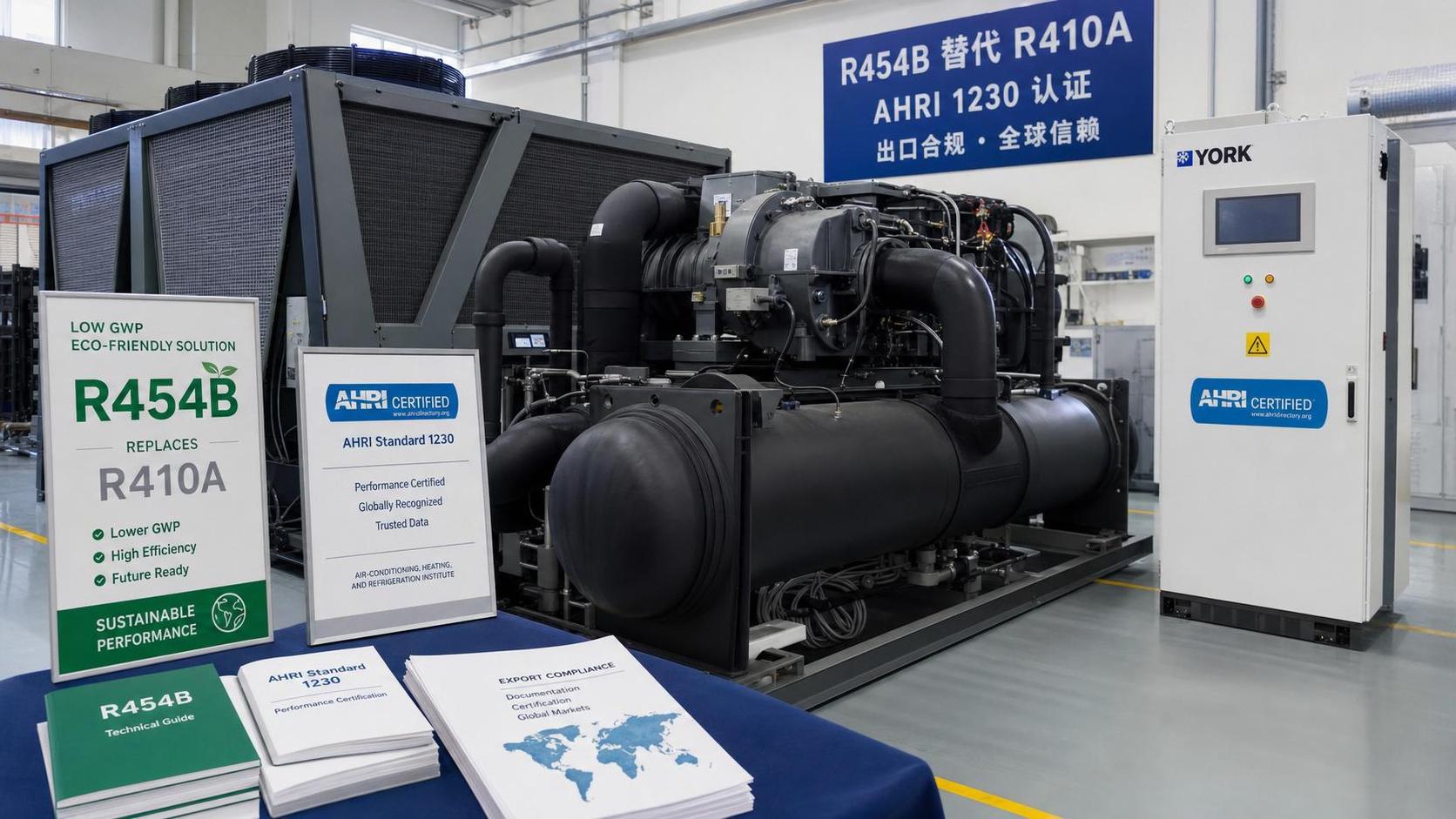
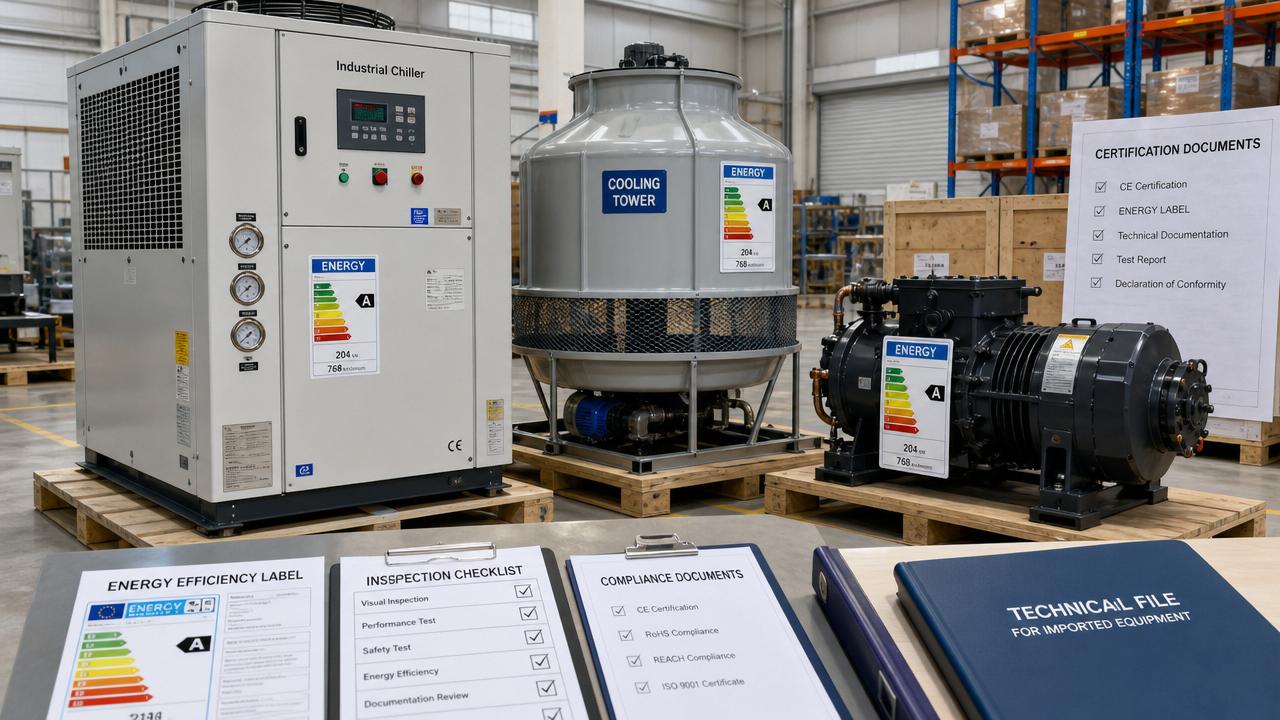
The new requirement will take effect on July 1, 2027. The same summary states that all imported models must obtain AHRI 550/590-2025 certification and submit digital energy-efficiency test reports.
The provided event summary also indicates that Chinese exporters of industrial chillers need to upgrade inverter control logic and heat-exchanger selection databases in parallel with the new compliance requirement.
Where the pressure is likely to appear in the supply chain
Export model qualification moves closer to product design
From an industry perspective, exporters are likely to feel the impact first because the rule change combines a higher IEER threshold with a certification and reporting requirement for imported models. The main pressure point is no longer limited to final testing; it extends back into model configuration, engineering verification, and preparation of compliance files for the US market.
What deserves closer attention is whether product specifications, certification status, and technical records remain aligned across quotation, order confirmation, and shipment stages. Any mismatch between marketed performance and the materials submitted for compliance could affect transaction execution and delivery planning.
Procurement and component selection may face tighter review
For manufacturing and sourcing teams, the stated need to update inverter control logic and heat-exchanger selection databases suggests that compliance work may reach into component matching and technical selection rules. Analysis shows that procurement-related functions should pay closer attention to whether existing parts, approved combinations, and engineering databases still support models intended for the regulated product range.
The immediate concern is practical rather than theoretical: once a higher IEER floor becomes mandatory, procurement documents, approved supplier data, and internal selection criteria may need to reflect the revised requirement so that certified and shipped units are technically consistent.
Import documentation and testing support become more visible
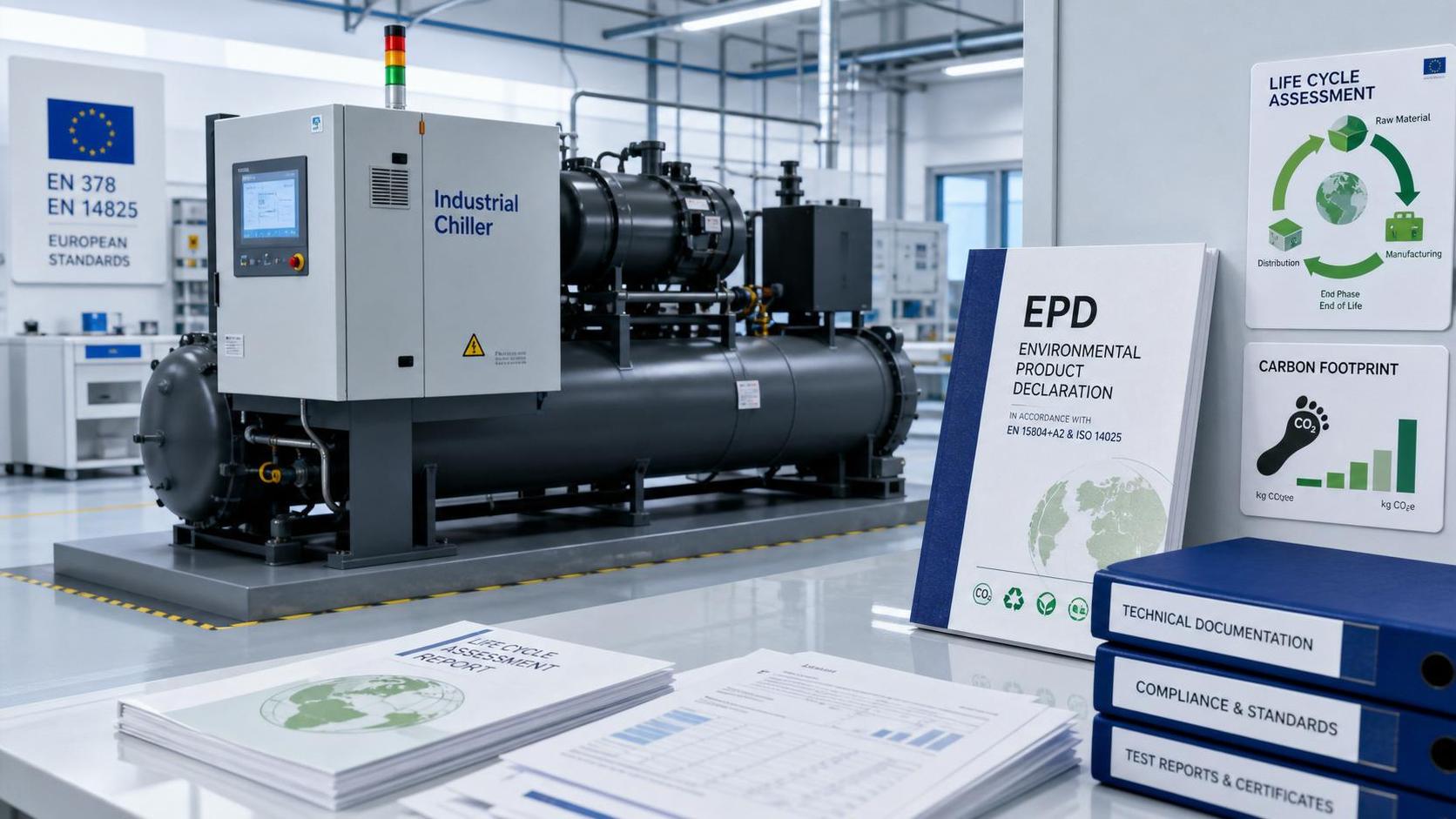
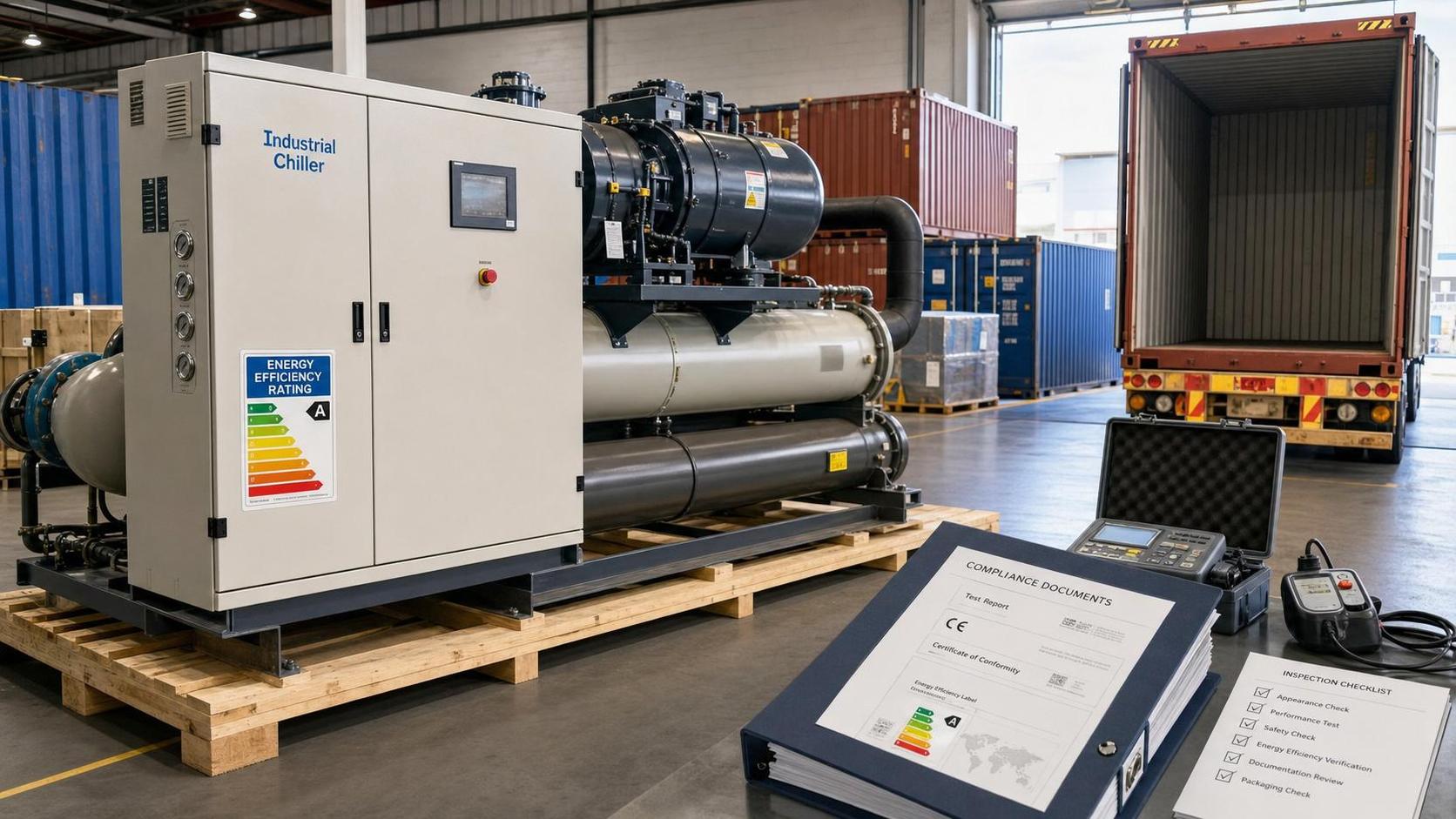
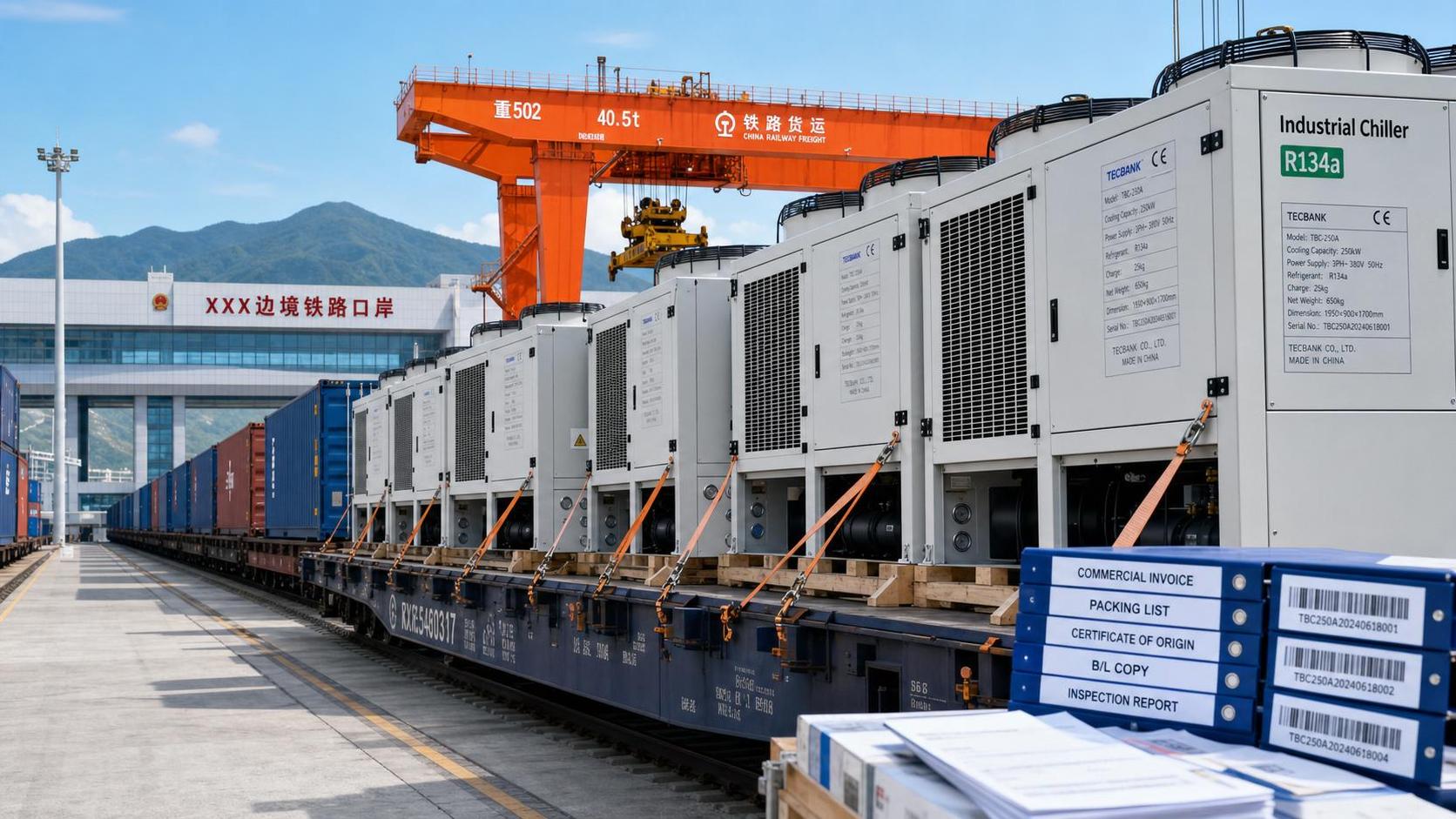
Certification-related businesses and testing support institutions may also see a more operational role, because the rule summary explicitly refers to AHRI 550/590-2025 certification and digital energy-efficiency test reports. For parties involved in documentation handling, customs-facing support, or market-entry compliance, the change means more attention to the completeness and consistency of certification records and test-report formats.
Observably, this is not just a design issue. It also affects how product evidence is assembled, reviewed, and presented during import and delivery processes.
Buyers and channel partners may need stricter specification checks
For buyers, distributors, and channel-side participants handling industrial cooling equipment for the US market, the rule change may affect model screening, tender documentation, and order acceptance criteria. The key issue is whether listed equipment can still satisfy the updated minimum IEER requirement by the time delivery takes place after the effective date.
Analysis shows that commercial teams should pay more attention to specification alignment, certification status, and supporting digital test records when evaluating model eligibility for procurement or resale.
What companies should review now
Check certification readiness against the import requirement
The confirmed information already points to a mandatory AHRI 550/590-2025 certification requirement for imported models. Companies involved in export and import transactions should therefore review whether the relevant model portfolio, supporting documents, and certification workflows are positioned to match that requirement before the rule becomes effective.
Because the provided input does not include detailed enforcement procedures, it would be more appropriate to treat this as a compliance preparation issue that requires continued monitoring rather than assuming a fully clarified execution path.
Reconcile technical files with digital test-report obligations
The requirement to submit digital energy-efficiency test reports makes document control a practical compliance topic. Companies should pay attention to whether technical files, reported IEER values, and certification materials are internally consistent, especially for models intended for export after the effective date.
Analysis shows that this may also affect bid documents, product submittals, and customer-facing specification packages, even where the underlying commercial process has not otherwise changed.
Review engineering databases used for export configurations
The event summary specifically notes the need for Chinese exporters to upgrade inverter control logic and heat-exchanger selection databases. That makes engineering data governance a current issue, not only a future optimization topic. Enterprises should pay close attention to whether existing configuration rules for export models still support compliance with the higher IEER threshold.
This point is especially relevant where sales, application engineering, and production teams rely on shared selection tools to generate model combinations for customer orders.
Watch contract timing and delivery commitments
With an effective date of July 1, 2027, companies should also review how contract dates, shipment timing, and model compliance status interact. Observably, delivery commitments tied to the US market may require more careful checking of whether the ordered unit falls within the regulated scope and whether its supporting certification and test materials are ready in time.
The provided information does not define transition handling beyond the stated effective date, so follow-up review of official wording and market practice remains necessary.
Why this reads as an execution signal
Analysis shows that this update is better understood as an implementation signal rather than a tentative policy direction. The reason is that the provided information refers to a final rule, gives a defined effective date, and links performance thresholds with certification and digital reporting requirements.
At the same time, it would be premature to treat every downstream practice as settled. Observably, the market still needs to watch how certification handling, documentation review, bid specification updates, and company-level execution develop around the effective date.
How to interpret the development at this stage
From an industry perspective, the main significance of this rule is that energy-efficiency compliance for covered industrial chillers is moving from a performance benchmark into a broader market-entry and delivery-control issue. The combination of a higher IEER minimum, AHRI certification, and digital test-report submission means affected businesses should read the change as a concrete compliance requirement with practical implications for design, documentation, and export execution.
It is more appropriate to understand this event as a landed rule change with follow-through questions still worth monitoring, rather than as a general policy signal without immediate operational consequences.
Basis of this article and what still needs verification
This article is based on the user-provided news title, event date, and event summary. For developments of this type, commonly relevant source categories may include official regulatory releases, notices from supervisory authorities, trade or customs-related information, industry association materials, standard-setting documents, certification body updates, and reporting by authoritative industry media.
No specific official source link was provided in the input, so the exact official link still needs to be verified on an ongoing basis. What also requires continued observation includes detailed enforcement wording, certification interpretation, changes in tender documents, industry feedback, and how companies implement the new requirements in practice.
Related News
- US DOE Raises Chiller IEER Floor to 12.8 From 2027Author :Cryogenic Systems Expert

- EPA Clears R-1234ze(E) for Industrial ChillersAuthor :Cryogenic Systems Expert
 for Industrial Chillers")
- Precision Temperature Control Systems: How to Evaluate Stability and Response TimeAuthor :Cryogenic Systems Expert

- Vietnam Requires GB/T 18430.1-2026 Declaration for Chiller ImportsAuthor :Cryogenic Systems Expert

- How to Compare Industrial Cooling Solutions for Multi-Line PlantsAuthor :Cryogenic Systems Expert

- India BIS Tightens QR Label Rule for Industrial ChillersAuthor :Cryogenic Systems Expert

- EU Rule Takes Effect on Modular CFP Disclosure for Industrial ChillersAuthor :Cryogenic Systems Expert

- Industrial Cooling Systems: Common Failure Causes and FixesAuthor :Cryogenic Systems Expert

- EU Sets CFP Label Rules for Industrial ChillersAuthor :Cryogenic Systems Expert

- Industrial Cooling vs Chillers: Which Fit Is Better for Your Process?Author :Cryogenic Systems Expert

- Industrial Cooling Solutions: How to Cut Energy Use Without Losing CapacityAuthor :Cryogenic Systems Expert

- R32 Surge Adds 12% to Chiller Export CostsAuthor :Cryogenic Systems Expert

- Industrial Refrigeration Costs: What Impacts ROI Most in 2026Author :Cryogenic Systems Expert

- Thermodynamics Analysis for Choosing the Right Refrigeration SystemAuthor :Cryogenic Systems Expert

- How Microchannel Heat Exchangers Improve Industrial Refrigeration EfficiencyAuthor :Cryogenic Systems Expert

- R32 Price Tops RMB 65,000/Ton as Chiller Export Costs RiseAuthor :Cryogenic Systems Expert

- R32 Holds at RMB 63,000/Ton, Chiller Export Costs Rise 8%Author :Cryogenic Systems Expert

- How to Evaluate Energy Efficiency in Industrial Cooling SystemsAuthor :Cryogenic Systems Expert

- R32 at RMB 63,200/t Pushes Chiller Export Costs HigherAuthor :Cryogenic Systems Expert

- EPA Extends R410A Import Relief Into Q2 2027Author :Cryogenic Systems Expert

- Industrial Refrigeration Costs: What Drives Energy Use in 2026Author :Cryogenic Systems Expert

- R32 at CNY 62,500/Tightens Chiller Export CostsAuthor :Cryogenic Systems Expert

- HFC-32 Hits RMB 62,500/Ton, Raising Export PressureAuthor :Cryogenic Systems Expert

- Industrial Refrigeration vs Chillers: Which Fits Your Load Profile?Author :Cryogenic Systems Expert

- R32 Price Spike Pressures Air-Cooled Chiller ExportsAuthor :Cryogenic Systems Expert

- DOE Extends R454B Chiller Transition to Q2 2027Author :Cryogenic Systems Expert

- Vietnam Mandates VEE Labels for Imported ChillersAuthor :Cryogenic Systems Expert

- EU REACH Adds 3 Refrigerant Curbs, Tightening the R134a Import WindowAuthor :Cryogenic Systems Expert

- How to Compare Industrial Cooling Solutions by Load, Space, and Energy UseAuthor :Cryogenic Systems Expert

- Horgos Rail Exports Hit Record as Refrigerant Checks TightenAuthor :Cryogenic Systems Expert

- How to Choose Industrial Cooling Solutions for High-Load FacilitiesAuthor :Cryogenic Systems Expert

- Industrial Intelligence in Cooling Systems: Key Use Cases and RisksAuthor :Cryogenic Systems Expert

- Vietnam Aligns Import Energy Labels With GB 18613-2025Author :Cryogenic Systems Expert

- DOE Finalizes 2026 Chiller Efficiency RuleAuthor :Cryogenic Systems Expert

- When High-Precision Temperature Control Is Worth the CostAuthor :Cryogenic Systems Expert

- SABIC Outage Extends Pressure on Chiller RefrigerantsAuthor :Cryogenic Systems Expert