Oil Drop Eases Industrial Chillers Export Cost Pressure




On May 23, 2026 — the 86th day of the U.S.-Iran conflict — Brent crude posted a weekly decline of 5.2%, settling at USD 103.54 per barrel. This price correction, combined with stabilized RMB exchange rates, has temporarily eased cost pressures for exporters of industrial chillers, particularly those tied to energy-intensive production and international freight surcharges.
Event Overview
As of May 23, 2026, Brent crude oil closed the week down 5.2% at USD 103.54 per barrel. The dip coincides with reduced near-term supply disruption concerns amid diplomatic developments in the U.S.-Iran standoff. No official policy change or regulatory amendment was announced on that date; the market movement reflects trader sentiment and inventory adjustments rather than new sanctions relief or export licensing shifts.
Industries Affected
Direct Exporters
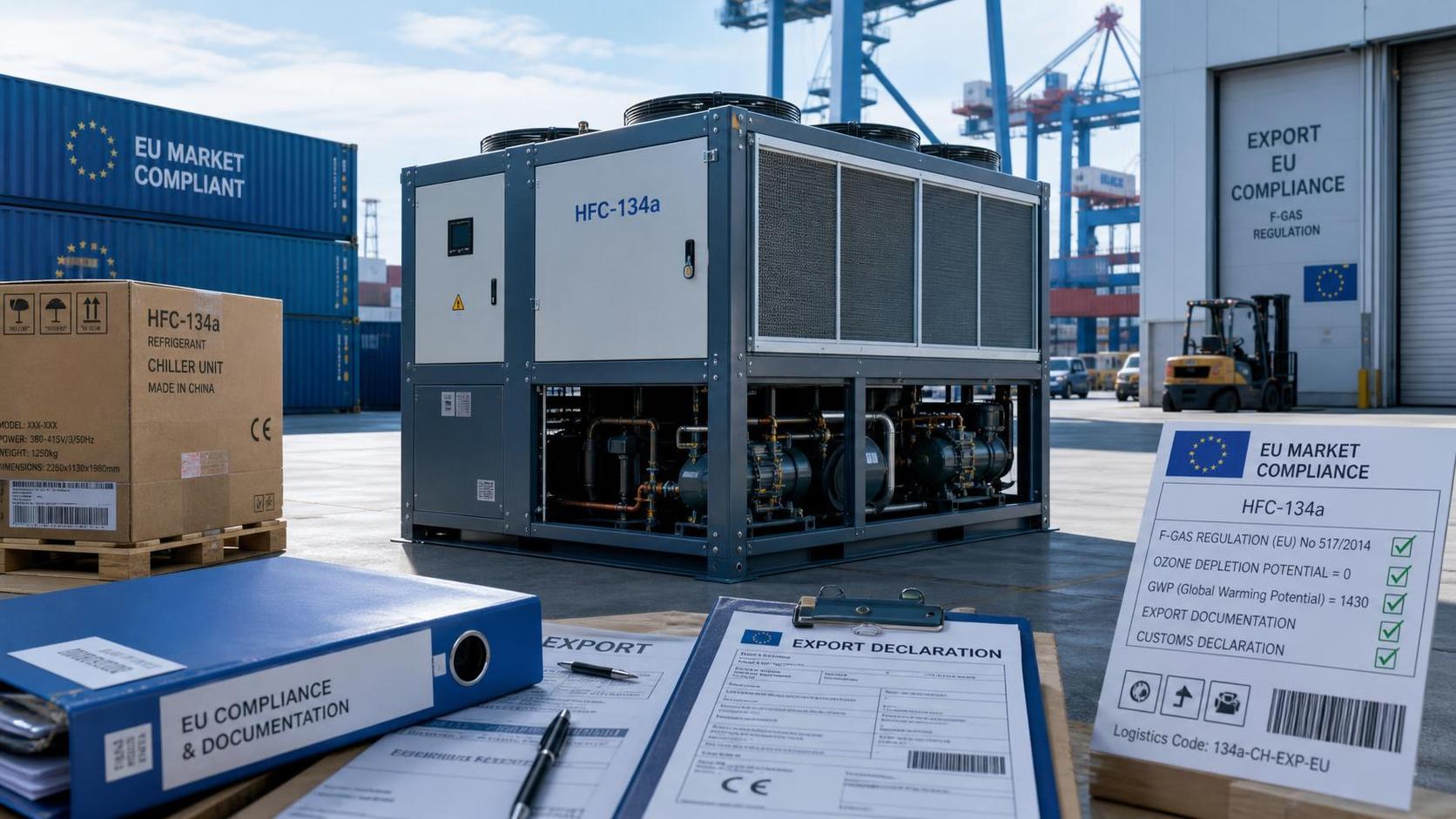
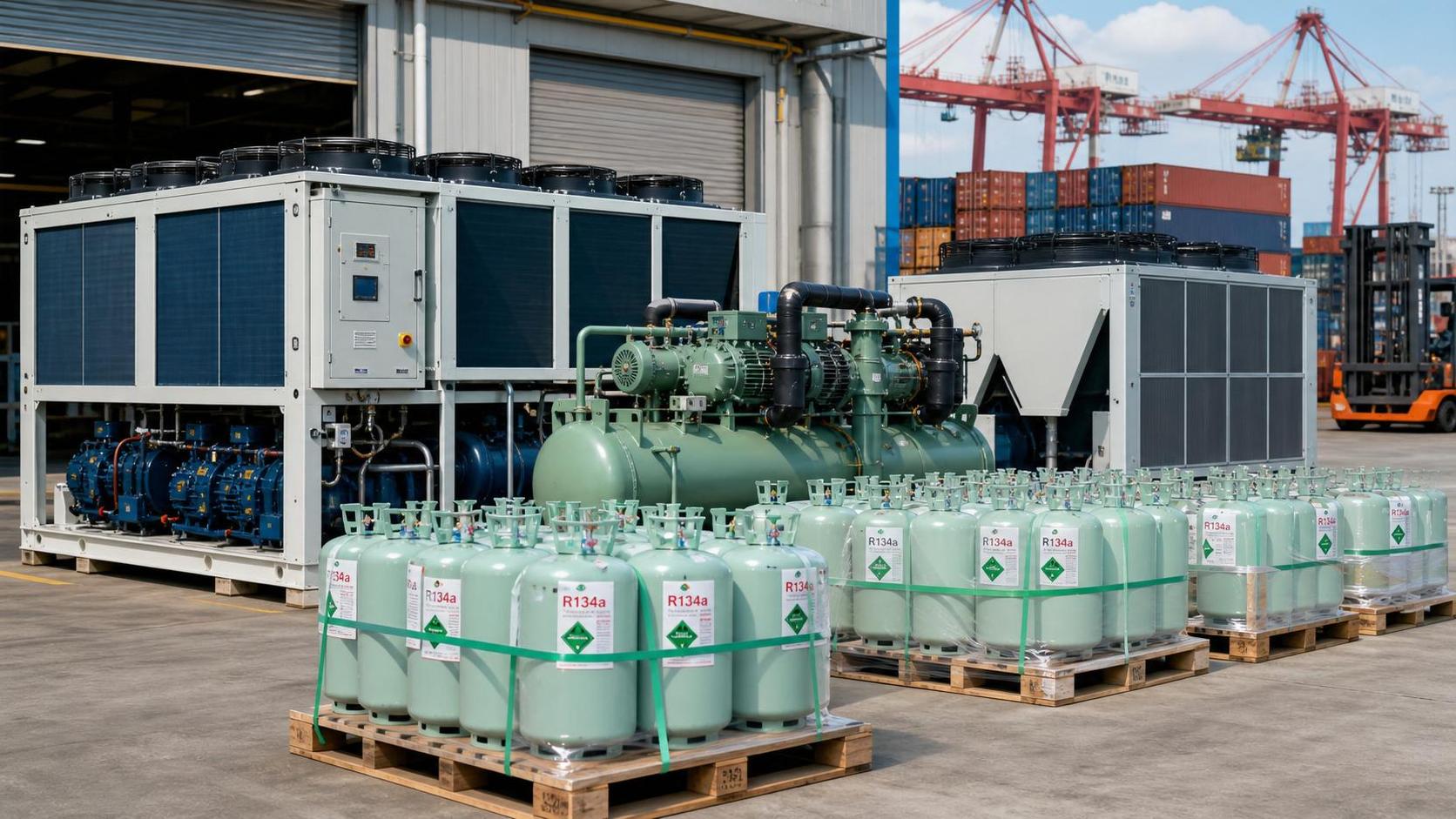
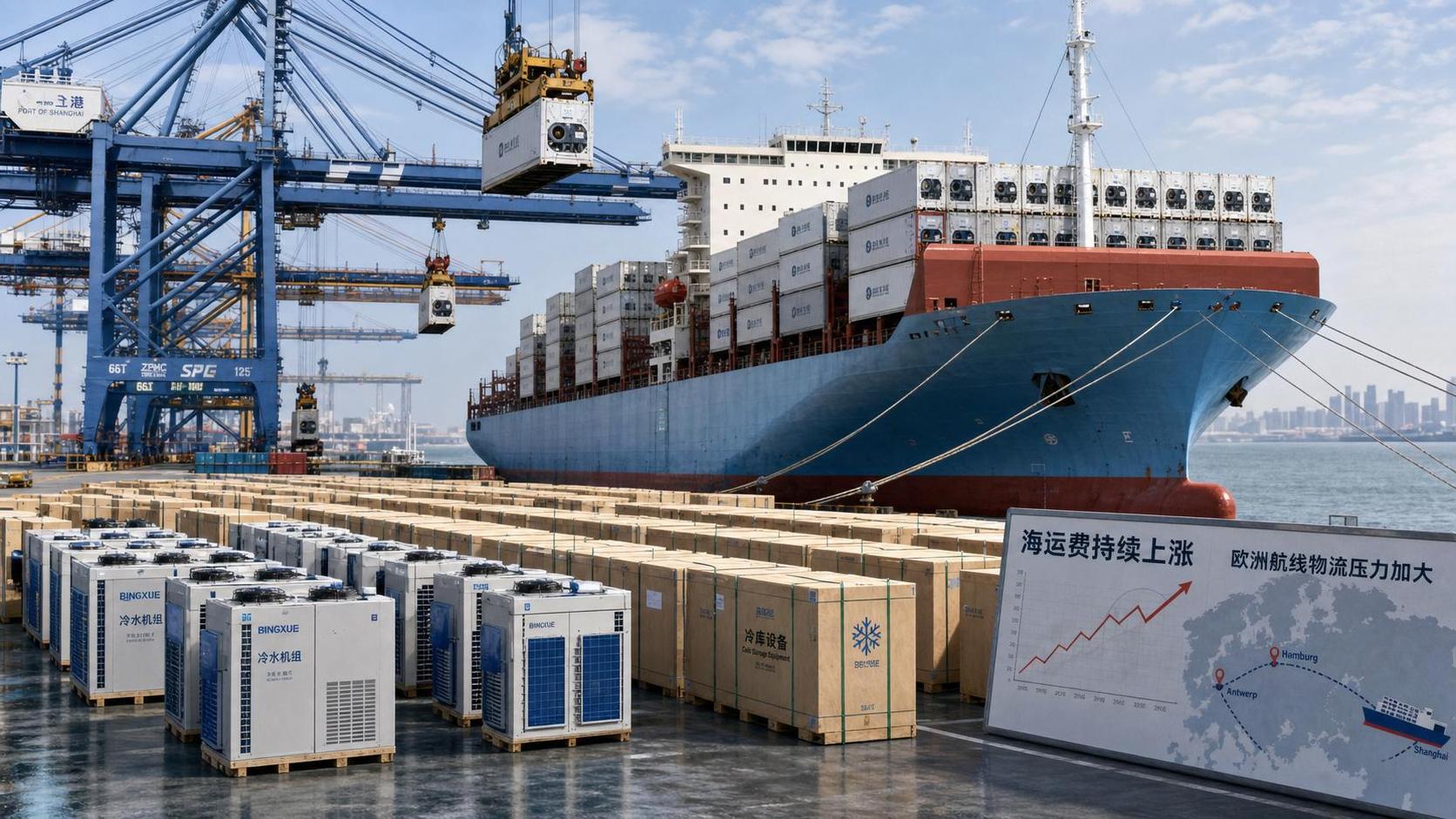
Manufacturers shipping industrial chillers to Europe and other fuel-sensitive markets experienced measurable relief in two key cost lines: electricity used in compressor performance testing and copper tube brazing, and the Bunker Adjustment Factor (BAF) embedded in ocean freight contracts. Since both scale directly with energy prices, the 5.2% oil drop translated into quantifiable margin recovery — prompting some top-tier exporters to revise Q3 European quotations downward by 0.8–1.2% and tighten delivery commitments to 6–8 weeks.
Raw Material Procurement Firms
Companies sourcing copper tubing, aluminum heat exchangers, and refrigerant-grade steel saw indirect but meaningful stabilization in input cost volatility. While these materials are not crude derivatives, their domestic procurement pricing is heavily influenced by power tariffs and logistics surcharges — both of which softened with the oil pullback. No immediate price cuts were reported, but forward contract negotiations showed increased flexibility and longer lock-in windows.
Contract Manufacturing & Assembly Plants
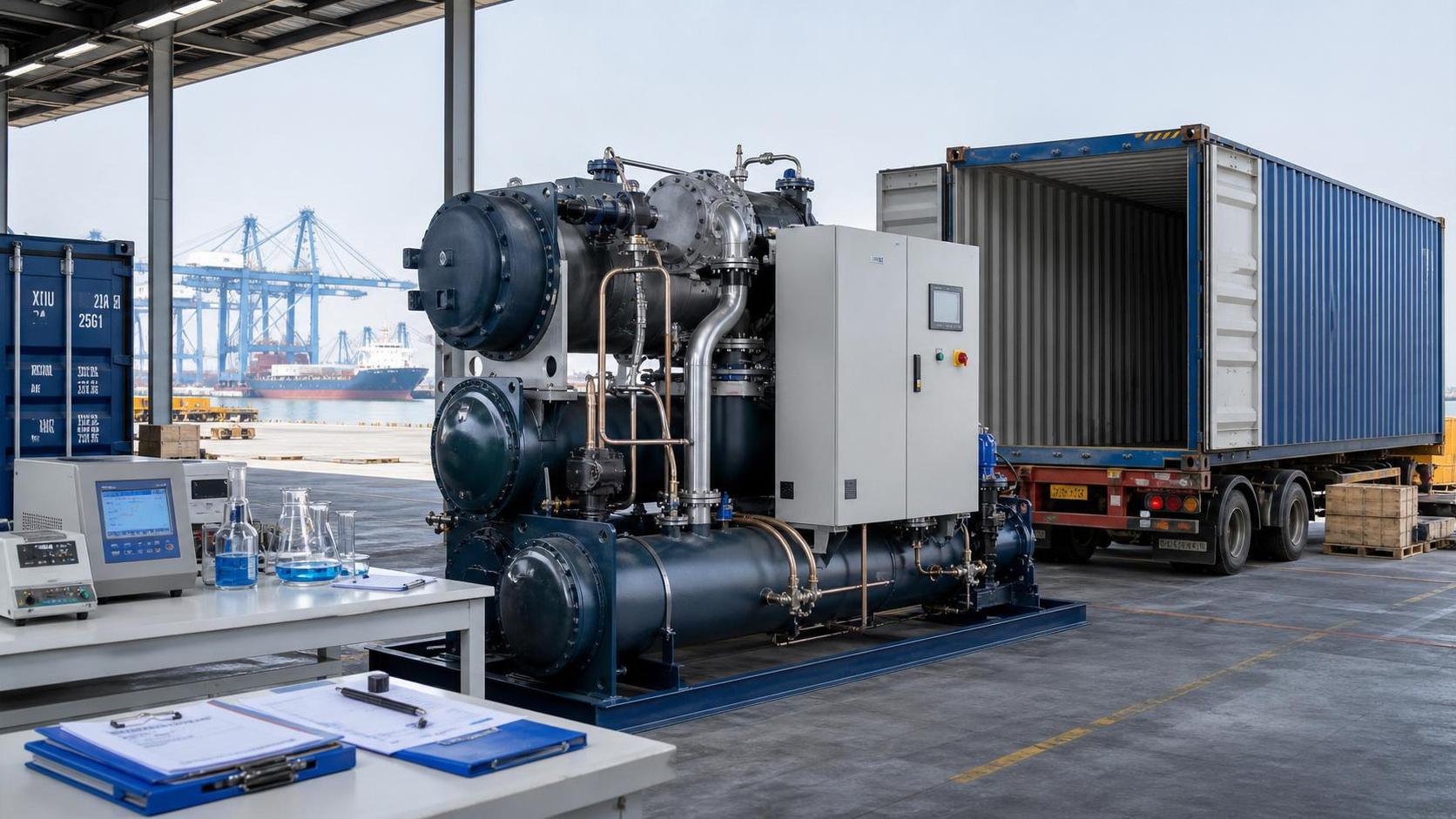
Facilities operating on tight energy budgets — especially those conducting full-load thermal cycling tests and hermetic seal validation — observed lower electricity cost variance week-on-week. This improved predictability in utility-driven overhead allocation, supporting more accurate job costing for export-bound batches. However, no structural reduction in base electricity rates occurred; the benefit remains operational and time-bound.
Freight Forwarding & Logistics Service Providers
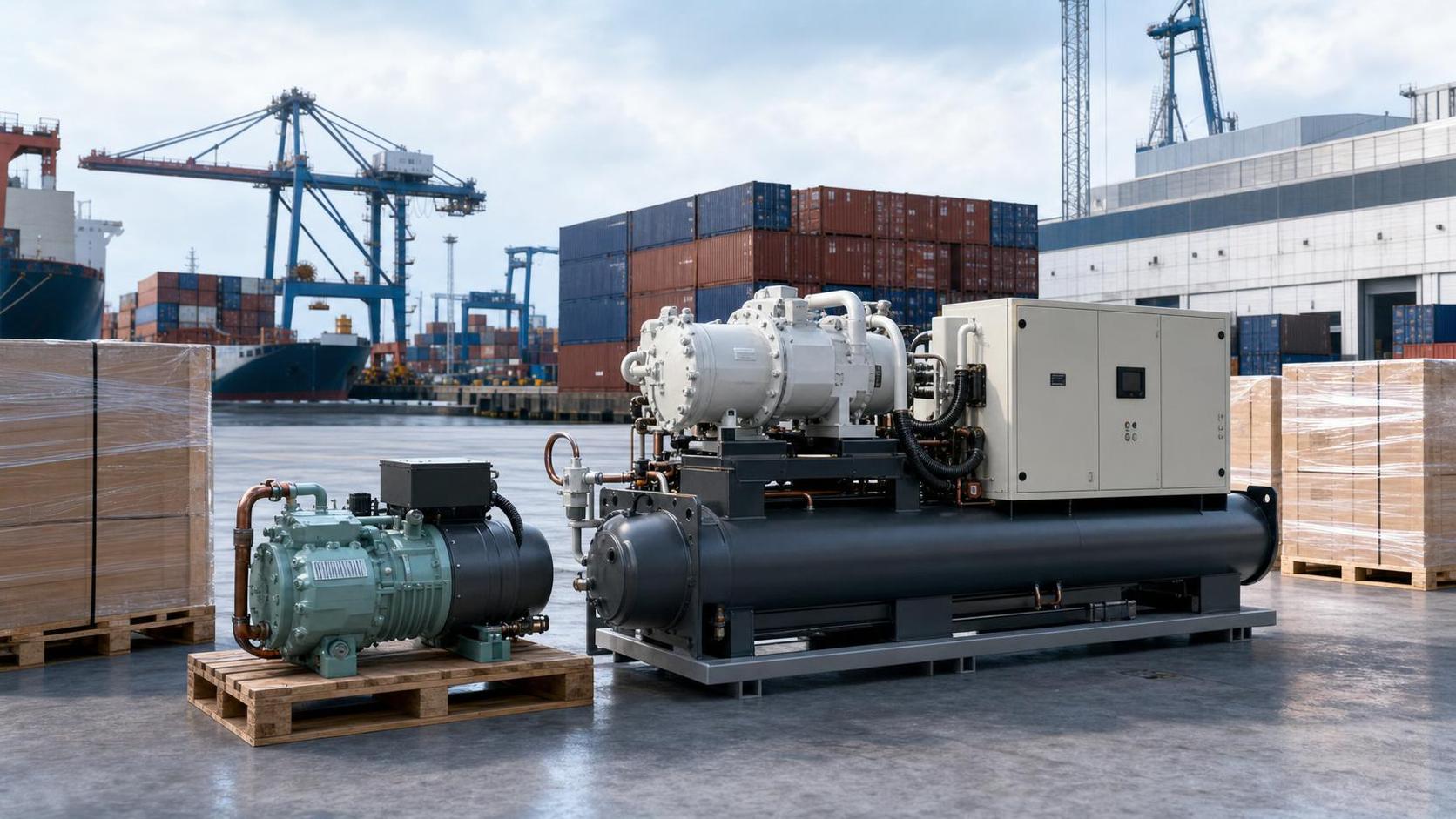
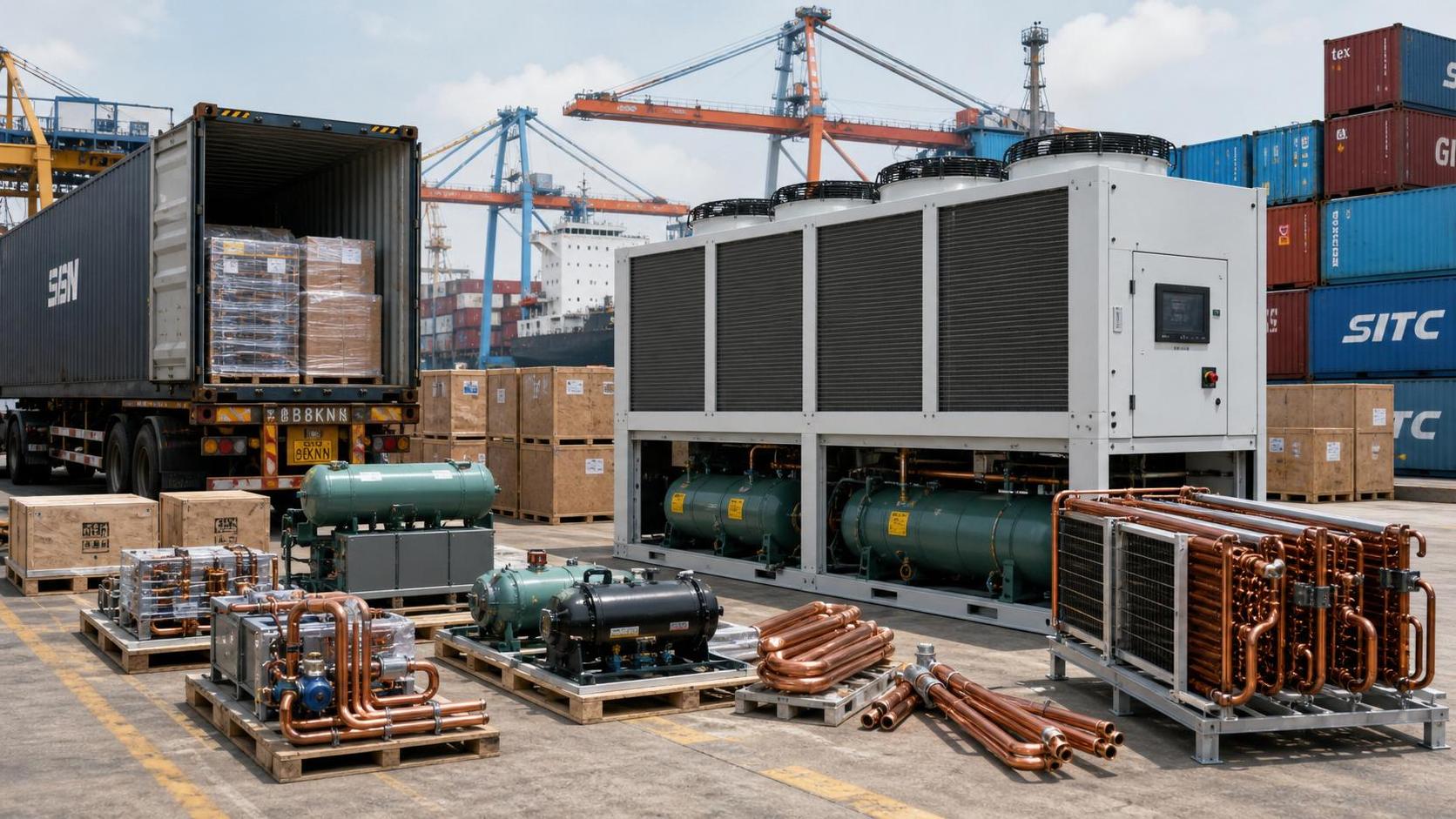
Third-party logistics firms managing containerized shipments of industrial chillers reported softer BAF adjustments across major Asia–Europe lanes. Carriers began rolling back previously applied surcharges effective June 1, 2026 — a lagged but direct consequence of the May 23 oil settlement. This allows forwarders to offer more competitive all-in freight quotes, though contractual terms with shippers remain unchanged until renewal cycles.
Key Considerations and Recommended Actions
Reassess Q3 Pricing and Lead-Time Promises
Exporters should re-evaluate current European quotation sheets and delivery timelines in light of the 0.8–1.2% margin headroom now available. Shortening lead times may improve order conversion without compromising capacity utilization — provided internal test lab throughput and component inventory levels support it.
Lock in Energy-Linked Input Contracts
Procurement teams should prioritize short-duration (≤90-day) agreements for high-electricity-consumption processes and BAF-sensitive freight lanes. The current oil dip appears tactical rather than structural; extending fixed-cost coverage now mitigates risk of reversal-driven volatility later in Q3.
Monitor RMB/USD Stability Beyond Oil Signals
While oil prices fell, the RMB’s stability against the USD — a co-driver of export cost relief — remains subject to PBOC intervention and U.S. Treasury yield shifts. Export finance units should track daily spot rate bands and FX forward premiums to calibrate hedging strategies independently of commodity moves.
Editorial Perspective / Industry Observation
Observably, this oil correction does not signal a broader easing of geopolitical risk premiums — the U.S.-Iran conflict remains active, and insurance premiums for Gulf transits have not declined. Rather, the price dip reflects temporary inventory rebalancing and seasonal demand softness in refining margins. Analysis shows that industrial chiller exporters are benefiting from a narrow, dual-variable window (oil + FX), not systemic cost deflation. From an industry perspective, the current relief is best understood as a tactical pause — not a trend inflection.
Conclusion
This episode underscores how tightly global energy markets interface with mid-tech manufacturing competitiveness — even for non-oil-dependent equipment like industrial chillers. For exporters, the takeaway is not sustained cost advantage, but heightened sensitivity to cross-commodity correlations and the need for agile, multi-variable cost modeling. A rational reading suggests treating the current window as an opportunity to recalibrate — not relax.
Source Attribution
Data sourced from ICE Futures Europe (Brent settlement), China Foreign Exchange Trade System (CFETS RMB index), and Drewry Container Freight Index (BAF methodology). Regulatory status of U.S. and EU sanctions on Iranian oil remains unchanged as of May 23, 2026 (U.S. Department of Treasury OFAC Bulletin #2026-087; EU Council Regulation (EU) 2023/2781 Annex IV update pending). Continued monitoring advised for: (1) OPEC+ production decisions post-June 2026 meeting; (2) EU’s proposed Carbon Border Adjustment Mechanism (CBAM) phase-in timeline for HVAC equipment; (3) PBOC foreign reserve composition disclosures scheduled for June 15, 2026.
Related News
- How Smart Thermal Systems Improve Industrial Cooling EfficiencyAuthor :Cryogenic Systems Expert

- How to Choose Process Cooling Equipment for Stable Temperature ControlAuthor :Cryogenic Systems Expert

- EU Finalizes 2026 HFC Quota Cut for R-134a ChillersAuthor :Cryogenic Systems Expert

- EU Tightens HFC-134a Quotas for Industrial ChillersAuthor :Cryogenic Systems Expert

- REACH SVHC Update Pressures HFC-134a Chiller Supply ChainsAuthor :Cryogenic Systems Expert

- EU PFAS Coolant Ban Reshapes Chiller ExportsAuthor :Cryogenic Systems Expert

- EU REACH Restricts PFAS Cooling Media ImportsAuthor :Cryogenic Systems Expert

- EU Ecodesign Rule Takes Effect for Industrial ChillersAuthor :Cryogenic Systems Expert

- EU REACH Rule Takes Effect for PFAS in Industrial Cooling ExportsAuthor :Cryogenic Systems Expert

- Industrial Cooling for Plastic Processing: How to Size for Stable Cycle TimesAuthor :Cryogenic Systems Expert

- EU F-Gas Update Bars R404A/R507 in Commercial CoolingAuthor :Cryogenic Systems Expert

- DOE Raises Chiller Efficiency Standard From October 2026Author :Cryogenic Systems Expert

- India Mandates BIS Energy Certification for Industrial ChillersAuthor :Cryogenic Systems Expert

- Energy-Efficient Heat Exchange for Process Cooling: Cost vs PaybackAuthor :Cryogenic Systems Expert

- EPA R-134a Import Ban Takes Effect on July 13, 2026Author :Cryogenic Systems Expert

- India BIS Rule Takes Effect for Industrial ChillersAuthor :Cryogenic Systems Expert

- EPA Cuts R134a Import Quotas 20% From July 10Author :Cryogenic Systems Expert

- How to Compare Energy-Efficient Cooling Systems for Factory Expansion ProjectsAuthor :Cryogenic Systems Expert

- Chiller Price Index Rises 11.3% in Q2Author :Cryogenic Systems Expert

- Saudi SASO Tightens Chiller Import Compliance From July 10Author :Cryogenic Systems Expert

- Dubai Opens Fast-Track Chiller TendersAuthor :Cryogenic Systems Expert

- Japan Raises Chiller COP Floor to 6.2 From Sept. 1Author :Cryogenic Systems Expert
![]()
- Compact Thermal Management in Smart Devices: Common Failure RisksAuthor :Cryogenic Systems Expert

- Thermal Management for Batteries: Cooling Methods ComparedAuthor :Cryogenic Systems Expert

- How Compact Thermal Design Extends Smart Device UptimeAuthor :Cryogenic Systems Expert

- Shanghai-Rotterdam Reefer Rates Jump 37% in a WeekAuthor :Cryogenic Systems Expert

- Process Cooling Equipment Low Maintenance: What Cuts Downtime Over 5 Years?Author :Cryogenic Systems Expert

- Semiconductor Cooling Solutions: Which Design Works Best for High-Density Tools?Author :Cryogenic Systems Expert

- Semiconductor Thermal Management Systems: Preventing Yield Loss from Heat DriftAuthor :Cryogenic Systems Expert

- EPA Clears R-1234ze(E) for Industrial ChillersAuthor :Cryogenic Systems Expert
 for Industrial Chillers")
- DOE Raises Chiller IEER Floor to 12.8 From Oct. 2026Author :Cryogenic Systems Expert

- Singapore Refrigeration Show Adds Green Compliance HubAuthor :Cryogenic Systems Expert

- How Food Industry Temperature Control Systems Reduce Product LossAuthor :Cryogenic Systems Expert

- EU REACH Adds 12 SVHCs, Raising Chiller Compliance RiskAuthor :Cryogenic Systems Expert

- Precision Temperature Control Air Cooling: Key Setup Mistakes That Reduce StabilityAuthor :Cryogenic Systems Expert

- India BEE Eyes APF Labels for Imported ChillersAuthor :Cryogenic Systems Expert