UNEP and U4E Release Sustainable Procurement Guides for Cooling and Heating




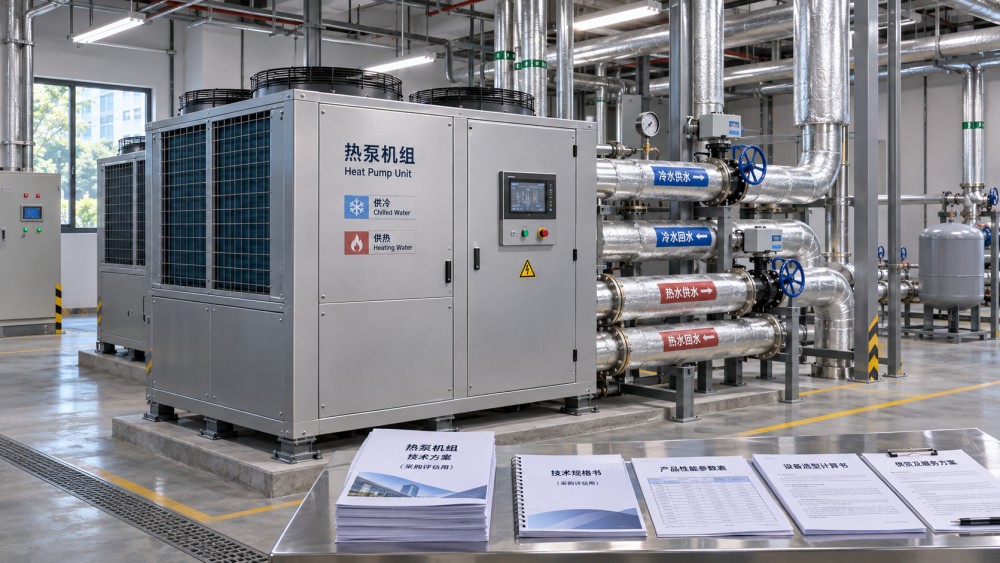
The United Nations Environment Programme (UNEP) and U4E have jointly released two sustainable procurement guides for cooling and heating. The guides set out technical and verification criteria intended to help large buyers assess system performance, lifecycle costs and carbon emissions.
For public purchasers and commercial investors, the guides offer a framework for bringing those considerations into procurement decisions. Their stated aim is to provide a green benchmark and support market access and wider adoption of low-carbon cooling and heating technologies.
What the guides could change in procurement
The most immediate implication is for how buyers define and compare requirements. A procurement decision based on system performance, lifecycle costs and carbon emissions calls for a broader assessment than a comparison of purchase prices alone. Lifecycle cost gives buyers a way to consider costs over the relevant life of a system, while carbon emissions add an environmental dimension to the evaluation.
The verification criteria are also significant to the intended assessment: a buyer needs a way to evaluate whether a system meets the requirements being considered. In practice, the effect on a particular purchase will depend on how the guides are applied and on the procurement requirements the buyer chooses to use.
For suppliers, the potential change is in the information they may be asked to provide. Where purchasers use the guides to shape their evaluations, suppliers could face closer scrutiny of performance, costs and emissions alongside evidence supporting their claims. The implications will differ with the requirements of each purchase; the release of the guides alone does not establish a universal purchasing requirement.
From a benchmark to market adoption
The guides could influence market access if large buyers incorporate their criteria into purchasing decisions. Clearer expectations may help suppliers understand what buyers want to assess, while giving purchasers a common basis for comparing options. That pathway, however, depends on uptake: publication of a guide is distinct from its use in procurement.
The longer-term effect on the scale of low-carbon technology adoption will likewise depend on decisions made by buyers and investors. A useful measure to watch is whether procurement processes begin to apply the guides’ performance, lifecycle cost and emissions criteria, and how verification is handled in those evaluations.
For now, the release signals an effort to make sustainability considerations more usable in cooling and heating purchasing. Its eventual reach will be determined by how organizations put the guidance into practice.
Ready when you are. Send us a message to get started.
Related News
- UNEP and U4E Release Sustainable Procurement Guides for Cooling and HeatingAuthor :

- Can skid-mounted thermal integration reduce plant energy use?Author :

- Cybersecurity Firm Detects Login Attempts Targeting Danfoss Refrigeration ControllersAuthor :

- How to choose a cooling solution for a high-power PCBAuthor :

- EU Monitors Cyberattacks on European Supermarket Refrigeration SystemsAuthor :

- How to assess a pure power source manufacturer's voltage stabilityAuthor :

- EHPA Seeks Inclusion of Heat Pumps in €175 Billion EU Research PlanAuthor :

- US to Lift 50% Tariff on Some Canadian Refrigeration EquipmentAuthor :

- Chillventa 2026 Sets Records for Exhibitor and Visitor NumbersAuthor :

- Carrier Plans $600 Million Manufacturing and Engineering Center in Fort WorthAuthor :

- Semiconductor Thermal Management: Low Vibration Design PrioritiesAuthor :

- Thermal Interface Materials: What Drives Real Thermal OptimizationAuthor :
![]()
- Global Energy Costs in Europe: What Changed in 2026Author :

- Smart Device Thermal Management: Common Failures and FixesAuthor :

- Thermal Efficiency Optimization: 5 Signs Your System Is Losing HeatAuthor :

- How Precision Temperature Control Systems Improve Process StabilityAuthor :

- How Intellectualization Improves Process Visibility in Modern PlantsAuthor :

- Global Energy Costs in 2026: What Rising Prices Mean for Plant PlanningAuthor :

- Carbon Neutrality Roadmaps: Common Gaps in Industrial PlanningAuthor :

- Heat Transfer Basics: What Affects Efficiency in Industrial EquipmentAuthor :

- Industrial Thermal Systems: Common Failure Risks in Continuous OperationAuthor :

- Global Energy Costs: 2026 Risk Signals to WatchAuthor :

- Pneumatic Power Systems: Common Sizing Mistakes to AvoidAuthor :

- How Thermal Power Systems Cut Downtime in 2026Author :

- Clean Energy Technology Trends Reshaping Industry in 2026Author :

- Pneumatic Power Systems: Key Checks Before Equipment SelectionAuthor :

- Compression Technology Mistakes That Raise Maintenance RiskAuthor :

- Clean Energy Technology Risks to Watch in 2026 ProjectsAuthor :

- Smart Thermal Systems: 5 Signals Your Controls Are Wasting HeatAuthor :

- How to Size Pneumatic Power Systems for Stable OutputAuthor :

- Pneumatic Power Systems: Key Safety Risks in Daily OperationAuthor :

- Clean Energy Technology Shifts Reshaping Industrial InvestmentAuthor :

- Intellectualization in Industry: What Delivers Measurable Value?Author :

- Thermal Management Mistakes That Shorten Equipment LifeAuthor :

- Clean Energy Technology Options That Fit Real Manufacturing UpgradesAuthor :

- Energy-Saving Technologies Worth Tracking in 2026Author :