



Thermal Efficiency Optimization: 5 Signs Your System Is Losing Heat




When heat loss starts quietly, performance usually drops first
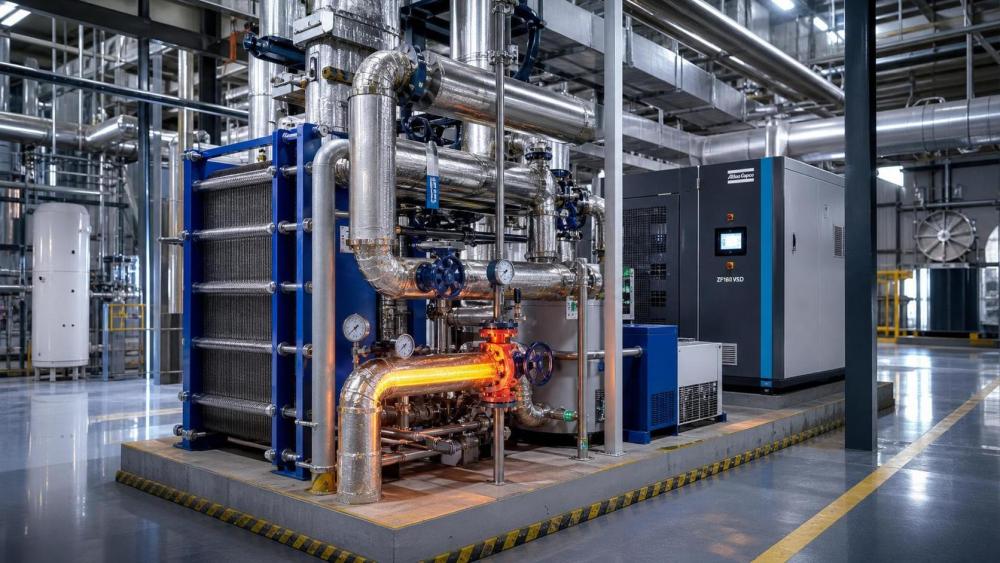
Thermal efficiency optimization rarely begins with a dramatic shutdown. It usually starts with small losses that hide inside normal operation.
A hotter utility room, a longer warm-up period, or a rising compressed air load can all point to wasted heat.
In practical industrial settings, those signs matter because heat loss does not stay isolated. It affects stability, maintenance intervals, and energy planning.
That is why thermal efficiency optimization should be treated as an operating decision, not only an engineering calculation.
Across cooling, compression, vacuum, and heat exchange systems, the first useful question is not whether heat is escaping.
The better question is where the loss begins under real load, and how that changes by application.
This is also the logic behind GTC-Matrix. Its intelligence focus connects thermodynamic behavior with operating conditions, policy pressure, and equipment evolution.
That broader view matters, because the same symptom can signal very different efficiency problems in food processing, semiconductor cooling, or boiler support systems.
Different operating environments change what heat loss really means
Thermal efficiency optimization is never judged by temperature alone. Load profile, cleanliness, duty cycle, and control sensitivity all reshape the diagnosis.
A plant with stable batch cycles may tolerate short thermal swings. A process with precise temperature windows usually cannot.
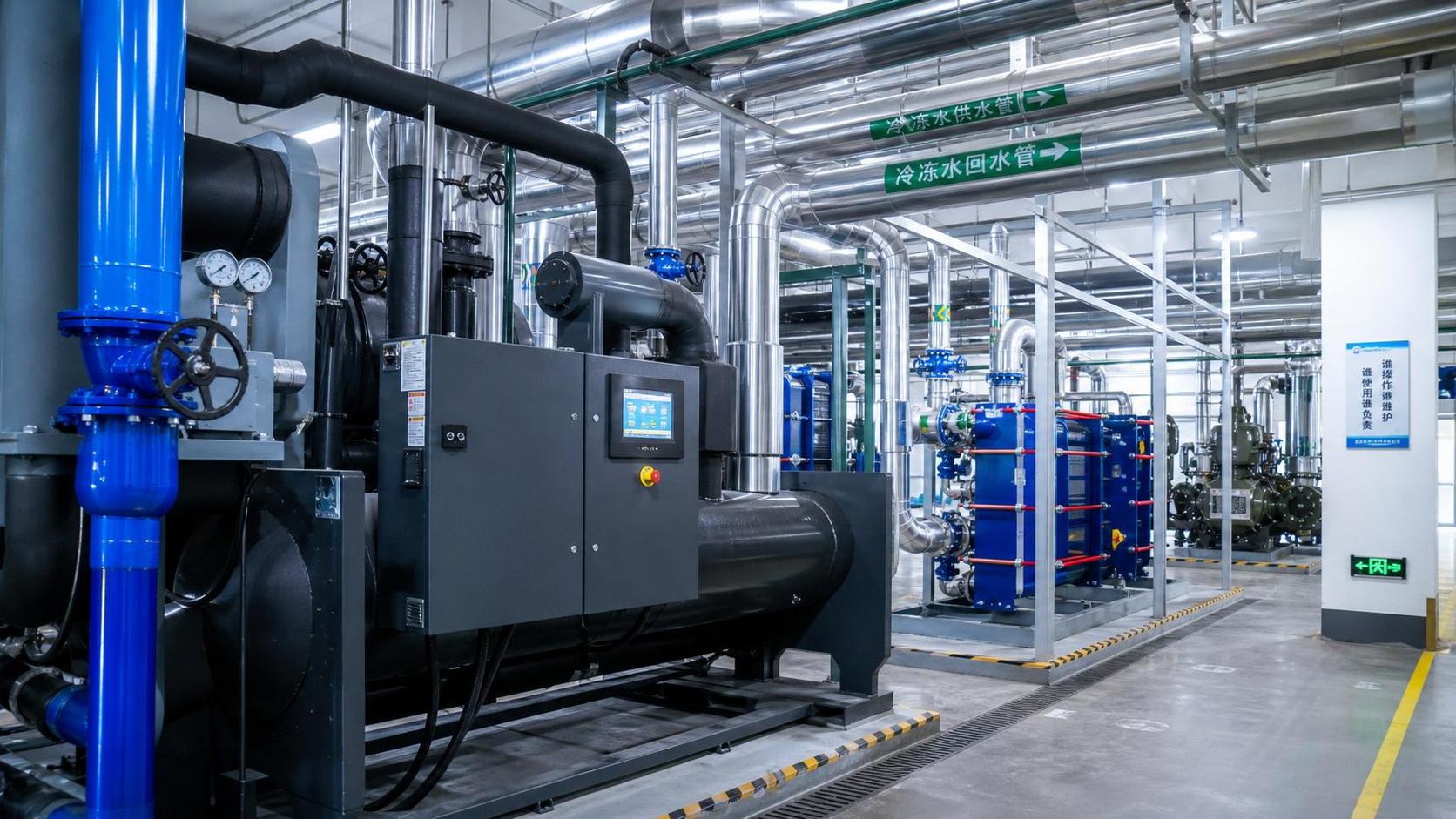
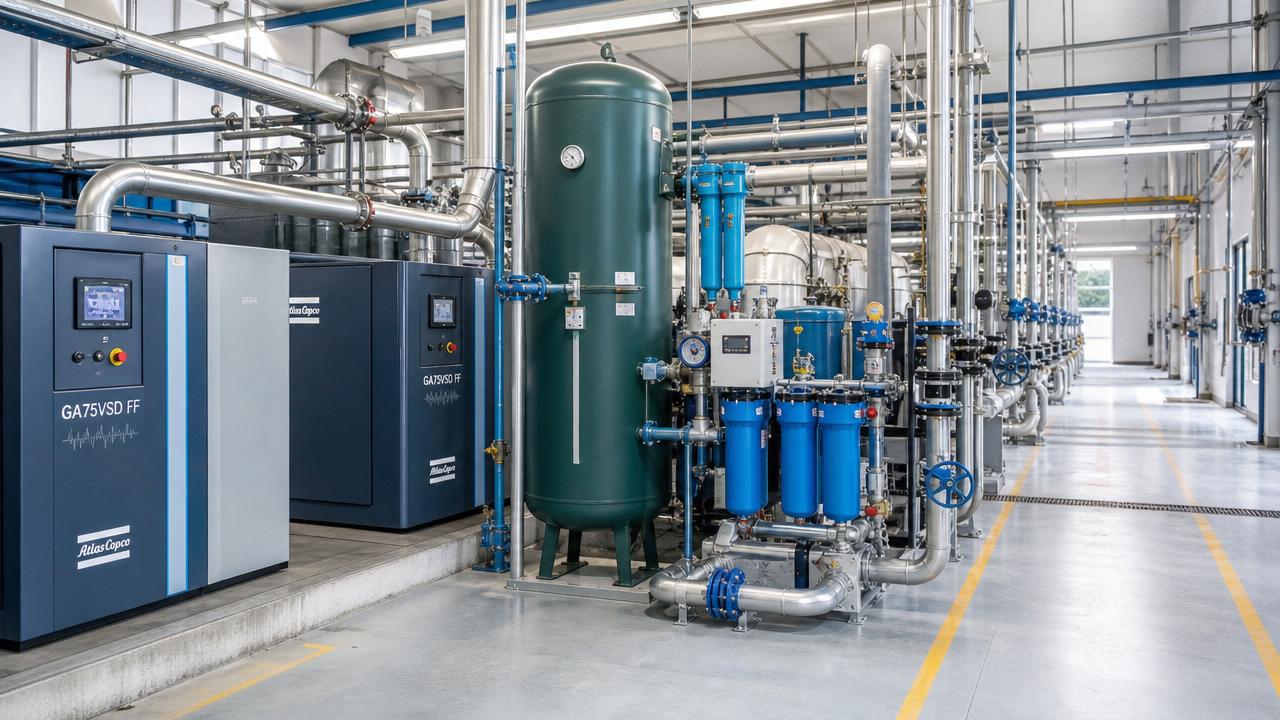
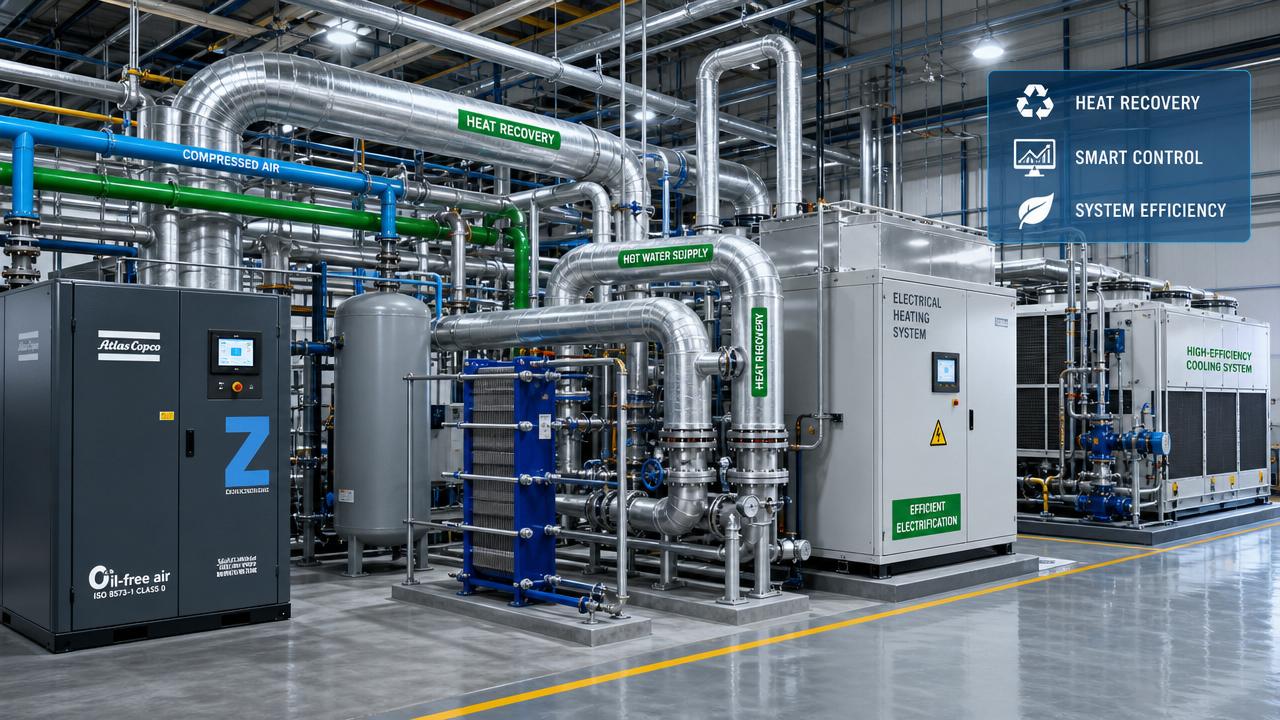
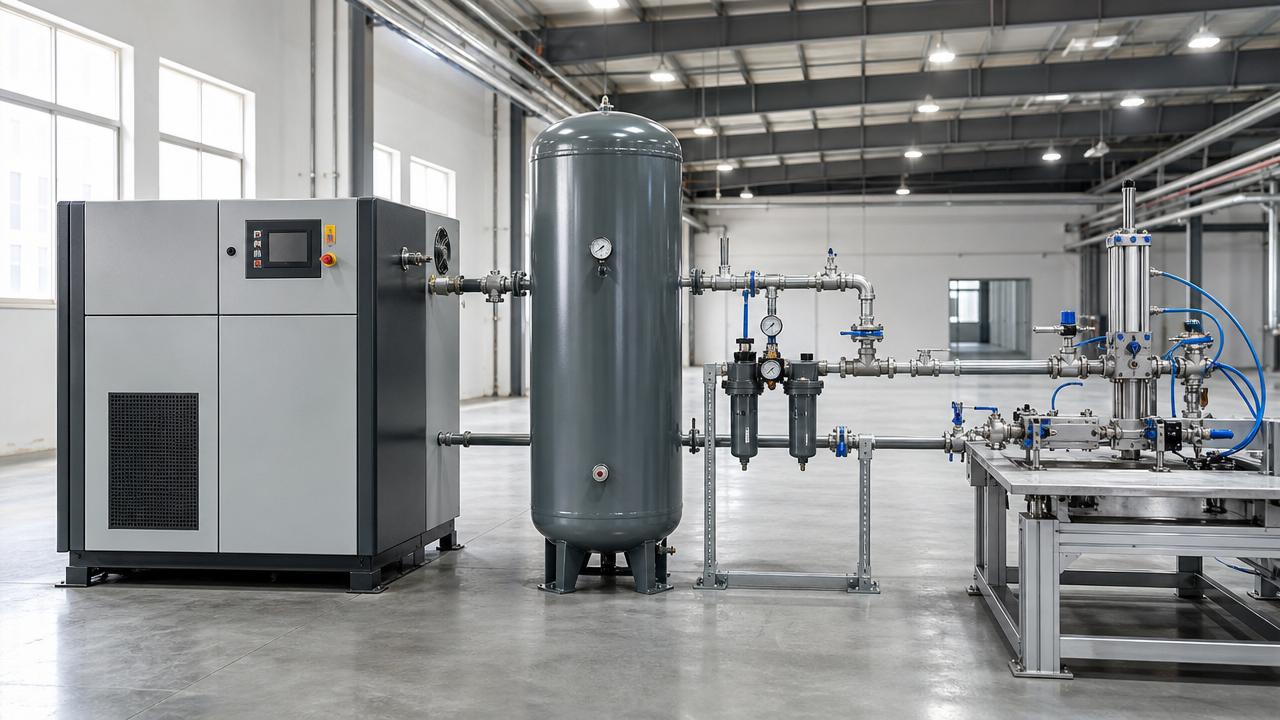
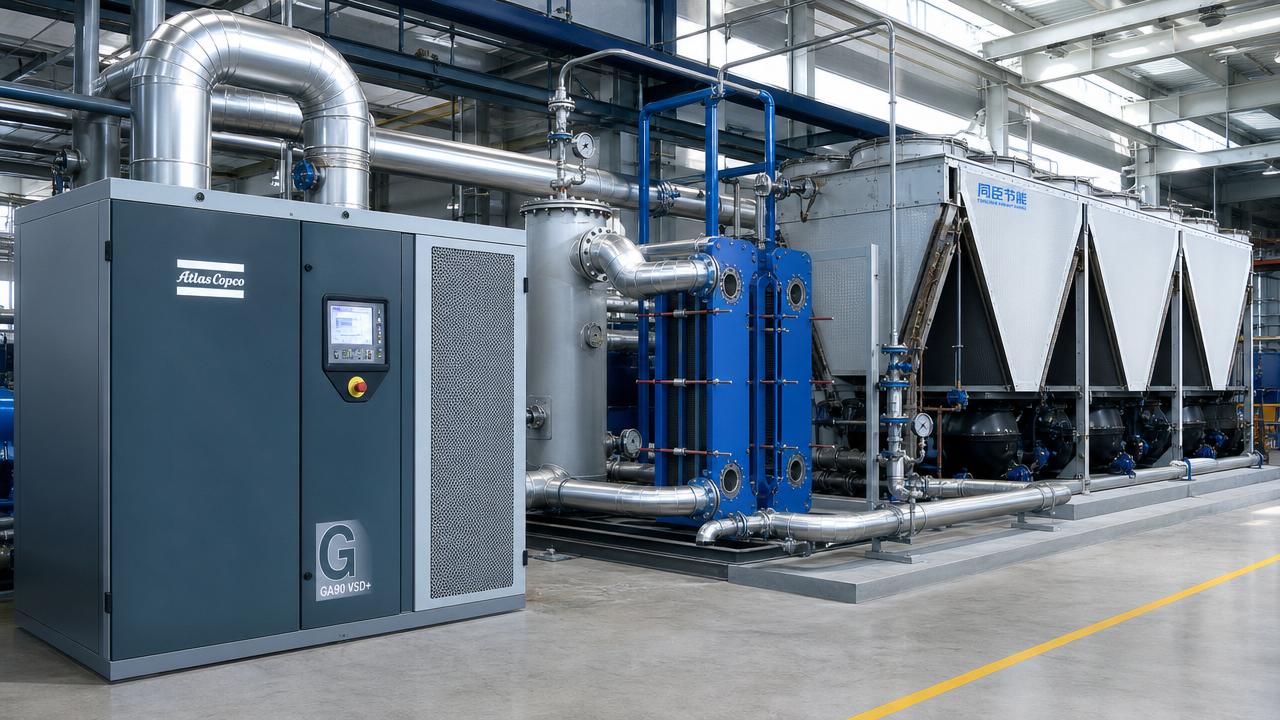
In compressed air systems, extra heat can mean poor aftercooling, fouled heat exchangers, or overworked compressors.
In refrigeration or process cooling, the same heat rise may indicate refrigerant imbalance, airflow restriction, or declining heat transfer surfaces.
This is where many sites misread the issue. They compare nameplate performance with field data, but ignore the actual thermal context.
A more reliable approach is to judge heat loss against process risk, not only against design values.
Five signs usually appear before energy waste becomes obvious
- Surface temperatures rise around ducts, housings, valves, or pipe transitions.
- Warm-up, pull-down, or recovery times become longer than the normal production window.
- Energy use increases even when throughput stays flat.
- Product quality or process stability becomes harder to hold.
- Maintenance events become more frequent around seals, insulation, fans, or heat transfer components.
Seen together, these signs make thermal efficiency optimization a priority rather than a future upgrade topic.
In continuous production, unstable temperatures often reveal the first loss path
Continuous lines usually expose thermal weakness faster than intermittent systems. Small losses keep compounding because there is little idle time for recovery.
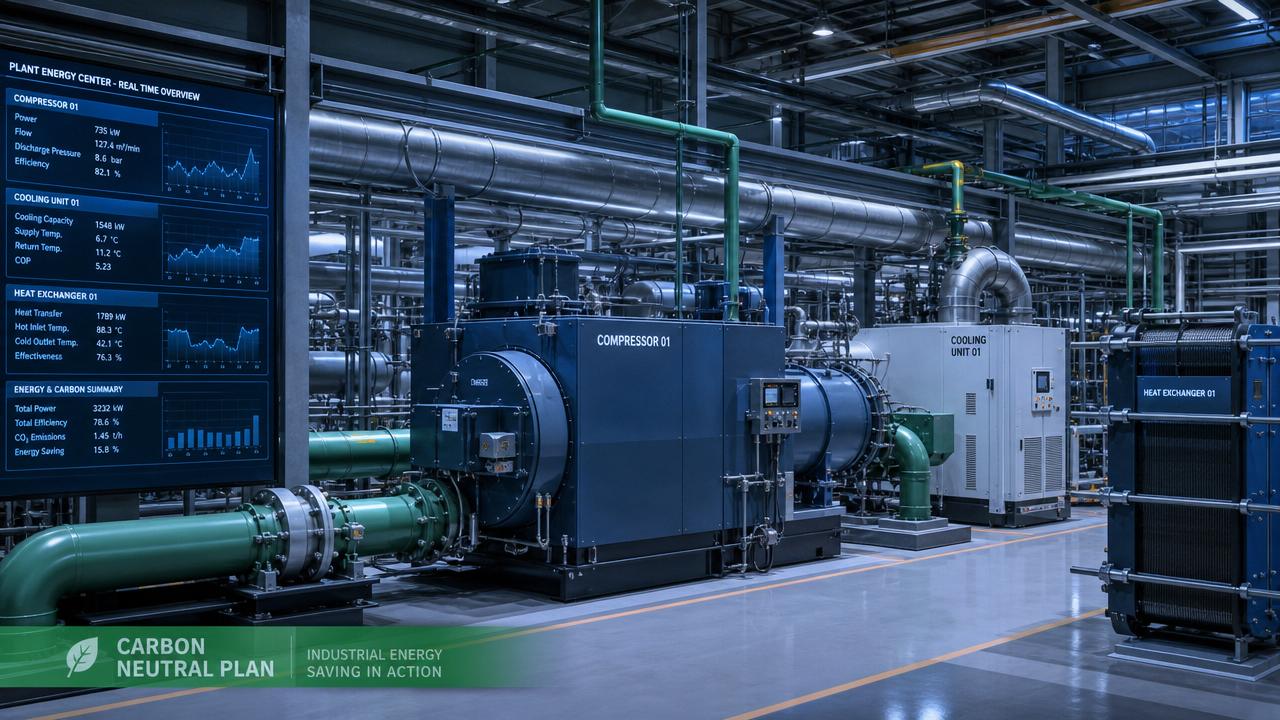
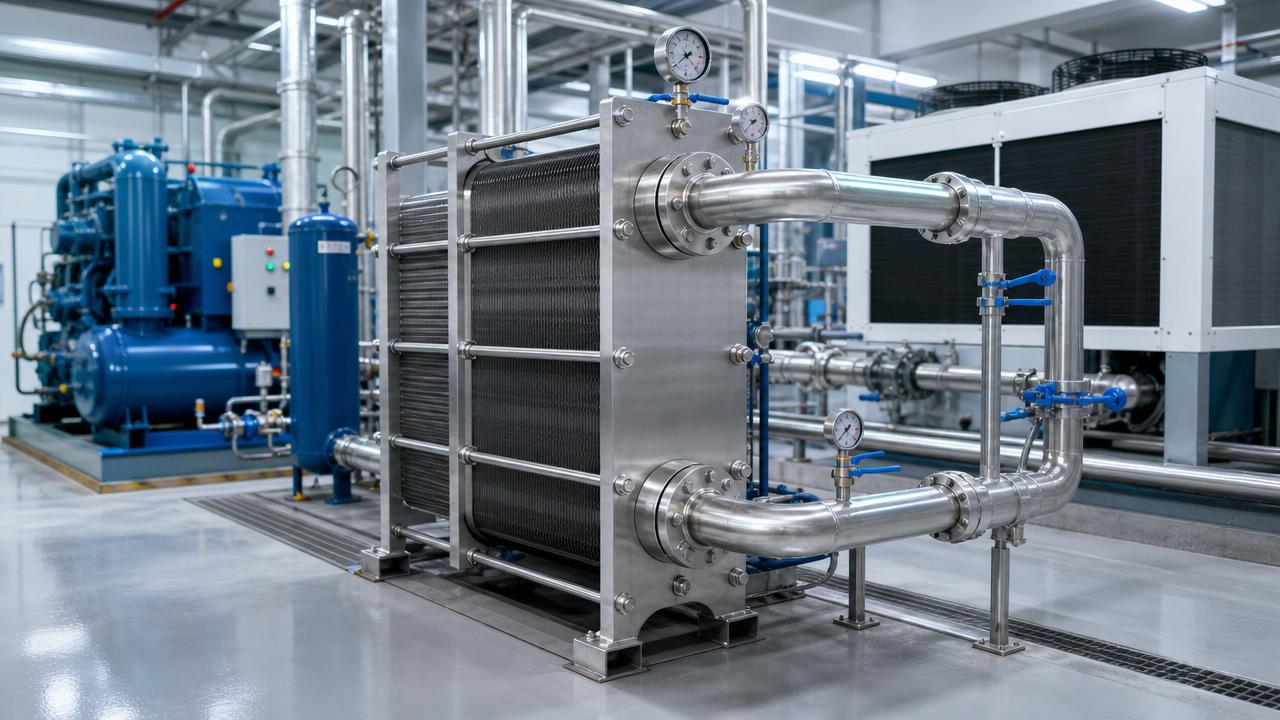
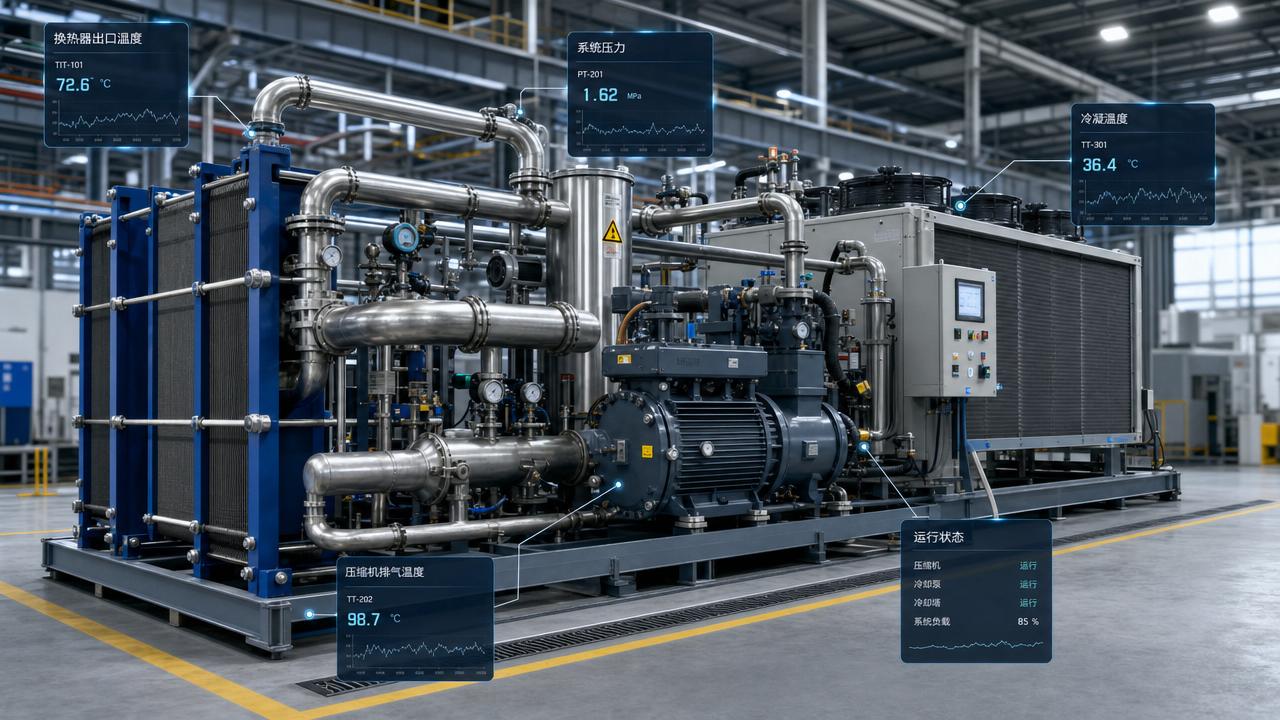
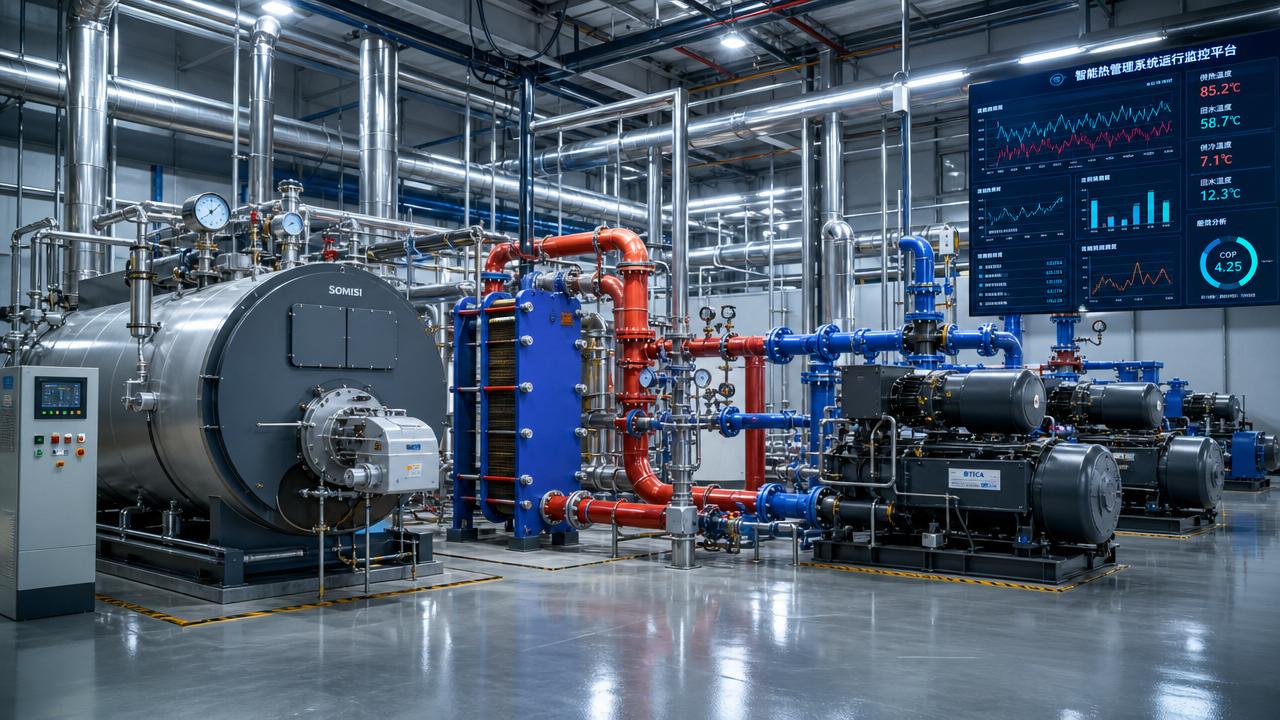
Heat exchangers, drying tunnels, cooling loops, and compressed air rooms often show the problem through unstable outlet conditions.
Here, thermal efficiency optimization should focus on trend consistency. Single readings are less useful than repeated drift under similar loads.
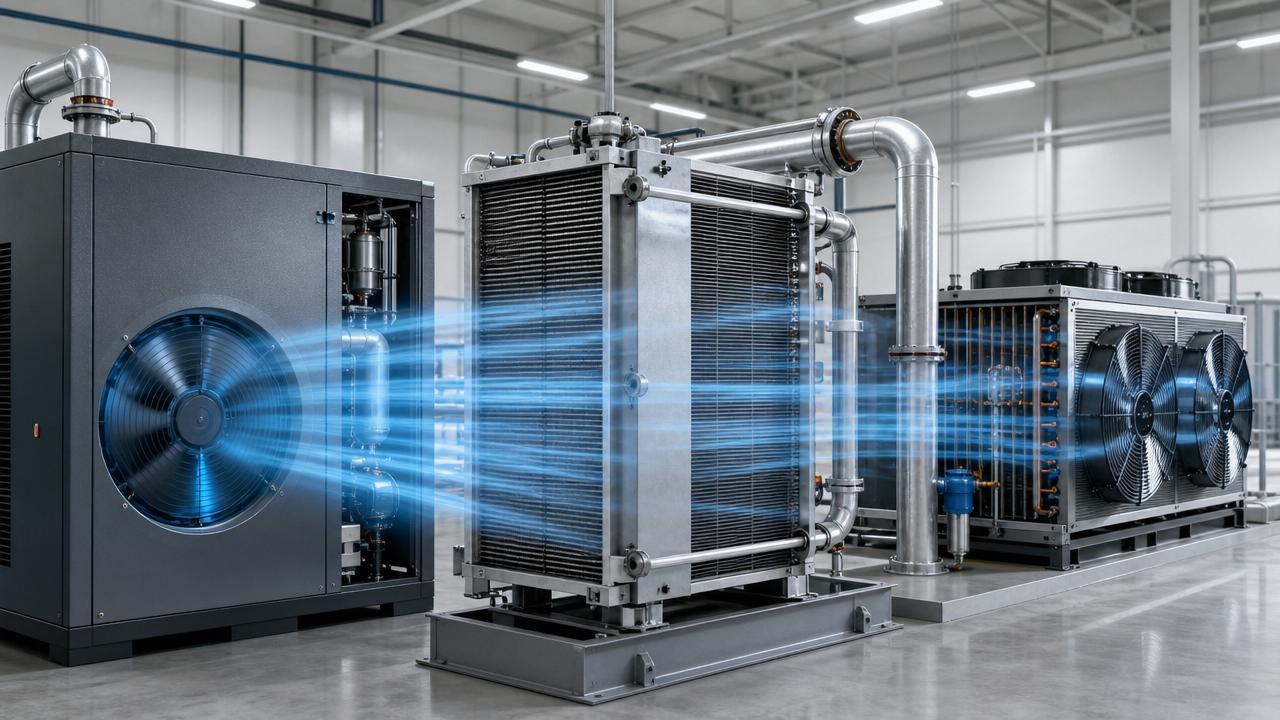
If outlet temperatures creep upward while flow, ambient conditions, and throughput remain close, heat transfer loss is a likely cause.
This scenario is common where fouling builds slowly, insulation ages unevenly, or fan performance declines without a direct alarm.
A frequent mistake is replacing components too early. The real issue may be poor control sequencing or bypass leakage around the heat exchange path.
What to check before changing hardware
- Compare inlet and outlet temperatures over several stable production cycles.
- Review pressure drop changes across coolers, filters, and exchanger sections.
- Inspect insulation joints, access doors, and flexible connections for localized heat leakage.
- Confirm control valves and dampers reach their intended positions under load.
In high-precision environments, small heat leaks create larger quality risks
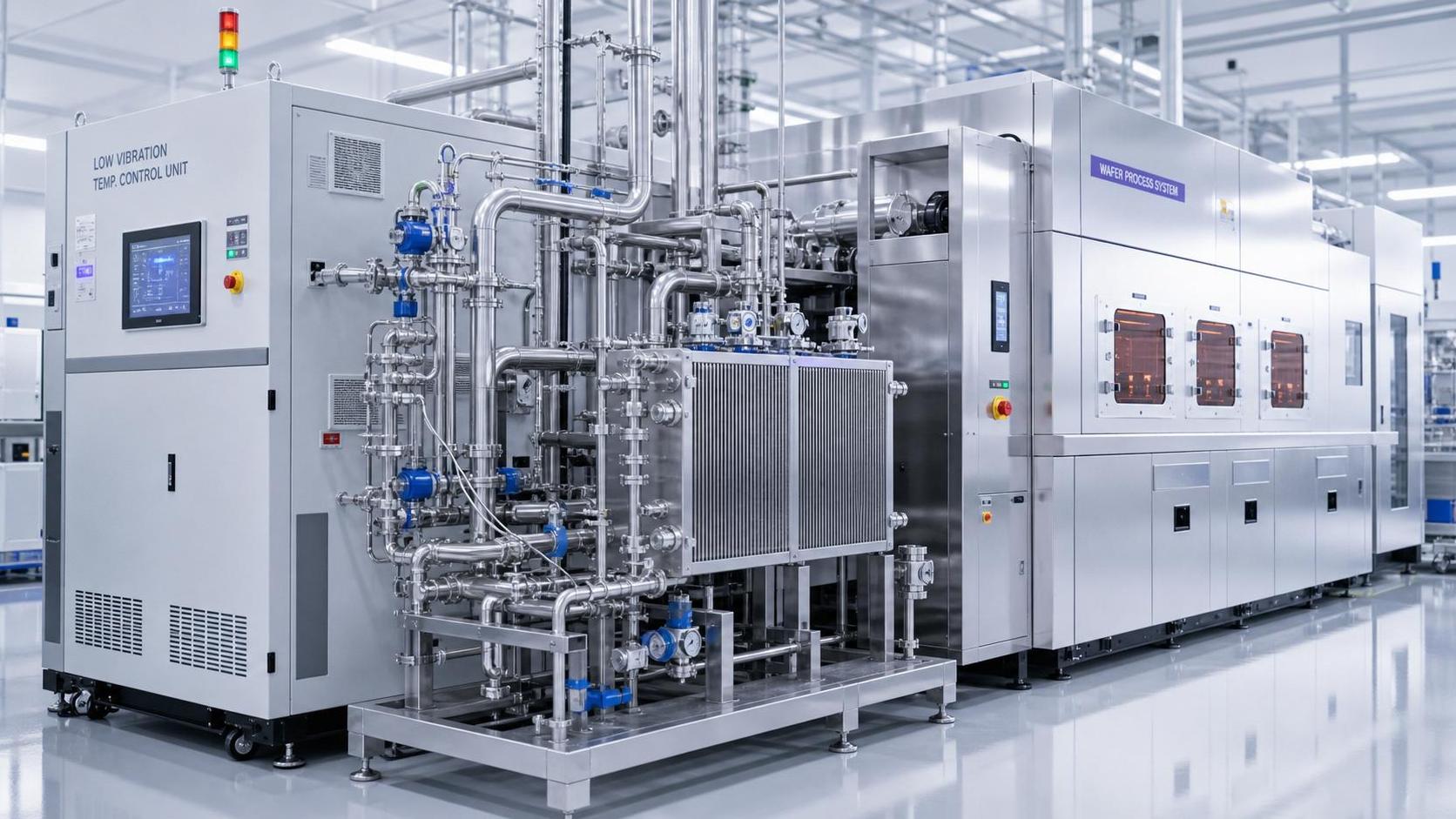
Thermal efficiency optimization becomes more sensitive in pharmaceutical, semiconductor, and advanced food processes.
These settings do not only pay for wasted energy. They also pay for drift in purity, repeatability, and cycle control.
A minor heat leak in a vacuum line, cooling circuit, or clean compressed air system can push the process outside its preferred window.
That is why the judgment point changes. The question is less about maximum heat loss and more about tolerance to variation.
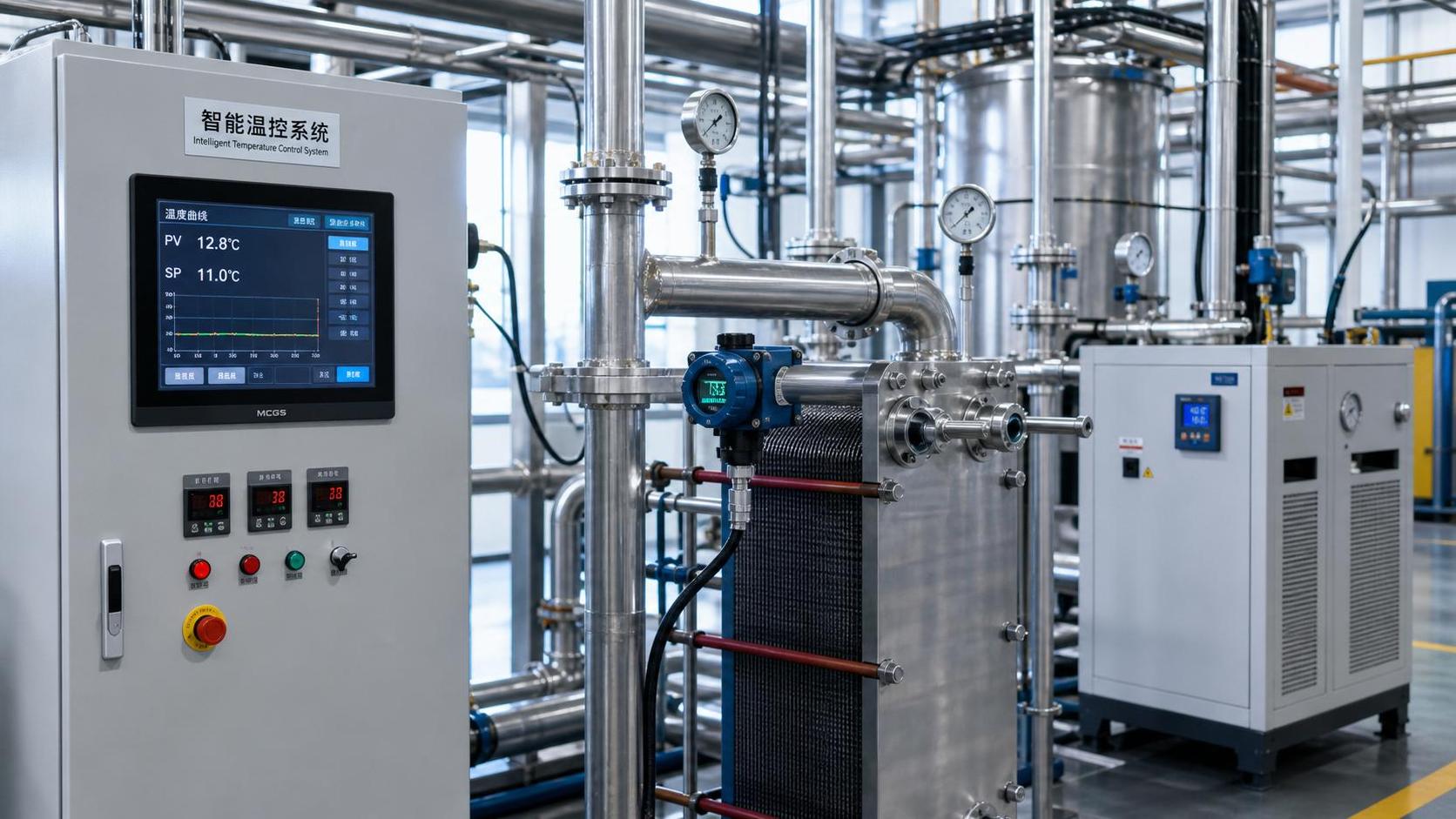
In these applications, thermal efficiency optimization often starts with tighter monitoring of approach temperature, dew point stability, and heat rejection consistency.
GTC-Matrix regularly highlights this shift in its commercial and technology analysis: precision industries reward thermal control quality, not just lower utility bills.
A system that looks acceptable in a general utility area may still underperform badly in a precision process loop.
Utility rooms and heat recovery loops need a different efficiency lens
Not every loss appears at the process end. Many thermal penalties begin in support infrastructure.
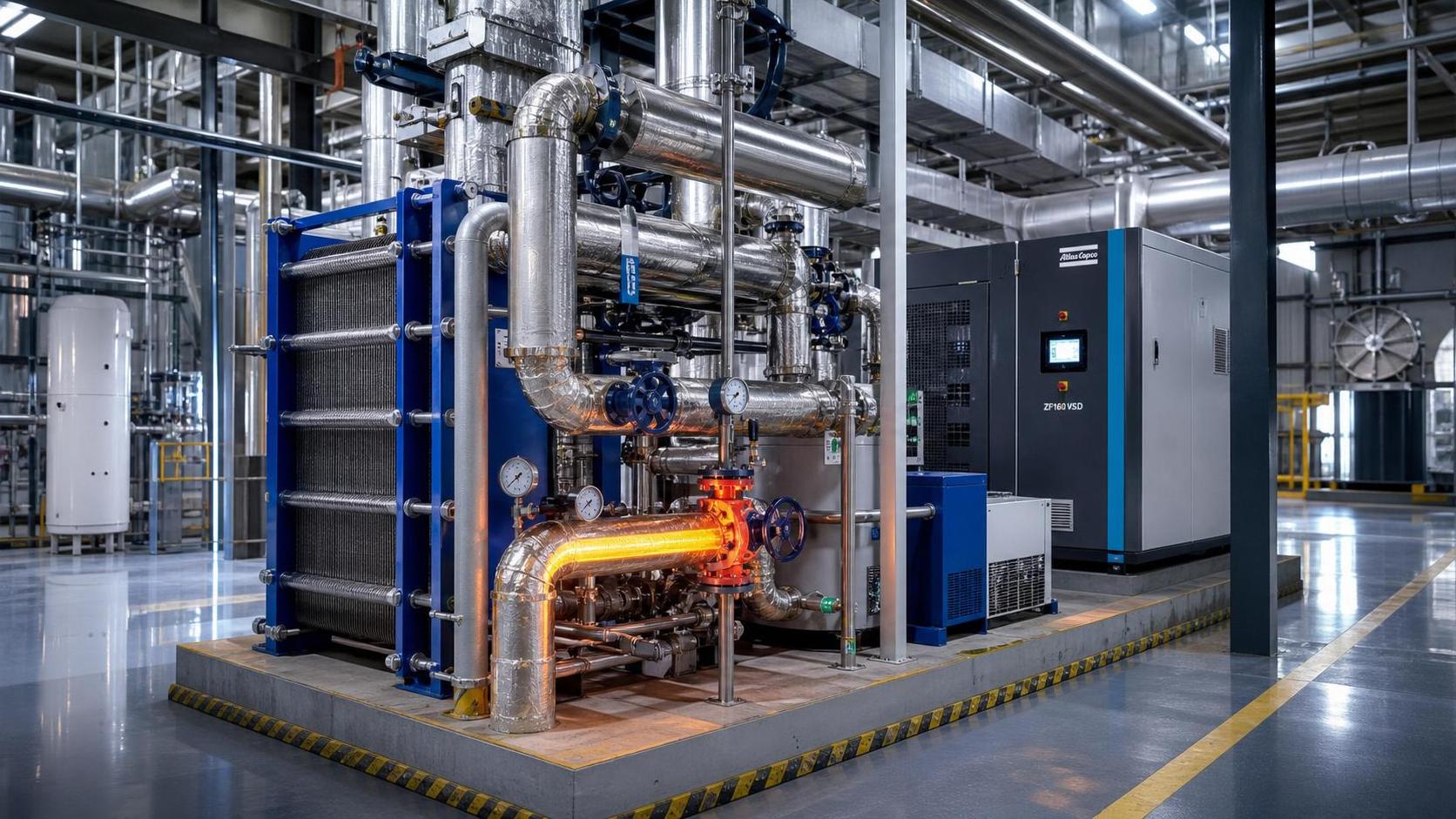
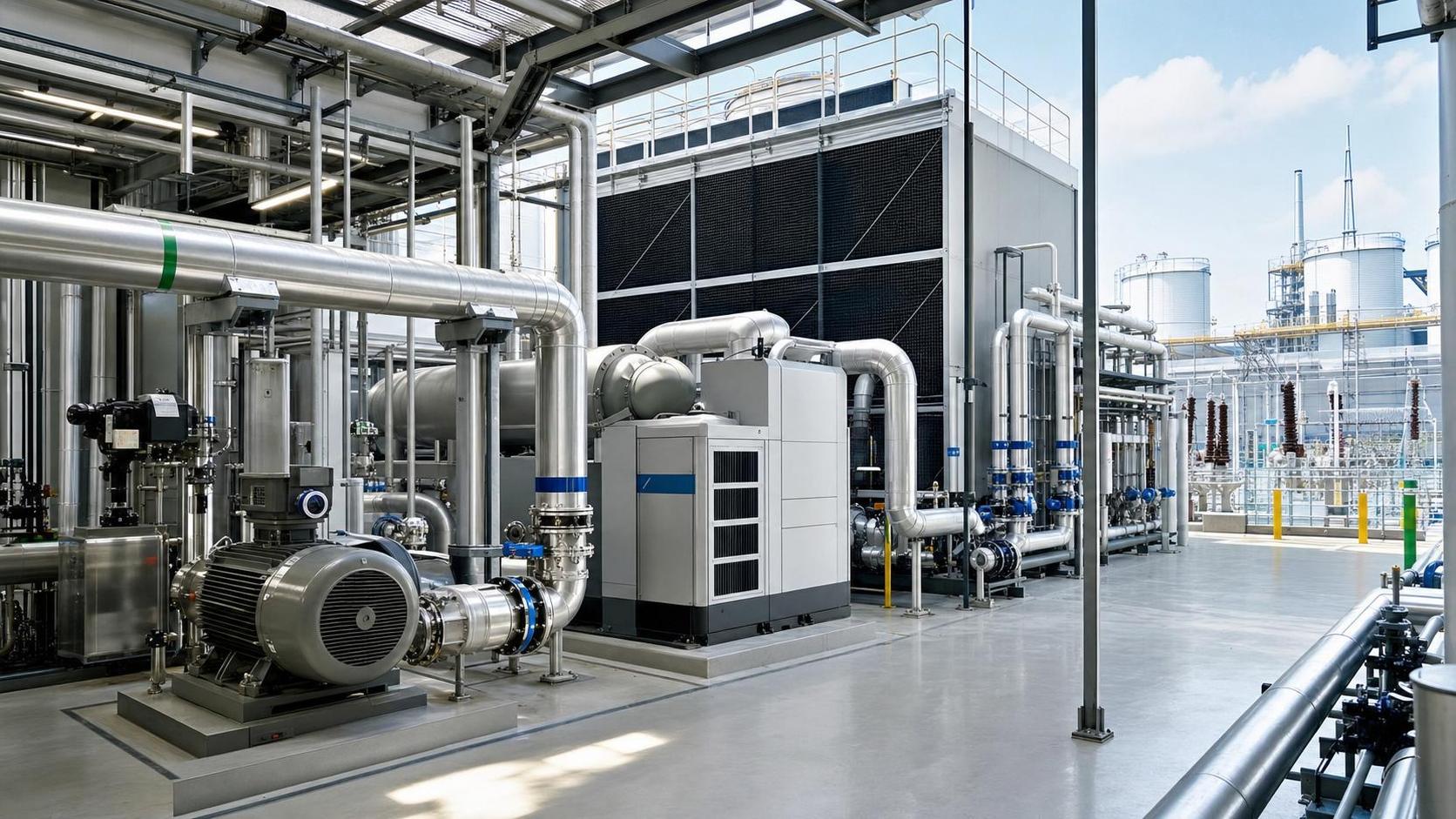
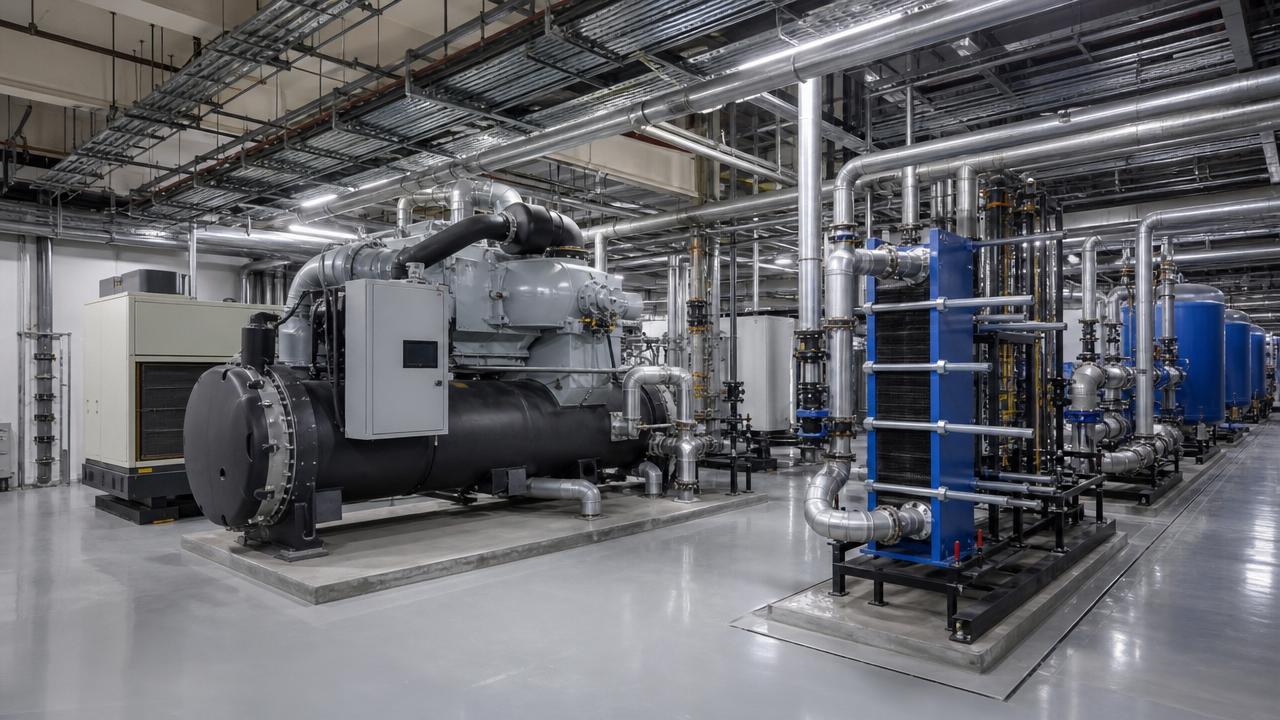
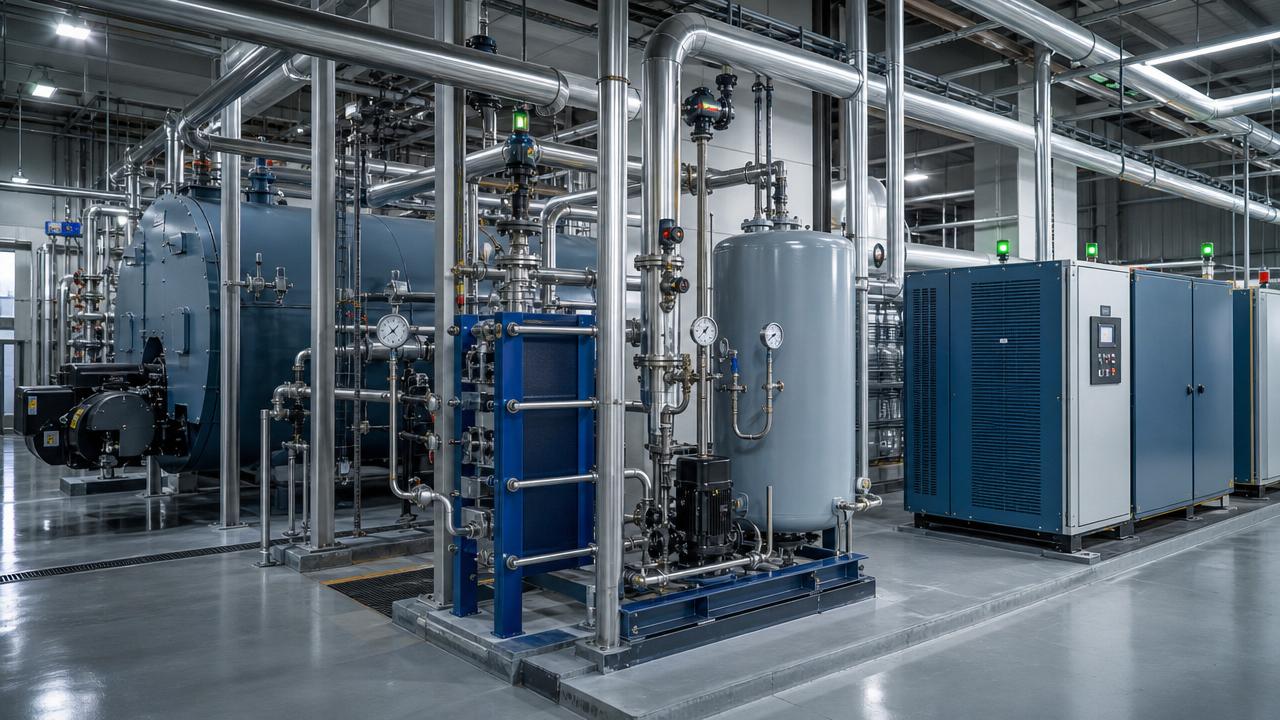
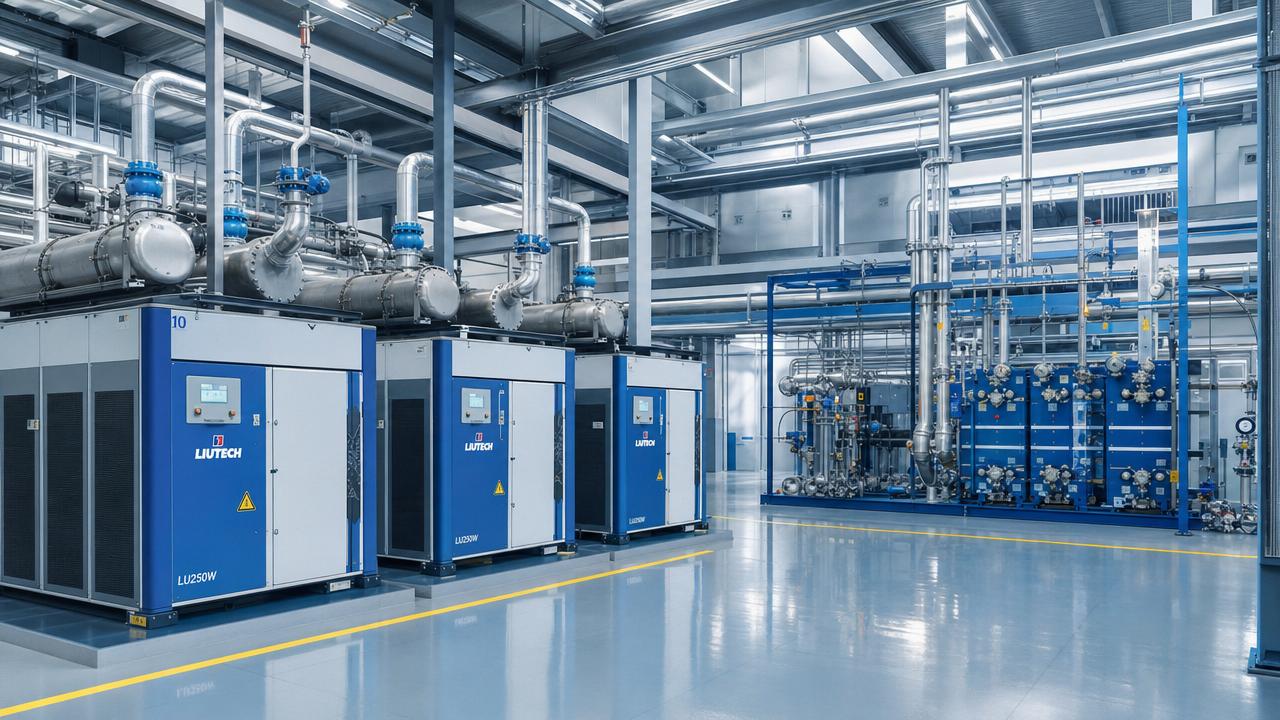
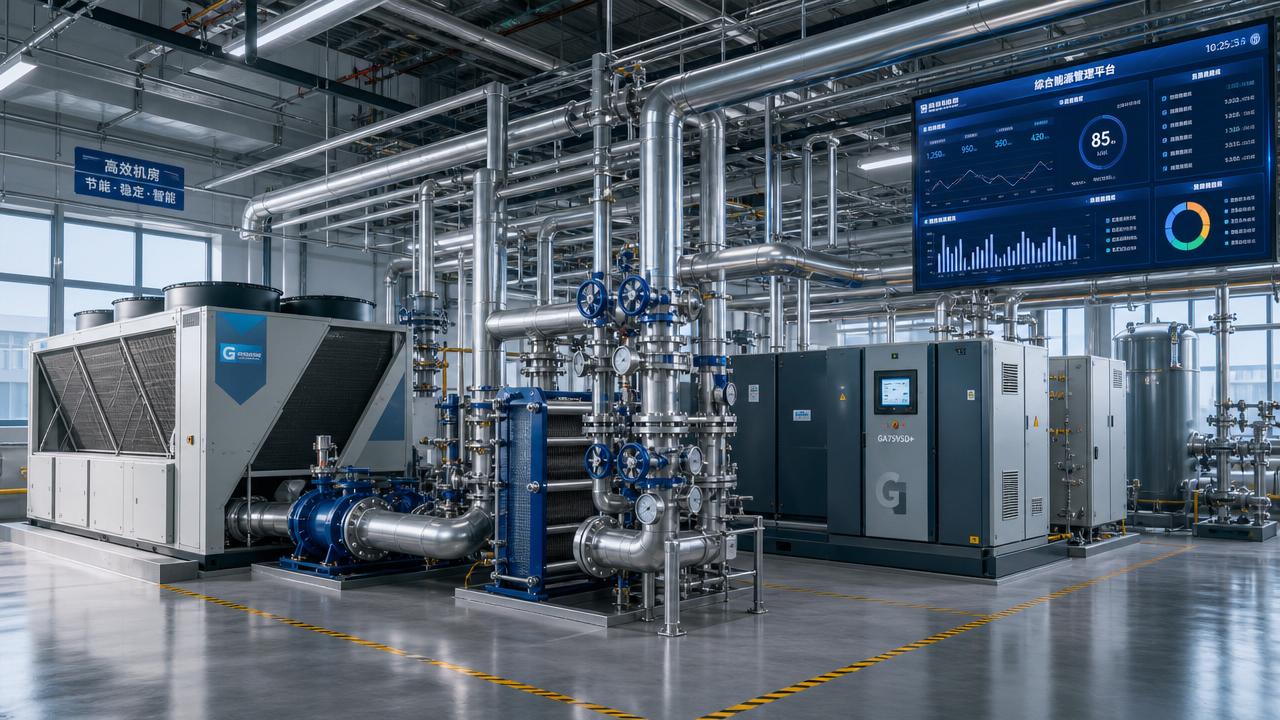
Compressor rooms, condenser circuits, boiler auxiliaries, and waste heat recovery loops often run with hidden inefficiencies for months.
In these areas, thermal efficiency optimization should include seasonal variation, ventilation layout, and interaction between neighboring systems.
For example, poor room ventilation can raise compressor inlet temperature, which reduces compression efficiency and increases downstream cooling duty.
A fouled microchannel exchanger or degraded water quality can create the same energy penalty through a different path.
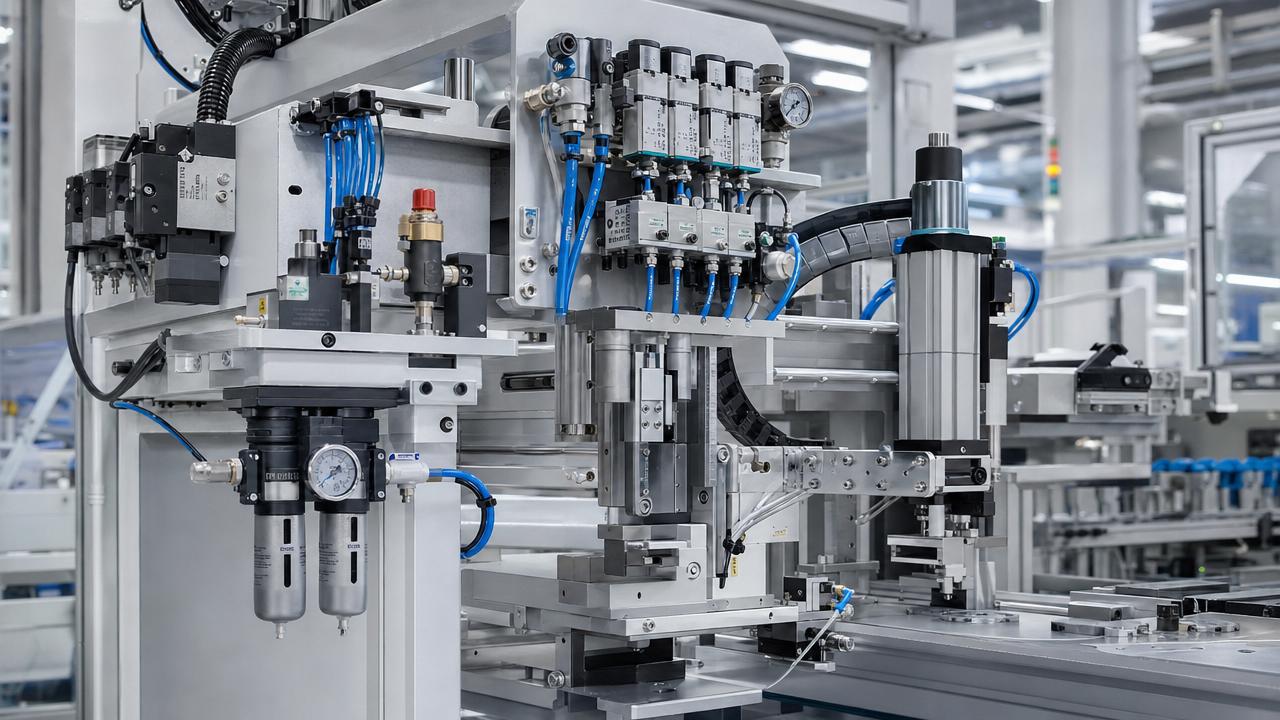
This is why thermal efficiency optimization works best when thermal and pneumatic logic are reviewed together, not in separate silos.
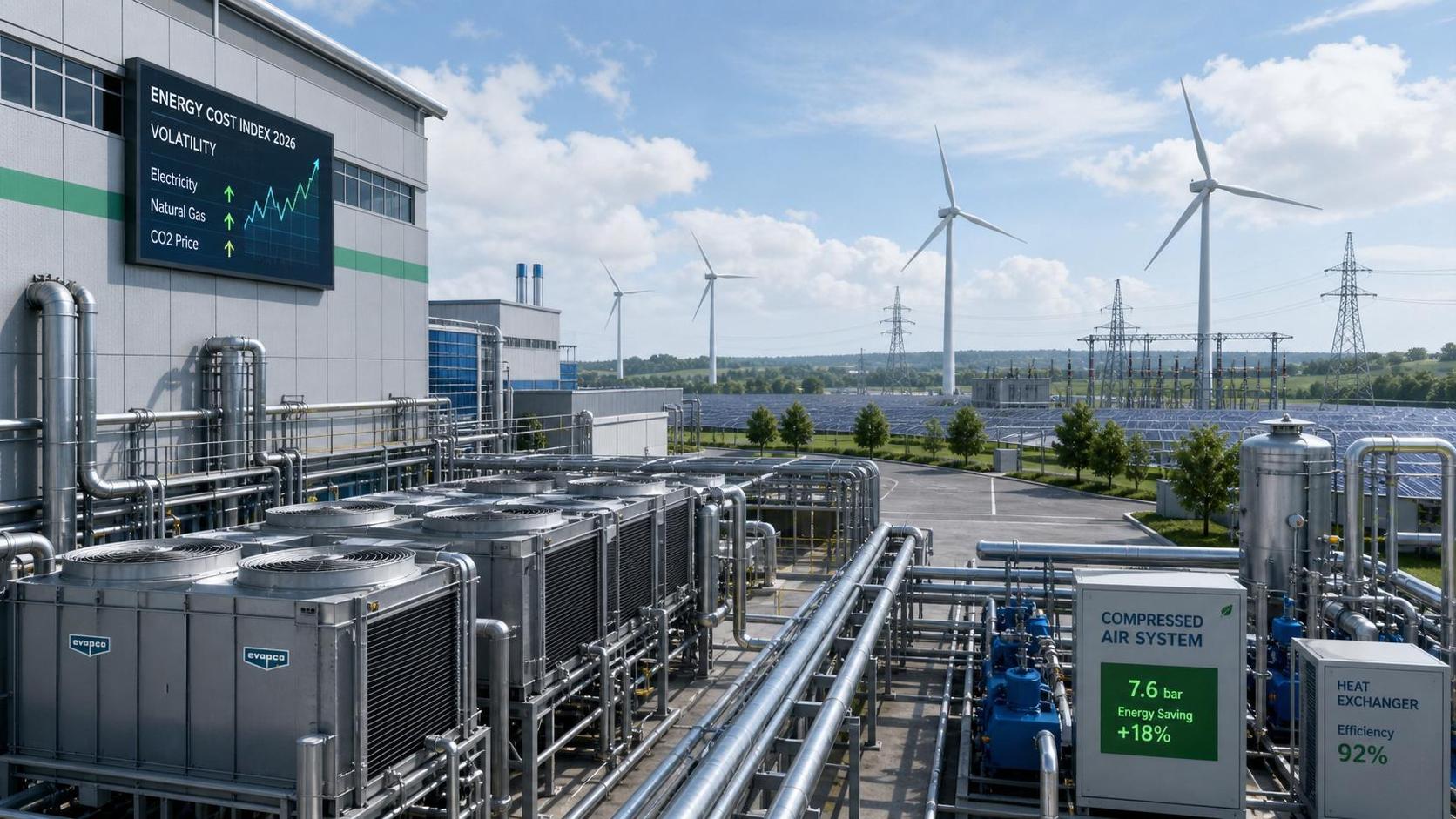
That integrated perspective is increasingly important as energy costs, refrigerant rules, and decarbonization targets keep shifting.
Common misjudgments in support systems
- Treating room heat as harmless because process temperatures still look acceptable.
- Focusing on purchase cost while ignoring cleaning access and maintenance frequency.
- Assuming similar loads have identical cooling or recovery behavior.
- Checking equipment efficiency without checking fluid quality, airflow path, or control logic.
Better thermal efficiency optimization comes from matching actions to the real site condition
Once the warning signs are visible, the next step is not always capital replacement. Often, a better sequence starts with sharper diagnosis.
In actual use, the most effective thermal efficiency optimization plans balance three factors: heat loss location, process sensitivity, and implementation difficulty.
That balance prevents overcorrection in low-risk systems and underreaction in critical ones.
- Start with thermal mapping around exchangers, ducts, pipes, and compressor-related cooling sections.
- Separate steady losses from load-change losses using trend data across normal operating windows.
- Rank findings by process impact, not only by visible temperature rise.
- Check whether insulation repair, cleaning, control tuning, or flow balancing solves the issue before major replacement.
- Review long-term fit with refrigerant policy, energy pricing, and expected duty changes.
This is where an intelligence-led approach becomes useful. Data on technology evolution and sector demand helps frame which upgrades are temporary fixes and which support durable efficiency gains.
Thermal efficiency optimization is strongest when it connects field symptoms with broader operating realities.
A practical next move is to map the five warning signs against each critical operating zone, then compare heat loss risk, maintenance burden, and control sensitivity.
That process makes it easier to set an adaptation standard, confirm constraints, and choose actions that improve reliability as well as energy performance.
Related News
- Semiconductor Thermal Management: Low Vibration Design PrioritiesAuthor :

- Thermal Interface Materials: What Drives Real Thermal OptimizationAuthor :
![]()
- Global Energy Costs in Europe: What Changed in 2026Author :

- Smart Device Thermal Management: Common Failures and FixesAuthor :

- Thermal Efficiency Optimization: 5 Signs Your System Is Losing HeatAuthor :

- How Precision Temperature Control Systems Improve Process StabilityAuthor :

- How Intellectualization Improves Process Visibility in Modern PlantsAuthor :

- Global Energy Costs in 2026: What Rising Prices Mean for Plant PlanningAuthor :

- Carbon Neutrality Roadmaps: Common Gaps in Industrial PlanningAuthor :

- Heat Transfer Basics: What Affects Efficiency in Industrial EquipmentAuthor :

- Industrial Thermal Systems: Common Failure Risks in Continuous OperationAuthor :

- Global Energy Costs: 2026 Risk Signals to WatchAuthor :

- Pneumatic Power Systems: Common Sizing Mistakes to AvoidAuthor :

- How Thermal Power Systems Cut Downtime in 2026Author :

- Clean Energy Technology Trends Reshaping Industry in 2026Author :

- Pneumatic Power Systems: Key Checks Before Equipment SelectionAuthor :

- Compression Technology Mistakes That Raise Maintenance RiskAuthor :

- Clean Energy Technology Risks to Watch in 2026 ProjectsAuthor :

- Smart Thermal Systems: 5 Signals Your Controls Are Wasting HeatAuthor :

- How to Size Pneumatic Power Systems for Stable OutputAuthor :

- Pneumatic Power Systems: Key Safety Risks in Daily OperationAuthor :

- Clean Energy Technology Shifts Reshaping Industrial InvestmentAuthor :

- Intellectualization in Industry: What Delivers Measurable Value?Author :

- Thermal Management Mistakes That Shorten Equipment LifeAuthor :

- Clean Energy Technology Options That Fit Real Manufacturing UpgradesAuthor :

- Energy-Saving Technologies Worth Tracking in 2026Author :