Clean Energy Technology Risks to Watch in 2026 Projects




As 2026 projects accelerate, clean energy technology is moving from ambition to execution across power, industry, buildings, and transport. That shift brings opportunity, but it also exposes fragile assumptions.
For investment evaluation, project planning, and operational resilience, the biggest issue is no longer whether clean energy technology will grow. The real question is which risks can derail expected returns.
In 2026, risk will cluster around equipment performance, grid integration, policy timing, financing, and supply-chain concentration. Projects that ignore these fault lines may face delays, penalties, or underperformance.
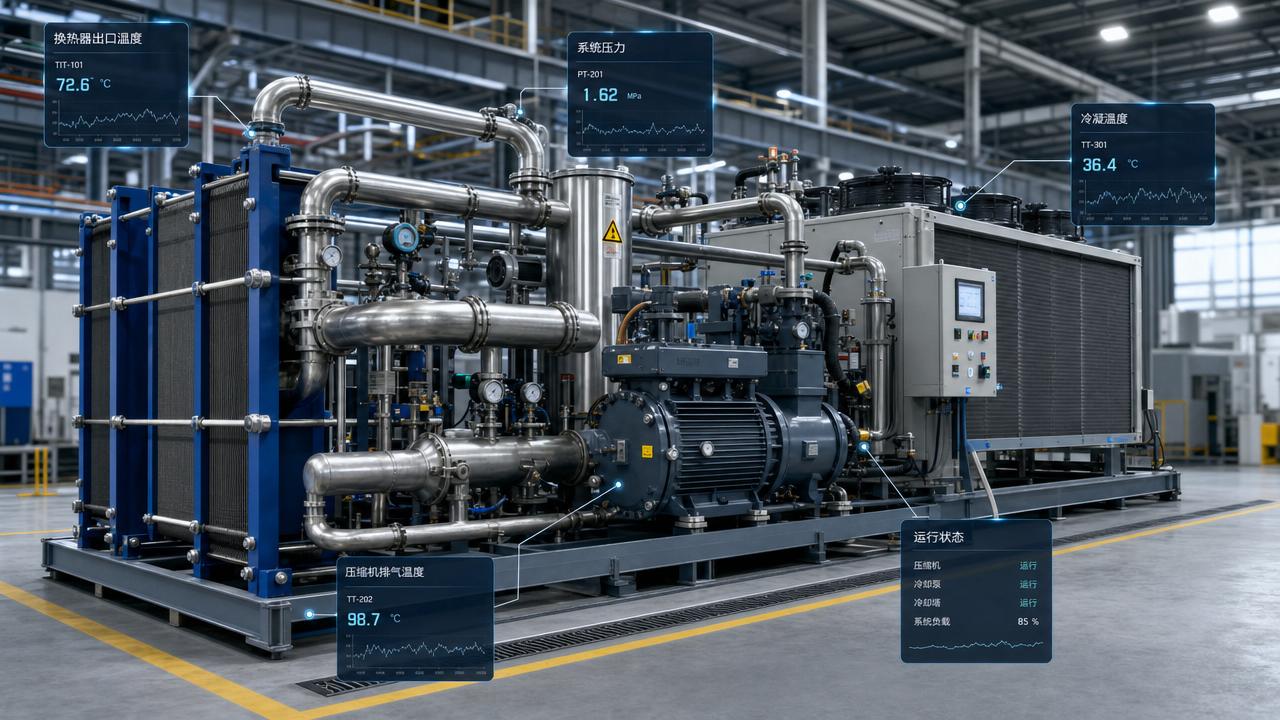
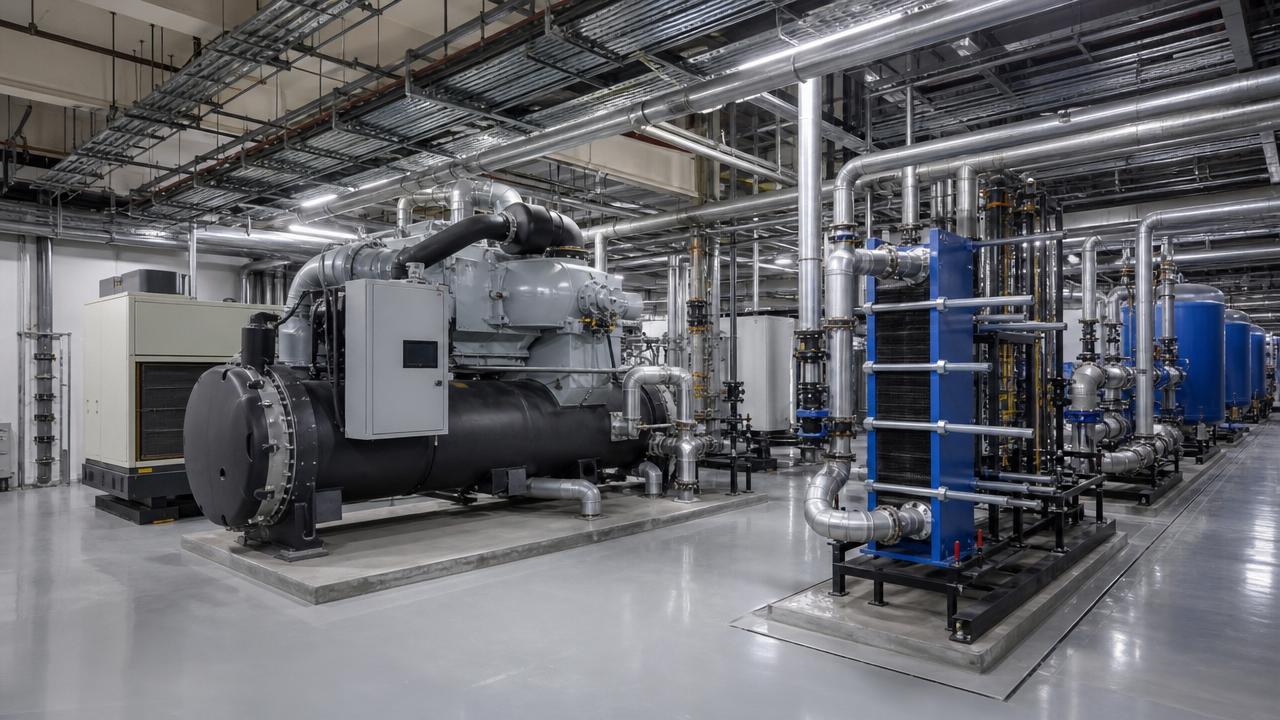
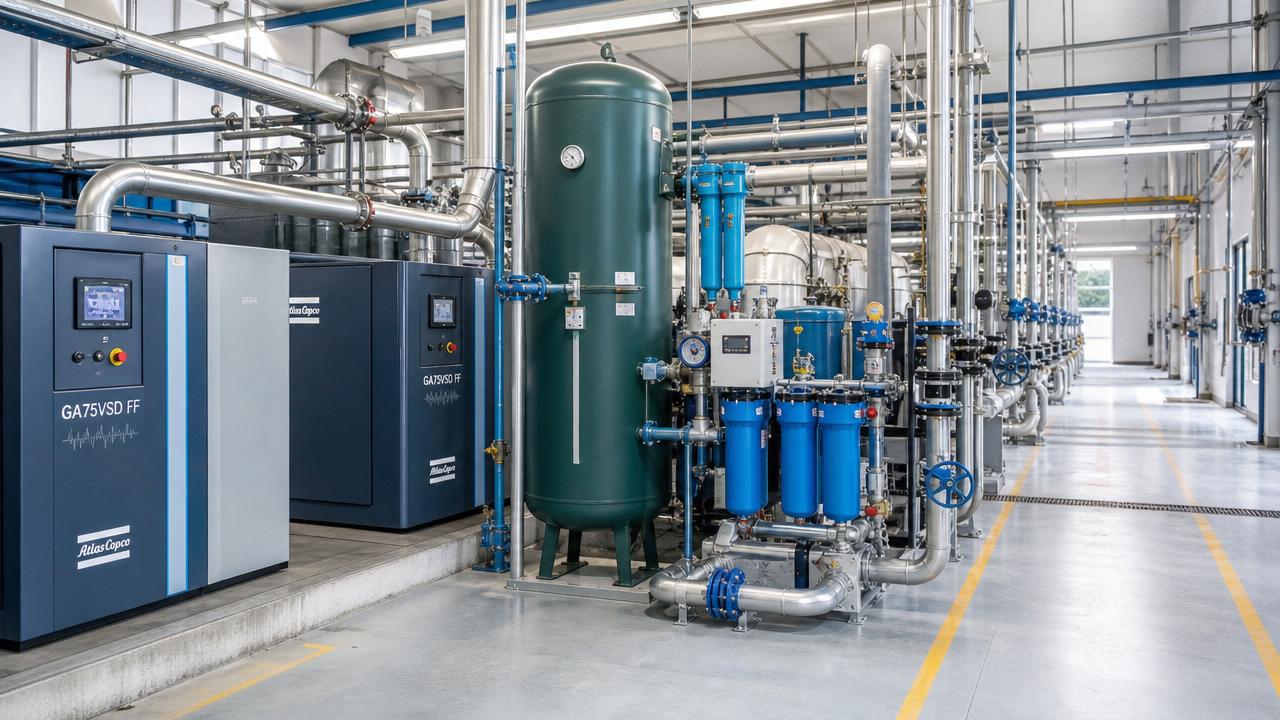
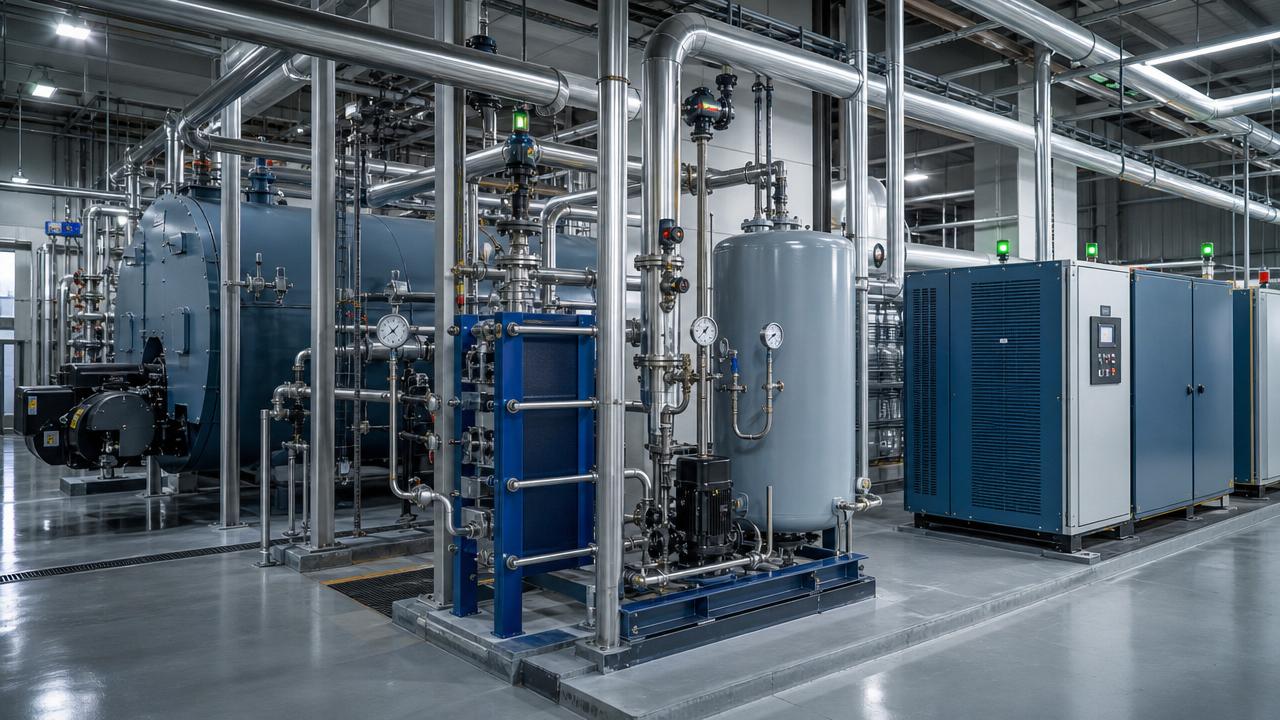
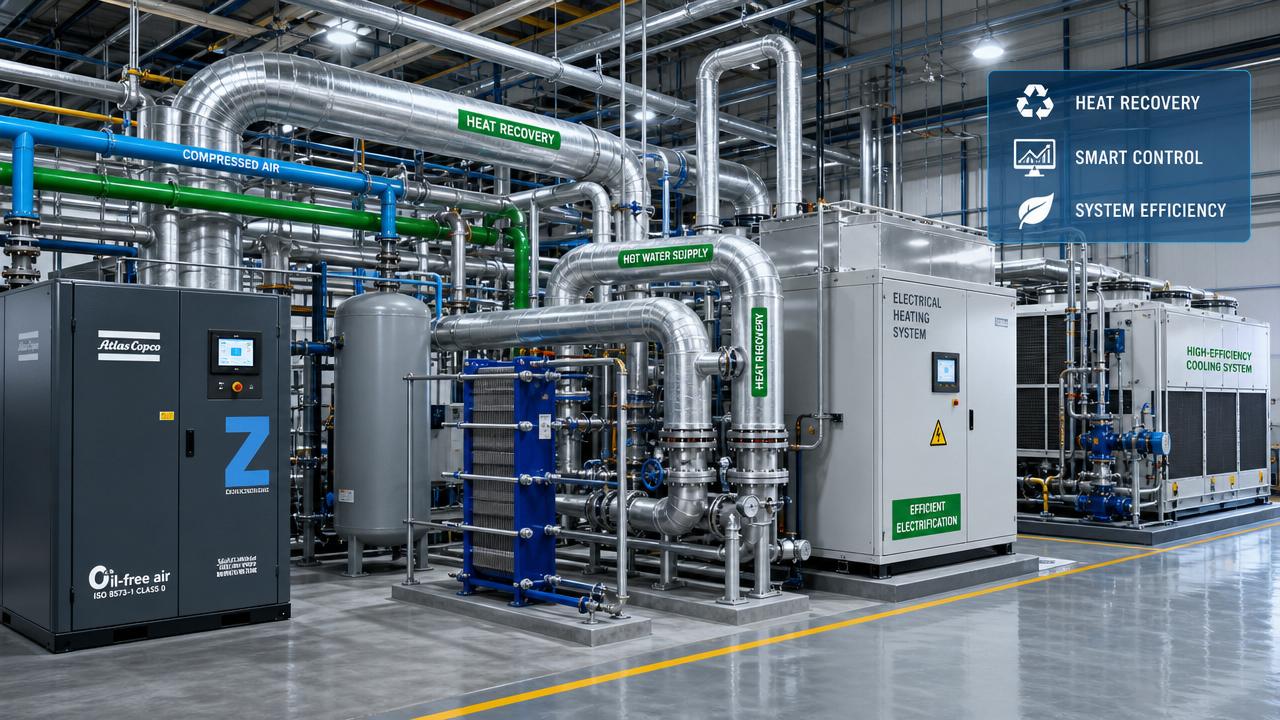
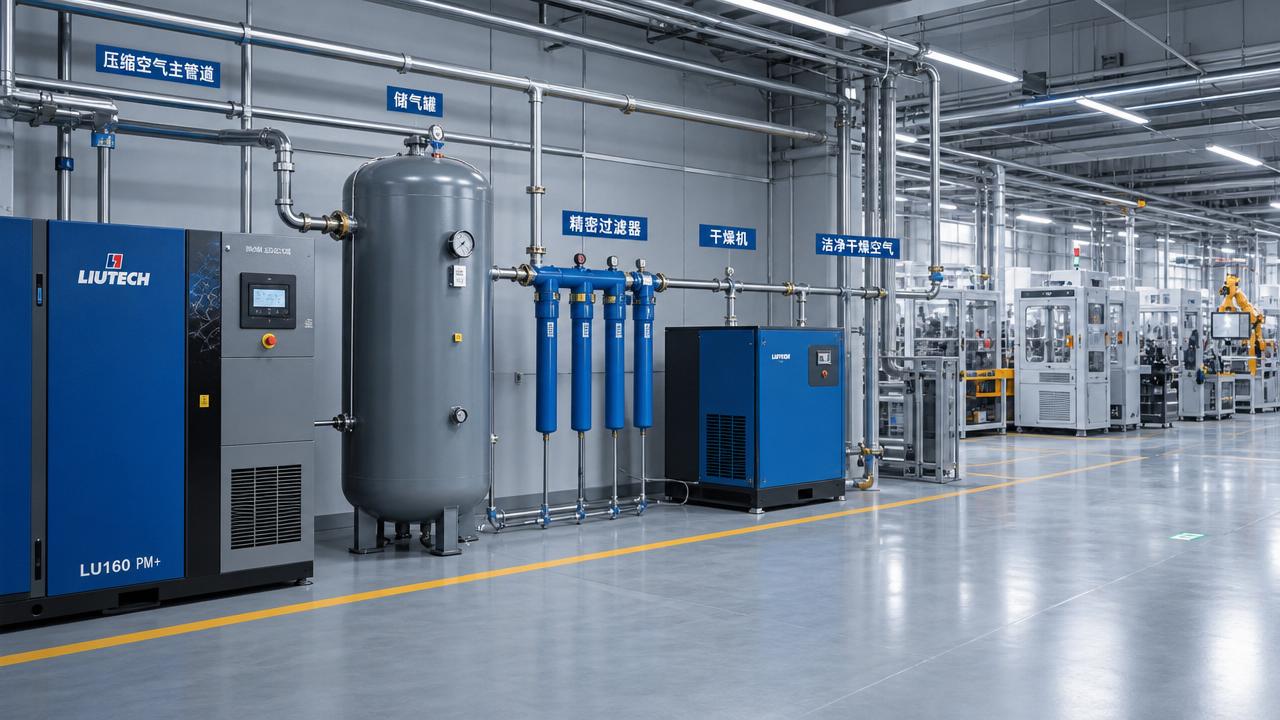
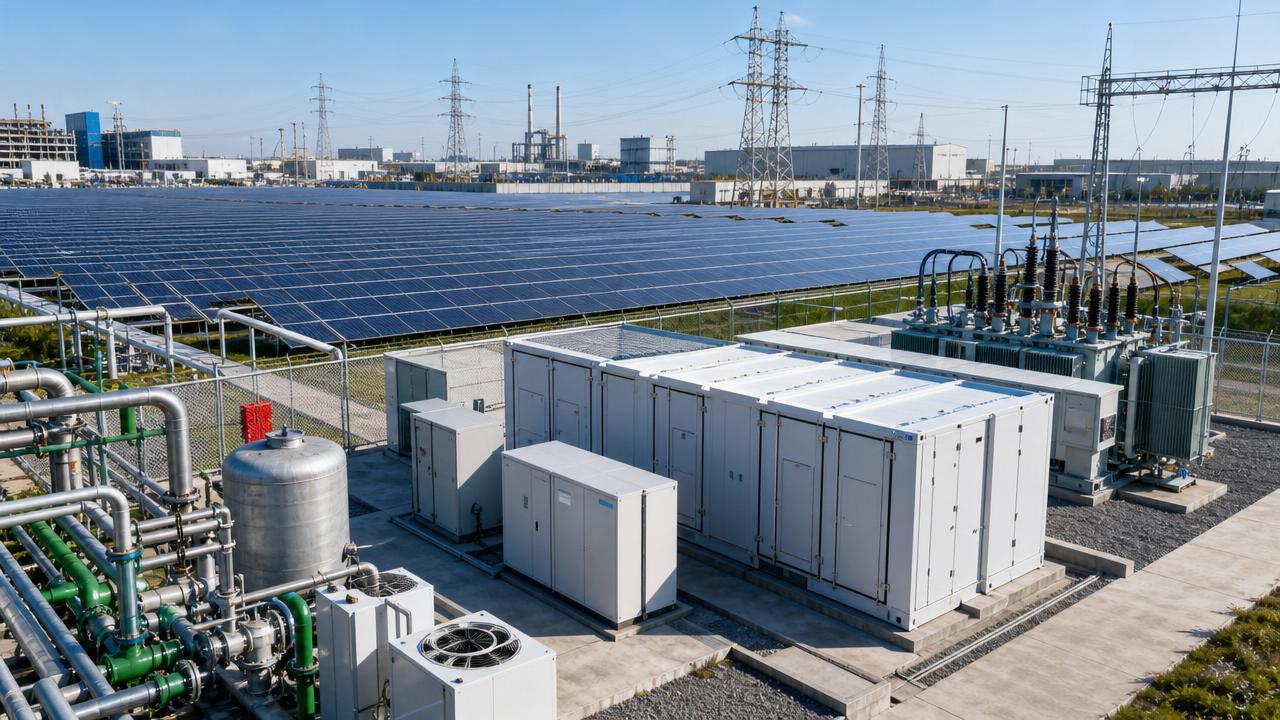
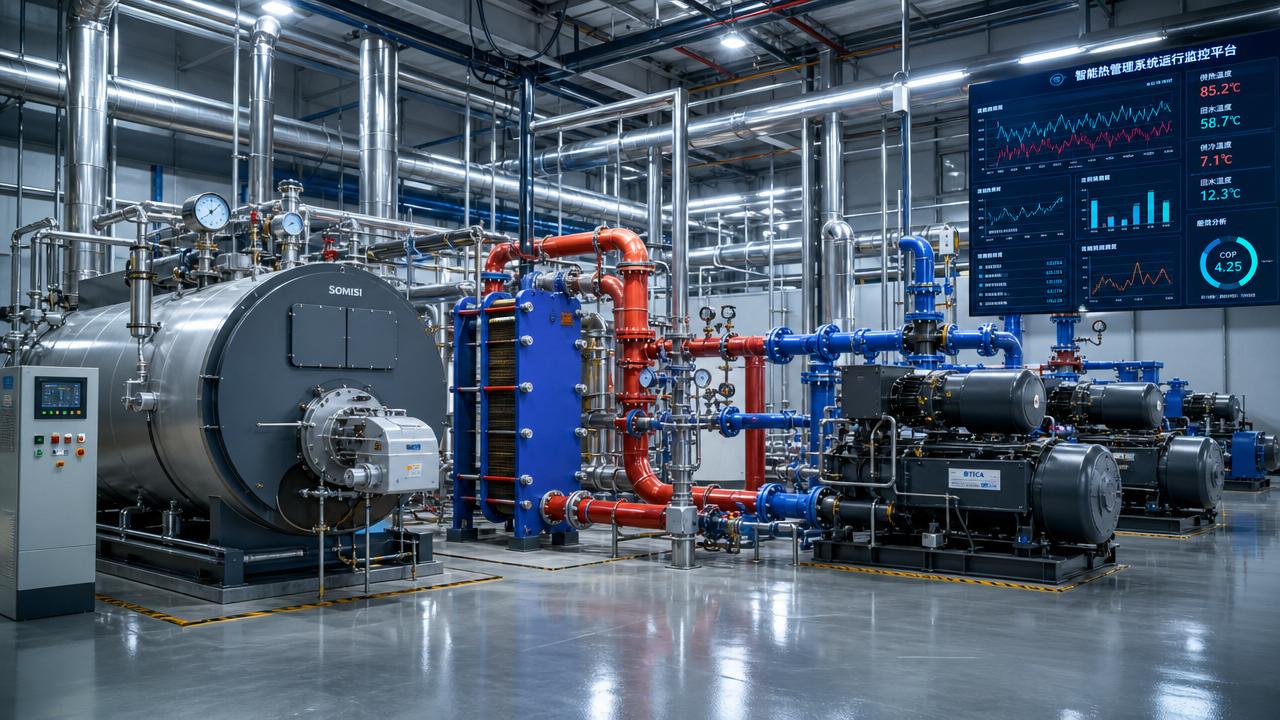
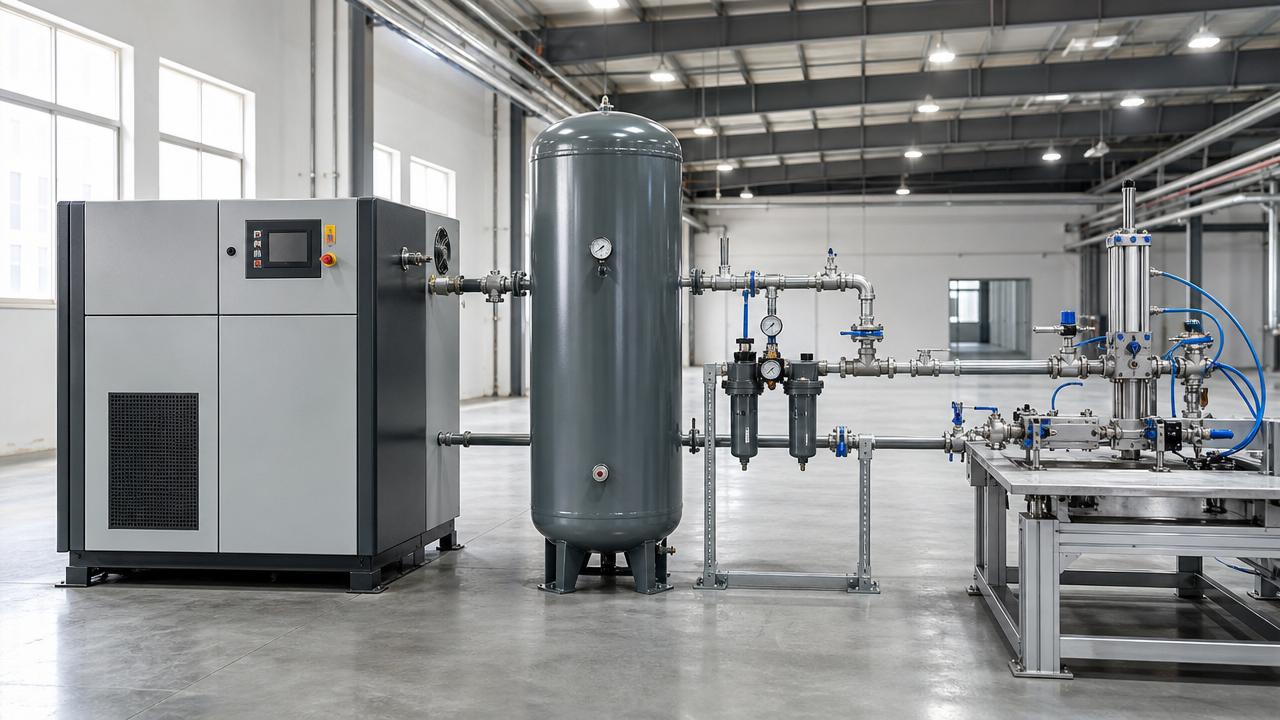
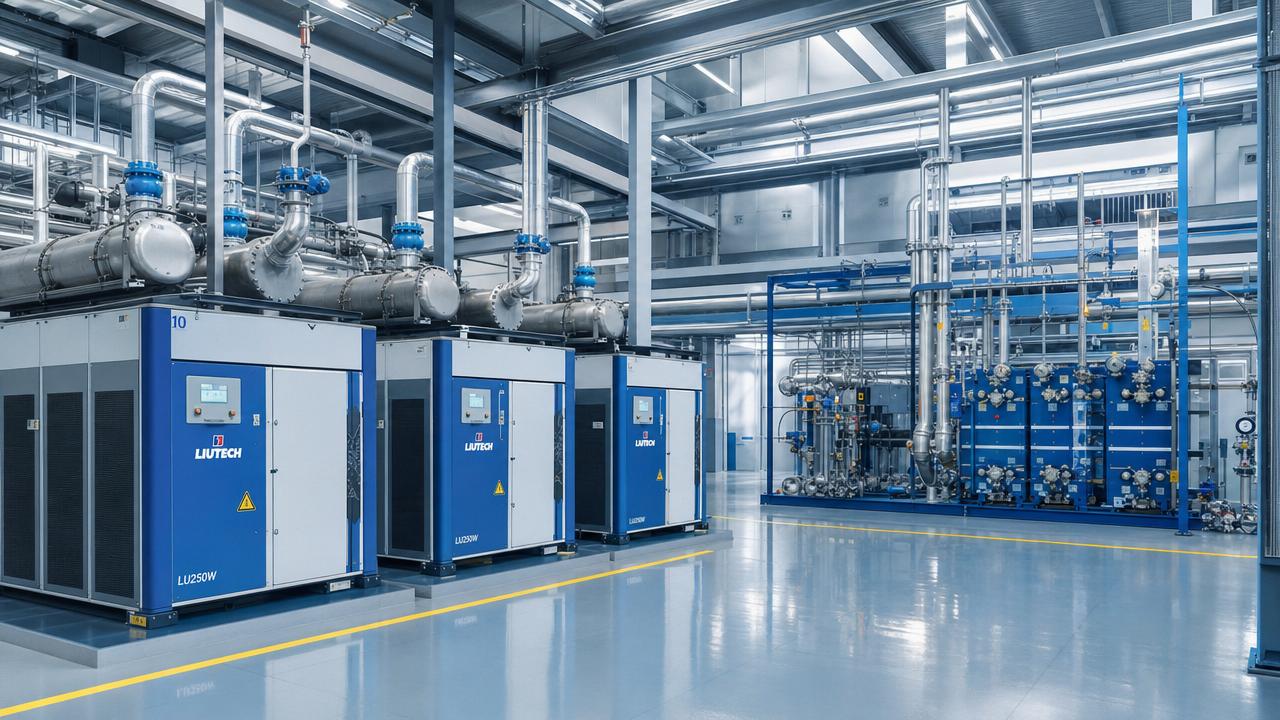
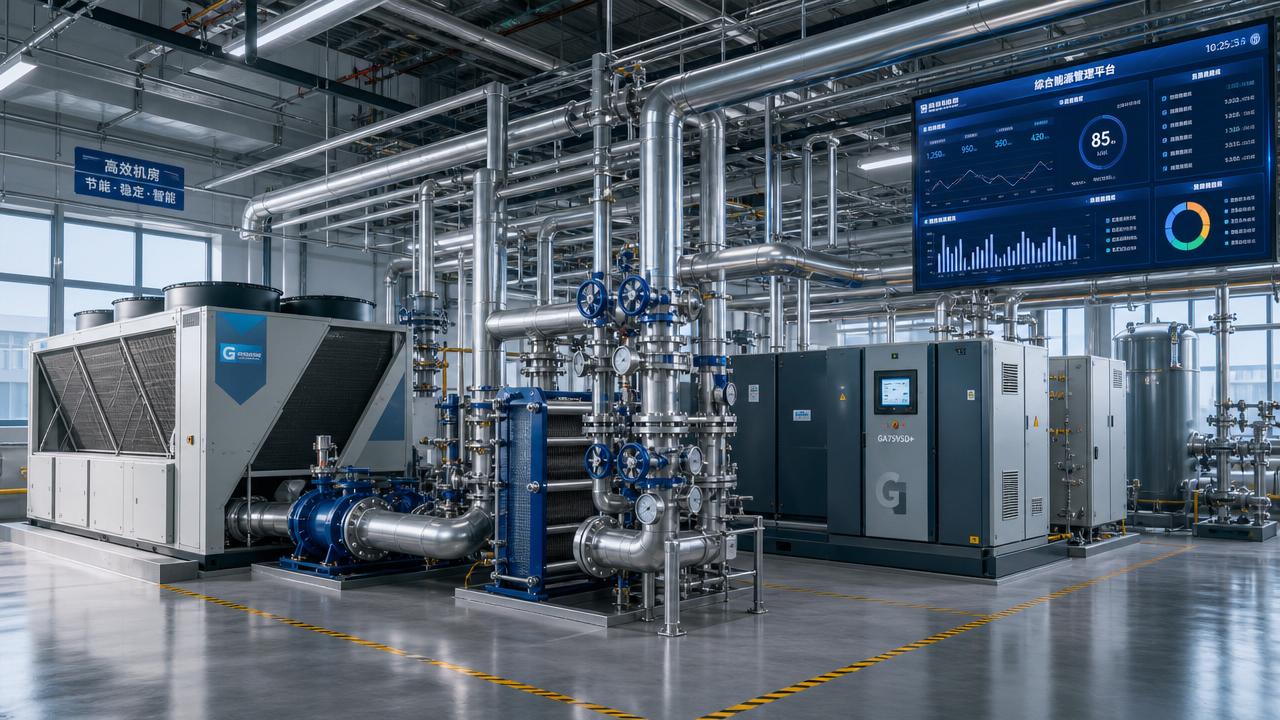
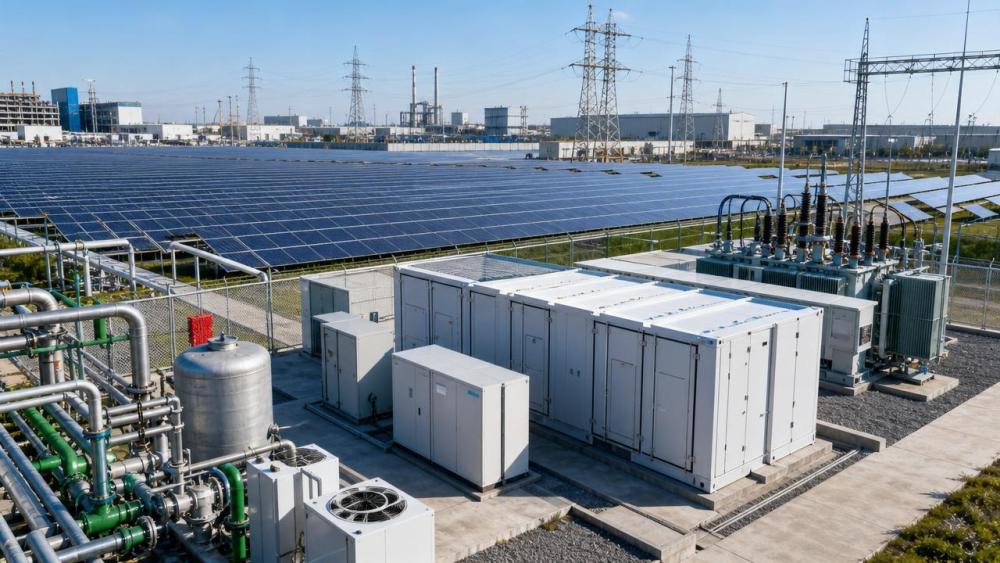
This matters across the broader industrial landscape. Thermal systems, compressed air networks, cooling loads, and power conversion assets are increasingly linked with renewable generation, storage, and electrified processes.
That is why clean energy technology must be evaluated not only as a sustainability choice, but also as an engineering, compliance, and commercial risk package.
Why 2026 looks different for clean energy technology projects
Several trend signals show a tougher operating environment. Capital remains available, yet project discipline is tightening. Incentives still support growth, but qualification rules are becoming more complex.
At the same time, clean energy technology is entering more demanding applications. It now supports data centers, pharmaceutical cooling, semiconductor utilities, district energy, and electrified industrial heat.
These uses require stable output, predictable maintenance, and precise thermal management. A minor performance deviation can create major cost impacts when systems are integrated with critical production assets.
Another signal is the rising interaction between digital controls and physical assets. Software optimization can improve efficiency, but it also adds cybersecurity, data integrity, and interoperability concerns.
In short, 2026 projects face a more connected risk environment. Technical, regulatory, and financial exposures no longer sit in separate boxes.
The forces pushing clean energy technology risk higher
The main drivers can be grouped into technology maturity, policy design, supply dynamics, and infrastructure readiness. Each one can affect schedule, cost, and long-term asset value.
The most important clean energy technology risks to watch in 2026
1. Performance risk in real operating conditions
Many clean energy technology platforms still show a gap between modeled output and site performance. Weather variability, thermal loads, contamination, and operator practices often reduce expected efficiency.
This is especially relevant where renewables support cooling, compressed air, hydrogen preparation, or heat recovery. Integrated systems can magnify a single weak point.
2. Interconnection and grid flexibility risk
Projects may be physically ready but unable to export or balance power. Curtailment, weak transmission, and uncertain dispatch rules can undermine expected utilization rates.
For hybrid sites, battery sizing and demand management are becoming central. Clean energy technology without grid flexibility planning may deliver disappointing revenue stability.
3. Policy and compliance timing risk
Incentive programs increasingly include domestic sourcing, emissions accounting, labor conditions, and reporting obligations. Missing one requirement can erase a large portion of projected value.
Cross-border projects face added complexity. Carbon border mechanisms, refrigerant rules, and environmental permits can affect equipment choice and schedule assumptions.
4. Supply-chain concentration and component substitution risk
Lead times remain volatile for transformers, power electronics, specialty compressors, valves, heat exchangers, sensors, and battery materials. Alternate sourcing can solve delays, but may alter performance.
A substitute component that meets basic specifications may still change lifecycle cost, maintenance intervals, or energy efficiency. That hidden drift is a major clean energy technology risk.
5. Financing and cost of capital risk
Even efficient clean energy technology can struggle under higher financing costs. Long payback periods become more sensitive when equipment inflation and interest rates remain elevated.
Contracts that assume stable utilization or subsidy timing may prove too optimistic. Debt structure now matters almost as much as hardware selection.
6. Operations, maintenance, and skills risk
Advanced clean energy technology often requires specialized service capability. If local support is thin, downtime can extend and warranties may be difficult to enforce.
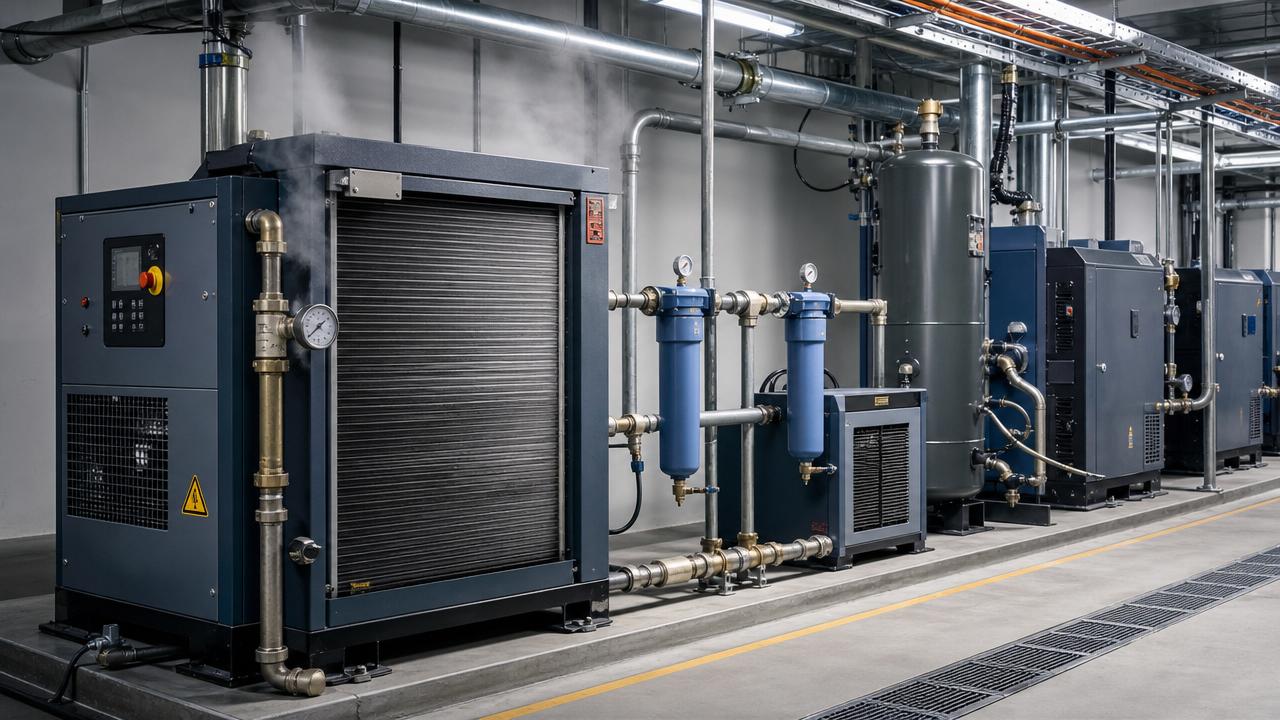
This issue is severe in thermal and compression applications. Performance depends on calibration, refrigerant handling, pressure stability, and preventive maintenance discipline.
7. Cybersecurity and control-system risk
Smart inverters, energy management systems, and cloud analytics improve visibility. Yet they also increase exposure to unauthorized access, data manipulation, and control failure.
Where clean energy technology is tied to critical thermal processes, a software incident can become a production interruption, not just an IT event.
How these risks affect different business links
The impact is not uniform. Risk appears differently across development, engineering, operations, and asset optimization. Understanding those differences improves decision quality.
- Project development: delayed permits, weak incentive qualification, and uncertain interconnection dates distort financial models.
- Engineering and procurement: substitute components, design revisions, and thermal mismatches increase commissioning risk.
- Operations: unstable output, service bottlenecks, and software faults reduce availability and raise lifecycle cost.
- Commercial performance: price volatility and curtailment weaken expected cash flow from clean energy technology assets.
In industrial settings, the stakes can be higher. When energy systems support cooling, vacuum, compressed air, or precision heat exchange, process continuity becomes part of the investment equation.
That broader systems view is essential. Clean energy technology should be judged by total operational fit, not by isolated efficiency claims.
What deserves the closest attention before committing capital
- Verify site-specific performance data instead of relying only on vendor benchmarks.
- Stress-test project economics against delayed incentives and lower utilization.
- Check grid access assumptions, curtailment exposure, and storage requirements early.
- Map single-source components and identify acceptable technical substitutes.
- Review maintenance capability, spare parts access, and warranty response terms.
- Assess cybersecurity readiness for connected clean energy technology assets.
- Evaluate interactions with thermal loads, cooling systems, and pressure-dependent processes.
A practical way to judge project resilience in 2026
The strongest projects in 2026 will not be the ones with the most aggressive assumptions. They will be the ones with the clearest resilience logic.
Final observation: clean energy technology success will depend on risk discipline
Clean energy technology remains a powerful strategic direction. Yet scale alone does not guarantee value creation. As projects become more integrated, hidden dependencies become more expensive.
In 2026, the best decisions will come from combining market signals with engineering realism, compliance tracking, and lifecycle cost analysis. That is the foundation of durable project confidence.
For deeper monitoring of thermal systems, industrial cooling, compression infrastructure, and energy-efficiency transitions connected to clean energy technology, follow intelligence that links thermodynamic performance with market risk.
Ready when you are. Send us a message to get started.
Related News
- Carrier Plans $600 Million Manufacturing and Engineering Center in Fort WorthAuthor :

- Semiconductor Thermal Management: Low Vibration Design PrioritiesAuthor :

- Thermal Interface Materials: What Drives Real Thermal OptimizationAuthor :
![]()
- Global Energy Costs in Europe: What Changed in 2026Author :

- Smart Device Thermal Management: Common Failures and FixesAuthor :

- Thermal Efficiency Optimization: 5 Signs Your System Is Losing HeatAuthor :

- How Precision Temperature Control Systems Improve Process StabilityAuthor :

- How Intellectualization Improves Process Visibility in Modern PlantsAuthor :

- Global Energy Costs in 2026: What Rising Prices Mean for Plant PlanningAuthor :

- Carbon Neutrality Roadmaps: Common Gaps in Industrial PlanningAuthor :

- Heat Transfer Basics: What Affects Efficiency in Industrial EquipmentAuthor :

- Industrial Thermal Systems: Common Failure Risks in Continuous OperationAuthor :

- Global Energy Costs: 2026 Risk Signals to WatchAuthor :

- Pneumatic Power Systems: Common Sizing Mistakes to AvoidAuthor :

- How Thermal Power Systems Cut Downtime in 2026Author :

- Clean Energy Technology Trends Reshaping Industry in 2026Author :

- Pneumatic Power Systems: Key Checks Before Equipment SelectionAuthor :

- Compression Technology Mistakes That Raise Maintenance RiskAuthor :

- Clean Energy Technology Risks to Watch in 2026 ProjectsAuthor :

- Smart Thermal Systems: 5 Signals Your Controls Are Wasting HeatAuthor :

- How to Size Pneumatic Power Systems for Stable OutputAuthor :

- Pneumatic Power Systems: Key Safety Risks in Daily OperationAuthor :

- Clean Energy Technology Shifts Reshaping Industrial InvestmentAuthor :

- Intellectualization in Industry: What Delivers Measurable Value?Author :

- Thermal Management Mistakes That Shorten Equipment LifeAuthor :

- Clean Energy Technology Options That Fit Real Manufacturing UpgradesAuthor :

- Energy-Saving Technologies Worth Tracking in 2026Author :