Carbon Neutrality Roadmaps: Common Gaps in Industrial Planning




Why do so many carbon neutrality roadmaps look strong on paper but weak in execution?
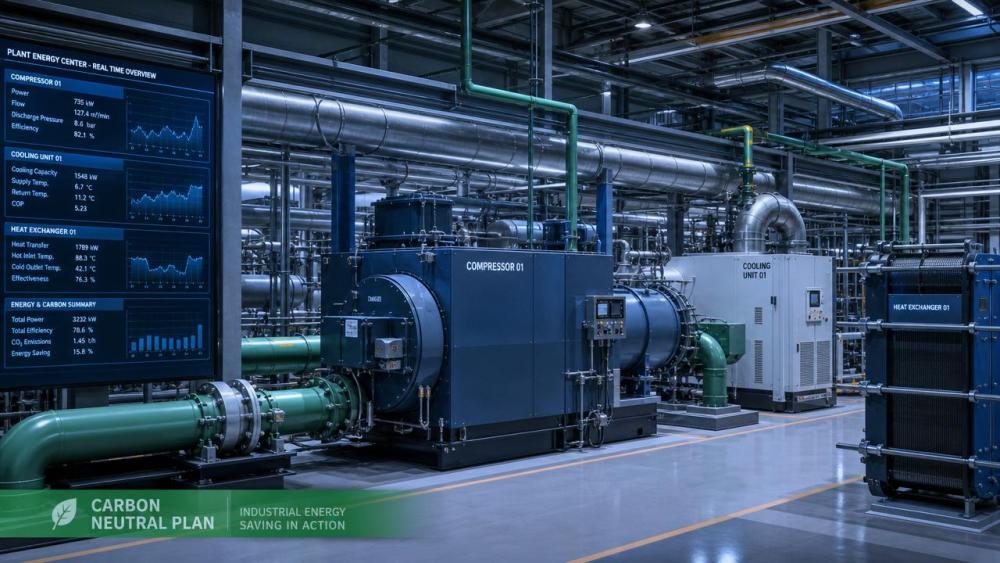
Carbon neutrality is now part of industrial strategy, capital planning, and brand positioning. Yet many roadmaps still break down when they move from target-setting to plant-level execution.
The core issue is not ambition. It is the gap between executive goals, engineering constraints, and operating data that truly reflects energy performance.
In practice, industrial planning often treats decarbonization as a reporting exercise. Real progress depends on thermal loads, compressed air demand, equipment efficiency, maintenance discipline, and process stability.
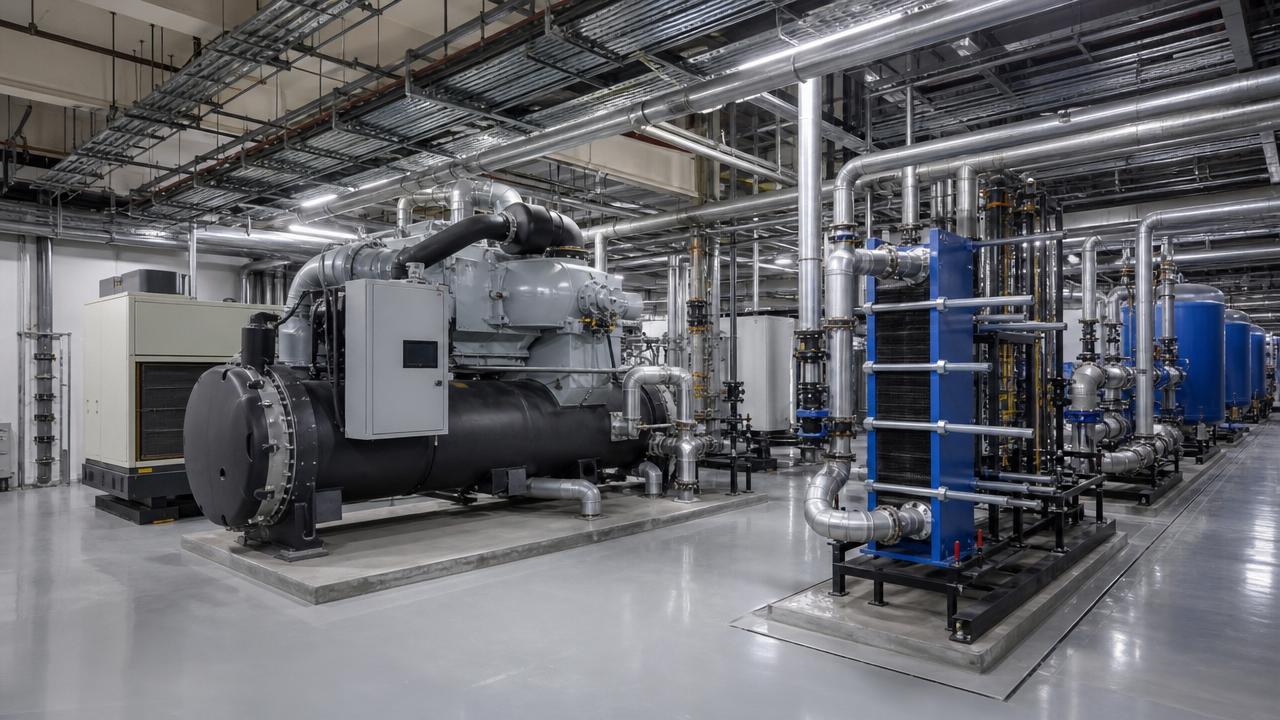
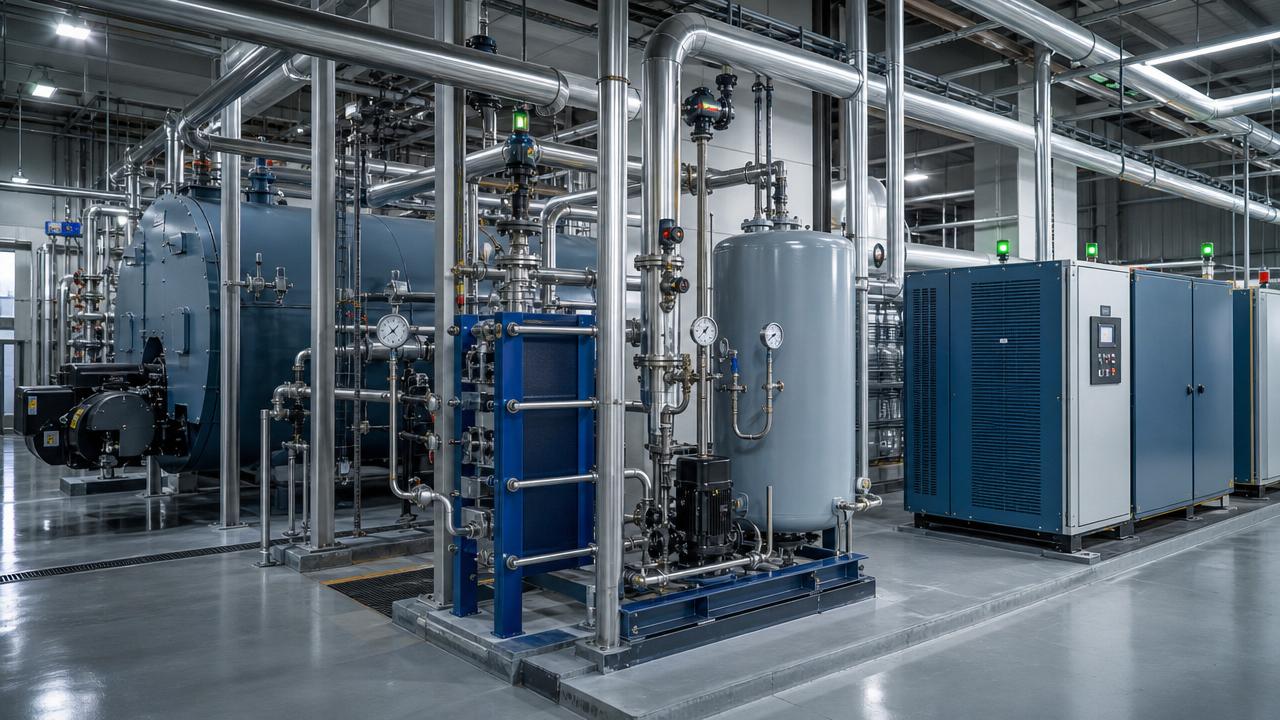
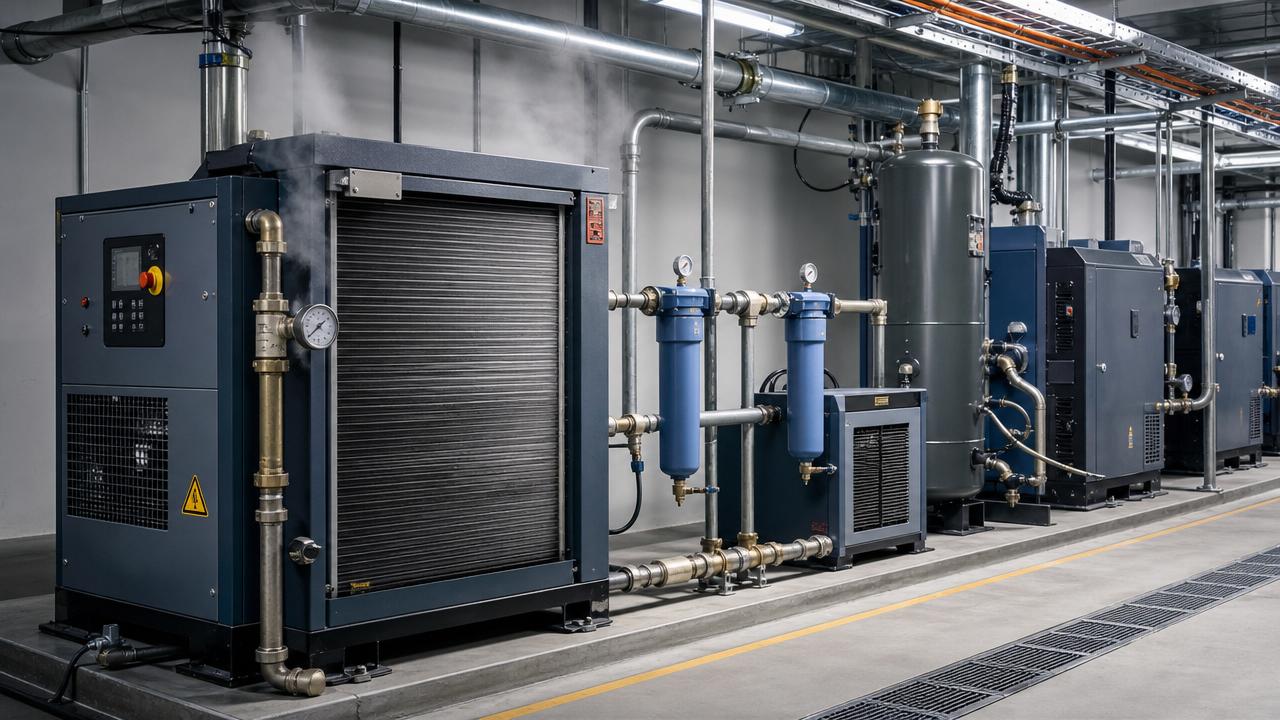
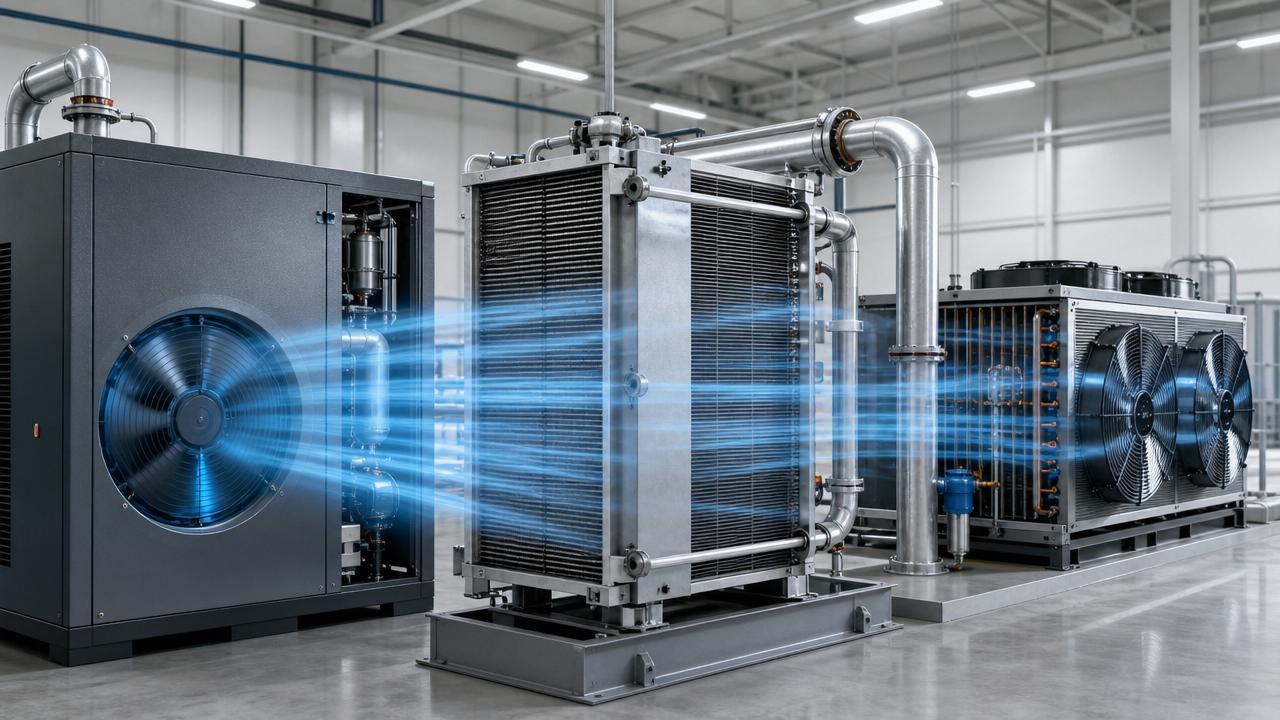
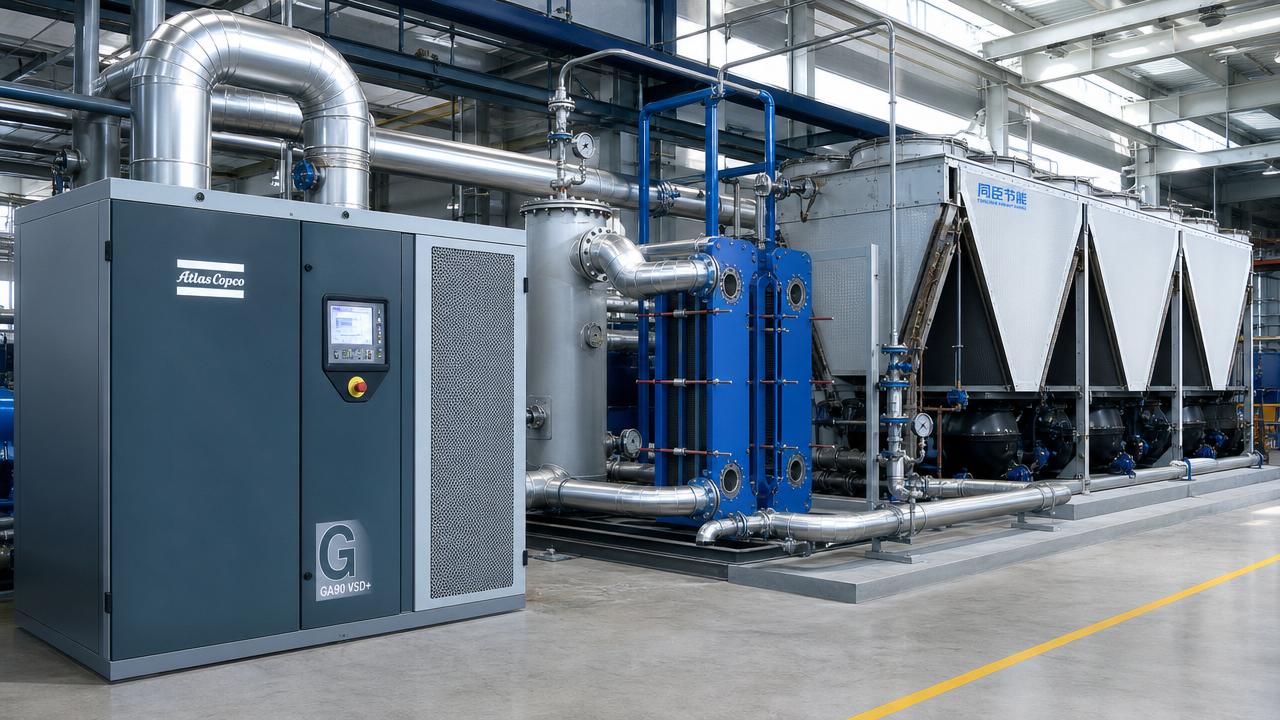
That is why carbon neutrality plans often miss the systems that consume energy quietly every day. Cooling loops, vacuum systems, heat exchangers, boilers, and compressors usually shape the actual emissions curve.
A more credible roadmap asks a harder question: where is energy converted, lost, recovered, or wasted across the full operating cycle?
This is also where platforms such as GTC-Matrix become useful. Their value is not promotion. It is the ability to connect policy signals with thermodynamic realities and equipment evolution.
What does a practical carbon neutrality roadmap actually need to include?
A practical roadmap is more than a target year and a list of green projects. It should translate carbon neutrality into measurable engineering decisions.
The strongest plans usually include four layers. Each layer supports the next, and missing one creates planning friction later.
- A verified baseline of energy use, emissions sources, and operating hours.
- A system map showing thermal, pneumatic, and process interactions.
- A project sequence based on technical dependency, not only payback.
- A governance method for tracking actual savings against design assumptions.
Many industrial sites skip the second layer. They know total electricity use, but not how heat rejection, pressure losses, leakage, or unstable loads affect carbon neutrality outcomes.
For example, replacing a compressor may look attractive. But if the compressed air network leaks heavily, the carbon neutrality gain will remain smaller than expected.
The same logic applies to chillers, condensers, vacuum pumps, and combustion systems. Equipment upgrades matter, but process context matters more.
A quick judgment table helps expose roadmap quality
The table below summarizes common planning signals. It is useful when reviewing whether a carbon neutrality roadmap is strategic, operational, or mostly symbolic.
Where do industrial carbon neutrality plans usually go wrong first?
The earliest mistake is usually baseline quality. If the starting point is estimated loosely, every downstream target becomes less reliable.
A second common gap is system boundary confusion. Some plans include direct fuel combustion but treat process cooling or outsourced utilities as secondary.
That sounds minor, but it changes priorities. In energy-intensive operations, the biggest carbon neutrality gains may come from heat exchange optimization, refrigerant strategy, or demand-side controls.
Another weak point is the assumption that new equipment automatically delivers rated efficiency. Actual performance depends on load profile, control logic, ambient conditions, and maintenance quality.
This is especially important in industrial cooling and compressed air systems. Part-load behavior often determines whether a project delivers meaningful carbon neutrality improvement or only a modest reduction.
More subtle problems also appear during planning reviews:
- Targets are set without confirming equipment age and retrofit feasibility.
- Capital schedules ignore shutdown windows and commissioning constraints.
- Energy savings are counted, but productivity risks are not.
- Offsets are discussed early, while process efficiency remains underdeveloped.
When these gaps combine, a carbon neutrality roadmap may still look polished. It just becomes much harder to execute with confidence.
How should thermal and compression systems be treated in carbon neutrality planning?
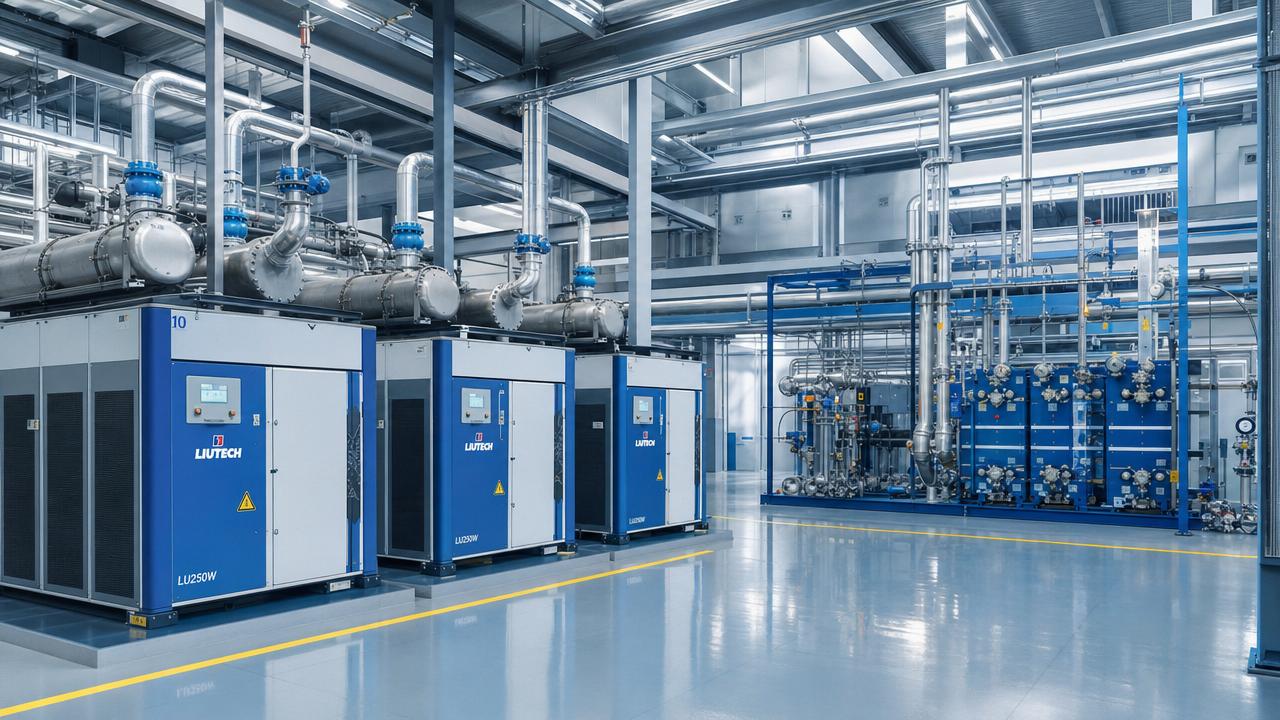
They should be treated as strategic infrastructure, not background utilities. In many facilities, they are the hidden center of both energy use and emissions exposure.
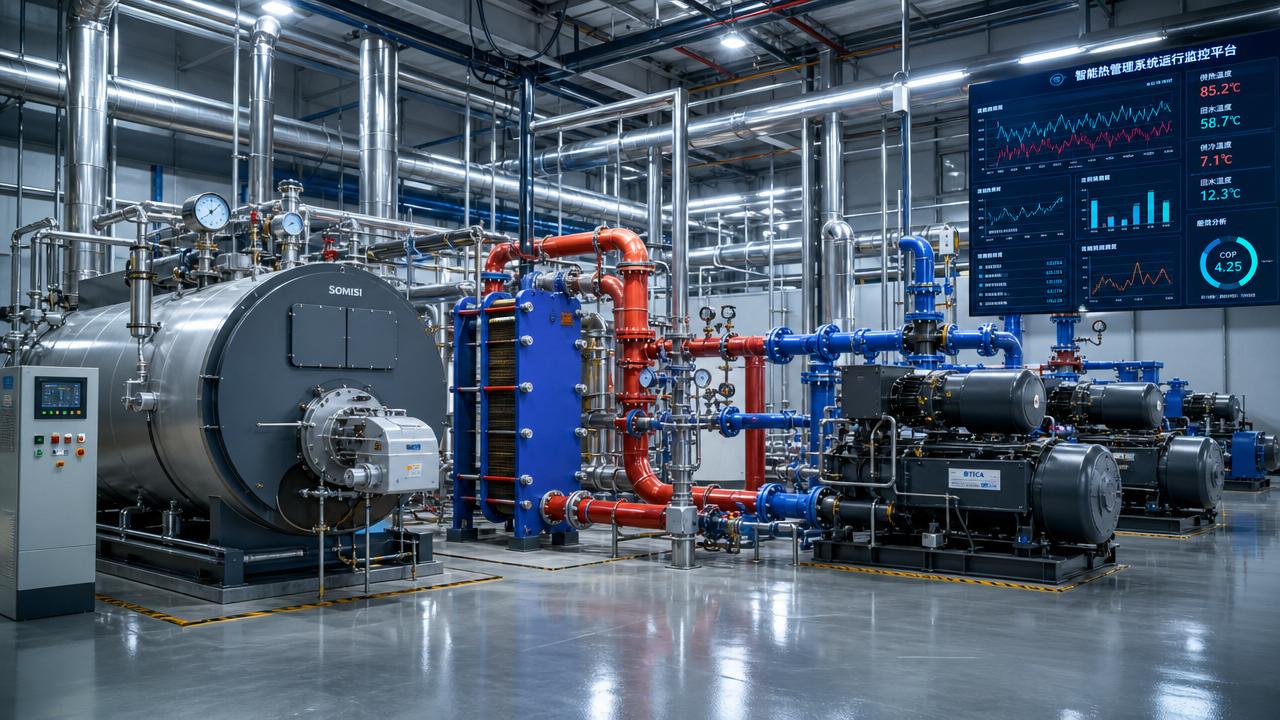
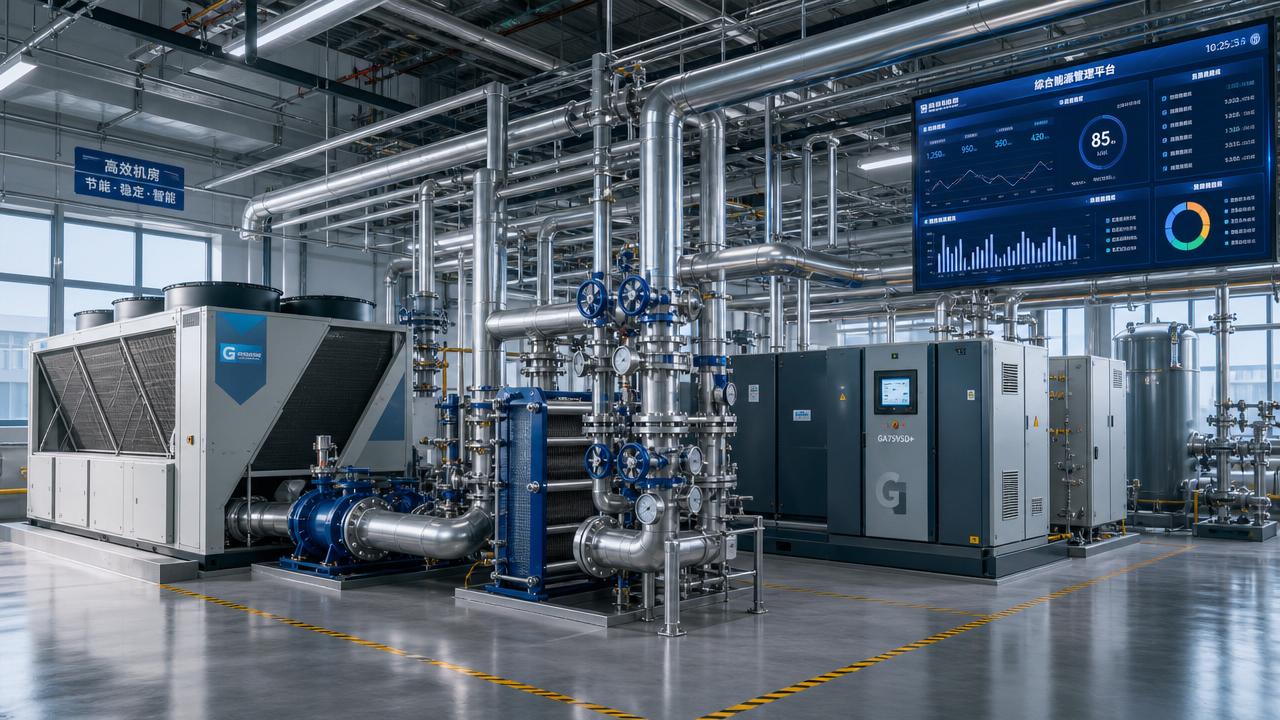
A carbon neutrality roadmap becomes more realistic when it traces energy conversion through these systems. That means following where heat is generated, moved, rejected, recovered, compressed, expanded, and lost.
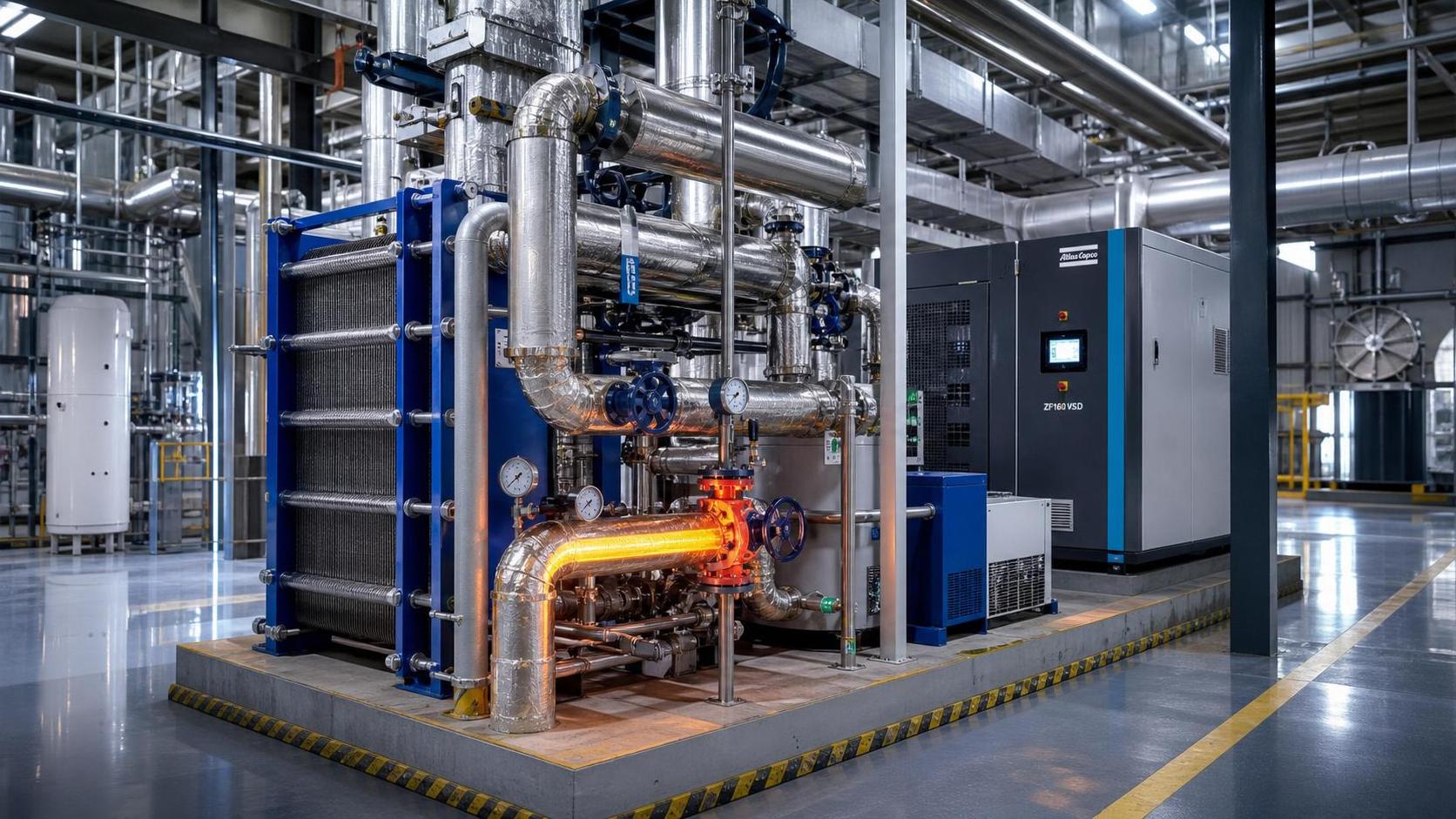
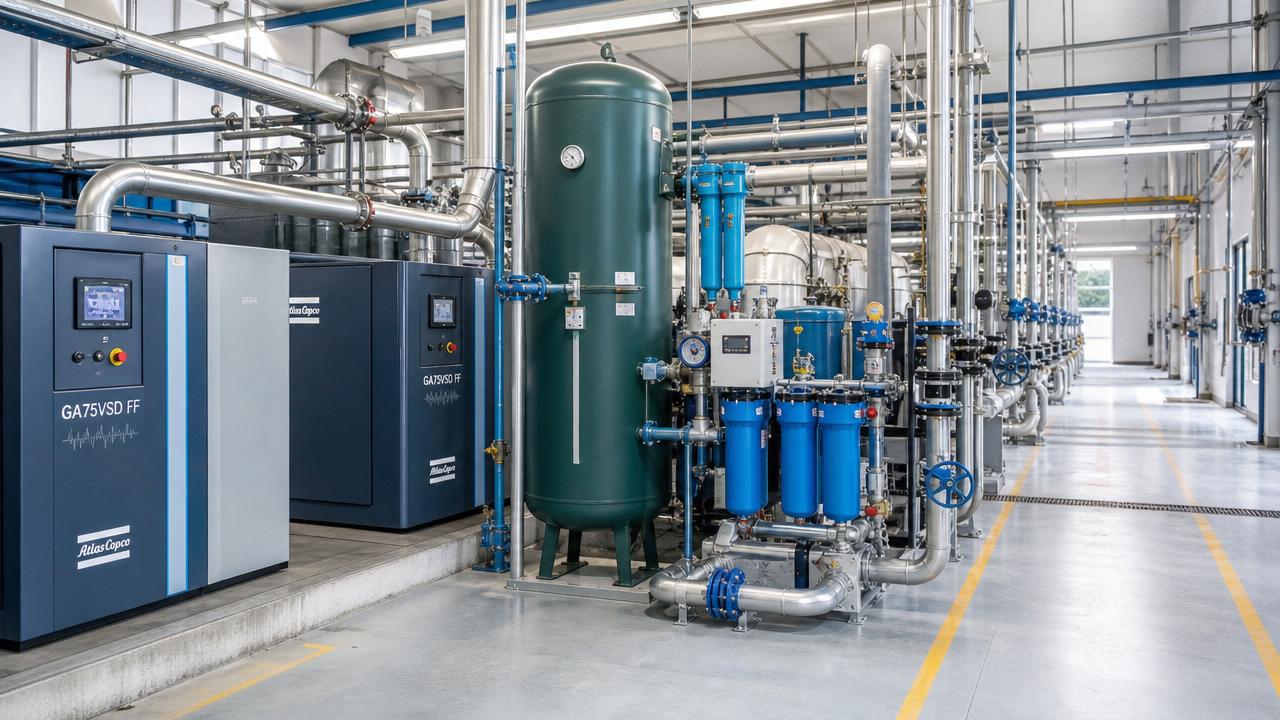
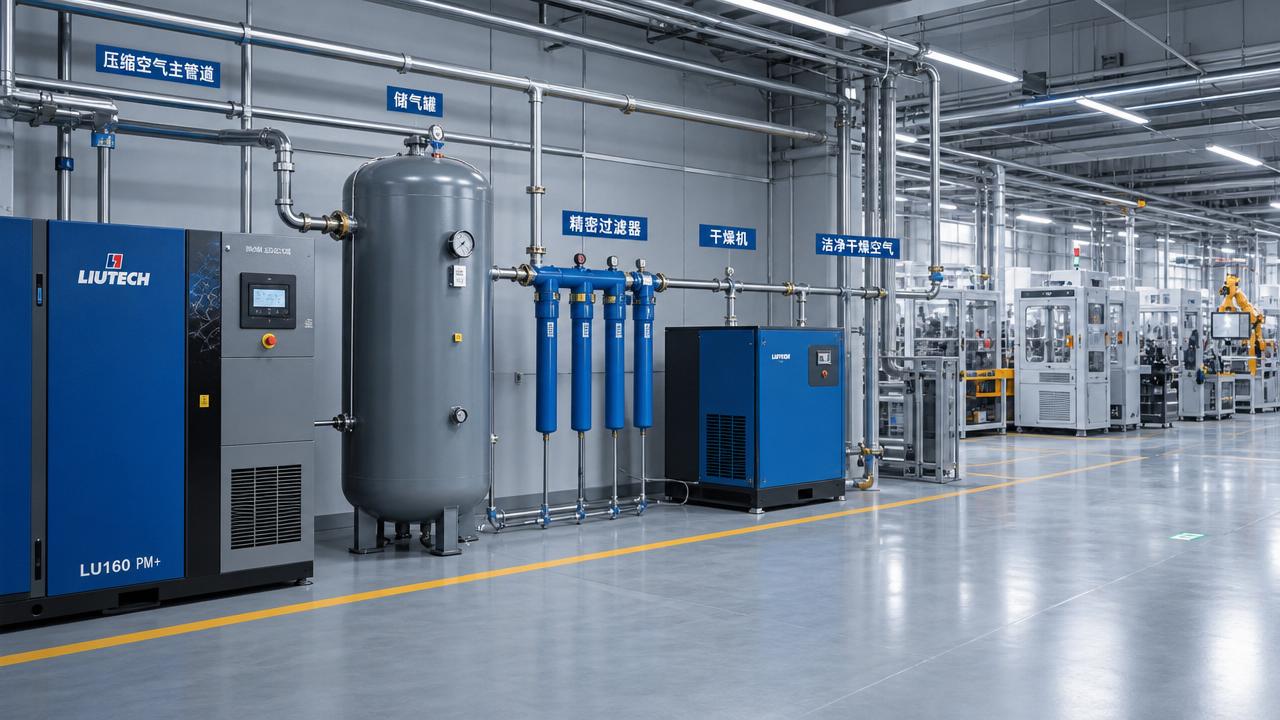
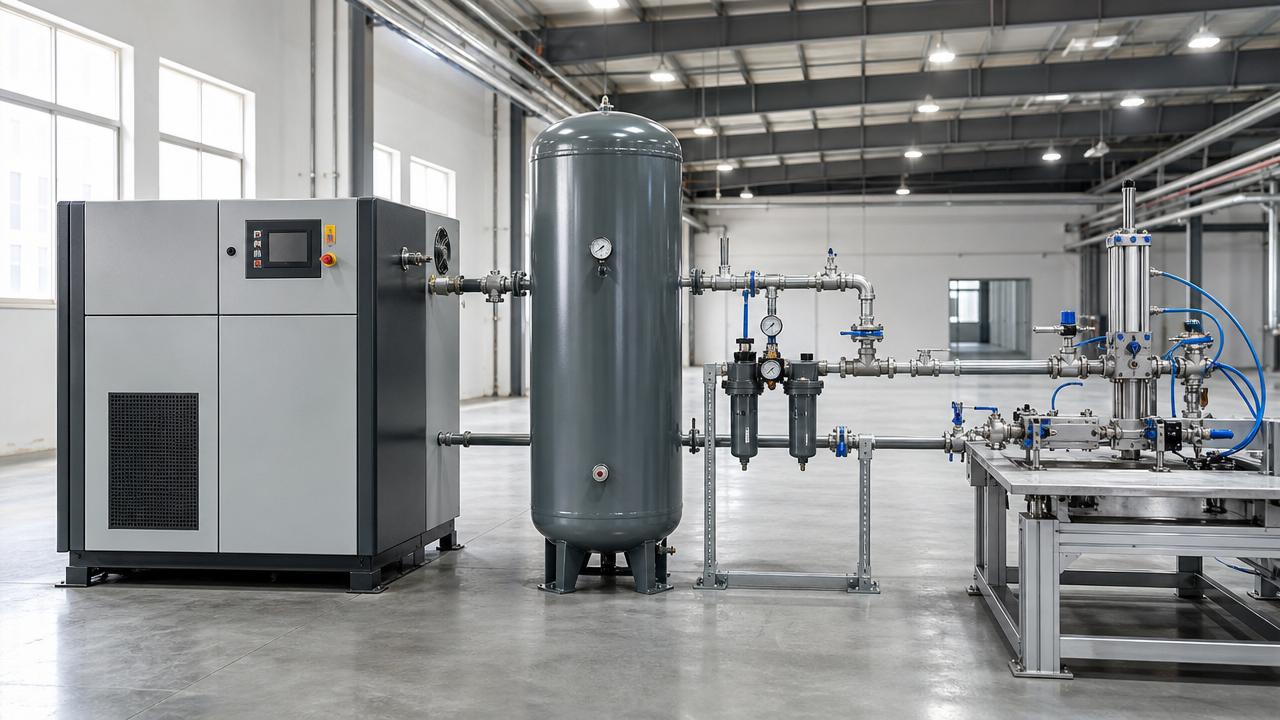
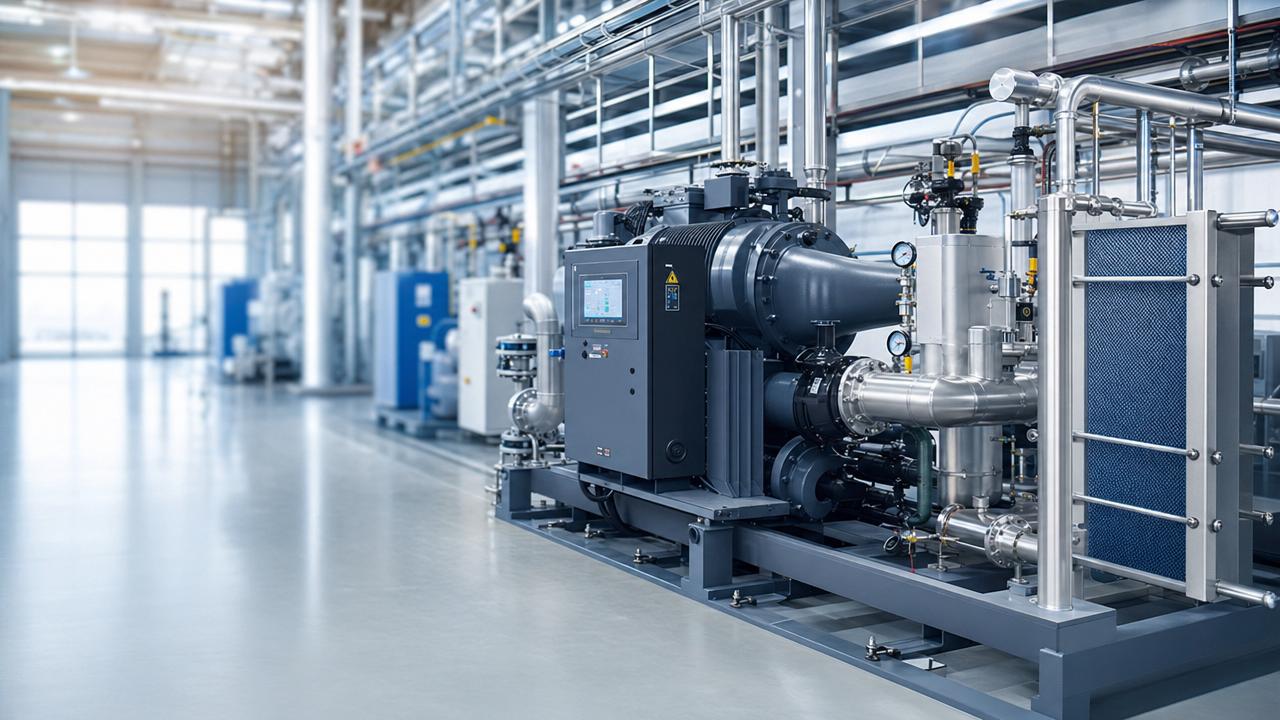
For cooling systems, this may involve chiller sequencing, condenser performance, refrigerant choice, and heat recovery opportunities. For compressed air, it often starts with leakage, pressure setpoints, storage, and demand matching.
Vacuum processes also deserve attention. In sectors such as semiconductors, food, and pharmaceuticals, vacuum stability can affect both product quality and energy intensity.
This is where industrial intelligence matters. GTC-Matrix focuses on the “Power Heart” and “Thermal Center” of production, which is exactly where many carbon neutrality plans still lack detail.
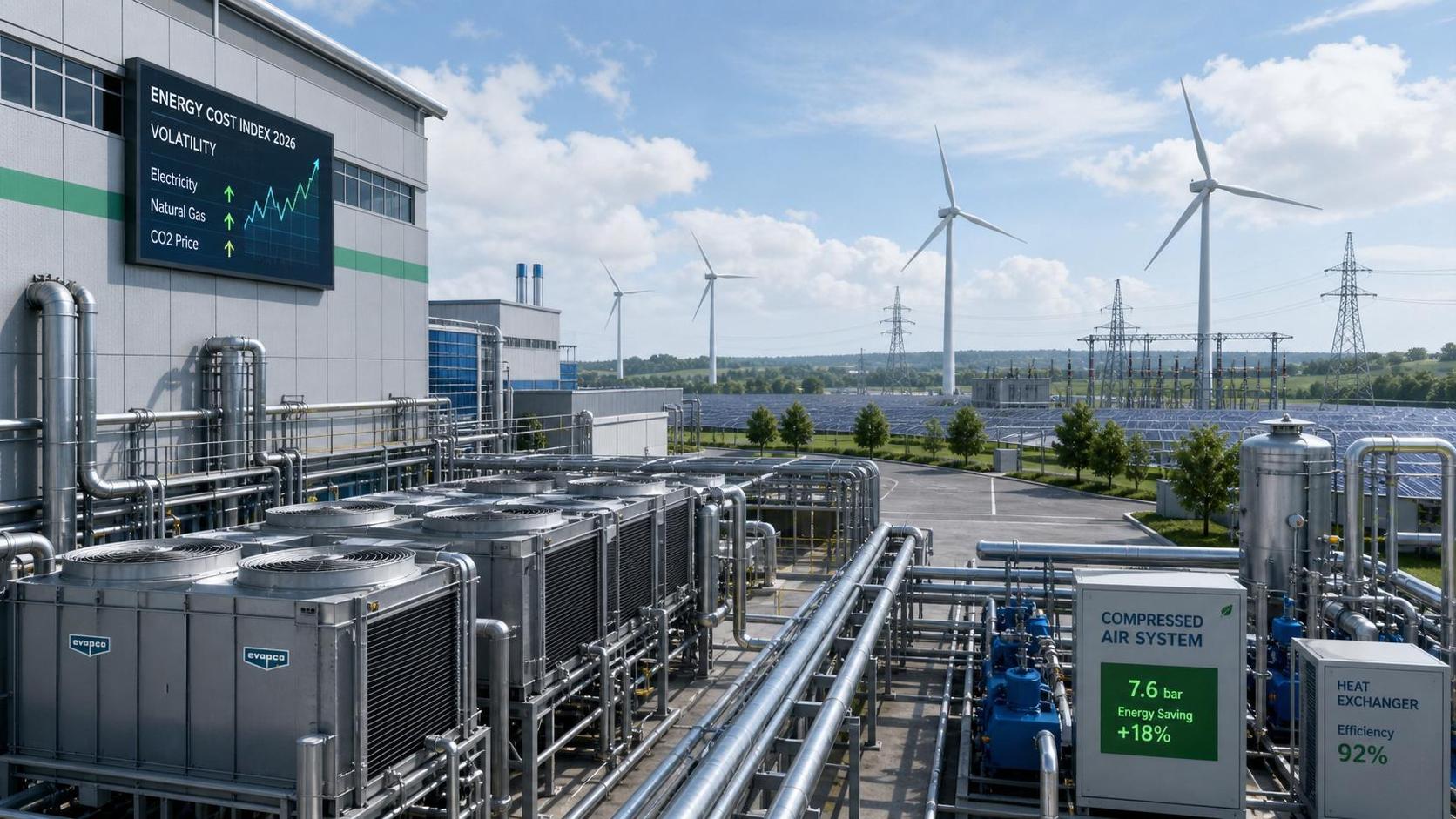
Its reporting on oil-free compression, microchannel heat exchangers, low-NOx boilers, refrigerant policy, and energy cost changes reflects a useful planning truth: carbon neutrality is shaped by both equipment technology and market conditions.
A roadmap that ignores these systems usually underestimates operational risk. A roadmap that understands them can prioritize projects with stronger savings persistence.
How can planning teams decide which decarbonization projects deserve priority?
The best priority logic combines carbon impact, operational dependency, and implementation realism. Carbon neutrality decisions rarely work when based on headline savings alone.
A useful method is to sort projects into three groups. This avoids mixing foundational fixes with complex transformations.
- Stabilization projects, such as leak reduction, controls tuning, insulation repair, and sensor correction.
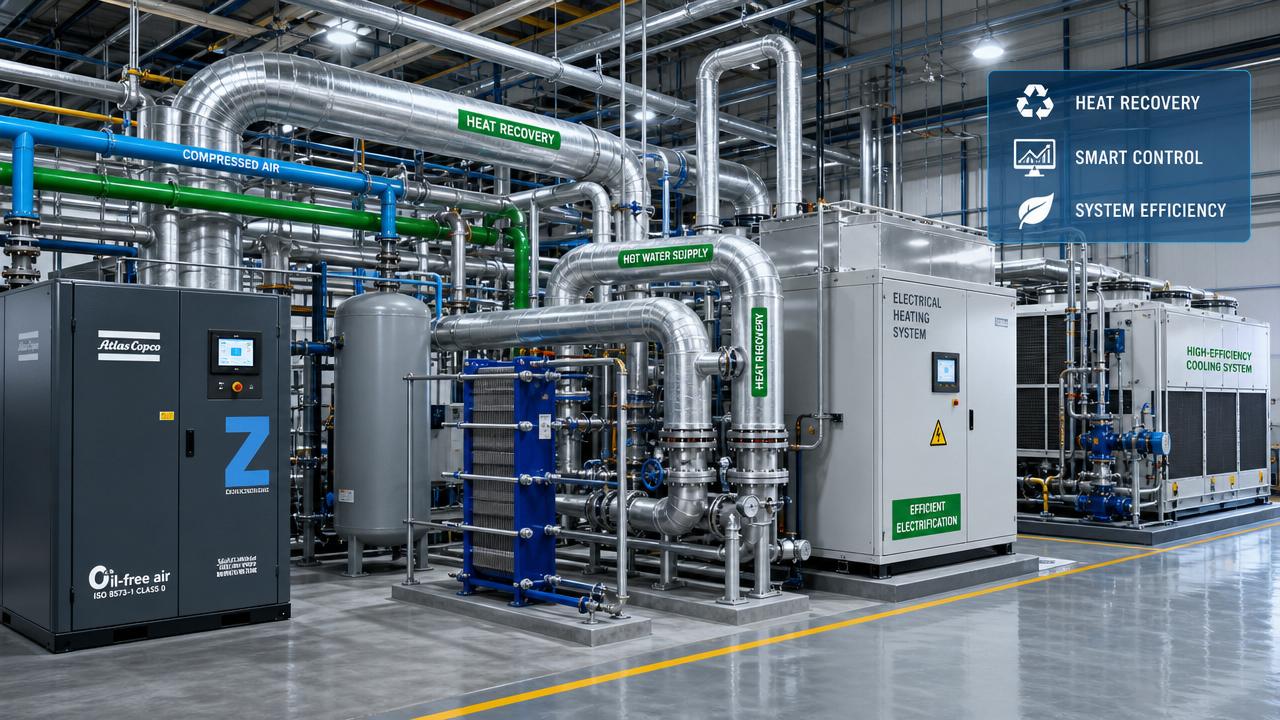
- Efficiency projects, such as variable-speed drives, heat recovery, better sequencing, and exchanger upgrades.
- Structural projects, such as fuel switching, process redesign, electrification, or utility architecture changes.
More often than not, stabilization projects create the conditions for reliable efficiency gains. Without them, the carbon neutrality case for larger investments becomes harder to prove.
Cycle time also matters. Some projects save carbon quickly but depend on supply chain lead times, grid capacity, or refrigerant availability.
That is why decision-making should include technical readiness, shutdown timing, measurement quality, and future policy exposure. A lower-emission option is not always the better first move if it destabilizes production.
A simple screen for project selection
Before committing capital, it helps to ask whether each carbon neutrality project passes these tests:
- Can the current loss or inefficiency be measured clearly?
- Will the benefit remain stable across part-load operation?
- Does the project depend on another retrofit first?
- Is commissioning risk understood well enough to protect output?
- Will policy, refrigerant, or energy price shifts change the value case?
What signals show that a carbon neutrality roadmap is becoming more credible?
Credibility shows up in the details. The roadmap starts to read less like a declaration and more like an operating model.
One strong signal is that assumptions are visible. Emission factors, runtime estimates, baseline conditions, and savings methods are documented rather than implied.
Another signal is that thermal and compression assets are not treated as side notes. They are reviewed as high-impact systems with direct influence on carbon neutrality results.
It also helps when market intelligence is connected to engineering planning. Changes in energy costs, refrigerant rules, and equipment innovation can shift priorities faster than annual planning cycles.
That is one reason specialized intelligence sources matter. They help translate external change into decisions on efficiency, timing, risk, and technology fit.
In practical terms, a stronger roadmap usually does three things well. It measures carefully, sequences honestly, and updates assumptions before they become outdated.
If the next step is unclear, start by reviewing the systems where heat and power move most intensely. In many facilities, that is where carbon neutrality planning shifts from abstract ambition to measurable progress.
Ready when you are. Send us a message to get started.
Related News
- Carrier Plans $600 Million Manufacturing and Engineering Center in Fort WorthAuthor :

- Semiconductor Thermal Management: Low Vibration Design PrioritiesAuthor :

- Thermal Interface Materials: What Drives Real Thermal OptimizationAuthor :
![]()
- Global Energy Costs in Europe: What Changed in 2026Author :

- Smart Device Thermal Management: Common Failures and FixesAuthor :

- Thermal Efficiency Optimization: 5 Signs Your System Is Losing HeatAuthor :

- How Precision Temperature Control Systems Improve Process StabilityAuthor :

- How Intellectualization Improves Process Visibility in Modern PlantsAuthor :

- Global Energy Costs in 2026: What Rising Prices Mean for Plant PlanningAuthor :

- Carbon Neutrality Roadmaps: Common Gaps in Industrial PlanningAuthor :

- Heat Transfer Basics: What Affects Efficiency in Industrial EquipmentAuthor :

- Industrial Thermal Systems: Common Failure Risks in Continuous OperationAuthor :

- Global Energy Costs: 2026 Risk Signals to WatchAuthor :

- Pneumatic Power Systems: Common Sizing Mistakes to AvoidAuthor :

- How Thermal Power Systems Cut Downtime in 2026Author :

- Clean Energy Technology Trends Reshaping Industry in 2026Author :

- Pneumatic Power Systems: Key Checks Before Equipment SelectionAuthor :

- Compression Technology Mistakes That Raise Maintenance RiskAuthor :

- Clean Energy Technology Risks to Watch in 2026 ProjectsAuthor :

- Smart Thermal Systems: 5 Signals Your Controls Are Wasting HeatAuthor :

- How to Size Pneumatic Power Systems for Stable OutputAuthor :

- Pneumatic Power Systems: Key Safety Risks in Daily OperationAuthor :

- Clean Energy Technology Shifts Reshaping Industrial InvestmentAuthor :

- Intellectualization in Industry: What Delivers Measurable Value?Author :

- Thermal Management Mistakes That Shorten Equipment LifeAuthor :

- Clean Energy Technology Options That Fit Real Manufacturing UpgradesAuthor :

- Energy-Saving Technologies Worth Tracking in 2026Author :