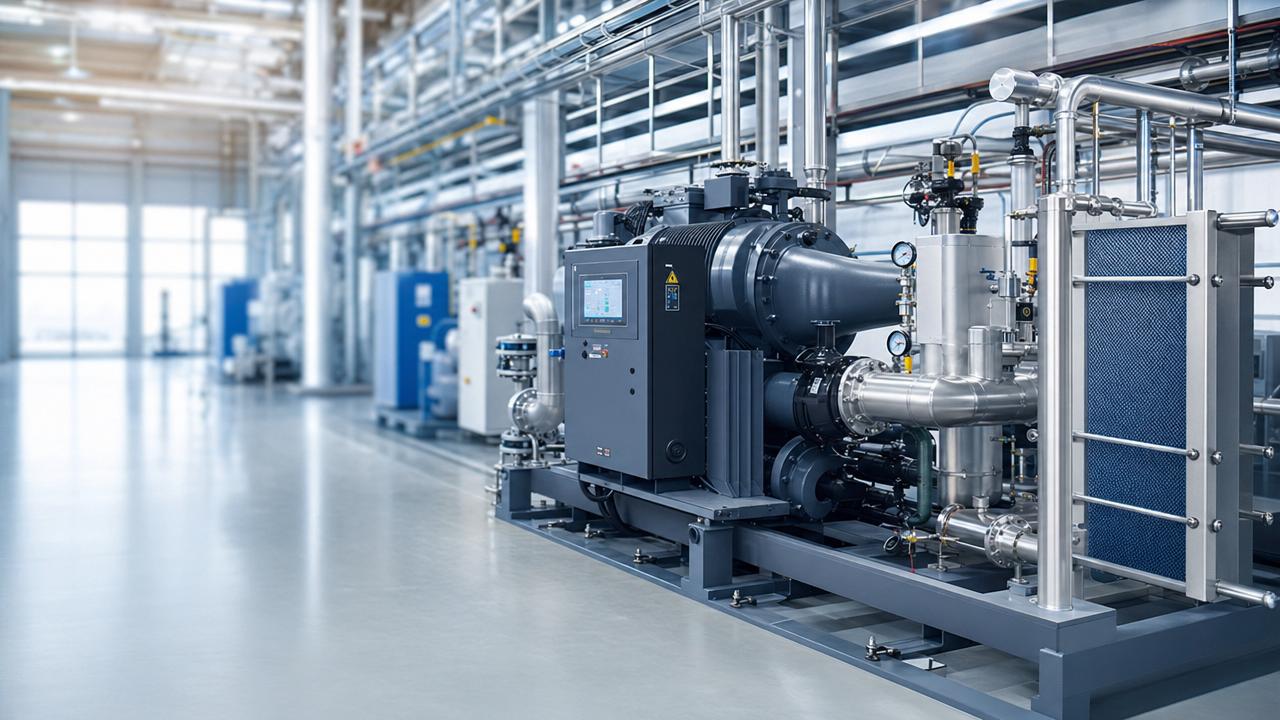
How Thermal Power Systems Cut Downtime in 2026




In 2026, thermal power systems are moving from background infrastructure to a frontline reliability strategy. Industrial sites now connect uptime, energy stability, and cost control more tightly than ever.
Across the comprehensive industry landscape, failures rarely begin as dramatic events. They usually start with heat imbalance, unstable compression, fouled exchange surfaces, or weak monitoring logic.
That is why thermal power systems now matter beyond energy generation alone. They support continuous production, protect asset health, and reduce the hidden downtime caused by thermal stress.
For platforms such as GTC-Matrix, this shift confirms a wider reality. Better thermal intelligence, stronger data interpretation, and integrated design are becoming core tools for resilient industrial performance.
Thermal power systems are entering a reliability-first era
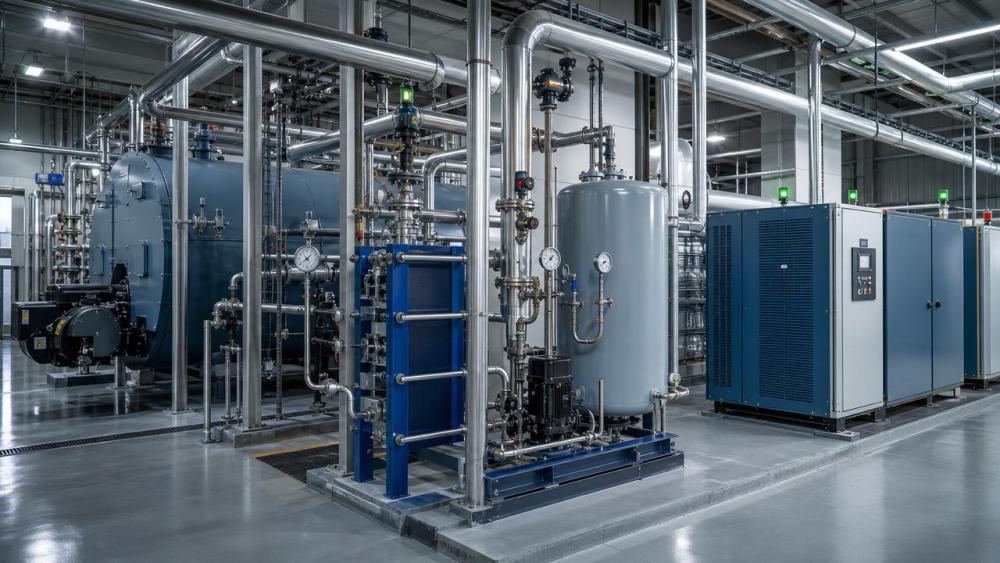
In earlier years, thermal power systems were often judged mainly by output, fuel use, or capital cost. In 2026, the evaluation lens has widened toward uptime, flexibility, and recovery speed.
Facilities now operate with denser automation, tighter product tolerances, and less room for unplanned interruption. A short thermal event can trigger quality loss, delayed delivery, and expensive restart cycles.
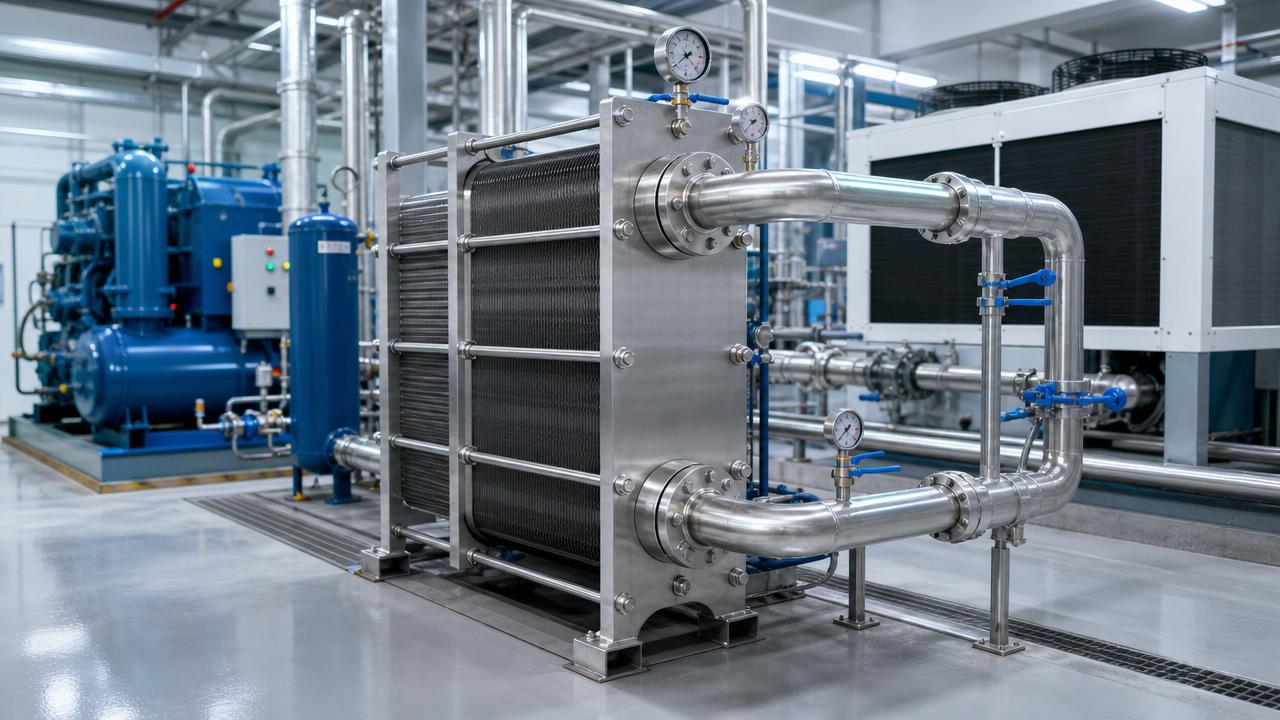
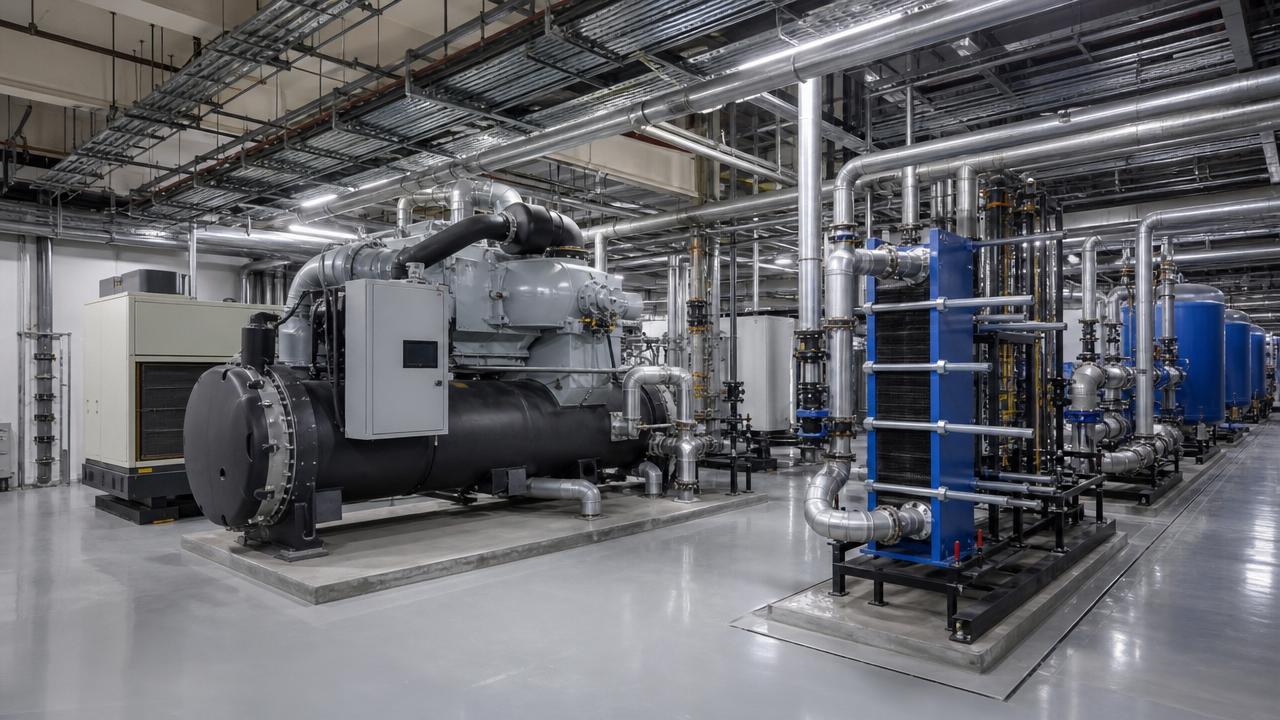
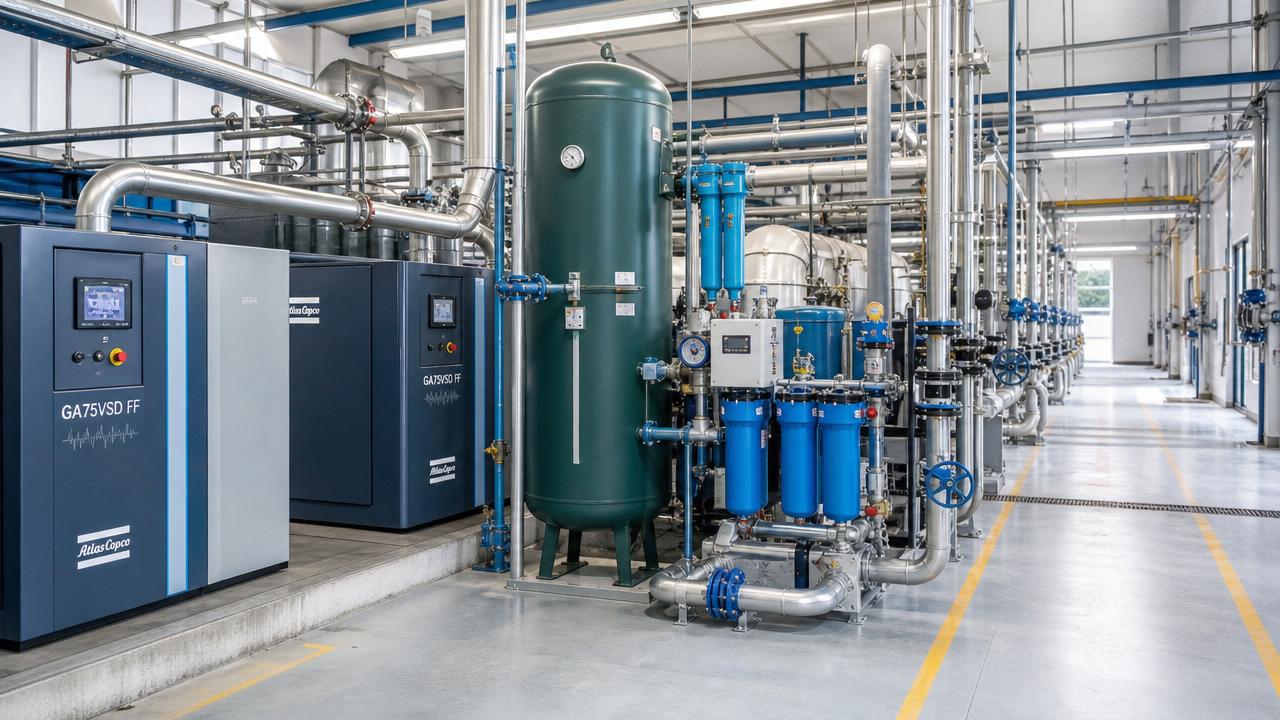
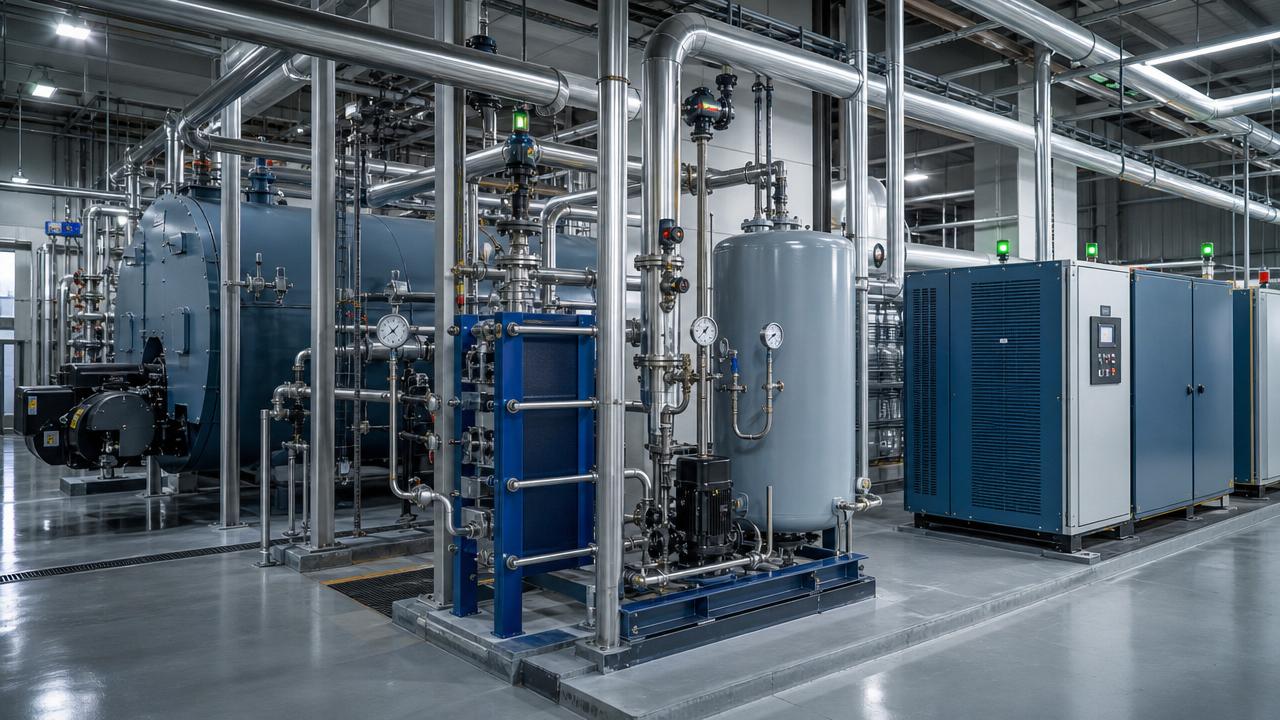
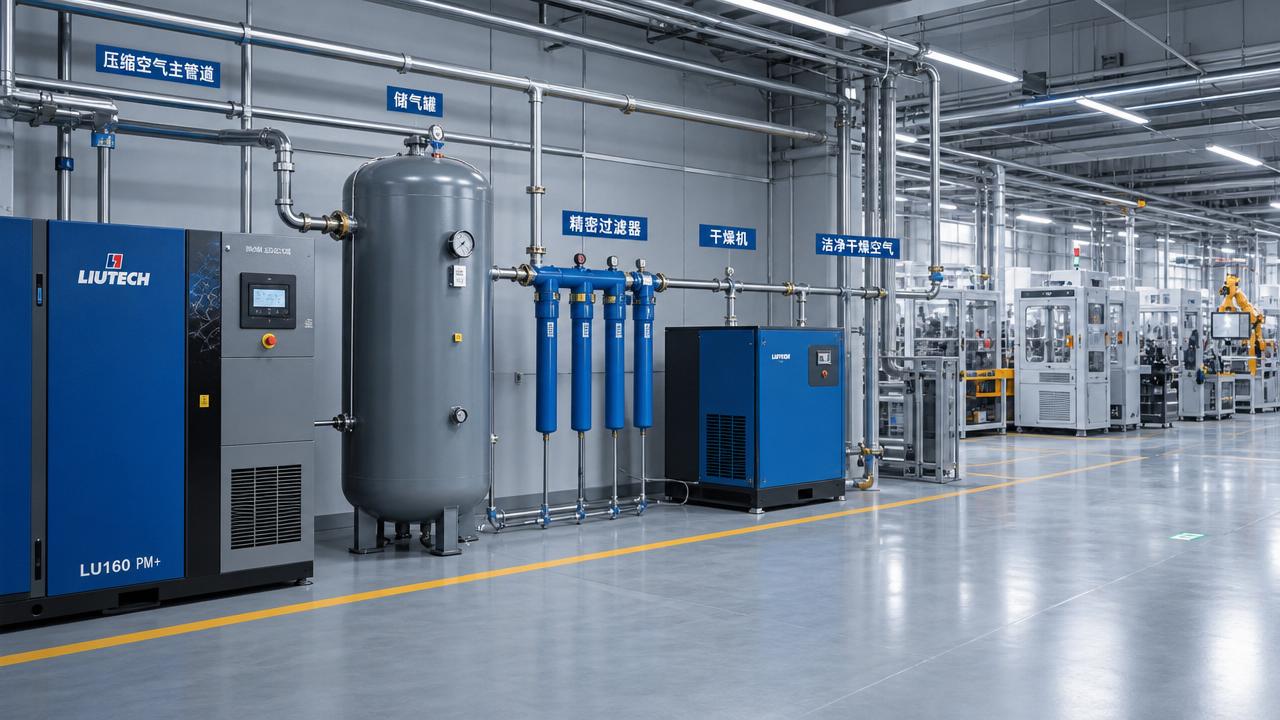
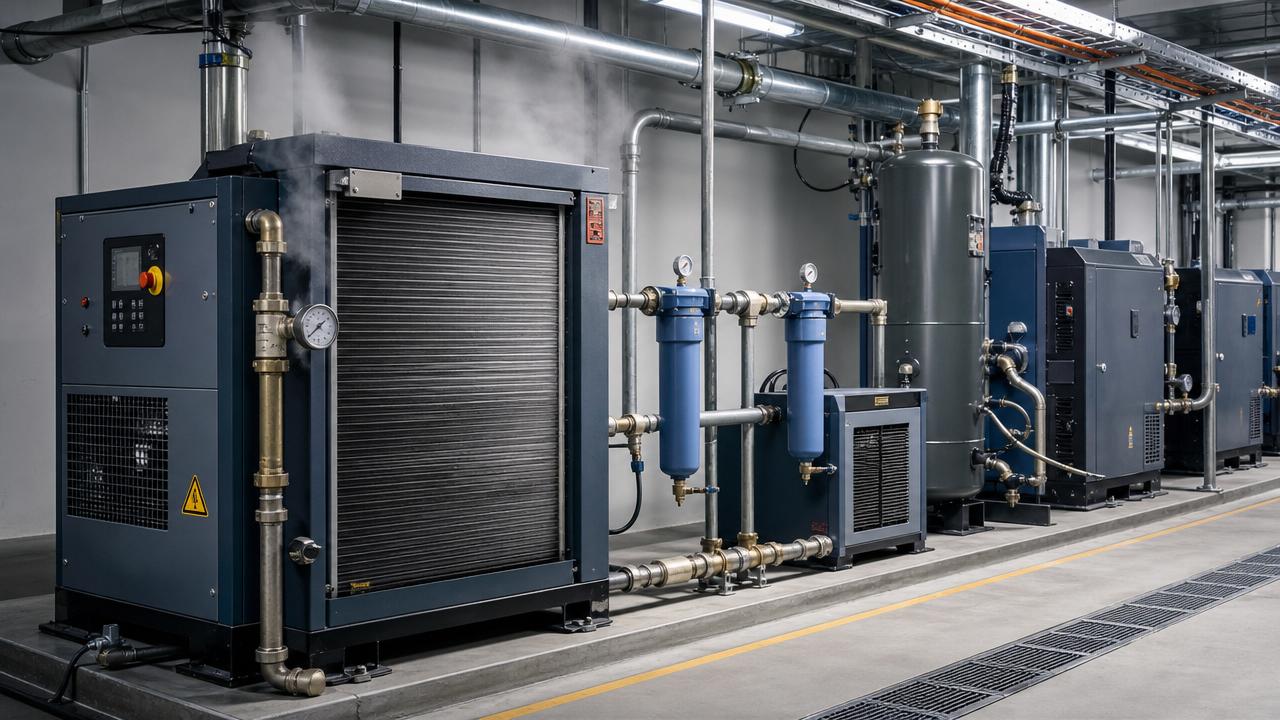
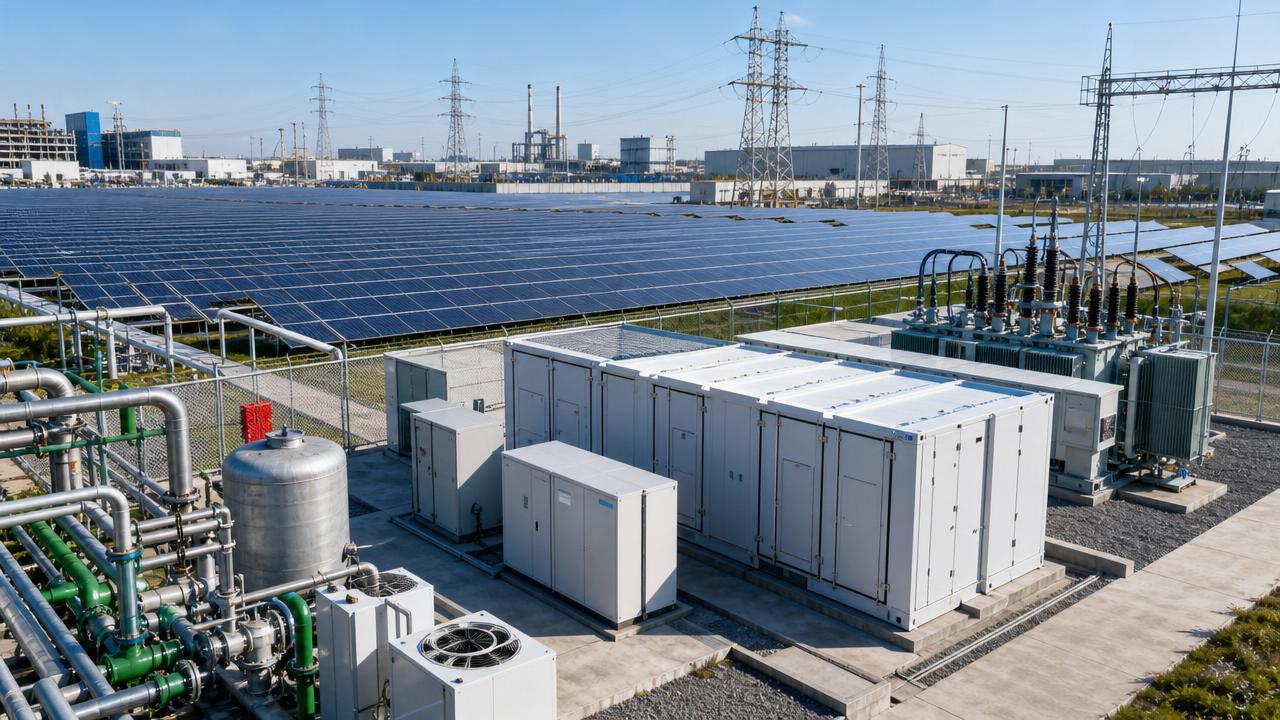
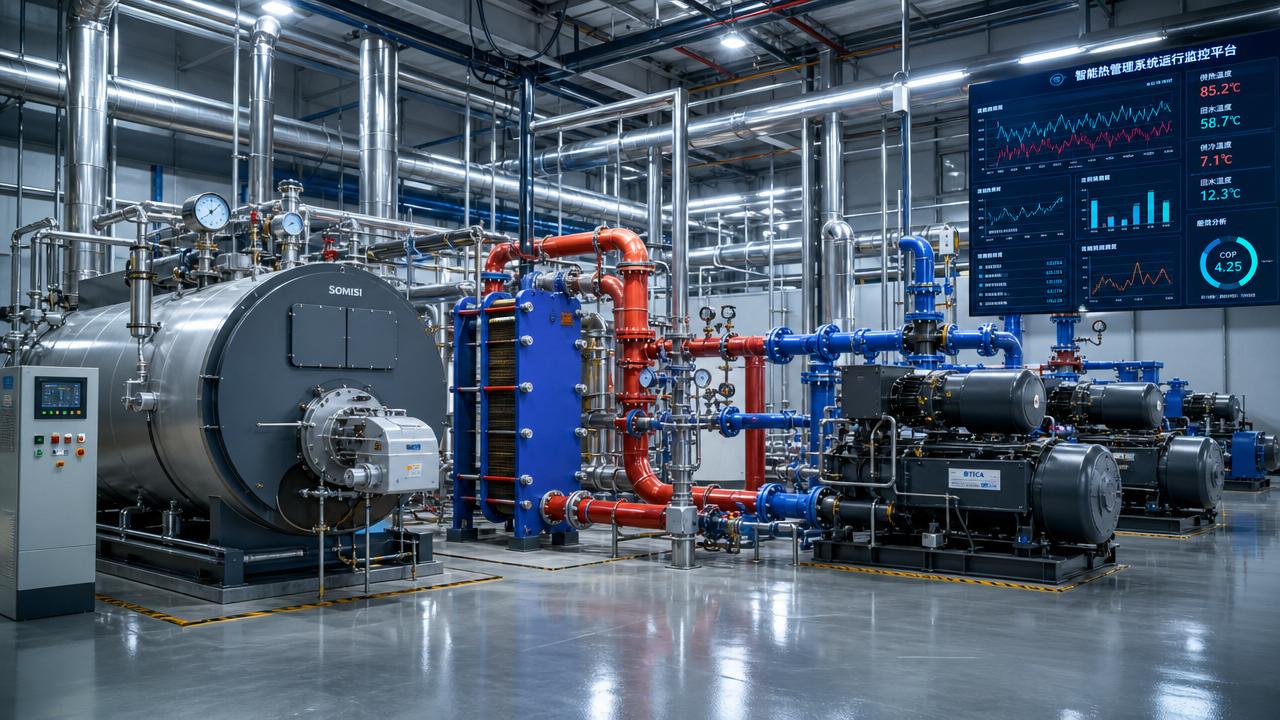
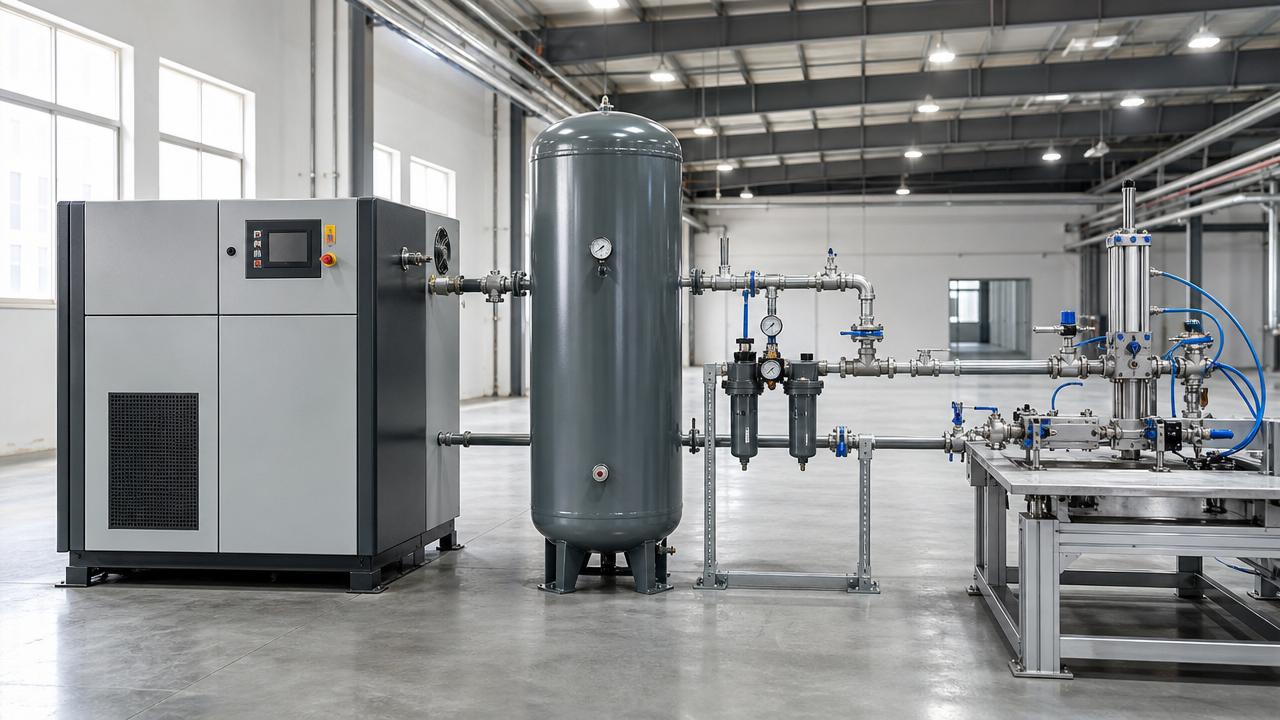
This trend is visible in cooling networks, compressed air systems, boiler rooms, vacuum lines, and heat recovery loops. Thermal power systems connect all of them through shared energy behavior.
The result is simple. Downtime prevention is no longer separate from thermal design. It begins with how heat, pressure, load variation, and monitoring signals are managed together.
The strongest signals in 2026 point to smarter thermal integration
Several market signals explain why thermal power systems are receiving more strategic attention across industry.
- Energy prices remain volatile, making inefficient heat transfer more costly.
- Decarbonization targets favor systems that recover waste heat and reduce excess fuel demand.
- Digital maintenance platforms can now detect thermal drift earlier.
- Oil-free compression and cleaner process environments require tighter thermal control.
- Microchannel and compact exchanger adoption is changing maintenance planning.
- Low-NOx combustion upgrades increase the need for balanced operating windows.
These signals show that thermal power systems are no longer passive utility assets. They are active performance platforms that shape output consistency and maintenance risk.
Why thermal power systems cut downtime more effectively in 2026
The downtime advantage comes from earlier visibility, faster adjustment, and fewer cascading failures. Modern thermal power systems do not just react after alarms. They help prevent alarm conditions.
1. Predictive maintenance is becoming thermally intelligent
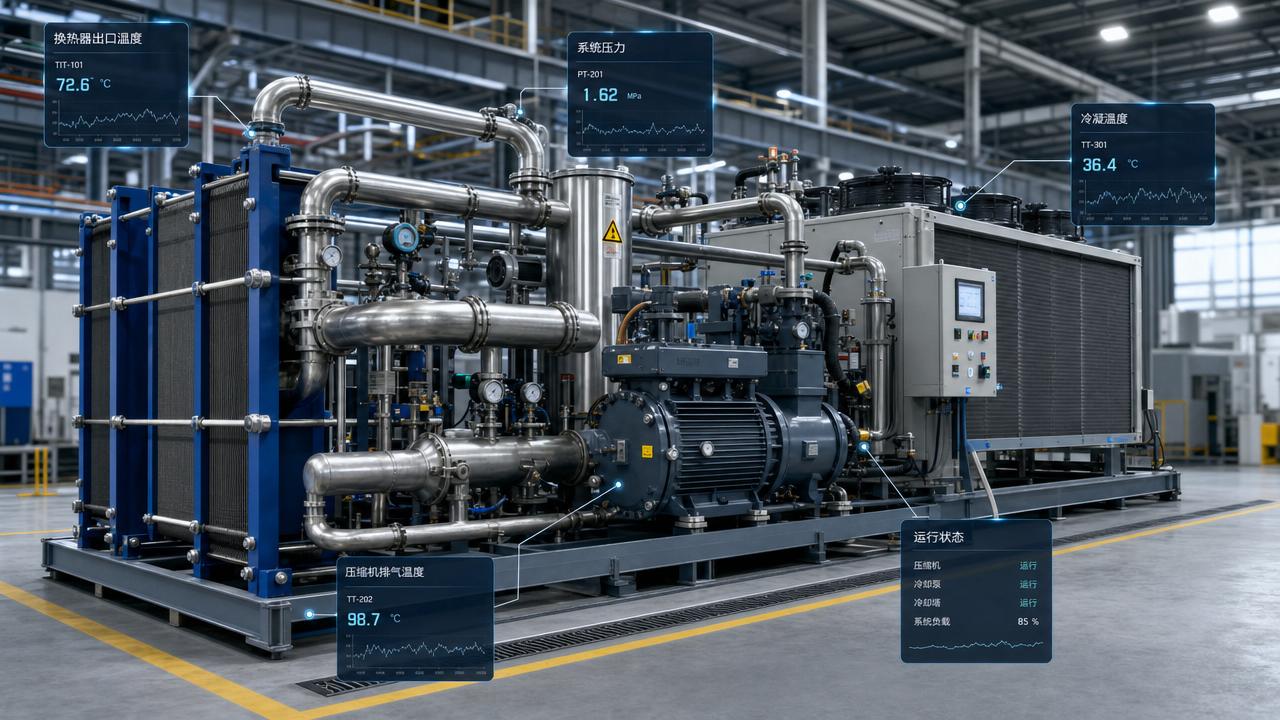
Temperature spread, pressure loss, vibration, and compressor cycling can now be interpreted as linked indicators. This creates a stronger maintenance picture than isolated readings.
When thermal power systems reveal heat exchanger fouling or unstable load response early, teams can schedule intervention before a shutdown becomes necessary.
2. Better thermal matching reduces equipment stress
Oversized or poorly matched assets often cycle too frequently. That creates wear in burners, fans, valves, and compressors. Smarter matching lowers stress and extends service intervals.
In 2026, thermal power systems increasingly use operating profiles instead of static sizing assumptions. That matters in mixed-load industrial environments.
3. Integrated controls stop small deviations from escalating
Disconnected control layers often hide root causes. Integrated controls connect boilers, chillers, compressors, pumps, and exchangers into one thermal logic chain.
This lets thermal power systems respond to demand swings without overcompensating. Stable control means fewer nuisance trips and more reliable restart behavior.
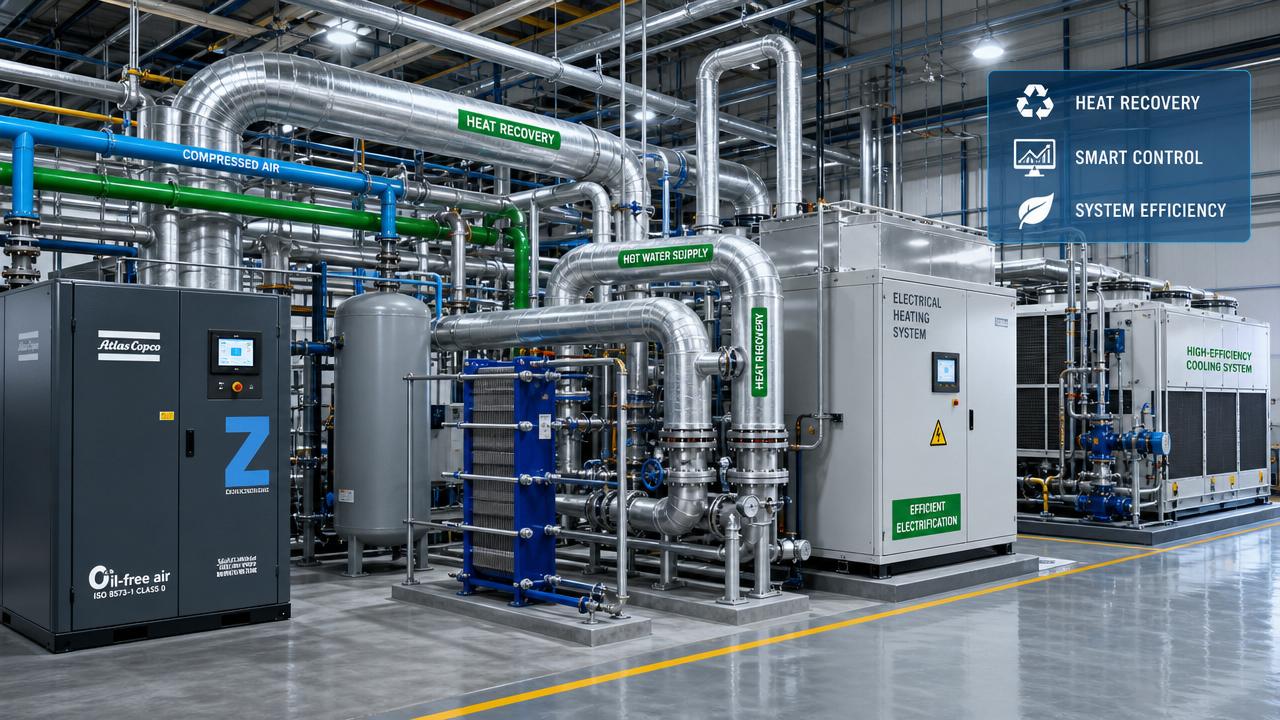
4. Heat recovery improves resilience, not only efficiency
Waste heat recovery is often discussed as an energy-saving measure. In practice, it also supports system balance and lowers peak thermal strain.
Thermal power systems that reuse process heat can reduce sudden load spikes on primary assets. That helps avoid overload conditions and service interruptions.
The main drivers behind this shift can be mapped clearly
This table highlights a key point. Thermal power systems now support both operational continuity and strategic efficiency goals.
The impact reaches multiple business links, not just utility rooms
The influence of thermal power systems extends across planning, production, maintenance, and sustainability reporting. Downtime is rarely isolated to one department or one machine.
When thermal instability appears, it can affect compressed air purity, cooling uniformity, vacuum reliability, and product temperature control at the same time.
- Operations gain steadier output and fewer disruption cascades.
- Maintenance gains clearer fault signatures and better scheduling accuracy.
- Engineering gains stronger evidence for retrofit priorities.
- Finance gains better lifecycle visibility and fewer emergency costs.
- Sustainability teams gain measurable reductions in wasted energy.
For a knowledge platform like GTC-Matrix, these cross-functional effects make thermal intelligence especially valuable. Decisions improve when thermodynamic performance is linked to commercial and operational outcomes.
What deserves immediate attention when evaluating thermal power systems
In 2026, not every upgrade creates the same reliability return. The strongest results usually come from a focused review of several thermal risk points.
- Track temperature differentials across exchangers, not only outlet values.
- Check compressor and boiler cycling frequency against real load patterns.
- Audit control logic between cooling, compression, and heat recovery assets.
- Review fouling trends, water quality, and airflow restrictions together.
- Benchmark thermal power systems by downtime cost, not energy use alone.
- Assess whether current sensors support predictive intervention.
- Identify restart vulnerabilities after brief thermal disturbances.
These checks help reveal why apparently efficient thermal power systems may still create hidden reliability losses.
A practical response path is emerging for 2026 and beyond
The next step is not always full replacement. Many sites can cut downtime by improving how thermal power systems are observed, tuned, and coordinated.
This phased approach matches the broader direction of thermal power systems in industry. Reliability gains come from better intelligence before they come from bigger equipment budgets.
The next competitive edge will come from thermal intelligence
By 2026, thermal power systems are no longer judged only by what they produce. They are judged by how consistently they protect uptime, absorb variability, and support efficient operations.
The strongest organizations will treat thermal behavior as a decision signal, not a background utility detail. That means connecting maintenance data, energy analysis, and process stability into one view.
GTC-Matrix follows this evolution closely through intelligence on cooling, compressed air, vacuum processes, and heat exchange technologies. Those links matter because thermal power systems perform best when the whole energy chain is understood.
If the goal is lower downtime in 2026, start with a thermal performance review. Identify hidden stress points, verify control coordination, and prioritize the upgrades that improve reliability first.
Ready when you are. Send us a message to get started.
Related News
- Carrier Plans $600 Million Manufacturing and Engineering Center in Fort WorthAuthor :

- Semiconductor Thermal Management: Low Vibration Design PrioritiesAuthor :

- Thermal Interface Materials: What Drives Real Thermal OptimizationAuthor :
![]()
- Global Energy Costs in Europe: What Changed in 2026Author :

- Smart Device Thermal Management: Common Failures and FixesAuthor :

- Thermal Efficiency Optimization: 5 Signs Your System Is Losing HeatAuthor :

- How Precision Temperature Control Systems Improve Process StabilityAuthor :

- How Intellectualization Improves Process Visibility in Modern PlantsAuthor :

- Global Energy Costs in 2026: What Rising Prices Mean for Plant PlanningAuthor :

- Carbon Neutrality Roadmaps: Common Gaps in Industrial PlanningAuthor :

- Heat Transfer Basics: What Affects Efficiency in Industrial EquipmentAuthor :

- Industrial Thermal Systems: Common Failure Risks in Continuous OperationAuthor :

- Global Energy Costs: 2026 Risk Signals to WatchAuthor :

- Pneumatic Power Systems: Common Sizing Mistakes to AvoidAuthor :

- How Thermal Power Systems Cut Downtime in 2026Author :

- Clean Energy Technology Trends Reshaping Industry in 2026Author :

- Pneumatic Power Systems: Key Checks Before Equipment SelectionAuthor :

- Compression Technology Mistakes That Raise Maintenance RiskAuthor :

- Clean Energy Technology Risks to Watch in 2026 ProjectsAuthor :

- Smart Thermal Systems: 5 Signals Your Controls Are Wasting HeatAuthor :

- How to Size Pneumatic Power Systems for Stable OutputAuthor :

- Pneumatic Power Systems: Key Safety Risks in Daily OperationAuthor :

- Clean Energy Technology Shifts Reshaping Industrial InvestmentAuthor :

- Intellectualization in Industry: What Delivers Measurable Value?Author :

- Thermal Management Mistakes That Shorten Equipment LifeAuthor :

- Clean Energy Technology Options That Fit Real Manufacturing UpgradesAuthor :

- Energy-Saving Technologies Worth Tracking in 2026Author :