Global Energy Costs in 2026: What Rising Prices Mean for Plant Planning




Global energy costs are reshaping plant planning in 2026
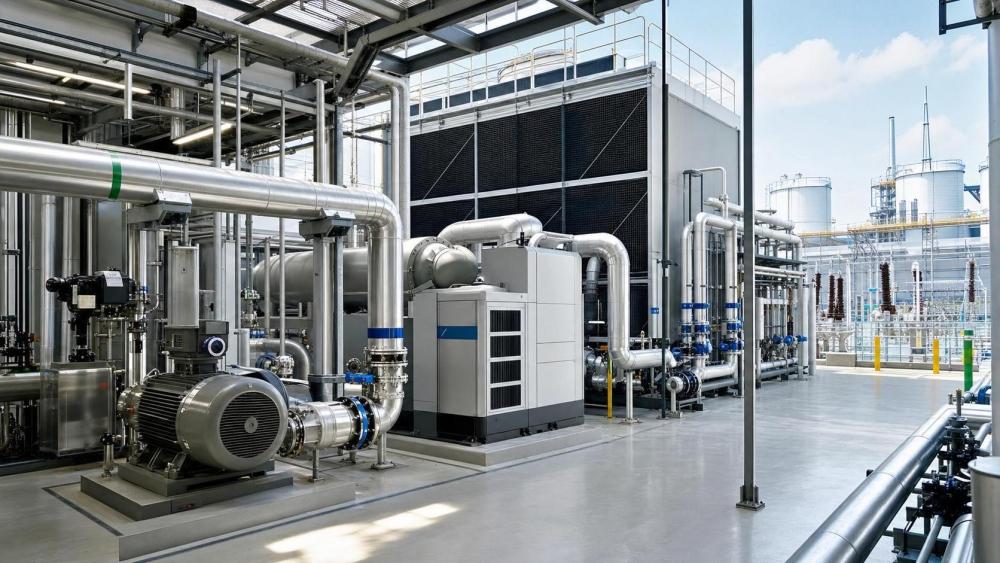
Global energy costs are no longer a background variable in plant planning.
In 2026, they sit at the center of capital allocation, layout design, and operating risk.
That shift matters because energy inflation now reaches far beyond the utility bill.
It changes payback logic, equipment priorities, and the acceptable margin for inefficiency.
A new plant, or even a line expansion, must now be judged through a longer financial lens.
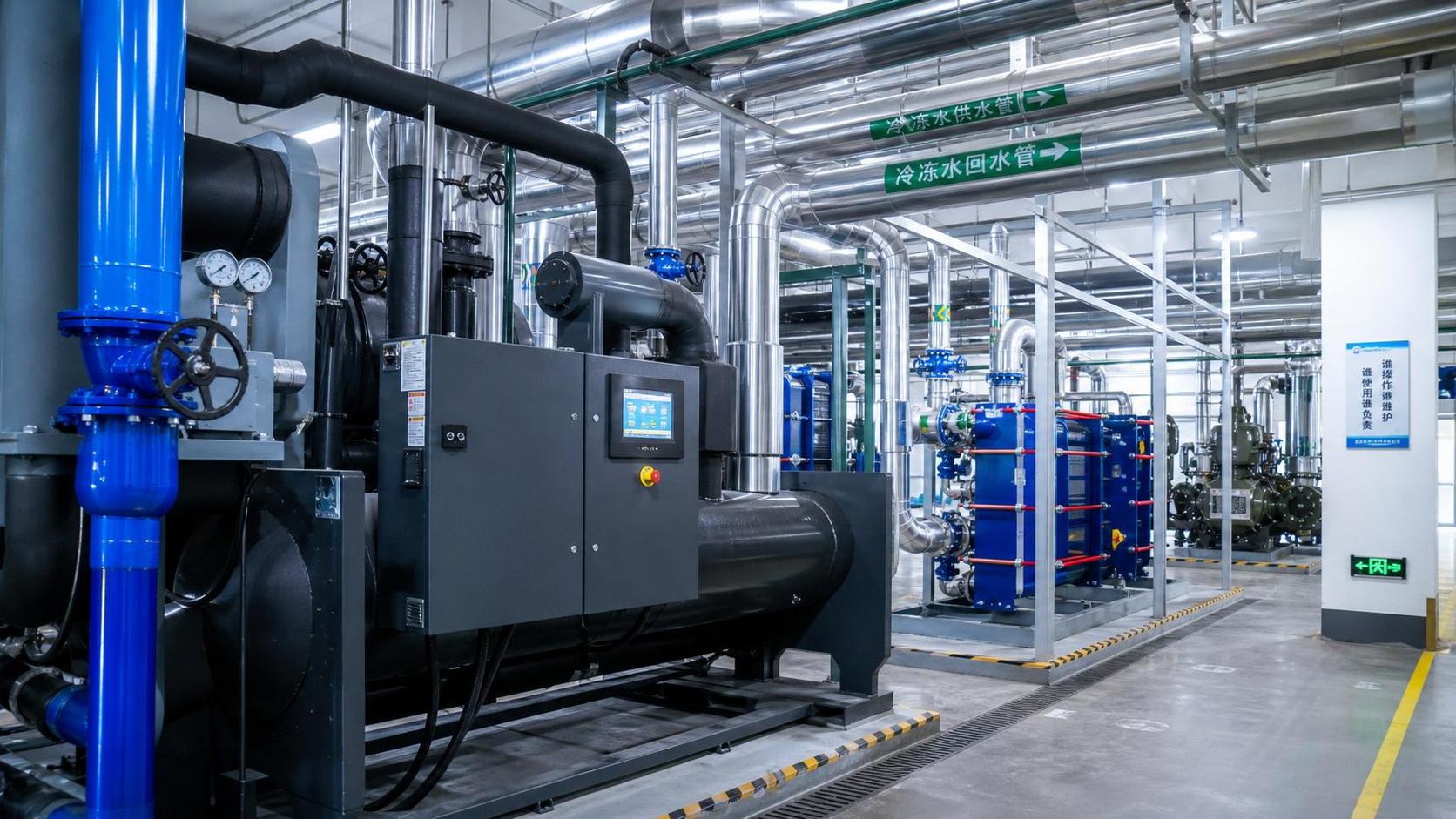
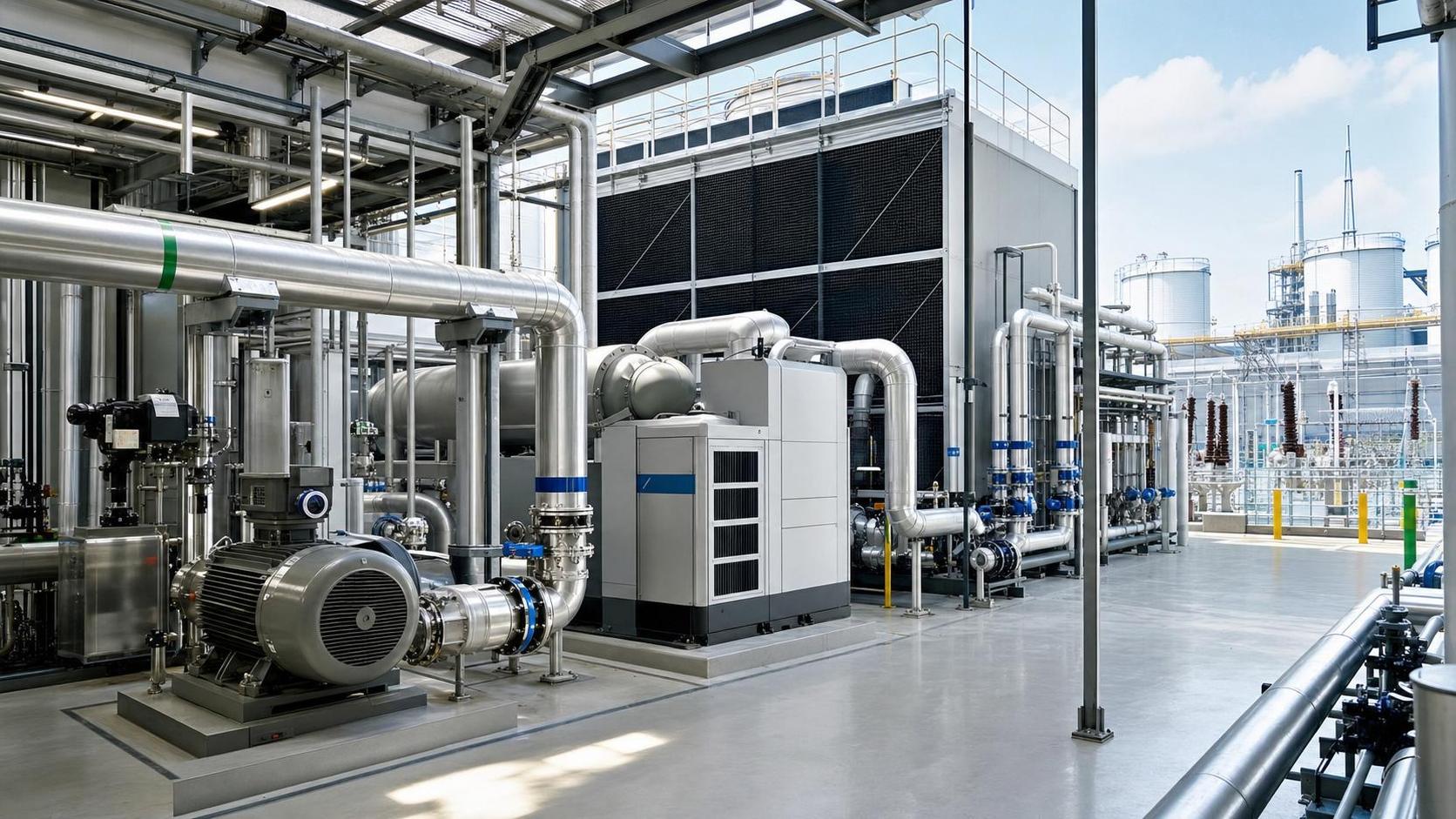
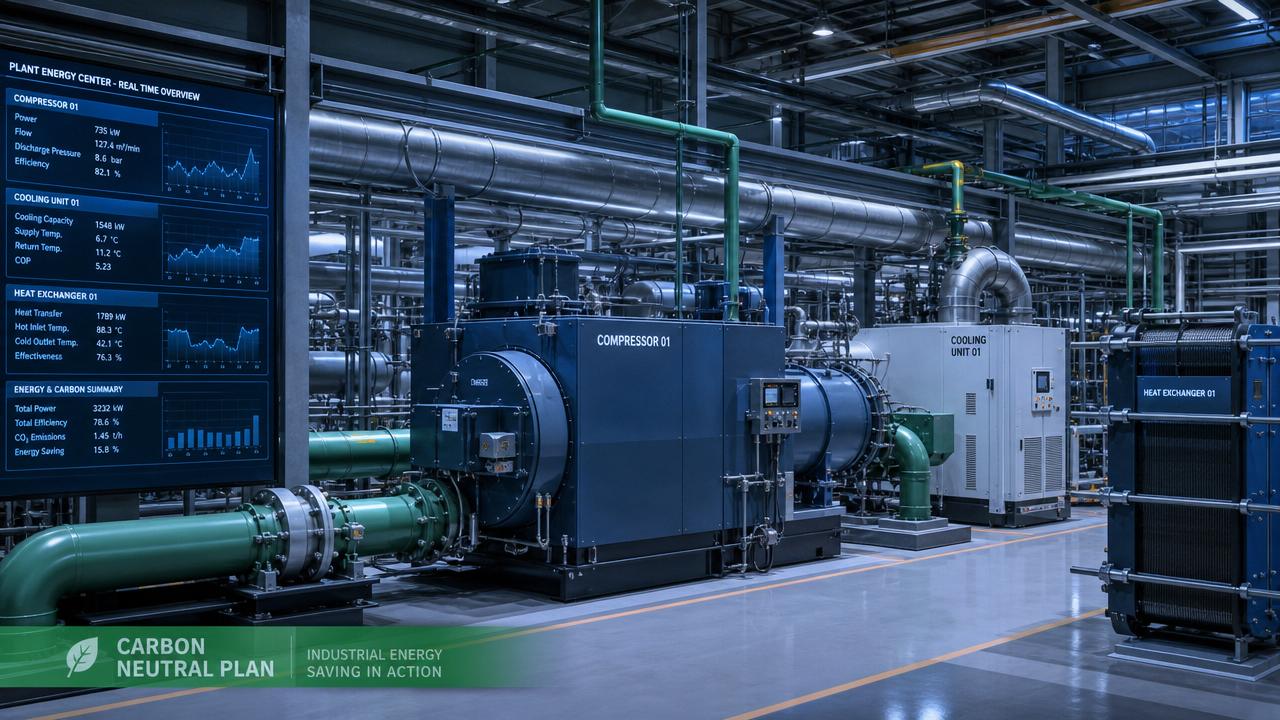
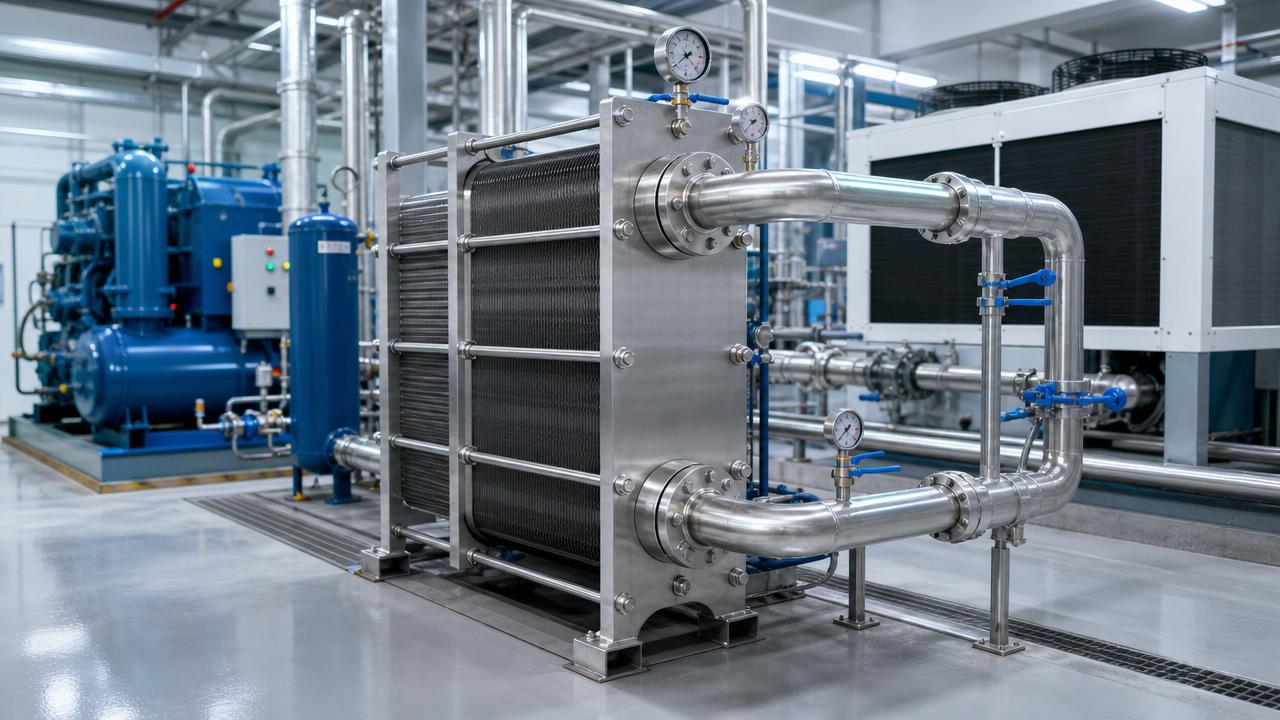
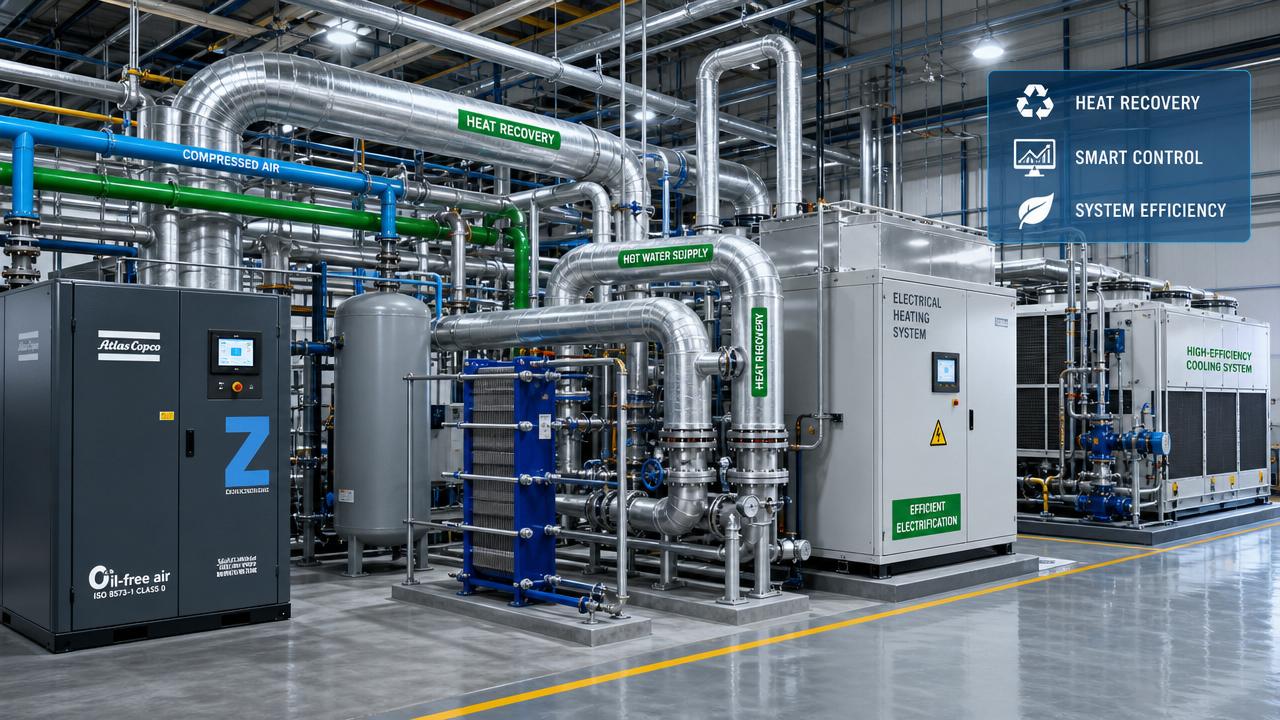
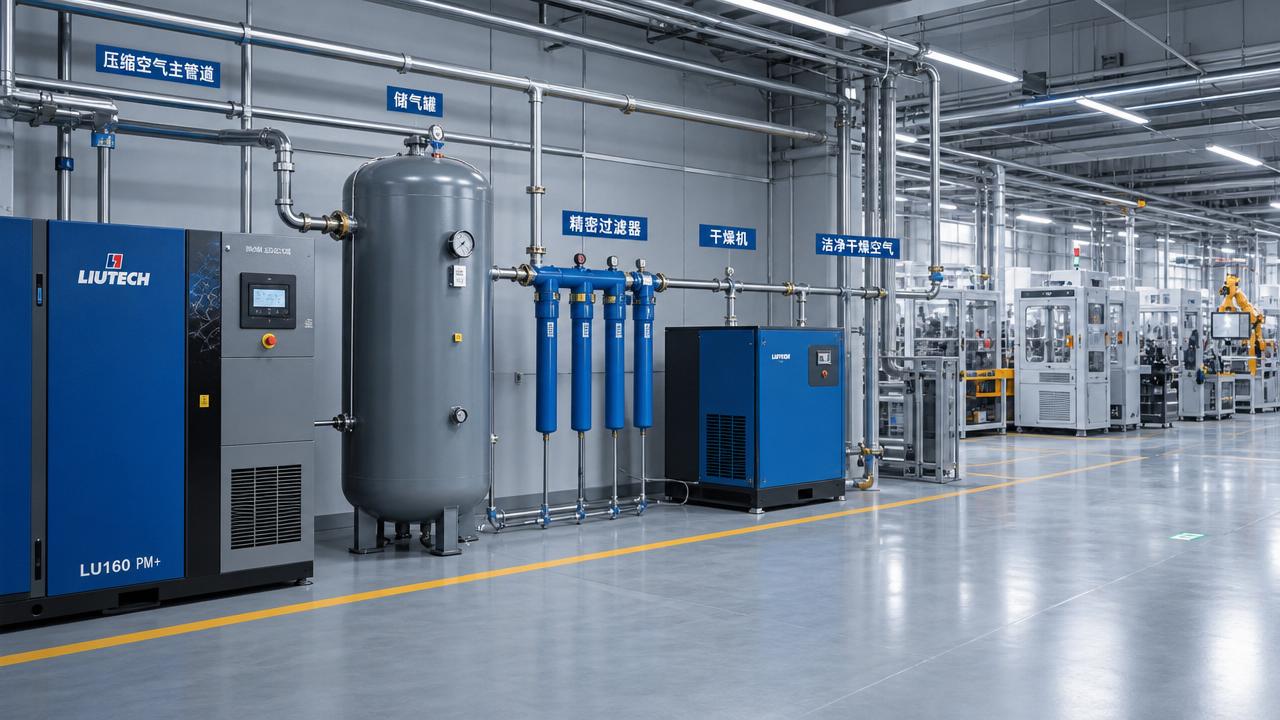
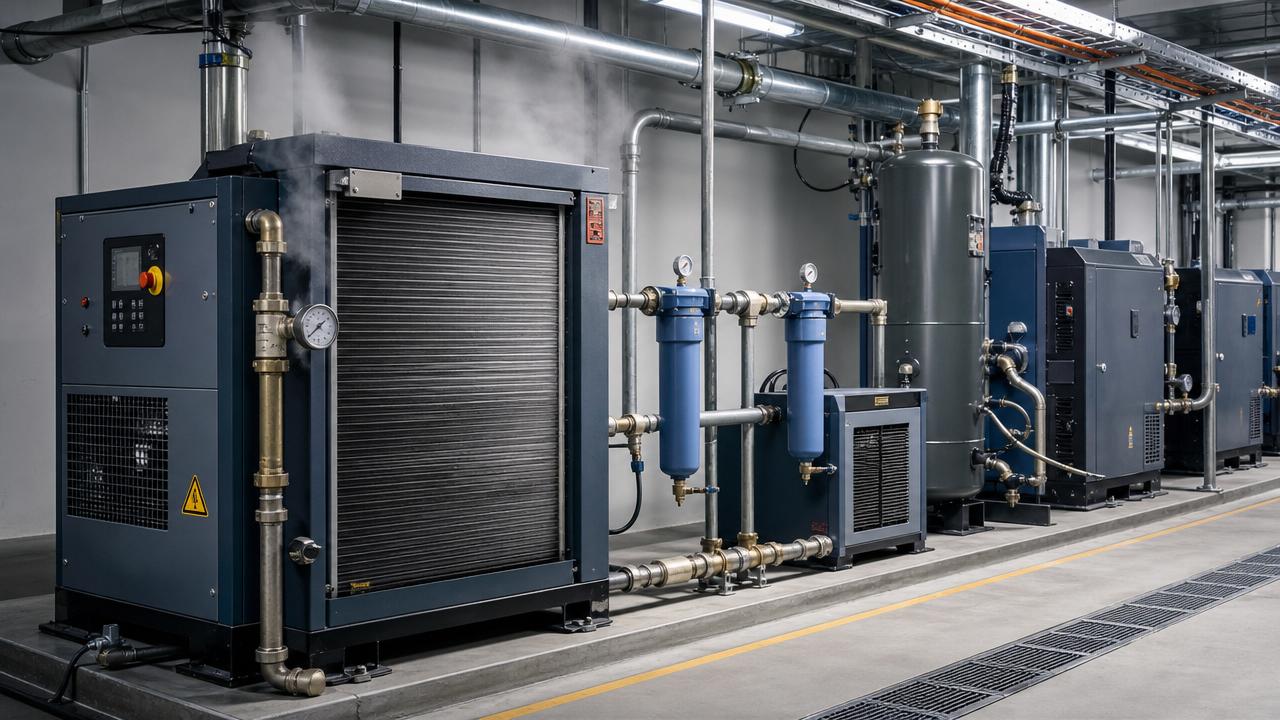
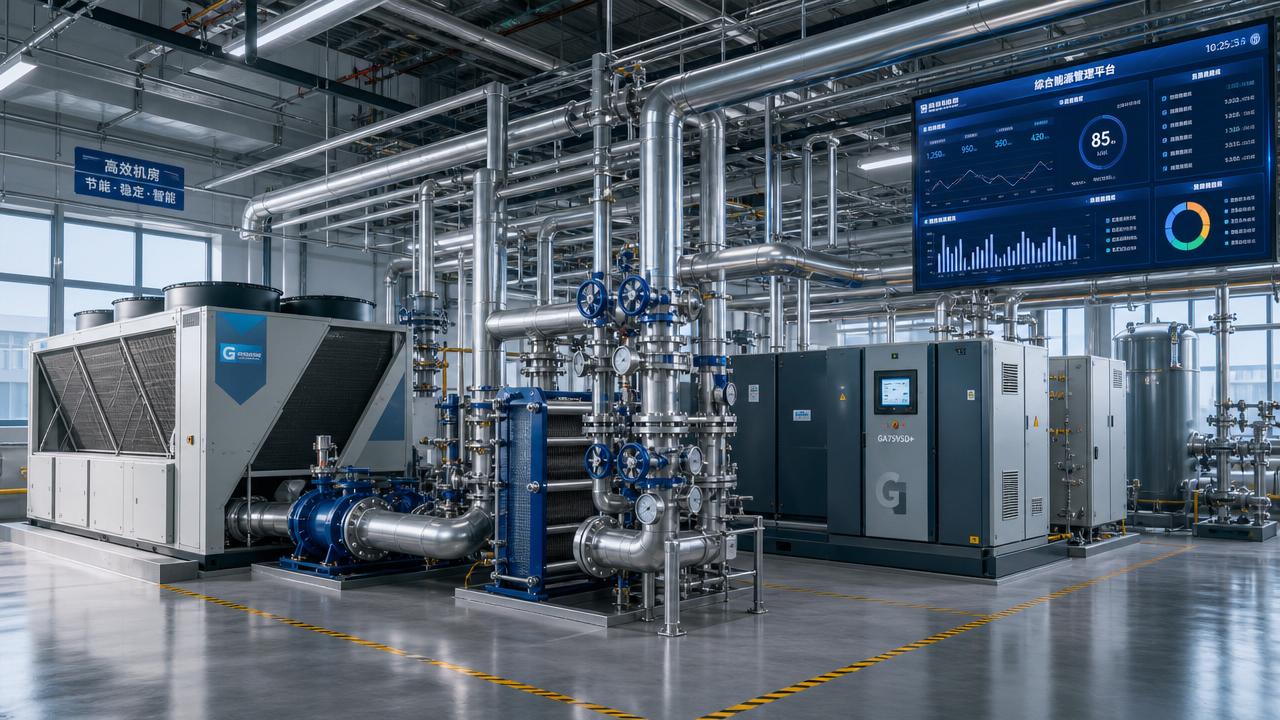
Compressed air, cooling, vacuum, and heat exchange systems carry larger lifetime cost consequences than before.
This is especially visible in sectors where thermal stability and clean process power are non-negotiable.
Pharmaceutical, semiconductor, and food processing facilities feel this pressure early and often.
From the perspective of GTC-Matrix, the more revealing story is not only that prices are higher.
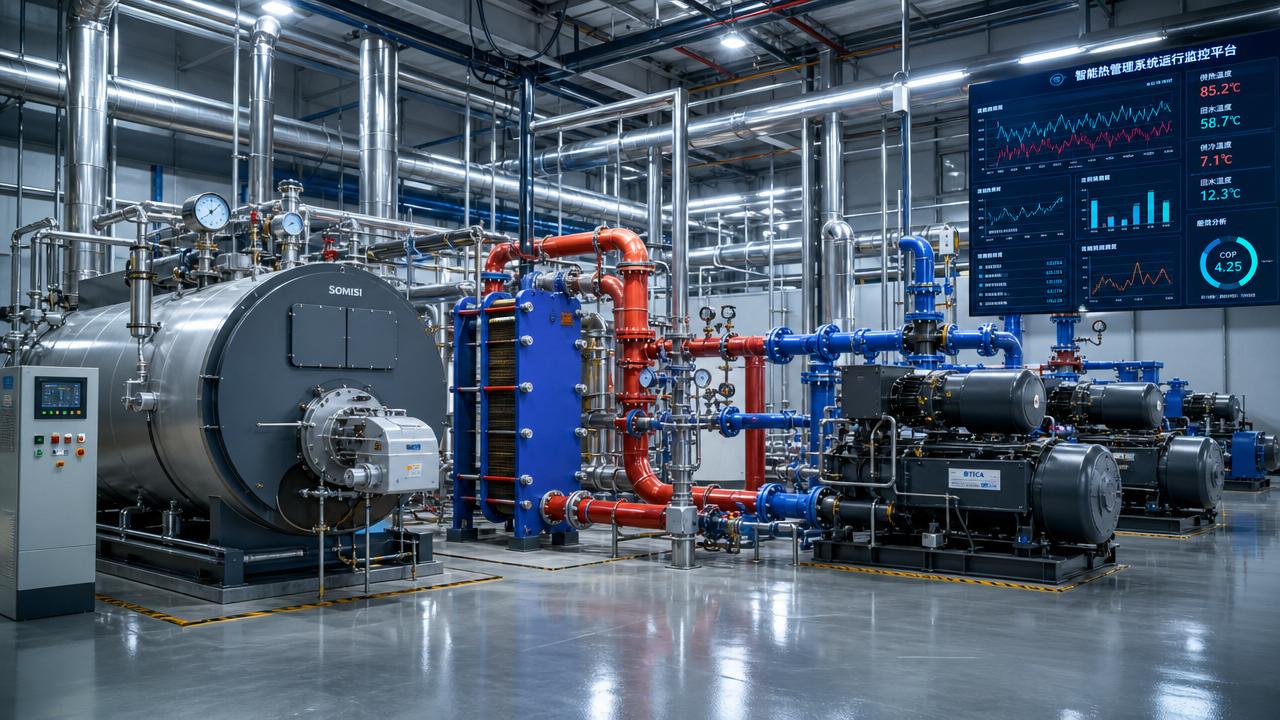
It is that global energy costs are changing how industrial systems are evaluated as integrated thermal ecosystems.
The recent signals are broader than fuel or electricity headlines
Recent market movement shows a layered pattern rather than one simple price spike.
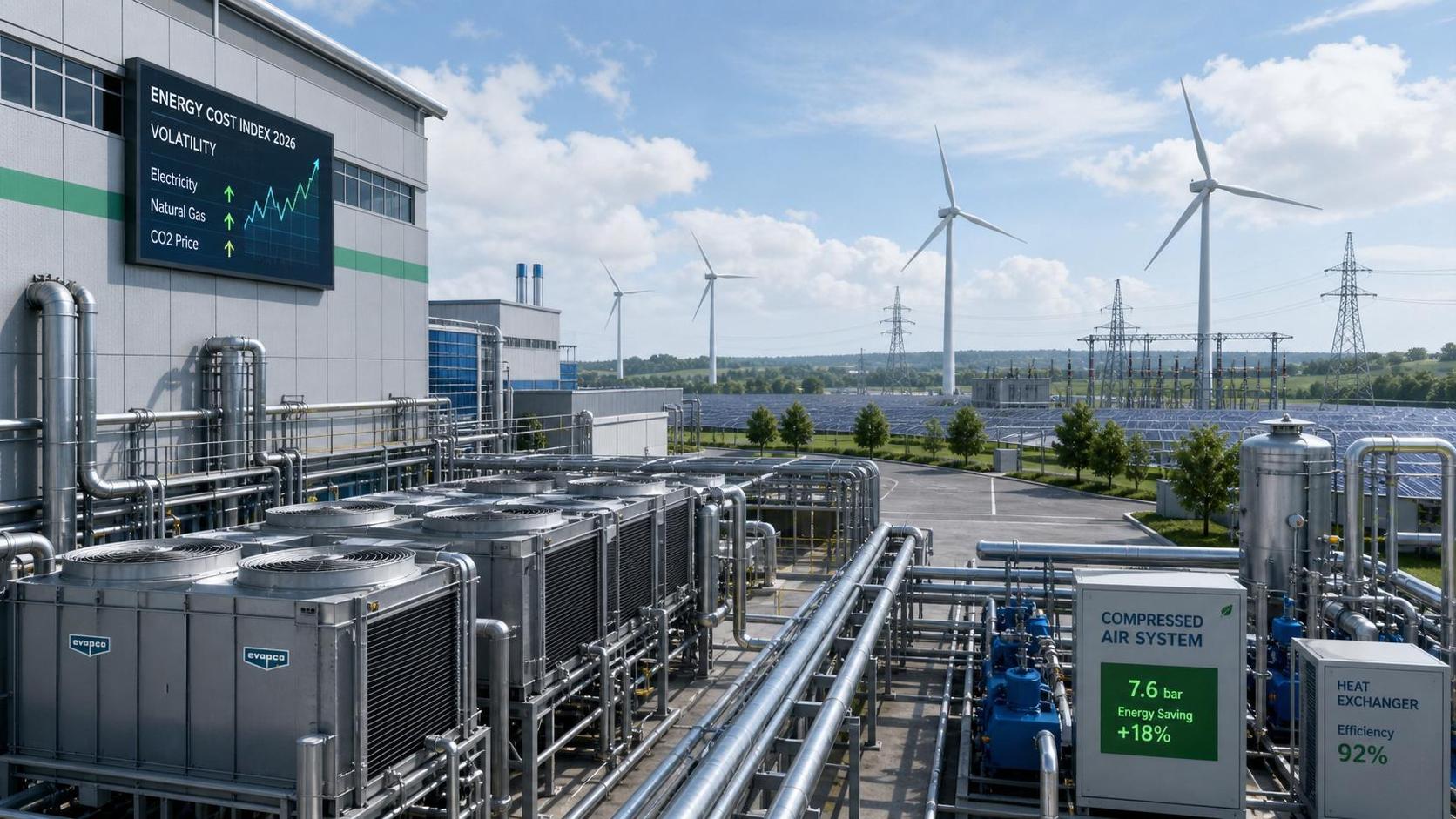
Electricity tariffs remain volatile in several industrial regions.
Natural gas pricing still reflects geopolitical uncertainty and uneven storage confidence.
Carbon costs are also becoming a hidden multiplier in energy-intensive production planning.
Another important signal is policy friction around refrigerants, emissions, and efficiency thresholds.
That friction raises compliance costs even before a plant starts operating.
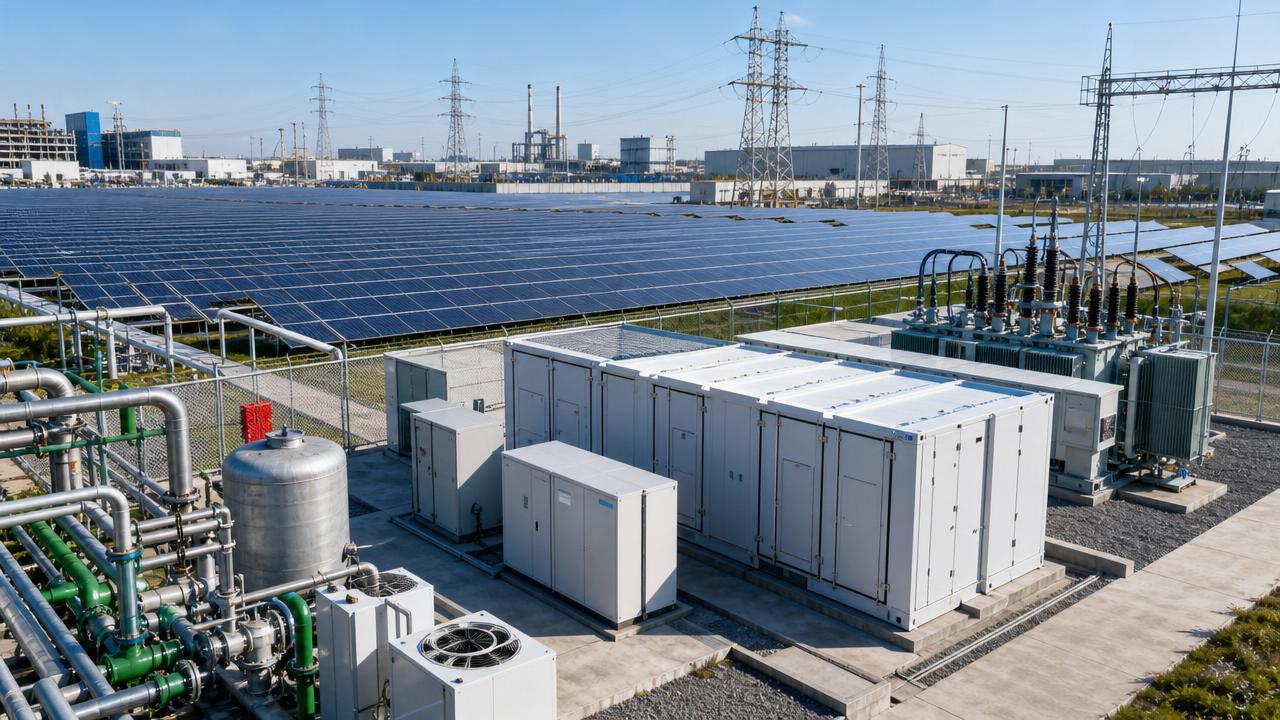
In practical terms, global energy costs now include direct energy, carbon exposure, maintenance intensity, and technology transition risk.
This wider definition explains why traditional budget models are losing accuracy.
Facilities designed around older tariff assumptions may still look acceptable on paper.
Yet once thermal loads, compressed air losses, and future compliance costs are added, the economics change quickly.
Why this cost trend is becoming harder to ignore
- Grid instability increases peak pricing exposure and forces more conservative load planning.
- Decarbonization rules push older thermal equipment closer to functional obsolescence.
- Supply chain fragmentation raises the cost of spare parts and delayed commissioning.
- Water and heat recovery limits are now linked to broader sustainability audits.
- Process industries need tighter temperature and pressure control, which increases sensitivity to inefficient systems.
The real pressure appears inside the plant system boundary
The most important impact of global energy costs is often hidden in system interaction.
A plant does not consume energy through isolated assets.
It consumes energy through linked thermal and power decisions.
An oversized chiller affects compressor cycling.
Poor heat recovery design changes boiler loading.
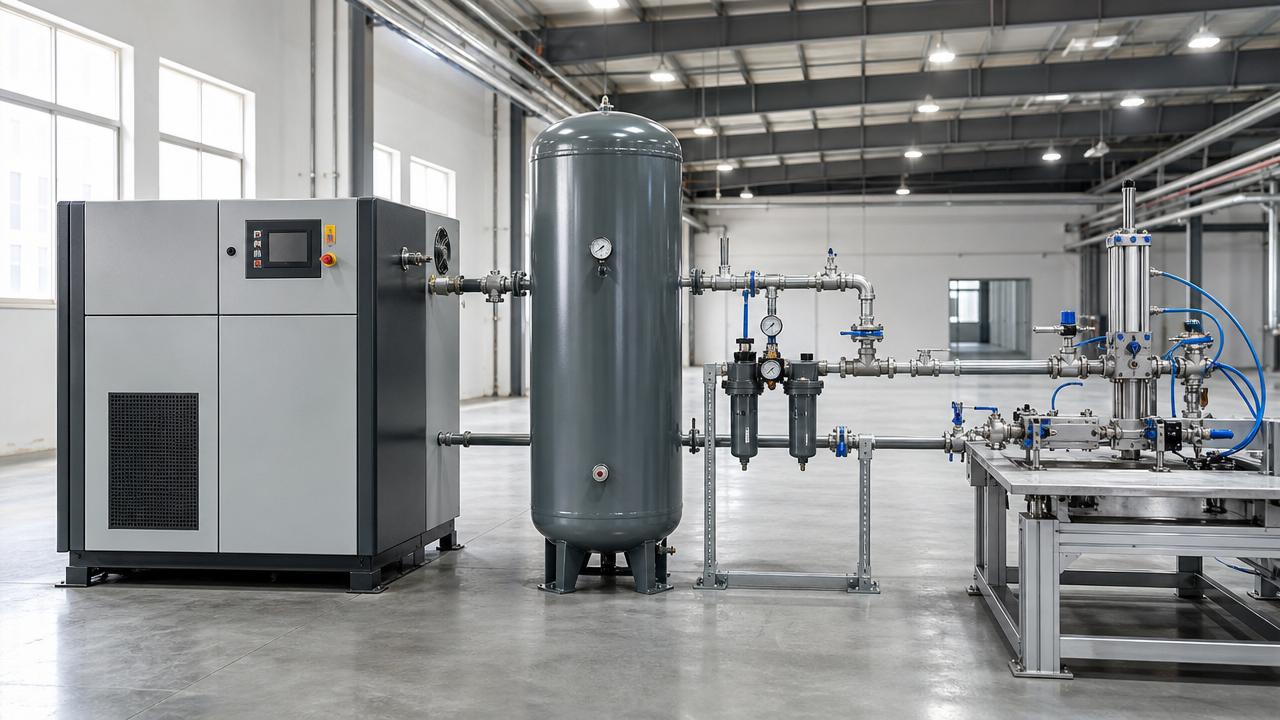
Compressed air leakage increases not only electricity use, but also cooling demand and maintenance intervals.
This is why plant planning in 2026 cannot rely on equipment efficiency labels alone.
What matters is how systems perform under partial load, seasonal variation, and future production shifts.
GTC-Matrix has consistently highlighted this thermal-center view.
The value lies in connecting thermodynamic logic with commercial judgment, not treating utilities as secondary engineering details.
Some industries feel the effect faster, but the pattern is spreading
From recent demand behavior, the first reaction comes from high-precision and high-continuity environments.
Semiconductor facilities cannot absorb unstable thermal performance without yield implications.
Pharmaceutical operations face validation pressure when utility systems drift outside controlled ranges.
Food processing sites remain exposed to refrigeration, steam, and hygiene-related power intensity.
Yet the broader pattern is now moving into mixed industrial parks, packaging, engineered materials, and specialty chemicals.
The common issue is not identical process design.
It is the reduced tolerance for wasted kilowatt-hours and unmanaged heat.
More noticeable now is the change in site comparison logic.
Location selection increasingly weighs tariff structure, peak demand rules, water stress, and future refrigerant policy together.
That means global energy costs influence where plants are built, not just how they are equipped.
What deserves closer attention during evaluation
- Whether baseline load assumptions reflect real operating hours rather than ideal design conditions.
- Whether thermal systems can scale without locking the site into inefficient pressure or temperature margins.
- Whether digital controls can reveal losses early enough to protect operating economics.
- Whether future refrigerant, emission, or water rules could shorten asset relevance.
Planning discipline is shifting from lowest capex to best operating resilience
This is where the conversation becomes more strategic.
Rising global energy costs do not automatically justify every premium technology choice.
But they do weaken the logic of underdesigned utility infrastructure.
The smarter response is disciplined scenario testing.
Compare plant performance across different tariff cases, production ramp curves, and maintenance realities.
Evaluate energy recovery options before finalizing basic layout, not after procurement starts.
Review compressed air and cooling systems as strategic cost centers rather than utility accessories.
This is also why intelligence quality matters more in 2026.
The useful signal is rarely a single forecast number.
It comes from reading technology evolution, policy movement, and demand structure together.
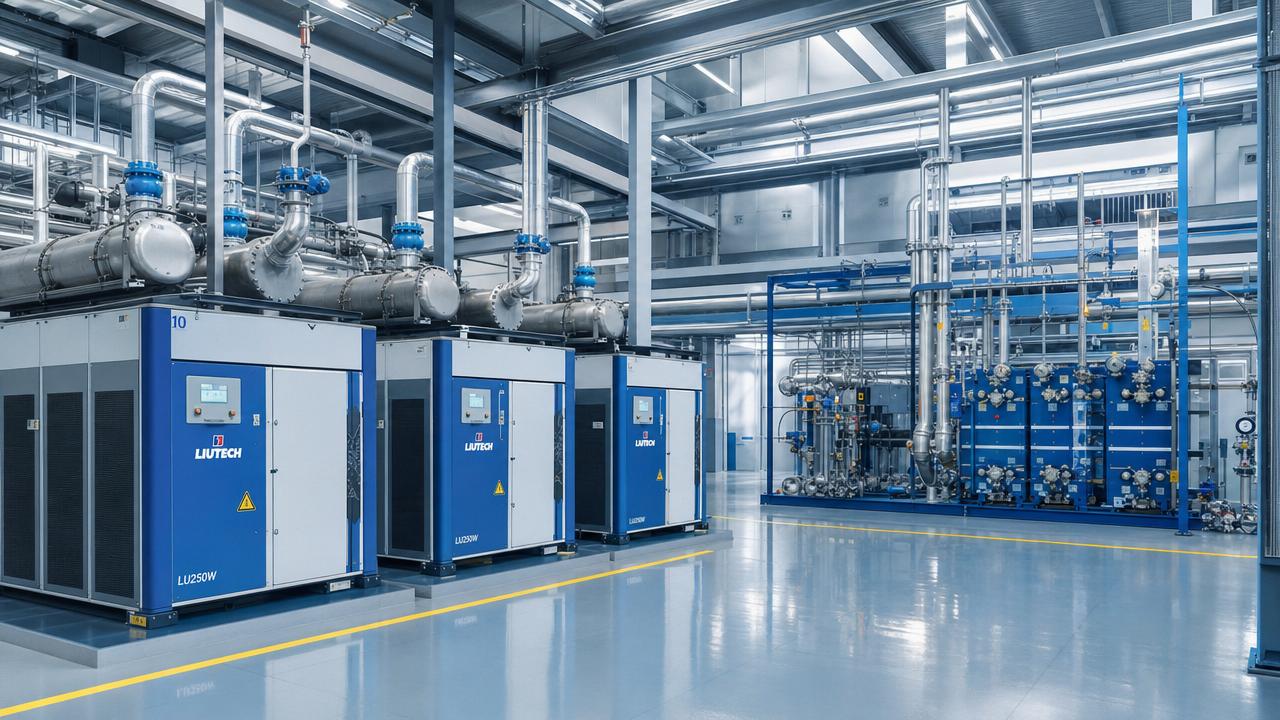
That integrated view is increasingly valuable when comparing oil-free compression, microchannel heat exchangers, or low-NOx heating pathways.
The next moves should be practical, staged, and evidence-based
For 2026 plant planning, the best response is not a dramatic redesign in every case.
It is a sharper sequence of decisions.
Start by rechecking which systems dominate lifetime energy exposure.
Then test whether the current specification reflects future operating constraints.
Where uncertainty is high, phased capacity and stronger monitoring often outperform rigid oversizing.
Where process purity or temperature control is critical, hidden utility risk deserves board-level attention.
Global energy costs will likely remain uneven across regions and technologies.
That makes static planning assumptions increasingly expensive.
A more resilient approach is to keep tracking tariff direction, refrigerant policy, heat recovery economics, and system-level efficiency evidence.
In the months ahead, the strongest decisions will come from aligning plant design with thermal intelligence, not from chasing the lowest upfront number.
That is the practical value of following platforms like GTC-Matrix.
They help turn scattered energy signals into clearer industrial judgment, which is exactly what rising global energy costs now demand.
Related News
- Semiconductor Thermal Management: Low Vibration Design PrioritiesAuthor :

- Thermal Interface Materials: What Drives Real Thermal OptimizationAuthor :
![]()
- Global Energy Costs in Europe: What Changed in 2026Author :

- Smart Device Thermal Management: Common Failures and FixesAuthor :

- Thermal Efficiency Optimization: 5 Signs Your System Is Losing HeatAuthor :

- How Precision Temperature Control Systems Improve Process StabilityAuthor :

- How Intellectualization Improves Process Visibility in Modern PlantsAuthor :

- Global Energy Costs in 2026: What Rising Prices Mean for Plant PlanningAuthor :

- Carbon Neutrality Roadmaps: Common Gaps in Industrial PlanningAuthor :

- Heat Transfer Basics: What Affects Efficiency in Industrial EquipmentAuthor :

- Industrial Thermal Systems: Common Failure Risks in Continuous OperationAuthor :

- Global Energy Costs: 2026 Risk Signals to WatchAuthor :

- Pneumatic Power Systems: Common Sizing Mistakes to AvoidAuthor :

- How Thermal Power Systems Cut Downtime in 2026Author :

- Clean Energy Technology Trends Reshaping Industry in 2026Author :

- Pneumatic Power Systems: Key Checks Before Equipment SelectionAuthor :

- Compression Technology Mistakes That Raise Maintenance RiskAuthor :

- Clean Energy Technology Risks to Watch in 2026 ProjectsAuthor :

- Smart Thermal Systems: 5 Signals Your Controls Are Wasting HeatAuthor :

- How to Size Pneumatic Power Systems for Stable OutputAuthor :

- Pneumatic Power Systems: Key Safety Risks in Daily OperationAuthor :

- Clean Energy Technology Shifts Reshaping Industrial InvestmentAuthor :

- Intellectualization in Industry: What Delivers Measurable Value?Author :

- Thermal Management Mistakes That Shorten Equipment LifeAuthor :

- Clean Energy Technology Options That Fit Real Manufacturing UpgradesAuthor :

- Energy-Saving Technologies Worth Tracking in 2026Author :