



Global Energy Costs in Europe: What Changed in 2026




Global energy costs Europe entered a different pricing cycle in 2026
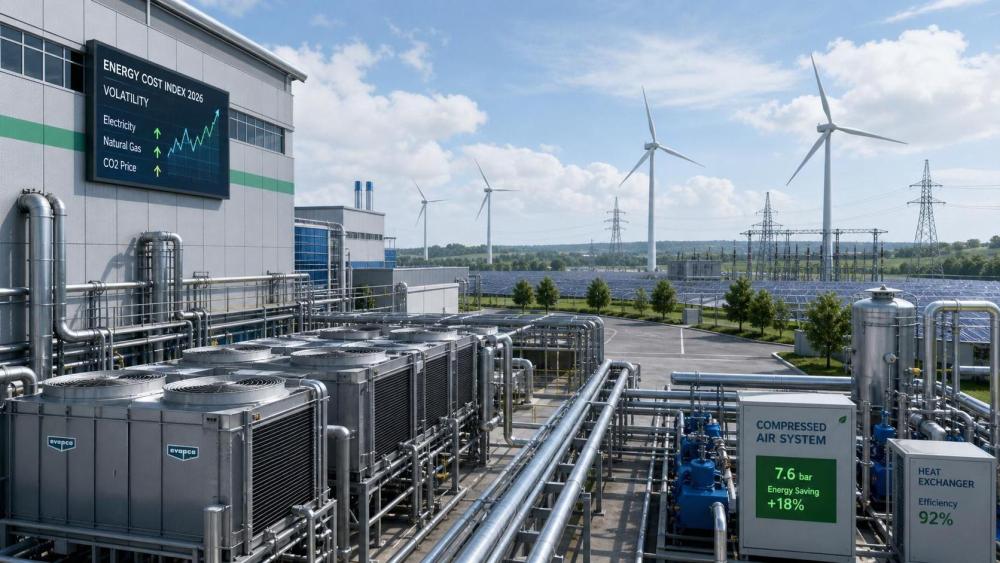
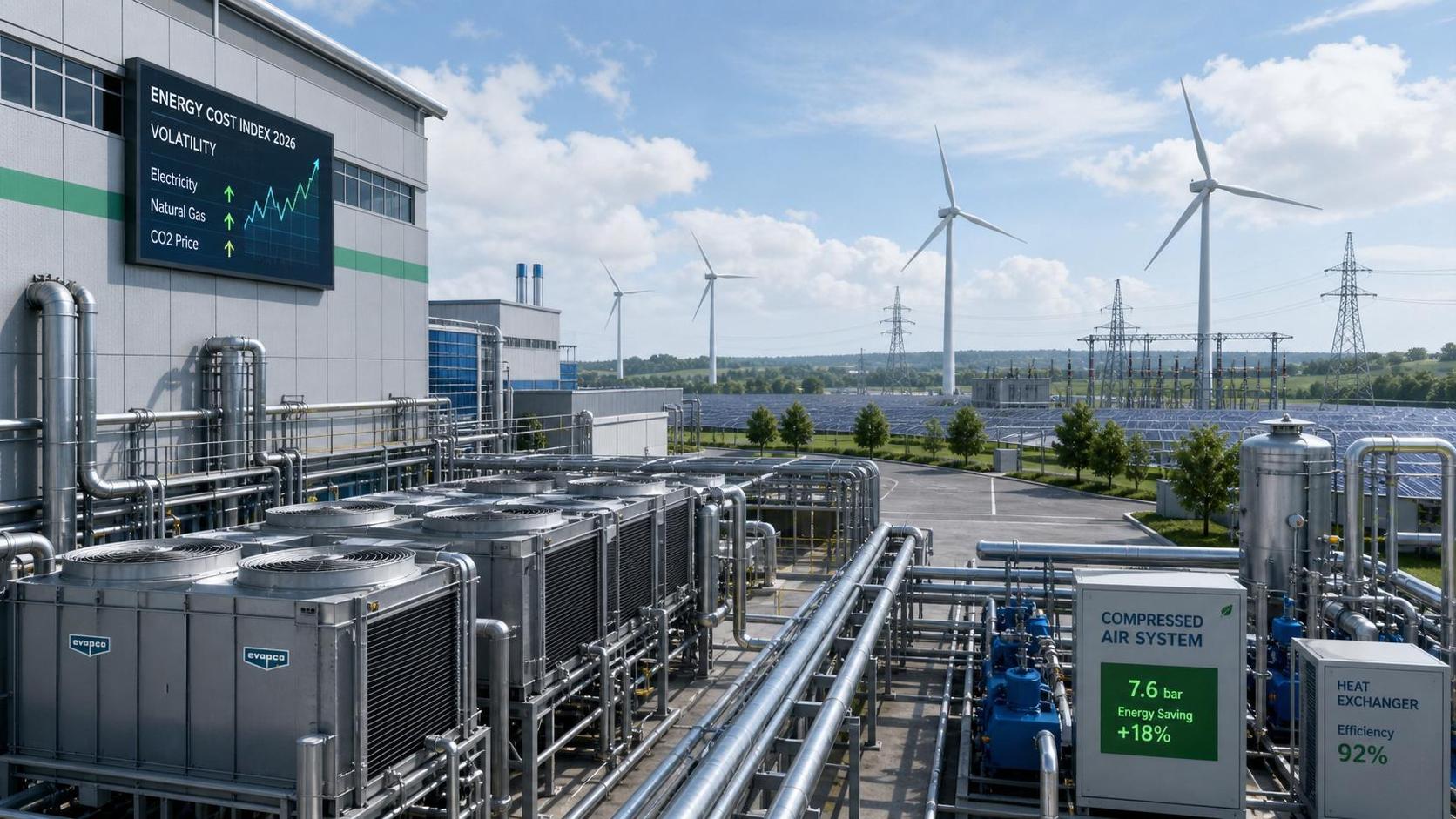
In 2026, global energy costs Europe stopped being a background assumption and became a board-level cost variable.
The shift was not driven by one headline event. It came from several smaller changes aligning at once.
Electricity contracts became harder to price with confidence. Gas-linked heat costs remained exposed. Grid fees, carbon charges, and balancing costs gained more weight.
That combination changed the way industrial budgets were tested across Europe.
For operations relying on cooling, compressed air, vacuum, and heat exchange, the pressure was even more visible.
These systems sit deep inside production economics. They rarely attract attention until tariff structures, uptime risk, and compliance costs all tighten together.
That is why global energy costs Europe now matter beyond utilities procurement. They shape capital timing, equipment priorities, and margin resilience.
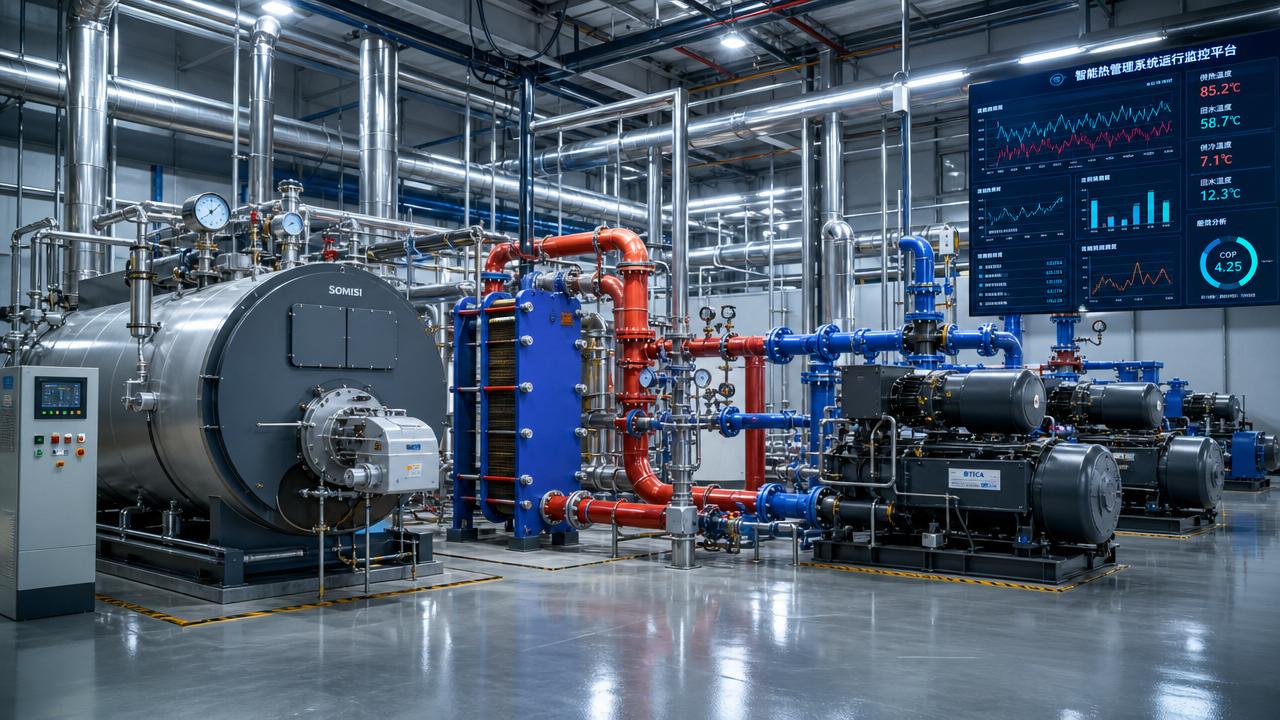
From the perspective of GTC-Matrix, this is not simply a power story. It is a thermal efficiency story, a compression efficiency story, and a decision-quality story.
What actually changed became clearer in the cost stack
The most visible change was not always the wholesale price itself. It was the widening gap between nominal energy price and delivered operating cost.
Many facilities entered 2026 expecting moderation. Instead, they faced a more layered cost environment.
This is why global energy costs Europe cannot be read through a single benchmark price.
The relevant question in 2026 became: what does one additional unit of cooling, pressure, vacuum, or heat really cost at site level?
Why this shift became more obvious this year
Several forces moved in parallel, and together they changed the economics faster than many annual plans assumed.
Power markets became cleaner, but not automatically cheaper
Renewables kept expanding, yet variability made balancing more important. Cheap hours increased in some markets, but expensive hours did not disappear.
That rewarded flexibility, storage, and responsive loads. It penalized fixed operating patterns that ignored time-of-use economics.
Thermal systems faced policy pressure from both efficiency and refrigerants
Environmentally friendly refrigerant quotas tightened investment decisions around chillers, heat pumps, and related service models.
Sites delaying upgrades often discovered that future compliance could cost more than earlier replacement.
Industrial process loads stopped being treated as fixed overhead
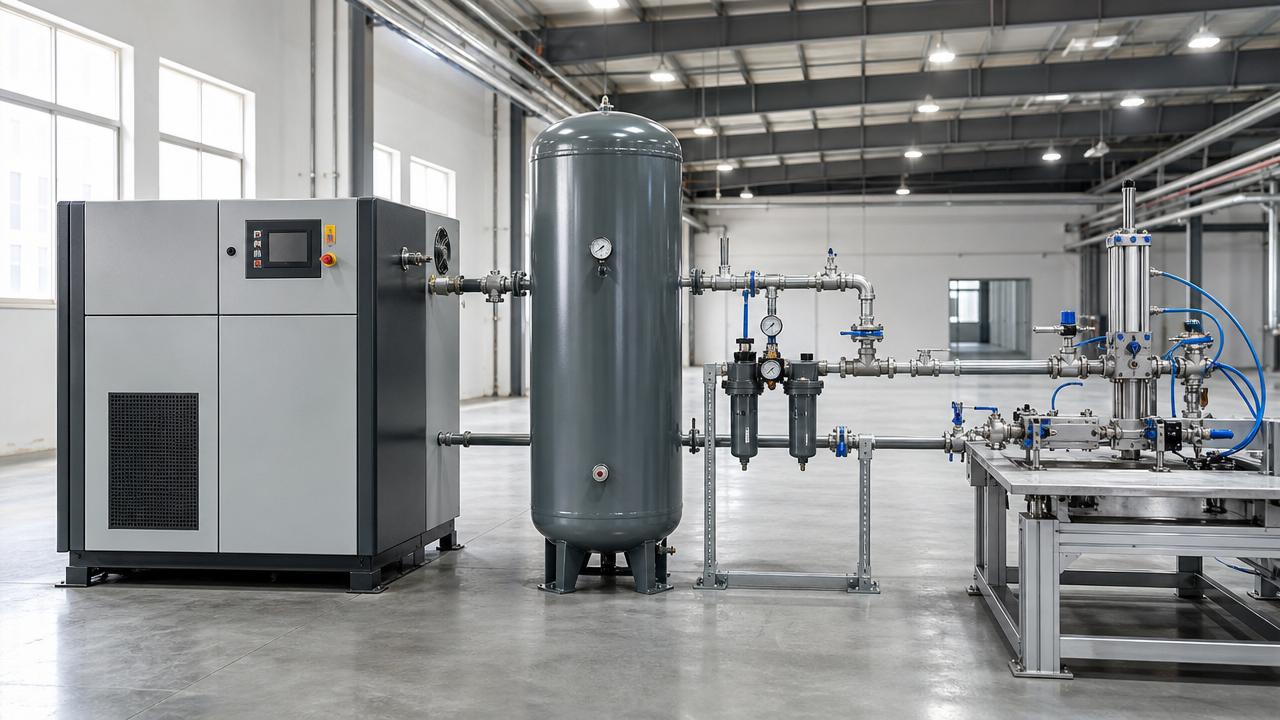
Compressed air leaks, oversized vacuum systems, and poorly recovered waste heat became visible cost centers again.
GTC-Matrix has tracked this closely because thermodynamic losses are no longer technical footnotes. They are budget items.
The impact did not stay inside the utility bill
One important change in global energy costs Europe is how broadly the effect spreads through the business.
It touches product costing, maintenance timing, financing assumptions, and even customer contract design.
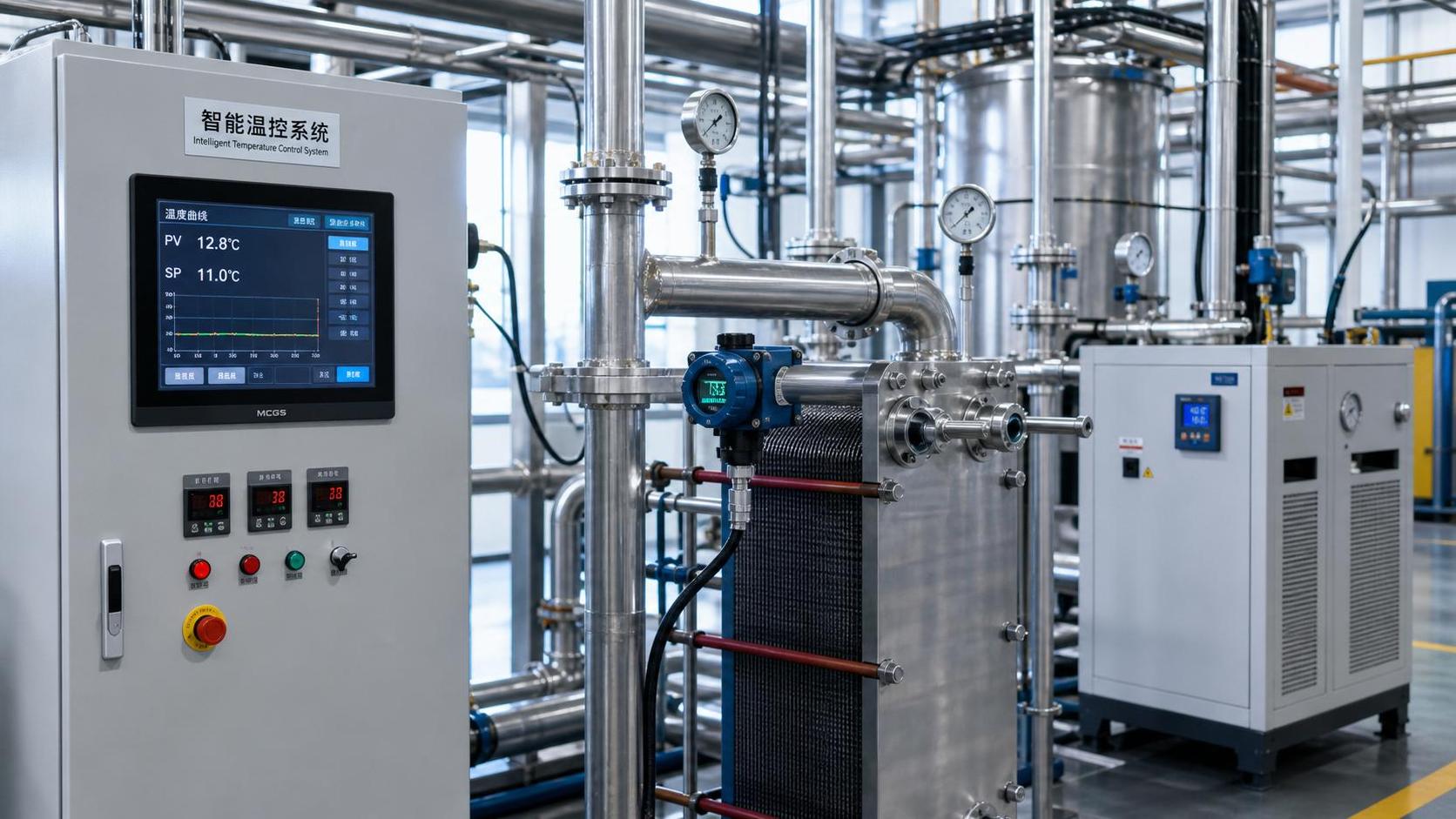
- In pharmaceuticals, precise temperature control became more expensive to maintain without smarter load optimization.
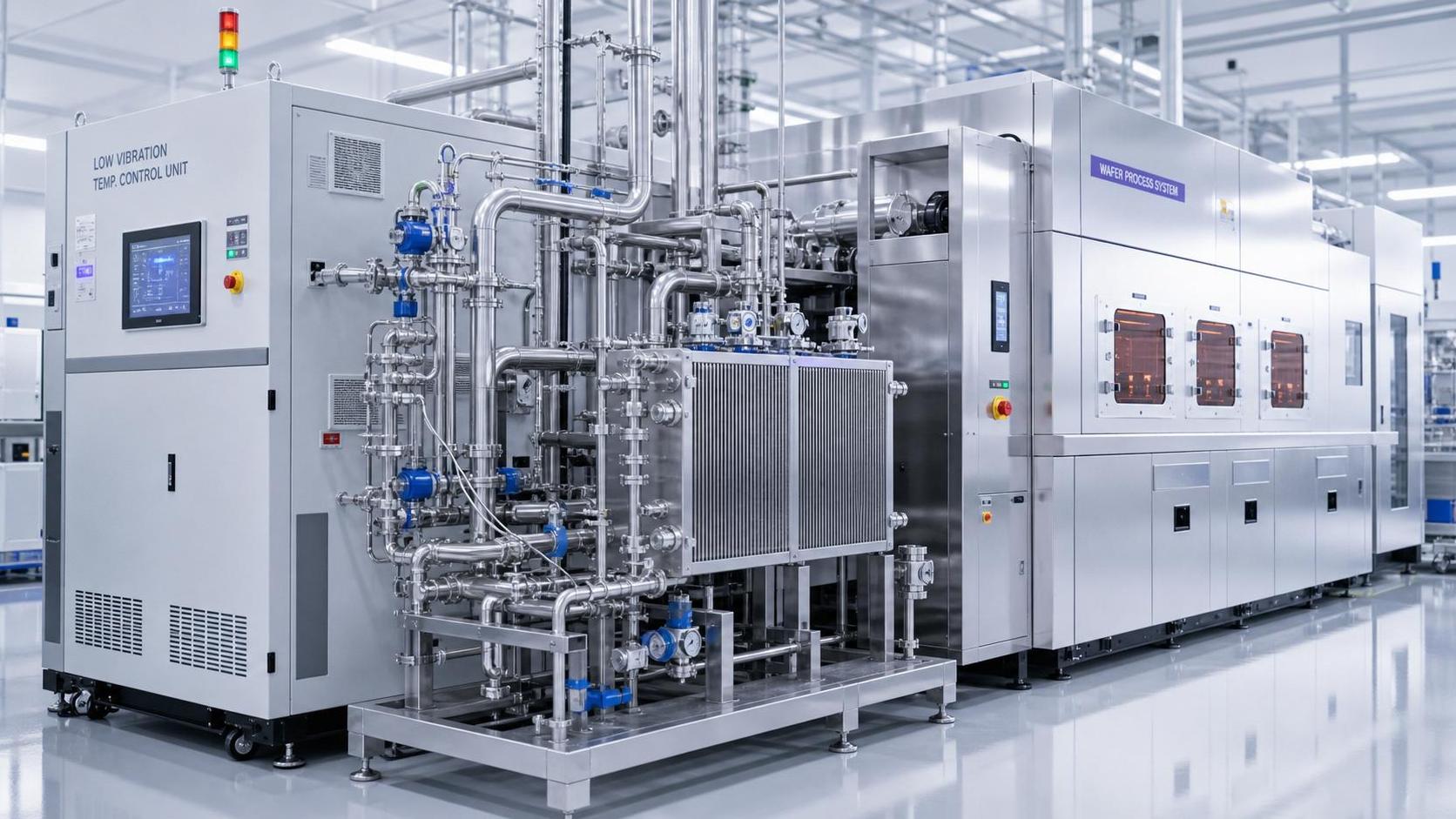
- In semiconductors, purity, vacuum stability, and cooling continuity carried a higher penalty when energy volatility disrupted runtime economics.
- In food processing, refrigeration and compressed air costs shifted margin calculations on lines once considered energy efficient.
- In general manufacturing, low-NOx boilers and oil-free compression moved from technical upgrades to financial risk controls.
A common pattern emerged. The more energy-intensive the hidden support systems were, the less useful average energy prices became.
Actual exposure depended on load shape, redundancy design, part-load efficiency, and maintenance discipline.
Where cost pressure is now steering capital decisions
This year, spending debates increasingly moved away from simple payback claims and toward resilience-adjusted returns.
That matters because global energy costs Europe now reward projects that reduce volatility exposure, not only average consumption.
Projects gaining attention
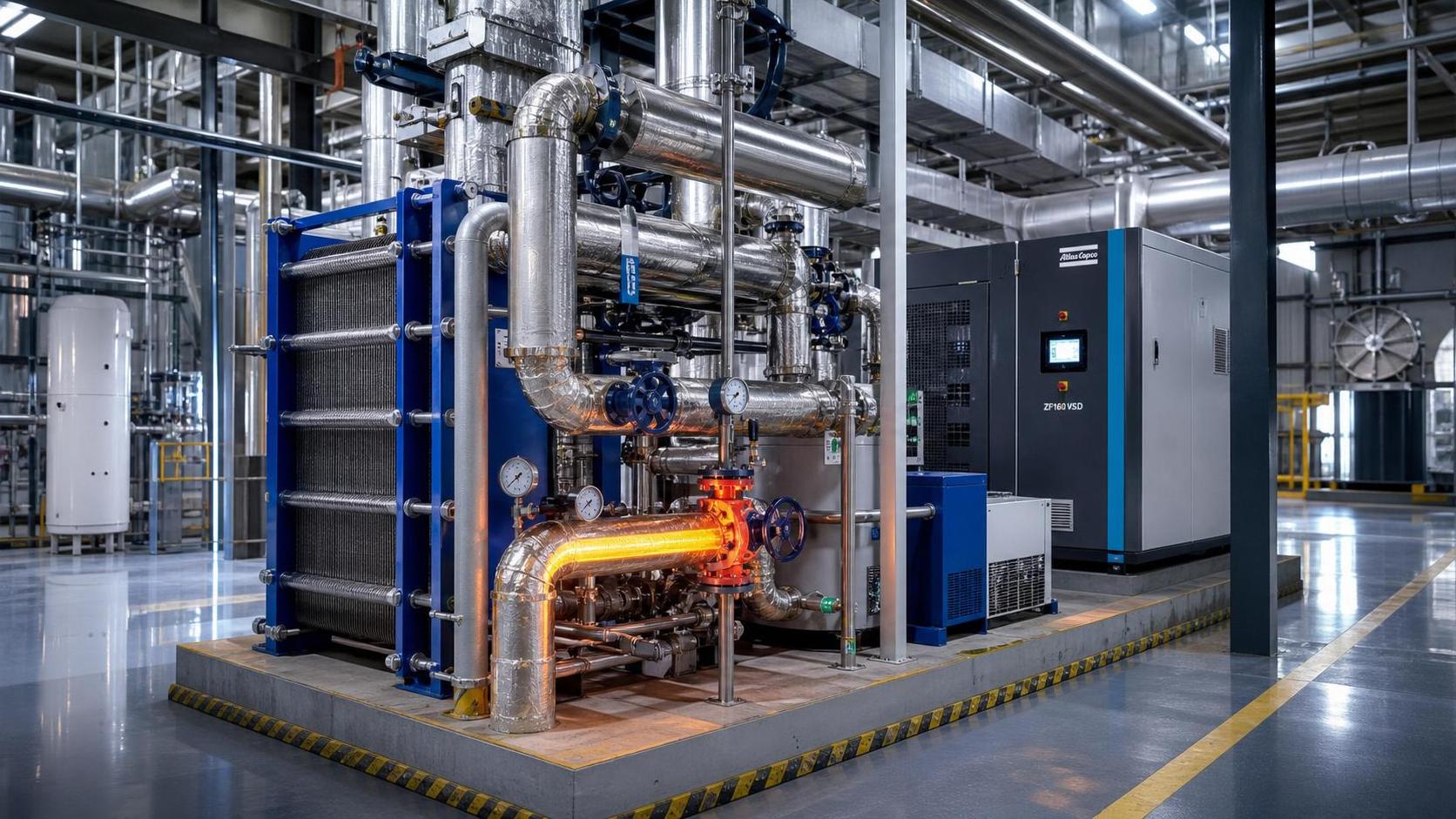
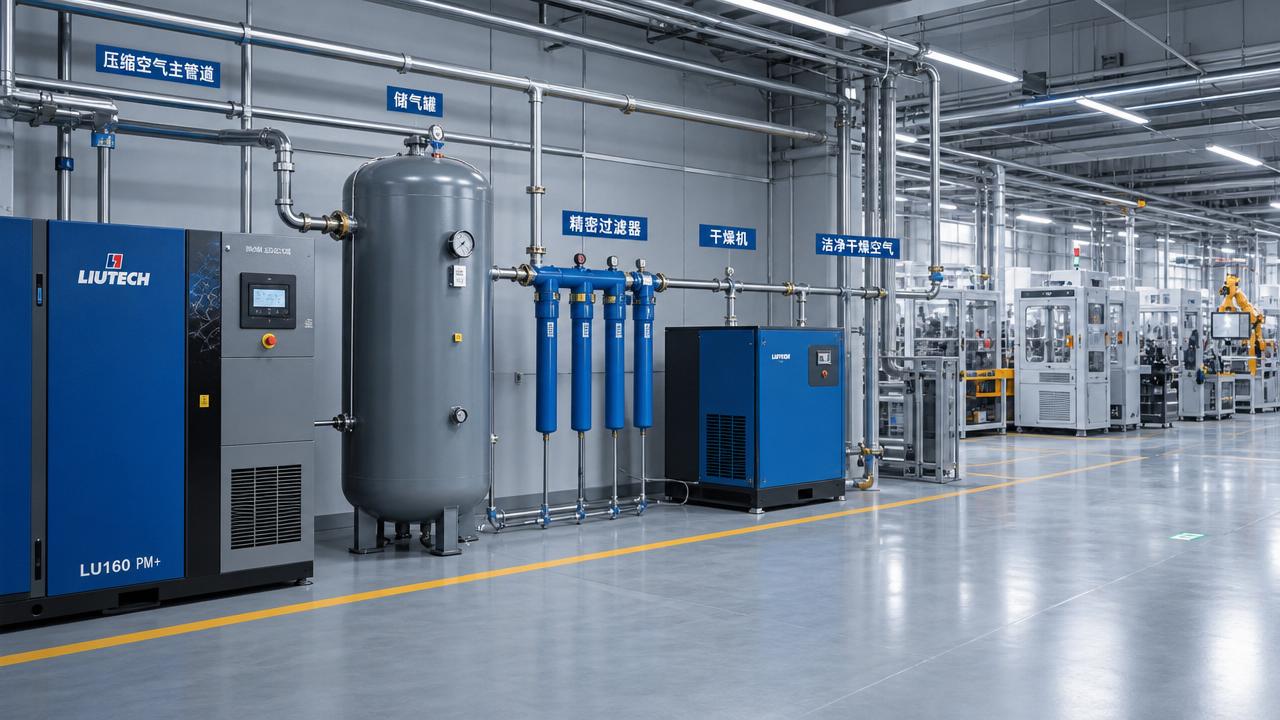
- Variable-speed compressors that better match demand across volatile operating windows.
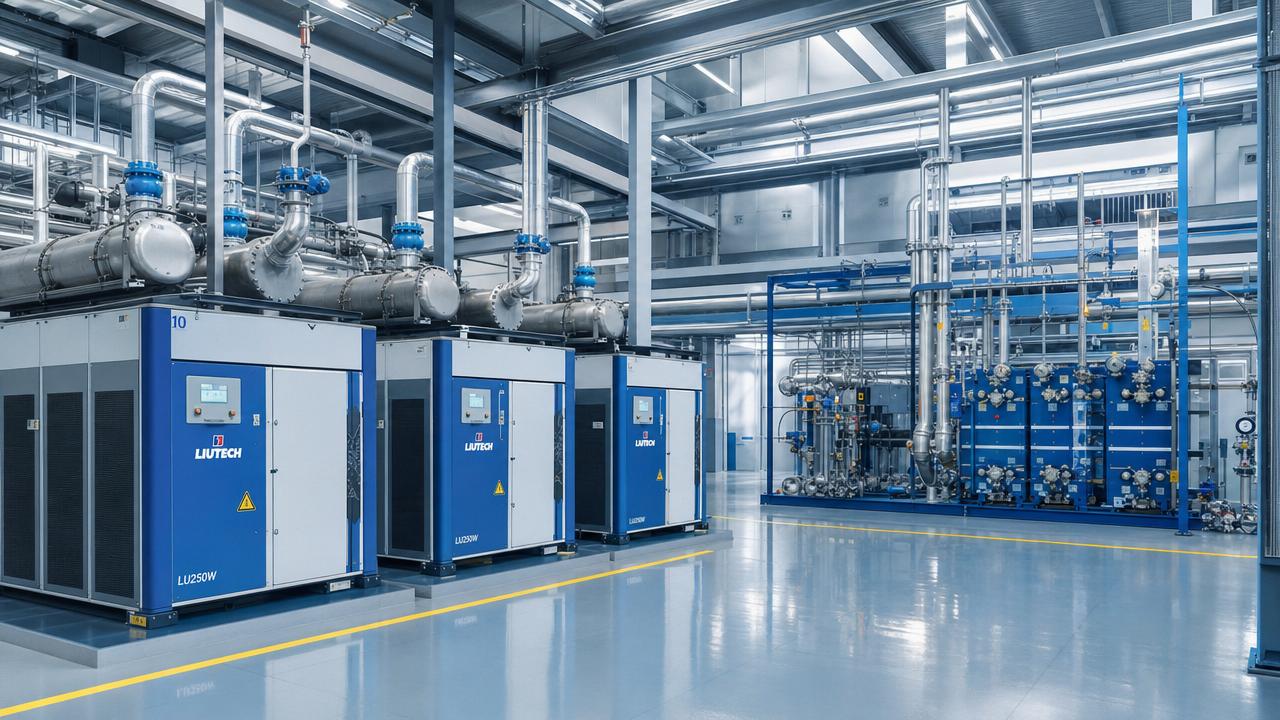
- Microchannel heat exchangers where footprint, heat transfer efficiency, and refrigerant strategy align.
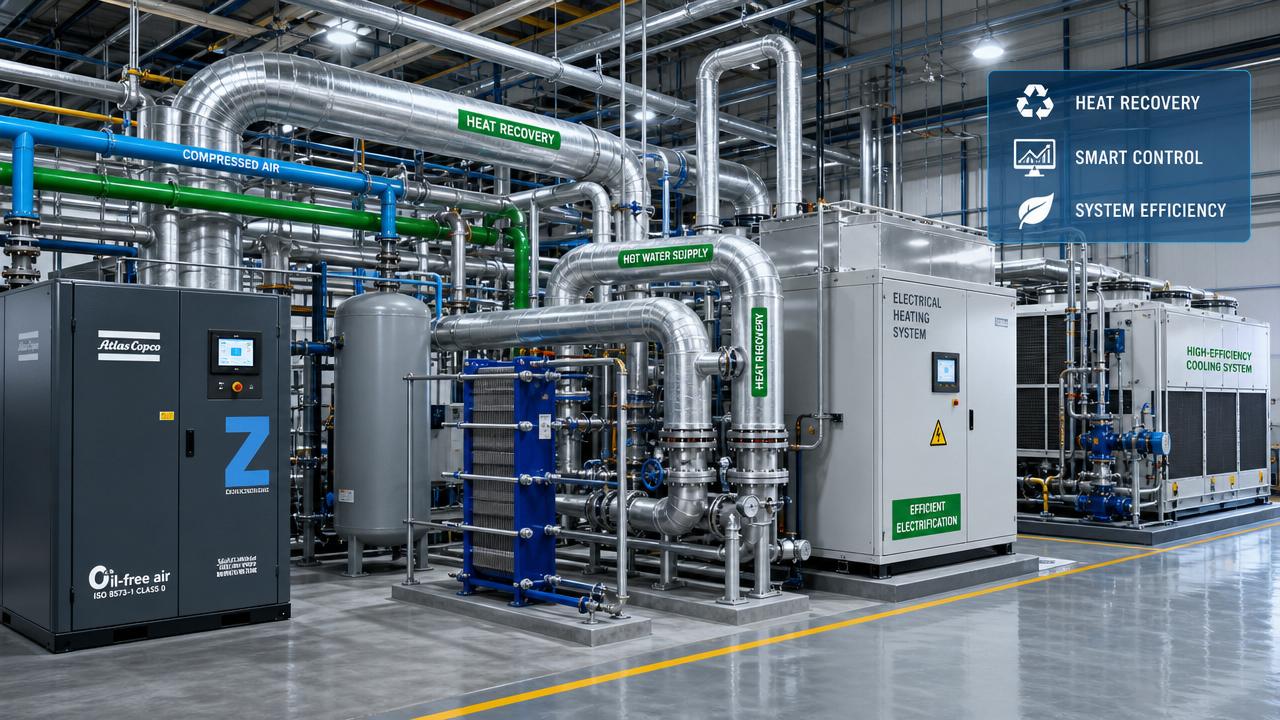
- Waste heat recovery loops that reduce dependence on purchased thermal energy.
- Digital monitoring for leak detection, pressure optimization, and thermal performance drift.
- Low-NOx combustion upgrades where fuel cost and emissions compliance are converging.
These are not niche engineering choices anymore. They increasingly influence financing logic and site competitiveness.
More noticeably, projects with strong operating data now move faster than projects with only nameplate efficiency claims.
The more useful question is no longer “What is the price?”
A better question in 2026 is how energy cost interacts with runtime decisions, equipment condition, and future compliance.
That is where many budgeting gaps still appear.
This is also why intelligence platforms matter more now. Better decisions depend on linking market signals to equipment reality.
GTC-Matrix is built around that connection, especially where industrial cooling and compression economics are easy to underestimate.
What deserves attention over the next planning cycle
The next phase of global energy costs Europe will likely stay uneven rather than uniformly high or uniformly soft.
That means static assumptions will age badly. More adaptive planning has become the safer discipline.
Three signals are especially worth tracking
- How network charges and balancing fees evolve relative to wholesale price movements.
- Whether refrigerant and emissions policy accelerates earlier replacement of thermal assets.
- How fast industrial sites can convert operating data into dispatch, maintenance, and retrofit decisions.
From recent demand patterns, the strongest performers are not always the lowest-energy sites on paper.
They are often the sites with clearer visibility into compressed air losses, heat recovery potential, and thermal bottlenecks.
That distinction will matter more as Europe keeps pushing decarbonization while defending industrial competitiveness.
A practical next step starts with cost visibility
The main lesson from 2026 is straightforward. Global energy costs Europe now behave like a strategic systems issue, not a utility line item.
A useful response begins with a site-level review of thermal loads, compression demand, tariff exposure, and compliance timing.
Then compare which assets reduce both energy consumption and pricing volatility. Those projects usually deserve earlier attention.
It also helps to separate temporary market noise from structural cost change. Not every spike is strategic, but some cost layers clearly are.
For the next planning cycle, the strongest position comes from combining market observation with engineering-level insight.
That is where decisions on cooling, compressed air, vacuum, and heat exchange stop being reactive and start protecting long-term margin quality.
Related News
- Semiconductor Thermal Management: Low Vibration Design PrioritiesAuthor :

- Thermal Interface Materials: What Drives Real Thermal OptimizationAuthor :
![]()
- Global Energy Costs in Europe: What Changed in 2026Author :

- Smart Device Thermal Management: Common Failures and FixesAuthor :

- Thermal Efficiency Optimization: 5 Signs Your System Is Losing HeatAuthor :

- How Precision Temperature Control Systems Improve Process StabilityAuthor :

- How Intellectualization Improves Process Visibility in Modern PlantsAuthor :

- Global Energy Costs in 2026: What Rising Prices Mean for Plant PlanningAuthor :

- Carbon Neutrality Roadmaps: Common Gaps in Industrial PlanningAuthor :

- Heat Transfer Basics: What Affects Efficiency in Industrial EquipmentAuthor :

- Industrial Thermal Systems: Common Failure Risks in Continuous OperationAuthor :

- Global Energy Costs: 2026 Risk Signals to WatchAuthor :

- Pneumatic Power Systems: Common Sizing Mistakes to AvoidAuthor :

- How Thermal Power Systems Cut Downtime in 2026Author :

- Clean Energy Technology Trends Reshaping Industry in 2026Author :

- Pneumatic Power Systems: Key Checks Before Equipment SelectionAuthor :

- Compression Technology Mistakes That Raise Maintenance RiskAuthor :

- Clean Energy Technology Risks to Watch in 2026 ProjectsAuthor :

- Smart Thermal Systems: 5 Signals Your Controls Are Wasting HeatAuthor :

- How to Size Pneumatic Power Systems for Stable OutputAuthor :

- Pneumatic Power Systems: Key Safety Risks in Daily OperationAuthor :

- Clean Energy Technology Shifts Reshaping Industrial InvestmentAuthor :

- Intellectualization in Industry: What Delivers Measurable Value?Author :

- Thermal Management Mistakes That Shorten Equipment LifeAuthor :

- Clean Energy Technology Options That Fit Real Manufacturing UpgradesAuthor :

- Energy-Saving Technologies Worth Tracking in 2026Author :