Clean Energy Technology Trends Reshaping Industry in 2026




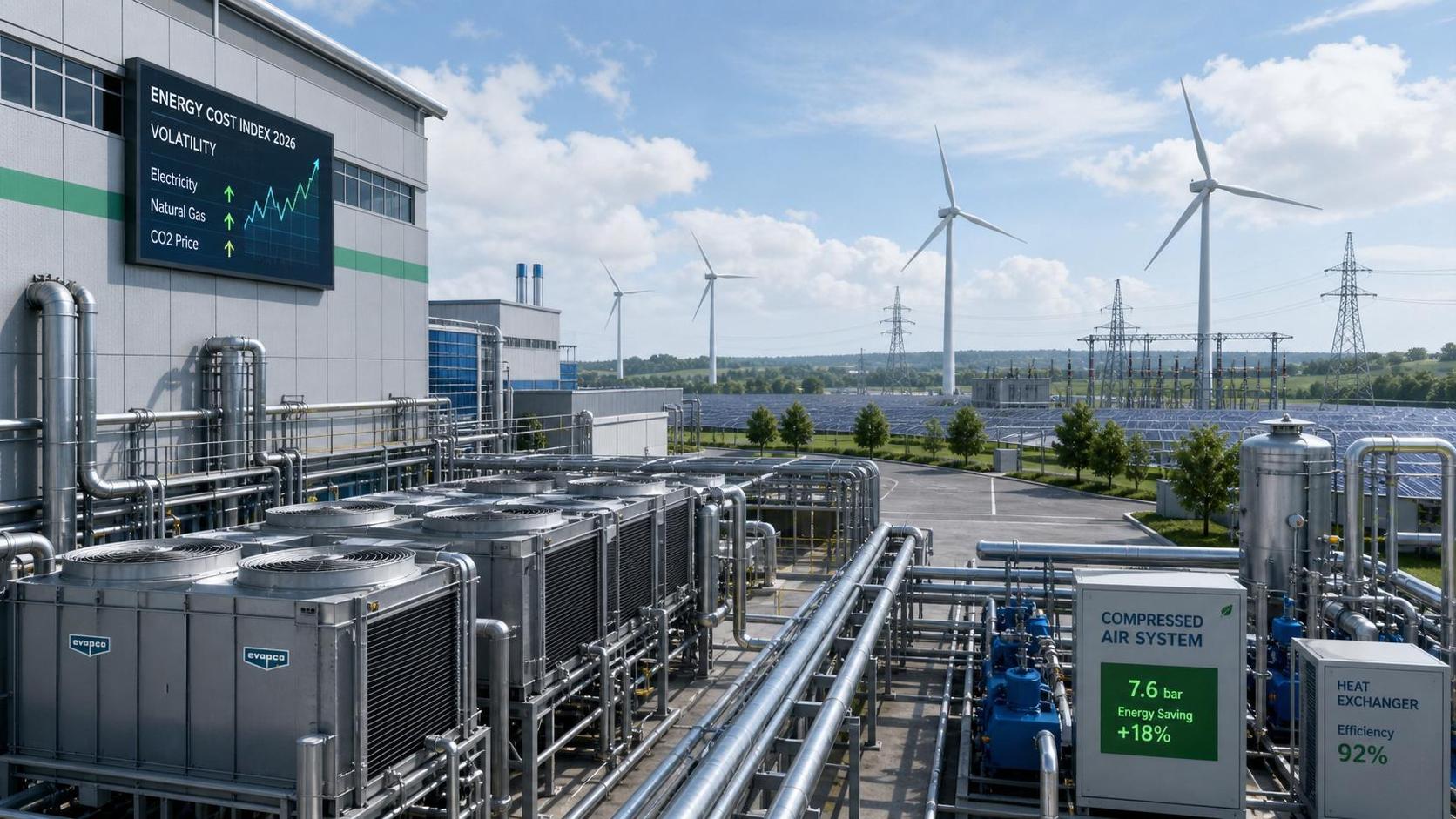
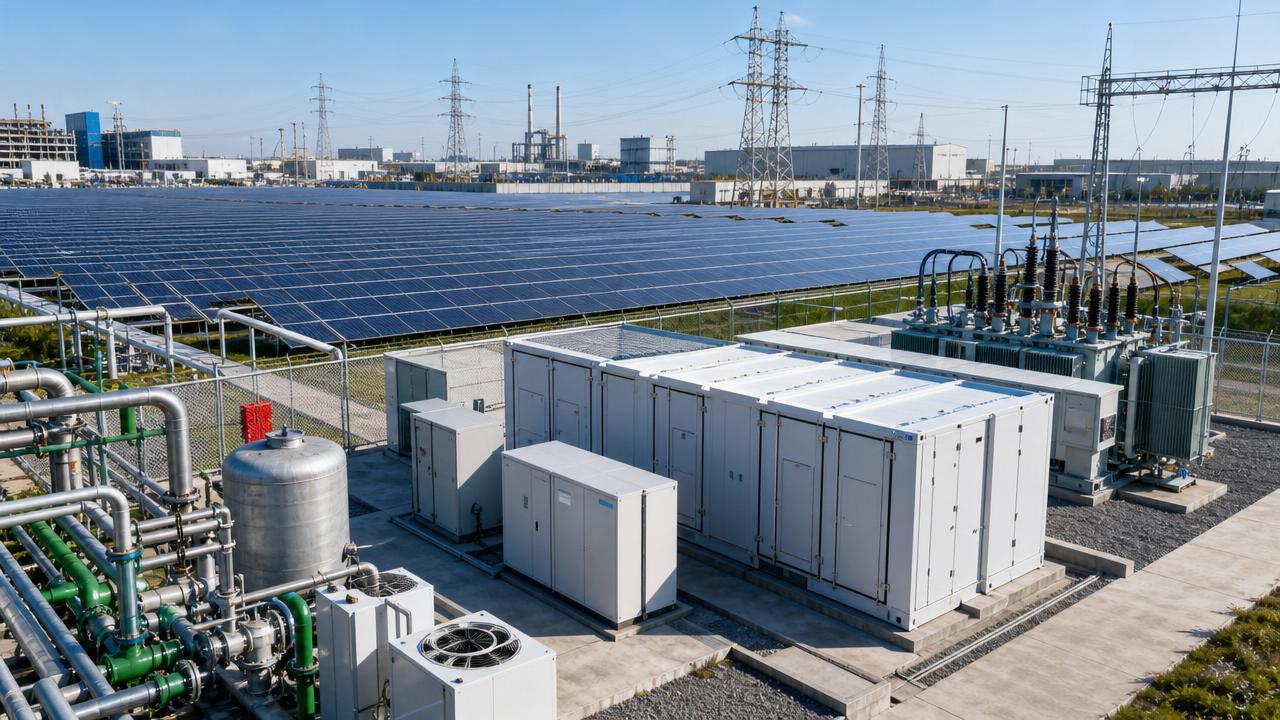
In 2026, clean energy technology is no longer a side topic in industrial strategy. It now shapes asset planning, energy cost exposure, emissions compliance, and production resilience across complex value chains.
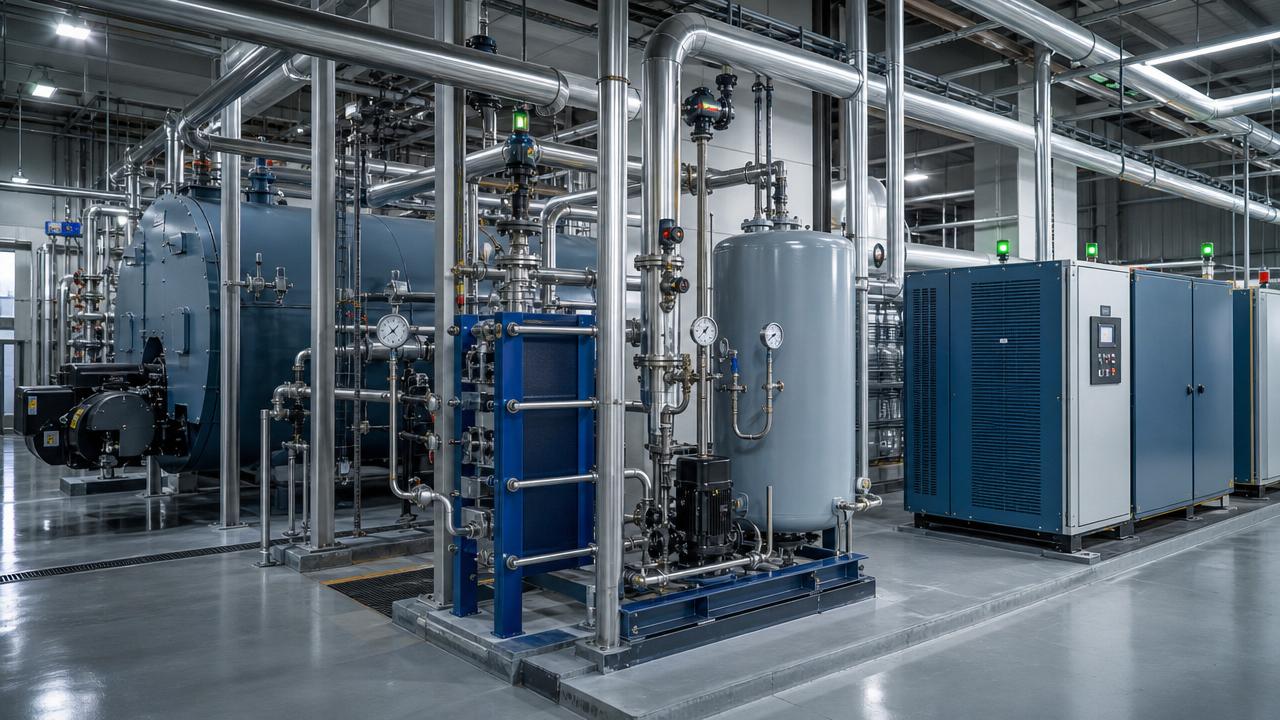
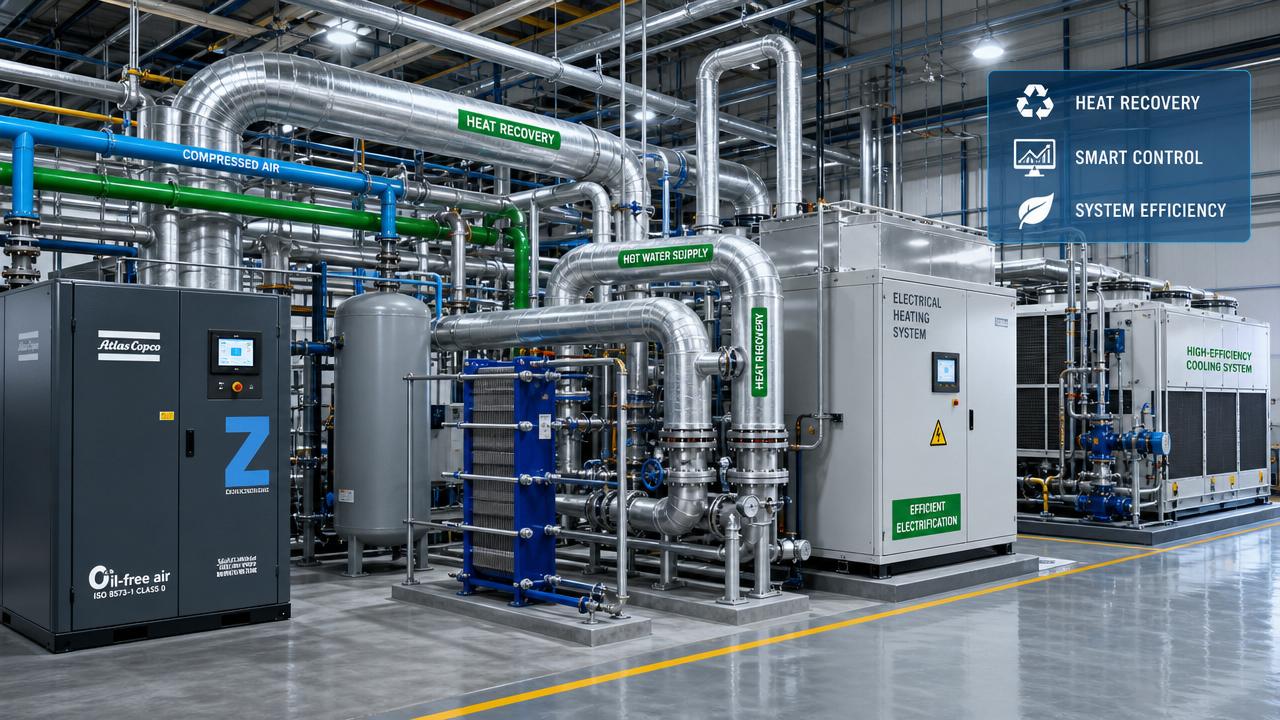
For energy-intensive operations, the biggest shift is convergence. Electrification, thermal optimization, efficient compression, digital controls, and heat recovery now work as one performance stack rather than isolated upgrades.
That matters because many facilities still evaluate boilers, chillers, compressed air, and process heat separately. In practice, the best clean energy technology outcomes come from system-level decisions that reduce wasted power and recover usable heat.
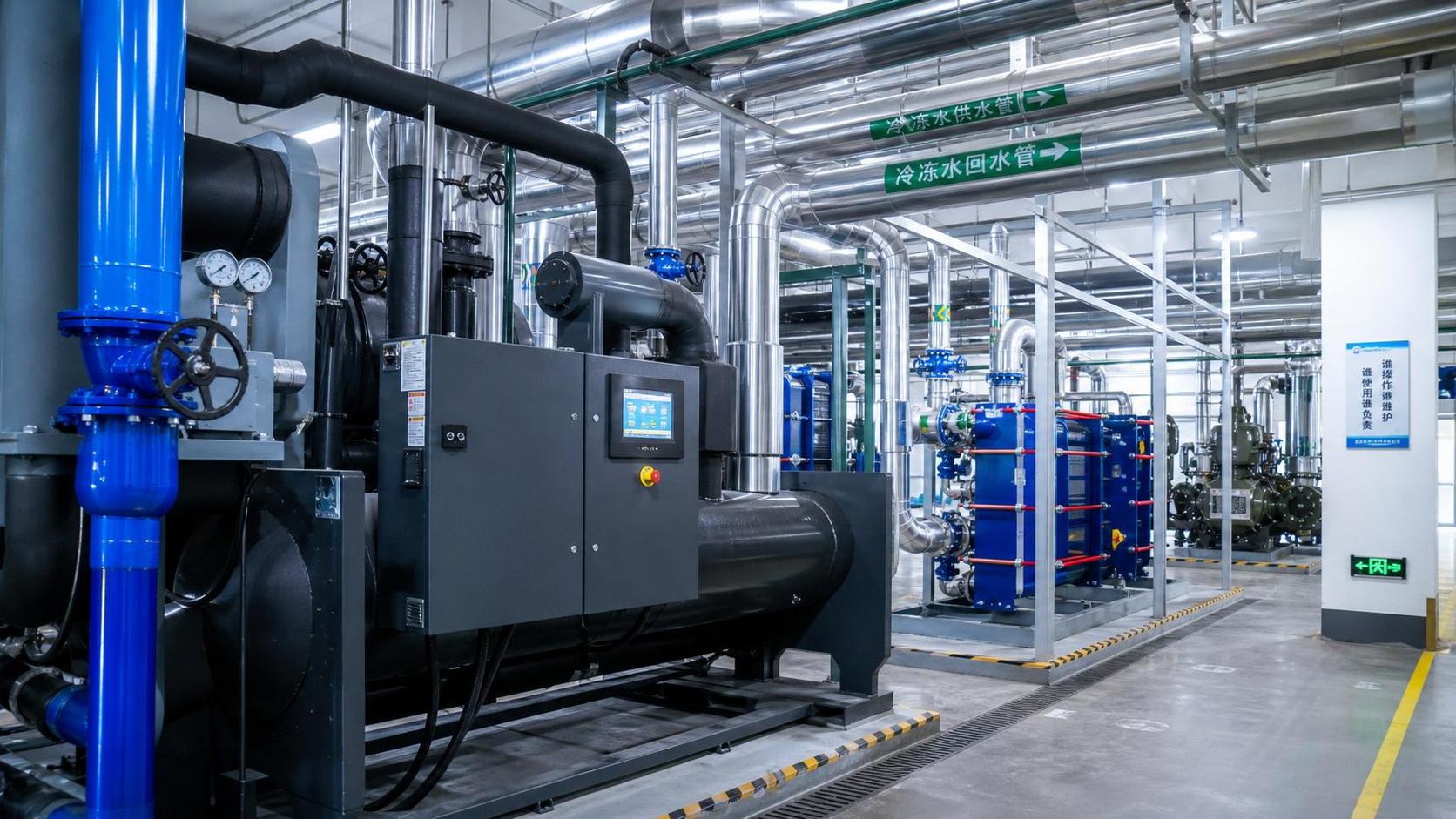
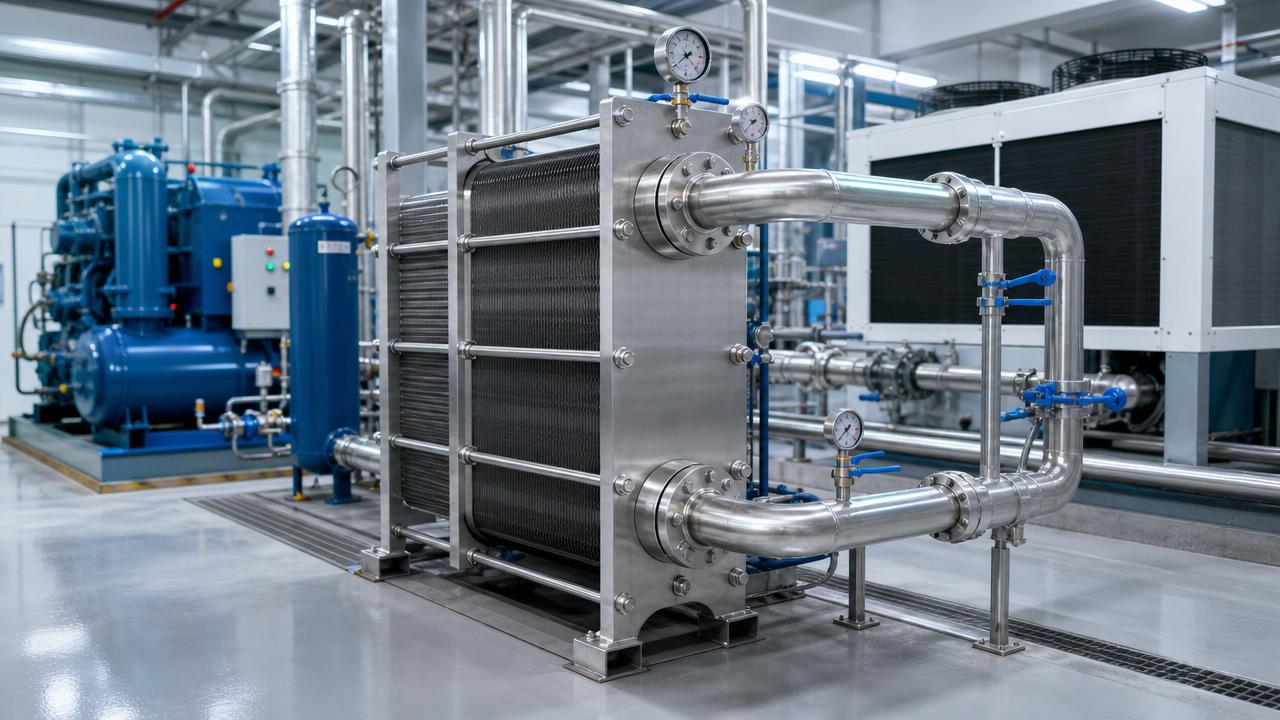
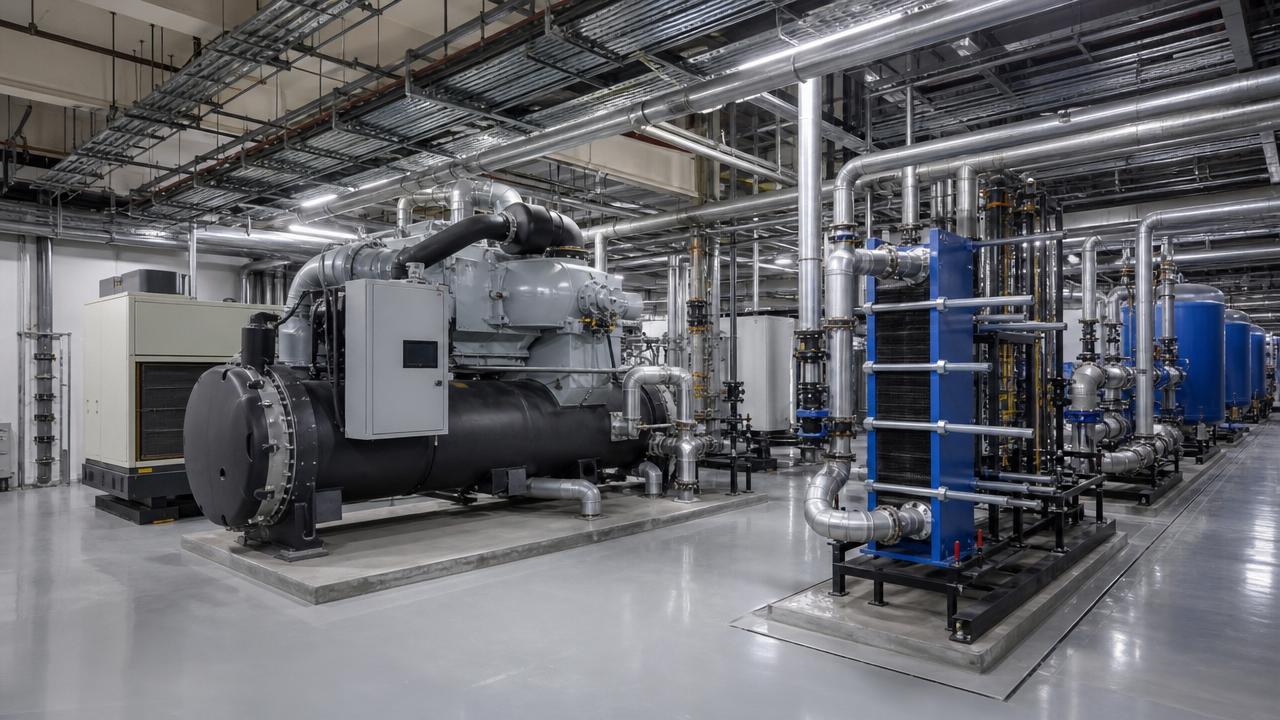
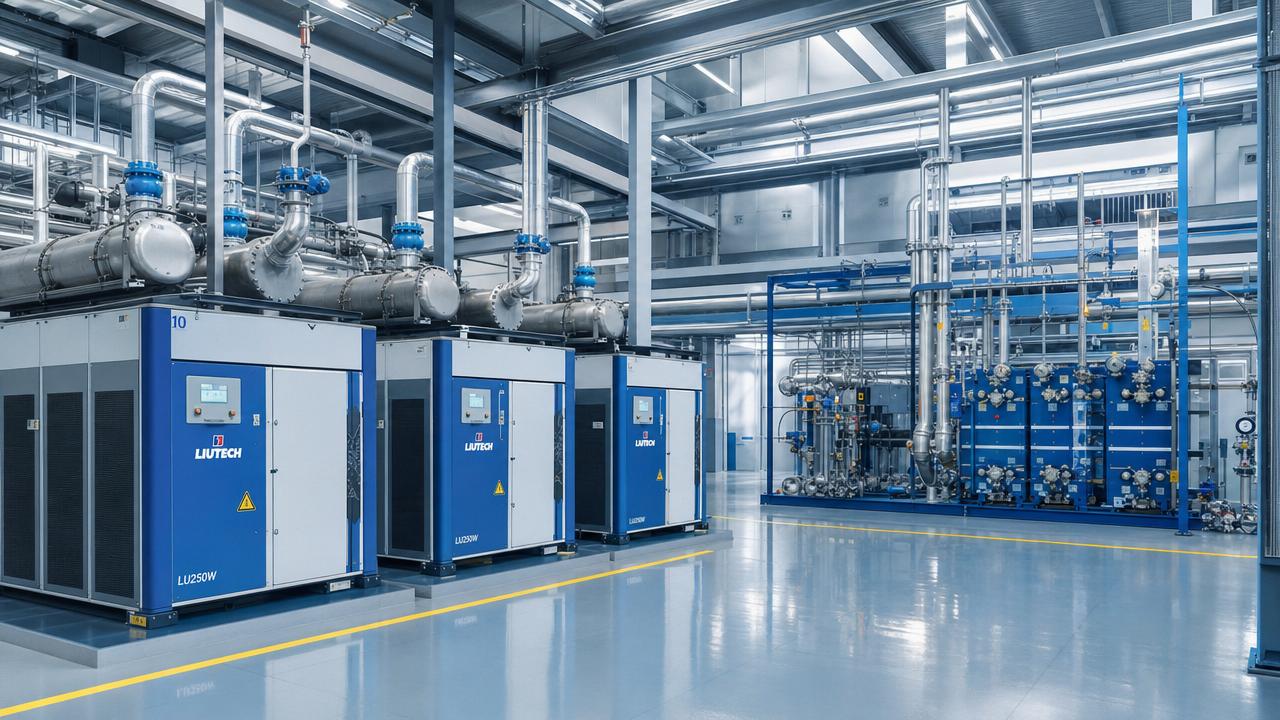
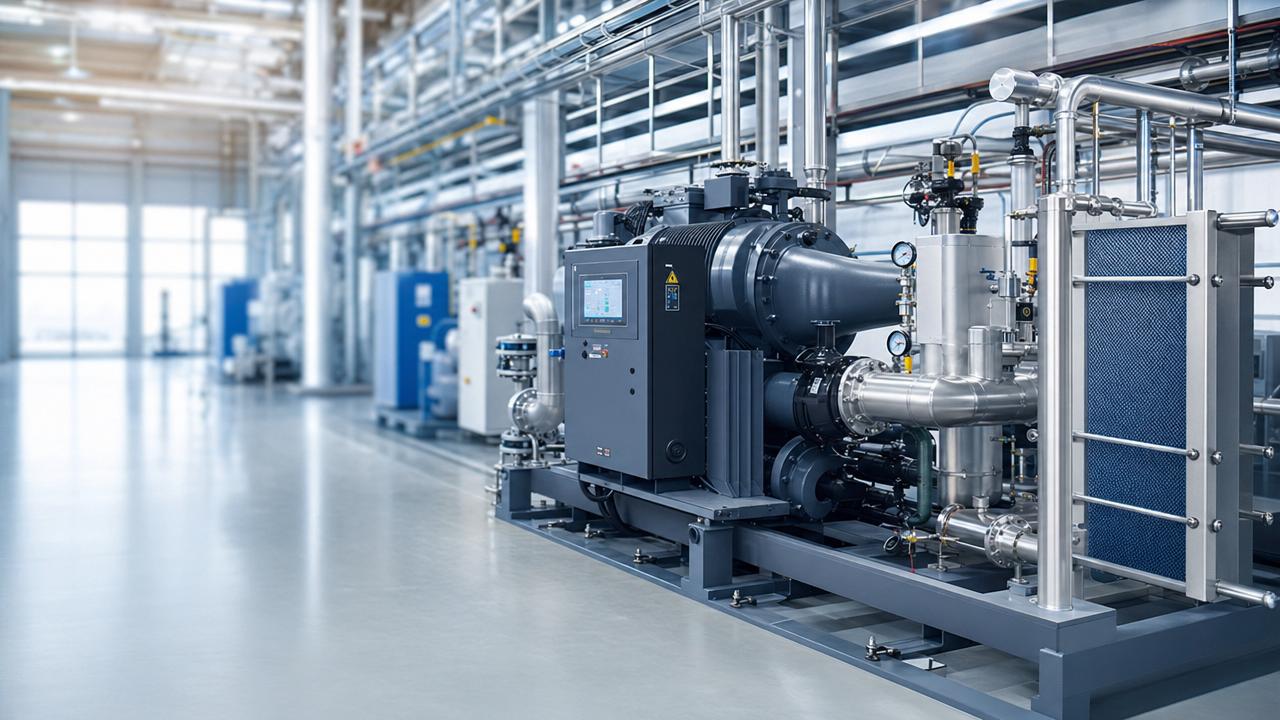
For platforms such as GTC-Matrix, this industrial transition is especially relevant. Cooling, vacuum, compressed air, and heat exchange are no longer support utilities. They increasingly determine whether decarbonization projects deliver real operating value.
Why a checklist approach matters for clean energy technology in 2026
Industrial energy transitions often fail for simple reasons. The technology may be sound, but site load profiles, thermal interactions, maintenance needs, or power quality constraints were not checked early enough.
A checklist makes clean energy technology evaluation more practical. It helps compare options consistently, identify integration risks, and separate solutions that look attractive on paper from those that improve total system efficiency.
It also supports better sequencing. In many industrial settings, recovering heat, fixing compressed air losses, and upgrading controls produce faster returns than immediately replacing every thermal asset.
Core checklist: trends reshaping industry and how to assess them
- Map thermal and electrical loads together before selecting any clean energy technology, because mismatched load timing often destroys projected savings and weakens utilization rates.
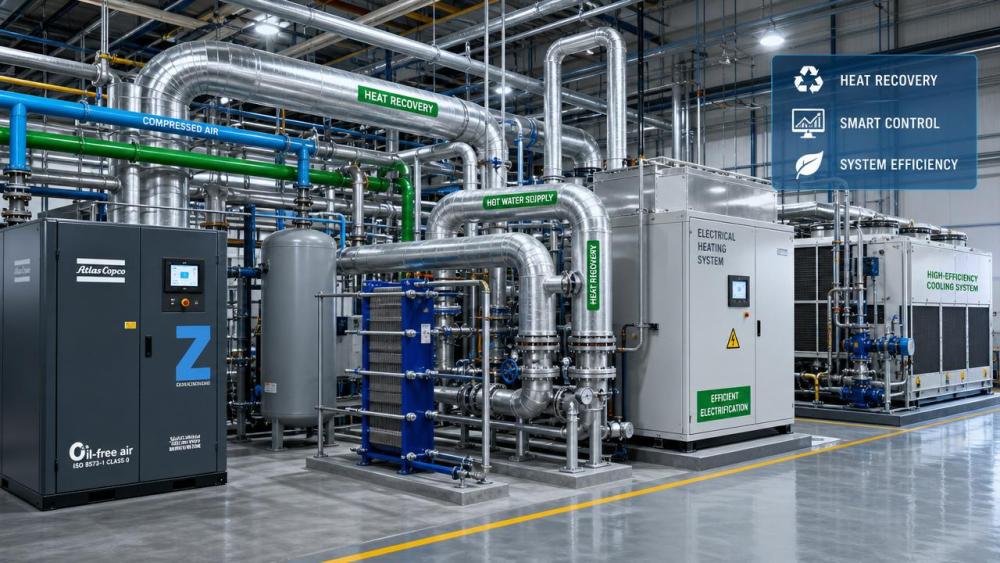
- Prioritize heat recovery from compressors, chillers, ovens, and process exhausts, since recovered low- and medium-grade heat increasingly offsets fuel demand at attractive economics.
- Test industrial electrification options by process temperature band, because heat pumps, electric boilers, and hybrid systems perform very differently across duty cycles.
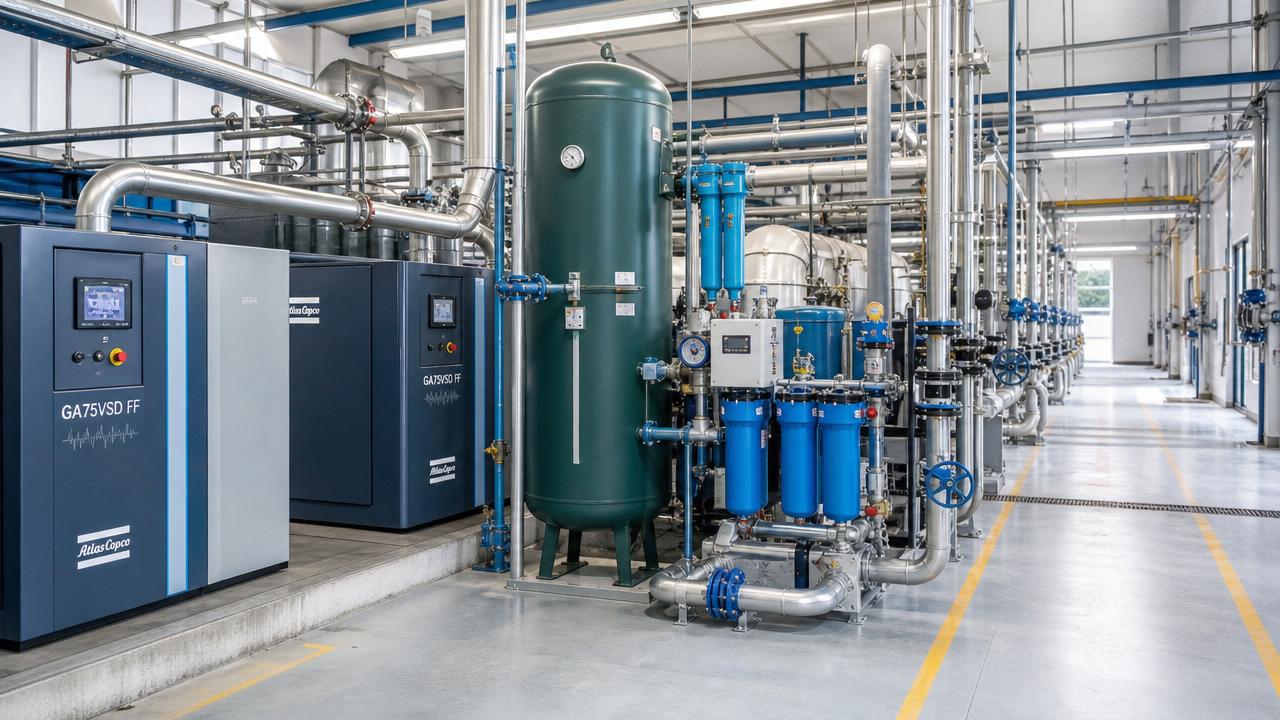
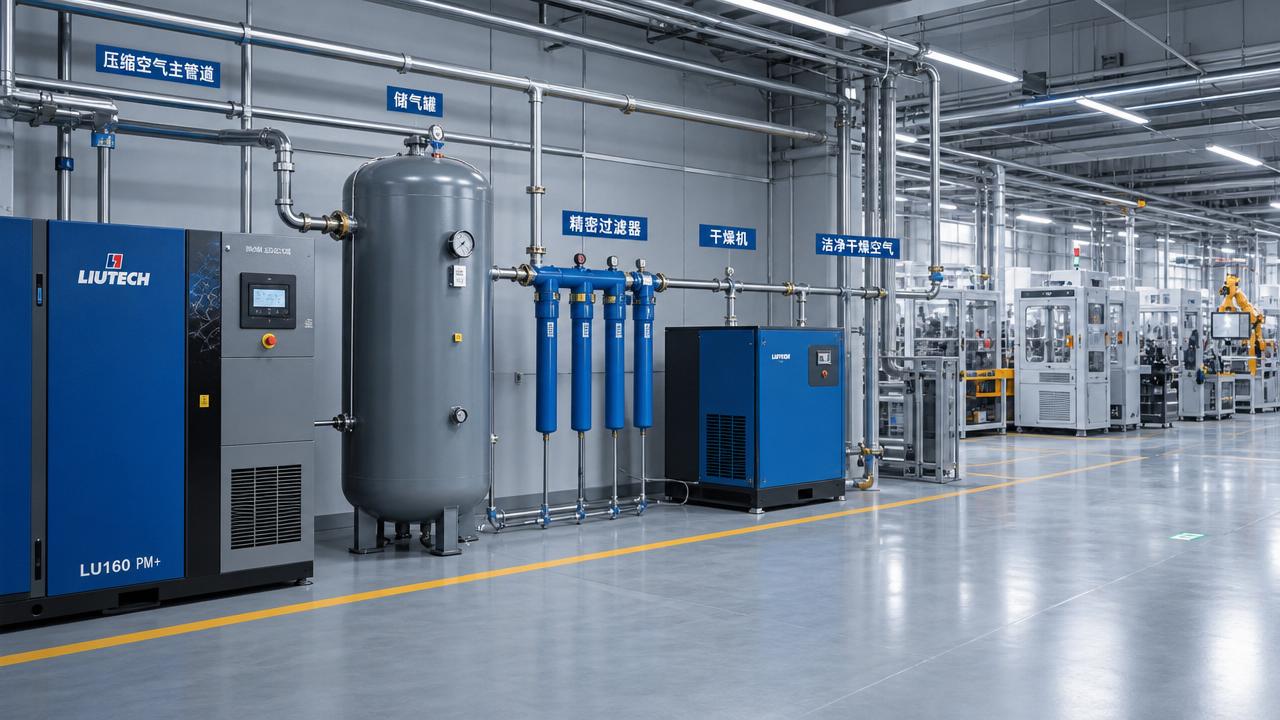
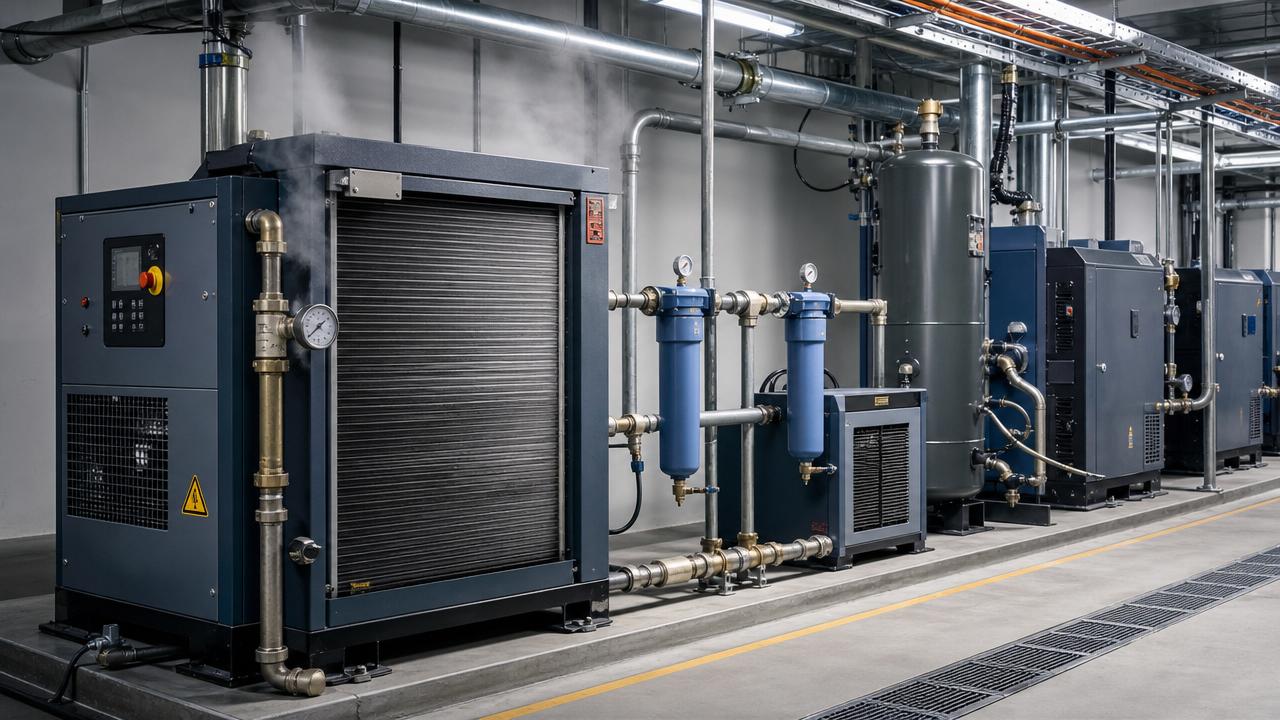
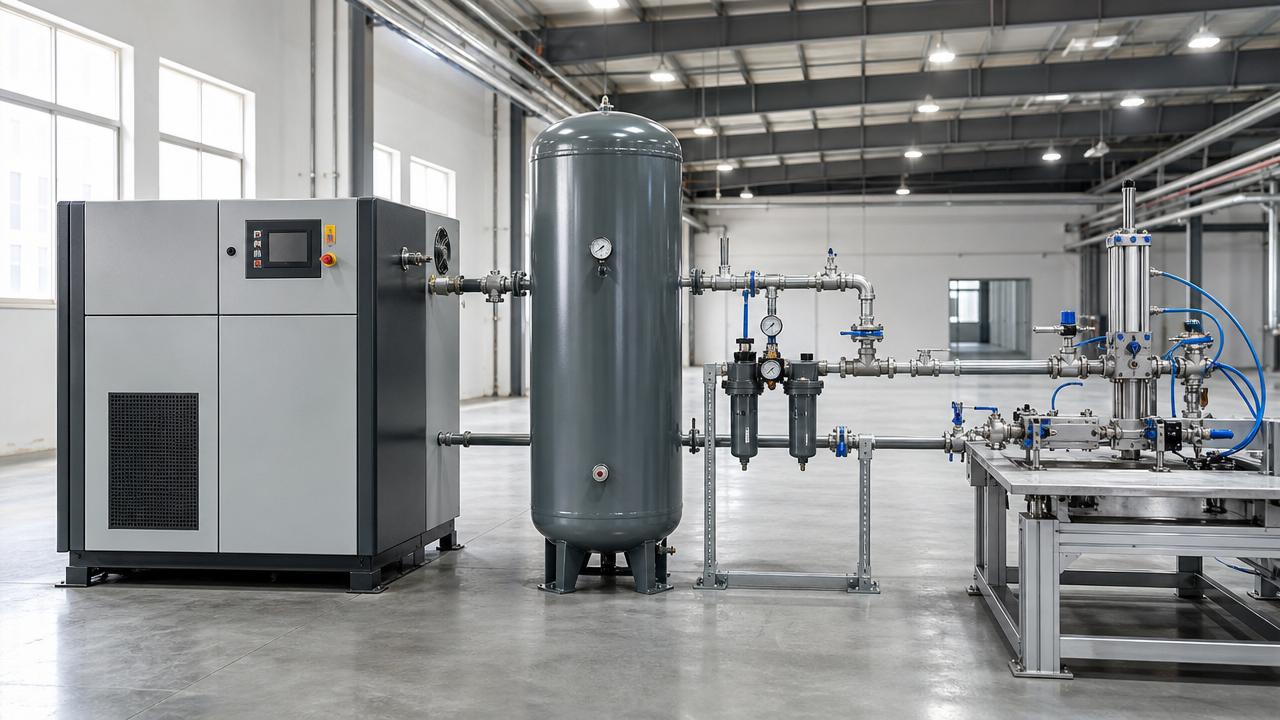
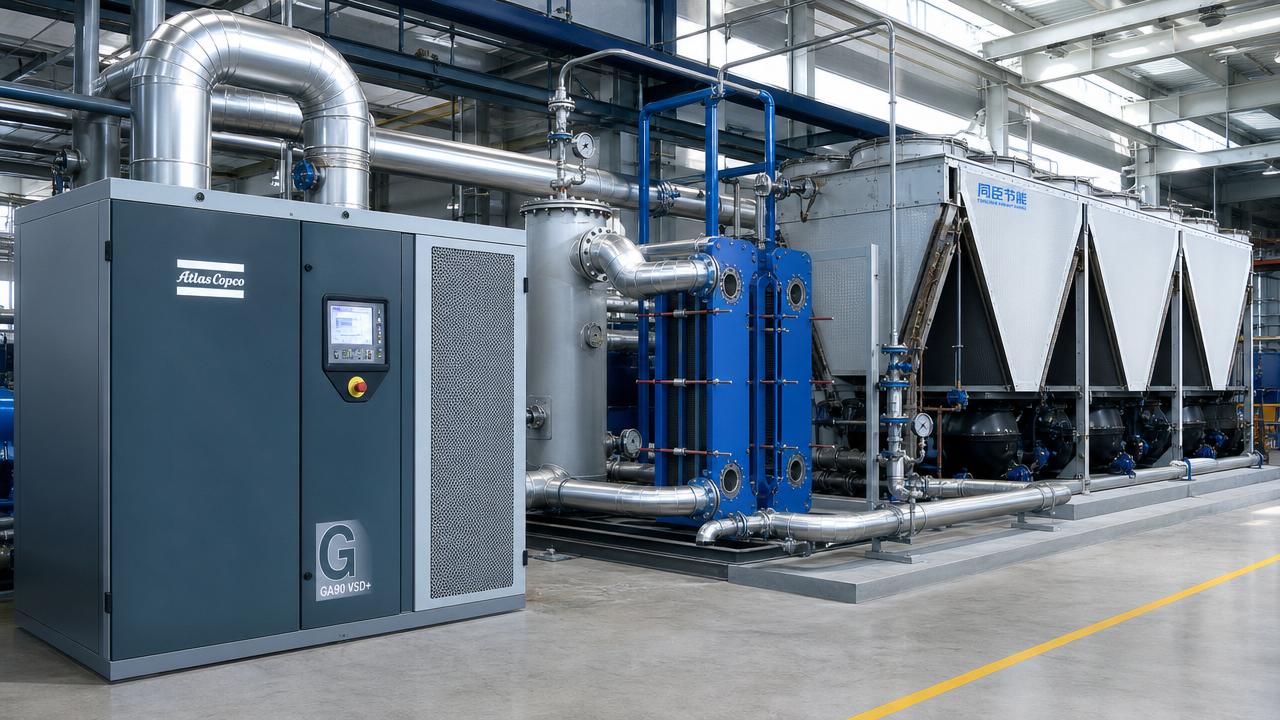
- Verify compressed air efficiency first, including leakage, pressure drops, and part-load control, because compressed air remains one of industry’s costliest hidden energy losses.
- Adopt intelligent controls that connect cooling, compression, and heat exchange assets, since digital optimization now delivers measurable gains without major physical expansion.
- Compare refrigerant strategy with policy exposure, because environmentally friendly refrigerant rules increasingly affect long-term serviceability, retrofit cost, and compliance planning.
- Check water, power, and space constraints early, as many clean energy technology projects fail during implementation rather than at the concept stage.
- Model lifecycle performance instead of headline efficiency, because maintenance, uptime, spare parts, and seasonal operating conditions determine real project value.
- Evaluate oil-free compression and high-purity utility systems where contamination risk matters, especially in pharmaceutical, semiconductor, and food processing environments.
- Sequence investments by operational dependency, starting with metering and controls, then utility optimization, then deeper equipment replacement and on-site energy integration.
Key clean energy technology trends behind the checklist
Electrified heat is moving from pilot to mainstream
In 2026, industrial heat pumps, electric steam generation, and hybrid thermal systems are gaining traction. Their appeal comes from carbon reduction, better controllability, and stronger alignment with renewable power procurement.
Still, not every process should electrify immediately. The strongest cases usually sit in low- to medium-temperature applications, where thermal stability and waste heat recovery improve system economics.
Waste heat is becoming a strategic resource
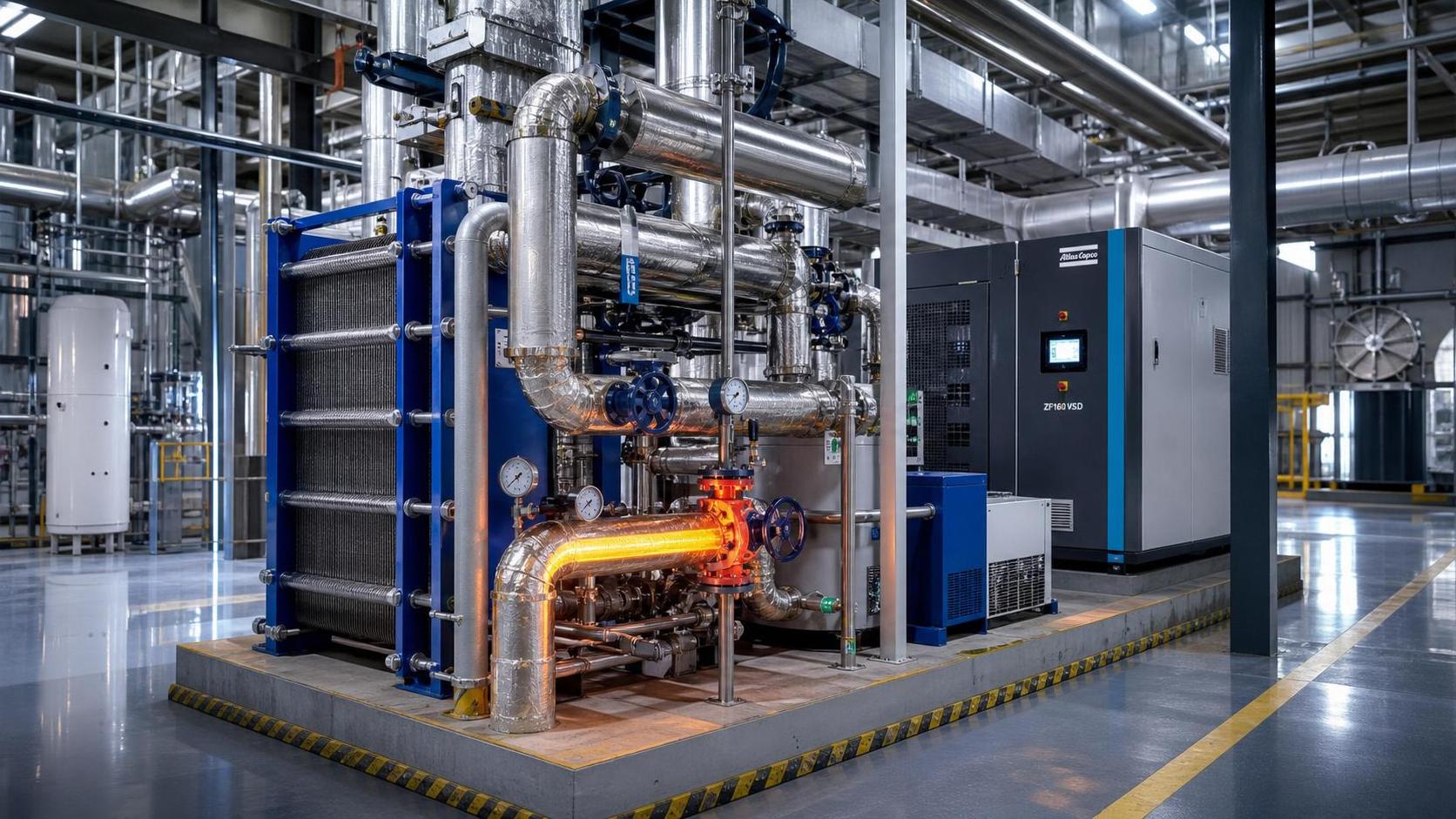
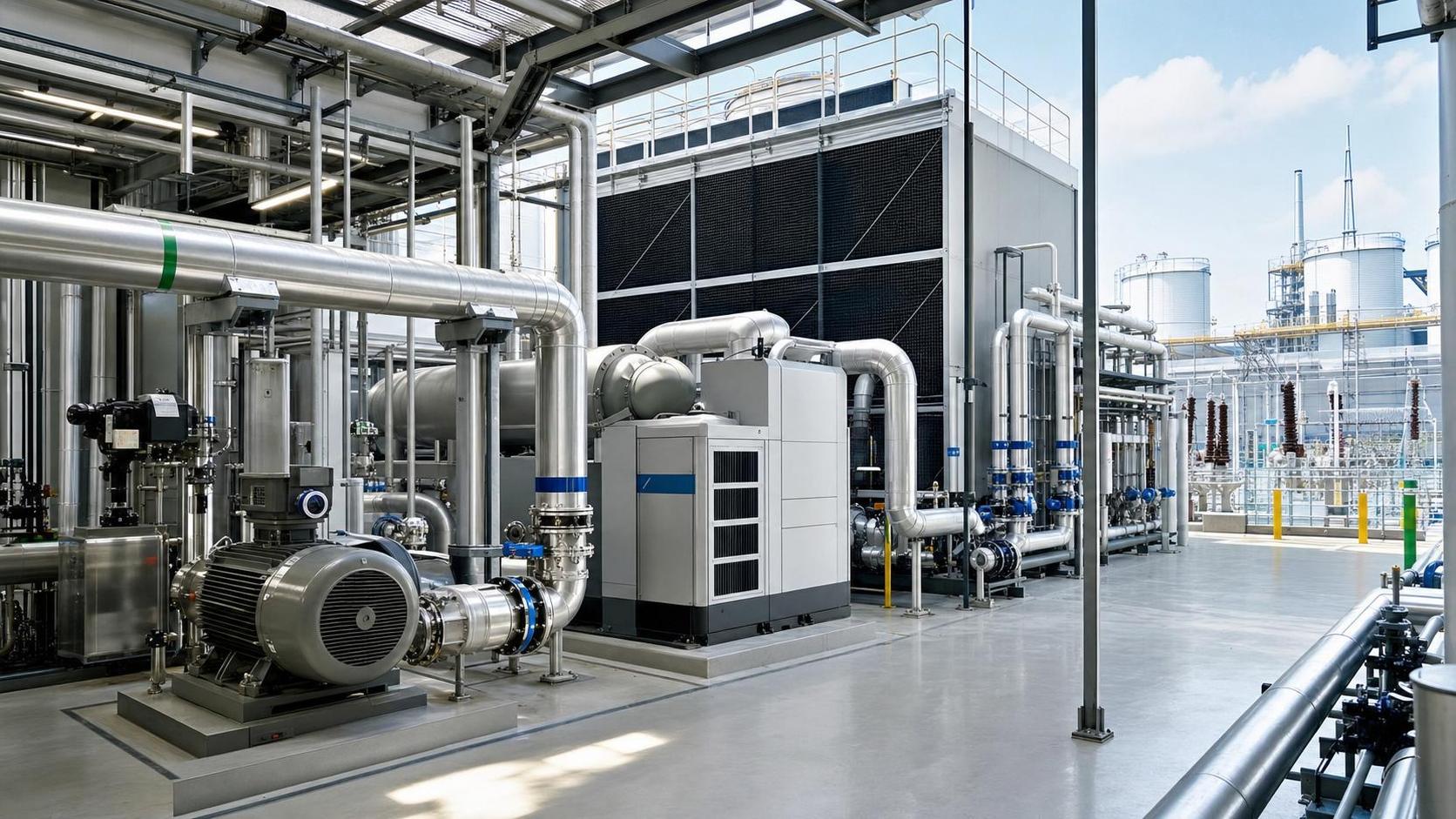
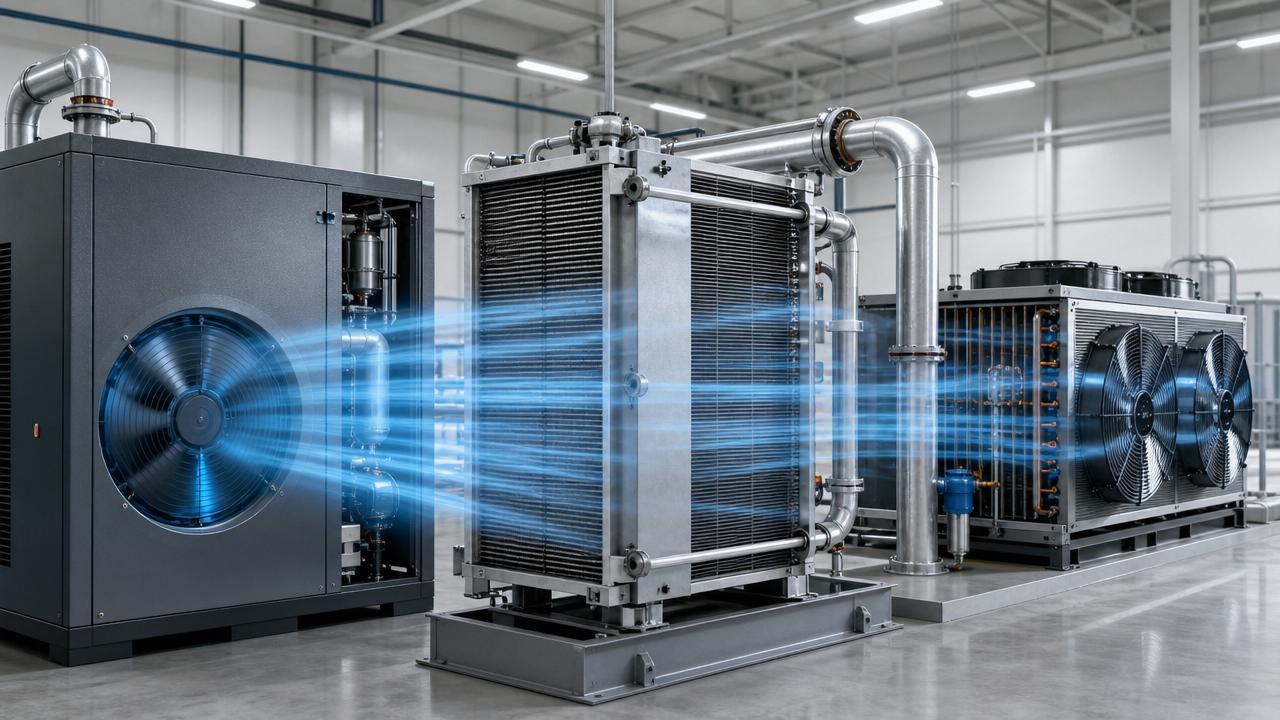
A major clean energy technology shift is the treatment of rejected heat as reusable energy. Compression packages, cooling loops, condensers, and furnaces often release thermal value that can support preheating or space conditioning.
Facilities that already operate dense thermal networks can often unlock savings faster through heat integration than through large greenfield energy investments.
Smart utility systems are replacing isolated equipment upgrades
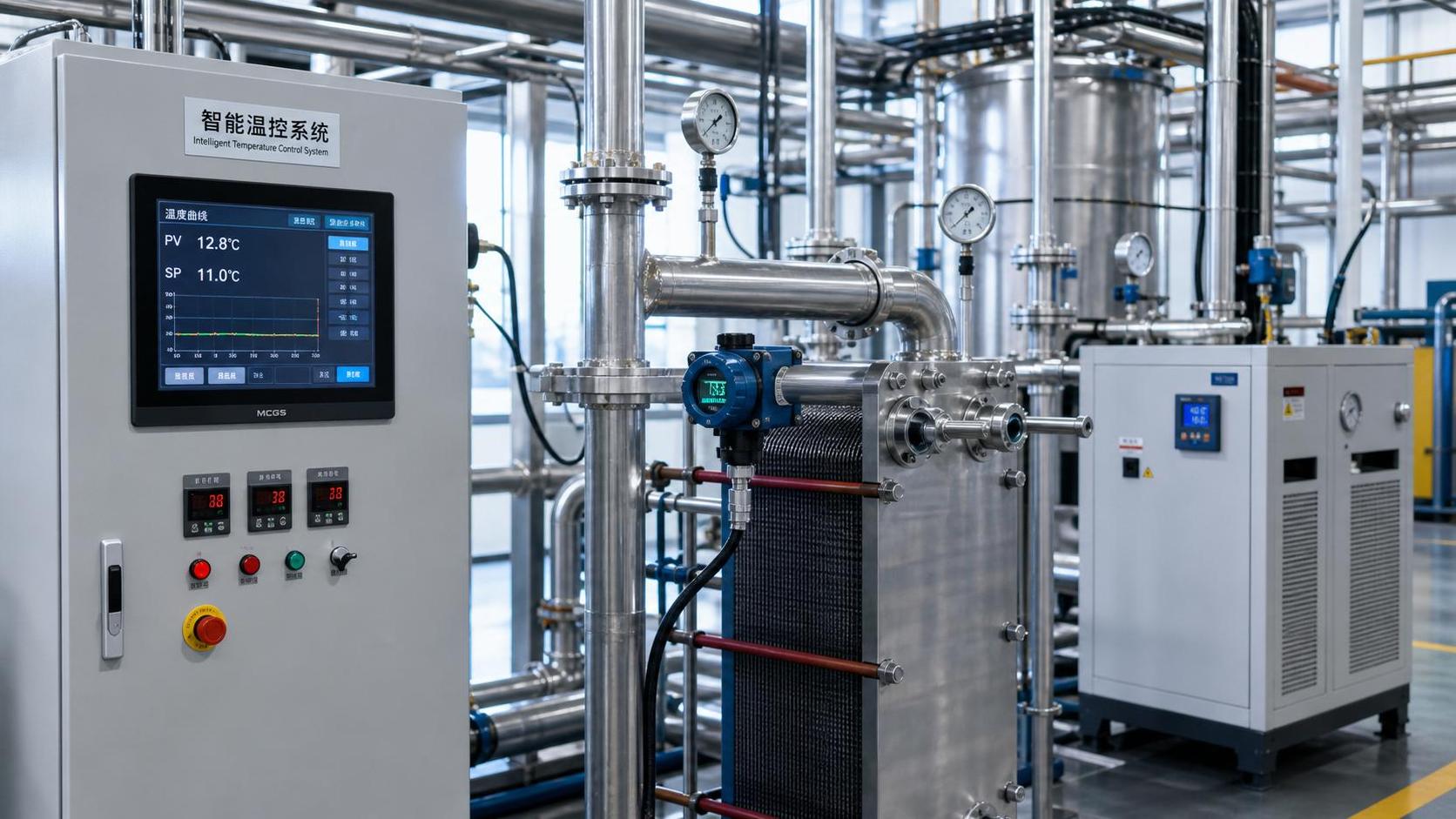
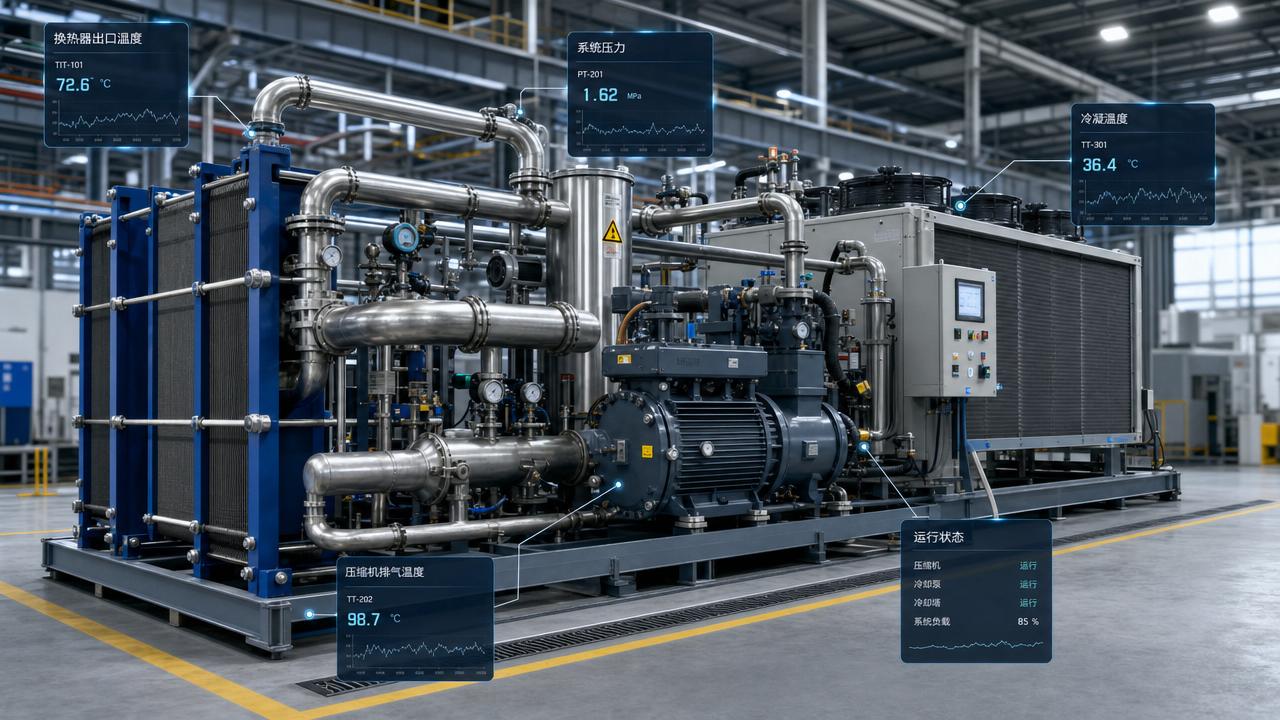
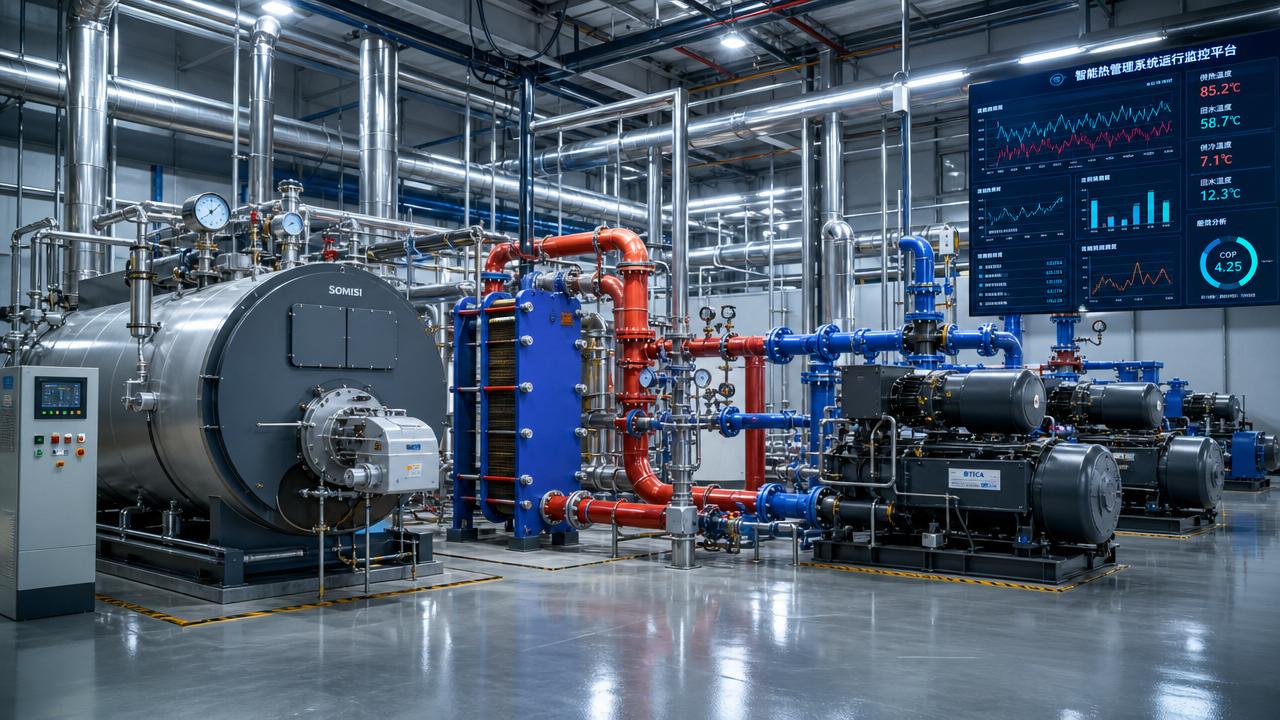
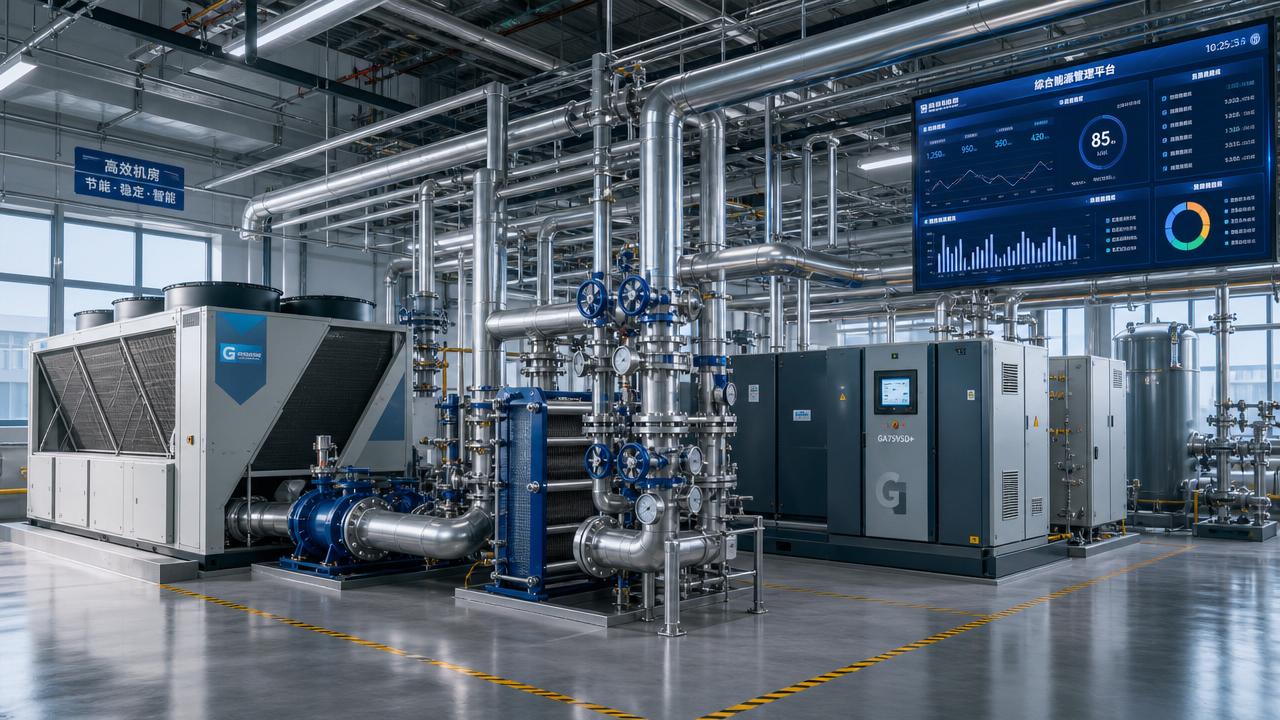
Digital controls, sensors, and performance analytics are redefining industrial energy management. Instead of optimizing one machine, operators are now optimizing interactions among compressors, chillers, pumps, valves, and heat exchangers.
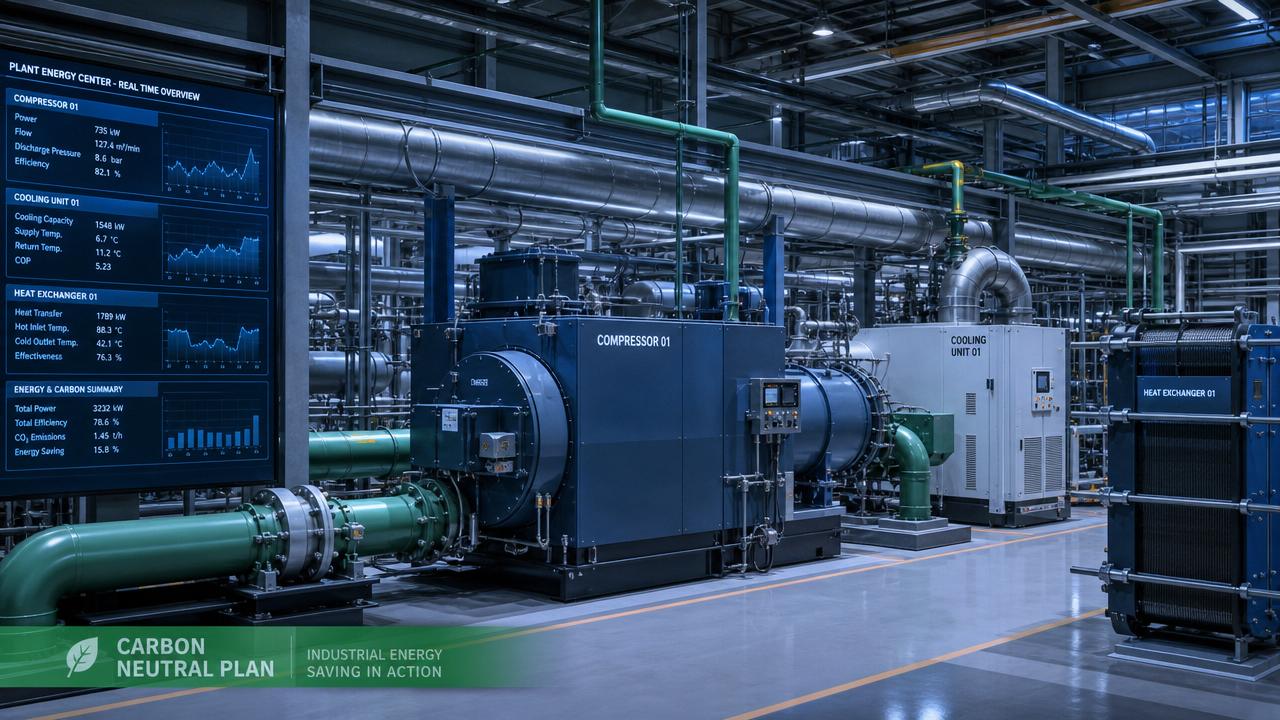
This trend is highly relevant to GTC-Matrix sectors. Efficient thermal centers and compressed power systems increasingly depend on data stitching across multiple process layers.
How the trends apply across different industrial scenarios
High-precision manufacturing
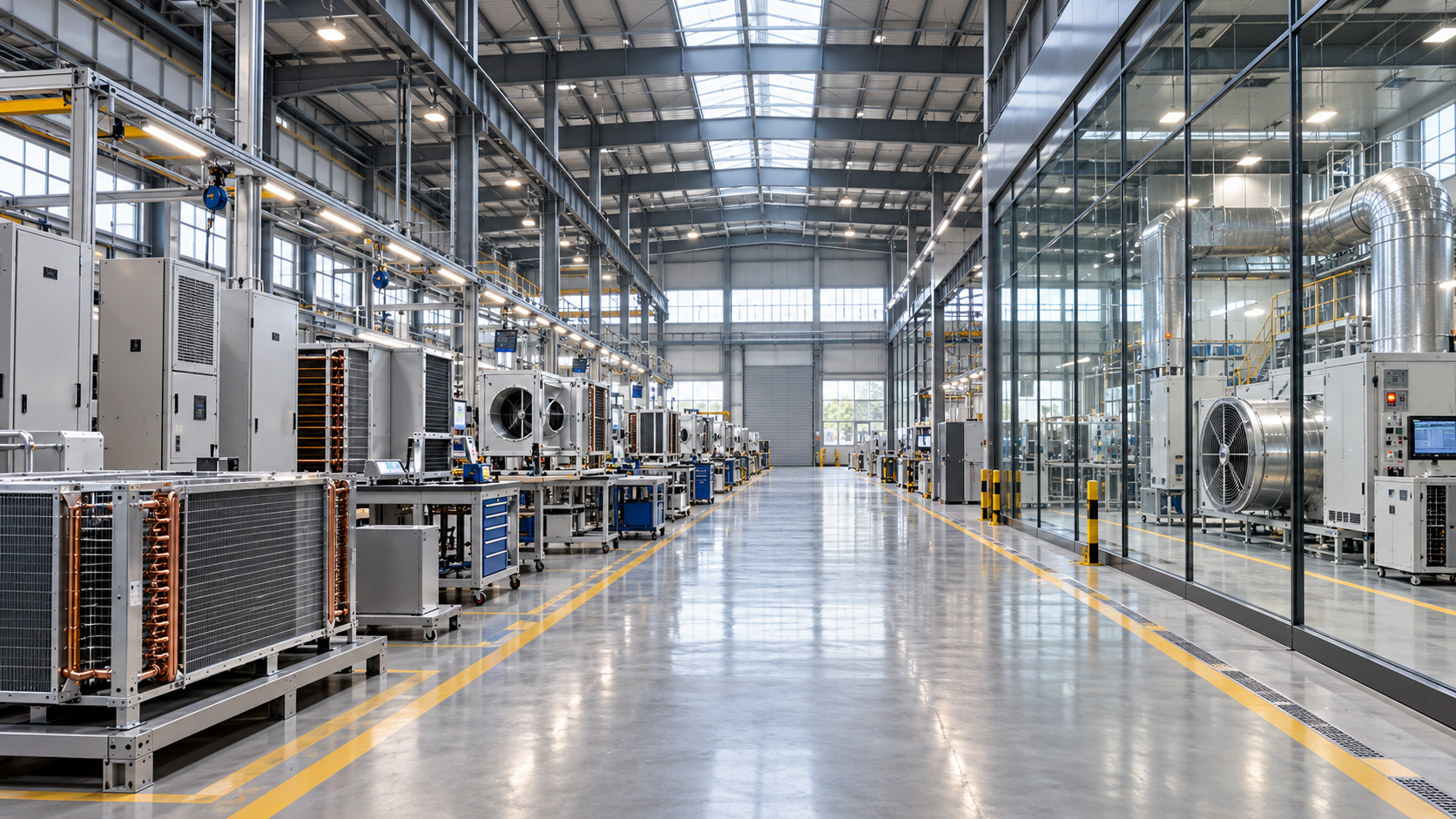
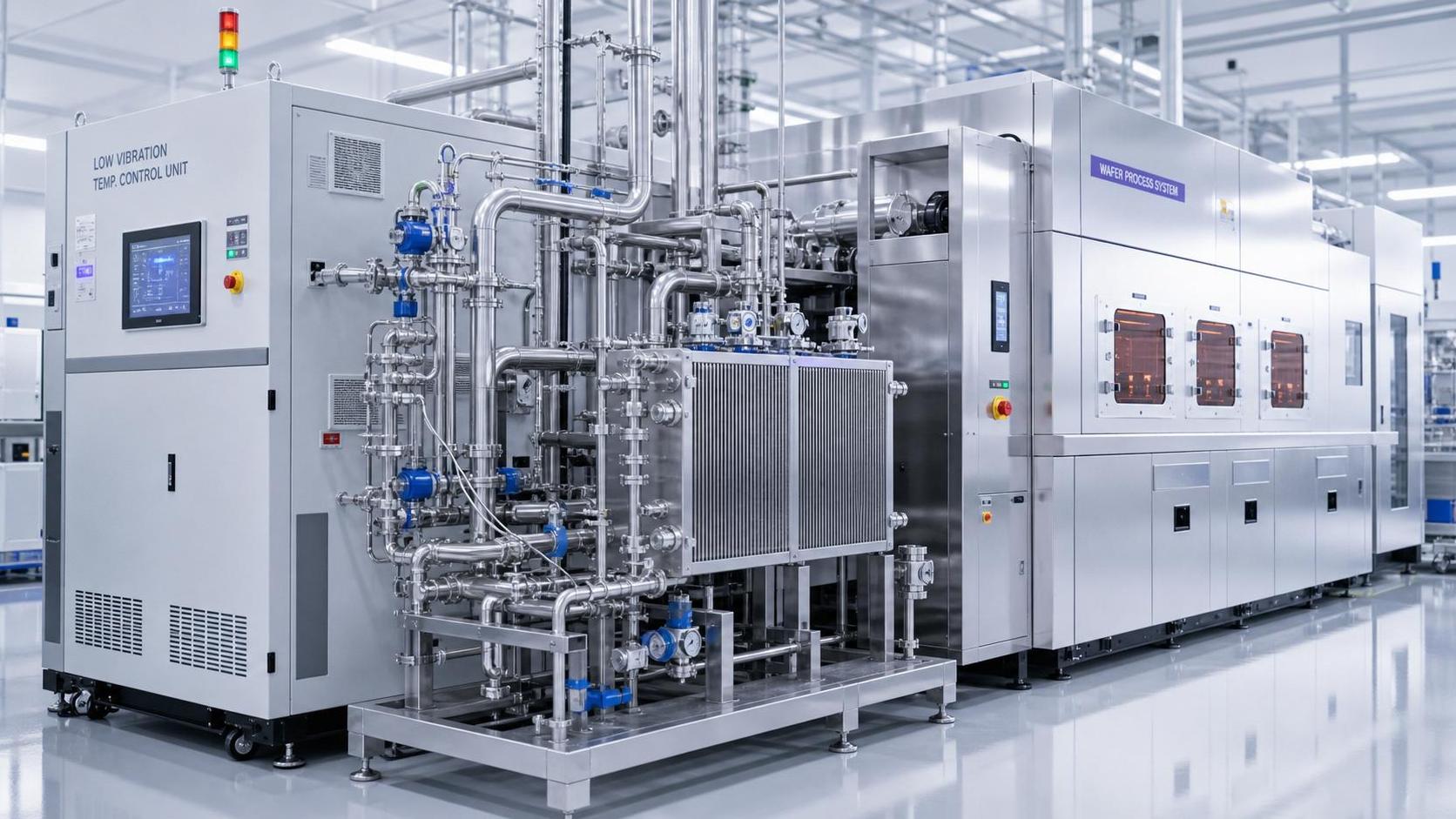
Semiconductor and electronics environments need tight temperature control, dry compressed air, and contamination-sensitive utilities. Here, clean energy technology must support both efficiency and process integrity.
The best opportunities often come from oil-free compression, intelligent chilled water control, heat recovery from cleanroom support systems, and better load balancing between production shifts.
Food and pharmaceutical processing
These sectors place high value on hygienic design, stable cooling, and reliable steam or hot water generation. Clean energy upgrades work best when validated against sanitation cycles and seasonal production variability.
Integrated thermal systems can reduce fuel intensity while preserving product quality. Heat recovery from refrigeration and process cooling is especially important in continuous processing lines.
Heavy industry and general manufacturing
For broader manufacturing, the first wave of value often comes from utility efficiency. Leak detection, variable-speed compression, burner optimization, and microchannel heat exchangers can meaningfully lower energy intensity.
Deeper decarbonization then follows through electrified heat, low-NOx systems, thermal storage, and improved energy recovery between upstream and downstream processes.
Commonly missed issues that weaken clean energy technology results
Ignoring part-load behavior
Many systems rarely run at design conditions. If part-load efficiency is poor, projected gains from clean energy technology can shrink quickly in real operation.
Underestimating thermal interdependence
Changing one thermal asset can shift loads across cooling, pumping, and ventilation systems. Site-wide balances must be checked before approval, not after commissioning.
Treating compressed air as a fixed utility
Compressed air demand often includes avoidable waste. Without pressure optimization and leak control, added efficiency elsewhere may simply support an inflated utility baseline.
Overlooking service ecosystem risk
A promising technology may still carry weak local service coverage, refrigerant uncertainty, or difficult spare-part access. Lifecycle resilience matters as much as efficiency claims.
Practical execution steps for 2026 planning
- Start with metering of electricity, heat, cooling, and compressed air at subsystem level.
- Build a baseline using seasonal load data instead of annual averages alone.
- Screen projects by temperature match, runtime stability, and recoverable waste heat volume.
- Rank options by total cost of ownership, not by equipment efficiency alone.
- Pilot digital control layers where utility interactions are complex or poorly visible.
- Review policy exposure tied to refrigerants, emissions, and grid carbon assumptions.
A disciplined rollout often begins with information quality. Better measurements reveal where clean energy technology can improve thermal efficiency, reduce peak demand, and support credible decarbonization reporting.
Conclusion and next action
The industrial winners of 2026 will not adopt clean energy technology as a branding exercise. They will use it to redesign how power, heat, cooling, and compression interact across the whole operating system.
The most effective next step is simple: audit the thermal center and power heart together. Then compare electrification, heat recovery, efficient compression, and smart controls as one linked transformation pathway.
That approach turns fragmented upgrades into measurable industrial advantage, which is exactly where market momentum is heading in 2026.
Ready when you are. Send us a message to get started.
Related News
- Carrier Plans $600 Million Manufacturing and Engineering Center in Fort WorthAuthor :

- Semiconductor Thermal Management: Low Vibration Design PrioritiesAuthor :

- Thermal Interface Materials: What Drives Real Thermal OptimizationAuthor :
![]()
- Global Energy Costs in Europe: What Changed in 2026Author :

- Smart Device Thermal Management: Common Failures and FixesAuthor :

- Thermal Efficiency Optimization: 5 Signs Your System Is Losing HeatAuthor :

- How Precision Temperature Control Systems Improve Process StabilityAuthor :

- How Intellectualization Improves Process Visibility in Modern PlantsAuthor :

- Global Energy Costs in 2026: What Rising Prices Mean for Plant PlanningAuthor :

- Carbon Neutrality Roadmaps: Common Gaps in Industrial PlanningAuthor :

- Heat Transfer Basics: What Affects Efficiency in Industrial EquipmentAuthor :

- Industrial Thermal Systems: Common Failure Risks in Continuous OperationAuthor :

- Global Energy Costs: 2026 Risk Signals to WatchAuthor :

- Pneumatic Power Systems: Common Sizing Mistakes to AvoidAuthor :

- How Thermal Power Systems Cut Downtime in 2026Author :

- Clean Energy Technology Trends Reshaping Industry in 2026Author :

- Pneumatic Power Systems: Key Checks Before Equipment SelectionAuthor :

- Compression Technology Mistakes That Raise Maintenance RiskAuthor :

- Clean Energy Technology Risks to Watch in 2026 ProjectsAuthor :

- Smart Thermal Systems: 5 Signals Your Controls Are Wasting HeatAuthor :

- How to Size Pneumatic Power Systems for Stable OutputAuthor :

- Pneumatic Power Systems: Key Safety Risks in Daily OperationAuthor :

- Clean Energy Technology Shifts Reshaping Industrial InvestmentAuthor :

- Intellectualization in Industry: What Delivers Measurable Value?Author :

- Thermal Management Mistakes That Shorten Equipment LifeAuthor :

- Clean Energy Technology Options That Fit Real Manufacturing UpgradesAuthor :

- Energy-Saving Technologies Worth Tracking in 2026Author :