Clean Energy Technology Options That Fit Real Manufacturing Upgrades




For project managers and engineering leads, clean energy technology is no longer a future concept but a practical path to smarter manufacturing upgrades. From compressed air optimization to heat recovery and advanced cooling systems, the right choices can cut energy waste, improve process stability, and support carbon goals without disrupting production. This article explores technology options that align with real plant conditions, investment logic, and performance targets.
What does clean energy technology really mean in a manufacturing upgrade?
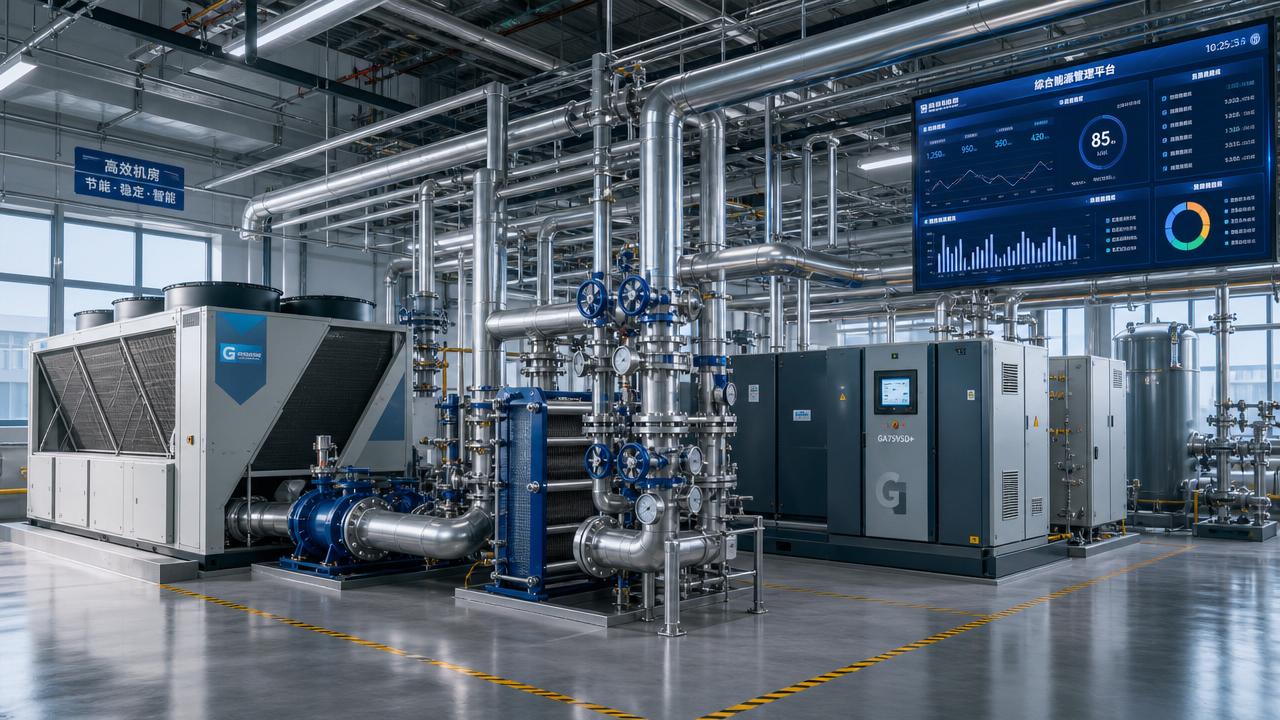
In industrial projects, clean energy technology should not be reduced to a single product, a rooftop solar plan, or a policy-driven label. For plant upgrades, it usually refers to a group of technologies that reduce wasted power, recover usable heat, improve energy conversion efficiency, lower emissions, and make thermal or pneumatic systems more controllable. That makes it highly relevant to real manufacturing operations, especially where compressed air, cooling, vacuum, process heating, and heat exchange already consume a large share of operating cost.
For project leaders, the key shift is practical: the value of clean energy technology is judged less by publicity claims and more by measurable plant results. Can it stabilize air pressure? Can it reduce chiller loading? Can it recover heat from compressors or boilers? Can it support stricter product quality standards in pharmaceuticals, electronics, food processing, or general industrial assembly? These questions matter more than broad sustainability slogans.
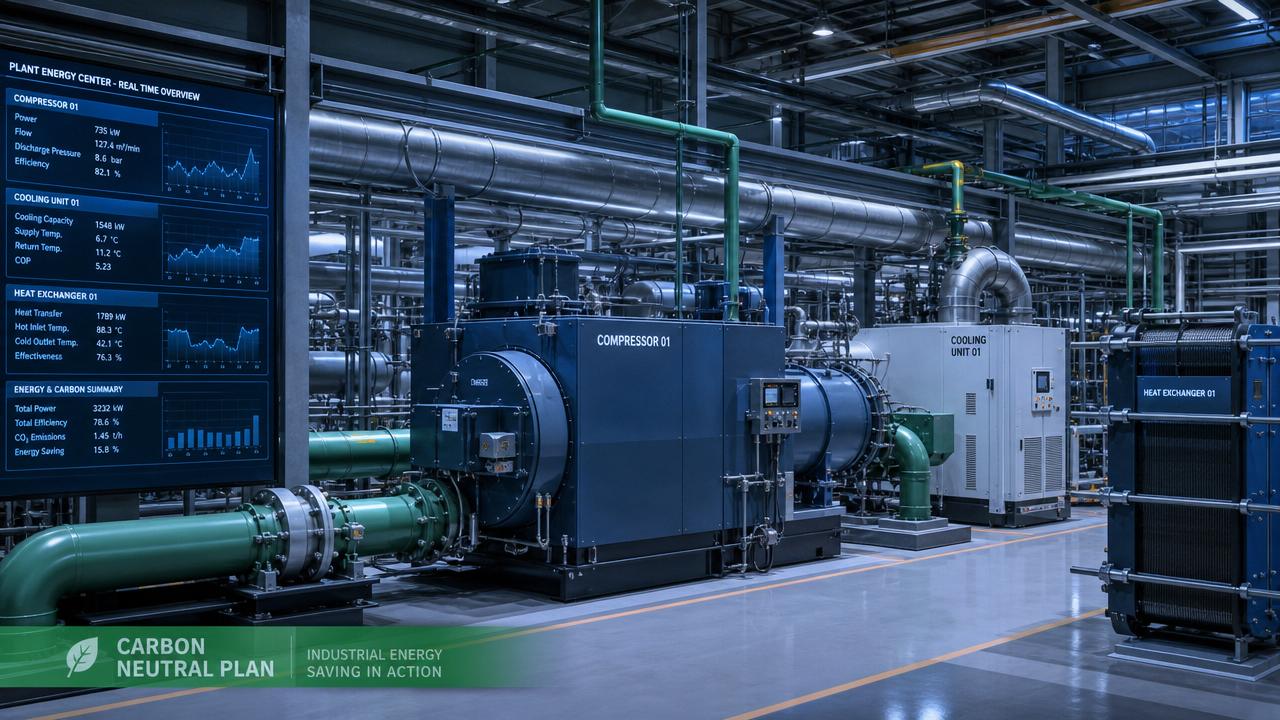
This is also why manufacturing decision-makers increasingly connect clean energy technology with system intelligence. A high-efficiency compressor alone may not deliver full savings if leaks remain uncontrolled, piping is oversized, temperature management is unstable, or heat rejection is unmanaged. The best upgrade paths combine equipment choice, process data, and operating discipline.
Which clean energy technology options fit real factories better than headline trends?
Most plants do not need a dramatic energy transformation in one step. They need technologies that match existing utilities, downtime windows, safety rules, and payback targets. In many cases, the most effective clean energy technology options are not the most fashionable ones, but the ones that remove persistent losses in core systems.
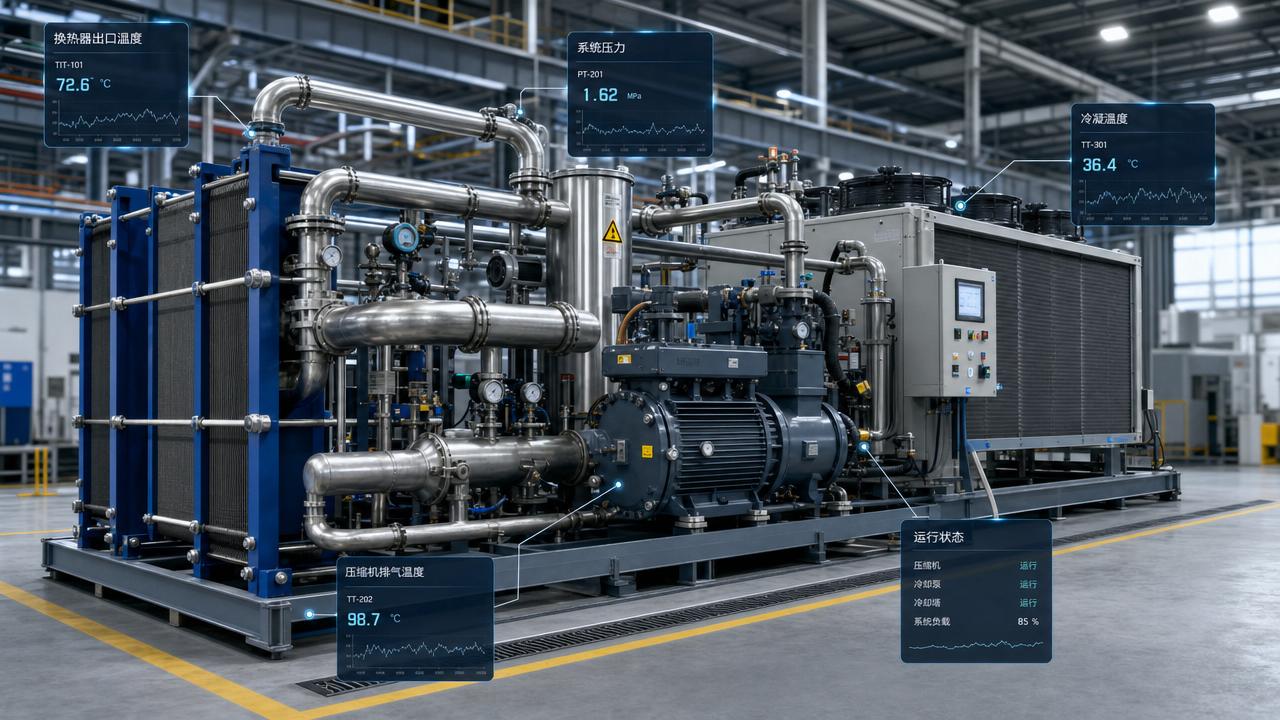
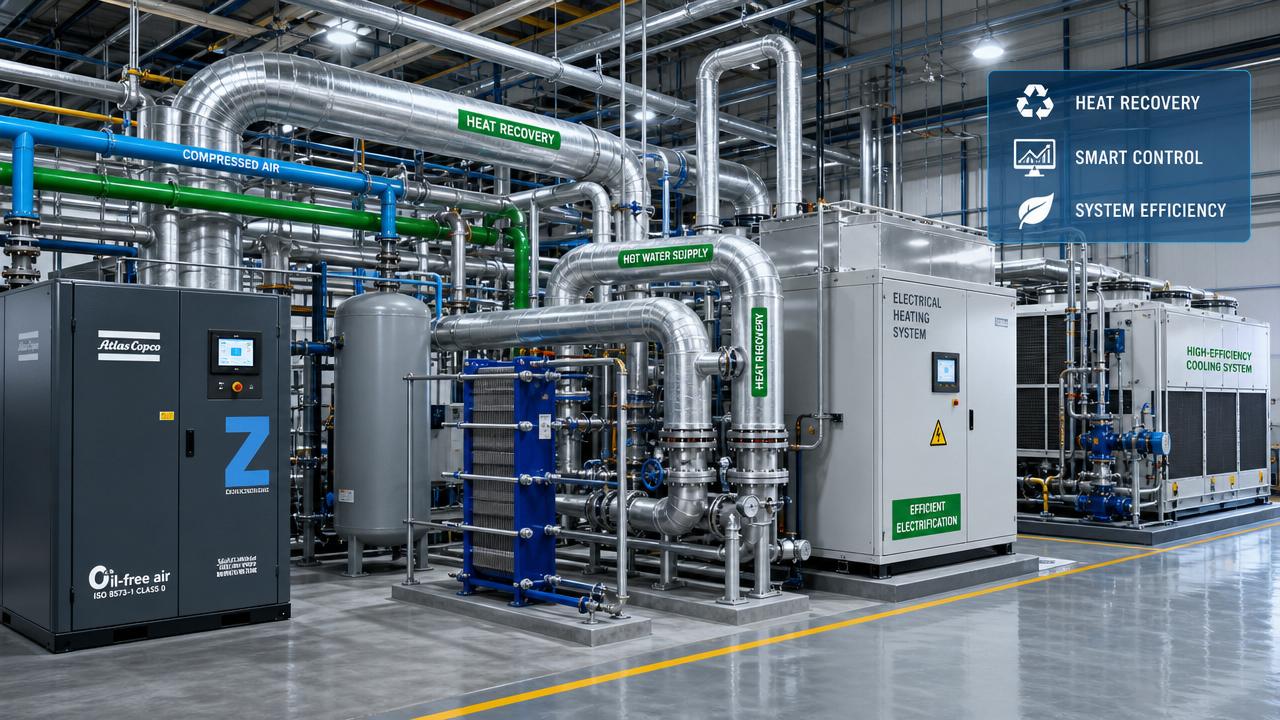
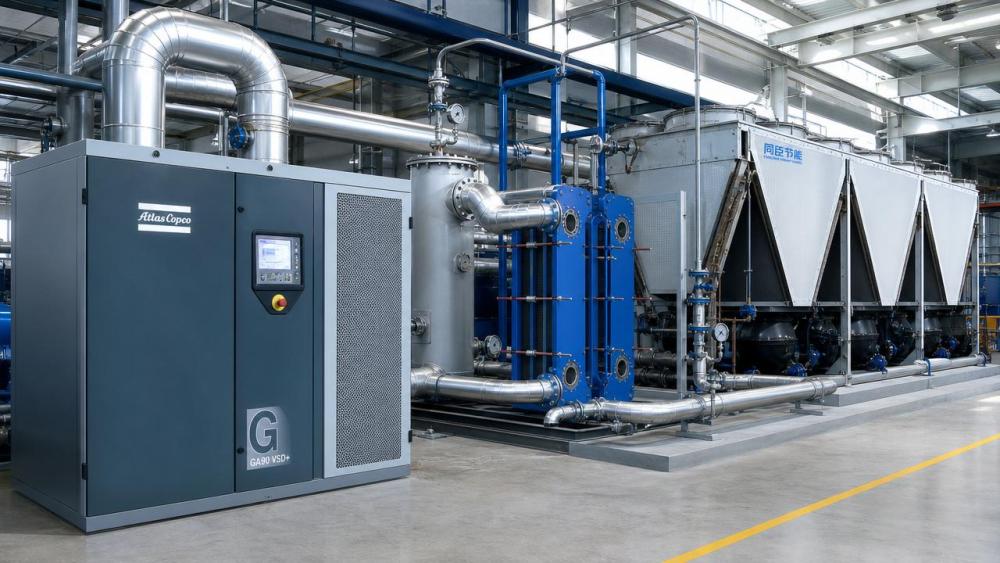
A practical shortlist often includes variable-speed air compressors, oil-free compressed air where contamination risk is critical, heat recovery from compressor discharge, higher-efficiency heat exchangers, smarter chilled water or process cooling control, vacuum system optimization, low-NOx thermal equipment, and digital monitoring for load matching. These choices directly address the “power heart” and “thermal center” of industrial facilities.
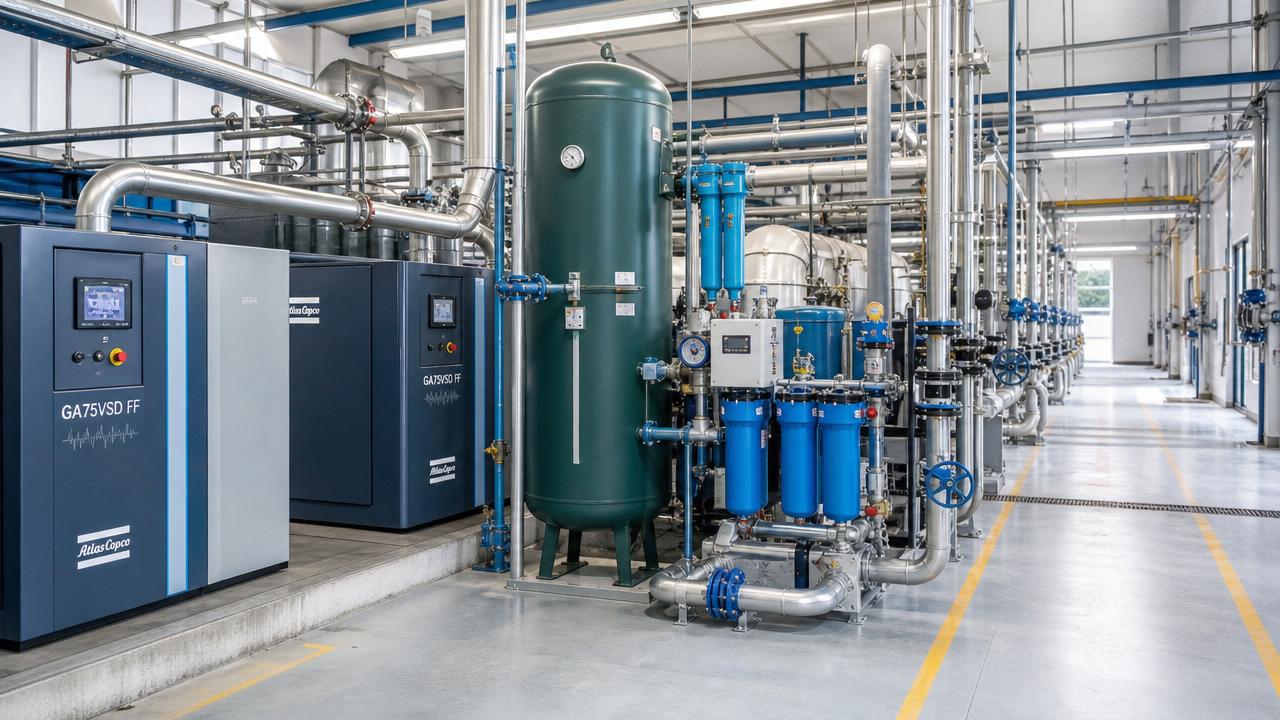
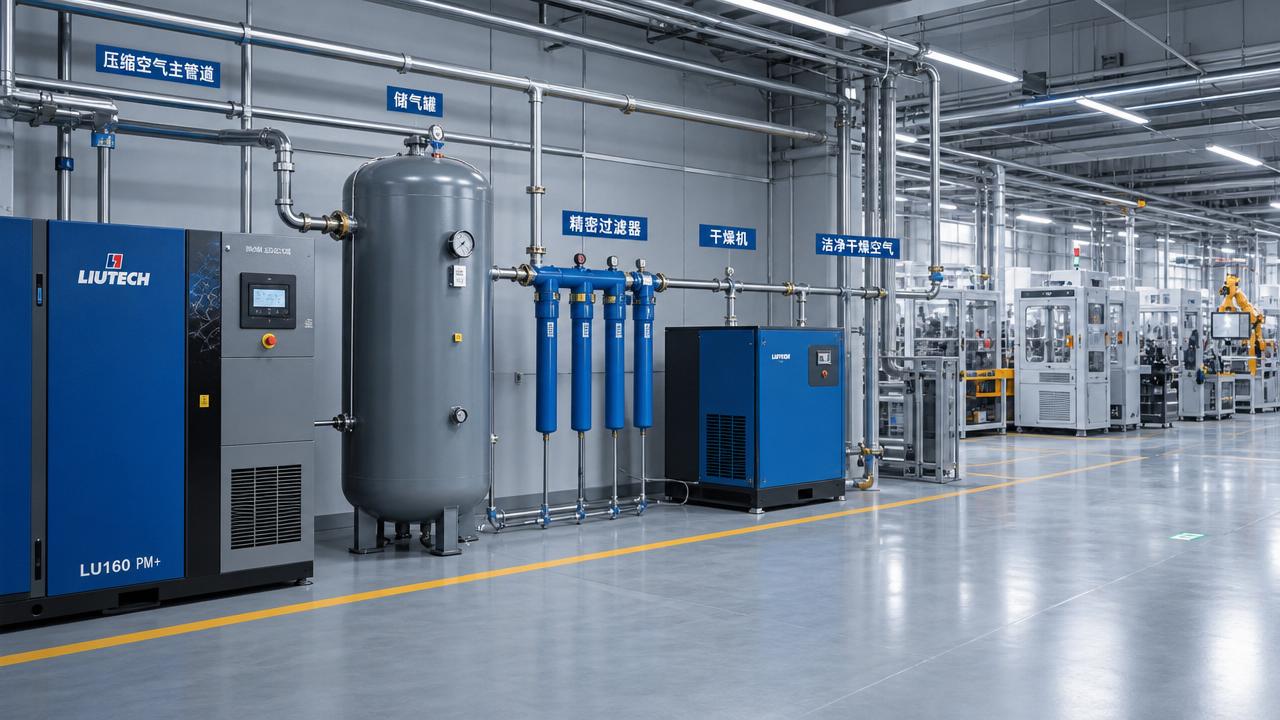
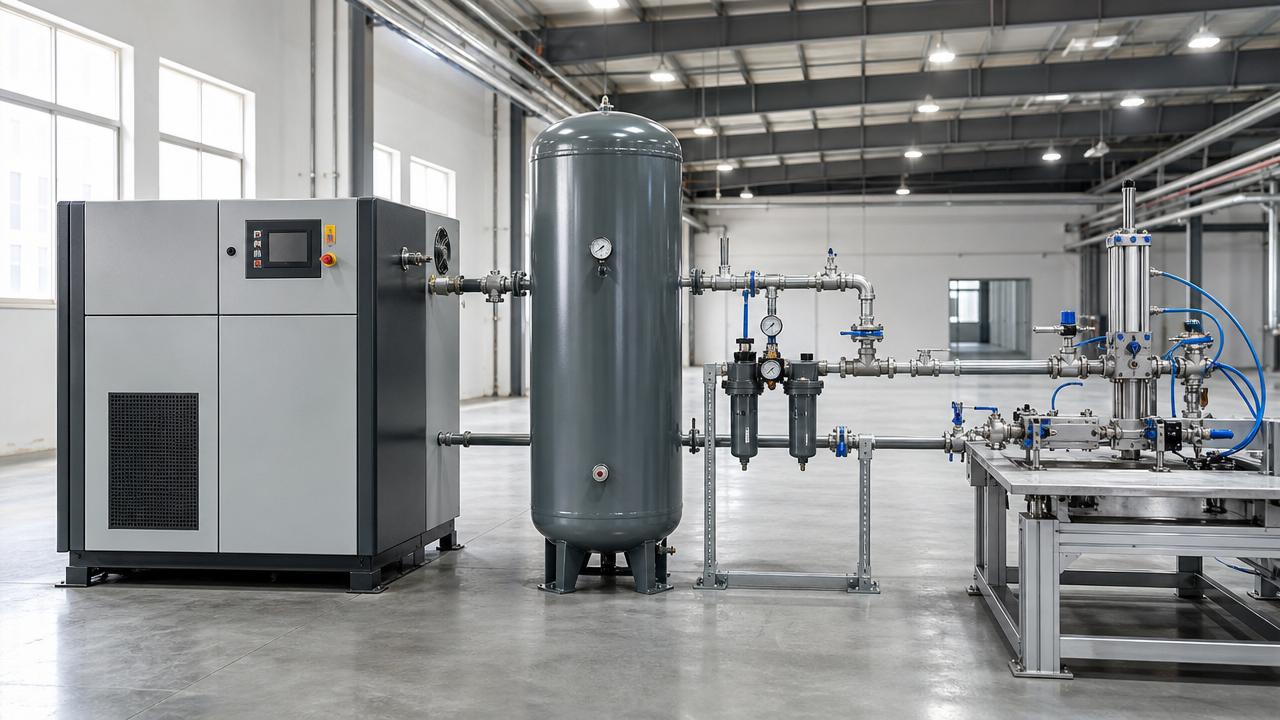
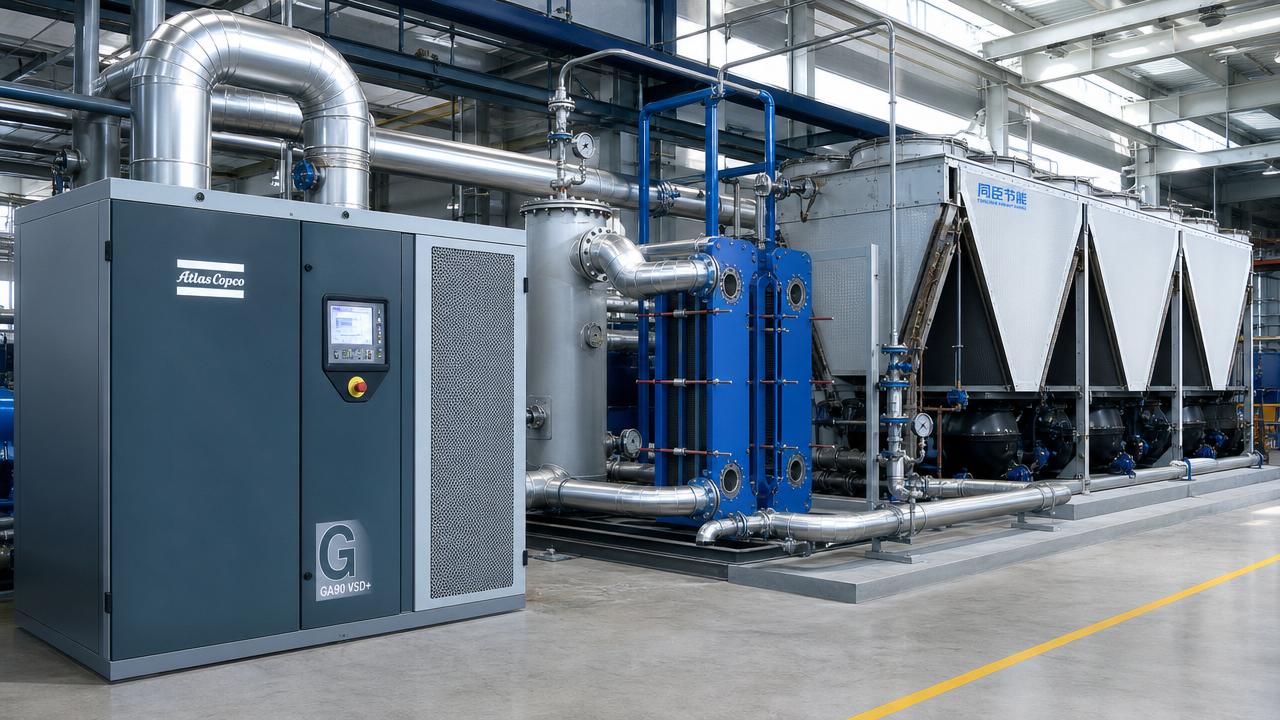
Compressed air is a strong example. Many facilities treat it as a fixed utility, yet it is frequently one of the most expensive forms of energy in the plant. A clean energy technology strategy here may include leak auditing, pressure setpoint correction, storage optimization, demand segregation, and replacing constant-speed units with variable-speed machines where load profiles fluctuate. The energy savings can be significant without changing the production line itself.
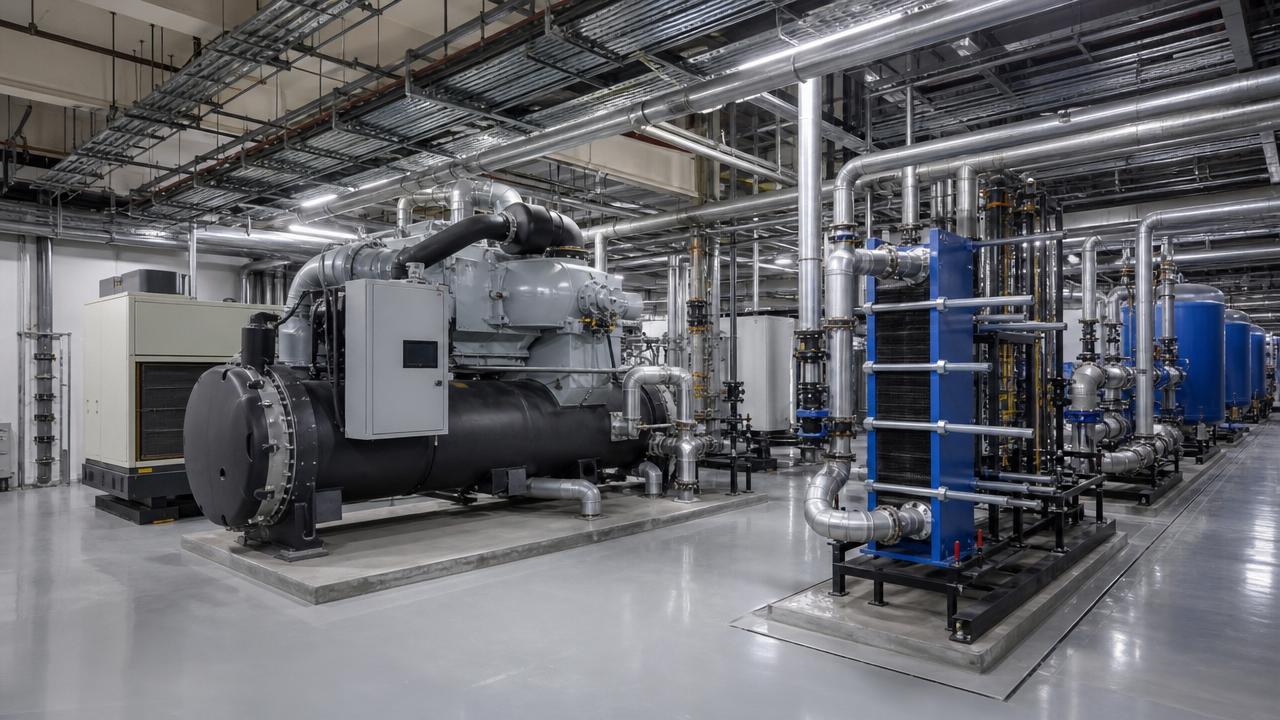
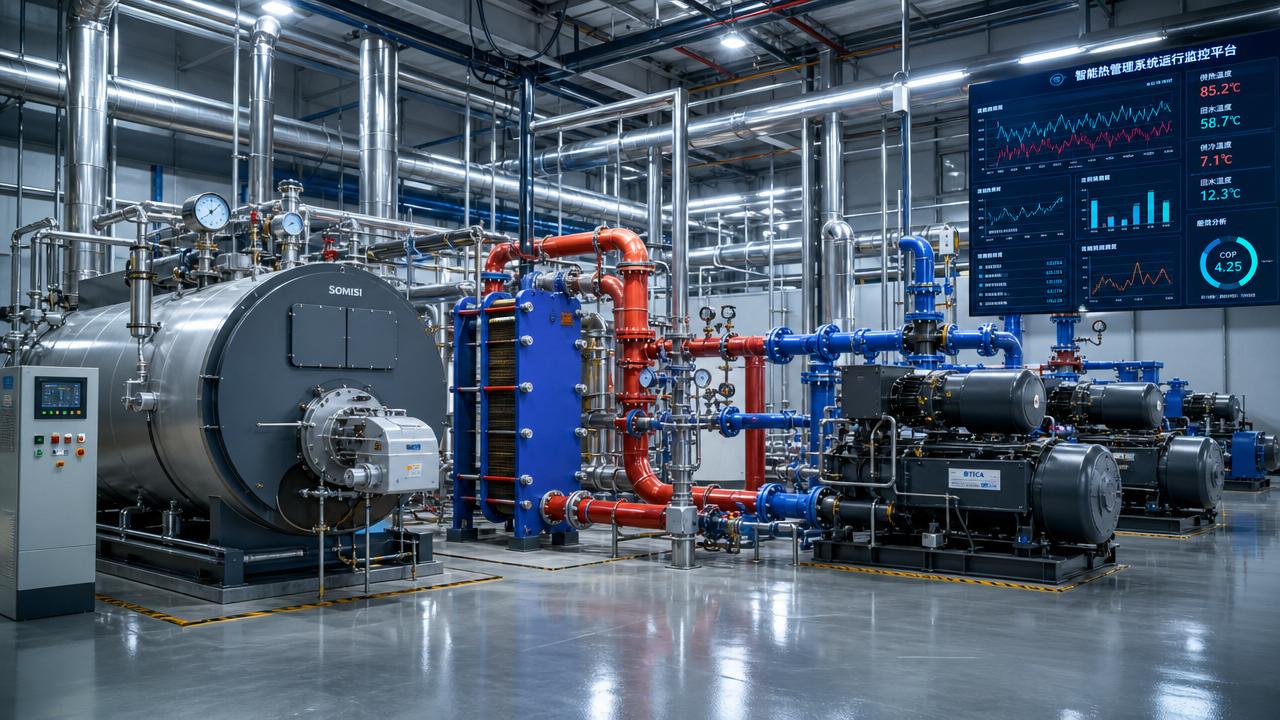
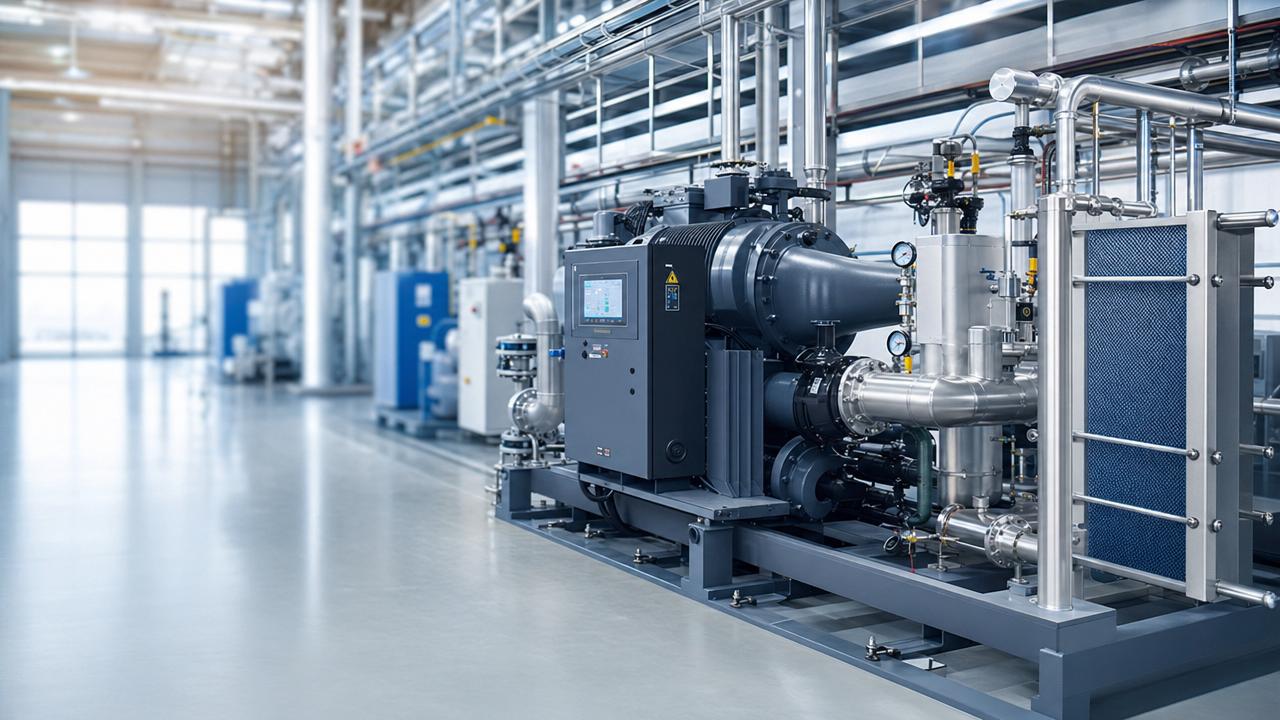
Heat recovery is another realistic option. Waste heat from compressors, boilers, condensers, or exhaust streams can often be reused for preheating water, supporting cleaning systems, stabilizing process temperature, or offsetting space heating. For project managers, this improves the business case because a single upgrade can deliver both energy cost reduction and carbon performance improvement.
How can project managers judge whether a clean energy technology is suitable for their plant?
Suitability depends on operating reality, not vendor generalization. A technology that works well in a semiconductor facility may not be ideal for a metal fabrication plant, and a heat recovery concept that performs in continuous operation may disappoint in a highly variable batch process. Before shortlisting any clean energy technology, project managers should confirm five basic factors: load profile, utility cost structure, process sensitivity, site constraints, and implementation risk.
Load profile comes first. If compressed air demand swings sharply through the day, variable-speed control and storage redesign may outperform simple equipment replacement. If cooling loads are steady and high, advanced heat exchangers or high-efficiency chiller sequencing may provide stronger returns. If process heating and cooling exist side by side, energy integration becomes more attractive.
Utility cost structure is the second filter. Electricity tariffs, fuel costs, demand charges, and water costs all influence which clean energy technology brings the fastest value. In some regions, reducing peak power demand matters more than reducing annual consumption alone. In others, refrigerant compliance or emissions limits may shape the upgrade path.
Process sensitivity is equally important. Industries with tight contamination control, precise humidity management, or narrow thermal windows need technologies that protect quality as much as efficiency. That is why oil-free compression, stable temperature control, and high-performance heat exchange often rank high in pharmaceutical, food, and electronics production.
Quick decision table: what should you check first?
What are the most common mistakes when selecting clean energy technology?
One common mistake is buying equipment before understanding the system. A factory may replace an old compressor with a premium model, but if demand is inflated by leaks, artificial pressure, or poor controls, the savings underperform. The same happens when a new cooling unit is installed without solving fouling, flow imbalance, or poor heat rejection upstream.
Another mistake is using generic payback calculations. Clean energy technology should be assessed through total operational impact: energy cost, maintenance burden, process uptime, product quality, regulatory exposure, and future scalability. A project with a moderate energy payback may still be superior if it lowers contamination risk, avoids refrigerant-related compliance issues, or improves resilience in high-load seasons.
A third mistake is underestimating controls and data. In many industrial environments, the biggest hidden value comes from seeing the system clearly. Metering compressed air flow, monitoring specific power, tracking temperature approach in heat exchangers, or recording vacuum demand patterns can reveal whether the real issue is equipment efficiency, sequencing, process mismatch, or maintenance drift. Without this visibility, clean energy technology decisions become guesswork.
There is also a strategic error: treating clean energy technology as an isolated sustainability task rather than a production capability upgrade. When efficiency, reliability, and quality are evaluated together, project teams make better decisions and gain stronger internal support from finance, operations, and maintenance.
How do cost, payback, and implementation timing usually compare across options?
Not all clean energy technology projects require long payback periods or major shutdowns. In fact, many manufacturing sites can build a staged roadmap that starts with low-risk, data-backed improvements and expands into larger retrofits only after early wins are proven. This is often the most effective approach for engineering managers who must balance capital discipline with operational continuity.
Low-complexity actions such as leak repair, pressure optimization, control tuning, insulation correction, and monitoring upgrades may deliver the fastest returns. Mid-level projects, including compressor replacement, heat recovery integration, or exchanger retrofit, usually require stronger engineering coordination but can still fit normal maintenance cycles. Larger measures such as plantwide utility redesign or deep thermal integration need a broader business case and clearer cross-functional ownership.
The important point is that clean energy technology should be sequenced according to plant readiness. A facility that lacks baseline measurement should begin with audits and visibility tools. A facility with clear load data and aging assets can move faster into equipment modernization. A highly regulated site may prioritize reliability and purity first, then expand into deeper efficiency projects once validation is complete.
For many project leaders, the strongest business case comes from combined benefits. For example, upgrading compressed air and adding heat recovery may reduce electricity use, cut boiler demand, lower maintenance frequency, and improve emissions reporting in one package. This integrated logic is often more persuasive than presenting each measure alone.
Which clean energy technology choices are especially relevant for thermal, cooling, and compressed air systems?
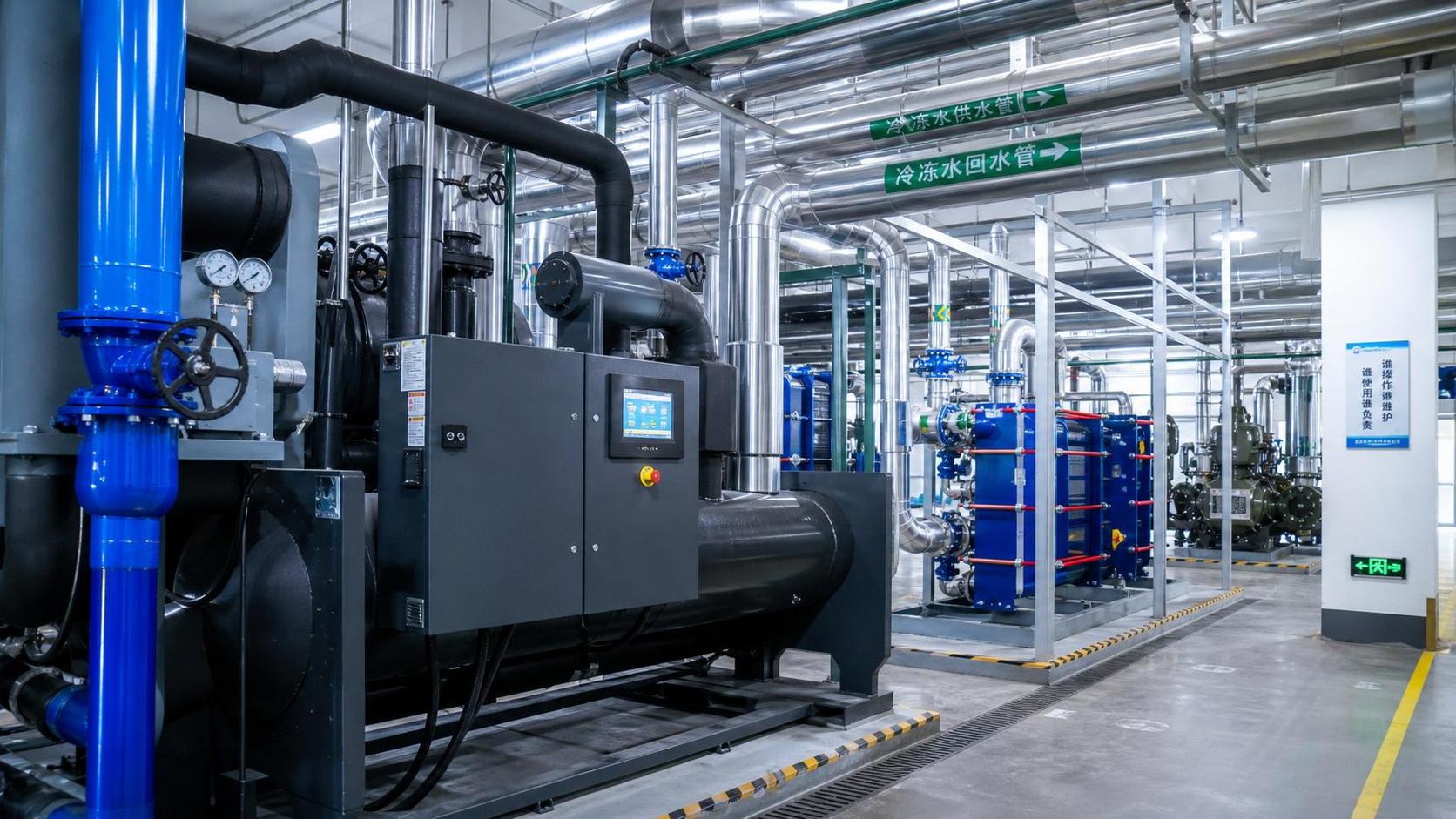
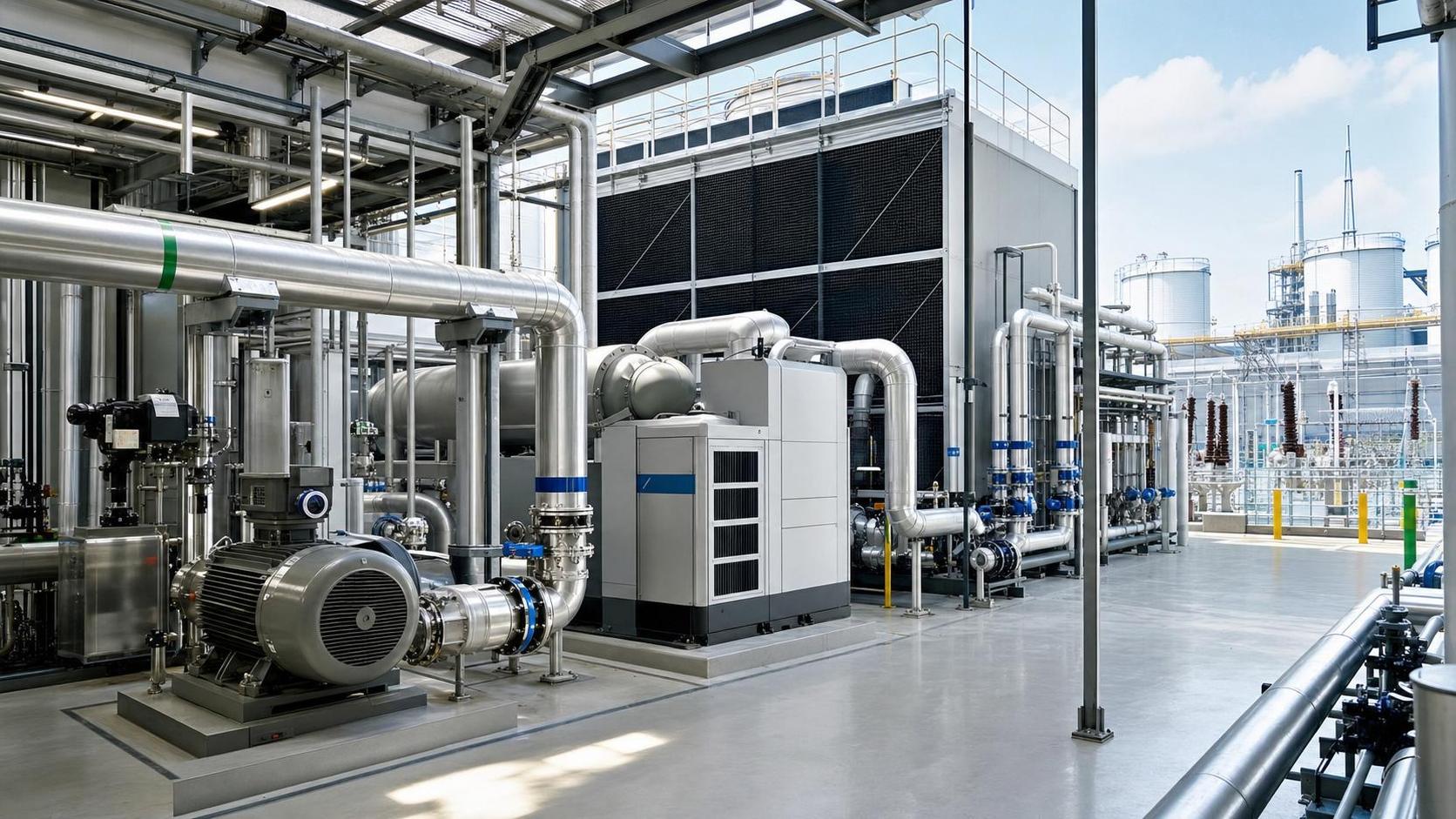
If a plant’s energy profile is centered on thermal exchange and pneumatic power, several options deserve close attention. First, high-efficiency compressed air systems remain one of the most actionable areas. This includes variable-speed drives, oil-free technology where process purity matters, intelligent sequencing, storage resizing, and continuous leak management. Because compressed air inefficiency compounds over time, the savings can be durable.
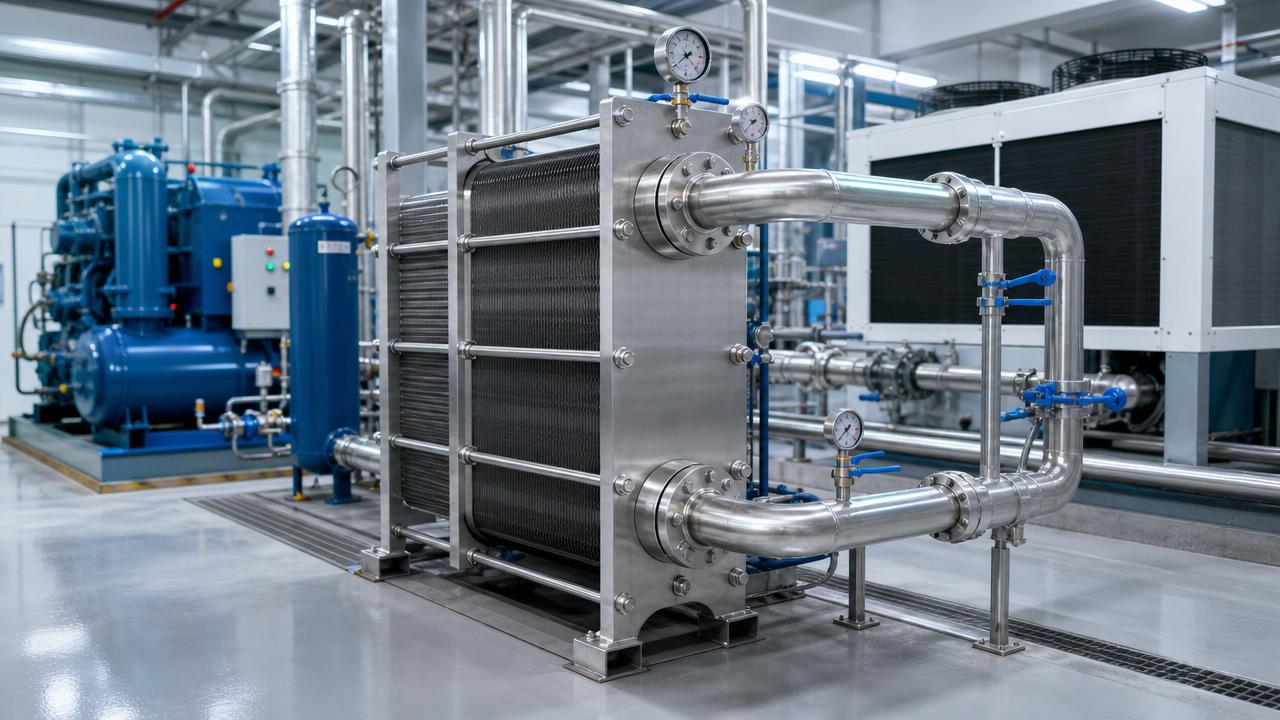
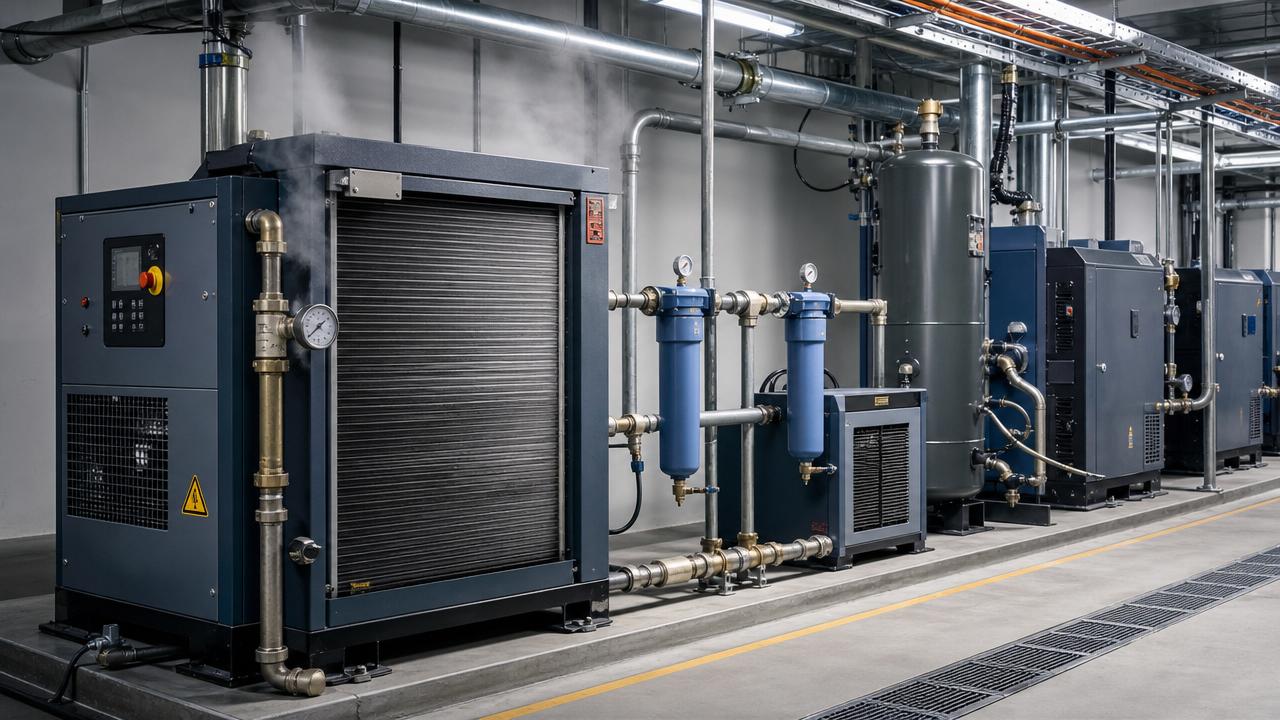
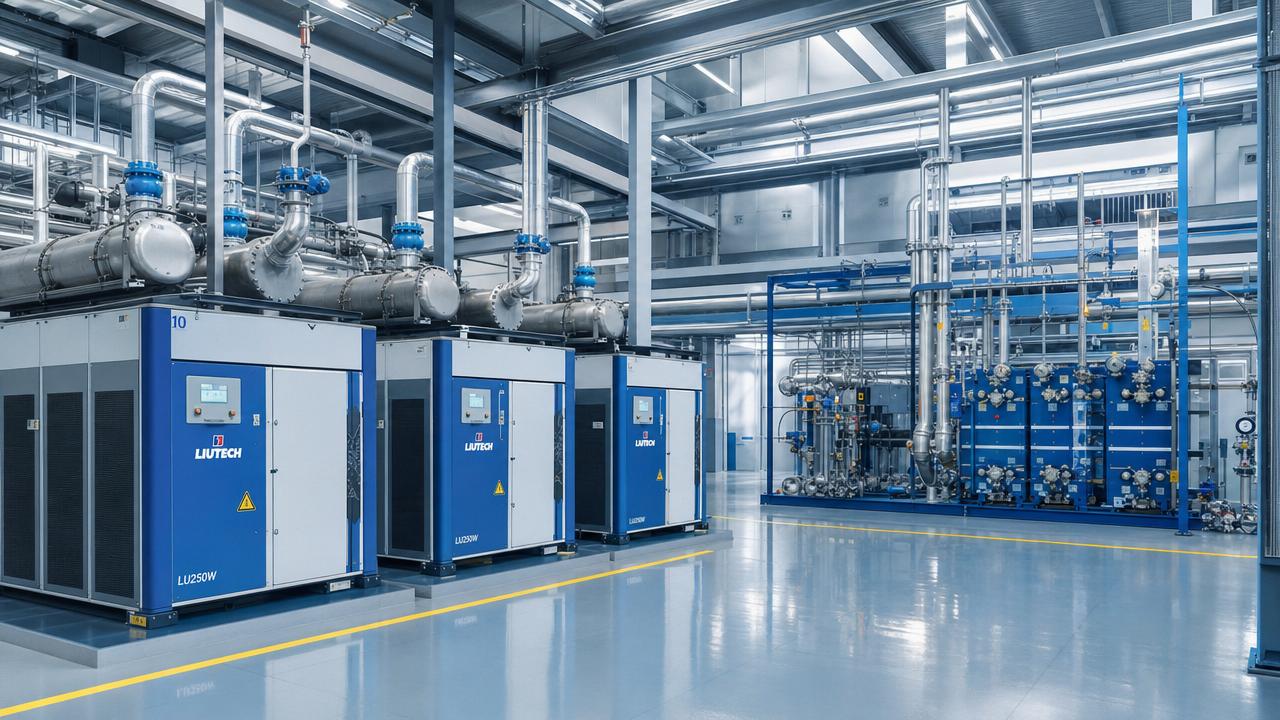
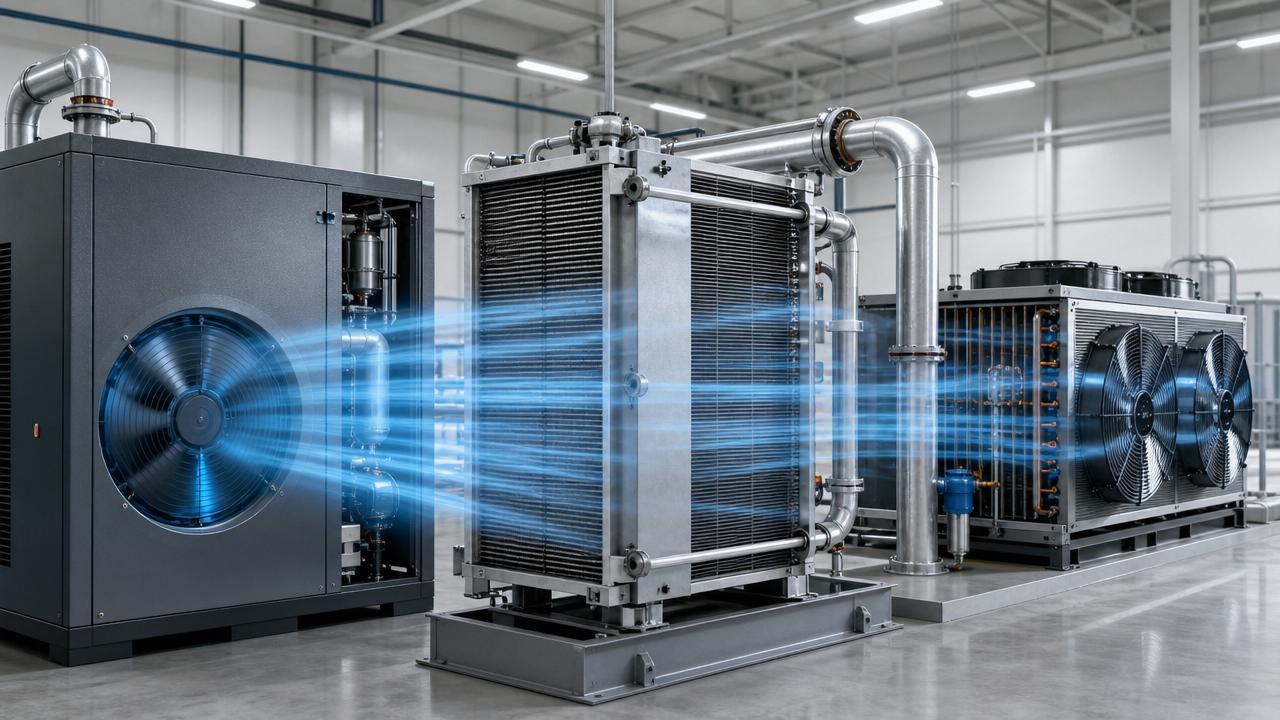
Second, advanced heat exchanger solutions are increasingly important. Microchannel or optimized compact exchanger designs can improve thermal transfer, reduce refrigerant charge in some applications, and support more stable temperature control. In sectors where precision matters, this can translate into better yield and lower utility waste at the same time.
Third, cooling system optimization is a major clean energy technology opportunity. Many plants still operate chillers, pumps, and cooling loops at fixed settings despite changing process conditions. Better sequencing, variable flow logic, condenser optimization, and heat recovery integration can unlock meaningful gains without changing the entire cooling architecture.
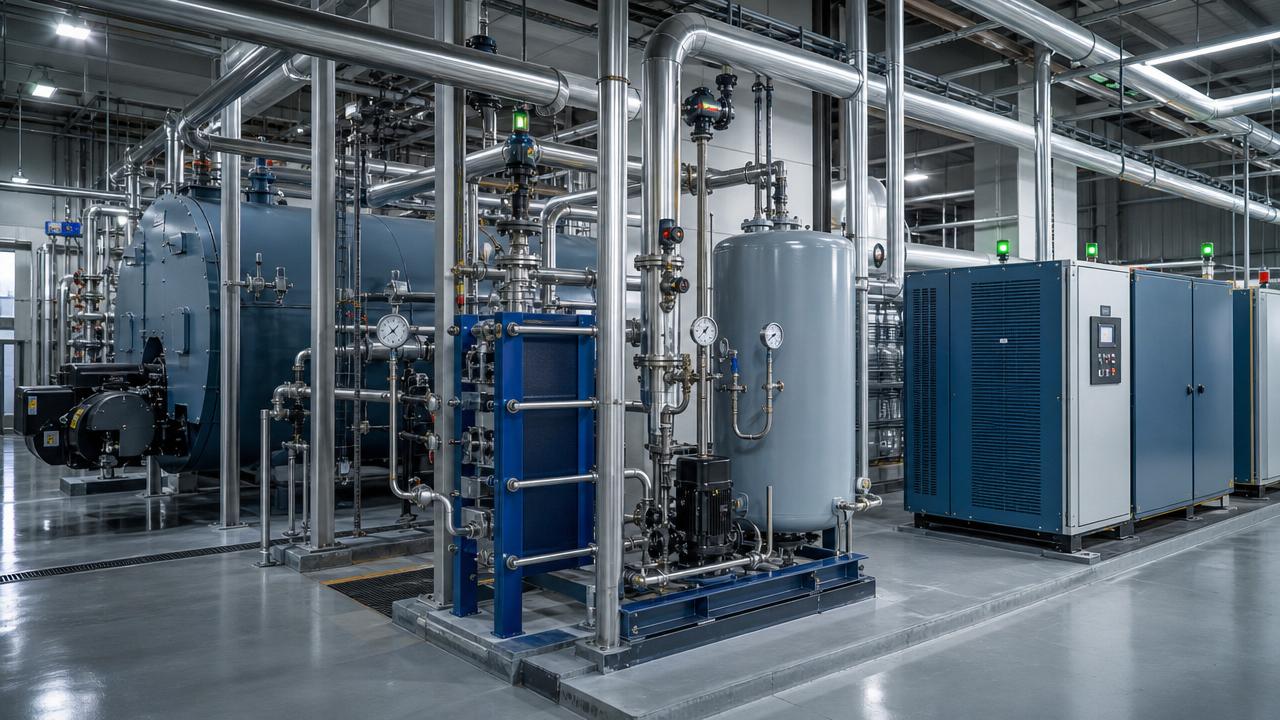
Fourth, low-emission thermal equipment and combustion upgrades should not be overlooked. Where process heating remains essential, cleaner burners, low-NOx systems, and improved boiler-side heat recovery can support both compliance and cost control. For facilities facing fuel price volatility or carbon reporting pressure, this is increasingly relevant.
What should teams confirm before moving from evaluation to supplier discussion or project execution?
Before requesting proposals, teams should define the operating problem in measurable terms. Is the goal to cut specific power in compressed air, reduce cooling energy per production unit, recover a target amount of waste heat, or improve utility stability for a sensitive process? A clear objective prevents overdesigned solutions and makes supplier comparisons more meaningful.
Next, confirm baseline data quality. Suppliers can only size and justify clean energy technology accurately if the plant can provide dependable information on load variation, pressure bands, temperatures, operating hours, process constraints, maintenance history, and utility pricing. Weak baseline data often leads to inflated savings claims or unsuitable configuration choices.
It is also wise to ask how the proposed solution affects maintenance routines, spare parts strategy, operator training, and future expansion. A technically efficient system can still fail commercially if it is hard to service, incompatible with plant standards, or too rigid for expected production changes. Project managers should therefore test not only technical fit, but lifecycle fit.
Finally, define success metrics early. These may include kWh reduction, recovered thermal energy, pressure stability, approach temperature improvement, reduced emissions, lower contamination risk, or improved uptime. When clean energy technology projects are measured with plant-relevant indicators, they are easier to defend internally and easier to optimize after commissioning.
What is the practical takeaway for manufacturing project managers?
The most effective clean energy technology strategy is rarely about chasing the newest idea. It is about matching proven technology to the real thermodynamic and operational bottlenecks inside the plant. For many manufacturers, the best opportunities sit in compressed air, cooling, vacuum, heat exchange, and waste heat recovery systems that already influence cost, quality, and reliability every day.
A smart roadmap usually starts with system visibility, identifies the largest losses, prioritizes low-disruption wins, and then scales into deeper upgrades when the business case is clear. This method helps teams reduce energy waste while protecting production continuity and future flexibility.
If you need to confirm a specific clean energy technology direction, it is best to first discuss load profile, process sensitivity, target savings, installation window, baseline data quality, and expected payback logic. These questions will make supplier conversations more productive and help turn a broad sustainability objective into an upgrade plan that genuinely fits real manufacturing conditions.
Related News
- Semiconductor Thermal Management: Low Vibration Design PrioritiesAuthor :

- Thermal Interface Materials: What Drives Real Thermal OptimizationAuthor :
![]()
- Global Energy Costs in Europe: What Changed in 2026Author :

- Smart Device Thermal Management: Common Failures and FixesAuthor :

- Thermal Efficiency Optimization: 5 Signs Your System Is Losing HeatAuthor :

- How Precision Temperature Control Systems Improve Process StabilityAuthor :

- How Intellectualization Improves Process Visibility in Modern PlantsAuthor :

- Global Energy Costs in 2026: What Rising Prices Mean for Plant PlanningAuthor :

- Carbon Neutrality Roadmaps: Common Gaps in Industrial PlanningAuthor :

- Heat Transfer Basics: What Affects Efficiency in Industrial EquipmentAuthor :

- Industrial Thermal Systems: Common Failure Risks in Continuous OperationAuthor :

- Global Energy Costs: 2026 Risk Signals to WatchAuthor :

- Pneumatic Power Systems: Common Sizing Mistakes to AvoidAuthor :

- How Thermal Power Systems Cut Downtime in 2026Author :

- Clean Energy Technology Trends Reshaping Industry in 2026Author :

- Pneumatic Power Systems: Key Checks Before Equipment SelectionAuthor :

- Compression Technology Mistakes That Raise Maintenance RiskAuthor :

- Clean Energy Technology Risks to Watch in 2026 ProjectsAuthor :

- Smart Thermal Systems: 5 Signals Your Controls Are Wasting HeatAuthor :

- How to Size Pneumatic Power Systems for Stable OutputAuthor :

- Pneumatic Power Systems: Key Safety Risks in Daily OperationAuthor :

- Clean Energy Technology Shifts Reshaping Industrial InvestmentAuthor :

- Intellectualization in Industry: What Delivers Measurable Value?Author :

- Thermal Management Mistakes That Shorten Equipment LifeAuthor :

- Clean Energy Technology Options That Fit Real Manufacturing UpgradesAuthor :

- Energy-Saving Technologies Worth Tracking in 2026Author :