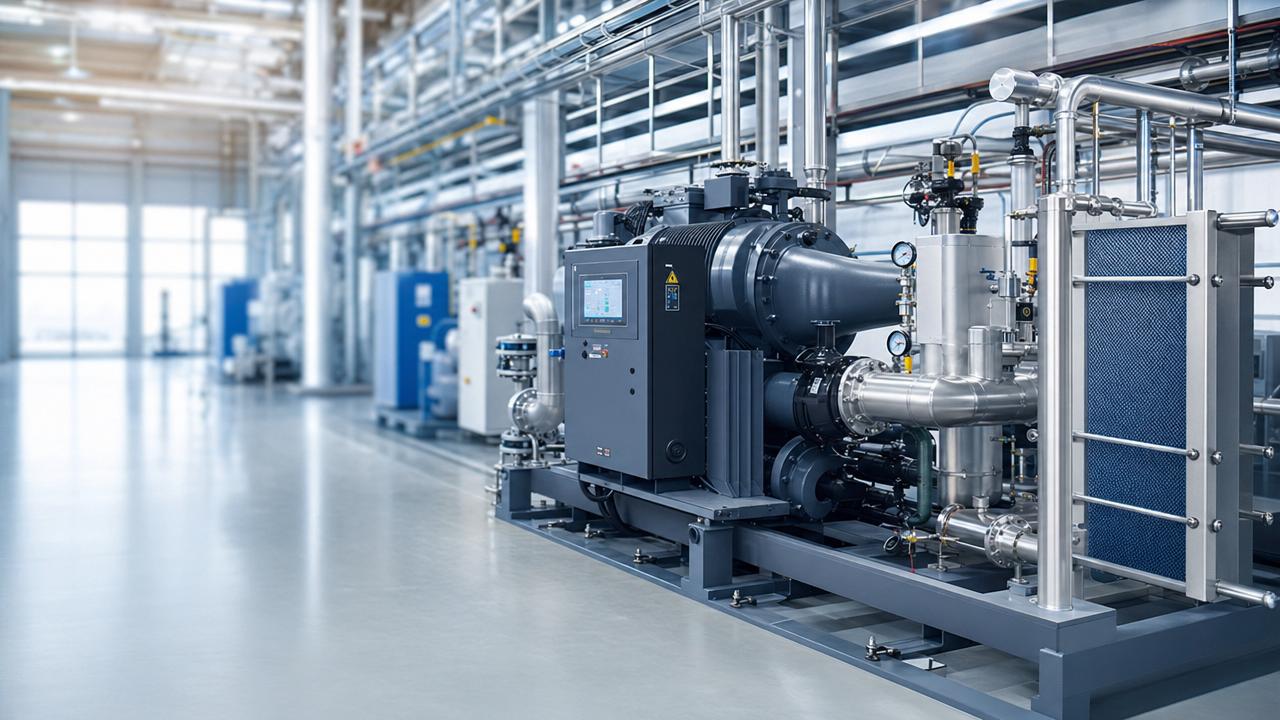
Pneumatic Power Systems: Key Safety Risks in Daily Operation




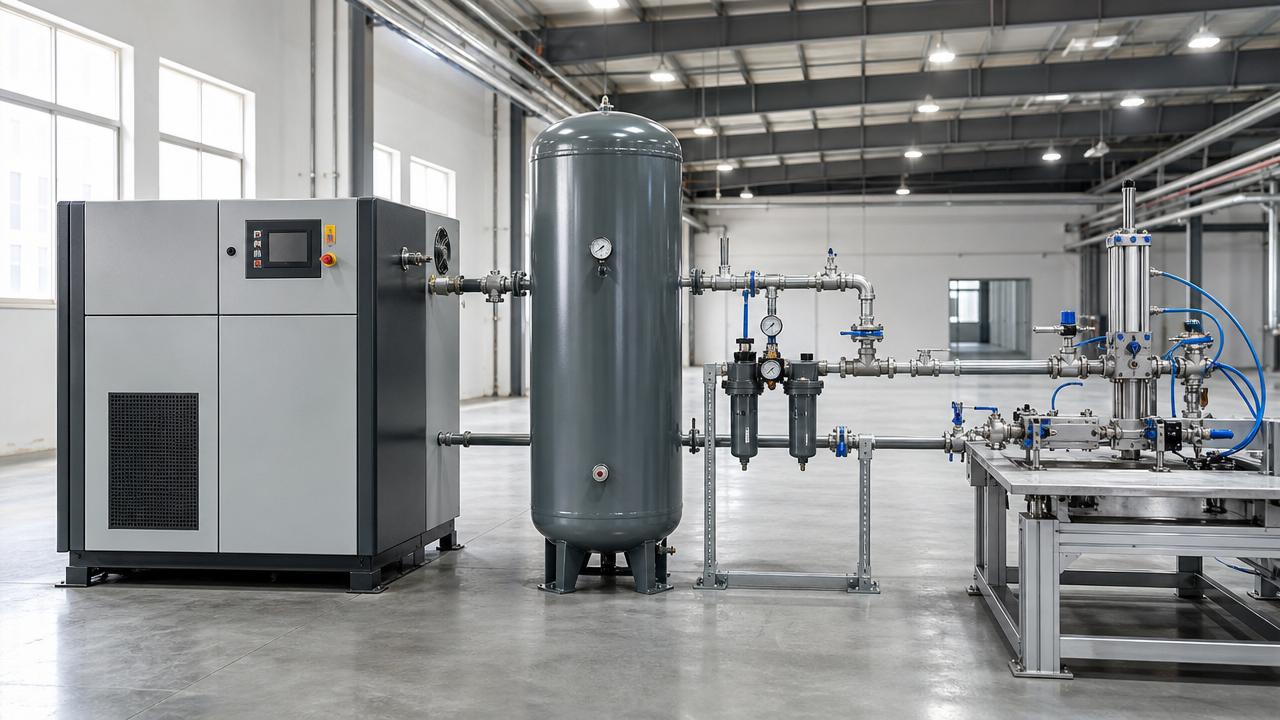
In daily production, pneumatic power systems enable quick, repeatable, and efficient motion across diverse industrial environments. Yet their apparent simplicity often hides serious safety exposure during routine operation.
A minor pressure imbalance, contaminated compressed air, or an aging hose can quickly escalate into downtime, product loss, equipment damage, or worker injury. Safety performance depends on how each operating scenario is assessed.
For industries tracked by GTC-Matrix, pneumatic power systems are not isolated components. They connect energy efficiency, motion control, thermal stability, maintenance planning, and regulatory compliance within one operational chain.
Why daily operating context changes pneumatic power systems risk
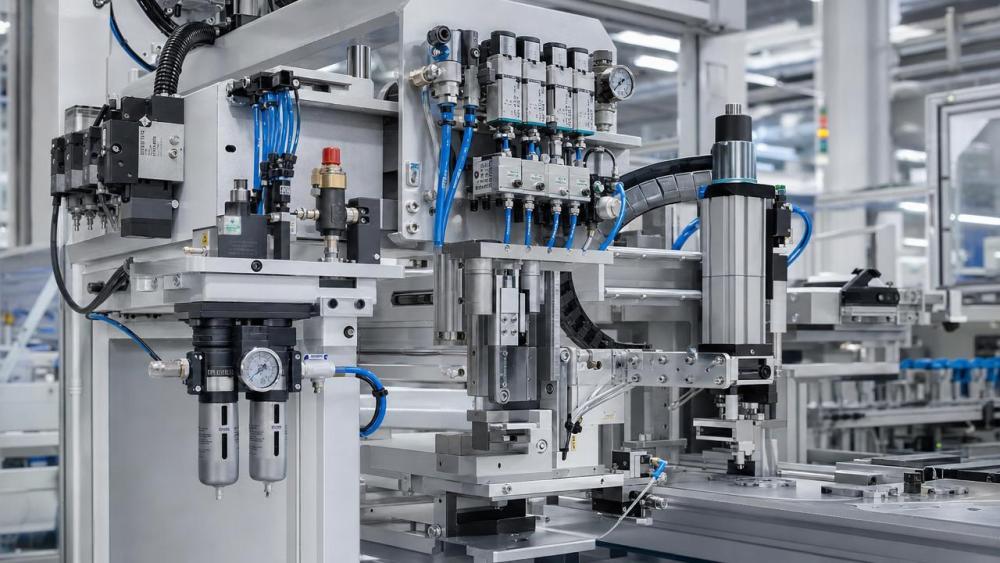
The same pneumatic power systems can behave very differently in packaging lines, machining cells, food processing zones, or clean production spaces. Risk is shaped by pressure demand, air quality, motion speed, and maintenance discipline.
A line running fast cycles may face actuator shock and valve wear. A dusty environment may experience clogged filters and sticky solenoids. A hygiene-sensitive area may treat air contamination as both safety and quality failure.
This is why hazard control for pneumatic power systems should start with scene-based judgment, not with a generic checklist alone. Site conditions determine which failure mode becomes most dangerous first.
Scenario 1: High-cycle automation lines where motion speed becomes the main threat
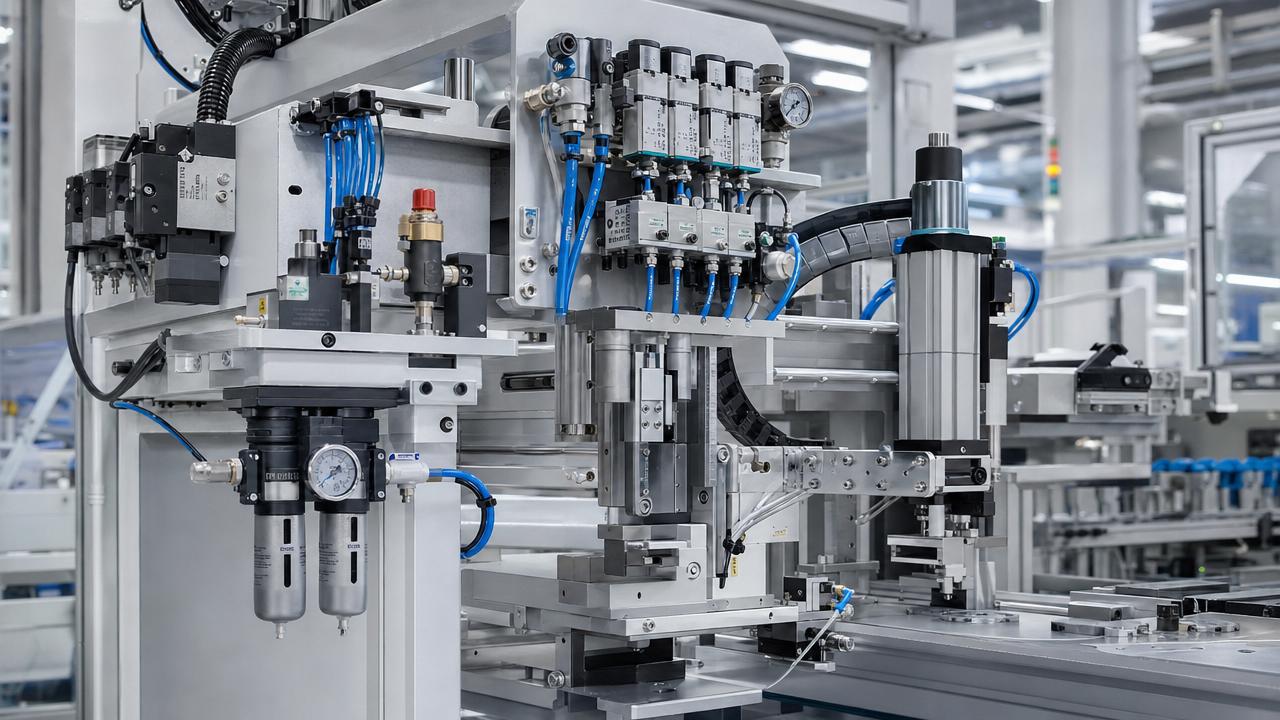
In assembly, packaging, and sorting lines, pneumatic power systems are valued for rapid response. However, high repetition increases the chance of unexpected actuator movement, end-of-stroke impact, and component fatigue.
When cylinders move without proper speed control, fixtures can slam, parts can eject, and guarding assumptions can fail. Small timing errors between sensors and valves may create recurring near-miss events.
Core judgment points in fast-cycle environments
- Whether pressure spikes appear during rapid valve switching
- Whether cylinder cushioning and speed controls are correctly adjusted
- Whether lockout and residual air release are used during short stoppages
- Whether repeated hose flexing is causing hidden fatigue cracks
In this scenario, pneumatic power systems need close attention to dynamic behavior, not only static pressure ratings. Fast motion can turn a nominally compliant system into a practical safety risk.
Scenario 2: Harsh industrial areas where hoses, fittings, and pressure integrity degrade
Metalworking, construction material handling, and outdoor utility zones expose pneumatic power systems to abrasion, vibration, oil mist, heat, and accidental impact. Under these conditions, physical integrity becomes the critical concern.
A loose fitting may begin as a leak and end as a whipping hose hazard. Corroded couplings can separate suddenly. Improper routing near hot surfaces can weaken tubing long before visible failure appears.
Main warning signs in harsh environments
- Audible leaks around connectors or manifolds
- Tubing discoloration, flattening, or surface cracks
- Pressure drop during peak load periods
- Compressor cycling more often than normal
For these pneumatic power systems, daily walk-through inspections matter as much as scheduled maintenance. Visual, audible, and pressure trend checks often reveal failures before an incident occurs.
Scenario 3: Clean or quality-sensitive processes where air contamination creates dual risk
Food processing, pharmaceuticals, electronics, and precision coating operations use pneumatic power systems where compressed air quality directly affects both safety and output integrity.
Water, oil carryover, rust particles, and microbial growth may compromise tools, valves, and products. In some settings, contamination can also trigger sticking actuators or delayed movement, creating unsafe machine behavior.
Key assessment questions for clean operations
- Is filtration matched to process sensitivity and actuator design?
- Are dew point and condensate management under control?
- Are lubricated and oil-free lines clearly separated?
- Are drain points inspected and cleaned routinely?
In these pneumatic power systems, contamination is not a minor maintenance issue. It can disrupt compliance, process reliability, and machine safety at the same time.
Scenario 4: Maintenance and restart periods when stored energy is most often underestimated
Many incidents do not happen during normal running. They occur during jam clearing, tooling changes, cleaning, or line restart, when stored compressed air remains trapped inside pneumatic power systems.
An actuator may move after electrical isolation because air pressure was not released. A technician may disconnect a fitting before line depressurization. These errors are common because compressed air is invisible.
High-risk restart conditions
- No verified zero-energy state before intervention
- Bypassed interlocks during troubleshooting
- Manual overrides left engaged after testing
- Pressure restored before all guards are reset
The lesson is clear: pneumatic power systems require stored-energy procedures equal in rigor to electrical lockout. Convenience during short tasks should never replace formal isolation practice.
How safety needs differ across pneumatic power systems scenarios
This comparison shows why pneumatic power systems safety cannot rely on one universal control priority. Each operating context shifts the first point of failure and the best preventive response.
Practical adaptation measures for safer pneumatic power systems
The most effective controls combine engineering design, operating discipline, and inspection routines. Safety improves when pneumatic power systems are treated as active risk systems rather than passive utility lines.
- Set pressure only to verified process need, not to habit or excess margin.
- Install pressure regulators, soft-start valves, and dump valves where motion hazards exist.
- Use hose restraints and guarded routing in high-vibration or exposed zones.
- Monitor filter condition, condensate removal, and air quality trends routinely.
- Validate actuator behavior after maintenance, not only during production startup.
- Integrate compressed air safety checks into energy and reliability reviews.
GTC-Matrix consistently observes that safer pneumatic power systems also support stronger efficiency outcomes. Leak reduction, clean air management, and stable pressure control cut waste while reducing operational surprises.
Common misjudgments that leave pneumatic power systems exposed
A frequent mistake is assuming low voltage means low overall danger. Pneumatic power systems may not present electrical shock, but compressed energy can still produce severe mechanical injury.
Another error is focusing only on compressor performance. End-use components, line routing, and point-of-use controls often decide whether pneumatic power systems remain stable and safe.
Sites also underestimate slow degradation. Small leaks, sticky valves, and inconsistent lubrication rarely stop production immediately, yet they create the conditions for sudden unsafe behavior later.
Finally, restart risk is often minimized because the task seems routine. In reality, many pneumatic power systems incidents happen during short interventions that bypass full isolation steps.
Next-step actions to improve daily safety and reliability
Start with a scenario-based review of pneumatic power systems across the facility. Separate high-speed, harsh, clean, and maintenance-sensitive zones, then identify which failure mode has the highest consequence.
Document pressure settings, hose ages, air treatment status, residual energy controls, and restart procedures. Compare actual field practice with intended operating design and corrective standards.
Use this evidence to prioritize upgrades that improve both safety and performance. For industrial decision support, GTC-Matrix provides intelligence that connects compressed air reliability, thermodynamic efficiency, and operational risk control.
When pneumatic power systems are evaluated through real operating scenarios, daily hazards become easier to predict, control, and reduce. That is the practical path toward compliance, uptime, and resilient industrial operations.
Ready when you are. Send us a message to get started.
Related News
- Carrier Plans $600 Million Manufacturing and Engineering Center in Fort WorthAuthor :

- Semiconductor Thermal Management: Low Vibration Design PrioritiesAuthor :

- Thermal Interface Materials: What Drives Real Thermal OptimizationAuthor :
![]()
- Global Energy Costs in Europe: What Changed in 2026Author :

- Smart Device Thermal Management: Common Failures and FixesAuthor :

- Thermal Efficiency Optimization: 5 Signs Your System Is Losing HeatAuthor :

- How Precision Temperature Control Systems Improve Process StabilityAuthor :

- How Intellectualization Improves Process Visibility in Modern PlantsAuthor :

- Global Energy Costs in 2026: What Rising Prices Mean for Plant PlanningAuthor :

- Carbon Neutrality Roadmaps: Common Gaps in Industrial PlanningAuthor :

- Heat Transfer Basics: What Affects Efficiency in Industrial EquipmentAuthor :

- Industrial Thermal Systems: Common Failure Risks in Continuous OperationAuthor :

- Global Energy Costs: 2026 Risk Signals to WatchAuthor :

- Pneumatic Power Systems: Common Sizing Mistakes to AvoidAuthor :

- How Thermal Power Systems Cut Downtime in 2026Author :

- Clean Energy Technology Trends Reshaping Industry in 2026Author :

- Pneumatic Power Systems: Key Checks Before Equipment SelectionAuthor :

- Compression Technology Mistakes That Raise Maintenance RiskAuthor :

- Clean Energy Technology Risks to Watch in 2026 ProjectsAuthor :

- Smart Thermal Systems: 5 Signals Your Controls Are Wasting HeatAuthor :

- How to Size Pneumatic Power Systems for Stable OutputAuthor :

- Pneumatic Power Systems: Key Safety Risks in Daily OperationAuthor :

- Clean Energy Technology Shifts Reshaping Industrial InvestmentAuthor :

- Intellectualization in Industry: What Delivers Measurable Value?Author :

- Thermal Management Mistakes That Shorten Equipment LifeAuthor :

- Clean Energy Technology Options That Fit Real Manufacturing UpgradesAuthor :

- Energy-Saving Technologies Worth Tracking in 2026Author :