Can skid-mounted thermal integration reduce plant energy use?




Yes. Skid mounted thermal integration can reduce plant energy use when it connects a dependable source of recoverable heat to a compatible heating demand and controls both sides efficiently. The skid itself does not create the saving: the benefit comes from replacing purchased energy or reducing cooling duty without adding excessive pumping, compression, or process losses.
The strongest candidates have overlapping heating and cooling loads, useful temperature differences, and operating schedules that align. A plant with abundant waste heat but no simultaneous use for it may see much less benefit than a heat balance suggests. Reliability also matters: an energy-saving connection that disrupts temperature control or makes production dependent on an unstable heat source may be a poor trade.
Where the energy savings come from
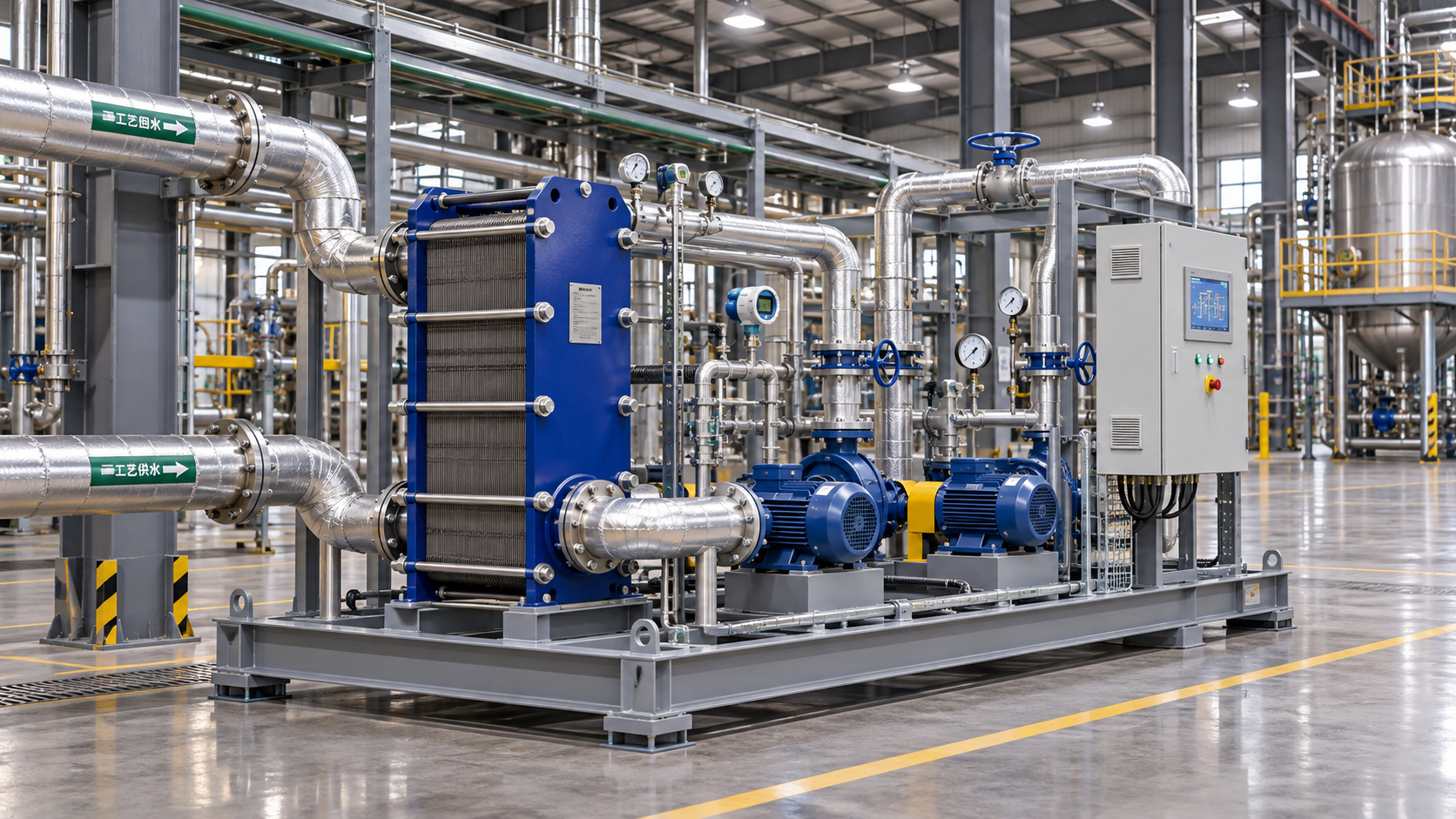
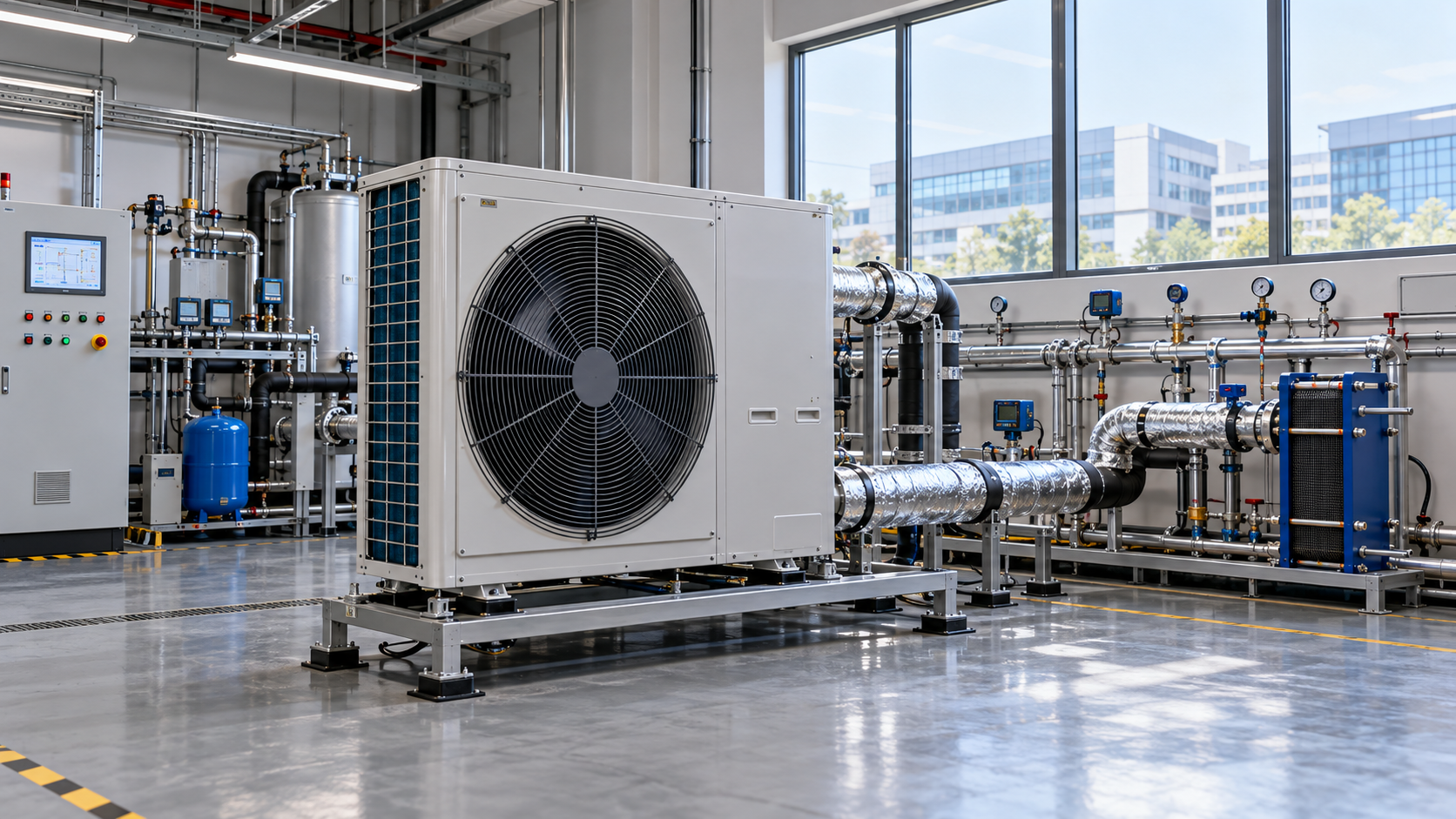
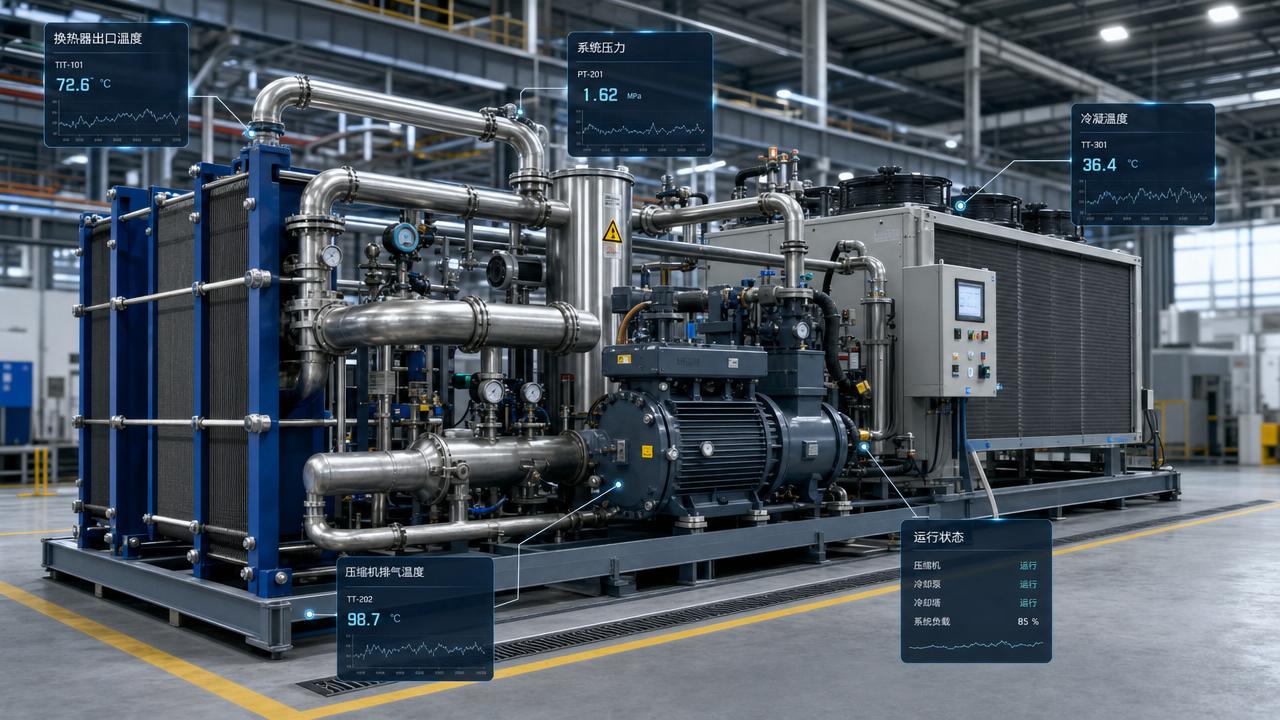
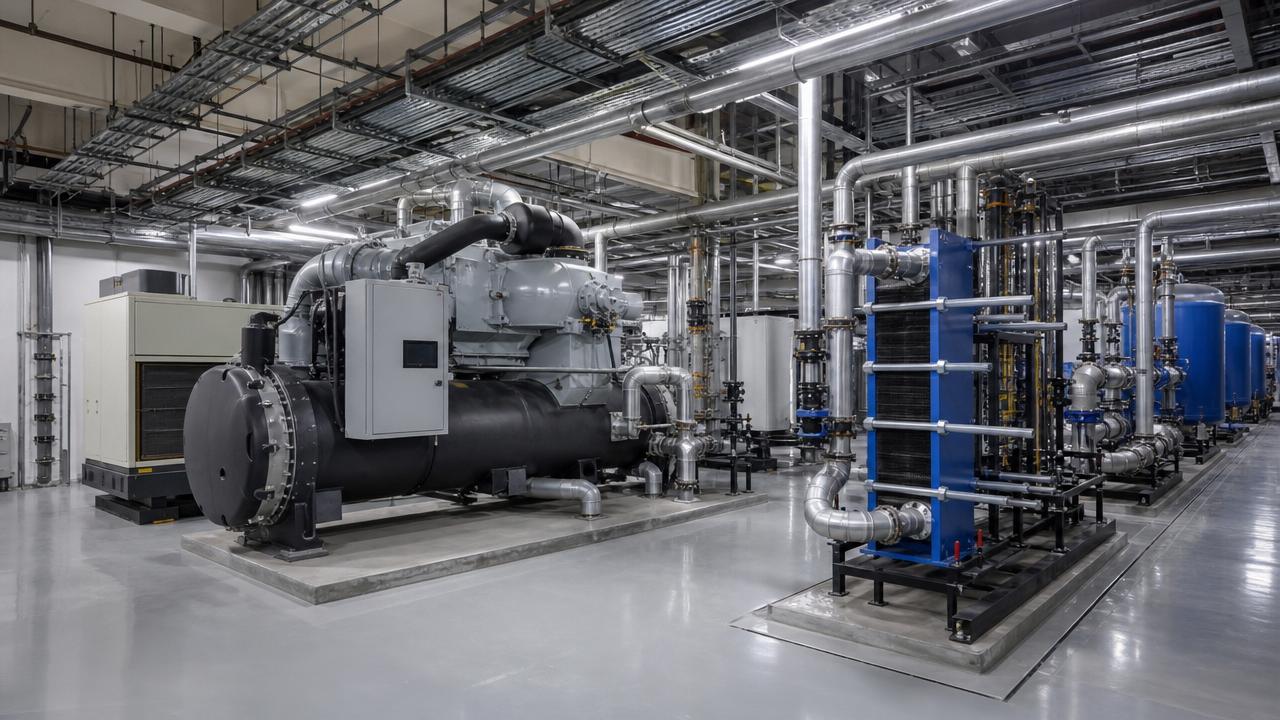
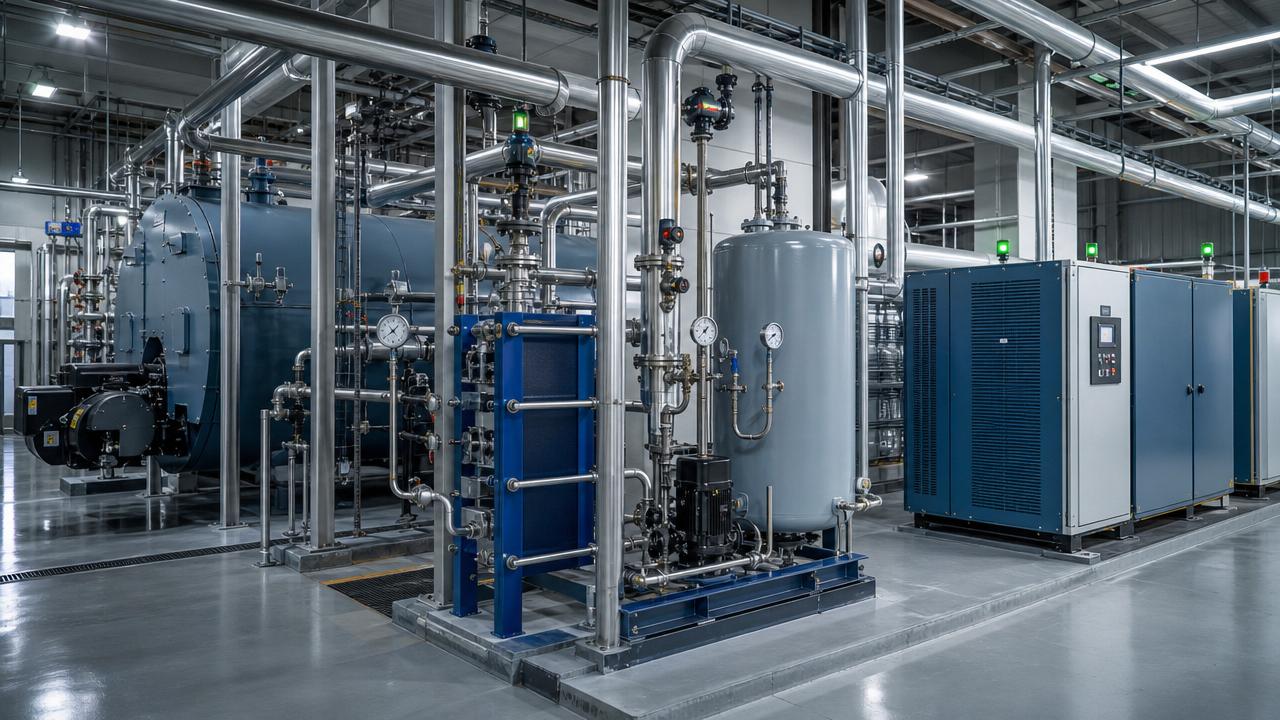
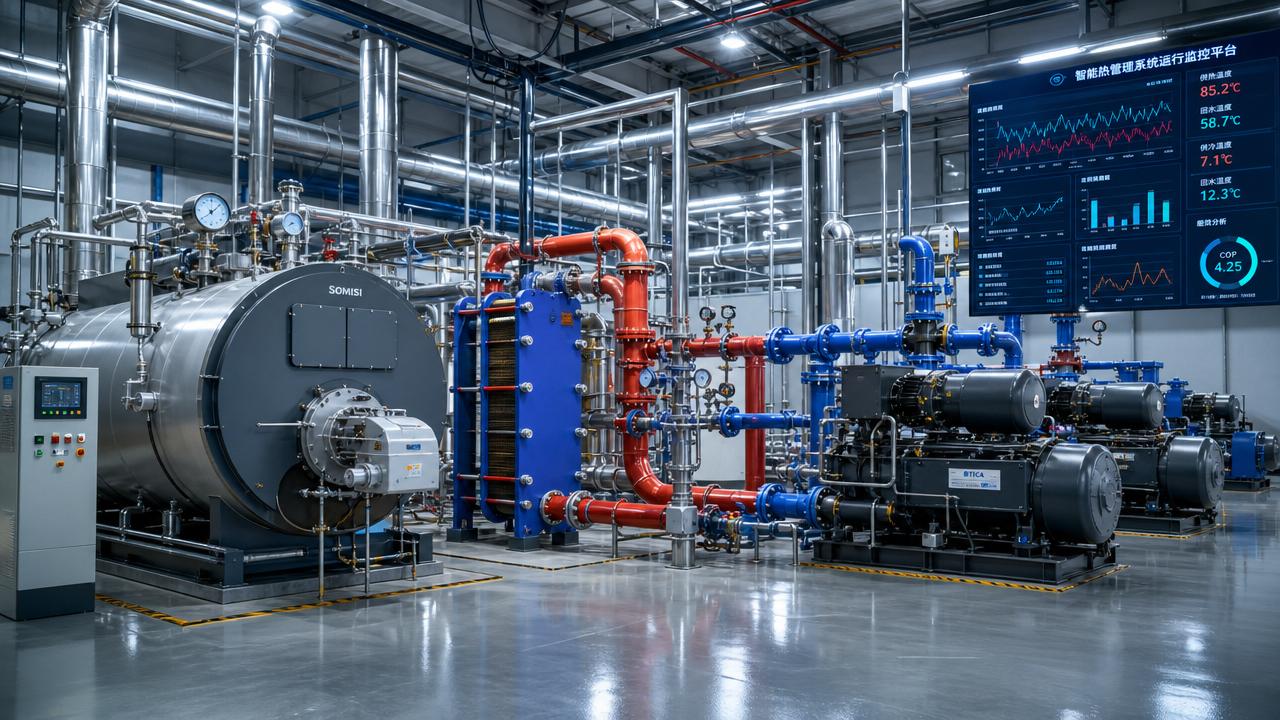
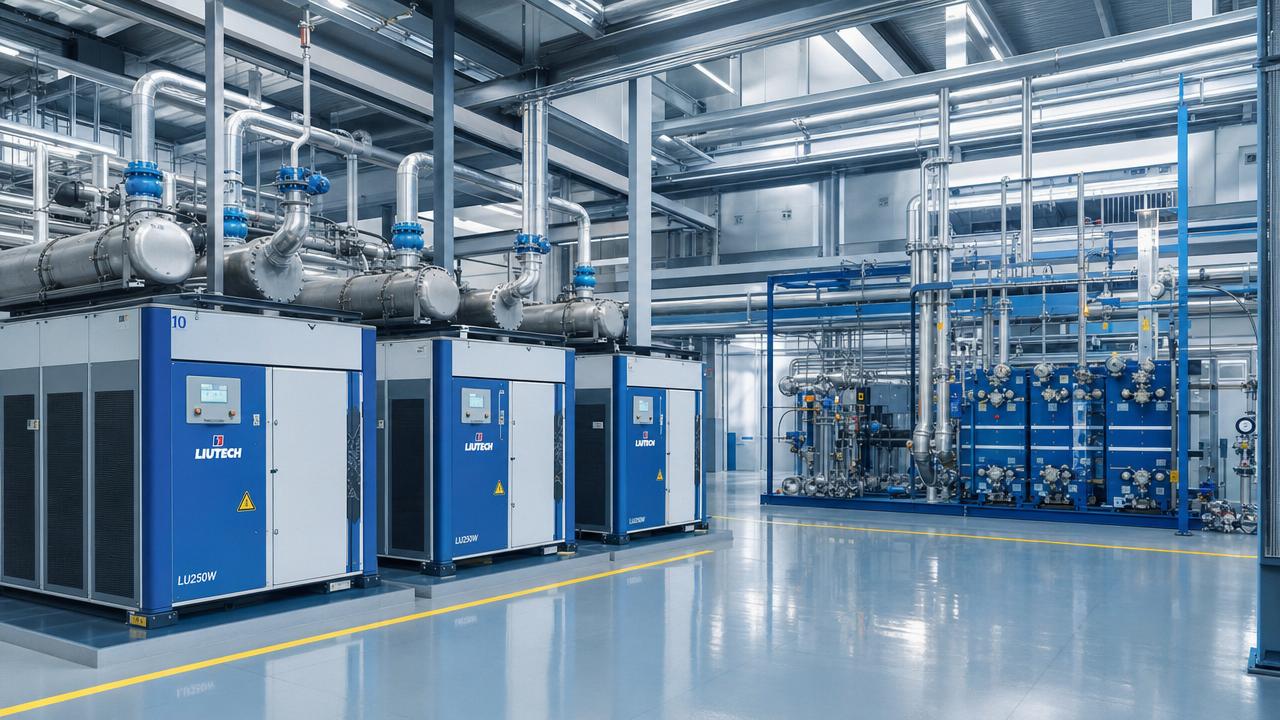
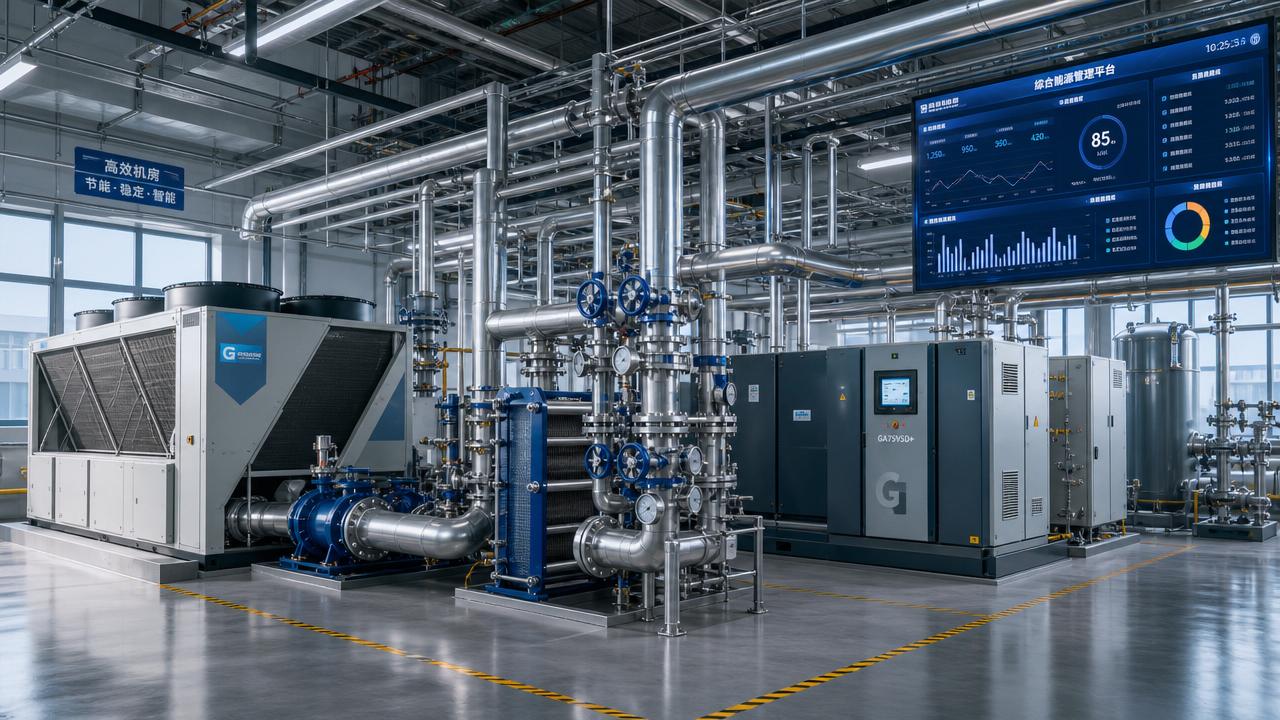
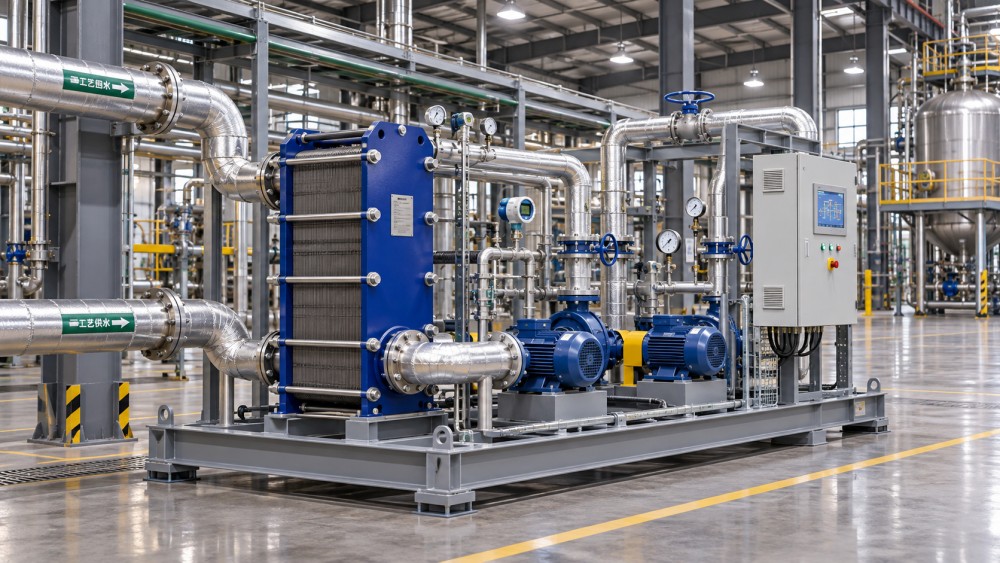
A thermal integration skid packages components such as heat exchangers, pumps, valves, instrumentation, and controls around a defined duty. Depending on the application, it may transfer heat directly between two plant streams, circulate an intermediate fluid, or support a heat pump that raises recovered heat to a usable temperature. Connections to the existing process, utilities, and control system determine how much of that potential reaches the plant.
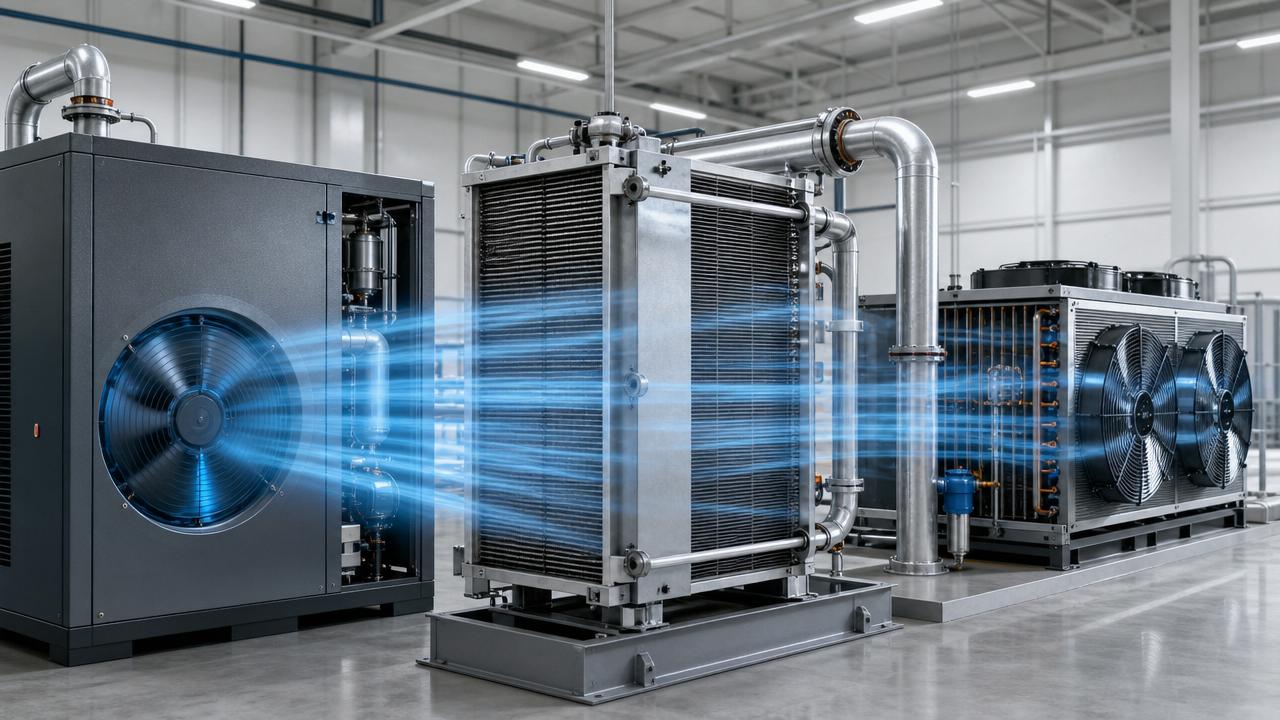
Consider a facility that rejects heat from a cooling loop while separately heating process water. If the cooling loop can deliver heat at a useful temperature, an exchanger on a skid may preheat the water before an existing heater brings it to its final setpoint. The heater then supplies only the remaining duty. The cooling system may also reject less heat through its usual equipment, although the actual reduction in cooling electricity depends on how that equipment responds to the lower load.
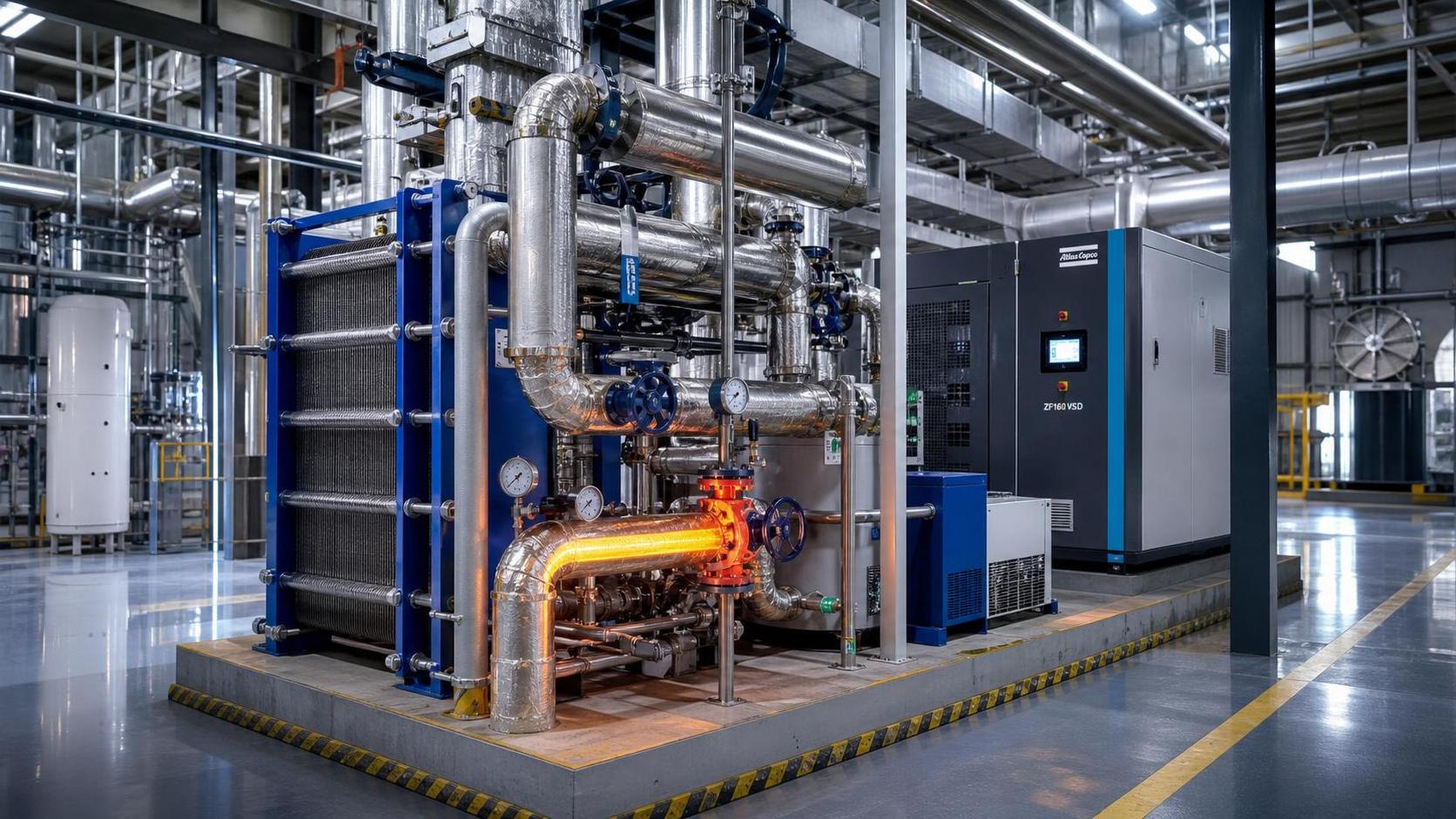
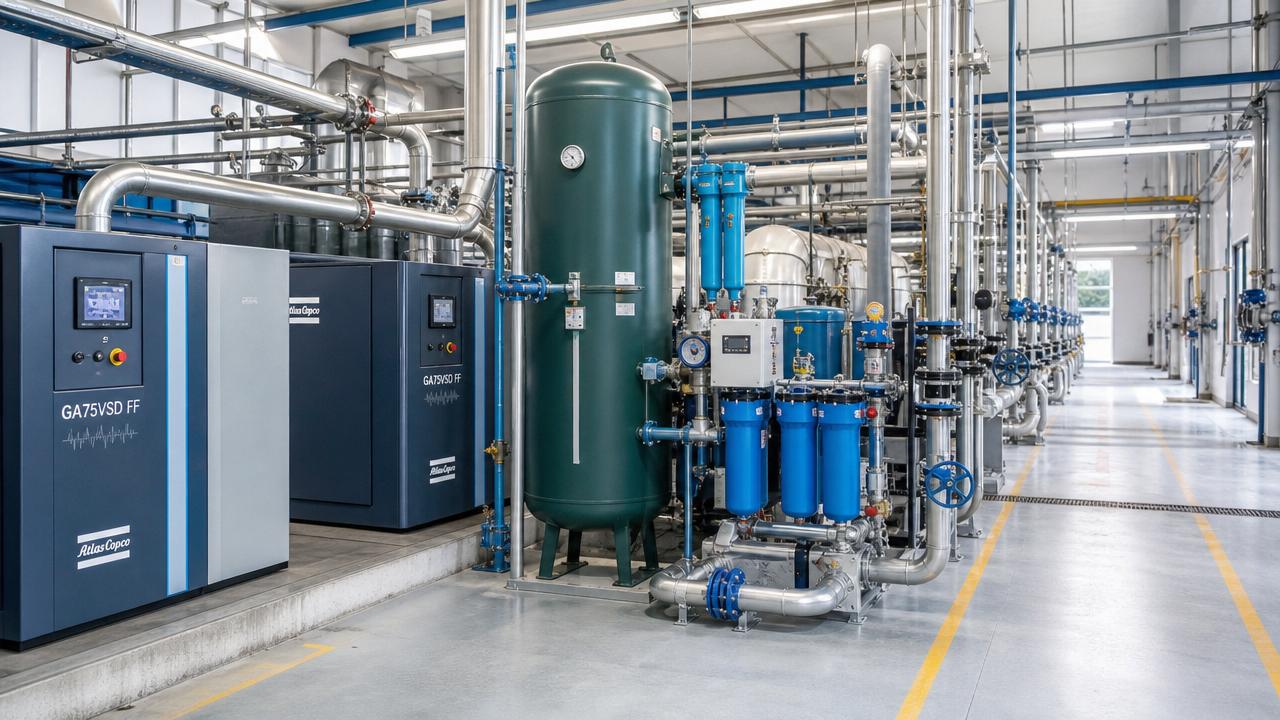
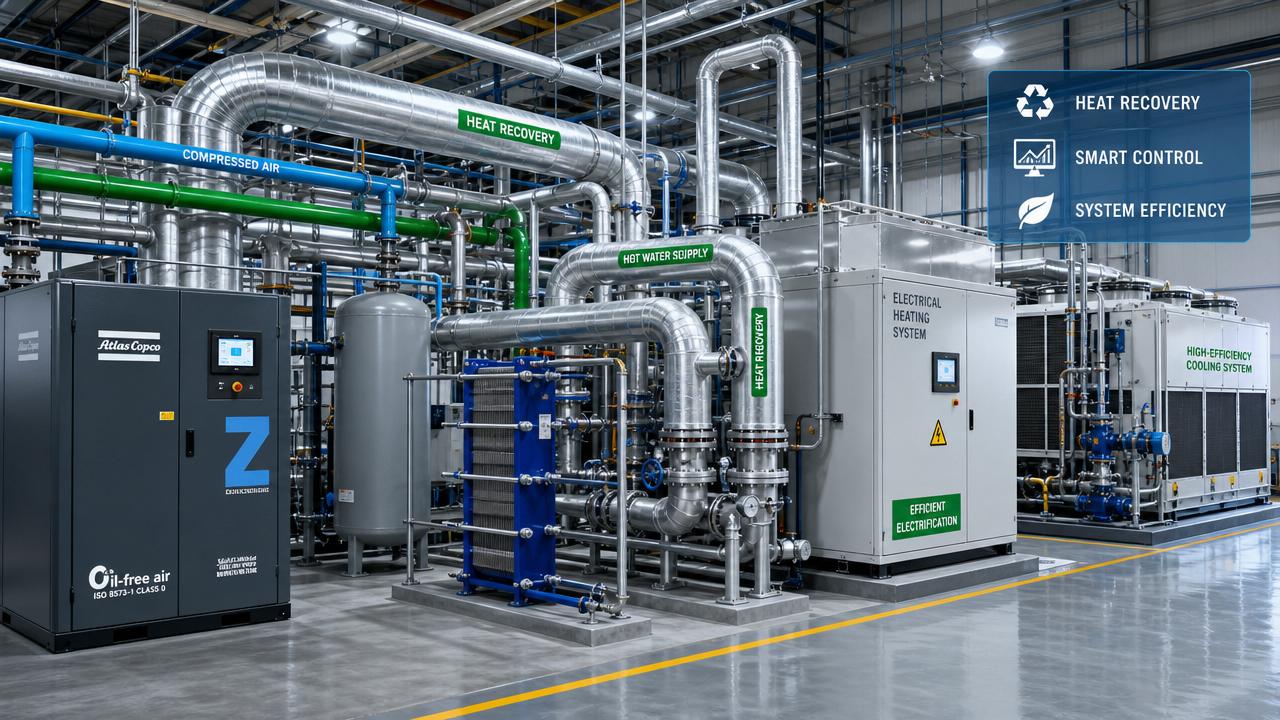
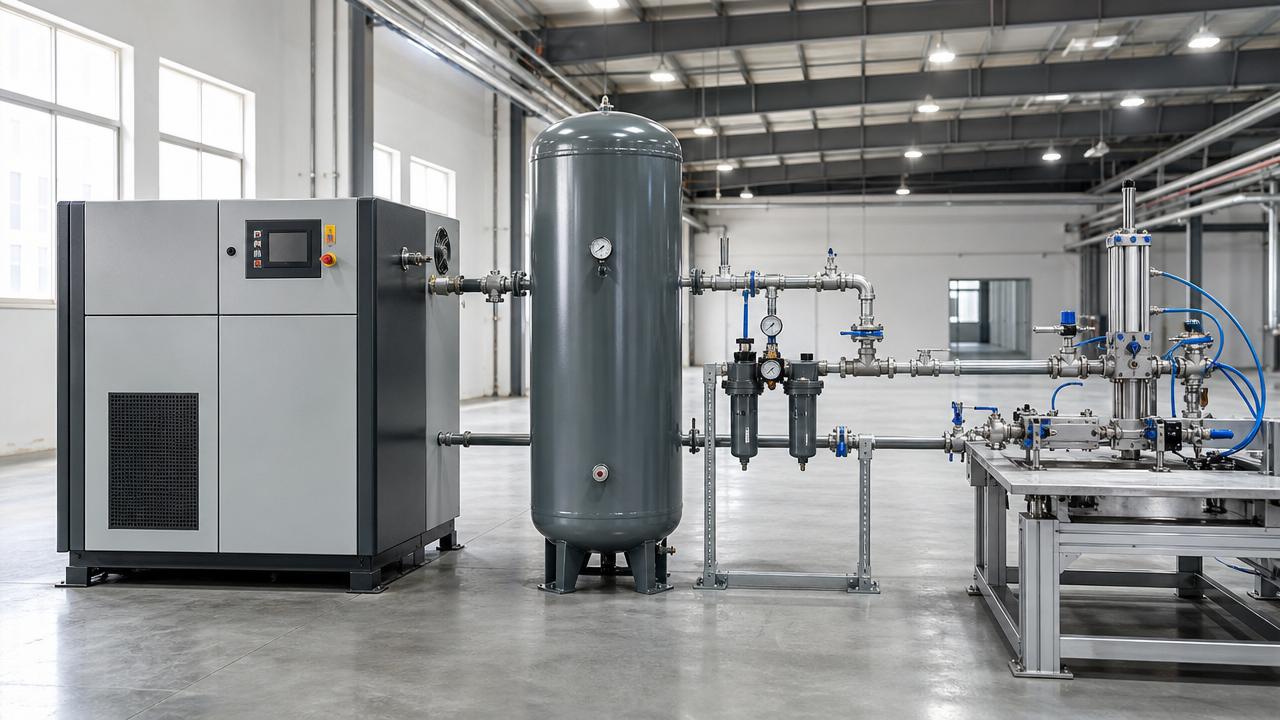
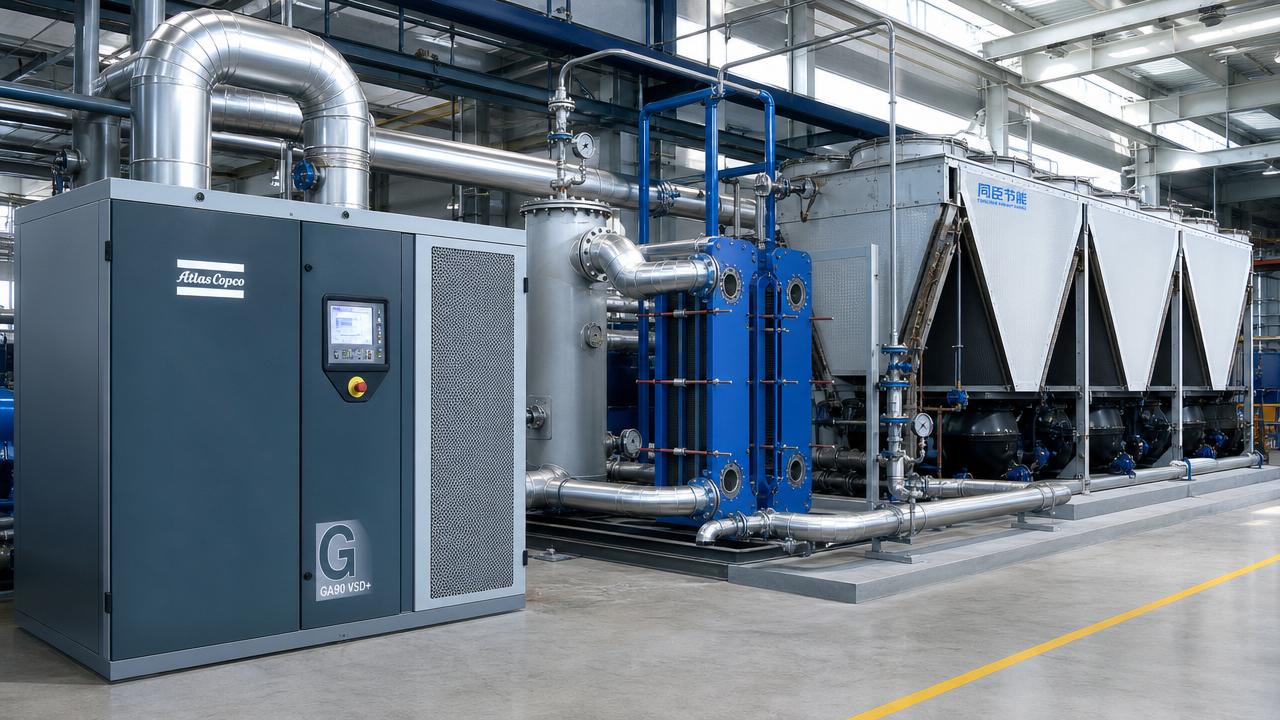
Other opportunities include recovering heat from air compressor cooling systems, using a warm process effluent to preheat an incoming stream, or connecting refrigeration heat rejection to a low-temperature heating load. Each requires a check of temperatures, flow rates, fluid compatibility, and operating hours. Compressor heat, for example, may be available in several parts of a system, but its usable temperature and recovery options depend on the compressor design and cooling arrangement.
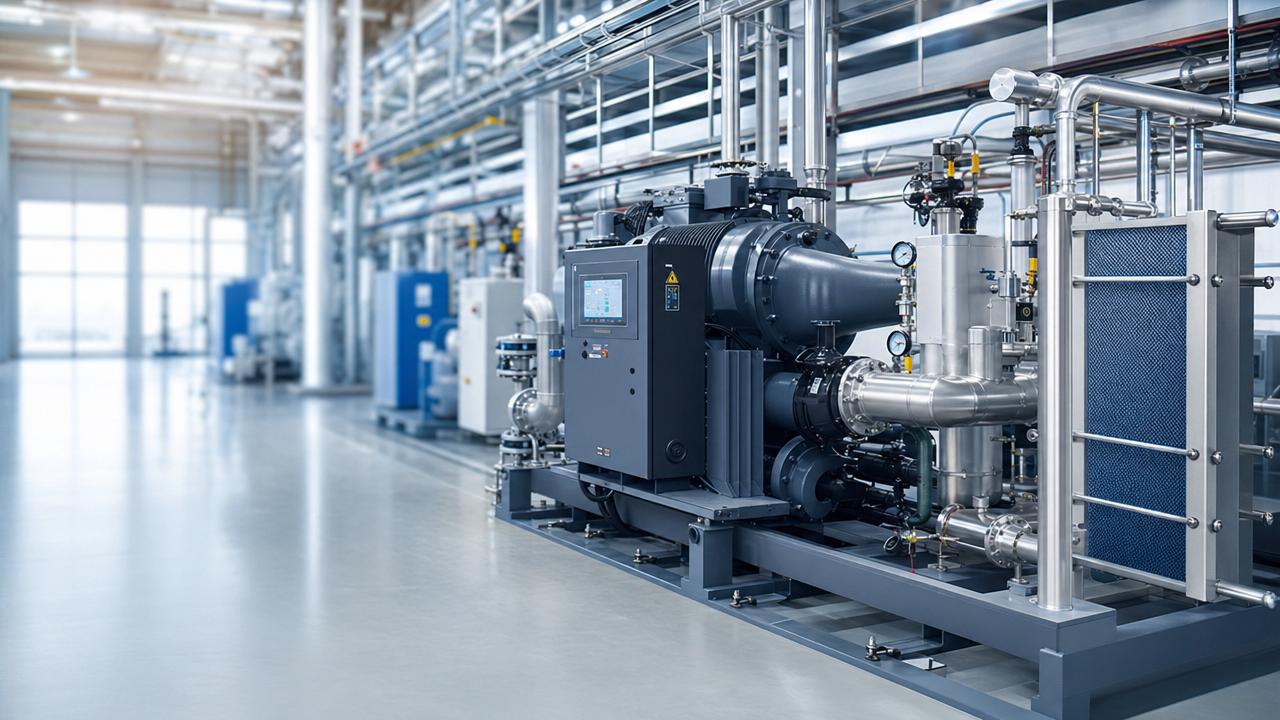
Packaging can improve the consistency of installation and make a defined integration project easier to deploy. It does not guarantee better thermodynamic performance than a well-designed site-built arrangement. The comparison should include the complete system, including pipework and controls outside the skid.
Start with the match between heat source and demand
The first screening question is whether the available heat can meet a real demand at the right time and temperature. Annual energy totals are useful for finding candidates, but they can conceal a mismatch between a continuously running heat source and a batch process that needs heat for only a few hours.
Build a time-based profile of both sides before sizing equipment. Record temperatures, flow rates, operating hours, and load variation across representative production conditions. Include startup, shutdown, cleaning, and low-load periods where they materially change the picture. A heat source may have plenty of energy over a year while being unavailable during the periods when the proposed user needs it.
Temperature sets another limit. Heat flows through an exchanger only when there is a sufficient temperature difference between the streams. As the available difference narrows, a larger exchanger may be needed for the same duty, and the achievable outlet temperature remains constrained by the source. A warm stream that looks valuable on an energy balance may therefore be suitable for preheating but unable to replace the final heater.
Flow rate matters alongside temperature. A small flow at a high temperature does not necessarily carry more recoverable heat than a larger, moderately warm flow. Fluid properties and allowable cooling of the source stream also affect the usable duty. If the source must remain above a minimum temperature to protect production or prevent condensation, the full theoretical heat content cannot be recovered.
Where schedules do not align, a thermal storage tank may bridge part of the gap. Its value depends on the amount of heat that can be stored at a useful temperature, losses, available space, and the cost of charging and discharging it. Storage can improve utilization, but it cannot make an unsuitable temperature useful without additional equipment.
Direct recovery or a heat pump?
Direct heat exchange is a practical starting point when the source is sufficiently hotter than the receiving stream. It avoids the electricity required by a heat pump compressor, although pumps, controls, and pressure losses still consume energy. The design must also provide an acceptable temperature approach and protect both processes from cross-contamination.
A heat pump can make lower-temperature heat useful by raising its temperature. That broadens the number of potential matches, but the added electrical input changes the calculation. Its performance depends on the temperatures at which heat is collected and delivered, the equipment design, and operation across the expected load range. A larger temperature lift generally makes the task more demanding, so a single performance figure at one design point is not enough for evaluation.
Compare the heat pump against the actual displaced heating equipment. Electricity added at the skid may be offset by reduced fuel use elsewhere, but the outcome depends on seasonal operation, part-load behavior, and the efficiency of the existing heater. Also check whether source cooling produces an additional benefit or whether that cooling would have been provided with little incremental energy in the baseline.
Calculate plant-level savings, not just recovered heat
Recovered heat is a useful measure of skid output, but it is not the same as net plant energy savings. A sound assessment starts with a baseline: how much energy the existing heating and cooling systems use to perform the same duties over the same operating periods.
For each representative operating period, estimate the useful heat delivered and the energy it displaces. Then account for changes introduced by the integration:
- Heating equipment: Reduced fuel or electricity depends on the efficiency and part-load behavior of the equipment being displaced.
- Cooling equipment: Lower heat rejection may reduce fan, pump, or compressor power, but the reduction depends on the existing system and its controls.
- Skid auxiliaries: Include circulation pumps, heat pump compressors where fitted, controls, and any other new electrical loads.
- System losses: Account for heat lost through pipework and storage, plus added pressure drop that increases pumping demand.
- Availability: Reduce expected recovery when either side is offline, bypassed, being cleaned, or operating outside the useful temperature range.
Avoid counting the same heat twice. For example, a reduction in cooling duty and the heat delivered to a heater can both have value, but their energy effects must be calculated separately against the equipment each one changes. The heat transferred through an exchanger should not simply be added to both sides as though it were two independent energy savings.
Energy cost and emissions should also be assessed separately from physical energy use. Replacing fuel with electricity can change operating cost and emissions in ways that depend on tariffs, fuel costs, and the relevant electricity supply. A project can reduce purchased fuel while increasing electricity consumption; the net result needs to be expressed in consistent units and compared with the plant’s objectives.
Use the expected operating profile rather than design-point capacity multiplied by all annual hours. An exchanger sized for a peak load may spend much of its time at partial load or in bypass. Sensitivity checks on production hours, source temperature, fouling, and energy prices can show whether the business case remains credible when conditions change.
Protect process reliability through the interfaces
A packaged skid is only one part of an operating system. Its effect on the process depends on how it connects to existing equipment and what happens when a source or demand disappears.
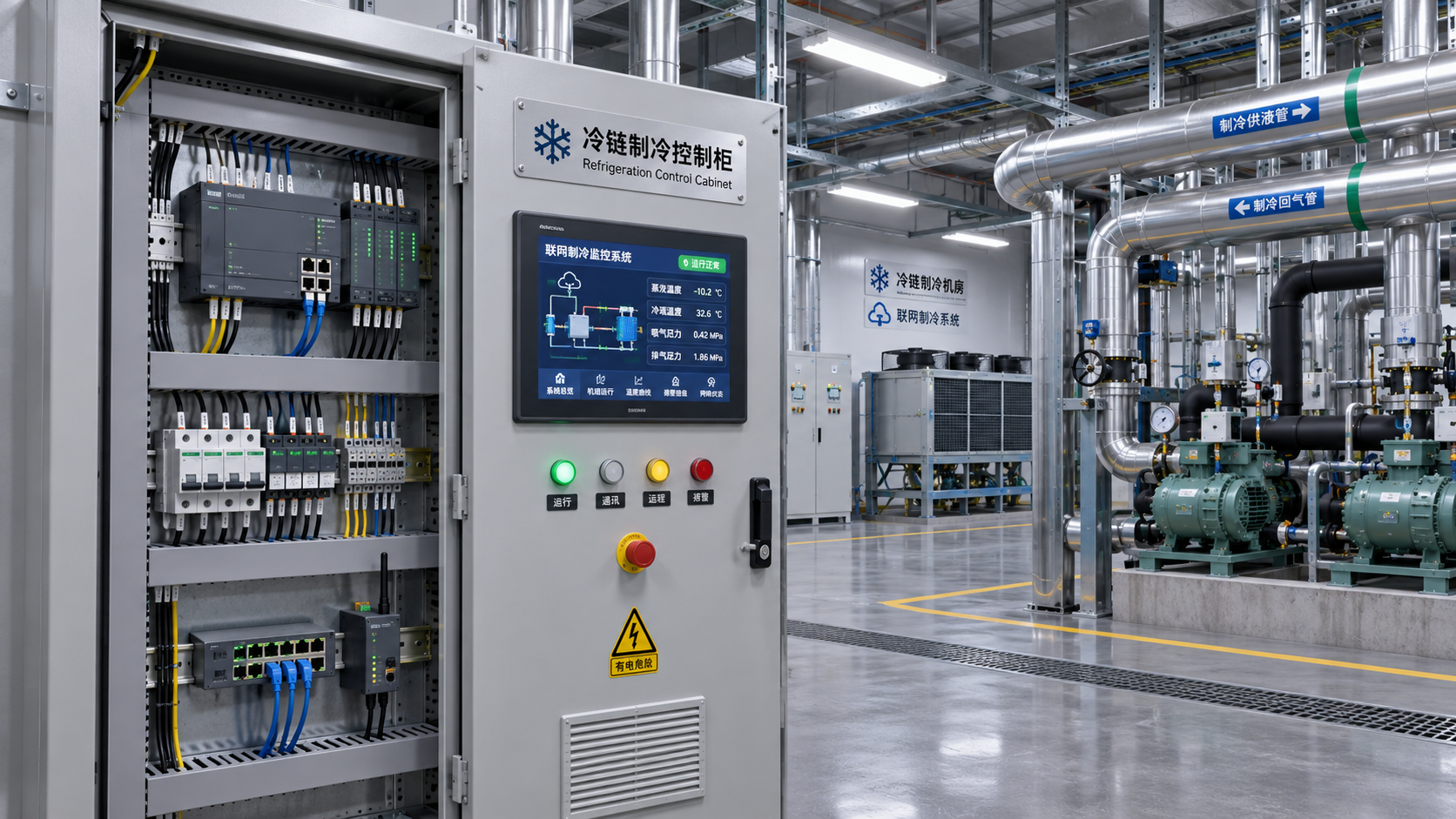
The control strategy should establish which duty has priority. If a process must maintain a narrow temperature range, heat recovery should operate within that constraint. A bypass can allow the original heating or cooling arrangement to take over when recovered heat is insufficient, the skid is unavailable, or maintenance is required. The changeover should be considered for both normal load changes and equipment faults.
Hydraulic effects deserve the same attention as heat transfer. Additional exchangers, filters, valves, and pipework create pressure drop. Existing pumps may lack the margin to accommodate it, or a new pump may alter flow through connected equipment. Check minimum and maximum flows, control-valve authority, and the effect of bypass positions on both sides of the system.
Fluid separation is another design decision. Direct exchange may be suitable for compatible streams, but an intermediate loop can isolate fluids where leakage would create a contamination or process risk. That isolation adds equipment, temperature differences, and potentially pumping energy. The appropriate arrangement depends on the consequences of leakage and the required level of protection.
Fouling can erode heat transfer and raise pressure drop over time, particularly with process water or variable-quality effluent. Specify access for inspection and cleaning, isolation points, drainage, and instrumentation that can reveal declining performance. The expected cleaning interval should be reflected in availability and maintenance estimates rather than treated as an afterthought.
What to establish before specifying a skid
A useful specification describes the operating envelope, not just a nominal heat duty. It should identify source and demand temperatures, flow ranges, fluid composition, pressure limits, required outlet conditions, and the hours during which each duty is expected. It should also state which existing equipment remains responsible for backup and how the plant should respond to a skid trip.
Ask for predicted performance at several representative conditions, including part load and a less favorable source temperature. The predicted figures should include auxiliary power, allowable pressure drops, and the assumptions behind achievable outlet temperatures. Site boundaries matter: long connecting pipe runs, limited electrical capacity, or difficult maintenance access can materially change the result.
Finally, decide how performance will be measured after installation. Temperature and flow measurements on the relevant circuits, together with electricity metering for major new loads, can support a comparison with the baseline. Measurement points should be chosen early enough to fit the piping and control design and should capture the conditions needed to distinguish useful recovery from circulation or bypass.
If the heat source and demand align across a meaningful share of operating hours, and the net calculation remains favorable after auxiliary loads and reliability provisions are included, a skid-mounted solution is a strong candidate for detailed engineering. If the match depends on peak conditions or assumes continuous operation that the plant cannot provide, revisit the duty, storage option, or integration boundary before committing to equipment.
Ready when you are. Send us a message to get started.
Related News
- Can skid-mounted thermal integration reduce plant energy use?Author :

- Cybersecurity Firm Detects Login Attempts Targeting Danfoss Refrigeration ControllersAuthor :

- How to choose a cooling solution for a high-power PCBAuthor :

- EU Monitors Cyberattacks on European Supermarket Refrigeration SystemsAuthor :

- How to assess a pure power source manufacturer's voltage stabilityAuthor :

- EHPA Seeks Inclusion of Heat Pumps in €175 Billion EU Research PlanAuthor :

- US to Lift 50% Tariff on Some Canadian Refrigeration EquipmentAuthor :

- Chillventa 2026 Sets Records for Exhibitor and Visitor NumbersAuthor :

- Carrier Plans $600 Million Manufacturing and Engineering Center in Fort WorthAuthor :

- Semiconductor Thermal Management: Low Vibration Design PrioritiesAuthor :

- Thermal Interface Materials: What Drives Real Thermal OptimizationAuthor :
![]()
- Global Energy Costs in Europe: What Changed in 2026Author :

- Smart Device Thermal Management: Common Failures and FixesAuthor :

- Thermal Efficiency Optimization: 5 Signs Your System Is Losing HeatAuthor :

- How Precision Temperature Control Systems Improve Process StabilityAuthor :

- How Intellectualization Improves Process Visibility in Modern PlantsAuthor :

- Global Energy Costs in 2026: What Rising Prices Mean for Plant PlanningAuthor :

- Carbon Neutrality Roadmaps: Common Gaps in Industrial PlanningAuthor :

- Heat Transfer Basics: What Affects Efficiency in Industrial EquipmentAuthor :

- Industrial Thermal Systems: Common Failure Risks in Continuous OperationAuthor :

- Global Energy Costs: 2026 Risk Signals to WatchAuthor :

- Pneumatic Power Systems: Common Sizing Mistakes to AvoidAuthor :

- How Thermal Power Systems Cut Downtime in 2026Author :

- Clean Energy Technology Trends Reshaping Industry in 2026Author :

- Pneumatic Power Systems: Key Checks Before Equipment SelectionAuthor :

- Compression Technology Mistakes That Raise Maintenance RiskAuthor :

- Clean Energy Technology Risks to Watch in 2026 ProjectsAuthor :

- Smart Thermal Systems: 5 Signals Your Controls Are Wasting HeatAuthor :

- How to Size Pneumatic Power Systems for Stable OutputAuthor :

- Pneumatic Power Systems: Key Safety Risks in Daily OperationAuthor :

- Clean Energy Technology Shifts Reshaping Industrial InvestmentAuthor :

- Intellectualization in Industry: What Delivers Measurable Value?Author :

- Thermal Management Mistakes That Shorten Equipment LifeAuthor :

- Clean Energy Technology Options That Fit Real Manufacturing UpgradesAuthor :

- Energy-Saving Technologies Worth Tracking in 2026Author :