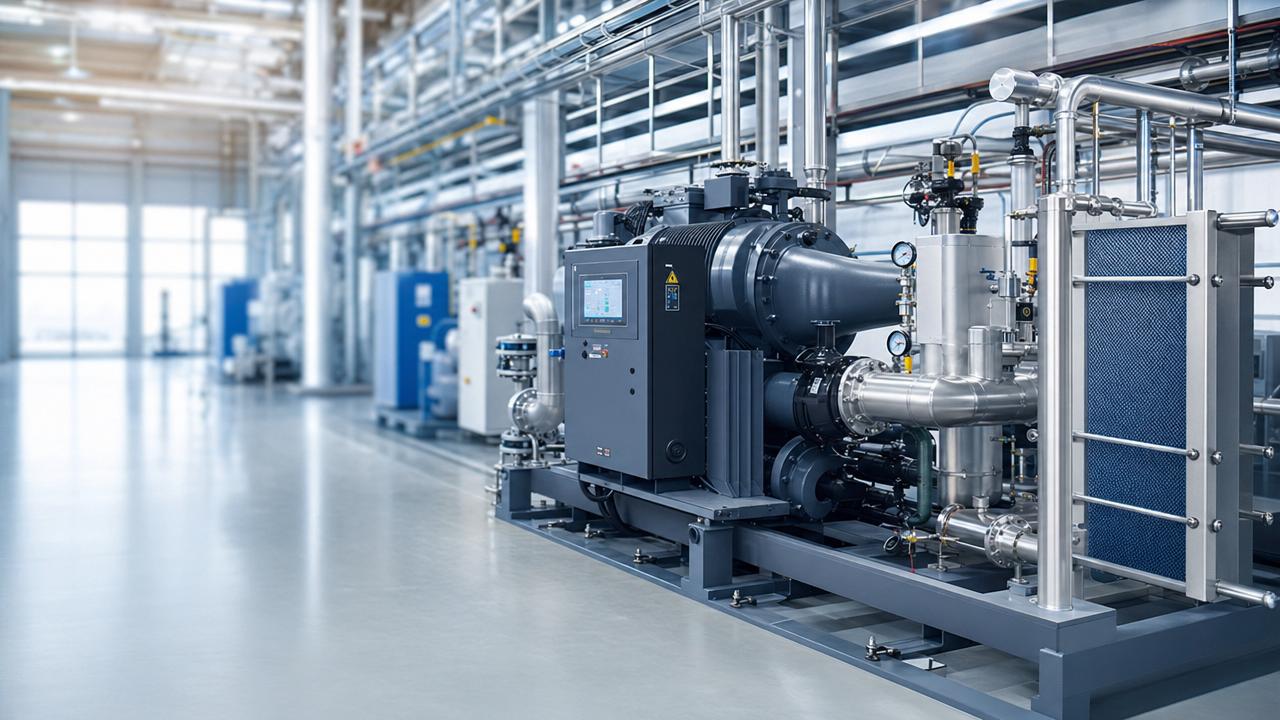
Heat Transfer Basics: What Affects Efficiency in Industrial Equipment




Heat transfer sits behind nearly every industrial process that heats, cools, dries, condenses, or stabilizes materials. Its efficiency affects output quality, utility costs, uptime, and emissions at the same time.
That is why the topic matters far beyond boilers or heat exchangers alone. In compressed air systems, cooling loops, vacuum processes, food lines, pharma production, and semiconductor environments, thermal performance often defines whether a system stays competitive.
For industrial intelligence platforms such as GTC-Matrix, heat transfer is not just a technical term. It is a practical lens for reading energy efficiency, process reliability, refrigerant strategy, equipment evolution, and decarbonization pressure across sectors.
Why heat transfer efficiency deserves closer attention
A system may have strong mechanical design and still waste energy if heat flow is poorly managed. Excess temperature, uneven cooling, and delayed heat rejection can reduce performance long before failure appears.
In many facilities, rising energy prices have pushed heat transfer back into strategic discussions. So have stricter refrigerant rules, carbon accounting, and the spread of high-precision production environments.
The issue is especially visible where temperature windows are narrow. A small thermal mismatch can change product consistency, shorten component life, or force oversizing elsewhere in the process.
Seen this way, heat transfer efficiency is less about one isolated component. It reflects how well materials, geometry, fluid behavior, controls, and maintenance work together under real operating conditions.
The basic idea behind industrial heat flow
At a basic level, heat moves from a higher-temperature zone to a lower-temperature zone. In industrial equipment, that movement usually happens through conduction, convection, radiation, or a combination of all three.
Conduction matters in tubes, plates, walls, seals, and contact surfaces. Convection matters where fluids or gases carry thermal energy. Radiation becomes more relevant at high temperatures or exposed surfaces.
Efficiency improves when heat moves quickly in the intended direction and stays limited where it should not spread. That sounds simple, but industrial reality introduces fouling, variable loads, pressure drops, and design compromises.
A useful way to think about heat transfer is to ask three questions. How much heat must move, how fast must it move, and what resistance slows it down?
The main factors that affect efficiency
Several variables shape heat transfer performance in industrial equipment. Some belong to the original design. Others emerge during operation and become visible only over time.
Material thermal conductivity
Materials with higher thermal conductivity usually move heat more effectively. Copper, aluminum, and certain alloys often support faster transfer than materials chosen mainly for strength or corrosion resistance.
Still, better conductivity alone does not guarantee better results. Material selection must also match pressure, chemical exposure, hygiene requirements, and lifecycle cost.
Surface area and geometry
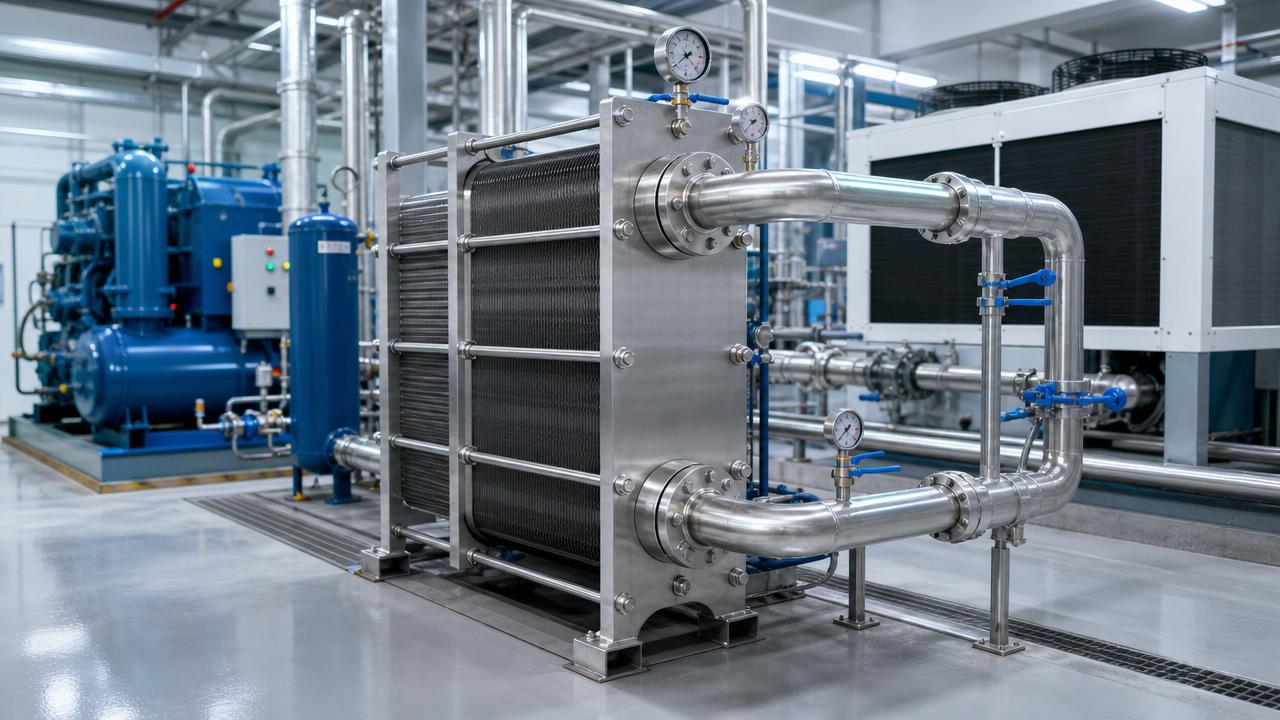
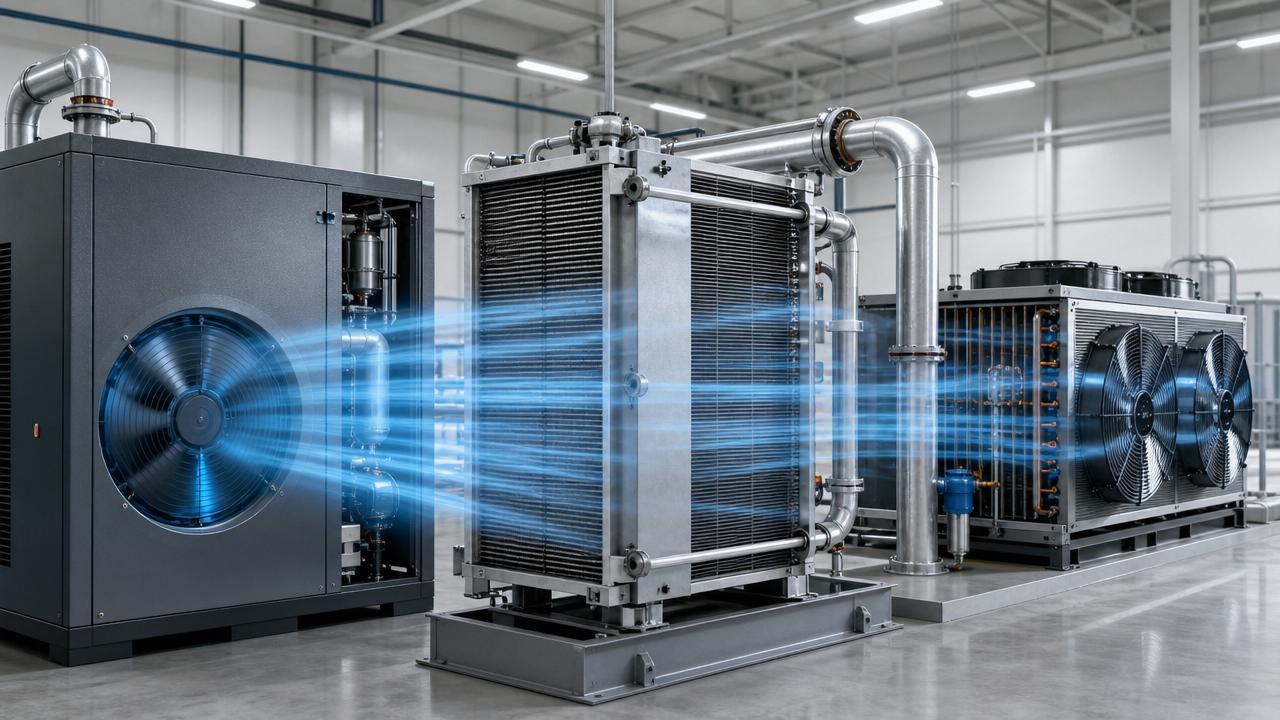
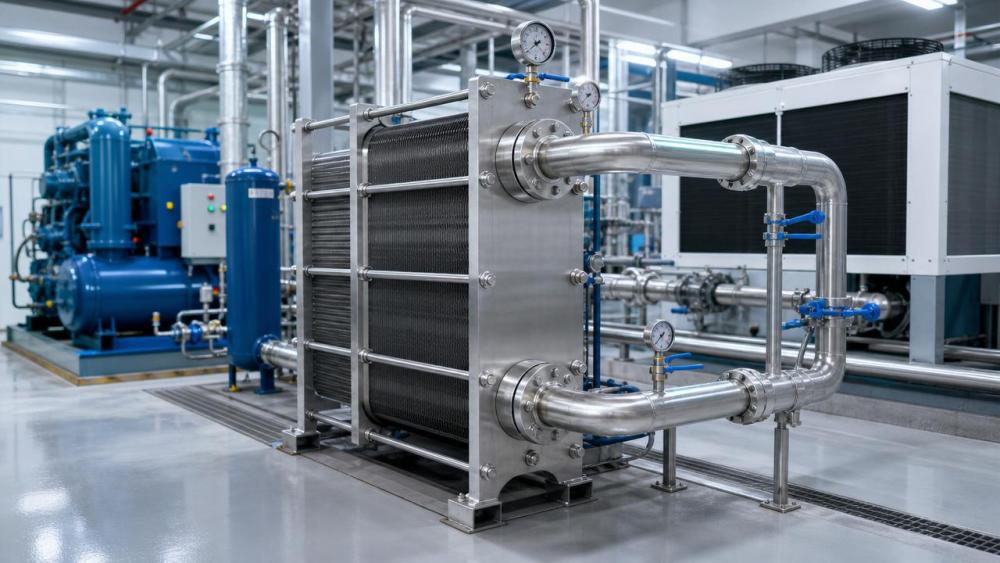
More contact area usually improves heat transfer. That is why fins, corrugated plates, microchannels, and extended surfaces appear so often in modern thermal equipment.
Geometry also affects distribution. Dead zones, bypass paths, and uneven flow reduce effective surface usage even when the nominal area looks sufficient on paper.
Temperature difference
Heat transfer generally increases when the temperature gap between two media is larger. But chasing a higher temperature difference can increase energy demand or create material stress.
In practical terms, the goal is not simply a bigger gap. It is a balanced thermal driving force that supports process targets without creating avoidable losses.
Fluid velocity and flow regime
Flow rate changes how quickly a liquid or gas removes or supplies heat. Turbulent flow often improves heat transfer because it reduces the insulating boundary layer at the surface.
The trade-off is pumping power or fan energy. Higher velocity may improve thermal performance while increasing pressure drop, noise, wear, and operating cost.
Fouling and contamination
In many systems, fouling is the quiet efficiency killer. Scale, oil residue, dust, biofilm, or product deposits add resistance between the heat source and the heat sink.
Even a thin layer can reduce heat transfer enough to push compressors, chillers, dryers, and process loops into higher energy use. This effect often appears gradually and escapes early notice.
Control logic and load variability
Industrial equipment rarely runs at steady design conditions. Ambient shifts, part-load operation, seasonal changes, and product variation all influence thermal behavior.
Poor control logic can make a well-designed heat transfer system underperform. Short cycling, unstable setpoints, and slow sensor response often create hidden efficiency losses.
Where these factors show up in real equipment
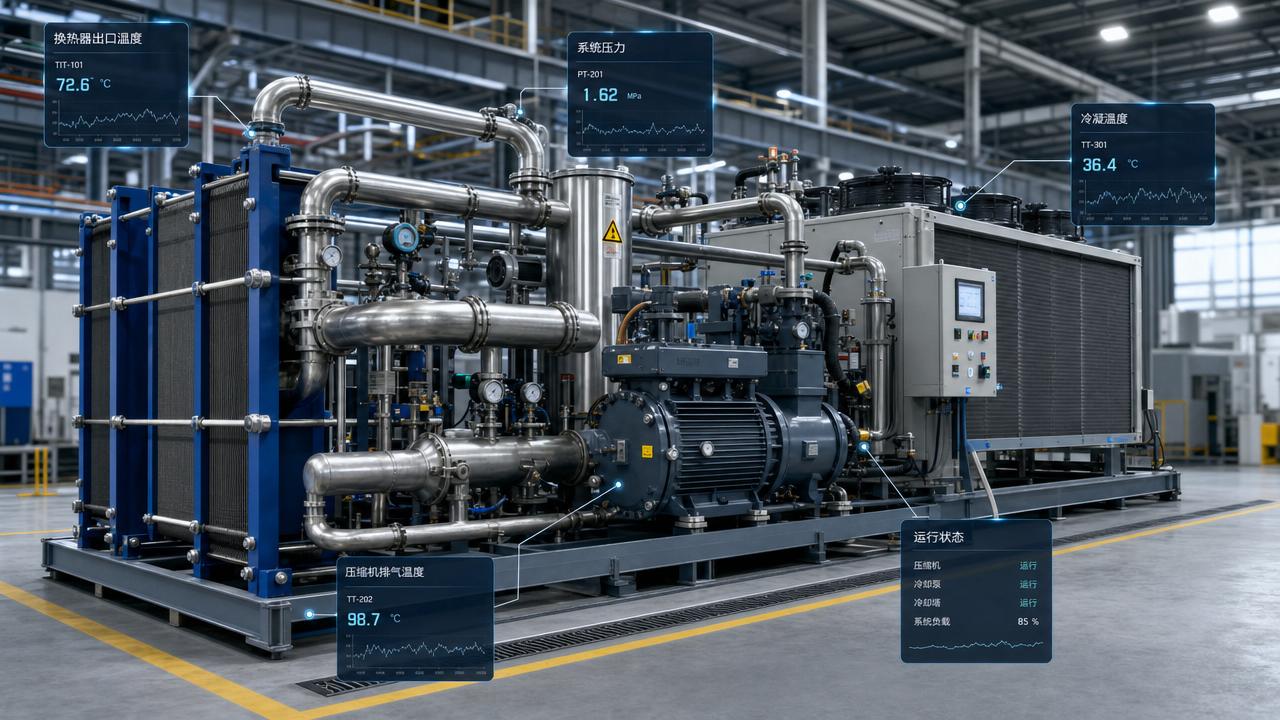
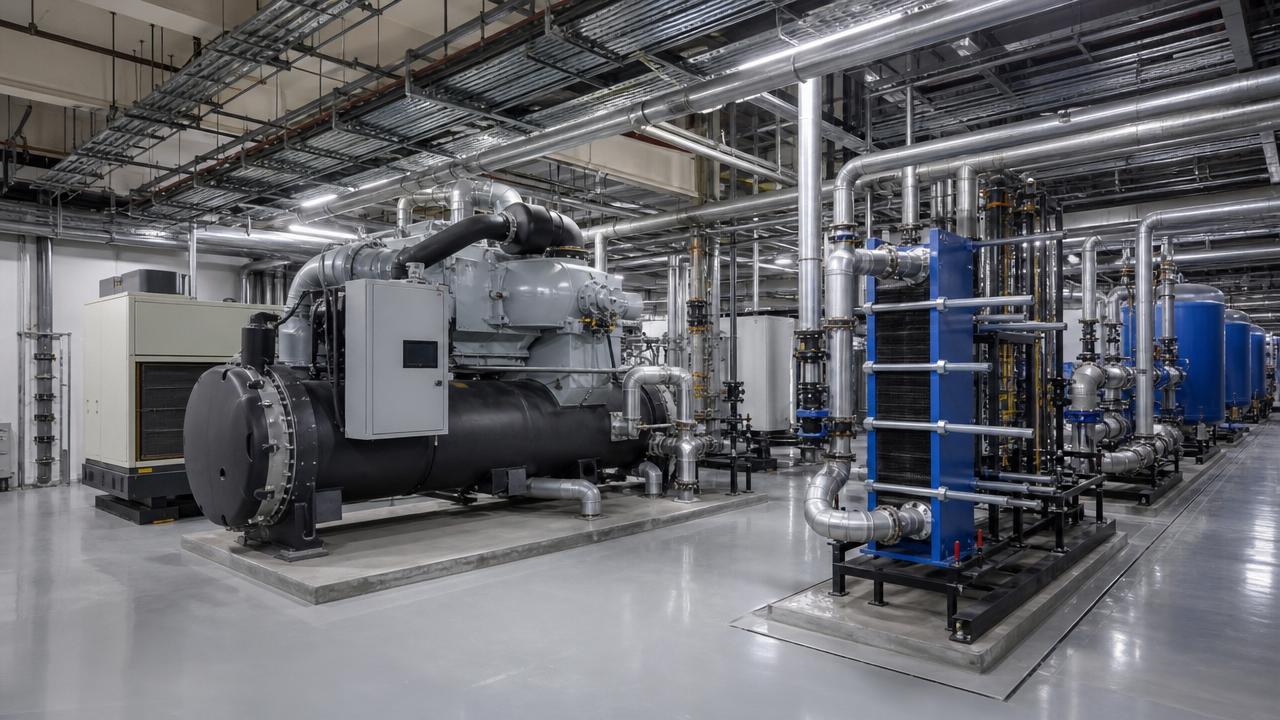
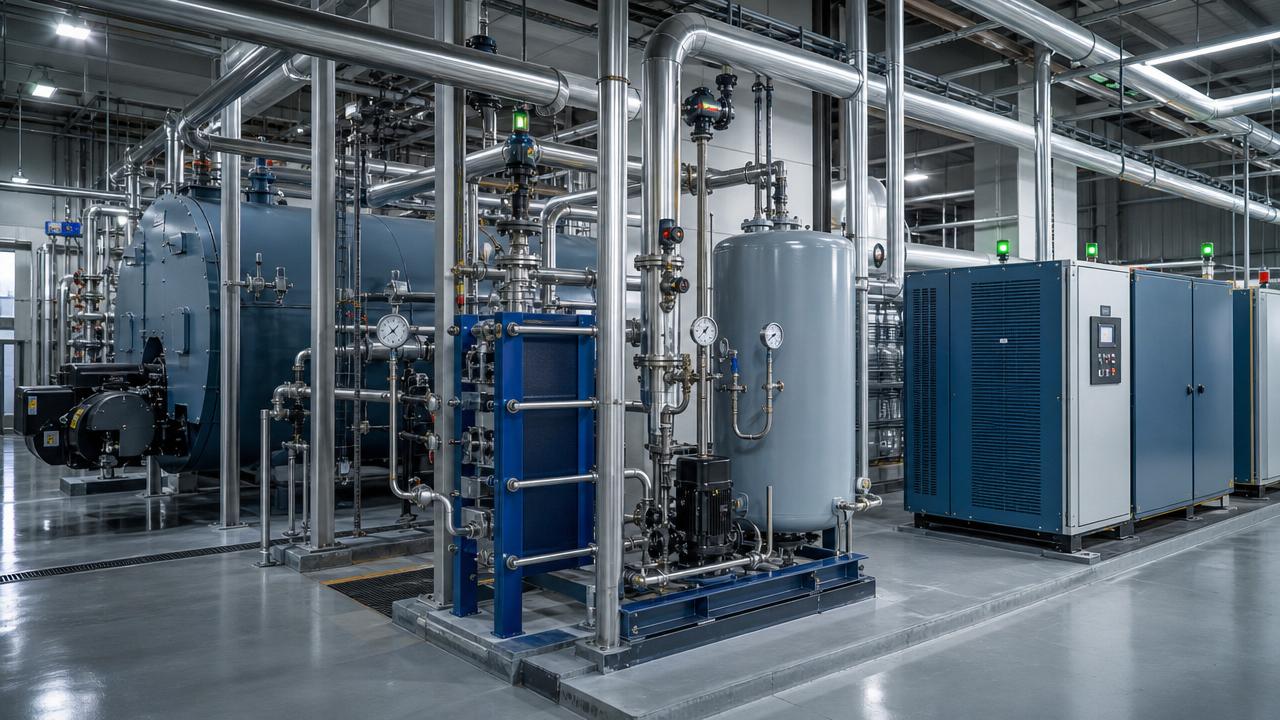
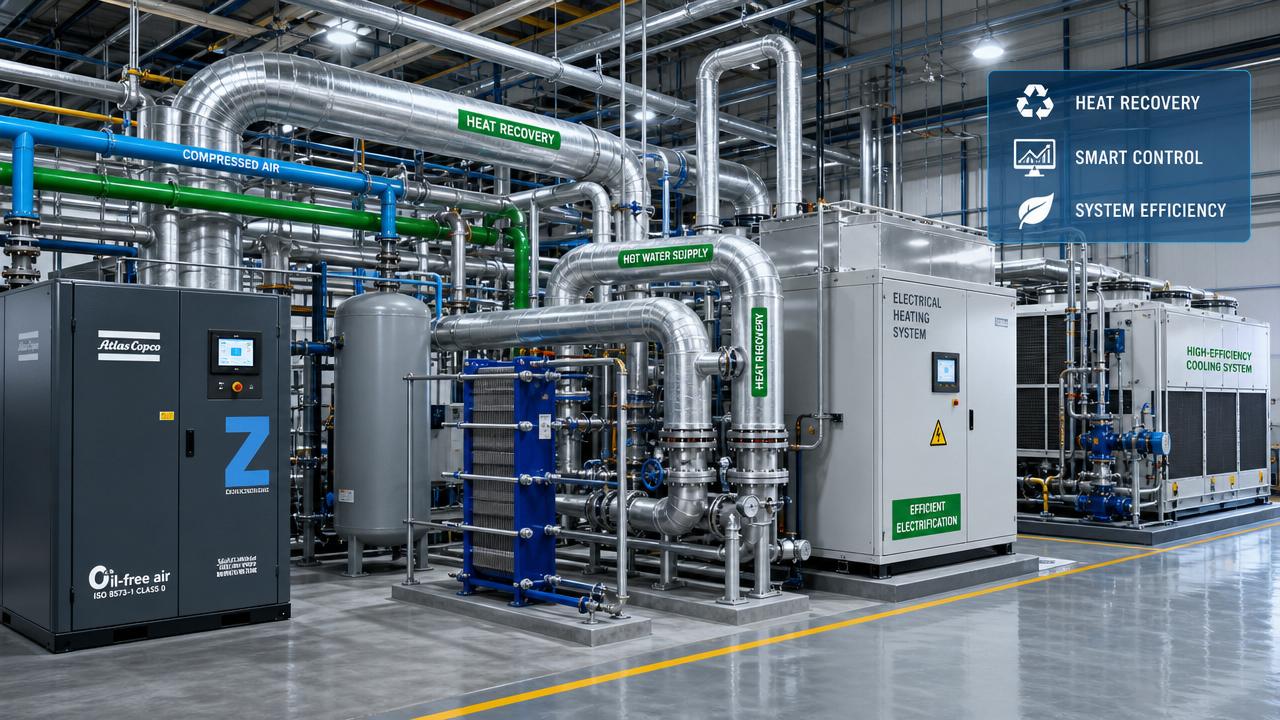
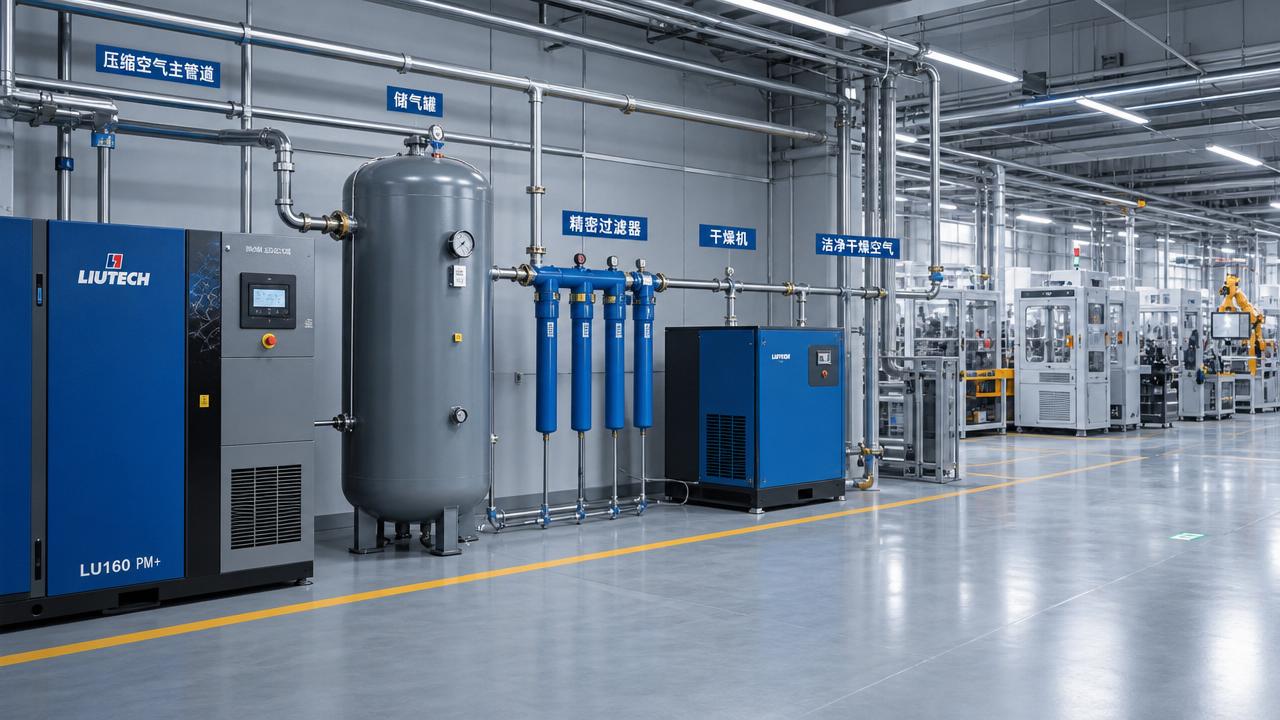
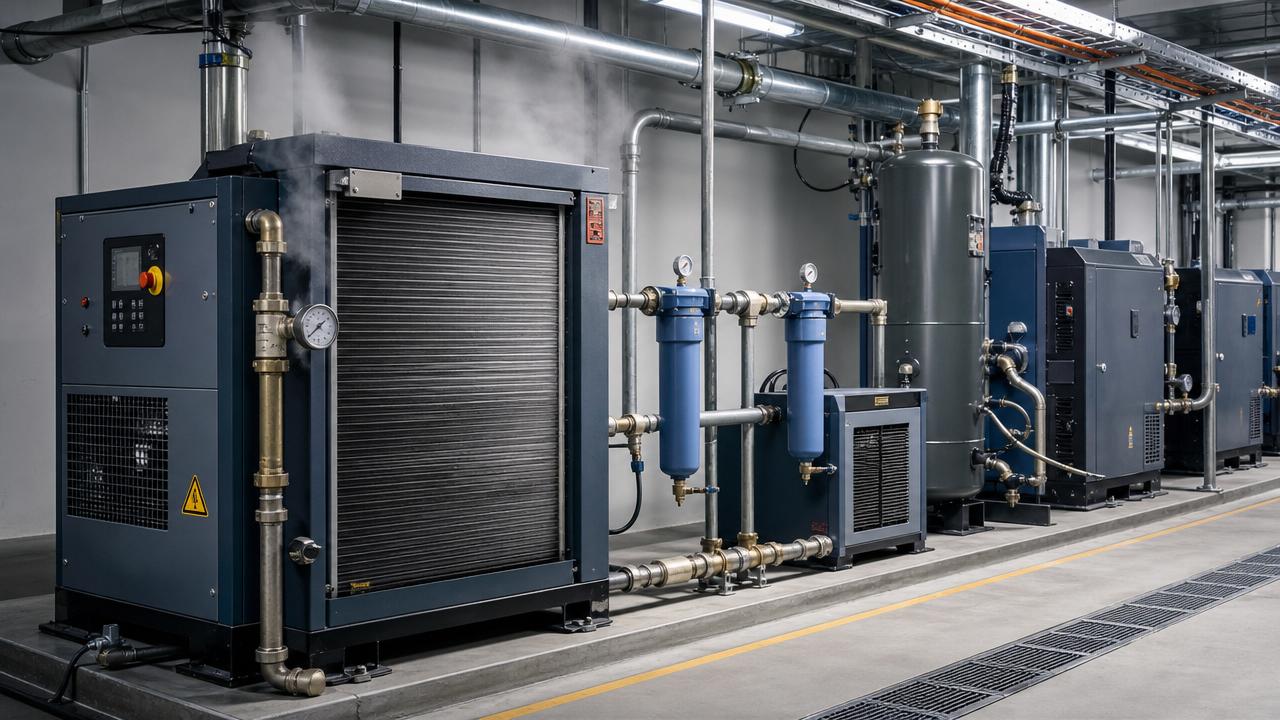
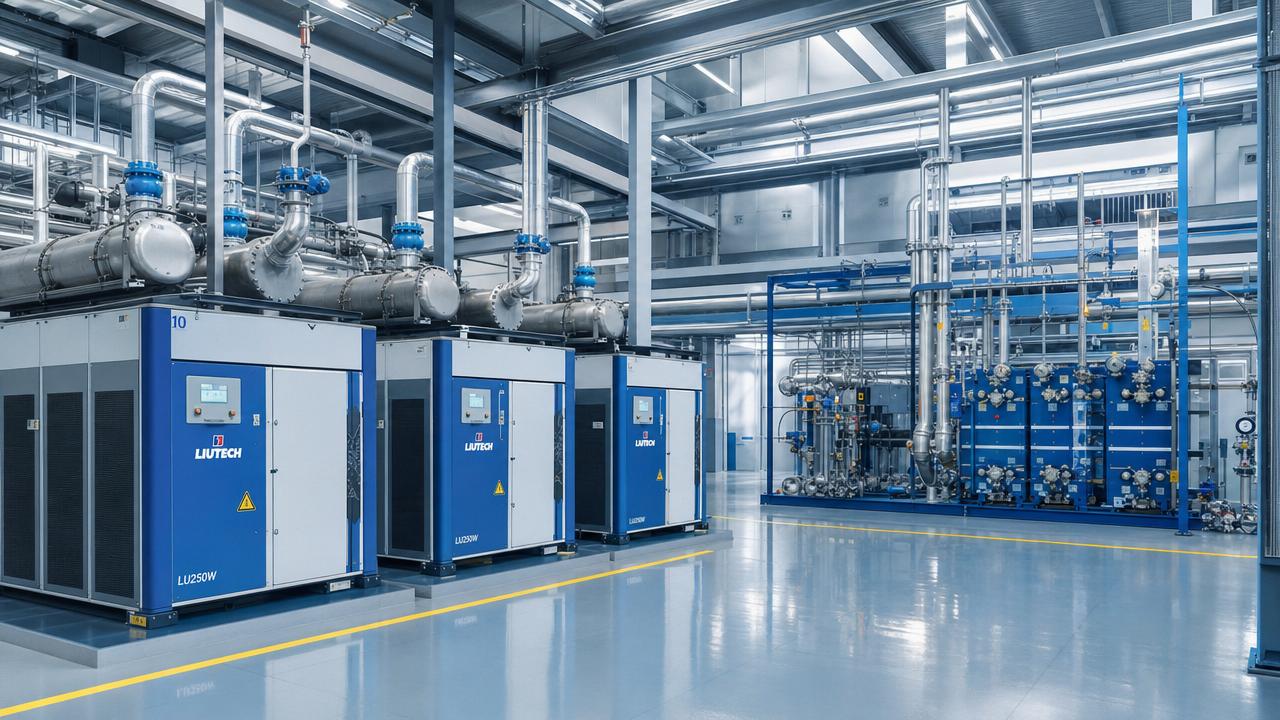
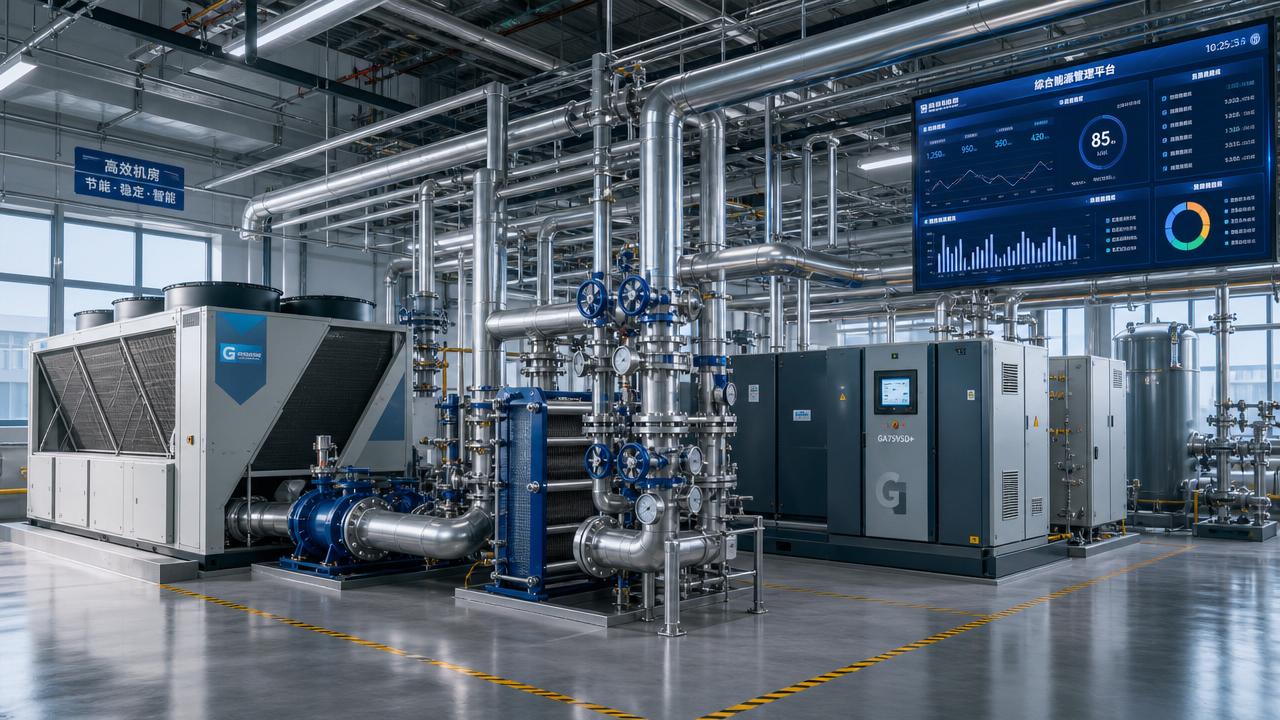
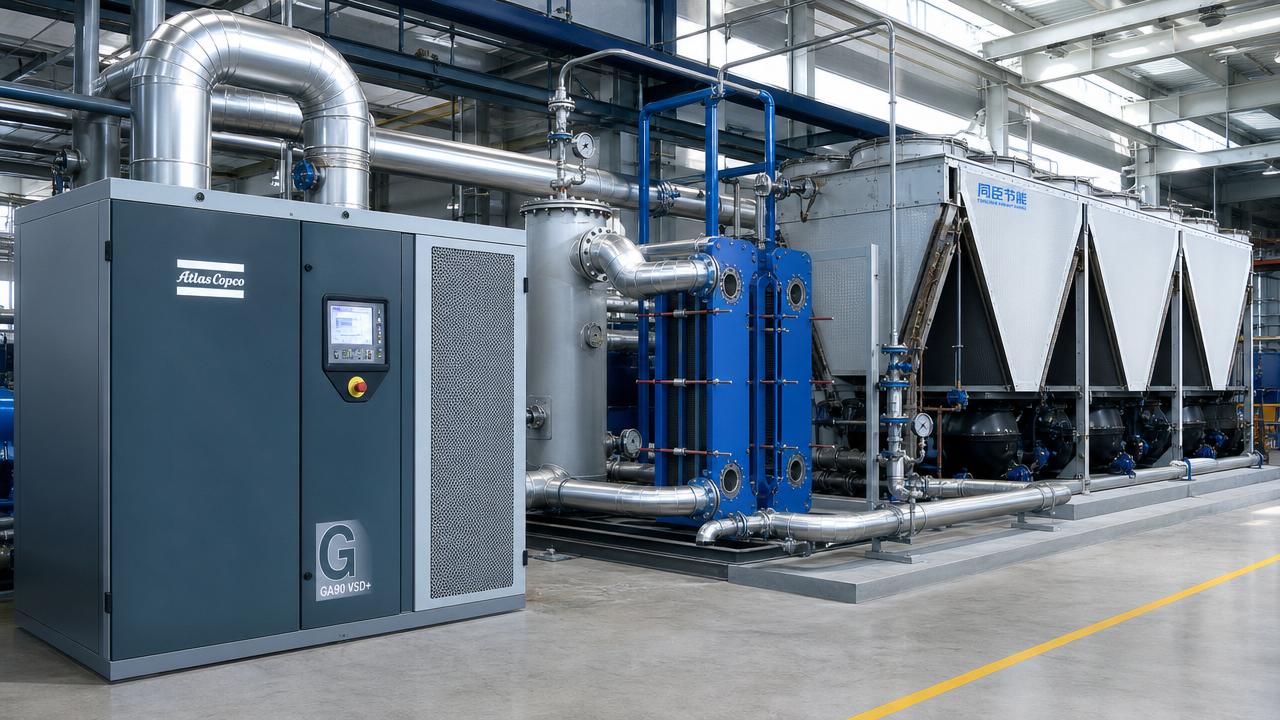
The same heat transfer principles appear across very different systems, but the risks and priorities change by application. Looking at common equipment types helps make the topic more usable.
This cross-sector view helps explain why GTC-Matrix tracks not only equipment categories, but also the underlying thermal logic. Shifts in exchanger design, oil-free compression, or refrigerant policy often signal broader operational changes.
What industry is watching now
Current interest in heat transfer goes beyond basic efficiency. The conversation now includes decarbonization, digital monitoring, low-emission heating, and compact equipment architectures.
Microchannel heat exchangers are one example. They can improve surface utilization and reduce refrigerant charge, but they also change maintenance needs and contamination sensitivity.
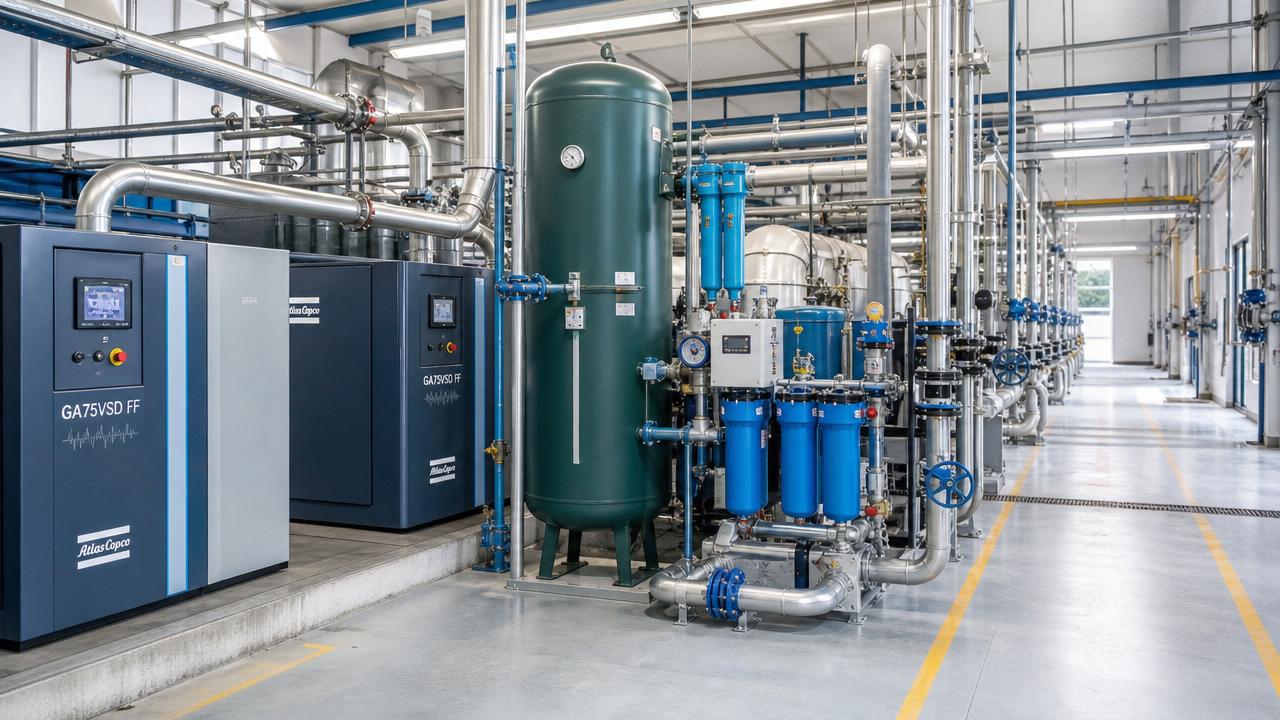
Oil-free compression is another area to watch. Cleaner compression can support downstream heat transfer performance by reducing residue and helping temperature-sensitive processes stay within tighter cleanliness limits.
Low-NOx combustion boilers show a similar pattern. Emissions goals increasingly shape thermal design choices, which means heat transfer efficiency must be evaluated together with compliance, fuel strategy, and control precision.
The broader message is clear. Better heat transfer is becoming part of system intelligence, not just component improvement.
How to judge thermal performance in practice
A useful assessment starts with operating evidence, not brochure values alone. Nameplate performance may say little about real heat transfer under partial load, inconsistent fluids, or constrained maintenance windows.
- Compare inlet and outlet temperatures under stable and changing loads.
- Track pressure drop together with thermal performance, not separately.
- Review fouling tendency based on fluid quality, dust, oil carryover, or product residue.
- Check whether control response matches process sensitivity.
- Look at maintenance access, cleanability, and inspection frequency.
- Assess energy impact across the whole system, including pumps, fans, and compressors.
This kind of review often reveals that thermal bottlenecks are distributed. A problem blamed on the exchanger may actually begin with poor flow balance, unsuitable controls, or upstream contamination.
From technical insight to better decisions
Heat transfer becomes more valuable when it is treated as a decision framework. That means connecting thermal data with equipment selection, energy sourcing, regulatory signals, and process growth plans.
For that reason, thermal intelligence platforms have gained importance. By combining technology tracking, market signals, and operating context, they make it easier to judge whether a trend is genuinely useful or simply fashionable.
A practical next step is to map where heat transfer limits current performance. Then compare those limits against factors such as cleaning burden, control stability, refrigerant direction, and future energy cost exposure.
That approach creates a stronger basis for evaluating upgrades, supplier claims, and long-term system choices. In industrial equipment, efficient heat transfer rarely comes from one dramatic change. It usually comes from making the right small decisions in the right order.
Ready when you are. Send us a message to get started.
Related News
- Carrier Plans $600 Million Manufacturing and Engineering Center in Fort WorthAuthor :

- Semiconductor Thermal Management: Low Vibration Design PrioritiesAuthor :

- Thermal Interface Materials: What Drives Real Thermal OptimizationAuthor :
![]()
- Global Energy Costs in Europe: What Changed in 2026Author :

- Smart Device Thermal Management: Common Failures and FixesAuthor :

- Thermal Efficiency Optimization: 5 Signs Your System Is Losing HeatAuthor :

- How Precision Temperature Control Systems Improve Process StabilityAuthor :

- How Intellectualization Improves Process Visibility in Modern PlantsAuthor :

- Global Energy Costs in 2026: What Rising Prices Mean for Plant PlanningAuthor :

- Carbon Neutrality Roadmaps: Common Gaps in Industrial PlanningAuthor :

- Heat Transfer Basics: What Affects Efficiency in Industrial EquipmentAuthor :

- Industrial Thermal Systems: Common Failure Risks in Continuous OperationAuthor :

- Global Energy Costs: 2026 Risk Signals to WatchAuthor :

- Pneumatic Power Systems: Common Sizing Mistakes to AvoidAuthor :

- How Thermal Power Systems Cut Downtime in 2026Author :

- Clean Energy Technology Trends Reshaping Industry in 2026Author :

- Pneumatic Power Systems: Key Checks Before Equipment SelectionAuthor :

- Compression Technology Mistakes That Raise Maintenance RiskAuthor :

- Clean Energy Technology Risks to Watch in 2026 ProjectsAuthor :

- Smart Thermal Systems: 5 Signals Your Controls Are Wasting HeatAuthor :

- How to Size Pneumatic Power Systems for Stable OutputAuthor :

- Pneumatic Power Systems: Key Safety Risks in Daily OperationAuthor :

- Clean Energy Technology Shifts Reshaping Industrial InvestmentAuthor :

- Intellectualization in Industry: What Delivers Measurable Value?Author :

- Thermal Management Mistakes That Shorten Equipment LifeAuthor :

- Clean Energy Technology Options That Fit Real Manufacturing UpgradesAuthor :

- Energy-Saving Technologies Worth Tracking in 2026Author :