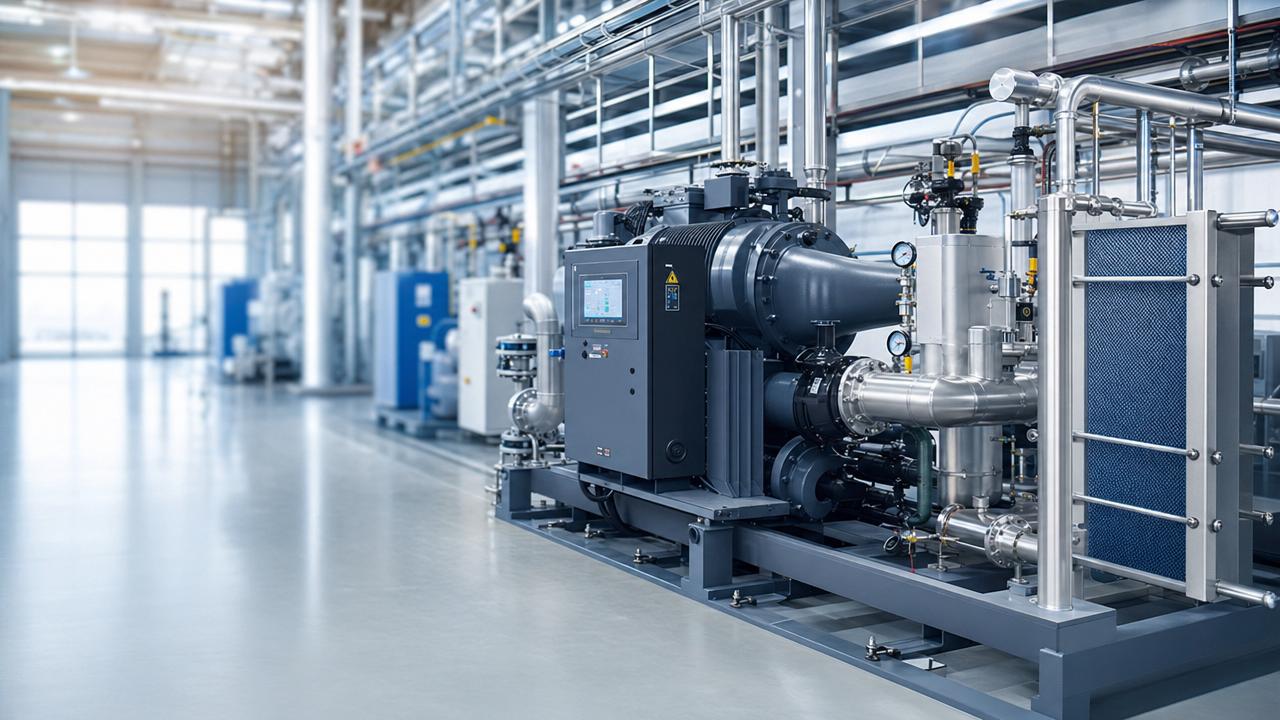
Compression Technology Mistakes That Raise Maintenance Risk




In industrial operations, small compression technology mistakes can quietly escalate into costly maintenance failures. For after-sales maintenance teams, understanding how installation choices, operating habits, and overlooked performance signals affect system reliability is essential.
This article highlights common risk points that increase downtime, shorten equipment life, and raise service pressure. It helps maintenance professionals identify issues earlier and support more stable, efficient operation.
Why small compression technology errors turn into major maintenance events
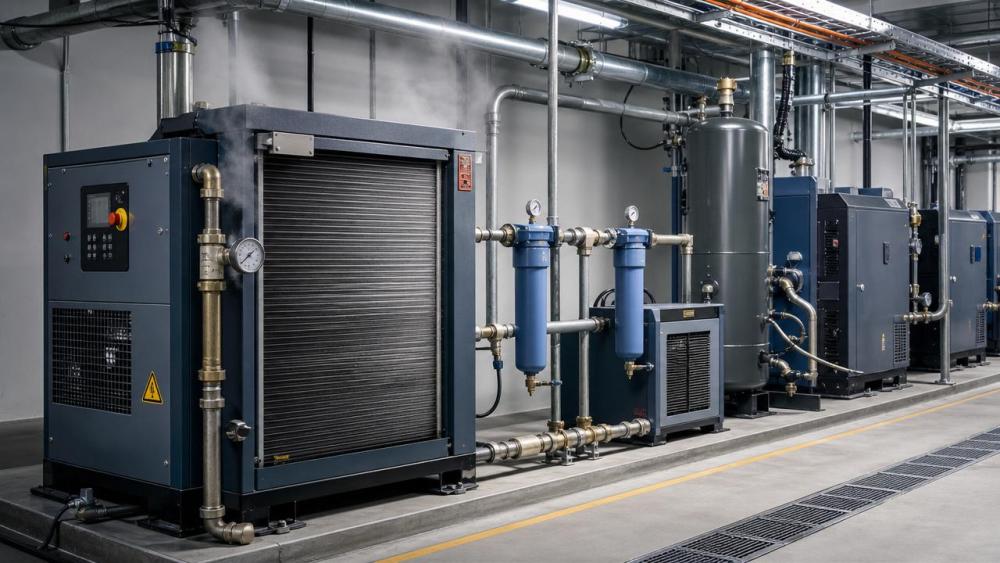
The core search intent behind this topic is practical: maintenance teams want to know which compression technology mistakes most often create avoidable failures, repeat service calls, and hidden reliability problems.
They are not looking for broad theory alone. They need clear warning signs, root causes, inspection priorities, and field-level judgment that helps them reduce downtime and protect equipment life.
For after-sales personnel, the biggest concern is usually not whether a system can run today. It is whether current operating conditions are slowly pushing the machine toward premature wear or unstable performance.
In many industrial sites, a compressor appears healthy because it still starts, loads, and delivers pressure. Yet maintenance risk may already be rising through heat stress, contamination, poor controls, or repeated cycling.
That is why compression technology should be viewed as a reliability system, not only a power device. Installation quality, load profile, air quality, cooling performance, and operator behavior all shape maintenance outcomes.
The most valuable approach is to focus on errors that seem minor during commissioning or daily use, but later cause bearing damage, seal leakage, overheating, oil degradation, motor stress, and unstable downstream production.
Which mistakes after-sales maintenance teams should check first
When a service team arrives on site, the first priority should be mistakes with the highest failure multiplier. These are issues that trigger multiple secondary problems across the compressor, controls, and connected process.
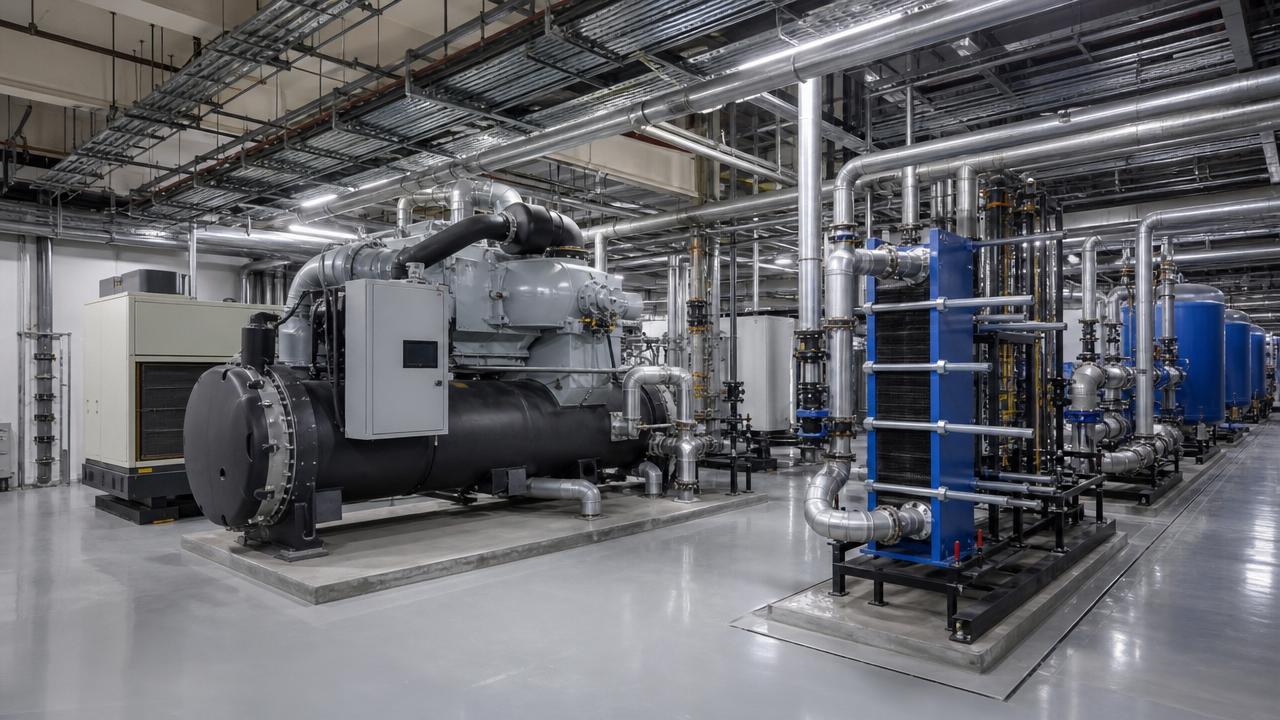
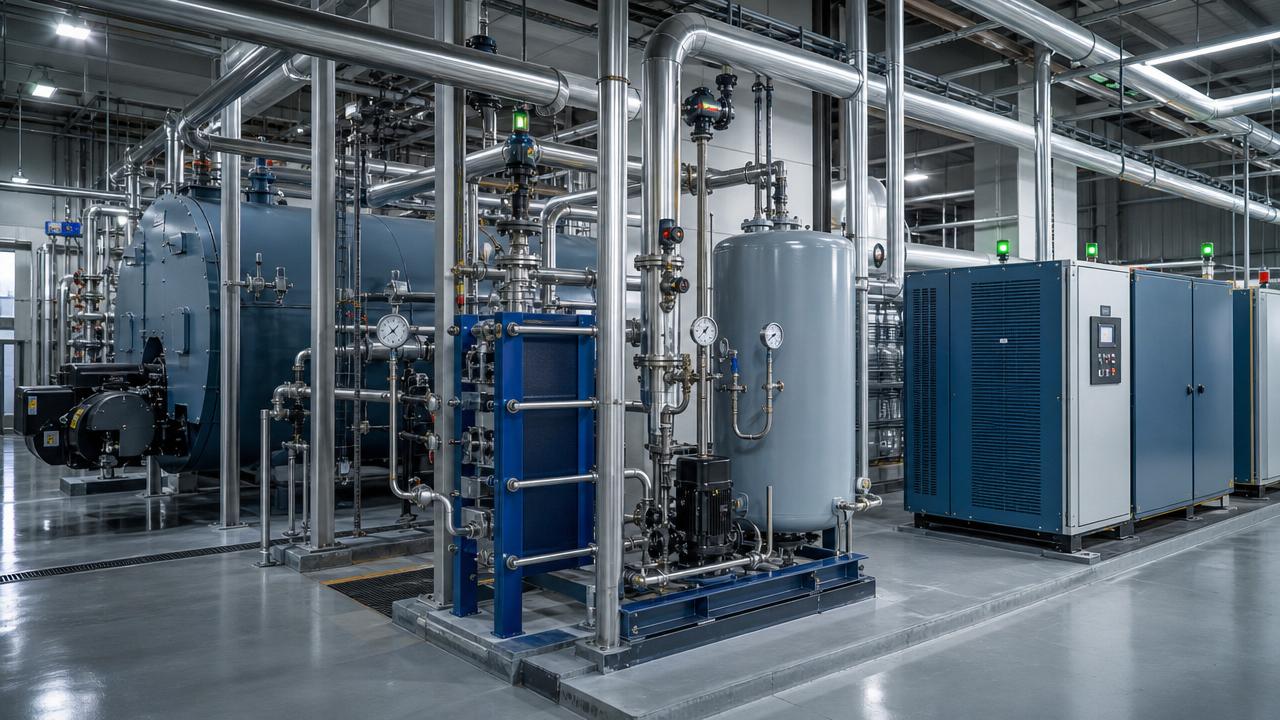
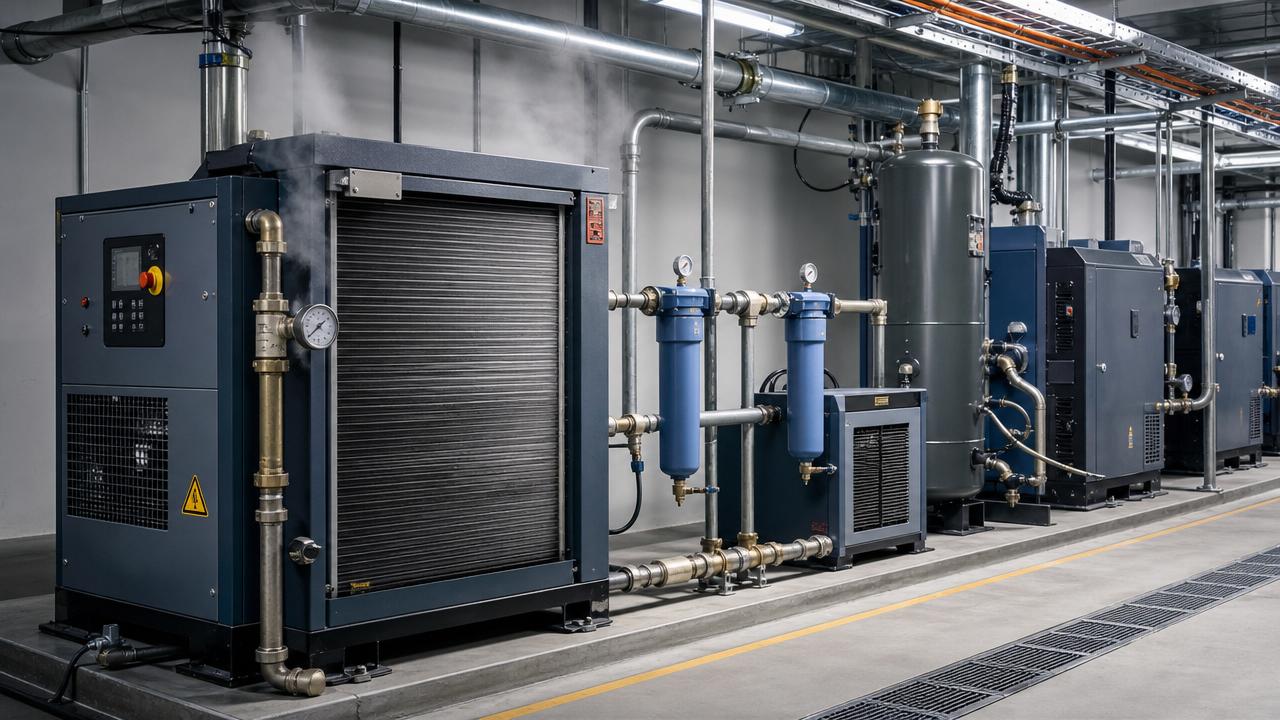
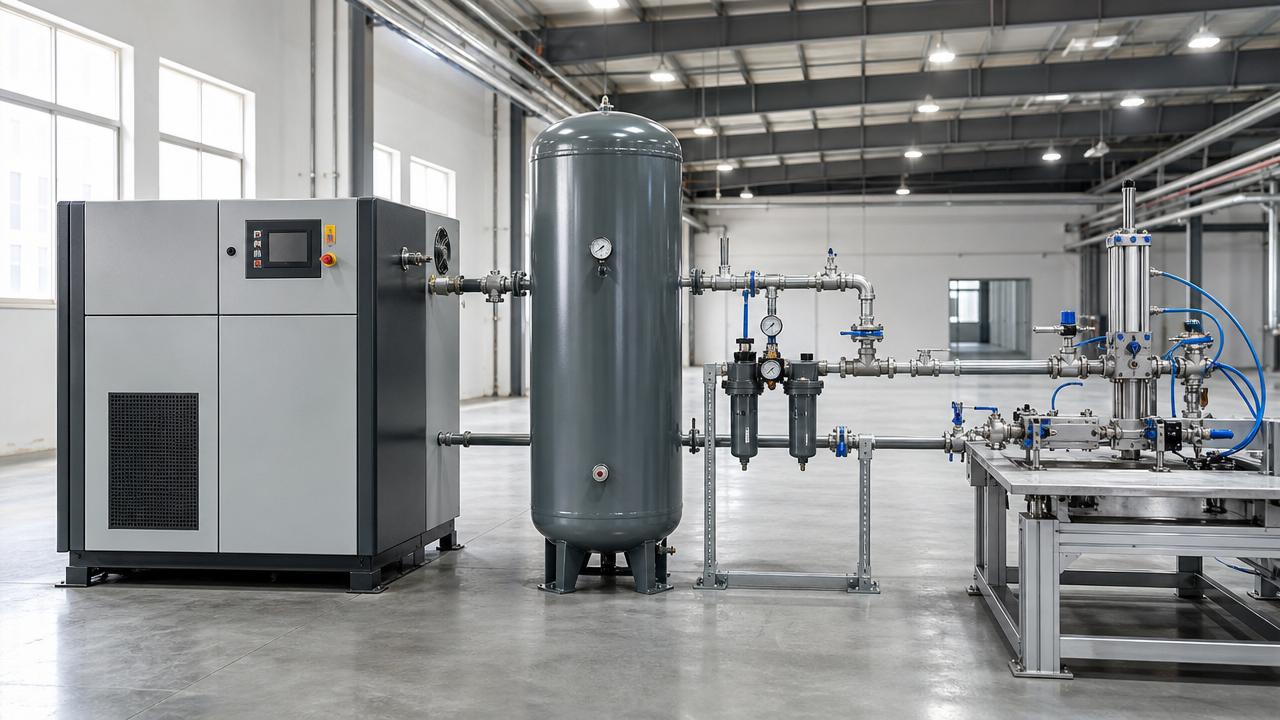
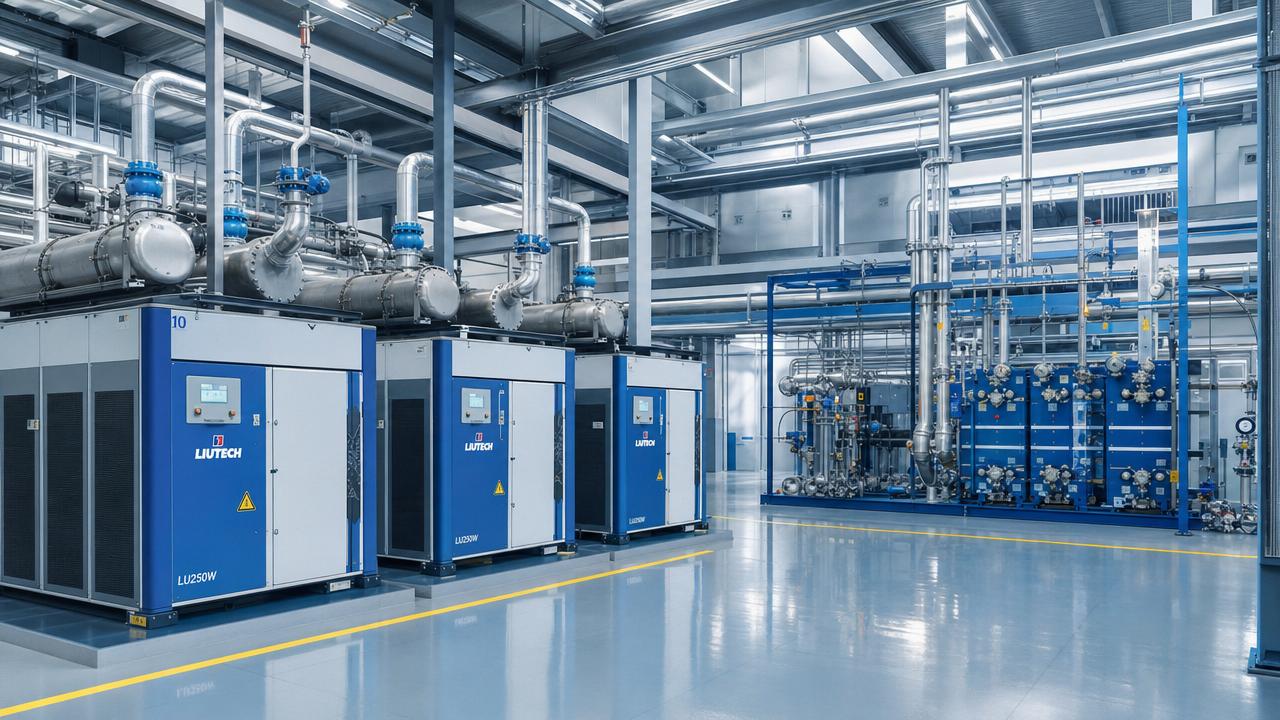
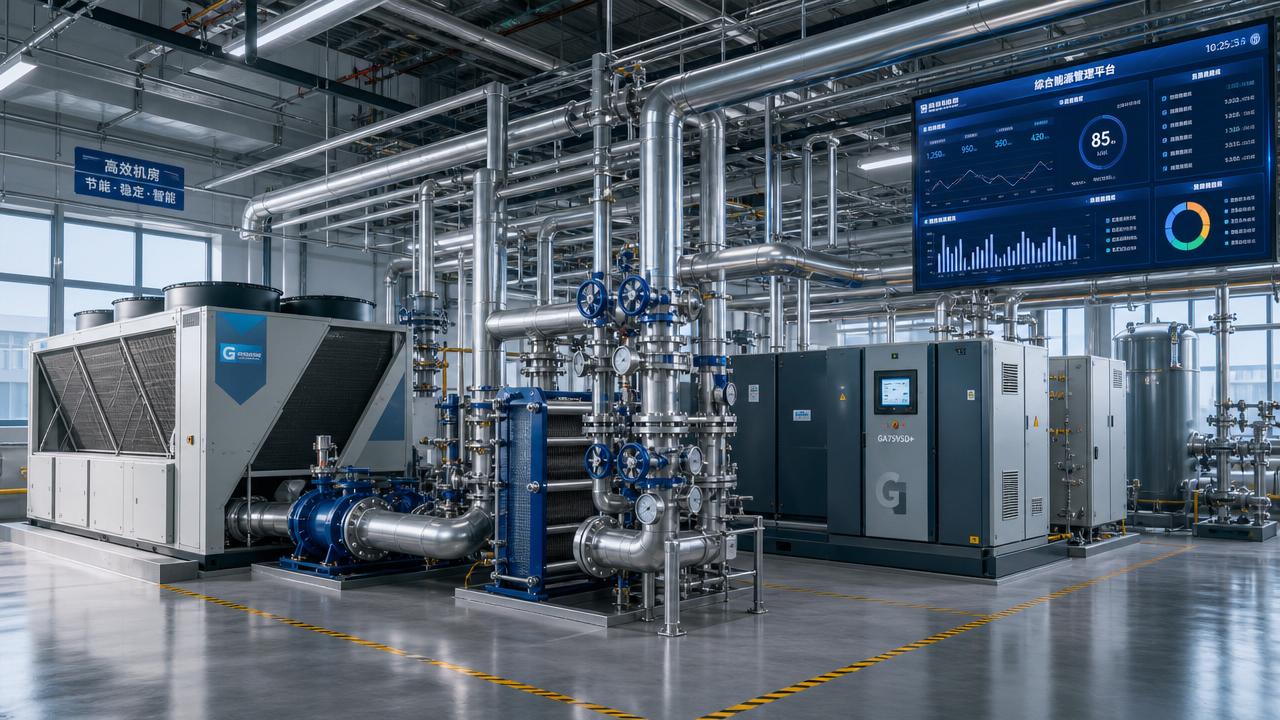
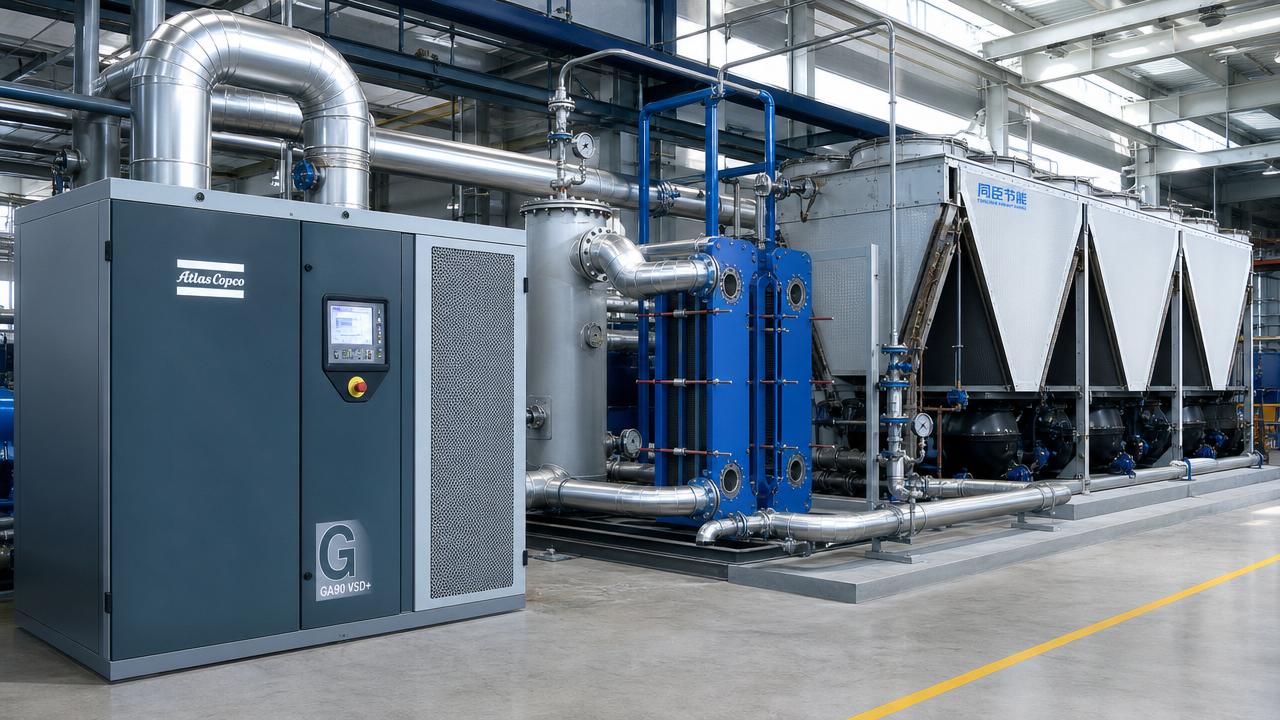
One of the most common examples is poor installation layout. Inadequate ventilation, restricted intake air, and cramped service clearance raise operating temperature and make routine inspection harder and less accurate.
Another frequent mistake is incorrect pipe sizing or poor piping design. Excessive pressure drop forces the machine to work harder, increases energy use, and often masks the real reason downstream pressure looks unstable.
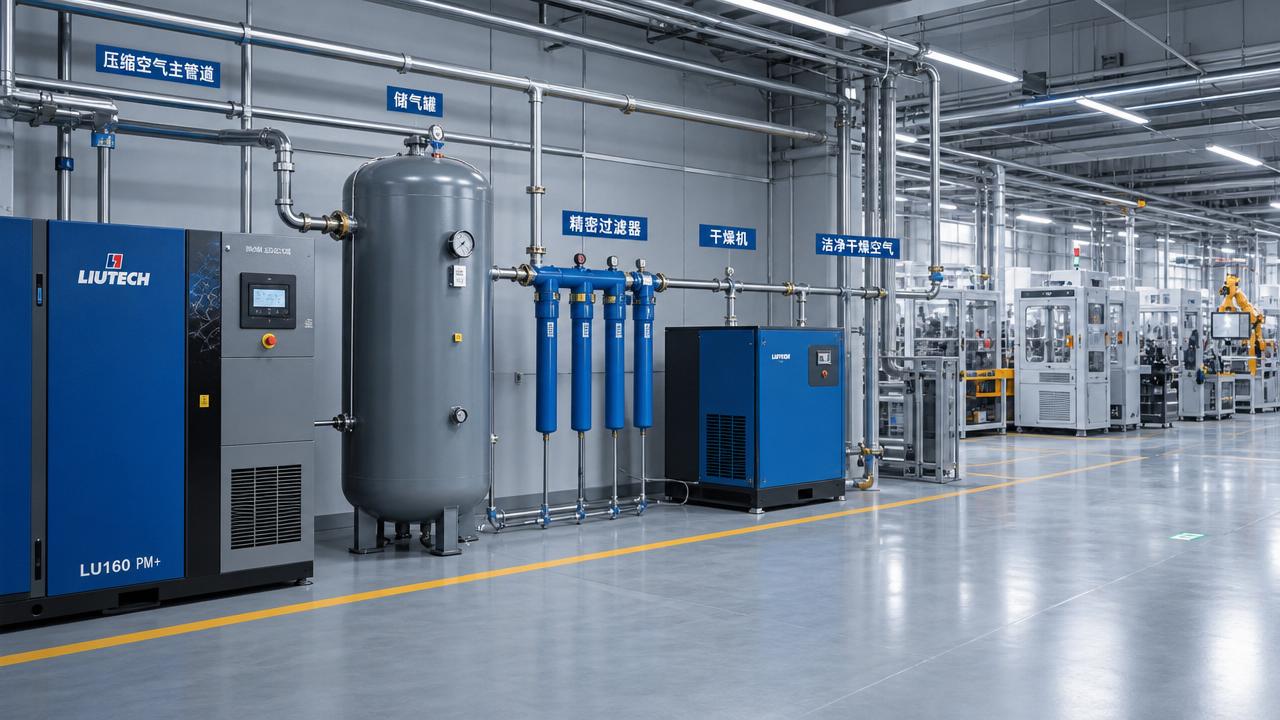
Improper condensate handling also creates avoidable maintenance risk. If drains fail, slopes are wrong, or separators are undersized, moisture carries through the system and accelerates corrosion, contamination, and instrument failure.
Maintenance teams should also pay close attention to mismatched control settings. Load and unload bands, pressure setpoints, and sequencing logic are often adjusted for convenience rather than for equipment protection.
These errors are especially dangerous because they do not always trigger immediate shutdowns. Instead, they create chronic stress that shows up later as nuisance alarms, shortened service intervals, and rising complaint frequency.
Installation mistakes that quietly shorten compressor life
Many long-term problems begin before normal production even starts. A compression technology system may be technically installed, but still poorly prepared for stable service under real thermal and load conditions.
Weak foundation support is a typical example. Vibration from inadequate mounting can damage couplings, loosen fasteners, and distort alignment over time, especially in systems that already operate near high duty cycles.
Misalignment between motor and compressor elements is another common issue. Even small alignment errors increase mechanical stress, raise bearing temperatures, and contribute to premature wear that may be misdiagnosed later.
Intake location matters more than many sites expect. If the compressor draws hot, dusty, or chemically contaminated air, filters load faster, internal surfaces foul sooner, and cooling efficiency declines steadily.
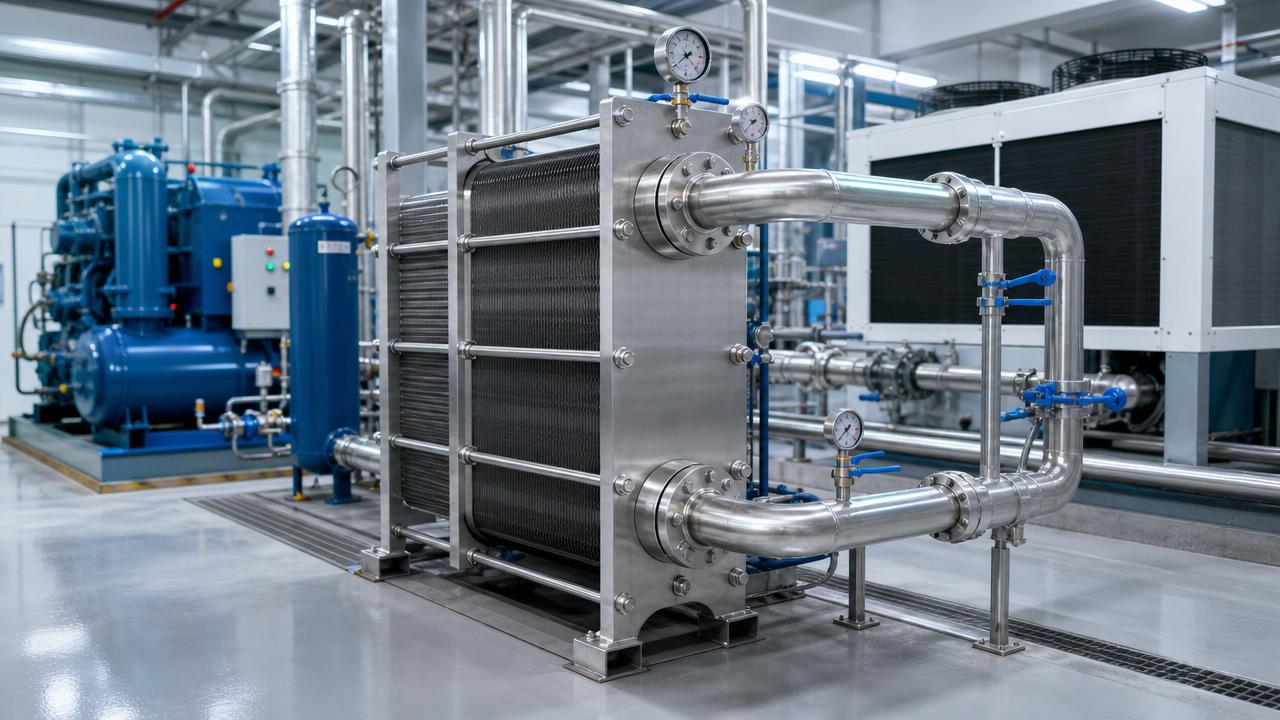
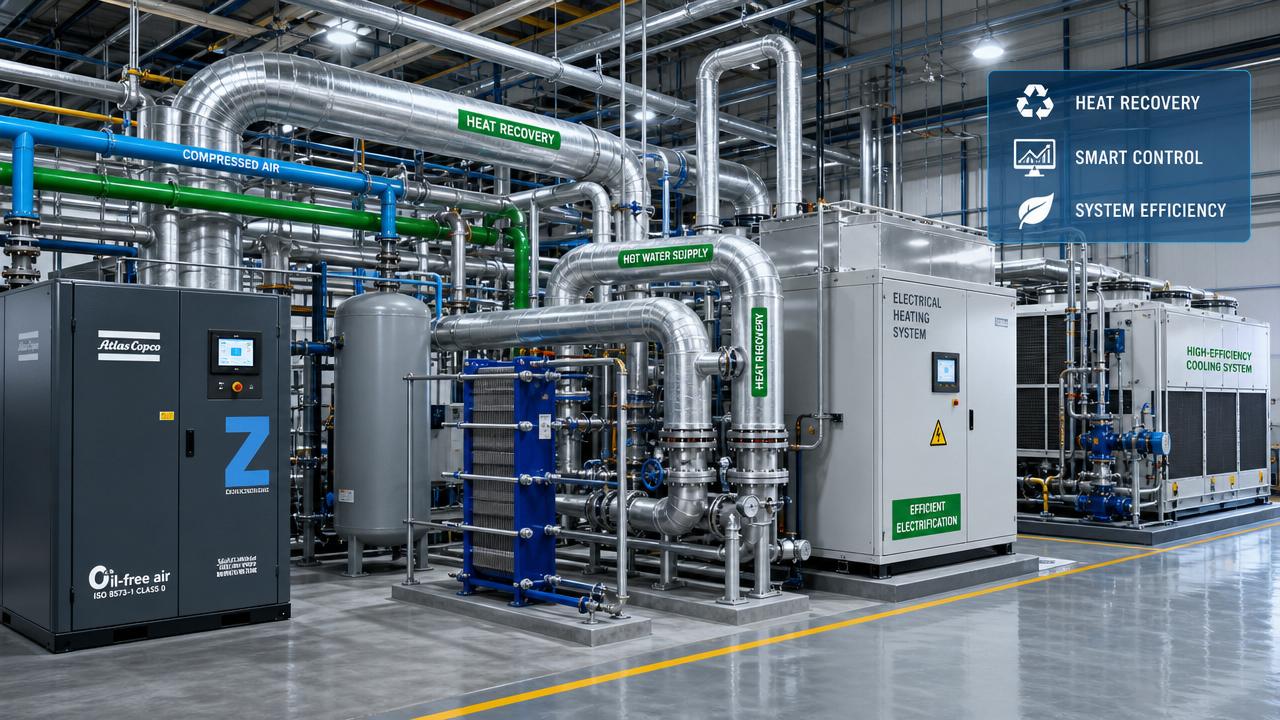
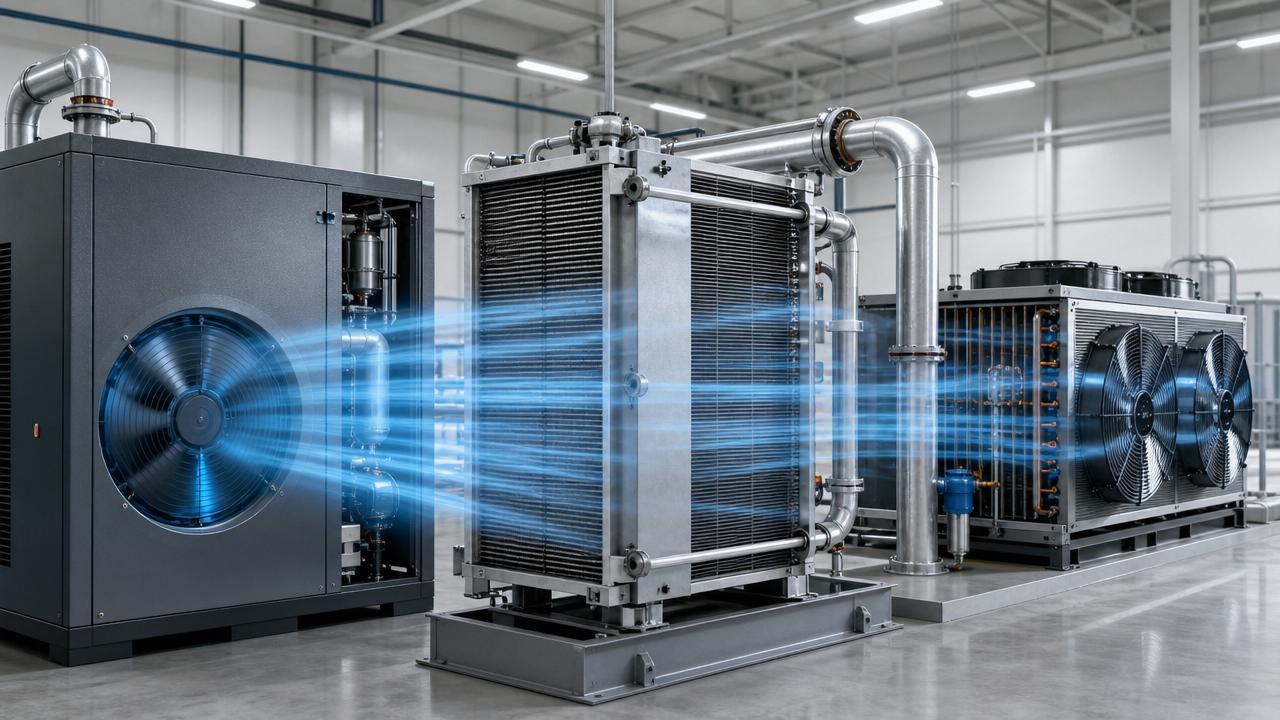
Cooling water or ambient airflow conditions are also often underestimated. Heat exchangers and coolers perform only as well as the surrounding environment allows, and poor heat rejection is a major driver of maintenance escalation.
From a service perspective, installation review should always include accessibility. If filters, drains, valves, and sensors are hard to reach, maintenance tends to become rushed, delayed, or incompletely documented.
Operating habits that raise maintenance risk even when the machine still runs
Some of the most damaging mistakes are operational habits that seem normal because they have become routine. The machine continues running, so site teams assume the practice is acceptable.
Frequent start-stop cycling is one such habit. Repeated cycling increases electrical and mechanical stress, destabilizes temperature conditions, and can sharply reduce the life of motors, starters, and control components.
Running at pressure levels higher than the process actually needs is another costly mistake. It wastes energy, increases leak losses, and adds unnecessary load that accelerates wear across the compression system.
Ignoring warm-up and load transition behavior can also create hidden problems. Abrupt demand changes may not cause immediate trips, but they can destabilize lubrication, temperature distribution, and component loading.
Operators sometimes bypass alarms or delay response because production demand is urgent. For after-sales teams, this is a major warning sign that service history may not reflect the machine’s true stress exposure.
Another common issue is operating a compressor far below or above its intended duty profile. Compression technology performs best within its design window, and persistent deviation usually creates reliability penalties.
Why contamination and poor air quality create repeat service calls
Contamination is one of the clearest examples of a small issue becoming a long-term maintenance burden. Dirt, moisture, and oil carryover can affect nearly every part of a compressed air system.
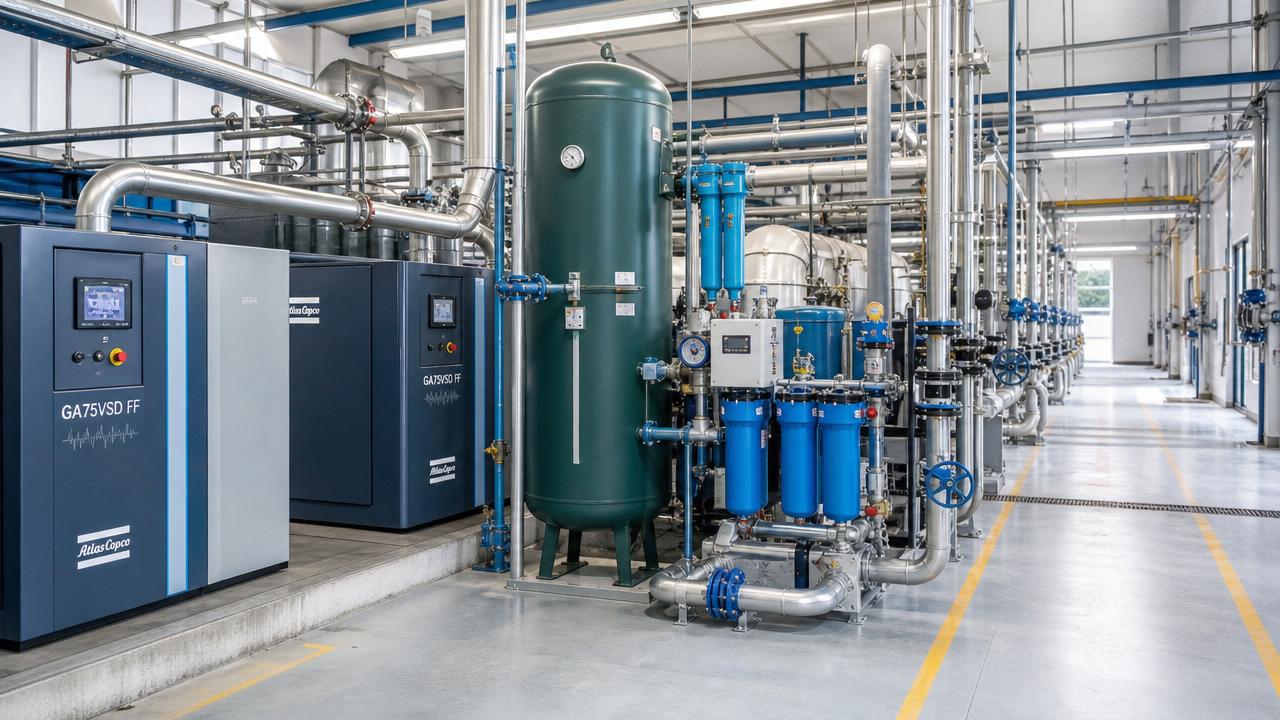
On the intake side, dirty filters or poor filtration selection reduce airflow and raise differential pressure. That means more energy use, more heat, and higher internal stress for the compressor package.
Inside the system, moisture is often the silent enemy. If aftercoolers, dryers, and drains are not working correctly, water reaches piping, valves, actuators, and sensitive production equipment.
For oil-lubricated units, poor separator performance or degraded lubricant quality can lead to carryover, fouling, and carbon buildup. These issues often generate recurring complaints that appear unrelated at first.
After-sales maintenance teams should treat contamination patterns as diagnostic evidence. Repeated drain blockages, wet lines, darkened oil, sticky valves, or fouled coolers usually indicate a system-level weakness, not an isolated part failure.
In practice, solving these problems requires tracing contamination from source to consequence. Replacing components without correcting filtration, drainage, or cooling conditions usually guarantees another service visit.
Performance signals that should never be dismissed as normal aging
Maintenance risk increases when teams normalize early warning signs. Many failures are preceded by subtle changes that are visible in routine data, but overlooked because the compressor still appears operational.
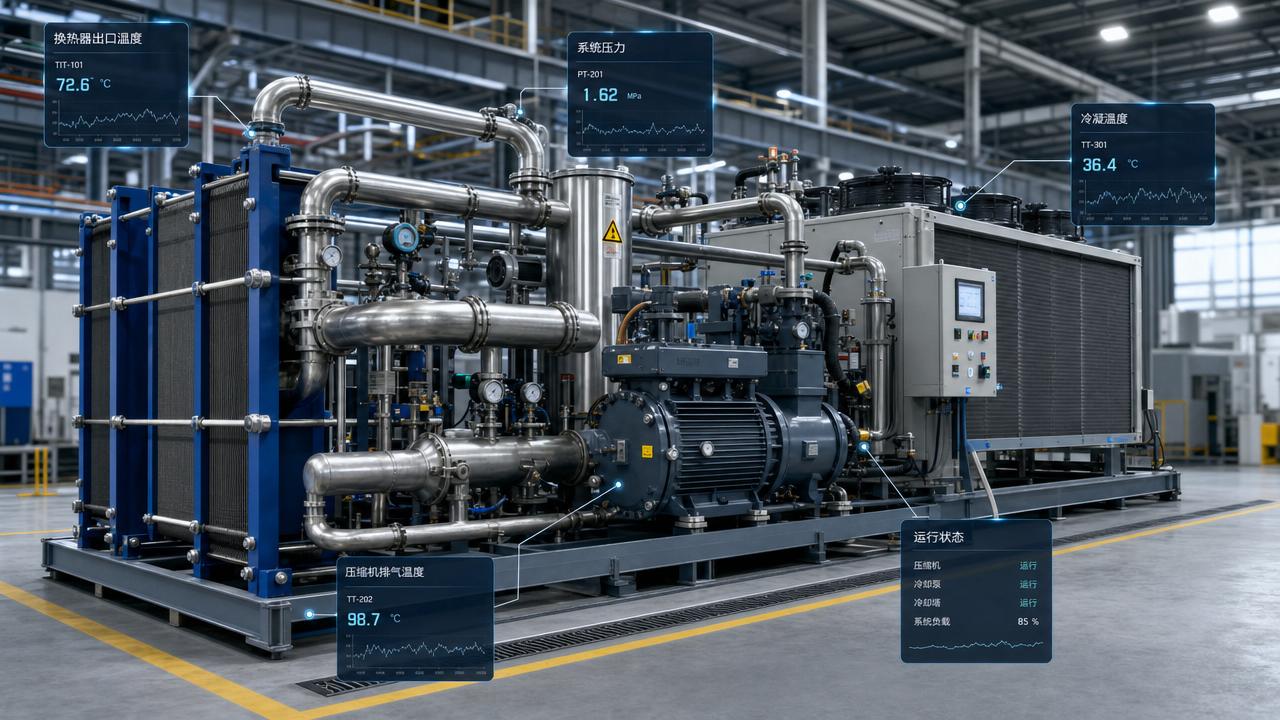
Rising discharge temperature is one of the most important signals. It may point to fouled coolers, poor ventilation, overloading, lubrication problems, or restricted flow through the system.
Pressure instability is another high-value indicator. Fluctuating pressure can result from bad control tuning, leaking valves, undersized storage, demand swings, or issues with sequencing between multiple machines.
Abnormal vibration should never be treated as background noise. Even if values remain below shutdown thresholds, trend increases can reveal alignment drift, looseness, imbalance, or developing bearing damage.
Shortening filter life also deserves attention. If replacement frequency suddenly increases, the underlying cause may be environmental contamination, oil issues, process changes, or poor intake conditions.
For after-sales professionals, the key is trend-based thinking. A single reading may not confirm a failure path, but several small shifts together often show that maintenance risk is rising faster than the site realizes.
How maintenance teams can diagnose root causes instead of replacing parts repeatedly
One of the biggest frustrations in field service is repeated component replacement without durable improvement. This usually happens when teams treat symptoms as faults instead of linking them to system behavior.
A better method starts with structured observation. Review alarm history, service logs, runtime profile, ambient conditions, pressure settings, and recent process changes before focusing on the failed component itself.
Then compare three layers of evidence: mechanical condition, control logic, and operating environment. Compression technology failures often emerge from interaction between these layers, not from one obvious defect.
For example, a hot-running unit may not simply need a cooler cleaning. The true chain may include poor room ventilation, overloaded pressure settings, clogged intake filters, and delayed service intervals.
Likewise, repeated separator issues may reflect lubricant mismatch, excessive temperature, abnormal carryover conditions, or operating cycles outside design assumptions rather than just poor part quality.
Using a root-cause checklist helps teams work consistently across sites. It also improves communication with customers because recommendations are based on verified system conditions instead of general service advice.
Practical prevention steps that reduce downtime and service pressure
For most sites, the goal is not perfect operation. It is controlled risk. After-sales teams can create major value by helping customers prevent the few mistakes that cause most unplanned interventions.
Start with baseline measurements after stable operation. Record pressure, temperature, power draw, vibration, dew point, and service intervals so future changes can be identified before failure occurs.
Confirm whether actual production demand matches compressor selection and control strategy. A well-maintained machine will still struggle if it is fundamentally mismatched to the load profile.
Review all cooling and ventilation conditions during seasonal changes. Compression technology reliability is often affected by summer ambient temperature, water quality shifts, or obstructed airflow around the package.
Train operators on alarm meaning, not just alarm response. When site teams understand why a warning matters, they are less likely to bypass signals that later become expensive repairs.
Finally, document recurring patterns across customers and applications. For a maintenance organization, shared field intelligence turns individual service experiences into a stronger preventive strategy and better customer trust.
Conclusion: reliable compression technology depends on disciplined detail
Compression technology mistakes rarely become costly overnight. More often, they build through small installation errors, unsuitable operating habits, weak contamination control, and neglected performance signals.
For after-sales maintenance personnel, the best defense is early recognition and structured diagnosis. The real value lies in identifying the conditions that create failure risk before component damage becomes unavoidable.
If teams focus on layout, controls, cooling, load behavior, and trend changes, they can prevent many repeat faults that otherwise consume time, parts, and customer confidence.
In the end, reliable service is not only about repairing compressors. It is about understanding how the entire compression technology system behaves under real operating pressure and correcting risk at its source.
Ready when you are. Send us a message to get started.
Related News
- Carrier Plans $600 Million Manufacturing and Engineering Center in Fort WorthAuthor :

- Semiconductor Thermal Management: Low Vibration Design PrioritiesAuthor :

- Thermal Interface Materials: What Drives Real Thermal OptimizationAuthor :
![]()
- Global Energy Costs in Europe: What Changed in 2026Author :

- Smart Device Thermal Management: Common Failures and FixesAuthor :

- Thermal Efficiency Optimization: 5 Signs Your System Is Losing HeatAuthor :

- How Precision Temperature Control Systems Improve Process StabilityAuthor :

- How Intellectualization Improves Process Visibility in Modern PlantsAuthor :

- Global Energy Costs in 2026: What Rising Prices Mean for Plant PlanningAuthor :

- Carbon Neutrality Roadmaps: Common Gaps in Industrial PlanningAuthor :

- Heat Transfer Basics: What Affects Efficiency in Industrial EquipmentAuthor :

- Industrial Thermal Systems: Common Failure Risks in Continuous OperationAuthor :

- Global Energy Costs: 2026 Risk Signals to WatchAuthor :

- Pneumatic Power Systems: Common Sizing Mistakes to AvoidAuthor :

- How Thermal Power Systems Cut Downtime in 2026Author :

- Clean Energy Technology Trends Reshaping Industry in 2026Author :

- Pneumatic Power Systems: Key Checks Before Equipment SelectionAuthor :

- Compression Technology Mistakes That Raise Maintenance RiskAuthor :

- Clean Energy Technology Risks to Watch in 2026 ProjectsAuthor :

- Smart Thermal Systems: 5 Signals Your Controls Are Wasting HeatAuthor :

- How to Size Pneumatic Power Systems for Stable OutputAuthor :

- Pneumatic Power Systems: Key Safety Risks in Daily OperationAuthor :

- Clean Energy Technology Shifts Reshaping Industrial InvestmentAuthor :

- Intellectualization in Industry: What Delivers Measurable Value?Author :

- Thermal Management Mistakes That Shorten Equipment LifeAuthor :

- Clean Energy Technology Options That Fit Real Manufacturing UpgradesAuthor :

- Energy-Saving Technologies Worth Tracking in 2026Author :