Intellectualization in Industry: What Delivers Measurable Value?




Intellectualization in Industry: what should be measured first?
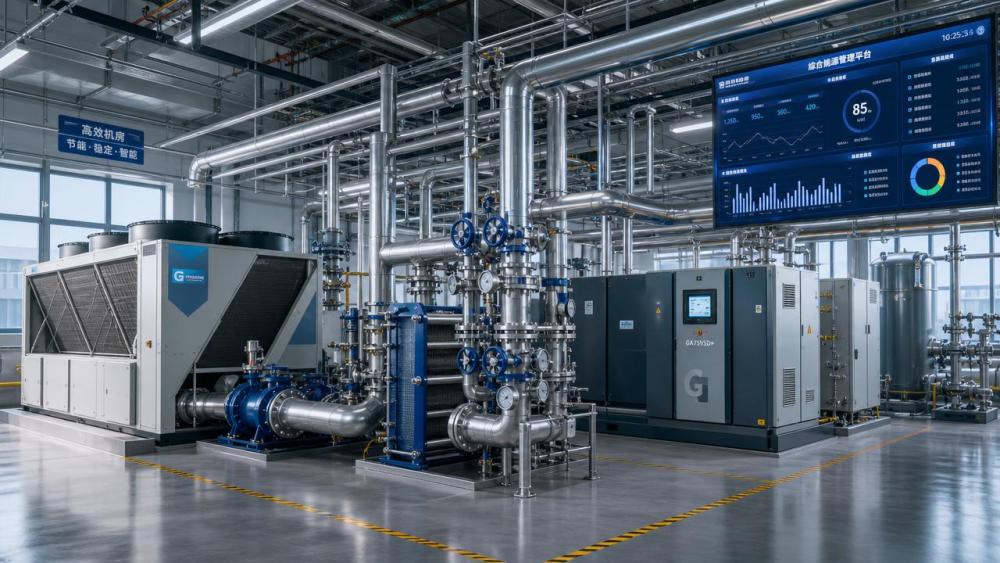
In industry, intellectualization matters only when outcomes can be counted. The most credible gains appear in energy, uptime, quality stability, maintenance timing, and decision speed.
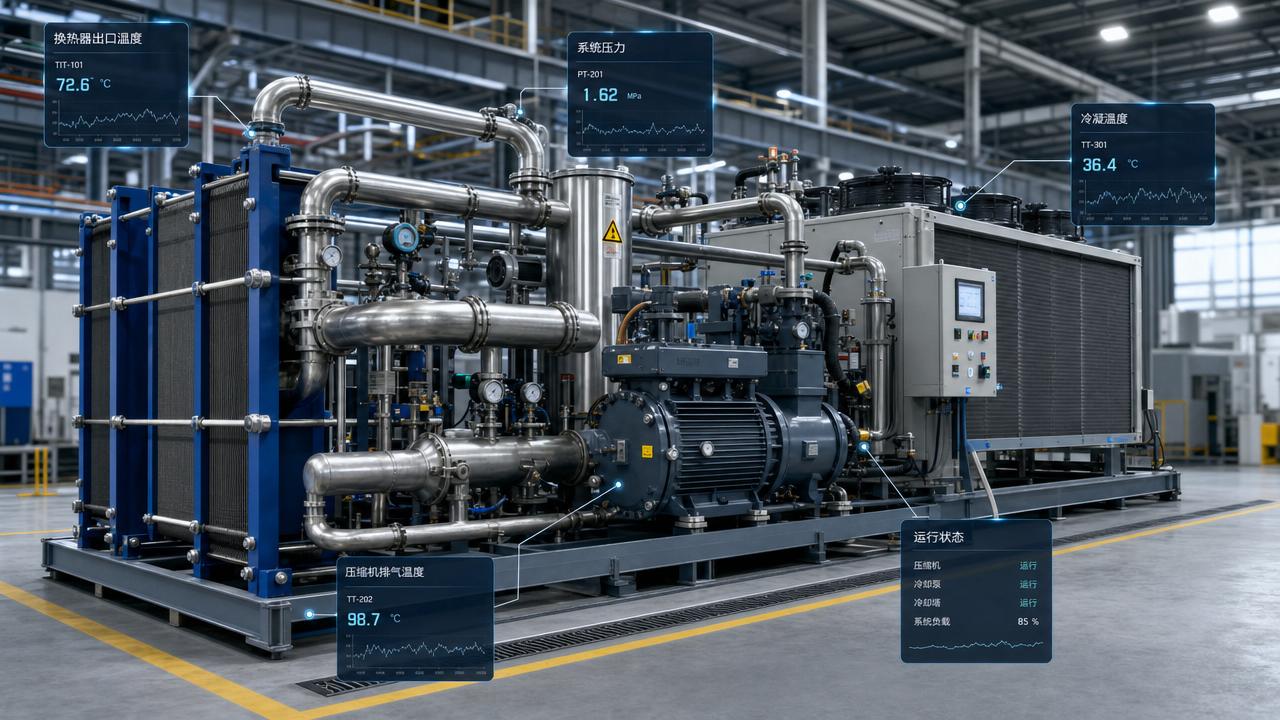
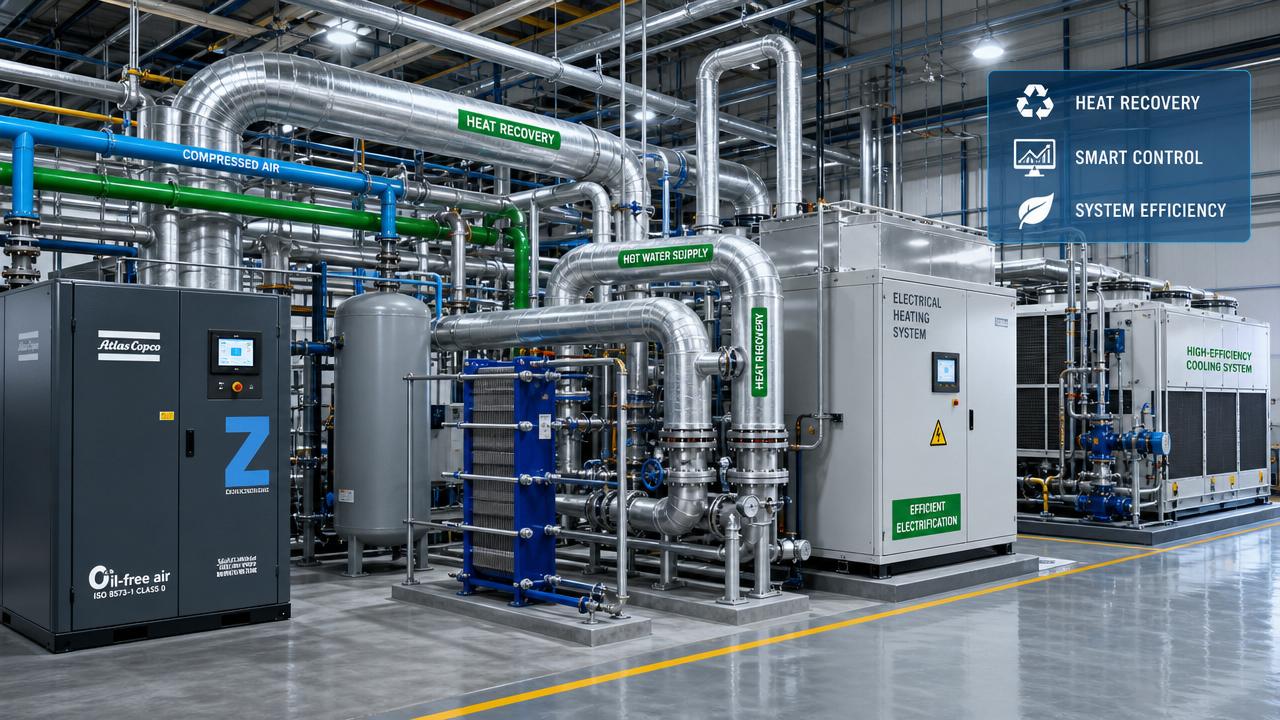
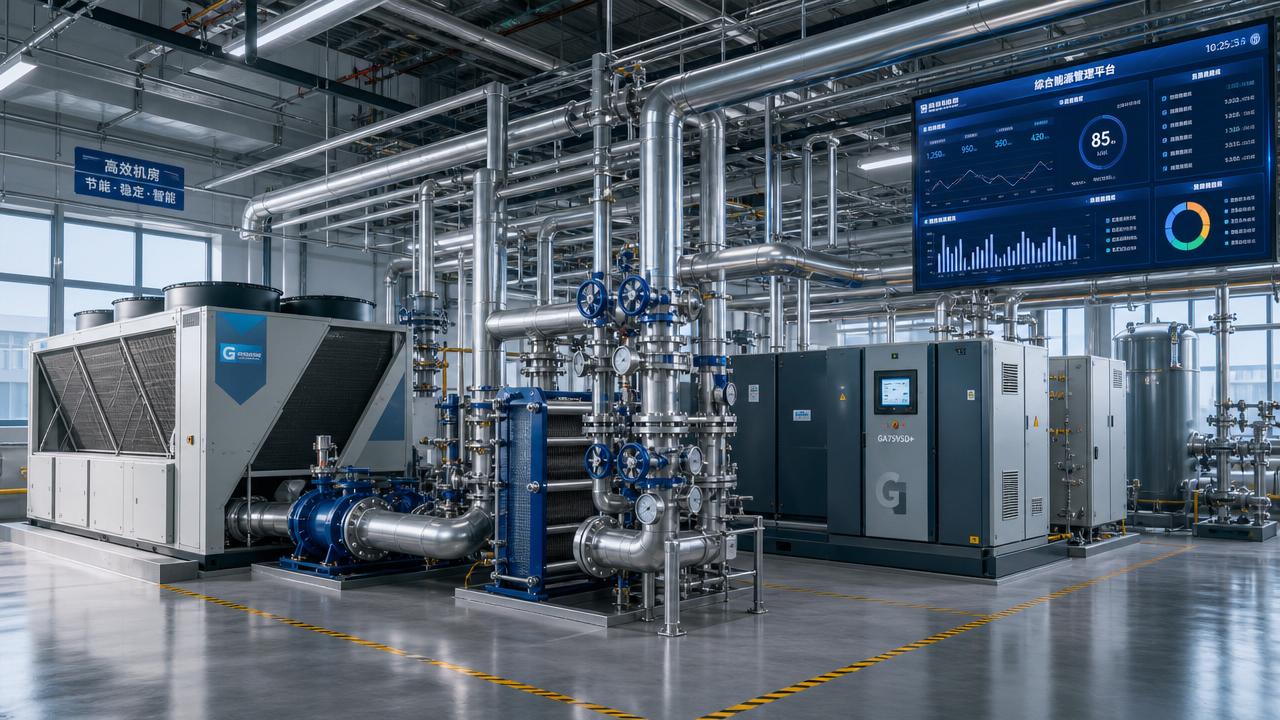
Across cooling, compressed air, vacuum, and heat exchange, digital tools are no longer judged by dashboards alone. They are judged by avoided losses and improved operating efficiency.
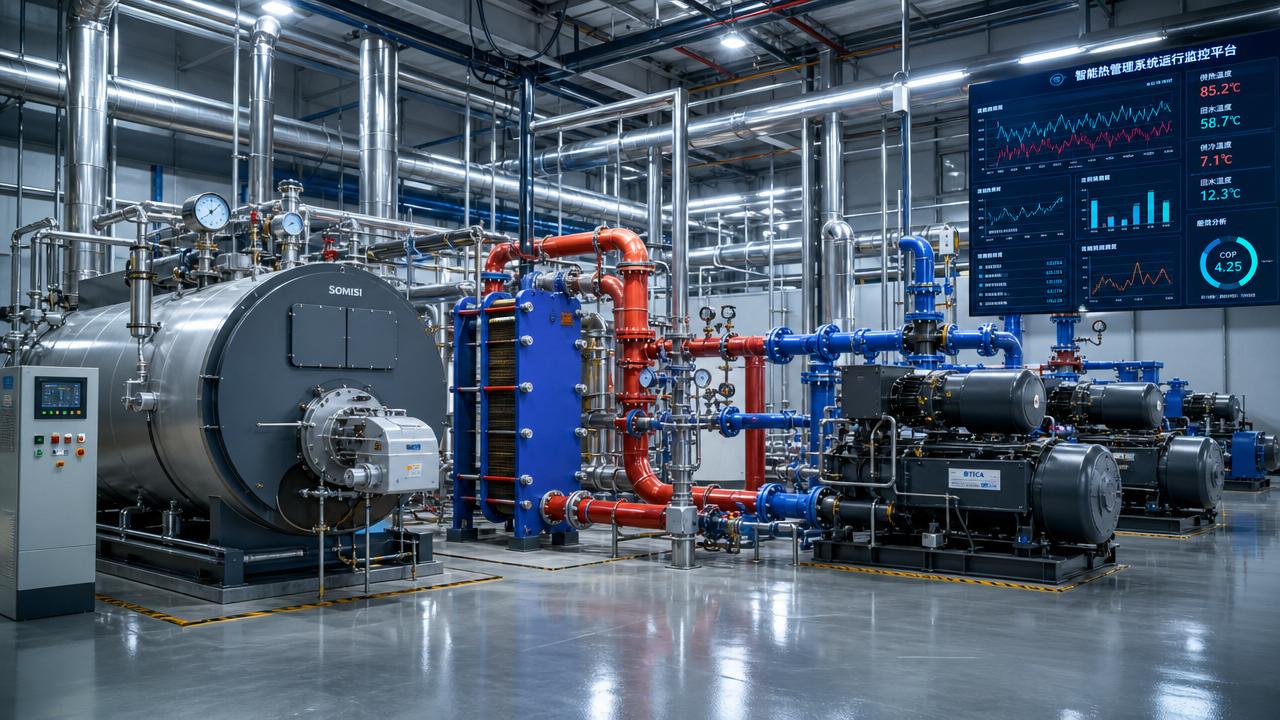
For complex thermal systems, intellectualization becomes valuable when it converts thermodynamic data into actions that reduce waste, reveal hidden constraints, and improve plant-wide coordination.
This is especially relevant in broad industrial settings, where energy prices, carbon targets, process sensitivity, and equipment aging create constant pressure for measurable improvement.
Why a checklist approach improves industrial intellectualization decisions
Many industrial intelligence projects fail because goals stay abstract. A checklist forces each intellectualization decision to connect with a baseline, a metric, an owner, and a business result.
It also helps compare applications fairly. Predictive maintenance, load optimization, leak detection, and thermal balancing do not create equal value in every process.
A structured review prevents overinvestment in data collection and underinvestment in operational discipline. It keeps attention on what truly delivers measurable value.
Core checks for intellectualization that delivers measurable value
- Define one target first, such as kWh reduction, lower specific power, fewer stoppages, or tighter temperature variation, before selecting any intellectualization platform.
- Verify baseline data quality across sensors, controllers, meters, and historian records, because weak input data makes every industrial intelligence result questionable.
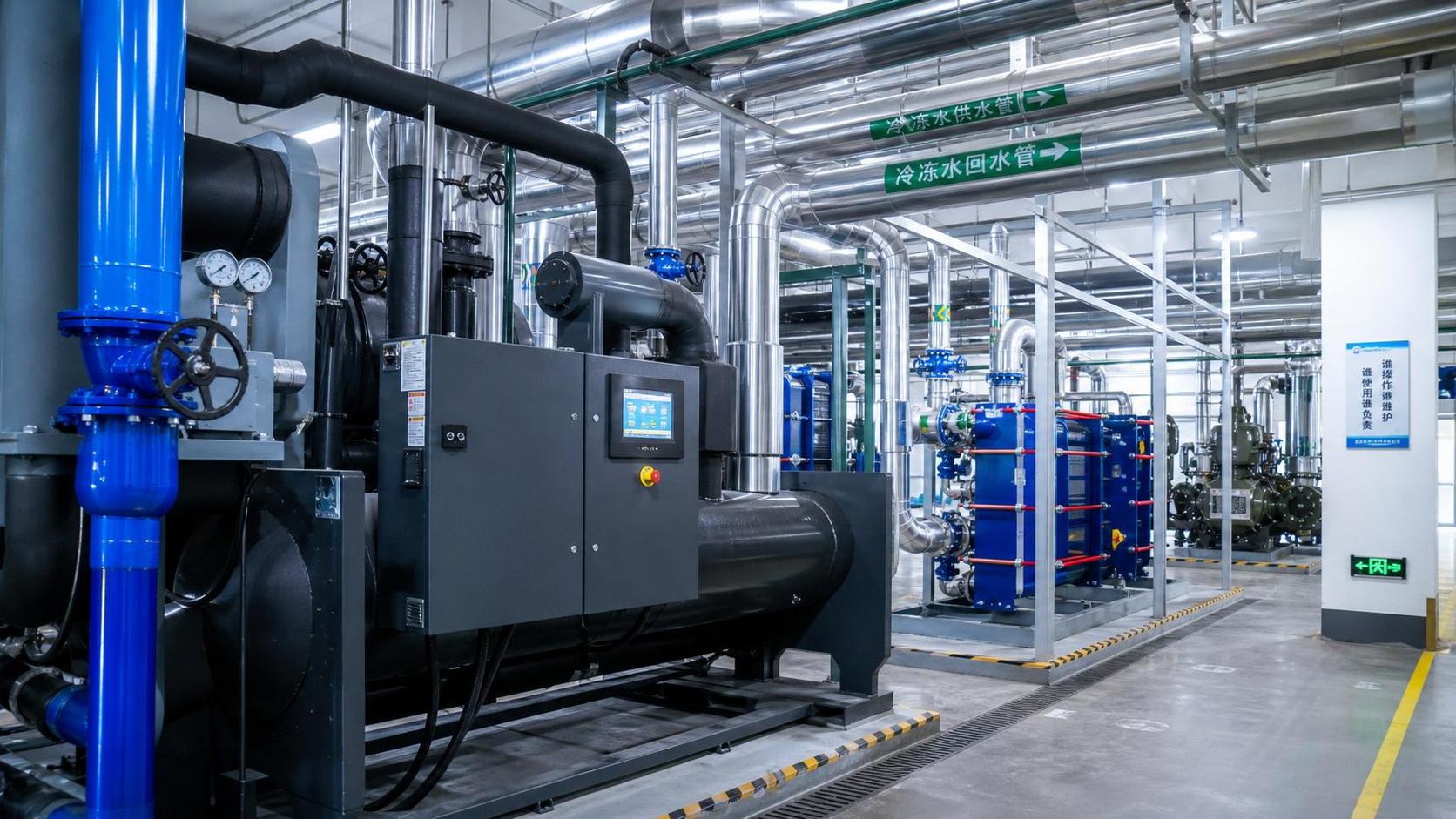
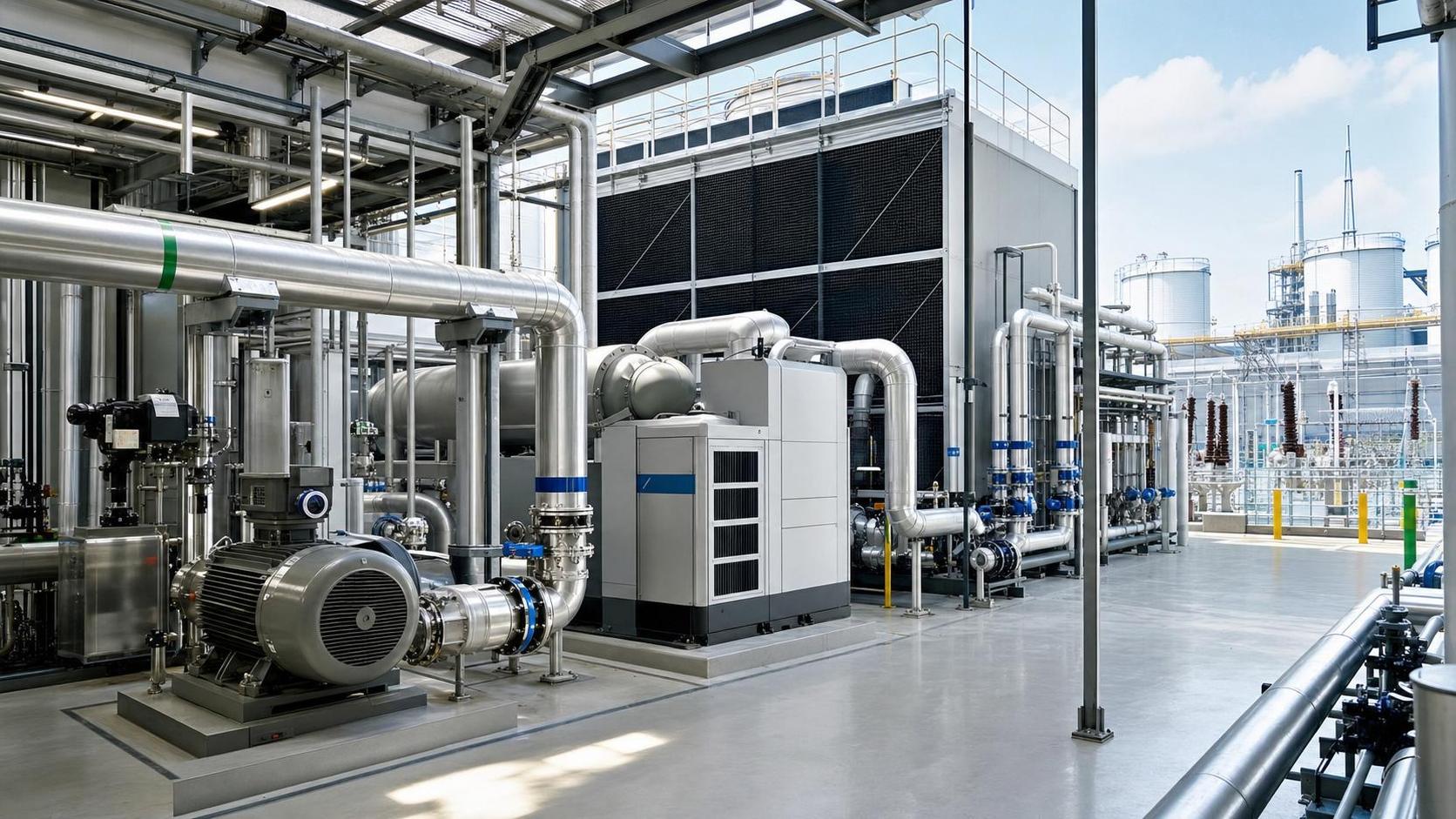
- Focus on energy-intensive assets first, especially compressors, chillers, pumps, fans, vacuum units, and heat exchangers with unstable load or poor control response.
- Check whether the system can recommend actions, not only display trends, because useful intellectualization must support intervention, scheduling, or control optimization.
- Measure return at process level, not device level alone, since the best value often comes from interactions between thermal loads, air demand, and utility coordination.
- Review alarm design carefully, because excessive alerts create operator fatigue and reduce trust in intellectualization outputs during abnormal process conditions.
- Confirm integration with maintenance workflows, spare-part planning, and shutdown windows, so diagnostic intelligence can translate into timely physical action.
- Test models under seasonal shifts and varying production recipes, because industrial intellectualization must remain useful beyond one stable operating period.
- Include cybersecurity, access control, and data ownership review early, especially when intellectualization depends on remote connectivity or cross-site benchmarking.
- Track both fast and slow benefits, combining immediate utility savings with longer-cycle gains in reliability, product consistency, and asset life extension.
Where intellectualization creates the clearest value
Cooling systems
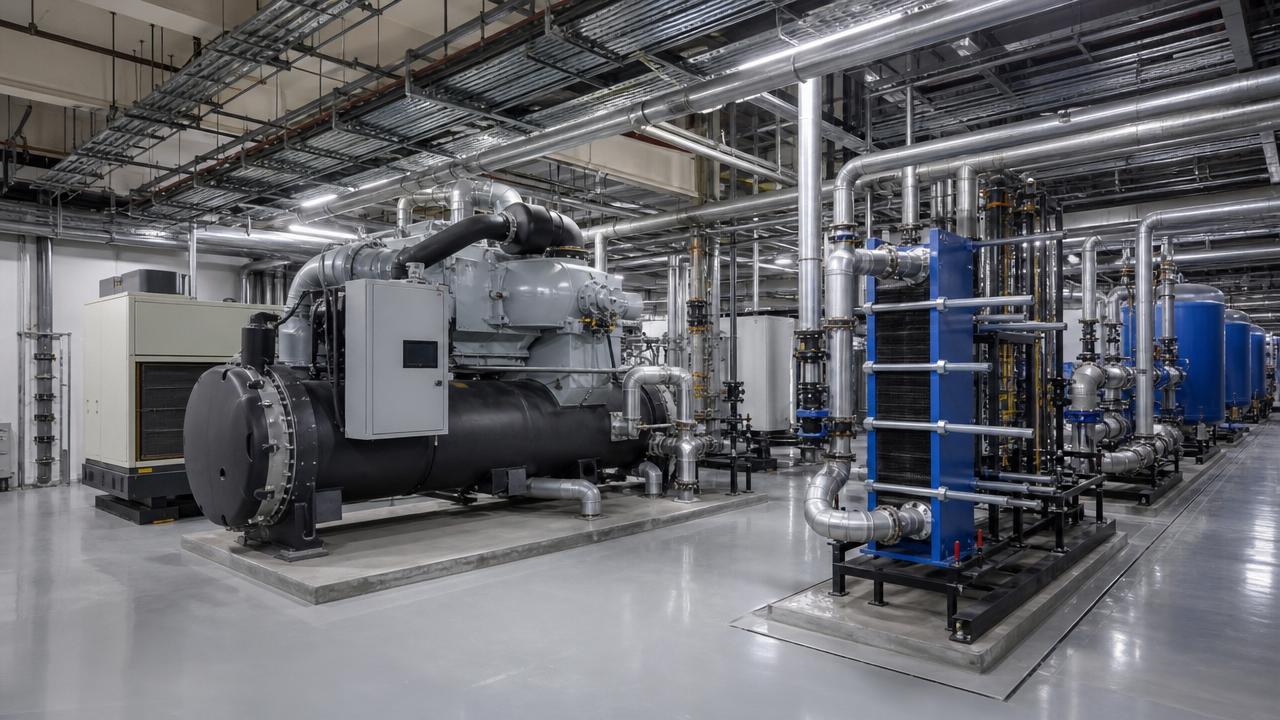
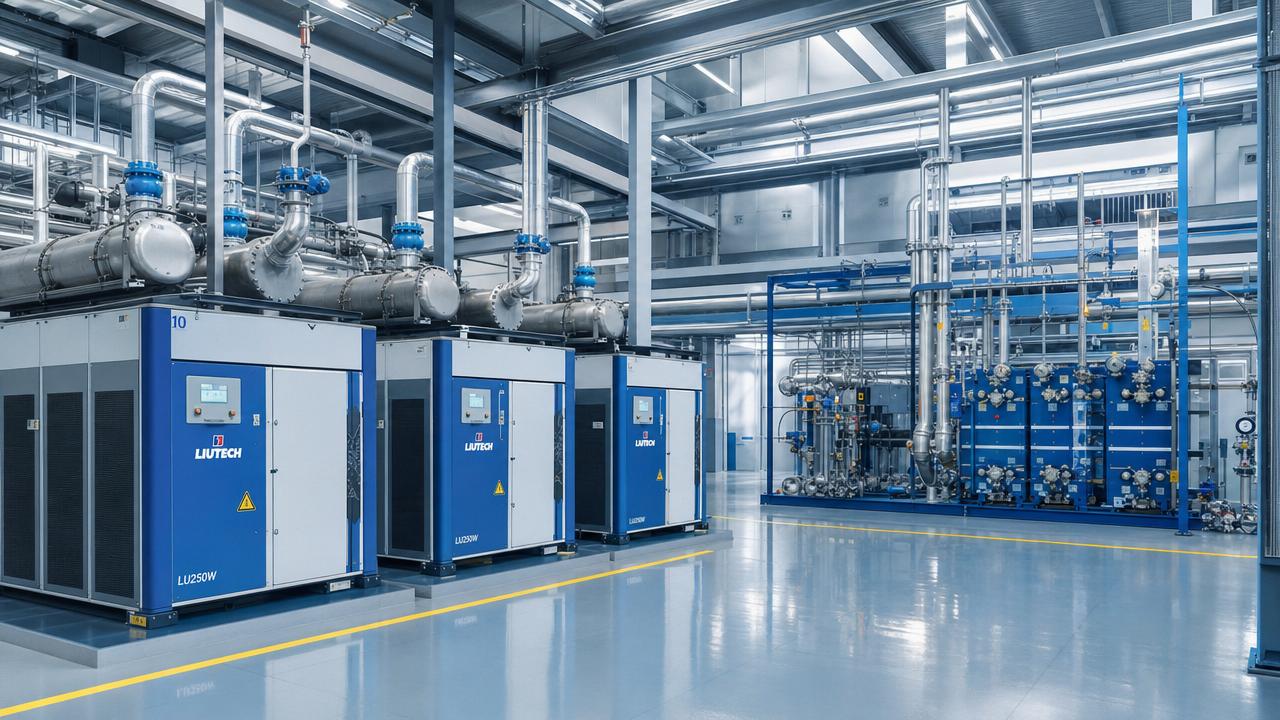
In cooling, intellectualization often proves its value through chiller sequencing, condenser approach monitoring, fouling detection, and dynamic setpoint adjustment.
Useful checks include part-load efficiency, weather response, unstable return temperatures, and interactions between process cooling and building utility demand.
Compressed air
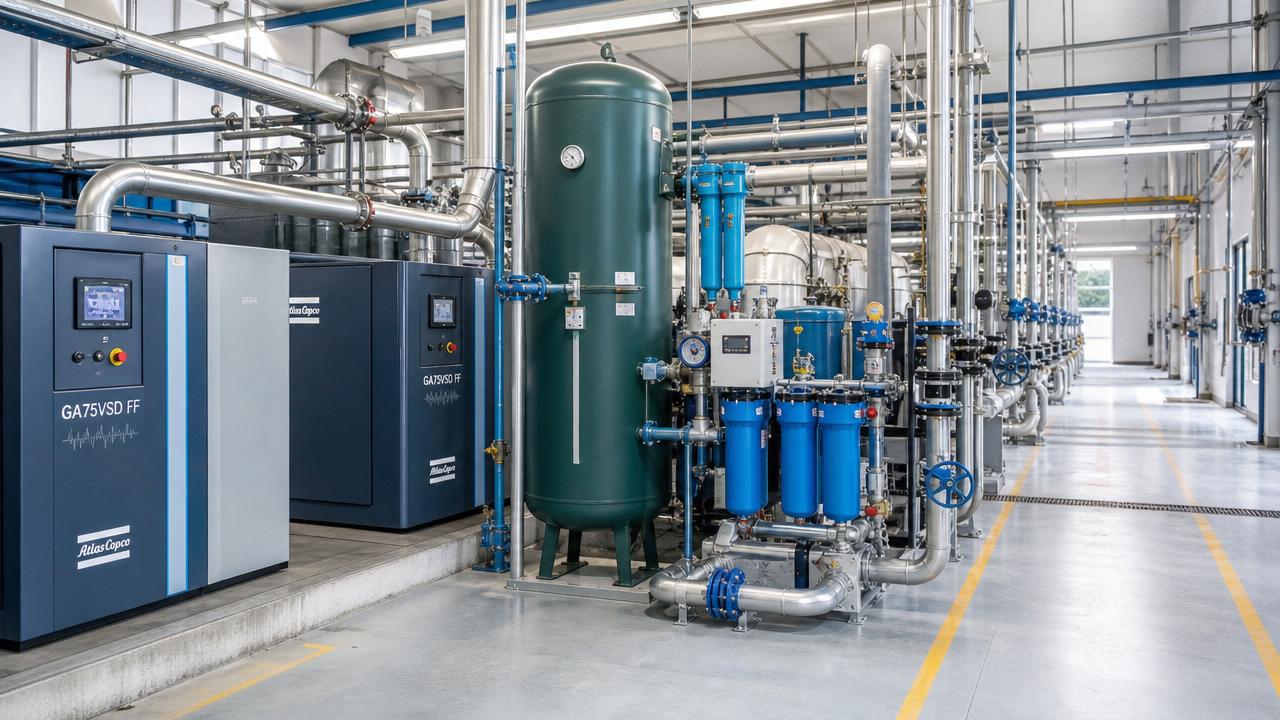
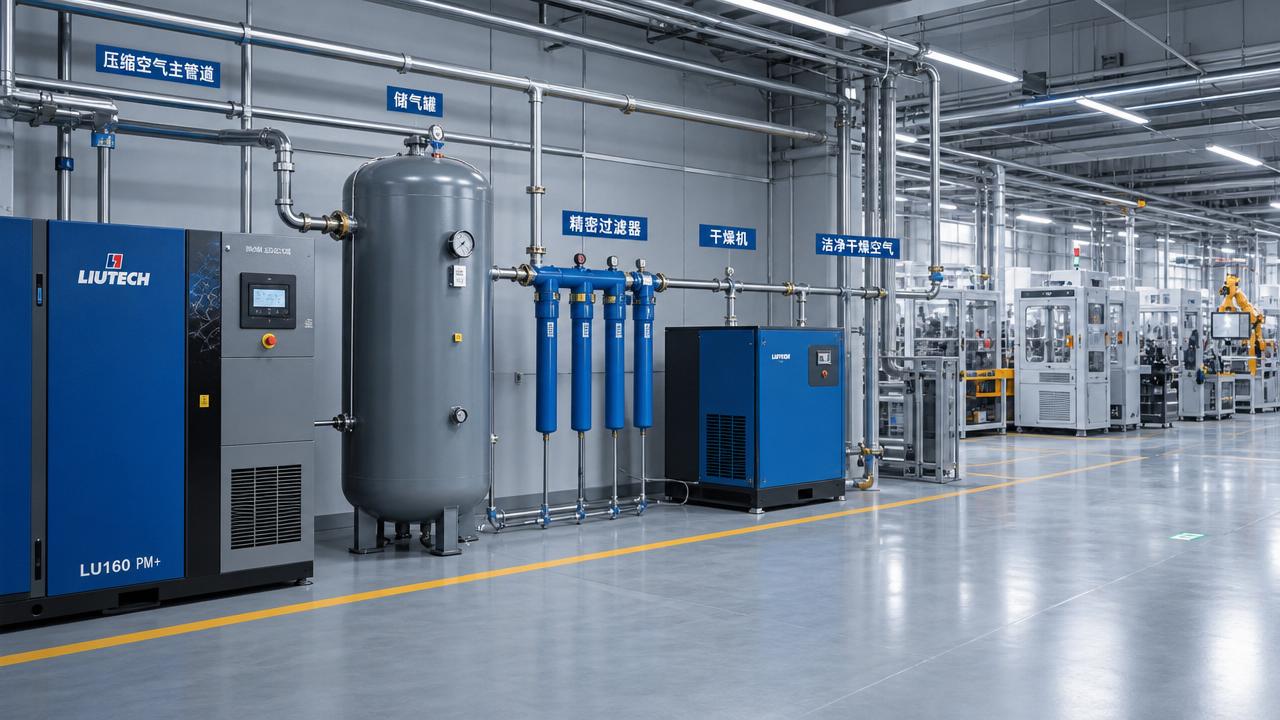
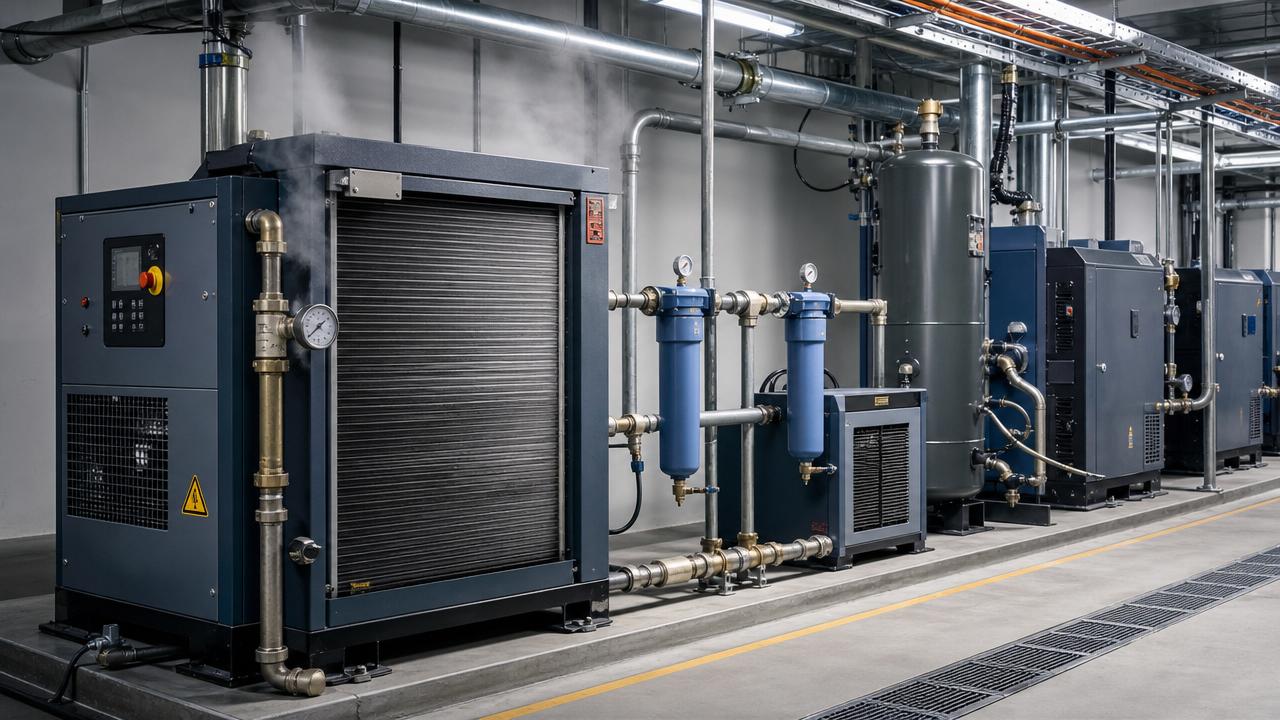
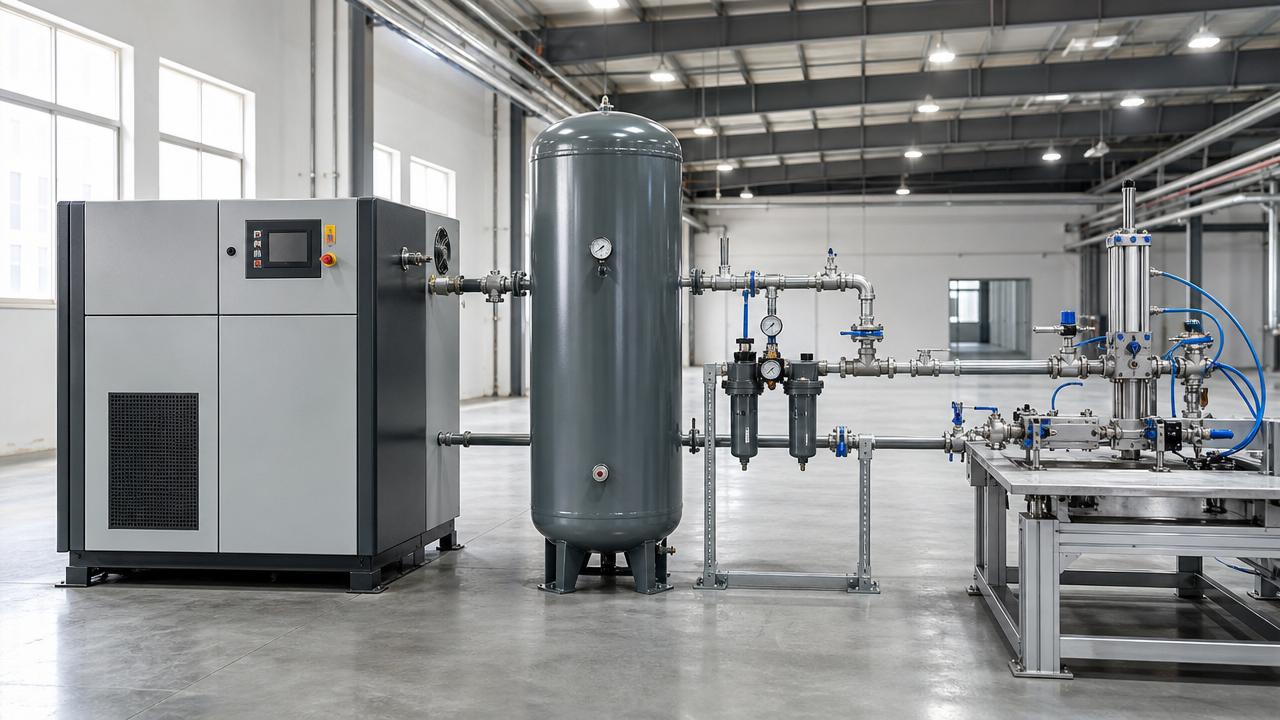
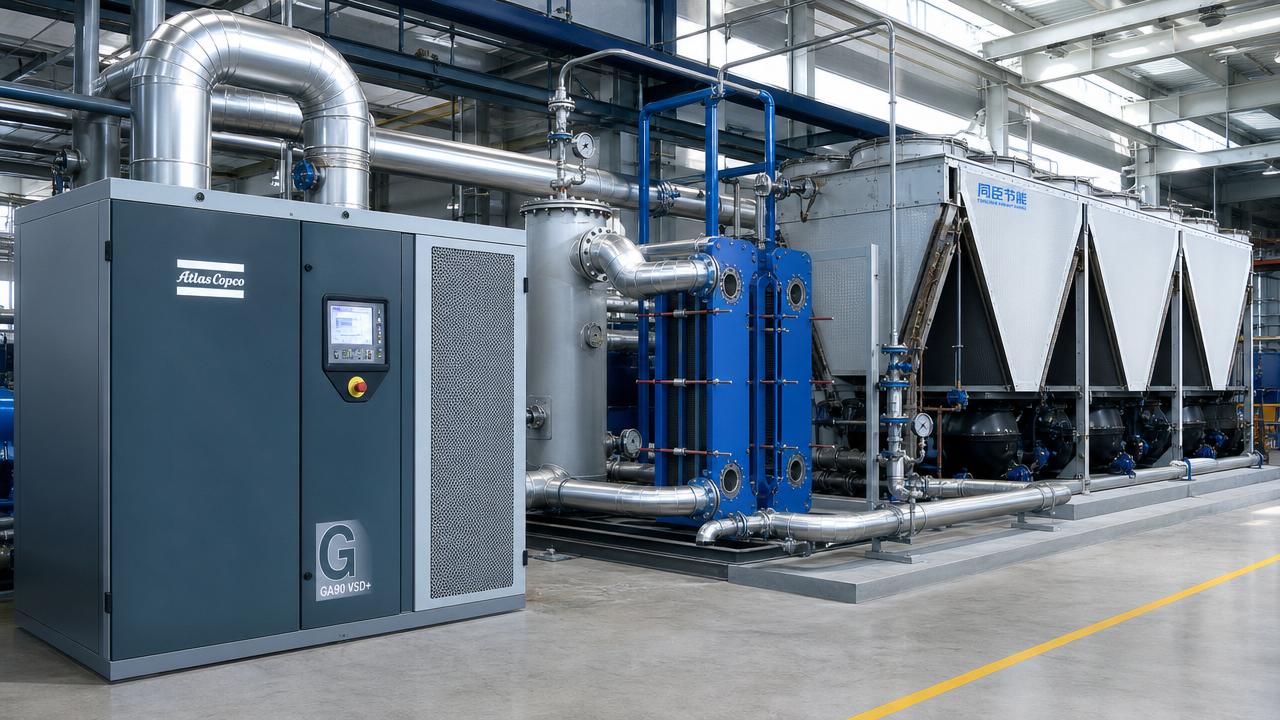
Compressed air is a leading field for intellectualization because waste is common and measurable. Leak mapping, pressure band optimization, and compressor sequencing generate direct savings.
The strongest value appears when pressure, flow, dew point, and specific power are analyzed together instead of as isolated indicators.
Vacuum processes
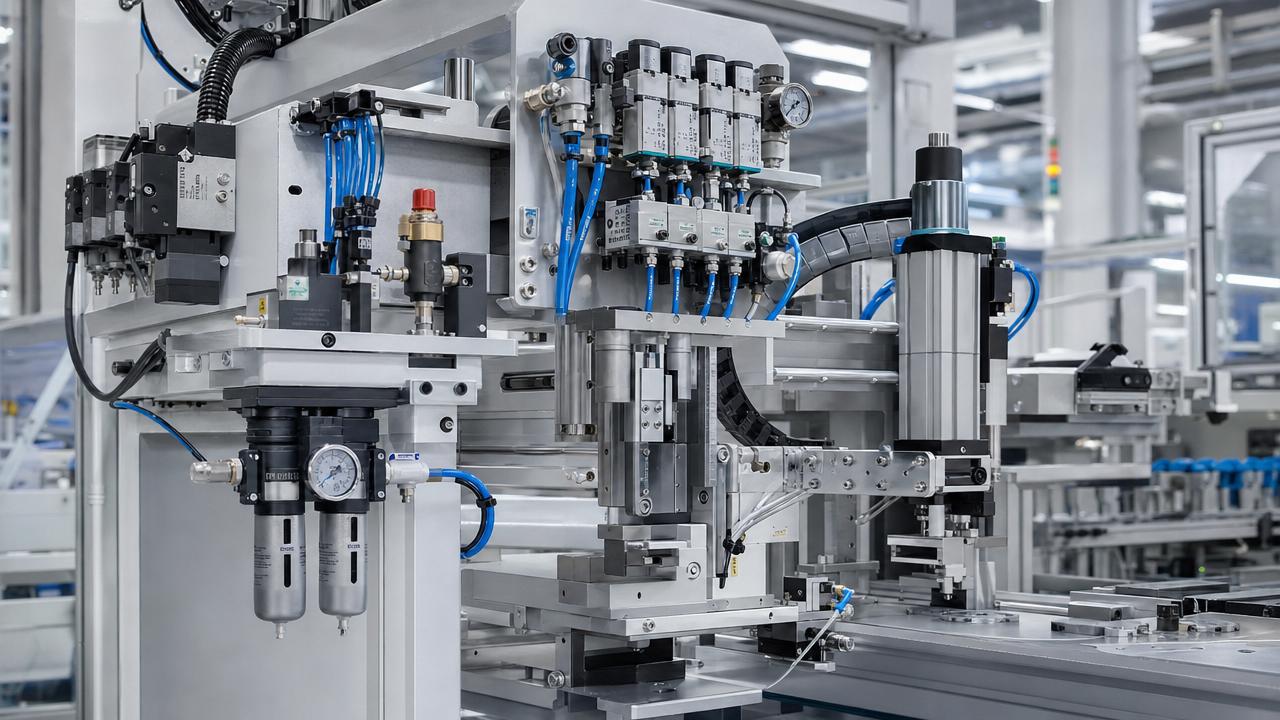
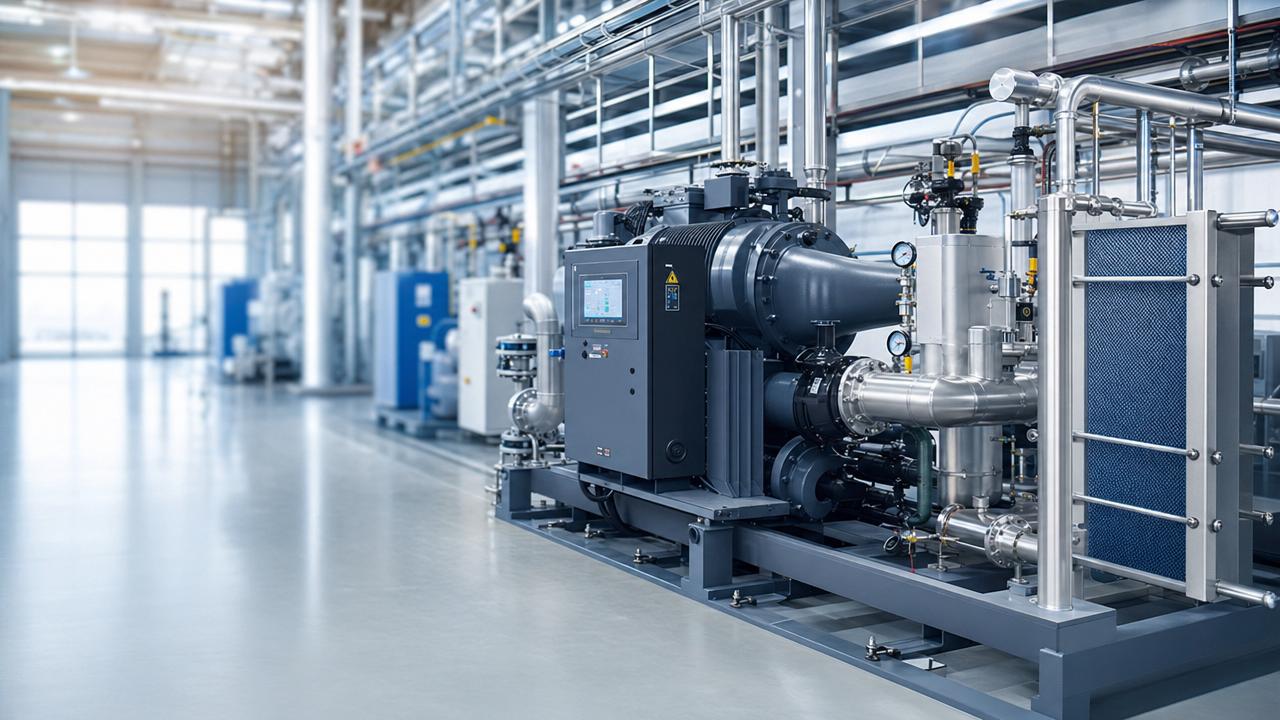
Vacuum systems benefit when intellectualization links process demand with pump loading, contamination risk, and cycle timing. This avoids oversizing and unstable vacuum quality.
Monitoring pump-down curves, seal condition, and process deviations helps identify whether poor performance comes from equipment, leakage, or recipe changes.
Heat exchange networks
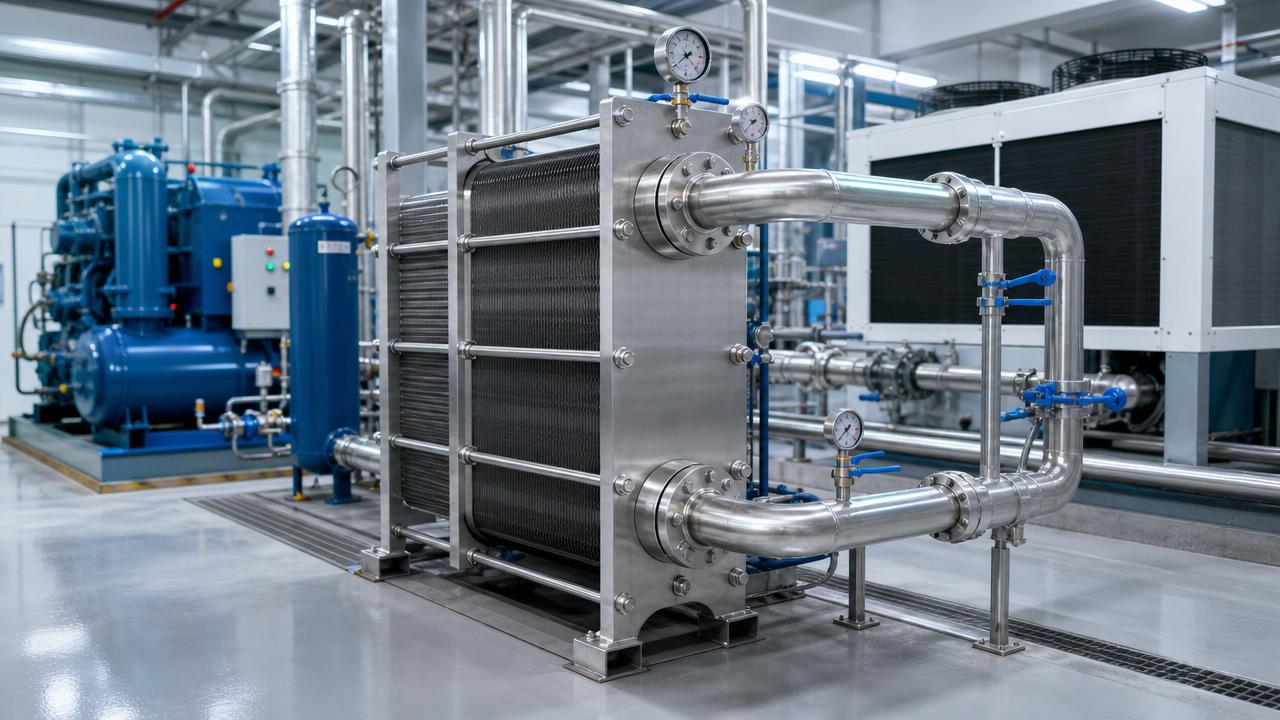
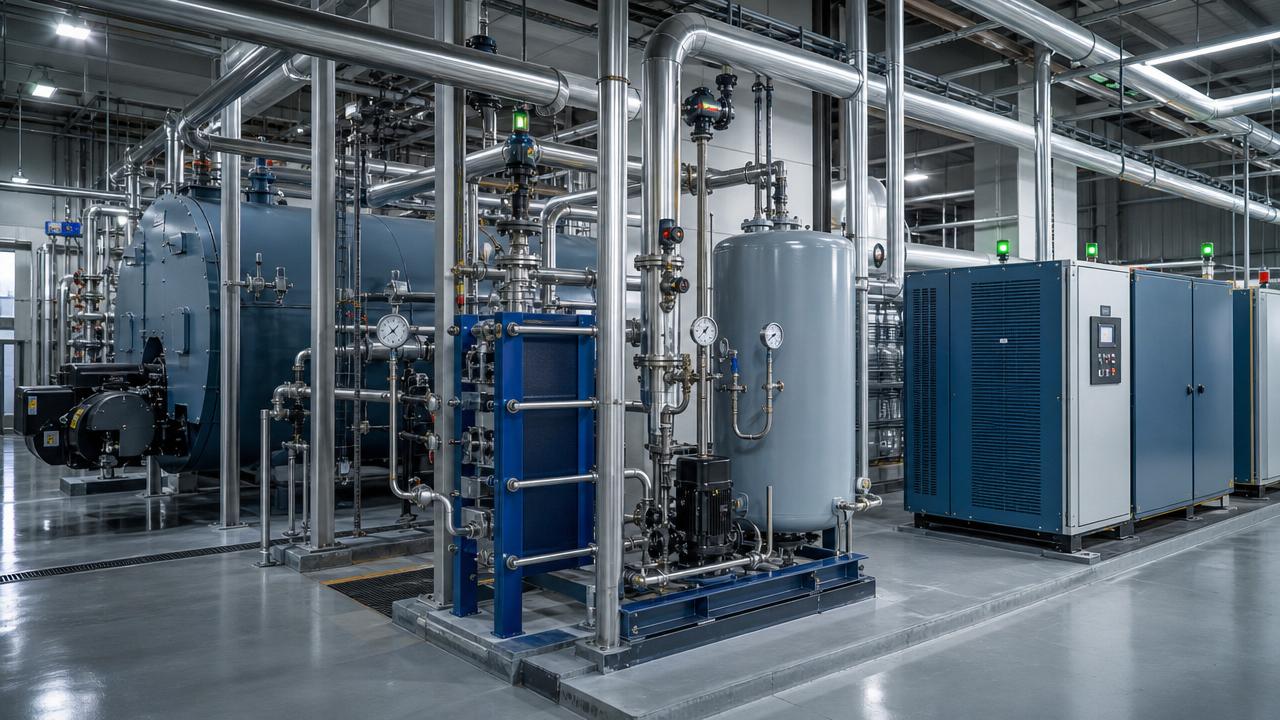
For heat exchange, intellectualization becomes valuable when it reveals fouling trends, pinch losses, thermal imbalance, and underused recovery opportunities.
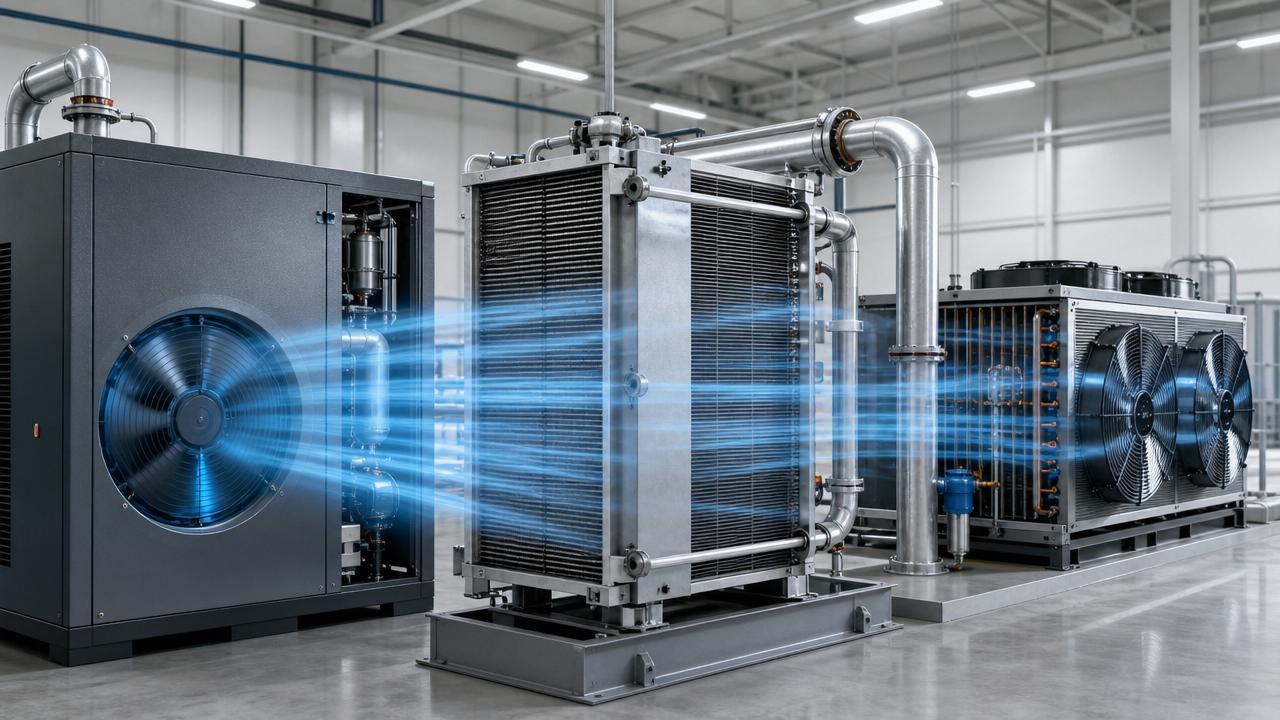
The key is not only exchanger-level analytics, but visibility across the wider thermal network, where hidden interactions shape energy conversion efficiency.
How to judge measurable value with practical indicators
A credible intellectualization program should use a small metric set that links digital insight to physical performance. Too many indicators dilute accountability.
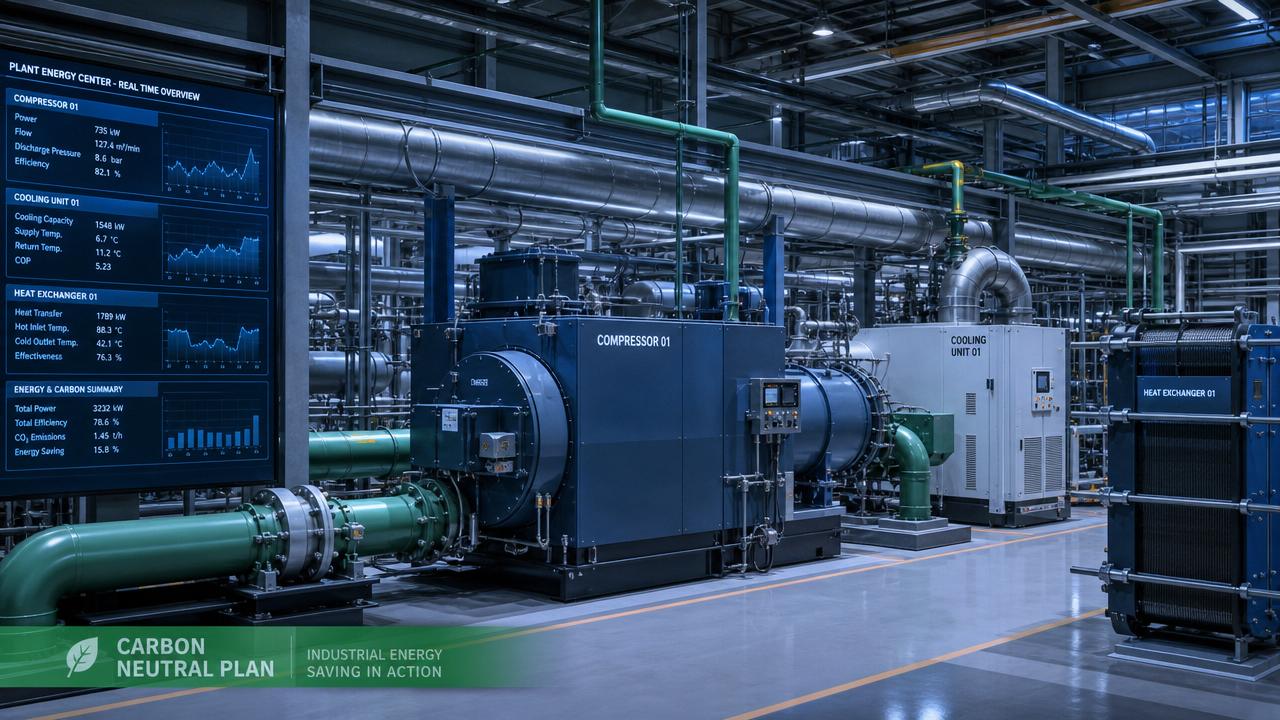
- Energy performance: kWh per unit output, compressor specific power, coefficient of performance, heat recovery rate, and peak demand reduction.
- Reliability performance: mean time between failures, unplanned downtime hours, alarm recurrence, and maintenance response timing.
- Process performance: temperature stability, pressure consistency, vacuum cycle repeatability, and deviation frequency during critical production windows.
- Financial performance: avoided maintenance cost, reduced product loss, utility savings, and payback period under realistic operating conditions.
When possible, compare before and after results over similar production loads. Intellectualization should be validated by normal operation, not only trial conditions.
Frequently overlooked issues that reduce intellectualization value
Weak thermodynamic context
Data without process physics creates misleading recommendations. Thermal and compression systems need logic grounded in load behavior, heat transfer, pressure losses, and control limits.
No operational ownership
Even strong intellectualization fails when nobody is responsible for reviewing insights, approving changes, or confirming savings after implementation.
Overly broad project scope
Large first-phase deployments often delay value. Starting with the most energy-intensive or failure-prone system improves speed, clarity, and stakeholder confidence.
Ignoring change in operating conditions
Industrial intellectualization must adapt to product mix changes, ambient shifts, maintenance events, and utility price volatility, or early gains quickly fade.
Practical execution steps for better industrial intellectualization
- Map the utility and process chain, then identify where thermal losses, pressure instability, or idle running create the largest economic penalty.
- Select one pilot area with clear metering and operational relevance, such as compressor sequencing or heat exchanger fouling prediction.
- Set a ninety-day validation plan with baseline metrics, decision rules, and review intervals to confirm whether intellectualization creates repeatable value.
- Document savings and operational lessons in business language, linking engineering outcomes to cost, risk reduction, and production stability.
This disciplined path is consistent with the GTC-Matrix view that industrial performance improves when thermodynamic logic and power system intelligence are stitched together.
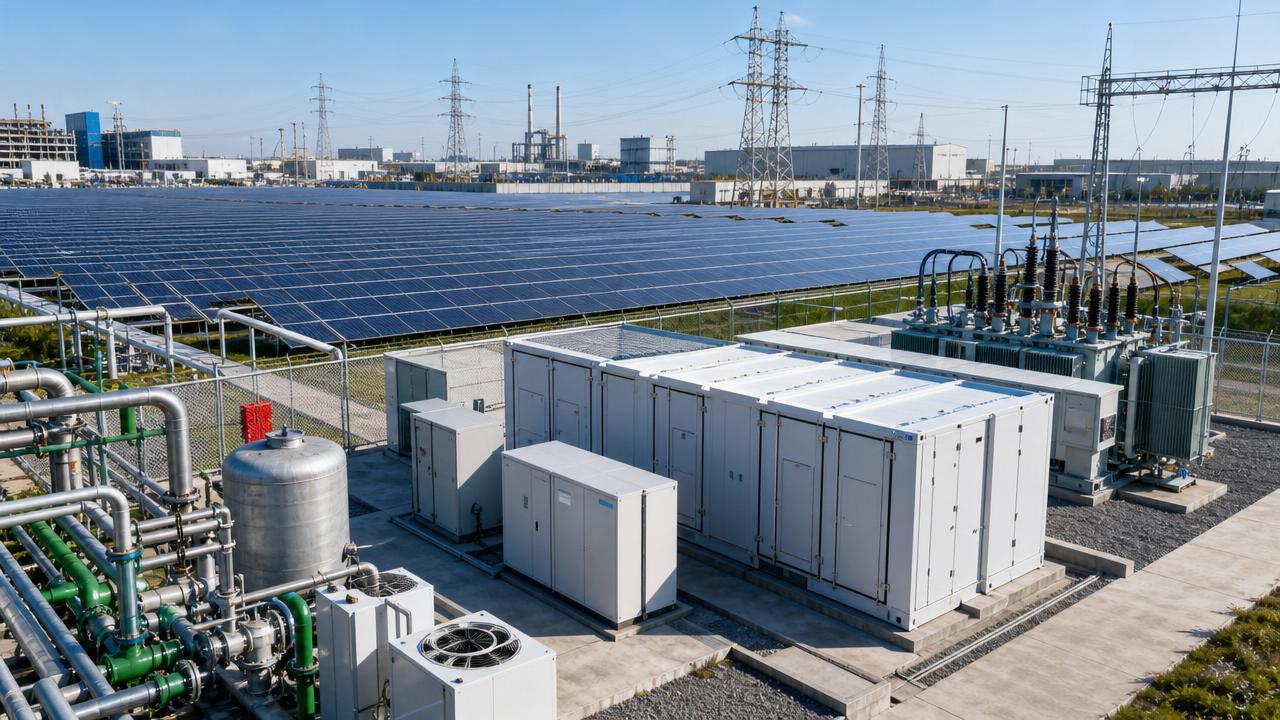
In sectors facing decarbonization pressure, intellectualization is most valuable when it supports energy conversion efficiency, low-loss thermal control, and smarter asset use.
Final direction: turn intellectualization into accountable performance
The best intellectualization strategy is not the most complex one. It is the one that improves efficiency, resilience, and process control with evidence that stands up over time.
Start with the systems that convert the most energy and create the most uncertainty. Measure baseline reality, act on high-confidence insights, and verify every claimed gain.
When applied this way, intellectualization becomes more than digital ambition. It becomes a practical method for lowering costs, strengthening uptime, and improving industrial competitiveness.
Related News
- Semiconductor Thermal Management: Low Vibration Design PrioritiesAuthor :

- Thermal Interface Materials: What Drives Real Thermal OptimizationAuthor :
![]()
- Global Energy Costs in Europe: What Changed in 2026Author :

- Smart Device Thermal Management: Common Failures and FixesAuthor :

- Thermal Efficiency Optimization: 5 Signs Your System Is Losing HeatAuthor :

- How Precision Temperature Control Systems Improve Process StabilityAuthor :

- How Intellectualization Improves Process Visibility in Modern PlantsAuthor :

- Global Energy Costs in 2026: What Rising Prices Mean for Plant PlanningAuthor :

- Carbon Neutrality Roadmaps: Common Gaps in Industrial PlanningAuthor :

- Heat Transfer Basics: What Affects Efficiency in Industrial EquipmentAuthor :

- Industrial Thermal Systems: Common Failure Risks in Continuous OperationAuthor :

- Global Energy Costs: 2026 Risk Signals to WatchAuthor :

- Pneumatic Power Systems: Common Sizing Mistakes to AvoidAuthor :

- How Thermal Power Systems Cut Downtime in 2026Author :

- Clean Energy Technology Trends Reshaping Industry in 2026Author :

- Pneumatic Power Systems: Key Checks Before Equipment SelectionAuthor :

- Compression Technology Mistakes That Raise Maintenance RiskAuthor :

- Clean Energy Technology Risks to Watch in 2026 ProjectsAuthor :

- Smart Thermal Systems: 5 Signals Your Controls Are Wasting HeatAuthor :

- How to Size Pneumatic Power Systems for Stable OutputAuthor :

- Pneumatic Power Systems: Key Safety Risks in Daily OperationAuthor :

- Clean Energy Technology Shifts Reshaping Industrial InvestmentAuthor :

- Intellectualization in Industry: What Delivers Measurable Value?Author :

- Thermal Management Mistakes That Shorten Equipment LifeAuthor :

- Clean Energy Technology Options That Fit Real Manufacturing UpgradesAuthor :

- Energy-Saving Technologies Worth Tracking in 2026Author :