Clean Energy Technology Shifts Reshaping Industrial Investment




As clean energy technology accelerates across global industry, investment logic is shifting from short-term cost control to long-term efficiency, resilience, and compliance. For business evaluators, understanding how cooling, compressed air, vacuum, and heat exchange systems align with decarbonization goals is now essential to identifying scalable assets, reducing operational risk, and capturing value in the next wave of industrial transformation.
For capital allocation teams, plant auditors, and strategic sourcing managers, the challenge is no longer whether decarbonization will affect industrial assets. The real issue is how to assess which systems can deliver measurable energy performance within 12–36 months while staying compatible with future environmental rules, digital monitoring standards, and production reliability targets.
This is especially relevant in sectors where thermal management and compressed power sit at the center of operating cost structures. In pharmaceuticals, semiconductors, food processing, precision manufacturing, and multi-utility plants, even a 5%–15% improvement in cooling efficiency or compressed air stability can materially change asset quality, maintenance burden, and long-term valuation.
Why Clean Energy Technology Is Changing Industrial Investment Criteria
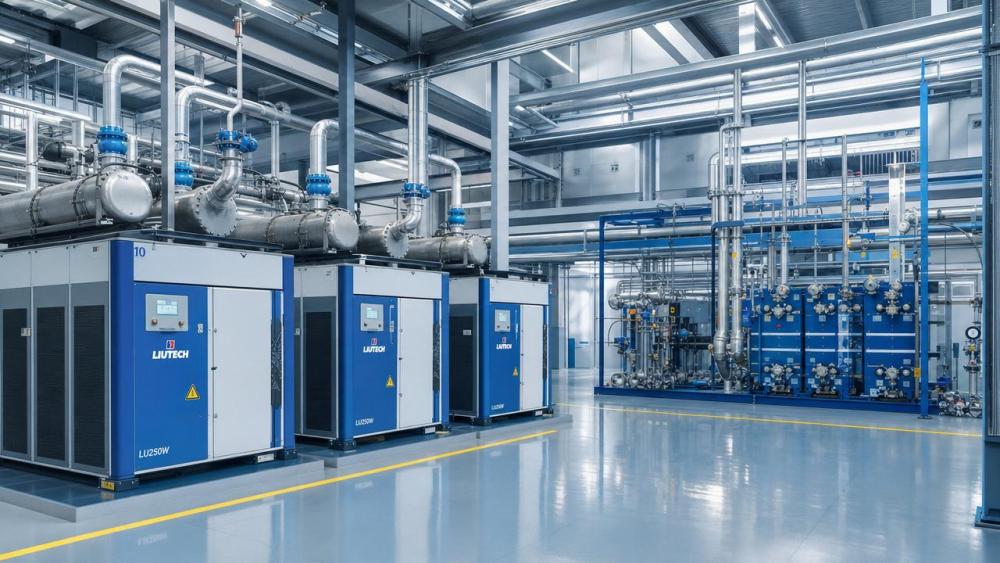
Industrial investors once prioritized capacity expansion, unit price, and immediate payback. Today, clean energy technology is changing the scorecard. Equipment is increasingly evaluated by lifecycle efficiency, refrigerant compliance, controllability, heat recovery potential, and resilience under volatile electricity prices.
For business evaluators, this shift is practical rather than ideological. Cooling systems, compressors, vacuum units, and heat exchangers can account for 20%–40% of utility consumption in many industrial sites. When energy tariffs swing by double-digit percentages, inefficient utility infrastructure rapidly becomes an earnings risk.
From fixed-cost assets to dynamic value drivers
A conventional industrial review treated thermal and compression systems as necessary support functions. Under modern clean energy technology strategies, these systems are now viewed as active value drivers. They influence carbon intensity, product consistency, downtime frequency, and regulatory readiness across multiple business units.
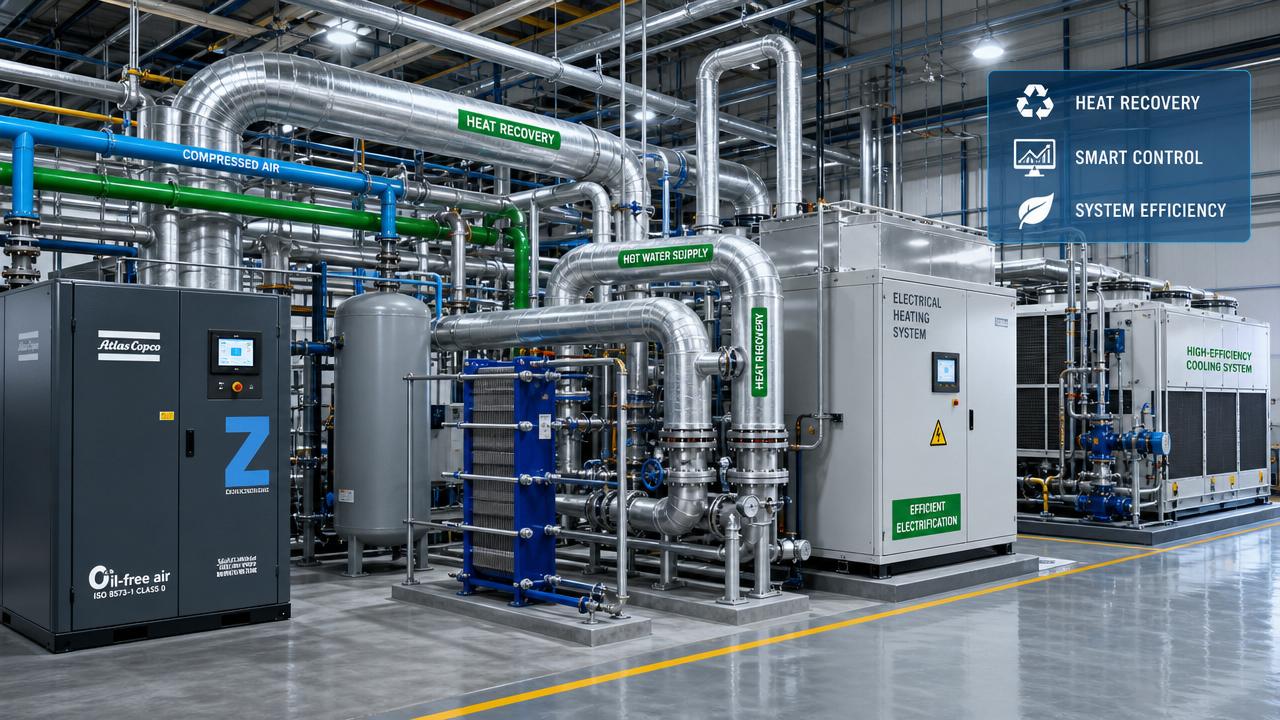
For example, a plant with oil-free compressed air, microchannel heat exchangers, variable-speed drives, and heat recovery loops may reduce utility waste, lower contamination risk, and improve process control at the same time. That combination often matters more than a simple low purchase price.
Four indicators now shaping evaluation models
- Specific energy performance, such as kWh per unit of cooling or compressed air output
- Regulatory exposure, including refrigerant transition risk and emissions-related retrofit needs
- Maintenance stability, measured by service intervals, filter replacement cycles, and failure points
- Integration capability with sensors, controls, and plant energy management platforms
These indicators help evaluators move beyond headline CAPEX. In many facilities, a 2–4 year operational view reveals stronger returns than a purely procurement-driven comparison made at the bidding stage.
How industrial systems are being re-ranked
The table below shows how clean energy technology is changing the relative importance of assessment factors in industrial utility systems. It is designed for teams comparing equipment packages, retrofits, or platform-level upgrades.
The main conclusion is clear: industrial utility assets are no longer evaluated as isolated machines. They are being reviewed as long-term infrastructure platforms that affect emissions, uptime, and competitiveness simultaneously.
Where Clean Energy Technology Has the Strongest Impact on Industrial Assets
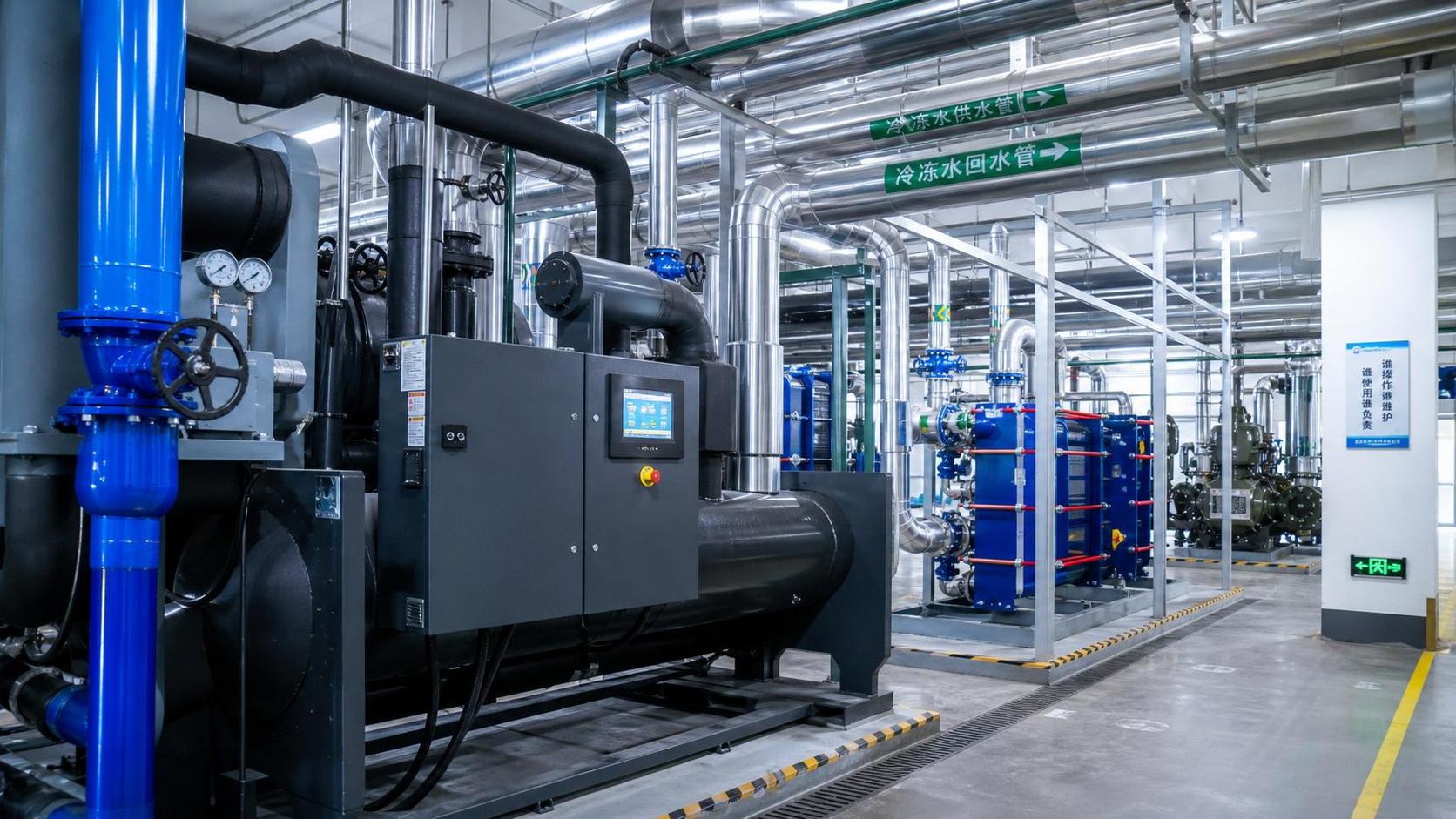
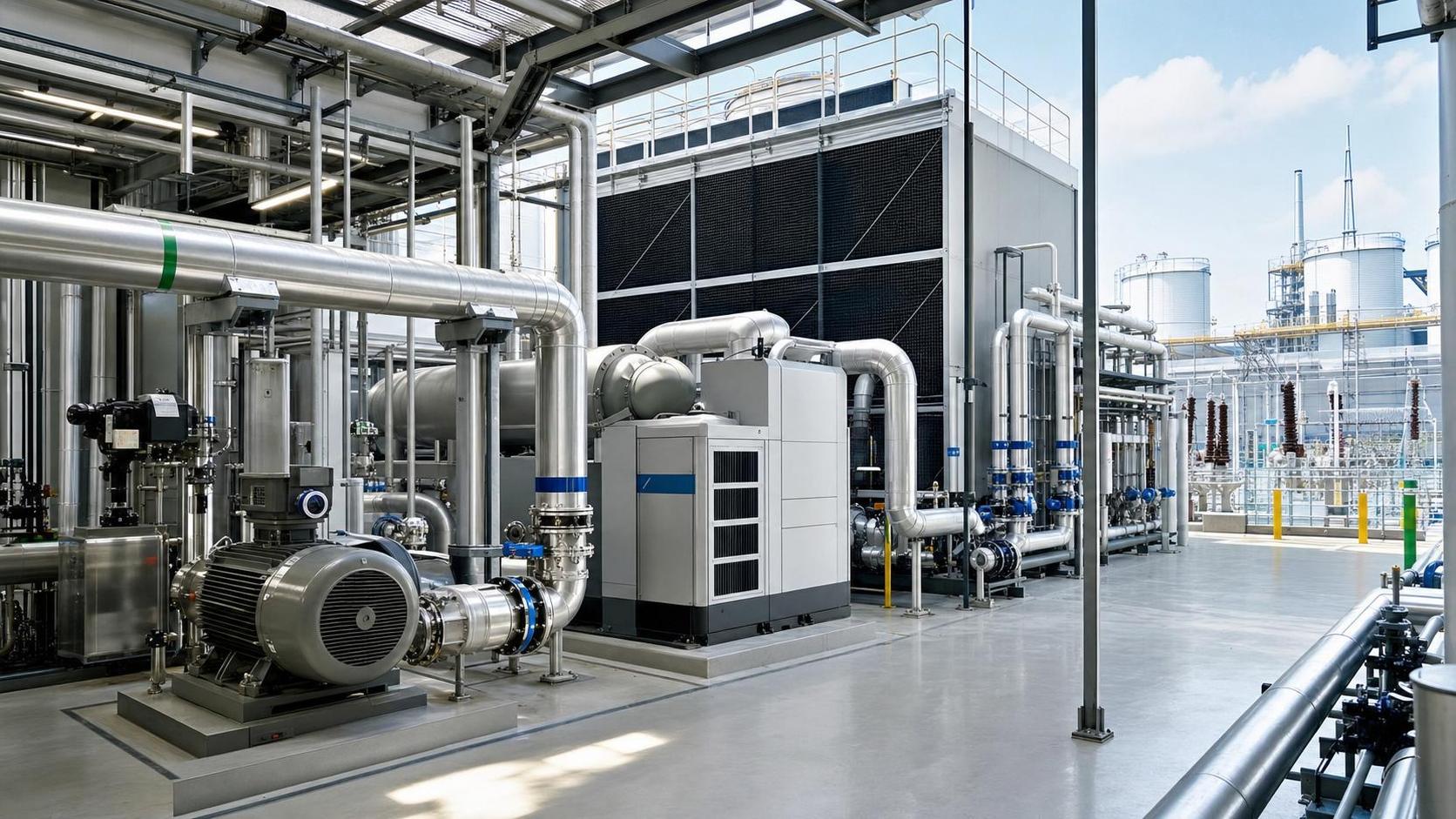
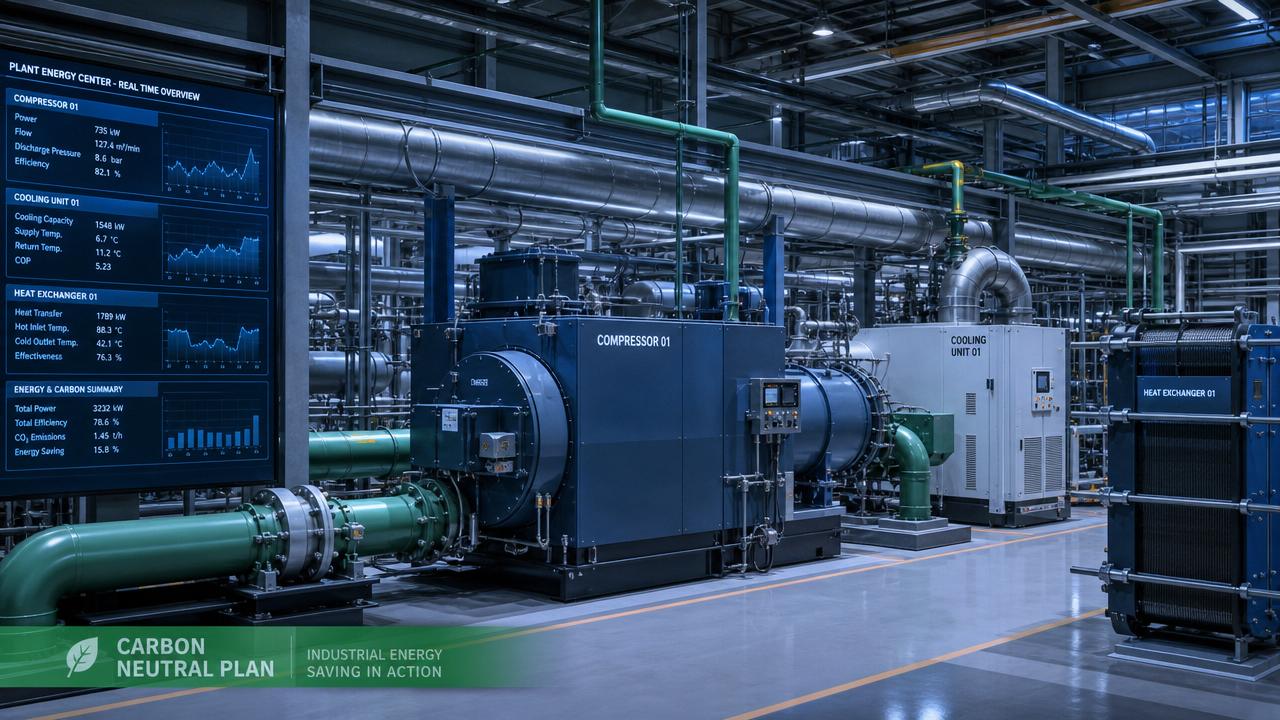
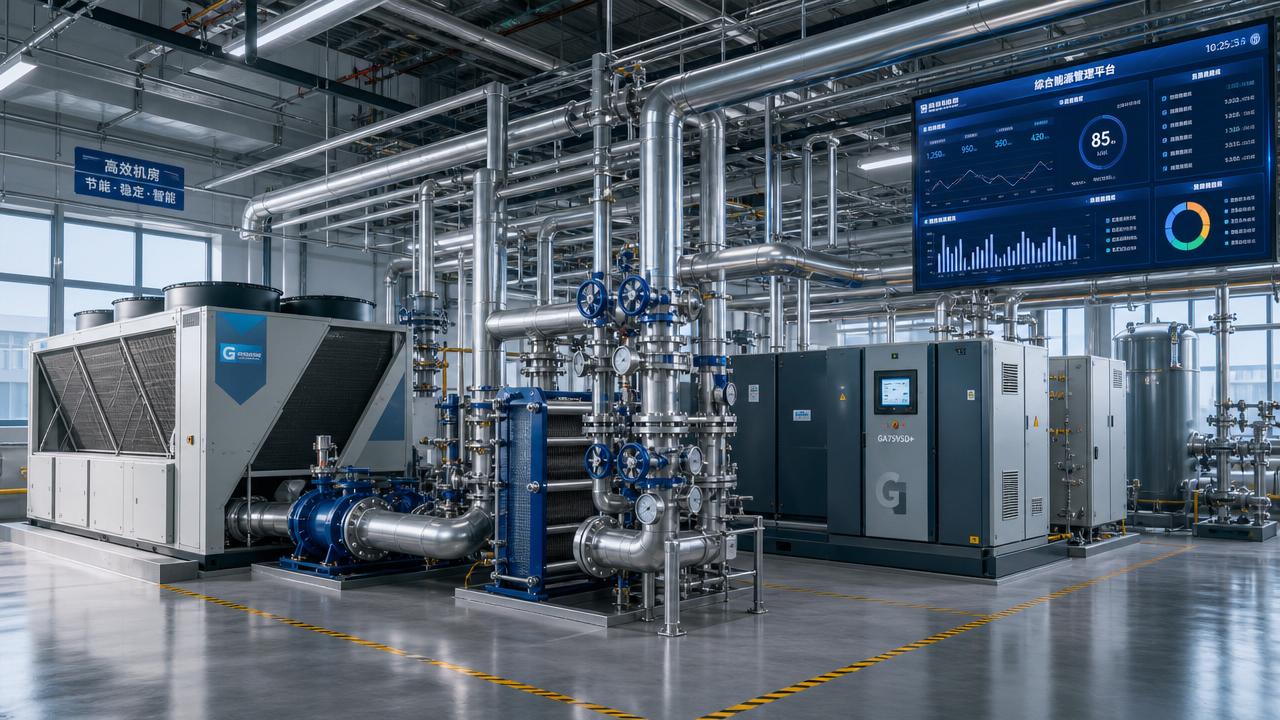
Not all utility categories create the same investment impact. In most industrial environments, four system groups deserve immediate attention: cooling, compressed air, vacuum processes, and heat exchange. Each one offers a different pathway to efficiency gains, risk reduction, and operational resilience.
Industrial cooling: efficiency and refrigerant transition
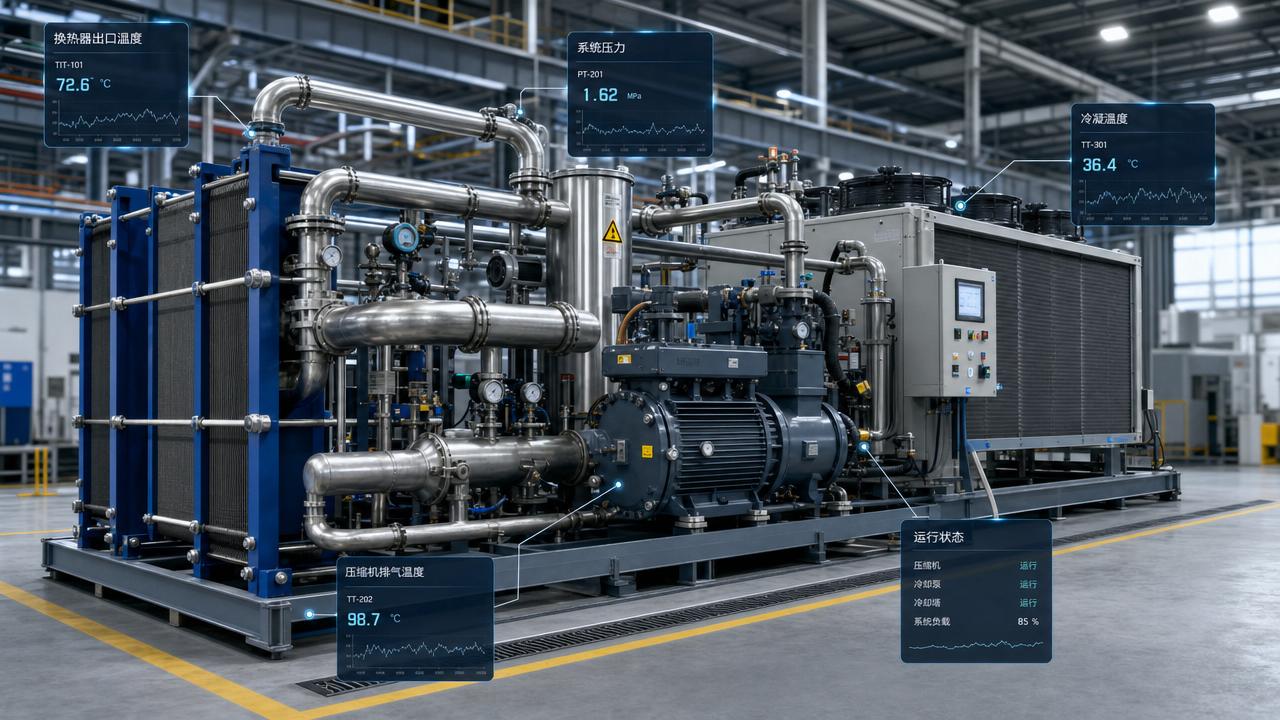
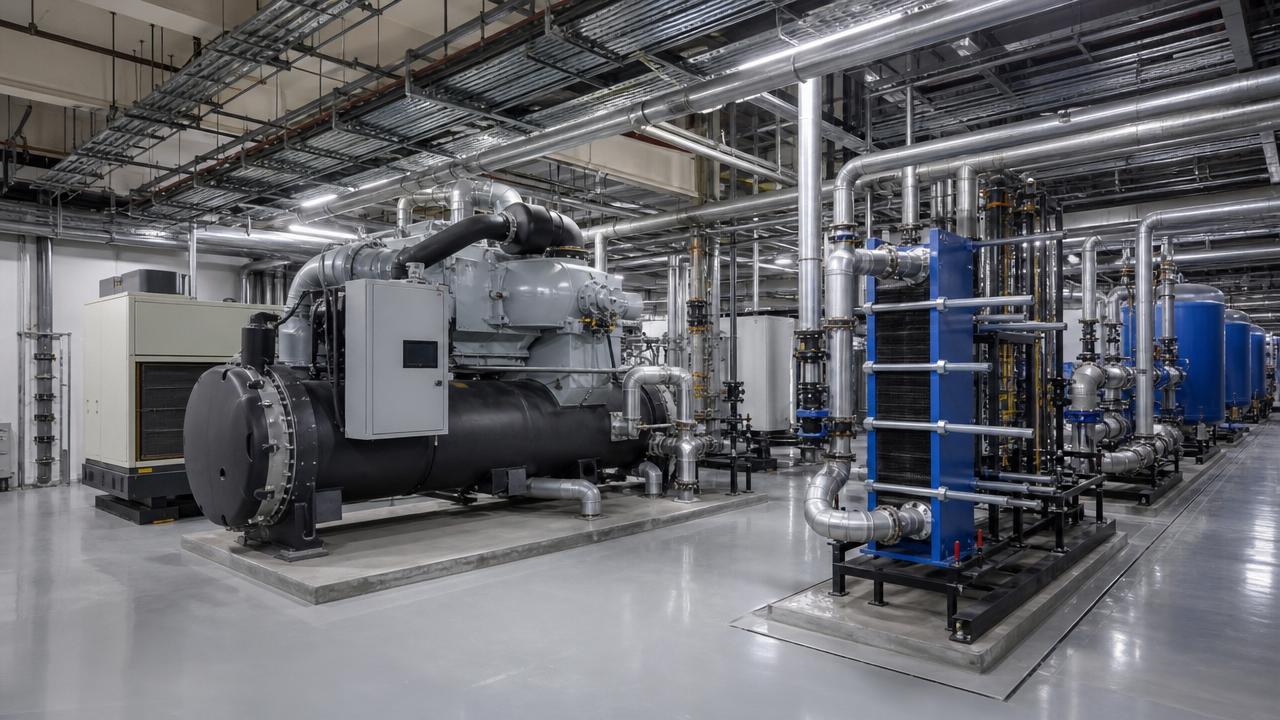
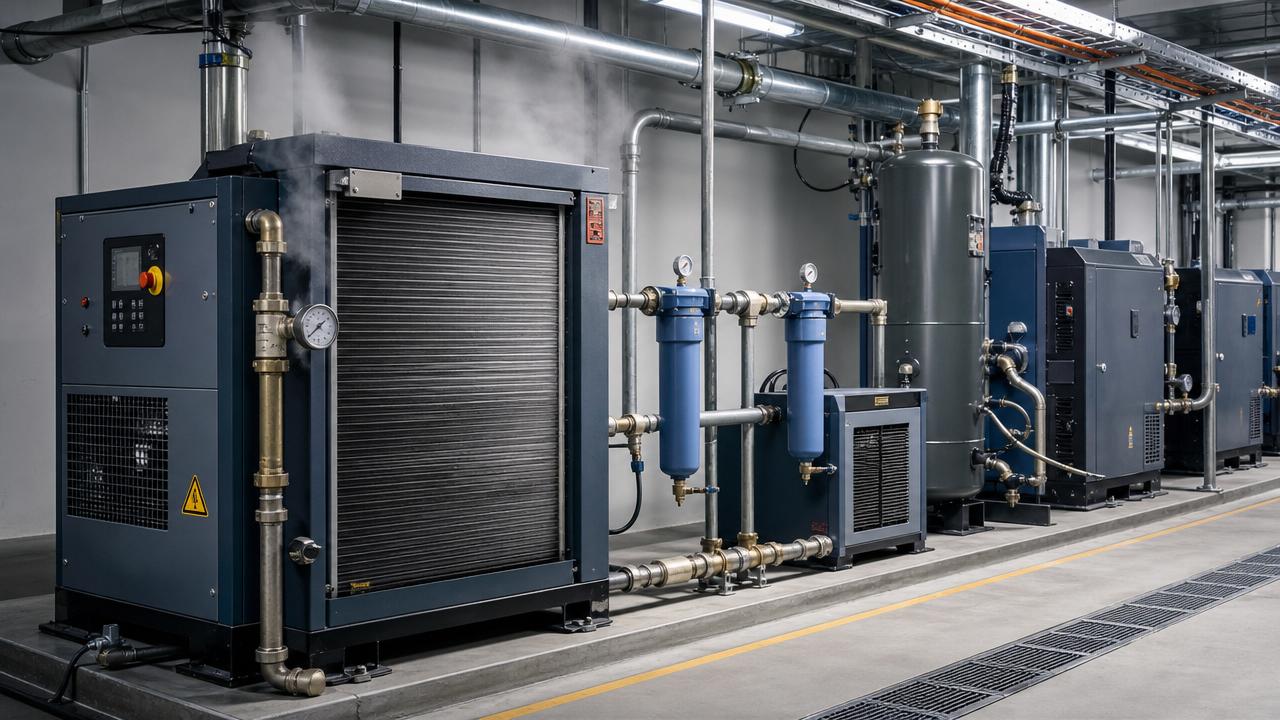
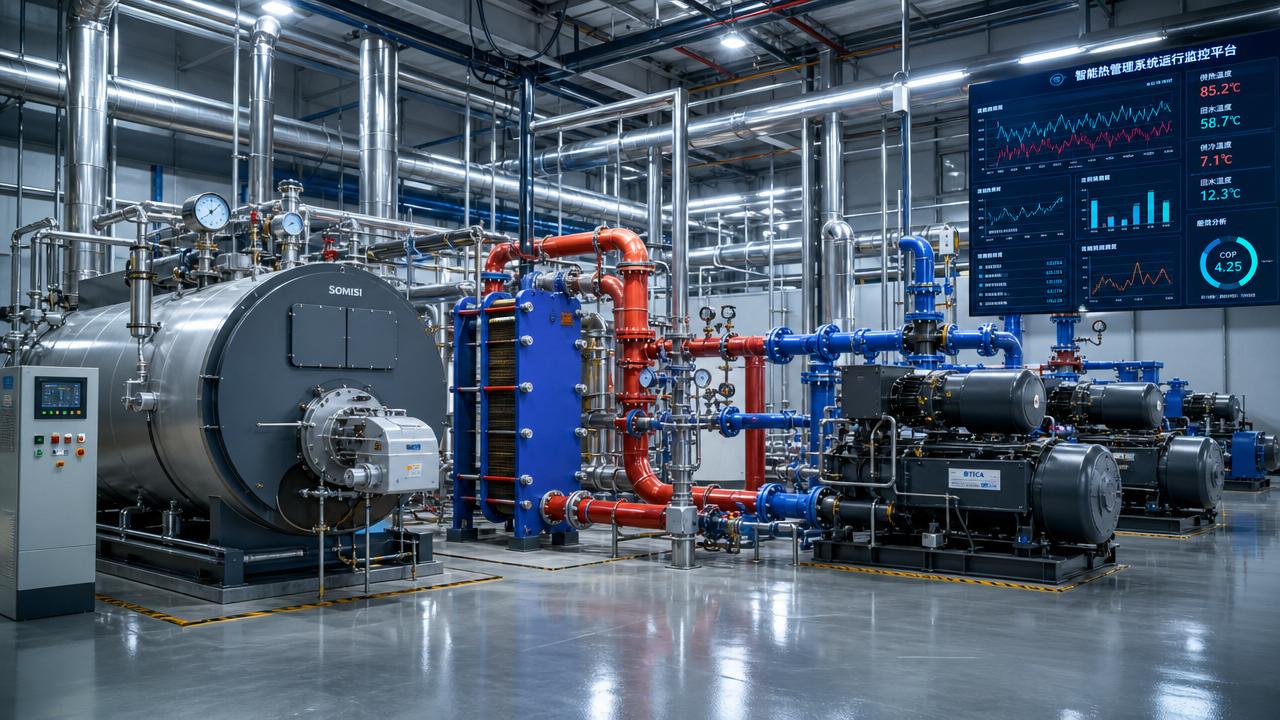
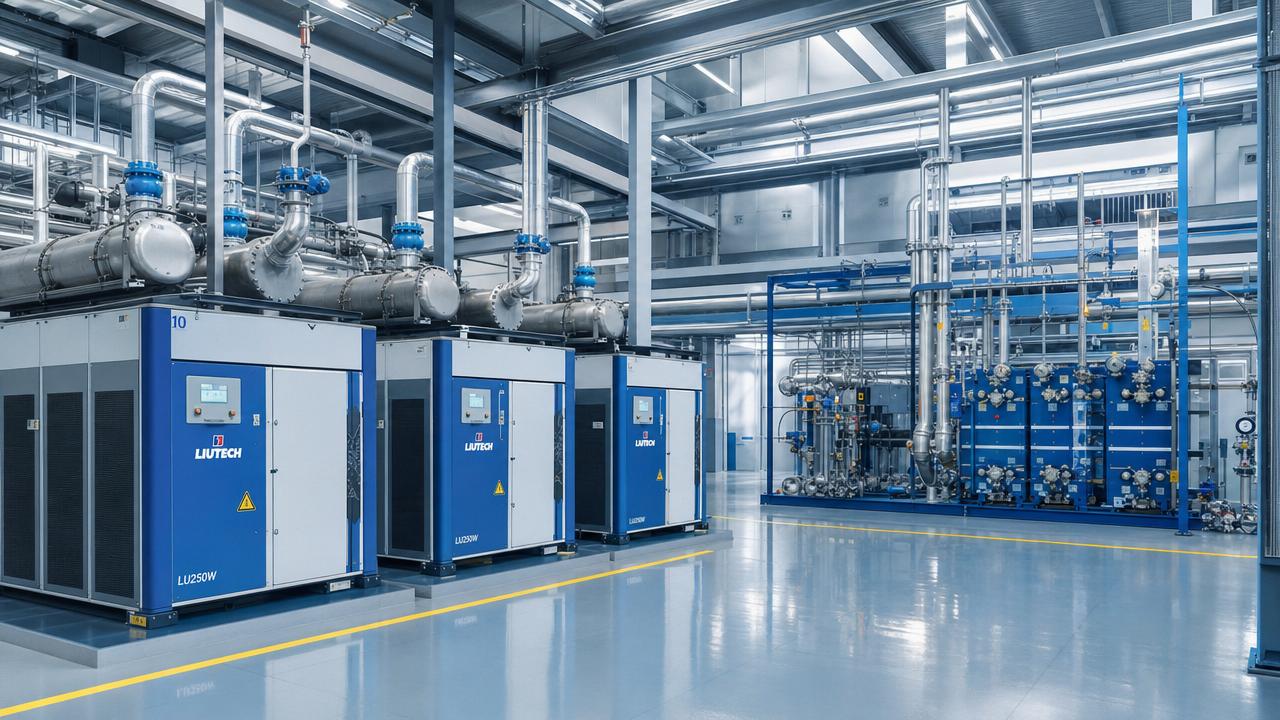
Cooling infrastructure often operates 24/7 and is exposed to both electricity volatility and refrigerant policy change. Clean energy technology in this area includes high-efficiency chillers, variable-capacity controls, low-impact refrigerant strategies, and microchannel heat exchanger designs that reduce charge volume and improve heat transfer.
For evaluators, two thresholds matter. First, part-load efficiency is often more relevant than full-load nameplate output because many facilities operate at 45%–80% average loading. Second, refrigerant-related compliance risk can affect retrofit budgets over a 3–7 year window.
Compressed air: the hidden cost center
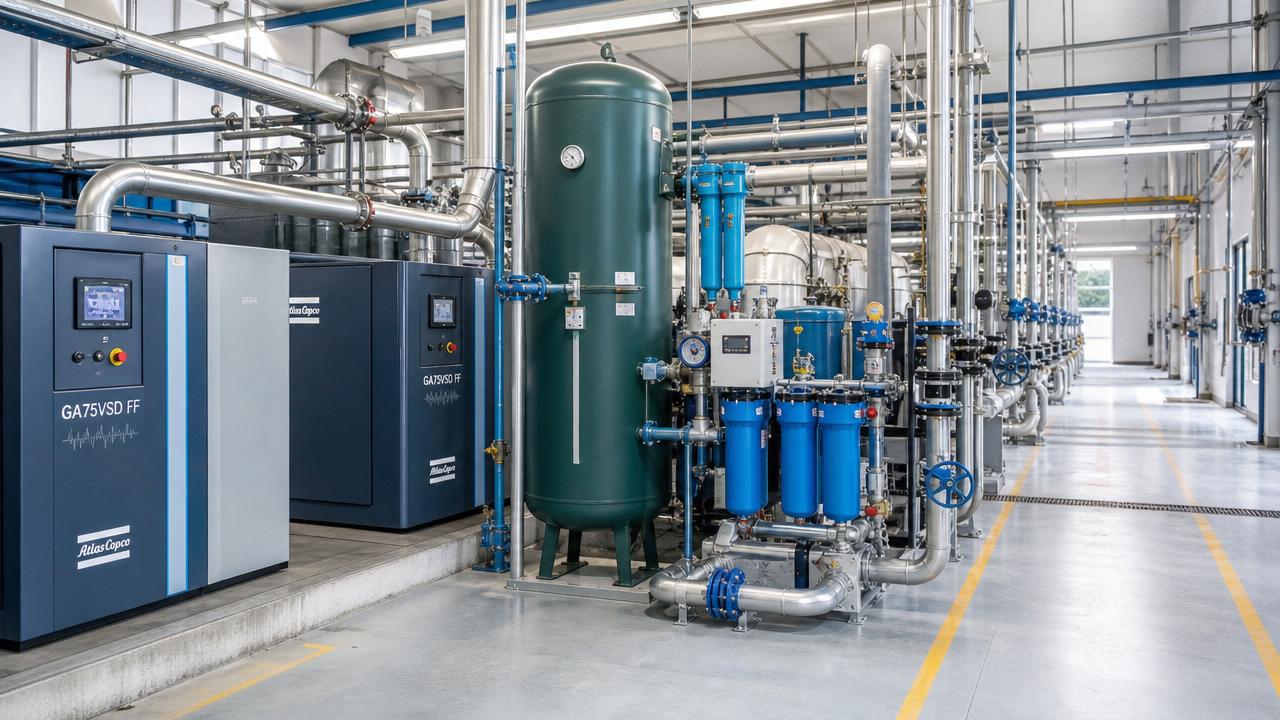
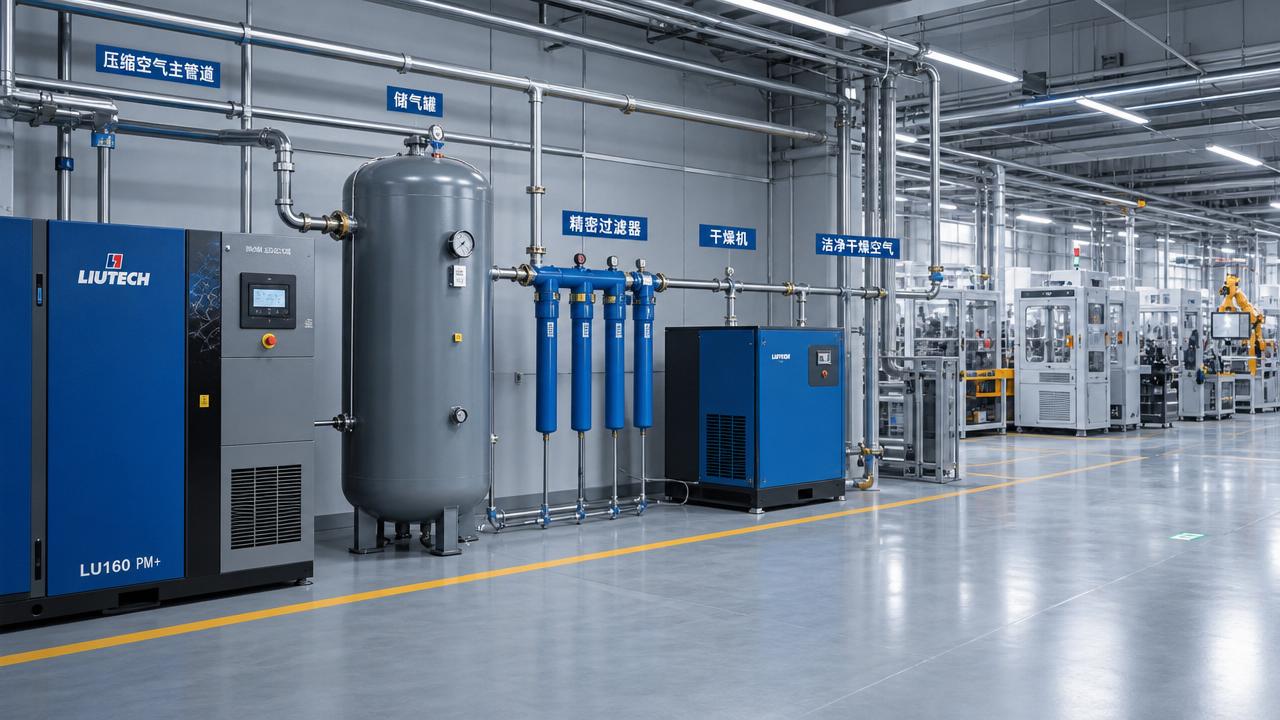
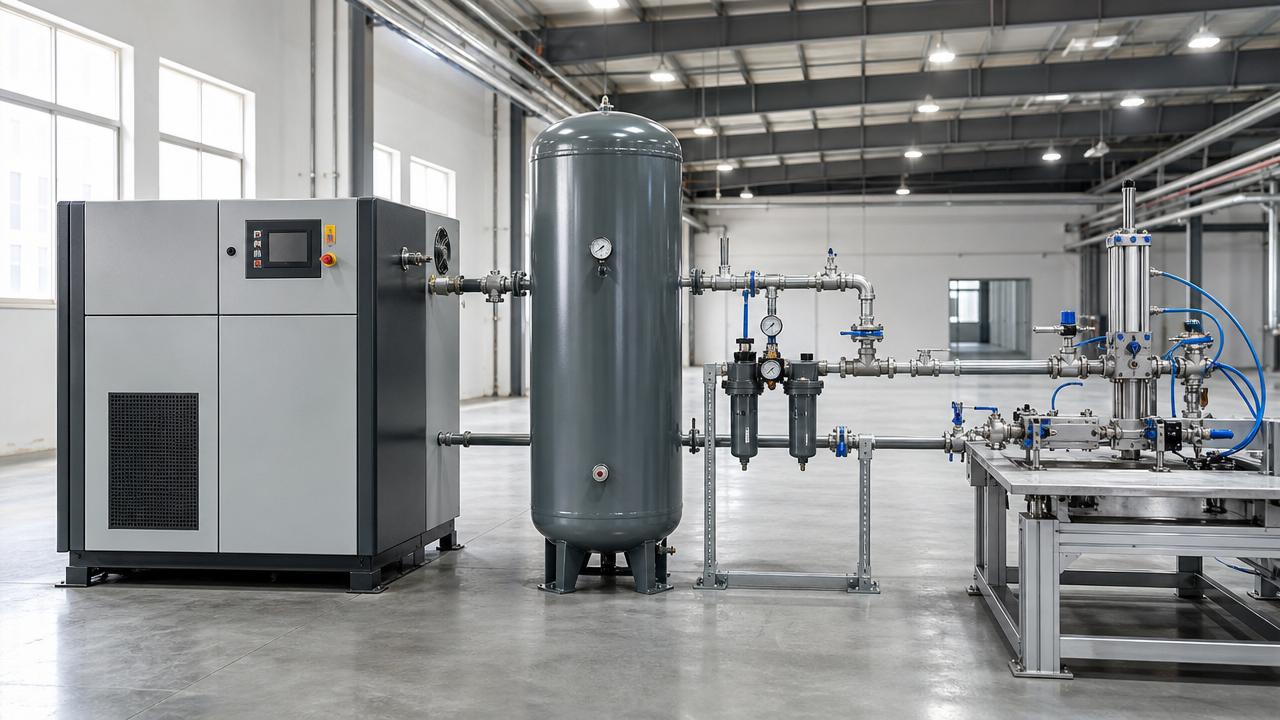
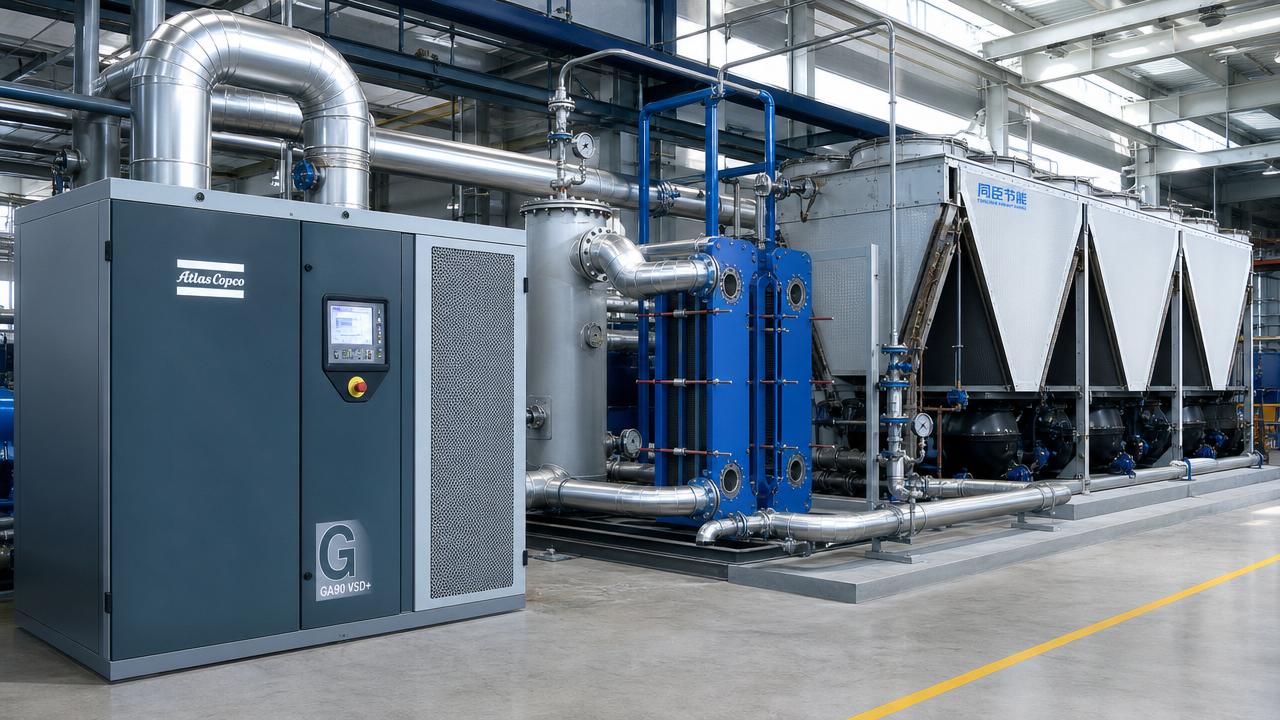
Compressed air is one of the clearest examples of why clean energy technology matters. Leaks, oversized compressors, poor storage design, and unstable dew point control can turn compressed air into a persistent margin drain. In some plants, leakage alone can consume 20%–30% of generated air volume.
Oil-free systems, smart sequencing, and demand-side optimization are increasingly relevant in sectors requiring product purity. Pharmaceutical, food, and electronics lines often value contamination control as highly as energy savings, making equipment selection a dual technical and commercial decision.
Vacuum processes: precision, purity, and process stability
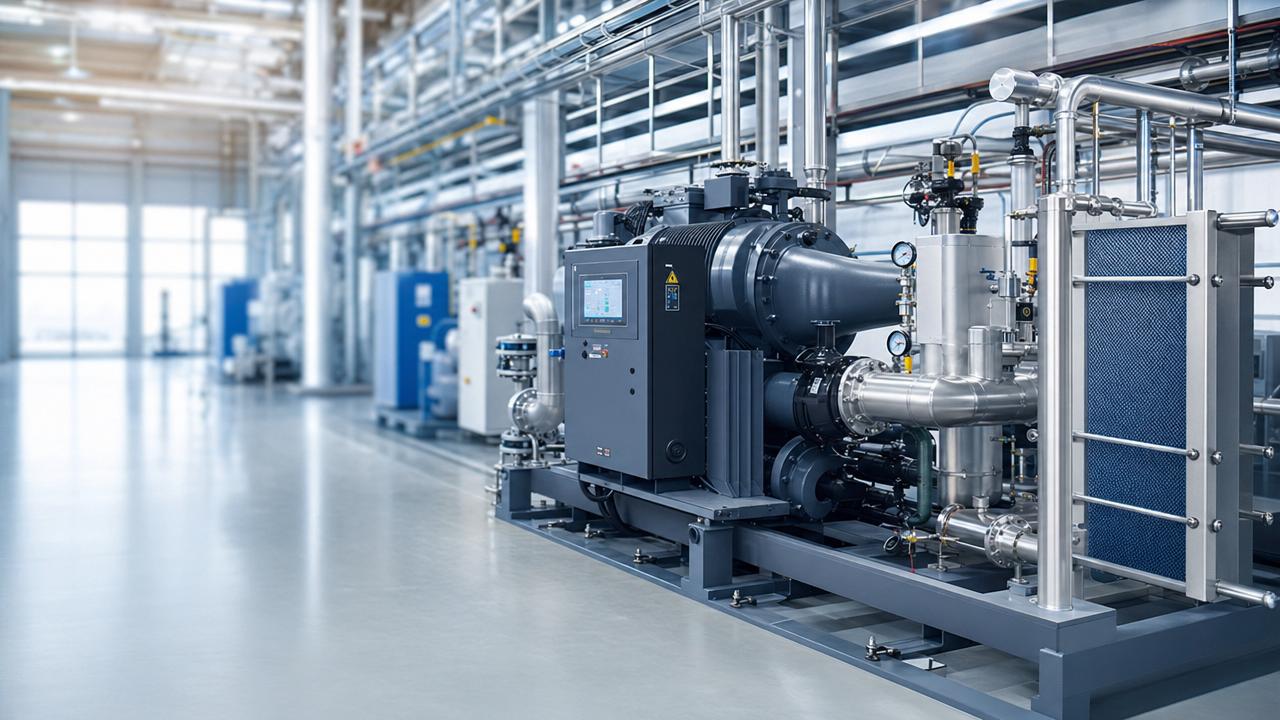
Vacuum systems are critical in coating, drying, semiconductor handling, packaging, and laboratory environments. Clean energy technology here focuses on right-sized pump architecture, improved sealing efficiency, heat load reduction, and better integration with process scheduling. Even modest pressure stability improvements can lower scrap rates in high-precision production.
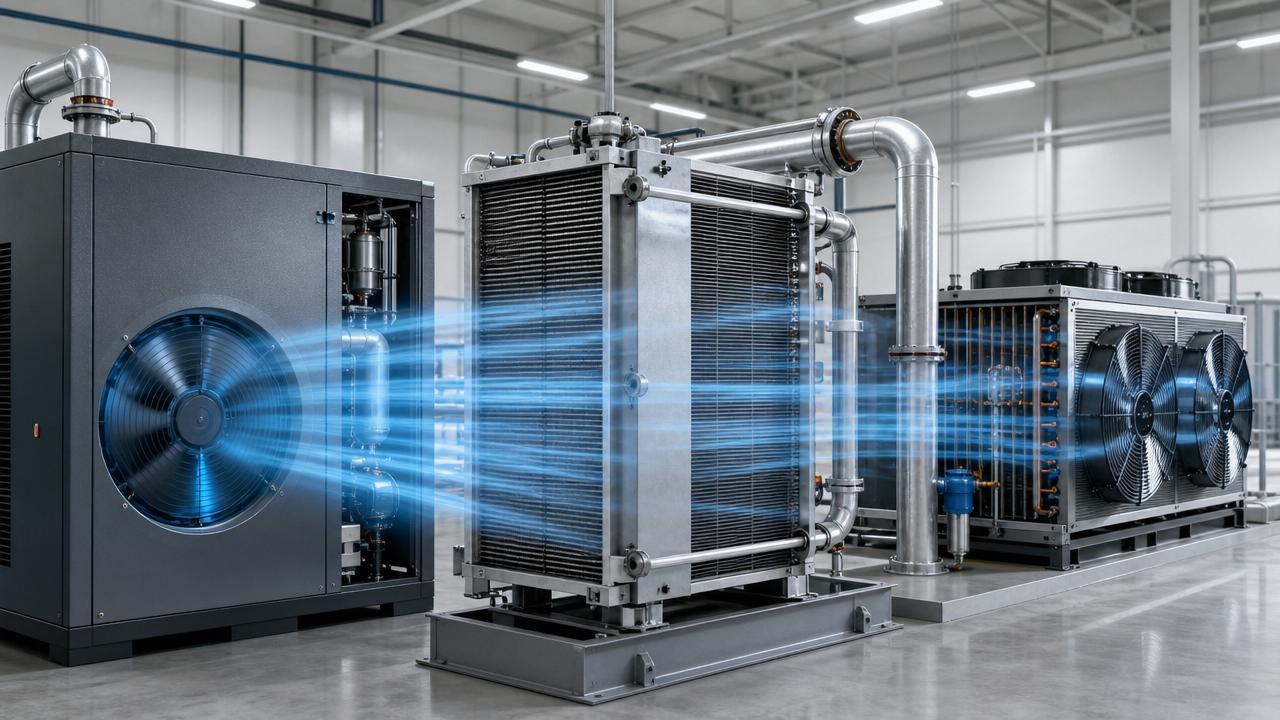
Heat exchange and recovery: value beyond utility reduction
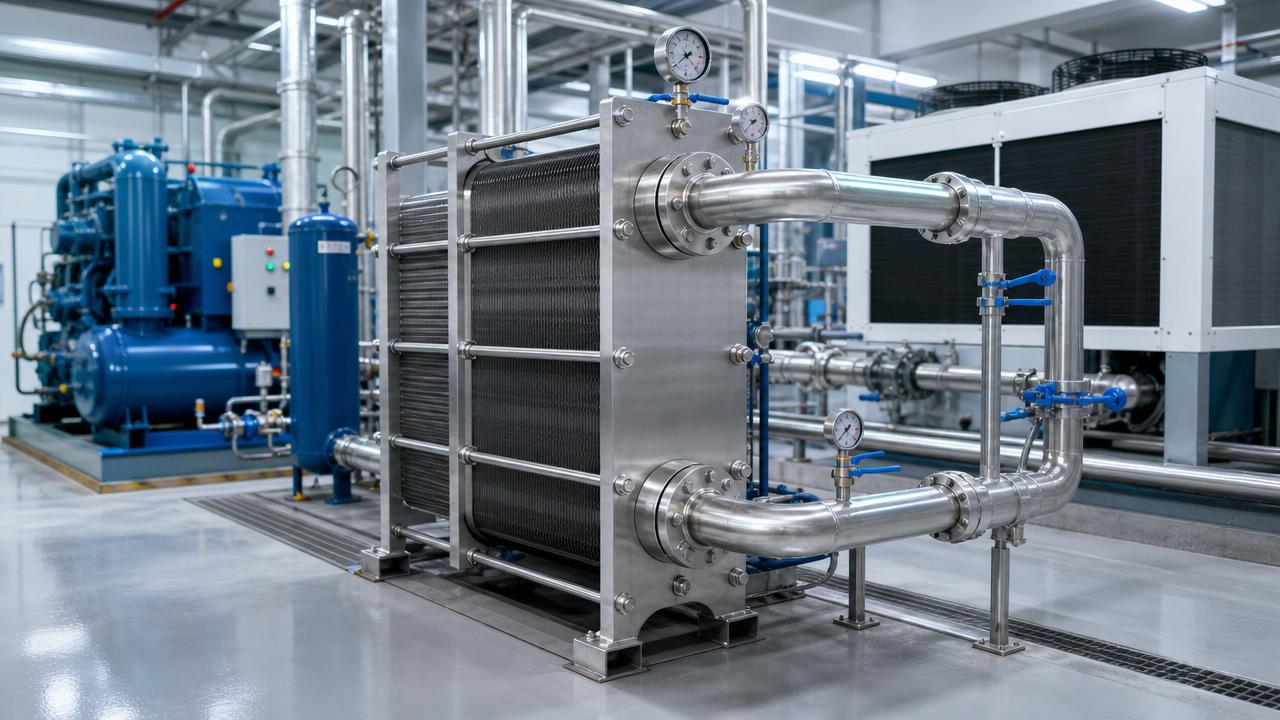
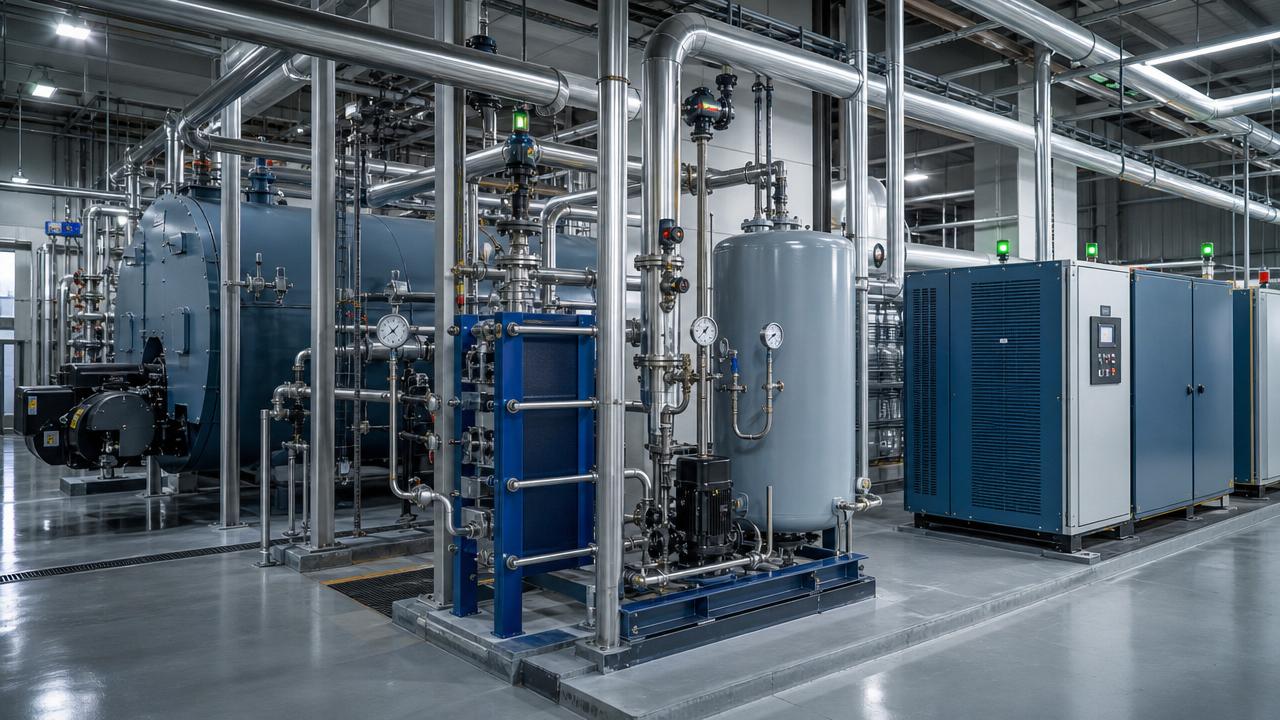
Heat exchangers are increasingly evaluated not only for transfer efficiency but also for recoverable thermal value. When waste heat can be reused for preheating, hot water generation, or adjacent process loads, the economics of clean energy technology improve substantially. Typical screening windows range from 6 months for quick audits to 18 months for full retrofit planning.
Priority matrix for business evaluators
The following matrix helps business evaluators rank utility categories by common investment drivers, implementation complexity, and strategic urgency in industrial settings.
This comparison shows that the best investment case often depends on site conditions rather than equipment category alone. A plant with frequent air leaks may unlock faster value from compressor optimization, while a regulated site may prioritize cooling compliance and refrigerant transition first.
How Business Evaluators Should Assess Clean Energy Technology Opportunities
A disciplined review framework helps evaluators avoid overpaying for features they do not need, while also preventing underinvestment in systems that will become liabilities. The most effective assessments combine technical screening, financial modeling, and operational scenario analysis.
Step 1: Define the operating baseline
Start with 6–12 months of utility data, if available. Review electricity consumption, pressure stability, temperature bands, downtime events, product reject patterns, and maintenance frequency. In thermal systems, even a 2°C drift can signal control weakness or oversized capacity.
Step 2: Identify value by application, not by machine type alone
A pharmaceutical cleanroom, a semiconductor fab support unit, and a food packaging line may all use cooling and compressed air, but their value logic differs. One may prioritize purity, another uptime, and another sanitation or product shelf-life. Clean energy technology should therefore be mapped to process sensitivity, not only to utility cost.
Step 3: Evaluate lifecycle risk in three layers
- Energy risk: exposure to rising utility prices and poor part-load efficiency
- Compliance risk: refrigerant transition, combustion limits, or environmental retrofit triggers
- Reliability risk: spare part lead times, service intervals, contamination events, and failure concentration
This 3-layer approach is useful because a project with moderate energy savings may still be highly attractive if it sharply reduces compliance exposure or production stoppage risk.
Step 4: Model implementation reality
Many industrial upgrades fail not on technology, but on execution. Evaluators should ask whether installation can be phased in 2–3 stages, whether shutdown windows are available, and whether controls can integrate with existing supervisory systems. A technically superior option may lose value if it requires prolonged production interruption.
Five practical screening questions
- Can the system deliver measurable efficiency gains under actual load profiles, not only at design point?
- Will the equipment remain compliant over the next 3–5 years without major retrofit?
- Are service parts and technical support available within acceptable response windows such as 24–72 hours?
- Can digital monitoring verify savings, alarms, and maintenance trends?
- Does the technology support process quality targets such as purity, temperature stability, or vacuum consistency?
Common Investment Risks and Selection Mistakes
The industrial market is now full of efficiency claims, low-carbon narratives, and upgrade proposals. Yet business evaluators still encounter recurring errors that weaken returns. Most of these mistakes stem from incomplete data, narrow procurement logic, or misunderstanding how clean energy technology performs in real operating conditions.
Mistake 1: Buying for peak load only
Oversizing remains common in compressors, chillers, and vacuum units. Assets selected only for occasional peak conditions often run inefficiently during the other 80%–90% of the operating year. Evaluators should request performance curves across multiple load bands before approving a specification.
Mistake 2: Treating compliance as a future issue
Refrigerant quotas, combustion-related emissions limits, and industrial sustainability disclosures are already affecting asset decisions. A lower-cost system may become expensive if it requires redesign, replacement, or restricted operation within a short policy cycle.
Mistake 3: Ignoring interaction between utility systems
Cooling, compression, vacuum, and heat recovery are interconnected. Compressor waste heat may support process heating. Chilled water instability may affect vacuum performance. Poor heat exchanger fouling control may increase compressor energy demand indirectly. Investment reviews should reflect this systems-level reality.
Mistake 4: Underestimating verification needs
If a supplier cannot define baseline assumptions, metering points, and verification intervals, projected gains may be difficult to prove. Business evaluators should prefer solutions with clear measurement logic, such as pre- and post-upgrade comparisons over 30, 60, and 90 days.
Using Strategic Intelligence to Support Better Industrial Decisions
Clean energy technology decisions are strongest when technical and market intelligence are combined. That is why evaluators increasingly rely on structured insight into energy costs, refrigerant policy shifts, oil-free compression trends, microchannel heat exchanger adoption, and demand signals from high-spec manufacturing sectors.
For organizations tracking industrial transformation, GTC-Matrix provides a useful perspective by linking thermodynamic logic with compression power systems and commercial demand patterns. This matters when investment decisions must balance efficiency targets, serviceability, process quality, and competitive positioning across more than one region or end market.
Where intelligence creates practical value
- Monitoring policy-sensitive areas such as environmentally friendly refrigerant quotas
- Comparing the maturity of oil-free compression and low-NOx thermal solutions
- Identifying demand growth in pharmaceutical, semiconductor, and food industries
- Building a stronger case for high-precision temperature control and pure power infrastructure
In practical terms, intelligence shortens evaluation cycles, reduces blind spots, and helps procurement teams distinguish between incremental upgrades and structural platform investments. That distinction is increasingly important where decarbonization and manufacturing competitiveness must advance together.
Industrial investment is being reshaped by a new reality: clean energy technology is no longer a side consideration but a central factor in how assets are valued, selected, and upgraded. Cooling, compressed air, vacuum, and heat exchange systems now influence compliance, resilience, and operating efficiency in ways that directly affect commercial outcomes.
For business evaluators, the best decisions come from combining lifecycle analysis, process-specific risk assessment, and informed market intelligence. If you are reviewing utility infrastructure, planning a retrofit roadmap, or comparing scalable industrial assets, now is the right time to take a deeper look. Contact us to explore tailored insights, discuss system-level opportunities, or learn more solutions for clean energy technology in industrial operations.
Related News
- Semiconductor Thermal Management: Low Vibration Design PrioritiesAuthor :

- Thermal Interface Materials: What Drives Real Thermal OptimizationAuthor :
![]()
- Global Energy Costs in Europe: What Changed in 2026Author :

- Smart Device Thermal Management: Common Failures and FixesAuthor :

- Thermal Efficiency Optimization: 5 Signs Your System Is Losing HeatAuthor :

- How Precision Temperature Control Systems Improve Process StabilityAuthor :

- How Intellectualization Improves Process Visibility in Modern PlantsAuthor :

- Global Energy Costs in 2026: What Rising Prices Mean for Plant PlanningAuthor :

- Carbon Neutrality Roadmaps: Common Gaps in Industrial PlanningAuthor :

- Heat Transfer Basics: What Affects Efficiency in Industrial EquipmentAuthor :

- Industrial Thermal Systems: Common Failure Risks in Continuous OperationAuthor :

- Global Energy Costs: 2026 Risk Signals to WatchAuthor :

- Pneumatic Power Systems: Common Sizing Mistakes to AvoidAuthor :

- How Thermal Power Systems Cut Downtime in 2026Author :

- Clean Energy Technology Trends Reshaping Industry in 2026Author :

- Pneumatic Power Systems: Key Checks Before Equipment SelectionAuthor :

- Compression Technology Mistakes That Raise Maintenance RiskAuthor :

- Clean Energy Technology Risks to Watch in 2026 ProjectsAuthor :

- Smart Thermal Systems: 5 Signals Your Controls Are Wasting HeatAuthor :

- How to Size Pneumatic Power Systems for Stable OutputAuthor :

- Pneumatic Power Systems: Key Safety Risks in Daily OperationAuthor :

- Clean Energy Technology Shifts Reshaping Industrial InvestmentAuthor :

- Intellectualization in Industry: What Delivers Measurable Value?Author :

- Thermal Management Mistakes That Shorten Equipment LifeAuthor :

- Clean Energy Technology Options That Fit Real Manufacturing UpgradesAuthor :

- Energy-Saving Technologies Worth Tracking in 2026Author :