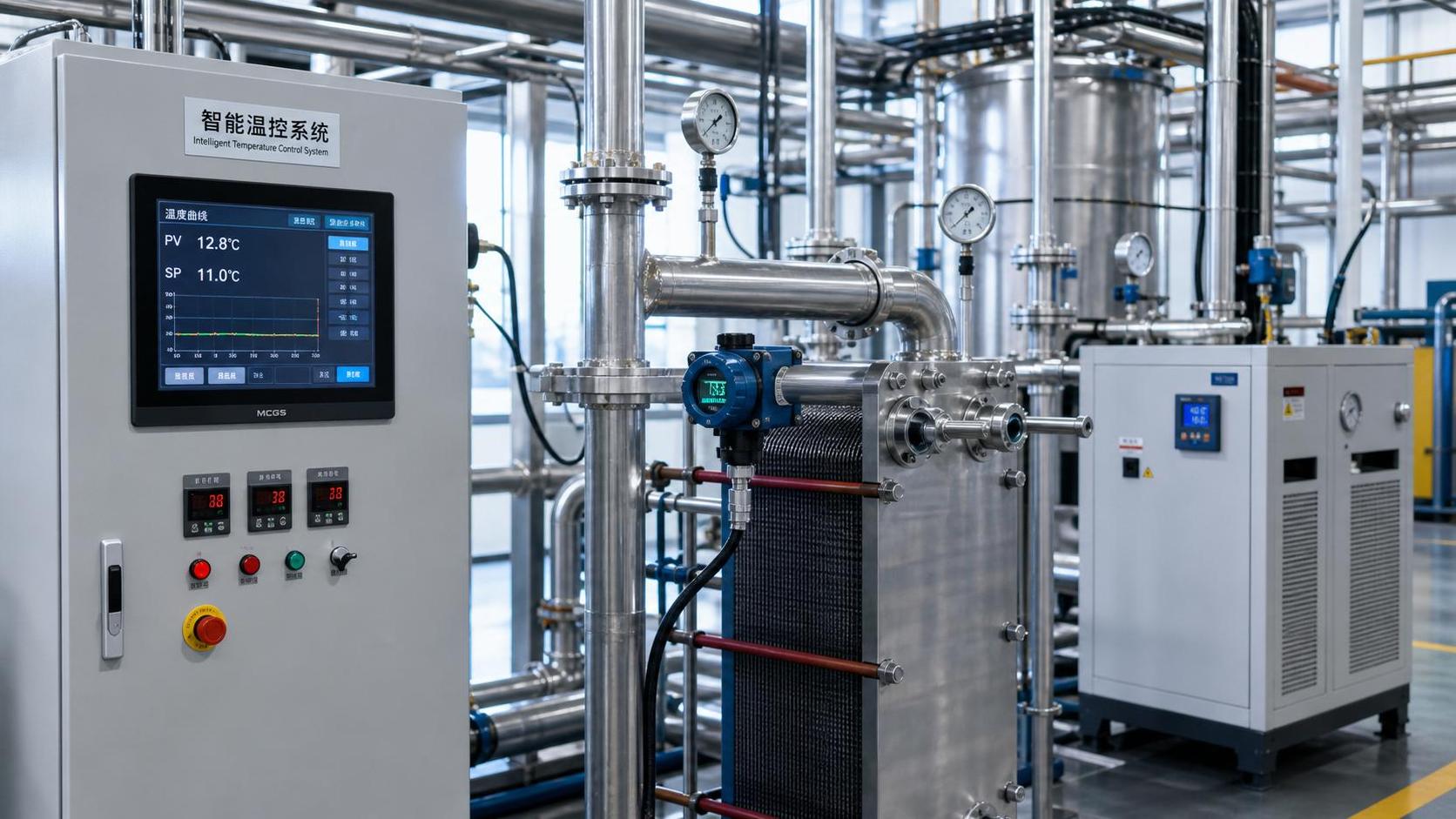
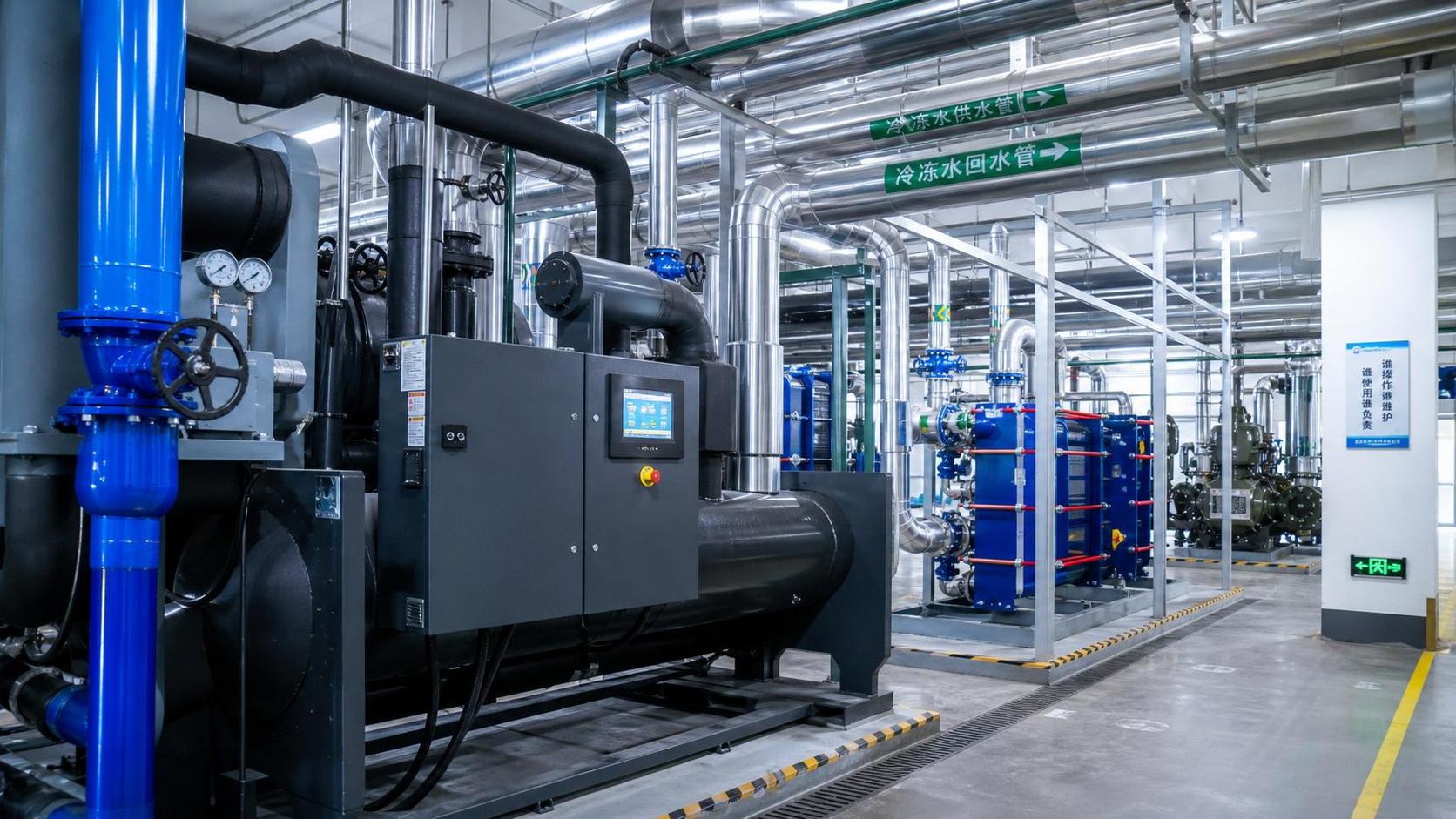
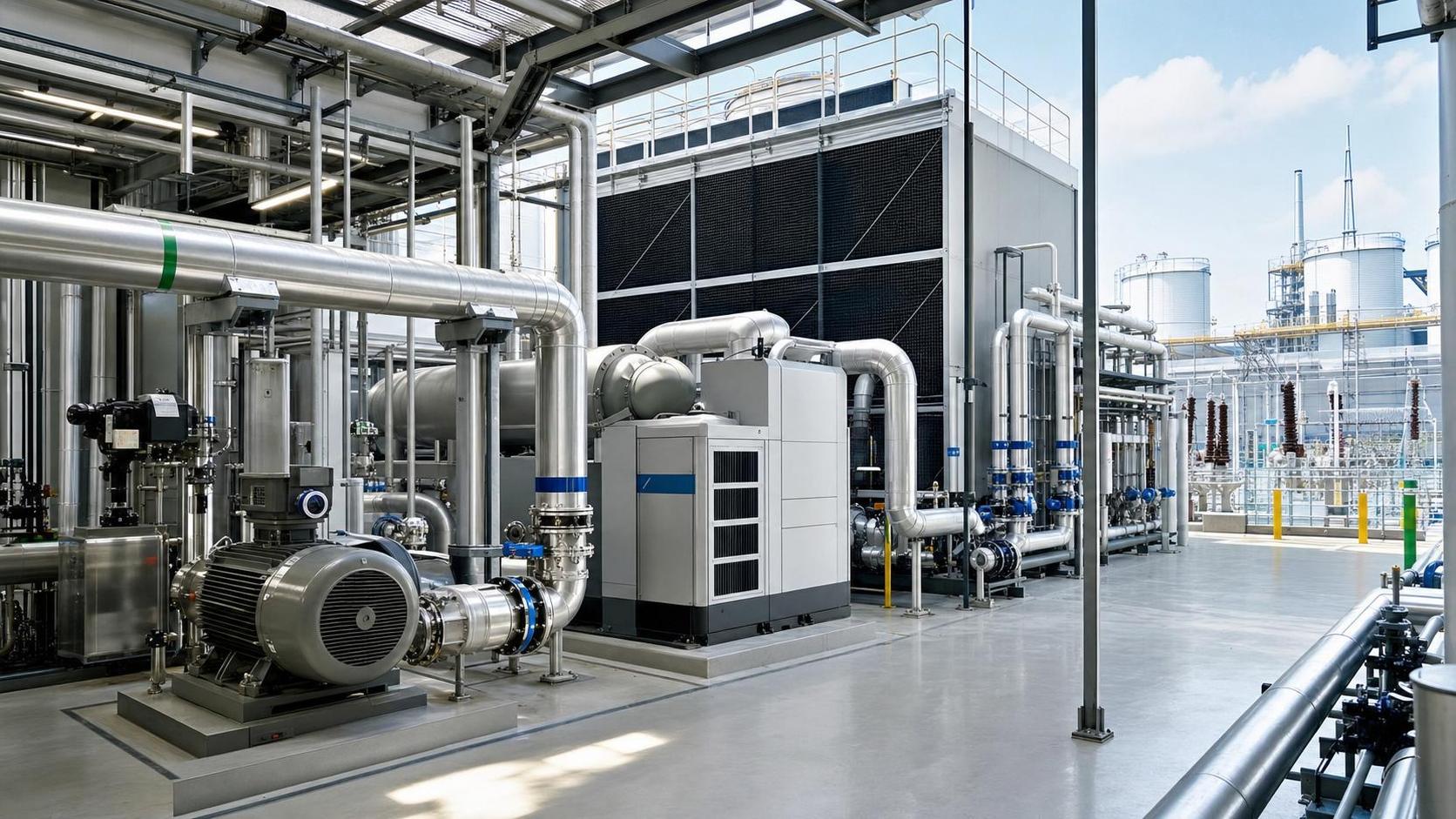
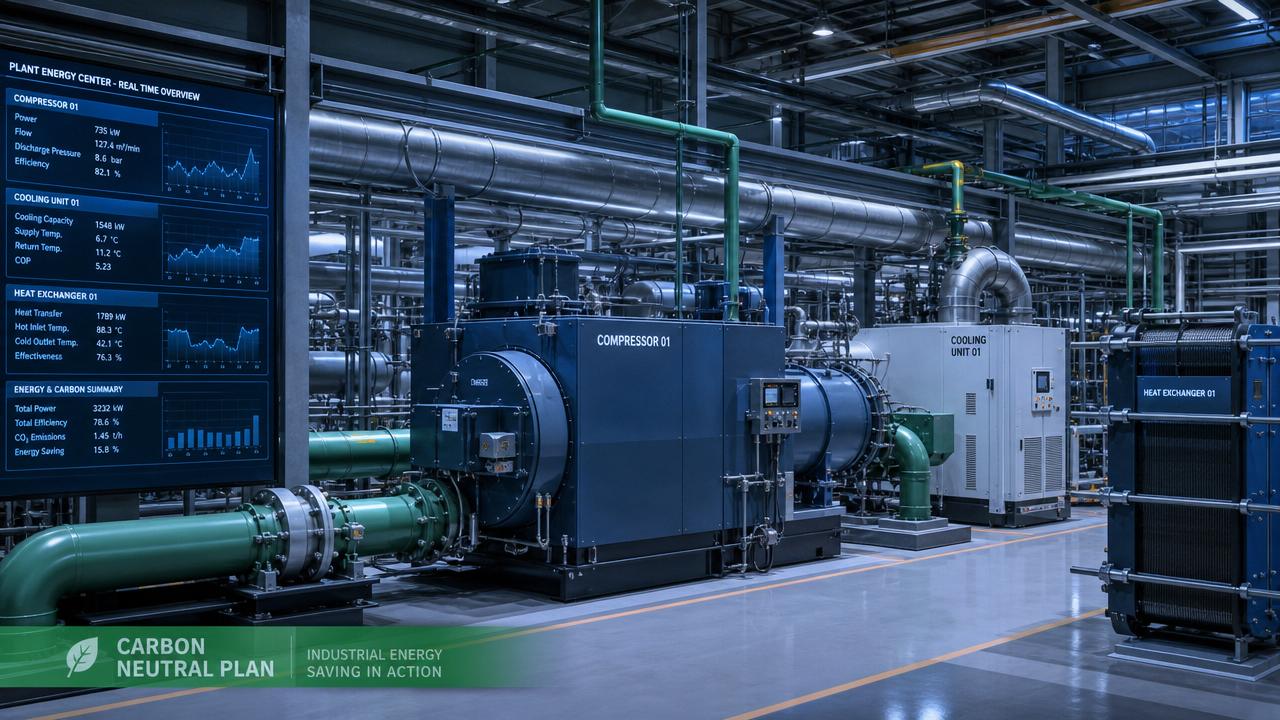
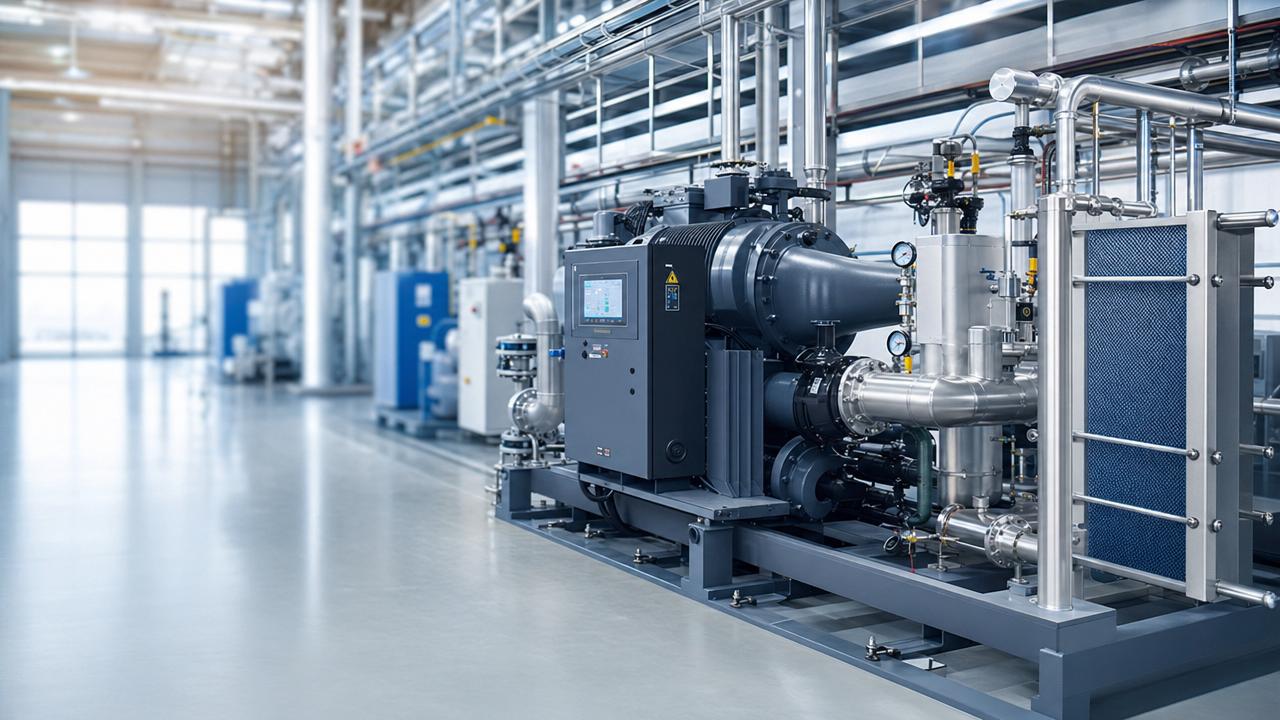
Smart Thermal Systems: 5 Signals Your Controls Are Wasting Heat




Even advanced smart thermal systems can waste energy quietly when control logic no longer matches real plant conditions. The first clues are usually operational, not theoretical: drifting temperatures, excessive starts, unexplained fuel or electricity use, and inconsistent process stability. In industrial cooling, compressed air, heat exchange, and utility loops, these small deviations often point to larger thermal losses. This guide outlines five practical signals that controls are wasting heat, explains what each signal means, and shows how to turn observations into focused optimization steps.
Why a checklist matters in smart thermal systems
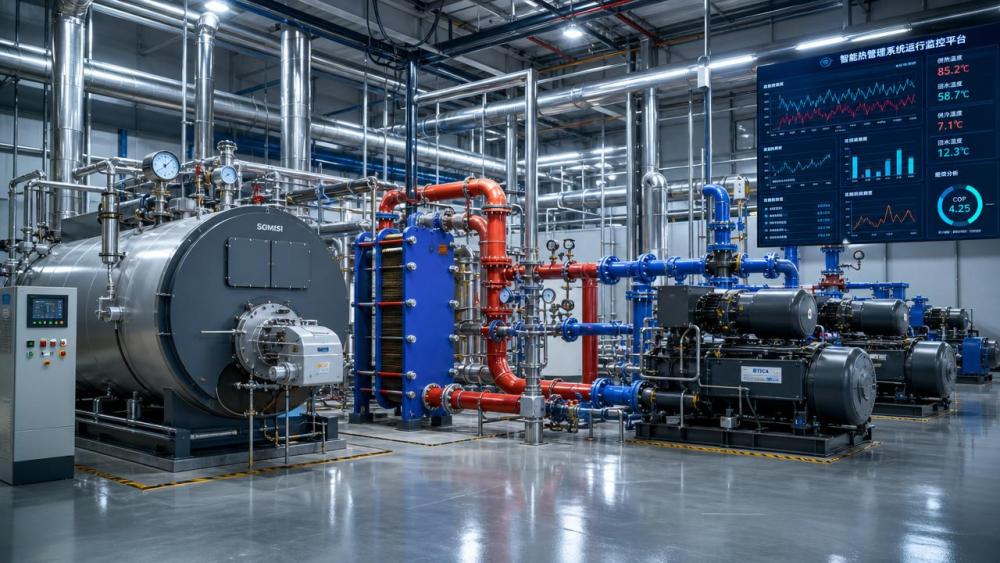
Control faults rarely appear as one dramatic failure. They show up as patterns across boilers, heat exchangers, compressors, chilled water loops, ovens, dryers, and recovery systems.
A checklist helps isolate thermal waste before it becomes normal background noise. It also links energy efficiency, uptime, maintenance load, and product quality in one review.
For broad industrial environments, smart thermal systems need regular logic validation, not just sensor replacement or setpoint changes. Better controls only save heat when they follow actual demand.
5 signals your controls are wasting heat
- Track repeated temperature overshoot and undershoot across zones, loops, or vessels; unstable control usually means aggressive tuning, delayed feedback, or poor sensor placement.
- Count frequent burner, compressor, pump, or valve cycling; short cycling often reveals minimum-load mismatch, narrow deadbands, or sequencing logic that ignores thermal inertia.
- Compare energy input with stable production output; rising utility intensity without throughput change is a strong sign that smart thermal systems are heating or cooling unnecessarily.
- Inspect simultaneous heating and cooling events; when one control loop fights another, recovered heat is wasted and equipment runtime increases without process benefit.
- Review alarm history and manual overrides; frequent operator intervention usually indicates that automatic control logic cannot hold load, ambient, or schedule changes reliably.
1. Unstable temperatures are the earliest warning
When supply temperature, return temperature, discharge air temperature, or product temperature swings too widely, wasted heat usually follows. The system keeps correcting itself instead of staying close to target.
In smart thermal systems, this often comes from mismatched PID tuning, lagging sensors, fouled heat transfer surfaces, or control points located too far from the true process condition.
Look for loops that overshoot after every load change. That behavior usually means the control strategy reacts late, then adds too much thermal input to compensate.
2. Frequent cycling means efficiency is collapsing at the margins
Short cycling wastes fuel, electricity, and component life. Every restart adds losses before stable efficiency is reached, especially in boilers, compressors, reheat coils, and packaged thermal units.
Cycling often signals bad stage sequencing, oversized equipment, narrow reset bands, or a control hierarchy that ignores storage capacity and process inertia.
If multiple units rotate too aggressively, check whether the logic prioritizes equal runtime instead of best-load efficiency. That mistake is common in older smart thermal systems retrofits.
3. Higher energy use without production gain is a direct red flag
A rising energy bill does not always mean energy prices are the problem. It may mean controls are adding heat, rejecting heat, or circulating media longer than necessary.
Measure specific energy consumption against throughput, runtime, ambient conditions, and product mix. If output is stable while thermal intensity rises, the logic deserves inspection before hardware upgrades.
This is where industrial intelligence matters most. Good analysis separates seasonal shifts from control drift inside smart thermal systems.
4. Simultaneous heating and cooling usually means one loop is fighting another
Many mixed-use facilities run heating and cooling at the same time without realizing it. One air handler reheats while another overcools. One process rejects heat while another requests new thermal input.
This control conflict wastes recoverable energy and hides behind acceptable product quality. The process still works, but it works expensively.
Check valve positions, damper commands, chilled and hot water demand overlap, and recovery loop availability. Well-designed smart thermal systems should minimize thermal tug-of-war.
5. Manual overrides expose weak automation logic
If operators regularly lock outputs, widen setpoints, disable alarms, or force constant-speed operation, the control sequence is probably failing under real operating conditions.
Manual workarounds may stabilize production temporarily, but they usually mask heat loss, poor reset logic, and unstable scheduling assumptions. Overrides should trigger root-cause review, not become permanent practice.
How these signals appear across common industrial scenarios
Process heating and batch operations
In tanks, reactors, ovens, and wash systems, poor control tuning causes repeated overshoot after each batch step. That wastes heat and can also damage consistency.
Review ramp rates, soak logic, and sensor location. In these applications, smart thermal systems perform best when control sequences reflect real thermal mass, not assumed cycle times.
HVAC, clean environments, and comfort-critical spaces
Airside systems often hide waste through reheat, excessive ventilation, and unstable humidity correction. Spaces may remain comfortable while energy use climbs quietly.
Check occupancy schedules, economizer logic, supply air reset, and humidity priority rules. Control conflicts in smart thermal systems are common when comfort and process requirements overlap.
Compressed air, cooling, and heat recovery networks
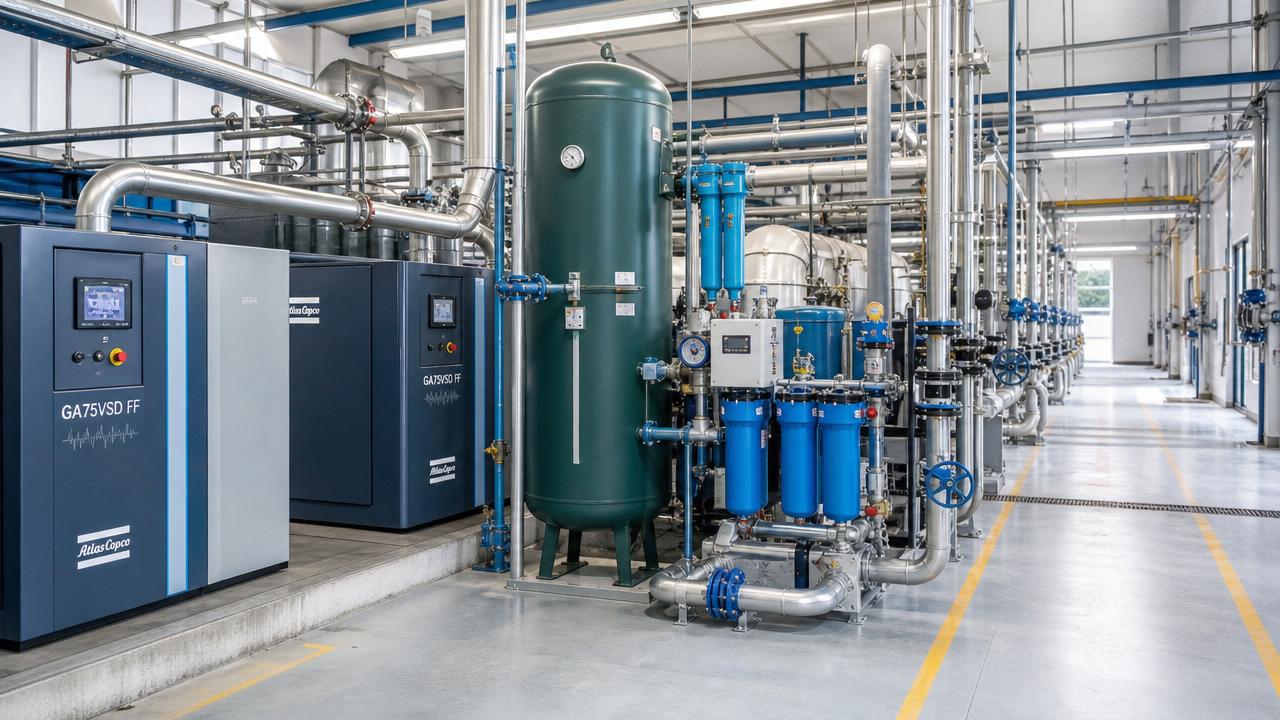
Compression systems create reusable heat, but poor integration often lets that energy escape. At the same time, separate heating systems continue to consume fuel.
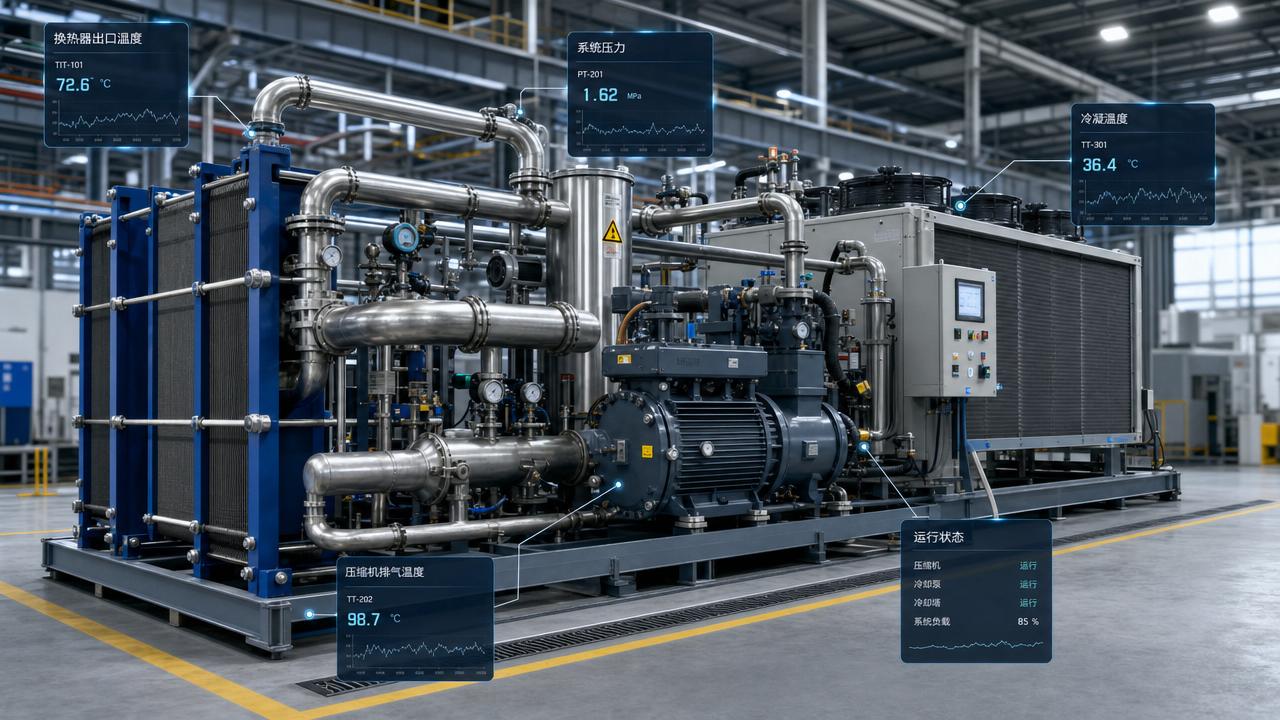
Audit discharge temperatures, recovery loop valves, storage logic, and priority sequencing. The best smart thermal systems treat waste heat as a controllable energy source, not a side effect.
Commonly missed risks
Sensor drift: Even a small temperature bias can push an entire loop into chronic overcorrection. Verify calibration before rewriting control logic.
Bad baselines: Energy reviews without normalized production and weather data can misread symptoms. Trend quality matters as much as trend duration.
Hidden schedule changes: Shift patterns, product mix, and occupancy changes often outdate old sequences. Controls may still follow assumptions from years ago.
Maintenance-control disconnect: Fouling, leaks, failed actuators, and sticking valves can look like software problems. Physical condition and control behavior must be checked together.
Practical execution steps
- Trend supply, return, load, valve position, and runtime together for at least two operating cycles.
- Rank loops by instability, cycling frequency, and energy intensity before making sequence changes.
- Validate sensors, actuators, and communication delays before retuning controllers.
- Reduce simultaneous heating and cooling through reset strategies, lockouts, and better coordination rules.
- Document every override and convert repeated manual actions into reviewed control improvement tasks.
Summary and next action
The biggest losses in smart thermal systems are often not visible as catastrophic faults. They appear as unstable temperatures, rapid cycling, unexplained energy growth, control conflicts, and routine manual intervention.
Start with one week of trend data, one prioritized checklist review, and one targeted control correction. That approach usually reveals whether heat is being used productively or simply being moved, rejected, and paid for twice.
For industries navigating decarbonization and high-efficiency manufacturing, disciplined control review is one of the fastest paths to measurable thermal performance improvement.
Ready when you are. Send us a message to get started.
Related News
- Carrier Plans $600 Million Manufacturing and Engineering Center in Fort WorthAuthor :

- Semiconductor Thermal Management: Low Vibration Design PrioritiesAuthor :

- Thermal Interface Materials: What Drives Real Thermal OptimizationAuthor :
![]()
- Global Energy Costs in Europe: What Changed in 2026Author :

- Smart Device Thermal Management: Common Failures and FixesAuthor :

- Thermal Efficiency Optimization: 5 Signs Your System Is Losing HeatAuthor :

- How Precision Temperature Control Systems Improve Process StabilityAuthor :

- How Intellectualization Improves Process Visibility in Modern PlantsAuthor :

- Global Energy Costs in 2026: What Rising Prices Mean for Plant PlanningAuthor :

- Carbon Neutrality Roadmaps: Common Gaps in Industrial PlanningAuthor :

- Heat Transfer Basics: What Affects Efficiency in Industrial EquipmentAuthor :

- Industrial Thermal Systems: Common Failure Risks in Continuous OperationAuthor :

- Global Energy Costs: 2026 Risk Signals to WatchAuthor :

- Pneumatic Power Systems: Common Sizing Mistakes to AvoidAuthor :

- How Thermal Power Systems Cut Downtime in 2026Author :

- Clean Energy Technology Trends Reshaping Industry in 2026Author :

- Pneumatic Power Systems: Key Checks Before Equipment SelectionAuthor :

- Compression Technology Mistakes That Raise Maintenance RiskAuthor :

- Clean Energy Technology Risks to Watch in 2026 ProjectsAuthor :

- Smart Thermal Systems: 5 Signals Your Controls Are Wasting HeatAuthor :

- How to Size Pneumatic Power Systems for Stable OutputAuthor :

- Pneumatic Power Systems: Key Safety Risks in Daily OperationAuthor :

- Clean Energy Technology Shifts Reshaping Industrial InvestmentAuthor :

- Intellectualization in Industry: What Delivers Measurable Value?Author :

- Thermal Management Mistakes That Shorten Equipment LifeAuthor :

- Clean Energy Technology Options That Fit Real Manufacturing UpgradesAuthor :

- Energy-Saving Technologies Worth Tracking in 2026Author :