Energy-Saving Technologies Worth Tracking in 2026




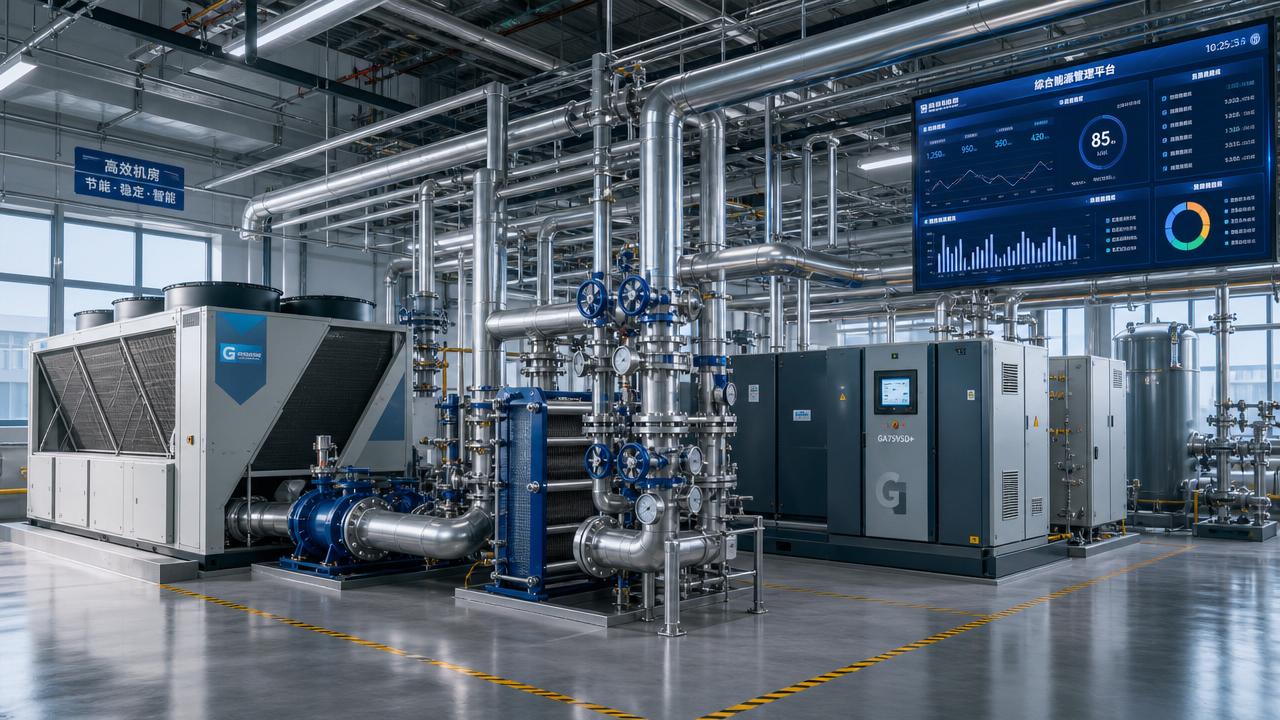
In 2026, energy-saving technologies are moving from optional upgrades to strategic priorities across industry. From smarter compression systems and advanced heat exchange to low-emission thermal solutions, the latest innovations are reshaping how companies control costs, improve efficiency, and meet sustainability goals. For information researchers, tracking these developments is essential to understanding where industrial energy performance and competitive advantage are headed next.
Which energy-saving technologies matter most in 2026?
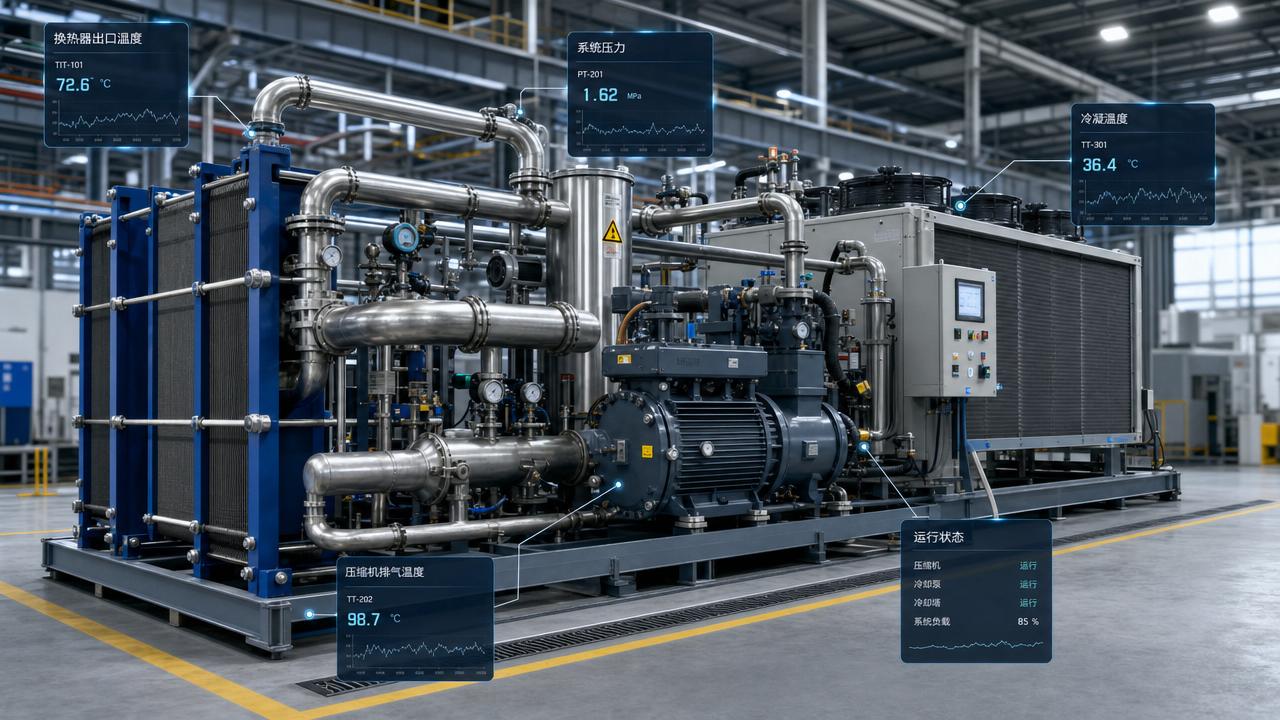
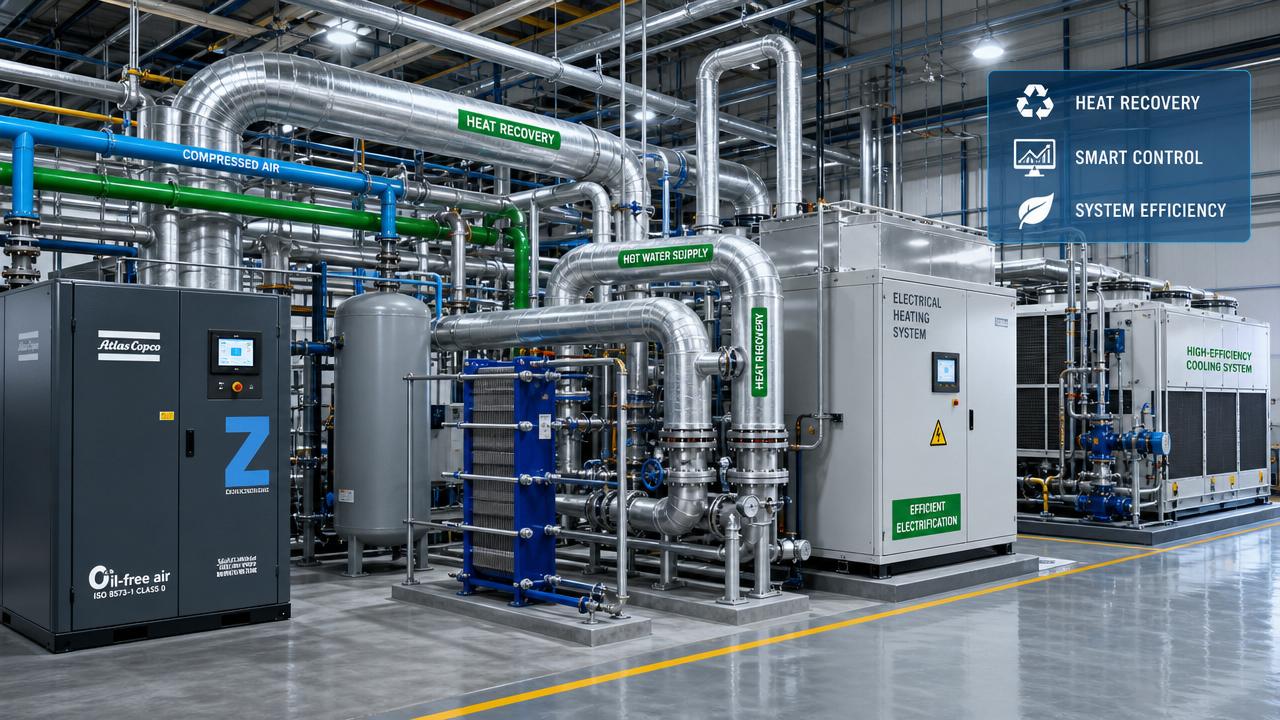
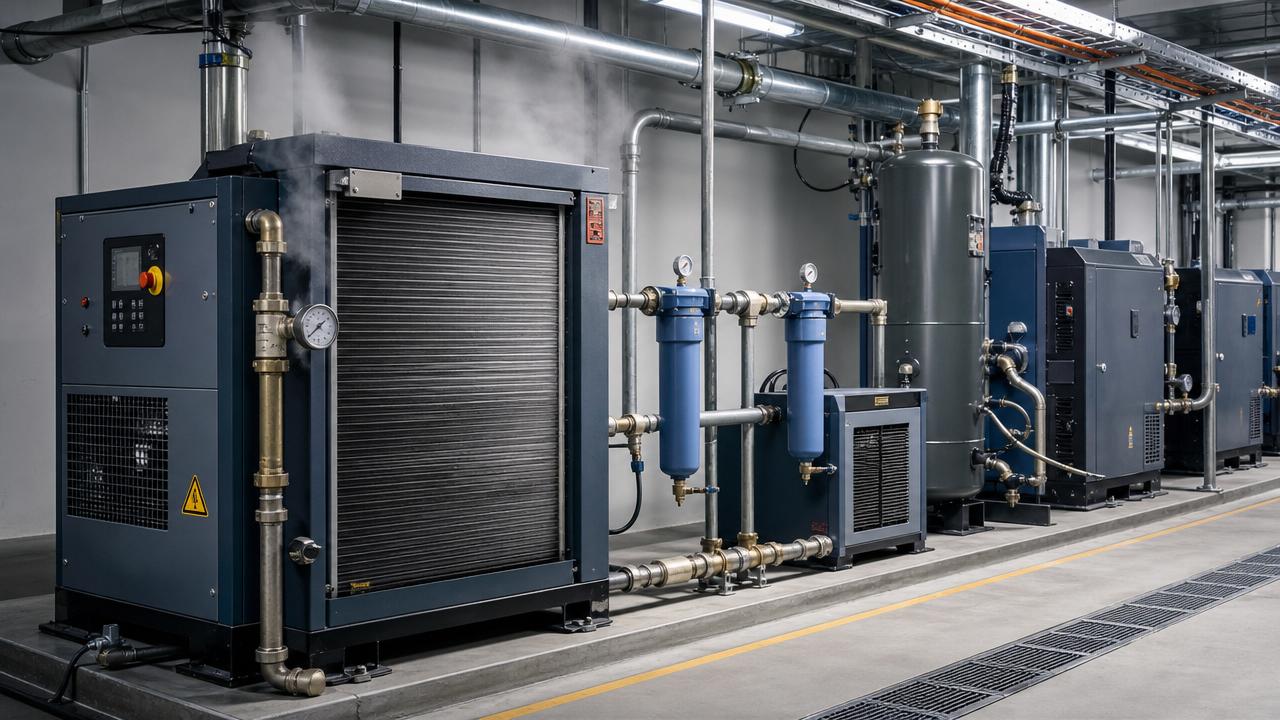
For industrial researchers, the challenge is not a shortage of options but a shortage of clarity. Many energy-saving technologies promise lower consumption, yet their value depends on operating profile, utility cost structure, process stability, and compliance pressure. In cooling, compressed air, vacuum, and heat exchange systems, the biggest gains often come from system optimization rather than isolated equipment replacement.
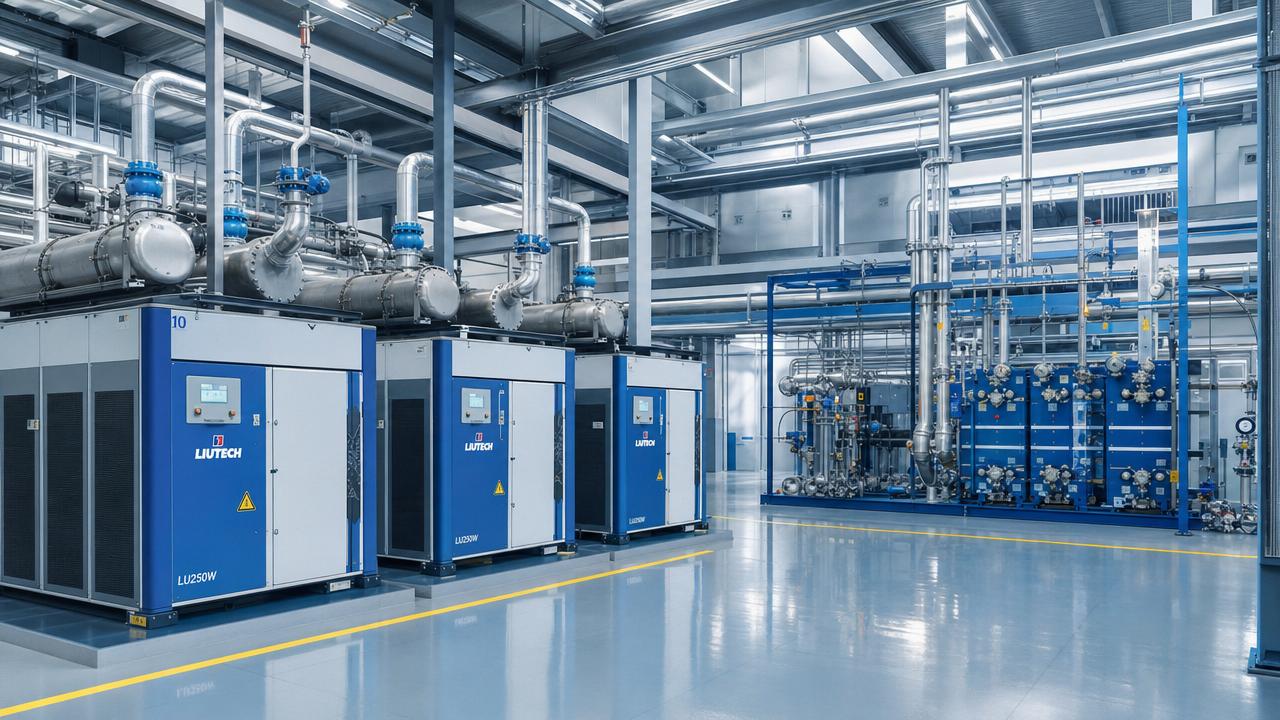
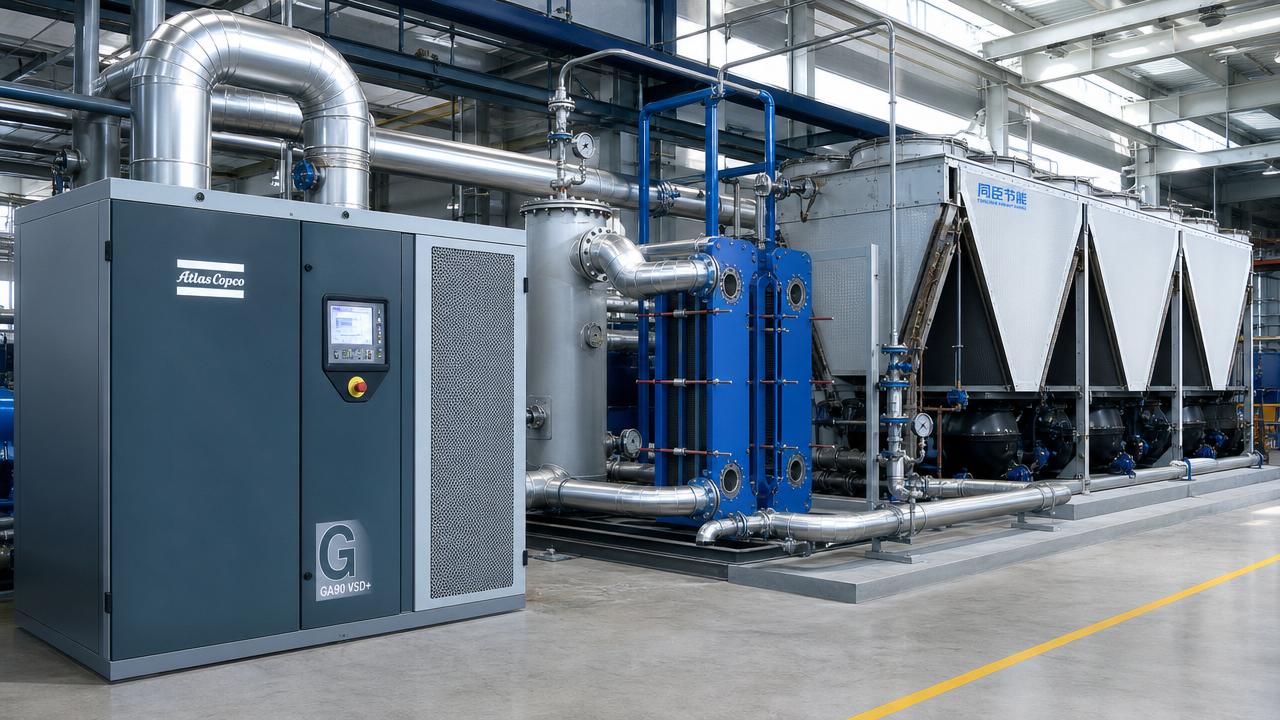
- Variable-speed compression systems that align motor output with real demand instead of fixed full-load operation.
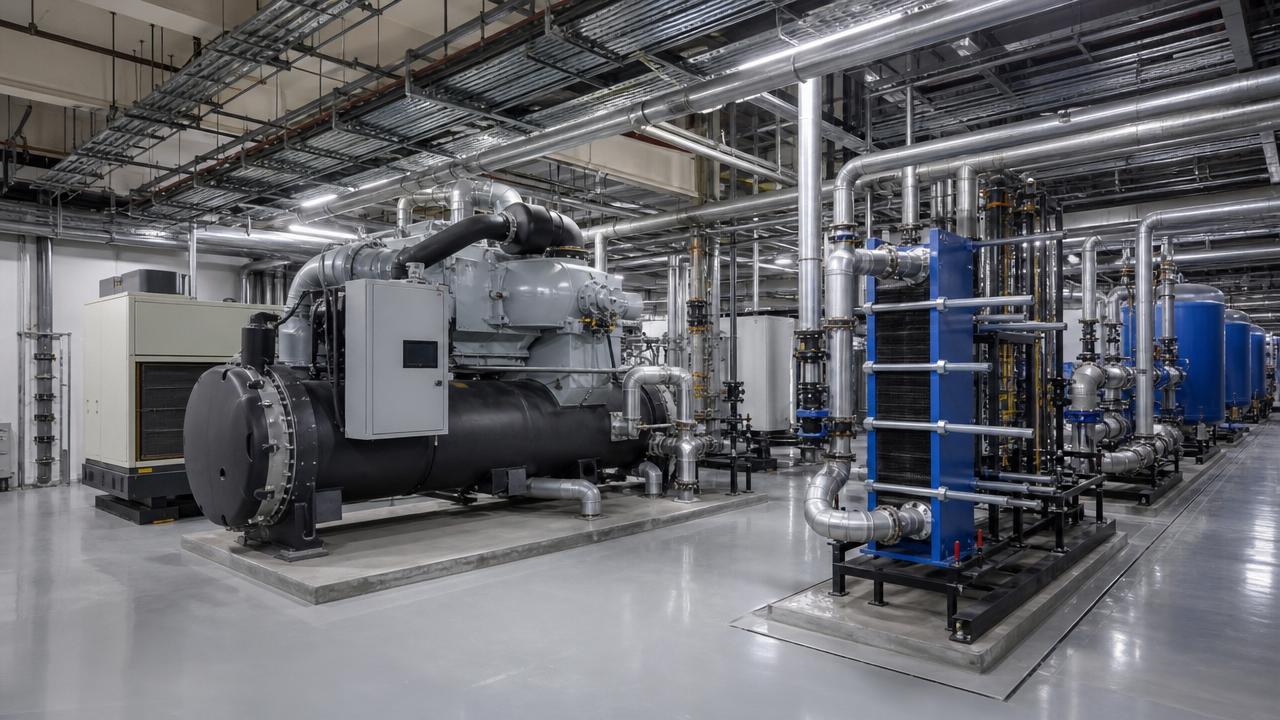
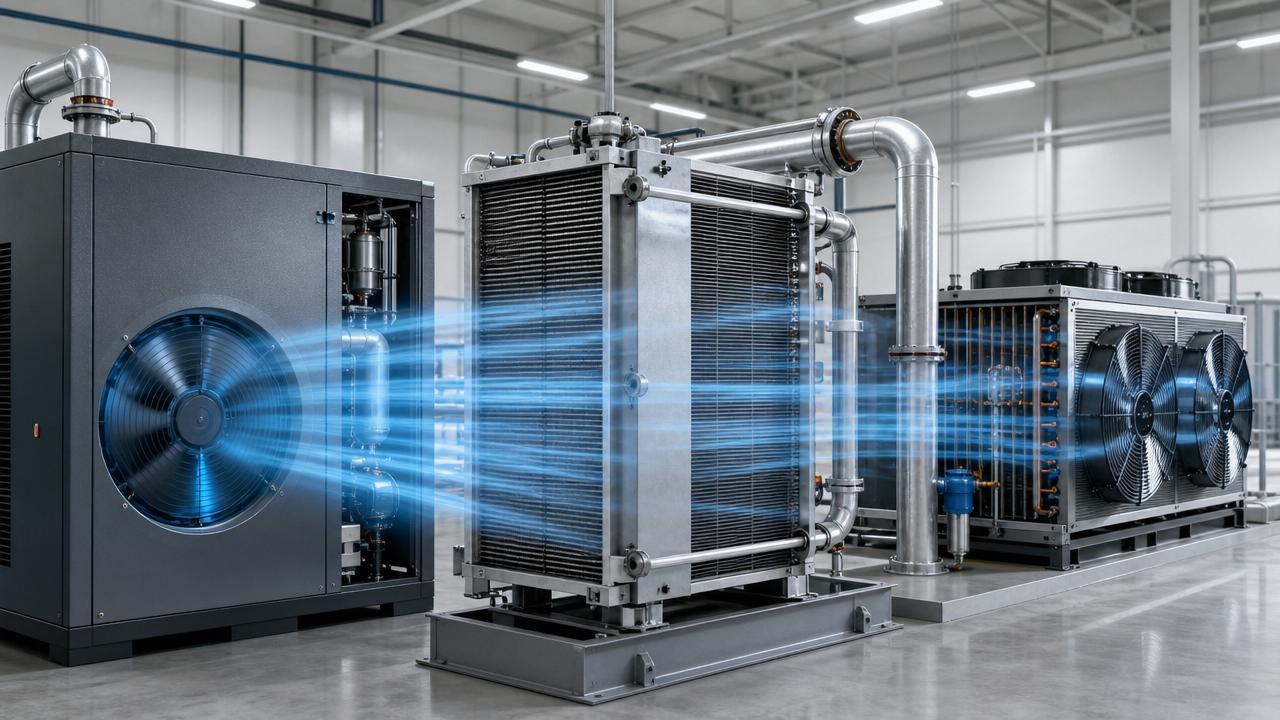
- Microchannel and high-efficiency heat exchangers that improve thermal transfer while reducing refrigerant charge and footprint.
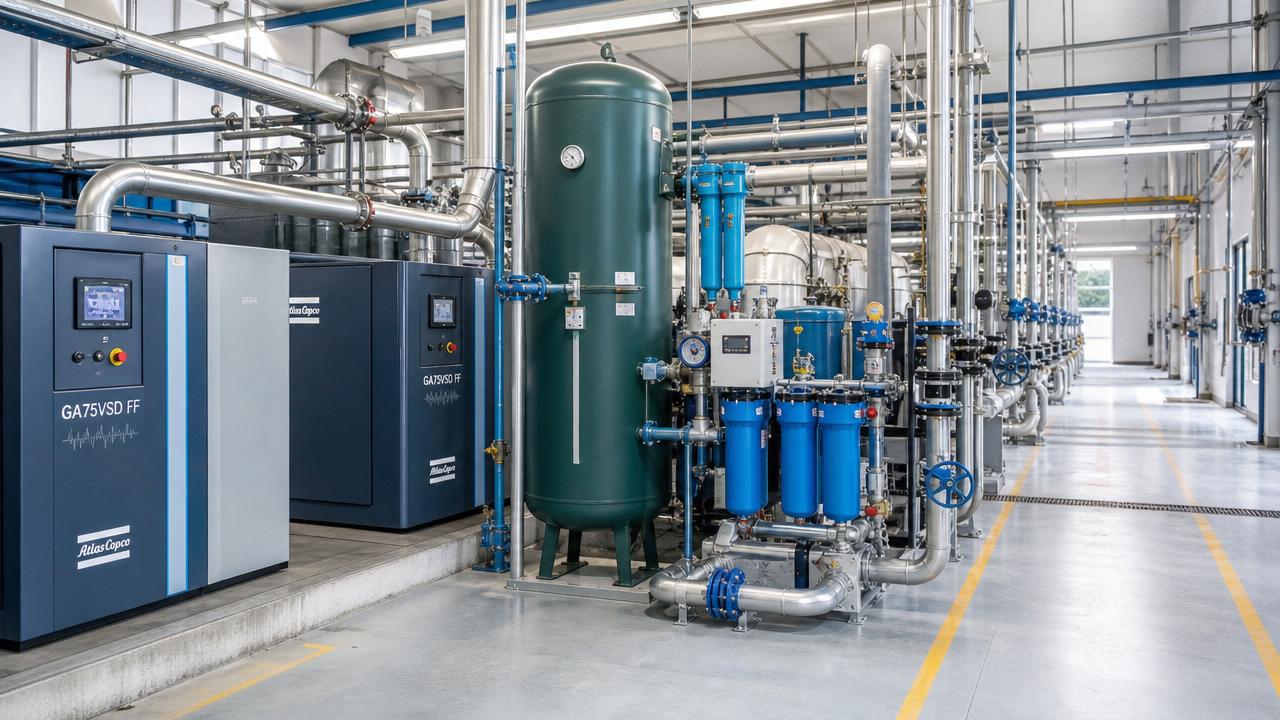
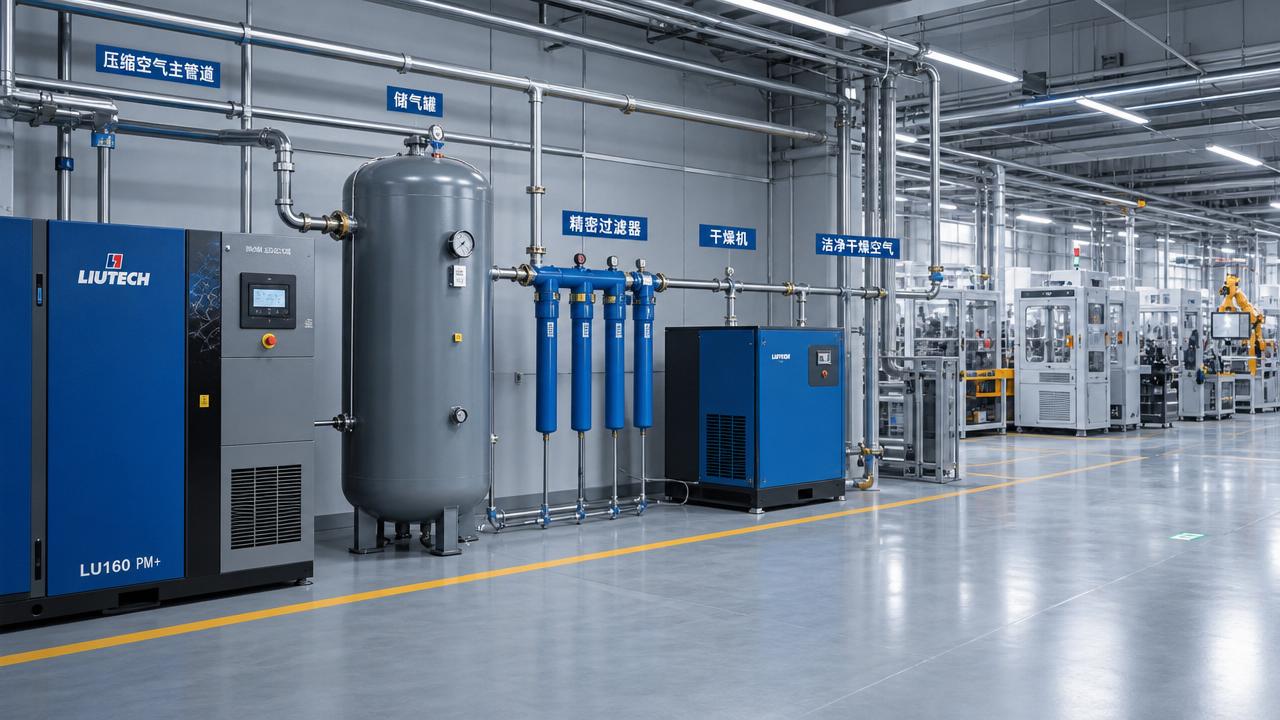
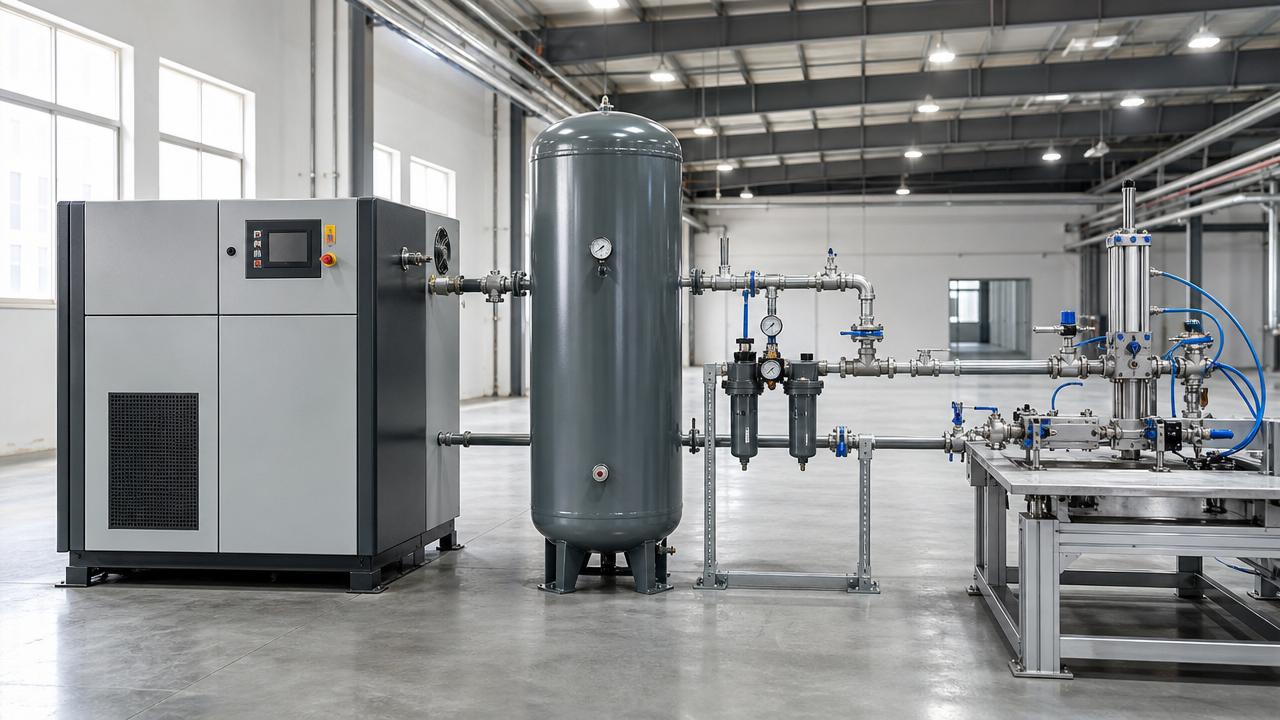
- Oil-free compressed air and vacuum technologies that reduce contamination risk and cut downstream filtration losses.
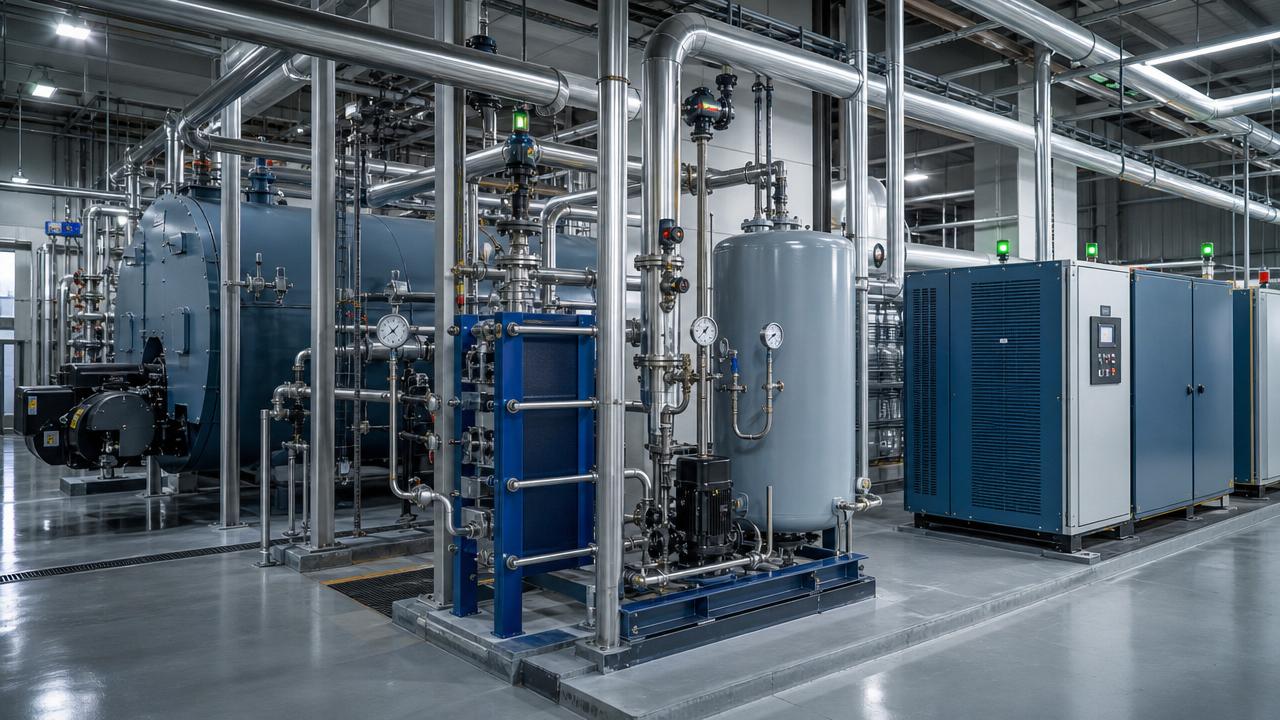
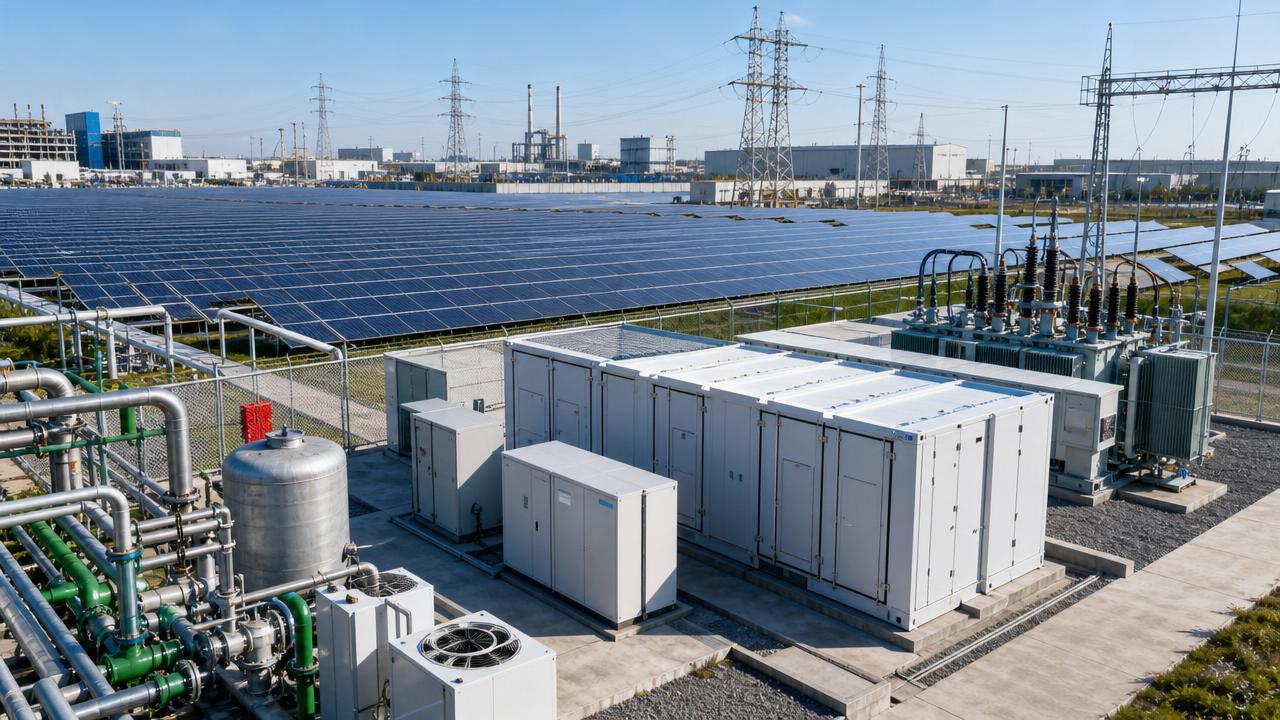
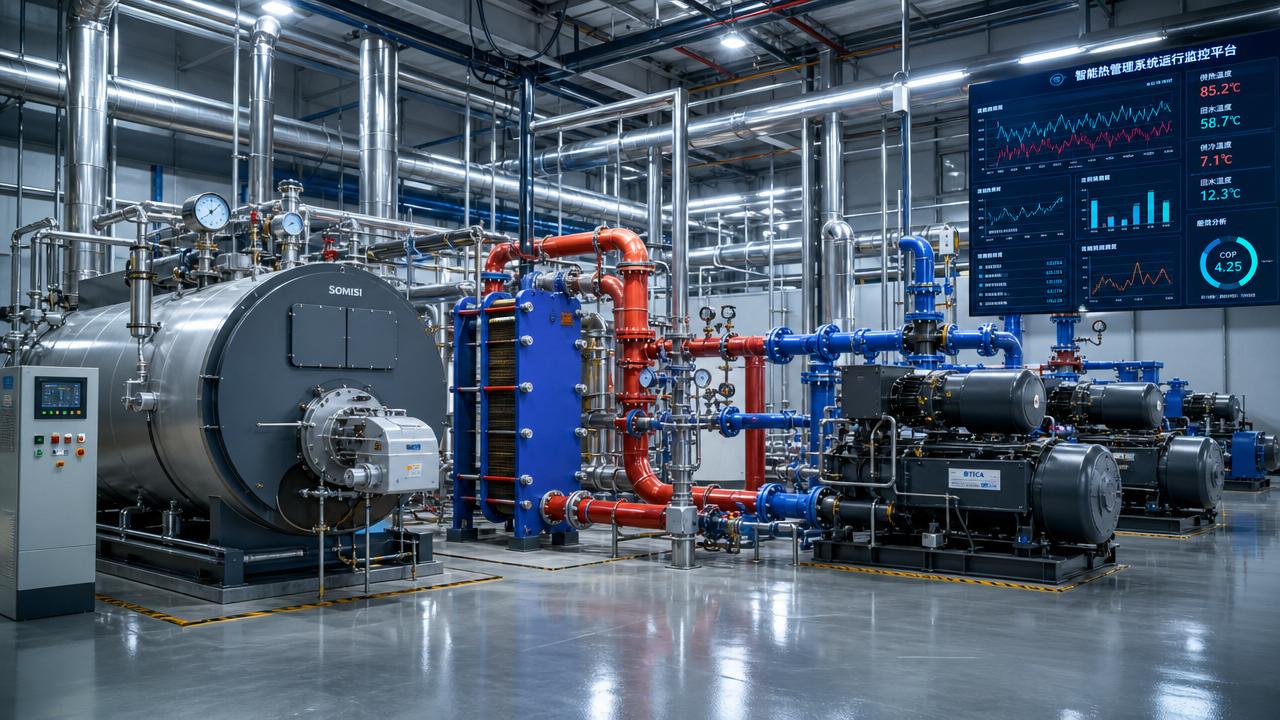
- Low-NOx and high-efficiency thermal equipment that supports decarbonization targets without sacrificing process reliability.
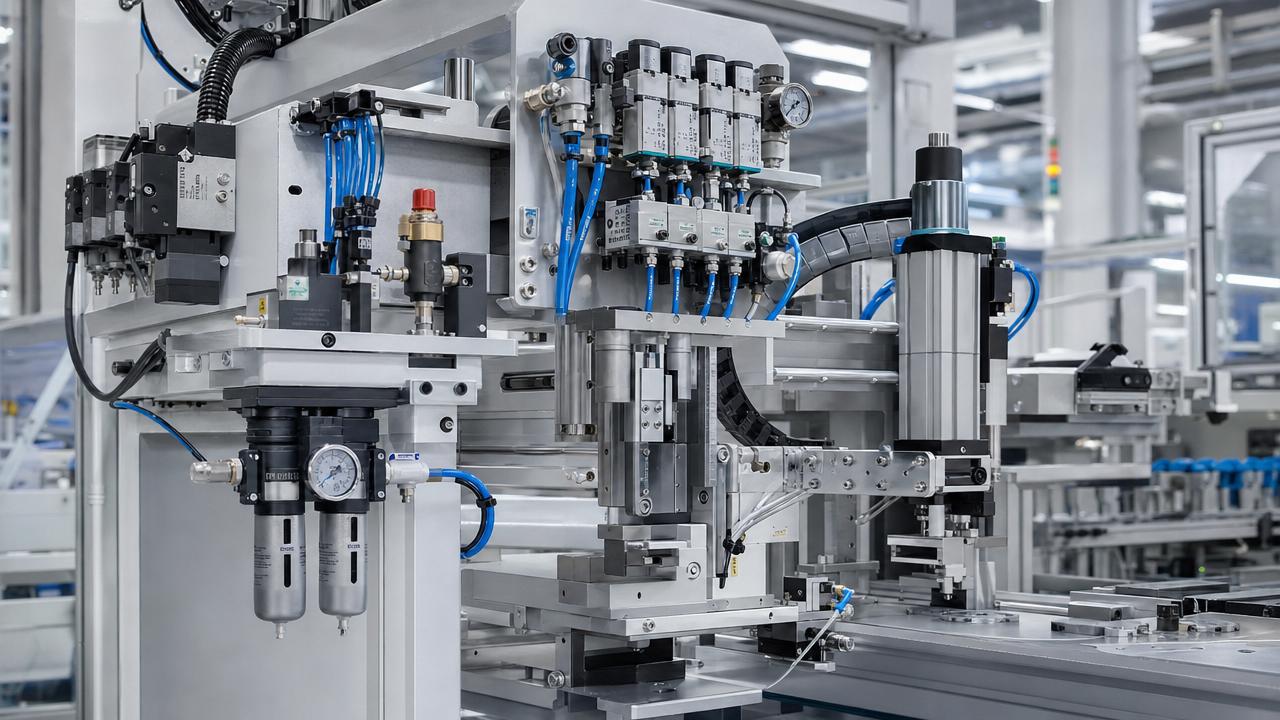
- Digital monitoring, leak detection, and predictive controls that convert energy management from reactive maintenance to continuous optimization.
At GTC-Matrix, these technology shifts are tracked through a cross-disciplinary lens. Thermodynamics, pneumatic engineering, and industrial economics must be read together. That matters because the most relevant energy-saving technologies are rarely defined by a single efficiency number; they are defined by lifecycle performance under real industrial constraints.
How do leading industrial solutions compare?
The table below helps information researchers compare major energy-saving technologies by mechanism, best-fit application, and key evaluation point. It is especially useful when screening technologies before deeper supplier discussions or internal feasibility studies.
A useful pattern emerges: the strongest energy-saving technologies are those that improve both efficiency and process control. That is why trend analysis at GTC-Matrix focuses not only on hardware evolution, but also on how energy systems interact with sector-specific purity, temperature, uptime, and regulatory demands.
What should researchers evaluate before recommending a solution?
Start with system behavior, not product labels
Many procurement teams ask which equipment is the most efficient. A better question is: efficient under what load pattern, ambient condition, maintenance capability, and production target? Energy-saving technologies deliver uneven results when system boundaries are poorly defined. A premium compressor can underperform in a leaking network. A high-efficiency heat exchanger can miss targets if fouling control is weak.
Use a structured screening checklist
- Map the load profile: steady, cyclic, peak-heavy, or highly variable.
- Confirm utility economics: electricity tariff, fuel price, carbon cost exposure, and downtime cost.
- Check process sensitivity: contamination tolerance, temperature stability, pressure fluctuation limits, and product quality risk.
- Review compliance needs: emissions requirements, refrigerant policy shifts, and sector-specific clean utility expectations.
- Estimate service reality: maintenance interval, spare parts availability, commissioning complexity, and data integration needs.
This is where GTC-Matrix adds value for information researchers. Instead of treating industrial cooling, compressed air, vacuum, and heat exchange as isolated categories, the platform helps users connect technology evolution to real purchasing logic and sector demand signals.
Which industries are pushing adoption fastest?
Different sectors adopt energy-saving technologies for different reasons. Some are driven by purity and precision, others by fuel volatility or carbon reporting. Understanding that distinction improves research quality and helps prioritize the most relevant innovations.
The following table shows how application priorities differ by sector, giving researchers a quicker path to technology matching and commercial insight development.
The takeaway is practical: there is no universal shortlist. Researchers need to ask whether the value driver is purity, thermal precision, emissions control, or energy cost reduction. GTC-Matrix supports this by turning market noise into structured intelligence that aligns technical trends with industry-specific buying behavior.
Common mistakes when tracking energy-saving technologies
- Assuming nameplate efficiency equals site-level savings. Distribution losses, controls, and maintenance often reshape actual results.
- Ignoring refrigerant policy and emissions trends. A technically sound solution can face regulatory pressure sooner than expected.
- Comparing capital expenditure without evaluating lifecycle cost, service burden, and process risk.
- Treating compressed air, cooling, and thermal systems separately when waste heat, pressure stability, and load interaction are linked.
For research teams, these mistakes lead to weak recommendations and misleading trend conclusions. Better analysis combines policy awareness, application detail, and equipment-level understanding. That integrated method is central to how GTC-Matrix interprets the industrial energy transition.
FAQ: what do information researchers ask most often?
How should I prioritize energy-saving technologies for further study?
Start with systems that combine high energy intensity and high process impact. In many facilities, compressed air, cooling, and thermal equipment meet that test. Then rank technologies by three filters: savings potential, implementation difficulty, and regulatory relevance.
Are advanced energy-saving technologies only suitable for large enterprises?
No. Smaller plants may benefit significantly from leak detection, variable-speed upgrades, controls optimization, or targeted heat recovery. The right scale depends more on load pattern and payback logic than on plant size alone.
What compliance issues should be monitored in 2026?
Researchers should watch refrigerant policy changes, emissions requirements, energy reporting expectations, and sector-specific cleanliness standards. Even when a project is still at evaluation stage, future compliance can influence technology selection today.
Why consult GTC-Matrix for technology tracking and decision support?
GTC-Matrix is built for researchers who need more than surface-level news. Its Strategic Intelligence Center connects market movements, thermodynamic logic, and industrial demand modeling across cooling, compressed air, vacuum, and heat exchange technologies. That makes it easier to identify which energy-saving technologies deserve attention, which are overhyped, and which are becoming commercially decisive.
If you are evaluating industrial energy solutions, you can consult GTC-Matrix on parameter confirmation, technology selection logic, likely delivery considerations, refrigerant and emissions policy direction, sector application fit, and comparative solution analysis. This is especially useful for teams preparing supplier screening, internal reports, investment reviews, or market-entry planning.
Related News
- Semiconductor Thermal Management: Low Vibration Design PrioritiesAuthor :

- Thermal Interface Materials: What Drives Real Thermal OptimizationAuthor :
![]()
- Global Energy Costs in Europe: What Changed in 2026Author :

- Smart Device Thermal Management: Common Failures and FixesAuthor :

- Thermal Efficiency Optimization: 5 Signs Your System Is Losing HeatAuthor :

- How Precision Temperature Control Systems Improve Process StabilityAuthor :

- How Intellectualization Improves Process Visibility in Modern PlantsAuthor :

- Global Energy Costs in 2026: What Rising Prices Mean for Plant PlanningAuthor :

- Carbon Neutrality Roadmaps: Common Gaps in Industrial PlanningAuthor :

- Heat Transfer Basics: What Affects Efficiency in Industrial EquipmentAuthor :

- Industrial Thermal Systems: Common Failure Risks in Continuous OperationAuthor :

- Global Energy Costs: 2026 Risk Signals to WatchAuthor :

- Pneumatic Power Systems: Common Sizing Mistakes to AvoidAuthor :

- How Thermal Power Systems Cut Downtime in 2026Author :

- Clean Energy Technology Trends Reshaping Industry in 2026Author :

- Pneumatic Power Systems: Key Checks Before Equipment SelectionAuthor :

- Compression Technology Mistakes That Raise Maintenance RiskAuthor :

- Clean Energy Technology Risks to Watch in 2026 ProjectsAuthor :

- Smart Thermal Systems: 5 Signals Your Controls Are Wasting HeatAuthor :

- How to Size Pneumatic Power Systems for Stable OutputAuthor :

- Pneumatic Power Systems: Key Safety Risks in Daily OperationAuthor :

- Clean Energy Technology Shifts Reshaping Industrial InvestmentAuthor :

- Intellectualization in Industry: What Delivers Measurable Value?Author :

- Thermal Management Mistakes That Shorten Equipment LifeAuthor :

- Clean Energy Technology Options That Fit Real Manufacturing UpgradesAuthor :

- Energy-Saving Technologies Worth Tracking in 2026Author :