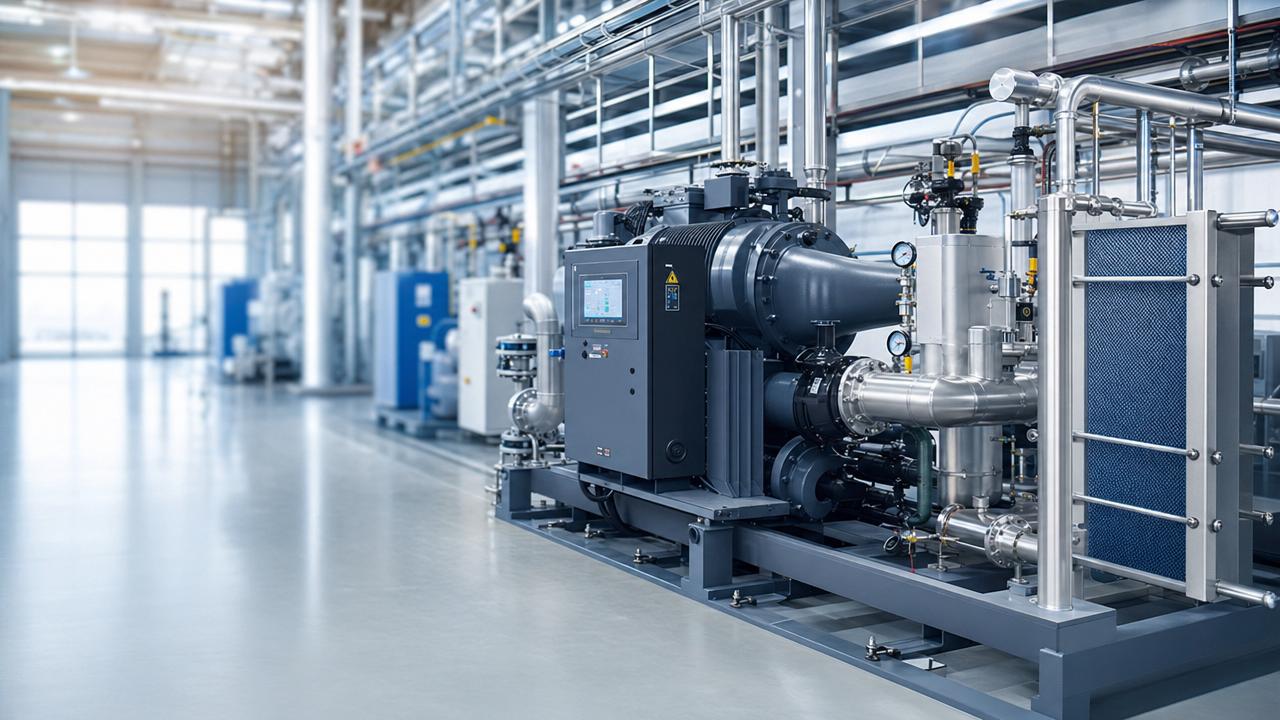
Pneumatic Power Systems: Key Checks Before Equipment Selection




Selecting pneumatic power systems without disciplined checks often creates hidden risk across production, utilities, packaging, and process control. Poor fit can increase leakage losses, unstable pressure, maintenance burden, and total operating cost.
A better selection path starts with scenario-based evaluation. Air demand, duty cycle, cleanliness, pressure stability, site conditions, and expansion plans all shape which pneumatic power systems deliver reliable and cost-effective industrial performance.
For industrial intelligence platforms such as GTC-Matrix, this topic matters because compressed air is both a power medium and an energy cost center. Smarter choices improve uptime, support decarbonization goals, and strengthen long-term equipment economics.
Why selection checks change across real operating scenarios
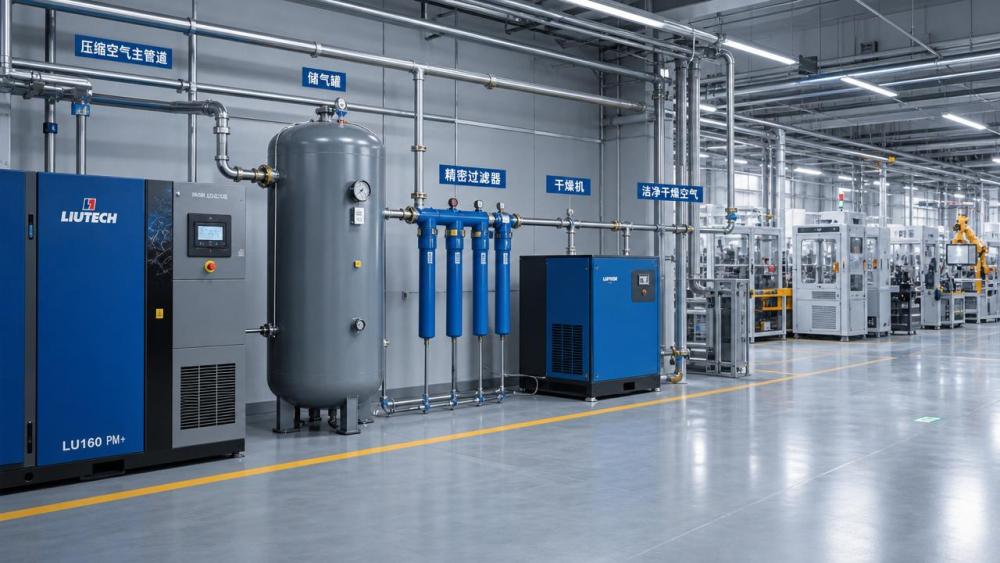
Not all pneumatic power systems face the same load profile. A packaging line may need fast cycling and precise pressure response, while a metal workshop may prioritize rugged flow capacity and easy service access.
The right checks depend on how air is consumed, how often pressure peaks occur, and how sensitive the process is to contamination. This is why scenario mapping should happen before comparing brands or compressor configurations.
A useful review starts with five baseline questions:
- How much air is needed during average and peak demand?
- What pressure range must remain stable at the point of use?
- What air quality class is required for the process?
- How many operating hours will the system run yearly?
- How easily can the system support future expansion?
Scenario 1: Continuous production lines need stable pneumatic power systems
Continuous operations place the highest value on stability. In food processing, assembly, or converting lines, even small pressure dips can slow actuators, affect repeatability, and trigger quality issues.
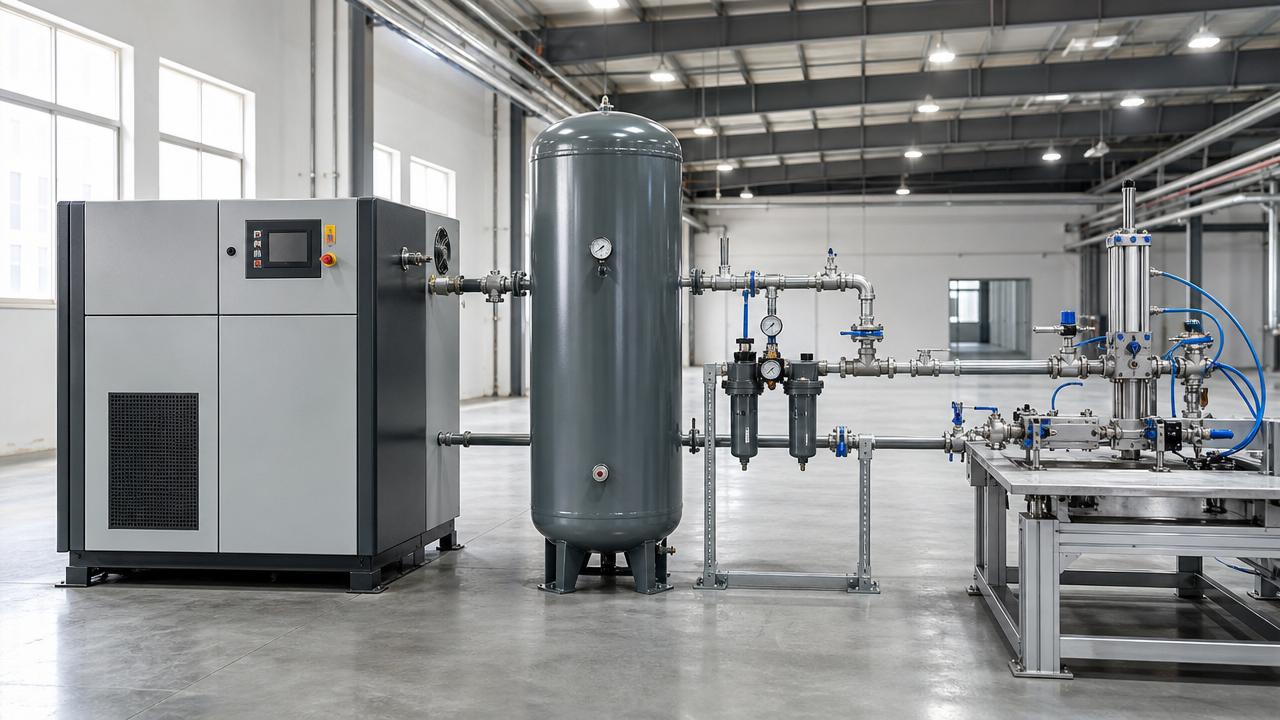
For these sites, check compressor turndown performance, receiver sizing, and control logic. Variable-speed options often help, but only when demand is genuinely dynamic and pressure bands are properly configured.
Key checks for continuous-duty conditions
- Confirm average flow and worst-case simultaneous demand.
- Review pressure drop from compressor room to end-use tools.
- Verify redundancy for critical lines and maintenance windows.
- Check dryer and filter sizing under full-load summer conditions.
Scenario 2: Intermittent or peak-load sites require flexible response
Some pneumatic power systems serve batch production, automotive tools, or loading stations with sharp demand swings. Here, the main risk is selecting for average demand while ignoring short but frequent peaks.
If peak events are missed, the result can be pressure collapse, tool underperformance, or oversizing as a costly workaround. Load studies and data logging should therefore come before final equipment selection.
Core judgment points in peak-demand applications
Review whether storage can absorb peaks instead of installing a larger compressor. In many cases, correct receiver placement and sequencing logic improve performance more economically than added installed horsepower.
Also examine start-stop frequency, motor stress, and unload losses. Pneumatic power systems with poor control matching can waste substantial energy during low-load periods between demand spikes.
Scenario 3: Clean-process environments demand air quality first
In pharmaceutical, electronics, laboratory, and sensitive packaging environments, clean compressed air is often more important than raw capacity. Air contamination can damage products, compromise surfaces, or disrupt precision handling.
When evaluating pneumatic power systems here, focus on oil-free requirements, dew point targets, filtration stages, condensate management, and monitoring capability. Air quality should be defined at the use point, not only at the compressor outlet.
Checks that prevent hidden contamination risk
- Match filtration to particle, oil, and moisture limits.
- Confirm dryer performance during seasonal temperature changes.
- Inspect pipe materials and low-point drain design.
- Plan validation points for pressure and air quality monitoring.
Scenario 4: Harsh industrial environments need durability and serviceability
Mining, foundry, heavy fabrication, and outdoor utility sites challenge pneumatic power systems with dust, vibration, heat, and inconsistent maintenance conditions. Selection mistakes in these environments usually show up as premature wear.
The review should include enclosure protection, cooling design, ambient tolerance, access for service, spare part availability, and resistance to contaminated intake air. A technically efficient system still fails if service conditions are unrealistic.
How scenario needs differ when choosing pneumatic power systems
Practical checks that improve scenario fit before purchase
Across all applications, five technical checks consistently improve pneumatic power systems selection quality. These checks reduce mismatch risk and create a clearer total-cost comparison between equipment options.
- Measure actual demand, not nameplate assumptions.
- Map pressure losses through piping, treatment, and controls.
- Compare lifecycle cost, including energy, service, and downtime.
- Check system compatibility with existing controls and utilities.
- Validate expansion capacity for future lines or process changes.
Energy often dominates lifecycle economics. Even modest efficiency differences in pneumatic power systems can produce large annual cost gaps when operating hours are high and electricity prices are volatile.
Compatibility matters as much as efficiency. A high-performance compressor can still disappoint if dryers, filters, piping diameter, controls, or end-use regulators are not aligned with the selected system architecture.
Common selection mistakes that distort pneumatic power systems performance
One frequent mistake is confusing compressor capacity with delivered useful air. Pressure drop, leakage, poor storage layout, and filter fouling can reduce real system performance long after commissioning.
Another error is focusing only on purchase price. Lower upfront cost may hide higher energy use, shorter maintenance intervals, weaker controls, or limited support. Total value should always be reviewed over the expected operating life.
A third misjudgment is ignoring future process change. Pneumatic power systems selected for today’s minimum load may struggle when new machines, extra shifts, or tighter quality requirements appear.
A practical next step for confident equipment evaluation
Start by documenting each operating scenario, then rank air demand, pressure sensitivity, cleanliness, runtime, and maintenance reality. This creates a clear basis for comparing pneumatic power systems beyond brochure claims.
Next, request performance data tied to your actual conditions, including ambient temperature, elevation, duty cycle, and downstream treatment. Ask how efficiency, pressure stability, and service intervals change across those conditions.
Finally, use market intelligence to benchmark technology direction and operating cost assumptions. Insights from GTC-Matrix can help connect equipment choice with energy trends, clean-process requirements, and long-term industrial competitiveness.
When pneumatic power systems are selected through scenario-based checks, the outcome is more than reliable air supply. It is stronger uptime, lower waste, better process consistency, and a more resilient industrial energy strategy.
Ready when you are. Send us a message to get started.
Related News
- Carrier Plans $600 Million Manufacturing and Engineering Center in Fort WorthAuthor :

- Semiconductor Thermal Management: Low Vibration Design PrioritiesAuthor :

- Thermal Interface Materials: What Drives Real Thermal OptimizationAuthor :
![]()
- Global Energy Costs in Europe: What Changed in 2026Author :

- Smart Device Thermal Management: Common Failures and FixesAuthor :

- Thermal Efficiency Optimization: 5 Signs Your System Is Losing HeatAuthor :

- How Precision Temperature Control Systems Improve Process StabilityAuthor :

- How Intellectualization Improves Process Visibility in Modern PlantsAuthor :

- Global Energy Costs in 2026: What Rising Prices Mean for Plant PlanningAuthor :

- Carbon Neutrality Roadmaps: Common Gaps in Industrial PlanningAuthor :

- Heat Transfer Basics: What Affects Efficiency in Industrial EquipmentAuthor :

- Industrial Thermal Systems: Common Failure Risks in Continuous OperationAuthor :

- Global Energy Costs: 2026 Risk Signals to WatchAuthor :

- Pneumatic Power Systems: Common Sizing Mistakes to AvoidAuthor :

- How Thermal Power Systems Cut Downtime in 2026Author :

- Clean Energy Technology Trends Reshaping Industry in 2026Author :

- Pneumatic Power Systems: Key Checks Before Equipment SelectionAuthor :

- Compression Technology Mistakes That Raise Maintenance RiskAuthor :

- Clean Energy Technology Risks to Watch in 2026 ProjectsAuthor :

- Smart Thermal Systems: 5 Signals Your Controls Are Wasting HeatAuthor :

- How to Size Pneumatic Power Systems for Stable OutputAuthor :

- Pneumatic Power Systems: Key Safety Risks in Daily OperationAuthor :

- Clean Energy Technology Shifts Reshaping Industrial InvestmentAuthor :

- Intellectualization in Industry: What Delivers Measurable Value?Author :

- Thermal Management Mistakes That Shorten Equipment LifeAuthor :

- Clean Energy Technology Options That Fit Real Manufacturing UpgradesAuthor :

- Energy-Saving Technologies Worth Tracking in 2026Author :