How Intellectualization Improves Process Visibility in Modern Plants




How Intellectualization Improves Process Visibility in Modern Plants
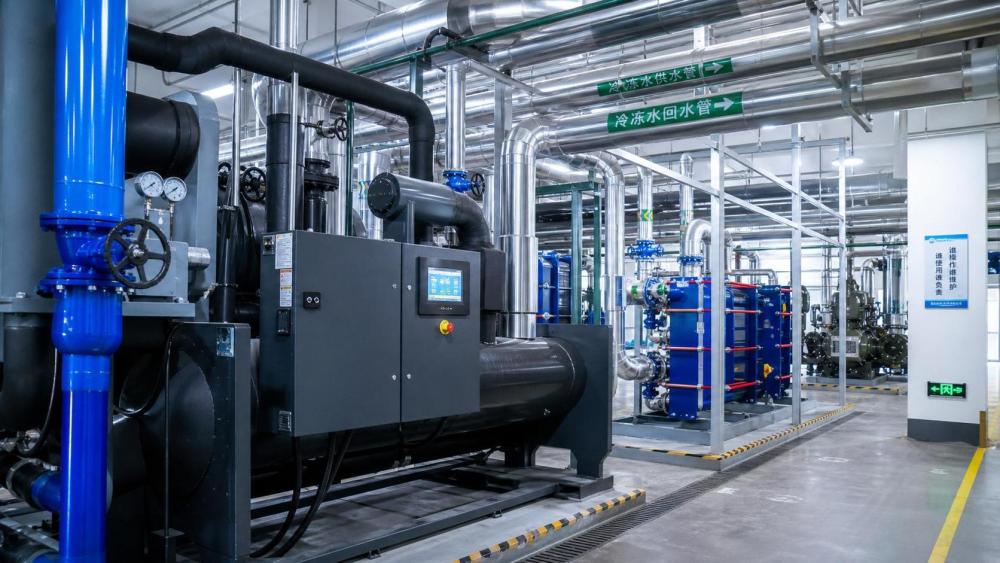
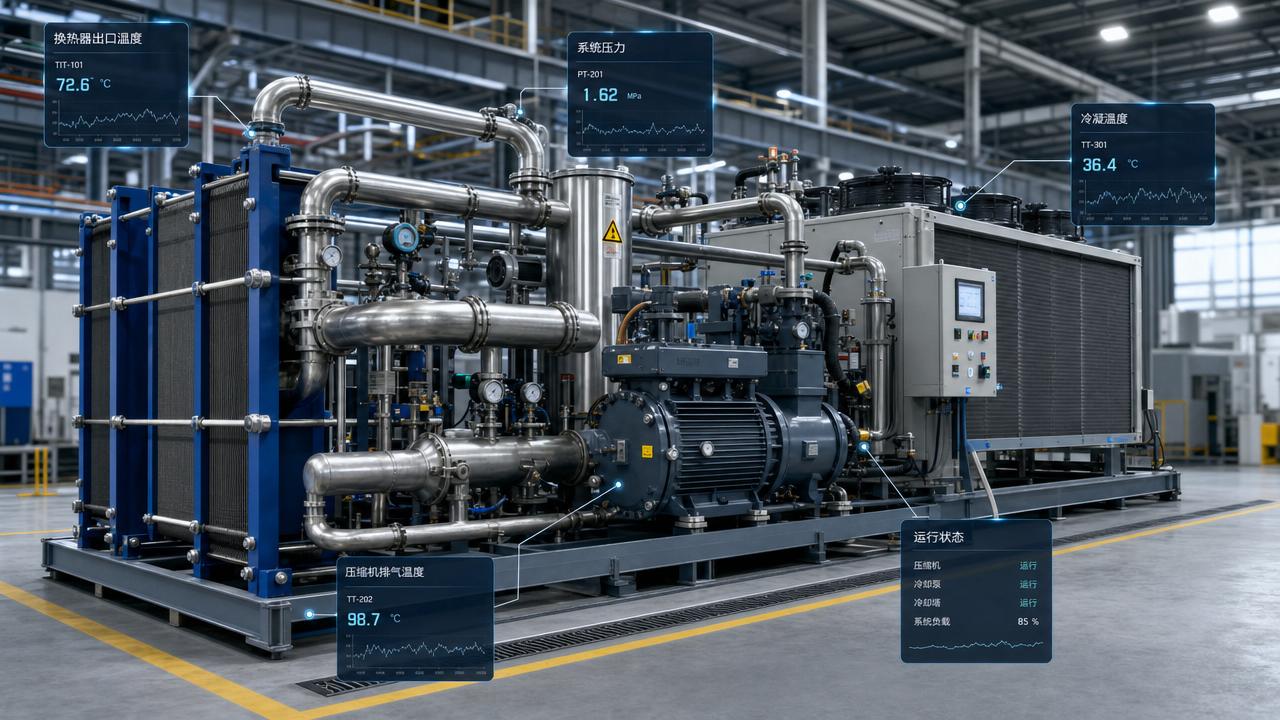
In modern plants, intellectualization is changing process visibility from a daily struggle into a clear competitive edge.
When systems stay disconnected, teams react late, miss warning signs, and lose energy in places nobody fully sees.
That problem shows up everywhere, especially across cooling, compressed air, vacuum, and heat exchange operations.
A plant may run thousands of signals, yet still lack usable process visibility where decisions matter most.
This is where intellectualization becomes practical, not theoretical.
It connects field data, operating logic, equipment behavior, and business priorities into one readable picture.
For industrial teams, better process visibility means faster troubleshooting, stronger control, and more confident planning.
It also means fewer blind spots around load shifts, thermal instability, pressure variation, and utility waste.
At GTC-Matrix, this shift reflects a broader move toward intelligent energy conversion and industrial thermal optimization.
The goal is simple: turn complex process data into actionable insight that improves reliability and efficiency.
Why Process Visibility Still Breaks Down
Many plants already have sensors, dashboards, and control systems.
Still, process visibility often remains incomplete because data arrives in separate islands.
One team tracks compressor load, another monitors chilled water, and another manages vacuum stability.
Without intellectualization, those signals rarely form a shared operating story.
That creates three common visibility gaps.
- Equipment data is available, but context is missing.
- Trends are recorded, but root causes are hard to compare.
- Alarms are generated, but action priorities remain unclear.
In real operations, this leads to slow diagnosis and uneven decisions between shifts or sites.
It also makes energy performance harder to improve because hidden losses stay normalized.
The more complex the plant, the more valuable intellectualization becomes for true process visibility.
How Intellectualization Creates a Clearer Operating Picture
Intellectualization improves process visibility by linking data to relationships, not just readings.
Instead of watching isolated points, teams see how systems influence each other over time.
For example, a pressure drop may connect to cooling performance, valve behavior, or changing production loads.
That connection is what turns raw monitoring into useful process visibility.
Key mechanisms behind the improvement
- Data fusion combines utility, process, and asset signals in one framework.
- Pattern recognition highlights recurring instability before it becomes failure.
- Predictive logic ranks issues by operational impact, not alarm volume.
- Digital workflows keep observations tied to actions, owners, and outcomes.
From recent market changes, the strongest signal is the shift from passive reporting to decision-ready intelligence.
That is especially important in thermal and compression systems, where efficiency losses often spread quietly.
A small deviation in heat exchange can raise compressor demand, cooling load, and production risk together.
With intellectualization, those links become visible sooner and easier to act on.
High-Impact Use Cases in Modern Plants
The best use cases are usually the ones with cross-system dependence and high energy sensitivity.
Compressed air networks
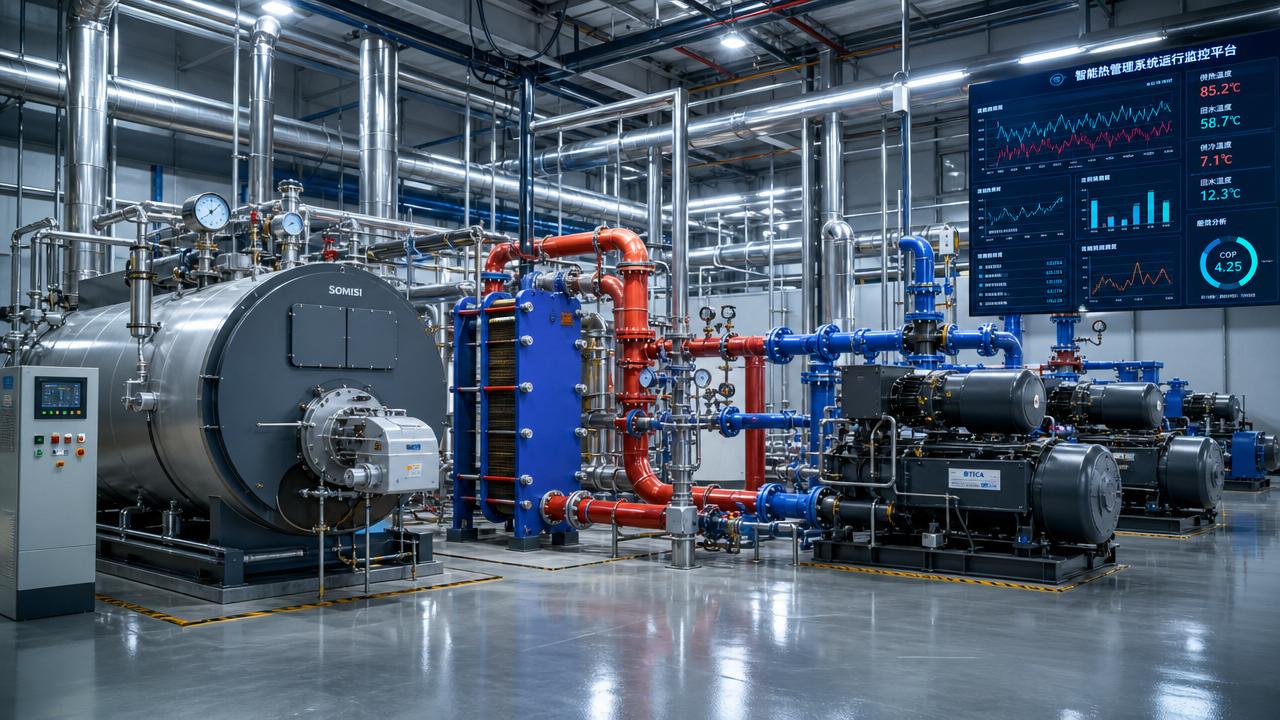
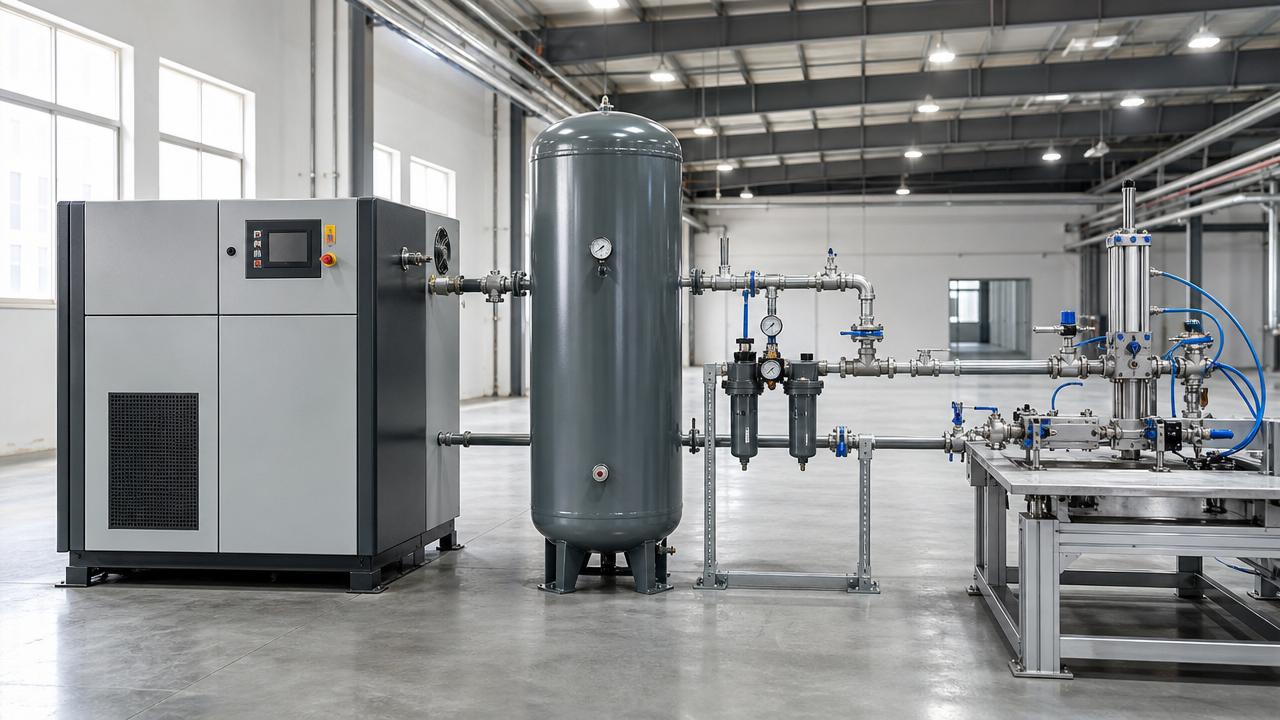
Intellectualization improves process visibility by exposing mismatch between demand, storage, leakage, and compressor sequencing.
Instead of chasing pressure complaints, teams can identify where instability actually starts.
Cooling and chilled water systems
Here, process visibility improves when heat load, flow balance, approach temperature, and equipment cycling are analyzed together.
This helps reveal wasted pumping energy and unstable temperature control.
Vacuum processes
Vacuum quality often appears acceptable until yield, contamination, or cycle time begins to slip.
Intellectualization makes process visibility stronger by connecting vacuum behavior with upstream conditions and maintenance patterns.
Heat exchange systems
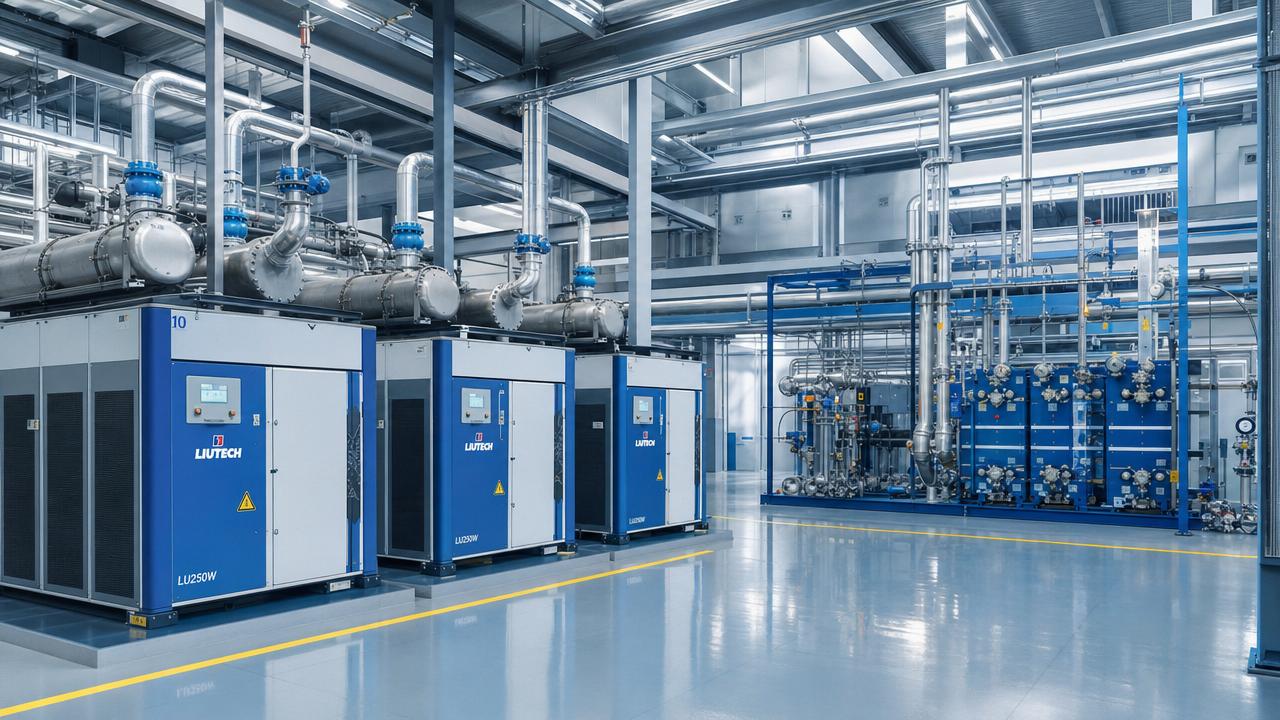
Fouling, poor flow distribution, and thermal drift are easier to spot when trend logic replaces occasional inspection.
That creates a more stable basis for cleaning schedules and capacity planning.
What Better Visibility Changes for Project Execution
Better process visibility changes project execution long before a system reaches steady state.
It supports design review, commissioning, ramp-up, optimization, and retrofit decisions with stronger evidence.
This also means fewer assumptions hidden inside handover documents or vendor claims.
When intellectualization is built into the operating model, teams gain practical advantages.
- Faster acceptance testing because trends are visible in near real time.
- Stronger change control because impacts can be tracked across systems.
- Lower rework risk because hidden interactions surface earlier.
- More credible ROI because efficiency gains are measured, not assumed.
In fast-moving industrial environments, those advantages save both money and schedule.
They also support decarbonization goals by making energy waste visible at the process level.
A Practical Framework for Implementation
A successful intellectualization program does not start with more dashboards.
It starts with a visibility problem that affects cost, uptime, or process quality.
Step 1: Define the critical decisions
Focus on decisions that currently depend on guesswork, delayed reports, or repeated escalation.
Step 2: Map signal relationships
Identify which process, utility, and asset variables explain the outcome you need to control.
Step 3: Build tiered visibility
Separate operator alerts, engineering analysis, and management reporting so each layer stays useful.
Step 4: Connect actions to insight
Every visibility finding should lead to a response path, owner, and measurable outcome.
Step 5: Review value monthly
Track reduced energy intensity, fewer incidents, shorter diagnosis time, and improved system stability.
This kind of structure keeps intellectualization tied to business value instead of software activity.
Common Risks and How to Avoid Them
Not every visibility initiative succeeds.
The most common problem is collecting more data without improving decisions.
A more effective approach is to treat intellectualization as an operating capability.
That means process visibility must be owned, reviewed, and improved continuously.
Why This Matters More Now
Energy cost volatility, decarbonization pressure, and higher quality standards are changing industrial priorities.
More obvious now is the need to manage plants with better foresight, not just faster reaction.
This is especially true in industries that depend on high-precision thermal control and clean utility performance.
Pharmaceutical production, semiconductors, food processing, and advanced manufacturing all feel this shift.
GTC-Matrix follows these signals closely because thermal and compression systems sit at the center of industrial efficiency.
When intellectualization improves process visibility, plants gain more than better monitoring.
They gain the ability to see waste early, protect uptime, and align operations with long-term investment goals.
Turning Visibility Into Action
Intellectualization works best when it solves a real operating question and keeps the answer visible every day.
Start with one high-value process, one cross-functional pain point, and one measurable result.
Then expand the model across cooling, compressed air, vacuum, and heat exchange systems.
That approach makes process visibility practical, scalable, and easier to defend internally.
In the end, intellectualization is not only about smarter tools.
It is about building a plant that can see clearly, decide quickly, and improve continuously.
Related News
- Semiconductor Thermal Management: Low Vibration Design PrioritiesAuthor :

- Thermal Interface Materials: What Drives Real Thermal OptimizationAuthor :
![]()
- Global Energy Costs in Europe: What Changed in 2026Author :

- Smart Device Thermal Management: Common Failures and FixesAuthor :

- Thermal Efficiency Optimization: 5 Signs Your System Is Losing HeatAuthor :

- How Precision Temperature Control Systems Improve Process StabilityAuthor :

- How Intellectualization Improves Process Visibility in Modern PlantsAuthor :

- Global Energy Costs in 2026: What Rising Prices Mean for Plant PlanningAuthor :

- Carbon Neutrality Roadmaps: Common Gaps in Industrial PlanningAuthor :

- Heat Transfer Basics: What Affects Efficiency in Industrial EquipmentAuthor :

- Industrial Thermal Systems: Common Failure Risks in Continuous OperationAuthor :

- Global Energy Costs: 2026 Risk Signals to WatchAuthor :

- Pneumatic Power Systems: Common Sizing Mistakes to AvoidAuthor :

- How Thermal Power Systems Cut Downtime in 2026Author :

- Clean Energy Technology Trends Reshaping Industry in 2026Author :

- Pneumatic Power Systems: Key Checks Before Equipment SelectionAuthor :

- Compression Technology Mistakes That Raise Maintenance RiskAuthor :

- Clean Energy Technology Risks to Watch in 2026 ProjectsAuthor :

- Smart Thermal Systems: 5 Signals Your Controls Are Wasting HeatAuthor :

- How to Size Pneumatic Power Systems for Stable OutputAuthor :

- Pneumatic Power Systems: Key Safety Risks in Daily OperationAuthor :

- Clean Energy Technology Shifts Reshaping Industrial InvestmentAuthor :

- Intellectualization in Industry: What Delivers Measurable Value?Author :

- Thermal Management Mistakes That Shorten Equipment LifeAuthor :

- Clean Energy Technology Options That Fit Real Manufacturing UpgradesAuthor :

- Energy-Saving Technologies Worth Tracking in 2026Author :