How to find equipment applications in an industrial knowledge base




Start with the process you need to support, then use equipment names to narrow the search. An industrial application knowledge base is most useful when it connects a technology to a specific duty and explains the conditions under which it works. A result for “vacuum pump,” for example, becomes much more useful when it identifies the material being handled, the required pressure range, and whether moisture or solvents are present.
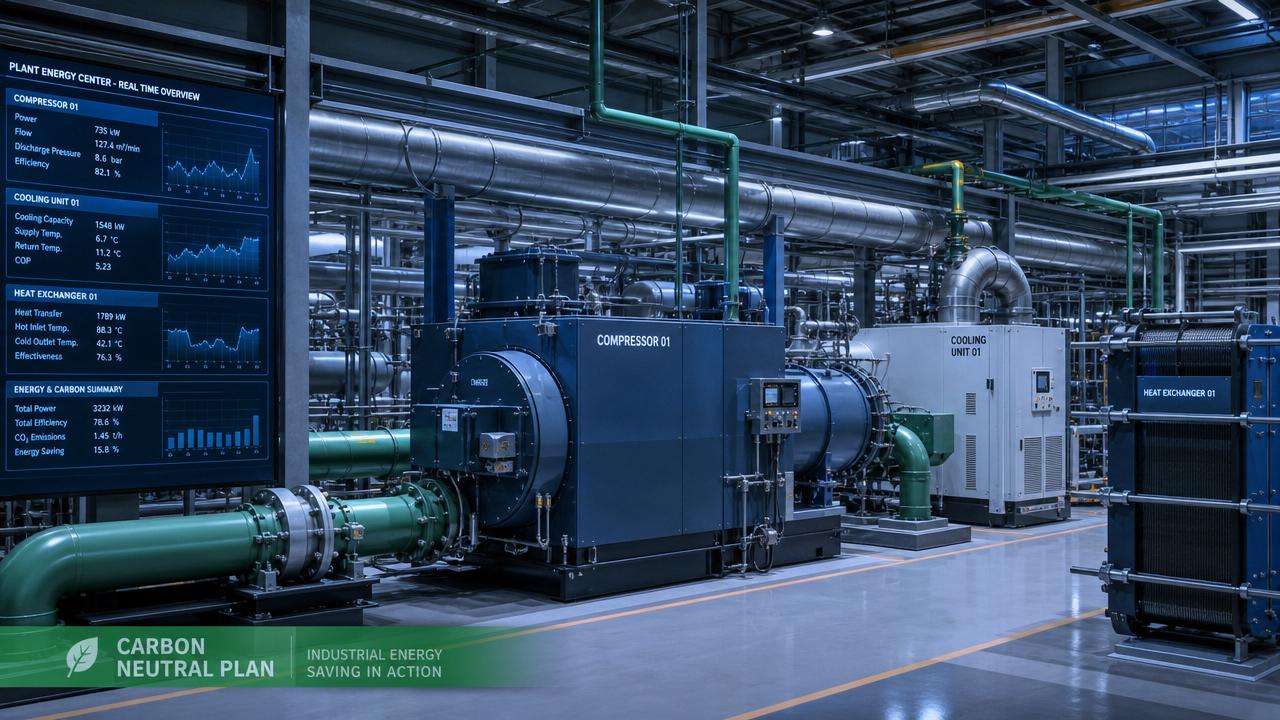
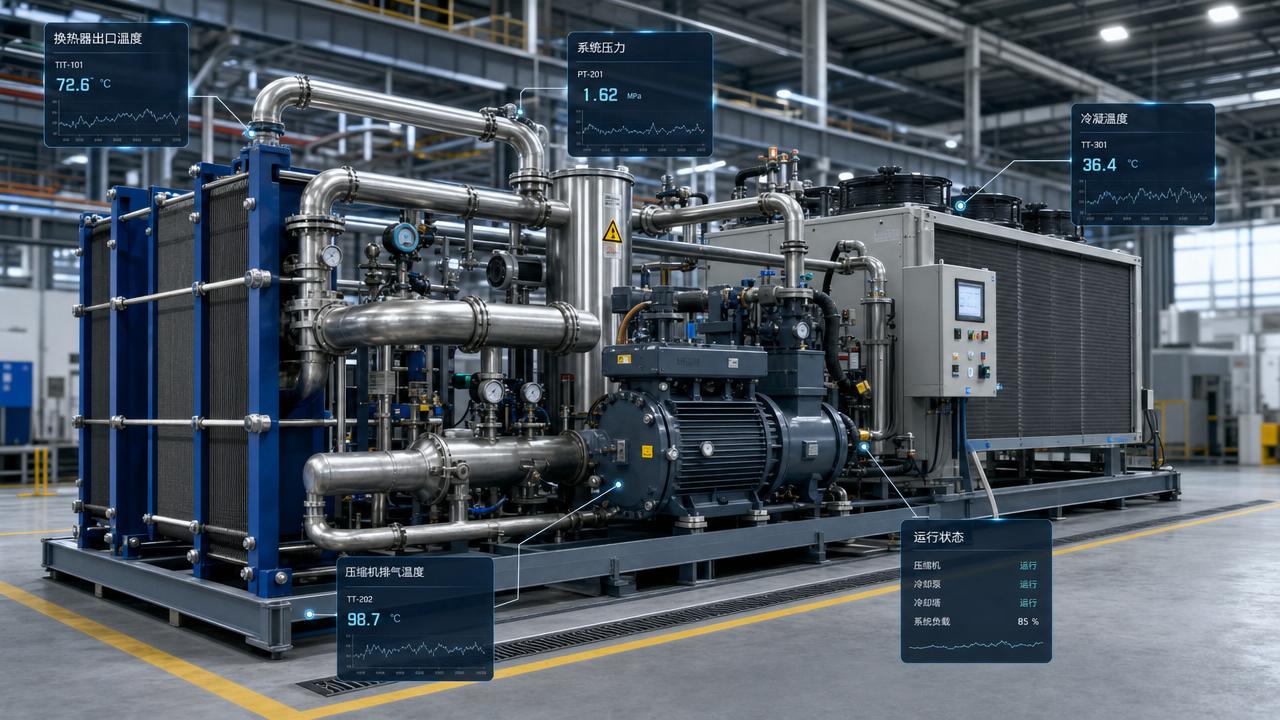
That distinction matters because the same equipment category can serve very different applications. A compressor supplying instrument air has different selection concerns from one supplying air that may contact food. A cooling system designed for stable process temperatures may face a different load pattern from one removing heat from a constantly running machine.
Turn the process into searchable terms
Before searching a database, write down what the equipment must do. Use the process verb as the starting point: cool, dry, compress, evacuate, condense, transfer heat, or maintain temperature. Add the material or utility involved, followed by the operating environment.
For example, a broad search for “industrial cooling” may return building air conditioning, machine cooling, refrigeration, and process chillers. A more useful search might be “cooling water temperature control injection molding” or “closed-loop cooling heat exchanger manufacturing.” The process terms help separate relevant applications from equipment that merely shares a name.
A practical search statement can include:
- Process: What needs to happen, such as drying a product or removing heat from a production line.
- Medium: Air, gas, water, refrigerant, steam, oil, or the material being processed.
- Operating need: The required temperature, pressure, flow, capacity, or level of control, if known.
- Constraints: Contamination sensitivity, moisture, corrosive substances, variable demand, or limited cooling water.
If some conditions are unknown, search with what you have and treat the missing details as questions to answer. A search for “vacuum drying heat-sensitive material,” for example, can reveal why product temperature, vapor load, and condensation matter before a particular pump is considered.
Search through more than one route
Industrial application databases do not all organize information in the same way. One may classify an application under the industry, another under the process, and another under the equipment. Searching along several routes helps uncover useful material that a single phrase would miss.
Begin with the process or end use
Process searches are especially useful when you know the production problem but have not settled on a technology. Try terms such as “compressed air pneumatic conveying,” “vacuum packaging moisture,” or “heat recovery compressor cooling.” Combine these with the industry or material if the results are too broad.
Look beyond the equipment named in the first result. A description of pneumatic conveying, for example, may point toward compressed air, a blower, or another gas-moving arrangement. The relevant choice depends on the conveying method, pressure requirement, material characteristics, and system layout.
Use the industry to find context
Industry terms help surface constraints that equipment-only searches can miss. Pharmaceutical production may involve contamination control and documentation needs; semiconductor processes can involve precise utility conditions; food processing can raise questions about contact between compressed air and product.
An industry label alone is still too broad. A food facility may use compressed air for packaging machinery, cleaning, conveying, or direct product contact. Each use can have different air-quality requirements. Add the specific operation to the search and look for the point where the utility meets the product.
Use equipment names to compare applications
Once you have a likely equipment category, search by technology and duty: “oil-free compressor instrument air,” “plate heat exchanger process cooling,” or “liquid ring vacuum pump wet gas.” These searches can reveal where a technology is commonly considered and which operating conditions affect its suitability.
Use alternatives and related terms as well. A source may describe the same duty as “process cooling,” “temperature control,” or “heat removal.” For vacuum applications, search both the process, such as degassing or drying, and the equipment family. This helps avoid a search result being determined entirely by the first term you chose.
Read each result as an application, not just a product description
A useful entry should explain the connection between the process and the equipment. Start by identifying the duty: Is the compressor supplying intermittent tools or a continuous production utility? Is the heat exchanger cooling a clean liquid or a stream likely to foul surfaces? Is the vacuum system removing mostly air, or must it also handle a substantial vapor load?
Then compare the operating conditions with your research question. The following details often determine whether an application is transferable:
- Load profile: A system sized around a steady load may behave differently when demand changes throughout a shift.
- Required conditions: Temperature, pressure, flow, and allowable variation shape the equipment and controls needed.
- Medium and contaminants: Moisture, particles, oil, corrosive substances, and condensable vapors affect materials, treatment, and maintenance.
- Integration: Available utilities, space, piping, cooling water, and downstream equipment can narrow the practical options.
- Maintenance access: Filters, heat-transfer surfaces, drains, and other service points need attention over the operating life of the system.
Be careful with general claims such as “suitable for food processing” or “high efficiency.” The useful follow-up is what the claim refers to. Does the application involve direct product contact? Is efficiency discussed at a particular operating point, or across a variable load? A result that does not describe the duty may still introduce a technology, but it offers less evidence for a specific application.
Compare technologies by the duty they perform
The following comparisons show how to move from an application result to a more useful research question. They are starting points for investigation, not a substitute for sizing a system.
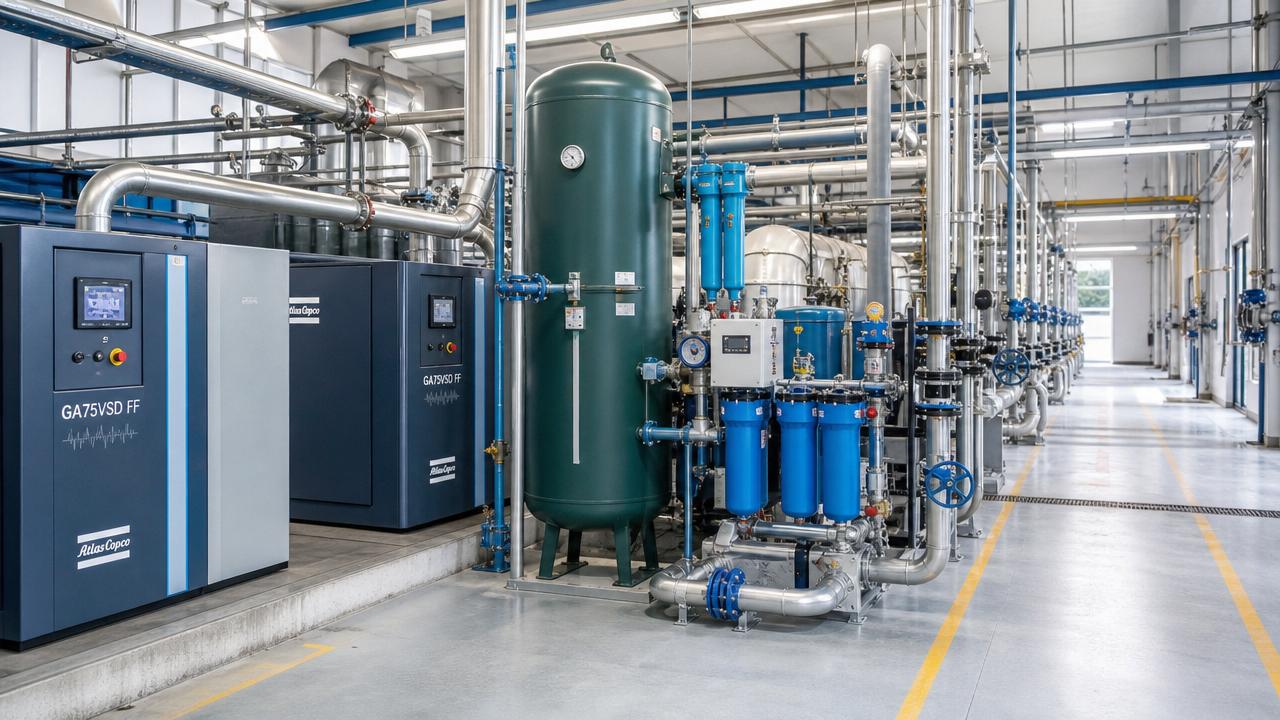
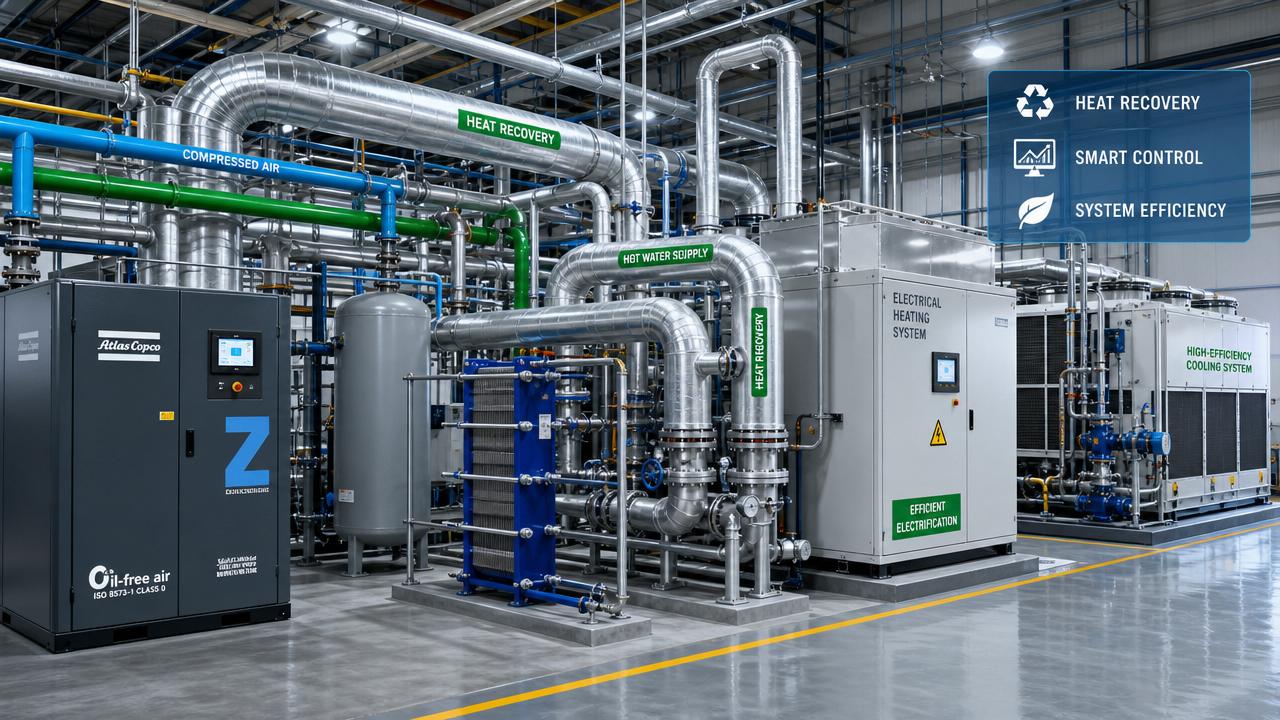
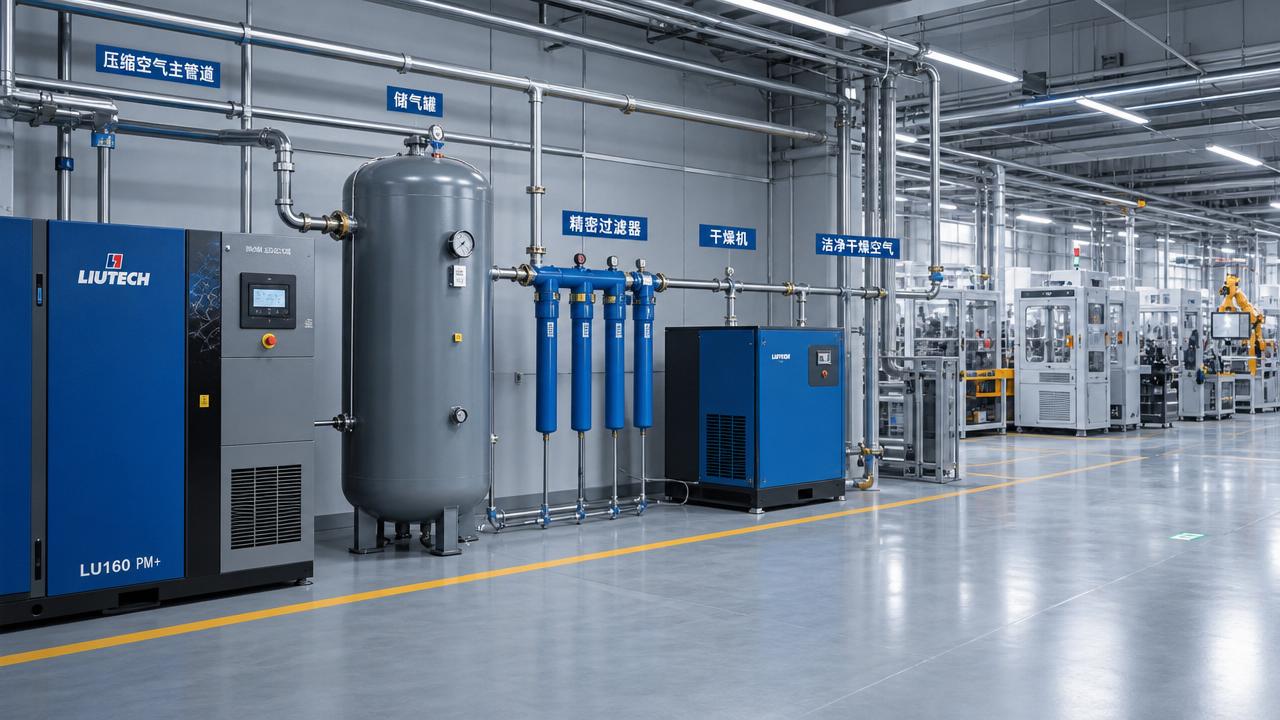
In compressed air, for instance, an oil-free compressor may be relevant where avoiding oil introduced by the compression process is a priority. It does not by itself define the quality of air at the point of use: intake conditions, drying, filtration, piping, and maintenance also matter. An oil-lubricated compressor with appropriate treatment may be considered for other duties, depending on the required air quality and the consequences of contamination.
For vacuum, the pump is only part of the question. A drying process can release vapor as pressure falls; depending on the process, a condenser or other upstream arrangement may reduce the vapor load reaching the pump. A pump application that works for a relatively dry gas stream should not automatically be treated as equivalent to one involving wet or chemically aggressive vapors.
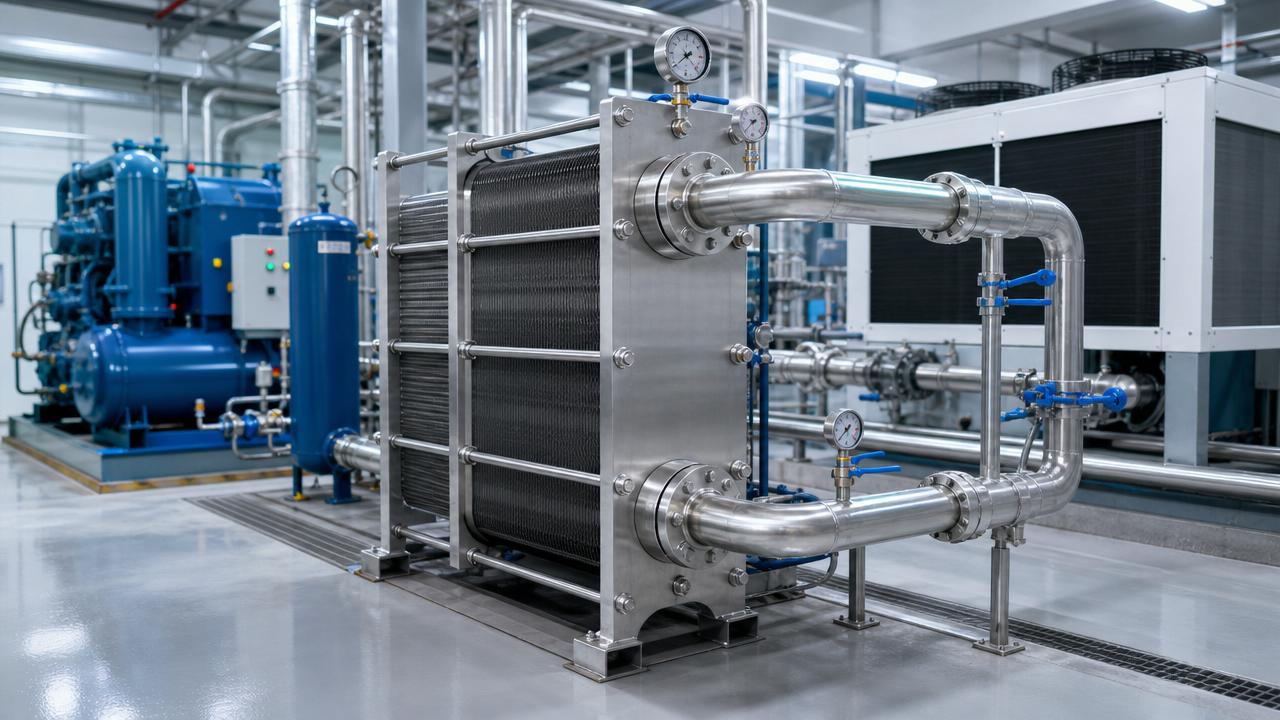
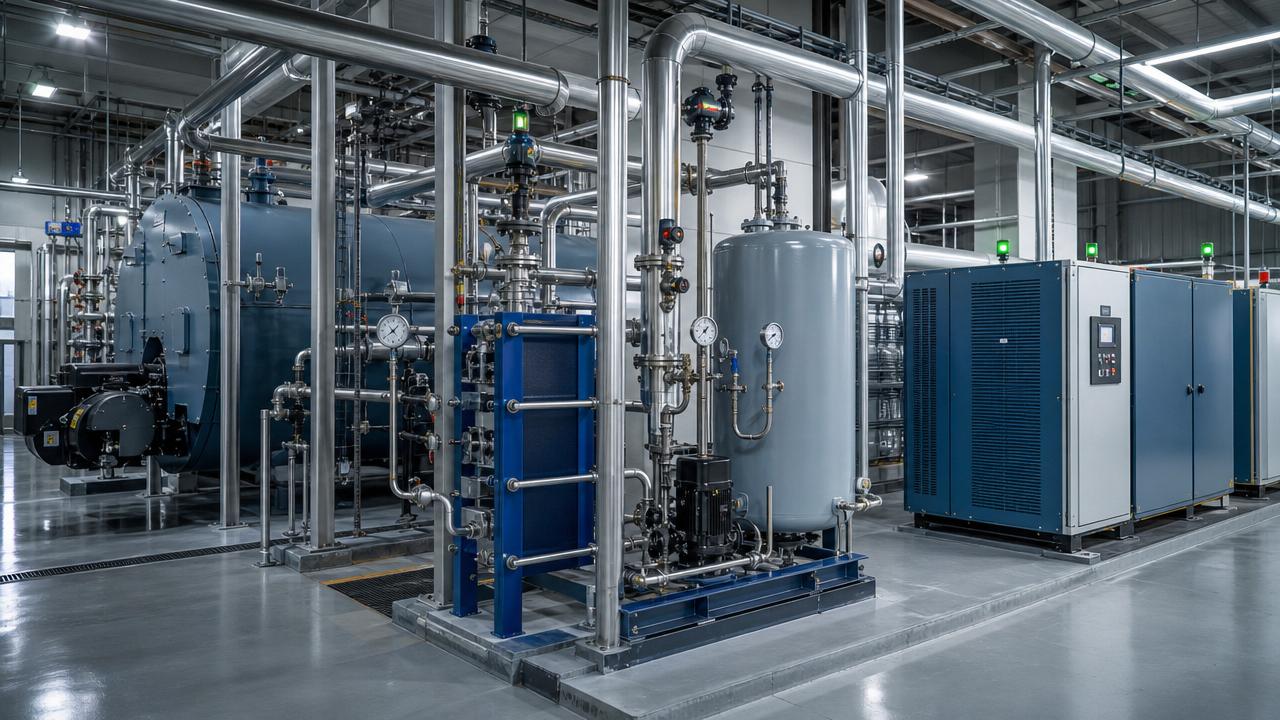
For heat exchange, a compact exchanger can be attractive where space or heat-transfer area matters. If the fluid contains solids or deposits readily, cleanability and fouling behavior may be more influential than compactness. Search results that describe the fluids and cleaning method are more useful than those that identify only the exchanger type.
Judge the source before using it in a decision
Application entries can come from equipment suppliers, technical publishers, research organizations, industry bodies, or commercial intelligence platforms. Each can answer a different question. A supplier’s material may explain the limits and configuration of a particular product, while a broader technical article may help compare approaches across equipment families.
Check whether the source identifies the process conditions behind its conclusions. A detailed application note that states the fluid, operating range, and system arrangement is more useful for comparison than a page that lists industries without describing the duty. For a product-specific claim, look for the corresponding technical documentation and the conditions attached to the claim.
Publication dates matter most when the subject changes over time, such as product availability, refrigerant choices, energy policy, or commercial trends. For basic operating principles, the relevance of the explanation and its stated conditions may matter more than recency alone. Keep the source and date alongside your notes so that another person can see where each conclusion came from.
GTC-Matrix is one source to explore for context around industrial cooling, compressed air, vacuum processes, and heat exchange. Its strategic intelligence coverage includes sector news, technology trends, and commercial insights. Use that kind of material to identify applications and questions, then pair it with equipment documentation when assessing a particular configuration.
Build a shortlist that preserves the missing information
Rather than saving a long collection of links, record each promising application in a consistent format. Include the process, equipment category, stated operating conditions, reason it appears relevant, and any important differences from your own use case. Add the source and the questions the entry leaves unanswered.
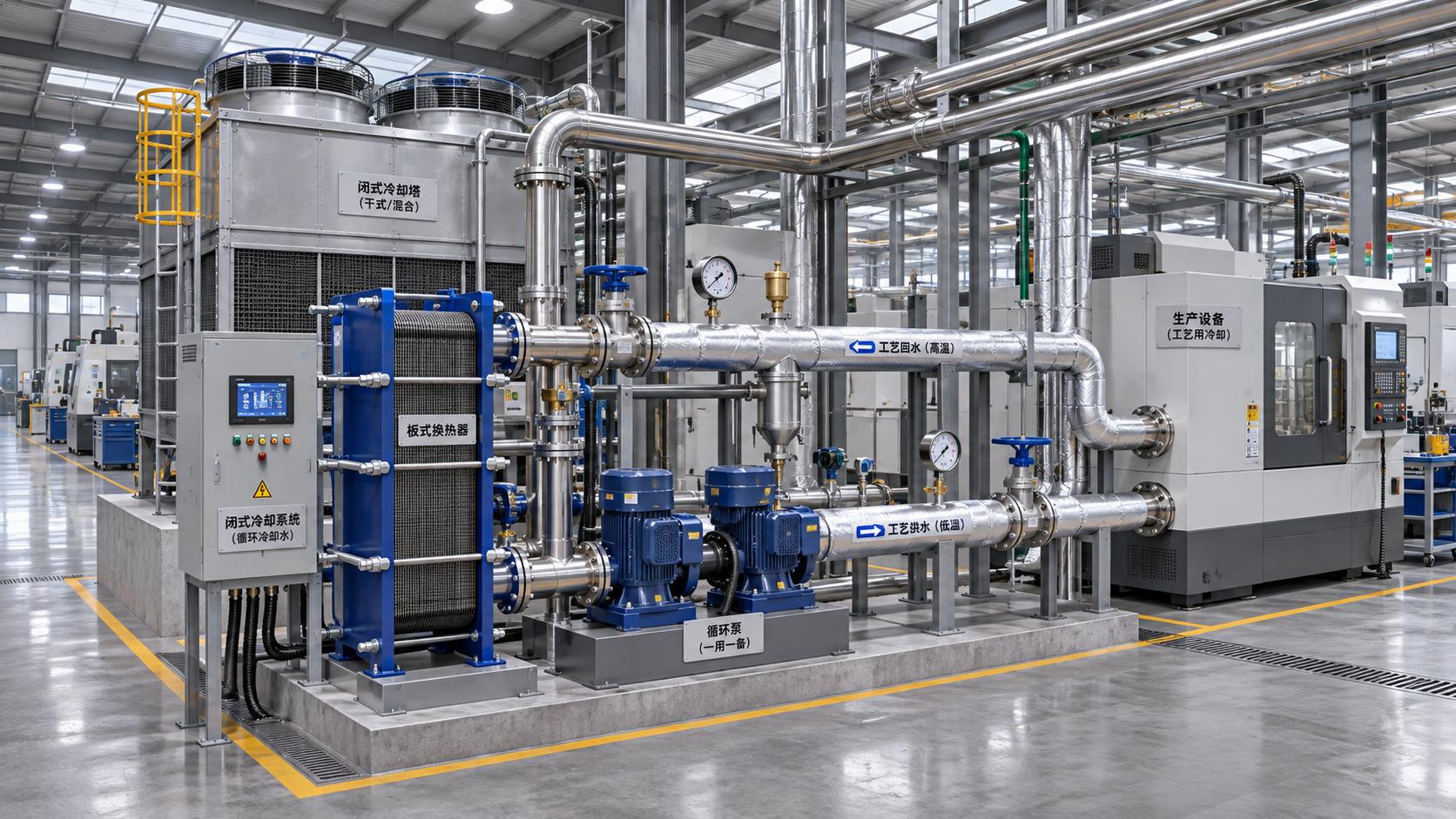
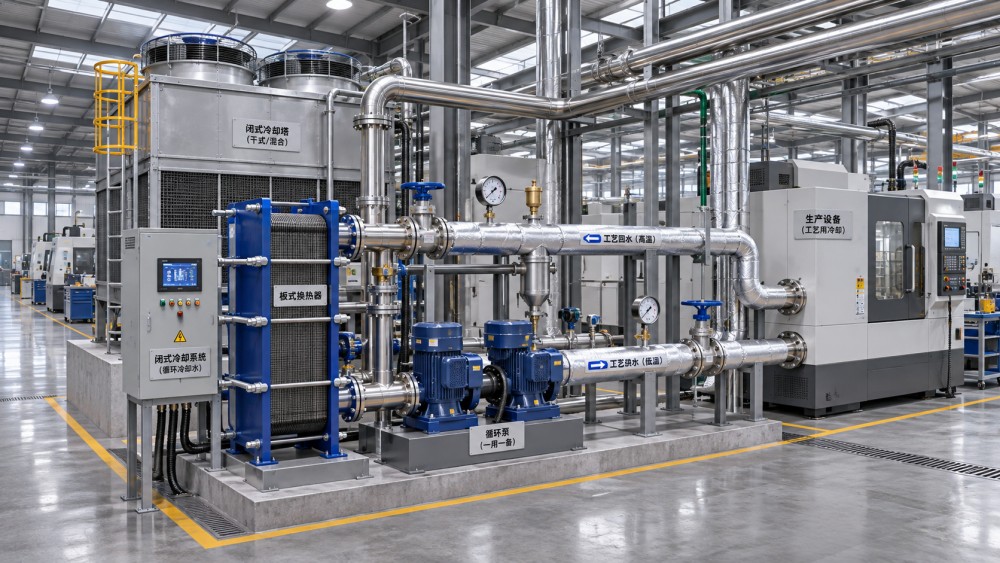
For a process-cooling investigation, a useful note might say that a closed-loop arrangement appears relevant because it separates the process circuit from an external cooling utility. The next questions would concern the required process temperature, heat load, available utility temperature, fluid compatibility, and cleaning needs. Those details determine whether the arrangement can actually meet the duty.
Group results by process function rather than by brand or equipment name. This makes it easier to see when two sources describe alternative ways to solve the same problem and when they address different problems altogether. It also exposes gaps: several results may discuss compressor selection while none explains the air treatment required downstream.
Once the shortlist has clear duties and constraints, use it to prepare a technical inquiry or a more detailed comparison. The most productive next step is usually to resolve the missing operating conditions that could change the choice, especially the required load, utility quality, and interaction between the equipment and the process.
Ready when you are. Send us a message to get started.
Related News
- How to find equipment applications in an industrial knowledge baseAuthor :

- UNEP and U4E Release Sustainable Procurement Guides for Cooling and HeatingAuthor :

- Can skid-mounted thermal integration reduce plant energy use?Author :

- Cybersecurity Firm Detects Login Attempts Targeting Danfoss Refrigeration ControllersAuthor :

- How to choose a cooling solution for a high-power PCBAuthor :

- EU Monitors Cyberattacks on European Supermarket Refrigeration SystemsAuthor :

- How to assess a pure power source manufacturer's voltage stabilityAuthor :

- EHPA Seeks Inclusion of Heat Pumps in €175 Billion EU Research PlanAuthor :

- US to Lift 50% Tariff on Some Canadian Refrigeration EquipmentAuthor :

- Chillventa 2026 Sets Records for Exhibitor and Visitor NumbersAuthor :

- Carrier Plans $600 Million Manufacturing and Engineering Center in Fort WorthAuthor :

- Semiconductor Thermal Management: Low Vibration Design PrioritiesAuthor :

- Thermal Interface Materials: What Drives Real Thermal OptimizationAuthor :
![]()
- Global Energy Costs in Europe: What Changed in 2026Author :

- Smart Device Thermal Management: Common Failures and FixesAuthor :

- Thermal Efficiency Optimization: 5 Signs Your System Is Losing HeatAuthor :

- How Precision Temperature Control Systems Improve Process StabilityAuthor :

- How Intellectualization Improves Process Visibility in Modern PlantsAuthor :

- Global Energy Costs in 2026: What Rising Prices Mean for Plant PlanningAuthor :

- Carbon Neutrality Roadmaps: Common Gaps in Industrial PlanningAuthor :

- Heat Transfer Basics: What Affects Efficiency in Industrial EquipmentAuthor :

- Industrial Thermal Systems: Common Failure Risks in Continuous OperationAuthor :

- Global Energy Costs: 2026 Risk Signals to WatchAuthor :

- Pneumatic Power Systems: Common Sizing Mistakes to AvoidAuthor :

- How Thermal Power Systems Cut Downtime in 2026Author :

- Clean Energy Technology Trends Reshaping Industry in 2026Author :

- Pneumatic Power Systems: Key Checks Before Equipment SelectionAuthor :

- Compression Technology Mistakes That Raise Maintenance RiskAuthor :

- Clean Energy Technology Risks to Watch in 2026 ProjectsAuthor :

- Smart Thermal Systems: 5 Signals Your Controls Are Wasting HeatAuthor :

- How to Size Pneumatic Power Systems for Stable OutputAuthor :

- Pneumatic Power Systems: Key Safety Risks in Daily OperationAuthor :

- Clean Energy Technology Shifts Reshaping Industrial InvestmentAuthor :

- Intellectualization in Industry: What Delivers Measurable Value?Author :

- Thermal Management Mistakes That Shorten Equipment LifeAuthor :

- Clean Energy Technology Options That Fit Real Manufacturing UpgradesAuthor :