



EU Rule Takes Effect for Shell-and-Tube Heat Exchangers




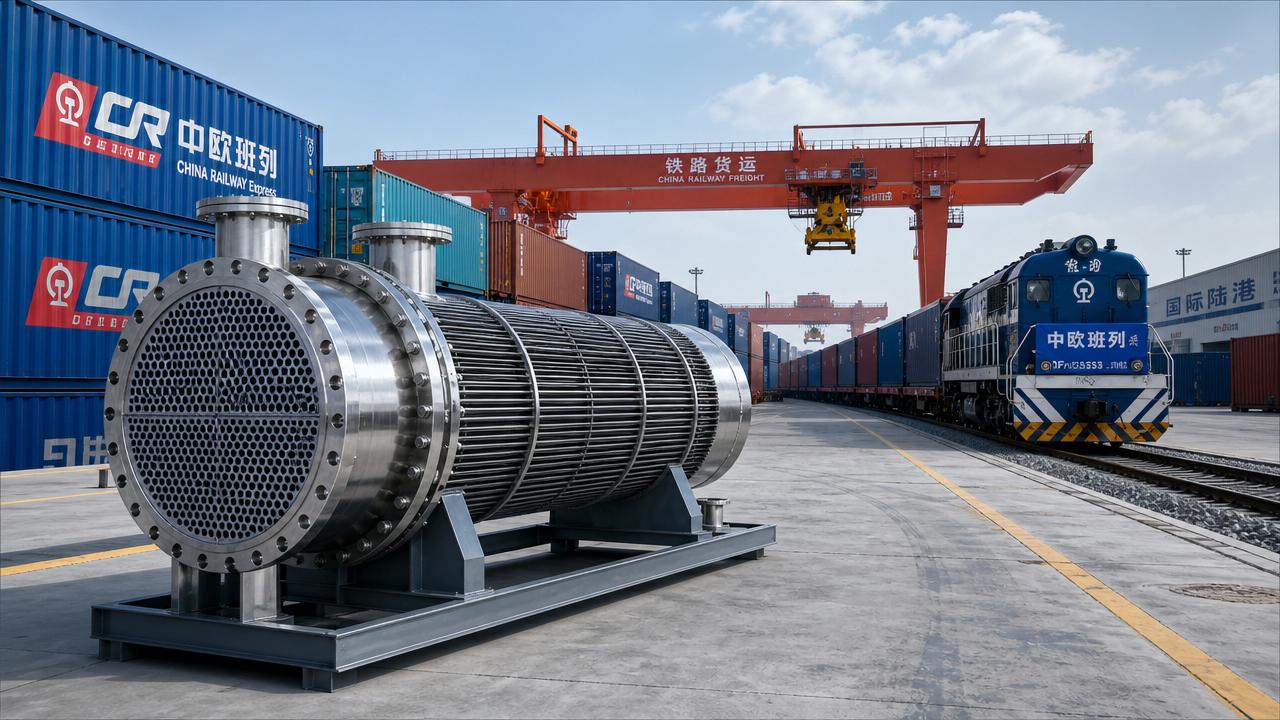
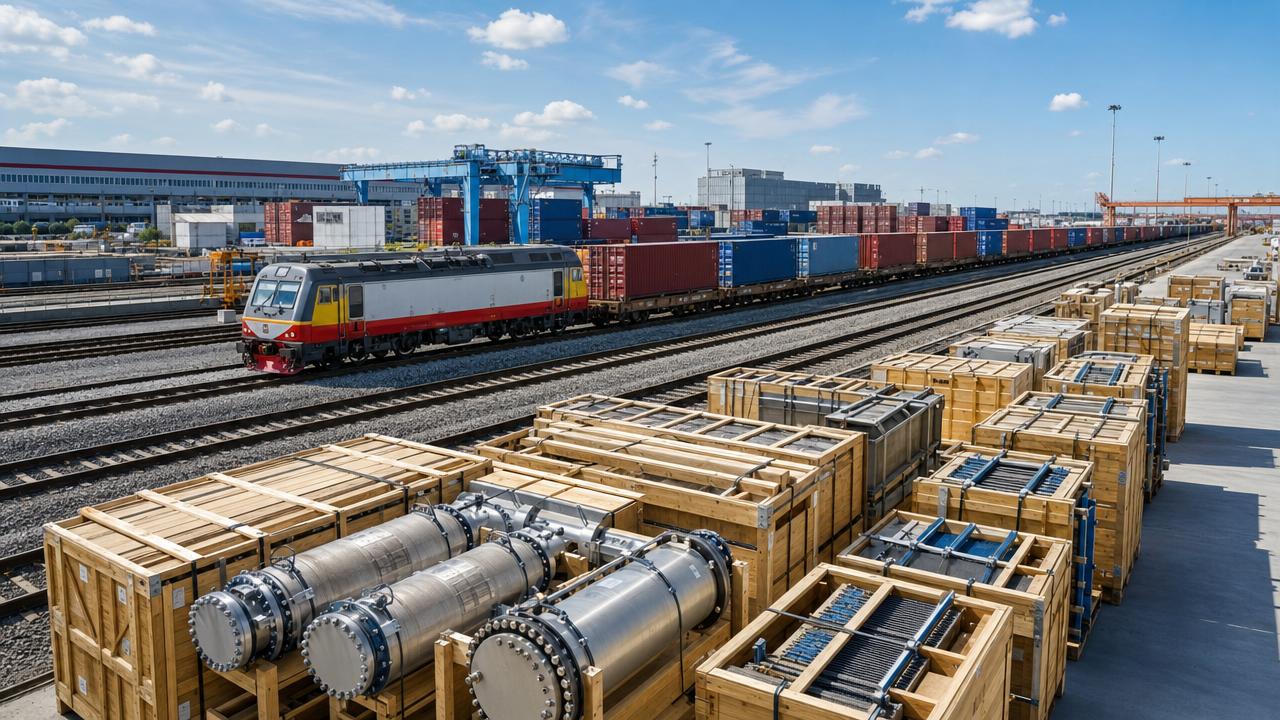
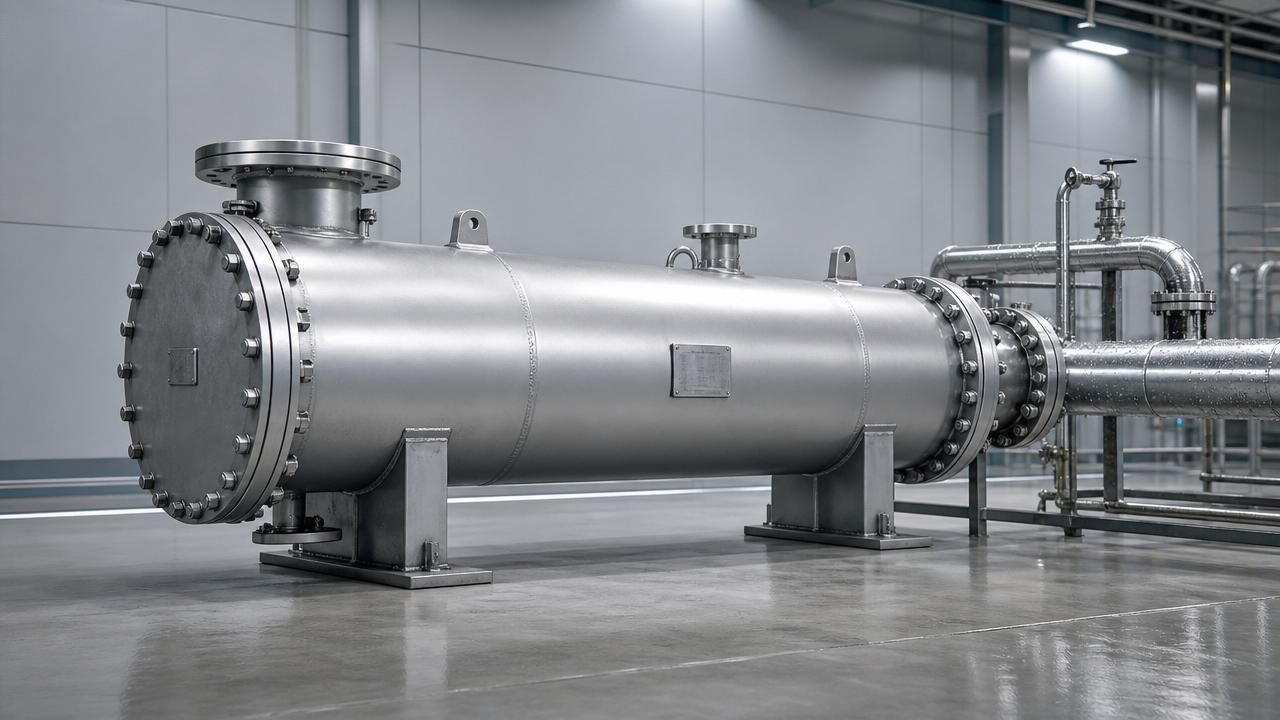
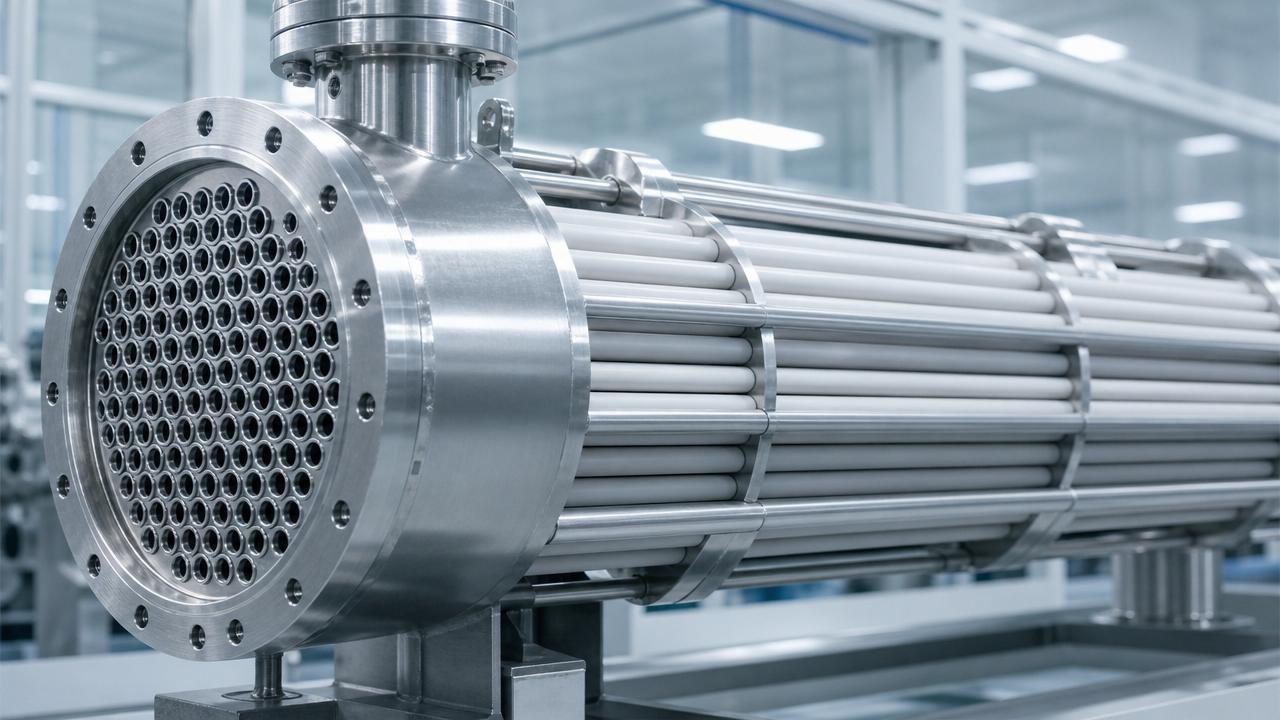
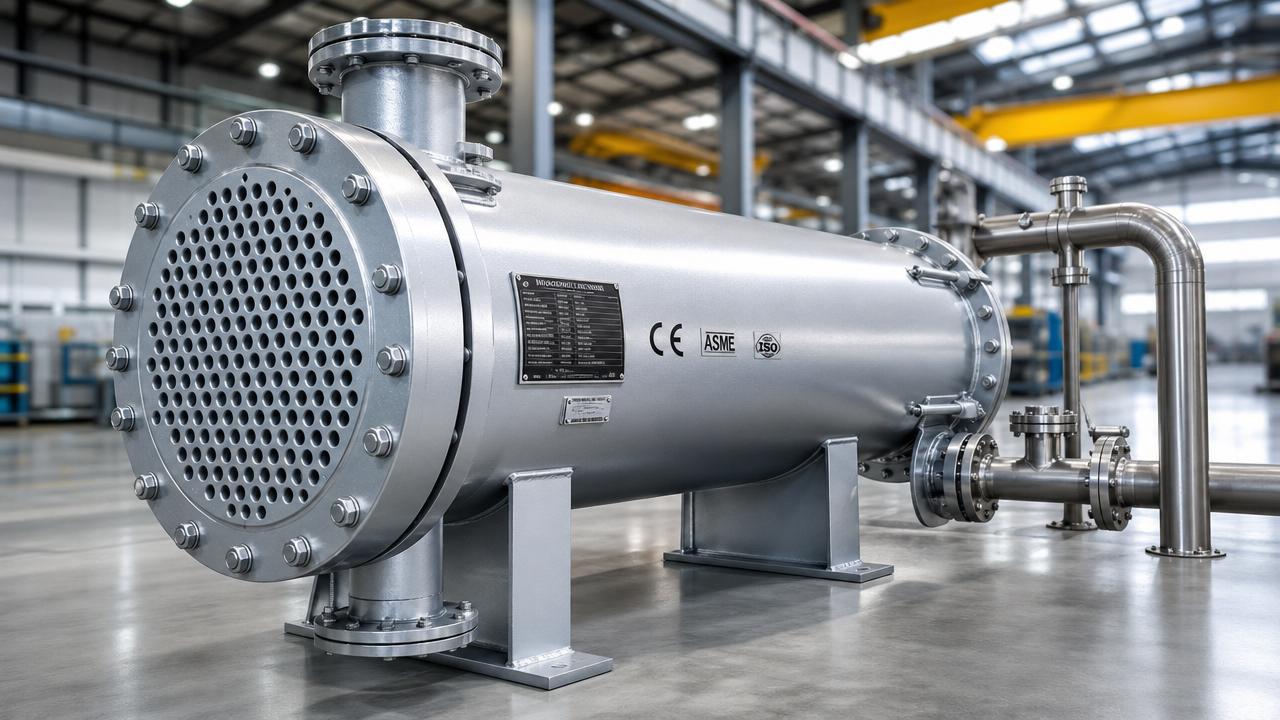
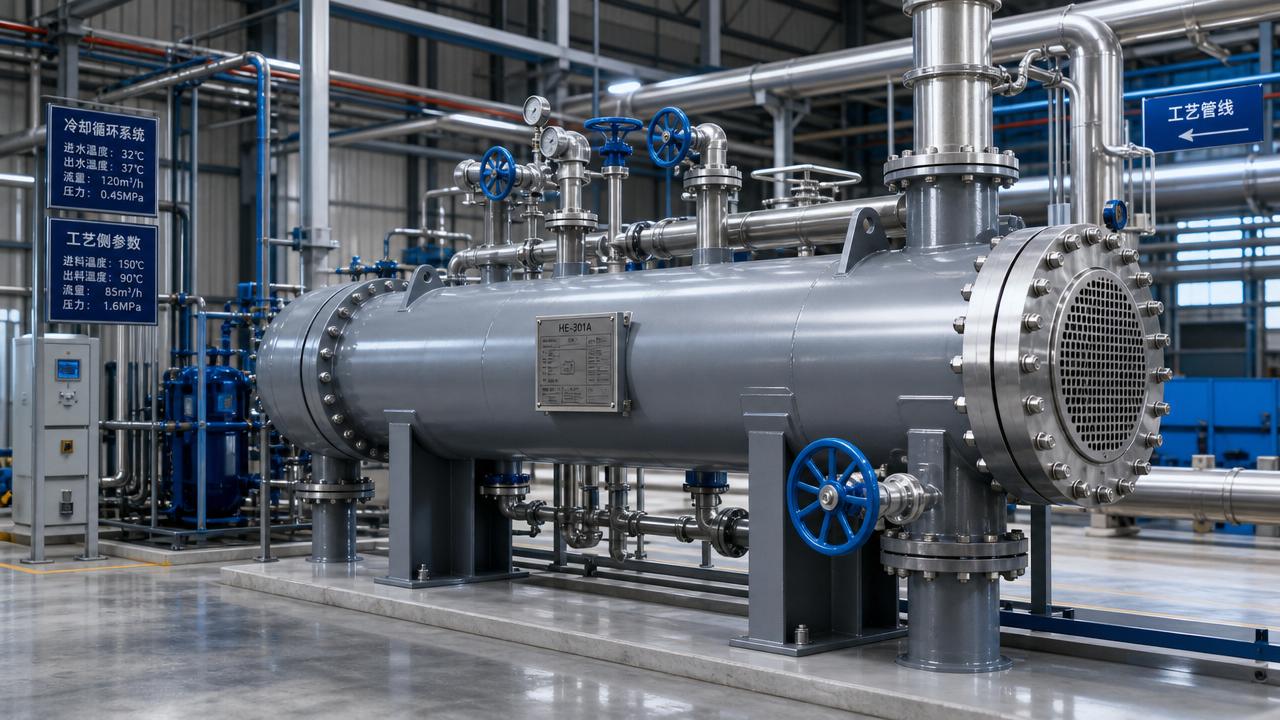
On June 26, 2026, the EU made the revised EN 13445-4:2026 mandatory for imported shell-and-tube heat exchangers, adding compliance checks that directly affect market access at the border. For exporters, buyers, and project teams in petrochemical, pharmaceutical, and district heating applications, this is not just a technical update to watch in the background; it changes what must be verified before shipment, procurement approval, and customs clearance.
What the new requirement now covers
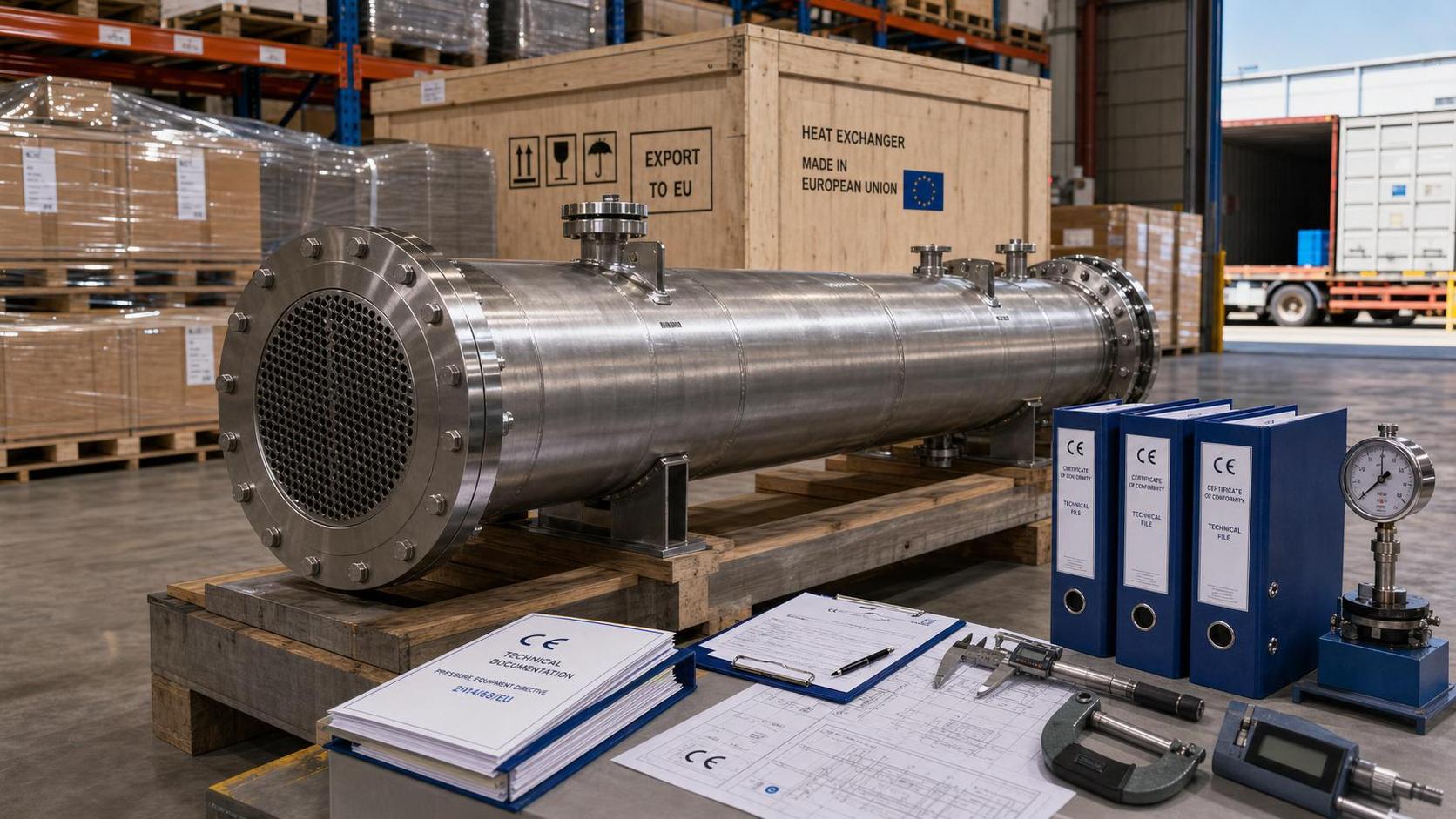
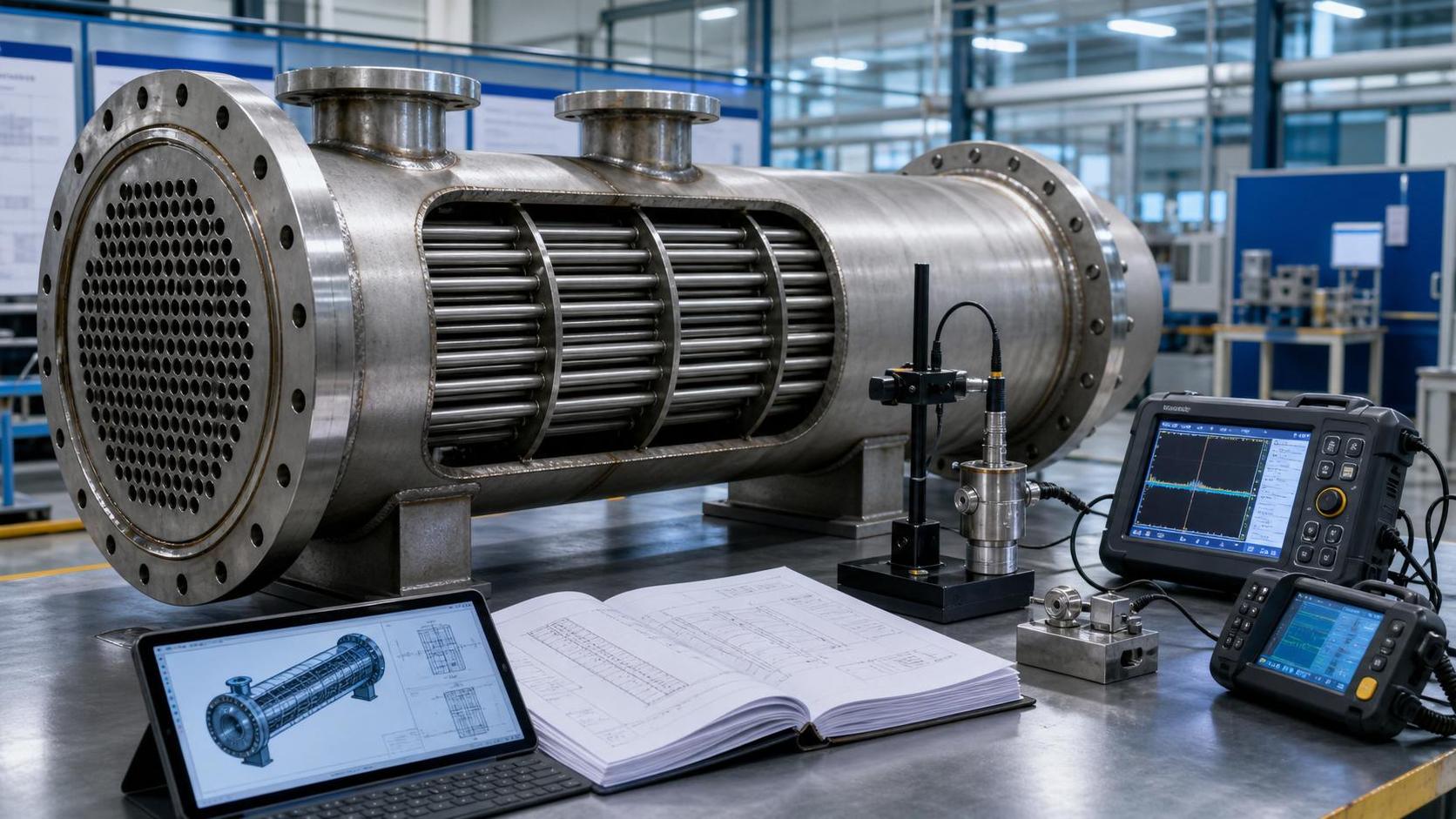
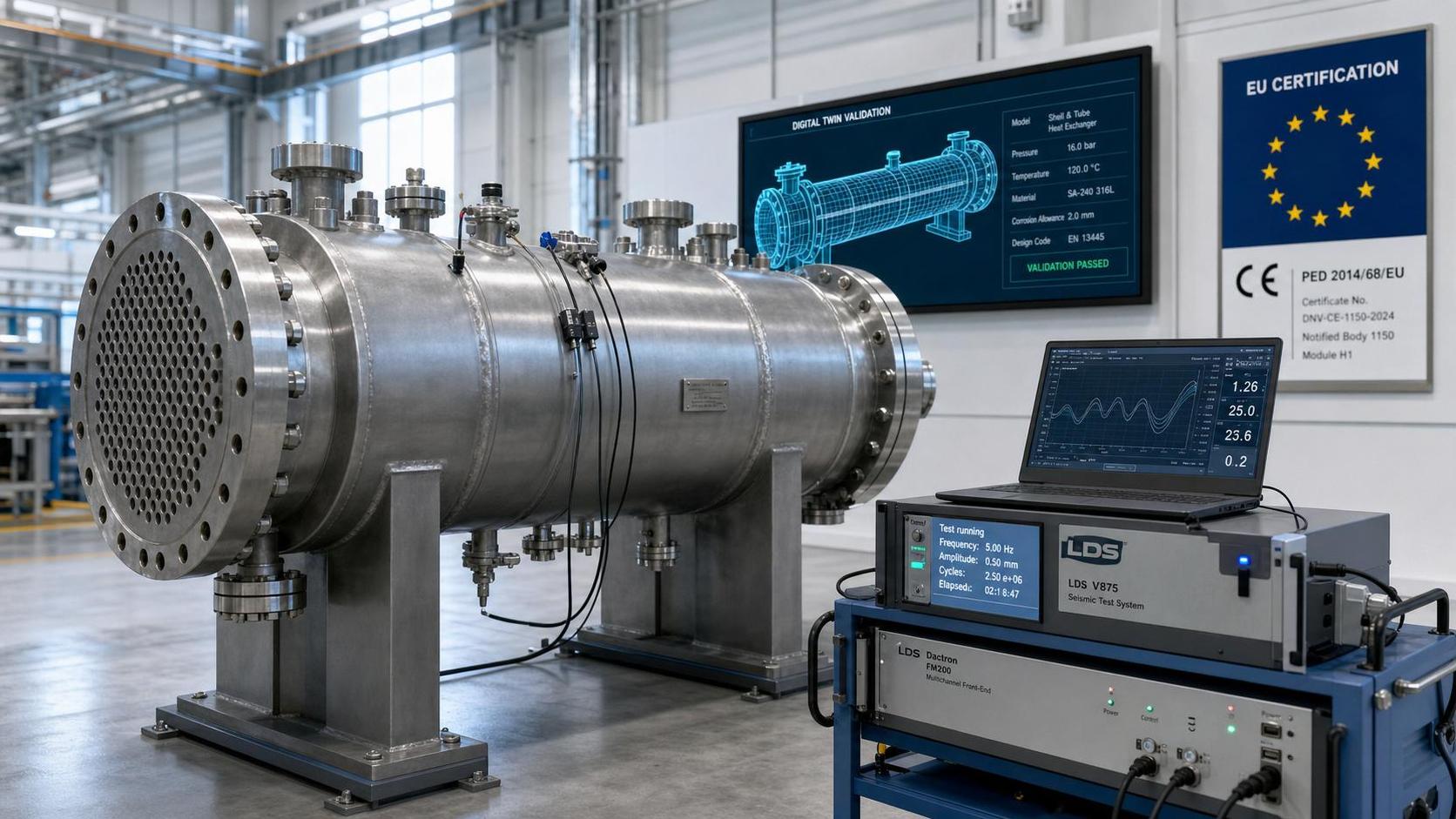
According to the provided event information, the EU compulsory implementation took effect on June 26, 2026. The revised EN 13445-4:2026 requires all imported shell-and-tube heat exchangers to pass newly added cyclic fatigue life verification and low-temperature impact toughness testing.
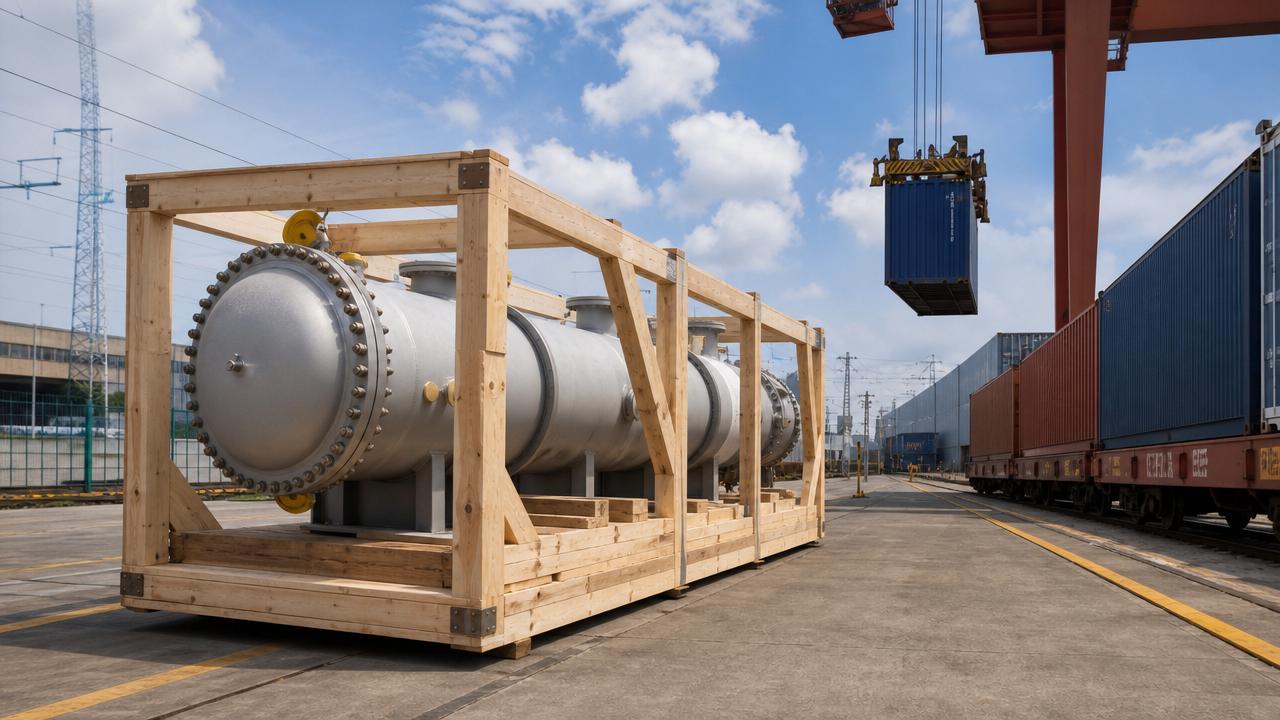
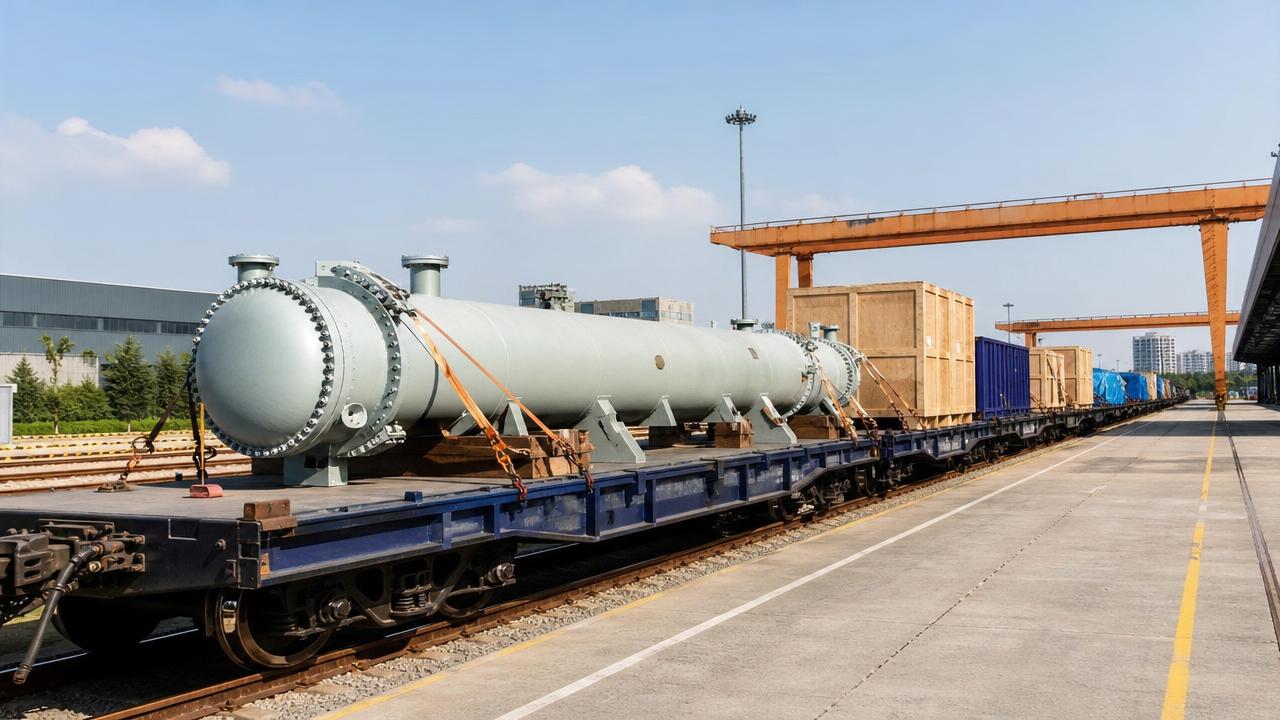
The same information indicates that this certification requirement directly affects export access for Chinese suppliers. Products that do not obtain the required certification will be refused customs clearance.
The event summary also states that the change is particularly relevant to buyers in petrochemical, pharmaceutical, and district heating applications, and that existing supplier certification status should be checked immediately.
Where the pressure will appear first in the supply chain
Export shipments facing an immediate access condition
From an industry perspective, exporters of shell-and-tube heat exchangers are the first group exposed to the rule change because certification has become a practical condition for entry rather than a secondary document issue. The impact is likely to appear in pre-shipment review, customs readiness, and contract execution, with closer attention needed on whether product files and certification status match the revised EN 13445-4:2026 requirement.
Procurement teams moving from price comparison to qualification screening
For buyers in petrochemical, pharmaceutical, and district heating projects, the change matters because supplier selection can no longer rely only on technical fit and delivery capability. Analysis shows procurement teams should now focus more closely on supplier certification status, the presence of documentation tied to the new fatigue and low-temperature testing requirements, and whether current sourcing plans involve products that may face border rejection.
Certification and testing-related service links becoming more time-sensitive
Observably, firms involved in certification preparation, testing coordination, and compliance documentation may face more urgent requests from exporters and buyers. The operational impact is less about a general rise in administrative work and more about whether technical records, test evidence, and supporting compliance materials are complete enough for trade and delivery use under the revised rule.
What companies should check now
Review whether current supplier approvals still hold
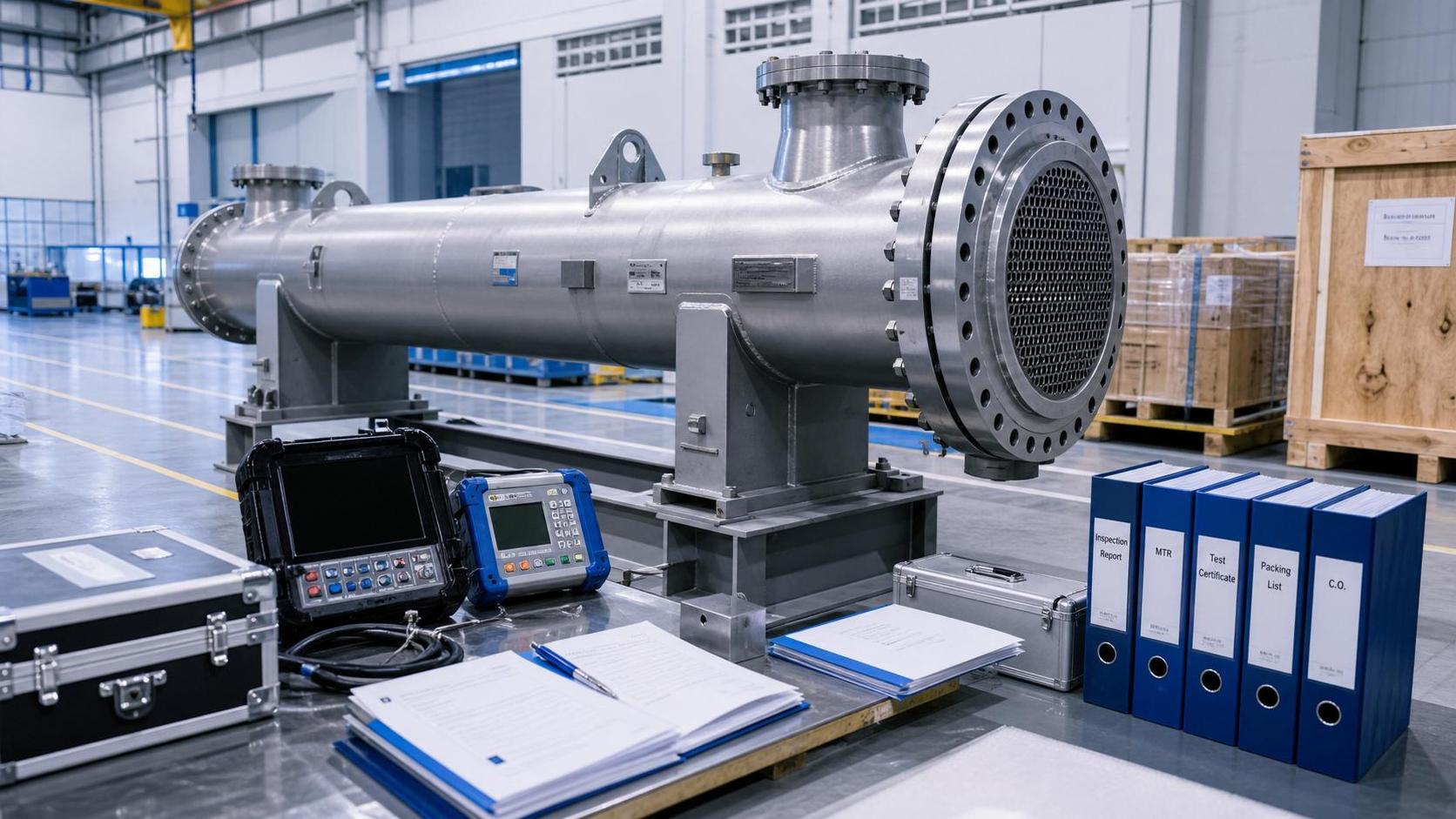
What deserves closer attention is whether existing supplier qualification files remain usable after the June 26, 2026 implementation date. Buyers and import-facing project teams should verify whether approved vendors for shell-and-tube heat exchangers can demonstrate compliance with the revised EN 13445-4:2026 requirement rather than assuming earlier approvals remain sufficient.
Recheck technical and trade documentation before shipment
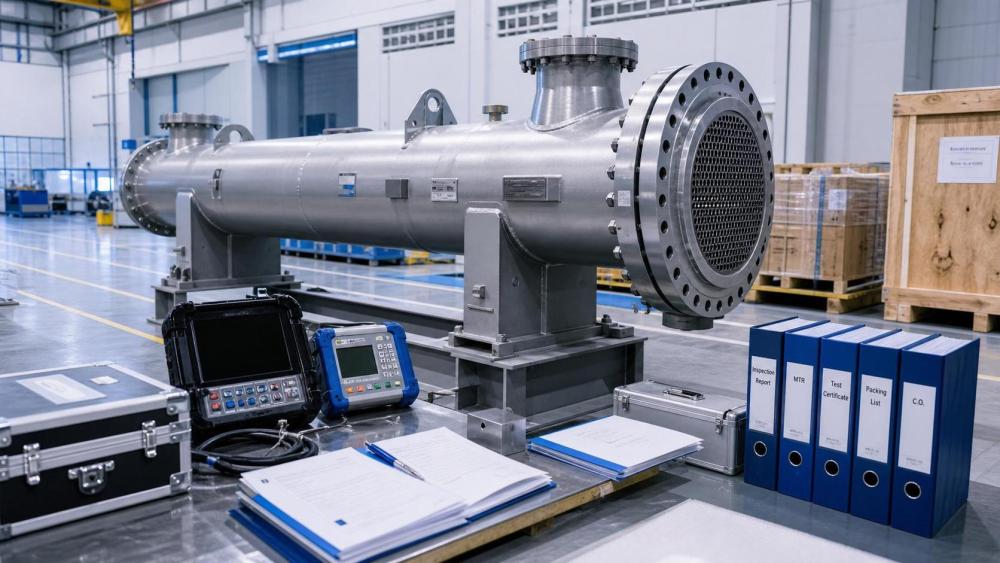
Analysis shows companies should pay close attention to the completeness of certification-related documents, test records, technical files, and any procurement or bid documents that reference product compliance. The provided information does not set out detailed execution procedures, so this should be treated as a document control priority rather than as proof of a fully uniform enforcement practice across every transaction stage.
Adjust purchasing and delivery planning where exposure exists
For contracts involving shell-and-tube heat exchangers, the immediate practical issue is whether procurement schedules and shipment timing still align with the new compliance condition. Where orders are tied to petrochemical, pharmaceutical, or district heating applications, teams should check whether uncertified products could create delays at customs or disrupt delivery commitments.
Keep watching for execution wording and market response
Observably, the event signals a firm compliance threshold, but the provided information does not include more detailed official wording on implementation practice beyond the mandatory requirement and customs consequence. Companies should therefore continue tracking how certification wording, tender requirements, and transaction-level document checks develop in response to the new rule.
Why this should be read as an execution signal
Analysis shows this development is better understood as an already effective compliance change rather than an early consultation-stage policy movement. The key signal is that market access and customs clearance are explicitly tied to certification status for imported shell-and-tube heat exchangers. At the same time, it is still necessary to observe how the requirement is reflected in commercial documents, supplier reviews, and practical procurement standards, because those downstream responses are not described in the provided information.
How to interpret the change at this stage
It is more appropriate to understand this event as a rule now in force with direct consequences for trade access, especially for exporters and buyers dealing with shell-and-tube heat exchangers in the named application sectors. The immediate industry meaning lies in compliance verification and supplier screening, while broader market effects still require observation through subsequent execution practice, document requirements, and industry feedback.
Basis of this article and what still needs verification
This article is based on the user-provided news title, event date, and event summary. For developments of this kind, commonly relevant source categories may include official notices, regulator publications, customs or trade authority information, industry association updates, standards organization documents, and reporting by authoritative trade media.
No specific official source link was provided in the input, so the exact official publication route still needs to be verified on an ongoing basis. Further observation is also needed regarding detailed policy wording, certification enforcement practice, changes in tender documents, market feedback, and how affected companies implement the requirement in actual export and procurement workflows.
Related News
- EN 13445-4:2026 Raises Pressure Vessel Welding RulesAuthor :Thermodynamics Analyst

- EN 13445-4:2026 Tightens EU NDT Rules for Pressure VesselsAuthor :Thermodynamics Analyst

- EU Rule Requires Digital Energy Monitoring for Shell & Tube Heat ExchangersAuthor :Thermodynamics Analyst

- DOE Raises Shell & Tube Efficiency Floor for 2027Author :Thermodynamics Analyst

- EU EN 13445-4:2026 Tightens Dual Certification for Heat ExchangersAuthor :Thermodynamics Analyst

- EN 13445-4:2026 Tightens EU Heat Exchanger ComplianceAuthor :Thermodynamics Analyst

- EN 13445-4:2026 Adds Digital Twin Fatigue ChecksAuthor :Thermodynamics Analyst

- How to Improve Heat Exchanger Efficiency Without Major System DowntimeAuthor :Thermodynamics Analyst

- EU Rule Takes Effect for Shell-and-Tube Heat ExchangersAuthor :Thermodynamics Analyst

- When Energy-Efficient Heat Exchange Systems Deliver Real PaybackAuthor :Thermodynamics Analyst

- DOE Cuts R449A Chiller Transition to 9 MonthsAuthor :Thermodynamics Analyst

- Rail Corridor Surge Cuts Shell & Tube Lead TimeAuthor :Thermodynamics Analyst

- Rail Corridor Hits 2,000 Trains as Heat Exchanger Lead Time FallsAuthor :Thermodynamics Analyst

- Rail Corridor Surge Cuts Shell & Tube Delivery to 28 DaysAuthor :Thermodynamics Analyst

- China-Europe Rail Corridor Tops 2,000 Trains as Heat Exchanger Export Delivery Falls to 28 DaysAuthor :Thermodynamics Analyst

- How to Improve Heat Exchanger Efficiency Without Major RetrofitsAuthor :Thermodynamics Analyst
![]()
- Rail Corridor Speeds Heat Exchanger ExportsAuthor :Thermodynamics Analyst
![]()
- China Names New Trade Parks for Heat Exchanger ExportsAuthor :Thermodynamics Analyst
![]()
- Rail Corridor Eases Lead Times for Shell-and-Tube ExportsAuthor :Thermodynamics Analyst

- Rail Freight Priority Cuts Shell & Tube Lead TimesAuthor :Thermodynamics Analyst

- Vietnam Cement WHR Rule Lifts Exchanger DemandAuthor :Thermodynamics Analyst

- EN 13445-4:2026 Effective for Shell & Tube Heat ExchangersAuthor :Thermodynamics Analyst
![]()
- SANY Excavators Capture >60% of Indonesia's Nickel Mine Equipment MarketAuthor :Thermodynamics Analyst

- APEC Trade Ministers Focus on Digital & Green Supply ChainsAuthor :Thermodynamics Analyst
![]()
- Pakistan PM Visit to China Spurs Shell & Tube, Centrifuge Tech LocalizationAuthor :Thermodynamics Analyst

- Putin's China Visit Resumes Shell & Tube Heat Exchanger Export PathAuthor :Thermodynamics Analyst

- EU Imposes Final Anti-Dumping Duties on Chinese Adipic AcidAuthor :Thermodynamics Analyst

- EN 13445-4:2026 Enters Force for Shell & Tube Heat ExchangersAuthor :Thermodynamics Analyst

- EU Updates EN 13445-4:2026 for Shell & Tube Heat ExchangersAuthor :Thermodynamics Analyst

- China's Petrochemical '15th Five-Year' Digitalization Guide ReleasedAuthor :Thermodynamics Analyst

- Heat Exchanger Technology: Plate vs Shell & Tube Selection GuideAuthor :Thermodynamics Analyst

- China to Upgrade Shell & Tube Heat Exchanger Standard to MandatoryAuthor :Thermodynamics Analyst

- Thermodynamics Analysis in Shell & Tube Selection: What Really MattersAuthor :Thermodynamics Analyst

- How to Compare Heat Exchanger Efficiency Across System DesignsAuthor :Thermodynamics Analyst