



SANY Excavators Capture >60% of Indonesia's Nickel Mine Equipment Market




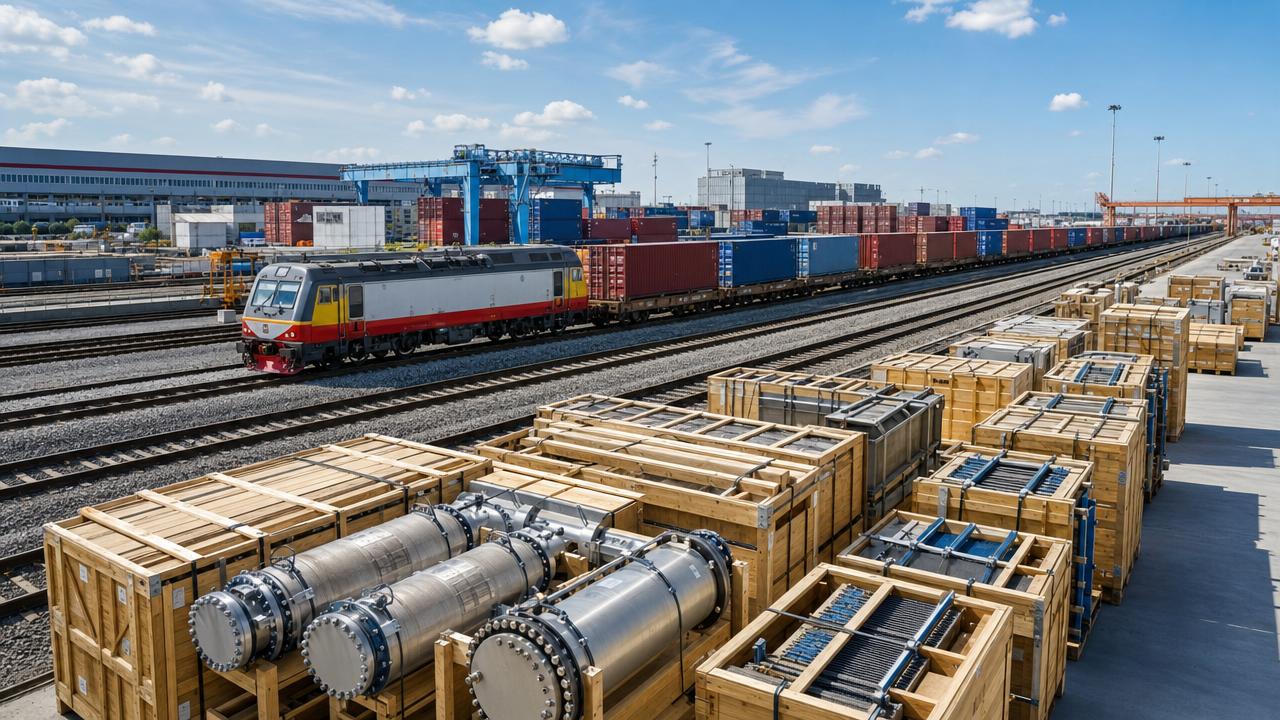
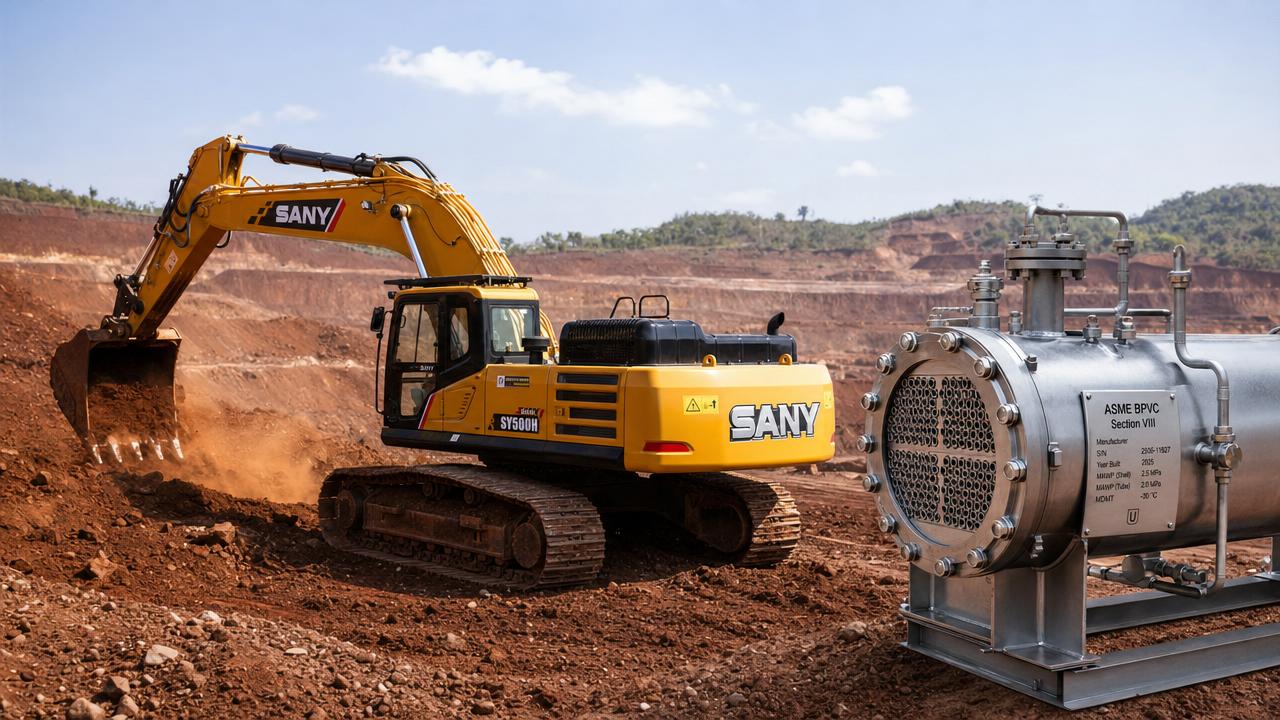
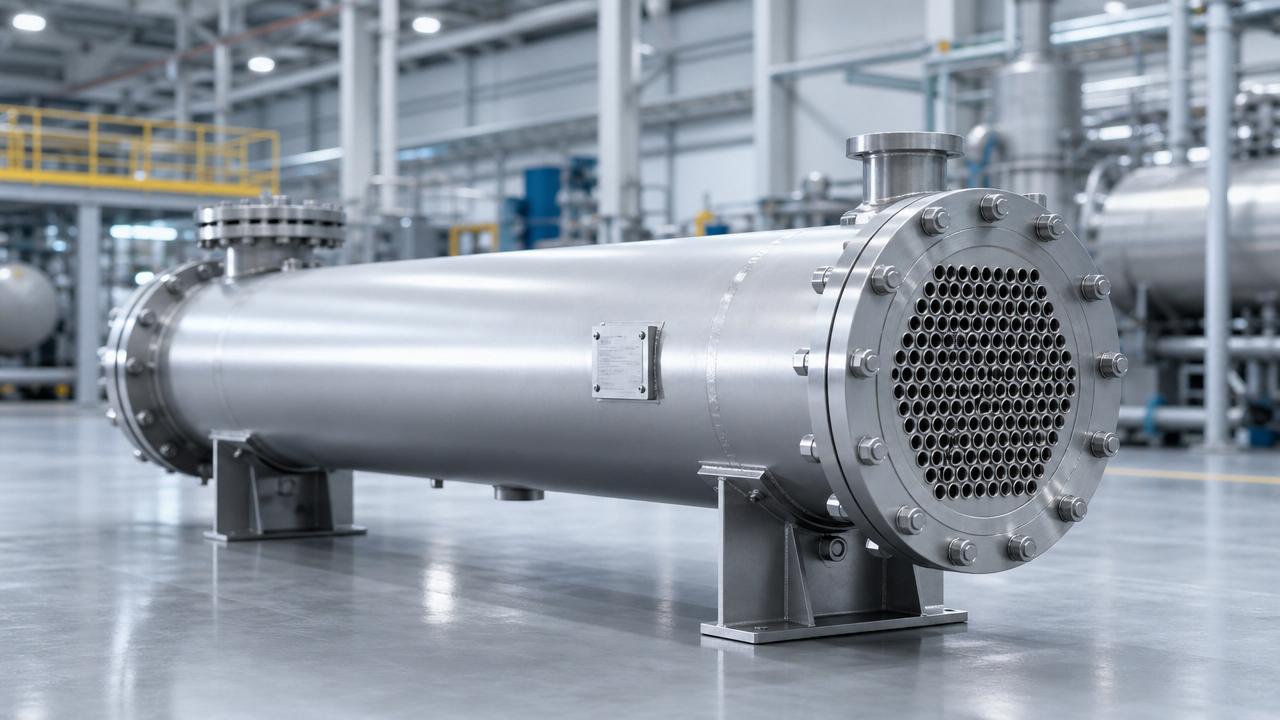
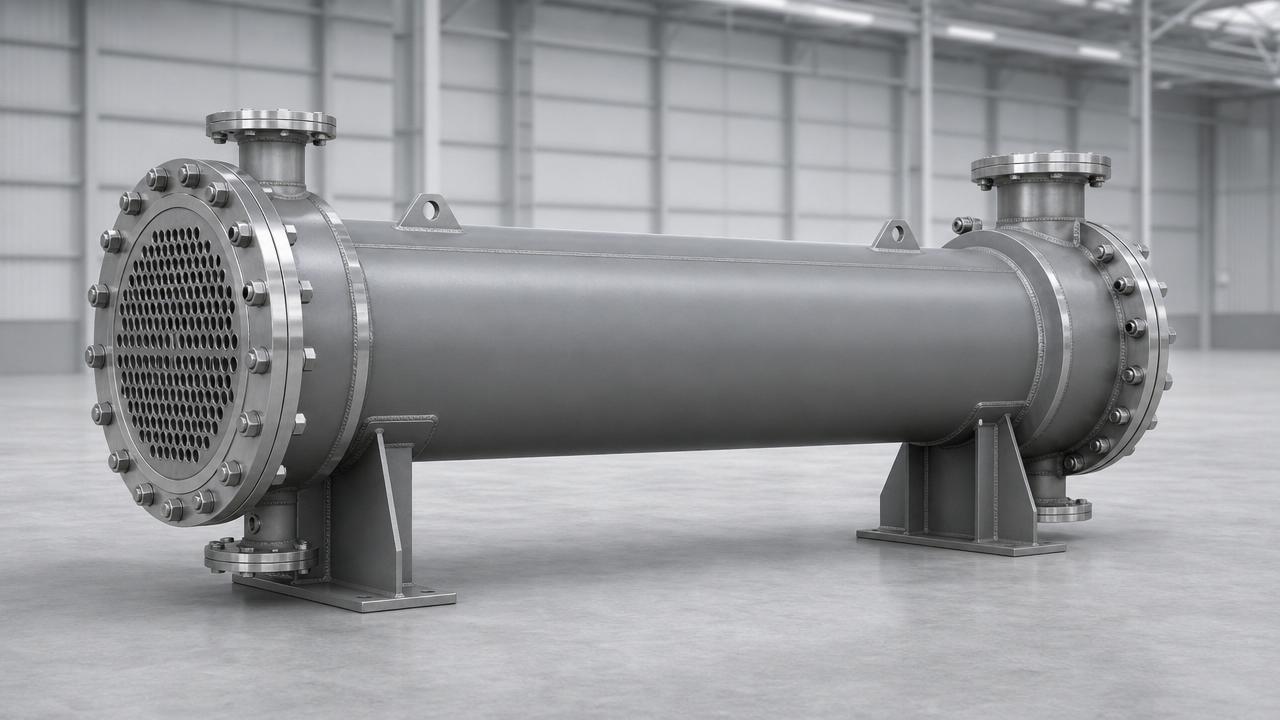
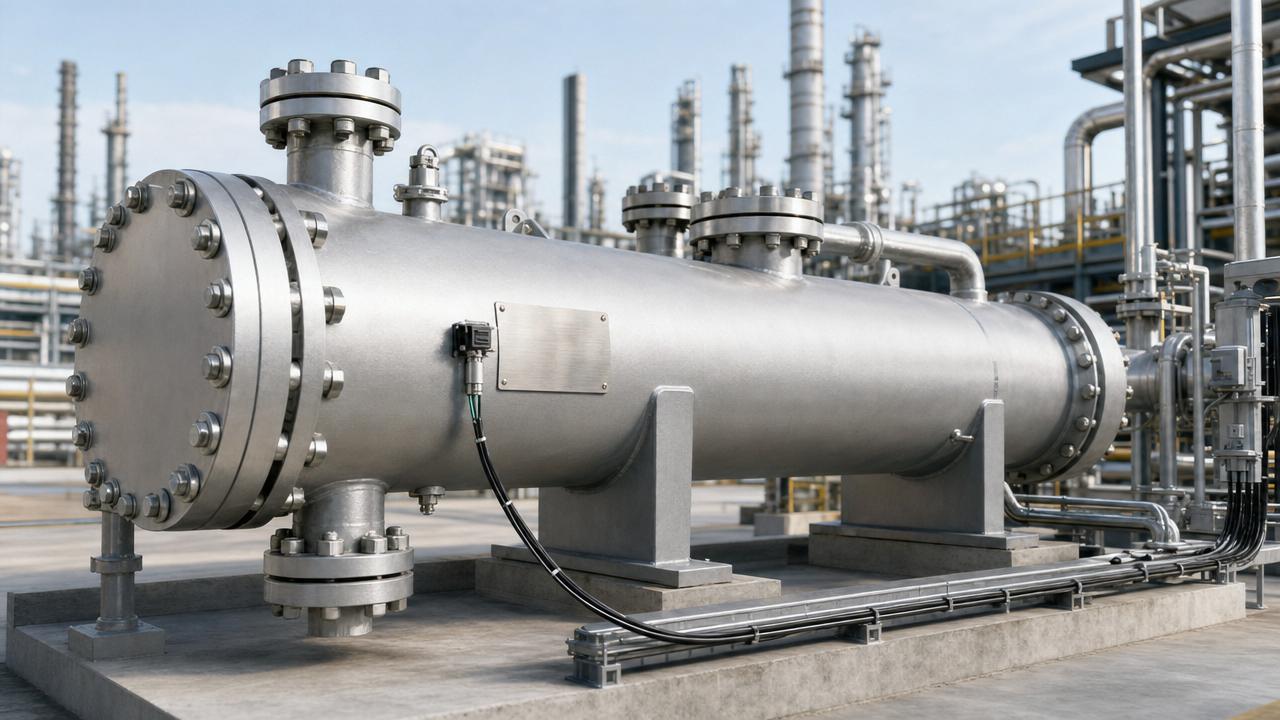
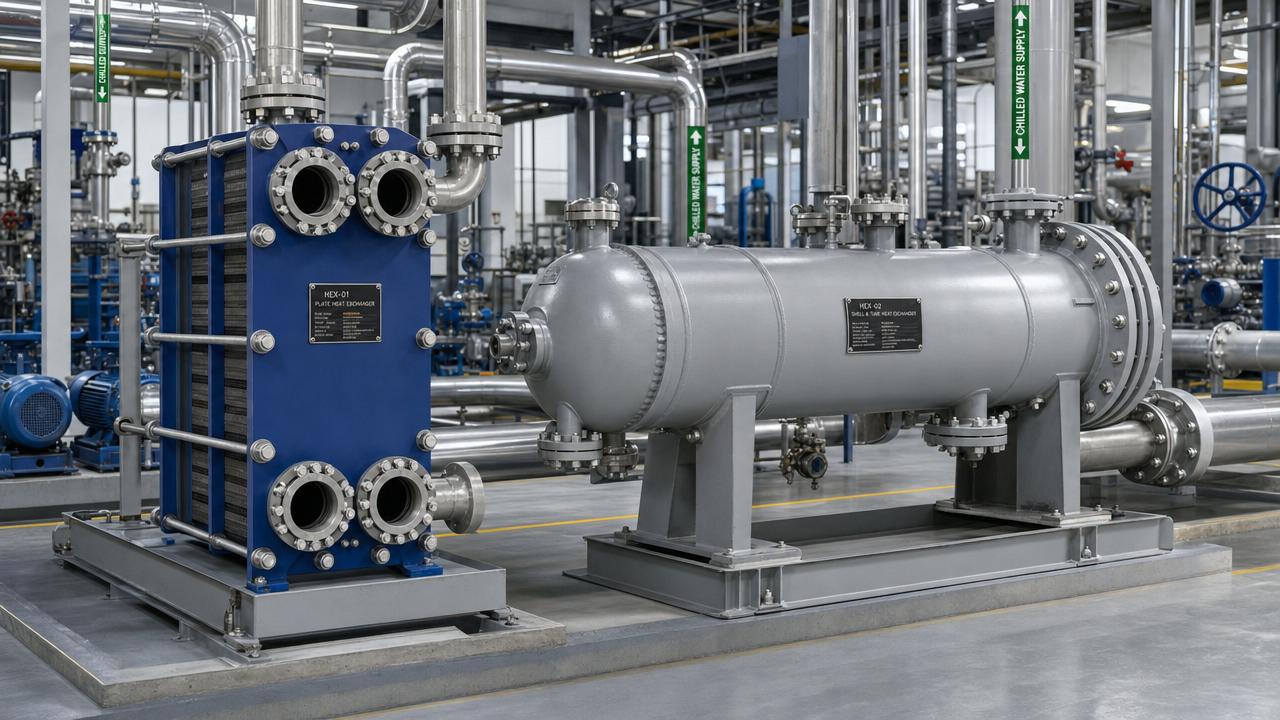
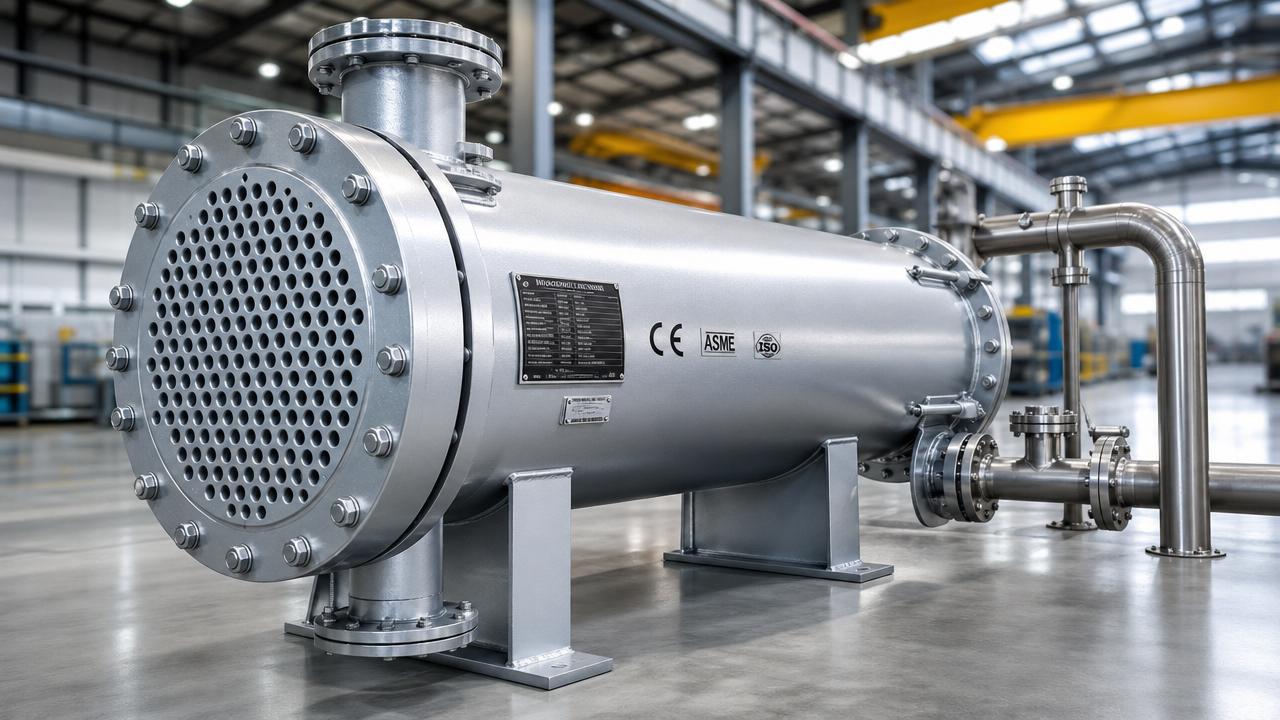
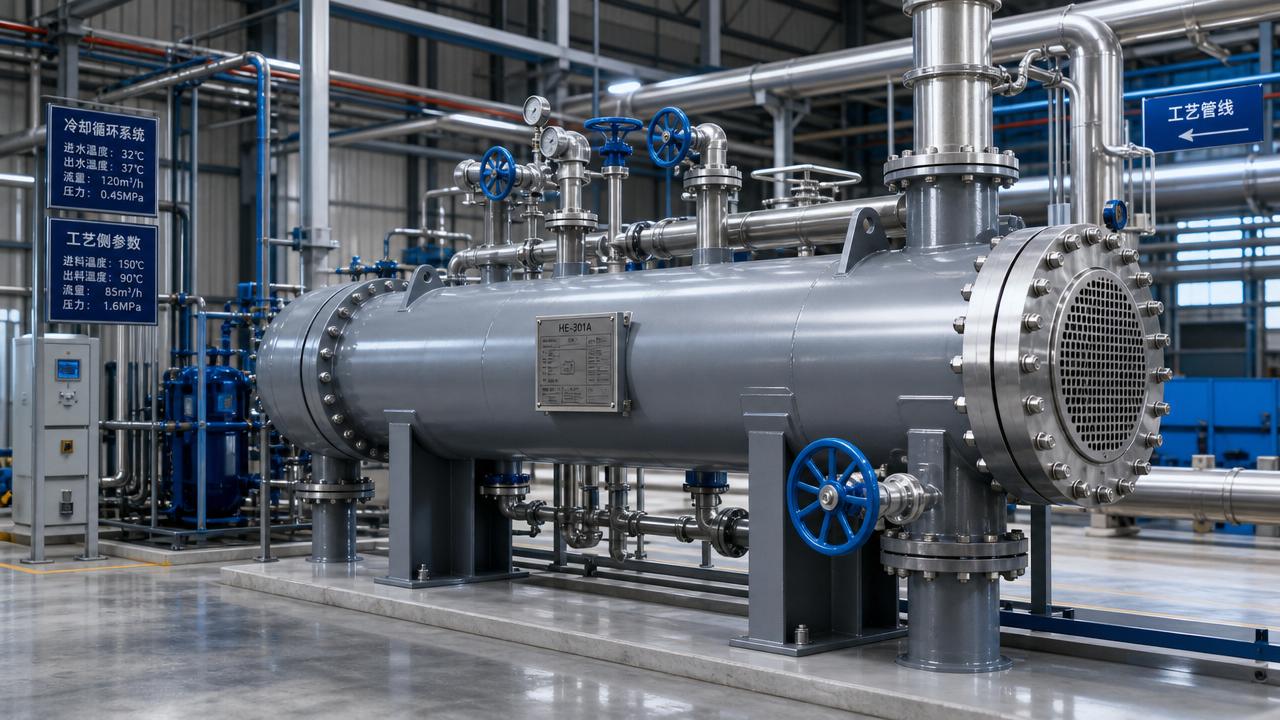
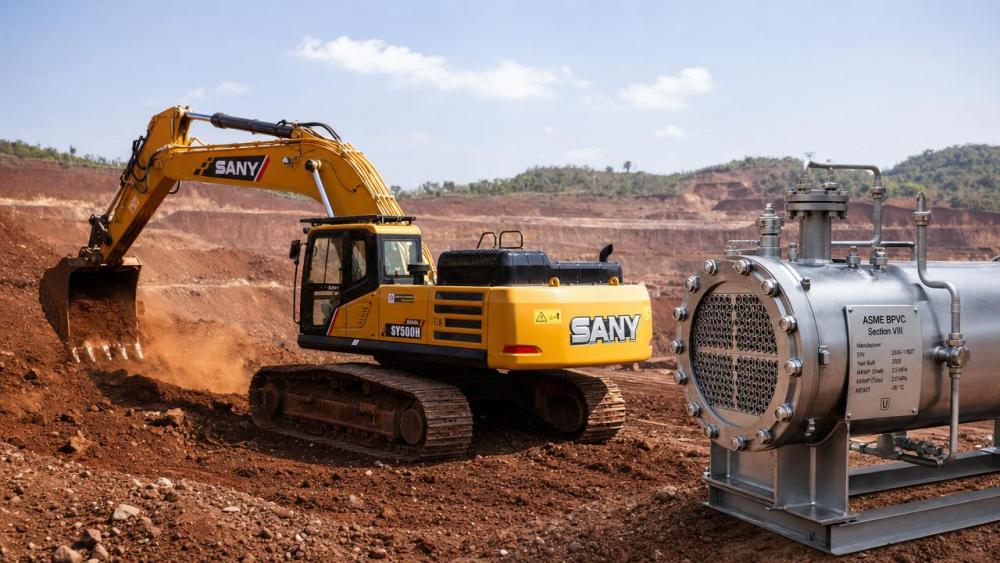
On May 23, Japan’s NHK reported that SANY Group’s excavators now account for over 60% of large-scale nickel mining equipment deployments in Indonesia — coinciding with a 35% year-on-year increase in exports of Chinese-made shell-and-tube heat exchangers used for hydraulic oil cooling and engine waste heat recovery. This development signals growing integration between Chinese construction machinery exports and their supporting thermal management components — and highlights emerging regulatory pressure from Indonesia’s nuclear safety authority (BAPETEN), which mandates ASME BPVC Section VIII certification for all mining equipment heat exchange systems effective Q3 2026. Stakeholders in thermal equipment manufacturing, mining equipment supply chains, and export compliance services should monitor this closely.
Event Overview
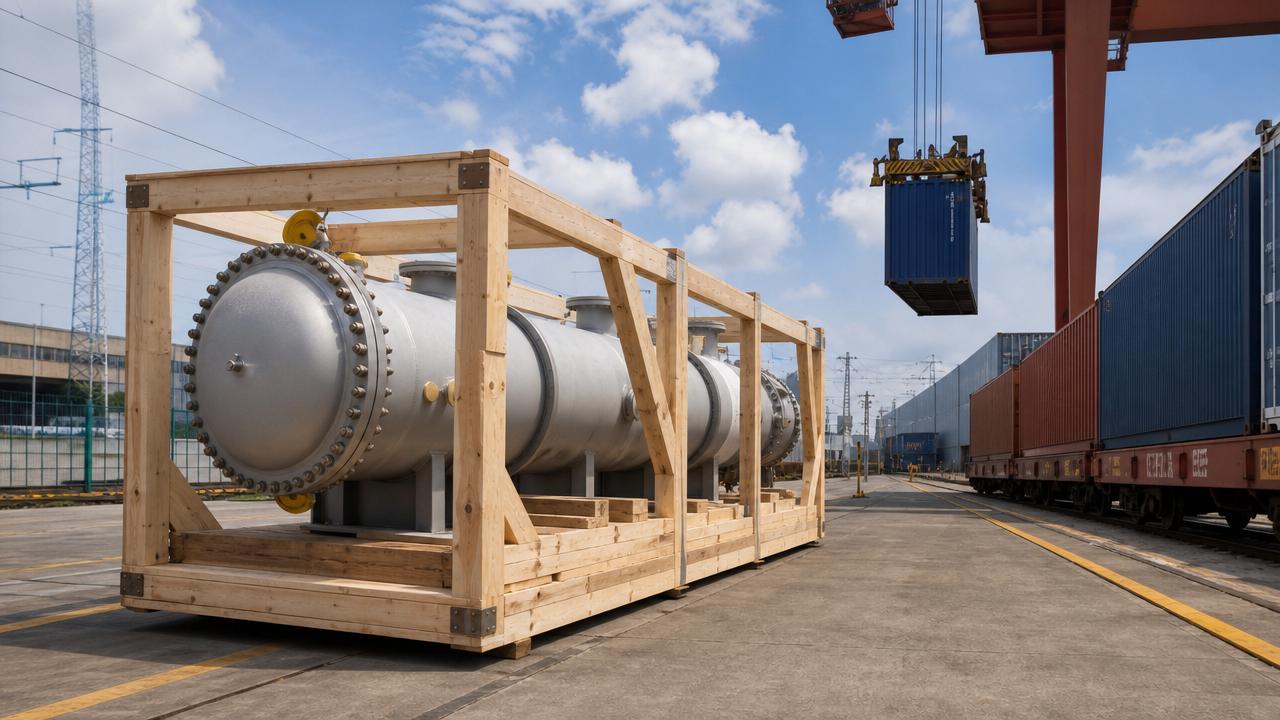
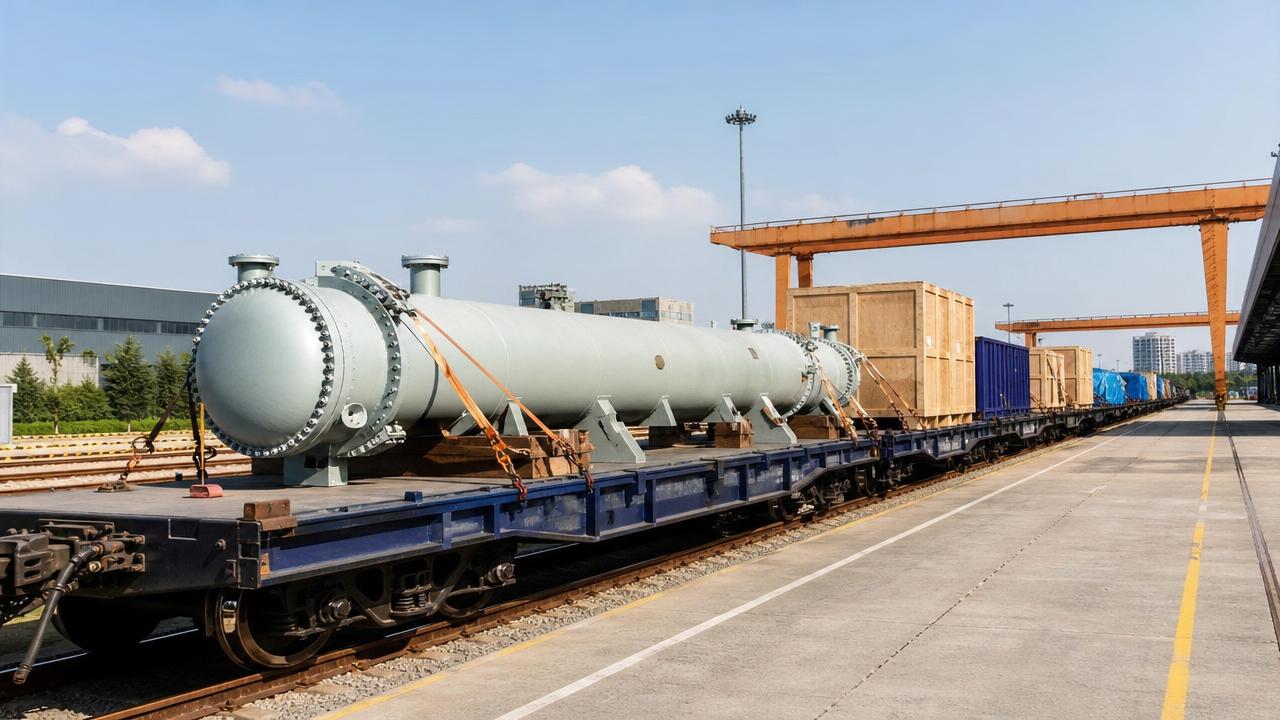
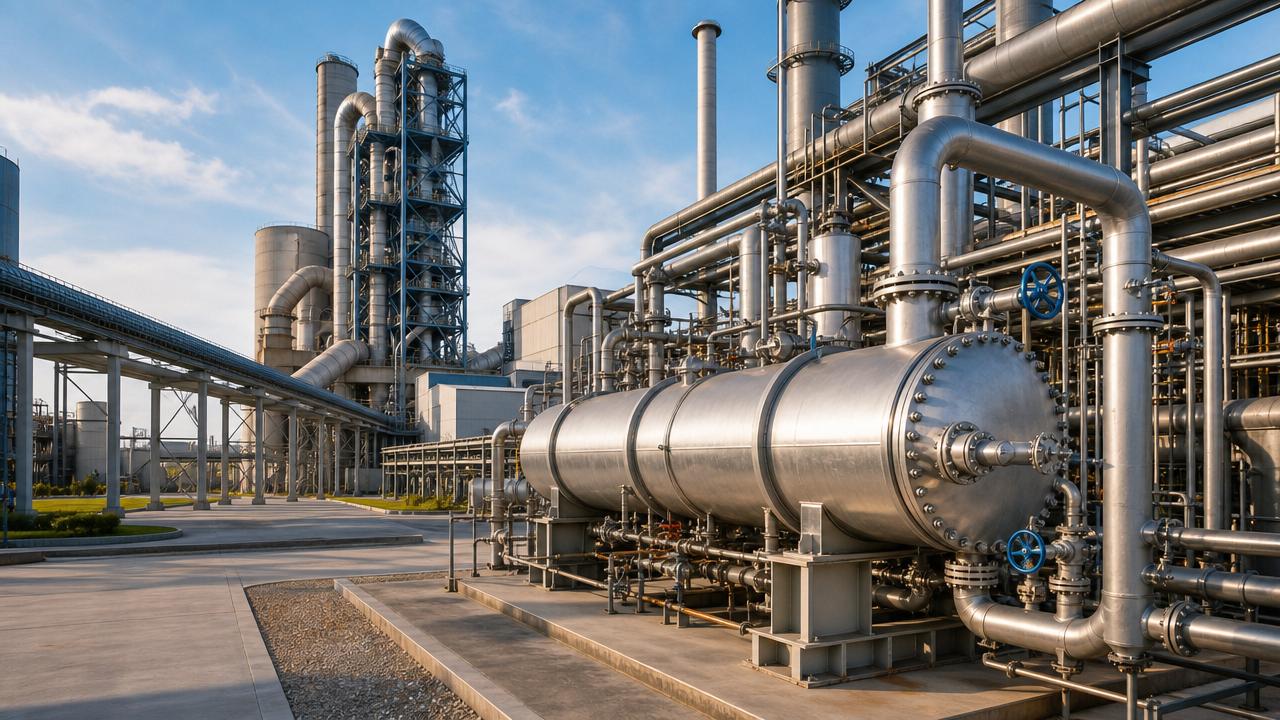
Japan’s NHK broadcast on May 23 reported that SANY heavy machinery holds more than 60% market share in Indonesia’s large nickel mine equipment segment. Concurrently, exports of domestically produced shell-and-tube heat exchangers — specified for hydraulic oil cooling and engine exhaust heat recovery in such machinery — rose by 35% year-on-year. Indonesia’s Nuclear Energy Regulatory Agency (BAPETEN) issued a regulation requiring ASME BPVC Section VIII certification for all heat exchange systems integrated into mining equipment, effective Q3 2026.
Industries Affected
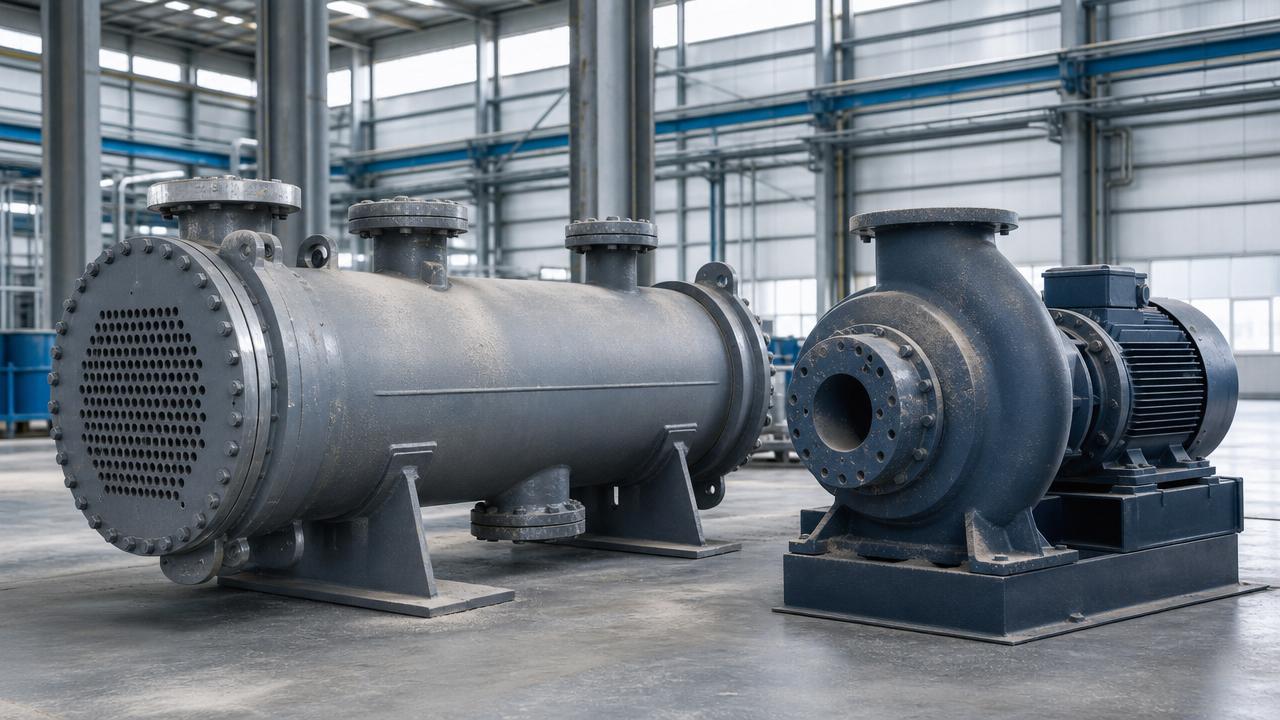
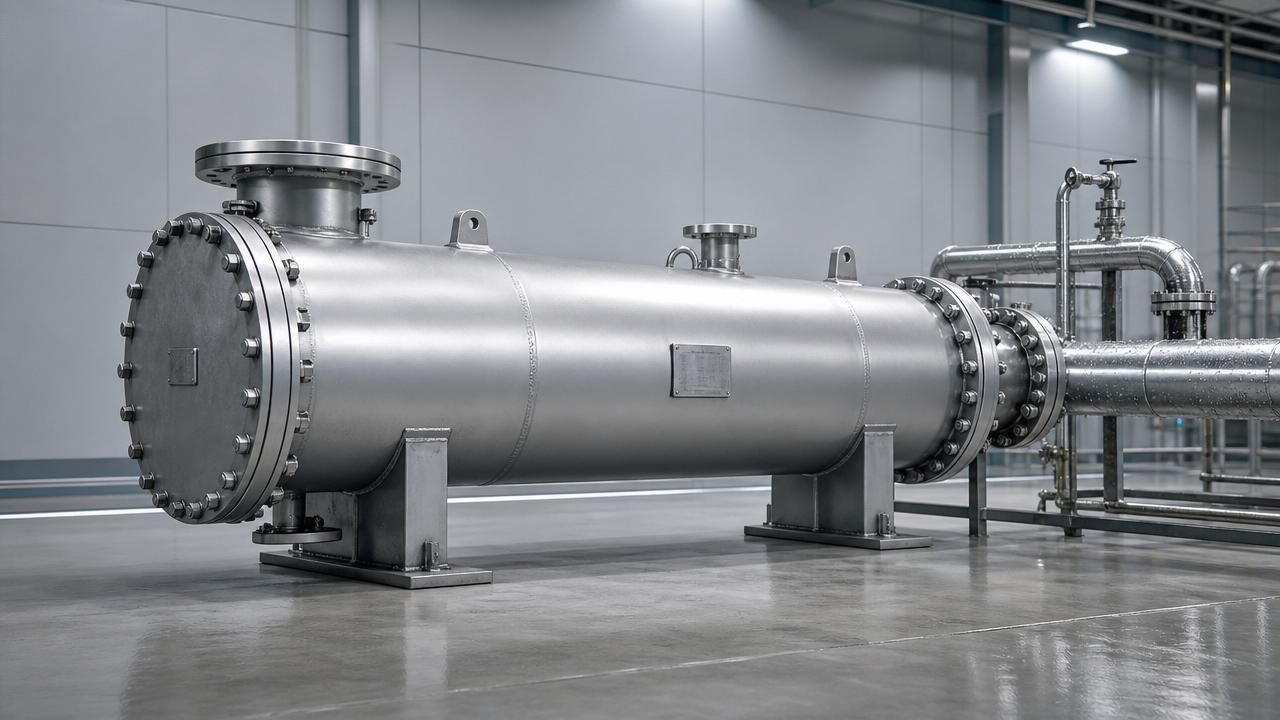
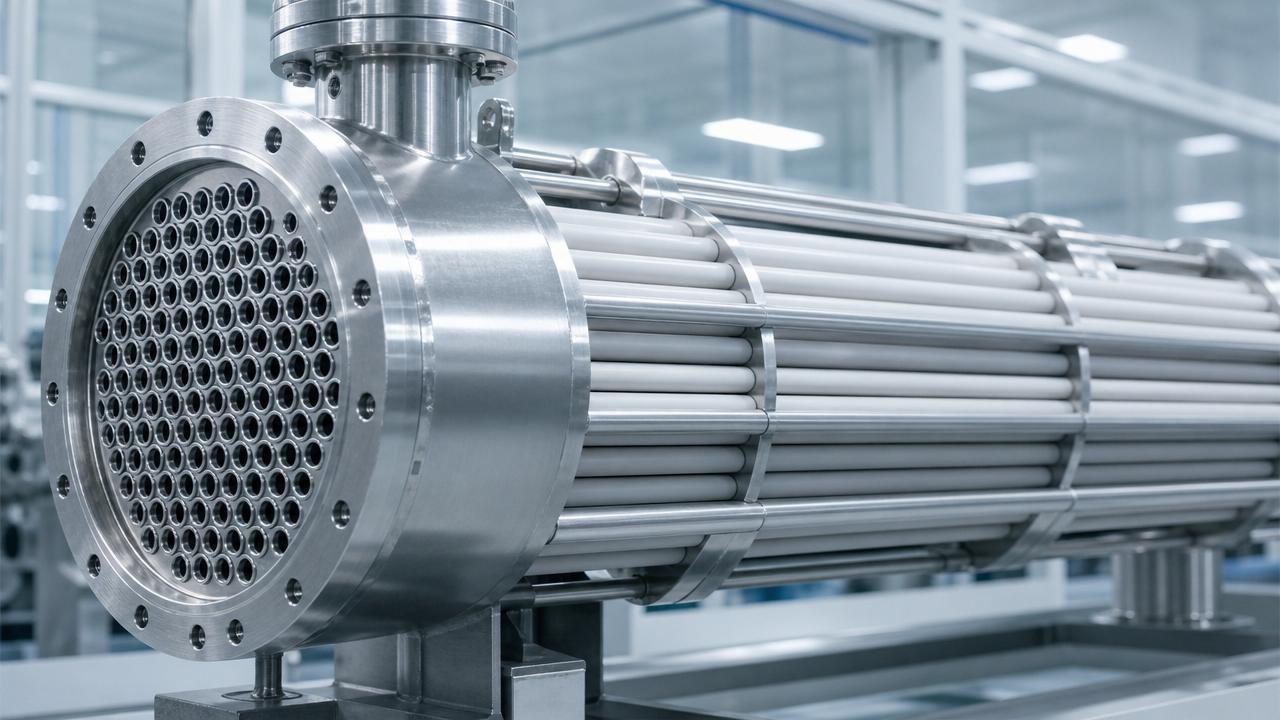
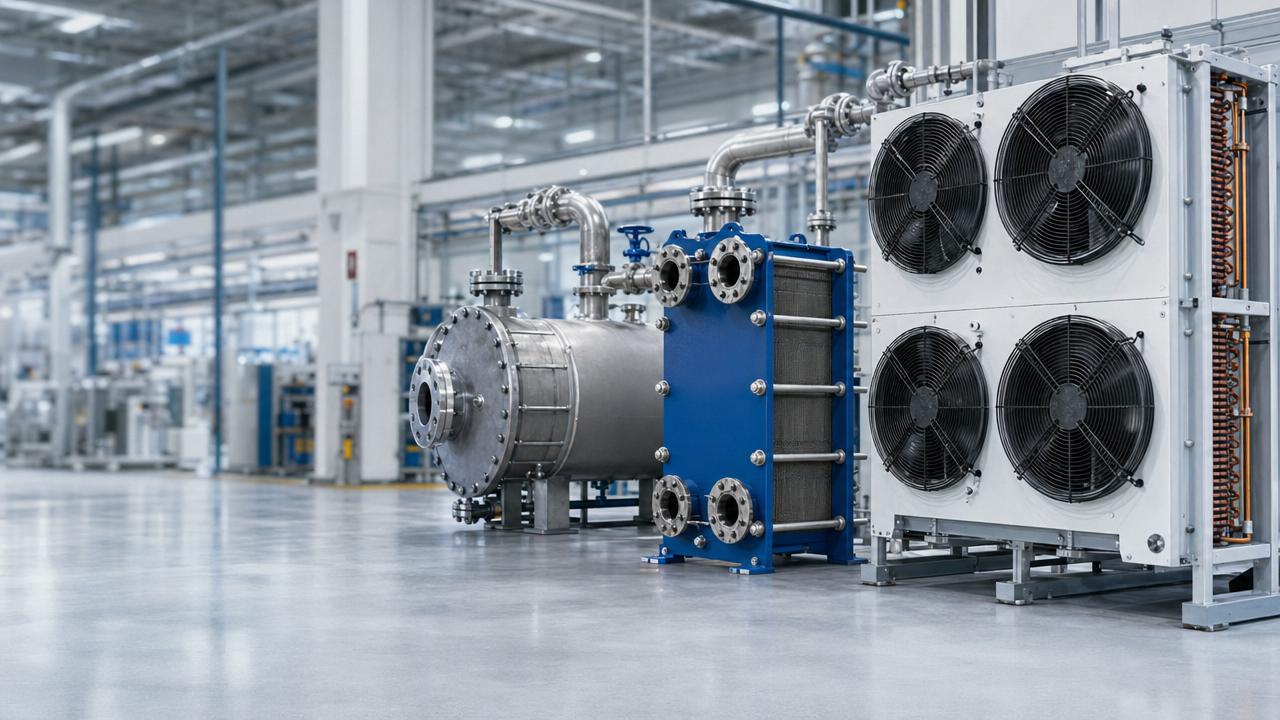
Heat Exchanger Manufacturers (OEM & Tier-2 Suppliers): These firms supply critical thermal components to excavator and mining equipment OEMs. With Indonesian nickel projects scaling rapidly and SANY’s market penetration deepening, demand for certified shell-and-tube units is rising — but BAPETEN’s ASME requirement introduces a new technical and procedural gate. Impact manifests in longer lead times for certification-ready designs, increased testing and documentation overhead, and potential qualification delays for non-compliant product lines.
Mining Equipment Exporters & Distributors: Companies integrating or reselling Chinese-built excavators and loaders into Indonesian nickel operations face cascading compliance obligations. Since heat exchange systems are integral to equipment functionality and safety, non-certified thermal subsystems may trigger rejection at customs or operational suspension post-delivery. Impact includes heightened pre-shipment verification needs, revised contract terms addressing certification liability, and tighter coordination with component suppliers.
Certification & Compliance Service Providers: Third-party inspection bodies, ASME Authorized Inspection Agencies (AIAs), and local regulatory consultants are seeing increased inquiry volume related to BPVC Section VIII interpretation for mining-grade heat exchangers. Impact centers on workload distribution — particularly for agencies with ASME accreditation valid in Indonesia — and the need for localized technical support covering design review, material traceability, and hydrostatic test witnessing.
What Relevant Enterprises or Practitioners Should Focus On
Monitor BAPETEN’s official implementation guidance
The regulation specifies an effective date (Q3 2026) but does not yet clarify transitional provisions, grandfathering criteria, or accepted equivalency pathways (e.g., whether PED 2014 or ISO 16528 recognition may apply). Stakeholders should track BAPETEN’s forthcoming technical circulars and attend its scheduled stakeholder briefings — especially those co-hosted with ASME Southeast Asia.
Prioritize ASME BPVC Section VIII certification for high-volume nickel project SKUs
Not all shell-and-tube exchangers require immediate recertification. Analysis shows that only models deployed in BAPETEN-regulated facilities — i.e., those supporting primary ore processing, high-power electric drive systems, or battery precursor plants — fall under mandatory scope. Firms should map current export SKUs against confirmed Indonesian nickel project procurement lists (e.g., PT Vale, PT Virtue Dragon, PT Huadi) to prioritize certification efforts.
Distinguish between regulatory signal and enforceable requirement
Observably, BAPETEN’s notice functions as a forward-looking regulatory signal rather than an immediately enforceable mandate. No penalties or enforcement mechanisms have been published for non-compliance prior to Q3 2026. However, major EPC contractors (e.g., China MCC, Hyundai Engineering) are already embedding ASME compliance clauses in tender documents — meaning commercial adoption is outpacing formal regulation.
Initiate supplier alignment and documentation readiness now
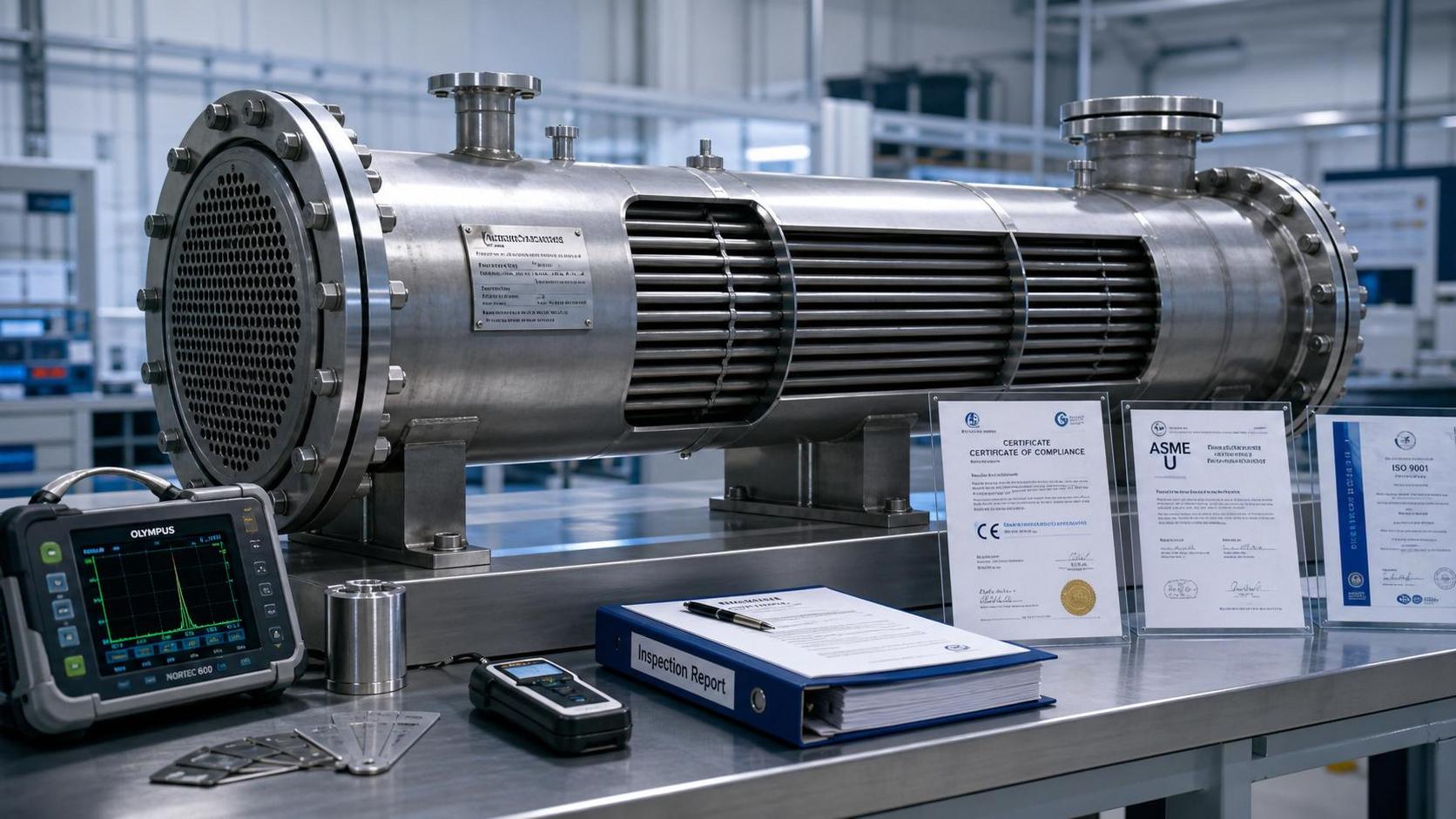
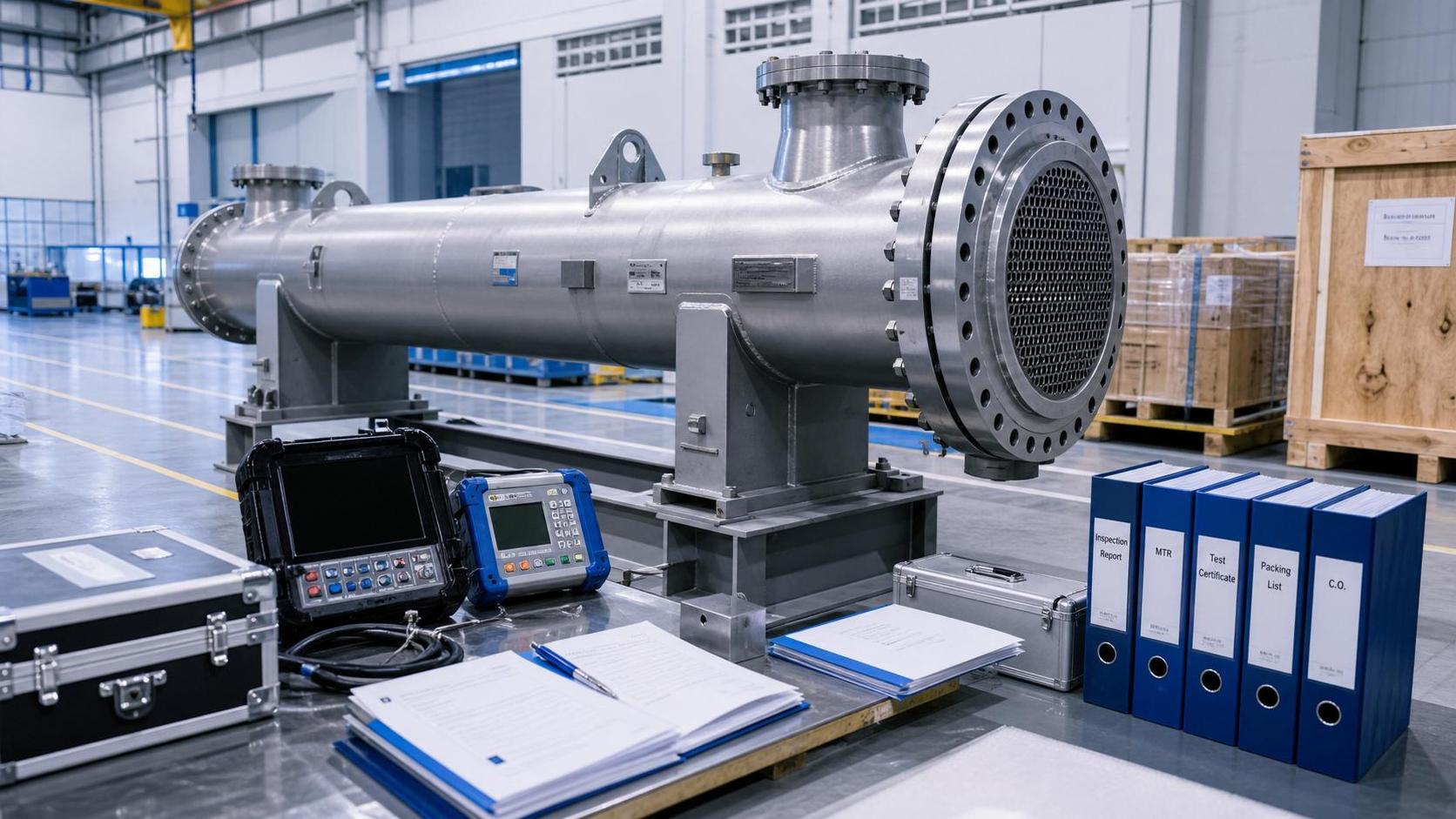
ASME BPVC Section VIII certification requires full traceability: material mill certificates, weld procedure specifications (WPS), non-destructive examination (NDE) reports, and pressure test records. Current more suitable approach is to audit existing heat exchanger production documentation against BPVC requirements — identify gaps in QA/QC recordkeeping, update welding procedure qualifications (WPQ), and confirm NDE personnel certifications meet ASME Section V standards.
Editorial Perspective / Industry Observation
This development is better understood as a structural inflection point — not merely a market share update. The 60% SANY figure reflects deeper localization: equipment is increasingly delivered with locally adapted configurations, service networks, and, critically, compliant ancillary systems. The 35% heat exchanger export growth indicates that component-level internationalization is accelerating in lockstep — but also exposing capability gaps in certification readiness. From an industry perspective, BAPETEN’s rule is less about technical novelty and more about institutional alignment: it signals Indonesia’s intent to treat mining thermal systems with the same rigor applied to nuclear infrastructure — thereby raising the bar for global suppliers’ quality governance, not just engineering design. Continued attention is warranted because certification timelines (typically 6–12 months for first-time applicants) mean preparation must begin well before Q3 2026.
Conclusion: This report underscores a dual trend — consolidation in mining equipment supply chains and tightening of thermal system compliance standards in key resource markets. It does not indicate an immediate disruption, but rather a measurable acceleration in regulatory convergence across ASEAN mining jurisdictions. For stakeholders, the event is best interpreted as a near-term catalyst for internal certification capability building — not a distant policy risk to be deferred.
Source Attribution:
Primary source: NHK News broadcast, May 23.
Note: BAPETEN’s ASME BPVC Section VIII requirement is publicly referenced in its 2024 regulatory roadmap; full technical annexes remain pending publication and are subject to revision. Ongoing monitoring is recommended.
Related News
- EU Rule Requires Digital Energy Monitoring for Shell & Tube Heat ExchangersAuthor :Thermodynamics Analyst

- DOE Raises Shell & Tube Efficiency Floor for 2027Author :Thermodynamics Analyst

- EU EN 13445-4:2026 Tightens Dual Certification for Heat ExchangersAuthor :Thermodynamics Analyst

- EN 13445-4:2026 Tightens EU Heat Exchanger ComplianceAuthor :Thermodynamics Analyst

- EN 13445-4:2026 Adds Digital Twin Fatigue ChecksAuthor :Thermodynamics Analyst

- How to Improve Heat Exchanger Efficiency Without Major System DowntimeAuthor :Thermodynamics Analyst

- EU Rule Takes Effect for Shell-and-Tube Heat ExchangersAuthor :Thermodynamics Analyst

- When Energy-Efficient Heat Exchange Systems Deliver Real PaybackAuthor :Thermodynamics Analyst

- DOE Cuts R449A Chiller Transition to 9 MonthsAuthor :Thermodynamics Analyst

- Rail Corridor Surge Cuts Shell & Tube Lead TimeAuthor :Thermodynamics Analyst

- Rail Corridor Hits 2,000 Trains as Heat Exchanger Lead Time FallsAuthor :Thermodynamics Analyst

- Rail Corridor Surge Cuts Shell & Tube Delivery to 28 DaysAuthor :Thermodynamics Analyst

- China-Europe Rail Corridor Tops 2,000 Trains as Heat Exchanger Export Delivery Falls to 28 DaysAuthor :Thermodynamics Analyst

- How to Improve Heat Exchanger Efficiency Without Major RetrofitsAuthor :Thermodynamics Analyst
![]()
- Rail Corridor Speeds Heat Exchanger ExportsAuthor :Thermodynamics Analyst
![]()
- China Names New Trade Parks for Heat Exchanger ExportsAuthor :Thermodynamics Analyst
![]()
- Rail Corridor Eases Lead Times for Shell-and-Tube ExportsAuthor :Thermodynamics Analyst

- Rail Freight Priority Cuts Shell & Tube Lead TimesAuthor :Thermodynamics Analyst

- Vietnam Cement WHR Rule Lifts Exchanger DemandAuthor :Thermodynamics Analyst

- EN 13445-4:2026 Effective for Shell & Tube Heat ExchangersAuthor :Thermodynamics Analyst
![]()
- SANY Excavators Capture >60% of Indonesia's Nickel Mine Equipment MarketAuthor :Thermodynamics Analyst

- APEC Trade Ministers Focus on Digital & Green Supply ChainsAuthor :Thermodynamics Analyst
![]()
- Pakistan PM Visit to China Spurs Shell & Tube, Centrifuge Tech LocalizationAuthor :Thermodynamics Analyst

- Putin's China Visit Resumes Shell & Tube Heat Exchanger Export PathAuthor :Thermodynamics Analyst

- EU Imposes Final Anti-Dumping Duties on Chinese Adipic AcidAuthor :Thermodynamics Analyst

- EN 13445-4:2026 Enters Force for Shell & Tube Heat ExchangersAuthor :Thermodynamics Analyst

- EU Updates EN 13445-4:2026 for Shell & Tube Heat ExchangersAuthor :Thermodynamics Analyst

- China's Petrochemical '15th Five-Year' Digitalization Guide ReleasedAuthor :Thermodynamics Analyst

- Heat Exchanger Technology: Plate vs Shell & Tube Selection GuideAuthor :Thermodynamics Analyst

- China to Upgrade Shell & Tube Heat Exchanger Standard to MandatoryAuthor :Thermodynamics Analyst

- Thermodynamics Analysis in Shell & Tube Selection: What Really MattersAuthor :Thermodynamics Analyst

- How to Compare Heat Exchanger Efficiency Across System DesignsAuthor :Thermodynamics Analyst