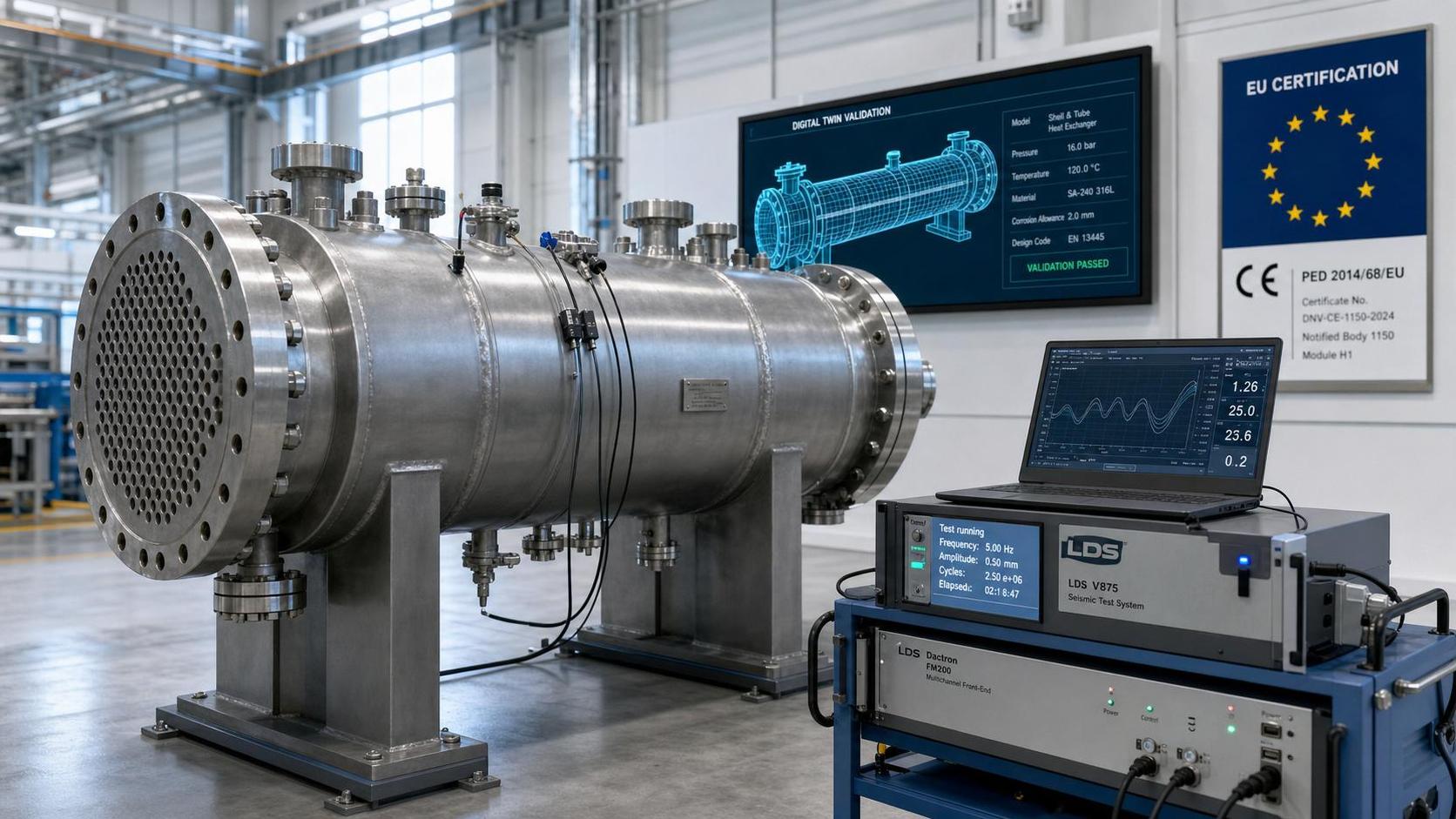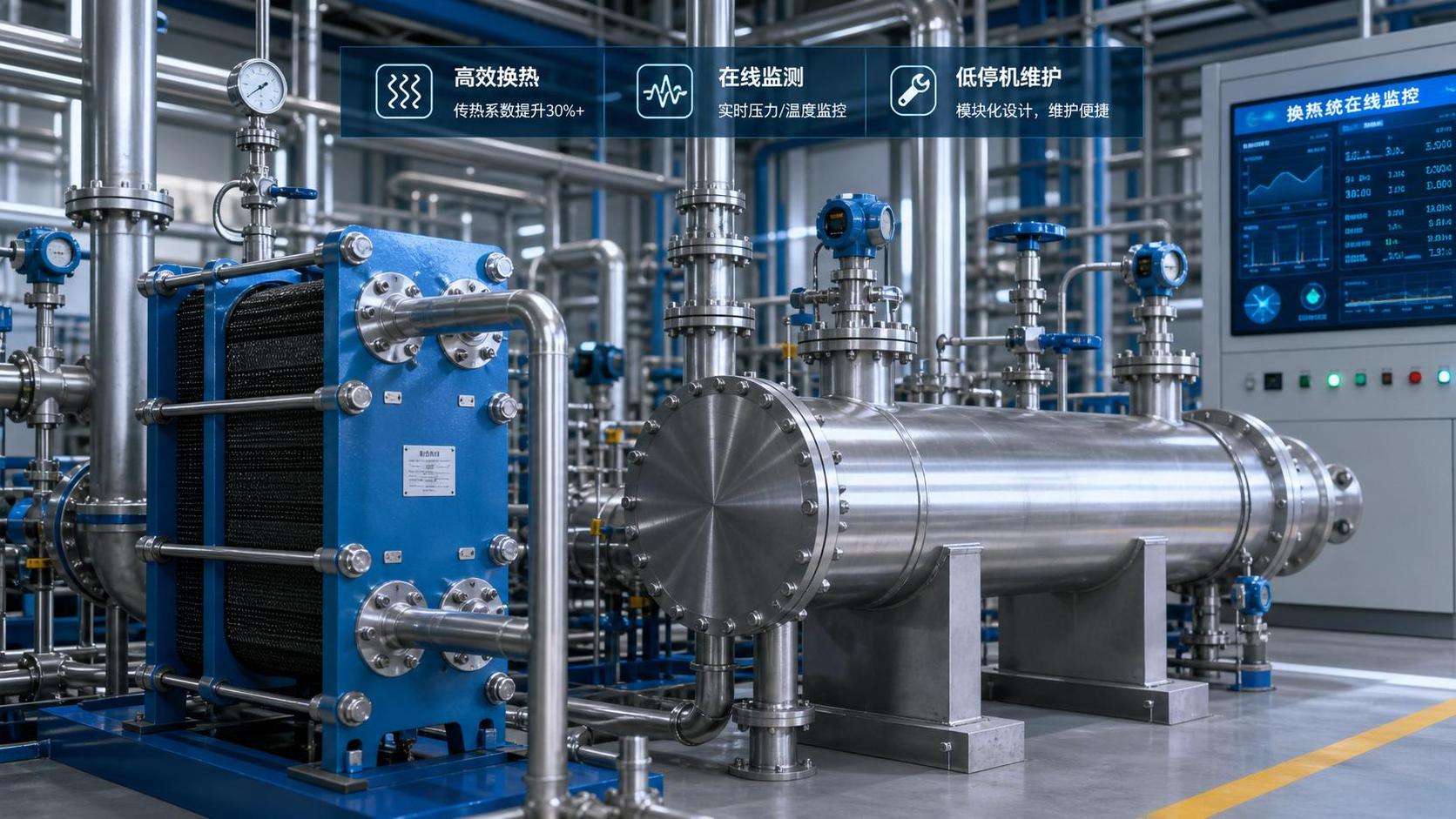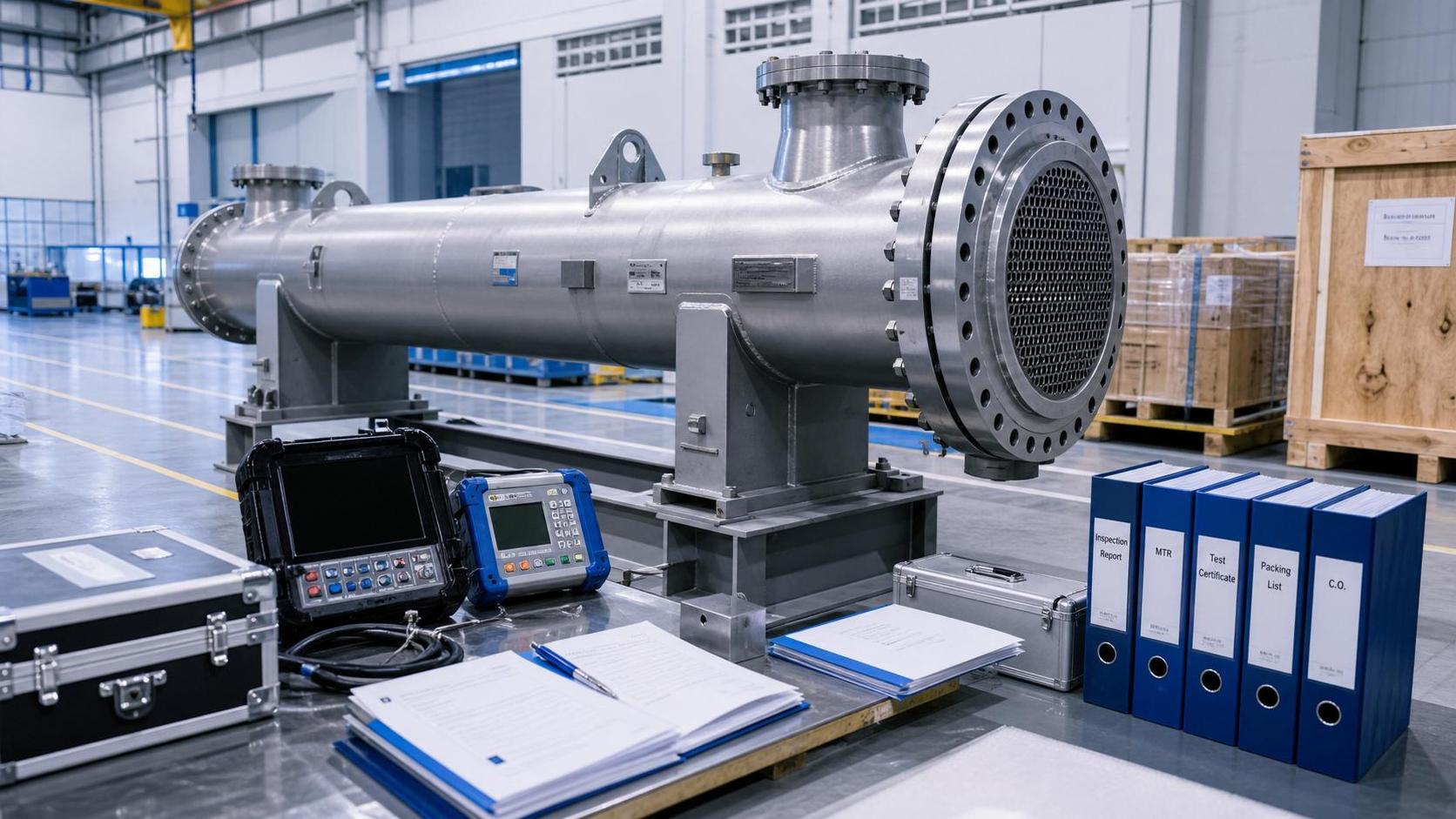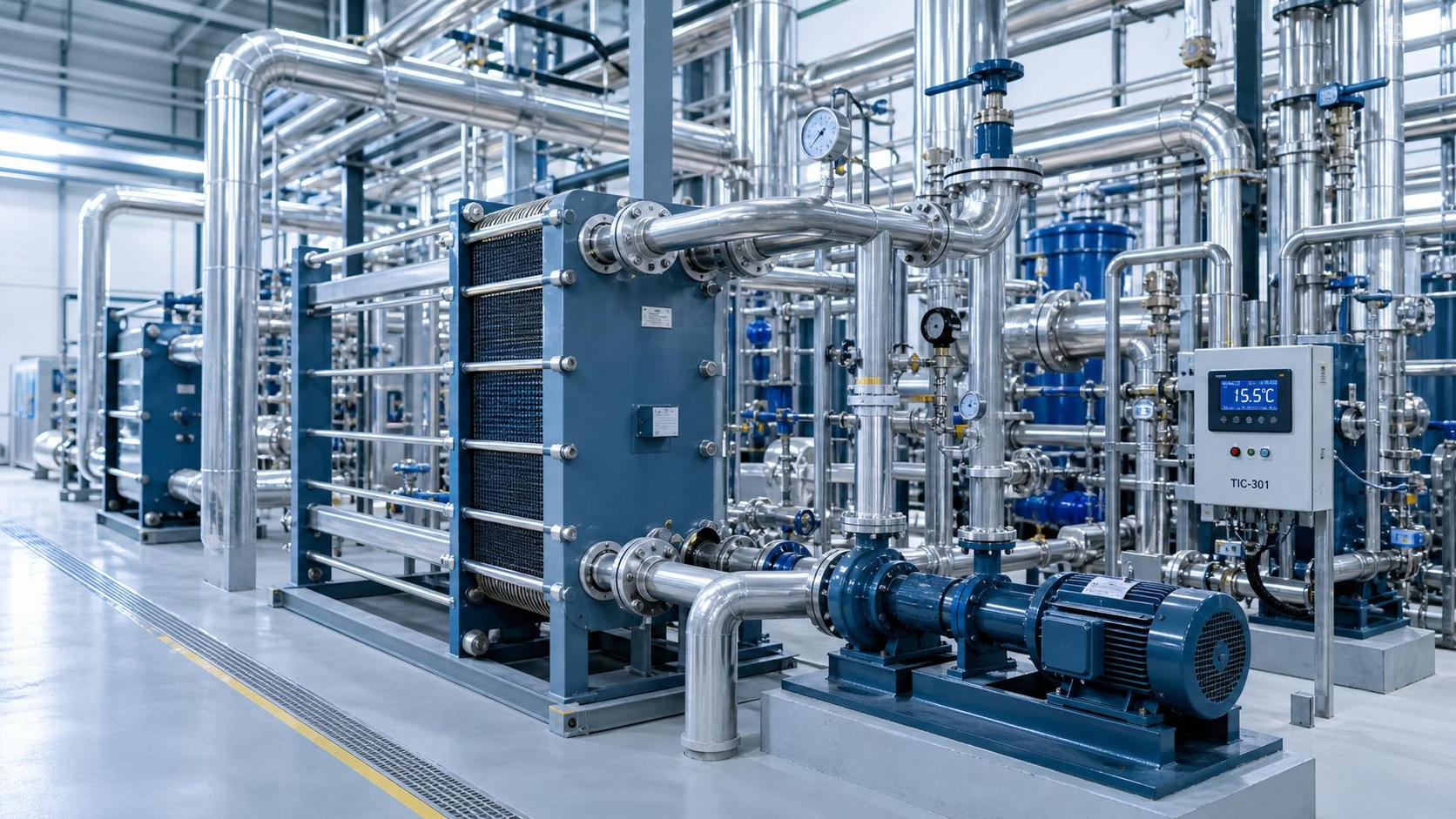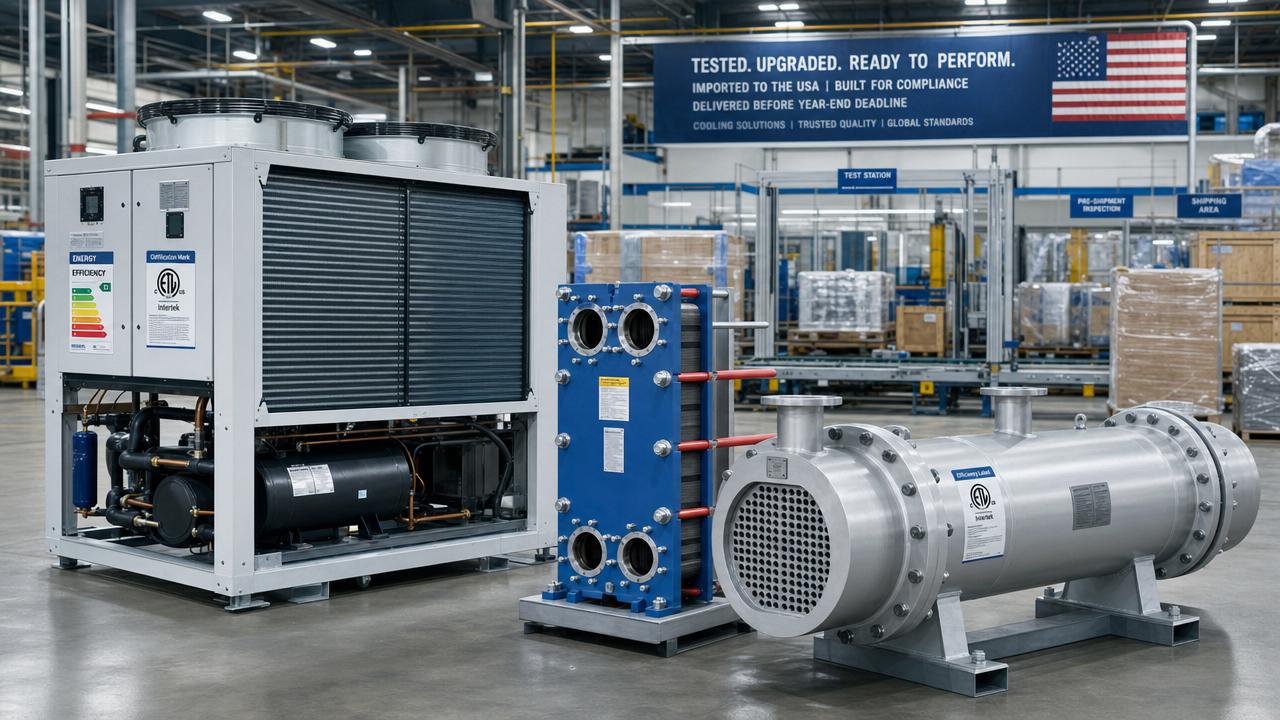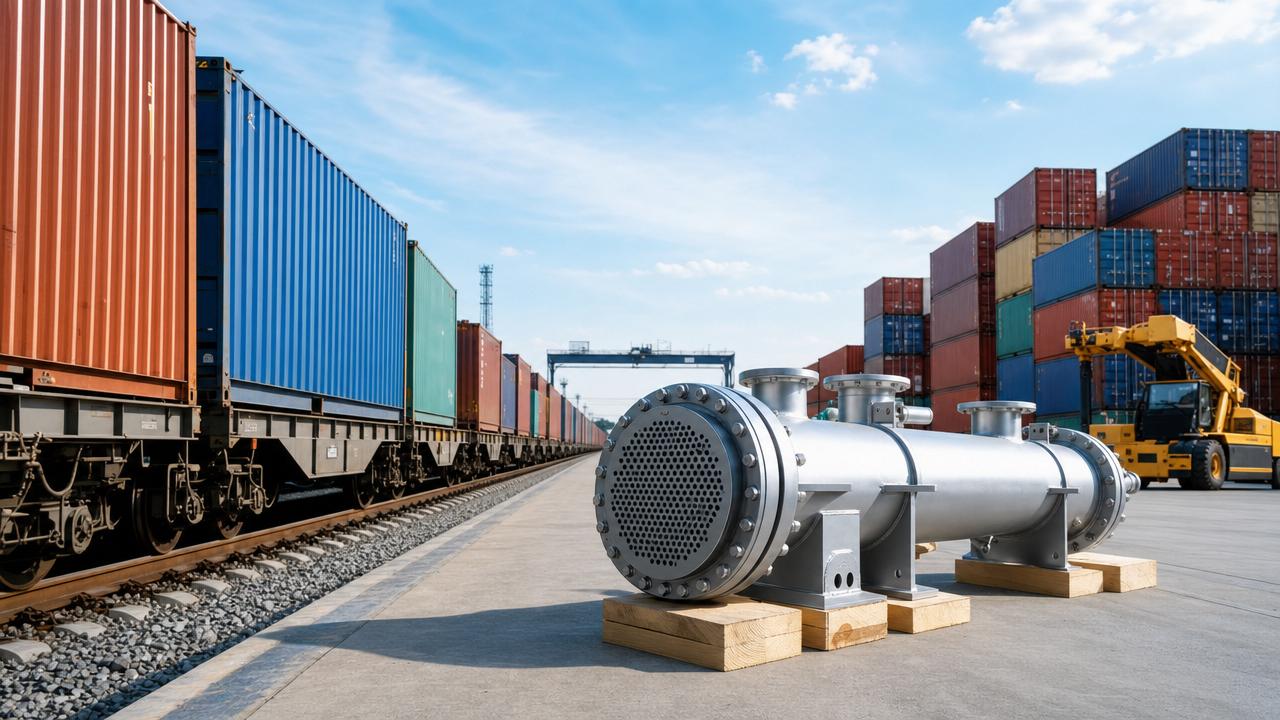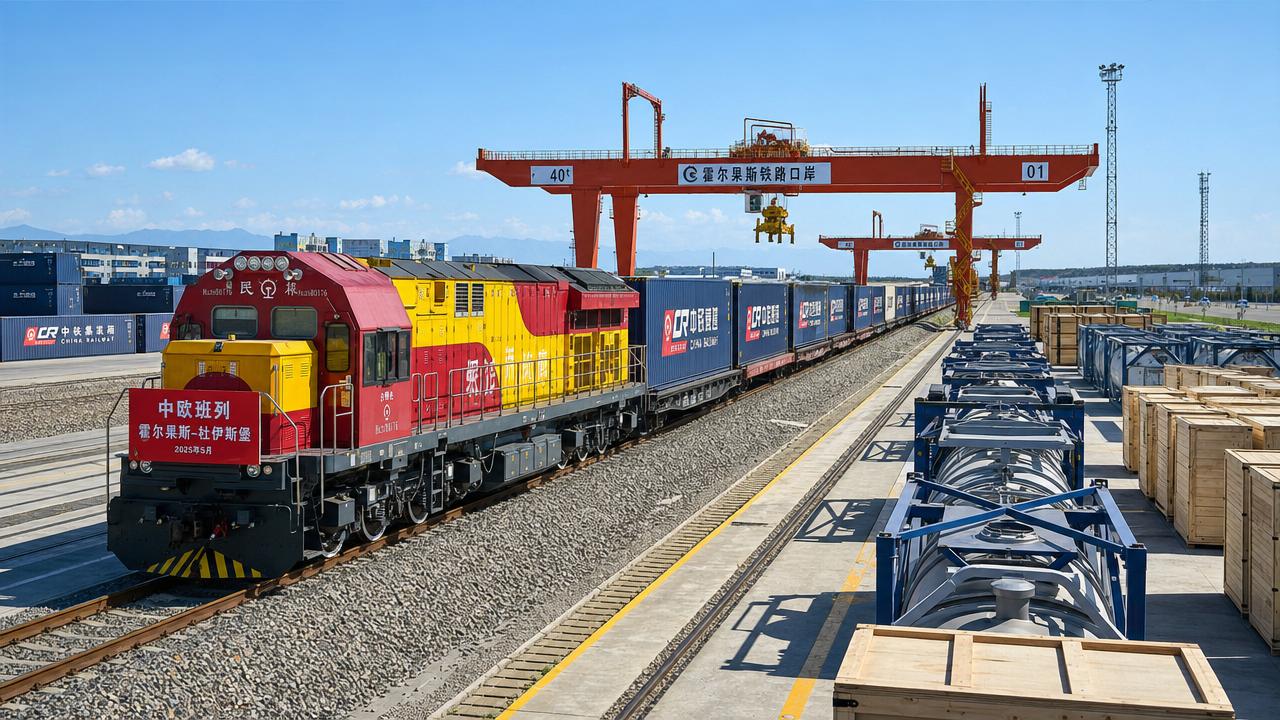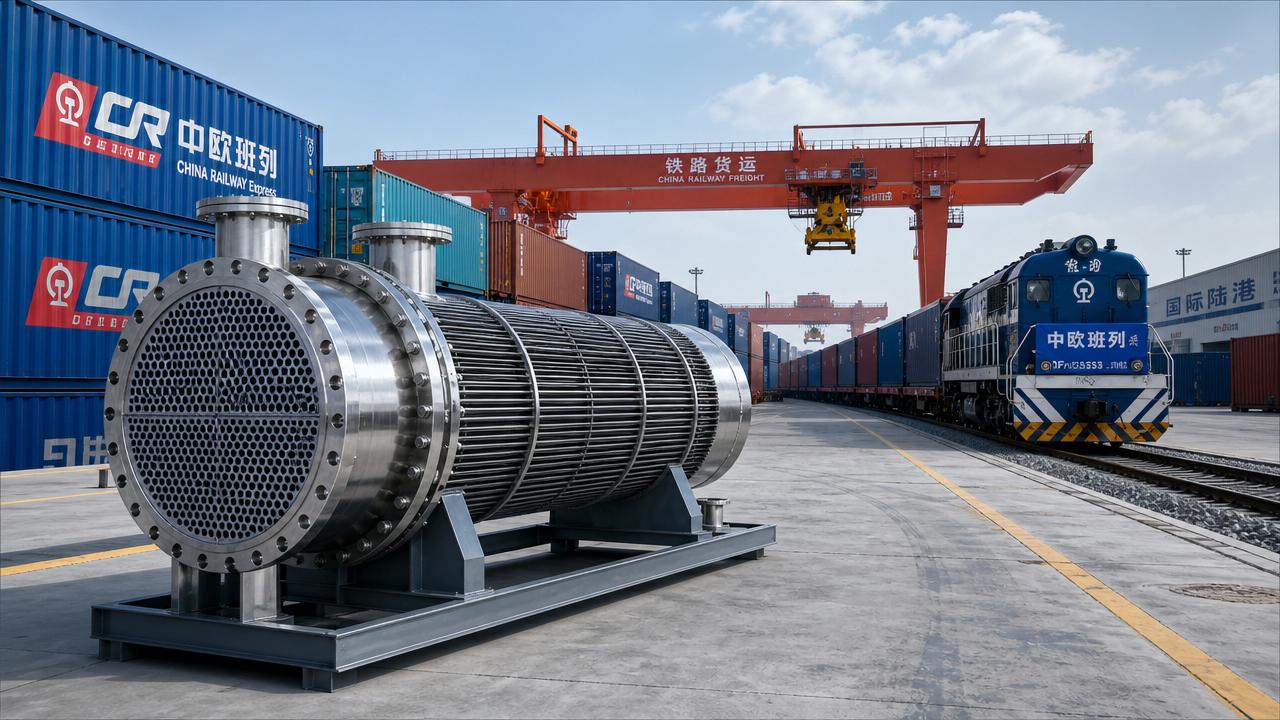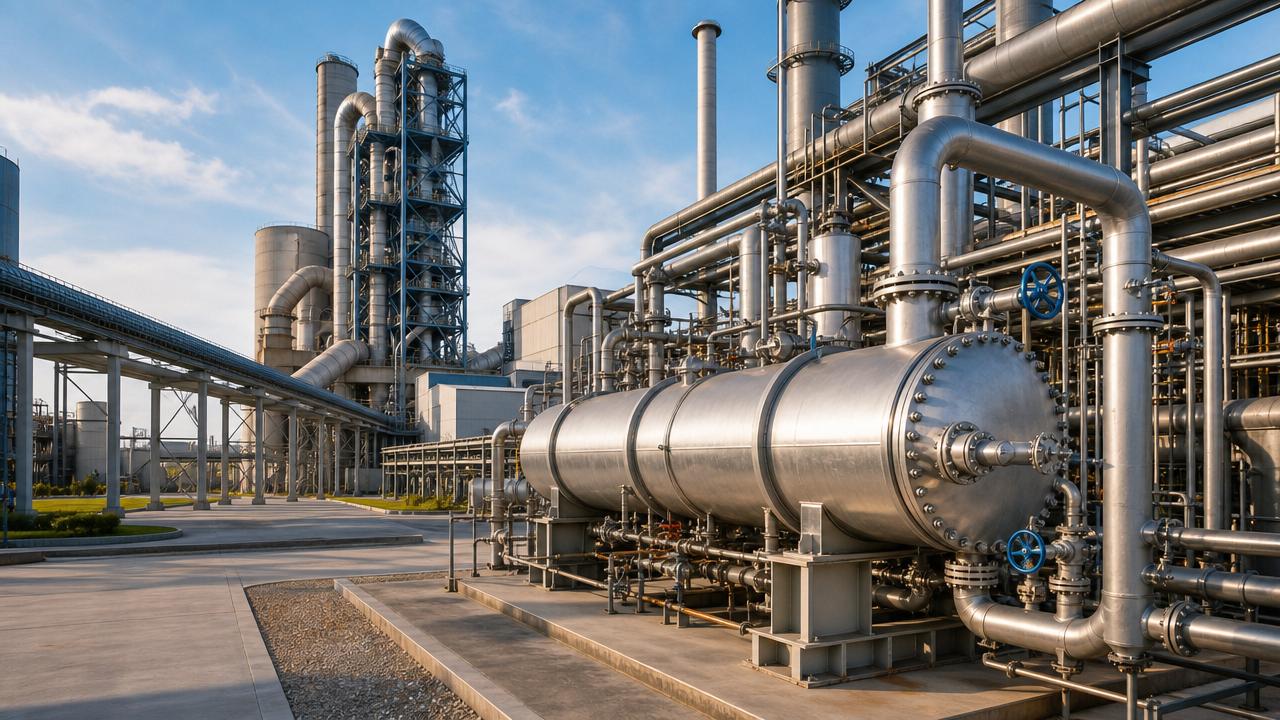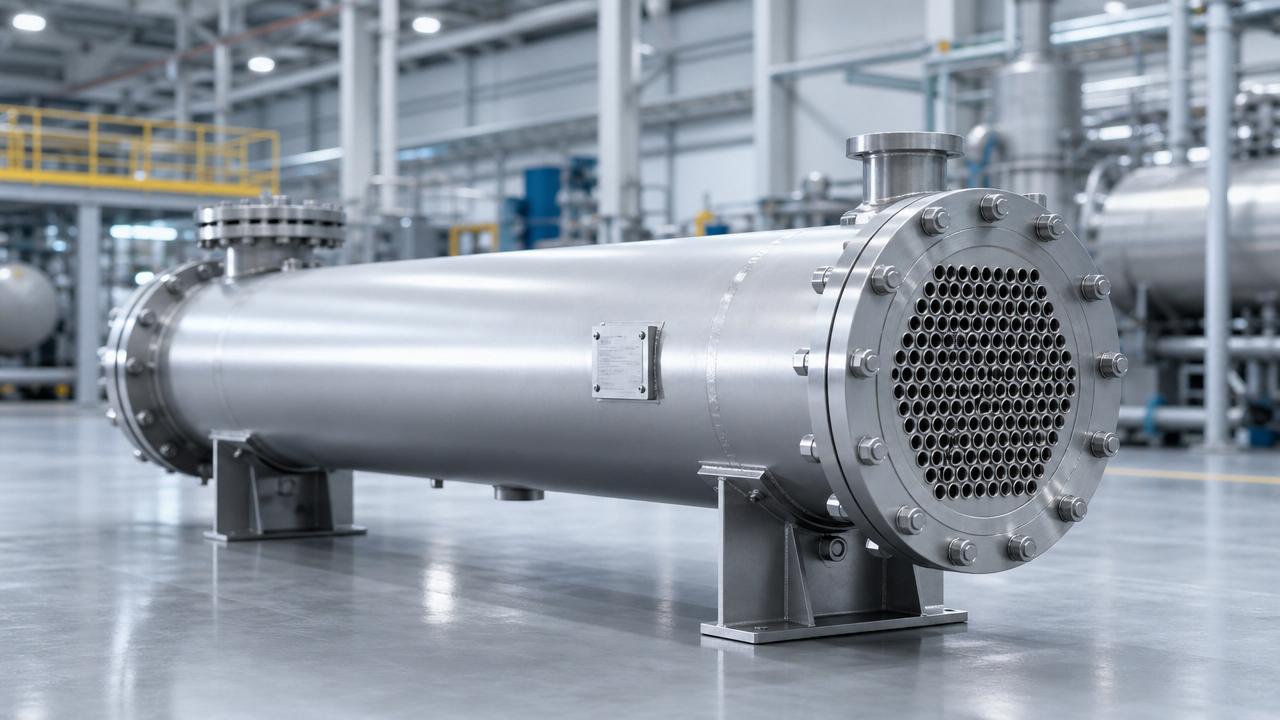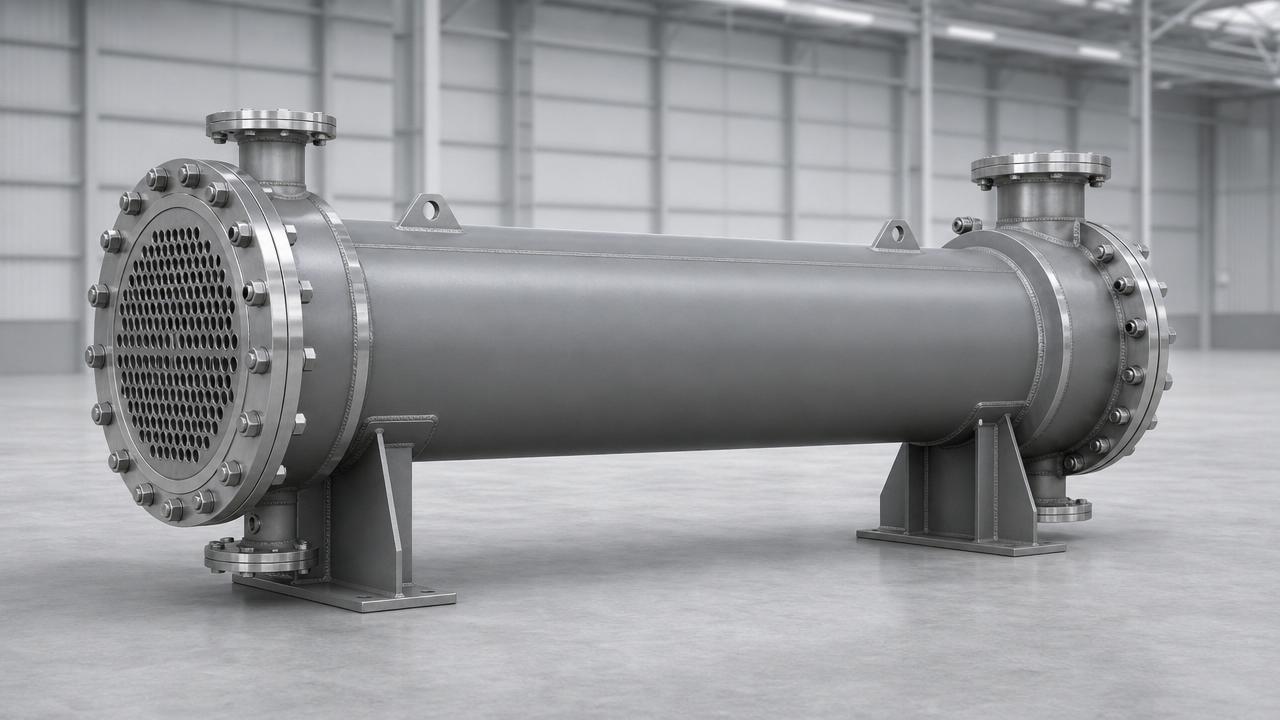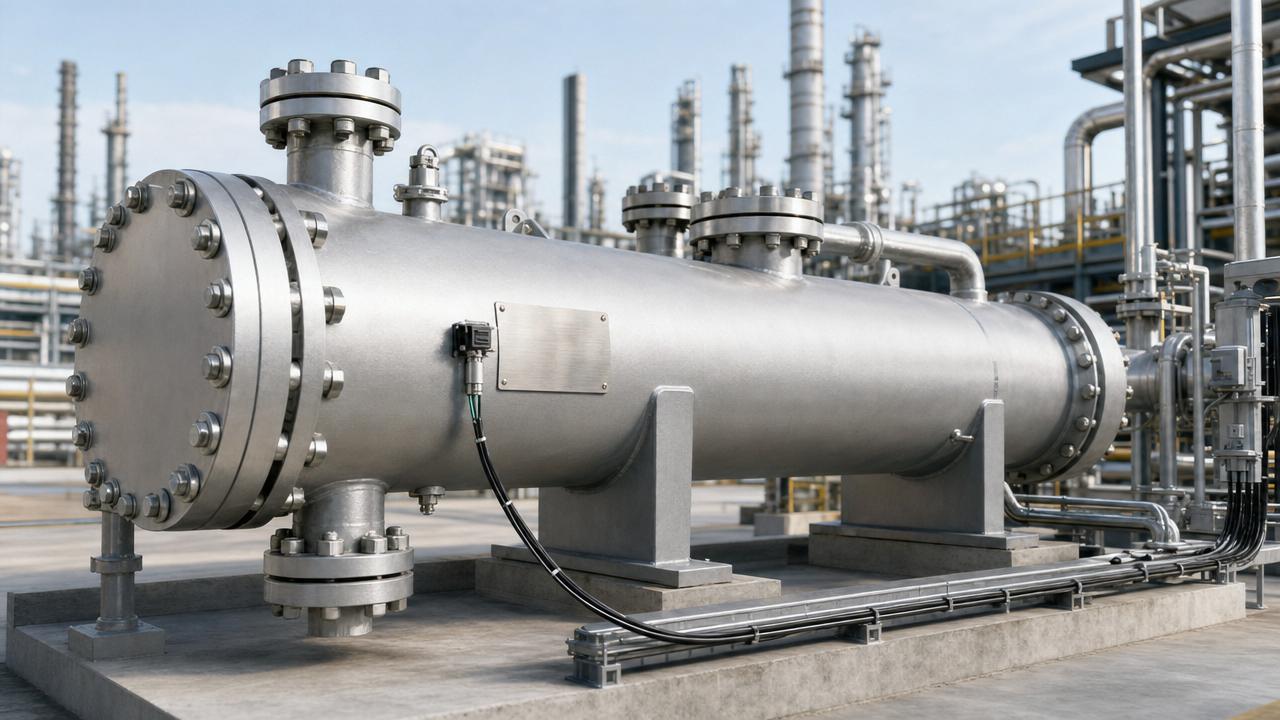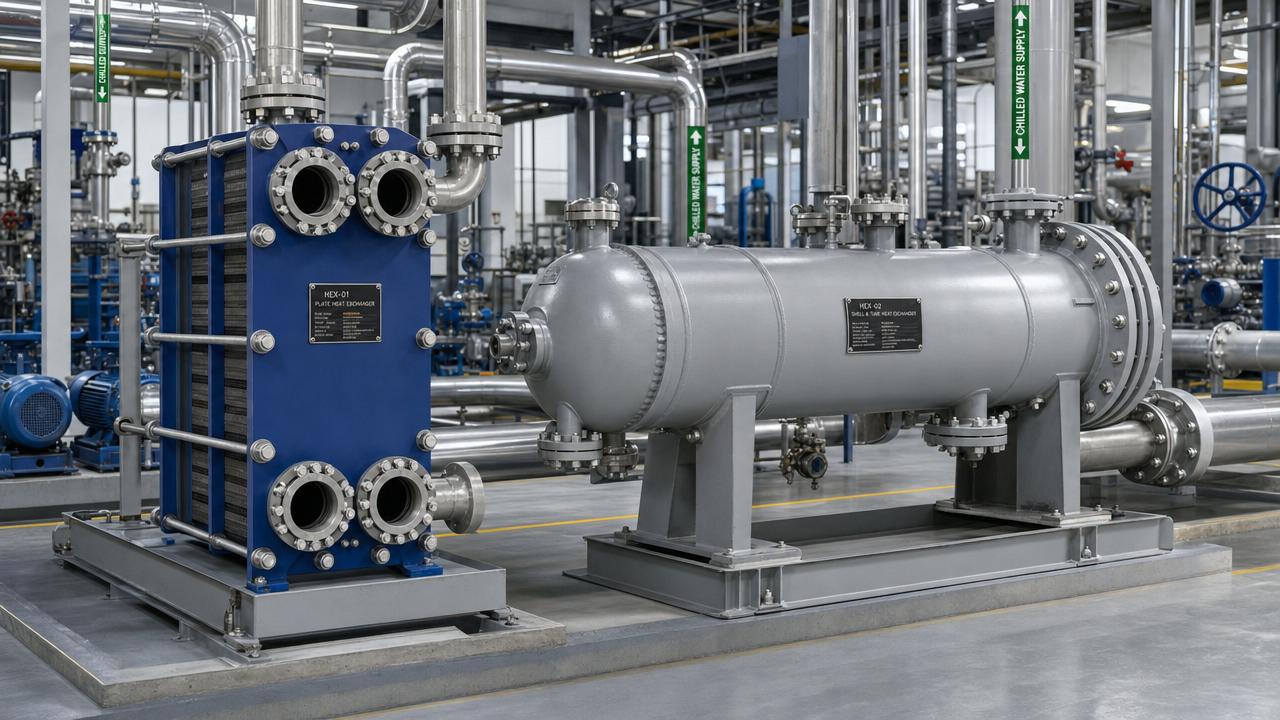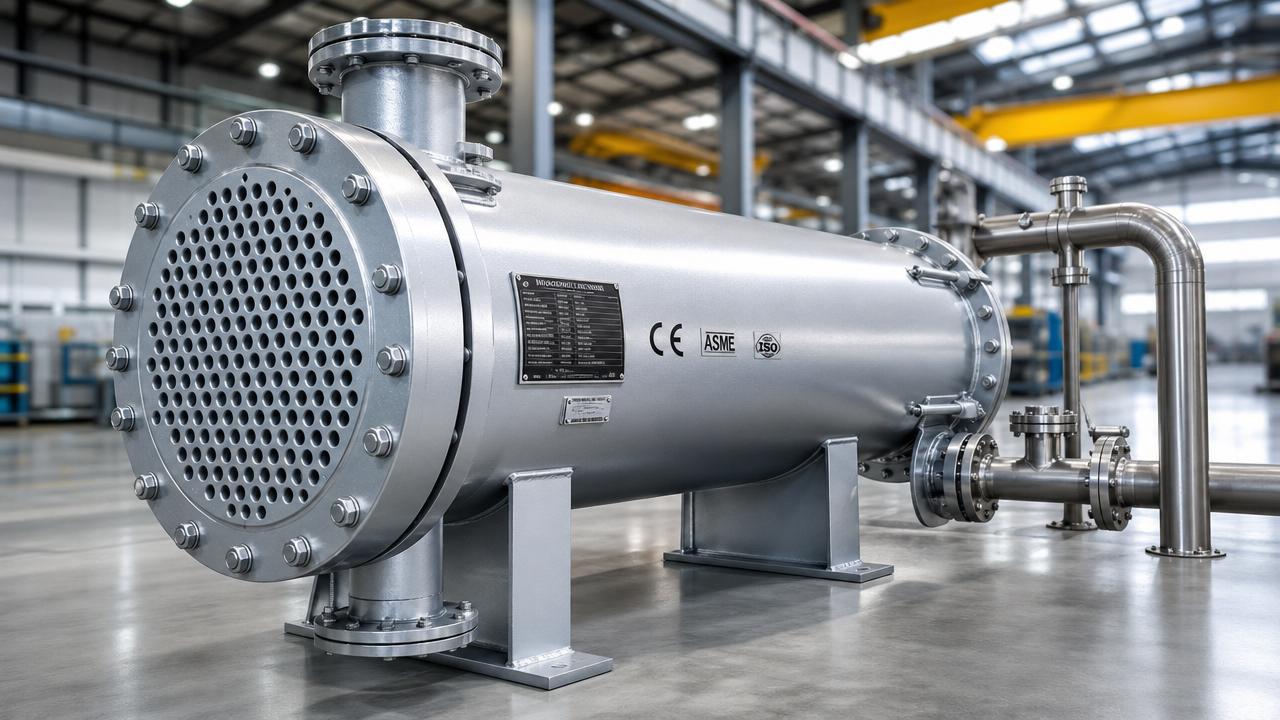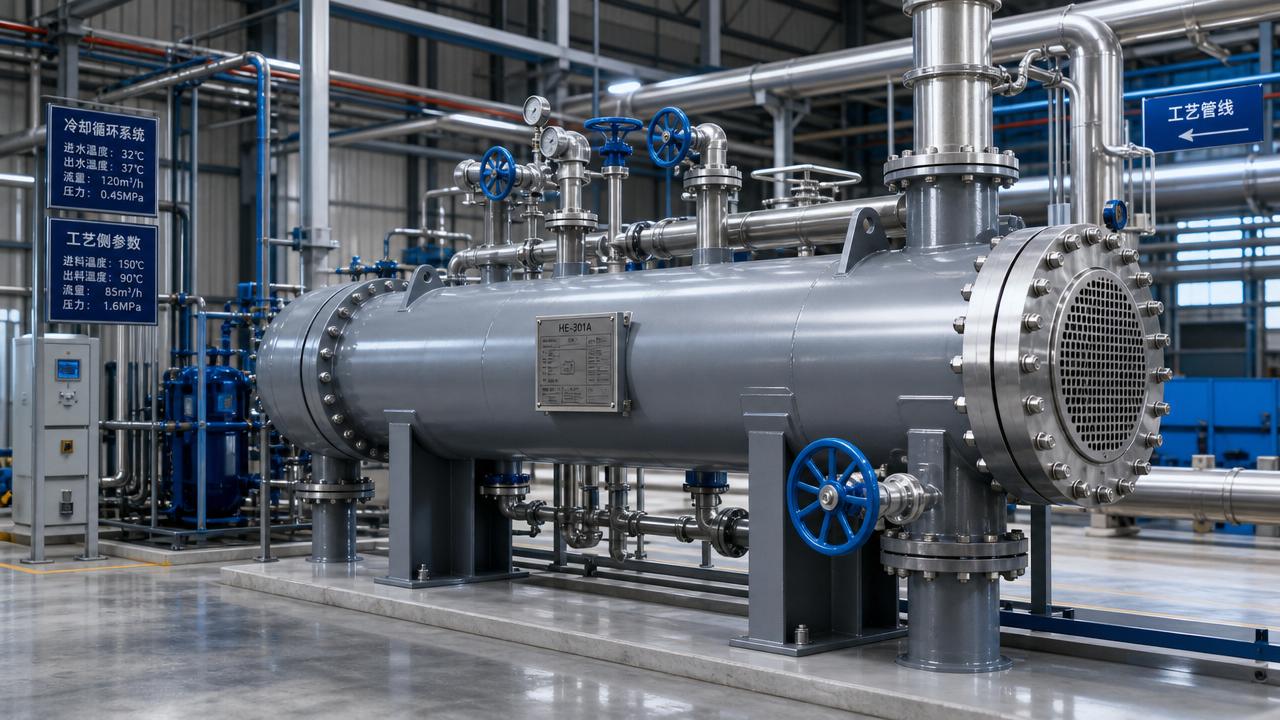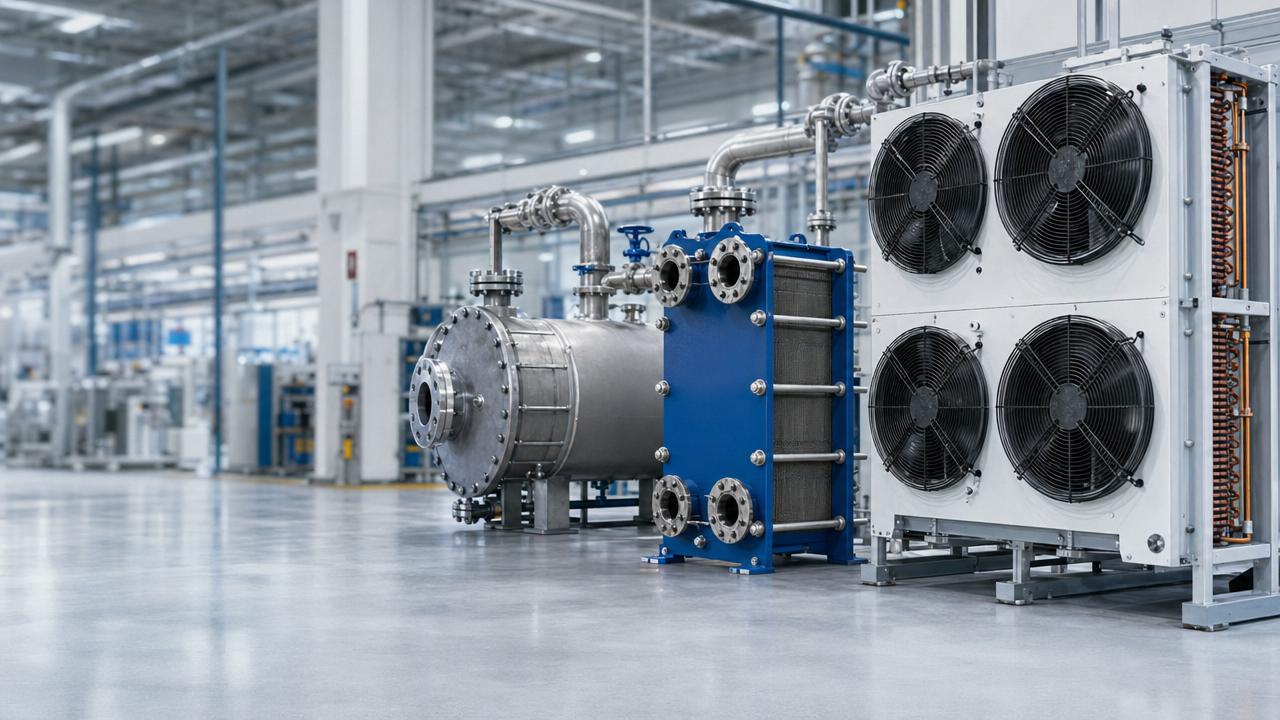








Vietnam’s new requirement for cement clinker production lines with daily capacity above 2,500 tons to commission waste heat recovery systems by December 31, 2025 is drawing attention from the cement equipment, shell-and-tube heat exchanger, import trade, and supply chain service sectors. The rule matters because shell-and-tube heat exchangers are core components of waste heat boilers, while Vietnam’s local supply is currently insufficient and the market relies mainly on imports from China, South Korea, and Germany.
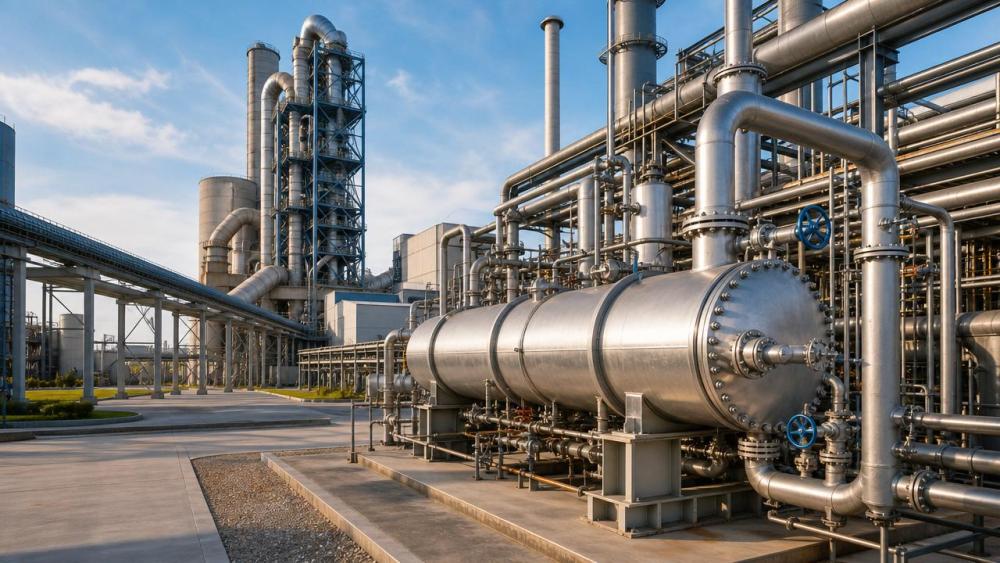
Event Overview
According to the provided information, the Vietnamese government has introduced a rule requiring all clinker production lines with daily capacity exceeding 2,500 tons to put waste heat recovery systems into operation before December 31, 2025.
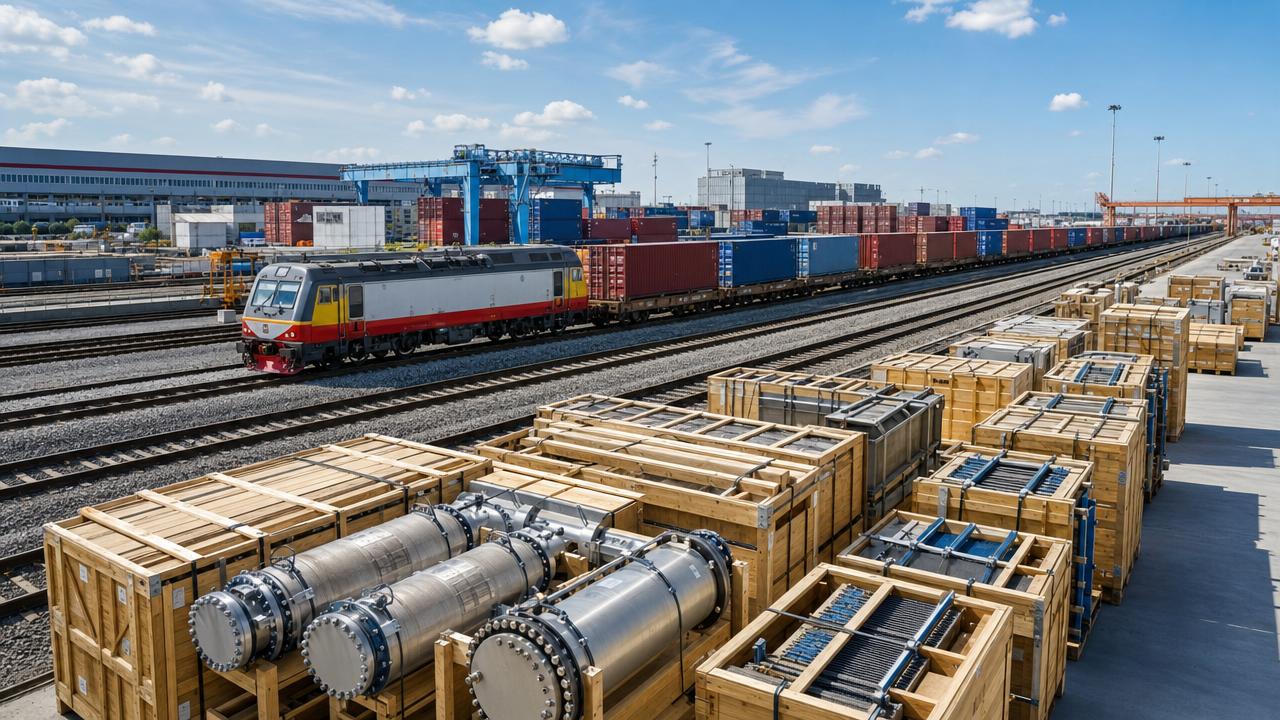
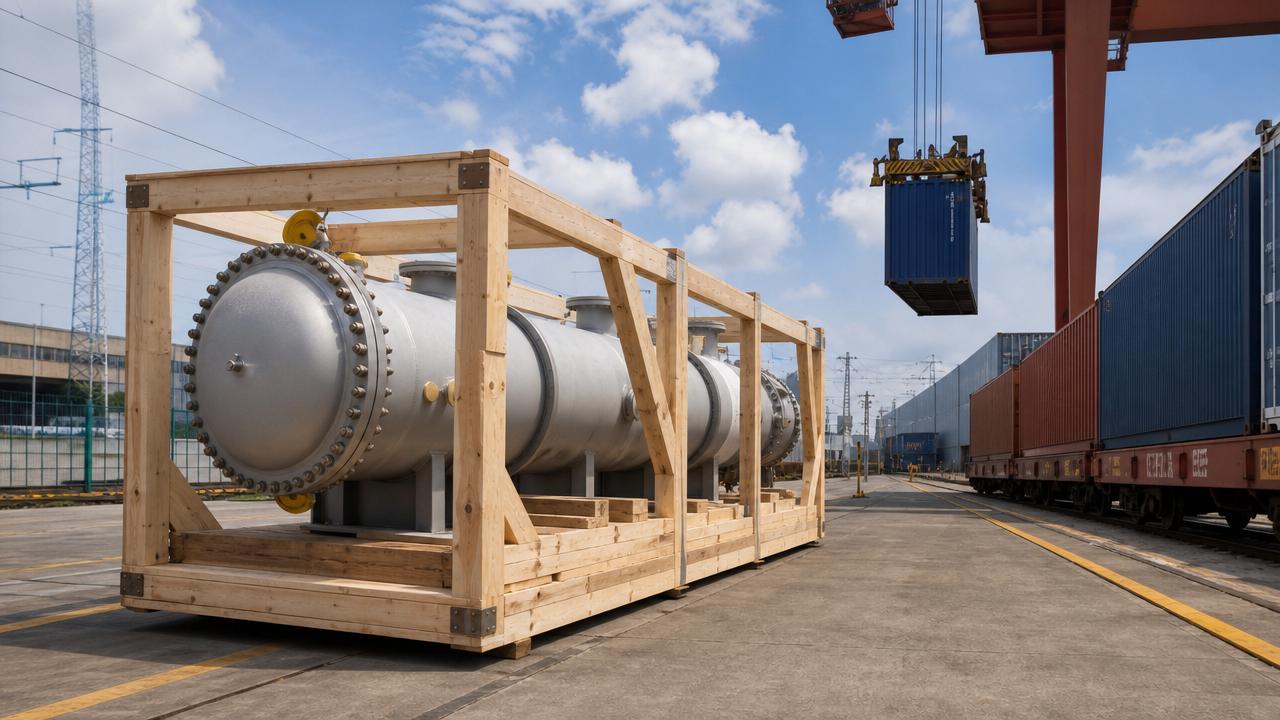
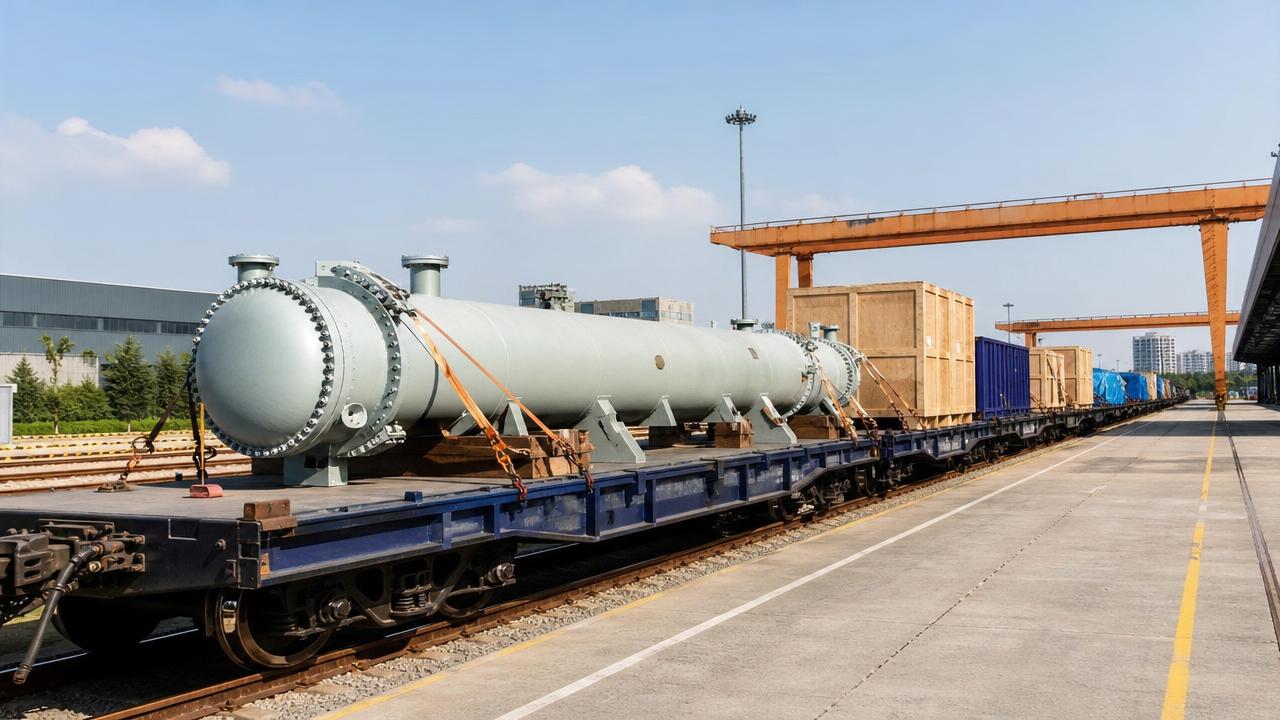
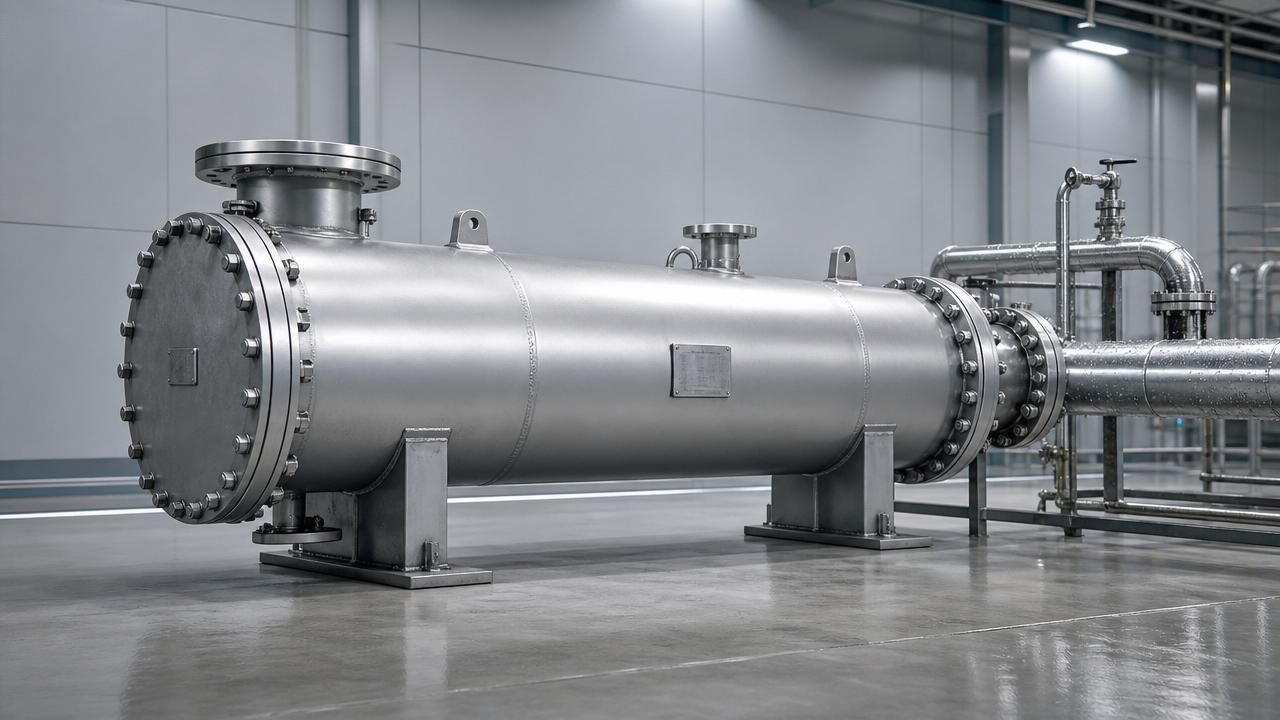
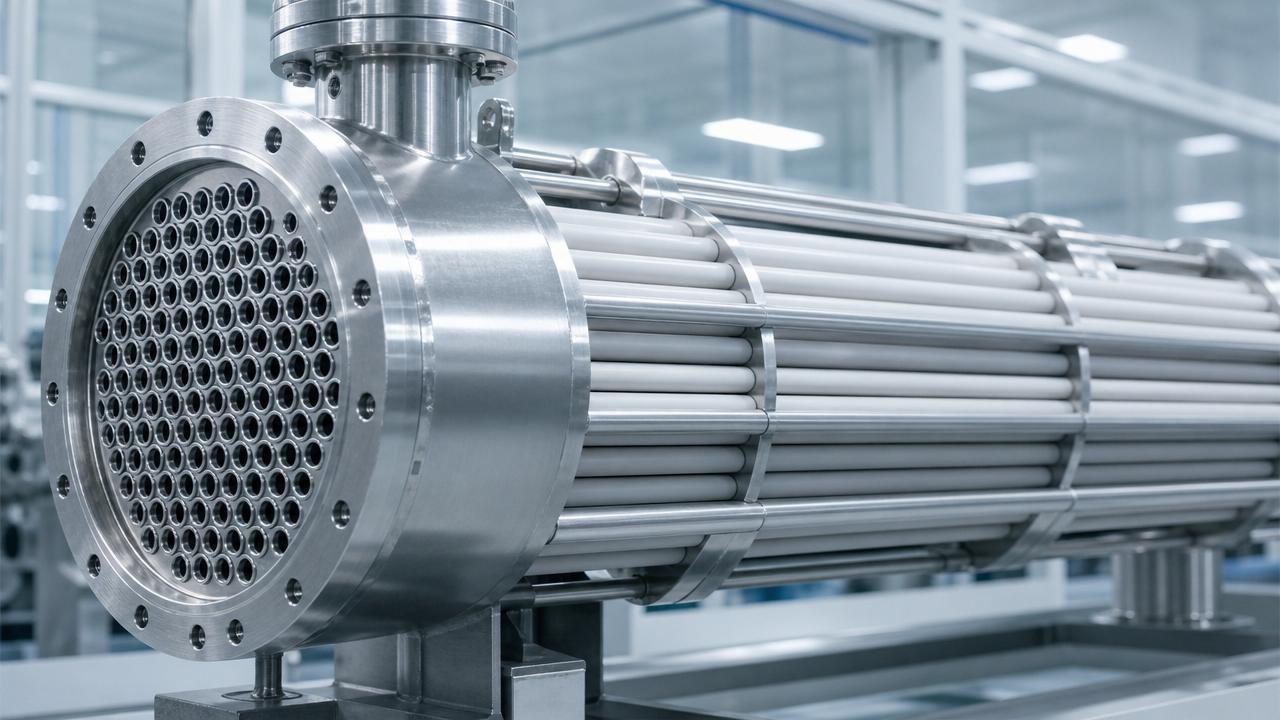
The requirement is directly increasing import demand for shell-and-tube heat exchangers, which are key components used in waste heat boilers. Publicly available information in the provided material indicates that Vietnam’s local supply of this equipment is seriously insufficient, and imports mainly come from China, South Korea, and Germany.
The Vietnam Cement Association has confirmed that a special fast-track channel for import permits has been launched. The channel provides customs clearance support and technical compliance pre-review assistance for Chinese suppliers.
Which Sub-Sectors Are Affected
Direct Trade Enterprises
Direct trade enterprises involved in exporting shell-and-tube heat exchangers to Vietnam are among the most directly affected parties. The policy deadline creates a clearer time window for cement producers that need to complete waste heat recovery system deployment before the end of 2025.
The impact is mainly reflected in import permit processing, customs coordination, and technical documentation preparation. Because the Vietnam Cement Association has confirmed a special import permit fast-track channel, exporters serving this market may need to pay closer attention to compliance pre-review procedures rather than focusing only on commercial negotiation.
Equipment Manufacturing Enterprises
Manufacturers of shell-and-tube heat exchangers may see changes in order inquiries related to waste heat boiler applications. The equipment is identified in the provided information as a core component of waste heat boilers, which makes it closely linked to the required installation of waste heat recovery systems.
From an industry perspective, the impact on manufacturers is not only about export volume. It also involves whether products can match the technical compliance requirements of Vietnam’s cement waste heat recovery projects and whether manufacturers can provide sufficient documentation for pre-review and customs clearance.
Cement Equipment and Waste Heat Recovery System Integrators
System integrators serving cement plants are affected because the rule targets clinker production lines above a defined capacity threshold. Their project planning may need to align equipment selection, waste heat boiler configuration, and imported component delivery with the December 31, 2025 deadline.
Analysis shows that shell-and-tube heat exchanger availability could become an important execution factor for projects that depend on imported equipment. Integrators may need to coordinate earlier with equipment suppliers and import service providers to reduce delays in technical review and delivery scheduling.
Channel and Distribution Enterprises
Channel and distribution companies handling imported heat exchanger products may face higher attention from cement-related buyers. Since local supply is described as seriously insufficient, distribution networks connected to China, South Korea, and Germany may become more relevant to project procurement.
The impact may appear in product matching, delivery coordination, and after-import documentation support. Observably, distributors that understand both product specifications and the newly opened import permit process may be better positioned to serve project-side demand.
Supply Chain Service Providers
Customs brokers, logistics providers, and technical compliance service firms may also be affected. The confirmed fast-track import permit channel includes customs clearance support and technical compliance pre-review, which directly connects policy implementation with supply chain execution.
Currently, more attention should be paid to whether import documentation, technical files, and customs procedures can move in parallel with project schedules. For service providers, the policy creates a practical need for closer coordination between exporters, Vietnamese importers, and project owners.
What Companies and Practitioners Should Watch and How to Respond
Track Official Follow-Up and Permit Procedures
Companies should continue to monitor official statements related to the December 31, 2025 deadline and the operation of the special import permit fast-track channel. The confirmed information shows that support is available for customs clearance and technical compliance pre-review, but companies still need to verify detailed procedural requirements through appropriate official or association channels.
From an industry perspective, the practical value of the fast-track channel depends on how smoothly applications, documentation checks, and customs procedures are implemented in actual transactions.
Focus on Shell-and-Tube Heat Exchangers for Waste Heat Boilers
The key product category identified in this event is the shell-and-tube heat exchanger used as a core component of waste heat boilers. Exporters and procurement teams should avoid treating this as a general equipment opportunity and should instead focus on application-specific requirements linked to cement waste heat recovery systems.
Analysis shows that product suitability, technical files, and compliance readiness may become more important than broad product availability, especially where project schedules are tied to the 2025 policy deadline.
Separate Policy Signal from Confirmed Business Execution
The rule and the fast-track import permit channel are confirmed in the provided information. However, individual orders, procurement timelines, and project execution arrangements should not be assumed unless confirmed by specific buyers or project parties.
Observably, the policy is a strong demand signal for imported shell-and-tube heat exchangers, but companies should still distinguish between market attention, confirmed purchase demand, and completed import transactions.
Prepare Documentation, Supply Plans, and Communication Early
Enterprises involved in export, integration, distribution, or customs services should prepare technical documents, product compliance materials, and delivery plans in advance. Because the requirement has a fixed deadline, late-stage coordination may create pressure on both equipment supply and customs procedures.
Currently, more attention should be paid to communication among Chinese suppliers, Vietnamese importers, cement project owners, and service providers involved in customs clearance and technical pre-review.
Editor’s View / Industry Observation
From an industry perspective, this development is more than a single procurement update. It connects a regulatory deadline in Vietnam’s cement sector with demand for imported waste heat recovery equipment, especially shell-and-tube heat exchangers used in waste heat boilers.
Analysis shows that the event currently functions as both a policy signal and an operational trigger. The deadline has been defined, the affected cement production lines have been identified by capacity threshold, and the import permit fast-track channel has been confirmed. At the same time, actual market results will depend on how quickly cement producers, equipment suppliers, and supply chain service providers convert policy requirements into project execution.
Observably, the reason this issue requires continued attention is that local supply is described as insufficient and import dependence is clear in the provided information. This makes customs clearance, technical compliance pre-review, and supplier readiness central to the next stage of market response.
Conclusion
Vietnam’s requirement for large clinker production lines to commission waste heat recovery systems by December 31, 2025 is creating a focused impact on shell-and-tube heat exchanger imports, cement waste heat boiler projects, and related supply chain services.
The development should be understood in a neutral and practical way: it is a confirmed policy deadline with clear implications for equipment demand, but individual business outcomes still depend on compliance procedures, project execution, and verified procurement arrangements. Currently, more attention should be paid to the implementation of the fast-track import permit channel and the readiness of suppliers serving Vietnam’s cement waste heat recovery market.
Information Source Statement
Main sources: Vietnamese government regulatory requirement as described in the provided event information; Vietnam Cement Association confirmation regarding the special import permit fast-track channel.
Items for continued observation: Further official explanations of permit procedures, technical compliance pre-review requirements, customs clearance implementation, and confirmed procurement progress by cement project owners.