Heat Exchanger Technology: Plate vs Shell & Tube Selection Guide




Choosing the right heat exchanger can directly affect energy efficiency, maintenance costs, and long-term procurement value. This heat exchanger technology guide helps buyers compare plate and shell & tube designs from a practical sourcing perspective, covering performance, application fit, operating conditions, and lifecycle considerations to support smarter, lower-risk purchasing decisions.
For procurement teams in industrial cooling, compressed air, vacuum processes, food production, pharmaceuticals, chemicals, and general manufacturing, the decision is rarely about purchase price alone. A 10% to 20% difference in thermal efficiency, a 2-week delay in cleaning access, or an overlooked pressure limit can materially change total ownership cost over 5 to 15 years.
In practice, plate and shell & tube units serve different operating realities. One usually wins on compactness and close temperature approach. The other often wins on pressure tolerance, mechanical robustness, and process flexibility. Understanding where each design performs best is essential to effective heat exchanger technology selection.
Why plate and shell & tube remain the two core choices in heat exchanger technology
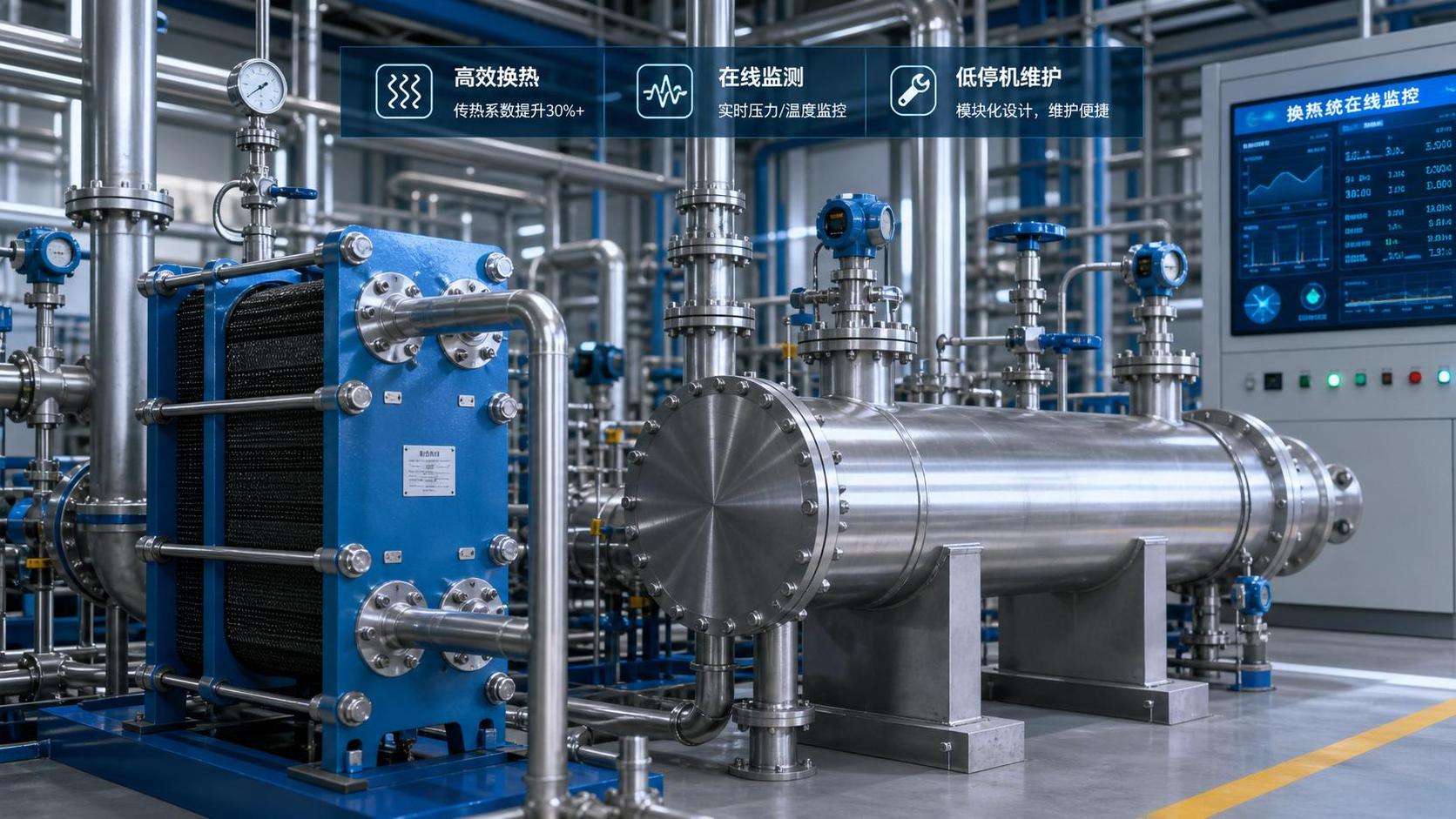
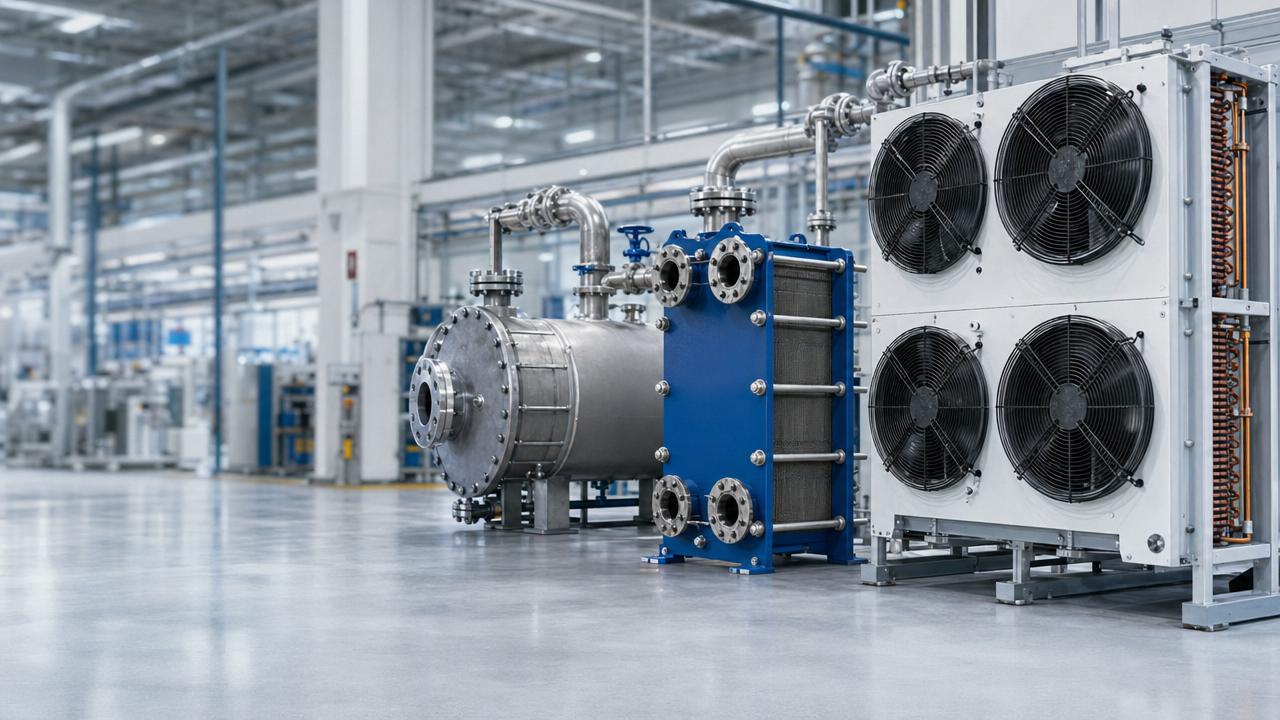
In industrial procurement, these two exchanger families dominate because they cover a wide operating envelope. Plate heat exchangers are common where footprint, efficiency, and service access matter. Shell & tube heat exchangers are preferred when processes involve higher pressure, wider temperature swings, viscous fluids, or stricter mechanical reliability requirements.
A buyer should first map the duty point: thermal load in kW or MW, inlet and outlet temperatures, allowable pressure drop, design pressure, fluid cleanliness, and maintenance interval. Even before supplier comparison, these 6 inputs usually eliminate at least one unsuitable design path.
How a plate heat exchanger works
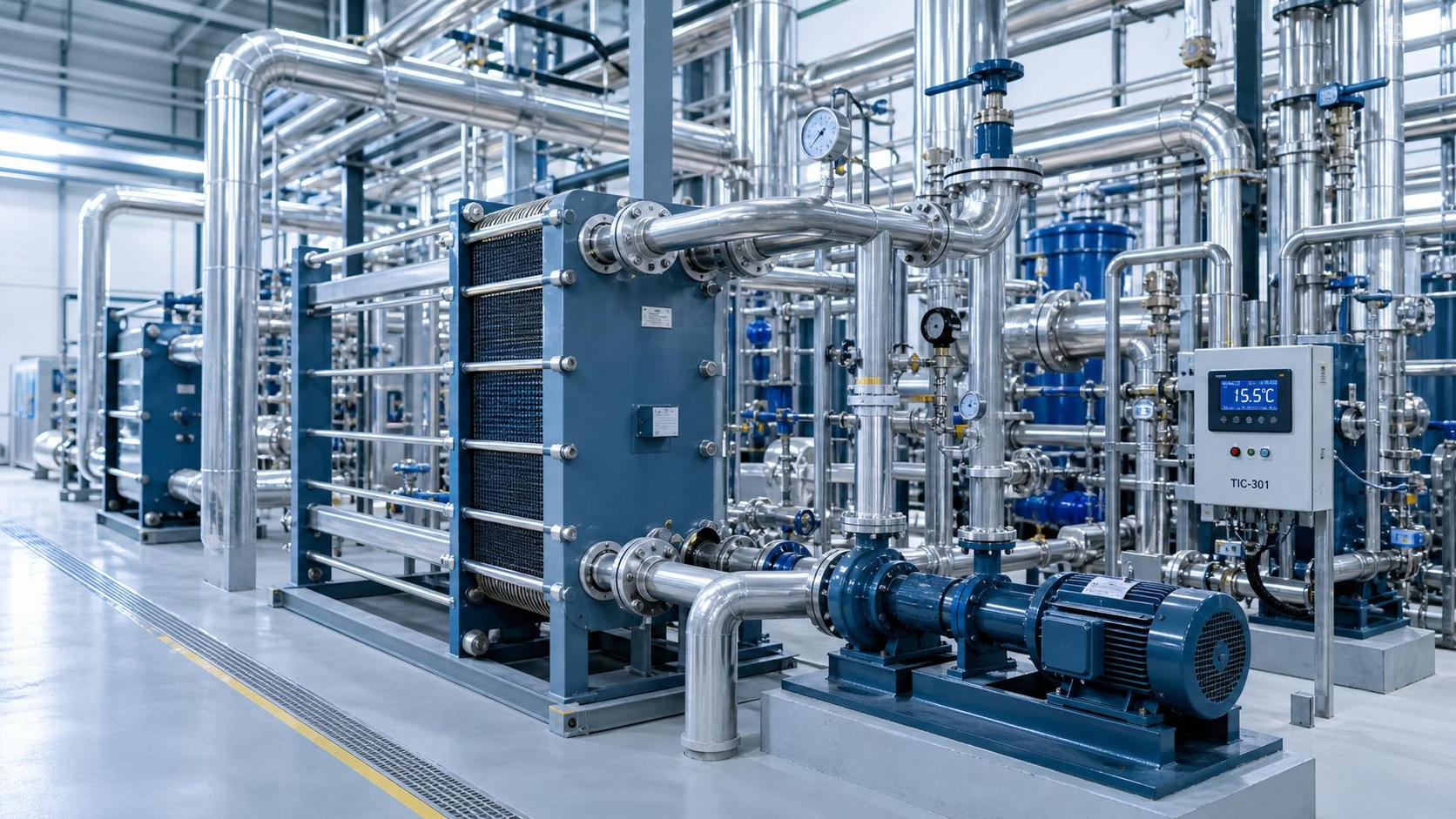
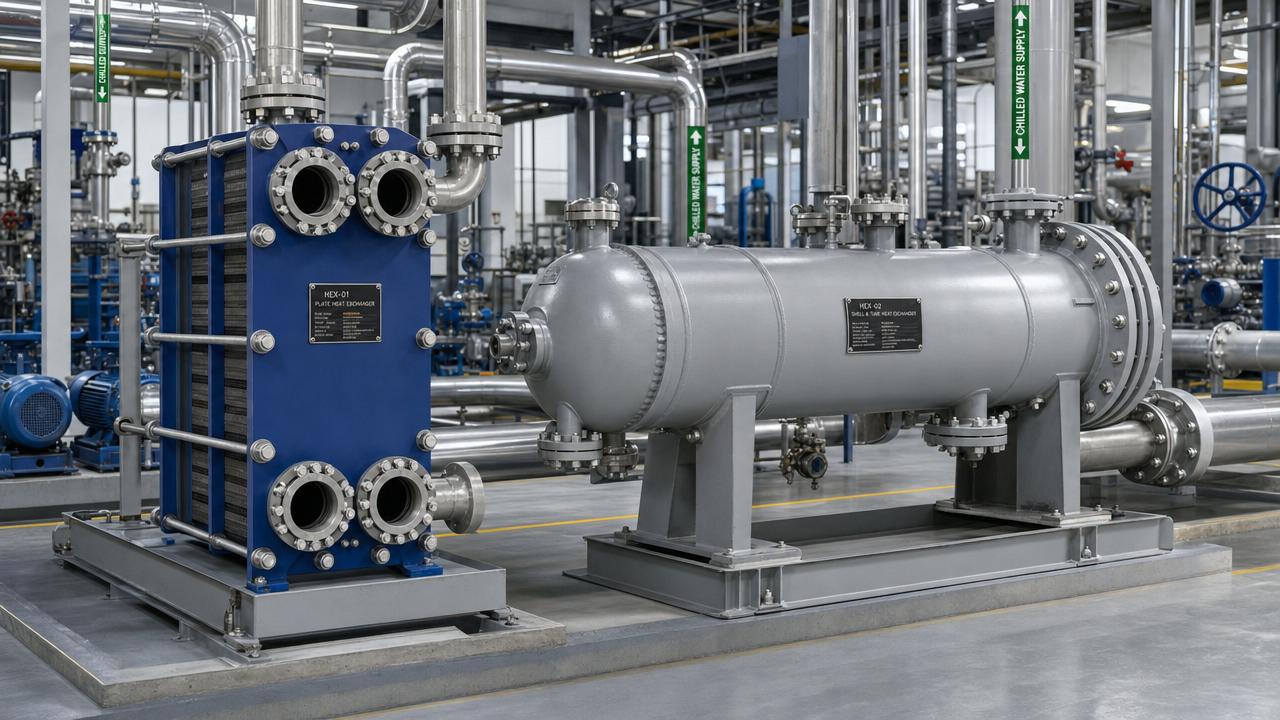
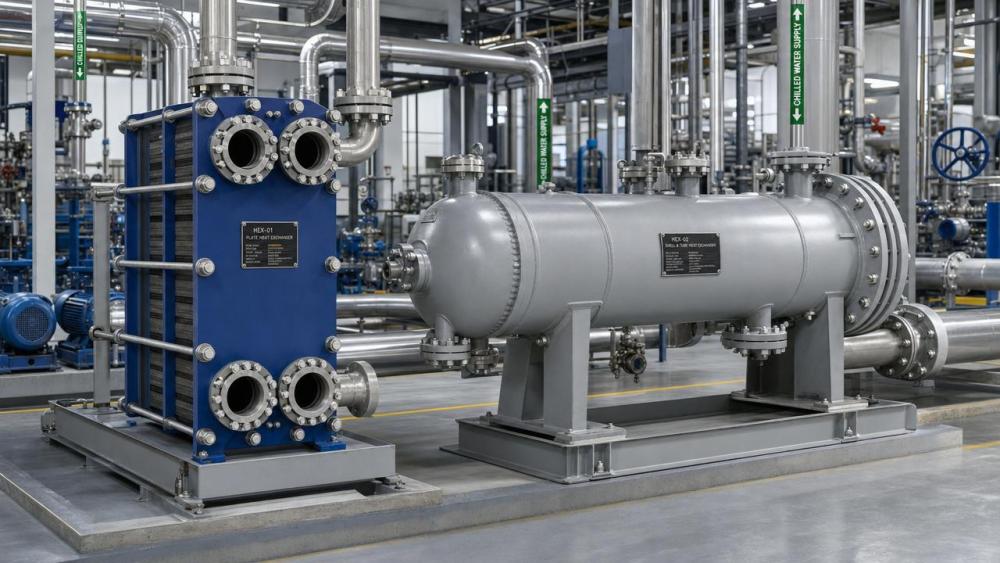
A plate heat exchanger transfers heat through a stack of corrugated metal plates. The corrugation creates turbulence, which improves heat transfer. In many water-to-water or water-to-glycol duties, this design achieves a close temperature approach of 1°C to 3°C, helping plants recover more energy from limited temperature differences.
Its compact design is attractive when machine rooms are crowded or skid integration is required. Gasketed plate units can often be opened, cleaned, and reassembled in a relatively short shutdown window, sometimes within 4 to 8 hours depending on plate count and fouling severity.
How a shell & tube heat exchanger works
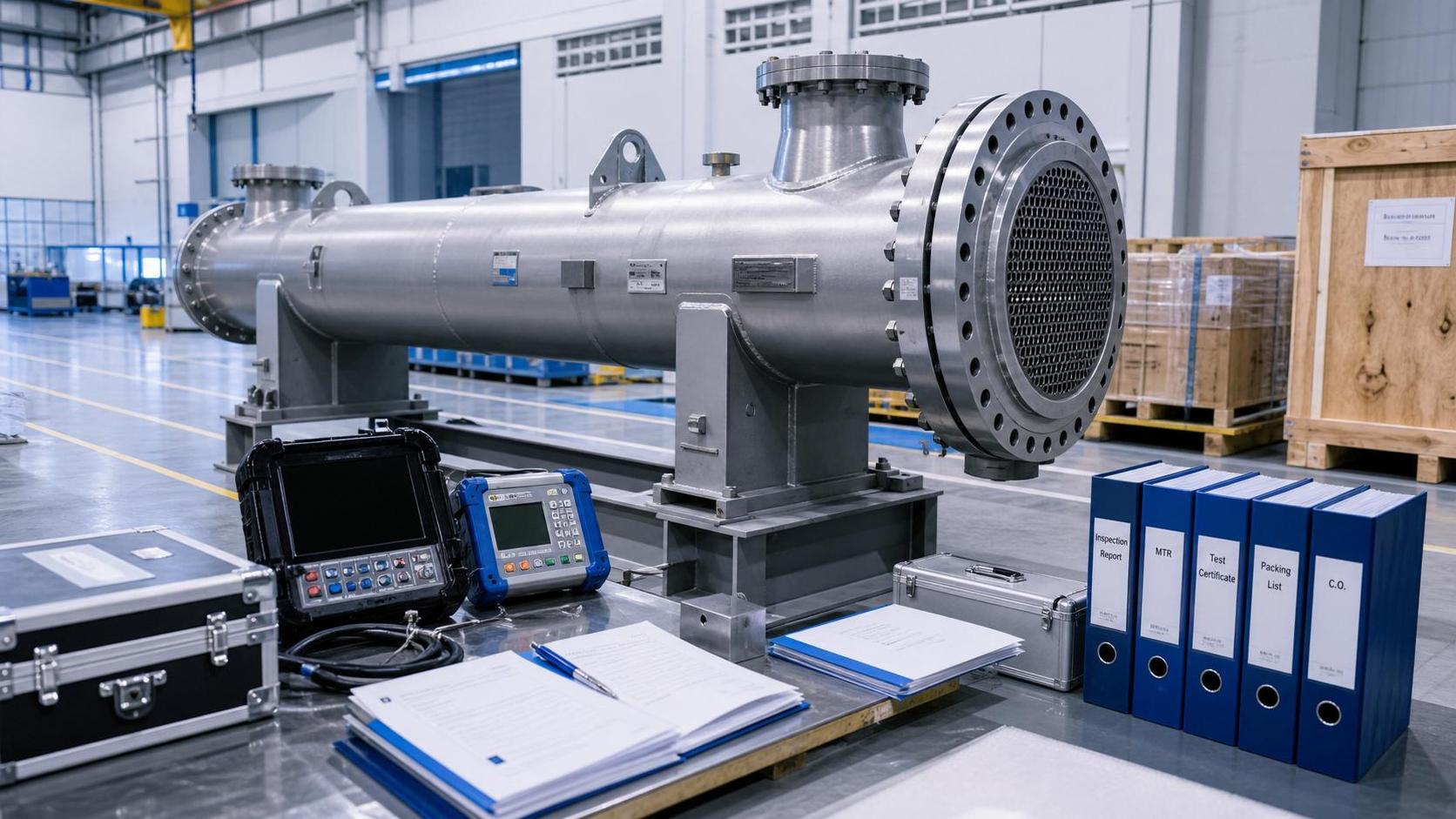
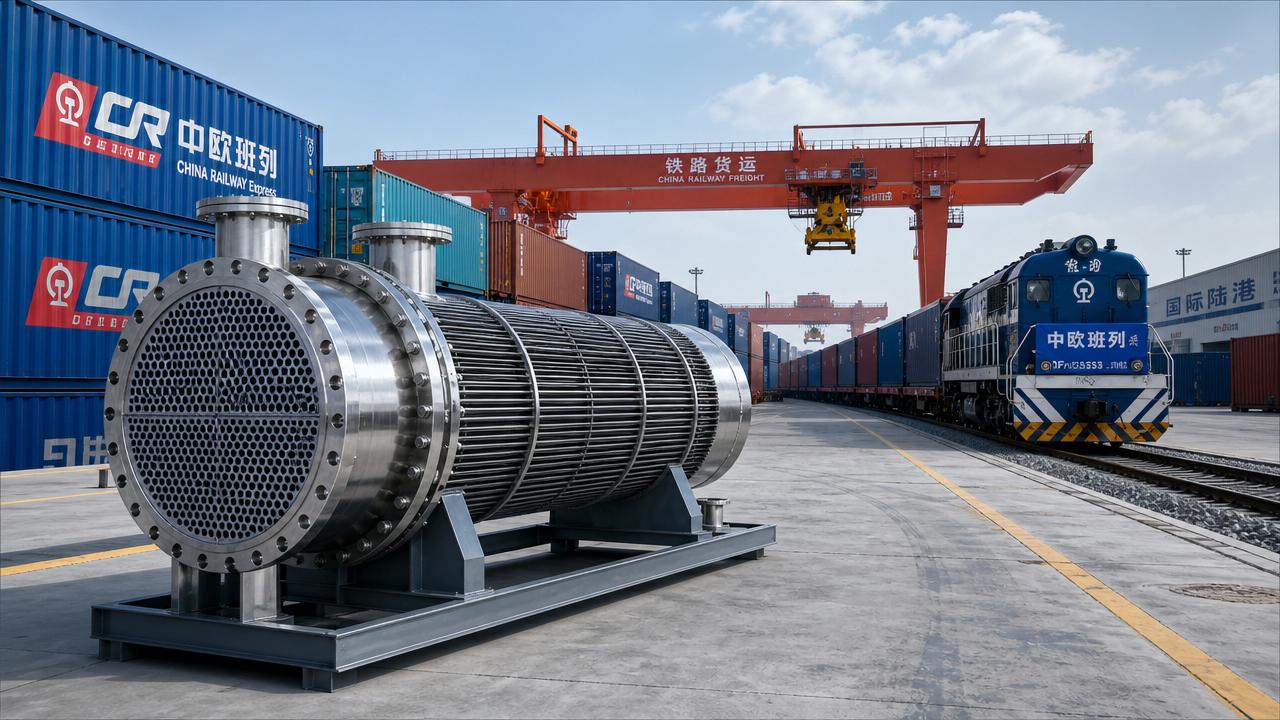
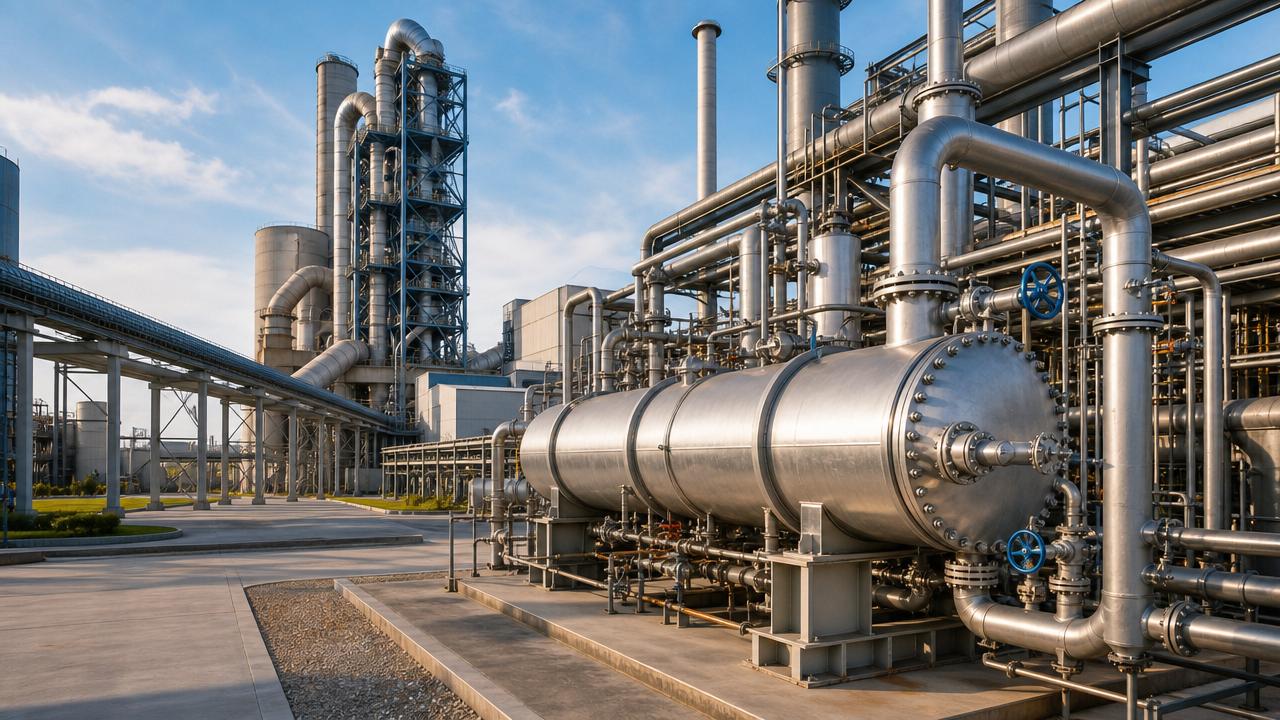
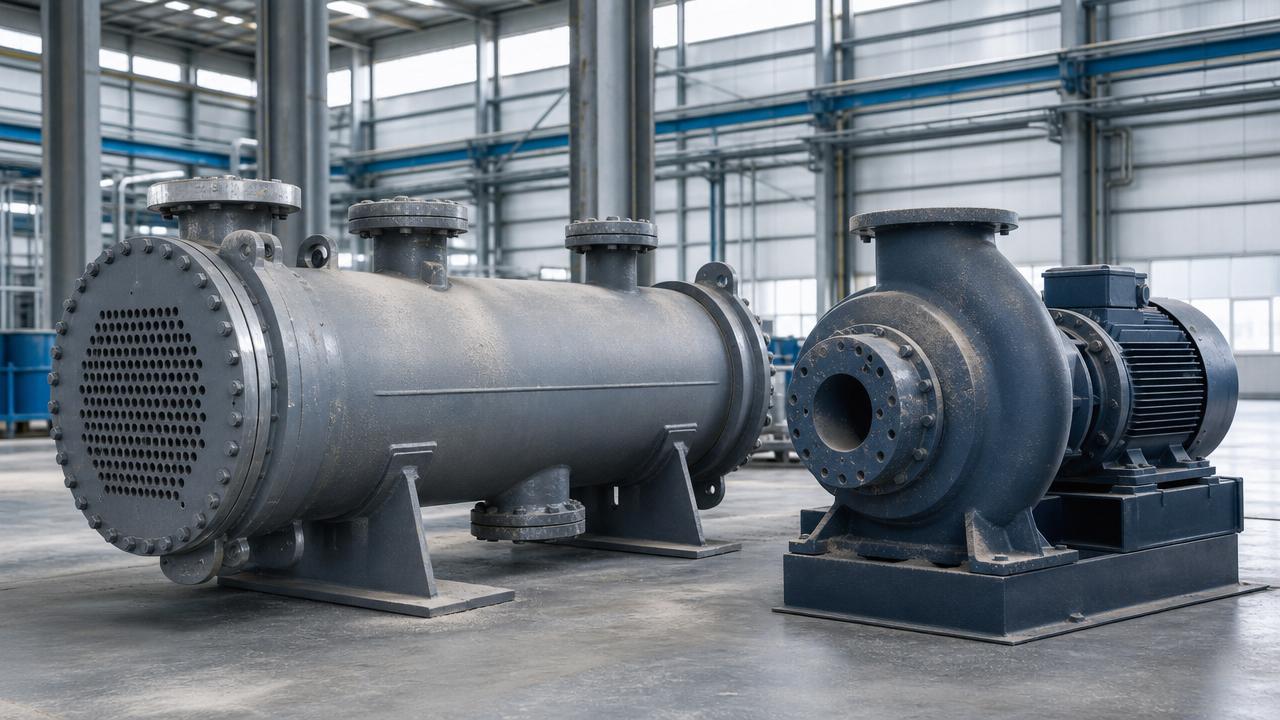
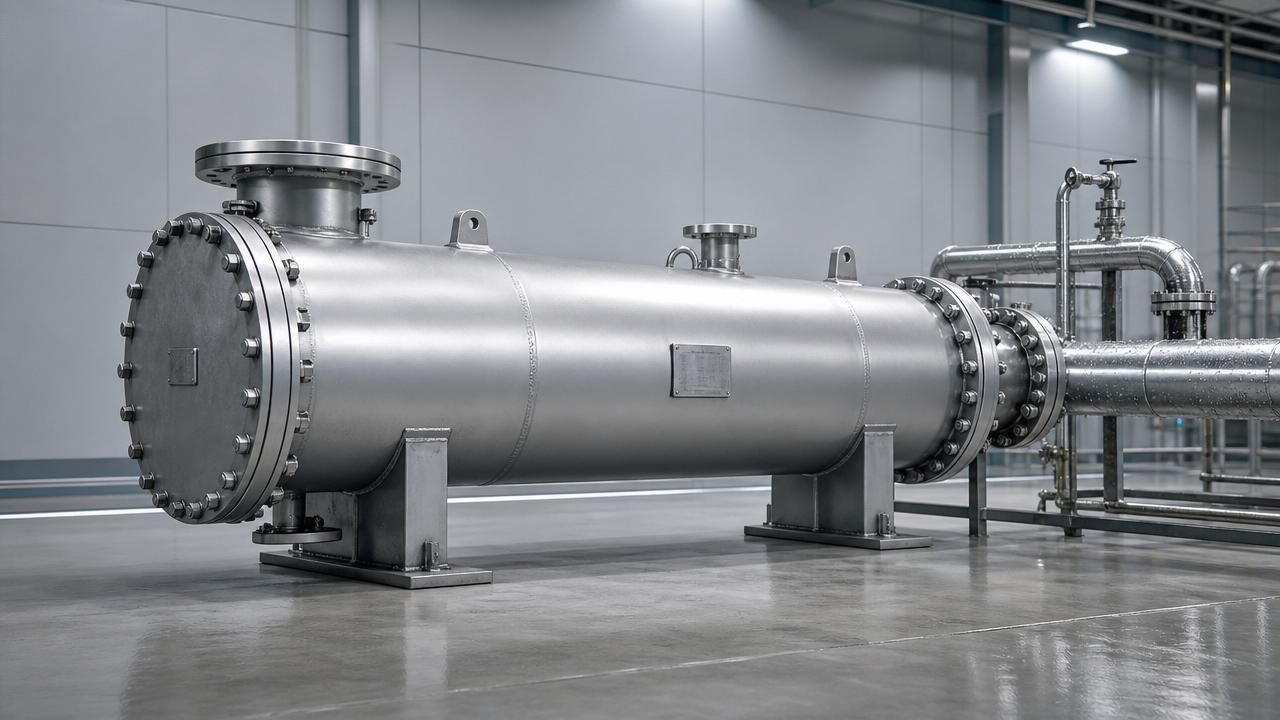
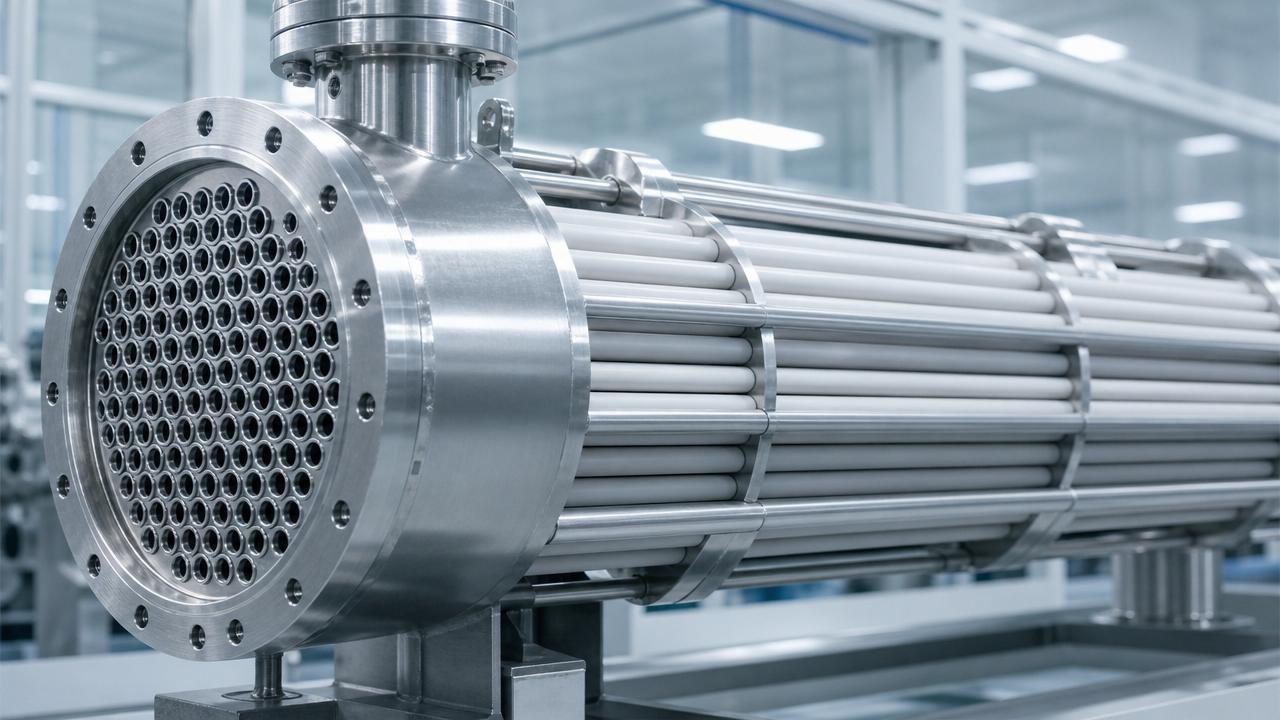
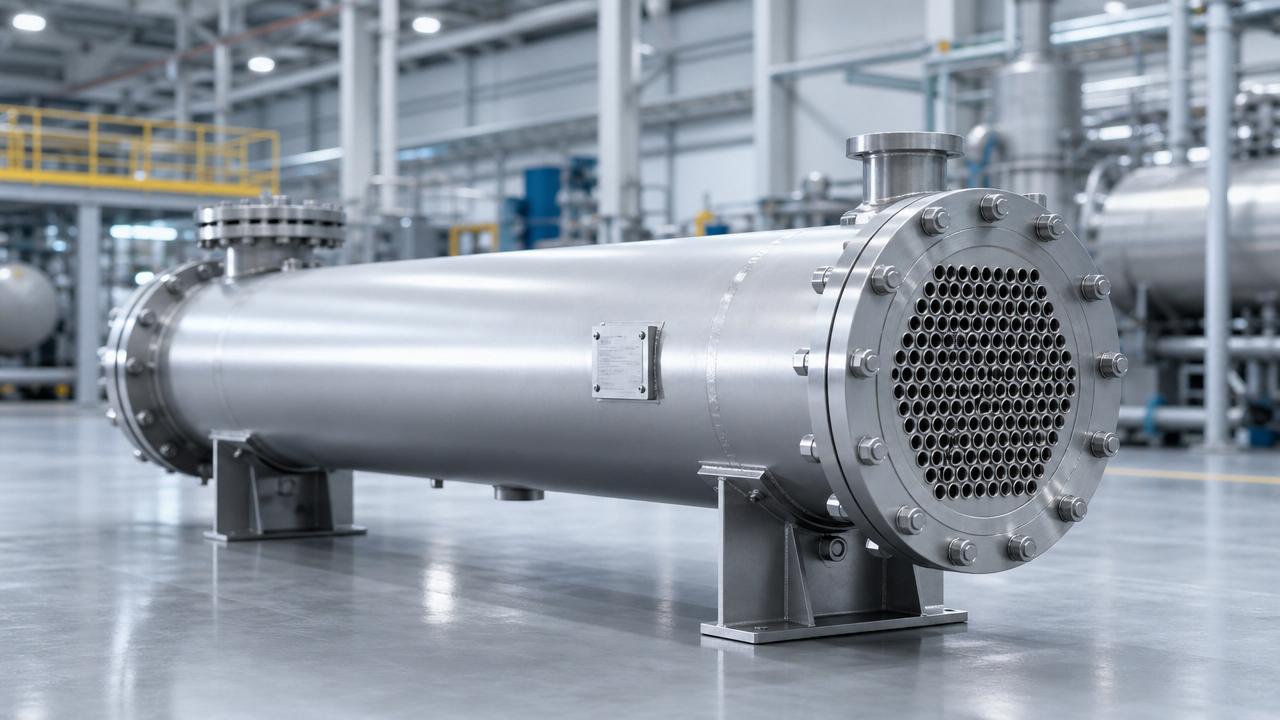
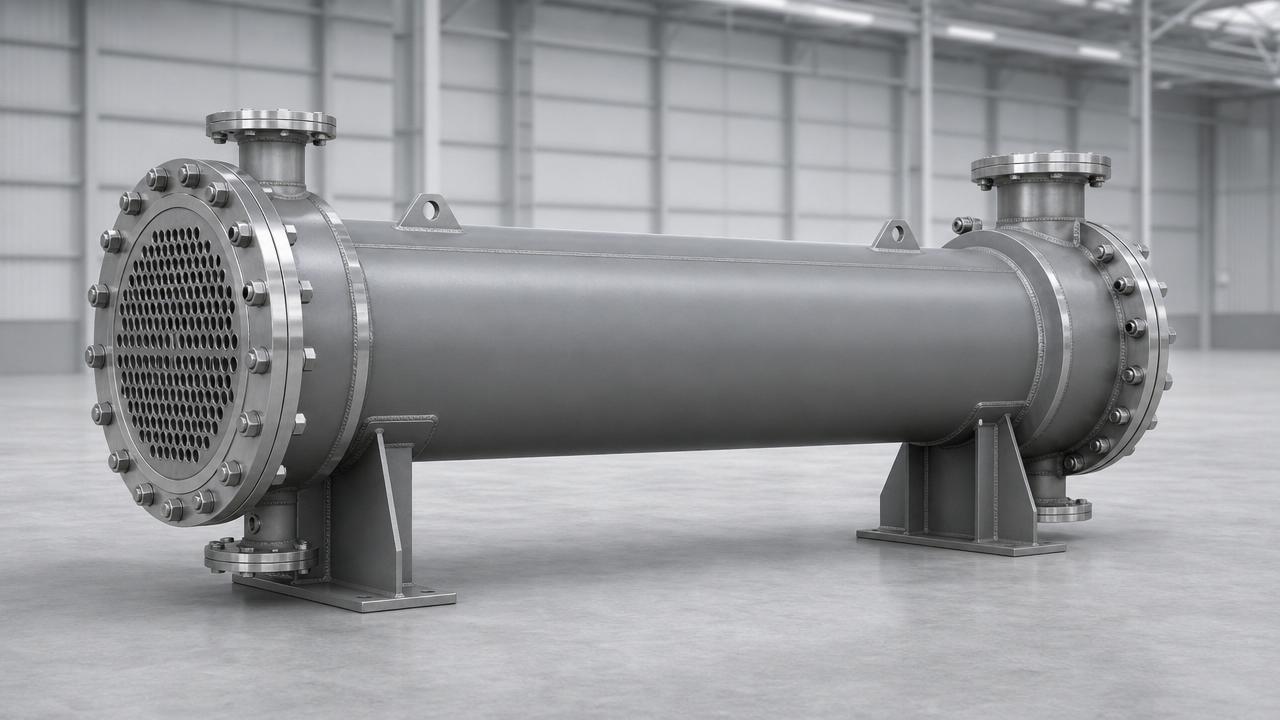
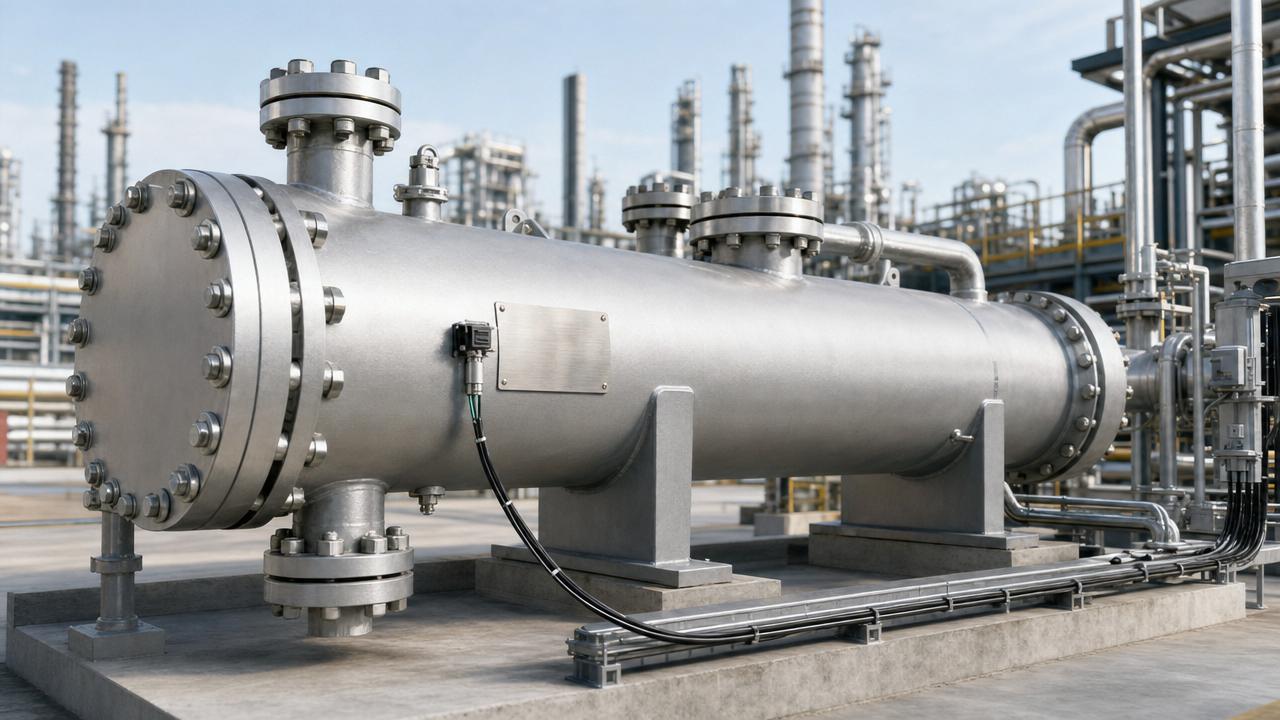
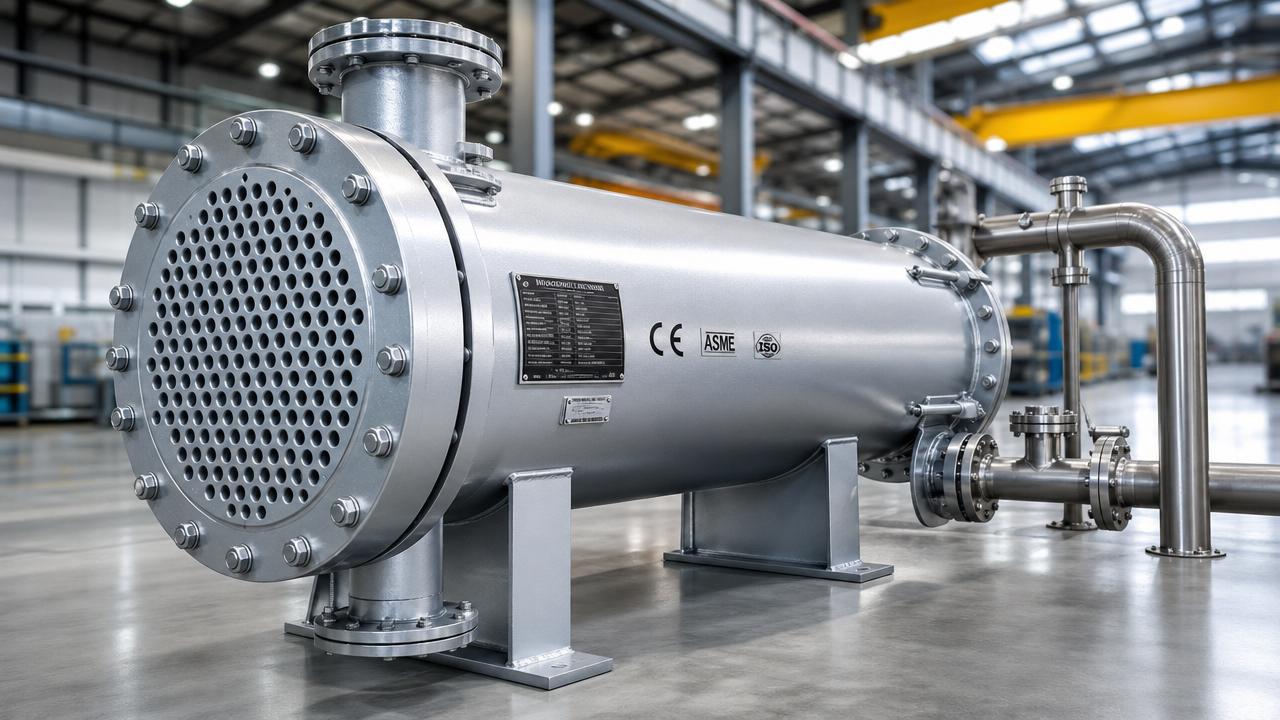
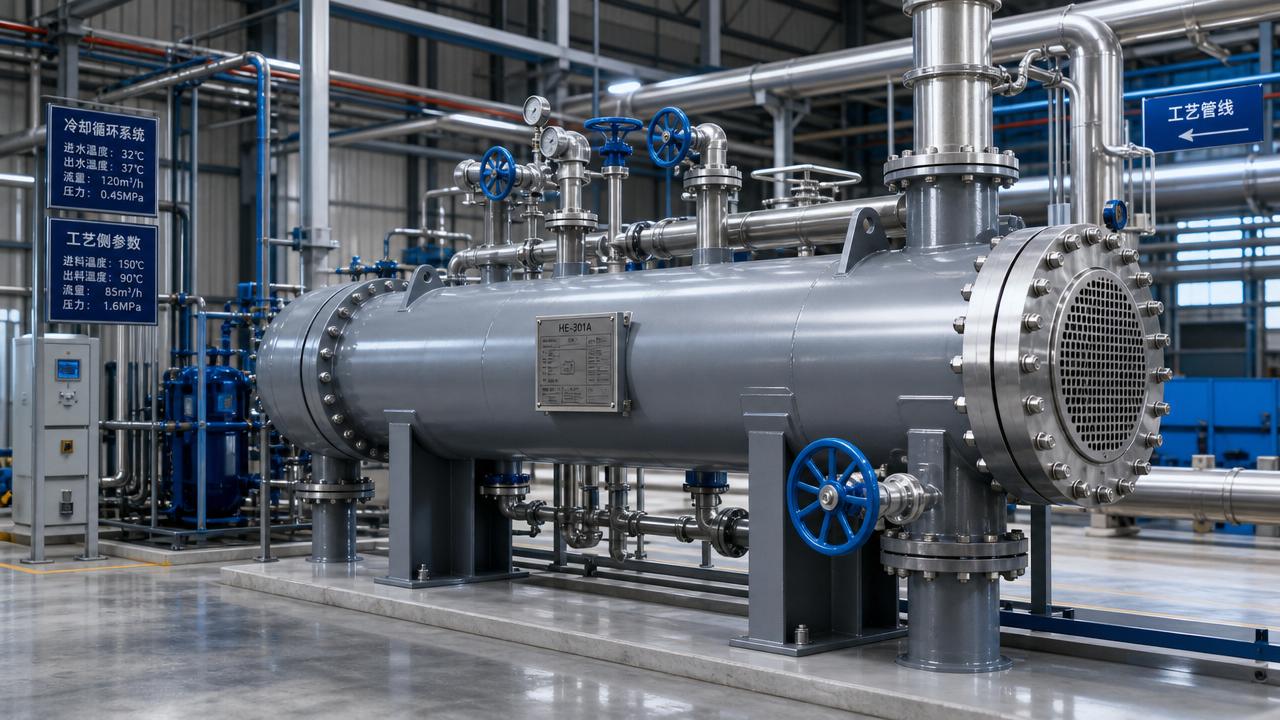
A shell & tube exchanger passes one fluid through tubes and another around them inside a shell. This geometry is mechanically mature and widely accepted across refineries, power systems, compressor packages, chemical plants, and steam services. It is often selected for duties above 16 bar, for dirty media, or for applications with stronger thermal shock risk.
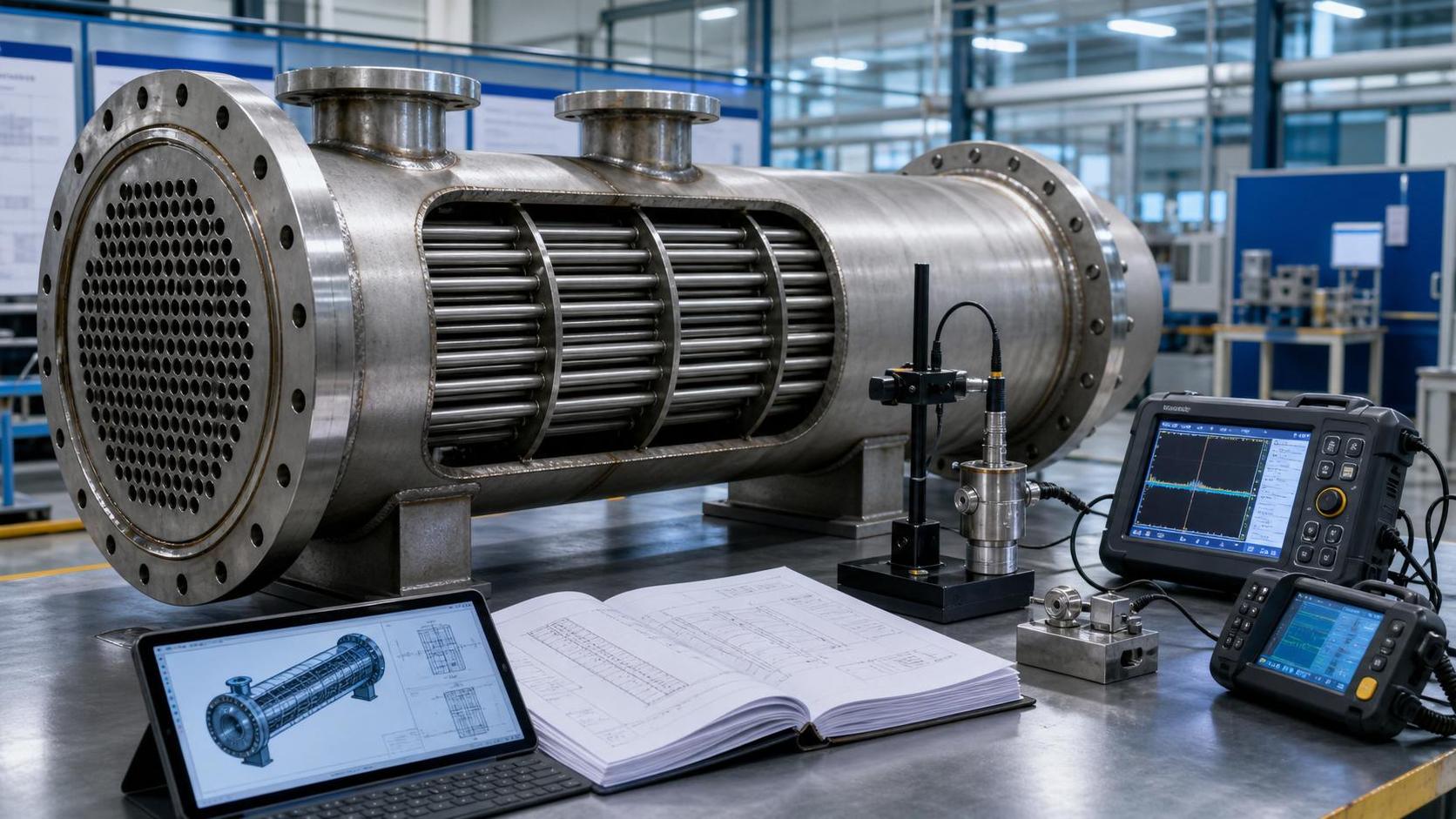
While the unit can be larger than a comparable plate exchanger, it is generally more tolerant of pressure fluctuations, suspended solids, and heavy-duty metallurgy requirements. Tube bundles can also be configured for removable maintenance access, which matters when scaling, erosion, or contamination are known process risks.
Quick technical comparison for sourcing teams
The table below gives a practical first-pass comparison. It is not a substitute for detailed thermal design, but it helps buyers screen options faster before requesting quotations or conducting technical clarification with suppliers.
For many clean-process applications, plate technology offers a stronger thermal-to-footprint ratio. For more demanding process conditions, shell & tube often provides a wider operating safety margin. Buyers should treat this comparison as a filter, then confirm material compatibility, design code, and maintenance access before approval.
Selection criteria buyers should prioritize before issuing an RFQ
A well-structured RFQ reduces technical ambiguity and shortens evaluation cycles. In heat exchanger technology procurement, the most expensive mistakes usually come from incomplete process data, not from the final negotiation stage. A missing viscosity figure or underreported pressure spike can lead to undersized equipment, fast fouling, or avoidable gasket failure.
1. Thermal duty and approach temperature
Start with heat load, expressed in kW or MW, then define hot-side and cold-side inlet and outlet temperatures. If the process requires a tight approach below 3°C, a plate design often becomes attractive. If a 5°C to 10°C approach is acceptable, shell & tube may still be commercially efficient depending on utilities and footprint constraints.
2. Design pressure, operating pressure, and pressure drop
Procurement should ask for both normal operating pressure and maximum design pressure. A system running at 8 bar today may experience surges at 12 bar during upset conditions. Also define allowable pressure drop, often in ranges such as 20 kPa to 70 kPa for liquid duties, because pumping power directly affects lifecycle cost.
3. Fluid quality and fouling behavior
Fluid cleanliness often determines maintenance frequency more than nameplate capacity does. Suspended particles, fibers, biological growth, oil contamination, and scaling potential should all be declared. In services with high fouling tendency, a shell & tube exchanger with mechanical cleaning access may lower annual downtime even if its initial thermal efficiency is lower.
4. Materials of construction
Typical materials include stainless steel 304, stainless steel 316, titanium, copper alloys, or special steels depending on chloride level, pH, and cleaning chemistry. In many industrial water circuits, upgrading from 304 to 316 may increase initial cost, but it can prevent premature corrosion in plants operating 8,000 hours per year or more.
5. Maintenance strategy and spare parts planning
Maintenance planning should include cleaning method, expected service interval, access clearance, gasket lead time, and critical spare kit availability. Buyers often focus on exchanger cost but ignore spare delivery. A 7-day spare gasket delay or a 3-week tube bundle repair window can disrupt production far beyond the equipment price difference.
Core RFQ checklist
- Heat duty, fluid names, flow rates, and inlet/outlet temperatures
- Normal and design pressure, plus allowable pressure drop on both sides
- Fluid properties at operating temperature, including viscosity and solids content
- Material requirements for plates, tubes, shell, gaskets, and connections
- Expected operating hours per year, cleaning frequency, and shutdown window
- Installation constraints, nozzle orientation, and available maintenance clearance
These 6 checklist items improve quotation comparability and reduce back-and-forth clarification. In competitive tenders, they also help procurement teams compare vendors on equivalent technical scope instead of inconsistent assumptions.
Where each heat exchanger type fits best across industrial applications
Application fit is one of the most practical ways to decide between exchanger types. Buyers should not ask which design is better in general. They should ask which design performs better under their process temperature profile, contamination level, utility cost, service access, and uptime target.
Typical use cases for plate heat exchangers
Plate units are common in HVAC loops, district cooling, chilled water systems, food processing, clean utility systems, lube oil cooling, and compressor aftercoolers where fluids are reasonably clean. Their compact footprint supports skid-mounted systems and retrofit projects where available floor area is limited to a few square meters.
Typical use cases for shell & tube exchangers
Shell & tube units are widely used in steam condensers, chemical process lines, refinery services, thermal oil systems, refrigeration packages, engine cooling, and heavy-duty compressed air systems. They are often preferred where one side experiences vibration, pressure cycling, or dirty water from cooling towers and open-loop utilities.
The following table links process conditions with likely design preference. It is especially useful for sourcing teams serving multiple business units, where one standard specification may not fit all plants.
The key takeaway is that application context matters more than generic preference. A plant with 24/7 operation, hard water, and periodic contamination will often justify shell & tube. A clean closed-loop system focused on energy recovery may gain more value from plate heat exchanger technology.
Lifecycle cost, maintenance burden, and procurement risk
From a buyer’s perspective, total cost of ownership should be evaluated over at least 3 to 5 years, and ideally 10 years for continuous-process plants. Initial capital cost is only one component. Energy consumption, cleaning labor, spare parts, downtime exposure, and utility losses can outweigh the purchase price gap within the first 12 to 24 months.
Energy efficiency and operating cost
A more efficient exchanger can reduce approach temperature and lower chiller, boiler, or pump load. In systems operating 6,000 to 8,760 hours per year, even a modest thermal improvement can create measurable savings. Buyers should ask suppliers for thermal performance at actual operating conditions, not only design-point marketing values.
Maintenance time and shutdown impact
Plate exchangers may allow faster opening and inspection, but gaskets are wear items and should be reviewed as part of the spare strategy. Shell & tube exchangers may require more physical space and labor for bundle pulling, but they can be more forgiving in dirty service. The better choice depends on whether your plant loses more value through cleaning frequency or through maintenance complexity.
Common procurement risks to avoid
- Choosing by unit price without evaluating pumping power and temperature approach
- Ignoring fouling tendency and underestimating cleaning frequency
- Specifying the wrong metallurgy for chloride, pH, or cleaning chemicals
- Failing to confirm gasket compatibility with media and temperature range
- Overlooking maintenance clearance, especially for removable tube bundles
- Comparing quotations that use different thermal assumptions or safety margins
These 6 risk points are common in multi-site procurement and EPC-style buying. They are also where technical intelligence adds value. For organizations following energy transition, decarbonization, and high-efficiency manufacturing targets, the wrong exchanger choice can affect both operating cost and sustainability performance.
Practical evaluation model for buyers
A simple weighted model can improve internal approval decisions. For example, procurement teams may score thermal performance at 30%, reliability at 25%, maintenance at 20%, delivery at 15%, and purchase price at 10%. The exact weights differ by plant, but this approach prevents low bid bias in technically sensitive applications.
How to make the final plate vs shell & tube decision
The final decision should combine process data, plant constraints, and supplier support capability. In many cases, procurement can reach a defensible shortlist in 5 steps, then ask shortlisted vendors to validate thermal sizing, material selection, and service access before commercial negotiation begins.
A 5-step decision path
- Confirm duty, temperatures, flow rates, and utility limitations
- Define pressure, temperature, fouling, and material compatibility limits
- Review plant layout, maintenance clearance, and shutdown window
- Compare lifecycle cost over a 3-year, 5-year, and 10-year scenario
- Approve the design with the lowest operational risk, not just the lowest bid
When plate is often the stronger commercial choice
Choose plate heat exchanger technology when fluids are relatively clean, compact footprint matters, a close temperature approach improves energy recovery, and maintenance teams can manage periodic gasket inspection. This route is especially attractive for clean utilities, packaged systems, and retrofit projects where space and efficiency drive return on investment.
When shell & tube is often the safer procurement choice
Choose shell & tube when operating pressure is high, fluid quality is inconsistent, thermal shock is possible, or mechanical cleaning is likely to be required several times per year. In heavy industrial environments, the broader process tolerance can justify the larger footprint and potentially higher installed cost.
Questions to ask suppliers before purchase order release
- What is the guaranteed heat duty at actual fouled conditions?
- What design codes and test procedures are included?
- Which spare parts are recommended for the first 12 months and 24 months?
- What is the expected lead time for replacement plates, gaskets, or tube repairs?
- Can the unit be expanded, retubed, or serviced on-site within your shutdown window?
The best heat exchanger technology decision is the one that aligns thermal performance with plant reality. If your operation depends on compact efficiency and controlled clean fluids, plate designs often stand out. If your process demands durability under pressure, contamination, or variable service conditions, shell & tube is frequently the lower-risk path.
For buyers navigating industrial cooling, compressed air, vacuum processes, and thermal system upgrades, informed selection improves uptime, energy performance, and procurement confidence. To evaluate your duty point more accurately, get a customized solution, consult product details, or contact us to explore more heat exchanger technology options for your application.
Related News
- EN 13445-4:2026 Raises Pressure Vessel Welding RulesAuthor :Thermodynamics Analyst

- EN 13445-4:2026 Tightens EU NDT Rules for Pressure VesselsAuthor :Thermodynamics Analyst

- EU Rule Requires Digital Energy Monitoring for Shell & Tube Heat ExchangersAuthor :Thermodynamics Analyst

- DOE Raises Shell & Tube Efficiency Floor for 2027Author :Thermodynamics Analyst

- EU EN 13445-4:2026 Tightens Dual Certification for Heat ExchangersAuthor :Thermodynamics Analyst

- EN 13445-4:2026 Tightens EU Heat Exchanger ComplianceAuthor :Thermodynamics Analyst

- EN 13445-4:2026 Adds Digital Twin Fatigue ChecksAuthor :Thermodynamics Analyst

- How to Improve Heat Exchanger Efficiency Without Major System DowntimeAuthor :Thermodynamics Analyst

- EU Rule Takes Effect for Shell-and-Tube Heat ExchangersAuthor :Thermodynamics Analyst

- When Energy-Efficient Heat Exchange Systems Deliver Real PaybackAuthor :Thermodynamics Analyst

- DOE Cuts R449A Chiller Transition to 9 MonthsAuthor :Thermodynamics Analyst

- Rail Corridor Surge Cuts Shell & Tube Lead TimeAuthor :Thermodynamics Analyst

- Rail Corridor Hits 2,000 Trains as Heat Exchanger Lead Time FallsAuthor :Thermodynamics Analyst

- Rail Corridor Surge Cuts Shell & Tube Delivery to 28 DaysAuthor :Thermodynamics Analyst

- China-Europe Rail Corridor Tops 2,000 Trains as Heat Exchanger Export Delivery Falls to 28 DaysAuthor :Thermodynamics Analyst

- How to Improve Heat Exchanger Efficiency Without Major RetrofitsAuthor :Thermodynamics Analyst
![]()
- Rail Corridor Speeds Heat Exchanger ExportsAuthor :Thermodynamics Analyst
![]()
- China Names New Trade Parks for Heat Exchanger ExportsAuthor :Thermodynamics Analyst
![]()
- Rail Corridor Eases Lead Times for Shell-and-Tube ExportsAuthor :Thermodynamics Analyst

- Rail Freight Priority Cuts Shell & Tube Lead TimesAuthor :Thermodynamics Analyst

- Vietnam Cement WHR Rule Lifts Exchanger DemandAuthor :Thermodynamics Analyst

- EN 13445-4:2026 Effective for Shell & Tube Heat ExchangersAuthor :Thermodynamics Analyst
![]()
- SANY Excavators Capture >60% of Indonesia's Nickel Mine Equipment MarketAuthor :Thermodynamics Analyst

- APEC Trade Ministers Focus on Digital & Green Supply ChainsAuthor :Thermodynamics Analyst
![]()
- Pakistan PM Visit to China Spurs Shell & Tube, Centrifuge Tech LocalizationAuthor :Thermodynamics Analyst

- Putin's China Visit Resumes Shell & Tube Heat Exchanger Export PathAuthor :Thermodynamics Analyst

- EU Imposes Final Anti-Dumping Duties on Chinese Adipic AcidAuthor :Thermodynamics Analyst

- EN 13445-4:2026 Enters Force for Shell & Tube Heat ExchangersAuthor :Thermodynamics Analyst

- EU Updates EN 13445-4:2026 for Shell & Tube Heat ExchangersAuthor :Thermodynamics Analyst

- China's Petrochemical '15th Five-Year' Digitalization Guide ReleasedAuthor :Thermodynamics Analyst

- Heat Exchanger Technology: Plate vs Shell & Tube Selection GuideAuthor :Thermodynamics Analyst

- China to Upgrade Shell & Tube Heat Exchanger Standard to MandatoryAuthor :Thermodynamics Analyst

- Thermodynamics Analysis in Shell & Tube Selection: What Really MattersAuthor :Thermodynamics Analyst

- How to Compare Heat Exchanger Efficiency Across System DesignsAuthor :Thermodynamics Analyst