



EN 13445-4:2026 Enters Force for Shell & Tube Heat Exchangers




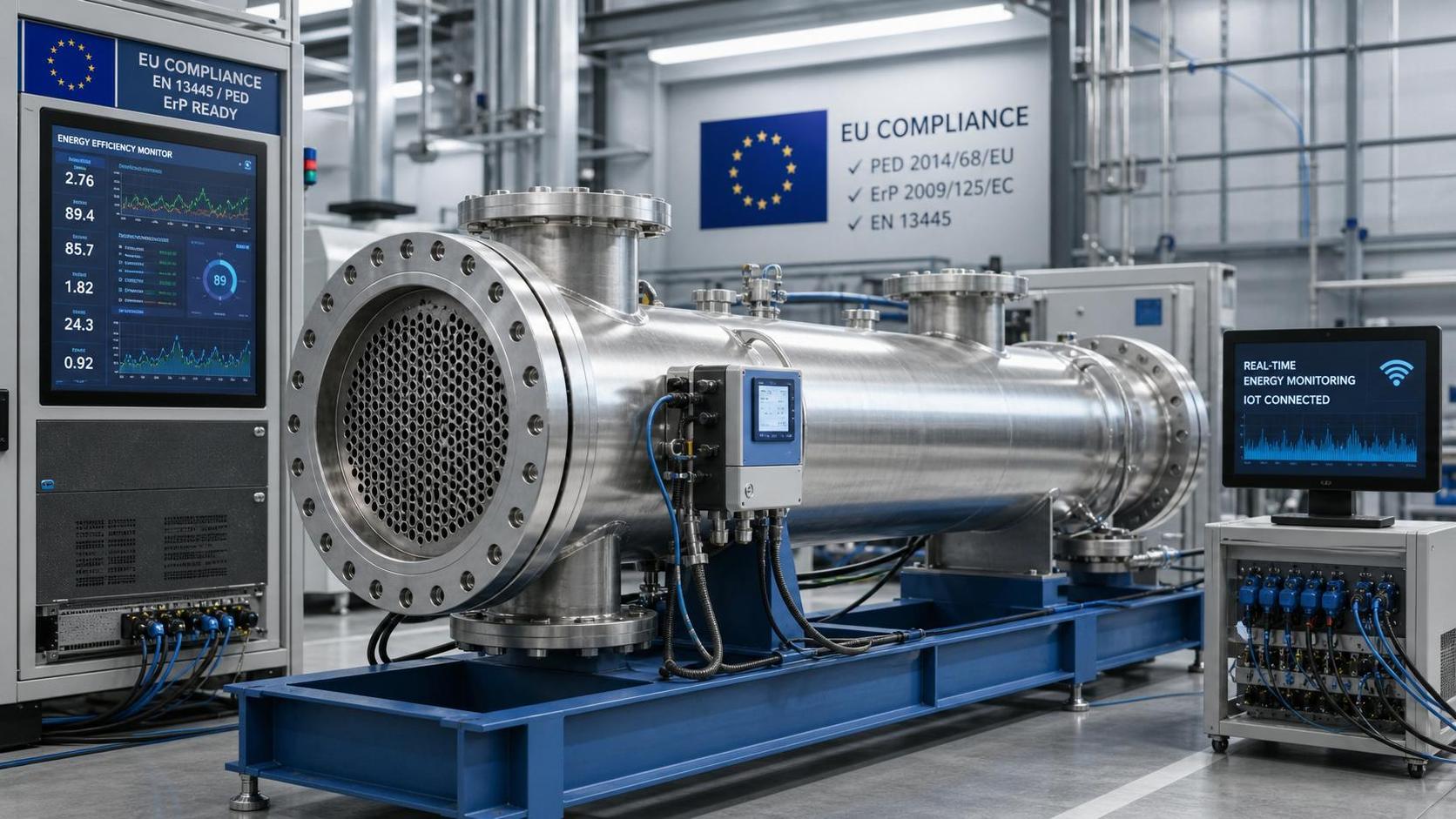
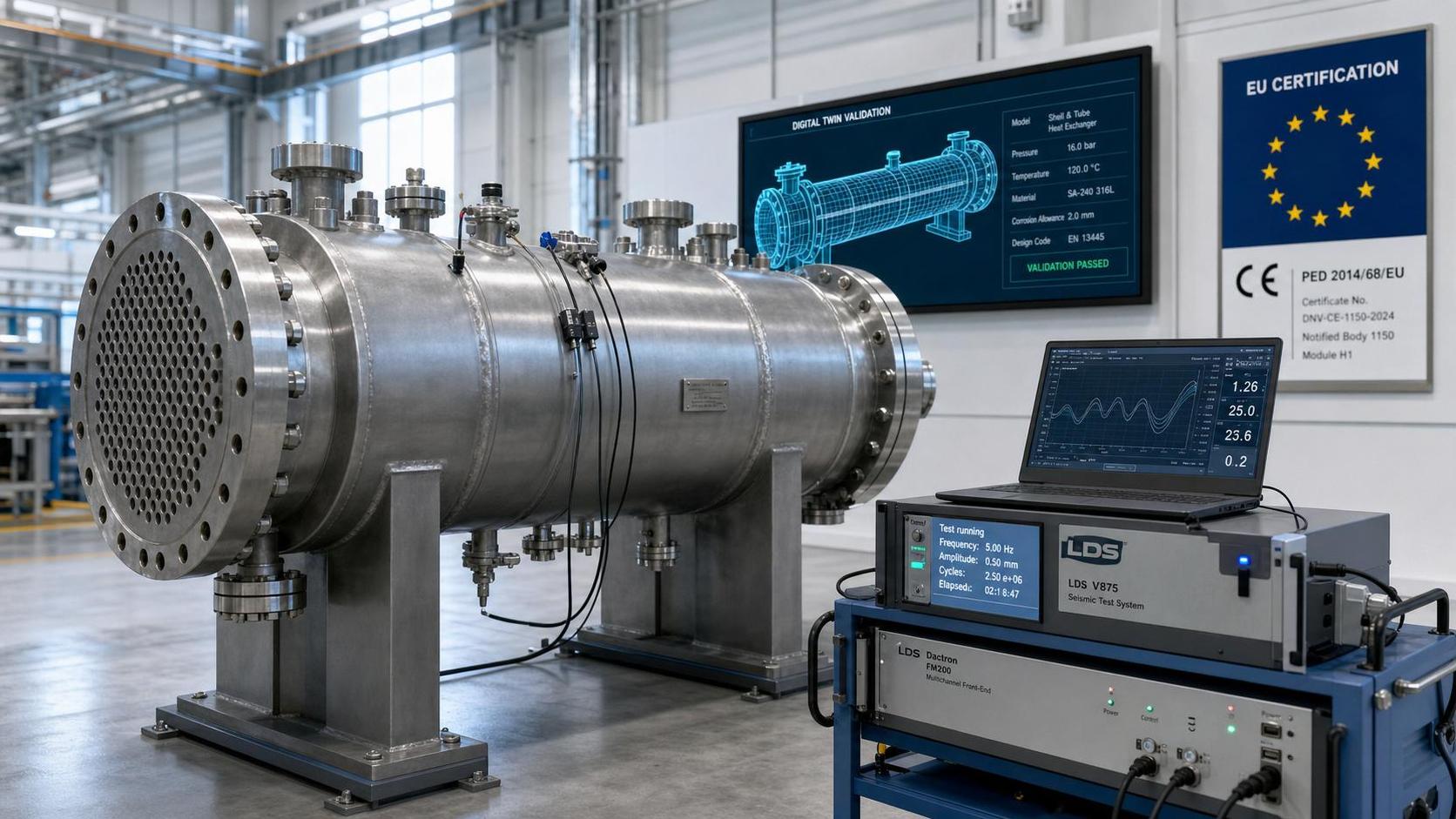
On 10 May 2026, the European Committee for Standardization (CEN) officially published EN 13445-4:2026, Unfired Pressure Vessels — Part 4: Fatigue Analysis. This revision mandates fatigue life assessment for all shell-and-tube heat exchangers placed on the EU market, directly affecting manufacturers and exporters—particularly those in China supplying to EU customers under CE marking requirements.
Event Overview
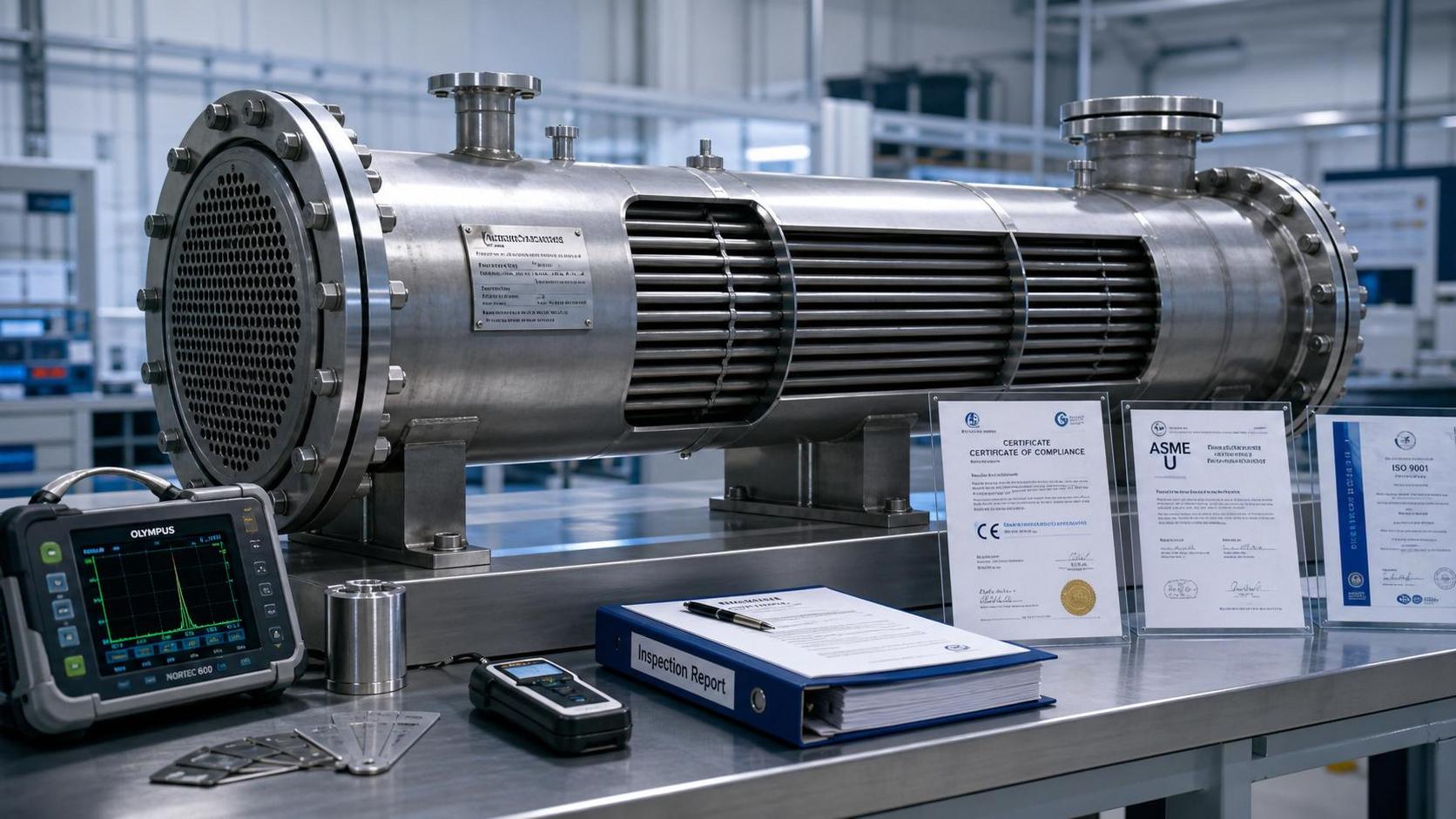
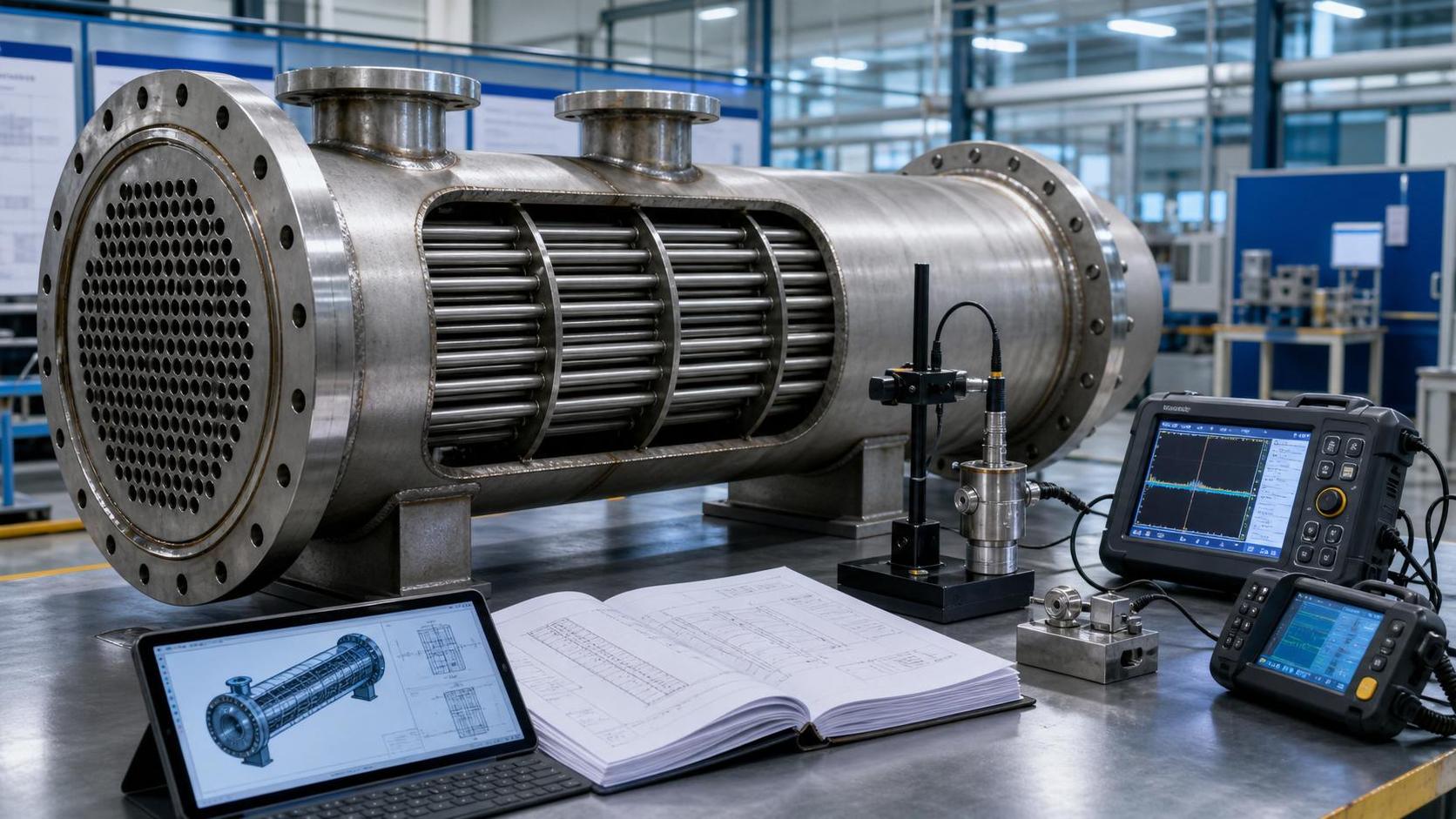
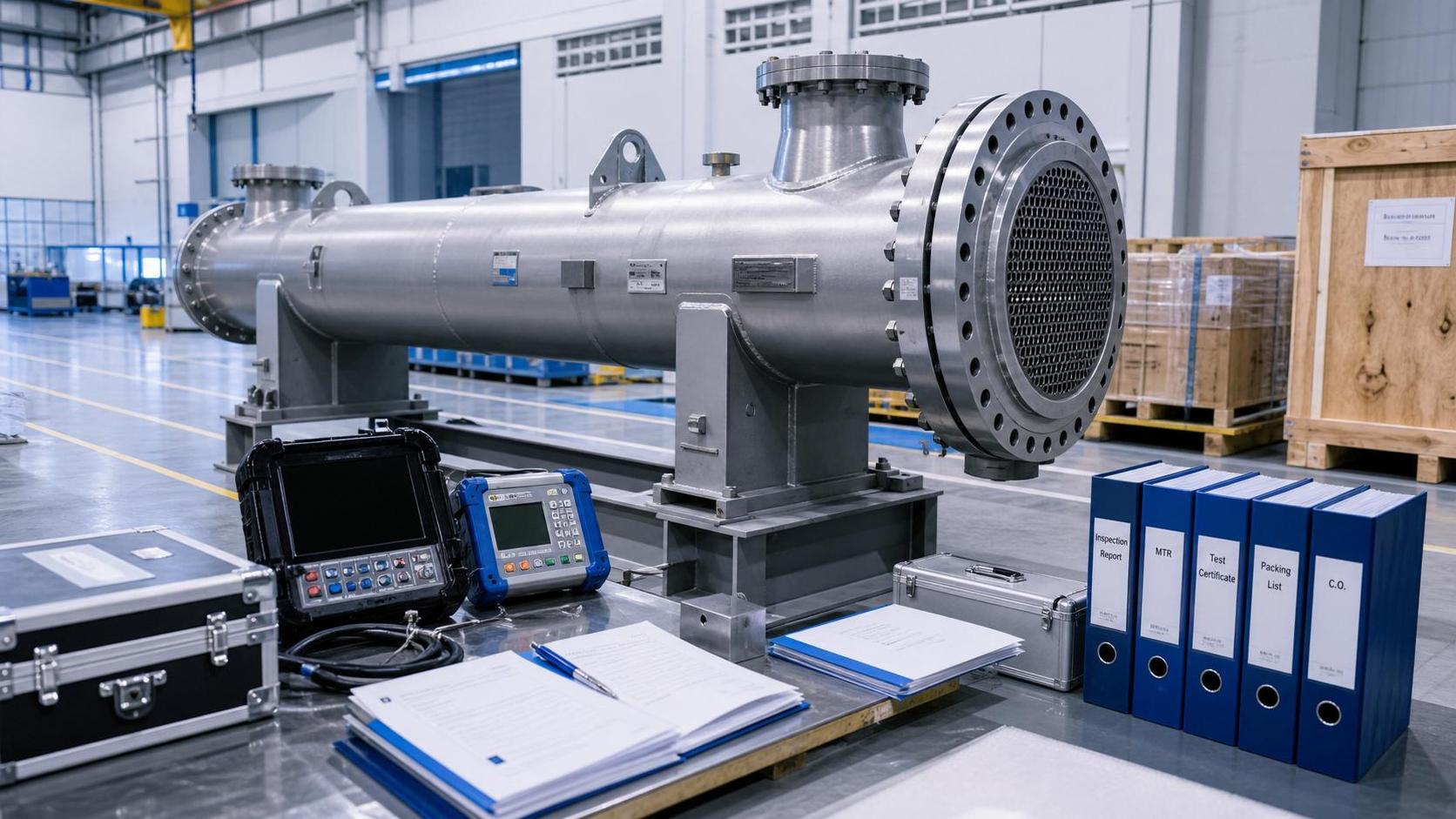
The European Committee for Standardization (CEN) issued EN 13445-4:2026 on 10 May 2026. The standard specifies that shell-and-tube heat exchangers must undergo fatigue analysis compliant with either ASME BPVC Section VIII, Division 2, Annex 5B or EN 13445-3 Annex C. Full stress spectra and cumulative damage reports must be included in the CE technical documentation. The standard entered into force immediately upon publication, with no transition period or grace period.
Industries Affected by Segment
Export Manufacturing Enterprises (e.g., Chinese pressure equipment producers)
These enterprises are directly impacted because their shell-and-tube heat exchangers must now meet the new fatigue assessment requirement before CE conformity assessment. The absence of a grace period means existing type examination reports may no longer be valid for new declarations of conformity.
EU Authorized Representatives
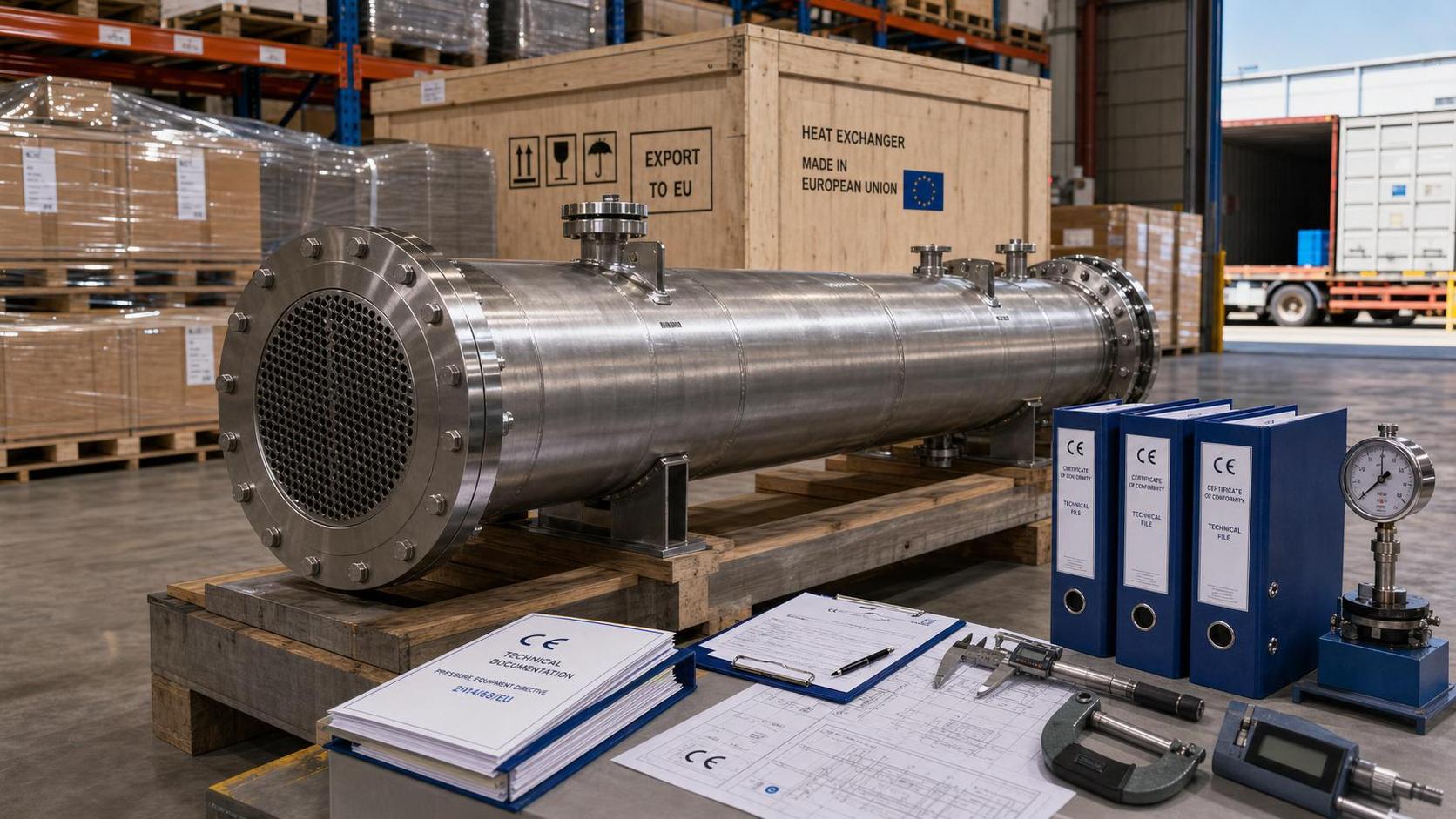
Authorized representatives are responsible for verifying CE technical files prior to affixing the CE marking. Under EN 13445-4:2026, they must now review and validate fatigue analysis documentation—including stress history inputs and damage summation methodology—before issuing EU declarations of conformity.
Third-Party Notified Bodies Conducting Type Examination
Notified Bodies performing type examination under Module H (full quality assurance) or Module G (unit verification) must now assess fatigue analysis as part of the design review. Their evaluation scope has expanded to include compliance with EN 13445-4:2026’s specific requirements for spectrum definition, cycle counting, and damage accumulation.
Engineering Procurement Contractors (EPCs) Specifying Equipment for EU Projects
EPCs specifying shell-and-tube heat exchangers for projects located in EU member states must now ensure procurement specifications explicitly reference EN 13445-4:2026 and require submission of validated fatigue assessment reports—not just static design calculations—as part of vendor document packages.
Key Focus Areas and Immediate Actions for Relevant Enterprises
Verify current CE technical files against EN 13445-4:2026 requirements
Manufacturers should audit existing CE technical documentation for shell-and-tube heat exchangers to confirm whether fatigue analysis per EN 13445-4:2026 (or its ASME BPVC VIII-2 Annex 5B equivalent) is already included. If not, redesign or reanalysis may be needed before placing new units on the EU market.
Engage early with EU Authorized Representatives and Notified Bodies
Because fatigue assessment introduces new technical review criteria, enterprises should initiate discussions with their EU Authorized Representative and relevant Notified Body to clarify accepted formats for stress spectra, acceptable cycle counting methods (e.g., rainflow), and reporting expectations—before submitting updated technical files.
Review procurement contracts and delivery timelines
Contracts signed prior to 10 May 2026 may not reflect the added engineering effort required for fatigue analysis. Exporters should assess whether lead times, deliverables, and acceptance criteria need formal amendment to accommodate this mandatory step in design validation.
Confirm applicability to legacy designs and variants
Enterprises should determine whether derivative models (e.g., same base design with modified tube length or baffle spacing) qualify for fatigue assessment reuse—or whether each variant requires individual evaluation. EN 13445-4:2026 does not define generic exemptions; applicability must be assessed case-by-case.
Editorial Perspective / Industry Observation
Observably, EN 13445-4:2026 represents a procedural tightening rather than a conceptual shift: fatigue assessment was already common practice for high-cycle or severe-service heat exchangers, but it is now universally mandated for all shell-and-tube types under EN 13445. Analysis shows this change elevates documentation rigor over design novelty—it signals growing regulatory emphasis on long-term structural integrity verification, especially where thermal cycling or mechanical vibration is present. From an industry perspective, this is less a new technical frontier and more a formalized expectation: fatigue data is now treated as non-negotiable evidence within the CE conformity process, not optional supplementary analysis. Continued attention is warranted as Notified Bodies and market surveillance authorities begin applying consistent interpretation across Member States.
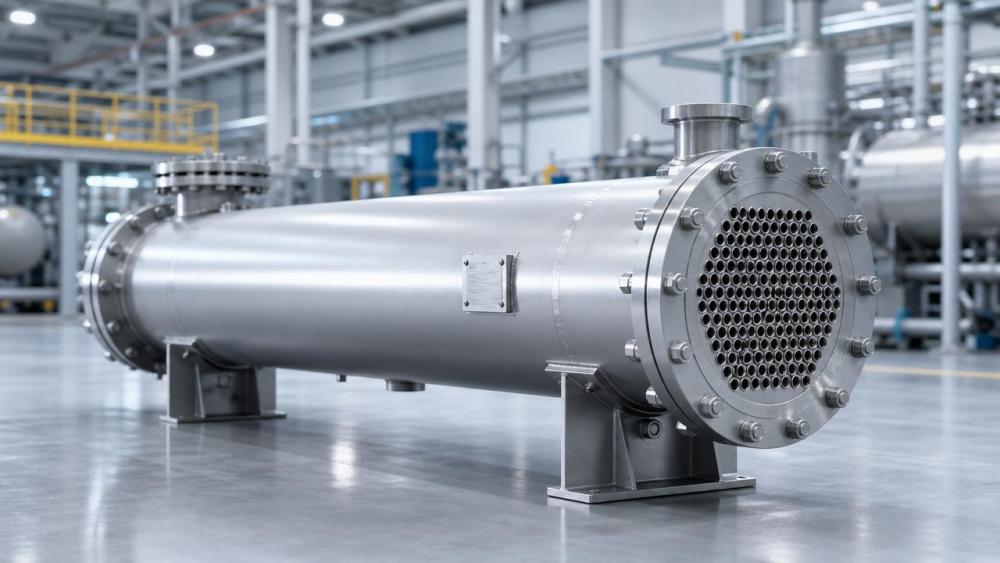
Conclusion: EN 13445-4:2026 does not introduce new failure modes or materials science requirements, but it does institutionalize fatigue analysis as a mandatory, auditable component of CE technical documentation for shell-and-tube heat exchangers. It is best understood not as a temporary compliance hurdle, but as a permanent elevation of baseline evidence expectations in EU pressure equipment regulation. Enterprises should treat it as a fixed operational requirement—not a transitional policy.
Source: European Committee for Standardization (CEN), official publication of EN 13445-4:2026 on 10 May 2026.
Note: Interpretation of fatigue assessment scope for modified designs and alignment of Notified Body review practices across EU Member States remain subjects for ongoing observation.
Related News
- EU Rule Requires Digital Energy Monitoring for Shell & Tube Heat ExchangersAuthor :Thermodynamics Analyst

- DOE Raises Shell & Tube Efficiency Floor for 2027Author :Thermodynamics Analyst

- EU EN 13445-4:2026 Tightens Dual Certification for Heat ExchangersAuthor :Thermodynamics Analyst

- EN 13445-4:2026 Tightens EU Heat Exchanger ComplianceAuthor :Thermodynamics Analyst

- EN 13445-4:2026 Adds Digital Twin Fatigue ChecksAuthor :Thermodynamics Analyst

- How to Improve Heat Exchanger Efficiency Without Major System DowntimeAuthor :Thermodynamics Analyst

- EU Rule Takes Effect for Shell-and-Tube Heat ExchangersAuthor :Thermodynamics Analyst

- When Energy-Efficient Heat Exchange Systems Deliver Real PaybackAuthor :Thermodynamics Analyst

- DOE Cuts R449A Chiller Transition to 9 MonthsAuthor :Thermodynamics Analyst

- Rail Corridor Surge Cuts Shell & Tube Lead TimeAuthor :Thermodynamics Analyst

- Rail Corridor Hits 2,000 Trains as Heat Exchanger Lead Time FallsAuthor :Thermodynamics Analyst

- Rail Corridor Surge Cuts Shell & Tube Delivery to 28 DaysAuthor :Thermodynamics Analyst

- China-Europe Rail Corridor Tops 2,000 Trains as Heat Exchanger Export Delivery Falls to 28 DaysAuthor :Thermodynamics Analyst

- How to Improve Heat Exchanger Efficiency Without Major RetrofitsAuthor :Thermodynamics Analyst
![]()
- Rail Corridor Speeds Heat Exchanger ExportsAuthor :Thermodynamics Analyst
![]()
- China Names New Trade Parks for Heat Exchanger ExportsAuthor :Thermodynamics Analyst
![]()
- Rail Corridor Eases Lead Times for Shell-and-Tube ExportsAuthor :Thermodynamics Analyst

- Rail Freight Priority Cuts Shell & Tube Lead TimesAuthor :Thermodynamics Analyst

- Vietnam Cement WHR Rule Lifts Exchanger DemandAuthor :Thermodynamics Analyst

- EN 13445-4:2026 Effective for Shell & Tube Heat ExchangersAuthor :Thermodynamics Analyst
![]()
- SANY Excavators Capture >60% of Indonesia's Nickel Mine Equipment MarketAuthor :Thermodynamics Analyst

- APEC Trade Ministers Focus on Digital & Green Supply ChainsAuthor :Thermodynamics Analyst
![]()
- Pakistan PM Visit to China Spurs Shell & Tube, Centrifuge Tech LocalizationAuthor :Thermodynamics Analyst

- Putin's China Visit Resumes Shell & Tube Heat Exchanger Export PathAuthor :Thermodynamics Analyst

- EU Imposes Final Anti-Dumping Duties on Chinese Adipic AcidAuthor :Thermodynamics Analyst

- EN 13445-4:2026 Enters Force for Shell & Tube Heat ExchangersAuthor :Thermodynamics Analyst

- EU Updates EN 13445-4:2026 for Shell & Tube Heat ExchangersAuthor :Thermodynamics Analyst

- China's Petrochemical '15th Five-Year' Digitalization Guide ReleasedAuthor :Thermodynamics Analyst

- Heat Exchanger Technology: Plate vs Shell & Tube Selection GuideAuthor :Thermodynamics Analyst

- China to Upgrade Shell & Tube Heat Exchanger Standard to MandatoryAuthor :Thermodynamics Analyst

- Thermodynamics Analysis in Shell & Tube Selection: What Really MattersAuthor :Thermodynamics Analyst

- How to Compare Heat Exchanger Efficiency Across System DesignsAuthor :Thermodynamics Analyst