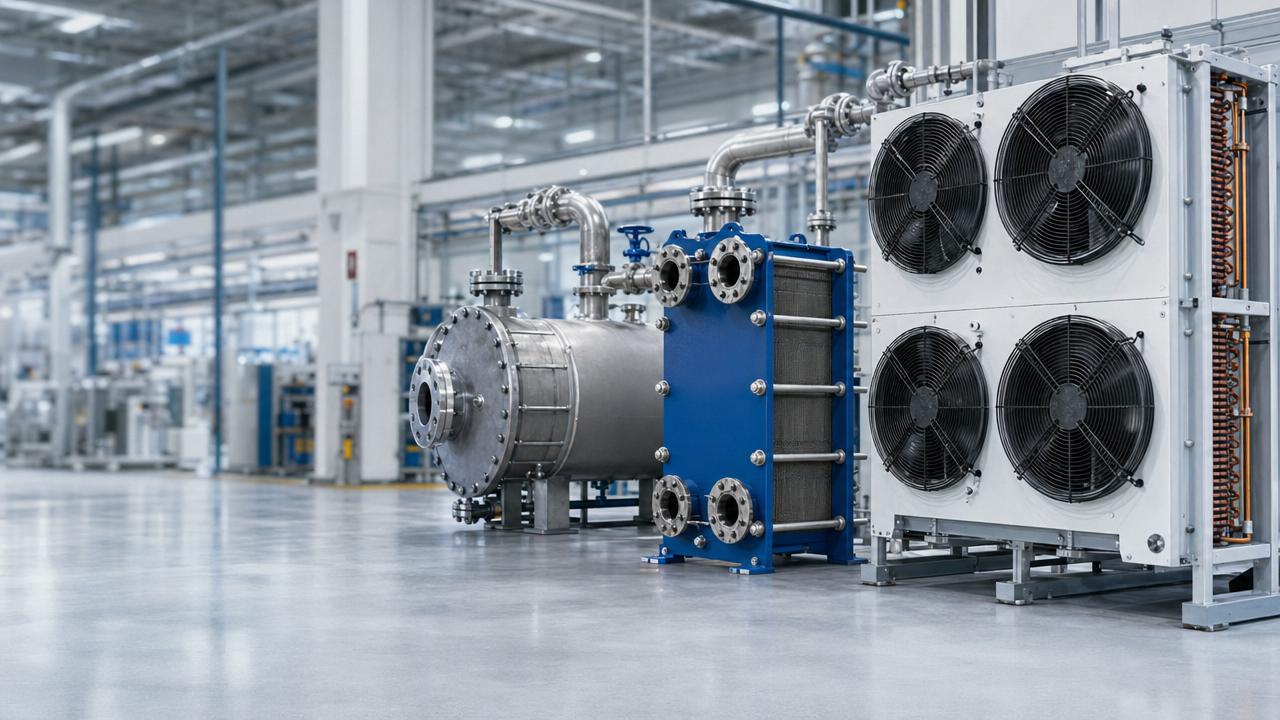
China's Petrochemical '15th Five-Year' Digitalization Guide Released




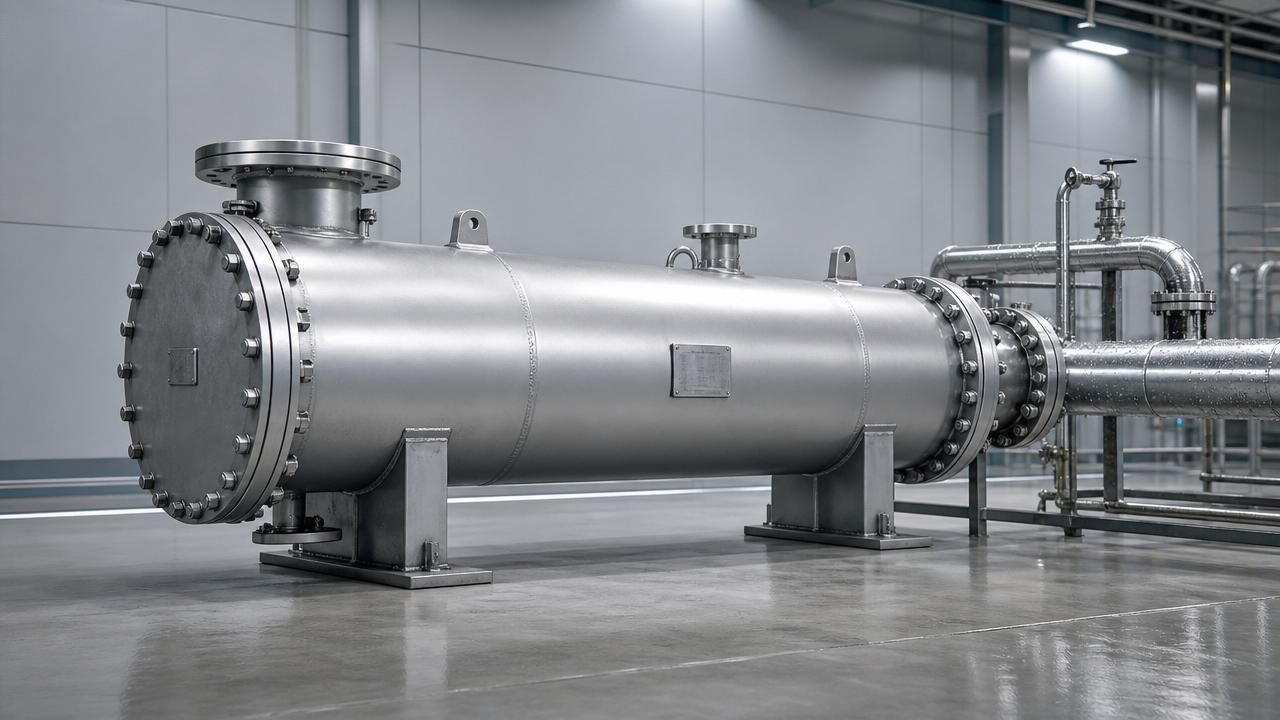
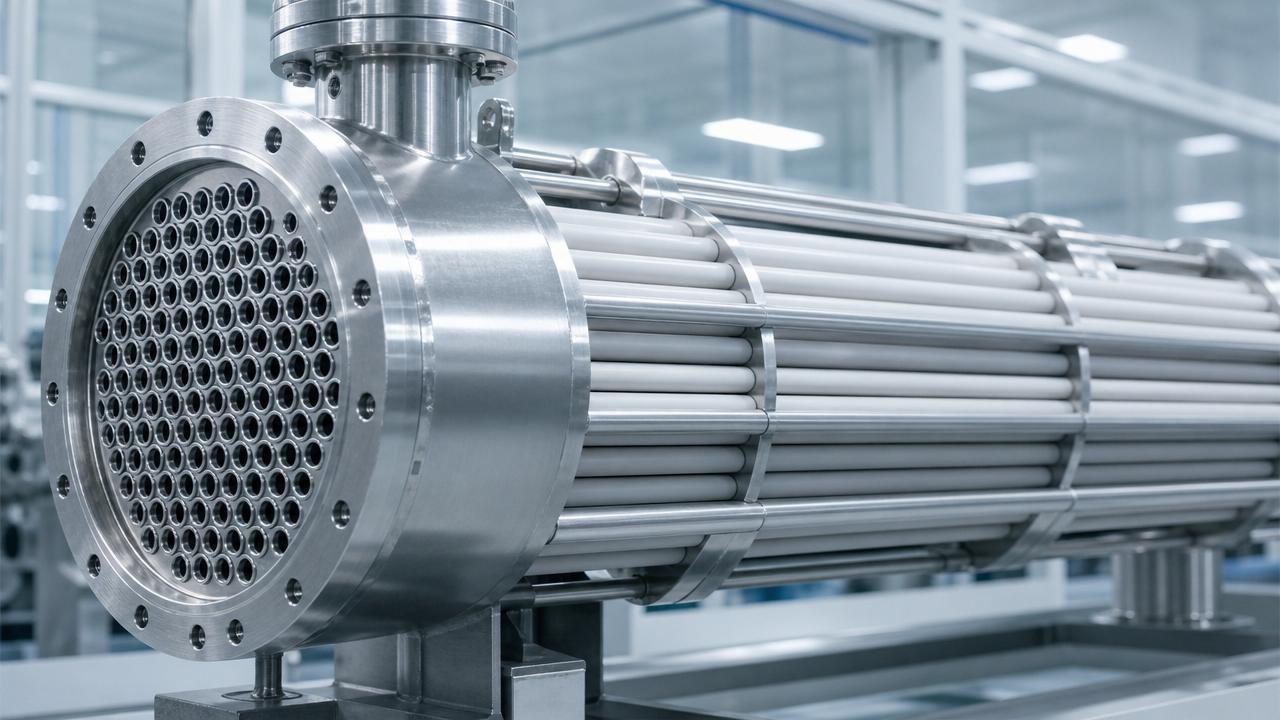
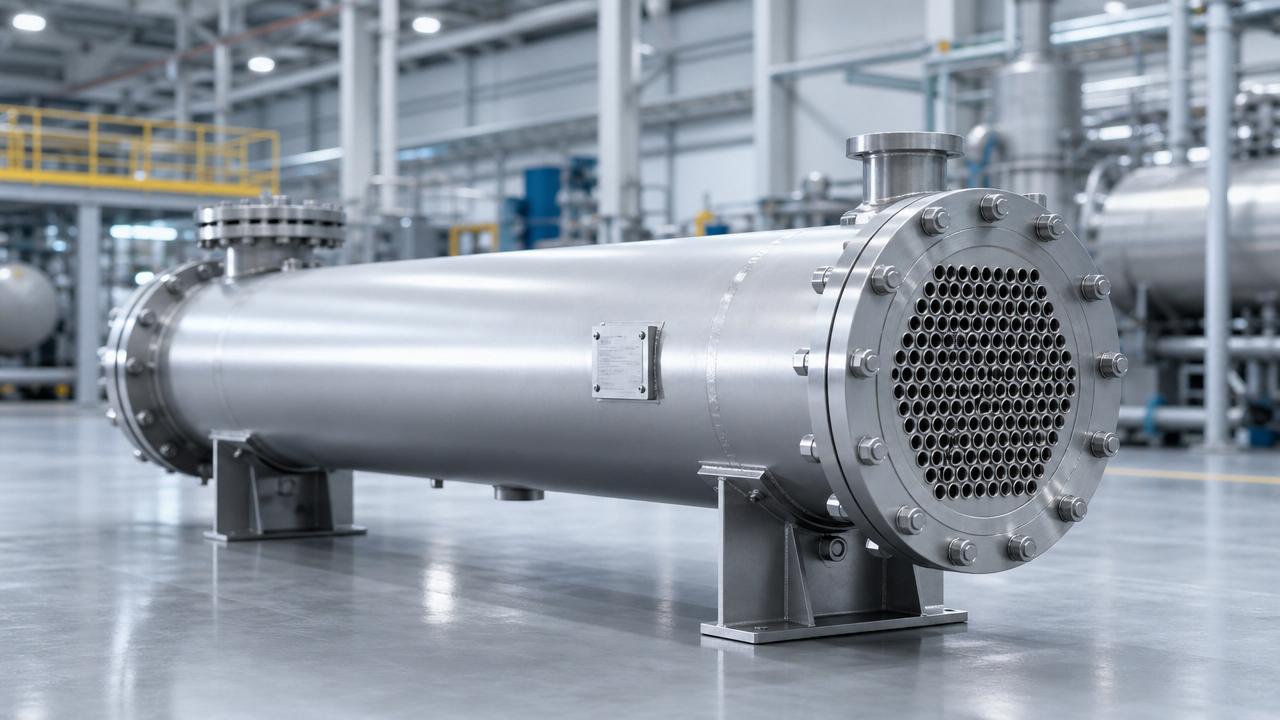
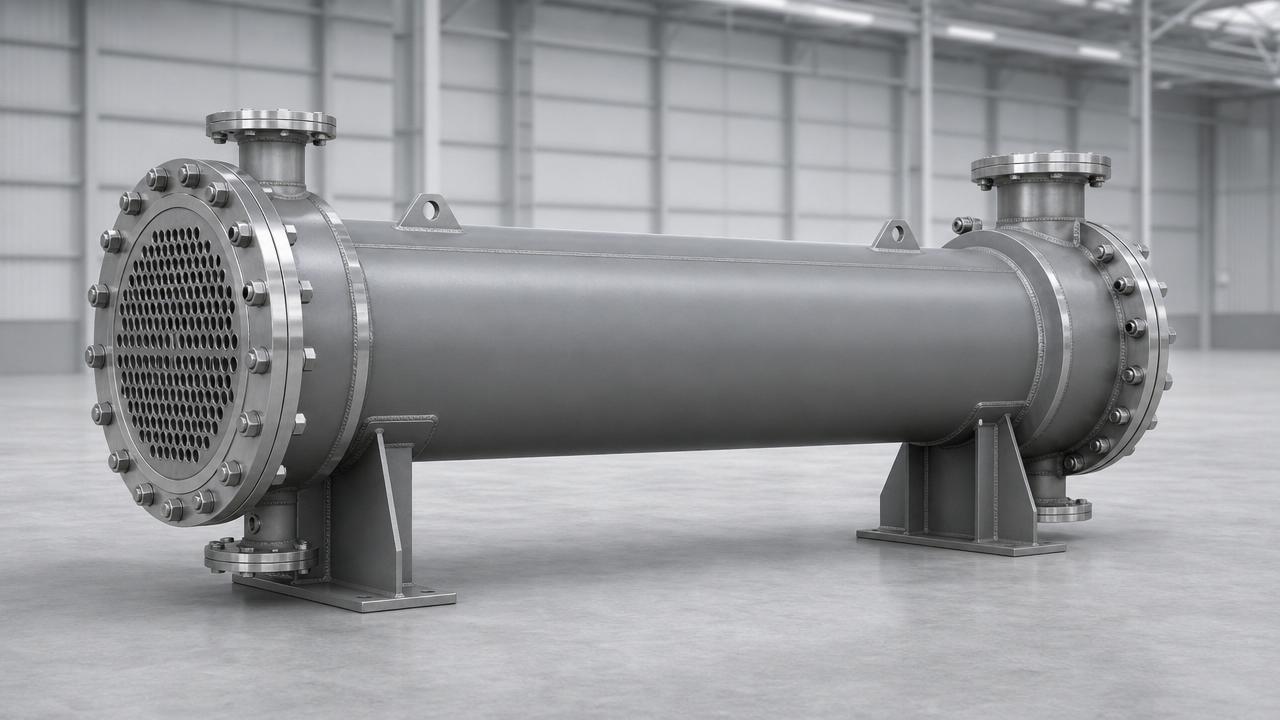
On May 12, 2026, the Petrochemical Industry '15th Five-Year' Digitalization Development Guide was officially released, mandating that shell-and-tube heat exchangers in new large-scale refining and petrochemical projects must support OPC UA protocol integration with digital twin platforms and deliver full-lifecycle thermal performance simulation models. This requirement directly impacts manufacturers exporting to key Middle Eastern markets—including Saudi Arabia and the UAE—where non-compliant suppliers risk exclusion from EPC contractor shortlists.
Event Overview
On May 12, 2026, the Petrochemical Industry '15th Five-Year' Digitalization Development Guide was published. It specifies that newly constructed large-scale refining and petrochemical projects must deploy shell-and-tube heat exchangers equipped with standardized OPC UA interfaces for digital twin platform connectivity, along with verified thermal performance simulation models covering the entire asset lifecycle. The requirement has been formally incorporated into procurement specifications issued to overseas EPC general contractors. Chinese export manufacturers unable to supply compliant data interfaces and model delivery packages will be excluded from shortlists for major projects in Saudi Arabia, the UAE, and other targeted Middle Eastern markets.
Industries Affected
Export-oriented Equipment Manufacturers
Manufacturers supplying shell-and-tube heat exchangers to international EPC projects are directly affected. Compliance is now a prerequisite for eligibility—not just technical preference—in tenders for large-scale Middle Eastern infrastructure. The impact manifests as stricter pre-qualification criteria, mandatory third-party validation of model fidelity and interface interoperability, and potential contract disqualification for missing or non-standardized deliverables.
EPC Contractors (Overseas)
International engineering, procurement, and construction firms sourcing equipment from China face increased verification burdens. They must now assess not only mechanical specifications but also data architecture alignment—OPC UA conformance, semantic model consistency, and traceability of simulation inputs/outputs. Non-compliant suppliers introduce schedule risk and rework exposure during digital twin platform integration phases.
Engineering & Simulation Service Providers
Firms offering thermal modeling, digital twin development, or IIoT integration services see expanded scope—but only for those capable of certifying model pedigree and interface compliance. The Guide elevates the commercial value of auditable, standards-aligned simulation workflows; providers lacking documented adherence to OPC UA information models or ISO 15926-based asset ontologies may lose competitive positioning.
Supply Chain Certification Bodies
Third-party certification and testing organizations are impacted through emerging demand for conformity assessment against the Guide’s digital requirements. While no official certification scheme has been launched, early market signals indicate growing client requests for test reports validating OPC UA server implementation (e.g., conforming to OPC Foundation’s UA Specification Part 4–6) and thermal model version control practices.
Key Focus Areas and Immediate Actions for Stakeholders
Monitor official interpretation and supporting documents
The Guide is a policy framework—not yet an enforceable standard. Stakeholders should track subsequent technical bulletins, national standard drafts (e.g., GB/T proposals referencing OPC UA for process equipment), and guidance notes from the China Petroleum and Chemical Industry Federation, which may clarify implementation timelines, acceptable model formats (e.g., Functional Mock-up Interface vs. native CAE exports), and validation protocols.
Assess exposure in priority markets and product lines
Exporters should map current shell-and-tube heat exchanger shipments to Saudi Aramco, ADNOC, and similar national oil company–backed projects. Focus attention on units supplied under lump-sum EPC contracts signed after Q2 2026, as these are most likely to reference the Guide’s procurement clauses. Prioritize review of interface documentation and model delivery templates for top-5 revenue-generating SKUs.
Distinguish policy signal from operational mandate
This requirement reflects a directional shift—not immediate universal enforcement. Its application depends on individual EPC contract terms and client digital maturity. Early adopters (e.g., projects with integrated digital twin roadmaps) will enforce it strictly; others may apply phased adoption. Companies should avoid blanket internal compliance rollouts before confirming contractual applicability per project.
Prepare interface and model delivery readiness
Manufacturers should inventory existing OPC UA server capabilities (e.g., vendor-supplied vs. custom-built), verify compatibility with common digital twin platforms (e.g., AVEVA Unified Operations Center, Siemens Xcelerator), and document model provenance—including underlying assumptions, boundary conditions, and calibration references. Preparing a standardized ‘Digital Delivery Package’ template—containing interface specification sheet, model metadata schema, and validation summary—supports faster tender response cycles.
Editorial Perspective / Industry Observation
Observably, this provision functions primarily as a strategic signal—not yet a binding regulatory outcome. Its inclusion in the national industry guide signals institutional prioritization of interoperable industrial data, particularly for critical process equipment in capital-intensive projects. Analysis shows the requirement targets long-term ecosystem alignment: it pushes manufacturers toward modular, data-ready design while enabling EPC clients to consolidate real-time performance analytics across multi-vendor assets. From an industry perspective, this is less about immediate compliance deadlines and more about accelerating the convergence of mechanical engineering and industrial software disciplines. Continuous monitoring is warranted—not because enforcement is imminent everywhere, but because early-mover advantage accrues to firms that treat data interface and model delivery as core engineering deliverables, not afterthoughts.
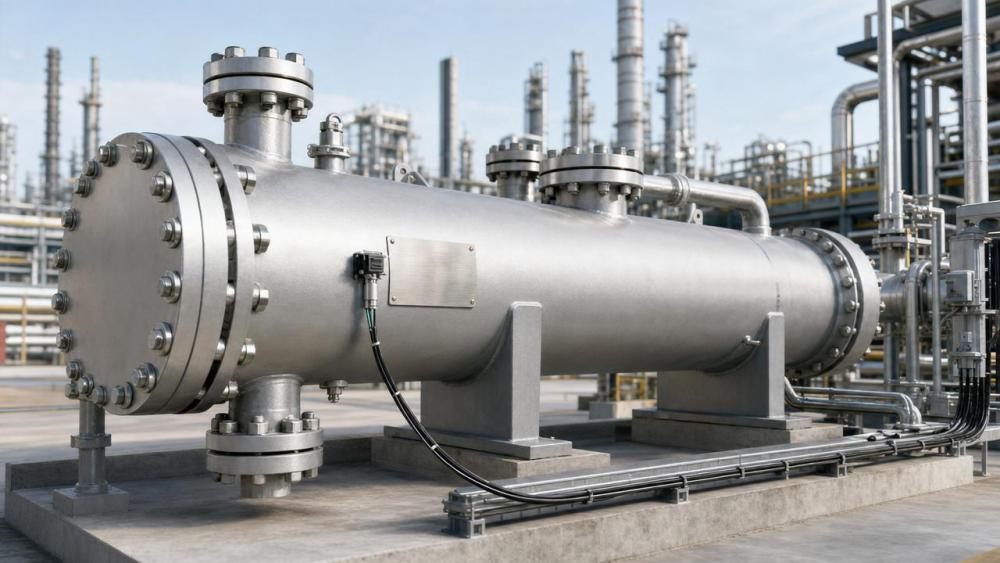
In summary, the Guide’s requirement on shell-and-tube heat exchangers marks a formal step toward embedding data readiness into the procurement DNA of large-scale petrochemical infrastructure. It does not replace mechanical performance standards—but layers digital interoperability as an equally non-negotiable dimension of equipment qualification. For stakeholders, the current posture should be one of calibrated readiness: verifying exposure, clarifying scope per project, and building foundational capability—without assuming uniform or immediate global rollout.
Source: Official release of the Petrochemical Industry '15th Five-Year' Digitalization Development Guide, published May 12, 2026. Note: Implementation details, enforcement mechanisms, and regional adoption timelines remain subject to further clarification by industry associations and client-specific procurement policies—and are therefore under ongoing observation.
Related News
- EU Rule Requires Digital Energy Monitoring for Shell & Tube Heat ExchangersAuthor :Thermodynamics Analyst

- DOE Raises Shell & Tube Efficiency Floor for 2027Author :Thermodynamics Analyst

- EU EN 13445-4:2026 Tightens Dual Certification for Heat ExchangersAuthor :Thermodynamics Analyst

- EN 13445-4:2026 Tightens EU Heat Exchanger ComplianceAuthor :Thermodynamics Analyst

- EN 13445-4:2026 Adds Digital Twin Fatigue ChecksAuthor :Thermodynamics Analyst

- How to Improve Heat Exchanger Efficiency Without Major System DowntimeAuthor :Thermodynamics Analyst

- EU Rule Takes Effect for Shell-and-Tube Heat ExchangersAuthor :Thermodynamics Analyst

- When Energy-Efficient Heat Exchange Systems Deliver Real PaybackAuthor :Thermodynamics Analyst

- DOE Cuts R449A Chiller Transition to 9 MonthsAuthor :Thermodynamics Analyst

- Rail Corridor Surge Cuts Shell & Tube Lead TimeAuthor :Thermodynamics Analyst

- Rail Corridor Hits 2,000 Trains as Heat Exchanger Lead Time FallsAuthor :Thermodynamics Analyst

- Rail Corridor Surge Cuts Shell & Tube Delivery to 28 DaysAuthor :Thermodynamics Analyst

- China-Europe Rail Corridor Tops 2,000 Trains as Heat Exchanger Export Delivery Falls to 28 DaysAuthor :Thermodynamics Analyst

- How to Improve Heat Exchanger Efficiency Without Major RetrofitsAuthor :Thermodynamics Analyst
![]()
- Rail Corridor Speeds Heat Exchanger ExportsAuthor :Thermodynamics Analyst
![]()
- China Names New Trade Parks for Heat Exchanger ExportsAuthor :Thermodynamics Analyst
![]()
- Rail Corridor Eases Lead Times for Shell-and-Tube ExportsAuthor :Thermodynamics Analyst

- Rail Freight Priority Cuts Shell & Tube Lead TimesAuthor :Thermodynamics Analyst

- Vietnam Cement WHR Rule Lifts Exchanger DemandAuthor :Thermodynamics Analyst

- EN 13445-4:2026 Effective for Shell & Tube Heat ExchangersAuthor :Thermodynamics Analyst
![]()
- SANY Excavators Capture >60% of Indonesia's Nickel Mine Equipment MarketAuthor :Thermodynamics Analyst

- APEC Trade Ministers Focus on Digital & Green Supply ChainsAuthor :Thermodynamics Analyst
![]()
- Pakistan PM Visit to China Spurs Shell & Tube, Centrifuge Tech LocalizationAuthor :Thermodynamics Analyst

- Putin's China Visit Resumes Shell & Tube Heat Exchanger Export PathAuthor :Thermodynamics Analyst

- EU Imposes Final Anti-Dumping Duties on Chinese Adipic AcidAuthor :Thermodynamics Analyst

- EN 13445-4:2026 Enters Force for Shell & Tube Heat ExchangersAuthor :Thermodynamics Analyst

- EU Updates EN 13445-4:2026 for Shell & Tube Heat ExchangersAuthor :Thermodynamics Analyst

- China's Petrochemical '15th Five-Year' Digitalization Guide ReleasedAuthor :Thermodynamics Analyst

- Heat Exchanger Technology: Plate vs Shell & Tube Selection GuideAuthor :Thermodynamics Analyst

- China to Upgrade Shell & Tube Heat Exchanger Standard to MandatoryAuthor :Thermodynamics Analyst

- Thermodynamics Analysis in Shell & Tube Selection: What Really MattersAuthor :Thermodynamics Analyst

- How to Compare Heat Exchanger Efficiency Across System DesignsAuthor :Thermodynamics Analyst