



Pakistan PM Visit to China Spurs Shell & Tube, Centrifuge Tech Localization




On May 23–26, 2026, Pakistan Prime Minister Shehbaz Sharif will visit China at the invitation of Premier Li Qiang. The trip coincides with Pakistan’s advancement of ‘CPEC 2.0’, focusing on energy and infrastructure upgrades — driving new demand for grid-fluctuation-tolerant Shell & Tube heat exchangers and sand-dust-resistant centrifuges. Companies engaged in industrial equipment export, localization support, and cross-border supply chain services for these technologies should monitor developments closely.
Event Overview
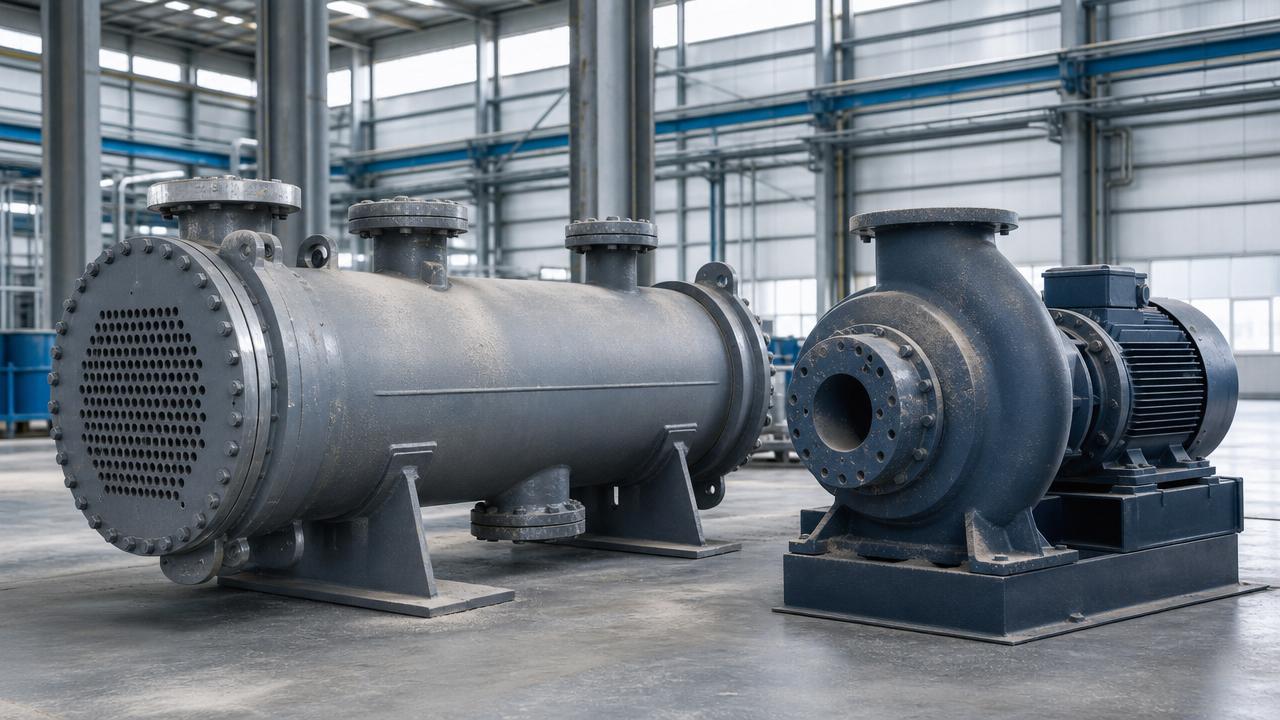
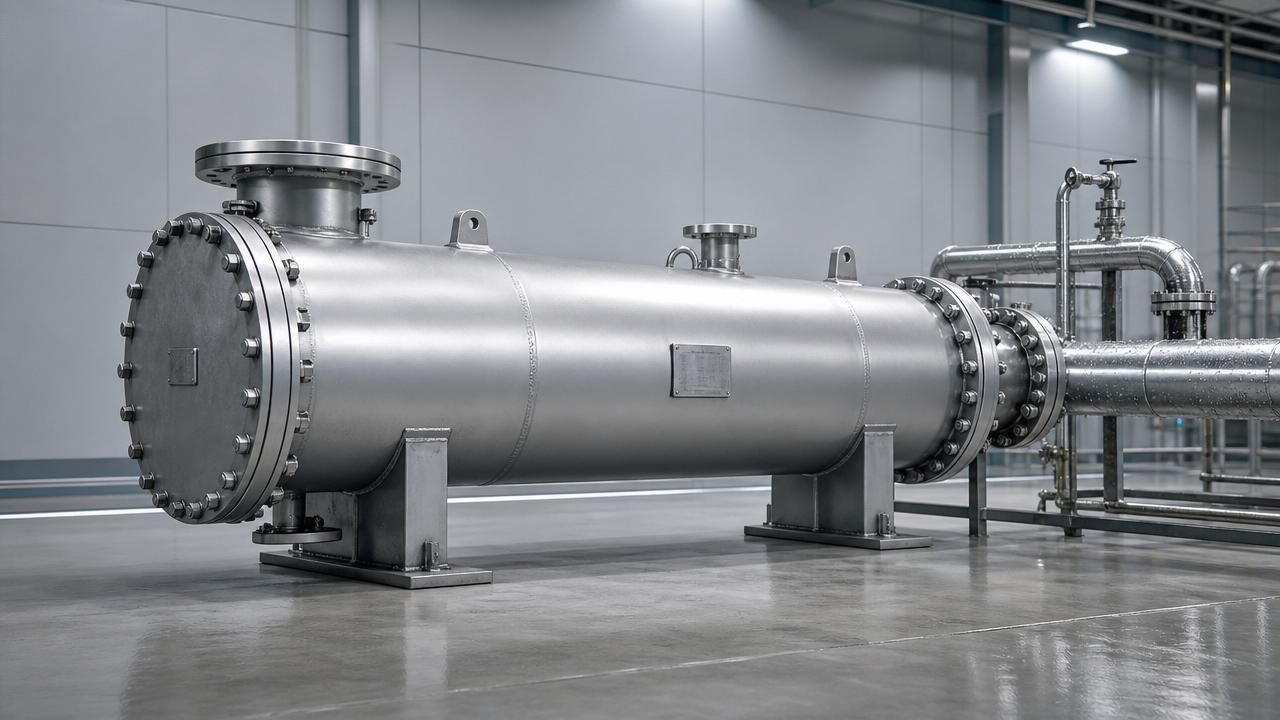
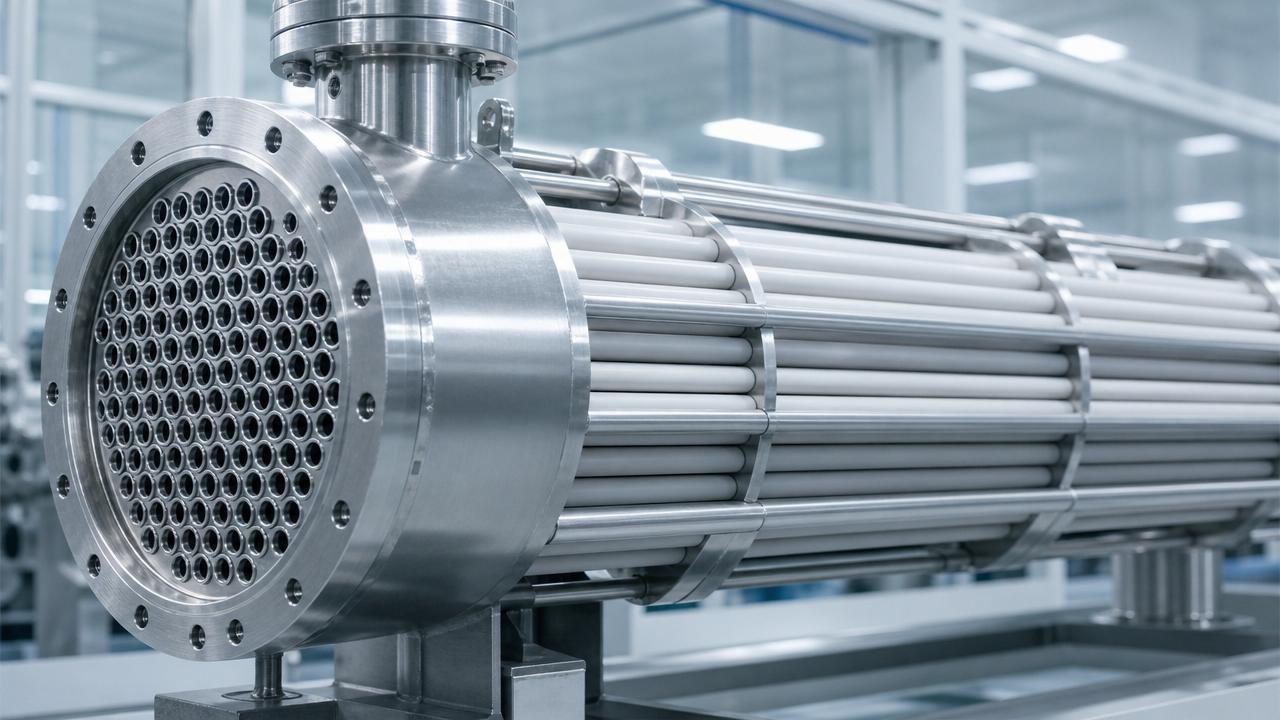
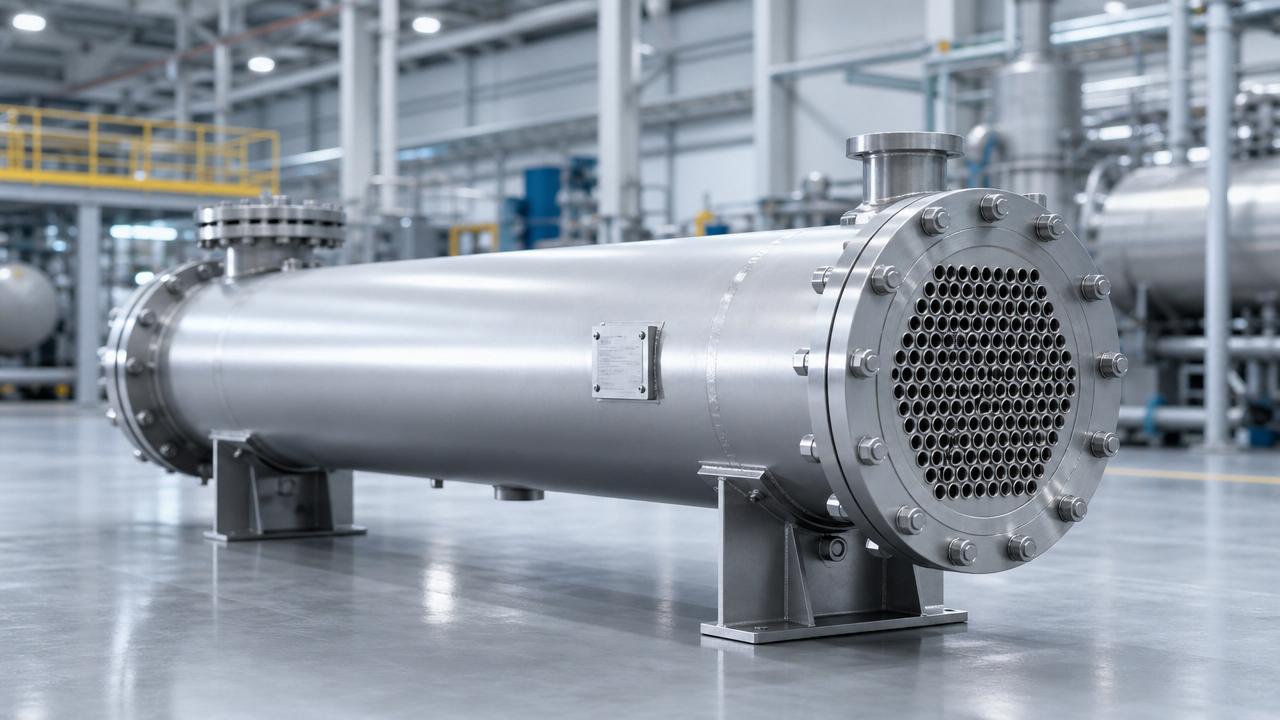
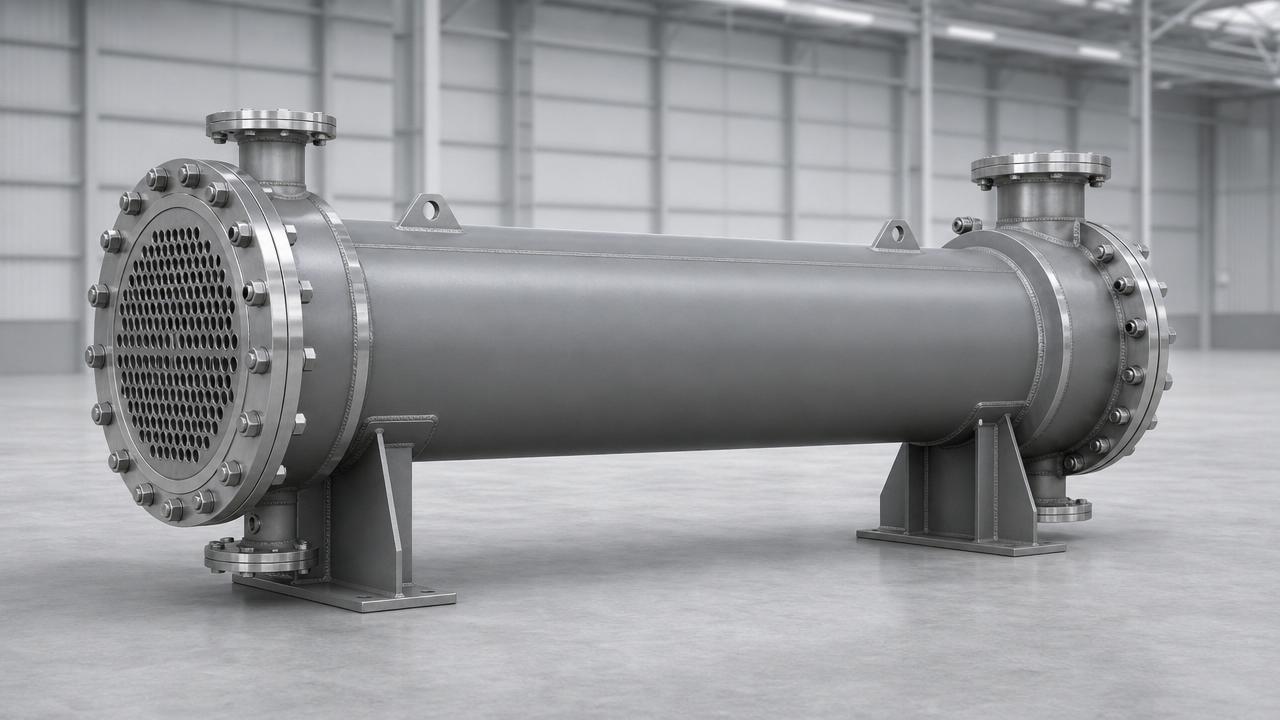
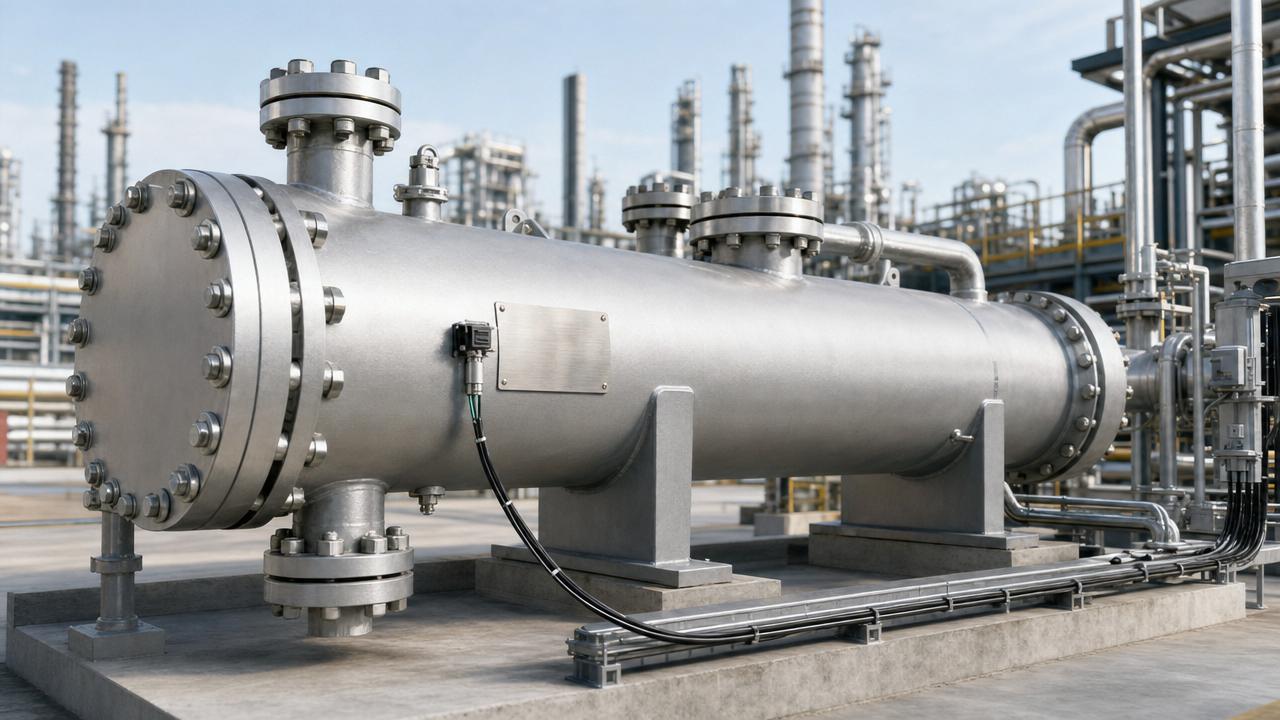
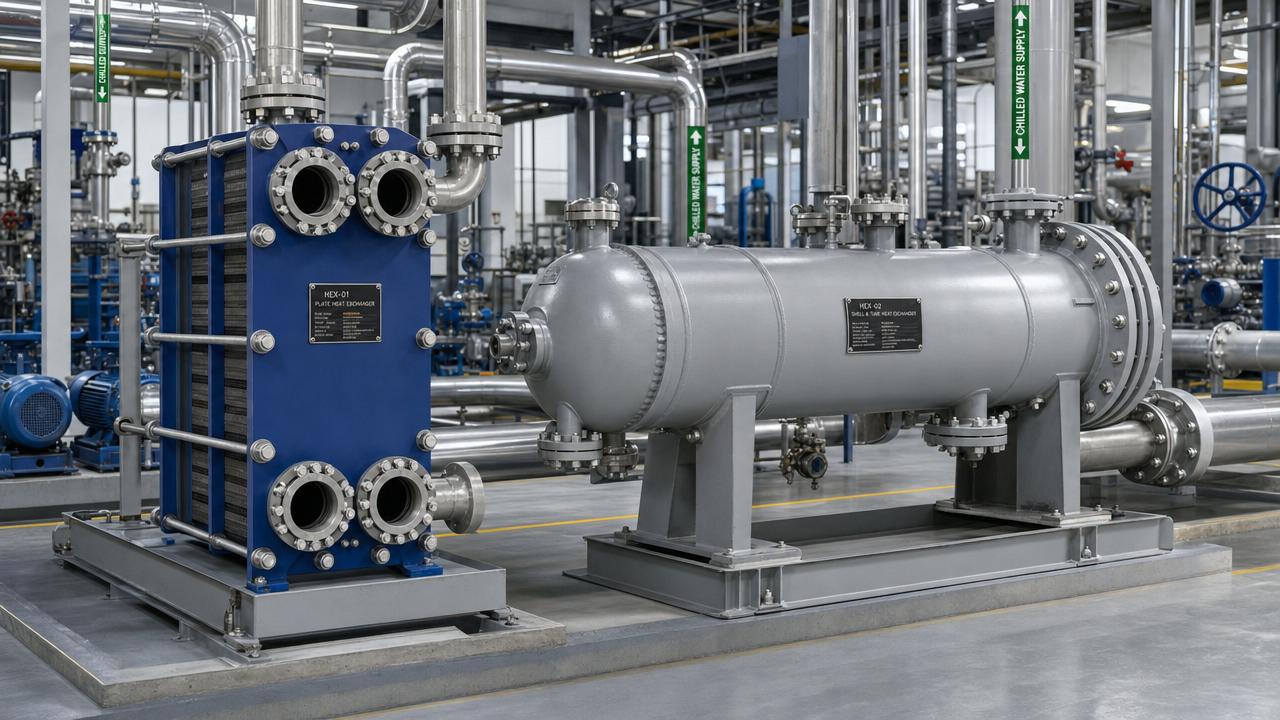
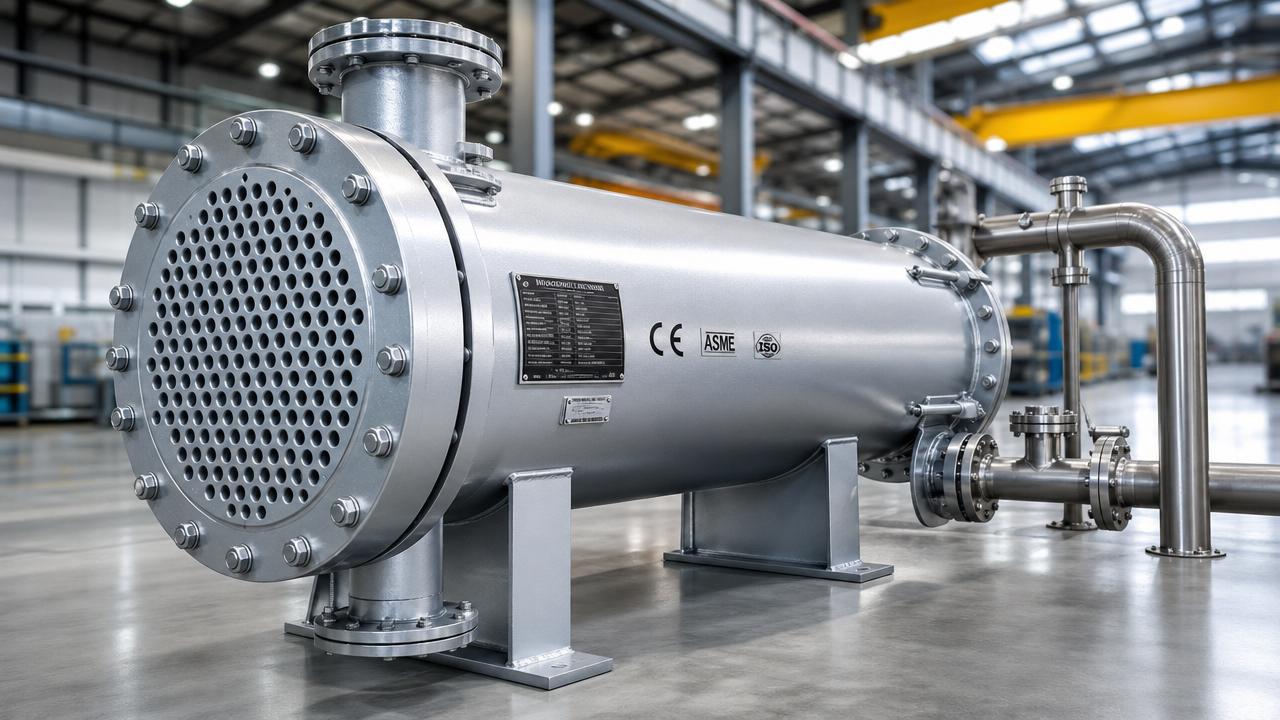
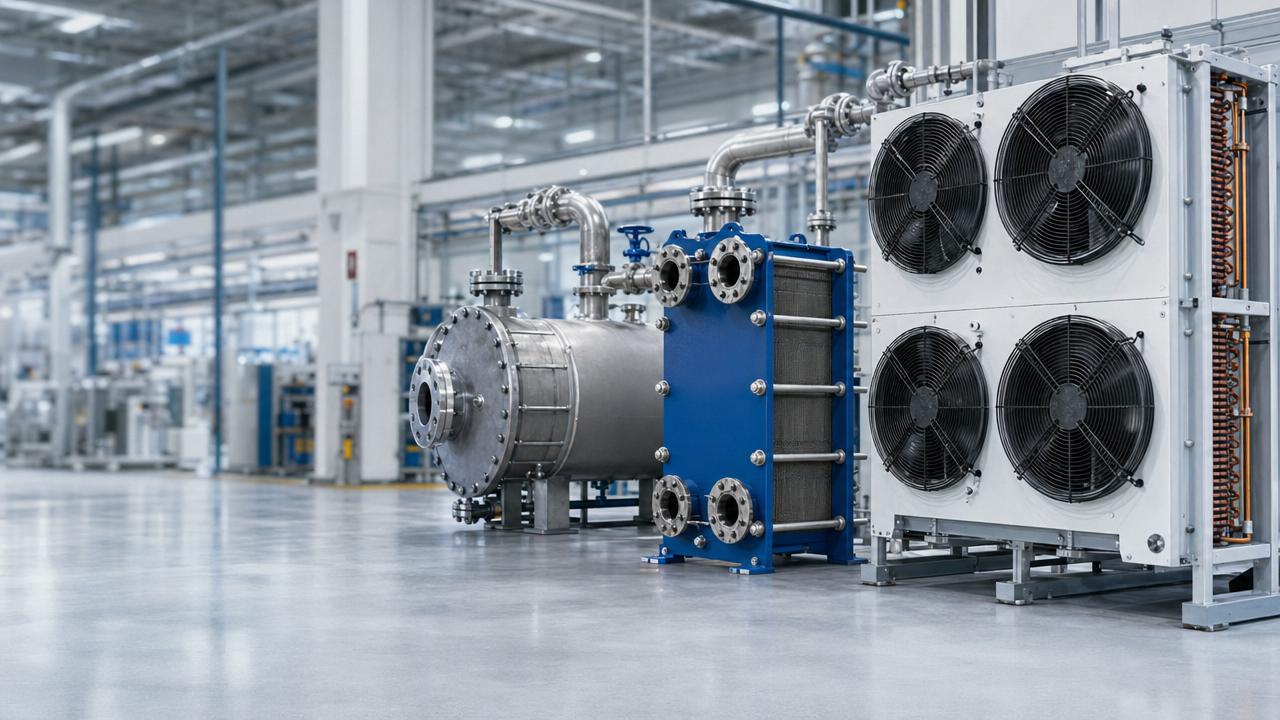
Pakistan Prime Minister Shehbaz Sharif is scheduled to visit China from May 23 to 26, 2026, upon invitation by State Council Premier Li Qiang. During the visit, bilateral discussions are expected to cover implementation priorities under the upgraded China–Pakistan Economic Corridor (CPEC 2.0), particularly in energy infrastructure. Publicly confirmed information indicates that Pakistan seeks technical adaptation and local assembly cooperation for Shell & Tube heat exchangers and centrifuges suited to local grid instability and arid, high-dust environmental conditions.
Industries Affected
Direct Exporters of Industrial Equipment
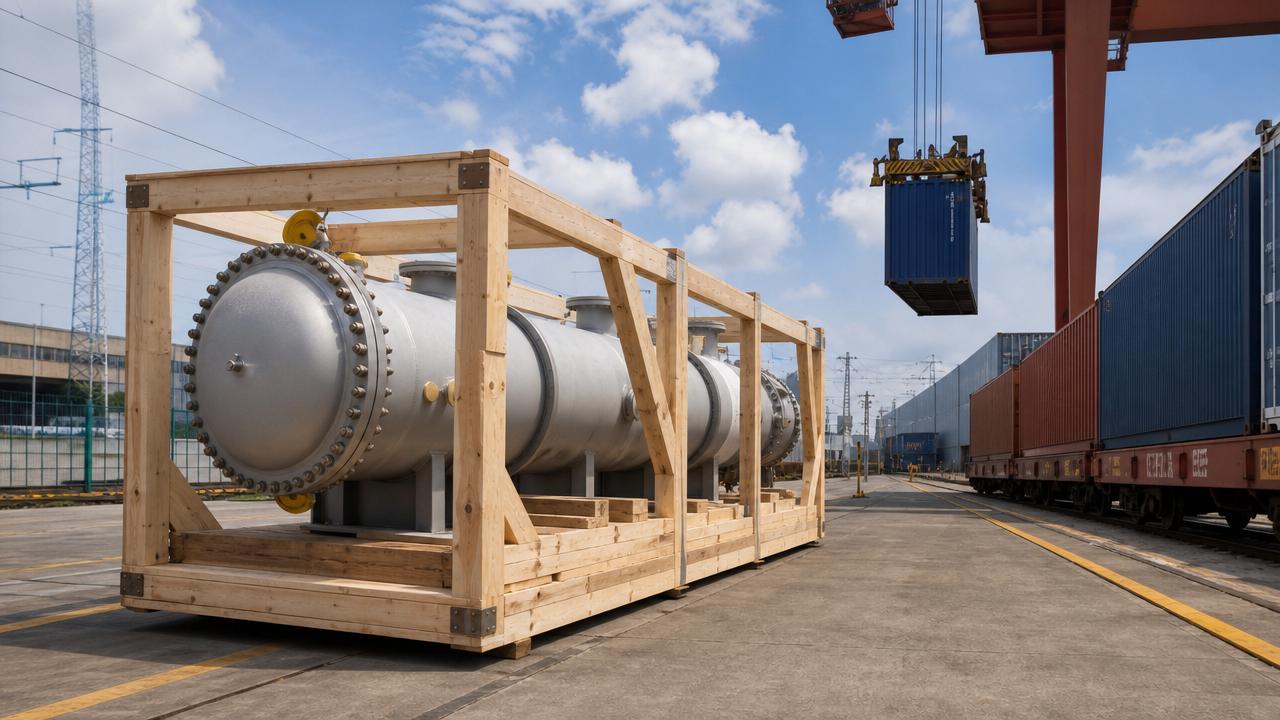
Manufacturers exporting Shell & Tube heat exchangers or industrial centrifuges to Pakistan may face shifting procurement criteria. Pakistan’s emphasis on local adaptation implies increased scrutiny of product certification against local grid voltage variability and dust ingress resistance — not just international standards. This could affect tender eligibility, lead times, and after-sales service expectations.
Engineering & Localization Support Providers
Firms offering technical documentation, local compliance certification, or assembly line setup support are likely to see rising engagement opportunities. Pakistan’s push for localized production means demand may grow for bilingual technical white papers, joint testing protocols, and modular assembly kits — but only where aligned with verified project timelines under CPEC 2.0.
Supply Chain & Logistics Operators
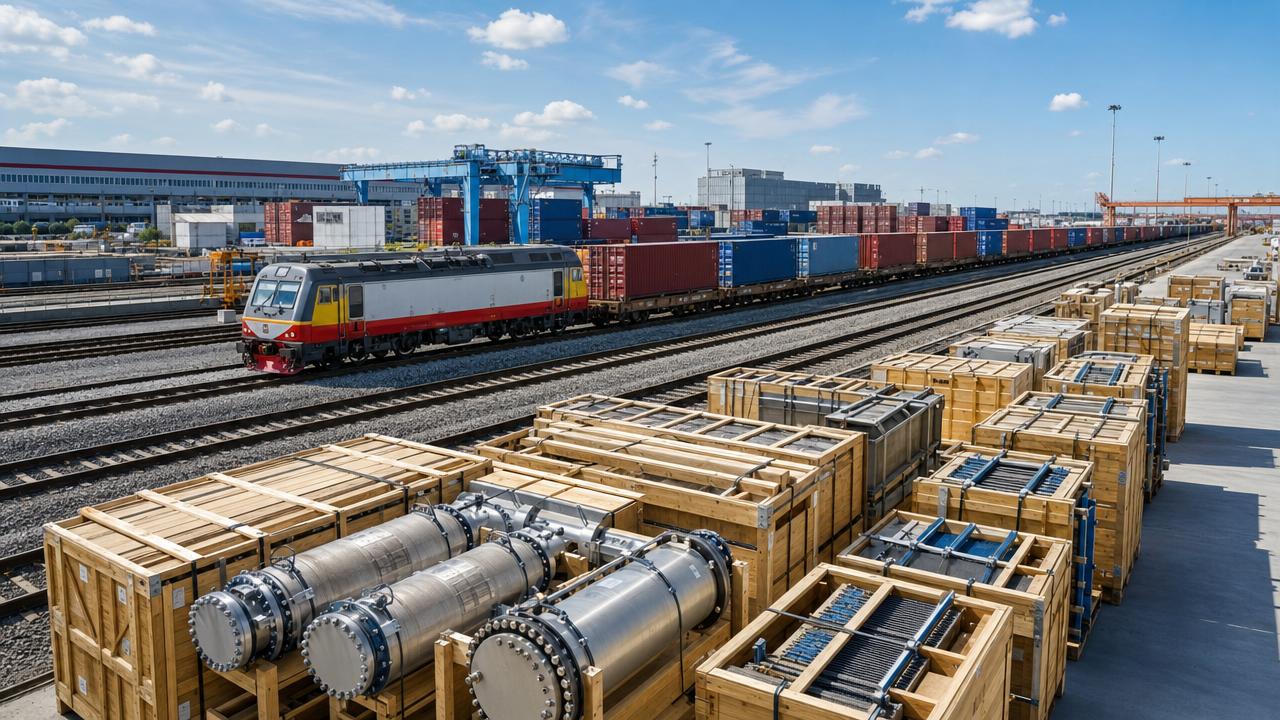
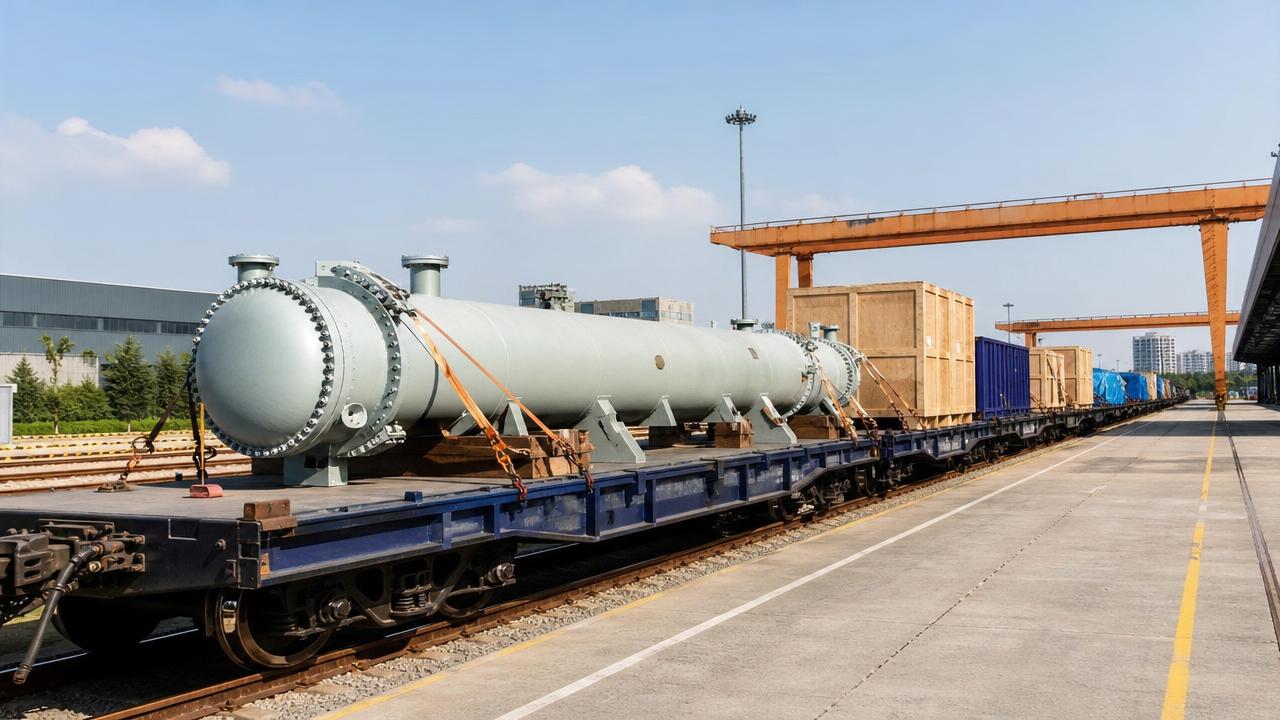
Companies managing cross-border shipments of heavy mechanical equipment may encounter revised customs clearance pathways. The stated intent to ‘avoid tariffs and logistics bottlenecks’ suggests potential pilot arrangements for preferential classification or bonded warehousing — though no formal mechanism has been announced. Current impact centers on planning flexibility for modular vs. fully assembled shipments.
What Stakeholders Should Monitor and Do Now
Track official statements on CPEC 2.0 implementation frameworks
While the visit signals political momentum, concrete technical specifications, certification pathways, or tariff treatment for adapted equipment remain unconfirmed. Stakeholders should prioritize monitoring joint communiqués or technical annexes released post-visit — not pre-visit media briefings.
Verify applicability of existing product adaptations to Pakistan’s grid and water parameters
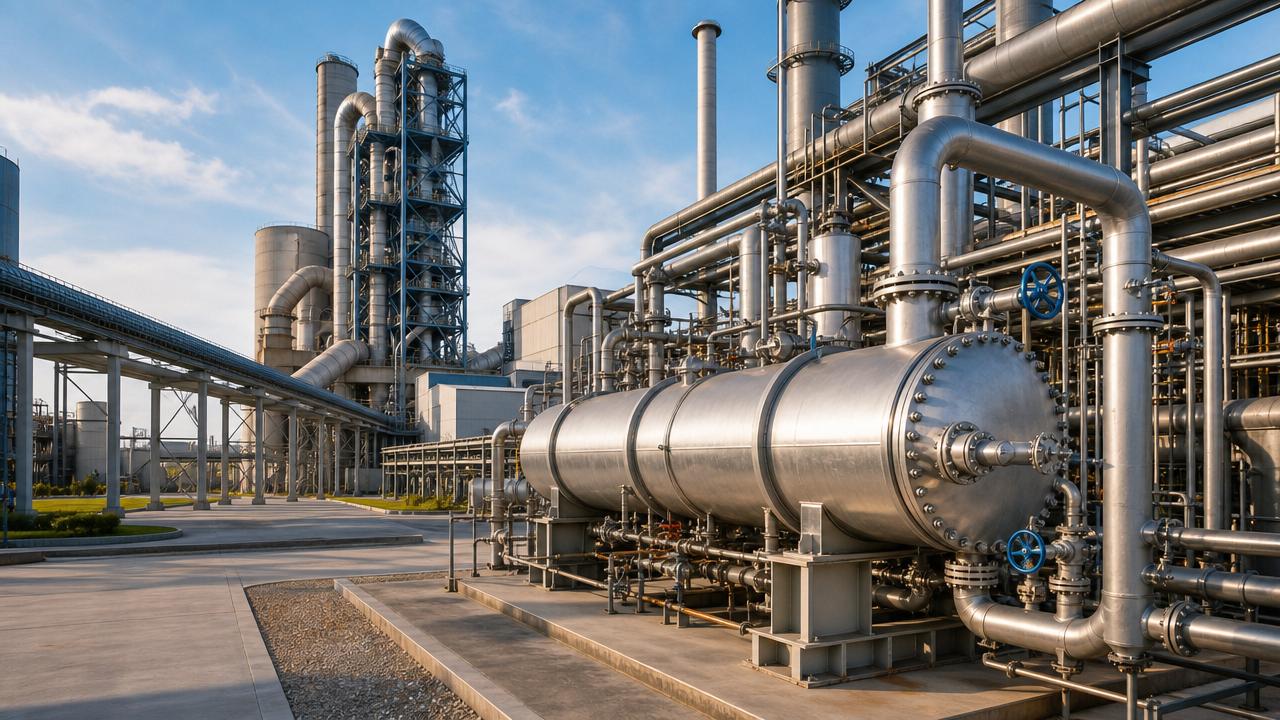
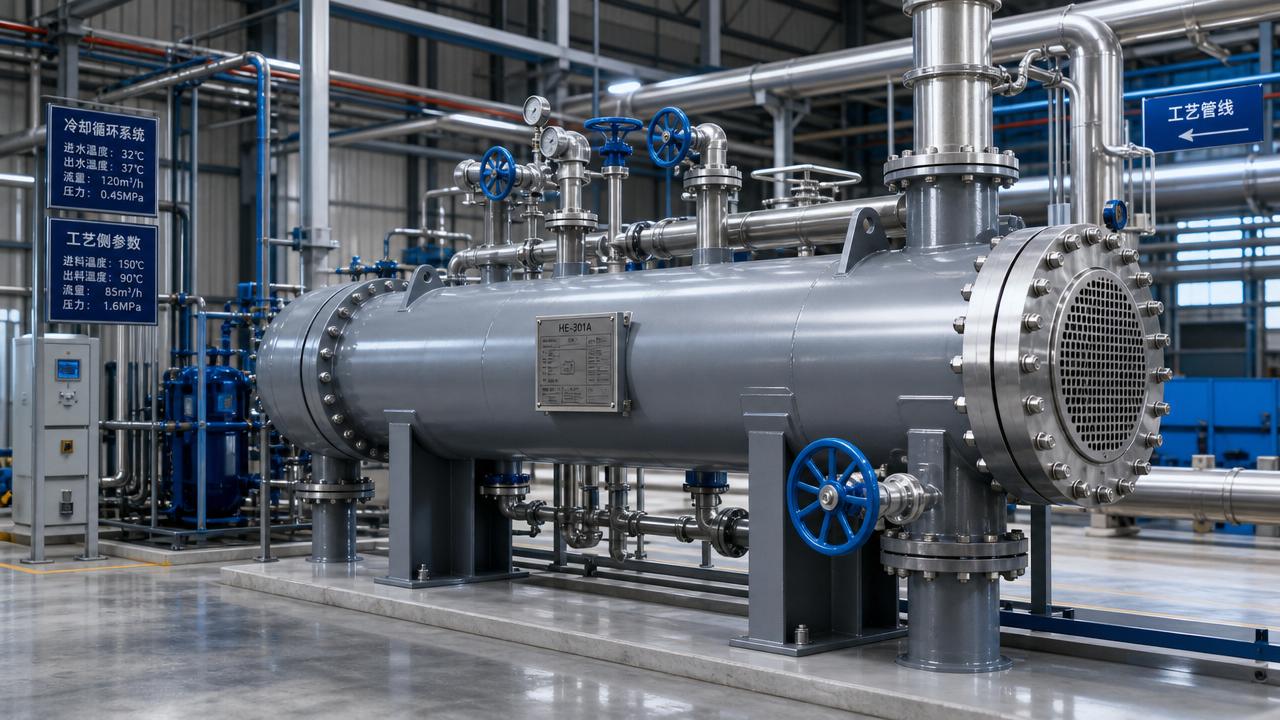
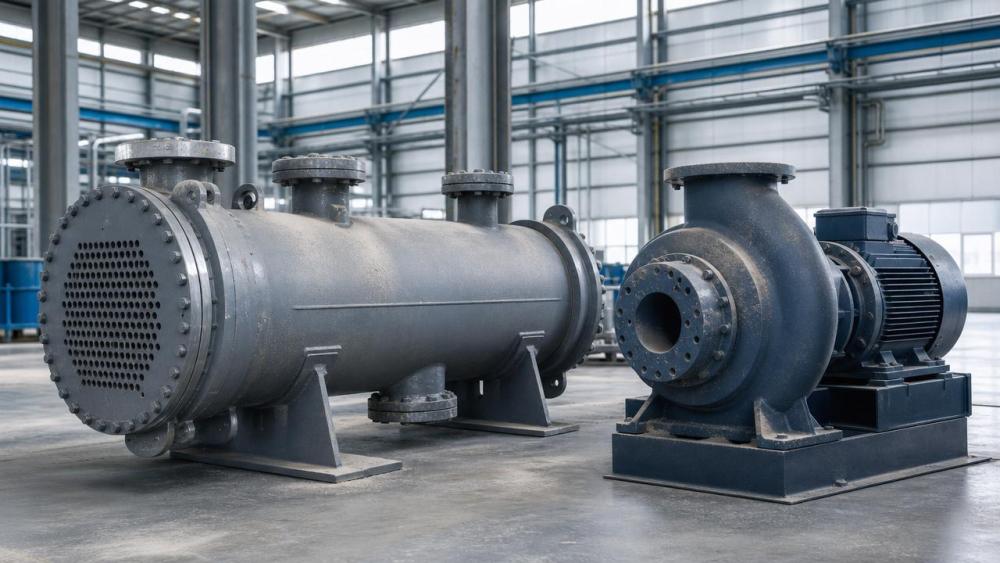
Pakistan’s grid operates with frequent voltage fluctuations and variable frequency; its water sources often carry high sediment loads. Analysis shows that many standard Shell & Tube designs require recalibration of thermal expansion allowances and fouling margin calculations. Similarly, centrifuge enclosures need validated IP65+ ratings under sustained sand loading — not just lab-rated performance.
Distinguish between policy signaling and operational readiness
The visit serves as a high-level coordination milestone, not an immediate procurement trigger. Observably, actual orders tied to CPEC 2.0 energy projects are still subject to financing approvals, EPC contractor selection, and site-specific feasibility studies — all typically lagging diplomatic engagements by 6–12 months.
Prepare modular documentation and local partner onboarding materials
Given the focus on localization, suppliers should pre-assemble technical white papers with dual-language schematics, locally relevant test reports (e.g., simulated grid swing testing), and assembly flowcharts suitable for transfer to Pakistani engineering partners. Doing so now positions firms to respond rapidly if formal requests for proposals emerge in Q3 2026.
Editorial Perspective / Industry Observation
This visit is best understood as a strategic alignment signal — not yet a market activation event. From an industry perspective, it confirms that Pakistan’s infrastructure upgrade cycle is entering a phase where technical adaptability outweighs generic capacity. However, current procurement mechanisms, funding channels, and regulatory enforcement for localized manufacturing remain under development. Analysis shows that real traction will depend less on diplomatic timing and more on whether Chinese suppliers can demonstrate verifiable, field-tested adaptations — not just theoretical compliance — within Pakistan’s operational constraints.
Conclusion
This visit underscores a shift toward context-specific technology deployment in Pakistan’s energy sector — one where equipment performance must be validated against local physical realities, not global benchmarks alone. It is more accurately interpreted as a directional cue for long-term capability building than as an immediate commercial opportunity. Stakeholders are advised to treat it as a catalyst for technical preparation and partnership structuring — not as a near-term sales inflection point.
Information Sources
Main source: Official announcement by the State Council of the People’s Republic of China regarding the invitation to Prime Minister Shehbaz Sharif (dated April 2026); supplementary confirmation from Pakistan Ministry of Planning, Development & Special Initiatives on CPEC 2.0 scope.
Note: Technical adaptation requirements (e.g., grid fluctuation thresholds, dust ingress testing protocols) are cited from publicly available CPEC 2.0 working documents — but final validation criteria remain pending formal publication by Pakistan’s National Transmission & Despatch Company (NTDC) and Water & Power Development Authority (WAPDA). These are under active observation.
Related News
- EU Rule Requires Digital Energy Monitoring for Shell & Tube Heat ExchangersAuthor :Thermodynamics Analyst

- DOE Raises Shell & Tube Efficiency Floor for 2027Author :Thermodynamics Analyst

- EU EN 13445-4:2026 Tightens Dual Certification for Heat ExchangersAuthor :Thermodynamics Analyst

- EN 13445-4:2026 Tightens EU Heat Exchanger ComplianceAuthor :Thermodynamics Analyst

- EN 13445-4:2026 Adds Digital Twin Fatigue ChecksAuthor :Thermodynamics Analyst

- How to Improve Heat Exchanger Efficiency Without Major System DowntimeAuthor :Thermodynamics Analyst

- EU Rule Takes Effect for Shell-and-Tube Heat ExchangersAuthor :Thermodynamics Analyst

- When Energy-Efficient Heat Exchange Systems Deliver Real PaybackAuthor :Thermodynamics Analyst

- DOE Cuts R449A Chiller Transition to 9 MonthsAuthor :Thermodynamics Analyst

- Rail Corridor Surge Cuts Shell & Tube Lead TimeAuthor :Thermodynamics Analyst

- Rail Corridor Hits 2,000 Trains as Heat Exchanger Lead Time FallsAuthor :Thermodynamics Analyst

- Rail Corridor Surge Cuts Shell & Tube Delivery to 28 DaysAuthor :Thermodynamics Analyst

- China-Europe Rail Corridor Tops 2,000 Trains as Heat Exchanger Export Delivery Falls to 28 DaysAuthor :Thermodynamics Analyst

- How to Improve Heat Exchanger Efficiency Without Major RetrofitsAuthor :Thermodynamics Analyst
![]()
- Rail Corridor Speeds Heat Exchanger ExportsAuthor :Thermodynamics Analyst
![]()
- China Names New Trade Parks for Heat Exchanger ExportsAuthor :Thermodynamics Analyst
![]()
- Rail Corridor Eases Lead Times for Shell-and-Tube ExportsAuthor :Thermodynamics Analyst

- Rail Freight Priority Cuts Shell & Tube Lead TimesAuthor :Thermodynamics Analyst

- Vietnam Cement WHR Rule Lifts Exchanger DemandAuthor :Thermodynamics Analyst

- EN 13445-4:2026 Effective for Shell & Tube Heat ExchangersAuthor :Thermodynamics Analyst
![]()
- SANY Excavators Capture >60% of Indonesia's Nickel Mine Equipment MarketAuthor :Thermodynamics Analyst

- APEC Trade Ministers Focus on Digital & Green Supply ChainsAuthor :Thermodynamics Analyst
![]()
- Pakistan PM Visit to China Spurs Shell & Tube, Centrifuge Tech LocalizationAuthor :Thermodynamics Analyst

- Putin's China Visit Resumes Shell & Tube Heat Exchanger Export PathAuthor :Thermodynamics Analyst

- EU Imposes Final Anti-Dumping Duties on Chinese Adipic AcidAuthor :Thermodynamics Analyst

- EN 13445-4:2026 Enters Force for Shell & Tube Heat ExchangersAuthor :Thermodynamics Analyst

- EU Updates EN 13445-4:2026 for Shell & Tube Heat ExchangersAuthor :Thermodynamics Analyst

- China's Petrochemical '15th Five-Year' Digitalization Guide ReleasedAuthor :Thermodynamics Analyst

- Heat Exchanger Technology: Plate vs Shell & Tube Selection GuideAuthor :Thermodynamics Analyst

- China to Upgrade Shell & Tube Heat Exchanger Standard to MandatoryAuthor :Thermodynamics Analyst

- Thermodynamics Analysis in Shell & Tube Selection: What Really MattersAuthor :Thermodynamics Analyst

- How to Compare Heat Exchanger Efficiency Across System DesignsAuthor :Thermodynamics Analyst