APEC Trade Ministers Focus on Digital & Green Supply Chains




APEC Trade Ministers met in Suzhou on May 22–23, 2026, reaching preliminary consensus on digital trade rules, green supply chain mutual recognition, electronic bills of lading, and low-carbon manufacturing standards. The meeting specifically identified shell-and-tube heat exchangers as a priority category for regional harmonization of energy efficiency labeling, carbon footprint disclosure, and test report mutual recognition—directly affecting overseas buyers’ compliance assessments and procurement timelines for Chinese suppliers. Companies engaged in thermal equipment export, industrial component manufacturing, and cross-border supply chain services should monitor developments closely.
Event Overview
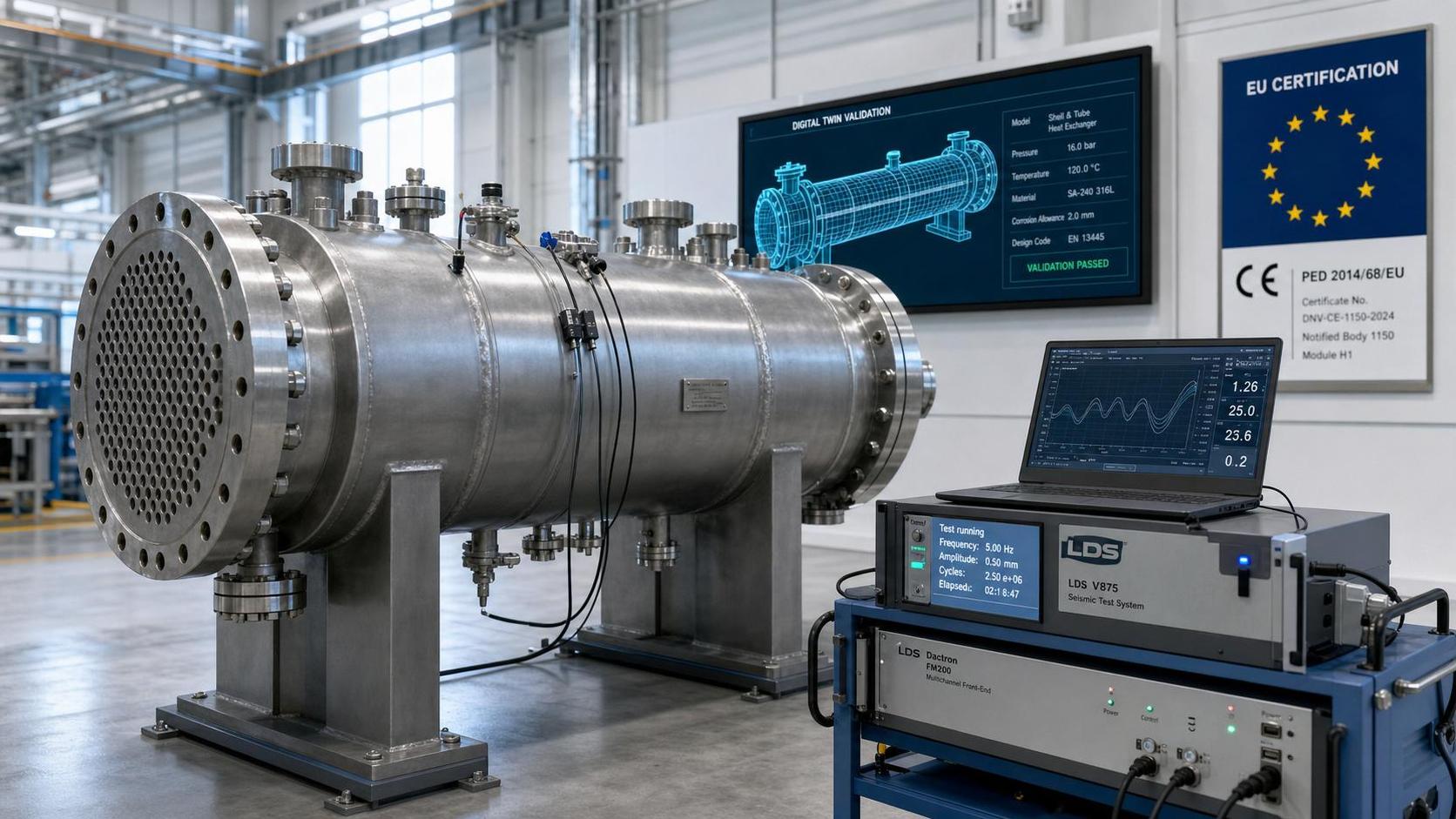
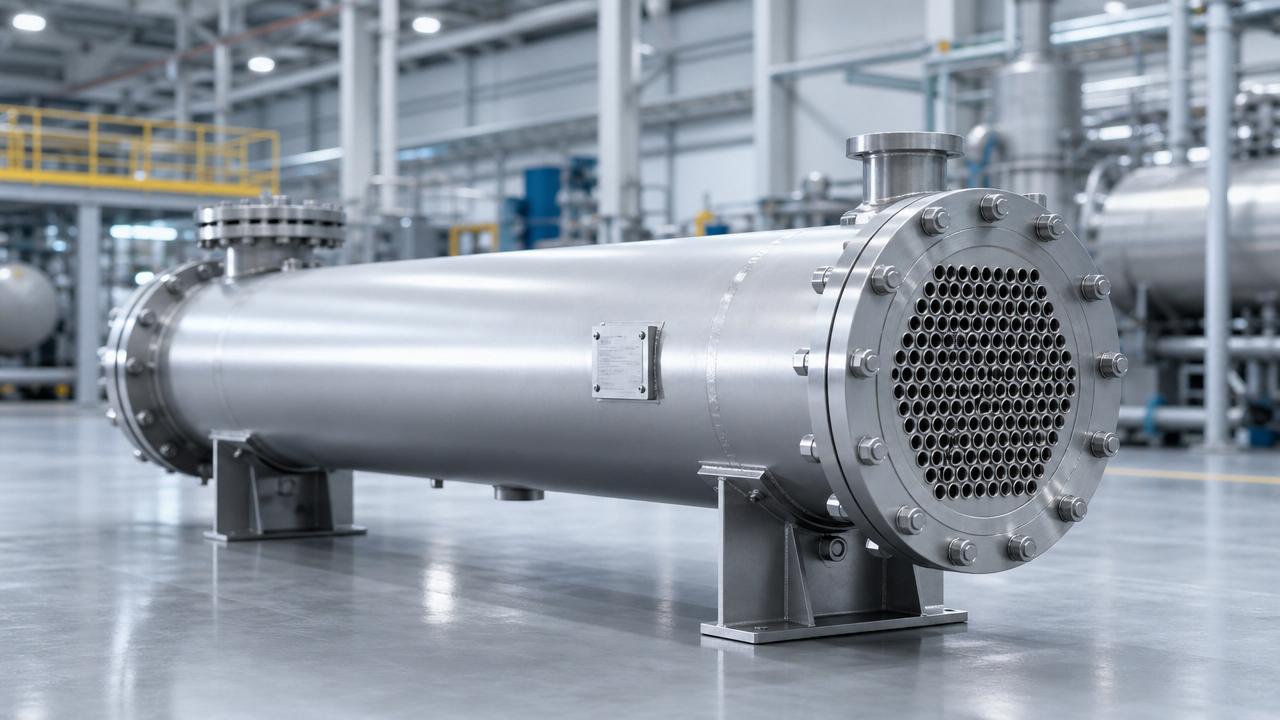
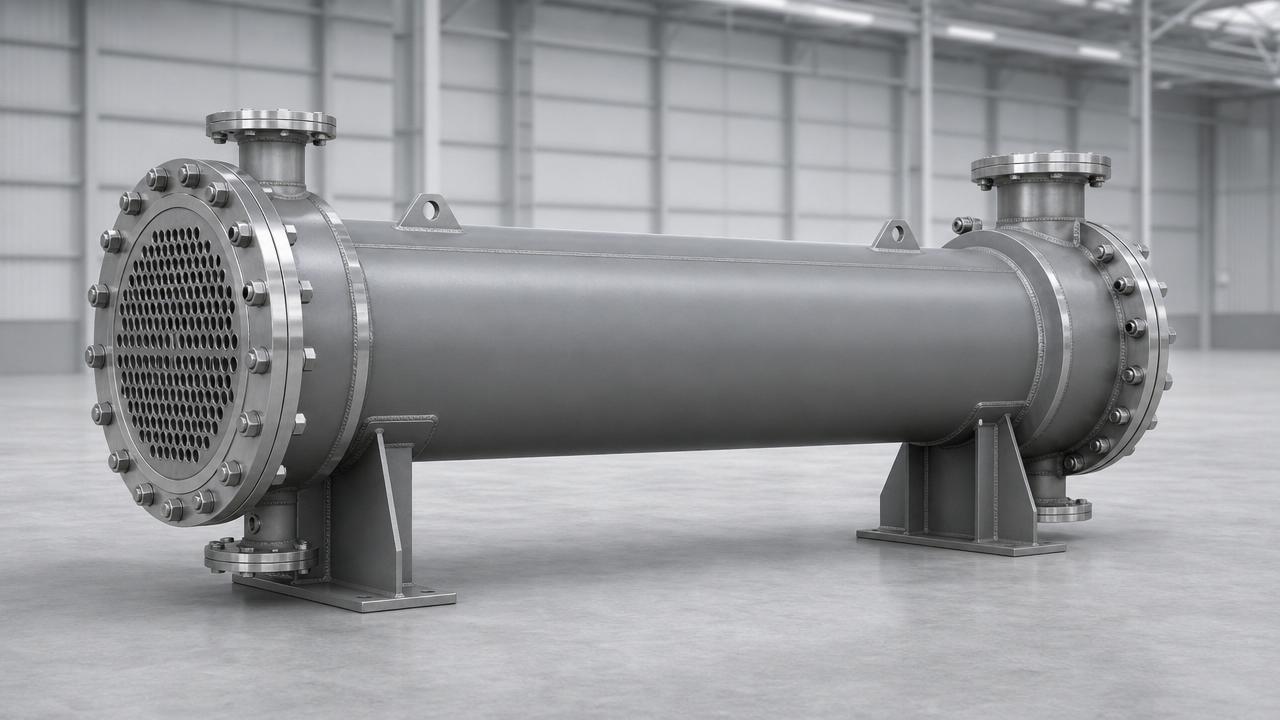
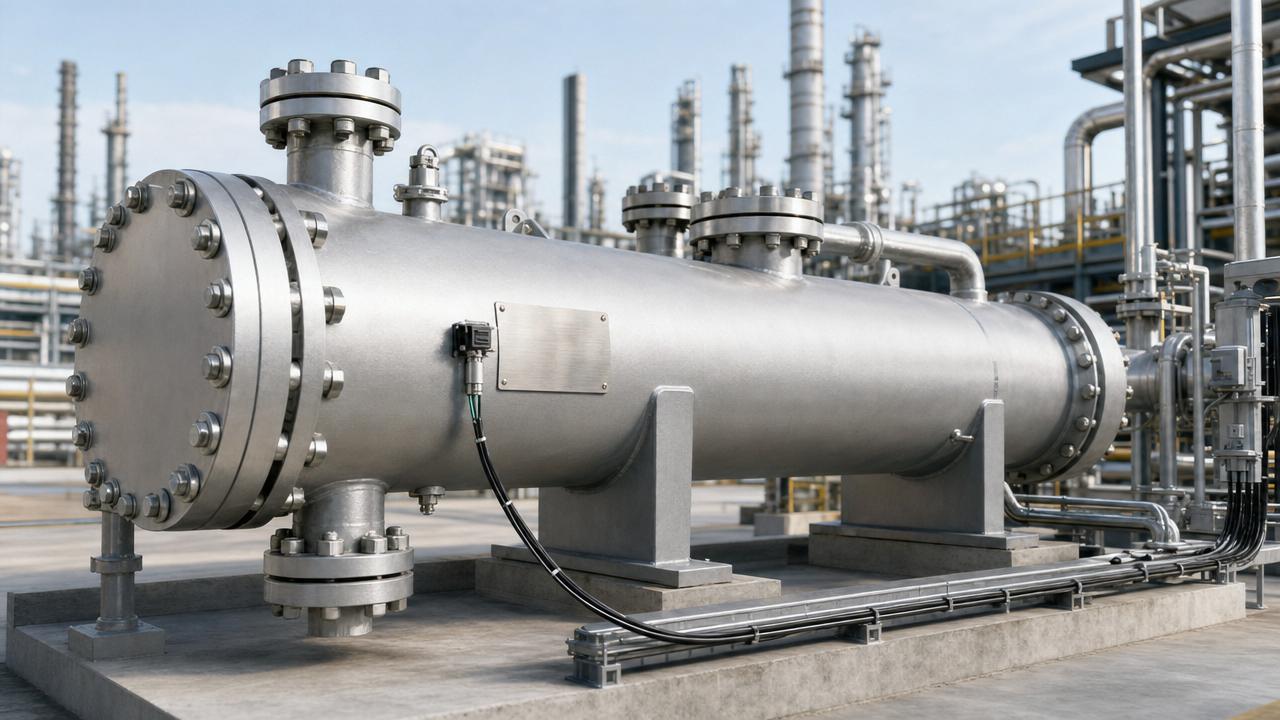
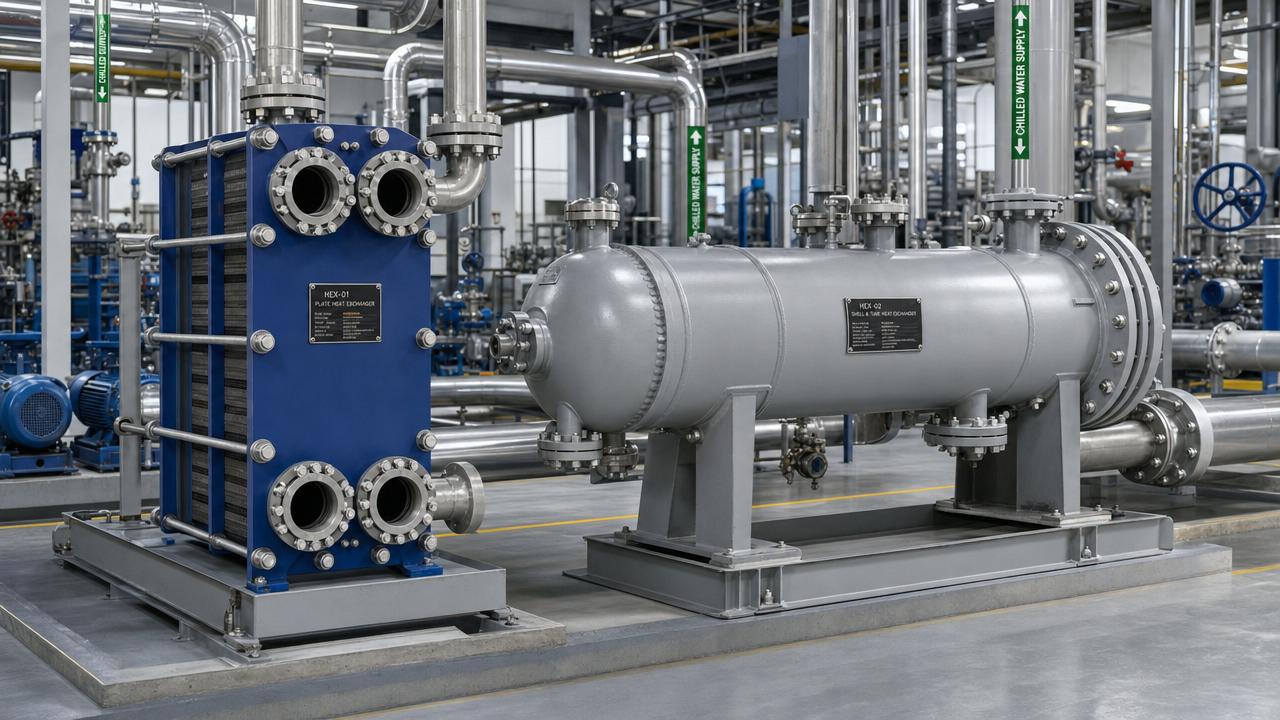
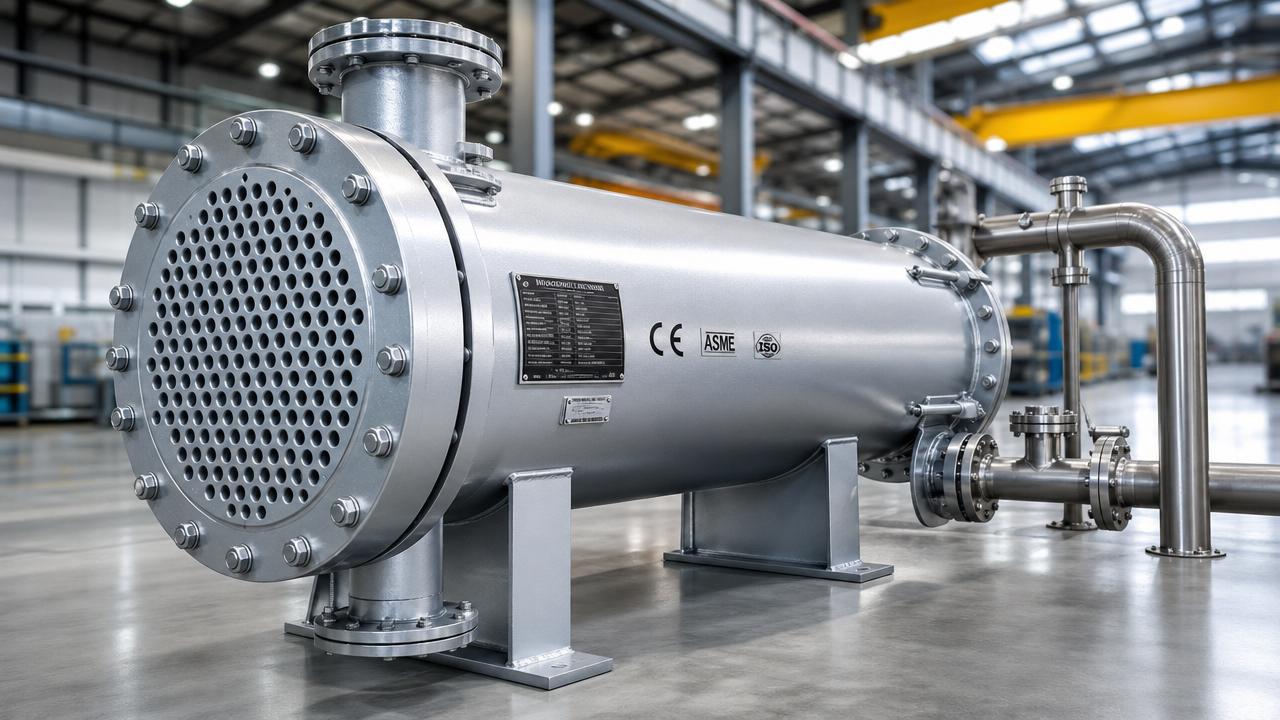
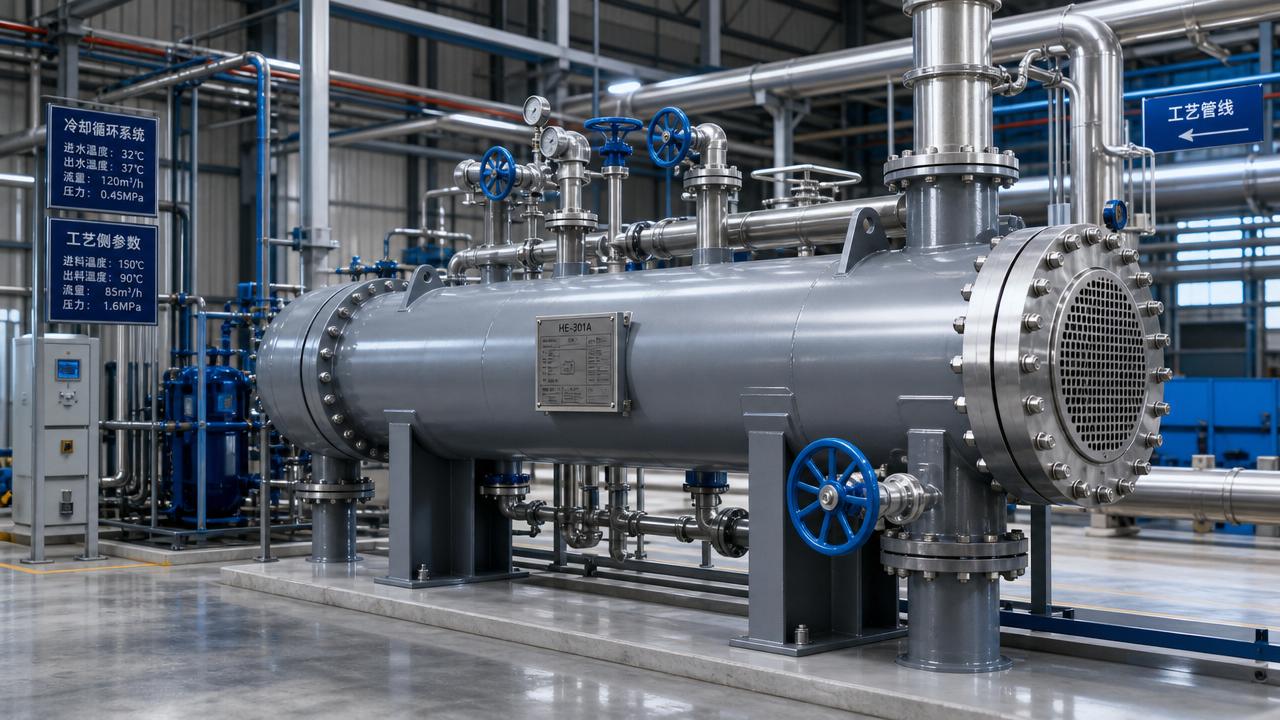
The APEC Trade Ministers’ Meeting took place in Suzhou from May 22 to 23, 2026. Representatives from China and the other 20 APEC member economies agreed in principle on four key areas: digital trade rule alignment, mutual recognition of green supply chain criteria, adoption of electronic bills of lading, and convergence of low-carbon manufacturing standards. The ministers explicitly named shell-and-tube heat exchangers as a pilot product category for advancing mutual recognition of energy efficiency labels, carbon footprint reporting, and third-party inspection reports across the Asia-Pacific region.
Industries Affected
Direct Exporters of Thermal Equipment
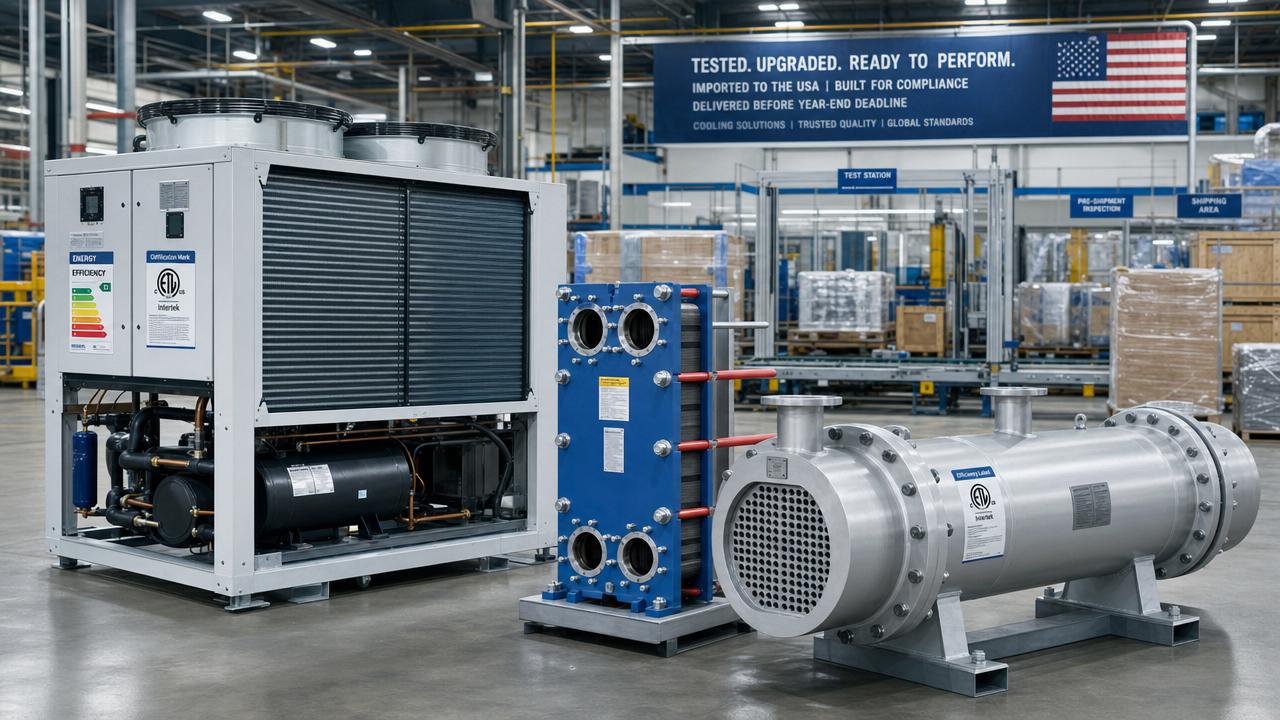
Manufacturers exporting shell-and-tube heat exchangers to APEC markets will face revised compliance expectations. Mutual recognition of test reports and carbon disclosures—once implemented—may reduce redundant certification costs and shorten time-to-market. However, divergence in current national requirements means exporters must still meet individual market thresholds until harmonized protocols are formalized.
Component Suppliers & Raw Material Procurement Firms
Suppliers providing tubes, shells, gaskets, or corrosion-resistant alloys used in shell-and-tube units may see downstream demand shifts. If end-product carbon footprint disclosure becomes mandatory, buyers may require upstream material-level environmental data (e.g., EPDs, supplier CO₂ intensity metrics), increasing traceability and documentation burdens.
Mechanical & Process Equipment Manufacturers
Firms integrating shell-and-tube units into larger systems (e.g., HVAC, power generation, chemical processing plants) may need to adapt technical documentation and quality assurance workflows. Harmonized labeling and reporting could simplify export documentation—but only after domestic testing labs and certification bodies gain APEC-recognized accreditation status.
Supply Chain & Logistics Service Providers
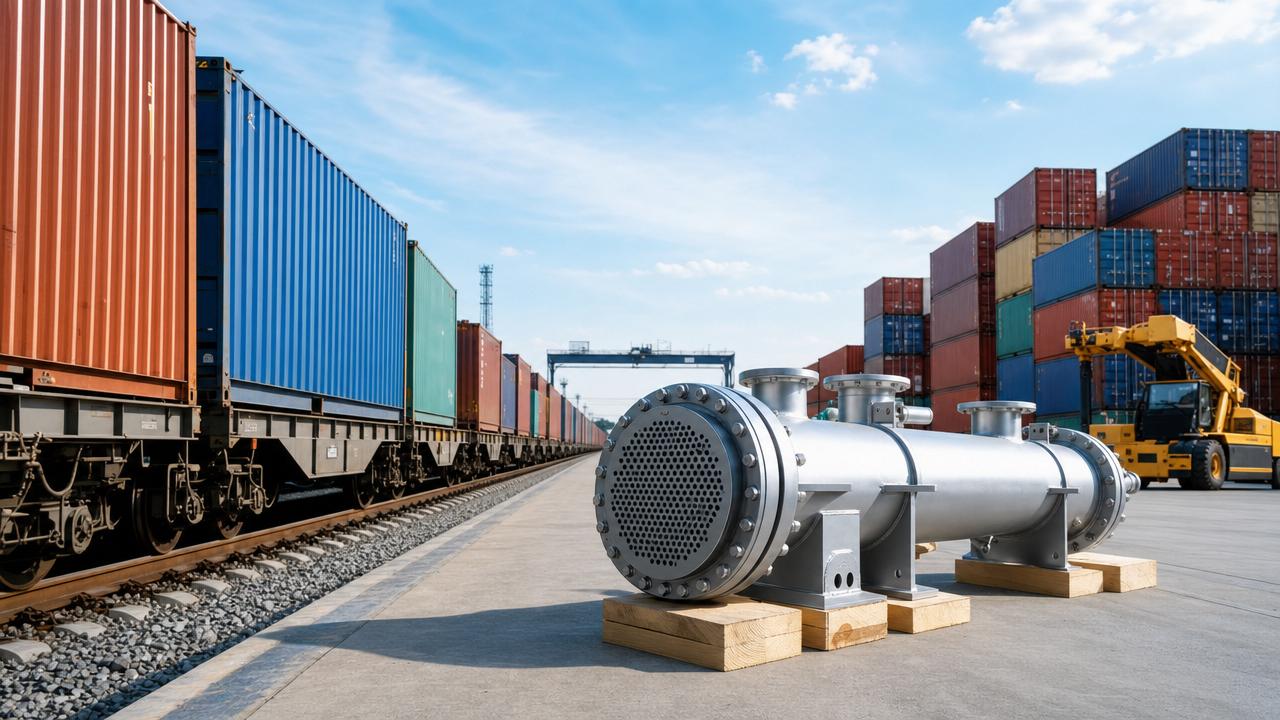
Freight forwarders, customs brokers, and digital logistics platforms handling thermal equipment shipments may need to support electronic bill of lading integration and verify carbon-related documentation at clearance points. Early adoption of compatible digital infrastructure will be critical once electronic documentation becomes a condition for preferential treatment.
What Enterprises and Practitioners Should Monitor and Do Now
Track official implementation roadmaps and technical annexes
The May 2026 meeting produced a consensus statement—not binding regulations. Stakeholders should monitor updates from APEC’s Policy Partnership on Food Security (PPFS), the Standards and Conformance Steering Group (SCSG), and national trade ministries for published work plans, draft technical specifications, and pilot timelines.
Identify priority APEC markets with active conformity assessment frameworks
Not all 21 APEC economies have equivalent capacity to issue or accept mutual recognition. Early adopters—including Australia, Japan, Singapore, and Canada—are more likely to operationalize harmonized reporting first. Exporters should prioritize engagement with these markets’ national accreditation bodies (e.g., JAB in Japan, NATA in Australia) to assess readiness.
Distinguish between policy signal and operational readiness
While the agreement signals political commitment, no common database, shared verification platform, or unified carbon accounting methodology has been established. Current impact remains procedural—not transactional. Businesses should treat this as a medium-term regulatory horizon, not an immediate compliance trigger.
Begin internal alignment of product data management systems
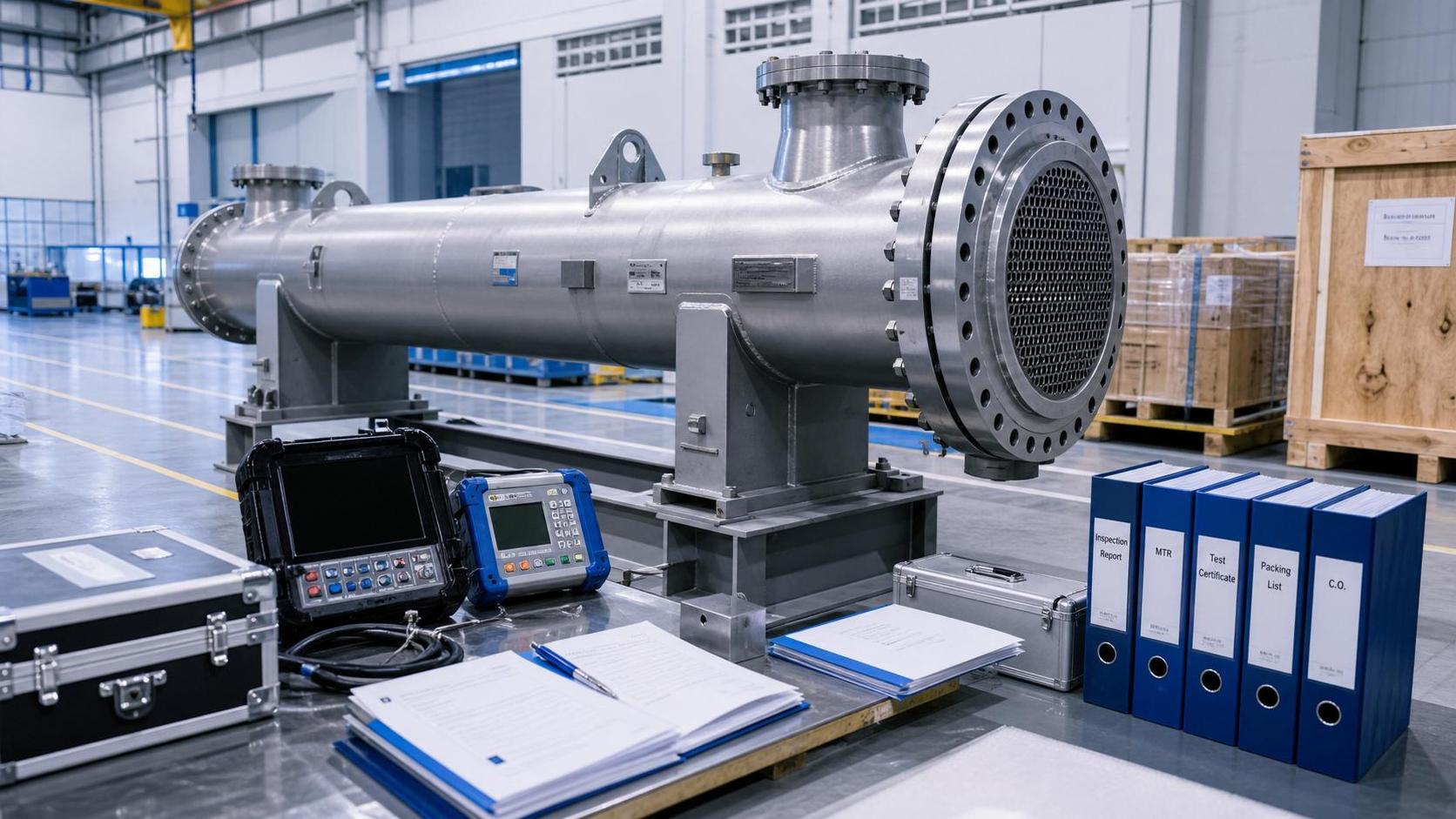
Companies should audit existing documentation practices for energy performance claims, material sourcing records, and third-party test reports. Preparing modular, ISO-aligned data packages (e.g., compliant with ISO 14067 for carbon footprint or ISO 50001 for energy management) positions firms to respond efficiently when formal reporting templates emerge.
Editorial Perspective / Industry Observation
Observably, this outcome functions primarily as a coordination signal—not an enforcement mechanism. It reflects growing regional alignment on sustainability and digital interoperability as trade enablers, rather than a finalized regulatory framework. Analysis shows that the inclusion of shell-and-tube heat exchangers is notable: it indicates targeted attention to capital-intensive, energy-relevant industrial components where standardization yields measurable decarbonization and efficiency gains. From an industry perspective, the value lies less in immediate change and more in the precedent set for sector-specific harmonization pathways. Continued monitoring is warranted because implementation momentum will depend on technical working group outputs over the next 12–18 months—not ministerial declarations alone.
In summary, the APEC Trade Ministers’ consensus marks a procedural milestone in regional supply chain governance—not a shift in enforceable requirements. Its significance resides in signaling coordinated intent among major Asia-Pacific economies to reduce non-tariff barriers for climate-conscious industrial goods. For stakeholders, the most rational interpretation is that this initiates a multi-year technical alignment process; near-term action should focus on information gathering and system readiness—not compliance overreaction.
Source: Official communiqué issued by the APEC Secretariat following the 2026 Trade Ministers’ Meeting in Suzhou. Note: Implementation timelines, technical specifications, and participating accreditation bodies remain under development and are subject to further announcement.
Related News
- EU Rule Requires Digital Energy Monitoring for Shell & Tube Heat ExchangersAuthor :Thermodynamics Analyst

- DOE Raises Shell & Tube Efficiency Floor for 2027Author :Thermodynamics Analyst

- EU EN 13445-4:2026 Tightens Dual Certification for Heat ExchangersAuthor :Thermodynamics Analyst

- EN 13445-4:2026 Tightens EU Heat Exchanger ComplianceAuthor :Thermodynamics Analyst

- EN 13445-4:2026 Adds Digital Twin Fatigue ChecksAuthor :Thermodynamics Analyst

- How to Improve Heat Exchanger Efficiency Without Major System DowntimeAuthor :Thermodynamics Analyst

- EU Rule Takes Effect for Shell-and-Tube Heat ExchangersAuthor :Thermodynamics Analyst

- When Energy-Efficient Heat Exchange Systems Deliver Real PaybackAuthor :Thermodynamics Analyst

- DOE Cuts R449A Chiller Transition to 9 MonthsAuthor :Thermodynamics Analyst

- Rail Corridor Surge Cuts Shell & Tube Lead TimeAuthor :Thermodynamics Analyst

- Rail Corridor Hits 2,000 Trains as Heat Exchanger Lead Time FallsAuthor :Thermodynamics Analyst

- Rail Corridor Surge Cuts Shell & Tube Delivery to 28 DaysAuthor :Thermodynamics Analyst

- China-Europe Rail Corridor Tops 2,000 Trains as Heat Exchanger Export Delivery Falls to 28 DaysAuthor :Thermodynamics Analyst

- How to Improve Heat Exchanger Efficiency Without Major RetrofitsAuthor :Thermodynamics Analyst
![]()
- Rail Corridor Speeds Heat Exchanger ExportsAuthor :Thermodynamics Analyst
![]()
- China Names New Trade Parks for Heat Exchanger ExportsAuthor :Thermodynamics Analyst
![]()
- Rail Corridor Eases Lead Times for Shell-and-Tube ExportsAuthor :Thermodynamics Analyst

- Rail Freight Priority Cuts Shell & Tube Lead TimesAuthor :Thermodynamics Analyst

- Vietnam Cement WHR Rule Lifts Exchanger DemandAuthor :Thermodynamics Analyst

- EN 13445-4:2026 Effective for Shell & Tube Heat ExchangersAuthor :Thermodynamics Analyst
![]()
- SANY Excavators Capture >60% of Indonesia's Nickel Mine Equipment MarketAuthor :Thermodynamics Analyst

- APEC Trade Ministers Focus on Digital & Green Supply ChainsAuthor :Thermodynamics Analyst
![]()
- Pakistan PM Visit to China Spurs Shell & Tube, Centrifuge Tech LocalizationAuthor :Thermodynamics Analyst

- Putin's China Visit Resumes Shell & Tube Heat Exchanger Export PathAuthor :Thermodynamics Analyst

- EU Imposes Final Anti-Dumping Duties on Chinese Adipic AcidAuthor :Thermodynamics Analyst

- EN 13445-4:2026 Enters Force for Shell & Tube Heat ExchangersAuthor :Thermodynamics Analyst

- EU Updates EN 13445-4:2026 for Shell & Tube Heat ExchangersAuthor :Thermodynamics Analyst

- China's Petrochemical '15th Five-Year' Digitalization Guide ReleasedAuthor :Thermodynamics Analyst

- Heat Exchanger Technology: Plate vs Shell & Tube Selection GuideAuthor :Thermodynamics Analyst

- China to Upgrade Shell & Tube Heat Exchanger Standard to MandatoryAuthor :Thermodynamics Analyst

- Thermodynamics Analysis in Shell & Tube Selection: What Really MattersAuthor :Thermodynamics Analyst

- How to Compare Heat Exchanger Efficiency Across System DesignsAuthor :Thermodynamics Analyst