EU Imposes Final Anti-Dumping Duties on Chinese Adipic Acid




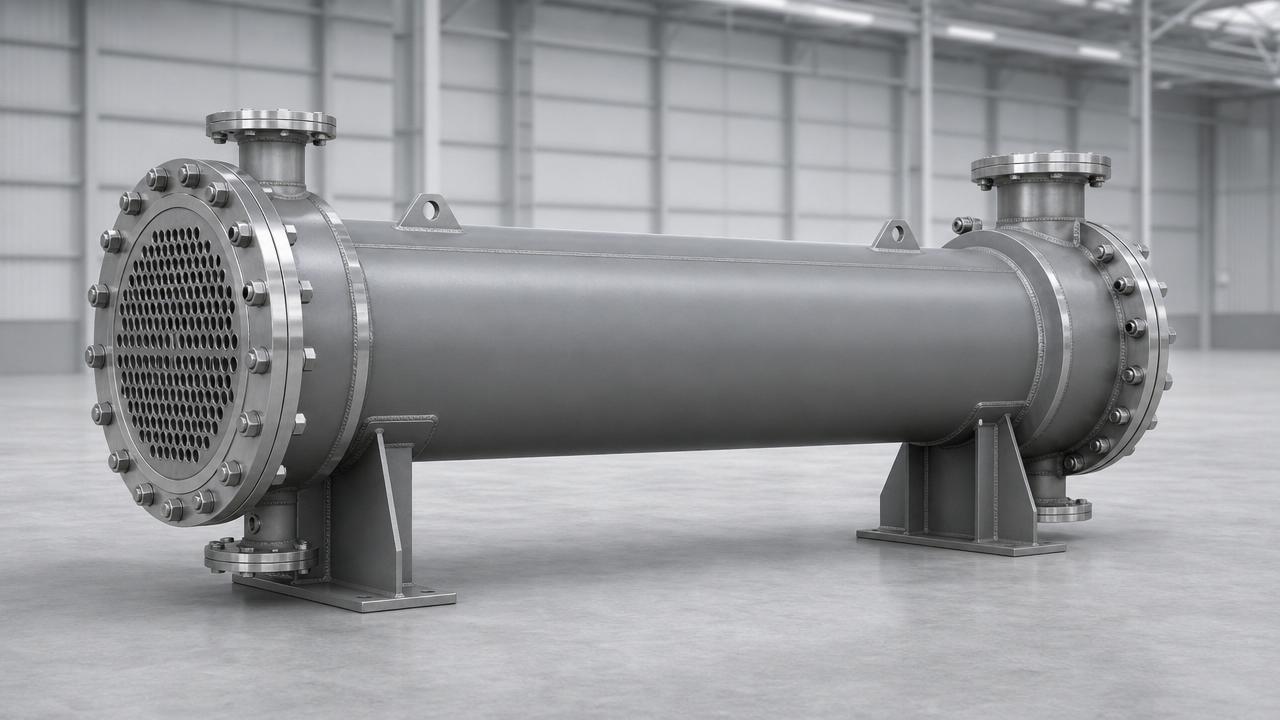
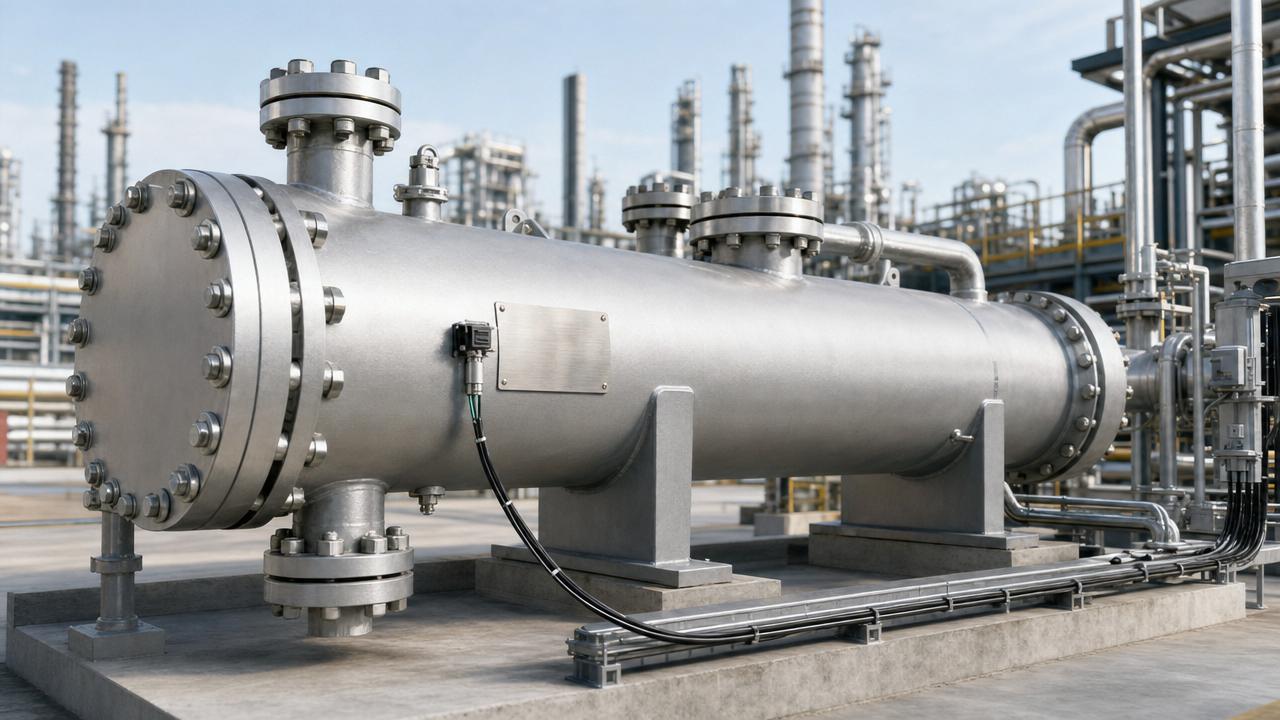
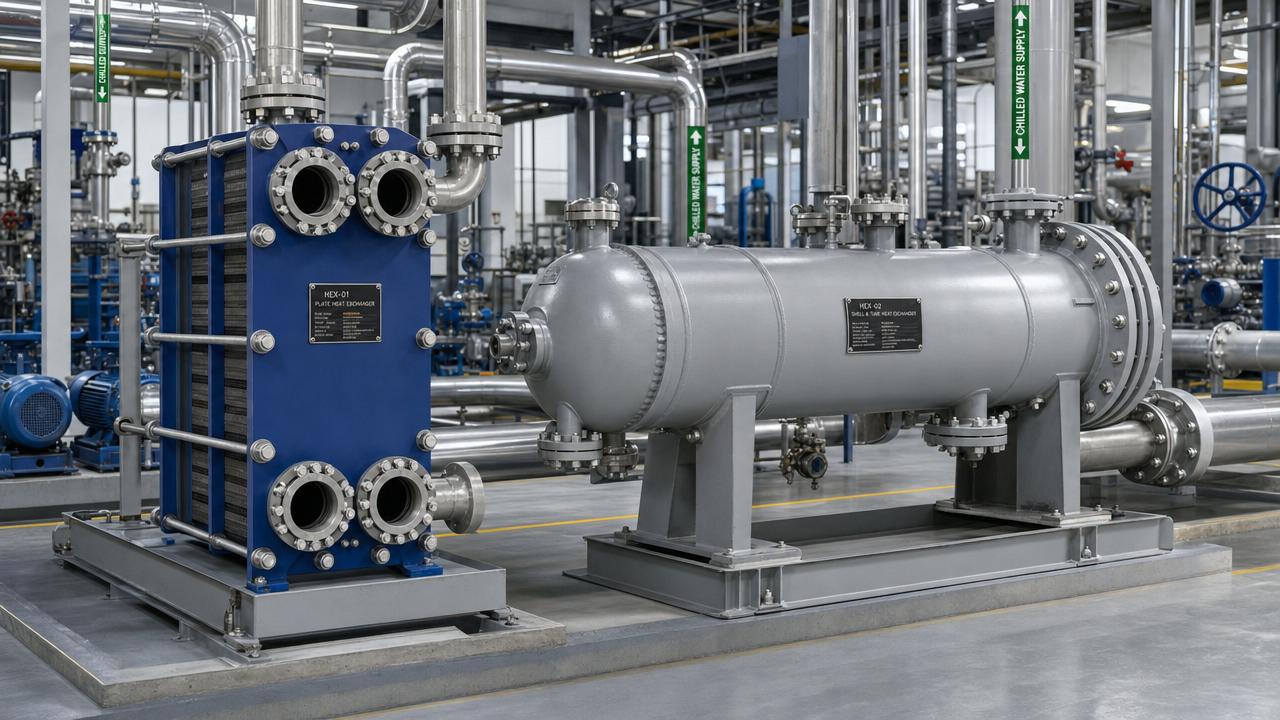
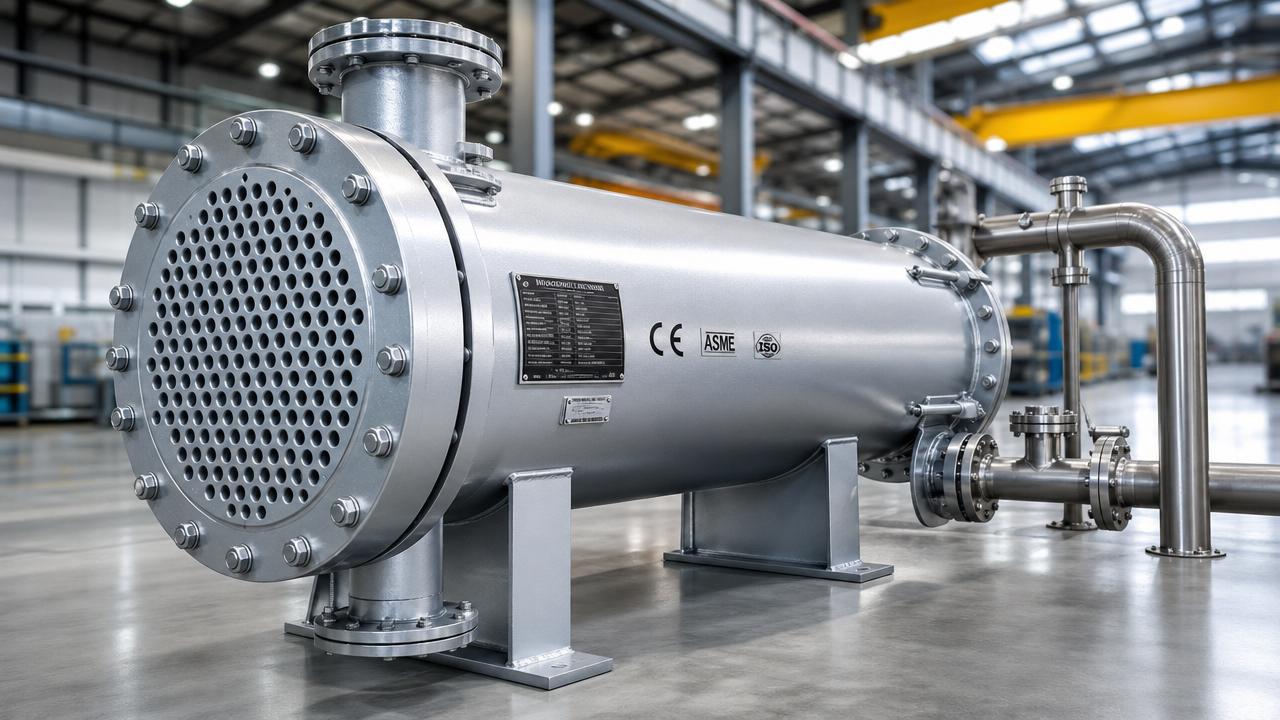
On May 5, 2026, the European Commission issued its final anti-dumping determination on adipic acid originating in China. This decision directly affects manufacturers and suppliers of shell-and-tube heat exchangers—particularly those relying on high-performance, corrosion-resistant tubing materials (e.g., specialty stainless steel/fluoropolymer composite tubes) whose production depends on adipic acid as a key precursor. The ruling introduces new compliance costs and delivery delays for European buyers of Chinese-made heat exchanger equipment incorporating such tubing, prompting potential shifts toward localized tube assembly.
Event Overview
On May 5, 2026, the European Commission formally adopted the final anti-dumping measures on adipic acid (CAS No. 124-04-9) exported from the People’s Republic of China. The measure applies to imports of adipic acid used in the production of high-end corrosion-resistant tubing for shell-and-tube heat exchangers. No further provisional duties or review timelines were disclosed in the initial public announcement.
Impact on Specific Industry Segments
Raw material procurement enterprises: Companies sourcing adipic acid—or downstream intermediates derived from it—for tube manufacturing face immediate input cost increases. Since adipic acid is a critical precursor in synthesizing certain fluoropolymer linings and polymer-modified alloys used in heat exchanger tubing, affected procurement teams must reassess landed cost models and supplier qualification criteria.
Heat exchanger manufacturing enterprises: Producers of shell-and-tube heat exchangers that integrate tubing requiring adipic-acid-derived components may encounter higher customs clearance complexity, extended lead times for EU-bound shipments, and revised quotation structures. This particularly applies to OEMs supplying energy, chemical processing, or HVAC sectors where certified corrosion resistance is contractually mandated.
Export trading and compliance service providers: Firms offering customs advisory, origin certification, or tariff classification support for industrial chemical–integrated mechanical equipment now need to verify whether adipic acid content thresholds trigger the new duty regime—even when the chemical is not listed explicitly on commercial invoices but is embedded in finished tubing specifications.
Key Points for Enterprises and Practitioners to Monitor and Act On
Track official EU implementation guidance and product scope clarifications
The Commission has not yet published detailed notes on how ‘adipic acid content’ will be verified in composite tubing (e.g., via lab testing, supplier declarations, or bill-of-materials thresholds). Enterprises should monitor updates from the EU Tariff Nomenclature (TARIC) database and official notices in the Official Journal of the European Union.
Review technical documentation for tubing supplied with heat exchangers
Manufacturers should audit existing tubing material certifications and supplier data sheets—not only for chemical composition but also for traceability of adipic acid–derived polymers (e.g., polyamide-6,6 precursors or fluorinated elastomer modifiers). Documentation gaps may delay EU customs release under the new regime.
Distinguish between regulatory signal and operational impact
This final ruling constitutes a binding trade measure—but its practical enforcement (e.g., sampling frequency, verification protocols, or retroactive application) remains subject to national customs authorities’ interpretation. Early engagement with EU-based import agents or authorized representatives is advisable before scheduling first post-ruling shipments.
Prepare alternative sourcing or assembly contingencies
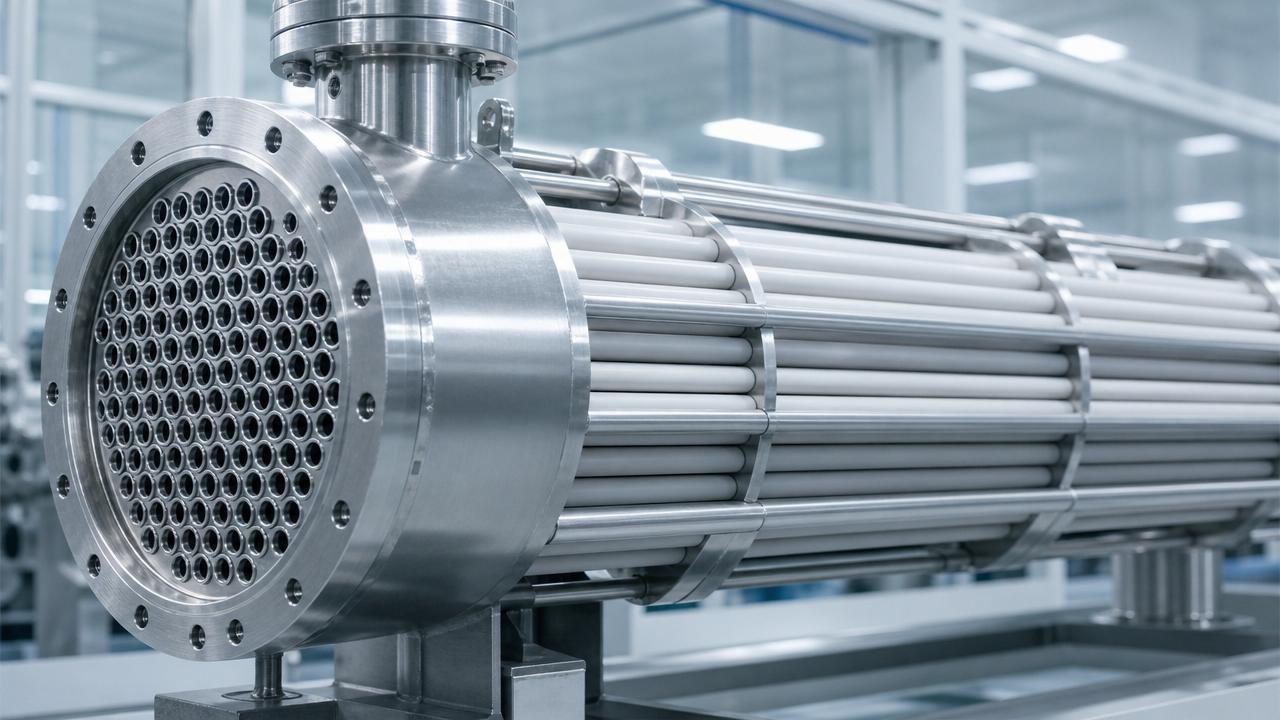
For customers prioritizing EU delivery continuity, exploring hybrid supply options—such as importing tubing-free heat exchanger shells for final tube insertion at EU-based facilities—may mitigate both duty exposure and logistics risk. Feasibility assessments should include certification transfer requirements and CE marking alignment.
Editorial Perspective / Industry Observation
Observably, this ruling functions less as an isolated tariff adjustment and more as a structural signal about tightening scrutiny on upstream chemical inputs embedded in capital equipment exports. Analysis shows that the Commission’s focus on adipic acid—as opposed to finished tubing or assembled exchangers—reflects a growing trend to target ‘enabling materials’ with dual-use relevance in industrial decarbonization infrastructure. From an industry perspective, this is best understood not as a one-off trade action, but as part of a broader recalibration of supply chain due diligence expectations across EU import channels for engineered systems.
Current monitoring priorities include whether parallel investigations emerge for related precursors (e.g., cyclohexanol/cyclohexanone), and whether EU member states begin requesting enhanced chemical traceability in public procurement tenders for process equipment.
Concluding, this measure confirms increased regulatory sensitivity around chemical-integrated mechanical components in EU market access. It does not prohibit trade, but redefines the baseline for compliance readiness—particularly for exporters whose value proposition relies on integrated, performance-validated subsystems rather than discrete parts. At present, it is more accurately interpreted as a procedural inflection point than a market exit signal.
Source: European Commission Press Release IP/26/2187 (May 5, 2026); Official Journal of the European Union, L 135/1, May 5, 2026.
Notes for ongoing observation: Implementation guidelines on verification methodology and scope application to composite tubing remain pending publication.
Related News
- EU Rule Requires Digital Energy Monitoring for Shell & Tube Heat ExchangersAuthor :Thermodynamics Analyst

- DOE Raises Shell & Tube Efficiency Floor for 2027Author :Thermodynamics Analyst

- EU EN 13445-4:2026 Tightens Dual Certification for Heat ExchangersAuthor :Thermodynamics Analyst

- EN 13445-4:2026 Tightens EU Heat Exchanger ComplianceAuthor :Thermodynamics Analyst

- EN 13445-4:2026 Adds Digital Twin Fatigue ChecksAuthor :Thermodynamics Analyst

- How to Improve Heat Exchanger Efficiency Without Major System DowntimeAuthor :Thermodynamics Analyst

- EU Rule Takes Effect for Shell-and-Tube Heat ExchangersAuthor :Thermodynamics Analyst

- When Energy-Efficient Heat Exchange Systems Deliver Real PaybackAuthor :Thermodynamics Analyst

- DOE Cuts R449A Chiller Transition to 9 MonthsAuthor :Thermodynamics Analyst

- Rail Corridor Surge Cuts Shell & Tube Lead TimeAuthor :Thermodynamics Analyst

- Rail Corridor Hits 2,000 Trains as Heat Exchanger Lead Time FallsAuthor :Thermodynamics Analyst

- Rail Corridor Surge Cuts Shell & Tube Delivery to 28 DaysAuthor :Thermodynamics Analyst

- China-Europe Rail Corridor Tops 2,000 Trains as Heat Exchanger Export Delivery Falls to 28 DaysAuthor :Thermodynamics Analyst

- How to Improve Heat Exchanger Efficiency Without Major RetrofitsAuthor :Thermodynamics Analyst
![]()
- Rail Corridor Speeds Heat Exchanger ExportsAuthor :Thermodynamics Analyst
![]()
- China Names New Trade Parks for Heat Exchanger ExportsAuthor :Thermodynamics Analyst
![]()
- Rail Corridor Eases Lead Times for Shell-and-Tube ExportsAuthor :Thermodynamics Analyst

- Rail Freight Priority Cuts Shell & Tube Lead TimesAuthor :Thermodynamics Analyst

- Vietnam Cement WHR Rule Lifts Exchanger DemandAuthor :Thermodynamics Analyst

- EN 13445-4:2026 Effective for Shell & Tube Heat ExchangersAuthor :Thermodynamics Analyst
![]()
- SANY Excavators Capture >60% of Indonesia's Nickel Mine Equipment MarketAuthor :Thermodynamics Analyst

- APEC Trade Ministers Focus on Digital & Green Supply ChainsAuthor :Thermodynamics Analyst
![]()
- Pakistan PM Visit to China Spurs Shell & Tube, Centrifuge Tech LocalizationAuthor :Thermodynamics Analyst

- Putin's China Visit Resumes Shell & Tube Heat Exchanger Export PathAuthor :Thermodynamics Analyst

- EU Imposes Final Anti-Dumping Duties on Chinese Adipic AcidAuthor :Thermodynamics Analyst

- EN 13445-4:2026 Enters Force for Shell & Tube Heat ExchangersAuthor :Thermodynamics Analyst

- EU Updates EN 13445-4:2026 for Shell & Tube Heat ExchangersAuthor :Thermodynamics Analyst

- China's Petrochemical '15th Five-Year' Digitalization Guide ReleasedAuthor :Thermodynamics Analyst

- Heat Exchanger Technology: Plate vs Shell & Tube Selection GuideAuthor :Thermodynamics Analyst

- China to Upgrade Shell & Tube Heat Exchanger Standard to MandatoryAuthor :Thermodynamics Analyst

- Thermodynamics Analysis in Shell & Tube Selection: What Really MattersAuthor :Thermodynamics Analyst

- How to Compare Heat Exchanger Efficiency Across System DesignsAuthor :Thermodynamics Analyst