



Putin's China Visit Resumes Shell & Tube Heat Exchanger Export Path




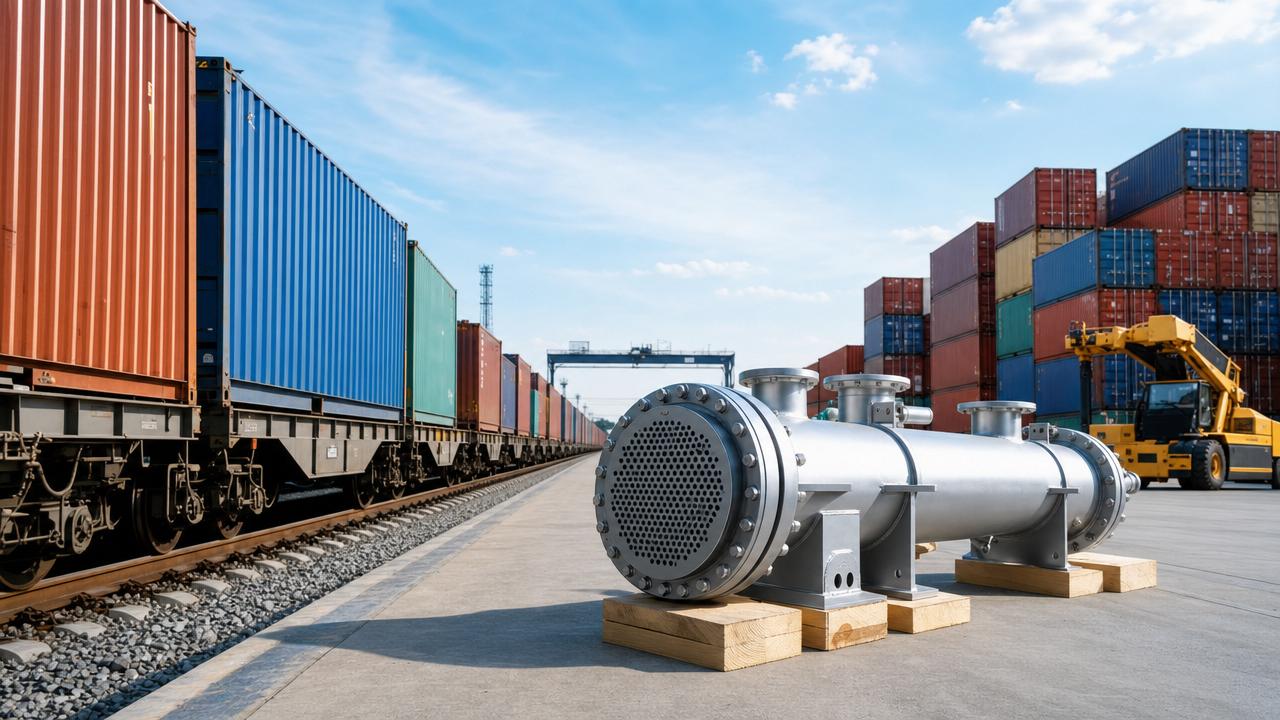
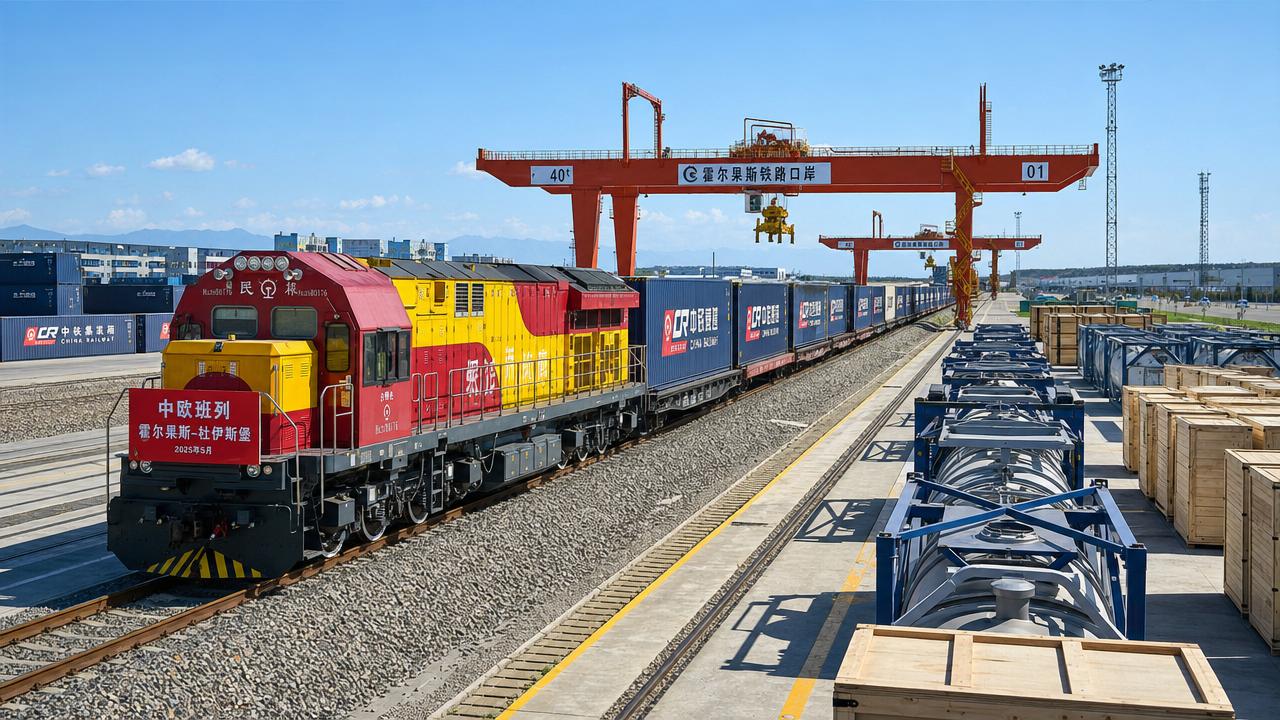
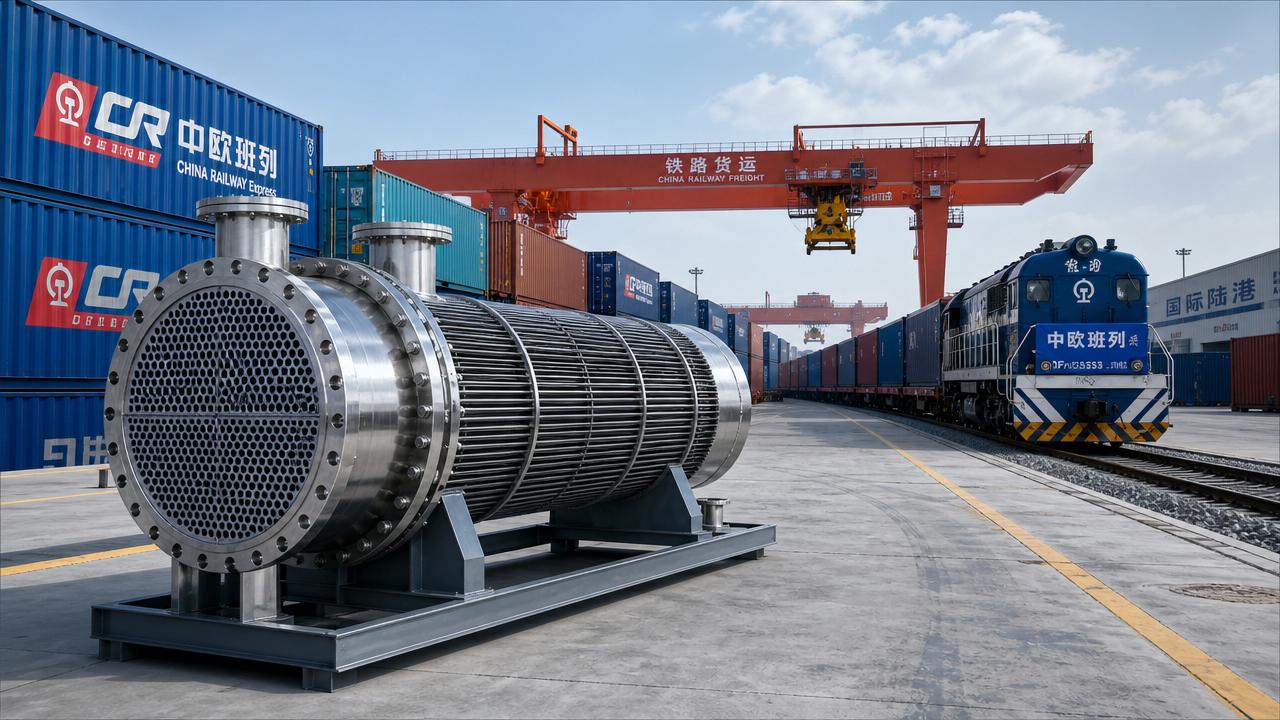
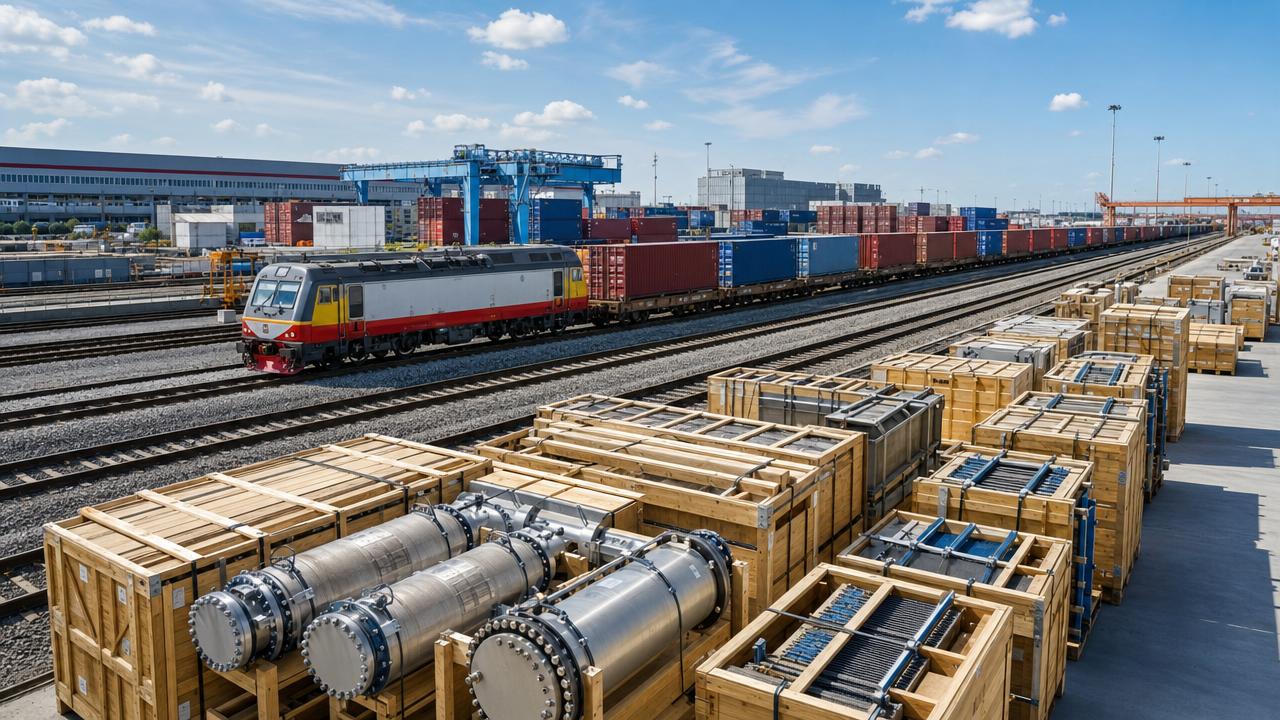
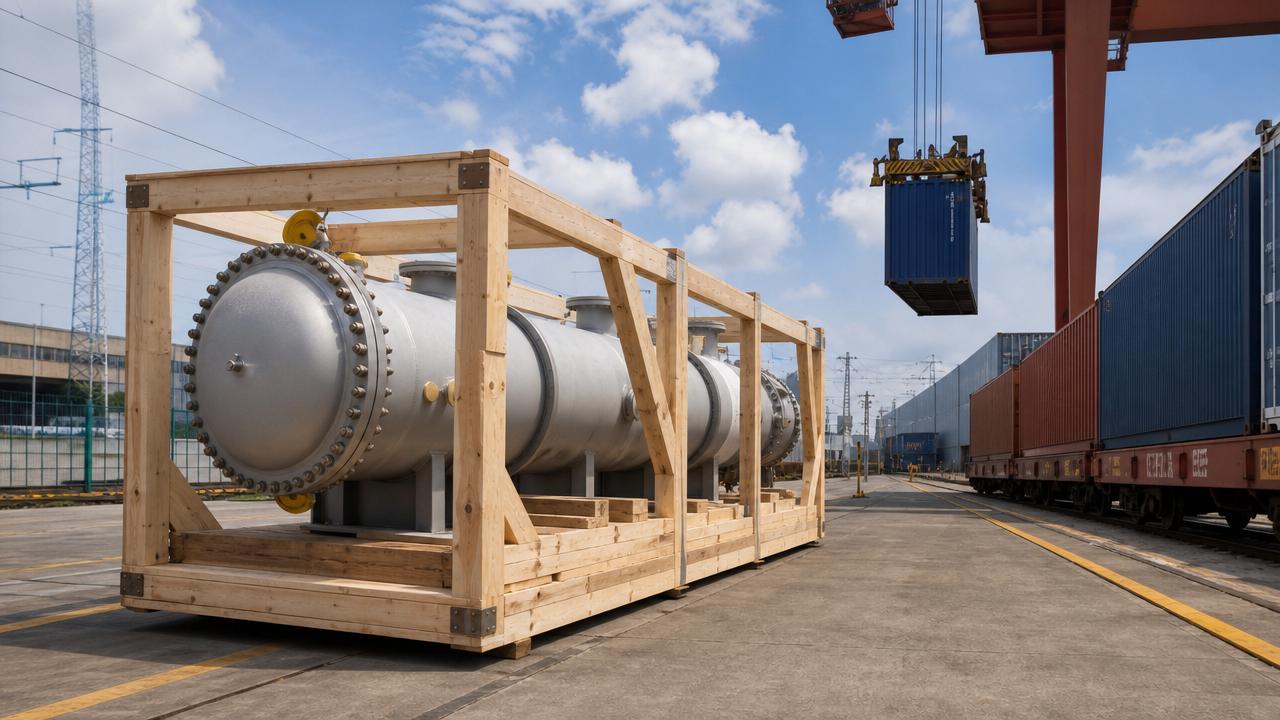
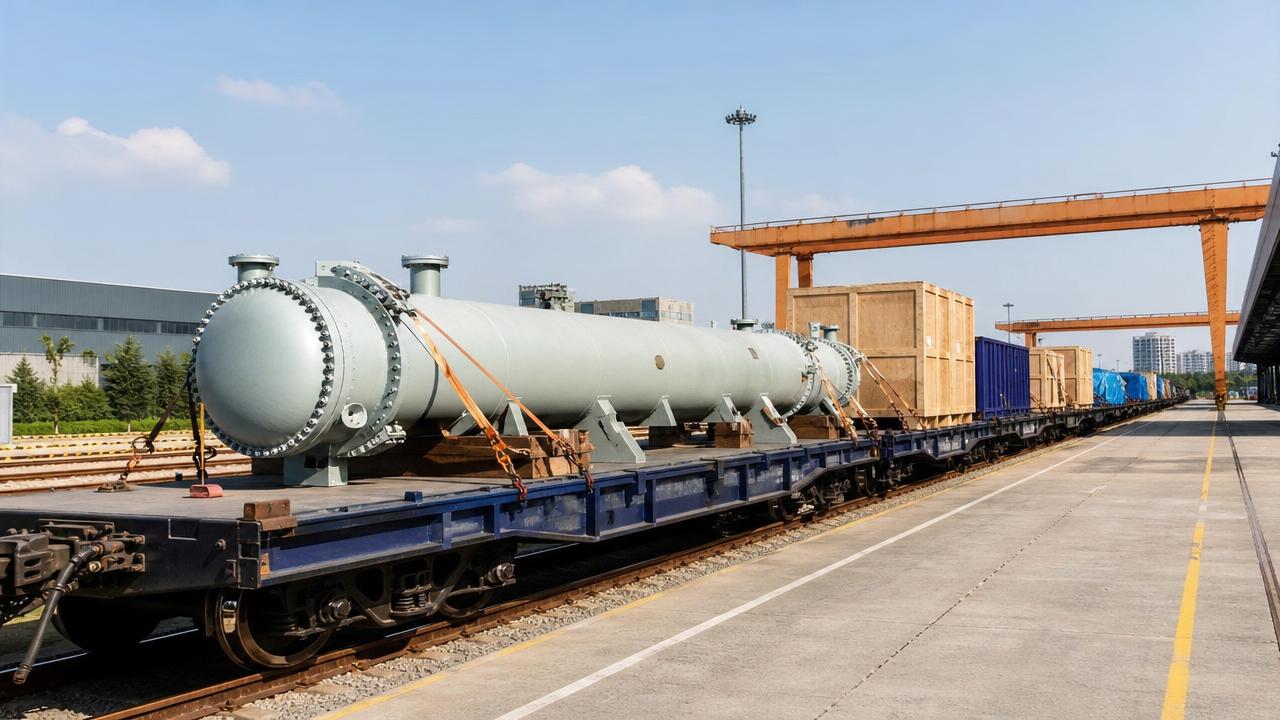
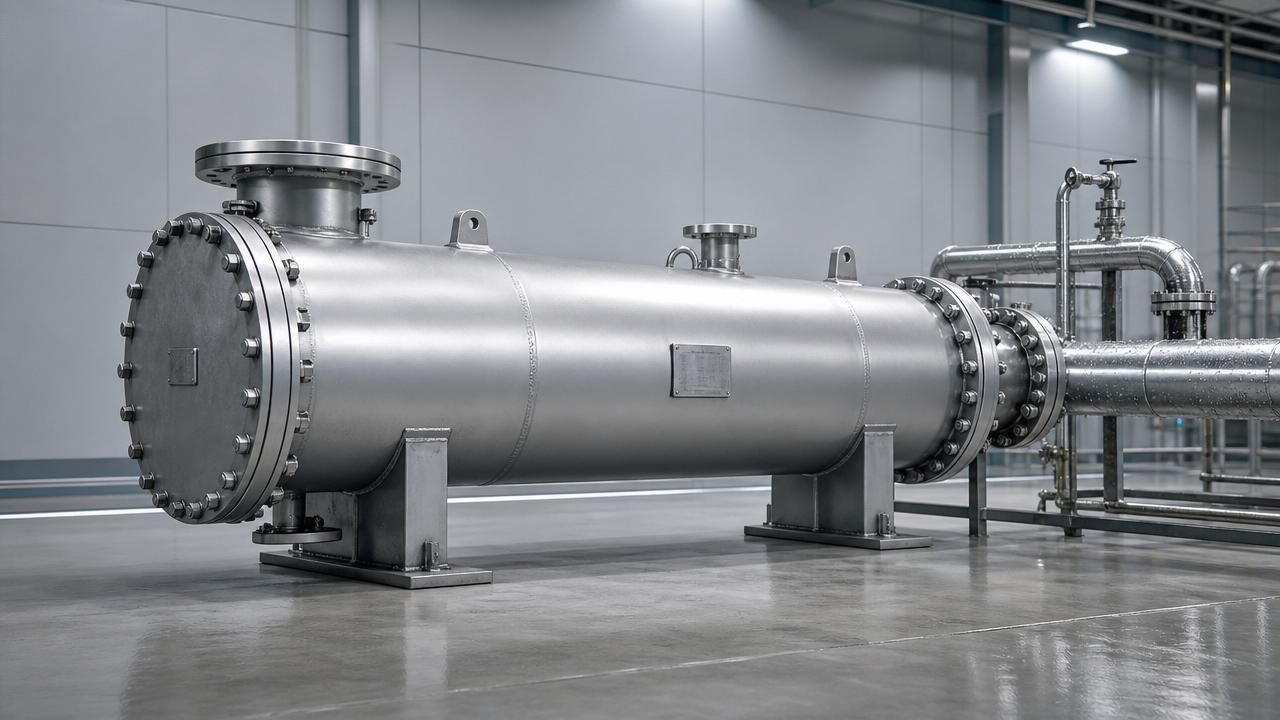
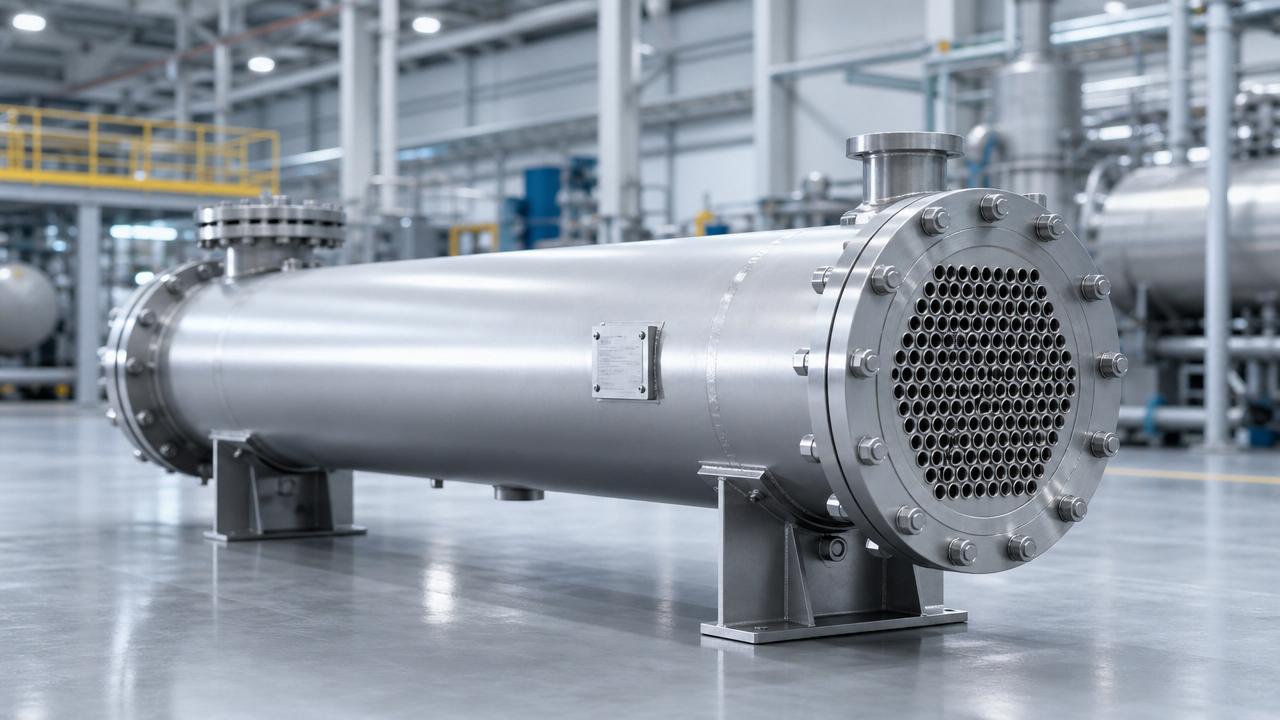
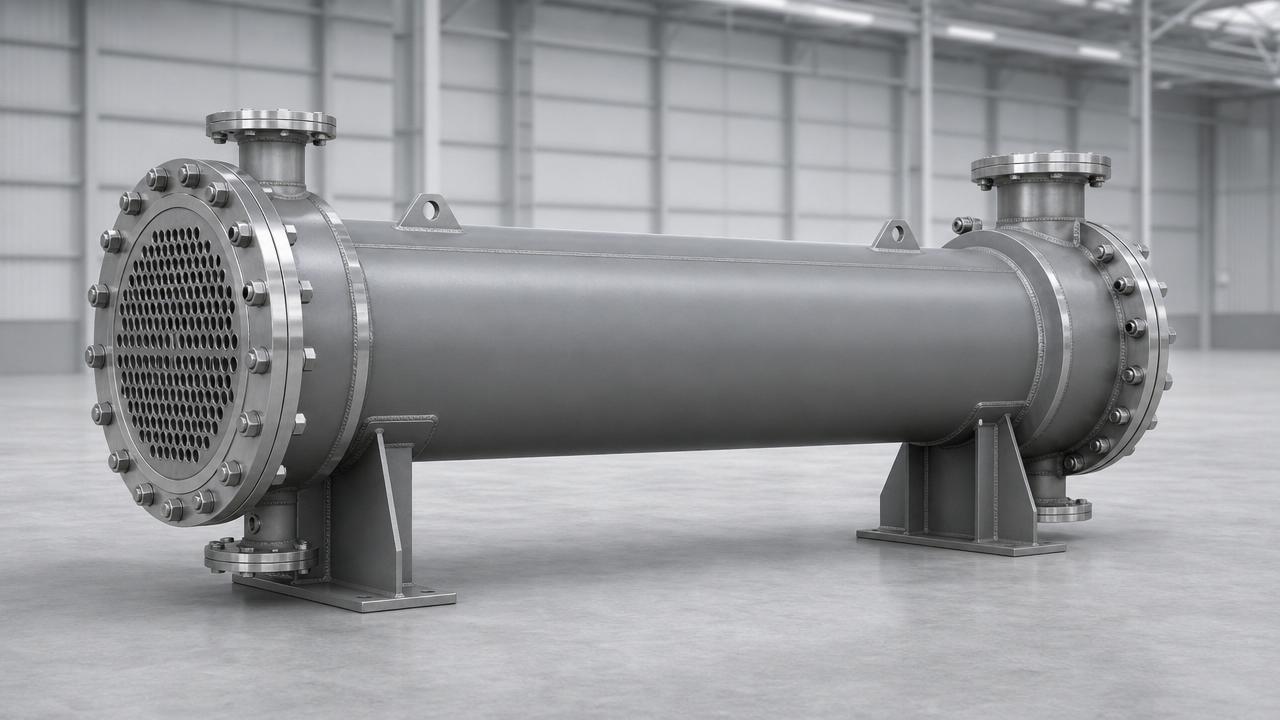
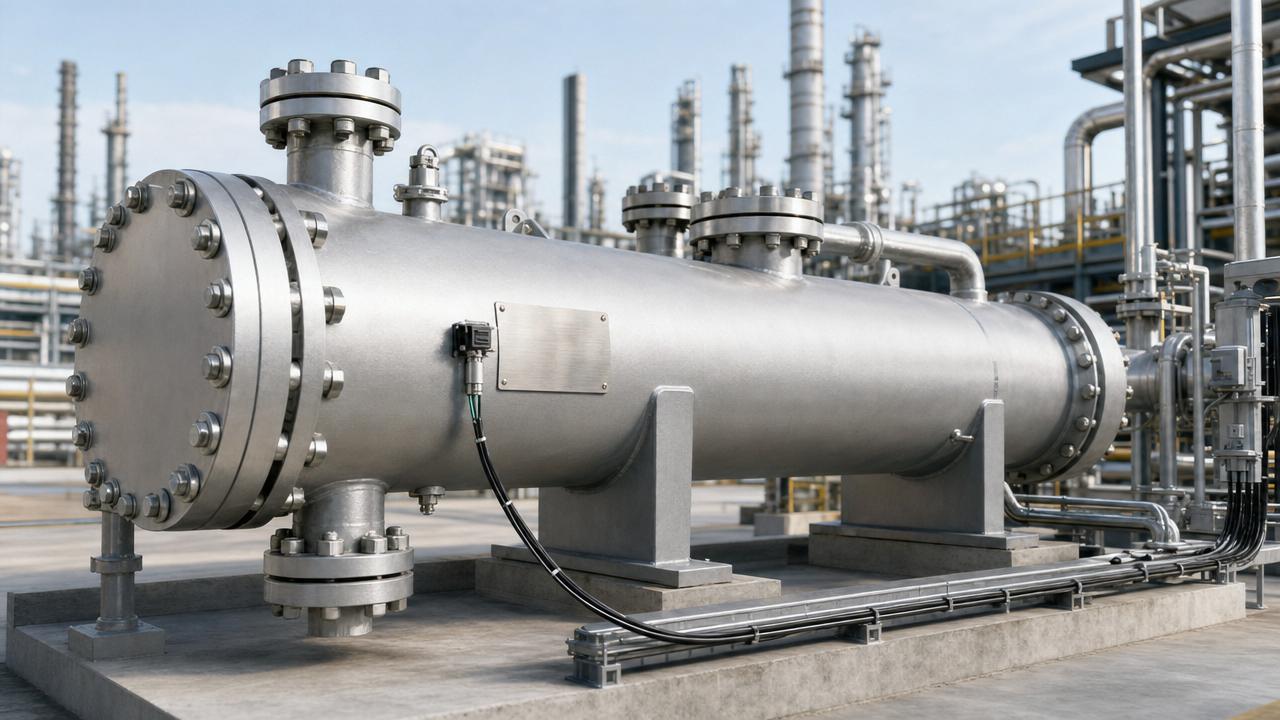
Russian President Vladimir Putin’s state visit to China on May 19–20, 2026, resulted in multiple memoranda of cooperation focused on energy and industrial equipment. The agreement explicitly supports a 'local currency settlement + localized service' model for major equipment exports — with particular implications for shell and tube heat exchangers. This development signals renewed operational pathways for manufacturers, distributors, and service providers engaged in Russia-facing thermal equipment trade.
Event Overview
On May 19–20, 2026, Russian President Vladimir Putin visited China and participated in bilateral talks culminating in the signing of several memoranda on energy and industrial equipment collaboration. These documents confirm mutual support for using local currencies (e.g., RUB/CNY) and establishing localized after-sales services for large-scale equipment exports. Notably, the agreements reference the reactivation of export channels for shell and tube heat exchangers to Russia — previously stalled due to international sanctions. A key enabler cited is the Sino-Russian joint certification mechanism, including mutual recognition between GOST-R and GB standards. The statement also highlights that overseas distributors should prioritize Chinese manufacturers whose products have obtained GOST test reports from CNAS-ILAC accredited laboratories.
Industries Affected by This Development
Direct Trade Enterprises
Companies exporting shell and tube heat exchangers or related pressure equipment to Russia face renewed procedural clarity. The resumption of formal certification pathways — especially via GOST-R/GB dual-standard alignment — reduces prior uncertainty around regulatory acceptance. Impact manifests primarily in shorter pre-shipment compliance lead times and lower documentation risk when engaging Russian procurement entities.
Manufacturing Enterprises (Equipment OEMs)
Chinese manufacturers producing shell and tube heat exchangers may experience increased inbound inquiry volume from Russian buyers and regional intermediaries. The emphasis on ‘localized service’ implies demand not only for compliant hardware but also for technical documentation, spare parts logistics, and field commissioning support adapted to Russian operational environments. Certification readiness — particularly GOST-R validation backed by ILAC-recognized labs — becomes a tangible differentiator in tender evaluations.
Channel & Distribution Partners
Overseas distributors serving the Russian industrial market are directed to verify whether their supplier partners hold valid GOST test reports issued by CNAS-ILAC-accredited laboratories. Without such reports, new orders may encounter customs clearance delays or rejection during GOST-R conformity assessment. Distributors must now treat certification traceability — not just product specs — as a core part of vendor due diligence.
Supply Chain & Certification Support Providers
Third-party testing labs, certification consultants, and logistics firms specializing in Eurasian Conformity (EAC) and GOST-R compliance see renewed demand signals. However, actual workload increases depend on the pace of bilateral implementation: the referenced ‘joint certification mechanism’ remains at the memorandum stage, with no published technical annexes or rollout timeline yet confirmed.
What Relevant Enterprises or Practitioners Should Focus On
Monitor official implementation documents from both sides
The signed memoranda do not constitute binding technical regulations. Enterprises should track subsequent publications from Rosstandart (Russia), SAMR (China), and the China National Accreditation Service (CNAS) for details on GOST-R/GB mutual recognition scope, accepted test report formats, and lab accreditation criteria.
Prioritize verification of existing GOST test reports
Before pursuing new tenders, verify whether current GOST test reports meet the newly emphasized requirement: issuance by a laboratory holding CNAS-ILAC accreditation *and* authorized under the bilateral framework. Older reports from non-ILAC-accredited labs may not qualify under updated interpretation.
Distinguish policy intent from immediate operational readiness
While the visit signals political will, customs authorities in Russia have not yet issued updated guidance on accepting dual-standard documentation. Companies should avoid assuming automatic clearance; instead, treat this as a signal to align internal processes ahead of formal regulatory updates.
Prepare localized service infrastructure proactively
The ‘localized service’ clause implies growing expectation for Russian-language technical manuals, spare parts warehousing in CIS territories, and certified field engineers. Firms with no existing CIS-based support capacity should assess minimum viable localization steps — even if deployment lags behind initial order wins.
Editorial Perspective / Industry Observation
Observably, this development functions primarily as a high-level coordination signal — not an immediately executable regulatory reset. The mention of GOST-R/GB mutual recognition reflects long-standing technical dialogue, but its practical activation depends on working-level harmonization still underway. Analysis shows that while the political channel has reopened, the technical and administrative infrastructure required for routine certification remains fragmented. From an industry perspective, this is best understood as a necessary precondition — not a sufficient condition — for scalable export recovery. Continued attention is warranted because progress here could set precedent for other sanctioned industrial equipment categories beyond heat exchangers.
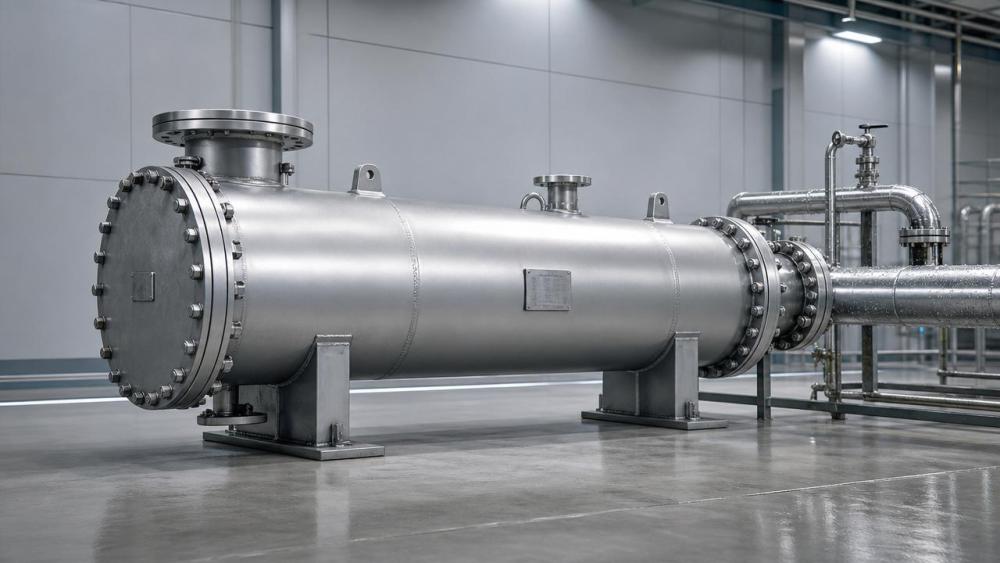
In summary, Putin’s May 2026 visit marks a coordinated diplomatic step toward restoring structured trade in critical thermal equipment. It does not eliminate compliance complexity, but it does clarify strategic direction and identifies concrete levers — notably dual-standard certification and local currency settlement — through which enterprises can begin realigning operations. Current understanding should emphasize preparation over presumption: readiness matters more than immediacy.
Source: Official statements released by the Presidential Press Service of the Russian Federation and the Ministry of Commerce of the People’s Republic of China, May 19–20, 2026.
Note: The operational status of the Sino-Russian joint certification mechanism — including timelines, scope, and enforcement protocols — remains subject to further official clarification and is under active observation.
Related News
- EU Rule Requires Digital Energy Monitoring for Shell & Tube Heat ExchangersAuthor :Thermodynamics Analyst

- DOE Raises Shell & Tube Efficiency Floor for 2027Author :Thermodynamics Analyst

- EU EN 13445-4:2026 Tightens Dual Certification for Heat ExchangersAuthor :Thermodynamics Analyst

- EN 13445-4:2026 Tightens EU Heat Exchanger ComplianceAuthor :Thermodynamics Analyst

- EN 13445-4:2026 Adds Digital Twin Fatigue ChecksAuthor :Thermodynamics Analyst

- How to Improve Heat Exchanger Efficiency Without Major System DowntimeAuthor :Thermodynamics Analyst

- EU Rule Takes Effect for Shell-and-Tube Heat ExchangersAuthor :Thermodynamics Analyst

- When Energy-Efficient Heat Exchange Systems Deliver Real PaybackAuthor :Thermodynamics Analyst

- DOE Cuts R449A Chiller Transition to 9 MonthsAuthor :Thermodynamics Analyst

- Rail Corridor Surge Cuts Shell & Tube Lead TimeAuthor :Thermodynamics Analyst

- Rail Corridor Hits 2,000 Trains as Heat Exchanger Lead Time FallsAuthor :Thermodynamics Analyst

- Rail Corridor Surge Cuts Shell & Tube Delivery to 28 DaysAuthor :Thermodynamics Analyst

- China-Europe Rail Corridor Tops 2,000 Trains as Heat Exchanger Export Delivery Falls to 28 DaysAuthor :Thermodynamics Analyst

- How to Improve Heat Exchanger Efficiency Without Major RetrofitsAuthor :Thermodynamics Analyst
![]()
- Rail Corridor Speeds Heat Exchanger ExportsAuthor :Thermodynamics Analyst
![]()
- China Names New Trade Parks for Heat Exchanger ExportsAuthor :Thermodynamics Analyst
![]()
- Rail Corridor Eases Lead Times for Shell-and-Tube ExportsAuthor :Thermodynamics Analyst

- Rail Freight Priority Cuts Shell & Tube Lead TimesAuthor :Thermodynamics Analyst

- Vietnam Cement WHR Rule Lifts Exchanger DemandAuthor :Thermodynamics Analyst

- EN 13445-4:2026 Effective for Shell & Tube Heat ExchangersAuthor :Thermodynamics Analyst
![]()
- SANY Excavators Capture >60% of Indonesia's Nickel Mine Equipment MarketAuthor :Thermodynamics Analyst

- APEC Trade Ministers Focus on Digital & Green Supply ChainsAuthor :Thermodynamics Analyst
![]()
- Pakistan PM Visit to China Spurs Shell & Tube, Centrifuge Tech LocalizationAuthor :Thermodynamics Analyst

- Putin's China Visit Resumes Shell & Tube Heat Exchanger Export PathAuthor :Thermodynamics Analyst

- EU Imposes Final Anti-Dumping Duties on Chinese Adipic AcidAuthor :Thermodynamics Analyst

- EN 13445-4:2026 Enters Force for Shell & Tube Heat ExchangersAuthor :Thermodynamics Analyst

- EU Updates EN 13445-4:2026 for Shell & Tube Heat ExchangersAuthor :Thermodynamics Analyst

- China's Petrochemical '15th Five-Year' Digitalization Guide ReleasedAuthor :Thermodynamics Analyst

- Heat Exchanger Technology: Plate vs Shell & Tube Selection GuideAuthor :Thermodynamics Analyst

- China to Upgrade Shell & Tube Heat Exchanger Standard to MandatoryAuthor :Thermodynamics Analyst

- Thermodynamics Analysis in Shell & Tube Selection: What Really MattersAuthor :Thermodynamics Analyst

- How to Compare Heat Exchanger Efficiency Across System DesignsAuthor :Thermodynamics Analyst