EN 13445-4:2026 Adds Digital Twin Fatigue Checks




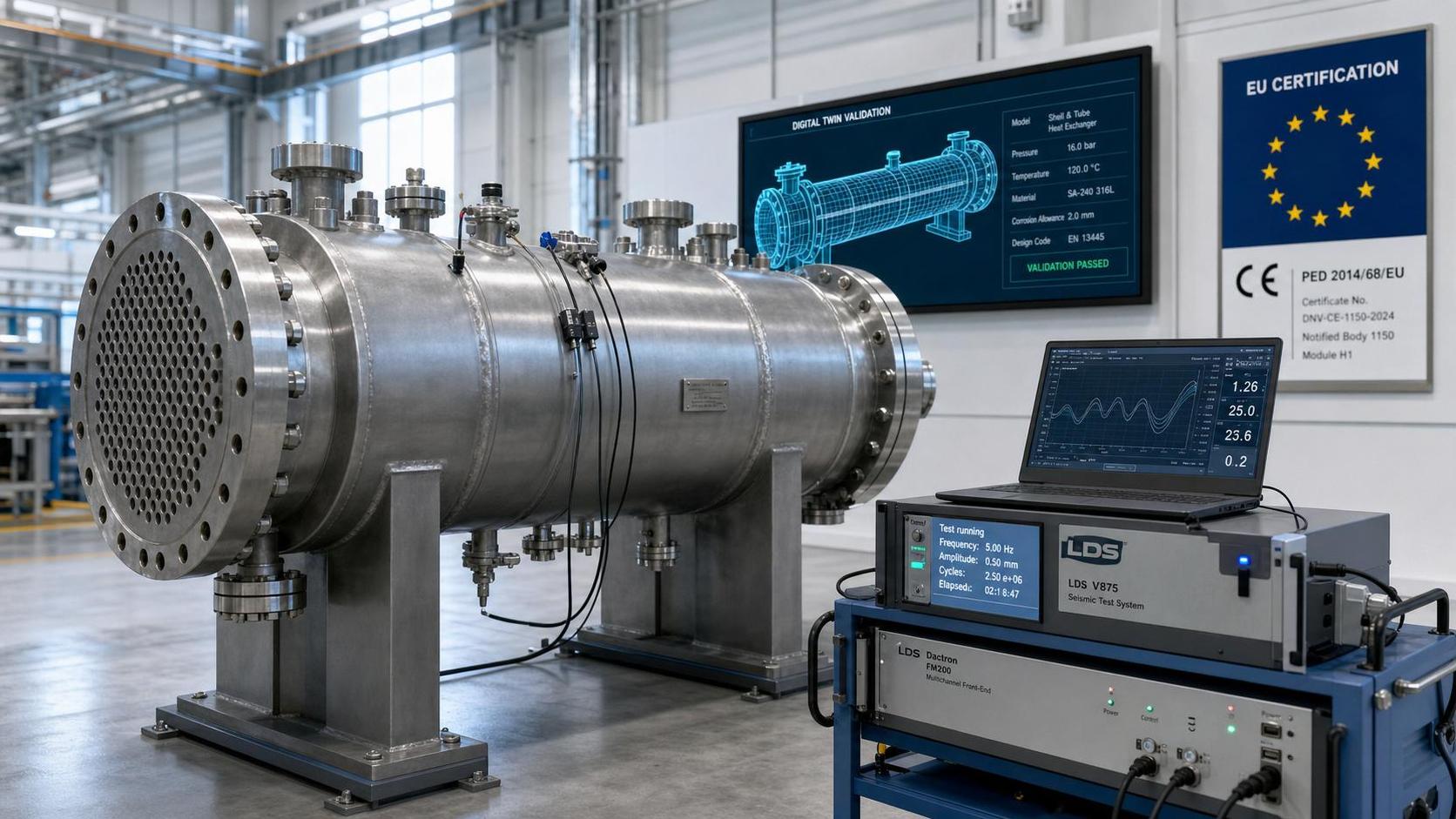
On June 28, 2026, the revised EN 13445-4:2026 took effect in the EU, introducing a new compliance condition for pressure-retaining parts in Shell & Tube heat exchangers: design verification must include a digital twin fatigue simulation report built on measured load spectra, and that report must be checked online by a notified body during type certification. For manufacturers, exporters, certification teams, buyers, and delivery planners involved in industrial heat exchange equipment supplied to the EU, the change matters because it affects how conformity evidence is prepared and how CE-related approval timelines may move.
What the revised standard now requires
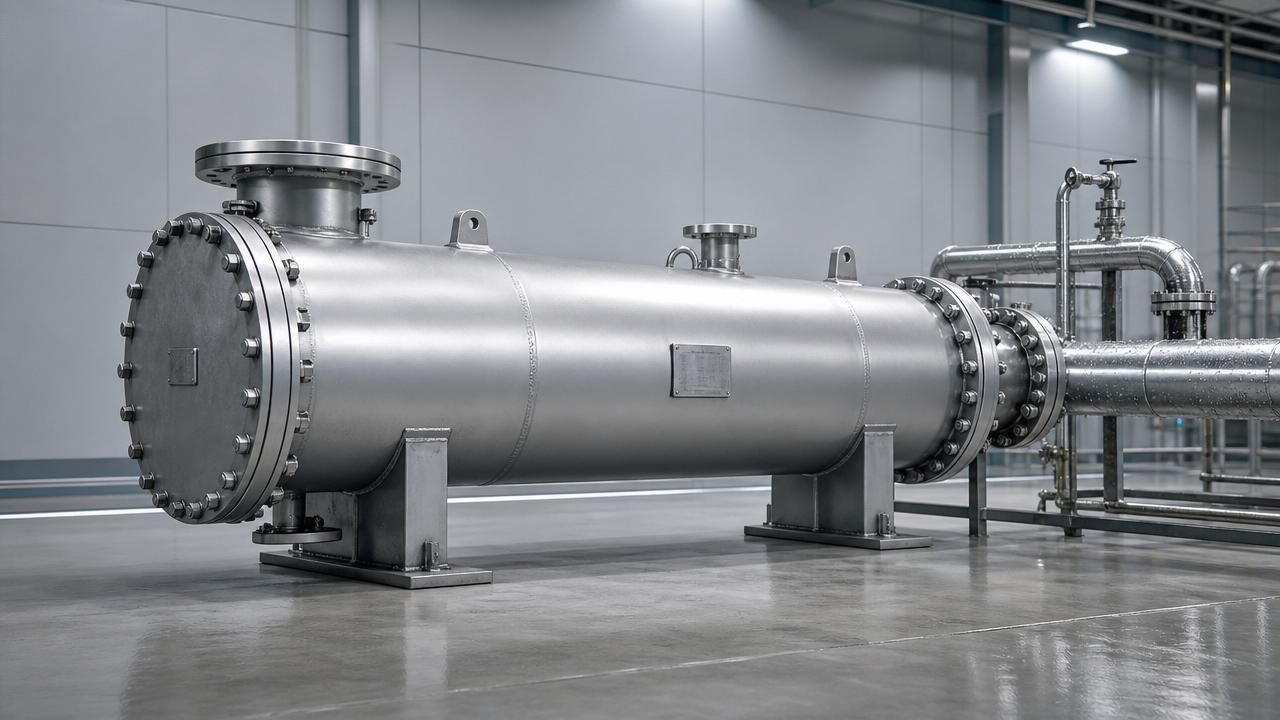
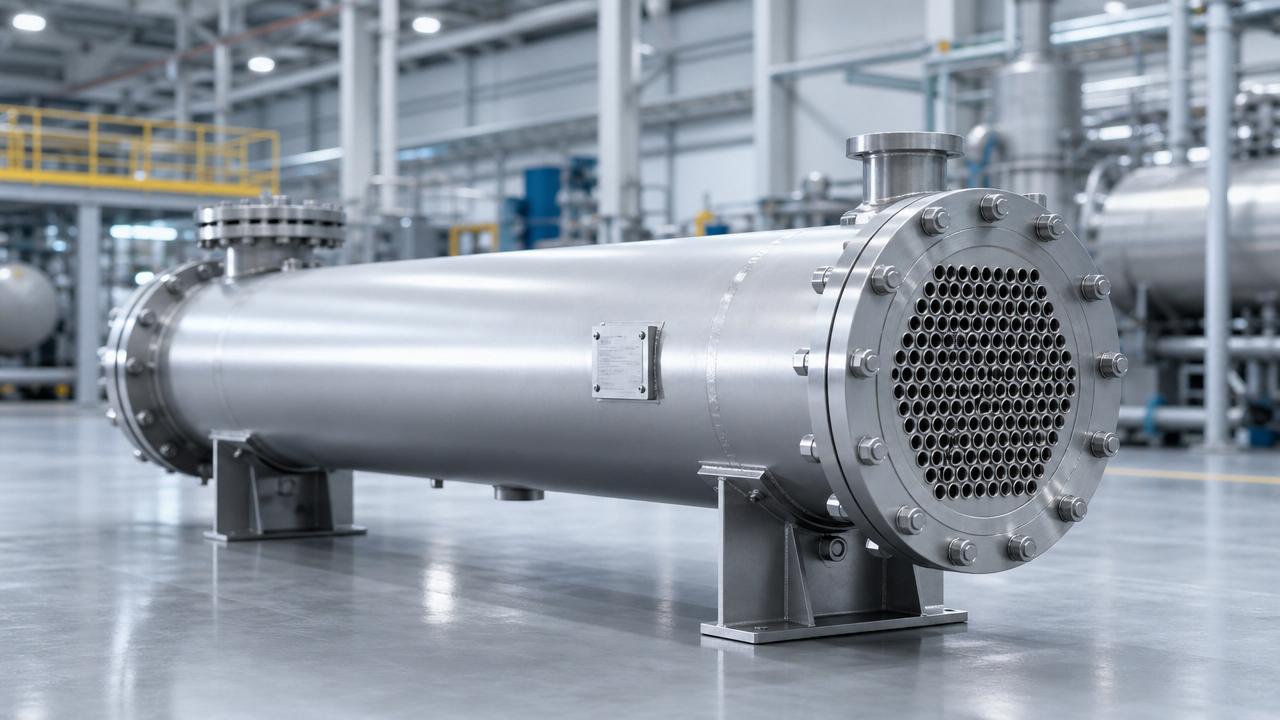
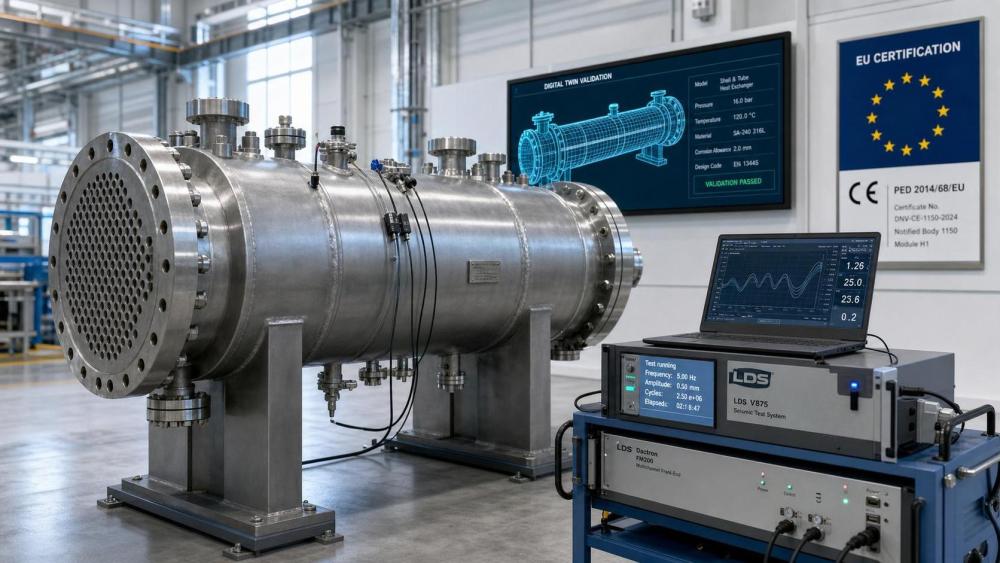
The confirmed change is that the EU formally implemented the revised EN 13445-4:2026 on June 28, 2026. Under this revision, design verification for pressure-bearing parts used in Shell & Tube heat exchangers must integrate a digital twin fatigue simulation report based on measured load spectra. The event summary also states that the report is subject to online verification by a notified body at the type certification stage. The stated direct effect is on the compliance pathway and CE certification cycle for industrial heat exchange equipment exported from China to the EU.
Where the practical pressure will appear first
Export projects facing a changed evidence package
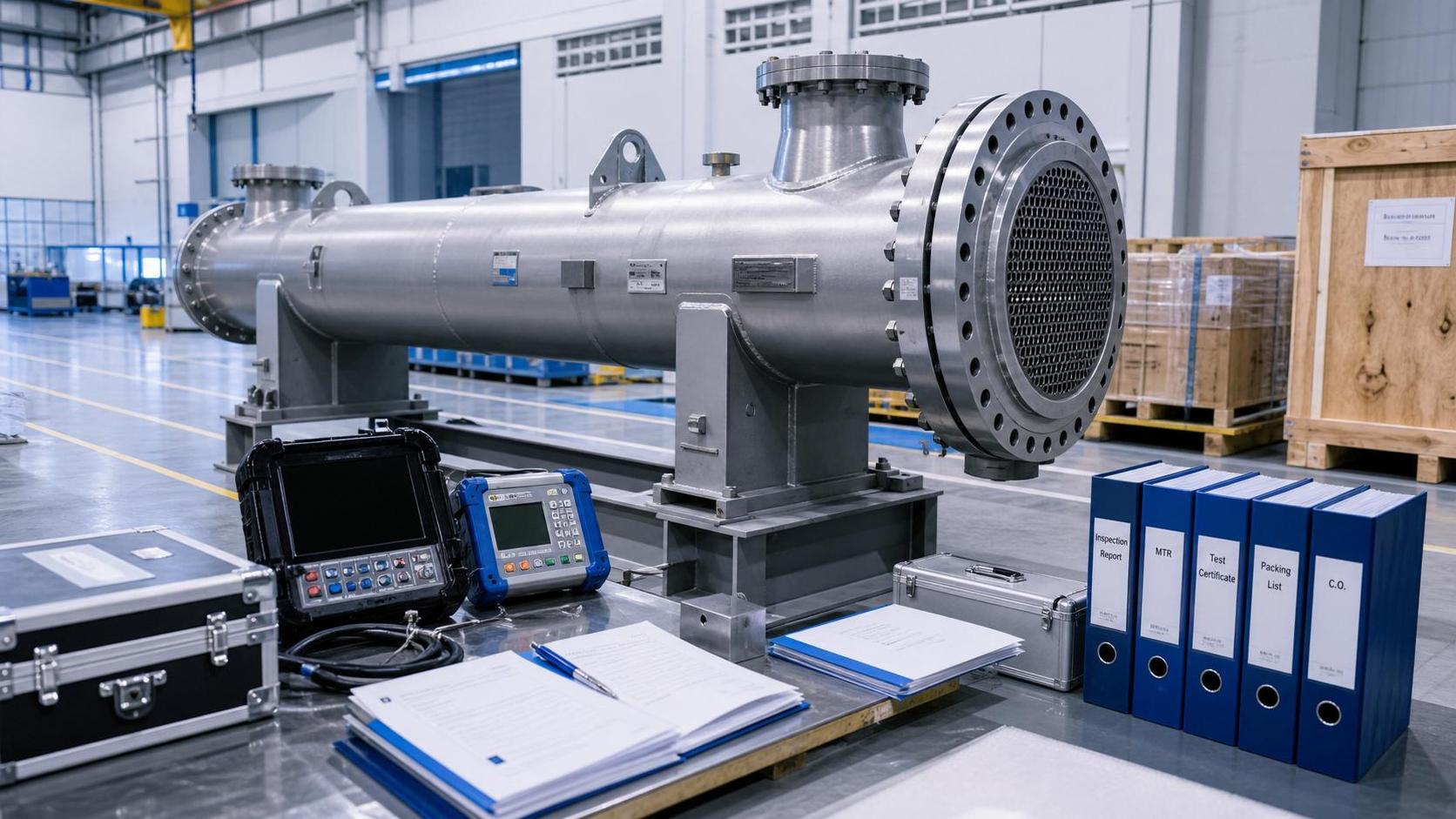
From an industry perspective, exporters supplying Shell & Tube equipment into the EU may be affected first because the rule change touches the design validation materials that support market access. The immediate pressure point is documentation readiness: technical files, certification submissions, and project approval workflows may now need to accommodate the required digital twin fatigue verification content rather than relying only on earlier design validation habits.
Manufacturing and engineering teams under tighter pre-certification alignment
Analysis shows that manufacturing companies and their engineering functions may feel the impact in the design-to-certification handoff. Because the requirement is tied to pressure-retaining parts and linked to measured load spectra, teams involved in design verification, technical documentation, and conformity preparation should pay closer attention to whether their internal data, simulation outputs, and document sets are structured for review at the type certification stage.
Certification and testing service participants facing a more connected review process
What deserves closer attention is the role of certification-related service providers and technical review teams. The event summary indicates that a notified body will conduct online verification during type certification, which suggests that the review process is not limited to submitting static paperwork. For parties supporting CE-related conformity work, the practical issue is whether document preparation, review timing, and technical coordination can match this verification step without creating delays in the approval sequence.
Buyers and procurement teams watching delivery and approval timing
Procurement functions, project owners, and downstream buyers may also be affected because a change in mandatory verification can alter bid documentation expectations, supplier qualification checks, and delivery planning. Observably, where EU-bound equipment is involved, purchasers may need to look more closely at whether suppliers can provide the required fatigue validation materials in time for certification, especially when approval timing is linked to shipment or installation schedules.
What companies should review now
Recheck technical files for certification readiness
Analysis shows that companies involved in EU-facing projects should first examine whether existing technical documentation for Shell & Tube pressure-retaining parts is organized to support the newly required digital twin fatigue simulation report based on measured load spectra. This should be understood as a compliance review priority rather than proof that all current files are insufficient.
Track how online verification is applied in practice
The event summary confirms that notified body verification will occur online during type certification, but it does not provide detailed operating rules. For that reason, companies should closely watch later clarifications on review format, document presentation, and consistency of certification practice. At this stage, it would be premature to describe a uniform execution outcome.
Revisit project schedules tied to CE-related approvals
Because the stated direct impact includes the CE certification cycle, exporters, project managers, and supply chain coordinators should reassess how certification timing interacts with manufacturing release, shipping plans, and customer commitments. This is an area for risk monitoring, not a confirmed statement that all projects will face identical delays.
Check tender and supplier qualification language
From a commercial and contract perspective, companies should also review whether tender files, supplier questionnaires, and technical bid materials need updating to reflect the revised verification expectation. Where contracts involve EU delivery, the main point is to avoid a mismatch between what is requested in commercial documentation and what is required in certification review.
Why this looks like more than a symbolic revision
Observably, this development is more appropriate to understand as an implemented rule change rather than a distant policy signal, because the effective date is explicit and the new requirement is tied to type certification review. At the same time, analysis shows that the market still needs to watch how execution becomes standardized in practice. The current uncertainty is not about whether the revision took effect, but about how certification interpretation, document expectations, and project workflows will settle once the requirement is applied across real cases.
How the market may need to read this change
In practical terms, this update signals that compliance for EU-bound Shell & Tube heat exchangers is becoming more dependent on digitally supported design verification and on certification-stage review readiness. A cautious reading is more appropriate than a dramatic one: the change should be treated as a live compliance requirement with operational consequences for documentation, certification coordination, and delivery planning, while the finer points of execution still warrant continued observation.
Basis of this article and what still needs verification
This article is generated from the user-provided news title, event date, and event summary. For developments of this kind, commonly relevant source categories may include official announcements, regulator publications, trade or customs authority information, industry association notices, standards organization documents, and reporting by established industry media. No specific official source link was provided in the input, so the underlying official publication path still needs to be verified on an ongoing basis. What also requires continued follow-up includes detailed implementation language, certification interpretation, changes in tender documents, market feedback, and how companies are executing against the revised requirement in practice.
Related News
- EN 13445-4:2026 Adds Digital Twin Fatigue ChecksAuthor :Thermodynamics Analyst

- How to Improve Heat Exchanger Efficiency Without Major System DowntimeAuthor :Thermodynamics Analyst

- EU Rule Takes Effect for Shell-and-Tube Heat ExchangersAuthor :Thermodynamics Analyst

- When Energy-Efficient Heat Exchange Systems Deliver Real PaybackAuthor :Thermodynamics Analyst

- DOE Cuts R449A Chiller Transition to 9 MonthsAuthor :Thermodynamics Analyst

- Rail Corridor Surge Cuts Shell & Tube Lead TimeAuthor :Thermodynamics Analyst

- Rail Corridor Hits 2,000 Trains as Heat Exchanger Lead Time FallsAuthor :Thermodynamics Analyst

- Rail Corridor Surge Cuts Shell & Tube Delivery to 28 DaysAuthor :Thermodynamics Analyst

- China-Europe Rail Corridor Tops 2,000 Trains as Heat Exchanger Export Delivery Falls to 28 DaysAuthor :Thermodynamics Analyst

- How to Improve Heat Exchanger Efficiency Without Major RetrofitsAuthor :Thermodynamics Analyst
![]()
- Rail Corridor Speeds Heat Exchanger ExportsAuthor :Thermodynamics Analyst
![]()
- China Names New Trade Parks for Heat Exchanger ExportsAuthor :Thermodynamics Analyst
![]()
- Rail Corridor Eases Lead Times for Shell-and-Tube ExportsAuthor :Thermodynamics Analyst

- Rail Freight Priority Cuts Shell & Tube Lead TimesAuthor :Thermodynamics Analyst

- Vietnam Cement WHR Rule Lifts Exchanger DemandAuthor :Thermodynamics Analyst

- EN 13445-4:2026 Effective for Shell & Tube Heat ExchangersAuthor :Thermodynamics Analyst
![]()
- SANY Excavators Capture >60% of Indonesia's Nickel Mine Equipment MarketAuthor :Thermodynamics Analyst

- APEC Trade Ministers Focus on Digital & Green Supply ChainsAuthor :Thermodynamics Analyst
![]()
- Pakistan PM Visit to China Spurs Shell & Tube, Centrifuge Tech LocalizationAuthor :Thermodynamics Analyst

- Putin's China Visit Resumes Shell & Tube Heat Exchanger Export PathAuthor :Thermodynamics Analyst

- EU Imposes Final Anti-Dumping Duties on Chinese Adipic AcidAuthor :Thermodynamics Analyst

- EN 13445-4:2026 Enters Force for Shell & Tube Heat ExchangersAuthor :Thermodynamics Analyst

- EU Updates EN 13445-4:2026 for Shell & Tube Heat ExchangersAuthor :Thermodynamics Analyst

- China's Petrochemical '15th Five-Year' Digitalization Guide ReleasedAuthor :Thermodynamics Analyst

- Heat Exchanger Technology: Plate vs Shell & Tube Selection GuideAuthor :Thermodynamics Analyst

- China to Upgrade Shell & Tube Heat Exchanger Standard to MandatoryAuthor :Thermodynamics Analyst

- Thermodynamics Analysis in Shell & Tube Selection: What Really MattersAuthor :Thermodynamics Analyst

- How to Compare Heat Exchanger Efficiency Across System DesignsAuthor :Thermodynamics Analyst