DOE Cuts R449A Chiller Transition to 9 Months




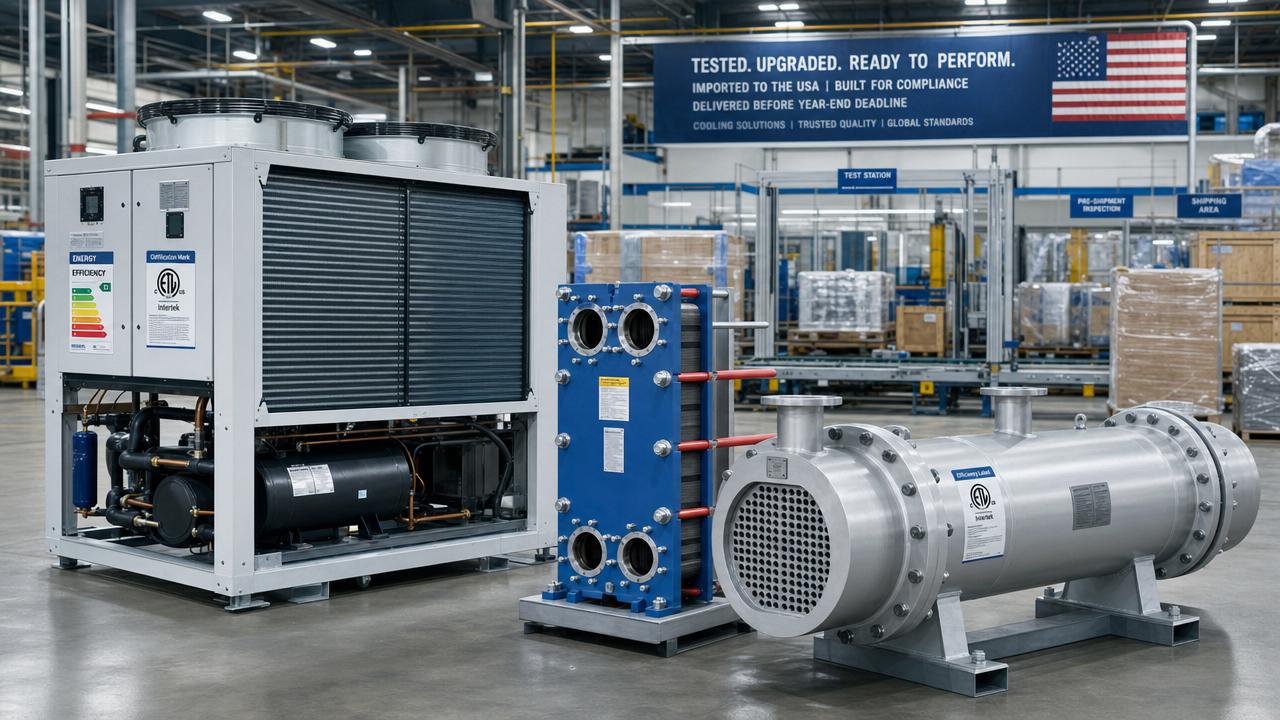
On June 14, 2026, the U.S. Department of Energy (DOE) finalized a new compliance rule for commercial chillers that moves the deadline for R449A models up to December 31, 2026, instead of March 2027. The update also tightens SEER2 and EER2 test methods and adds AHRI certification and DOE labeling requirements for imported units, making this a practical compliance issue for manufacturers, importers, and supply chain teams involved in Shell & Tube, Plate Exchangers, and Industrial Chillers.
What the final rule changes
According to the information provided, DOE issued the final version of its 2026 commercial chiller efficiency and refrigerant compliance rule on June 14, 2026.
The confirmed change is that the transition deadline for R449A models has been brought forward from the previously scheduled date in March 2027 to December 31, 2026.
The rule also strengthens the testing approach tied to SEER2 and EER2. In addition, all imported models are required to obtain AHRI certification and carry a DOE energy efficiency label.
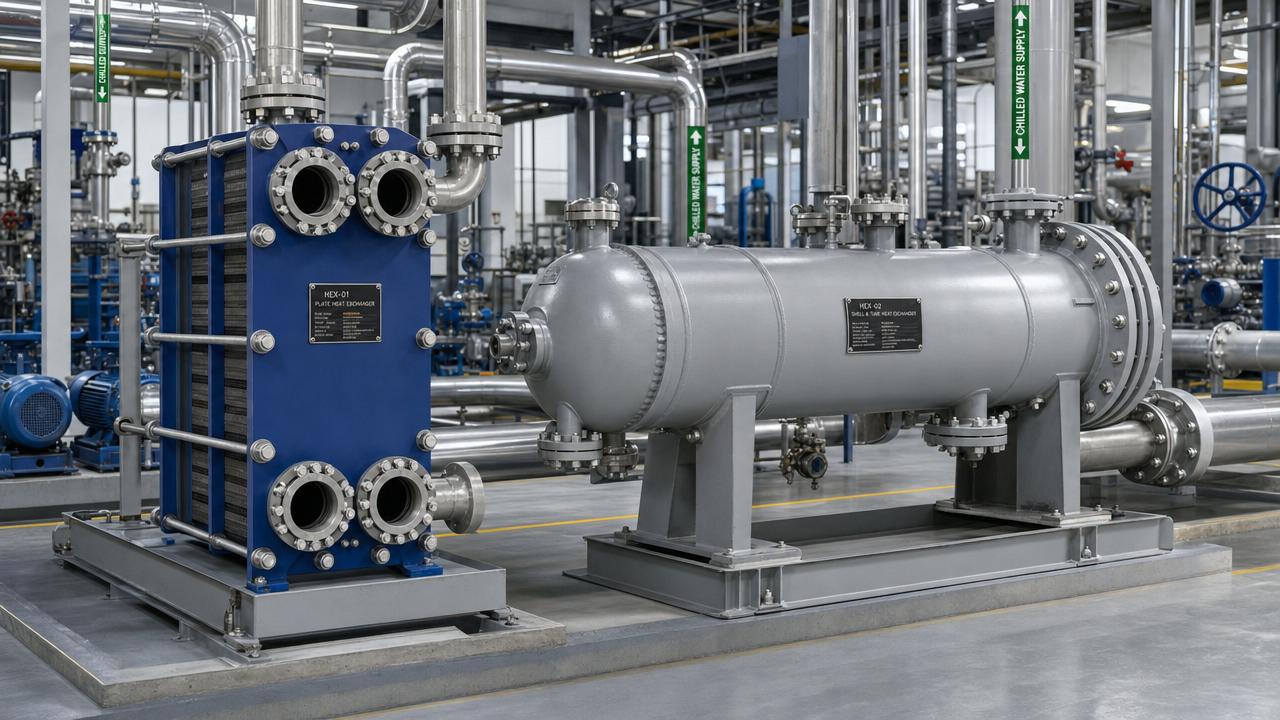
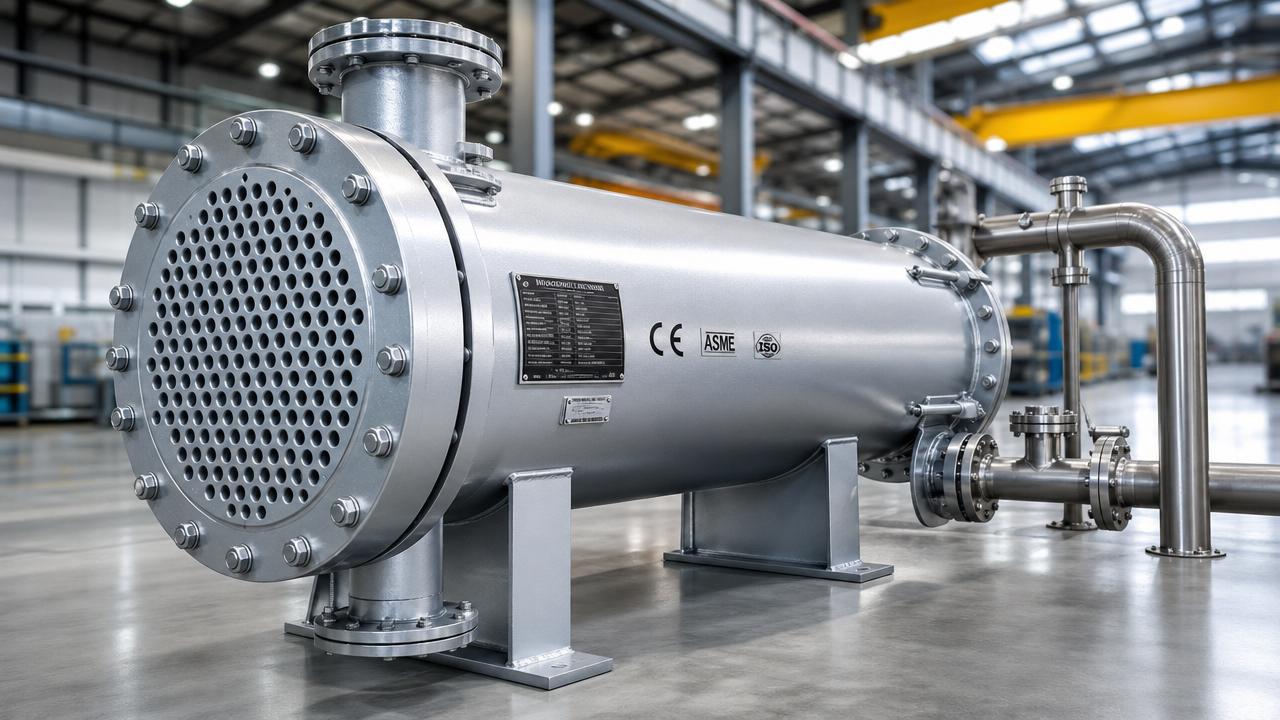
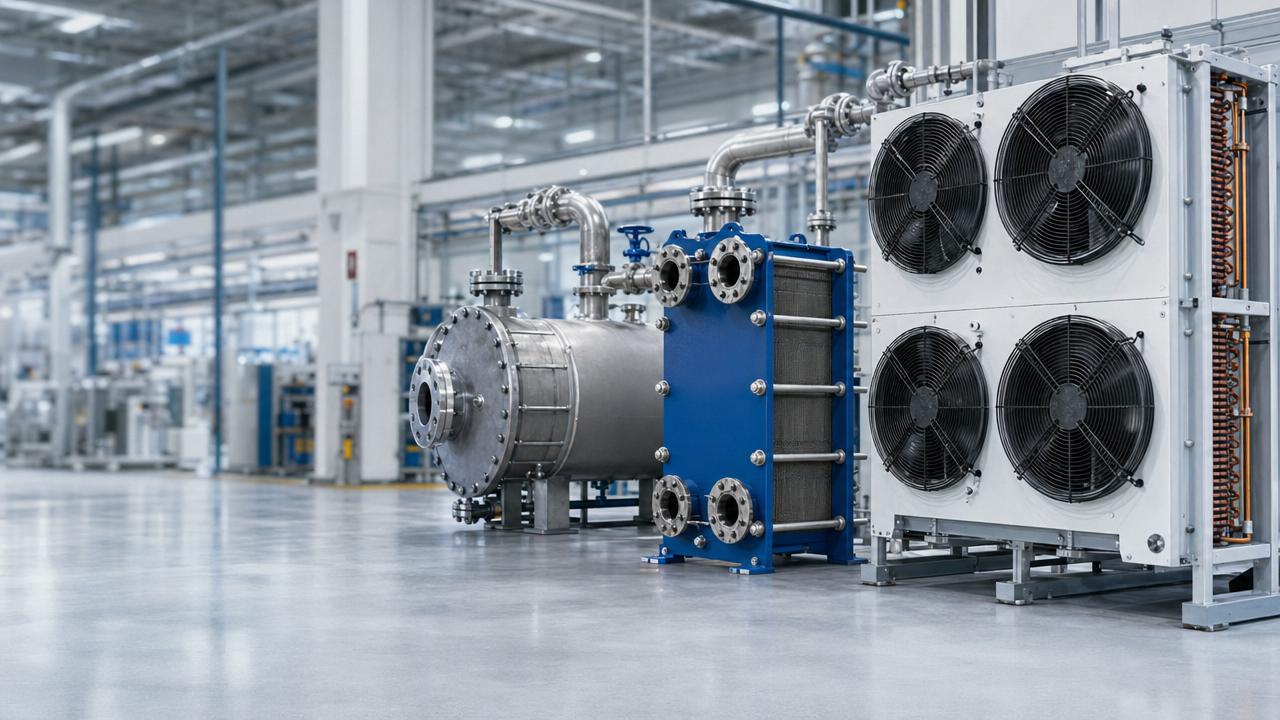
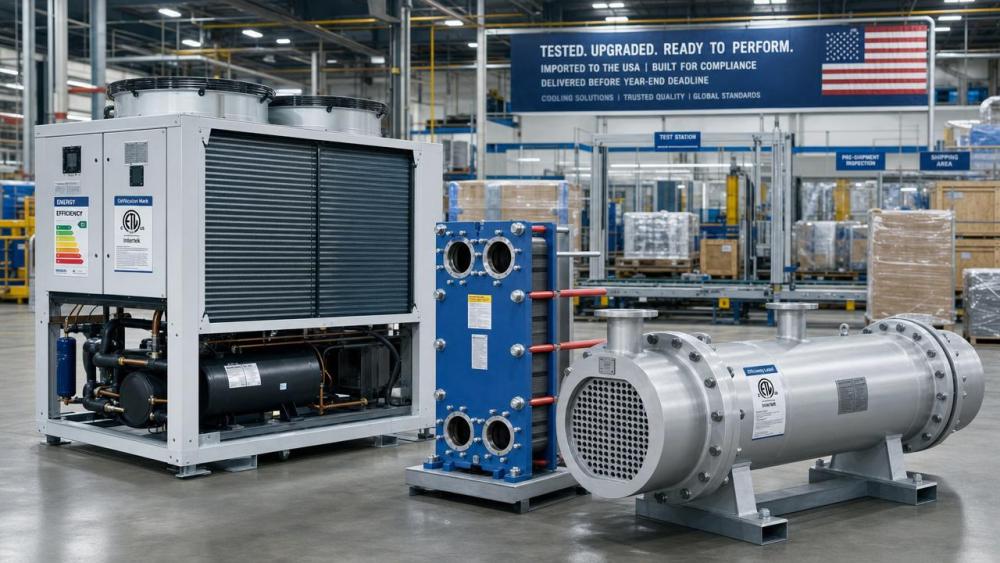
The affected scope identified in the provided information includes complete-unit manufacturers in Shell & Tube, Plate Exchangers, and Industrial Chillers.
Where the pressure is likely to appear first
Model approval and product compliance workflows
From an industry perspective, manufacturers and import-focused businesses may be affected first in product compliance workflows because the shortened transition period leaves less room for scheduling model updates, test preparation, and shipment timing. What deserves closer attention is whether existing R449A-related product plans, especially those tied to late-2026 delivery, still align with the revised cutoff.
Import documentation and market-entry procedures
For companies bringing units into the U.S. market, the AHRI certification and DOE labeling requirements point to added attention on documents and entry readiness. Analysis shows the impact is not limited to engineering teams; regulatory, customs, and channel-side coordination may also need closer review to avoid mismatches between product status and import paperwork.
Equipment categories named in the rule scope
For complete-unit manufacturers in Shell & Tube, Plate Exchangers, and Industrial Chillers, the rule matters because it combines a shorter refrigerant transition window with stricter testing and labeling expectations. Observably, the pressure is likely to concentrate in model qualification, compliance confirmation, and delivery planning rather than in a single isolated step.
What companies should monitor now
Watch for any further official clarification
Because the provided information refers to a final rule, the immediate priority is to read the official wording carefully and monitor whether any follow-up clarification affects implementation details. Analysis shows that the headline deadline change is clear, but practical execution often depends on how documentation, testing, and import requirements are interpreted in actual business processes.
Review products tied to the 2026 year-end window
Companies with R449A-related models or deliveries approaching the end of 2026 should pay particular attention to product lists, order commitments, and shipment timing. What deserves closer attention is the distinction between a policy deadline and the internal time needed to complete testing, certification, labeling, and customer-side acceptance steps.
Check supplier and certification readiness
Businesses should also examine whether relevant suppliers, manufacturing partners, and certification arrangements can support the updated timeline. This is especially relevant where compliance depends on multiple parties contributing technical files, test results, labels, or supporting documents.
Prepare customer and channel communication early
For sales, project, and channel teams, early communication may become important where product availability, lead times, or import status could be affected by the shortened transition. Observably, this is less about broad market messaging and more about reducing confusion in quotations, delivery commitments, and compliance representations.
Why this looks bigger than a date change
Analysis shows this update should not be understood only as a calendar adjustment. By combining an earlier R449A cutoff with stronger SEER2/EER2 testing expectations and imported-unit certification and labeling requirements, the rule links refrigerant transition, performance verification, and market-entry compliance more closely together.
It is more appropriate to understand this as both a short-term operational change and a longer-term regulatory signal. The short-term issue is the compressed transition period through December 31, 2026. The longer-term signal is that compliance is being framed not only around refrigerant timing, but also around testing discipline and documentation readiness.
At the same time, this remains an area that still requires continued observation in practice. The rule is final based on the information provided, but the operational effect on individual businesses will depend on product mix, shipment schedules, and how each company manages certification and labeling execution.
How to read the current signal
Based on the information available, the most immediate industry meaning is clear: companies tied to commercial chiller manufacturing and imports now face a shorter compliance window for R449A models, together with tighter test and labeling expectations.
A neutral reading is that this is already a confirmed rule change, not a speculative policy discussion, but its full business effect will vary by company and should not be overstated without model-specific and supply-chain-specific review. At this stage, it is more appropriate to treat the development as an actionable compliance adjustment with broader regulatory implications still worth tracking.
Basis of this article
This article is based on the user-provided news title, event date, and event summary concerning the DOE final rule issued on June 14, 2026.
For this type of development, relevant source categories typically include official government announcements, company statements, industry association updates, authoritative media coverage, and standards or certification body documents. The specific official source link was not provided in the input, so continued verification is still necessary.
Further follow-up should focus on any additional official clarification, implementation wording tied to testing and labeling, and how affected manufacturers and importers interpret the deadline in actual delivery and compliance workflows.
Related News
- EN 13445-4:2026 Tightens EU NDT Rules for Pressure VesselsAuthor :Thermodynamics Analyst

- EU Rule Requires Digital Energy Monitoring for Shell & Tube Heat ExchangersAuthor :Thermodynamics Analyst

- DOE Raises Shell & Tube Efficiency Floor for 2027Author :Thermodynamics Analyst

- EU EN 13445-4:2026 Tightens Dual Certification for Heat ExchangersAuthor :Thermodynamics Analyst

- EN 13445-4:2026 Tightens EU Heat Exchanger ComplianceAuthor :Thermodynamics Analyst

- EN 13445-4:2026 Adds Digital Twin Fatigue ChecksAuthor :Thermodynamics Analyst

- How to Improve Heat Exchanger Efficiency Without Major System DowntimeAuthor :Thermodynamics Analyst

- EU Rule Takes Effect for Shell-and-Tube Heat ExchangersAuthor :Thermodynamics Analyst

- When Energy-Efficient Heat Exchange Systems Deliver Real PaybackAuthor :Thermodynamics Analyst

- DOE Cuts R449A Chiller Transition to 9 MonthsAuthor :Thermodynamics Analyst

- Rail Corridor Surge Cuts Shell & Tube Lead TimeAuthor :Thermodynamics Analyst

- Rail Corridor Hits 2,000 Trains as Heat Exchanger Lead Time FallsAuthor :Thermodynamics Analyst

- Rail Corridor Surge Cuts Shell & Tube Delivery to 28 DaysAuthor :Thermodynamics Analyst

- China-Europe Rail Corridor Tops 2,000 Trains as Heat Exchanger Export Delivery Falls to 28 DaysAuthor :Thermodynamics Analyst

- How to Improve Heat Exchanger Efficiency Without Major RetrofitsAuthor :Thermodynamics Analyst
![]()
- Rail Corridor Speeds Heat Exchanger ExportsAuthor :Thermodynamics Analyst
![]()
- China Names New Trade Parks for Heat Exchanger ExportsAuthor :Thermodynamics Analyst
![]()
- Rail Corridor Eases Lead Times for Shell-and-Tube ExportsAuthor :Thermodynamics Analyst

- Rail Freight Priority Cuts Shell & Tube Lead TimesAuthor :Thermodynamics Analyst

- Vietnam Cement WHR Rule Lifts Exchanger DemandAuthor :Thermodynamics Analyst

- EN 13445-4:2026 Effective for Shell & Tube Heat ExchangersAuthor :Thermodynamics Analyst
![]()
- SANY Excavators Capture >60% of Indonesia's Nickel Mine Equipment MarketAuthor :Thermodynamics Analyst

- APEC Trade Ministers Focus on Digital & Green Supply ChainsAuthor :Thermodynamics Analyst
![]()
- Pakistan PM Visit to China Spurs Shell & Tube, Centrifuge Tech LocalizationAuthor :Thermodynamics Analyst

- Putin's China Visit Resumes Shell & Tube Heat Exchanger Export PathAuthor :Thermodynamics Analyst

- EU Imposes Final Anti-Dumping Duties on Chinese Adipic AcidAuthor :Thermodynamics Analyst

- EN 13445-4:2026 Enters Force for Shell & Tube Heat ExchangersAuthor :Thermodynamics Analyst

- EU Updates EN 13445-4:2026 for Shell & Tube Heat ExchangersAuthor :Thermodynamics Analyst

- China's Petrochemical '15th Five-Year' Digitalization Guide ReleasedAuthor :Thermodynamics Analyst

- Heat Exchanger Technology: Plate vs Shell & Tube Selection GuideAuthor :Thermodynamics Analyst

- China to Upgrade Shell & Tube Heat Exchanger Standard to MandatoryAuthor :Thermodynamics Analyst

- Thermodynamics Analysis in Shell & Tube Selection: What Really MattersAuthor :Thermodynamics Analyst

- How to Compare Heat Exchanger Efficiency Across System DesignsAuthor :Thermodynamics Analyst