



Rail Corridor Surge Cuts Shell & Tube Delivery to 28 Days




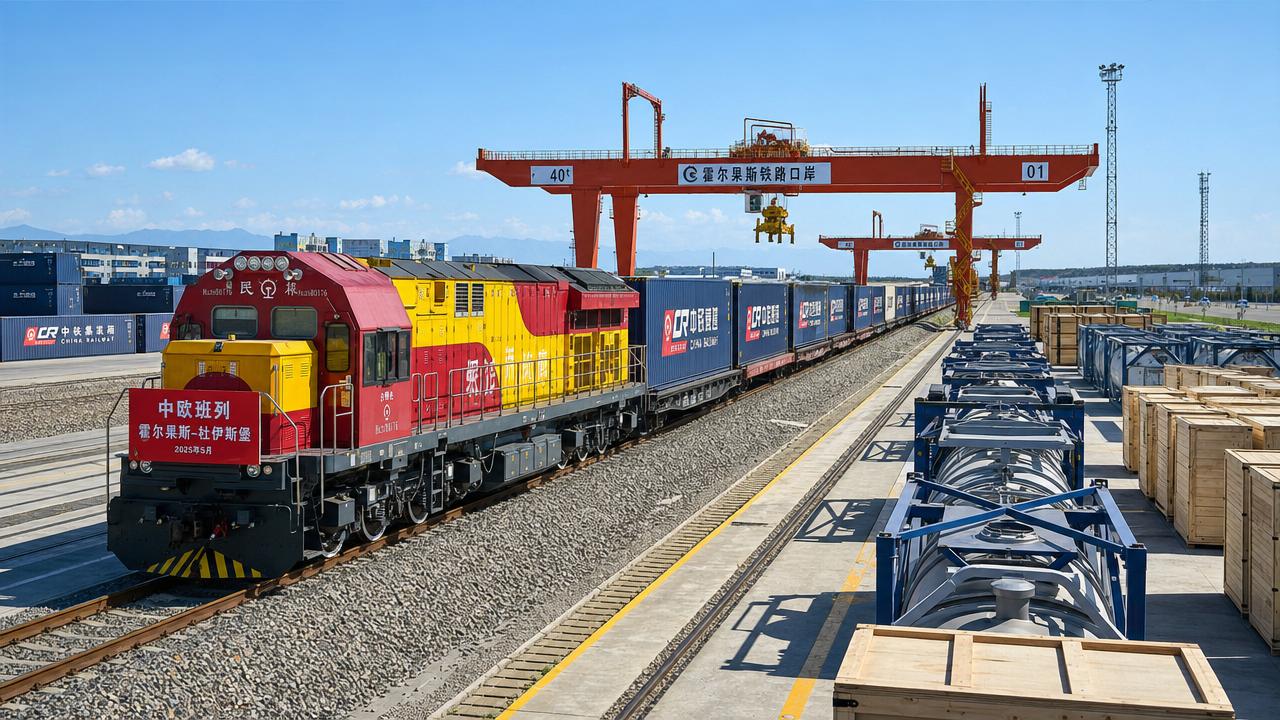
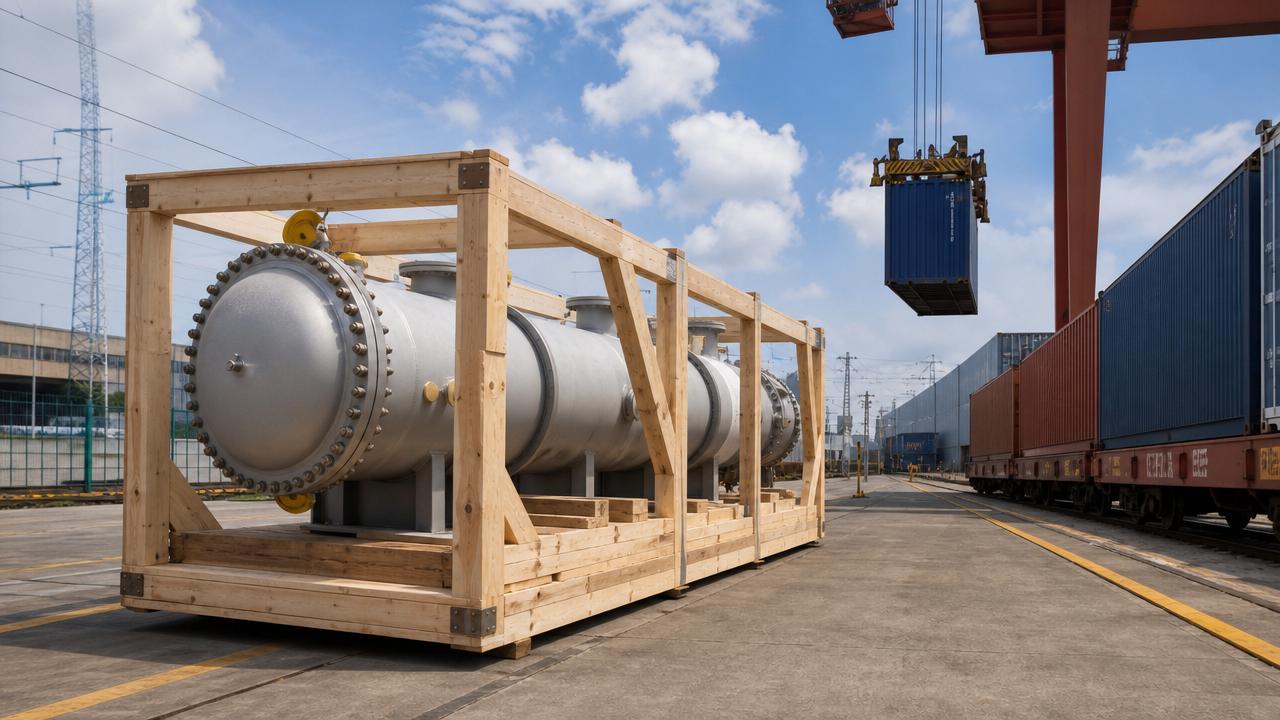
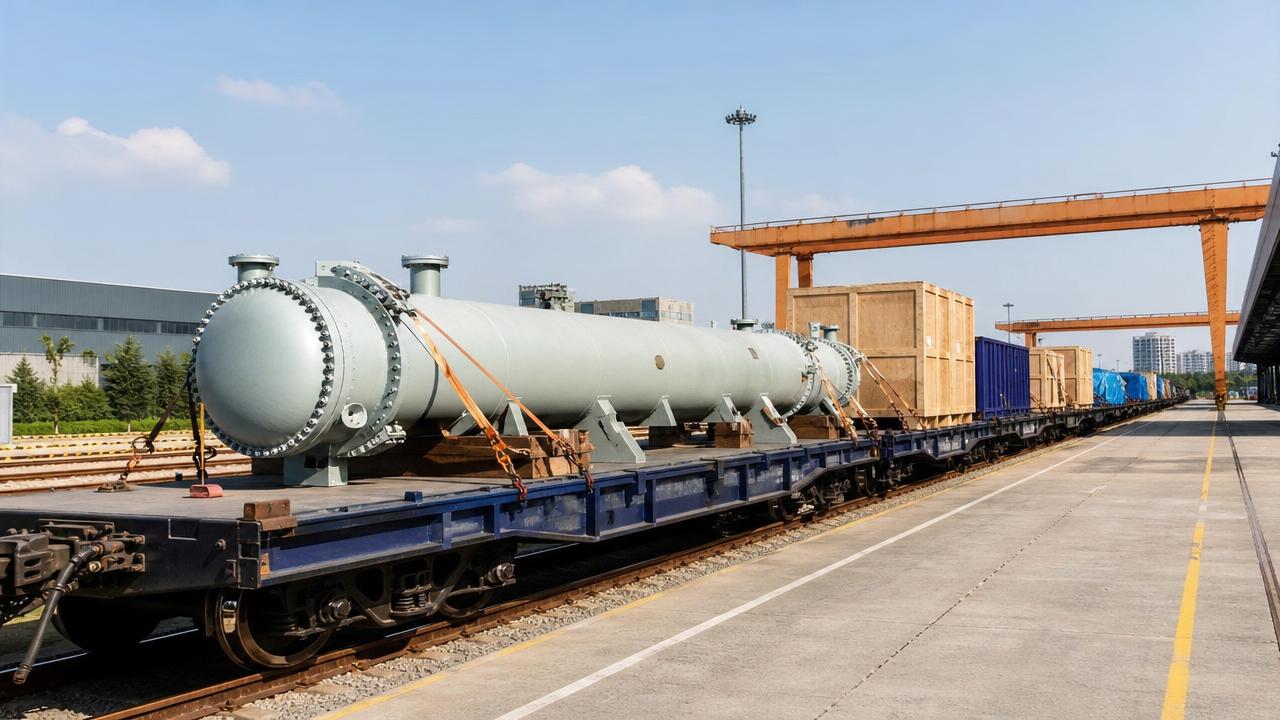
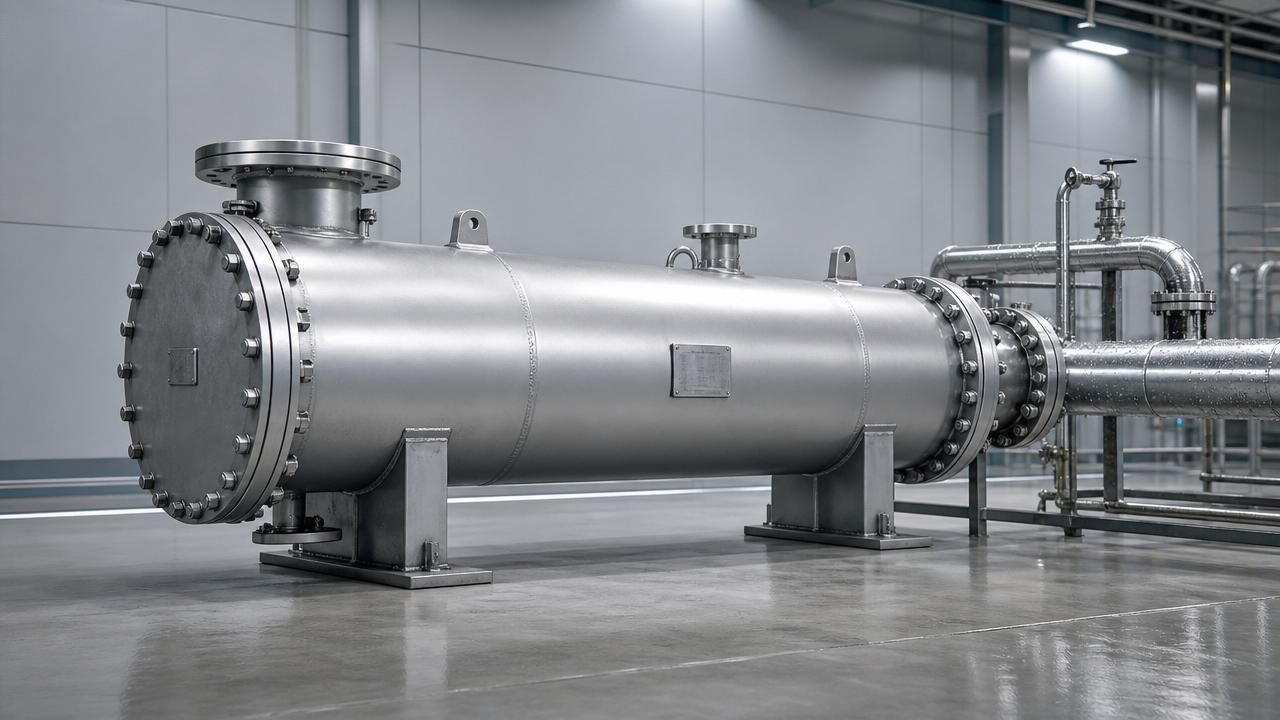
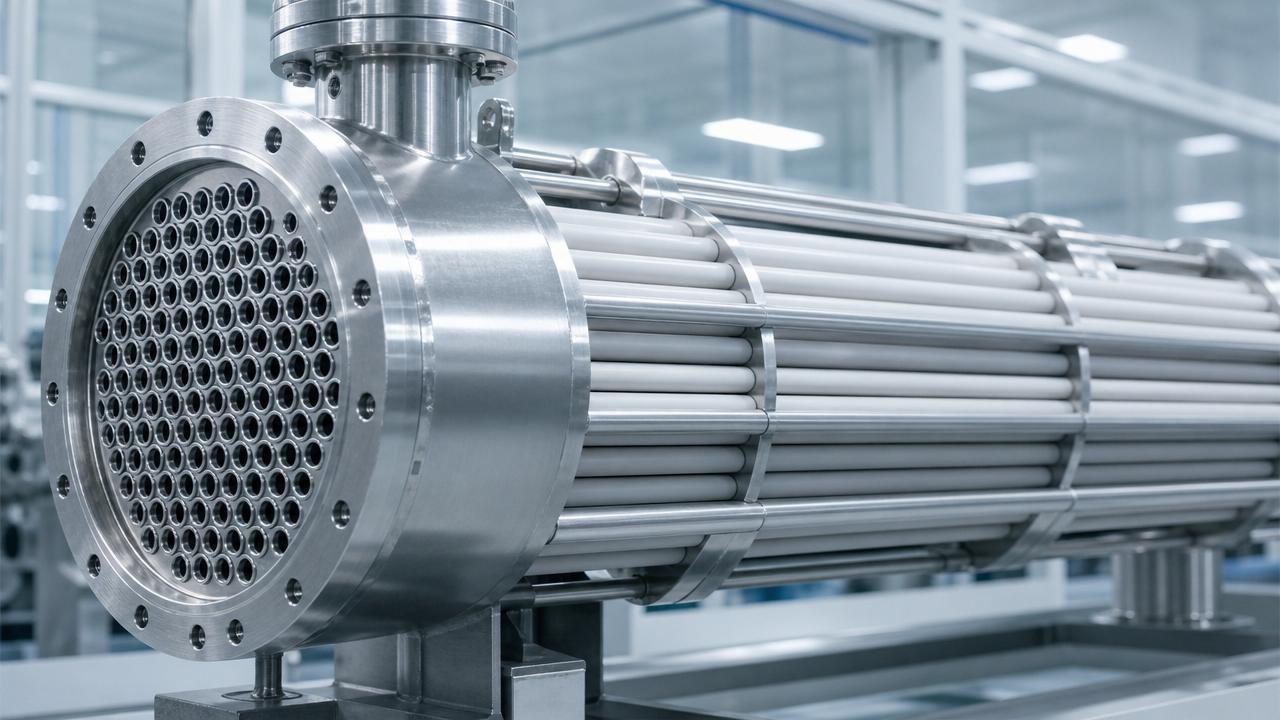
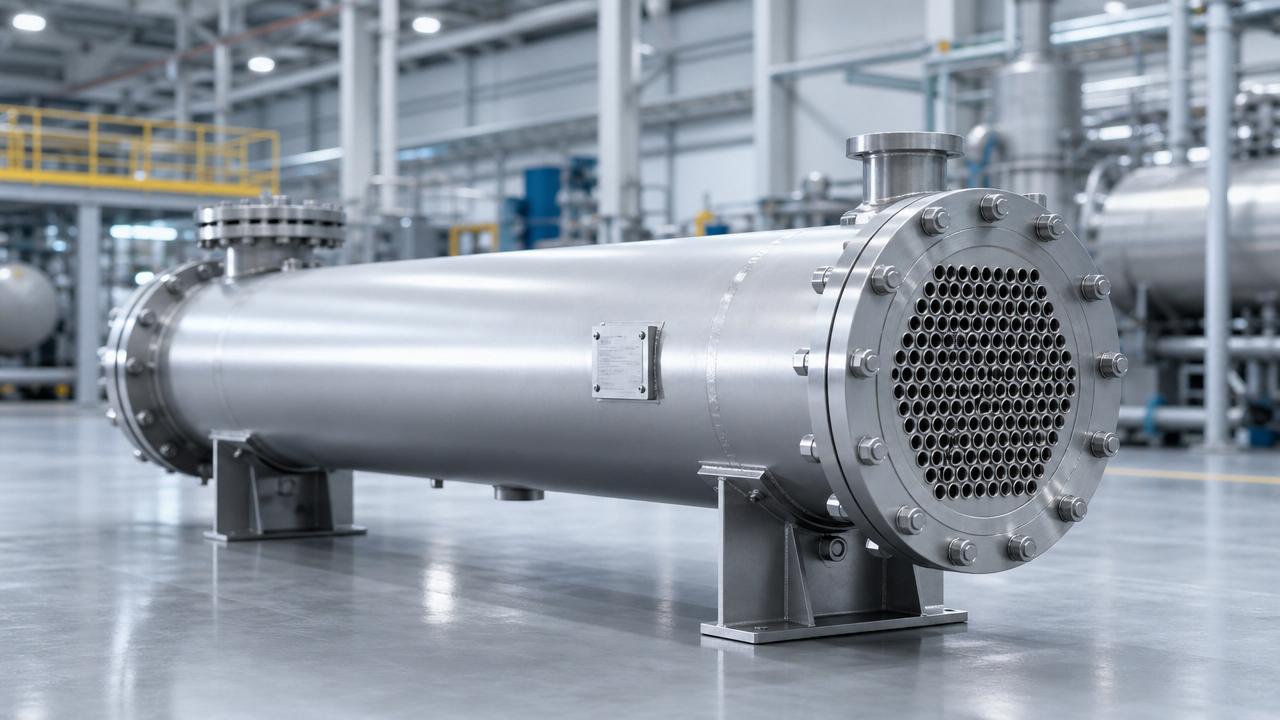
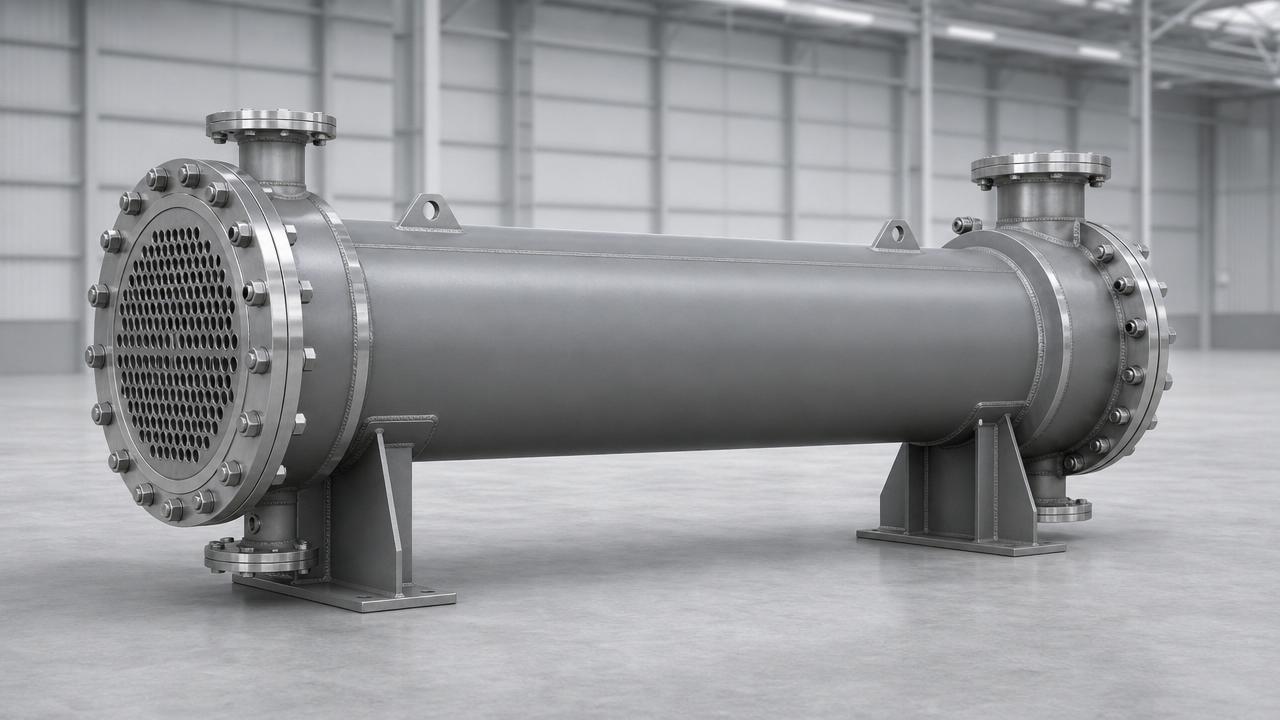
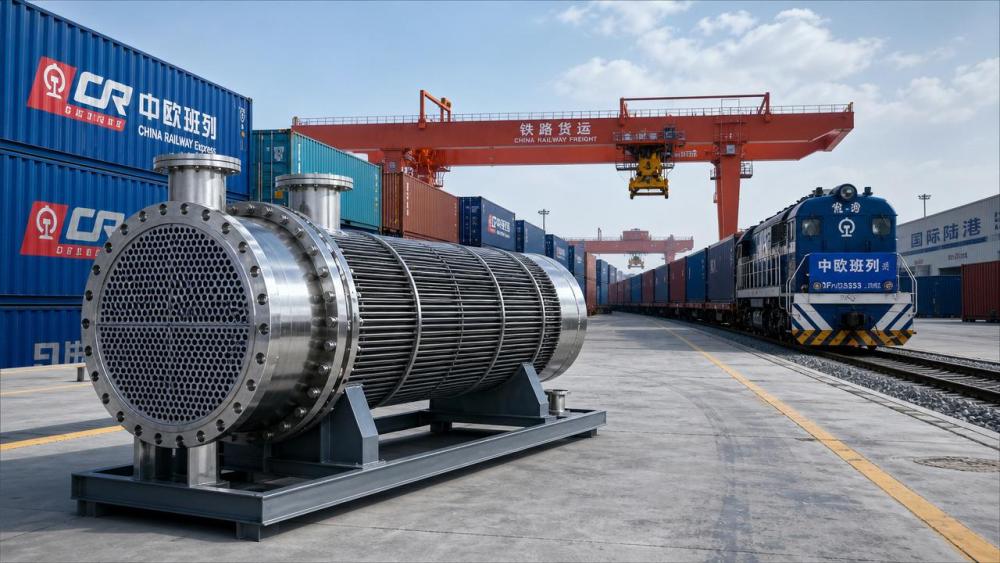
On June 10, 2026, a logistics update from China’s railway system drew attention beyond transport alone: the China-Europe Railway Express middle corridor, via Horgos and Alashankou, exceeded 2,000 train passages for the year, while a green customs clearance mechanism in the Urumqi International Land Port Area helped reduce the average customs clearance plus transport cycle for complete Shell & Tube heat exchanger exports to 28 days. For exporters, buyers in Europe and Central Asia, and supply chain service providers, the key issue is not only faster movement, but a potentially shorter order-response window for equipment deliveries.
What the latest update confirms
According to the latest briefing from China State Railway Group, as of June 10, 2026, annual traffic on the China-Europe Railway Express middle corridor had surpassed 2,000 trains, up 37% from the same period last year. The update also states that, with the implementation of a green clearance mechanism in the Urumqi International Land Port Area, the average export cycle for complete Shell & Tube heat exchangers, including customs clearance and transportation, was shortened to 28 days. The same briefing notes that this is 42 days faster than ocean shipping and improves order response capability for customers in Europe and Central Asia.
Why different market participants are watching this closely
Equipment exporters are seeing a shorter response window
From an industry perspective, exporters of complete Shell & Tube units are the most directly affected because delivery speed influences quotation cycles, production scheduling, and customer commitments. The immediate impact is likely to be felt in export planning, shipment arrangement, and lead-time communication with overseas buyers.
Overseas buyers may reassess delivery expectations
For customers in Europe and Central Asia, a 28-day customs clearance and transport cycle changes the practical timeline for receiving complete equipment. Analysis shows that this could matter most in projects or procurement processes where delivery timing is a decisive factor, even if the broader purchasing decision still depends on product specifications, documentation, and supplier execution.
Supply chain service providers need to track operational consistency
Freight forwarders, customs agents, and related service providers may be affected because the reported improvement depends on corridor throughput and the implementation of the green clearance mechanism. What deserves closer attention is whether the shorter cycle can be maintained consistently across different shipment batches, documentation conditions, and customer destinations.
Operational priorities for companies now
Watch for further official wording and rule execution
Companies should pay close attention to how future official updates describe corridor capacity, border handling, and the practical operation of green clearance arrangements. A favorable policy or facilitation signal does not automatically mean every shipment will move under the same timing conditions.
Check which product scope is actually covered
The confirmed information refers specifically to complete Shell & Tube heat exchanger exports. For manufacturers and traders, the practical issue is to distinguish between complete-unit shipments and other categories such as components, auxiliary systems, or mixed cargo, because actual handling conditions may differ.
Strengthen documentation and delivery coordination
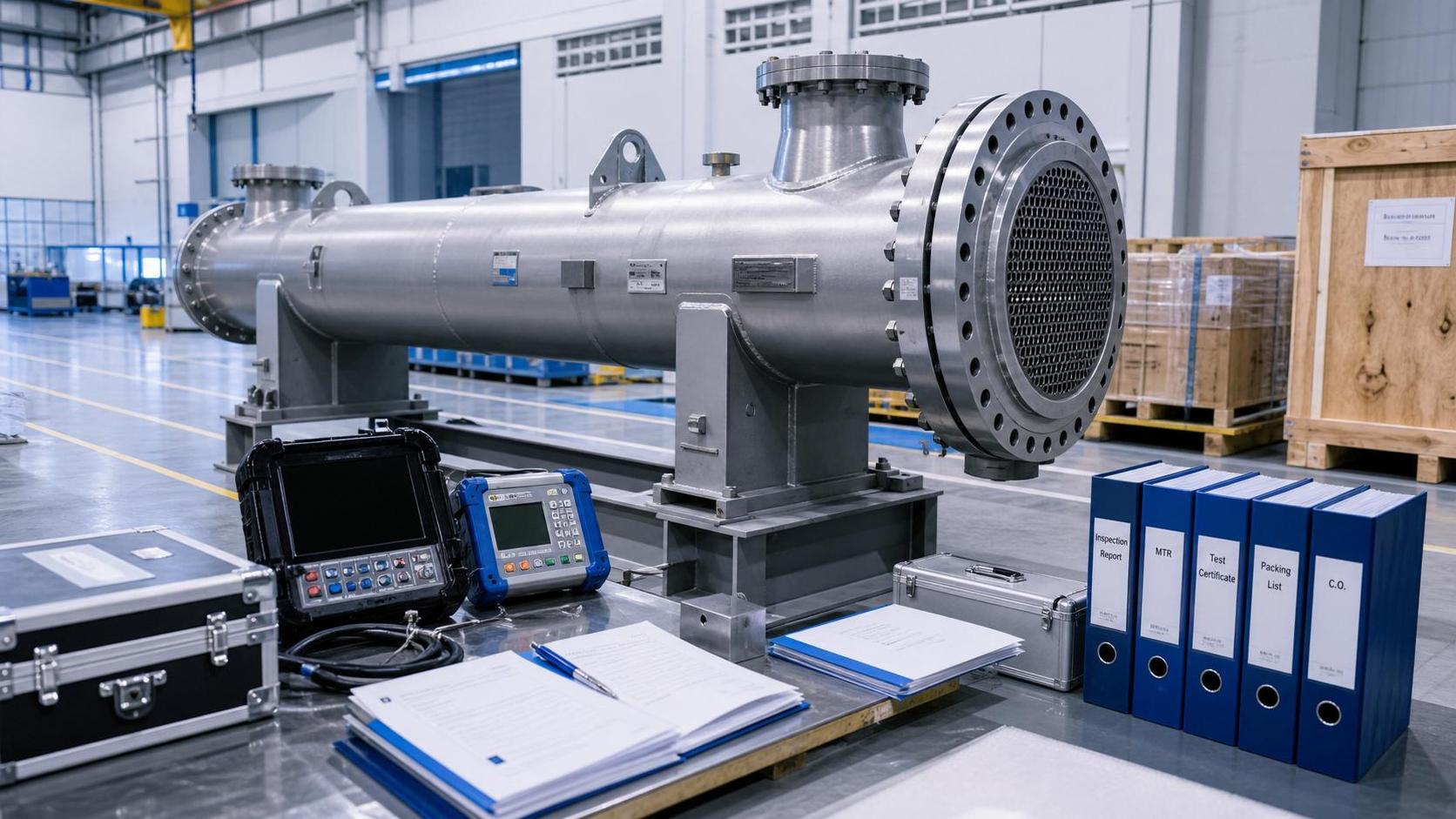
Analysis shows that when transport time compresses, documentation readiness becomes more critical, not less. Exporters and service providers should therefore focus on shipment papers, customs coordination, delivery slot planning, and customer-facing timeline confirmation to avoid losing the benefit of a shorter route cycle.
Align customer communication with realistic lead times
For sales and project teams, the main task is to communicate the reported improvement carefully. It is more appropriate to present the 28-day figure as a confirmed current logistics reference from the provided update, while still leaving room for operational variation in actual order fulfillment.
How this development is best interpreted
Observably, this update is more than a transport statistic because it links corridor throughput growth with a specific export-delivery outcome for Shell & Tube equipment. At the same time, it is more appropriate to understand this as a strong operating signal rather than a fully settled industry-wide conclusion. The reported improvement is clear, but the market still needs to watch whether this timing advantage remains stable over time and across different business scenarios.
What this means for the near term
At this stage, the industry significance lies in a measurable reduction in the export delivery cycle for complete Shell & Tube heat exchangers serving Europe and Central Asia. For manufacturers, traders, buyers, and logistics partners, the practical takeaway is to treat this as an actionable but still evolving logistics development: important enough to influence planning, but still requiring continued verification in day-to-day execution.
Basis of this article and what still needs verification
This article is based on the user-provided news title, event date, and event summary. For developments of this kind, commonly relevant source types include official transport briefings, company announcements, industry association updates, authoritative media coverage, and standard or customs-related documents. The specific official source link was not provided in the input, so continued verification is still necessary. Follow-up attention should focus on whether later official disclosures provide further detail on corridor operations, clearance implementation, and the repeatability of the reported 28-day export cycle.
Related News
- EN 13445-4:2026 Tightens EU NDT Rules for Pressure VesselsAuthor :Thermodynamics Analyst

- EU Rule Requires Digital Energy Monitoring for Shell & Tube Heat ExchangersAuthor :Thermodynamics Analyst

- DOE Raises Shell & Tube Efficiency Floor for 2027Author :Thermodynamics Analyst

- EU EN 13445-4:2026 Tightens Dual Certification for Heat ExchangersAuthor :Thermodynamics Analyst

- EN 13445-4:2026 Tightens EU Heat Exchanger ComplianceAuthor :Thermodynamics Analyst

- EN 13445-4:2026 Adds Digital Twin Fatigue ChecksAuthor :Thermodynamics Analyst

- How to Improve Heat Exchanger Efficiency Without Major System DowntimeAuthor :Thermodynamics Analyst

- EU Rule Takes Effect for Shell-and-Tube Heat ExchangersAuthor :Thermodynamics Analyst

- When Energy-Efficient Heat Exchange Systems Deliver Real PaybackAuthor :Thermodynamics Analyst

- DOE Cuts R449A Chiller Transition to 9 MonthsAuthor :Thermodynamics Analyst

- Rail Corridor Surge Cuts Shell & Tube Lead TimeAuthor :Thermodynamics Analyst

- Rail Corridor Hits 2,000 Trains as Heat Exchanger Lead Time FallsAuthor :Thermodynamics Analyst

- Rail Corridor Surge Cuts Shell & Tube Delivery to 28 DaysAuthor :Thermodynamics Analyst

- China-Europe Rail Corridor Tops 2,000 Trains as Heat Exchanger Export Delivery Falls to 28 DaysAuthor :Thermodynamics Analyst

- How to Improve Heat Exchanger Efficiency Without Major RetrofitsAuthor :Thermodynamics Analyst
![]()
- Rail Corridor Speeds Heat Exchanger ExportsAuthor :Thermodynamics Analyst
![]()
- China Names New Trade Parks for Heat Exchanger ExportsAuthor :Thermodynamics Analyst
![]()
- Rail Corridor Eases Lead Times for Shell-and-Tube ExportsAuthor :Thermodynamics Analyst

- Rail Freight Priority Cuts Shell & Tube Lead TimesAuthor :Thermodynamics Analyst

- Vietnam Cement WHR Rule Lifts Exchanger DemandAuthor :Thermodynamics Analyst

- EN 13445-4:2026 Effective for Shell & Tube Heat ExchangersAuthor :Thermodynamics Analyst
![]()
- SANY Excavators Capture >60% of Indonesia's Nickel Mine Equipment MarketAuthor :Thermodynamics Analyst

- APEC Trade Ministers Focus on Digital & Green Supply ChainsAuthor :Thermodynamics Analyst
![]()
- Pakistan PM Visit to China Spurs Shell & Tube, Centrifuge Tech LocalizationAuthor :Thermodynamics Analyst

- Putin's China Visit Resumes Shell & Tube Heat Exchanger Export PathAuthor :Thermodynamics Analyst

- EU Imposes Final Anti-Dumping Duties on Chinese Adipic AcidAuthor :Thermodynamics Analyst

- EN 13445-4:2026 Enters Force for Shell & Tube Heat ExchangersAuthor :Thermodynamics Analyst

- EU Updates EN 13445-4:2026 for Shell & Tube Heat ExchangersAuthor :Thermodynamics Analyst

- China's Petrochemical '15th Five-Year' Digitalization Guide ReleasedAuthor :Thermodynamics Analyst

- Heat Exchanger Technology: Plate vs Shell & Tube Selection GuideAuthor :Thermodynamics Analyst

- China to Upgrade Shell & Tube Heat Exchanger Standard to MandatoryAuthor :Thermodynamics Analyst

- Thermodynamics Analysis in Shell & Tube Selection: What Really MattersAuthor :Thermodynamics Analyst

- How to Compare Heat Exchanger Efficiency Across System DesignsAuthor :Thermodynamics Analyst