China to Upgrade Shell & Tube Heat Exchanger Standard to Mandatory




On May 10, 2026, China’s State Administration for Market Regulation (SAMR) launched a standardization initiative involving 1,800 national standard revisions and new developments — including the elevation of GB/T 151-2026 Shell & Tube Heat Exchangers from a recommended to a mandatory national standard. This move directly affects manufacturers, exporters, and inspection service providers in the heat transfer equipment sector, particularly those engaged in international trade with markets that prioritize weld integrity and corrosion resistance.
Event Overview
On May 10, 2026, SAMR published its 2026 National Standard Work Plan, confirming that GB/T 151-2026 will be upgraded to a mandatory standard (i.e., GB 151-2026) within the year. The revised standard incorporates clauses aligned with internationally referenced requirements: non-destructive testing of welds per NB/T 47013.3, and minimum thickness specifications for corrosion-resistant coatings per ISO 2063-1. These additions reflect regulatory attention to quality consistency for exported shell & tube heat exchangers.
Industries Affected by This Change
Direct Exporters of Shell & Tube Heat Exchangers
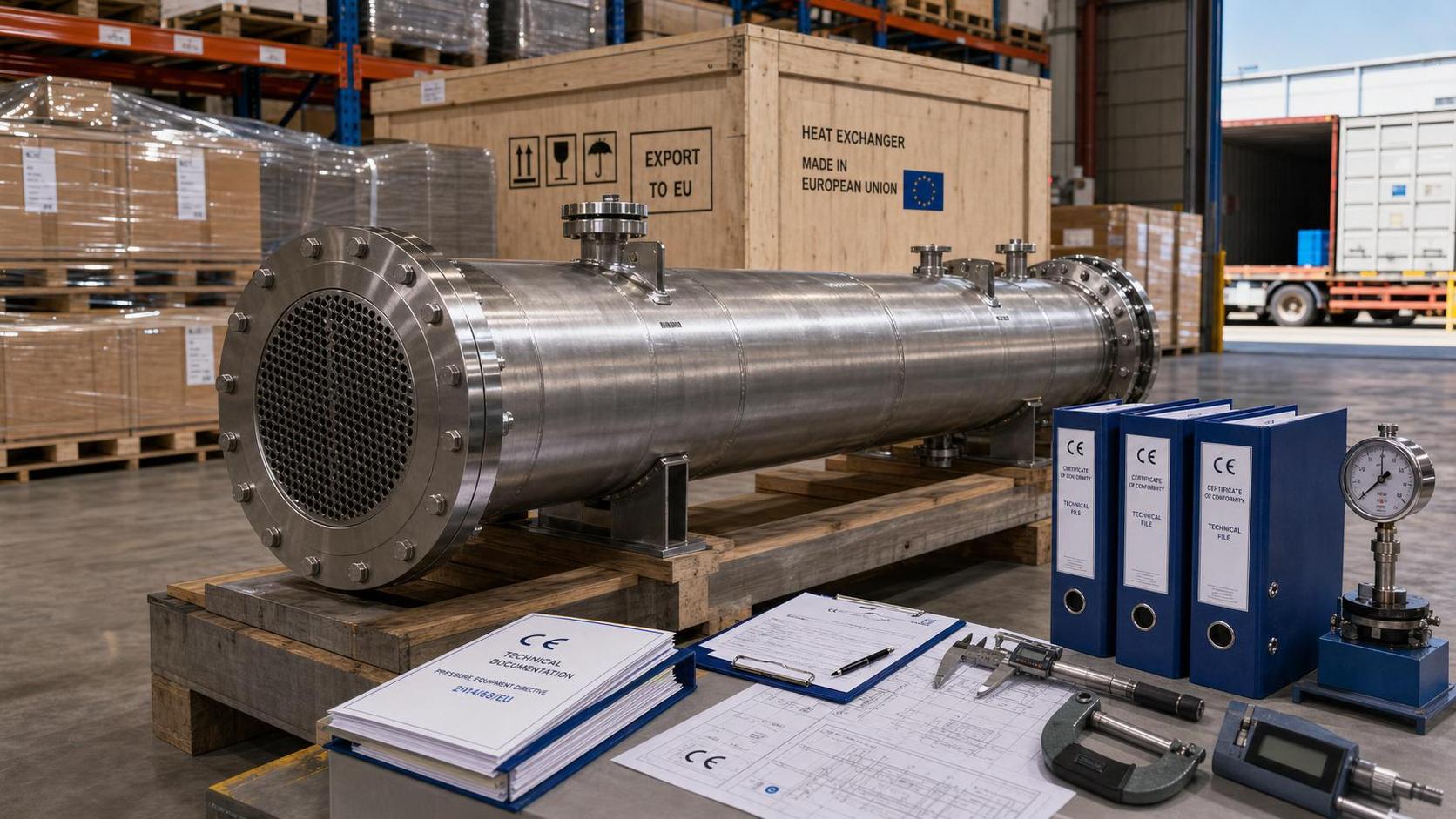
Exporters supplying to regions where regulatory compliance is enforced at customs or end-user acceptance stages — such as the EU, Middle East, and Southeast Asia — will face stricter conformity assessments. The mandatory status means certification against GB 151-2026 will become a prerequisite for market access, not merely a technical recommendation.
Domestic Manufacturers and OEMs
Manufacturers producing shell & tube units for domestic or export use must align production processes, welding procedures, and final inspection protocols with the updated mandatory requirements. Non-compliance may result in rejection during factory audits or post-delivery verification, especially under buyer-led quality assurance programs.
Third-Party Inspection and Testing Service Providers
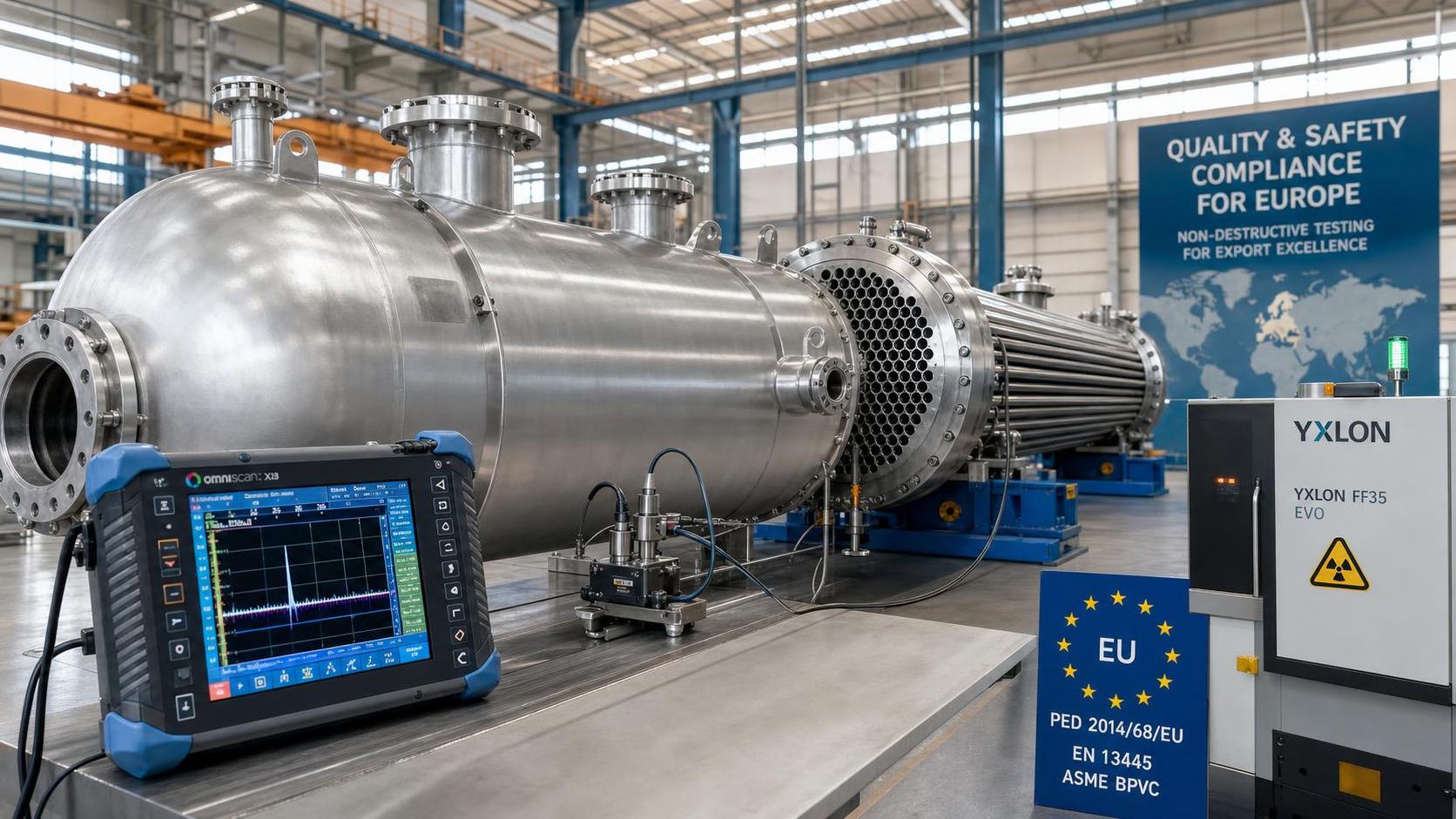
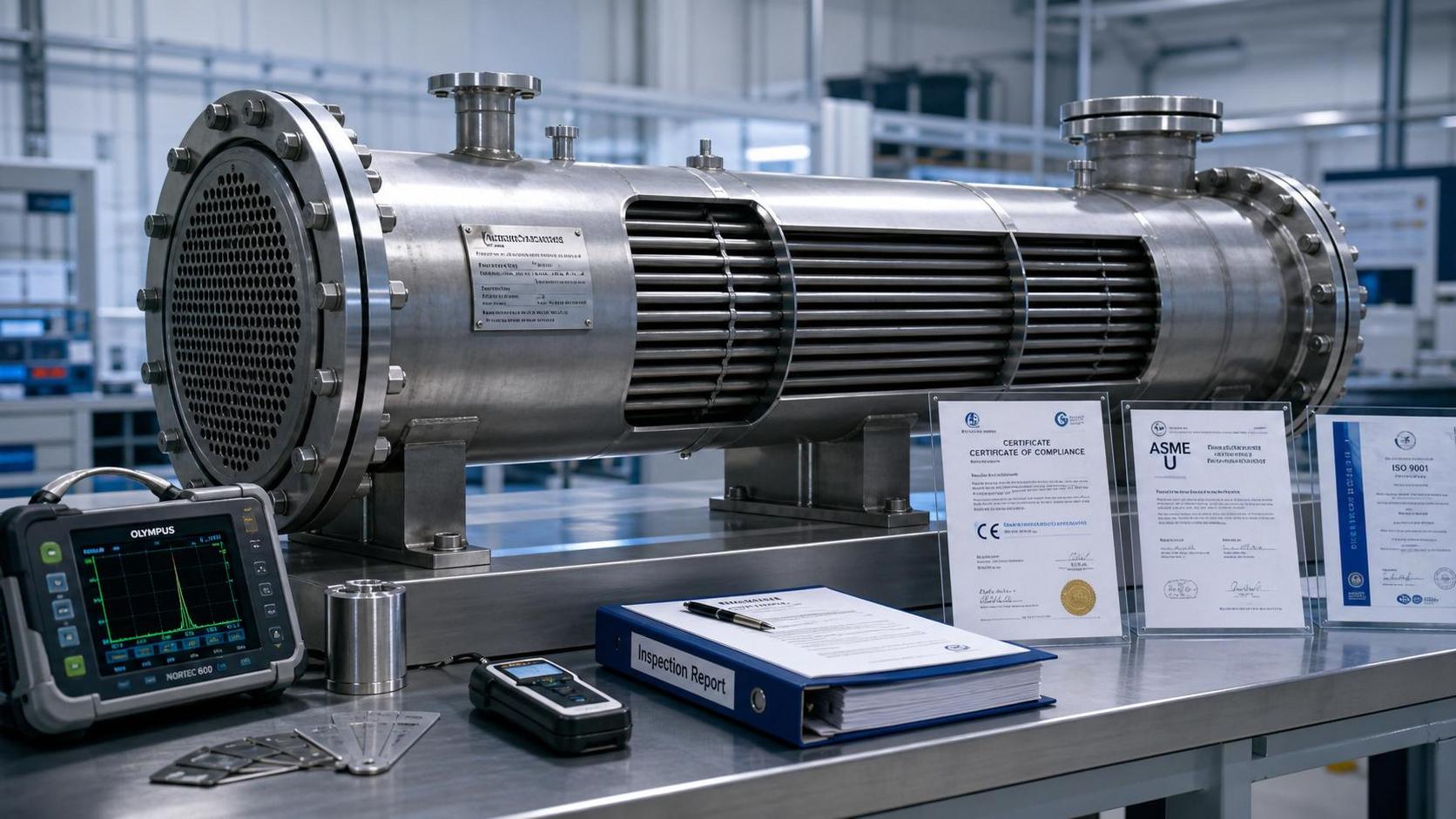
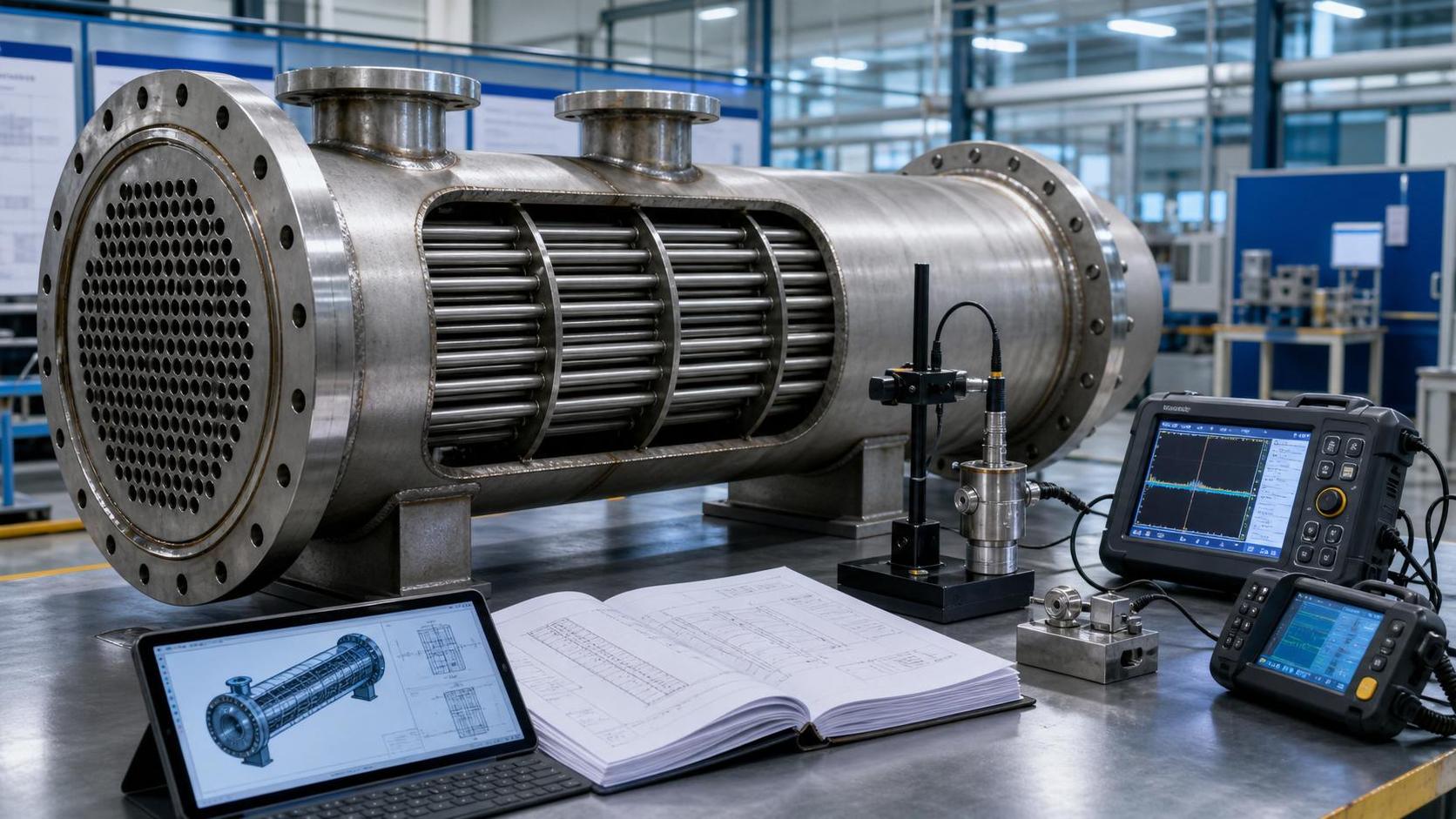
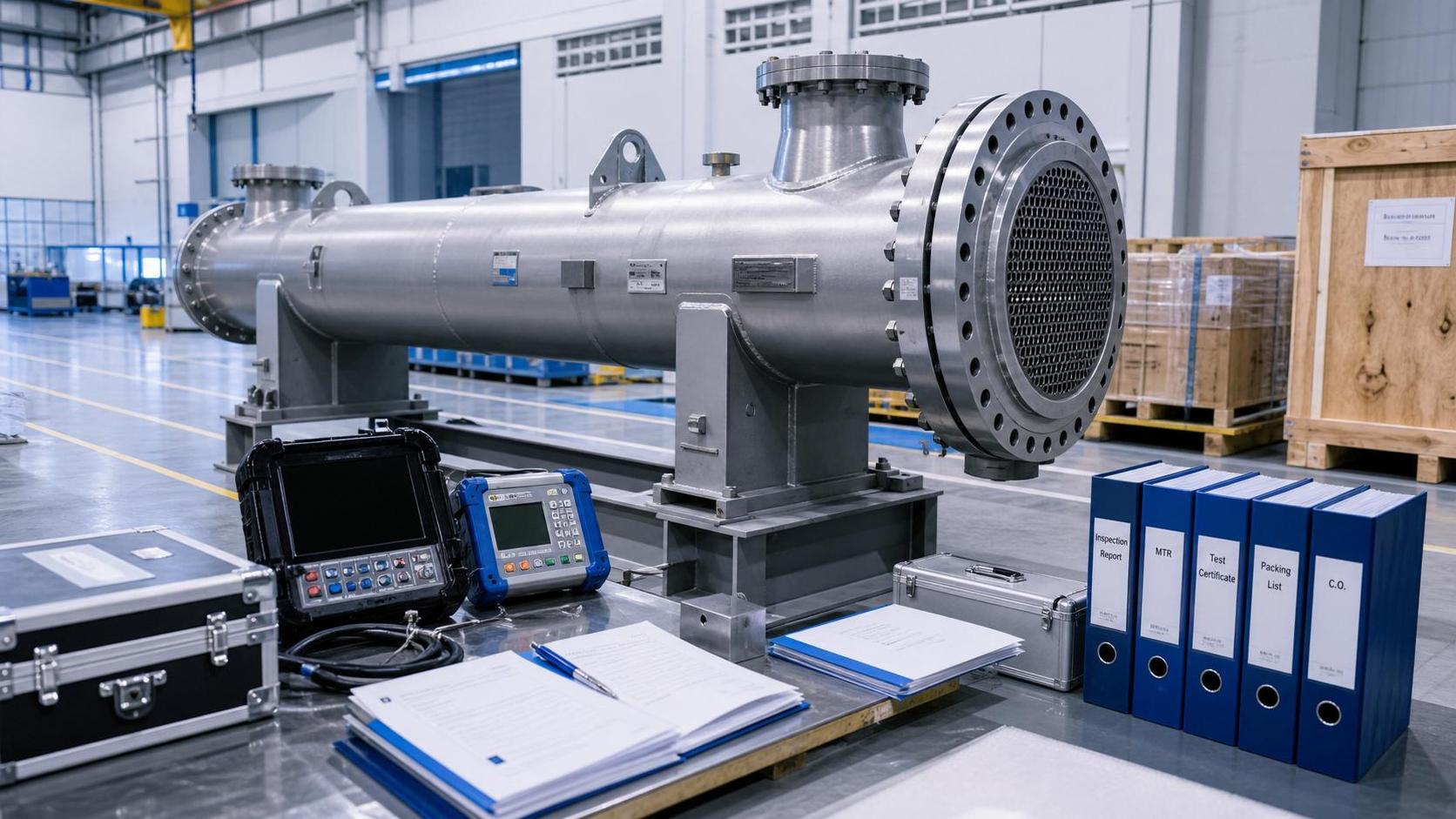
Testing labs and certification bodies accredited for pressure equipment standards will need to validate their scope against the revised NB/T 47013.3 and ISO 2063-1 alignment. Capacity gaps in ultrasonic testing (UT), radiographic testing (RT), or coating-thickness measurement may limit their ability to issue valid reports under the new framework.
Supply Chain Integrators and Engineering Procurement Contractors (EPCs)
EPC firms specifying heat exchangers for large-scale infrastructure projects — especially in petrochemical, power generation, and LNG sectors — will need to update procurement specifications and vendor evaluation criteria. Contractual obligations tied to ‘compliance with current mandatory standards’ may now trigger requalification of existing suppliers.
What Enterprises and Practitioners Should Monitor and Do Now
Track official release timing and transitional provisions
The upgrade to mandatory status requires formal promulgation and a defined implementation date. Enterprises should monitor SAMR’s official announcements and draft public consultation notices for the finalized GB 151-2026 text, including any grace period or grandfathering clauses for equipment manufactured before enforcement.
Verify alignment of current NDT and coating inspection capabilities
Manufacturers and testing labs should audit internal procedures against NB/T 47013.3 (especially UT/RT methodology, personnel qualification, and reporting format) and ISO 2063-1 (calibration traceability, surface preparation, and measurement uncertainty). Gaps identified should inform near-term investment in equipment, training, or subcontracting arrangements.
Distinguish between regulatory signal and operational impact
This revision signals tightening regulatory oversight but does not yet constitute full enforcement. Until GB 151-2026 is officially released and assigned an effective date, existing contracts referencing GB/T 151-2026 remain valid. Companies should avoid premature process overhauls without confirmed timelines and scope details.
Update documentation and communication with key trading partners
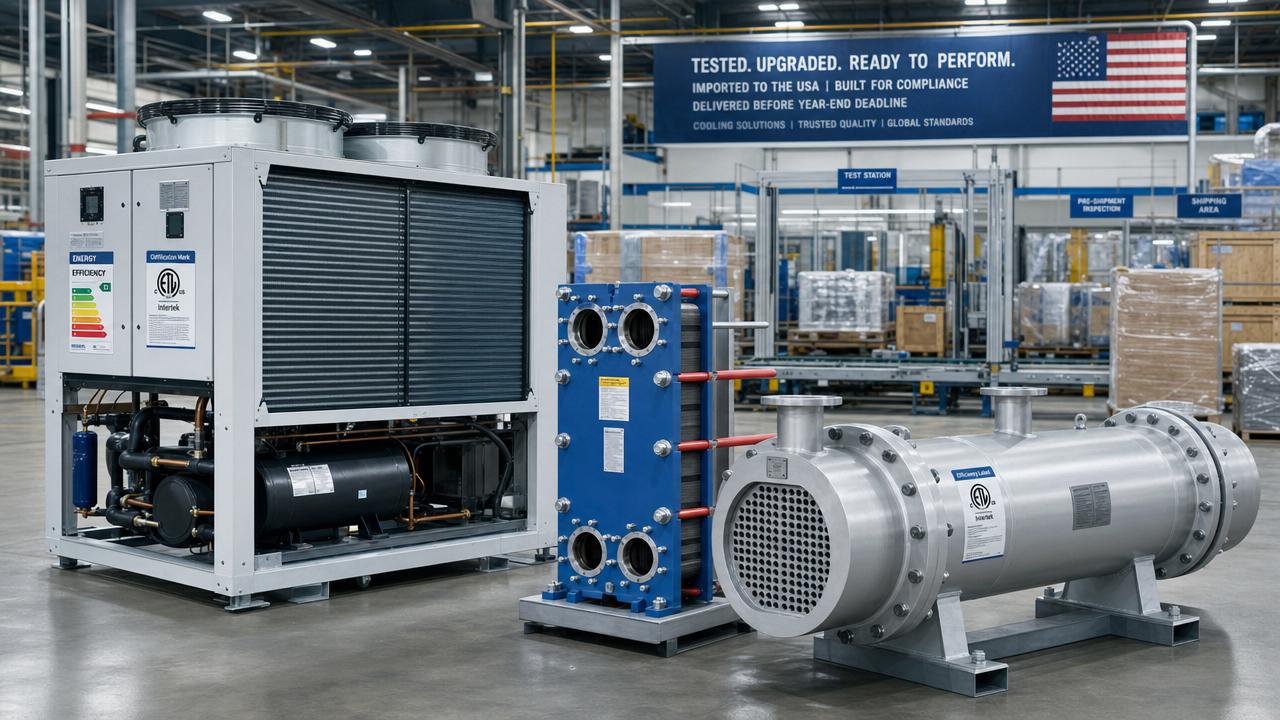
Exporters should proactively share anticipated compliance timelines with overseas customers, especially those requiring pre-shipment inspections or type approval. Updating quality manuals, test reports, and supplier declarations to reference upcoming mandatory status helps manage expectations and reduce delivery risk.
Editorial Perspective / Industry Observation
Observably, this standard upgrade is less an immediate operational shift and more a strategic signal — indicating China’s intent to harmonize domestic manufacturing quality expectations with import-market regulatory benchmarks. Analysis shows the inclusion of NB/T 47013.3 and ISO 2063-1 reflects responsiveness to recurring non-conformance findings in overseas market surveillance reports. From an industry perspective, it is better understood as a phased alignment effort rather than a sudden compliance cliff. Continued monitoring is warranted because the final GB 151-2026 text may introduce additional technical thresholds or clarify enforcement mechanisms — both of which could reshape cost structures and lead times for SMEs.
Conclusion
While the upgrade of GB/T 151 to mandatory status does not alter current contractual or regulatory obligations overnight, it marks a clear inflection point in how shell & tube heat exchanger quality will be verified across supply chains. For stakeholders, the change is best interpreted as a medium-term calibration toward higher baseline conformity — not a short-term disruption. A measured, evidence-based response — grounded in verified timelines and capability assessments — remains the most appropriate course.
Source: State Administration for Market Regulation (SAMR), 2026 National Standard Work Plan (released May 10, 2026)
Note: The final text of GB 151-2026 and its effective date remain pending official publication; these elements are subject to further notice and require ongoing observation.
Related News
- EN 13445-4:2026 Raises Pressure Vessel Welding RulesAuthor :Thermodynamics Analyst

- EN 13445-4:2026 Tightens EU NDT Rules for Pressure VesselsAuthor :Thermodynamics Analyst

- EU Rule Requires Digital Energy Monitoring for Shell & Tube Heat ExchangersAuthor :Thermodynamics Analyst

- DOE Raises Shell & Tube Efficiency Floor for 2027Author :Thermodynamics Analyst

- EU EN 13445-4:2026 Tightens Dual Certification for Heat ExchangersAuthor :Thermodynamics Analyst

- EN 13445-4:2026 Tightens EU Heat Exchanger ComplianceAuthor :Thermodynamics Analyst

- EN 13445-4:2026 Adds Digital Twin Fatigue ChecksAuthor :Thermodynamics Analyst

- How to Improve Heat Exchanger Efficiency Without Major System DowntimeAuthor :Thermodynamics Analyst

- EU Rule Takes Effect for Shell-and-Tube Heat ExchangersAuthor :Thermodynamics Analyst

- When Energy-Efficient Heat Exchange Systems Deliver Real PaybackAuthor :Thermodynamics Analyst

- DOE Cuts R449A Chiller Transition to 9 MonthsAuthor :Thermodynamics Analyst

- Rail Corridor Surge Cuts Shell & Tube Lead TimeAuthor :Thermodynamics Analyst

- Rail Corridor Hits 2,000 Trains as Heat Exchanger Lead Time FallsAuthor :Thermodynamics Analyst

- Rail Corridor Surge Cuts Shell & Tube Delivery to 28 DaysAuthor :Thermodynamics Analyst

- China-Europe Rail Corridor Tops 2,000 Trains as Heat Exchanger Export Delivery Falls to 28 DaysAuthor :Thermodynamics Analyst

- How to Improve Heat Exchanger Efficiency Without Major RetrofitsAuthor :Thermodynamics Analyst
![]()
- Rail Corridor Speeds Heat Exchanger ExportsAuthor :Thermodynamics Analyst
![]()
- China Names New Trade Parks for Heat Exchanger ExportsAuthor :Thermodynamics Analyst
![]()
- Rail Corridor Eases Lead Times for Shell-and-Tube ExportsAuthor :Thermodynamics Analyst

- Rail Freight Priority Cuts Shell & Tube Lead TimesAuthor :Thermodynamics Analyst

- Vietnam Cement WHR Rule Lifts Exchanger DemandAuthor :Thermodynamics Analyst

- EN 13445-4:2026 Effective for Shell & Tube Heat ExchangersAuthor :Thermodynamics Analyst
![]()
- SANY Excavators Capture >60% of Indonesia's Nickel Mine Equipment MarketAuthor :Thermodynamics Analyst

- APEC Trade Ministers Focus on Digital & Green Supply ChainsAuthor :Thermodynamics Analyst
![]()
- Pakistan PM Visit to China Spurs Shell & Tube, Centrifuge Tech LocalizationAuthor :Thermodynamics Analyst

- Putin's China Visit Resumes Shell & Tube Heat Exchanger Export PathAuthor :Thermodynamics Analyst

- EU Imposes Final Anti-Dumping Duties on Chinese Adipic AcidAuthor :Thermodynamics Analyst

- EN 13445-4:2026 Enters Force for Shell & Tube Heat ExchangersAuthor :Thermodynamics Analyst

- EU Updates EN 13445-4:2026 for Shell & Tube Heat ExchangersAuthor :Thermodynamics Analyst

- China's Petrochemical '15th Five-Year' Digitalization Guide ReleasedAuthor :Thermodynamics Analyst

- Heat Exchanger Technology: Plate vs Shell & Tube Selection GuideAuthor :Thermodynamics Analyst

- China to Upgrade Shell & Tube Heat Exchanger Standard to MandatoryAuthor :Thermodynamics Analyst

- Thermodynamics Analysis in Shell & Tube Selection: What Really MattersAuthor :Thermodynamics Analyst

- How to Compare Heat Exchanger Efficiency Across System DesignsAuthor :Thermodynamics Analyst