Thermodynamics Analysis in Shell & Tube Selection: What Really Matters




In shell & tube selection, thermodynamics analysis is not just a calculation step—it is the basis for reliable, efficient, and cost-effective performance. For technical evaluators, what really matters goes beyond basic heat duty to include pressure drop, fouling behavior, flow arrangement, and long-term energy impact. This article highlights the factors that shape smarter exchanger decisions in complex industrial environments.
Why thermodynamics analysis changes shell & tube selection outcomes
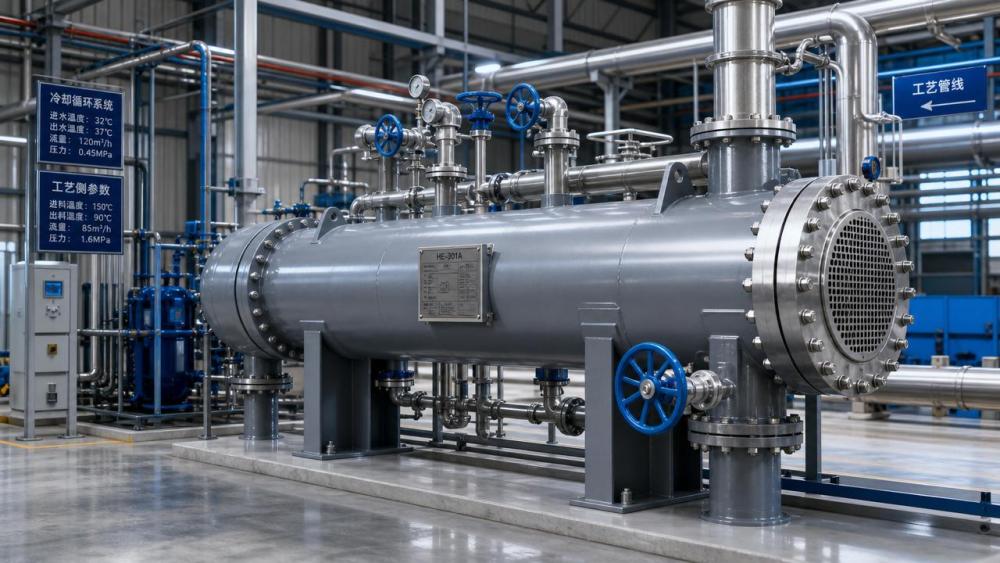
For technical evaluation teams, shell & tube equipment often looks similar on paper. Tube count, shell diameter, material grade, and nominal duty may appear acceptable across several bids. Yet the real operating result depends on thermodynamics analysis that connects process temperatures, fluid properties, velocity windows, allowable pressure losses, and future fouling conditions into one decision framework.
In industrial cooling, compressed air systems, vacuum processes, boiler auxiliaries, and heat recovery loops, a weak thermal review usually creates downstream problems. These include unstable outlet temperatures, oversized pumping requirements, repeated cleaning shutdowns, and energy penalties that exceed any initial purchase savings. This is why thermodynamics analysis should be treated as a commercial and operational filter, not a narrow design calculation.
GTC-Matrix approaches this issue from an intelligence perspective. By linking thermodynamic logic with market signals, energy cost trends, refrigerant policy shifts, and sector-specific thermal demands, technical evaluators can make decisions that fit both process reality and long-term manufacturing strategy.
- It reduces the risk of selecting a unit that meets nameplate duty but fails under variable operating loads.
- It clarifies trade-offs between heat transfer intensity and acceptable pressure drop.
- It helps compare shell & tube options against compact or microchannel alternatives when space, cleanliness, or thermal response matters.
- It supports procurement teams that need evidence-based justification for CAPEX and lifecycle cost decisions.
What really matters beyond heat duty?
1. Temperature program and approach temperature
Many selection errors begin with a simplistic reading of duty. A supplier may confirm required kilowatts, but the real question is whether the exchanger can achieve the needed outlet temperature profile at realistic approach temperatures. Small terminal temperature differences may require more area, revised pass arrangement, or a different flow pattern. If this is ignored, the delivered unit may only work at ideal clean conditions.
2. Pressure drop as a system cost driver
Pressure drop is not a secondary issue. On the tube side, it affects pump power or compressor aftercooler resistance. On the shell side, it influences circulation stability and can limit plant throughput. Thermodynamics analysis must therefore balance thermal performance with hydraulic losses. A “more aggressive” design is not always better if it increases yearly energy consumption or pushes existing pumps outside safe operating margins.
3. Fouling tendency and performance decay
Technical evaluators should examine how the fluid behaves after months of service, not only on day one. Cooling water quality, process side solids, oil carryover, polymerization tendency, scale formation, and biofouling risk all shape the real thermal resistance. Thermodynamics analysis becomes useful when it includes a reasonable fouling margin and does not hide thermal weakness behind unrealistic clean-surface assumptions.
4. Flow arrangement and maldistribution risk
Counterflow, parallel flow, single-pass, multi-pass, segmental baffles, and sealing details each influence local heat transfer and pressure behavior. In shell & tube selection, flow arrangement should support both process control and maintainability. Maldistribution can reduce effective area, increase vibration exposure, and create temperature deviations that hurt downstream quality.
5. Part-load and seasonal operation
Plants rarely operate at one fixed point. Ambient conditions, utility water temperature, production campaigns, and product changes alter the thermal balance. Strong thermodynamics analysis tests the exchanger at minimum, normal, and peak cases. This is especially important in pharmaceutical, semiconductor, food, and advanced manufacturing environments where thermal stability is tied to product compliance and yield.
Key parameters technical evaluators should verify before approval
The table below turns thermodynamics analysis into a practical review checklist. It is useful when comparing quotations, validating design margins, or checking whether a proposed shell & tube unit fits actual process demands rather than generic catalog assumptions.
A disciplined review of these items often exposes hidden differences between proposals that appear similar in price. For technical evaluators, this is where thermodynamics analysis becomes a procurement advantage rather than an engineering afterthought.
Which industrial scenarios demand deeper thermodynamics analysis?
Cooling water and process heat recovery
In many plants, shell & tube units connect variable-temperature process streams to utility systems. If the cooling water temperature shifts seasonally, exchanger selection based on annual average conditions can fail during summer peaks. Thermodynamics analysis should include worst-case inlet water temperatures and realistic fouling accumulation to avoid underperformance during high-load periods.
Compressed air aftercooling and interstage cooling
Compressed air systems are highly sensitive to discharge temperature, moisture knockdown, and pressure penalty. For these applications, thermodynamics analysis must look at compressor operating envelope, approach temperature, condensate behavior, and allowable pressure loss. A cooler that removes heat effectively but causes excess pressure drop can reduce overall compression efficiency.
Vacuum and solvent recovery processes
In vacuum systems, even modest thermal inefficiency can reduce condensation effectiveness or disturb process stability. Technical evaluators should focus on vapor load variation, non-condensable content, and the risk of thermal mismatch during transient operation. Here, thermodynamics analysis supports both energy efficiency and recovery economics.
High-purity manufacturing
Pharmaceutical, semiconductor, and food production often require cleanability, stable temperature control, and reduced contamination risk. Even if shell & tube is a suitable format, the selection must reflect cleaning methods, dead-zone avoidance, and operating consistency. GTC-Matrix frequently tracks these sectors because process purity and thermal precision increasingly drive equipment value.
- Variable utility conditions make design margins more important than headline duty numbers.
- Energy-intensive sites should convert pressure drop into annual operating cost before approving a design.
- Plants with strict cleaning protocols should compare thermal performance together with maintainability and downtime impact.
Shell & tube vs alternative heat exchanger paths: how should evaluators compare?
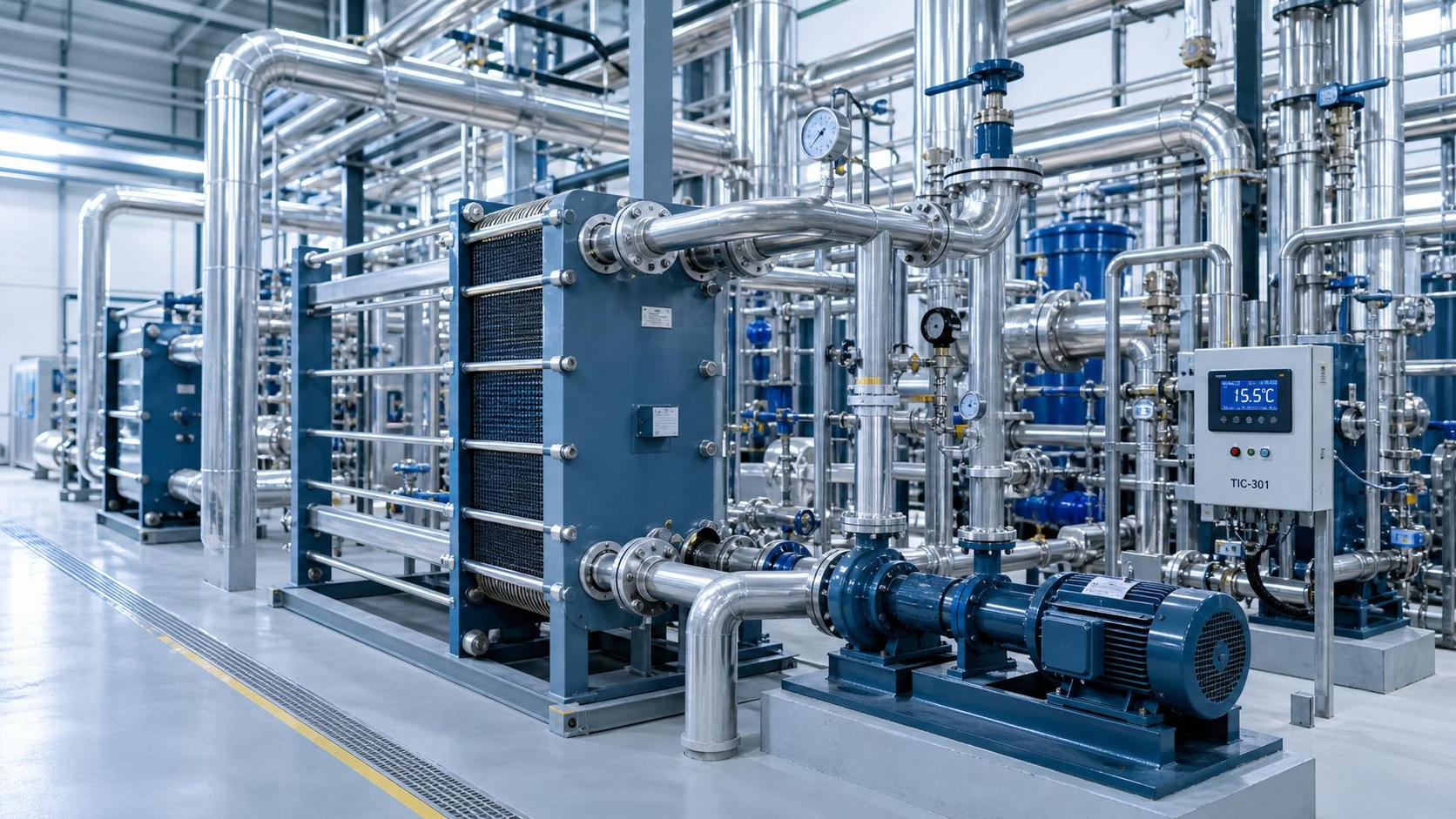
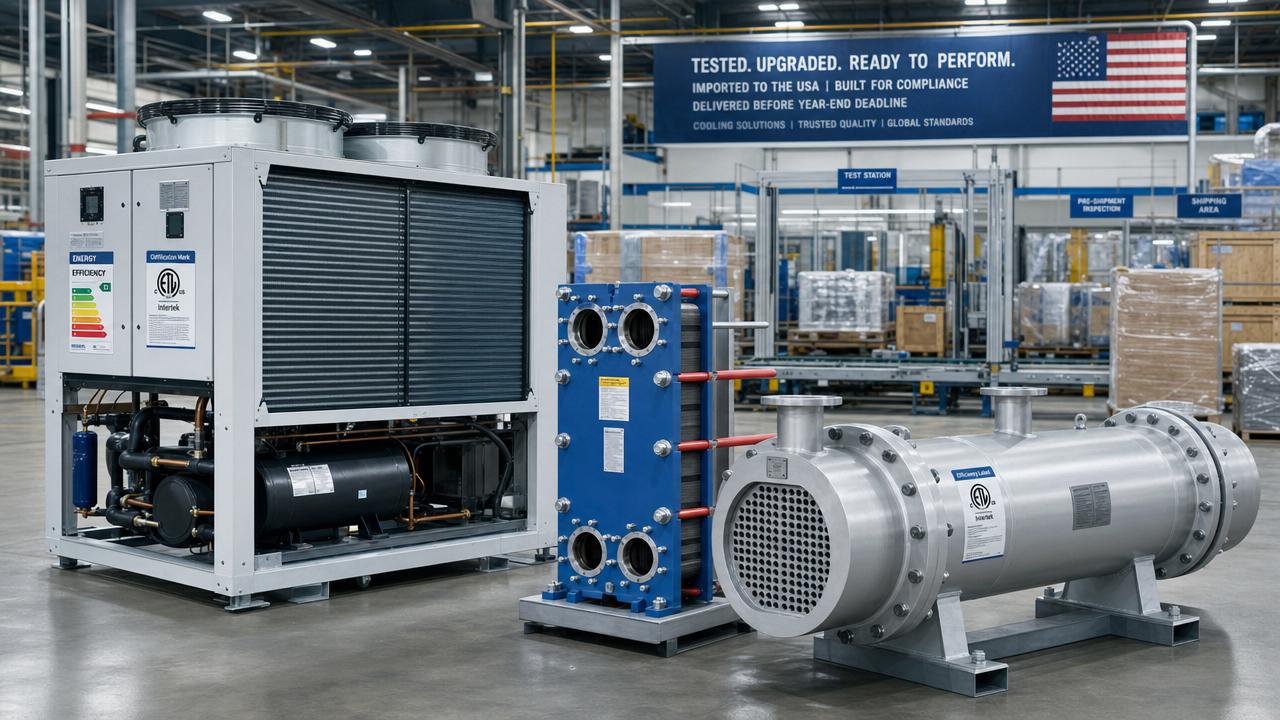
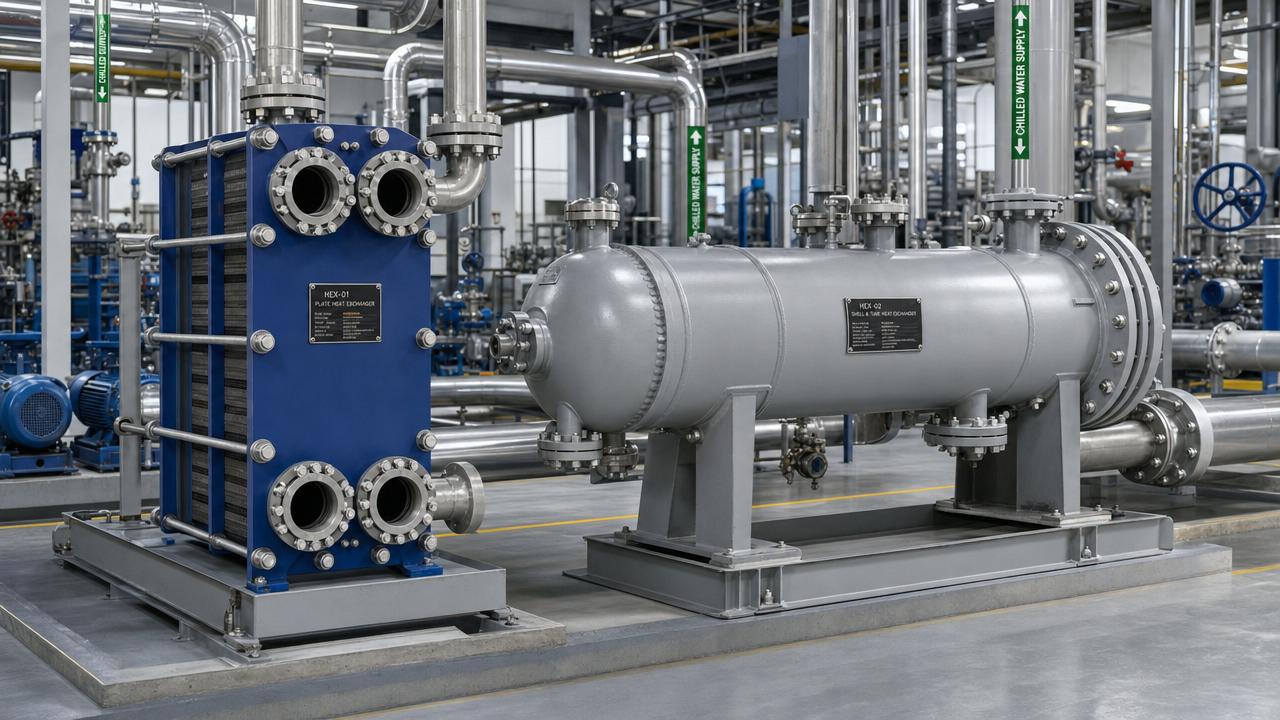
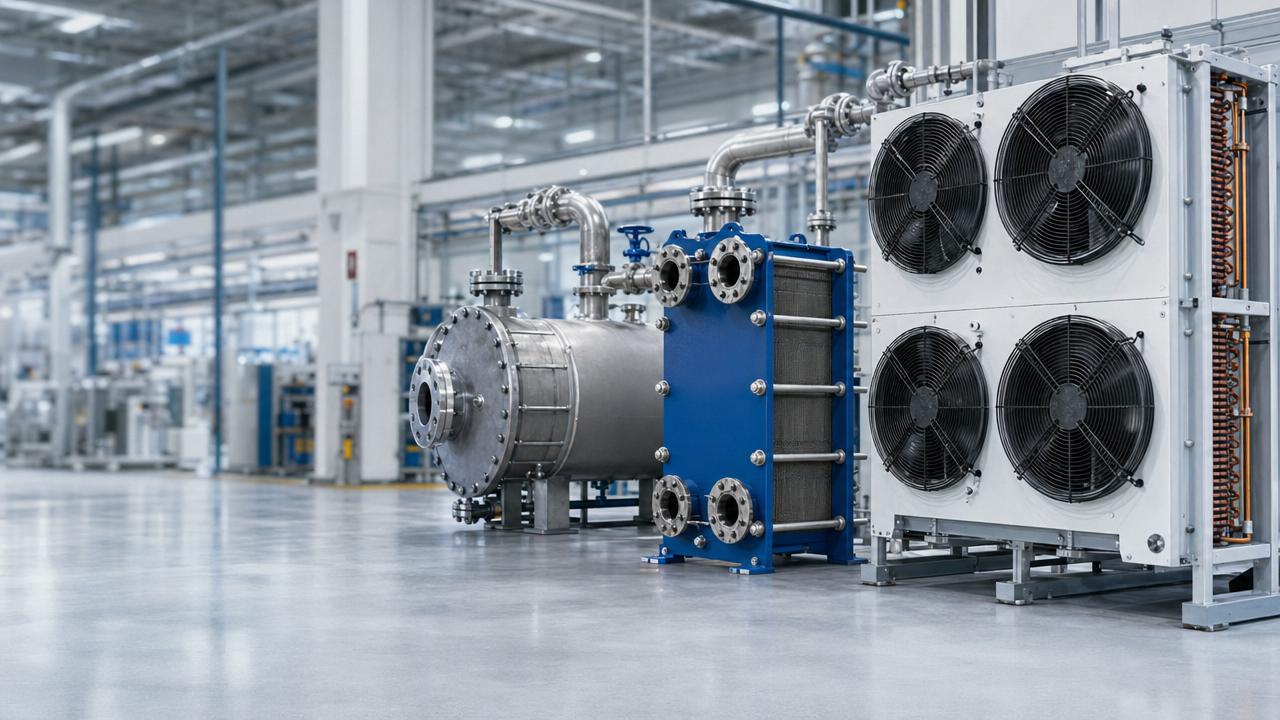
Thermodynamics analysis also helps decide whether shell & tube is the right architecture in the first place. In some cases, plate, brazed, air-cooled, or microchannel solutions may offer a better fit. In others, shell & tube remains the safer choice because of pressure level, contamination tolerance, or maintenance preferences.
This comparison shows why thermodynamics analysis should not stop at one exchanger type. The best technical choice is often the one that aligns thermal performance, maintenance reality, utility economics, and future operating constraints.
What mistakes do buyers and evaluators commonly make?
Choosing by area alone
A larger area does not automatically mean a safer design. Without proper thermodynamics analysis, extra area may come with unnecessary pressure drop, poor velocity distribution, or difficult cleaning geometry. Area must be interpreted together with duty, fluid properties, fouling assumptions, and hydraulic limits.
Ignoring off-design performance
Some evaluations only verify one rated point. In real service, utility temperature, process flow, and viscosity change. A design that looks acceptable at nominal conditions may become unstable at partial load or fail to meet process targets during peak summer operation.
Underestimating maintenance economics
Cleaning frequency, access layout, spare part availability, and downtime cost can outweigh a small price difference. Technical evaluators should ask how the exchanger will be inspected, cleaned, isolated, and returned to service, especially in continuous production lines.
Treating standards as paperwork only
Applicable pressure vessel codes, material traceability expectations, and project documentation requirements influence not just compliance but project timing. Early review reduces redesign risk and procurement delay.
- Validate process data quality before requesting quotations.
- Ask suppliers to provide clean and fouled condition performance separately.
- Convert pressure loss into annual utility cost for fair comparison.
- Review maintainability with operations and maintenance teams, not with procurement alone.
How to build a stronger procurement guide for shell & tube evaluation
When deadlines are tight, technical evaluators need a method that is fast but not shallow. The most effective approach is to combine thermodynamics analysis with a commercial screening model. This avoids false savings from low initial pricing and improves alignment between engineering, sourcing, and operations.
Recommended evaluation sequence
- Confirm fluid data first: composition, viscosity, density, specific heat, contamination risk, allowable temperature limits, and expected operating range.
- Define system constraints: allowable pressure drop, pump head margin, utility temperature range, available installation space, and maintenance access requirements.
- Request transparent design submissions: thermal basis, fouling assumptions, pass arrangement, materials, and performance at multiple operating points.
- Compare lifecycle economics: expected cleaning interval, utility power impact, likely spare part demand, and shutdown implications.
- Check documentation readiness: code requirements, inspection expectations, and project approval timeline.
GTC-Matrix supports this kind of structured decision-making by connecting technical review with broader intelligence on energy pricing, green manufacturing trends, cooling technologies, and sector demand shifts. For evaluators, that means the selection decision can reflect both present operating conditions and strategic thermal efficiency priorities.
Standards, compliance, and documentation: what should be checked early?
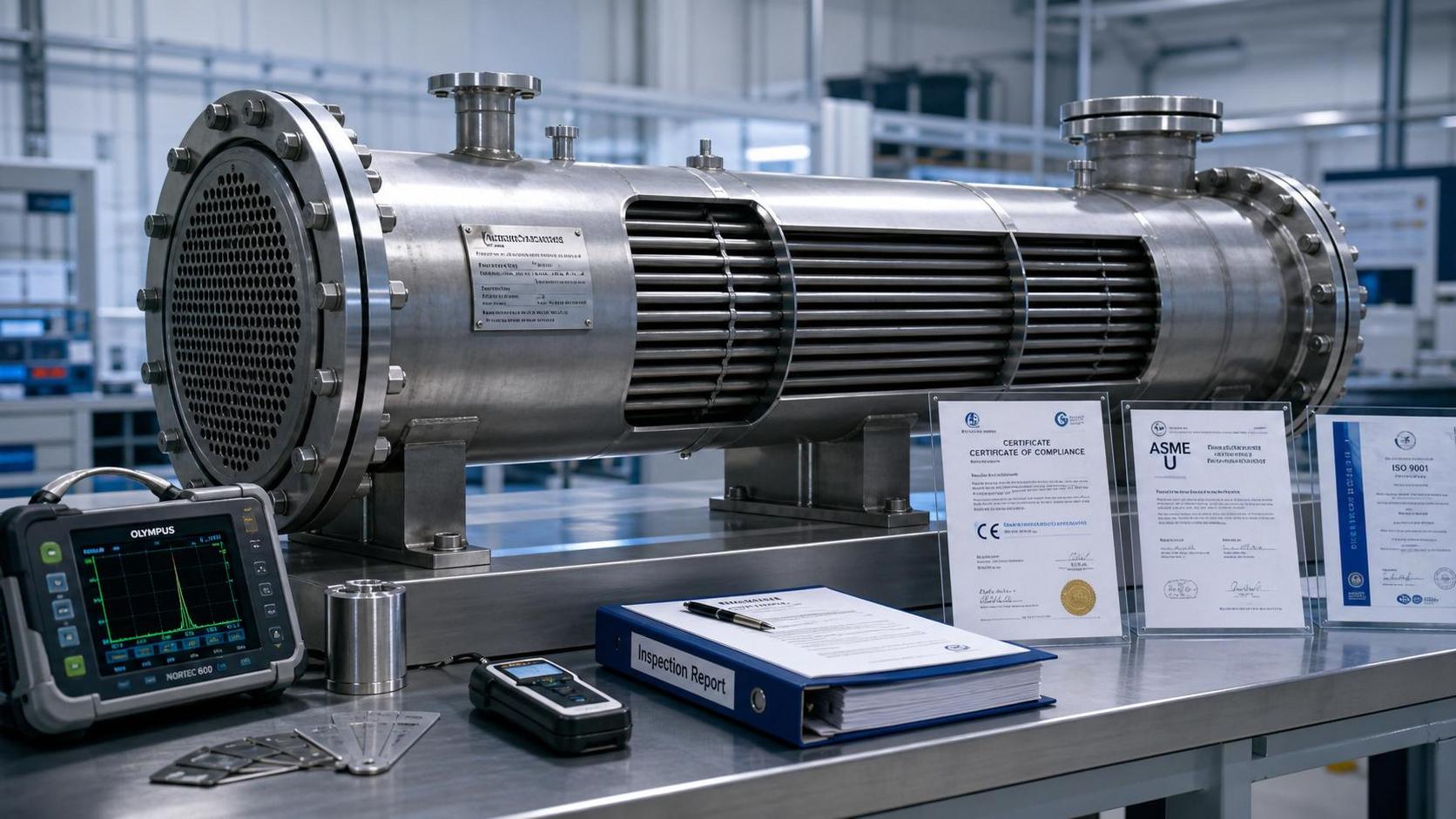
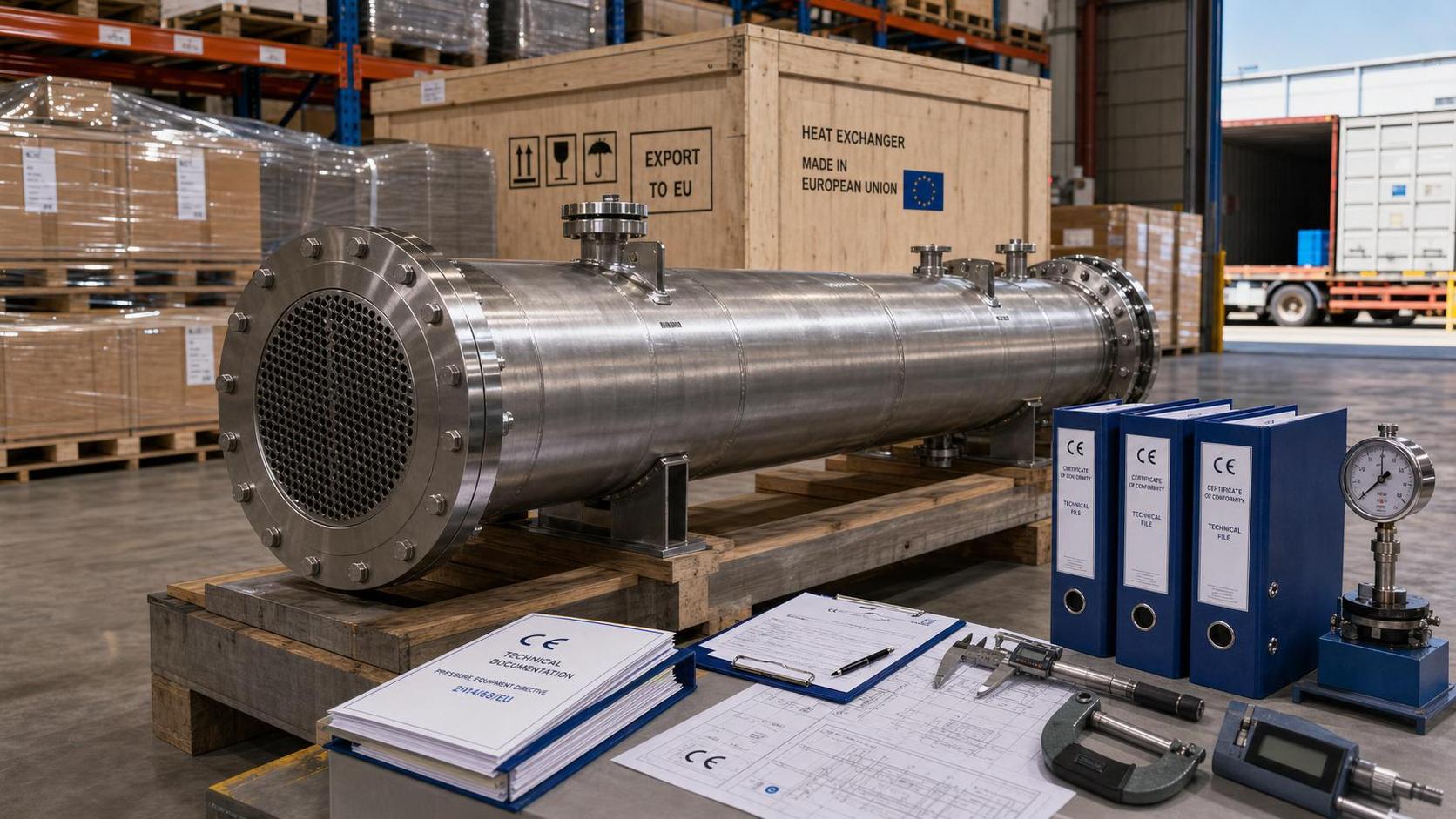
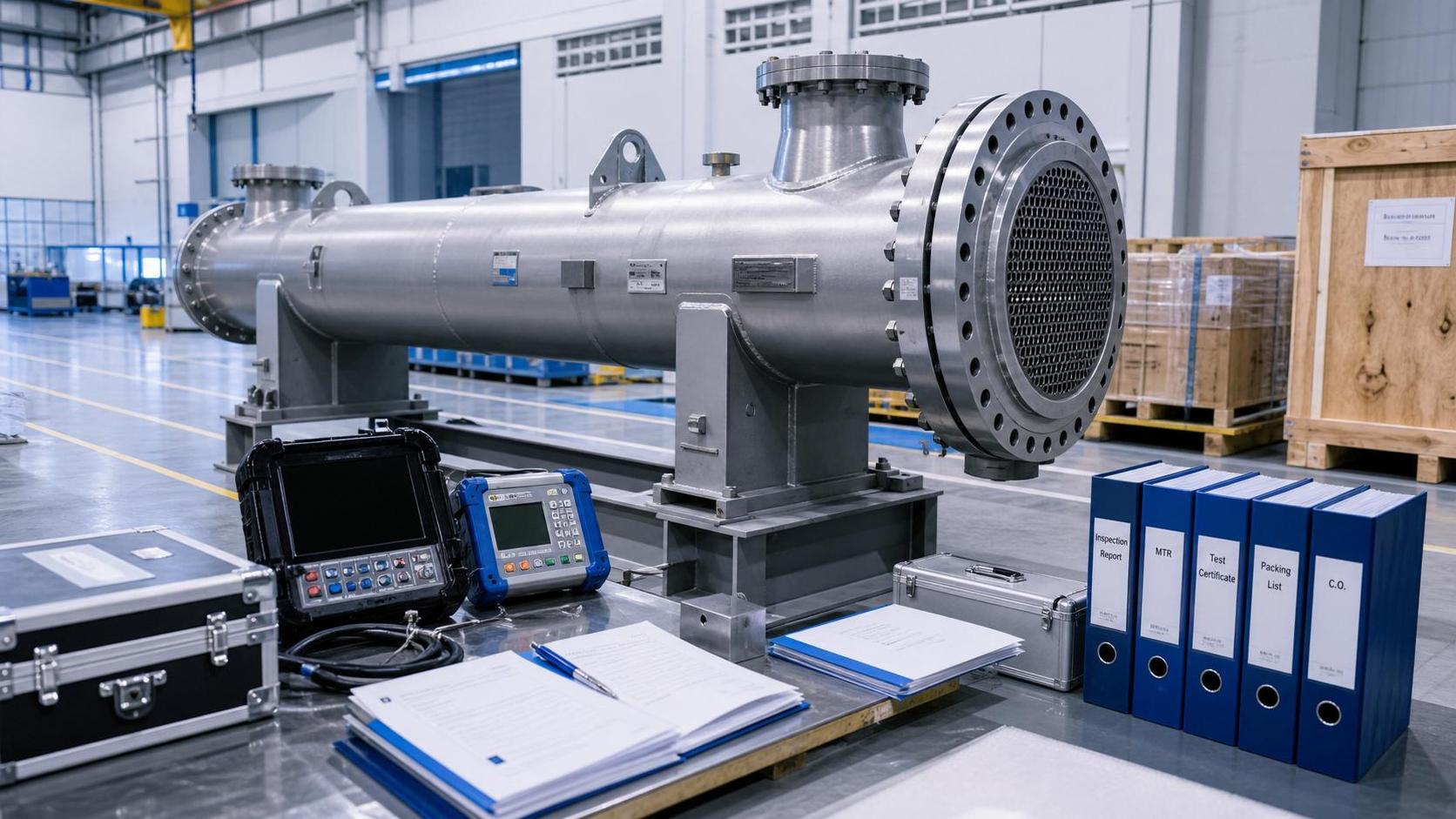
Although exact project requirements vary, shell & tube procurement often intersects with pressure equipment rules, material certification expectations, welding documentation, and inspection plans. Technical evaluators should clarify these topics at the RFQ stage rather than after technical approval.
This review does not replace project-specific engineering, but it helps prevent late-stage surprises. In many purchasing cycles, compliance gaps cause more schedule damage than the exchanger fabrication itself.
FAQ: practical questions about thermodynamics analysis in shell & tube selection
How much does pressure drop matter if heat duty is already met?
It matters a great deal. A design that satisfies heat duty but consumes excessive pump or compressor power can become the more expensive option over time. Thermodynamics analysis should translate pressure drop into energy cost and system impact before technical approval is granted.
Is shell & tube always the safest choice for dirty fluids?
Not always, but it is often favored because it can offer mechanical robustness and better maintenance access than compact alternatives. The right answer depends on fouling pattern, cleanability, pressure conditions, and downtime tolerance. Thermodynamics analysis should be paired with maintenance planning.
What data should technical evaluators request from suppliers?
Request thermal calculations for design and off-design points, clean and fouled performance, pressure drops on both sides, assumed fluid properties, velocity ranges, material selections, and maintenance access details. If this information is missing, comparisons become unreliable.
When should an alternative exchanger type be considered?
Consider alternatives when space is constrained, close temperature approach is essential, water is limited, refrigerant charge reduction is important, or fluid cleanliness supports compact designs. GTC-Matrix tracks these technology shifts closely because they increasingly affect investment logic across industrial sectors.
Why choose us for thermal decision support?
GTC-Matrix helps technical evaluators move from isolated equipment comparison to informed thermal strategy. Our intelligence framework connects thermodynamics analysis with energy economics, industrial cooling trends, compressed air efficiency, vacuum process demands, and heat exchange technology evolution. That makes our support especially useful when the selection decision affects not only performance, but also carbon intensity, utility cost, and competitive manufacturing capability.
You can contact us for specific support on parameter confirmation, shell & tube selection logic, pressure drop review, fouling-risk assessment, technology comparison, delivery-cycle evaluation, custom thermal scenarios, documentation expectations, and quotation benchmarking. If your project spans pharmaceutical, semiconductor, food, general process manufacturing, or energy-intensive industrial utilities, we can help structure the decision path before purchasing risk becomes operating cost.
If you are reviewing a current project, prepare your process temperatures, flow rates, fluid descriptions, allowable pressure drops, utility conditions, maintenance limits, and timeline targets. With that foundation, the thermodynamics analysis behind shell & tube selection becomes clearer, faster, and more commercially meaningful.
Related News
- EN 13445-4:2026 Raises Pressure Vessel Welding RulesAuthor :Thermodynamics Analyst

- EN 13445-4:2026 Tightens EU NDT Rules for Pressure VesselsAuthor :Thermodynamics Analyst

- EU Rule Requires Digital Energy Monitoring for Shell & Tube Heat ExchangersAuthor :Thermodynamics Analyst

- DOE Raises Shell & Tube Efficiency Floor for 2027Author :Thermodynamics Analyst

- EU EN 13445-4:2026 Tightens Dual Certification for Heat ExchangersAuthor :Thermodynamics Analyst

- EN 13445-4:2026 Tightens EU Heat Exchanger ComplianceAuthor :Thermodynamics Analyst

- EN 13445-4:2026 Adds Digital Twin Fatigue ChecksAuthor :Thermodynamics Analyst

- How to Improve Heat Exchanger Efficiency Without Major System DowntimeAuthor :Thermodynamics Analyst

- EU Rule Takes Effect for Shell-and-Tube Heat ExchangersAuthor :Thermodynamics Analyst

- When Energy-Efficient Heat Exchange Systems Deliver Real PaybackAuthor :Thermodynamics Analyst

- DOE Cuts R449A Chiller Transition to 9 MonthsAuthor :Thermodynamics Analyst

- Rail Corridor Surge Cuts Shell & Tube Lead TimeAuthor :Thermodynamics Analyst

- Rail Corridor Hits 2,000 Trains as Heat Exchanger Lead Time FallsAuthor :Thermodynamics Analyst

- Rail Corridor Surge Cuts Shell & Tube Delivery to 28 DaysAuthor :Thermodynamics Analyst

- China-Europe Rail Corridor Tops 2,000 Trains as Heat Exchanger Export Delivery Falls to 28 DaysAuthor :Thermodynamics Analyst

- How to Improve Heat Exchanger Efficiency Without Major RetrofitsAuthor :Thermodynamics Analyst
![]()
- Rail Corridor Speeds Heat Exchanger ExportsAuthor :Thermodynamics Analyst
![]()
- China Names New Trade Parks for Heat Exchanger ExportsAuthor :Thermodynamics Analyst
![]()
- Rail Corridor Eases Lead Times for Shell-and-Tube ExportsAuthor :Thermodynamics Analyst

- Rail Freight Priority Cuts Shell & Tube Lead TimesAuthor :Thermodynamics Analyst

- Vietnam Cement WHR Rule Lifts Exchanger DemandAuthor :Thermodynamics Analyst

- EN 13445-4:2026 Effective for Shell & Tube Heat ExchangersAuthor :Thermodynamics Analyst
![]()
- SANY Excavators Capture >60% of Indonesia's Nickel Mine Equipment MarketAuthor :Thermodynamics Analyst

- APEC Trade Ministers Focus on Digital & Green Supply ChainsAuthor :Thermodynamics Analyst
![]()
- Pakistan PM Visit to China Spurs Shell & Tube, Centrifuge Tech LocalizationAuthor :Thermodynamics Analyst

- Putin's China Visit Resumes Shell & Tube Heat Exchanger Export PathAuthor :Thermodynamics Analyst

- EU Imposes Final Anti-Dumping Duties on Chinese Adipic AcidAuthor :Thermodynamics Analyst

- EN 13445-4:2026 Enters Force for Shell & Tube Heat ExchangersAuthor :Thermodynamics Analyst

- EU Updates EN 13445-4:2026 for Shell & Tube Heat ExchangersAuthor :Thermodynamics Analyst

- China's Petrochemical '15th Five-Year' Digitalization Guide ReleasedAuthor :Thermodynamics Analyst

- Heat Exchanger Technology: Plate vs Shell & Tube Selection GuideAuthor :Thermodynamics Analyst

- China to Upgrade Shell & Tube Heat Exchanger Standard to MandatoryAuthor :Thermodynamics Analyst

- Thermodynamics Analysis in Shell & Tube Selection: What Really MattersAuthor :Thermodynamics Analyst

- How to Compare Heat Exchanger Efficiency Across System DesignsAuthor :Thermodynamics Analyst