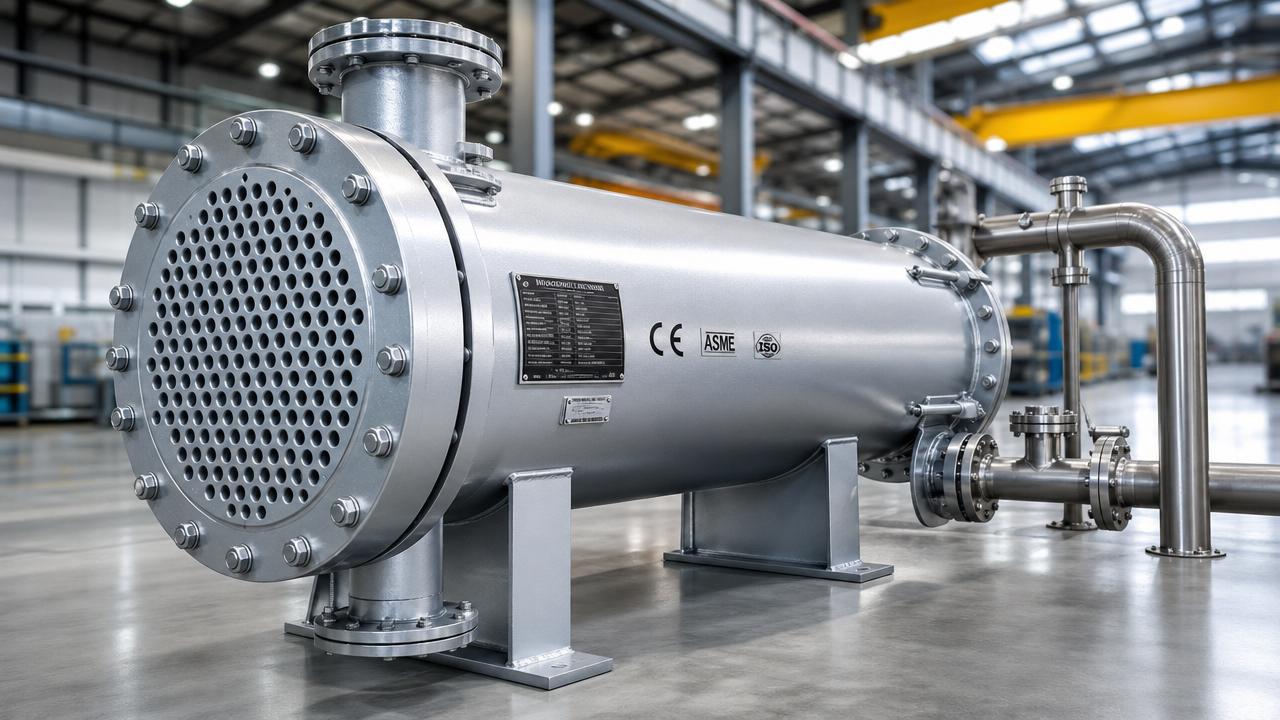
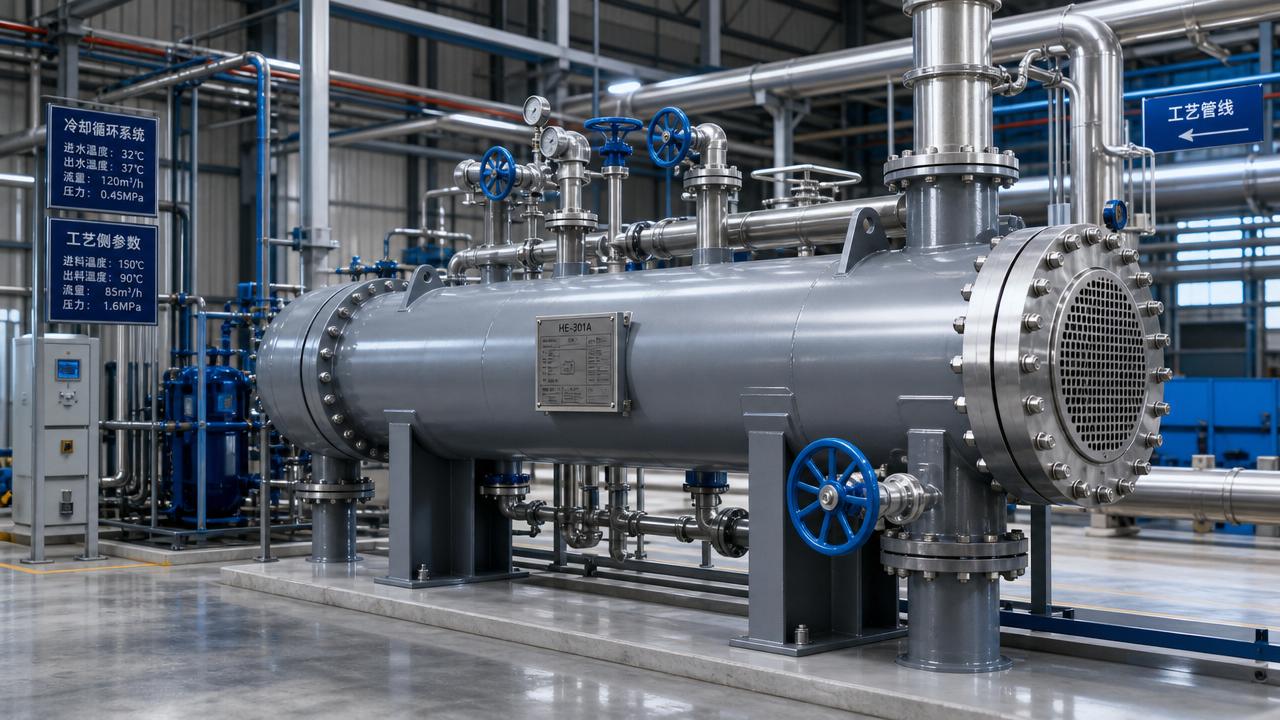
EN 13445-4:2026 Raises Pressure Vessel Welding Rules




On July 31, 2026, CEN released the revised EN 13445-4:2026 for the manufacture of unfired pressure vessels, introducing stricter requirements around welding consumable batch traceability, compatibility verification for nickel-free or low-cobalt alloys, and mandatory retention of digital welding records (DWR). For companies involved in Shell & Tube heat exchangers, Steam Boilers, Cooling Towers, and other pressure-bearing equipment entering the EU market, this is worth close attention because the change reaches beyond technical documentation and into certification, export delivery, and CE conformity continuity.
What the revised standard now requires
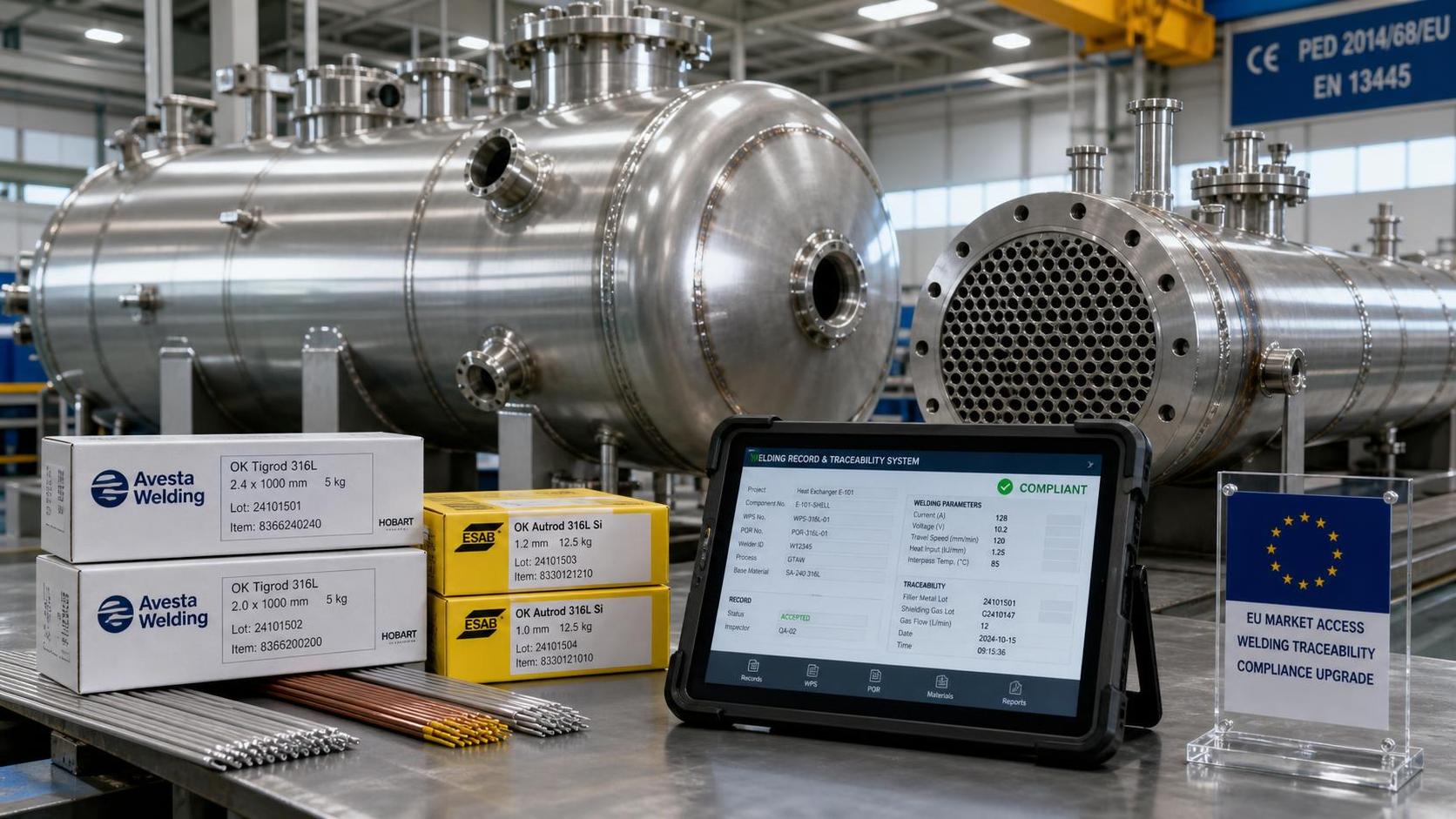
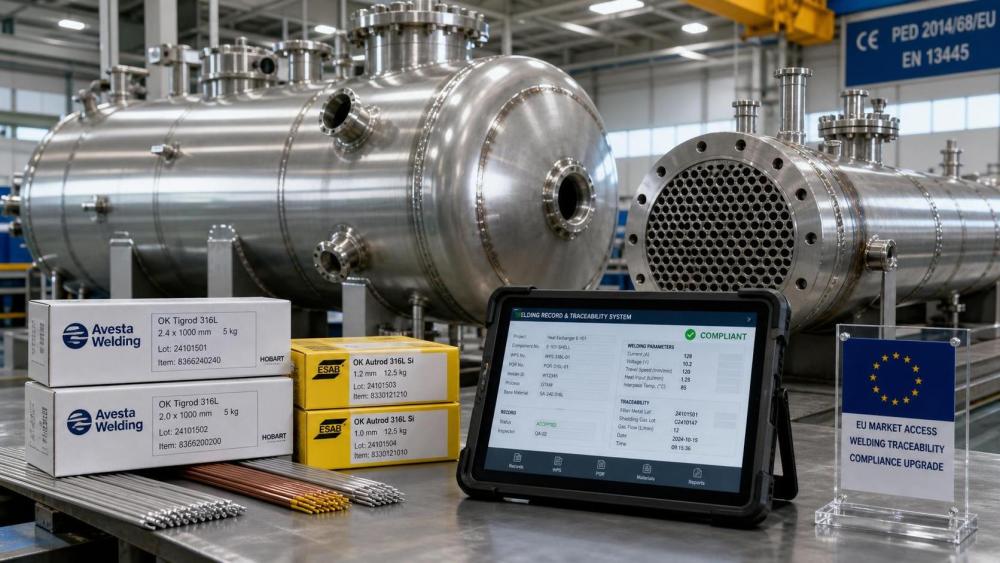
The confirmed update is that EN 13445-4:2026, titled Unfired Pressure Vessels - Part 4: Fabrication, was formally issued by CEN on July 31, 2026. The revision adds three specific requirements: batch-level traceability for welding consumables, compatibility verification for nickel-free or low-cobalt alloys, and compulsory archiving of digital welding records.
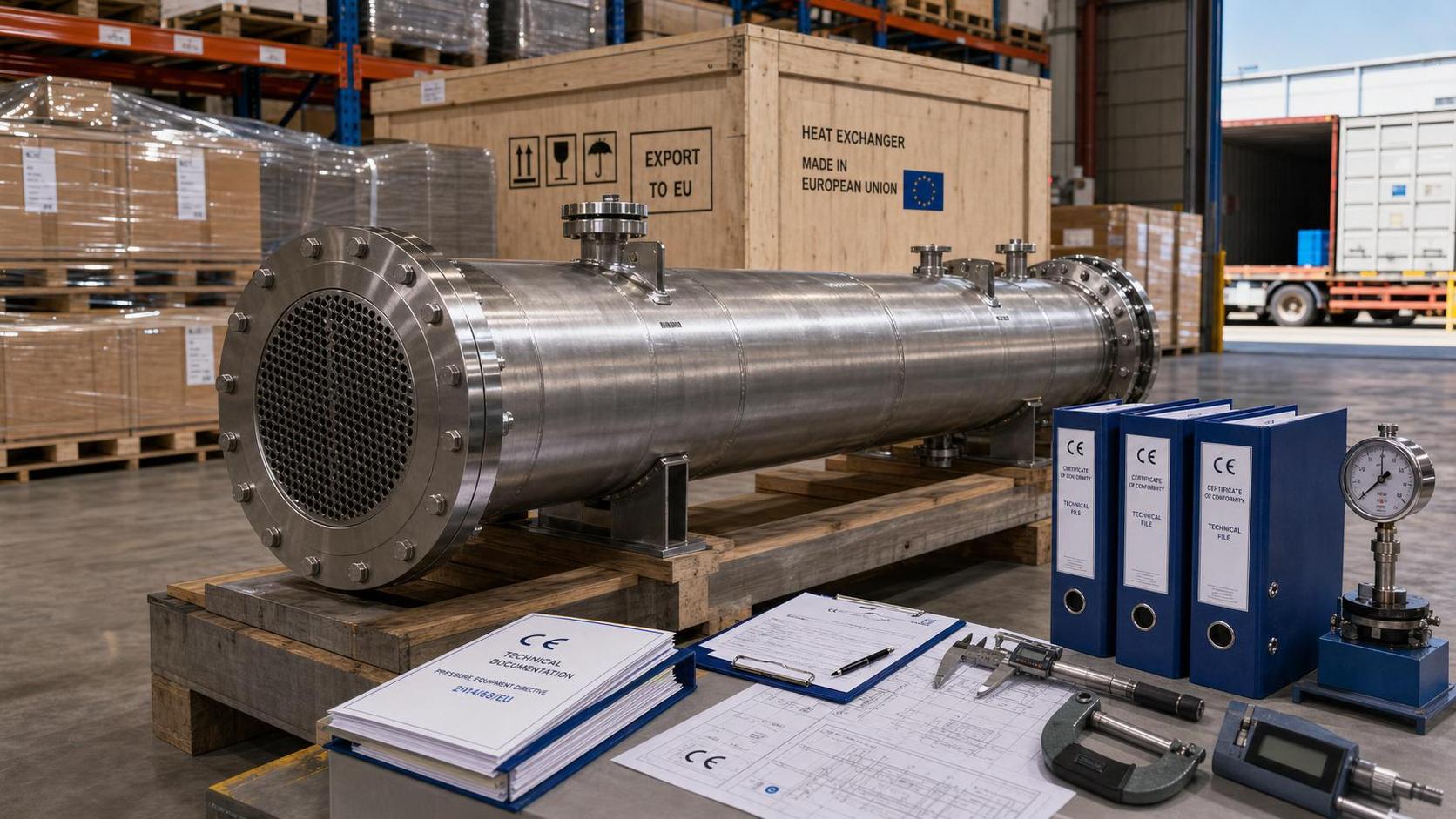
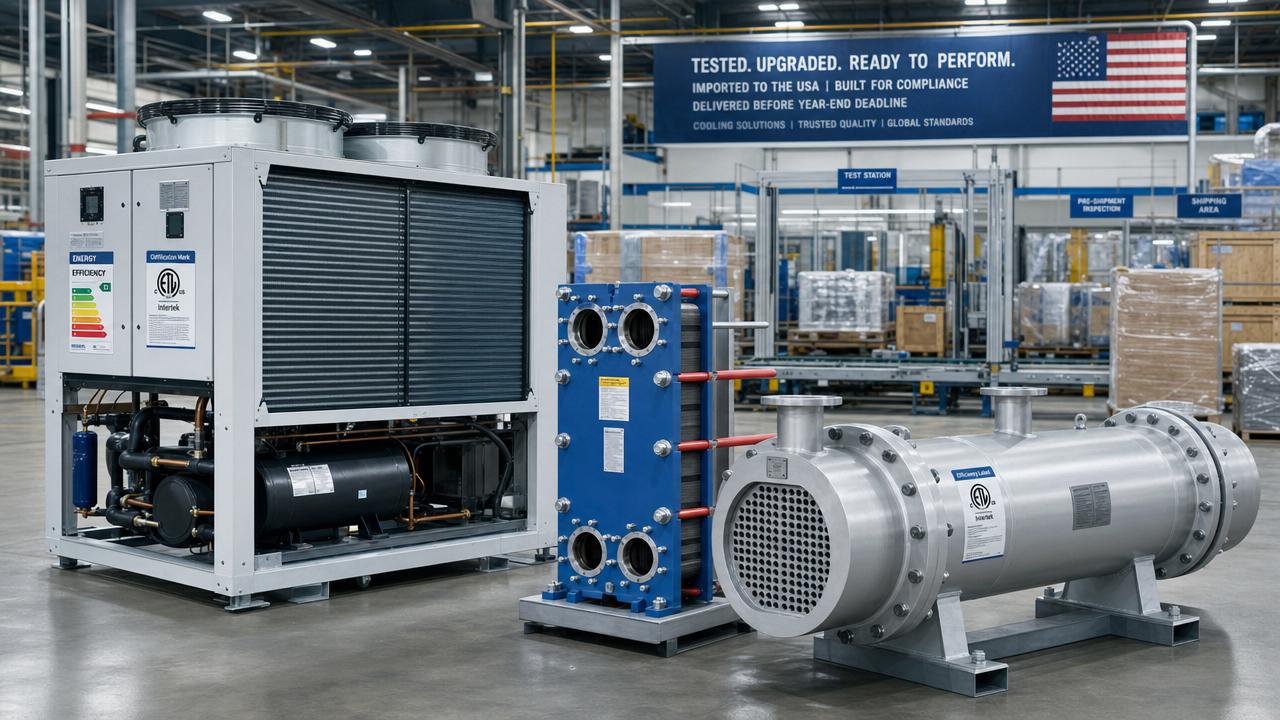
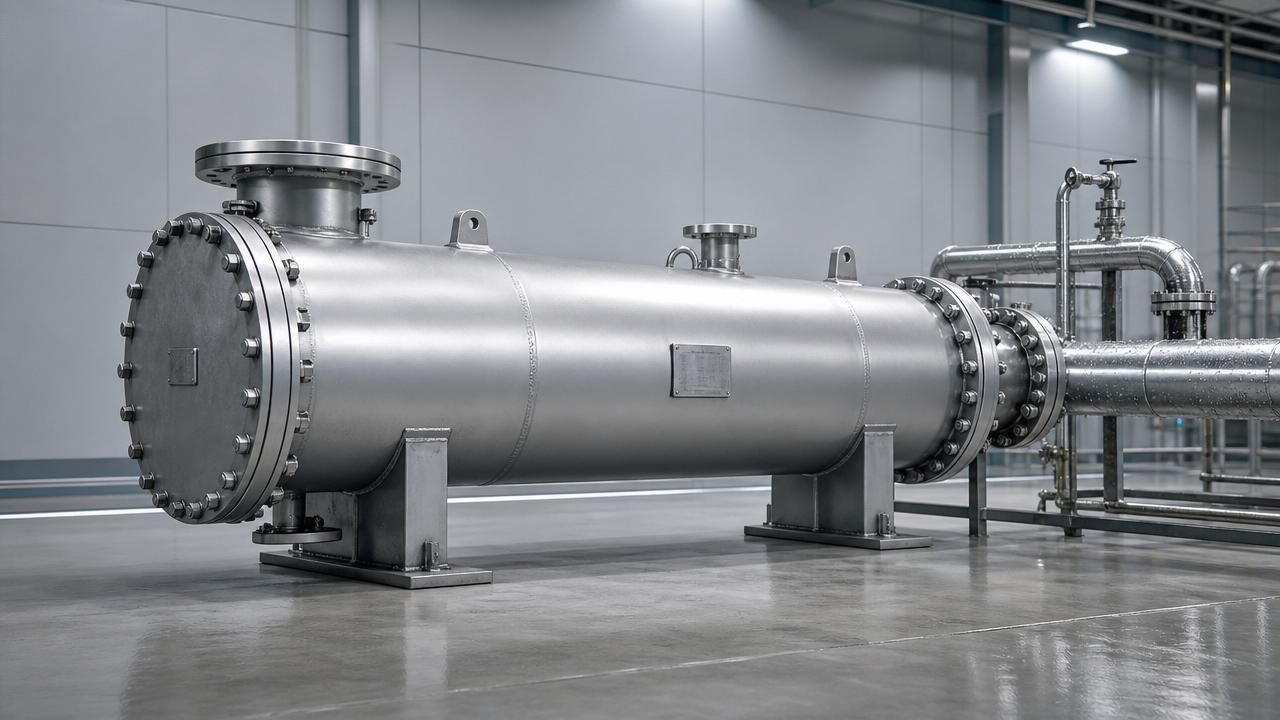
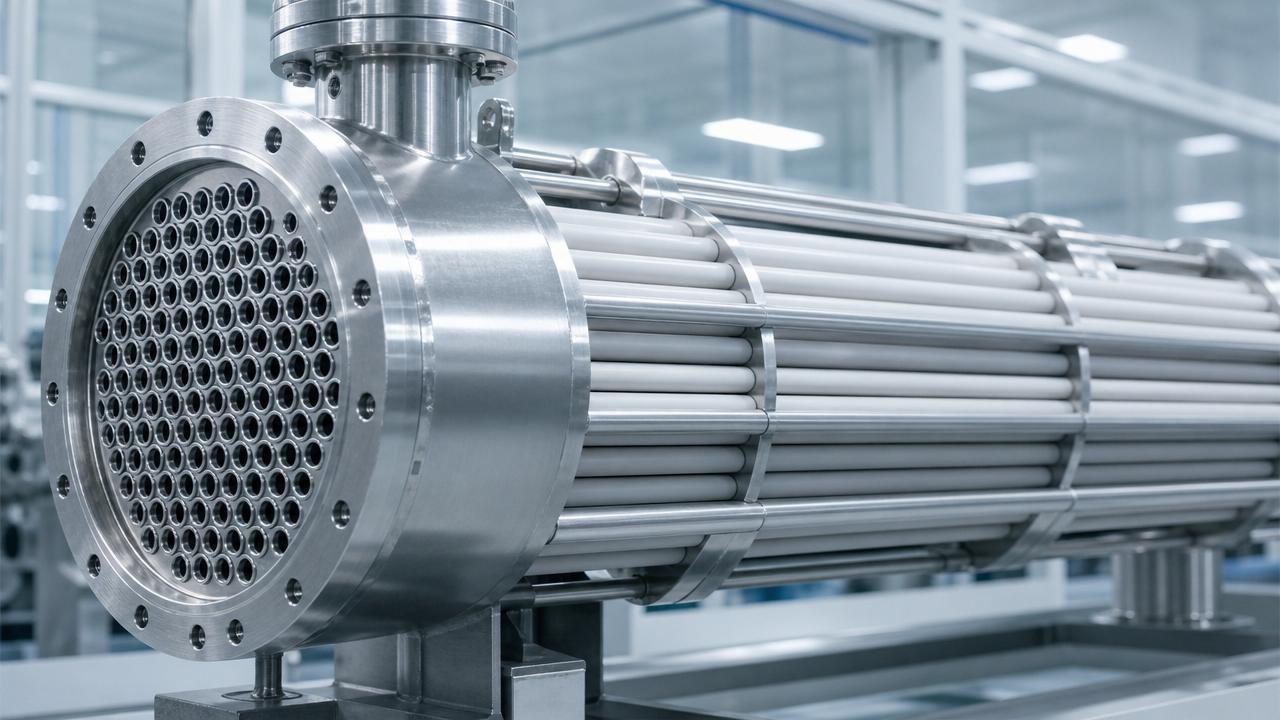
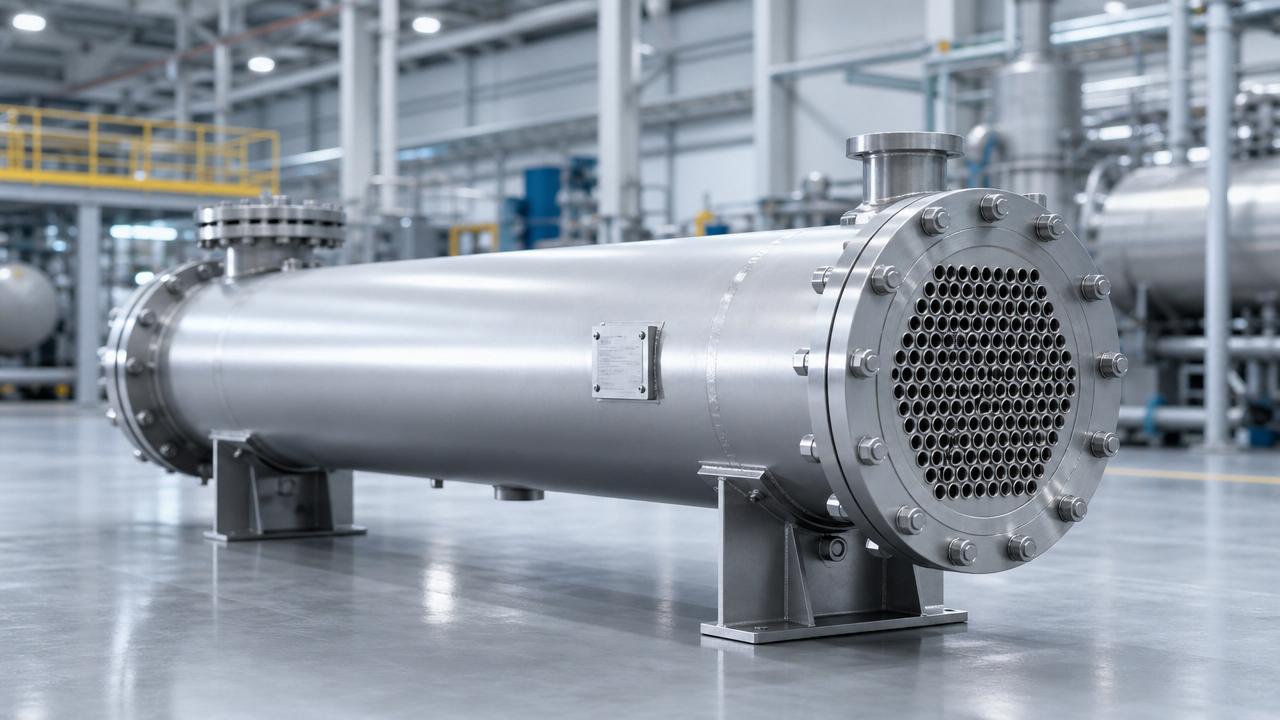
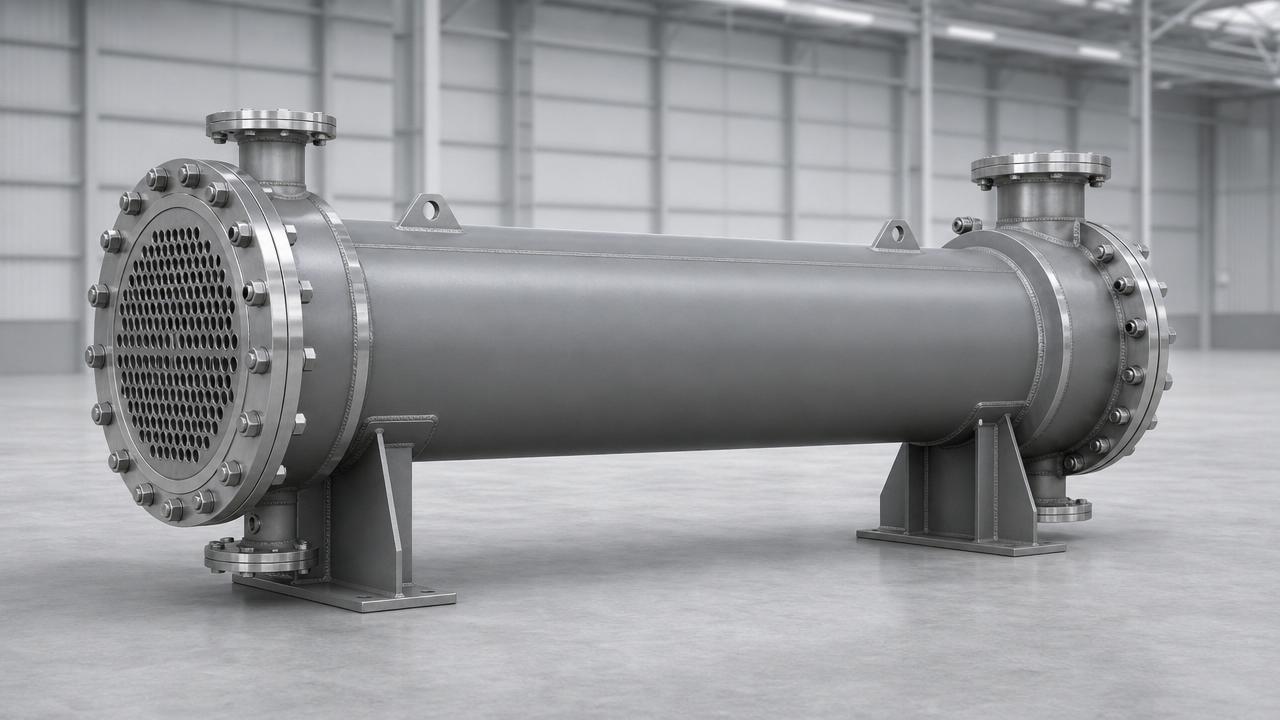
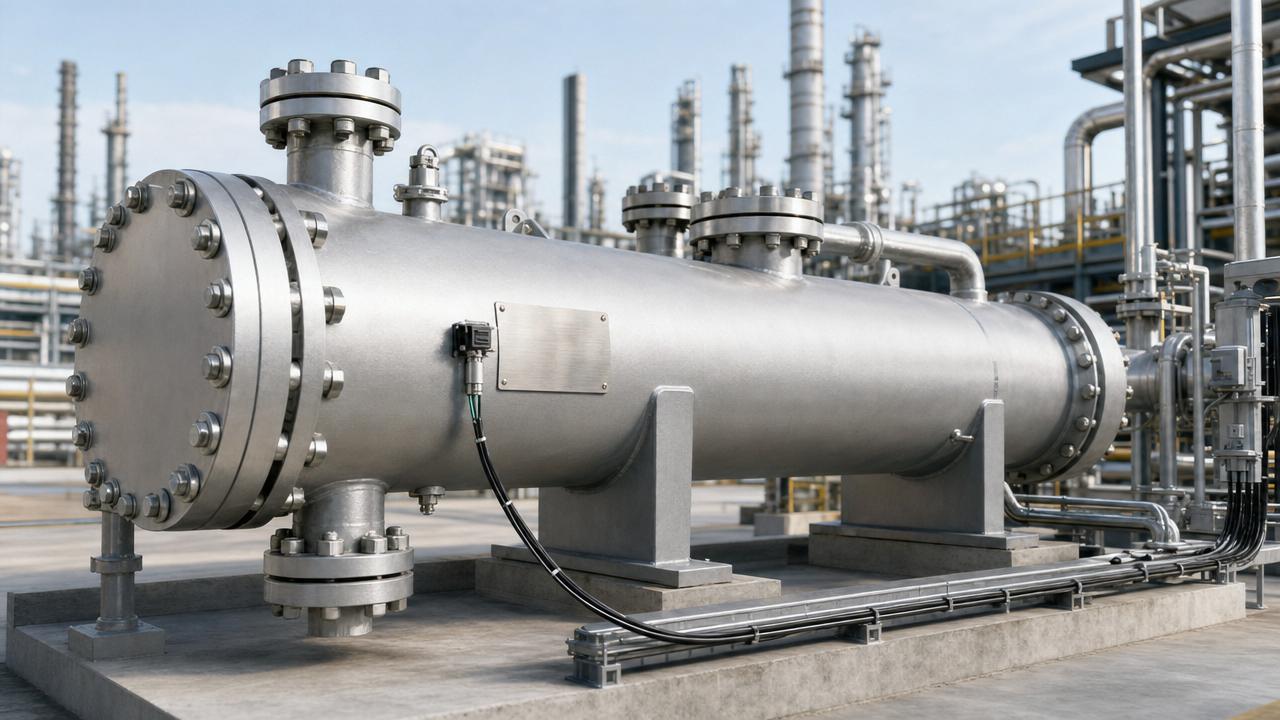
The standard directly affects EU market access for pressure equipment including Shell & Tube heat exchangers, Steam Boilers, and Cooling Towers. The provided information also states that Chinese export manufacturers must complete production-line certification upgrades by February 1, 2027; otherwise, they face the risk that their CE declarations of conformity may no longer remain valid.
Where the operational pressure is likely to appear
Export manufacturers may face immediate certification pressure
From an industry perspective, manufacturers shipping affected pressure equipment to the EU are the first group likely to feel the impact. The reason is straightforward: the updated standard links welding process control more tightly with market access. The main pressure points are likely to sit in production-line certification status, welding documentation readiness, and the ability to show traceability from consumables to finished equipment.
What deserves closer attention is whether existing technical files, internal fabrication records, and CE-related conformity packages are still aligned with the revised standard before the February 1, 2027 deadline mentioned in the provided information.
Procurement and materials control will likely move closer to compliance review
Analysis shows that procurement teams are also exposed because the rule change is not limited to shop-floor welding practice. Batch traceability for welding consumables means purchasing, warehouse control, and document retention may become part of the compliance chain. Where nickel-free or low-cobalt alloys are used, compatibility verification may also affect how material selections and supporting records are reviewed before fabrication and shipment.
For companies buying welding materials or managing approved supplier lists, the practical issue is less about price and more about whether purchased inputs can support traceable and certifiable downstream use.
Certification and inspection support functions may see heavier documentation demands
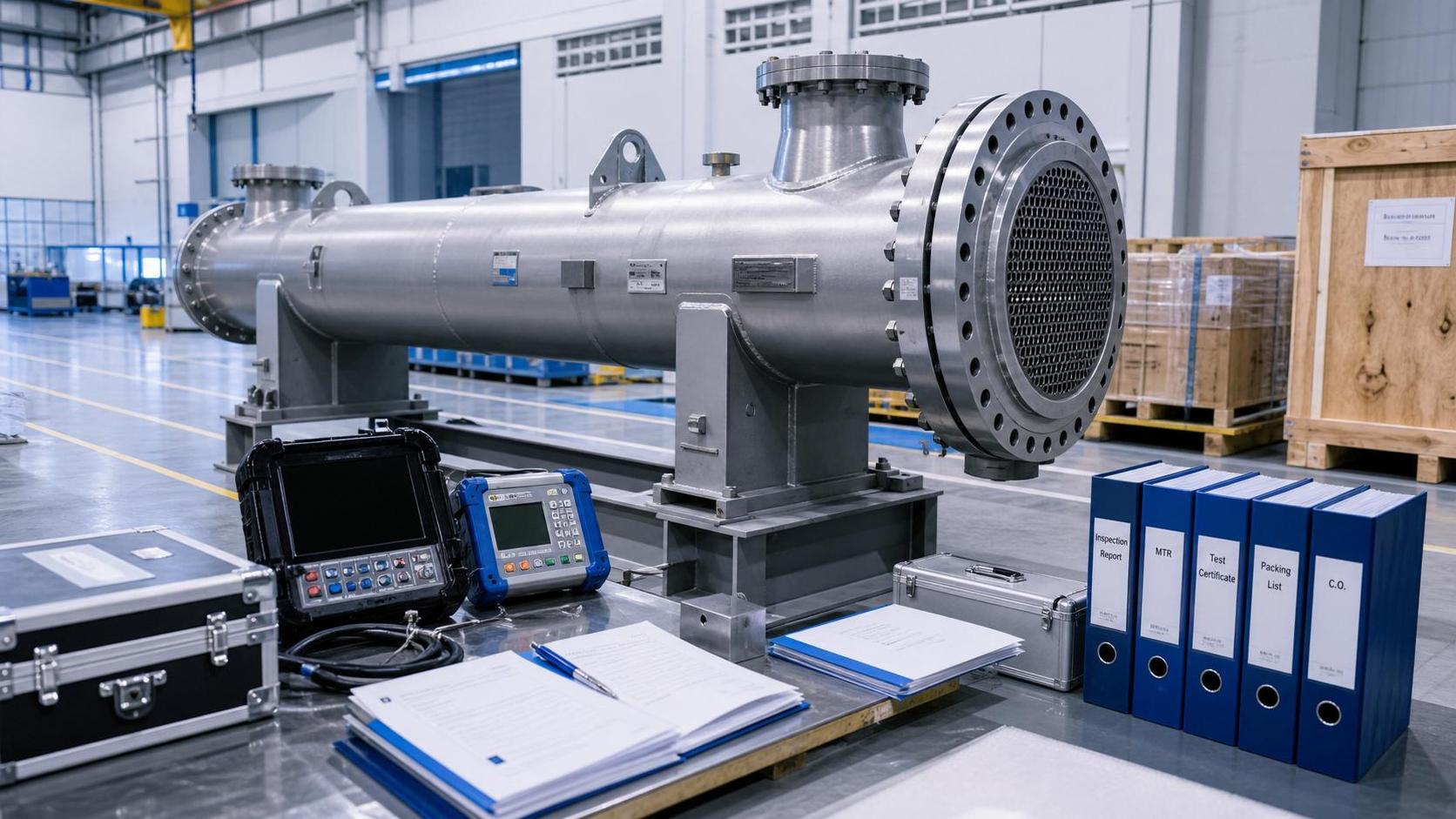
Observably, certification-related teams and testing or inspection service providers may need to spend more time on record completeness and evidence consistency. Mandatory DWR archiving suggests that digital records are no longer just an internal quality tool but part of the required compliance footprint. That can affect audit preparation, file review, and the handling of supporting evidence tied to CE conformity.
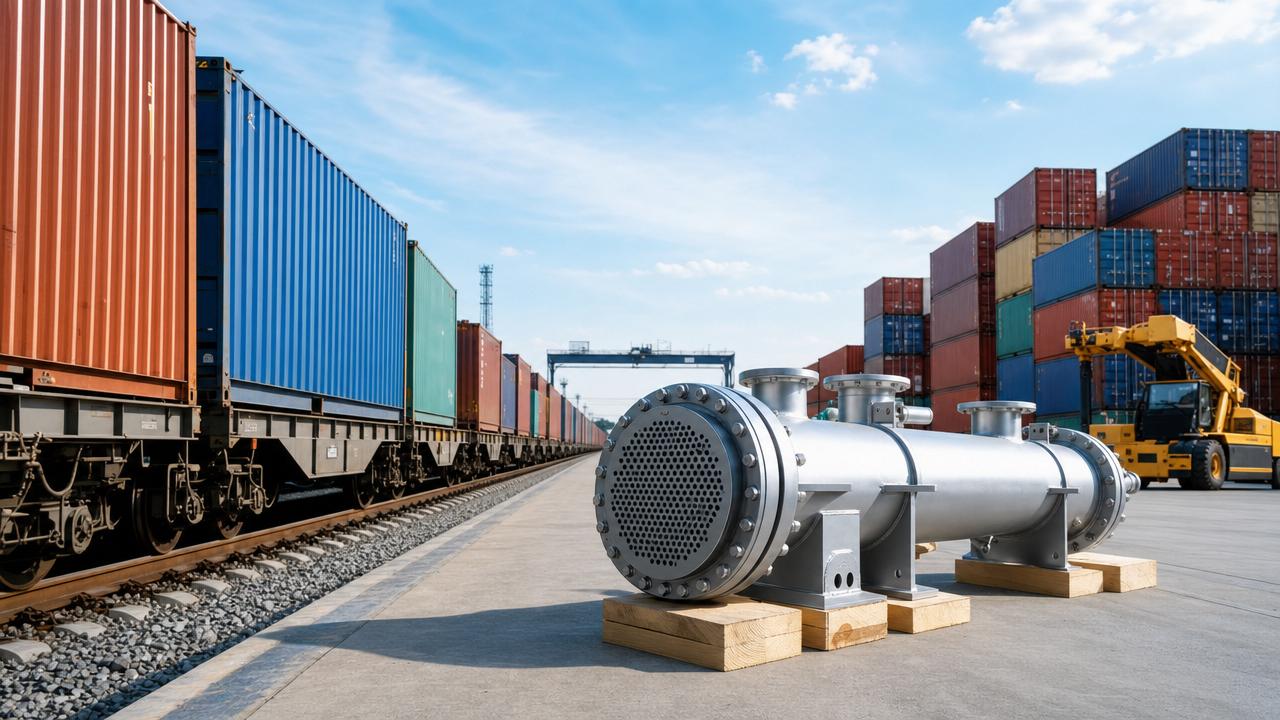
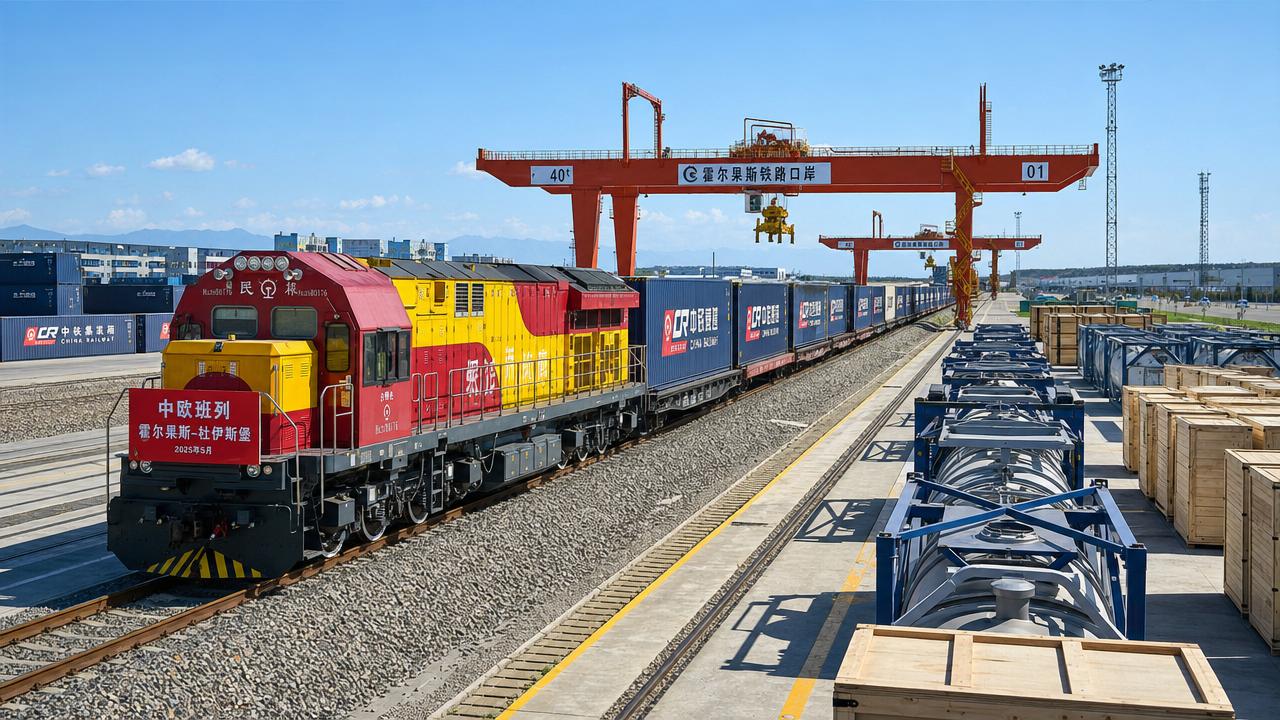
For supply chain service providers and delivery coordinators, the relevant concern is whether shipments could be slowed if documentation is incomplete, inconsistent, or not updated to reflect the revised production-line certification requirements.
What companies should review now
Check whether certification status still matches the revised rule set
Analysis shows that companies should first review whether current production-line certification arrangements still correspond to EN 13445-4:2026. The provided information confirms a required upgrade deadline for Chinese export manufacturers, so the immediate task is to identify which products, lines, and CE-related conformity files are exposed to that timing risk.
Reassess welding consumable records and retention practice
What deserves closer attention is the completeness of consumable batch traceability and digital welding record retention. Even without additional execution detail in the provided information, companies should treat these as areas that may affect auditability, shipment readiness, and conformity documentation.
Review alloy-related verification in affected product categories
For equipment involving nickel-free or low-cobalt alloy applications, the compatibility verification requirement should be reviewed as a specific control point. This is particularly relevant where technical specifications, tender documents, fabrication records, or customer approval files reference material compatibility but may not yet reflect the revised standard language.
Watch for downstream changes in tender and delivery documents
It is more appropriate to understand this as a change that may flow into commercial execution documents as well as factory processes. Companies should monitor whether customers, notified conformity workflows, or procurement documents begin asking for updated record formats, revised certification references, or clearer welding traceability evidence. The provided information does not define those downstream practices yet, so this remains a live area for follow-up rather than a settled outcome.
Why this looks like an execution signal, not just a text update
Observably, this development is better read as more than a routine standards revision because the provided information ties the new requirements directly to EU market access and to the continued validity risk of CE declarations of conformity. That gives the update a practical compliance dimension for exporters, especially where fabrication records and certification status are central to order release and delivery acceptance.
At the same time, analysis should remain measured. The confirmed facts establish the revised requirements and the upgrade deadline, but they do not yet provide detailed enforcement scenarios, audit practice, or market-wide implementation feedback. For that reason, this is both a landed rule change and a continuing compliance development that still requires close observation.
How the market should read this update
The industry significance of this update lies in its effect on the link between welding control, certification readiness, and EU entry conditions for pressure equipment. The revised EN 13445-4:2026 should currently be understood as a concrete compliance change with near-term operational consequences for affected exporters and their supply chains, rather than as a distant policy signal.
A rational reading is that companies should not assume business-as-usual documentation will remain sufficient. At the same time, the full market impact will still depend on how certification reviews, tender requirements, and execution practices develop in response to the revised standard.
Basis of this article and what still needs verification
This article is generated based on the user-provided news title, event date, and event summary. For developments of this type, commonly relevant source categories may include official announcements, regulator publications, trade or customs authority notices, industry association updates, standards organization documents, and reporting by established professional media.
No specific official source link was provided in the input, so the exact primary publication path still needs to be verified on an ongoing basis. Further observation is also needed on implementation details, certification interpretation, changes in tender documents, industry feedback, and how affected companies carry out production-line upgrades before the stated deadline.
Related News
- EN 13445-4:2026 Raises Pressure Vessel Welding RulesAuthor :Thermodynamics Analyst

- EN 13445-4:2026 Tightens EU NDT Rules for Pressure VesselsAuthor :Thermodynamics Analyst

- EU Rule Requires Digital Energy Monitoring for Shell & Tube Heat ExchangersAuthor :Thermodynamics Analyst

- DOE Raises Shell & Tube Efficiency Floor for 2027Author :Thermodynamics Analyst

- EU EN 13445-4:2026 Tightens Dual Certification for Heat ExchangersAuthor :Thermodynamics Analyst

- EN 13445-4:2026 Tightens EU Heat Exchanger ComplianceAuthor :Thermodynamics Analyst

- EN 13445-4:2026 Adds Digital Twin Fatigue ChecksAuthor :Thermodynamics Analyst

- How to Improve Heat Exchanger Efficiency Without Major System DowntimeAuthor :Thermodynamics Analyst

- EU Rule Takes Effect for Shell-and-Tube Heat ExchangersAuthor :Thermodynamics Analyst

- When Energy-Efficient Heat Exchange Systems Deliver Real PaybackAuthor :Thermodynamics Analyst

- DOE Cuts R449A Chiller Transition to 9 MonthsAuthor :Thermodynamics Analyst

- Rail Corridor Surge Cuts Shell & Tube Lead TimeAuthor :Thermodynamics Analyst

- Rail Corridor Hits 2,000 Trains as Heat Exchanger Lead Time FallsAuthor :Thermodynamics Analyst

- Rail Corridor Surge Cuts Shell & Tube Delivery to 28 DaysAuthor :Thermodynamics Analyst

- China-Europe Rail Corridor Tops 2,000 Trains as Heat Exchanger Export Delivery Falls to 28 DaysAuthor :Thermodynamics Analyst

- How to Improve Heat Exchanger Efficiency Without Major RetrofitsAuthor :Thermodynamics Analyst
![]()
- Rail Corridor Speeds Heat Exchanger ExportsAuthor :Thermodynamics Analyst
![]()
- China Names New Trade Parks for Heat Exchanger ExportsAuthor :Thermodynamics Analyst
![]()
- Rail Corridor Eases Lead Times for Shell-and-Tube ExportsAuthor :Thermodynamics Analyst

- Rail Freight Priority Cuts Shell & Tube Lead TimesAuthor :Thermodynamics Analyst

- Vietnam Cement WHR Rule Lifts Exchanger DemandAuthor :Thermodynamics Analyst

- EN 13445-4:2026 Effective for Shell & Tube Heat ExchangersAuthor :Thermodynamics Analyst
![]()
- SANY Excavators Capture >60% of Indonesia's Nickel Mine Equipment MarketAuthor :Thermodynamics Analyst

- APEC Trade Ministers Focus on Digital & Green Supply ChainsAuthor :Thermodynamics Analyst
![]()
- Pakistan PM Visit to China Spurs Shell & Tube, Centrifuge Tech LocalizationAuthor :Thermodynamics Analyst

- Putin's China Visit Resumes Shell & Tube Heat Exchanger Export PathAuthor :Thermodynamics Analyst

- EU Imposes Final Anti-Dumping Duties on Chinese Adipic AcidAuthor :Thermodynamics Analyst

- EN 13445-4:2026 Enters Force for Shell & Tube Heat ExchangersAuthor :Thermodynamics Analyst

- EU Updates EN 13445-4:2026 for Shell & Tube Heat ExchangersAuthor :Thermodynamics Analyst

- China's Petrochemical '15th Five-Year' Digitalization Guide ReleasedAuthor :Thermodynamics Analyst

- Heat Exchanger Technology: Plate vs Shell & Tube Selection GuideAuthor :Thermodynamics Analyst

- China to Upgrade Shell & Tube Heat Exchanger Standard to MandatoryAuthor :Thermodynamics Analyst

- Thermodynamics Analysis in Shell & Tube Selection: What Really MattersAuthor :Thermodynamics Analyst

- How to Compare Heat Exchanger Efficiency Across System DesignsAuthor :Thermodynamics Analyst