DOE Raises Shell & Tube Efficiency Floor for 2027




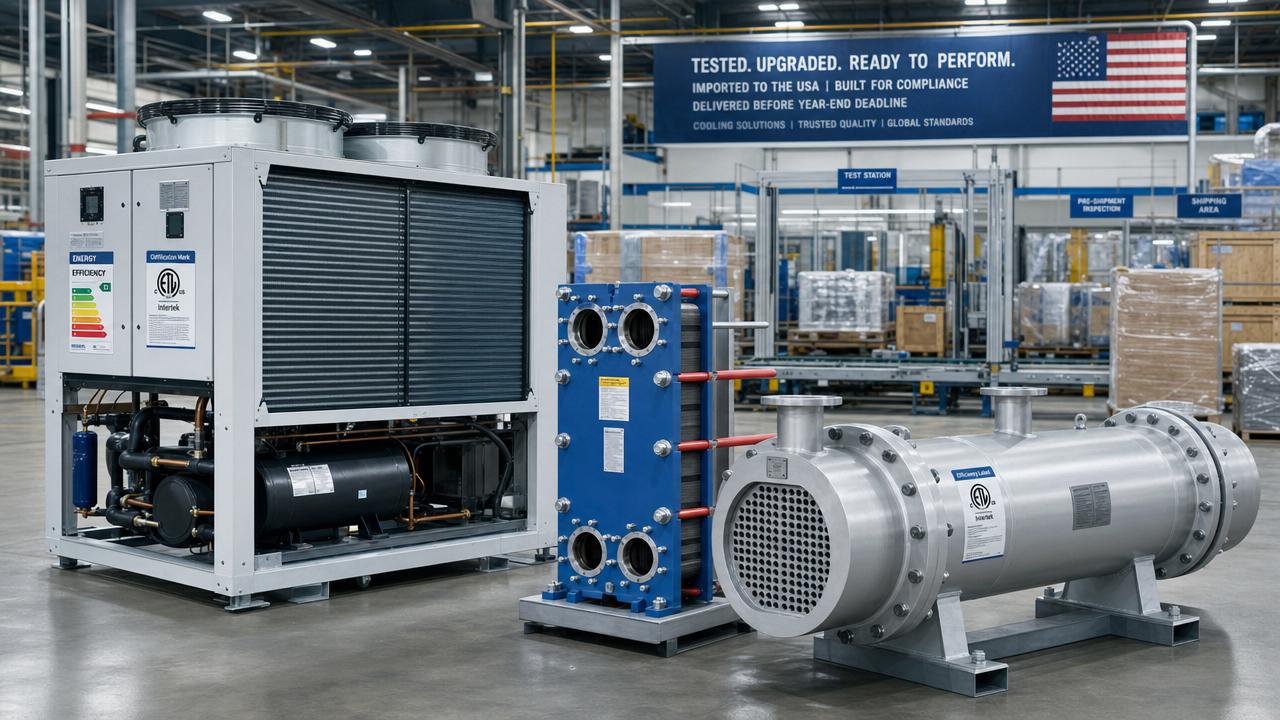
Effective January 1, 2027, a new U.S. Department of Energy rule will raise the minimum energy ratio for commercial Shell & Tube heat exchangers, adding a tighter compliance condition for both imported and domestically manufactured equipment. For manufacturers, exporters, buyers, certification-related service providers, and project supply teams, the issue is not only the higher efficiency threshold itself, but also the linked testing, documentation, and supply-chain access requirements tied to U.S. procurement and LEED-related project pathways.
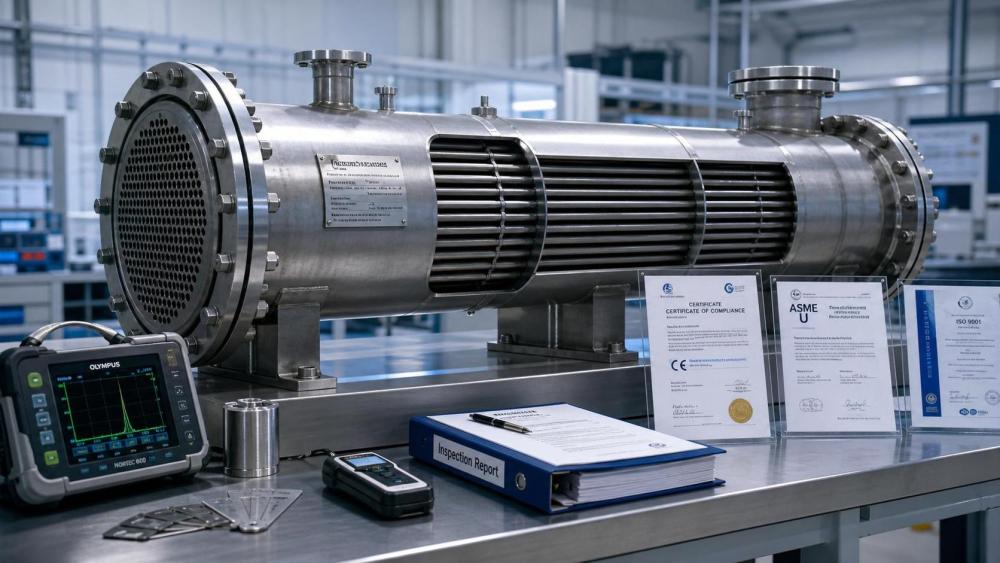
What the DOE Rule Changes
According to the provided event information, the U.S. Department of Energy signed a final rule under 10 CFR Part 431 on July 5, 2026. The rule raises the minimum energy ratio (MER) for commercial Shell & Tube heat exchangers to 78.5%, which is 11% higher than the current standard.
The rule takes effect on January 1, 2027. It applies to all covered equipment, including imported products and equipment manufactured in the United States.
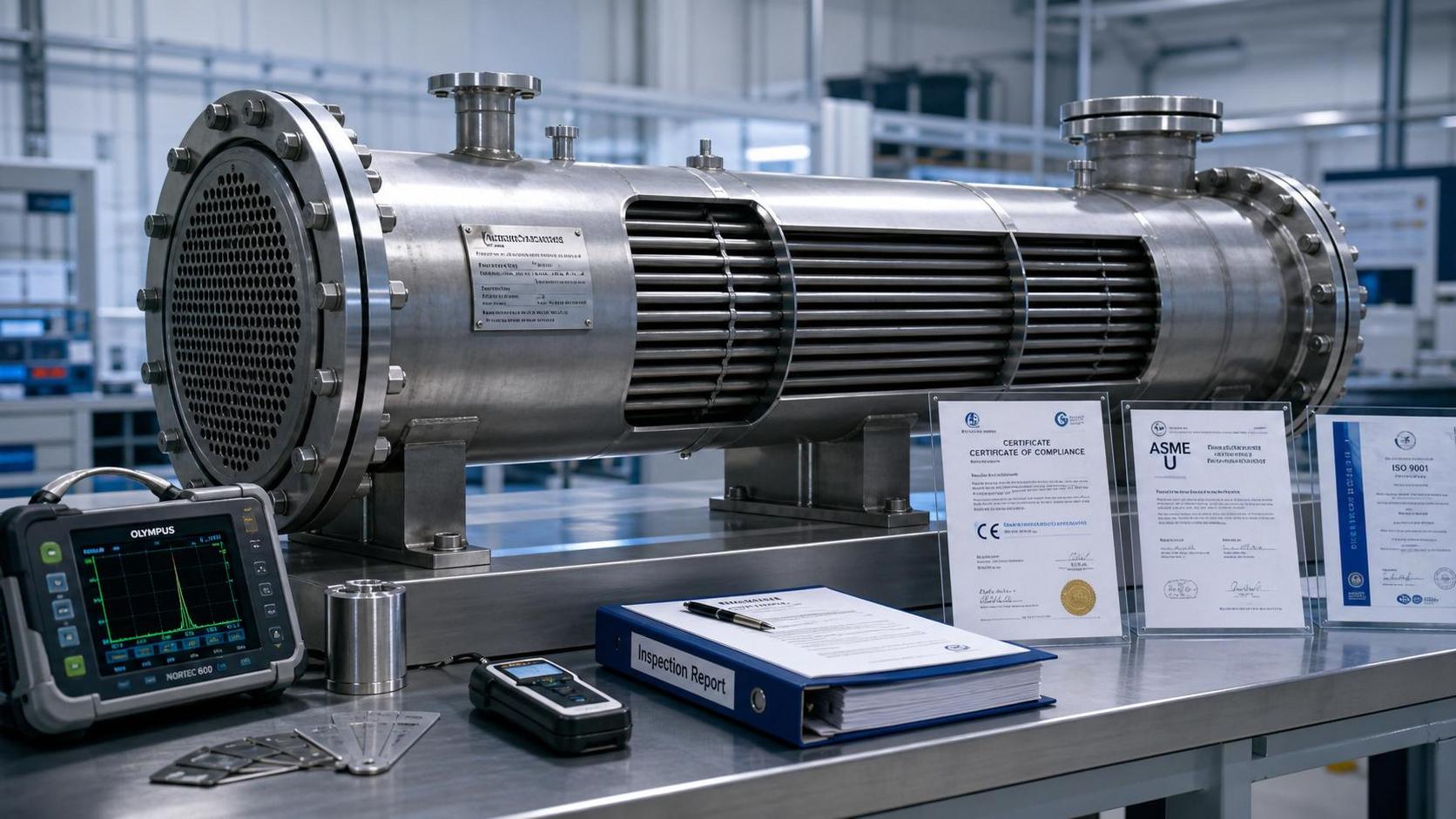
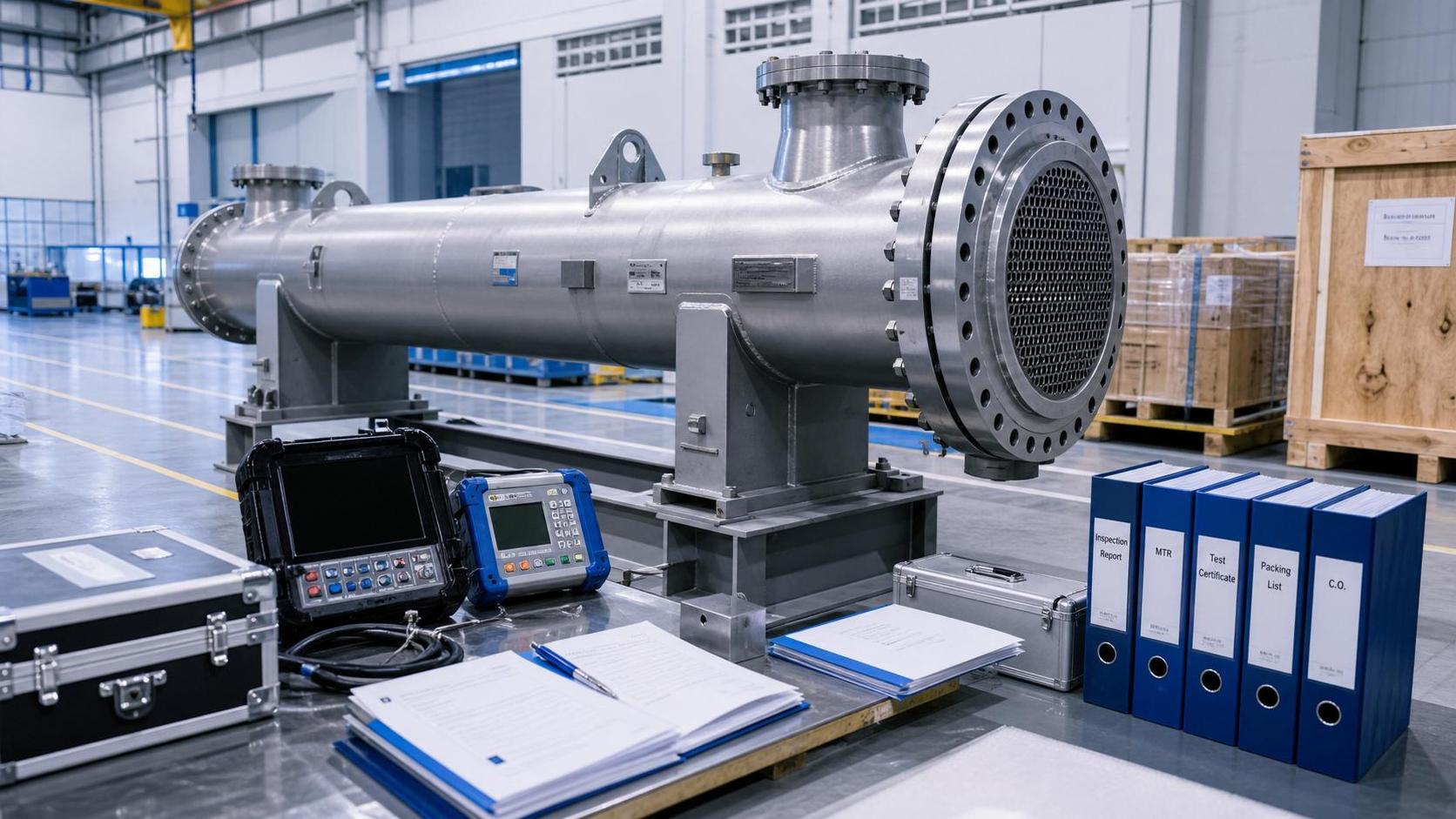
The provided summary also states that compliance will require a third-party test report prepared in accordance with ASHRAE 127-2025. For Chinese exporters, re-certification is required; without it, products cannot enter U.S. government procurement channels or the supply chain for LEED projects.
Where the Pressure Will Appear First
Export access will depend on renewed compliance status
From an industry perspective, exporters are among the first groups likely to feel the impact because the rule is tied directly to market entry conditions. The practical issue is whether products shipped for the U.S. market can still be supported by valid third-party testing and updated certification status once the new requirement takes effect.
What deserves closer attention is the compliance chain behind the shipment: product qualification files, test evidence under ASHRAE 127-2025, and any customer-facing technical documentation that may need to reflect the new MER threshold. For Chinese suppliers in particular, the re-certification requirement creates a clear gate before access to certain project channels can continue.
Procurement teams will need to screen technical and bidding documents more closely
Buyers, project procurement teams, and distributors may be affected through specification review and supplier qualification. Where U.S. government procurement or LEED-linked projects are involved, the rule changes the baseline for what can be accepted into the purchasing process.
In practice, this means procurement teams may need to confirm whether offered equipment meets the 78.5% MER threshold and whether the supporting third-party test report is available and aligned with the stated test standard. The main risk is not only product mismatch, but also a document mismatch between what is specified, what is tested, and what is submitted during review.
Testing and certification services become part of delivery risk
Testing bodies, certification-related firms, and compliance support providers may see greater pressure because the new rule links technical performance to market eligibility. Analysis shows that delivery schedules may be influenced not only by manufacturing readiness, but also by how quickly compliant testing and re-certification can be completed and recognized in transaction documents.
For supply-chain service providers and after-sales support teams, the change may also affect order confirmation, replacement-unit selection, and recordkeeping for equipment intended for regulated project channels.
What Companies Should Check Now
Review whether current models still match the new threshold
Analysis shows that companies should first compare existing commercial Shell & Tube product lines against the new 78.5% MER minimum. The key point is not to assume that previously accepted products will continue to qualify after the effective date.
Prepare testing and certification files for transaction use
What deserves closer attention is the usability of compliance documents in real business workflows. Third-party test reports under ASHRAE 127-2025 may affect technical submissions, customer approval processes, and supplier onboarding. Exporters and manufacturers should pay particular attention to whether model-level records, product literature, and supporting files are consistent.
Check exposure to government and LEED-linked project channels
Observably, the rule matters most where sales depend on access to U.S. government procurement or LEED project supply chains. Companies serving those channels should review whether pending bids, framework supply arrangements, or customer qualification files could be affected by the re-certification requirement stated in the provided summary.
Watch for execution language in downstream documents
The provided information confirms the rule and its effective date, but it does not provide broader implementation detail. It is therefore more appropriate to monitor how the new requirement appears in procurement specifications, tender documents, certification workflows, and customer compliance checklists rather than treating every practical outcome as already settled.
Why This Looks Like an Execution Signal
As an observation, this development is better understood as a rule change with direct execution consequences rather than a distant policy discussion. The effective date is defined, the efficiency floor is defined, the testing basis is identified, and the supply-chain consequence for Chinese exporters is explicitly stated in the provided summary.
At the same time, this is still a rule area that warrants continued observation. Analysis shows that market participants should follow how certification expectations, document review standards, and procurement wording are applied in practice after the effective date, especially where project eligibility depends on formal compliance evidence.
How the Market Is Likely to Read This
In practical terms, this update signals a higher compliance threshold for commercial Shell & Tube heat exchangers entering the U.S. market, with particular implications for export readiness, procurement screening, and certification timing. It should not be read simply as a technical performance adjustment, because the rule also affects who can remain eligible for specific project channels.
Current industry understanding is best framed as a confirmed regulatory change with immediate preparation value and further implementation details still worth tracking. That makes it relevant now for manufacturers, exporters, buyers, and service providers even before all downstream market responses become visible.
Basis of This Article
This article is generated from the user-provided news title, event date, and event summary. The analysis is limited to the supplied information and does not add unverified facts beyond that input.
For events of this type, relevant source categories often include official regulatory notices, publications from supervisory agencies, customs or trade administration information, industry association updates, standards organization documents, and reporting by established professional media. A specific official source link was not provided in the input, so the exact source documentation should continue to be verified.
Further observation is still needed on detailed implementation language, certification interpretation, tender document changes, industry feedback, and how companies execute re-certification and compliance in practice.
Related News
- EU Rule Requires Digital Energy Monitoring for Shell & Tube Heat ExchangersAuthor :Thermodynamics Analyst

- DOE Raises Shell & Tube Efficiency Floor for 2027Author :Thermodynamics Analyst

- EU EN 13445-4:2026 Tightens Dual Certification for Heat ExchangersAuthor :Thermodynamics Analyst

- EN 13445-4:2026 Tightens EU Heat Exchanger ComplianceAuthor :Thermodynamics Analyst

- EN 13445-4:2026 Adds Digital Twin Fatigue ChecksAuthor :Thermodynamics Analyst

- How to Improve Heat Exchanger Efficiency Without Major System DowntimeAuthor :Thermodynamics Analyst

- EU Rule Takes Effect for Shell-and-Tube Heat ExchangersAuthor :Thermodynamics Analyst

- When Energy-Efficient Heat Exchange Systems Deliver Real PaybackAuthor :Thermodynamics Analyst

- DOE Cuts R449A Chiller Transition to 9 MonthsAuthor :Thermodynamics Analyst

- Rail Corridor Surge Cuts Shell & Tube Lead TimeAuthor :Thermodynamics Analyst

- Rail Corridor Hits 2,000 Trains as Heat Exchanger Lead Time FallsAuthor :Thermodynamics Analyst

- Rail Corridor Surge Cuts Shell & Tube Delivery to 28 DaysAuthor :Thermodynamics Analyst

- China-Europe Rail Corridor Tops 2,000 Trains as Heat Exchanger Export Delivery Falls to 28 DaysAuthor :Thermodynamics Analyst

- How to Improve Heat Exchanger Efficiency Without Major RetrofitsAuthor :Thermodynamics Analyst
![]()
- Rail Corridor Speeds Heat Exchanger ExportsAuthor :Thermodynamics Analyst
![]()
- China Names New Trade Parks for Heat Exchanger ExportsAuthor :Thermodynamics Analyst
![]()
- Rail Corridor Eases Lead Times for Shell-and-Tube ExportsAuthor :Thermodynamics Analyst

- Rail Freight Priority Cuts Shell & Tube Lead TimesAuthor :Thermodynamics Analyst

- Vietnam Cement WHR Rule Lifts Exchanger DemandAuthor :Thermodynamics Analyst

- EN 13445-4:2026 Effective for Shell & Tube Heat ExchangersAuthor :Thermodynamics Analyst
![]()
- SANY Excavators Capture >60% of Indonesia's Nickel Mine Equipment MarketAuthor :Thermodynamics Analyst

- APEC Trade Ministers Focus on Digital & Green Supply ChainsAuthor :Thermodynamics Analyst
![]()
- Pakistan PM Visit to China Spurs Shell & Tube, Centrifuge Tech LocalizationAuthor :Thermodynamics Analyst

- Putin's China Visit Resumes Shell & Tube Heat Exchanger Export PathAuthor :Thermodynamics Analyst

- EU Imposes Final Anti-Dumping Duties on Chinese Adipic AcidAuthor :Thermodynamics Analyst

- EN 13445-4:2026 Enters Force for Shell & Tube Heat ExchangersAuthor :Thermodynamics Analyst

- EU Updates EN 13445-4:2026 for Shell & Tube Heat ExchangersAuthor :Thermodynamics Analyst

- China's Petrochemical '15th Five-Year' Digitalization Guide ReleasedAuthor :Thermodynamics Analyst

- Heat Exchanger Technology: Plate vs Shell & Tube Selection GuideAuthor :Thermodynamics Analyst

- China to Upgrade Shell & Tube Heat Exchanger Standard to MandatoryAuthor :Thermodynamics Analyst

- Thermodynamics Analysis in Shell & Tube Selection: What Really MattersAuthor :Thermodynamics Analyst

- How to Compare Heat Exchanger Efficiency Across System DesignsAuthor :Thermodynamics Analyst