



China-Europe Rail Corridor Tops 2,000 Trains as Heat Exchanger Export Delivery Falls to 28 Days




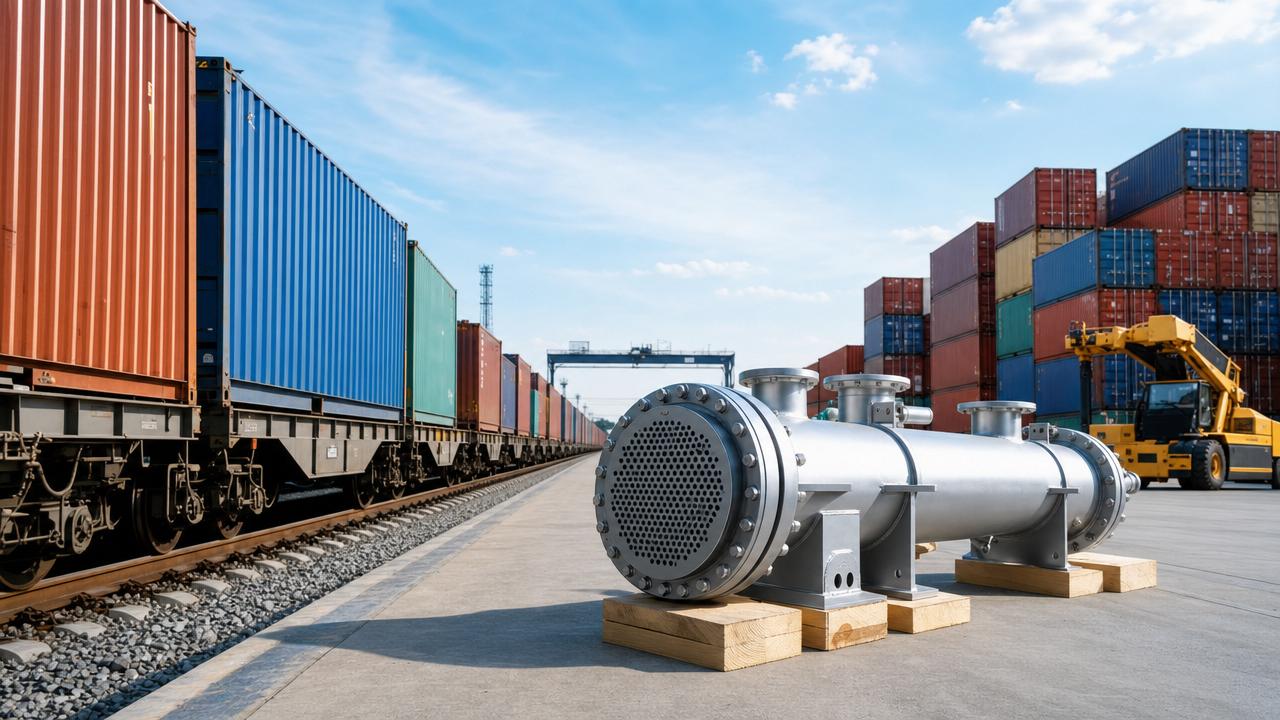
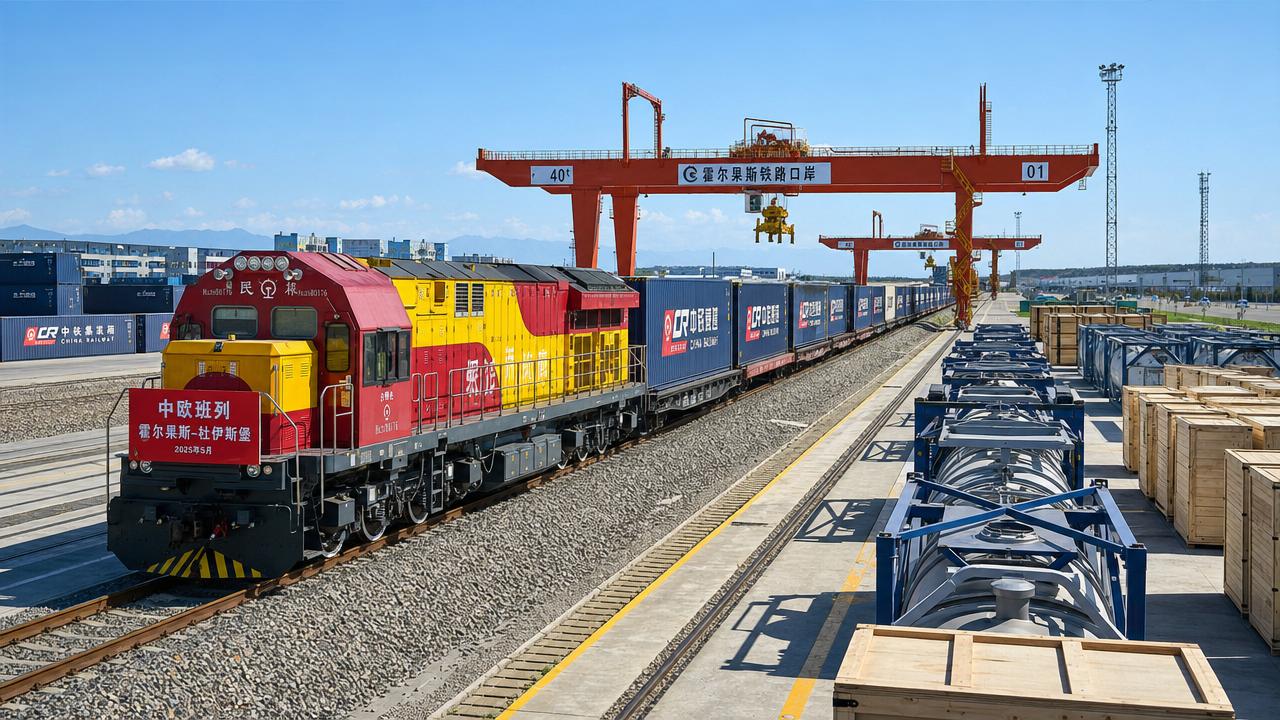
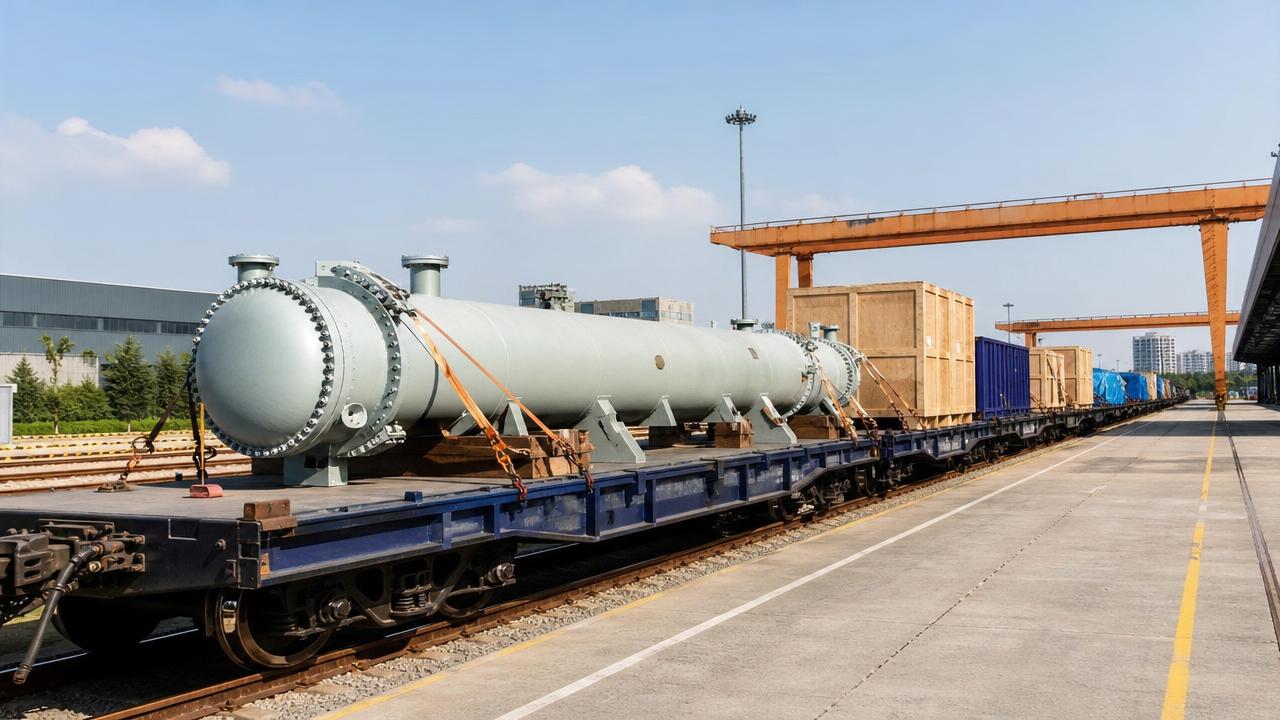
On June 8, 2026, the latest update on the China-Europe rail middle corridor pointed to a notable change in industrial export logistics rather than a routine traffic milestone alone. From January to May, train volumes on the route running via Horgos or Alashankou through Kazakhstan, Russia, and Belarus reached 2,037, while delivery cycles for shell-and-tube and plate heat exchangers shipped to Europe were kept within 28 days. For manufacturers, exporters, procurement teams, and supply chain service providers, the development is worth watching because it links rail capacity growth directly to shorter delivery planning windows for industrial equipment.
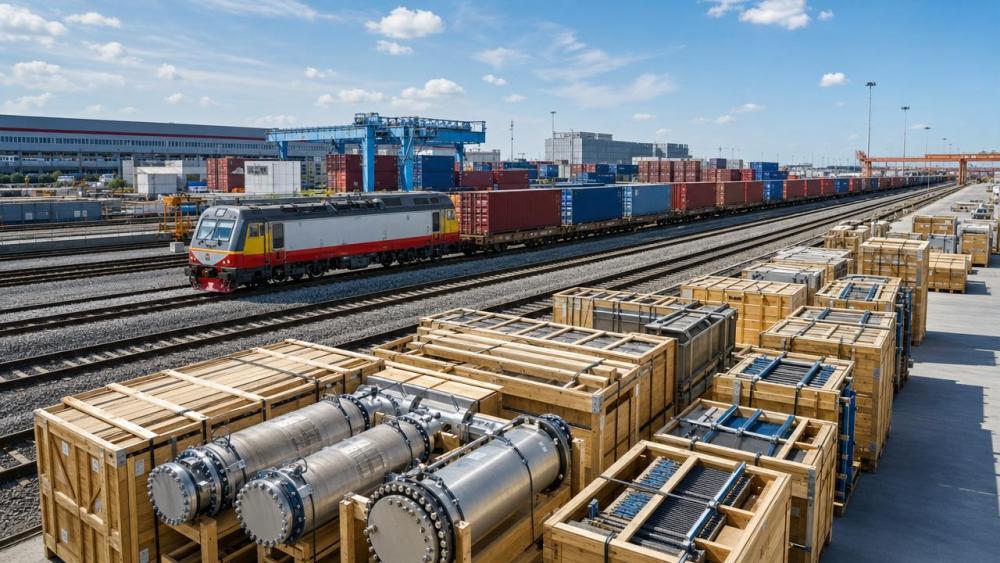
What the latest rail and delivery figures confirm
According to the latest notice from China State Railway Group, the China-Europe rail middle corridor recorded 2,037 train trips in the first five months of 2026, up 37% year on year. The route referenced in the update runs from Xinjiang border gateways including Horgos and Alashankou through Kazakhstan, Russia, and Belarus.
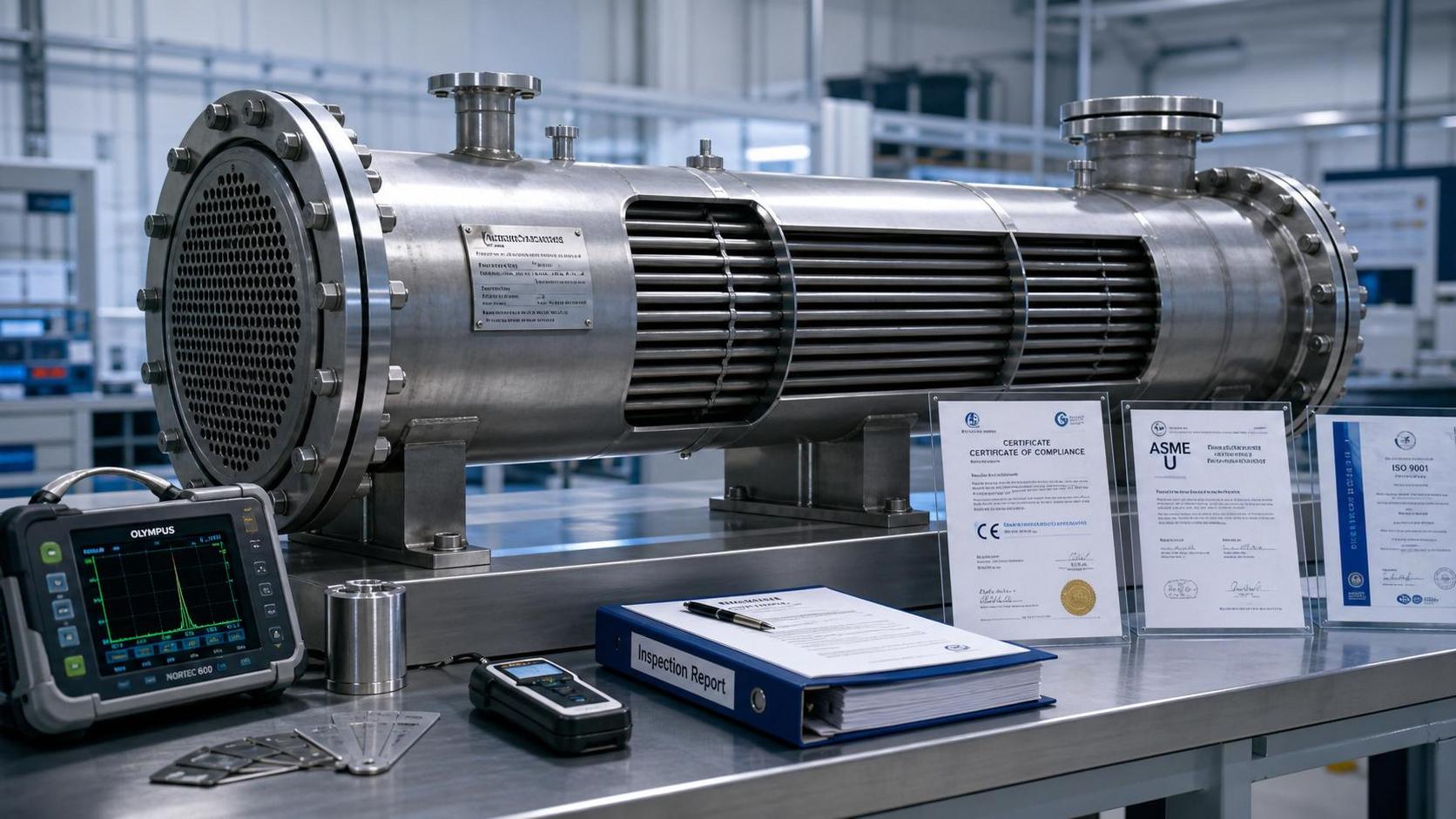
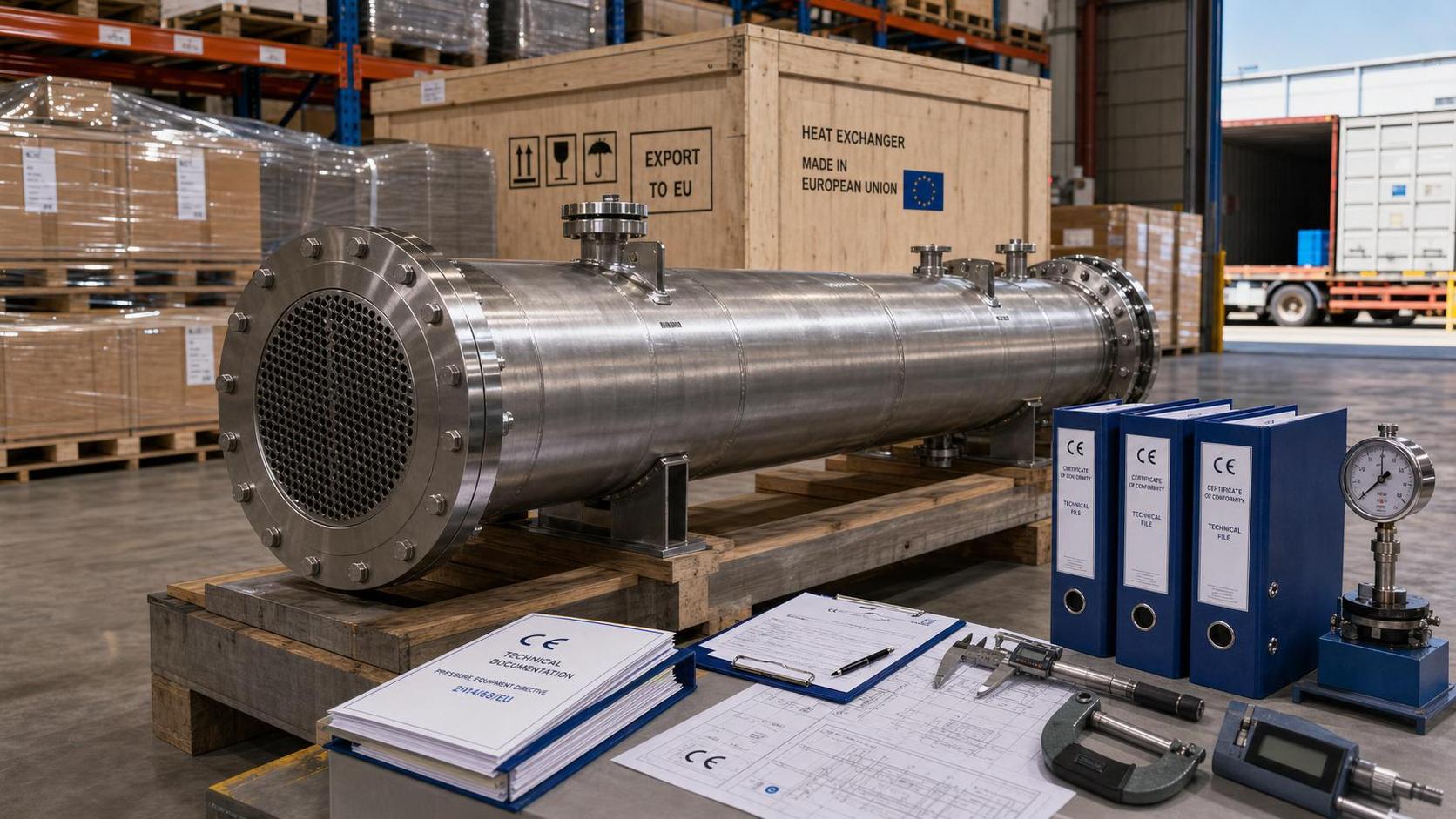
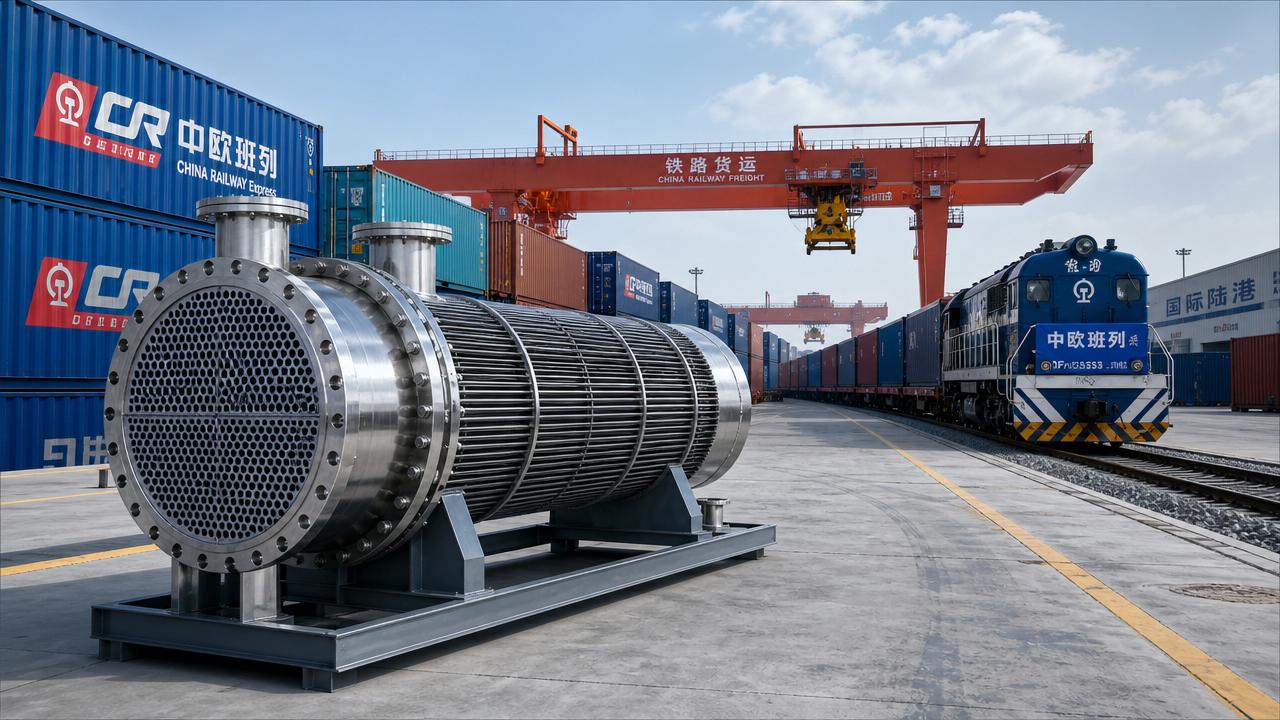
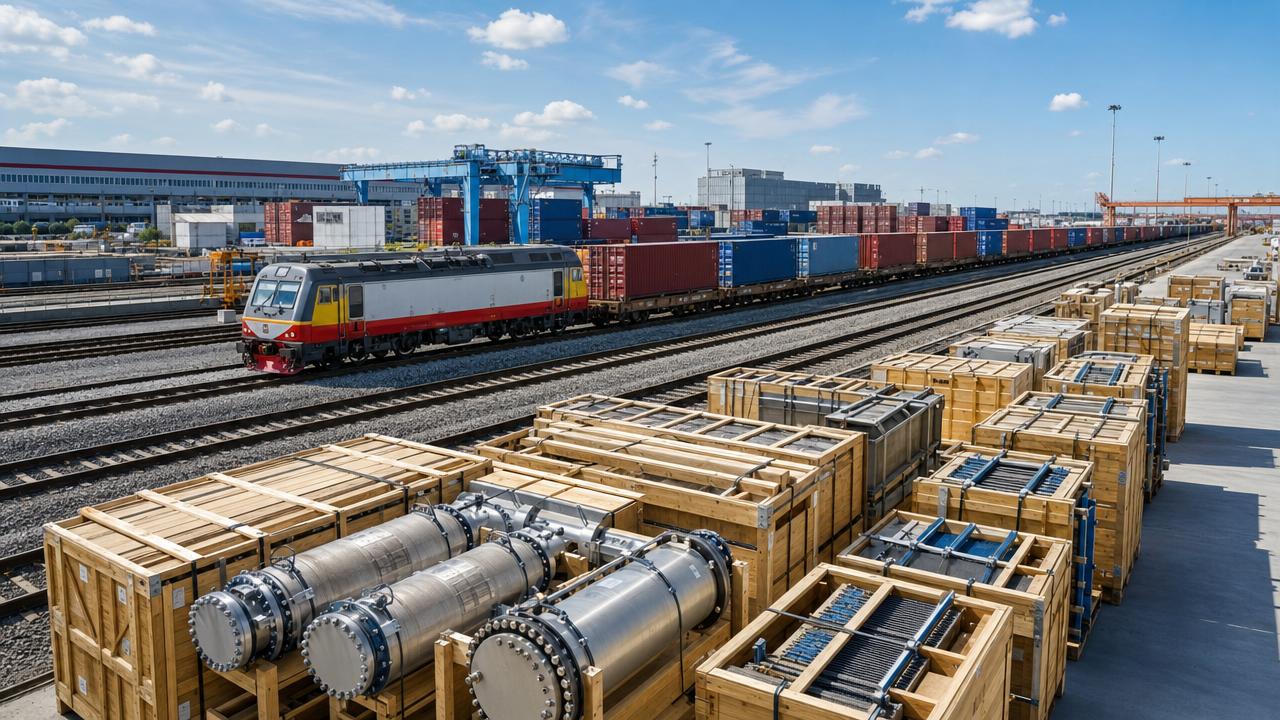
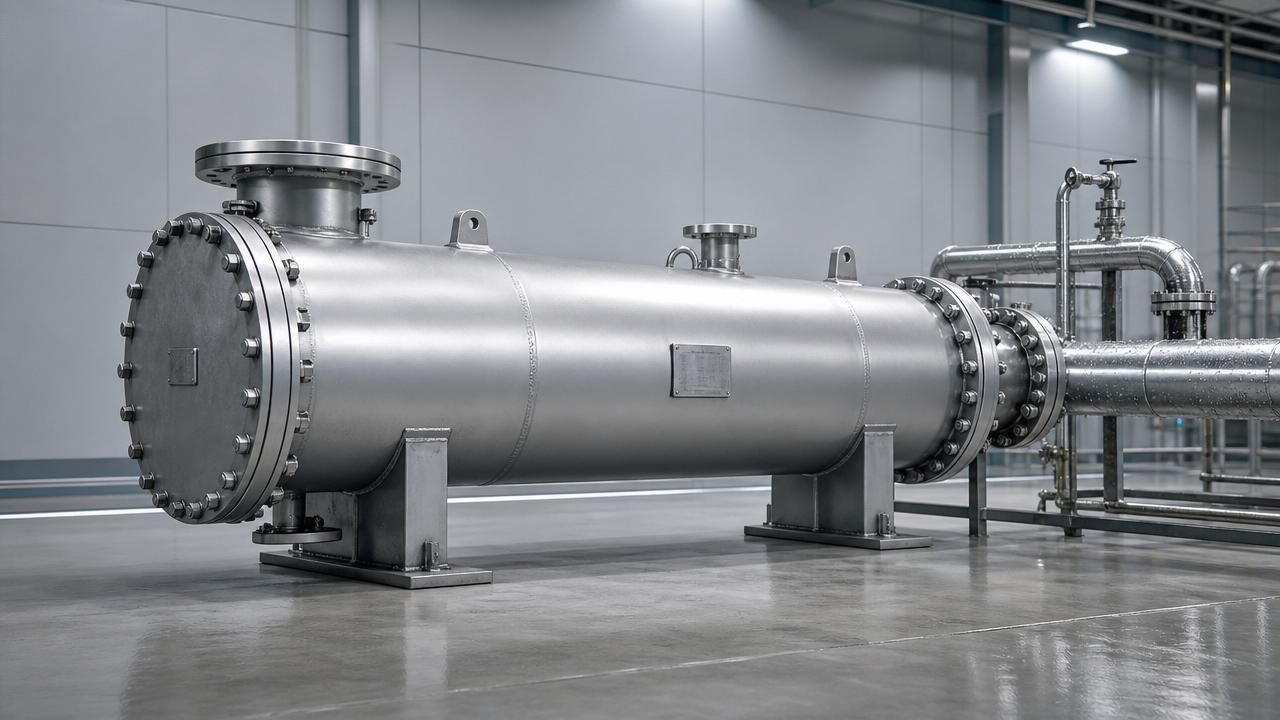
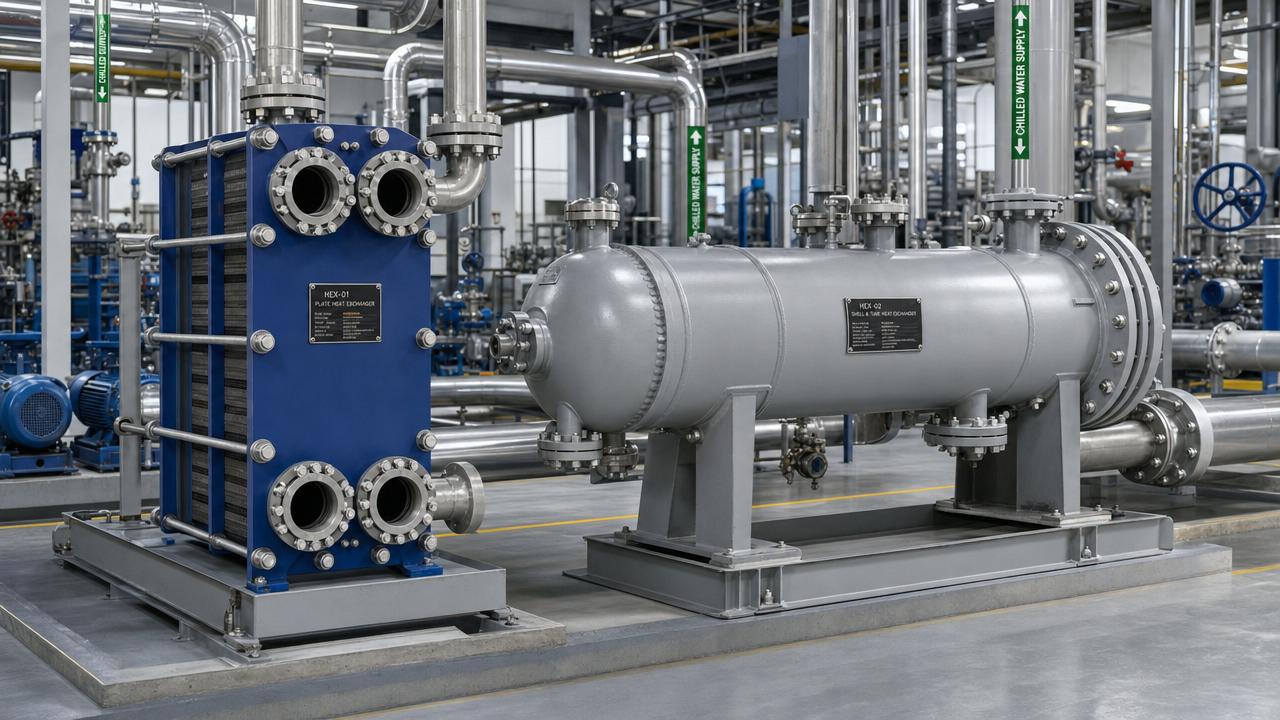
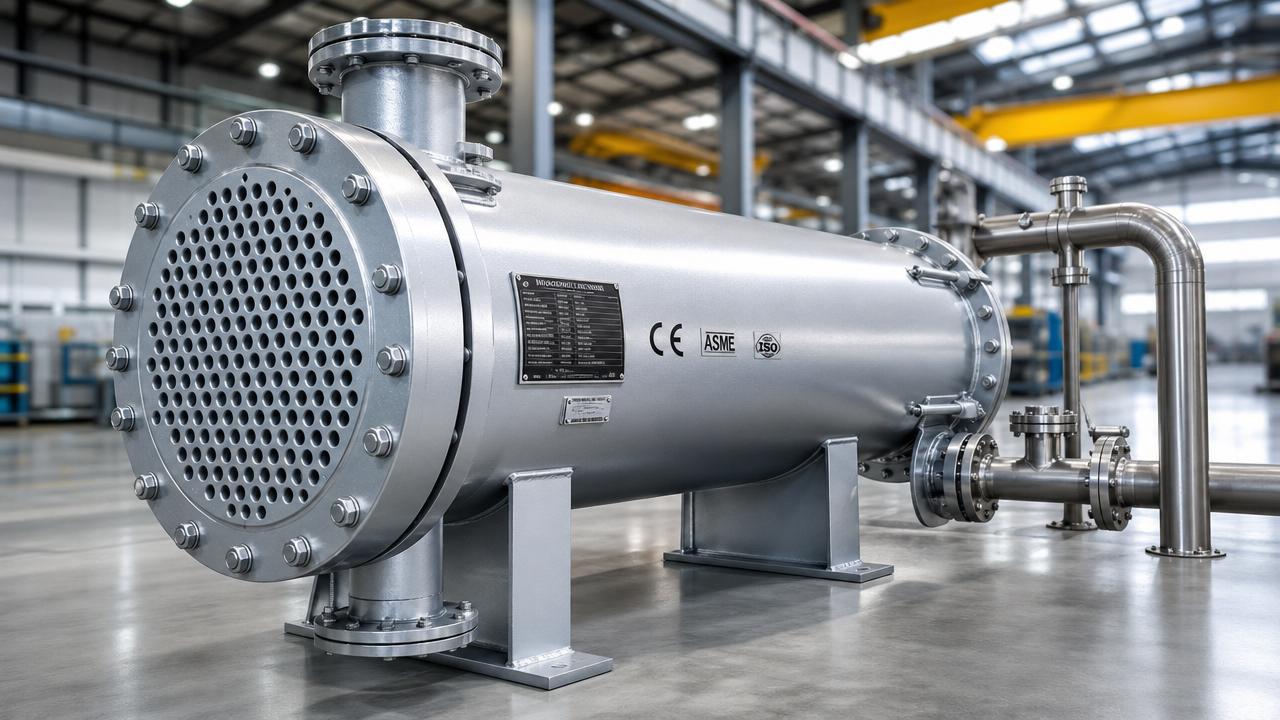
The same update shows that industrial equipment accounted for 28% of Xinjiang port exports to Europe. Within that flow, transport time for single-container shipments of shell-and-tube heat exchangers, plate heat exchangers, and related heat transfer equipment was reduced to 18 to 22 days. With consolidated warehousing and distribution improvements added to the transport leg, total export delivery cycles were stabilized at under 28 days. The summary also states that this is materially faster than ocean freight at more than 65 days and avoids air freight costs that exceed rail by more than three times.
Why the change matters across the supply chain
Equipment exporters gain a narrower delivery window
From an industry perspective, exporters of heat exchange equipment may feel the most immediate effect because the update relates directly to outbound timing. A delivery cycle held within 28 days can affect quotation validity, shipment scheduling, and customer commitment dates. What deserves closer attention is whether companies treat the shorter cycle as a standard operating baseline or as a route-specific advantage that still requires shipment-by-shipment confirmation.
Manufacturing teams may need tighter production coordination
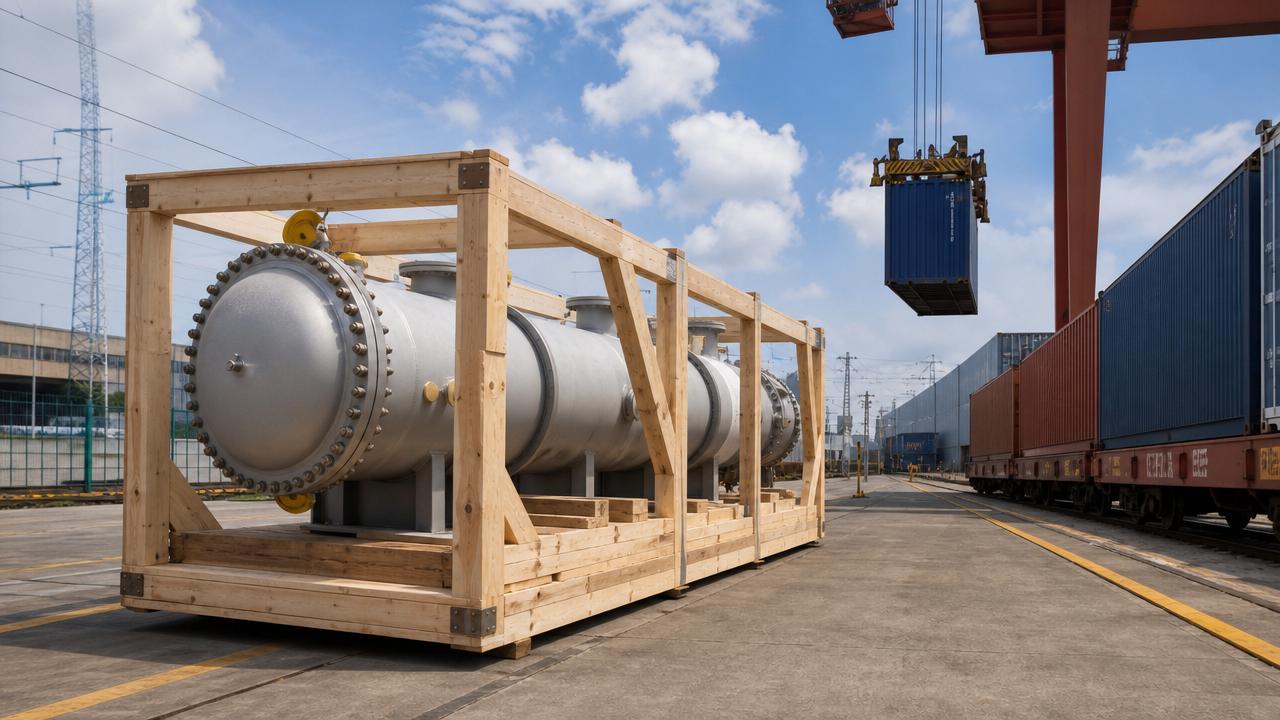
For processing and manufacturing businesses, the main implication is not only faster transport but also less slack between production completion and export dispatch. If rail timing remains in the 18 to 22 day range for single-container moves, internal planning around packaging, customs documentation, and handover timing becomes more sensitive. Observably, the operational pressure shifts from long-haul transit uncertainty toward factory-to-gateway coordination.
Procurement and European buyers may reassess mode selection
For procurement teams and end buyers, the comparison with ocean and air freight changes the trade-off discussion. Rail now appears positioned between the two not just in theory but in a documented delivery window tied to a specific equipment category. Analysis shows this could influence replenishment planning, order batching, and supplier communication, especially where project delivery depends on industrial equipment arriving within a defined installation schedule.
Logistics service providers face higher execution expectations
Supply chain service providers may also be affected because the reported improvement is tied not only to train movements but also to consolidated warehousing and distribution. That means performance expectations may extend beyond line-haul transport to cargo assembly, handling efficiency, and delivery coordination. What deserves closer attention is whether service quality remains stable as traffic volumes continue to rise.
What companies should watch now
Separate route performance from general market assumptions
Companies should pay attention to the fact that the reported timing is linked to the middle corridor and to specific categories such as shell-and-tube and plate heat exchangers. In practical terms, businesses should avoid turning a corridor-specific update into a blanket assumption for all equipment exports or all destinations in Europe.
Check whether internal documentation can match the shorter cycle
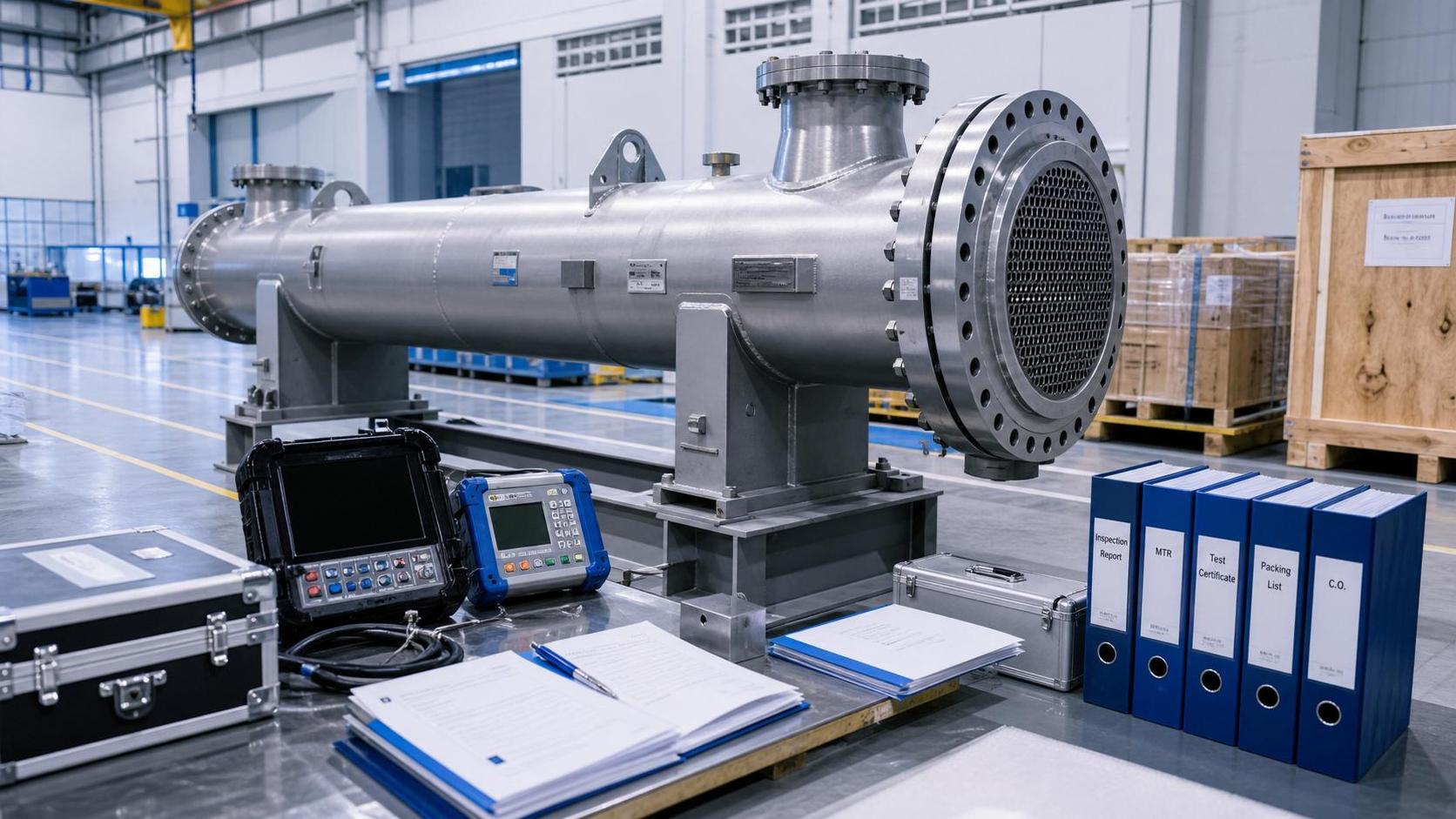
For exporters and manufacturers, a shorter end-to-end delivery cycle is useful only if customs paperwork, packing lists, booking coordination, and handover readiness move at the same pace. Analysis shows that document preparation and shipment readiness may become more critical once transport time itself becomes less of a bottleneck.
Revisit customer communication on lead times
Sales, account, and project teams should review how promised lead times are communicated to overseas customers. The update suggests that under current conditions, rail can support a delivery cycle below 28 days for the named equipment types. Still, companies should present this as a current logistics condition rather than an unconditional guarantee.
Track whether official wording changes in later updates
Because this development is based on the latest official summary, companies should continue monitoring whether future notices maintain the same wording on train volumes, equipment share, and delivery timing. For operational decisions, the distinction between one reporting period and a sustained logistics pattern remains important.
How this signal is best understood at this stage
Analysis shows that this is more appropriately understood as a meaningful operating signal rather than a final market conclusion. The reported figures connect three elements at once: higher train traffic on the middle corridor, a larger share of industrial equipment in exports to Europe, and a materially shorter delivery cycle for heat exchangers. That combination matters because it points to improved execution conditions for a specific export lane and product group.
At the same time, it is more appropriate to understand the development as something that still requires observation. The current data confirms a strong first-five-month performance and a faster delivery window, but it does not by itself establish that every shipment, every exporter, or every downstream market will experience the same result under all conditions.
What this means for the market right now
In practical terms, the update strengthens the case for viewing rail on the China-Europe middle corridor as a more competitive option for exporting heat exchange equipment to Europe. The clearest industry significance is not the train count alone, but the fact that logistics efficiency is being reflected in a measurable delivery cycle for real industrial cargo.
A neutral reading is that the development supports faster export planning for relevant equipment categories, while still calling for continued verification in daily operations. For now, it is best understood as a strong short-term operating signal with potential longer-term relevance if the same delivery performance continues to appear in subsequent official updates.
About the basis of this article
This article is generated from the user-provided news title, event date, and event summary. The discussion is based on the stated figures regarding train volume, route description, the share of industrial equipment in Xinjiang port exports to Europe, the transport timing for heat exchange equipment, and the comparison with ocean and air freight.
For this type of industry update, commonly relevant source categories may include official transport notices, company disclosures, industry association releases, authoritative media reports, and standard-setting or trade documentation. A specific official source link was not provided in the input, so the underlying notice should continue to be verified in follow-up review. The main area for continued observation is whether later official updates confirm that the same route performance and sub-28-day delivery cycle remain stable over time.
Related News
- EU Rule Requires Digital Energy Monitoring for Shell & Tube Heat ExchangersAuthor :Thermodynamics Analyst

- DOE Raises Shell & Tube Efficiency Floor for 2027Author :Thermodynamics Analyst

- EU EN 13445-4:2026 Tightens Dual Certification for Heat ExchangersAuthor :Thermodynamics Analyst

- EN 13445-4:2026 Tightens EU Heat Exchanger ComplianceAuthor :Thermodynamics Analyst

- EN 13445-4:2026 Adds Digital Twin Fatigue ChecksAuthor :Thermodynamics Analyst

- How to Improve Heat Exchanger Efficiency Without Major System DowntimeAuthor :Thermodynamics Analyst

- EU Rule Takes Effect for Shell-and-Tube Heat ExchangersAuthor :Thermodynamics Analyst

- When Energy-Efficient Heat Exchange Systems Deliver Real PaybackAuthor :Thermodynamics Analyst

- DOE Cuts R449A Chiller Transition to 9 MonthsAuthor :Thermodynamics Analyst

- Rail Corridor Surge Cuts Shell & Tube Lead TimeAuthor :Thermodynamics Analyst

- Rail Corridor Hits 2,000 Trains as Heat Exchanger Lead Time FallsAuthor :Thermodynamics Analyst

- Rail Corridor Surge Cuts Shell & Tube Delivery to 28 DaysAuthor :Thermodynamics Analyst

- China-Europe Rail Corridor Tops 2,000 Trains as Heat Exchanger Export Delivery Falls to 28 DaysAuthor :Thermodynamics Analyst

- How to Improve Heat Exchanger Efficiency Without Major RetrofitsAuthor :Thermodynamics Analyst
![]()
- Rail Corridor Speeds Heat Exchanger ExportsAuthor :Thermodynamics Analyst
![]()
- China Names New Trade Parks for Heat Exchanger ExportsAuthor :Thermodynamics Analyst
![]()
- Rail Corridor Eases Lead Times for Shell-and-Tube ExportsAuthor :Thermodynamics Analyst

- Rail Freight Priority Cuts Shell & Tube Lead TimesAuthor :Thermodynamics Analyst

- Vietnam Cement WHR Rule Lifts Exchanger DemandAuthor :Thermodynamics Analyst

- EN 13445-4:2026 Effective for Shell & Tube Heat ExchangersAuthor :Thermodynamics Analyst
![]()
- SANY Excavators Capture >60% of Indonesia's Nickel Mine Equipment MarketAuthor :Thermodynamics Analyst

- APEC Trade Ministers Focus on Digital & Green Supply ChainsAuthor :Thermodynamics Analyst
![]()
- Pakistan PM Visit to China Spurs Shell & Tube, Centrifuge Tech LocalizationAuthor :Thermodynamics Analyst

- Putin's China Visit Resumes Shell & Tube Heat Exchanger Export PathAuthor :Thermodynamics Analyst

- EU Imposes Final Anti-Dumping Duties on Chinese Adipic AcidAuthor :Thermodynamics Analyst

- EN 13445-4:2026 Enters Force for Shell & Tube Heat ExchangersAuthor :Thermodynamics Analyst

- EU Updates EN 13445-4:2026 for Shell & Tube Heat ExchangersAuthor :Thermodynamics Analyst

- China's Petrochemical '15th Five-Year' Digitalization Guide ReleasedAuthor :Thermodynamics Analyst

- Heat Exchanger Technology: Plate vs Shell & Tube Selection GuideAuthor :Thermodynamics Analyst

- China to Upgrade Shell & Tube Heat Exchanger Standard to MandatoryAuthor :Thermodynamics Analyst

- Thermodynamics Analysis in Shell & Tube Selection: What Really MattersAuthor :Thermodynamics Analyst

- How to Compare Heat Exchanger Efficiency Across System DesignsAuthor :Thermodynamics Analyst