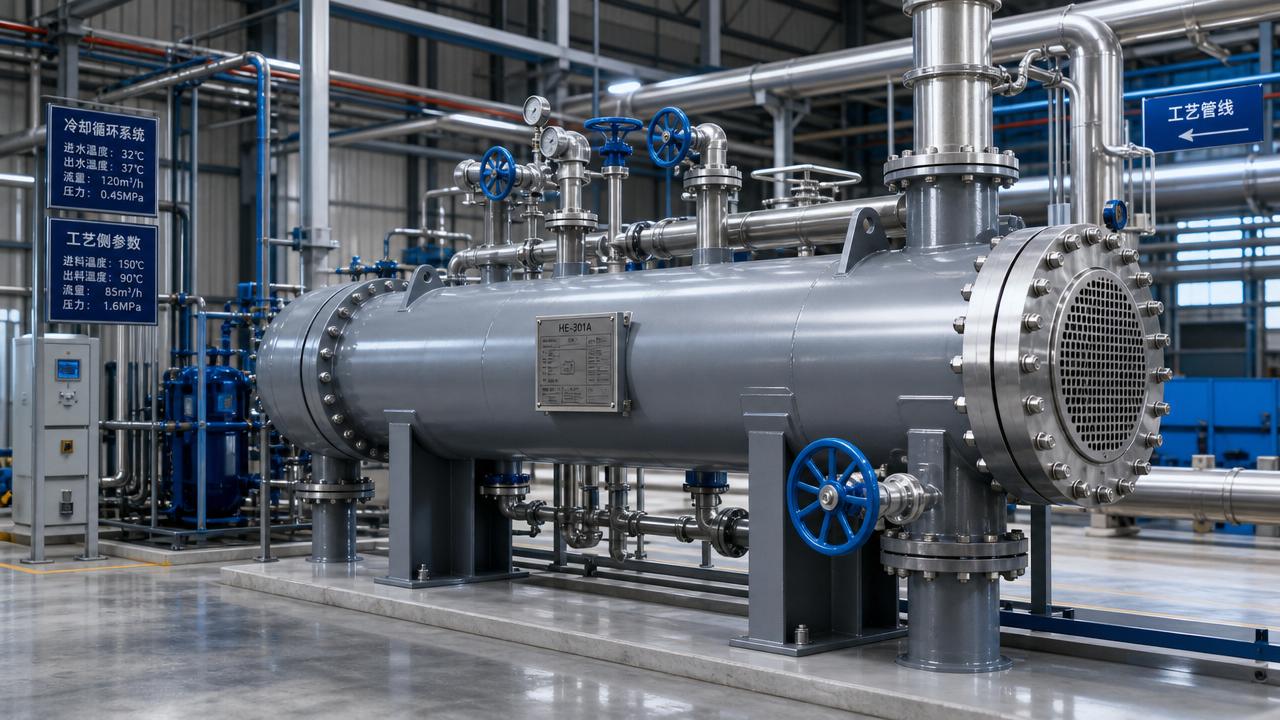




EU Updates EN 13445-4:2026 for Shell & Tube Heat Exchangers




On 17 May 2026, the European Committee for Standardization (CEN) officially published EN 13445-4:2026, Unfired Pressure Vessels — Part 4: Fatigue Analysis. Effective 1 January 2027, this revised standard mandates fatigue assessment using new modeling requirements for all shell-and-tube heat exchangers placed on the EU market — directly impacting export compliance, certification timelines, and engineering workflows for non-EU manufacturers, particularly those in China.
Event Overview
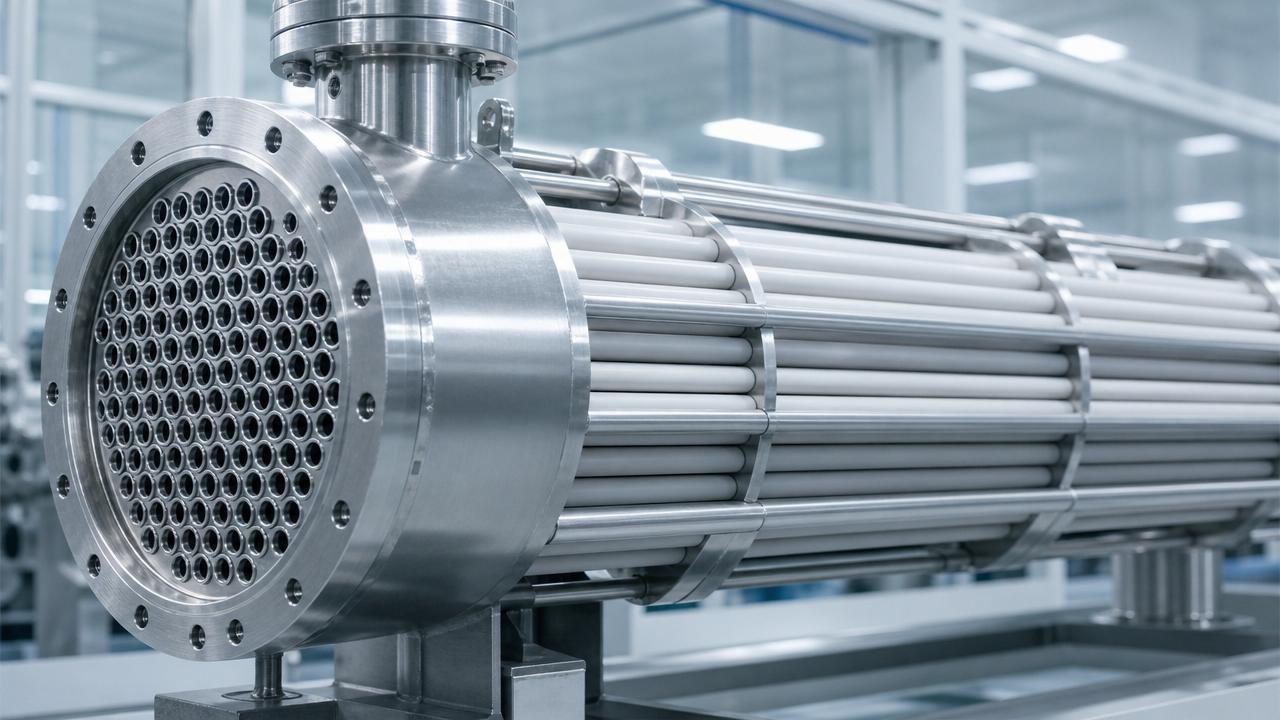
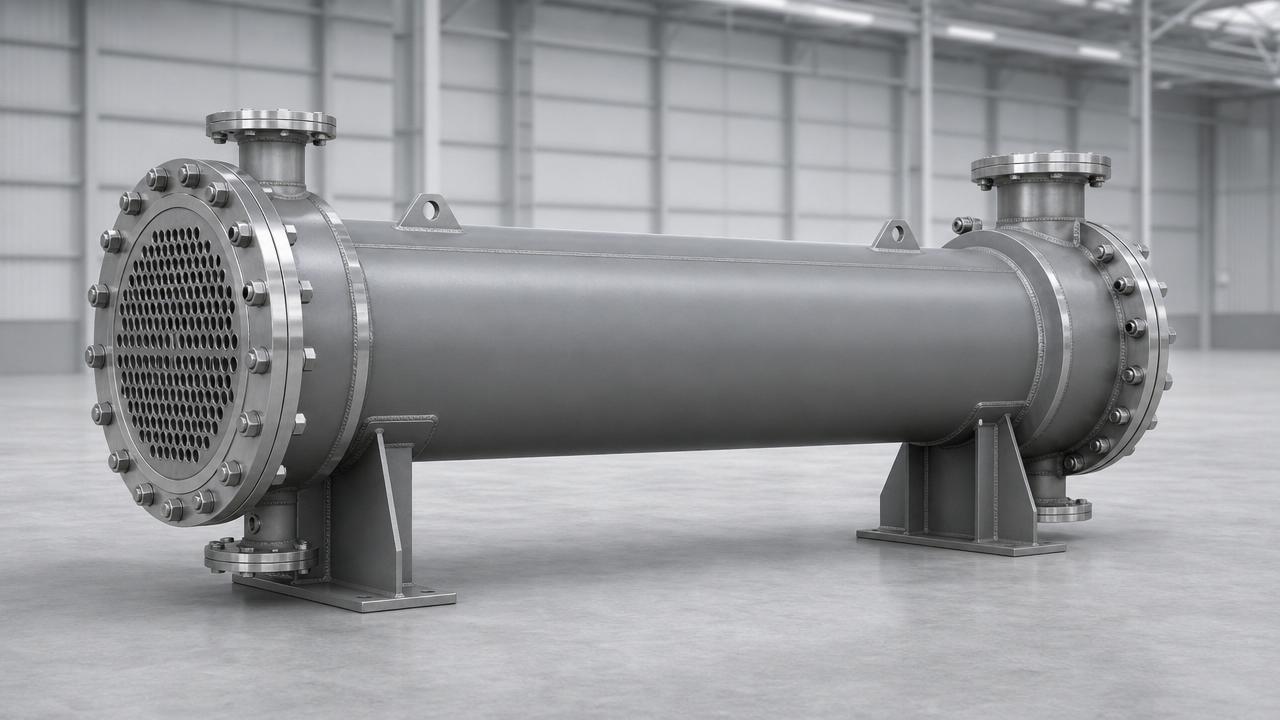
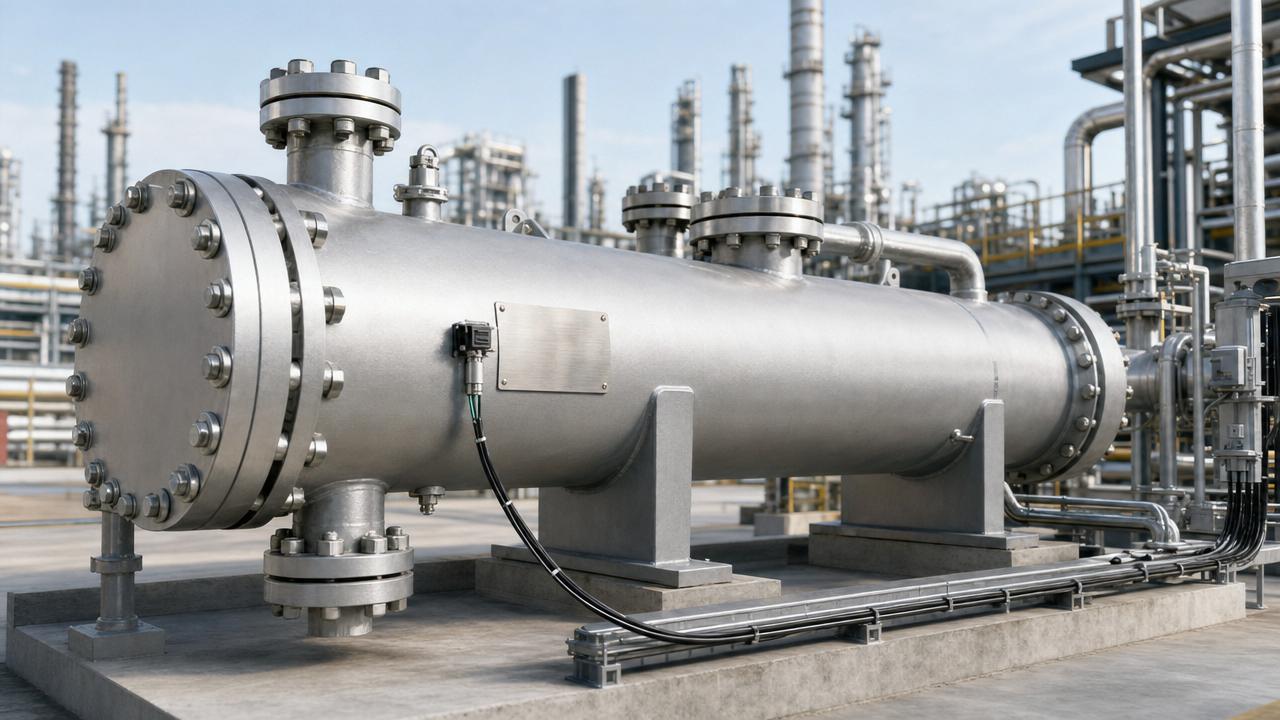
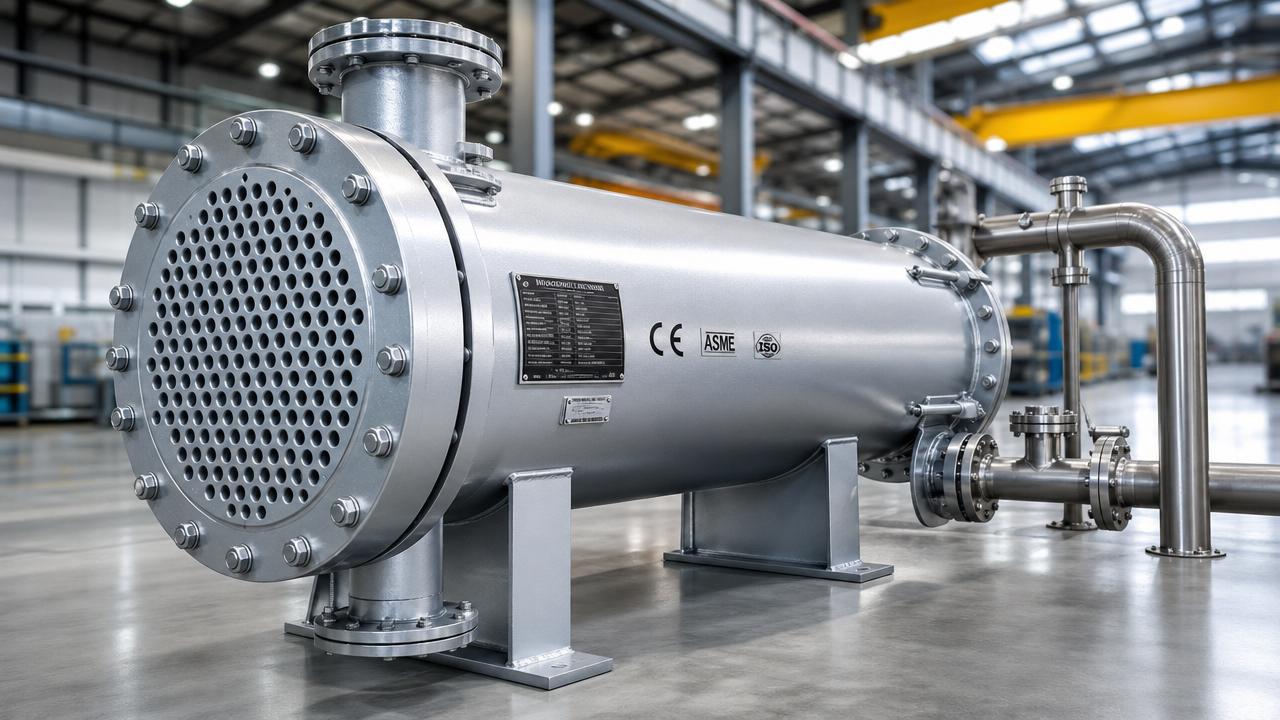
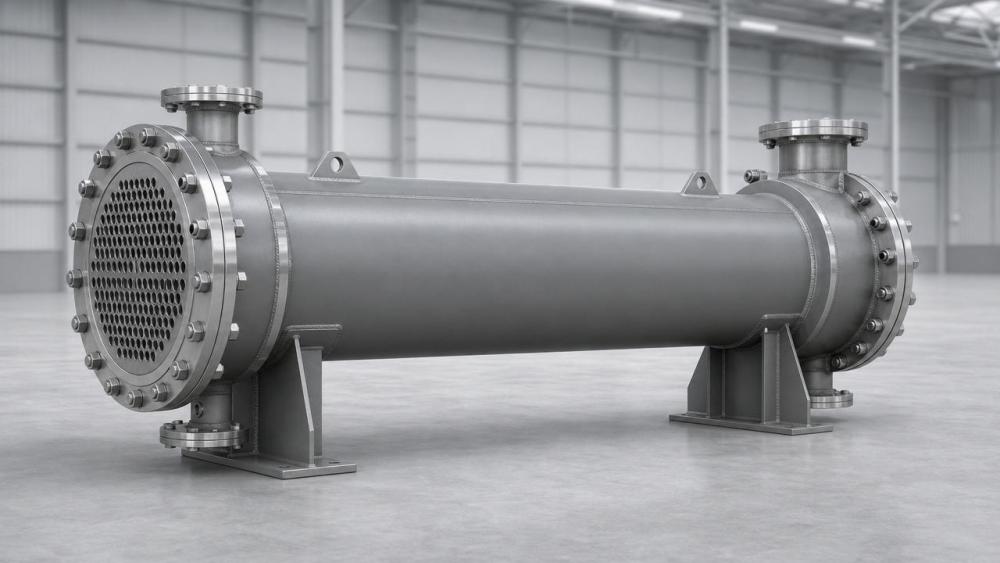
The European Committee for Standardization (CEN) released EN 13445-4:2026 on 17 May 2026. The standard replaces the previous edition and introduces updated fatigue design rules applicable to unfired pressure vessels. From 1 January 2027, compliance with EN 13445-4:2026 becomes mandatory for shell-and-tube heat exchangers exported to the EU. Key technical changes include enhanced fatigue evaluation requirements for tube-to-tubesheet welds, shell-side support structures, and thermal cycling service conditions.
Industries Affected
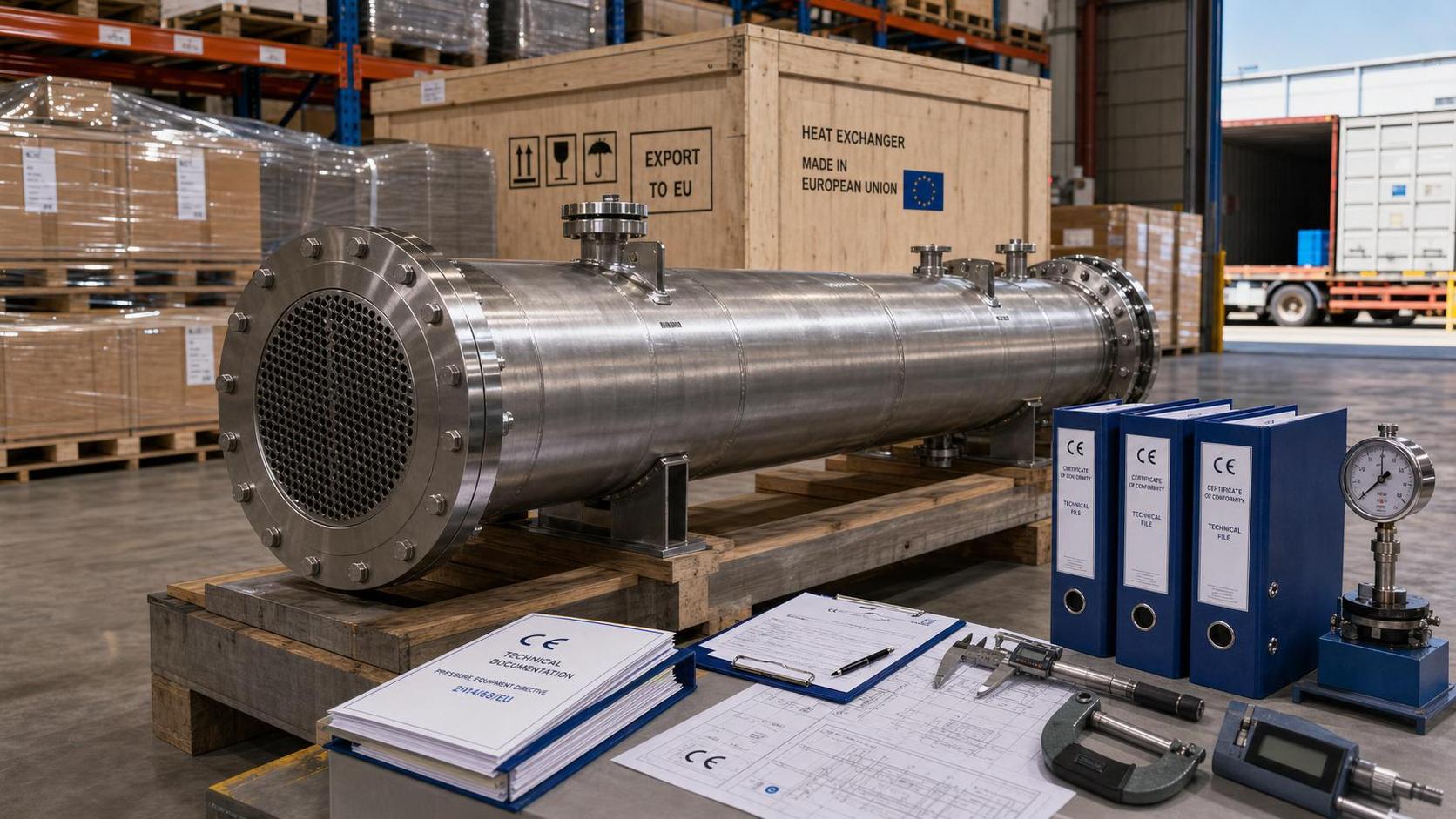
Direct Exporters (Trading Enterprises): These firms face immediate implications in CE marking pathways. Under the new rule, conformity assessment under the EU Pressure Equipment Directive (PED 2014/68/EU) now requires documented fatigue analysis per EN 13445-4:2026 — not merely structural integrity checks. This extends pre-market verification lead times and increases reliance on EU-notified bodies with fatigue analysis competence.
Raw Material Suppliers: Suppliers of high-grade stainless steels, duplex alloys, and specialized welding consumables may see shifting demand patterns. Fatigue performance now hinges more critically on material consistency, traceability of mechanical properties (e.g., cyclic stress-strain response), and certified weldability data — prompting tighter QA documentation and potentially new testing obligations for material certifications.
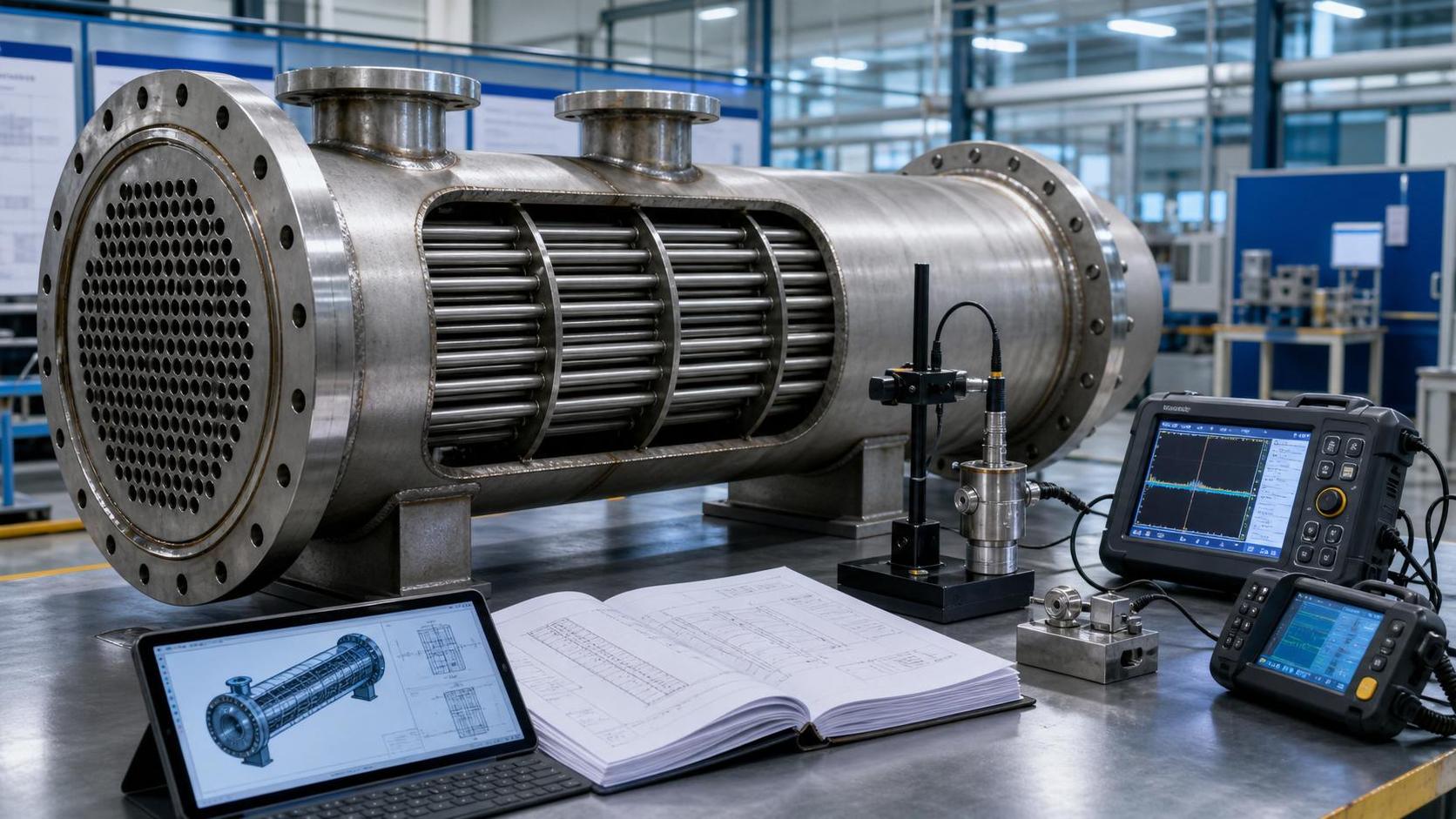
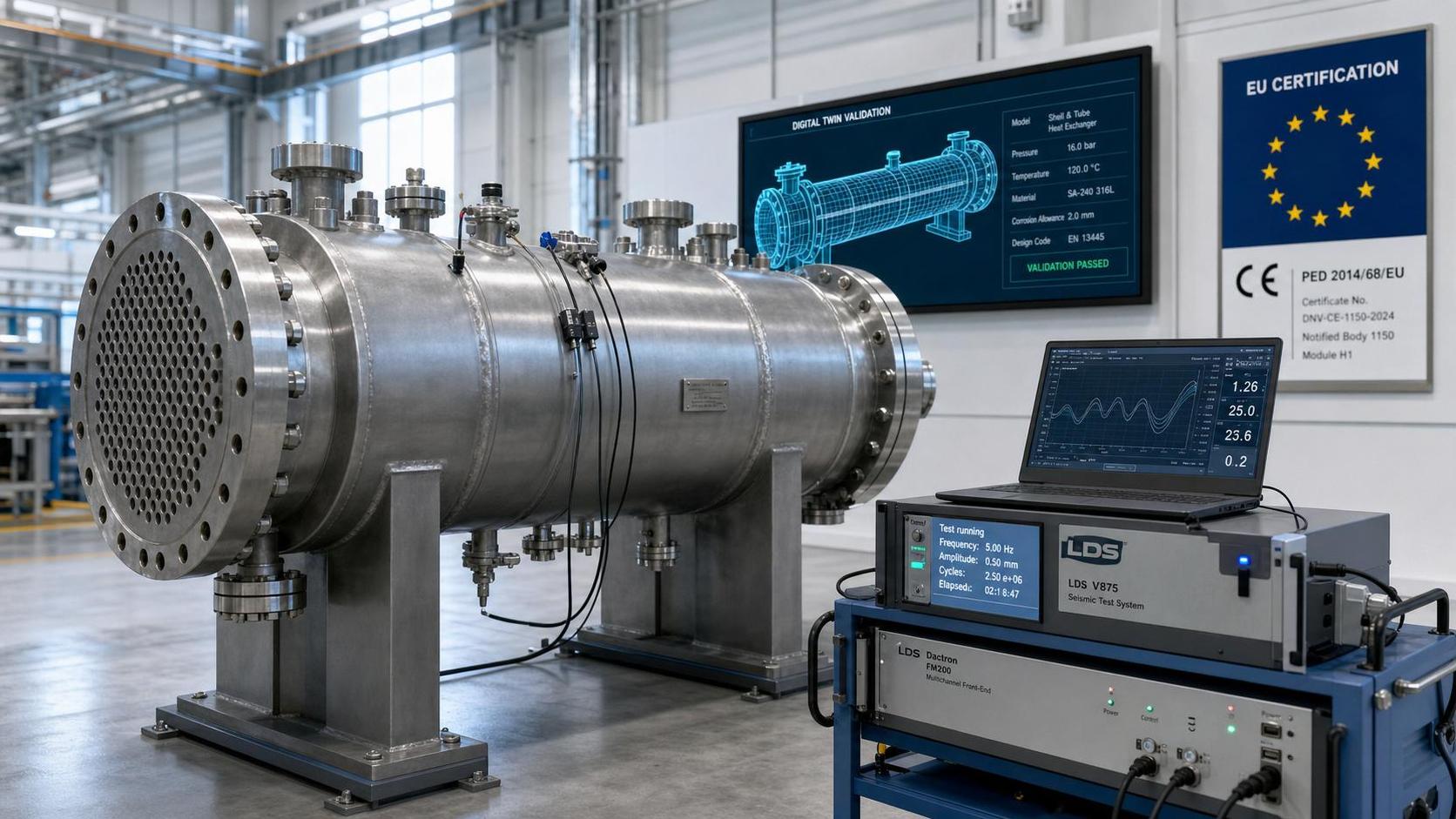
Manufacturers (Fabricators & Design Houses): Engineering teams must revise design procedures, integrate validated fatigue life models (e.g., strain-based or fracture-mechanics approaches), and retrain personnel on EN 13445-4:2026’s Annexes B and C. Notably, the standard introduces explicit allowances for local stress concentration at tube-to-tubesheet joints — requiring higher-fidelity FEA modeling and increased computational validation effort.
Supply Chain Service Providers: Certification consultants, third-party inspection agencies, and simulation software vendors face growing demand for fatigue-specific support. Services such as ASME Section VIII Div. 2 / EN 13445 cross-compliance audits, fatigue test protocol development, and FE model validation are becoming prerequisite offerings — not optional add-ons.
Key Focus Areas and Recommended Actions
Review existing product designs against EN 13445-4:2026 fatigue criteria
Manufacturers should conduct gap assessments on current shell-and-tube heat exchanger designs — especially those with complex thermal duty cycles or high-cycle operation. Prioritize tube-to-tubesheet joint configurations and shell-side baffle geometries where local stress amplification is likely.
Engage notified bodies early on fatigue analysis methodology
Not all EU-notified bodies maintain up-to-date capability for EN 13445-4:2026 fatigue verification. Exporters should confirm their chosen body’s accreditation scope includes fatigue assessment under the new Part 4 — and request documented acceptance criteria for numerical models prior to submission.
Update internal QA/QC documentation to reflect fatigue-specific controls
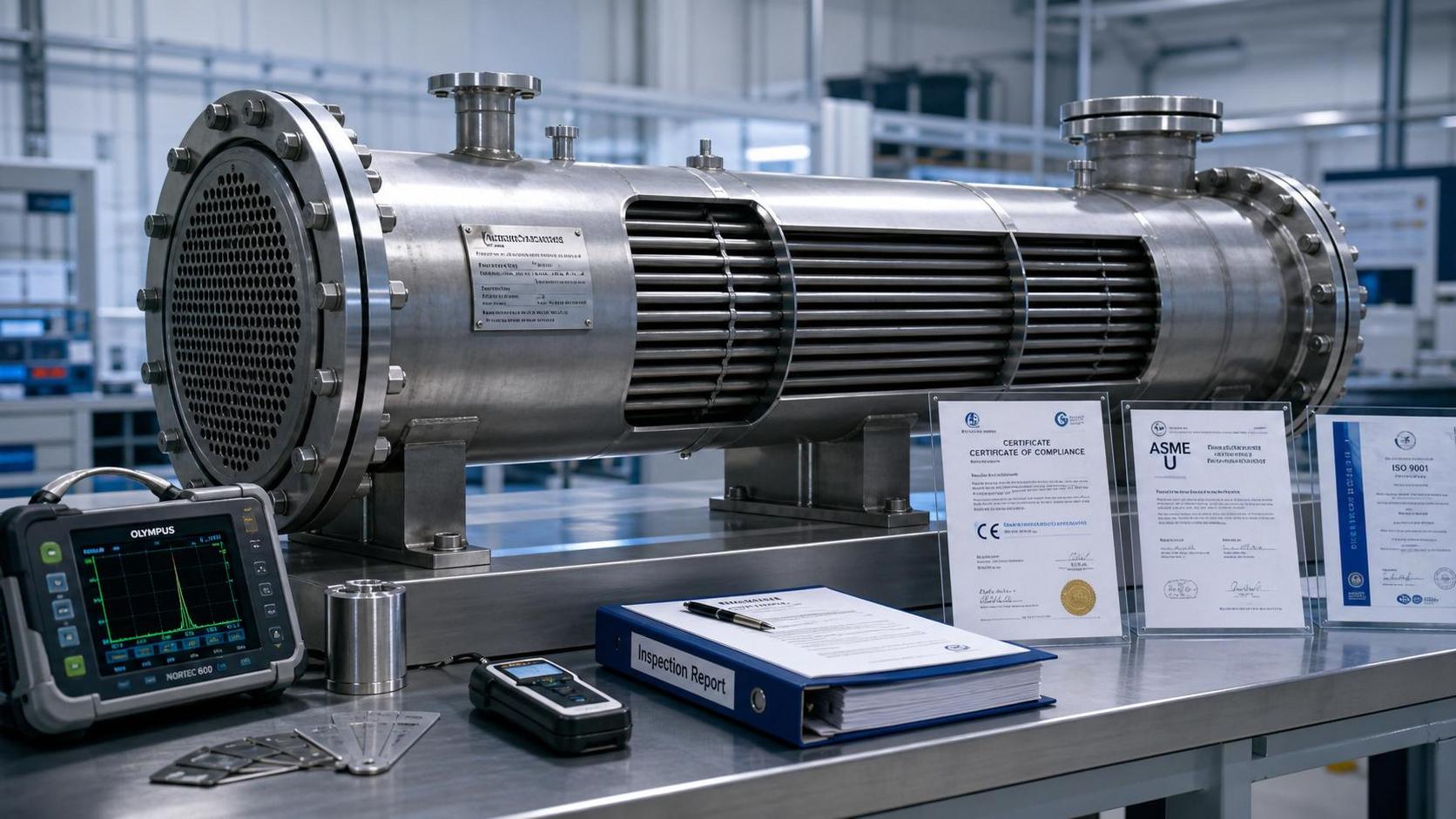
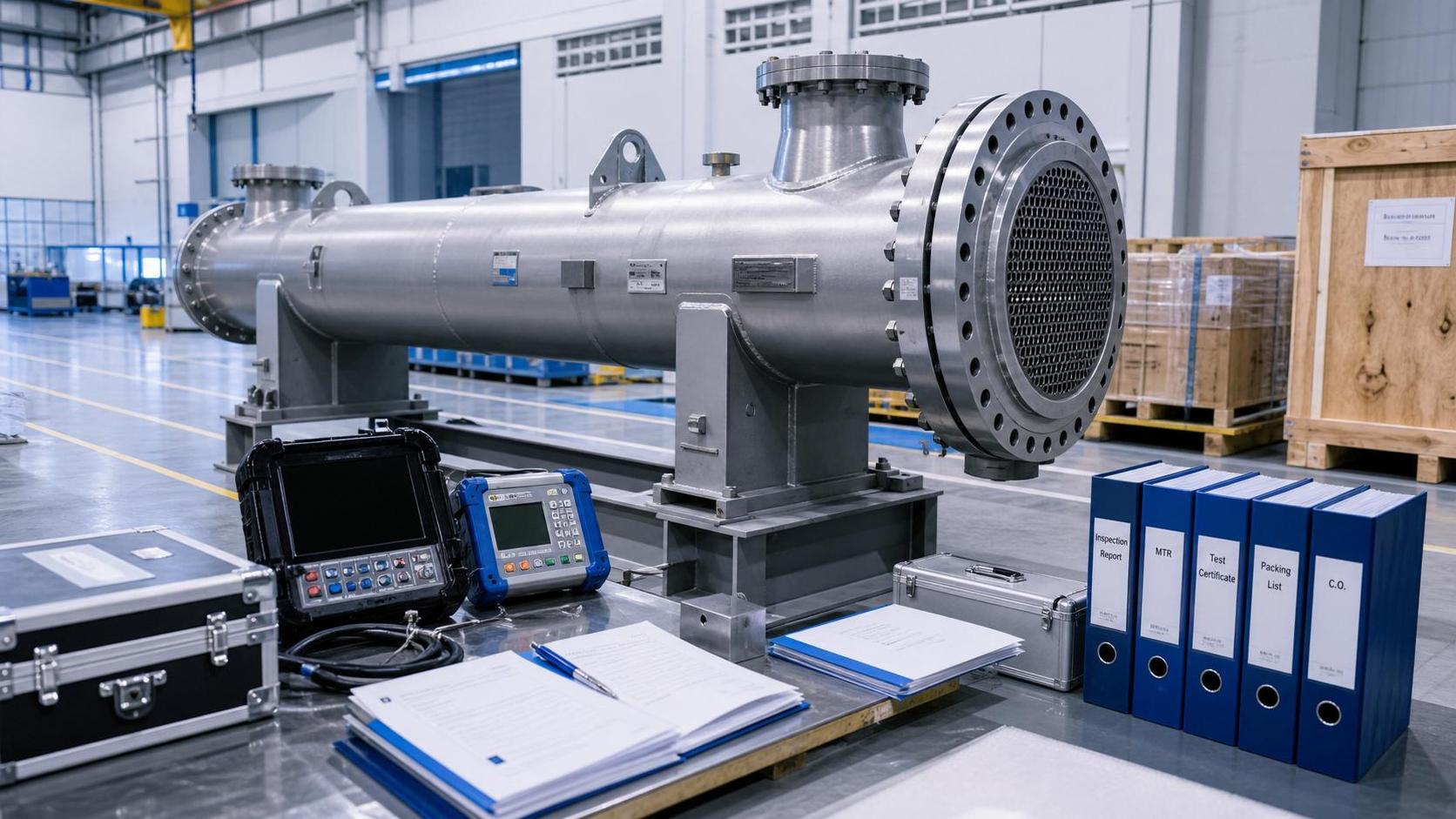
Material certificates, weld procedure specifications (WPS), and NDE protocols must now explicitly address fatigue-critical parameters: e.g., surface finish after welding, post-weld heat treatment (PWHT) verification records, and volumetric inspection coverage for high-stress zones. Traceability systems must support fatigue-relevant data lineage.
Editorial Perspective / Industry Observation
Analysis shows that EN 13445-4:2026 marks a strategic shift from deterministic safety factors toward performance-based life prediction — aligning more closely with aerospace and nuclear standards. Observably, this raises the technical bar for mid-tier fabricators without in-house fatigue engineering capacity. From an industry perspective, the update is less about ‘new hazards’ and more about formalizing long-standing best practices into enforceable requirements. Current more critical concern lies not in the standard’s ambition, but in the uneven global readiness to implement its modeling rigor — especially where legacy design software lacks built-in EN 13445-4 fatigue modules.
Conclusion
This revision signals a maturing regulatory approach to long-term equipment reliability in process industries. Rather than representing a sudden barrier, EN 13445-4:2026 reflects an evolution toward harmonized, physics-informed design — one that rewards engineering discipline over procedural compliance alone. For exporters, timely adaptation offers competitive differentiation; delay risks certification bottlenecks ahead of the 2027 deadline.
Source Attribution
Official publication: CEN Document EN 13445-4:2026 (© CEN, May 2026). Full text available via www.cen.eu. National standards bodies (e.g., BSI, DIN, AFNOR) will publish identical adoptions by Q3 2026. Pending clarification: CEN’s guidance on transitional arrangements for ongoing PED conformity assessments initiated before 1 January 2027 — to be monitored via official CEN/TC 54 updates.
Related News
- EU Rule Requires Digital Energy Monitoring for Shell & Tube Heat ExchangersAuthor :Thermodynamics Analyst

- DOE Raises Shell & Tube Efficiency Floor for 2027Author :Thermodynamics Analyst

- EU EN 13445-4:2026 Tightens Dual Certification for Heat ExchangersAuthor :Thermodynamics Analyst

- EN 13445-4:2026 Tightens EU Heat Exchanger ComplianceAuthor :Thermodynamics Analyst

- EN 13445-4:2026 Adds Digital Twin Fatigue ChecksAuthor :Thermodynamics Analyst

- How to Improve Heat Exchanger Efficiency Without Major System DowntimeAuthor :Thermodynamics Analyst

- EU Rule Takes Effect for Shell-and-Tube Heat ExchangersAuthor :Thermodynamics Analyst

- When Energy-Efficient Heat Exchange Systems Deliver Real PaybackAuthor :Thermodynamics Analyst

- DOE Cuts R449A Chiller Transition to 9 MonthsAuthor :Thermodynamics Analyst

- Rail Corridor Surge Cuts Shell & Tube Lead TimeAuthor :Thermodynamics Analyst

- Rail Corridor Hits 2,000 Trains as Heat Exchanger Lead Time FallsAuthor :Thermodynamics Analyst

- Rail Corridor Surge Cuts Shell & Tube Delivery to 28 DaysAuthor :Thermodynamics Analyst

- China-Europe Rail Corridor Tops 2,000 Trains as Heat Exchanger Export Delivery Falls to 28 DaysAuthor :Thermodynamics Analyst

- How to Improve Heat Exchanger Efficiency Without Major RetrofitsAuthor :Thermodynamics Analyst
![]()
- Rail Corridor Speeds Heat Exchanger ExportsAuthor :Thermodynamics Analyst
![]()
- China Names New Trade Parks for Heat Exchanger ExportsAuthor :Thermodynamics Analyst
![]()
- Rail Corridor Eases Lead Times for Shell-and-Tube ExportsAuthor :Thermodynamics Analyst

- Rail Freight Priority Cuts Shell & Tube Lead TimesAuthor :Thermodynamics Analyst

- Vietnam Cement WHR Rule Lifts Exchanger DemandAuthor :Thermodynamics Analyst

- EN 13445-4:2026 Effective for Shell & Tube Heat ExchangersAuthor :Thermodynamics Analyst
![]()
- SANY Excavators Capture >60% of Indonesia's Nickel Mine Equipment MarketAuthor :Thermodynamics Analyst

- APEC Trade Ministers Focus on Digital & Green Supply ChainsAuthor :Thermodynamics Analyst
![]()
- Pakistan PM Visit to China Spurs Shell & Tube, Centrifuge Tech LocalizationAuthor :Thermodynamics Analyst

- Putin's China Visit Resumes Shell & Tube Heat Exchanger Export PathAuthor :Thermodynamics Analyst

- EU Imposes Final Anti-Dumping Duties on Chinese Adipic AcidAuthor :Thermodynamics Analyst

- EN 13445-4:2026 Enters Force for Shell & Tube Heat ExchangersAuthor :Thermodynamics Analyst

- EU Updates EN 13445-4:2026 for Shell & Tube Heat ExchangersAuthor :Thermodynamics Analyst

- China's Petrochemical '15th Five-Year' Digitalization Guide ReleasedAuthor :Thermodynamics Analyst

- Heat Exchanger Technology: Plate vs Shell & Tube Selection GuideAuthor :Thermodynamics Analyst

- China to Upgrade Shell & Tube Heat Exchanger Standard to MandatoryAuthor :Thermodynamics Analyst

- Thermodynamics Analysis in Shell & Tube Selection: What Really MattersAuthor :Thermodynamics Analyst

- How to Compare Heat Exchanger Efficiency Across System DesignsAuthor :Thermodynamics Analyst