China Names New Trade Parks for Heat Exchanger Exports




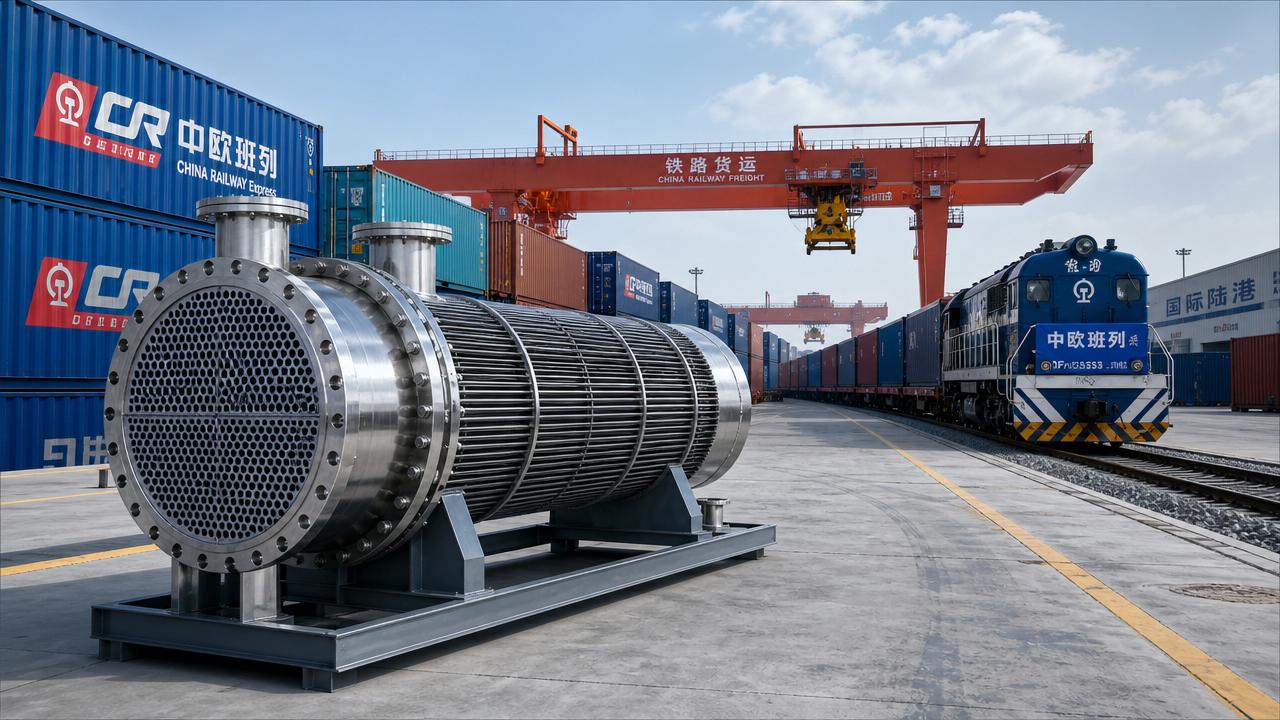
The timing of the underlying industrial changes is not explicitly stated in the source input, but one confirmed development is clear: on March 27, 2026, China’s Ministry of Commerce released the second batch of national processing trade industrial parks, with stated support for green manufacturing projects such as high-end heat exchange equipment and energy-saving compression systems. For companies involved in shell and tube heat exchangers, industrial chillers, export documentation, and cross-border project delivery, this is worth close attention because it points to stronger export-side coordination and potentially faster compliance-oriented execution for overseas orders.
What the new park list confirms
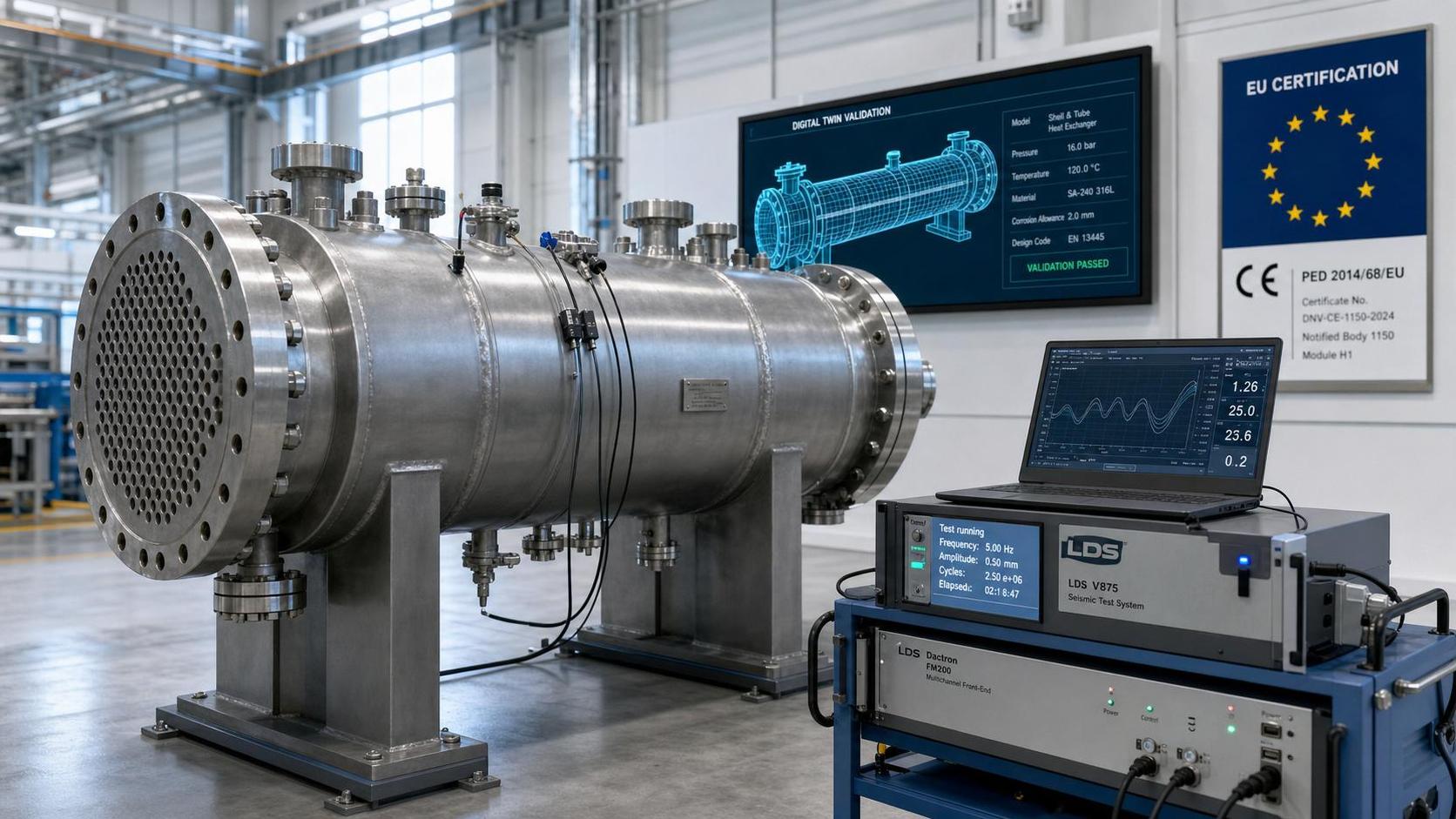
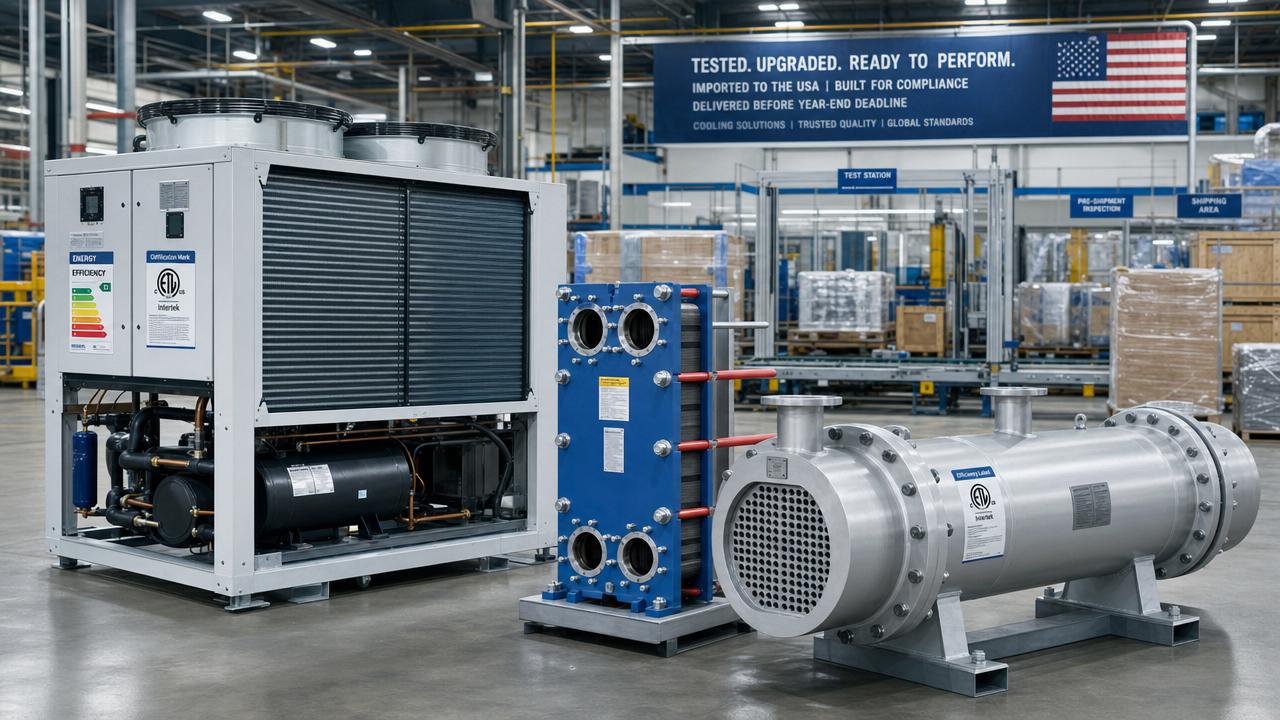
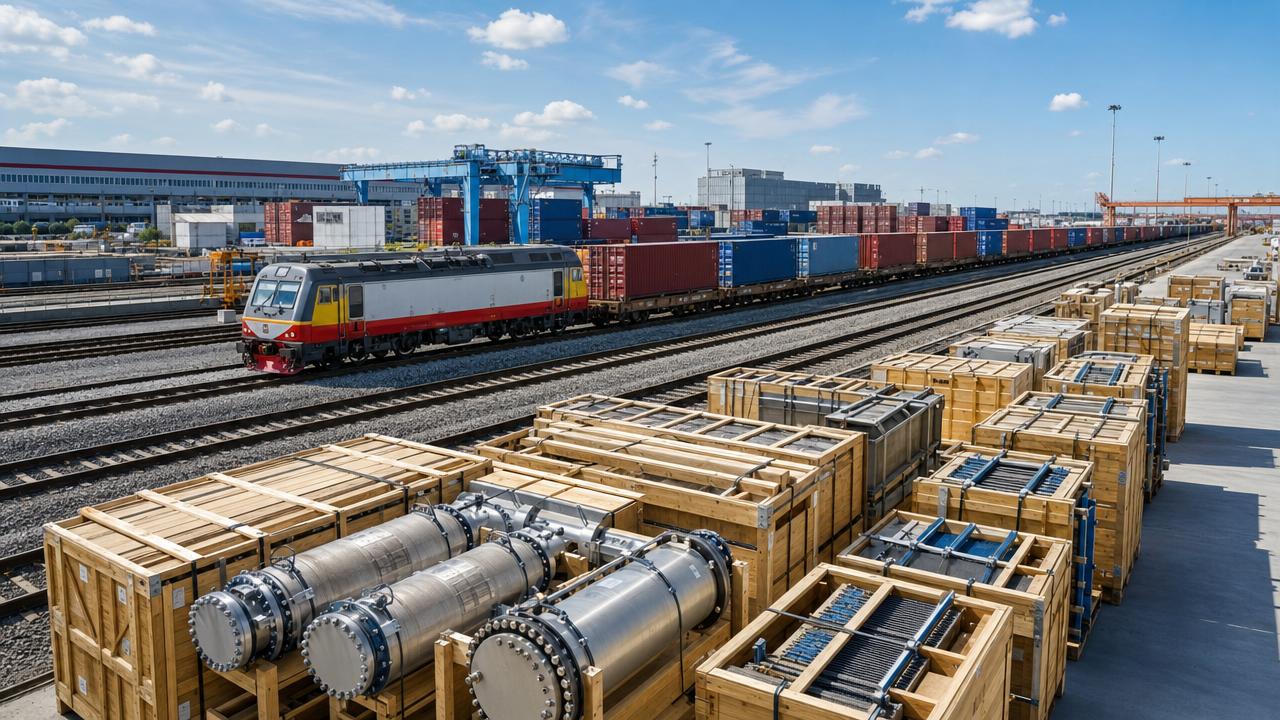
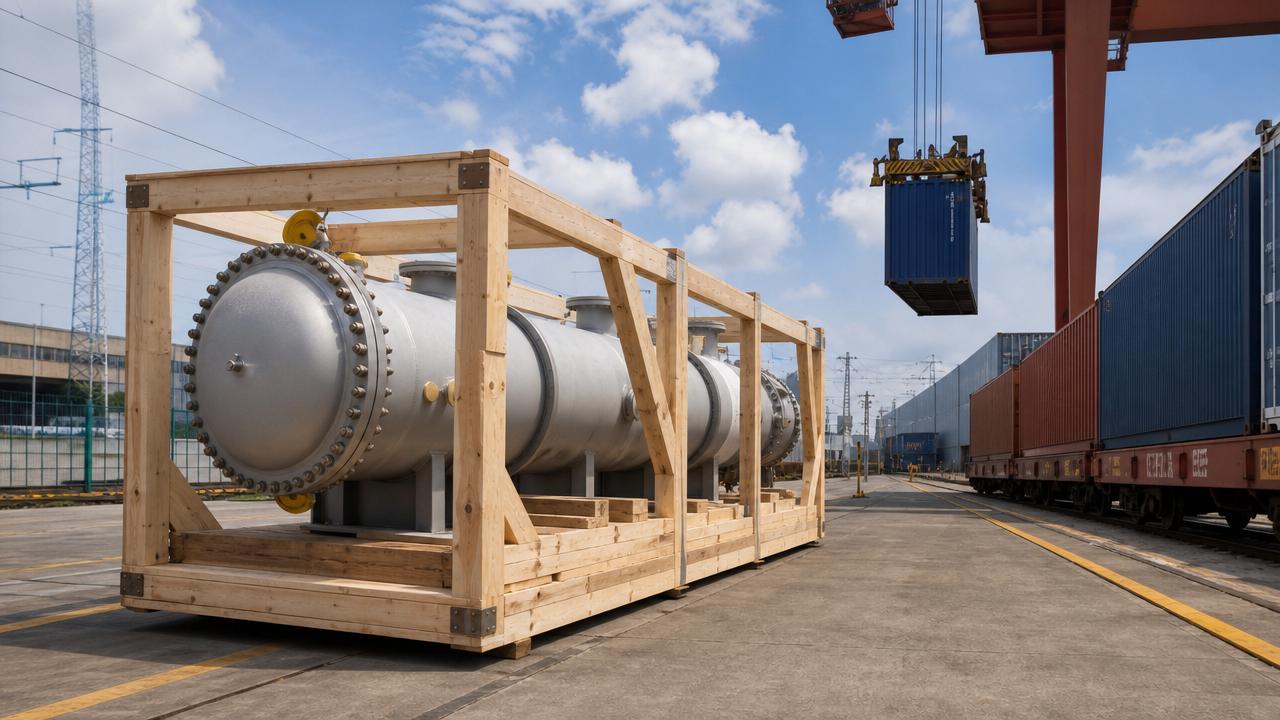
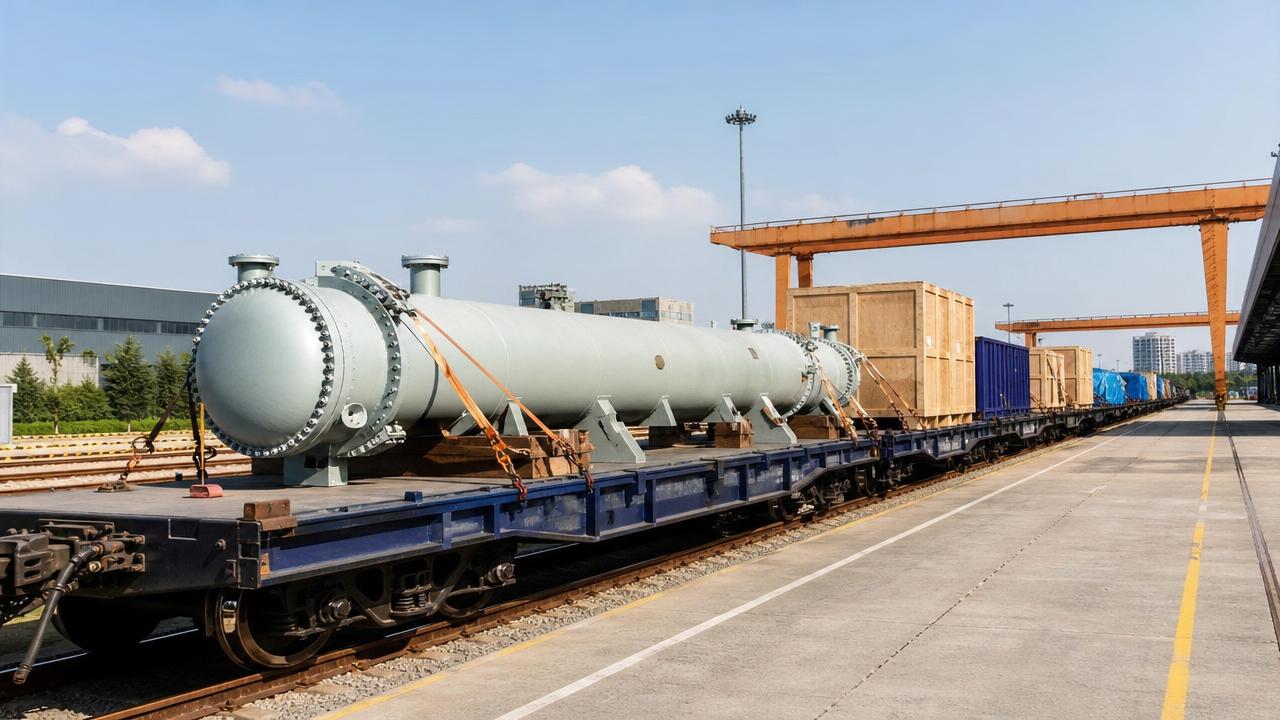
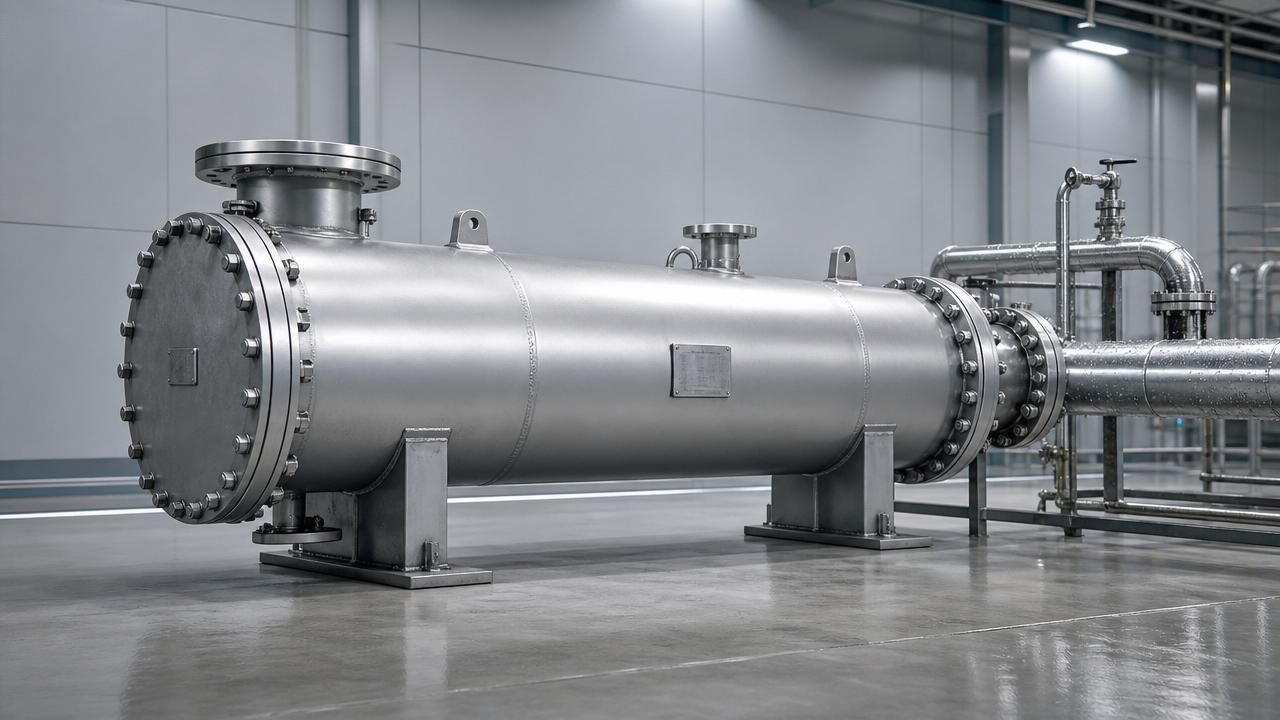
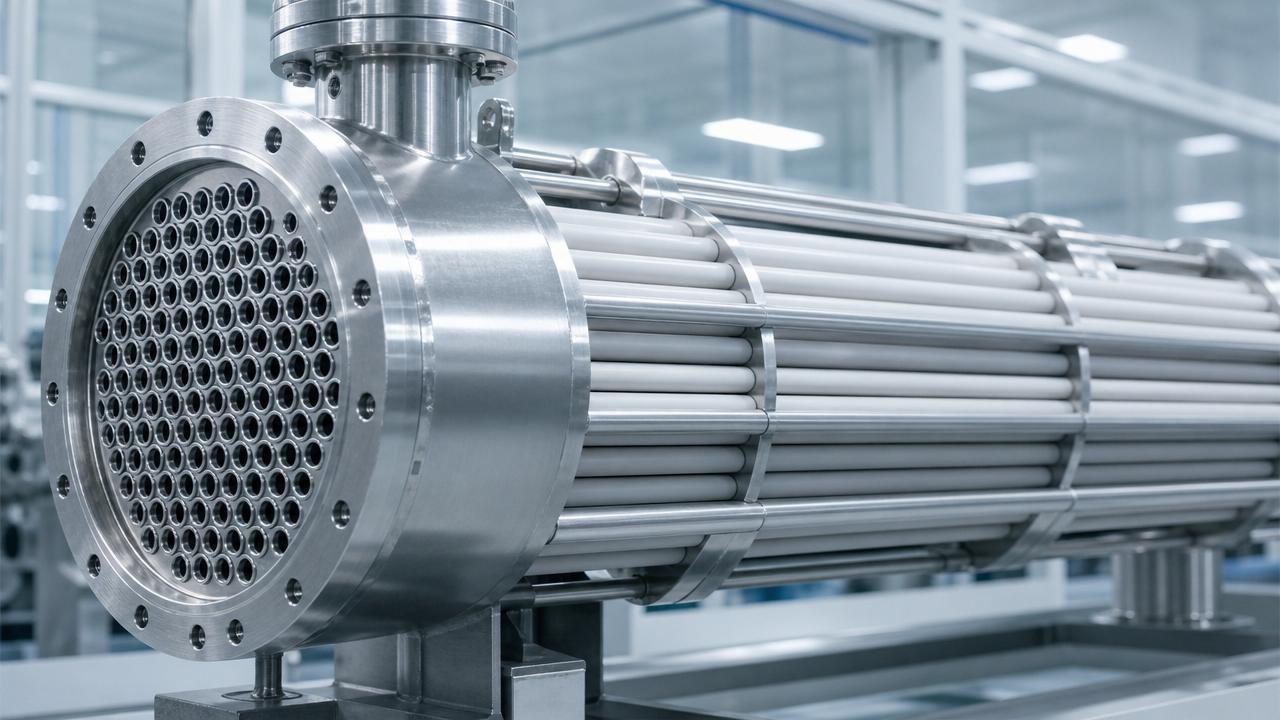
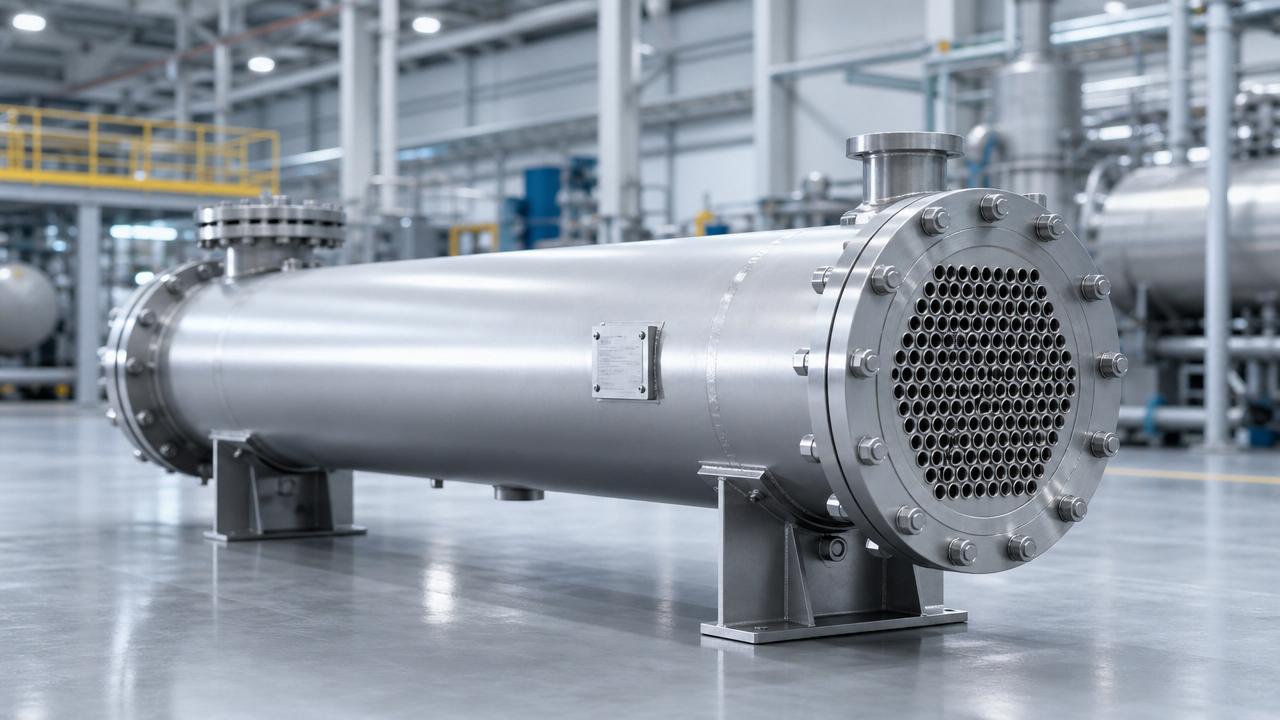
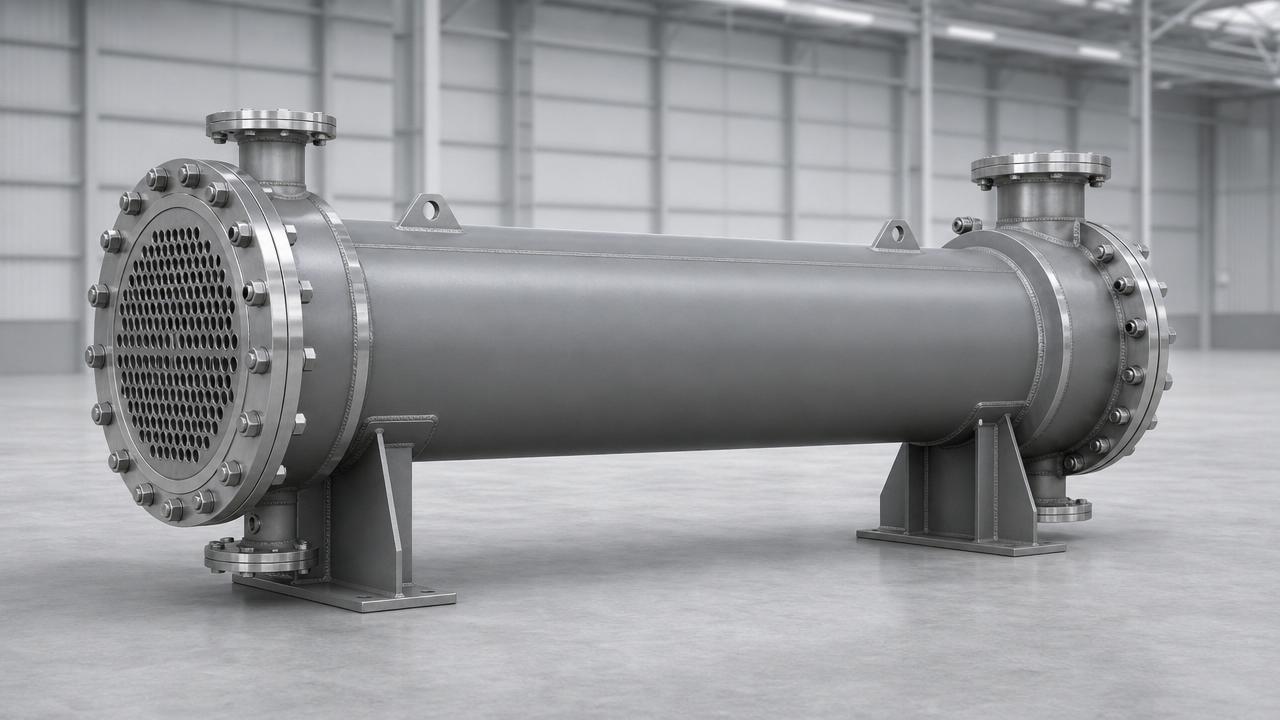
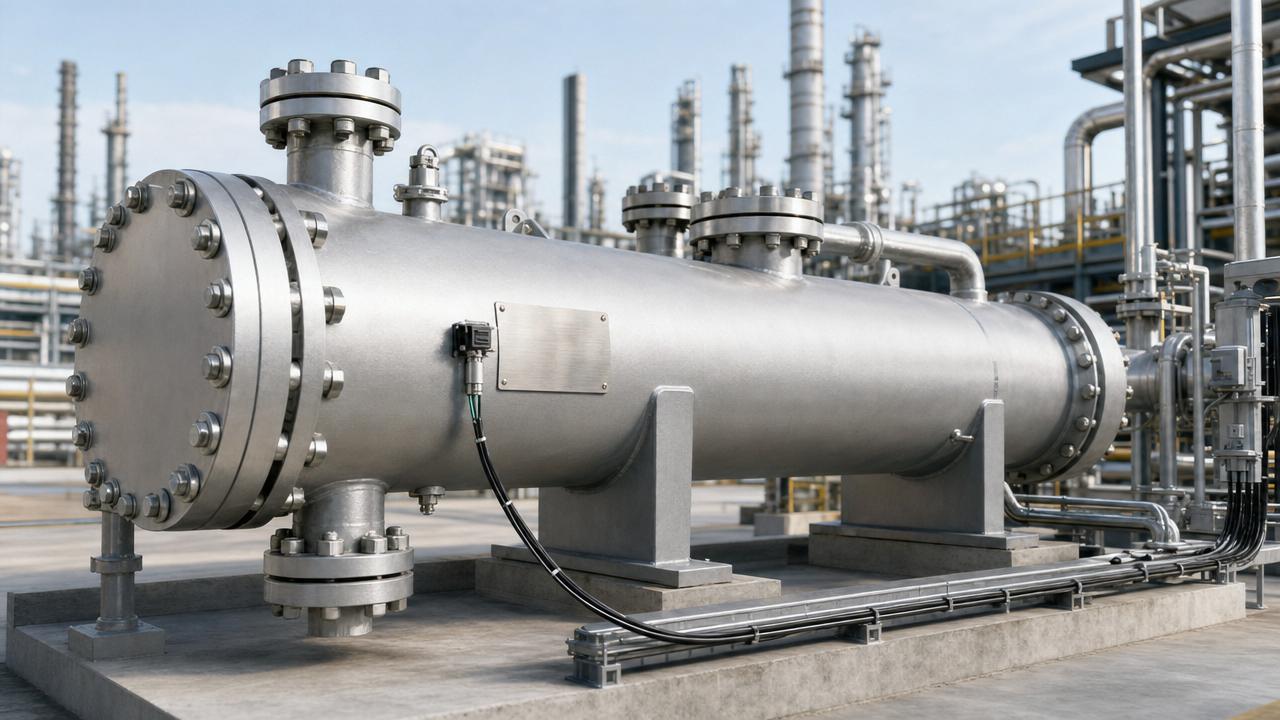
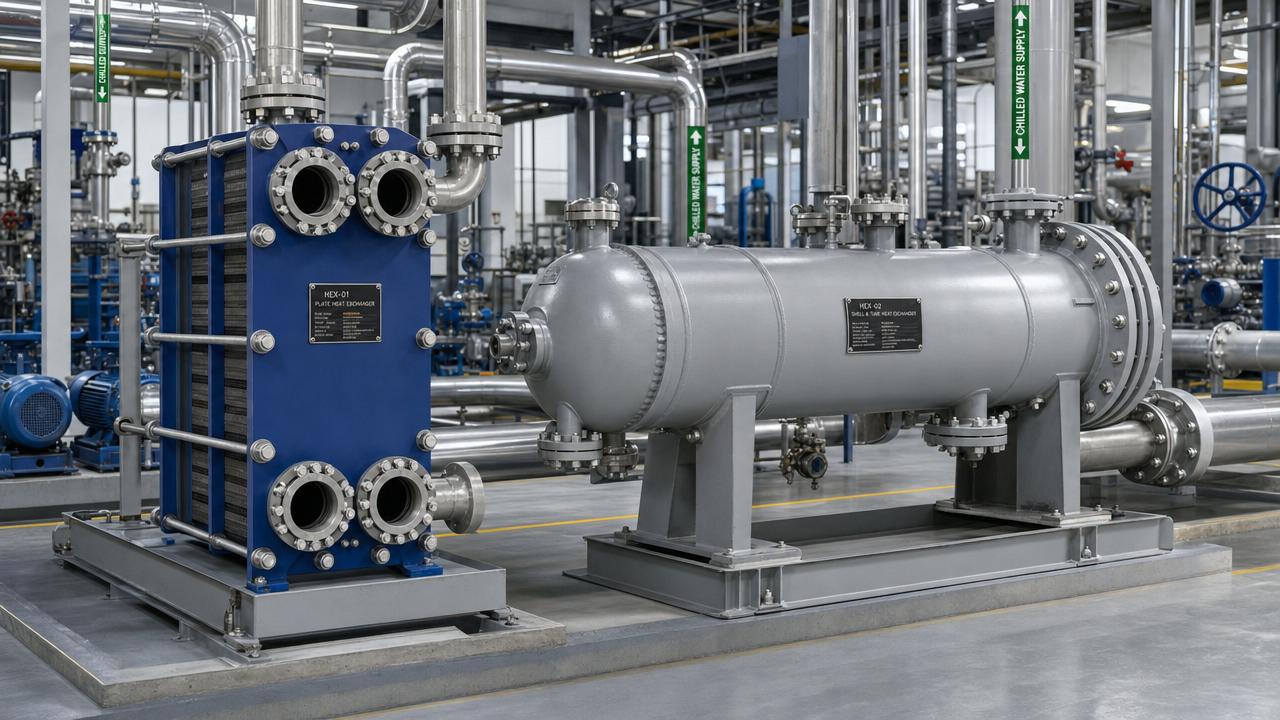
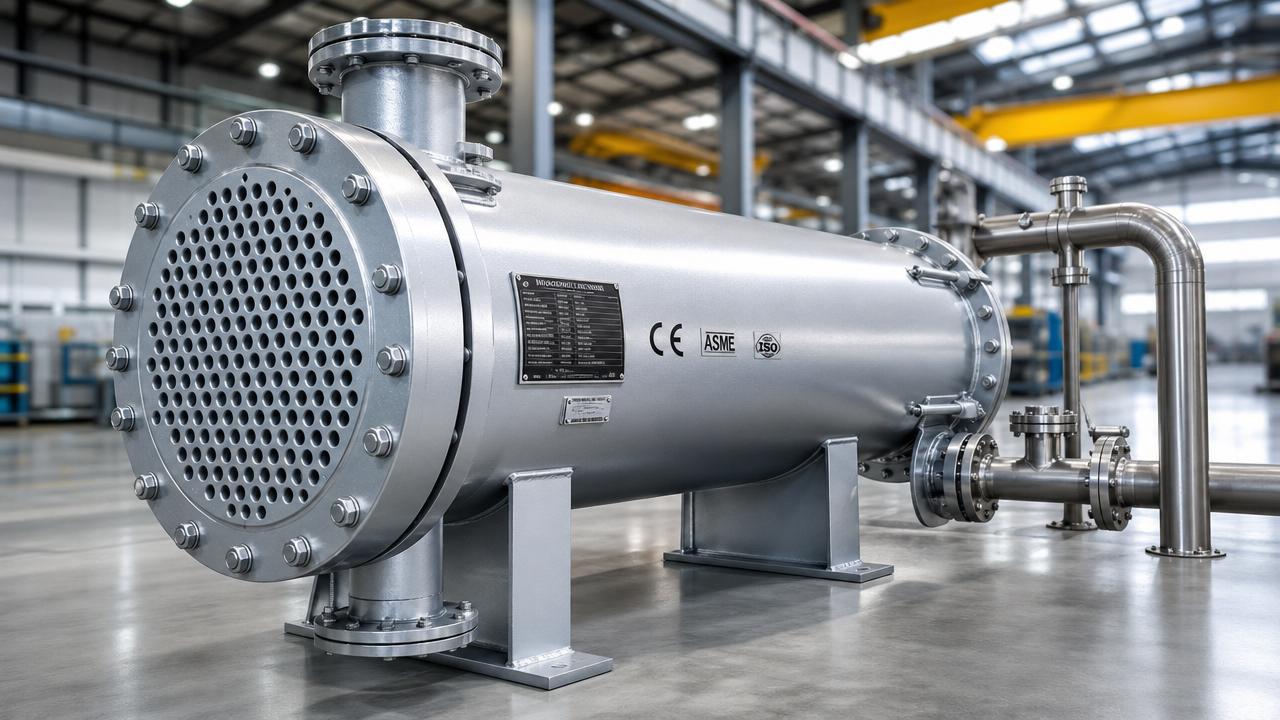
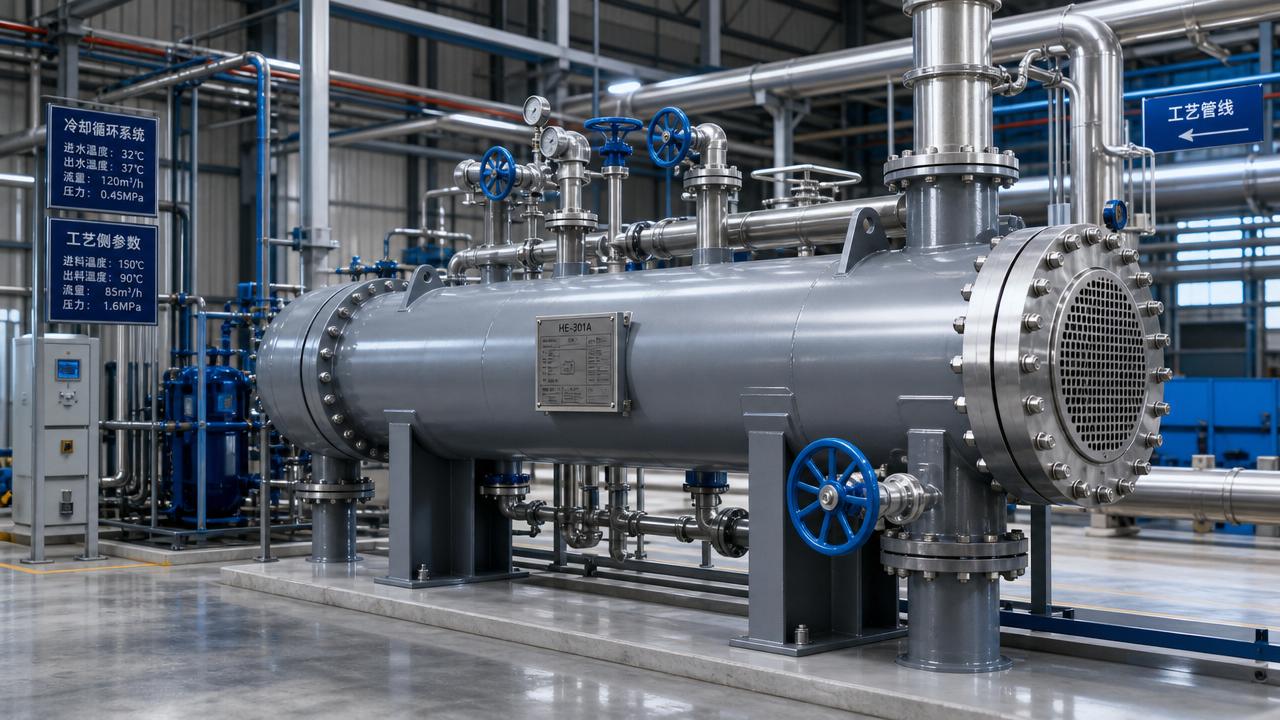
The confirmed information is limited but specific. The Ministry of Commerce published the second batch of national processing trade industrial parks on March 27, 2026. The policy direction identified in the input explicitly includes support for green manufacturing projects entering these parks, including high-end heat exchange equipment and energy-saving compression systems. Based on the provided summary, this policy is expected to improve export supporting capacity and compliance delivery efficiency for products such as shell and tube heat exchangers and industrial chiller units. The same summary also indicates that manufacturers in China with EN 13445 or ASME certification capabilities may be better positioned to connect with import orders from the European Union, the Middle East, and Southeast Asia.
Where the impact may appear first
Export manufacturers may see tighter alignment between production and delivery
From an industry perspective, manufacturers of shell and tube heat exchangers and related thermal equipment may be among the first to feel the effect because the policy language directly references the relevant equipment categories. The likely impact is not only on factory output, but also on how export-oriented projects are organized around compliance, documentation, and delivery readiness. What deserves closer attention is whether firms can translate policy support into practical advantages in lead times, certification handling, and customer response speed.
Certified suppliers may gain more visibility in overseas order matching
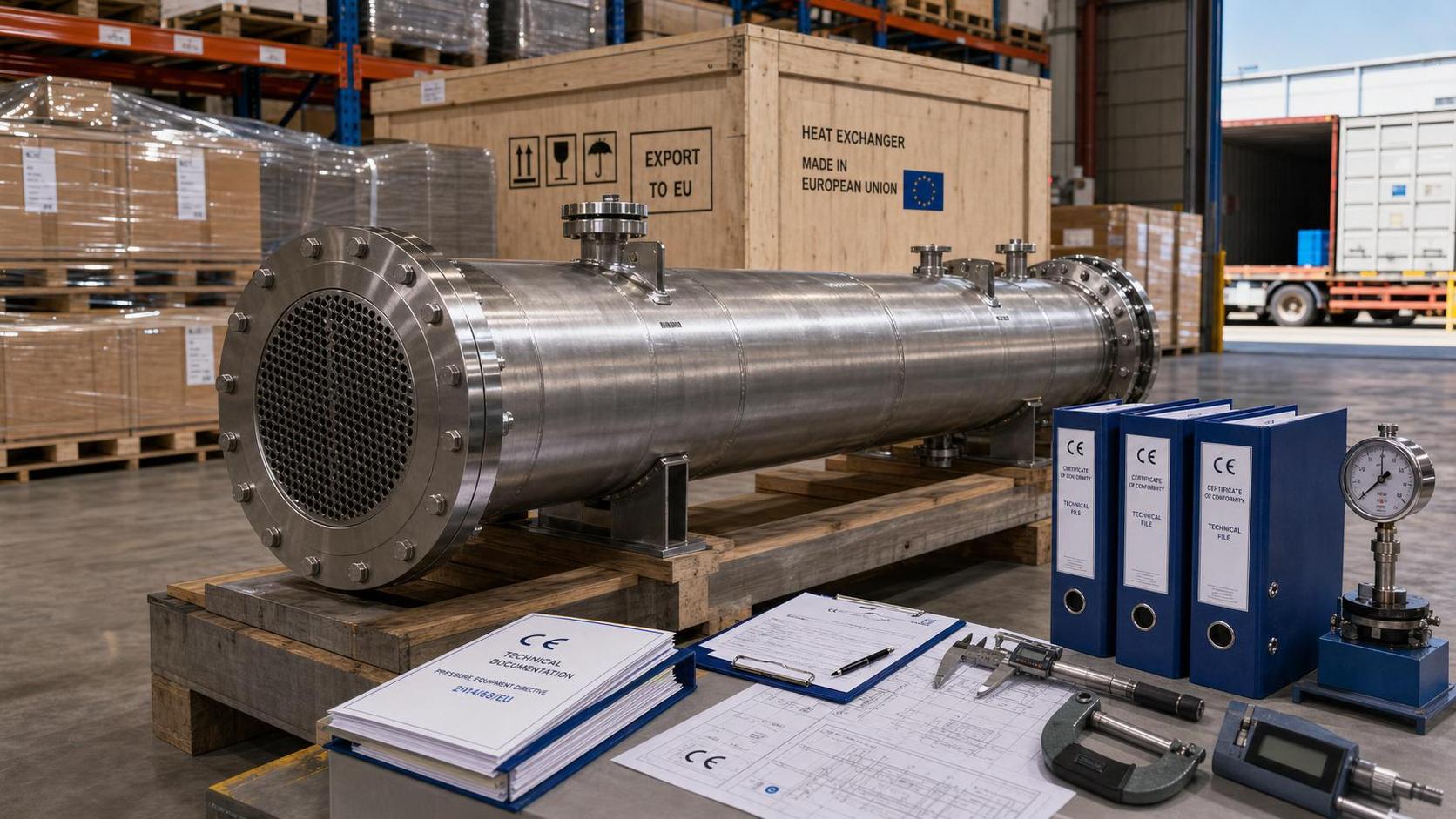
Analysis shows that suppliers already capable of meeting EN 13445 or ASME requirements may be more relevant to importers in the EU, the Middle East, and Southeast Asia, because the provided summary links certification capability with stronger order access. For these suppliers, the affected business links are likely to include quotation quality, technical file preparation, and contract-stage communication with overseas buyers. The key variable to watch is whether certification capability is accompanied by stable compliance execution in actual export delivery.
Supply chain and trade service providers may need to adapt around compliance workflows
Observably, the policy signal also matters for parties beyond equipment manufacturing. Trading companies, export coordinators, and supply chain service providers may be affected because improved export supporting capacity usually depends on smoother coordination across documents, scheduling, and handover processes. The immediate point of attention is not volume assumptions, but whether service providers can respond to more compliance-sensitive projects tied to regulated overseas markets.
What companies should monitor now
Watch for follow-up policy wording and implementation detail
What deserves closer attention is the difference between a supportive policy direction and actual operating rules. Companies should monitor whether later official statements provide more detail on park access conditions, product scope, or implementation procedures that could affect project planning for heat exchange equipment and energy-saving system exports.
Prioritize product lines with certification-linked export potential
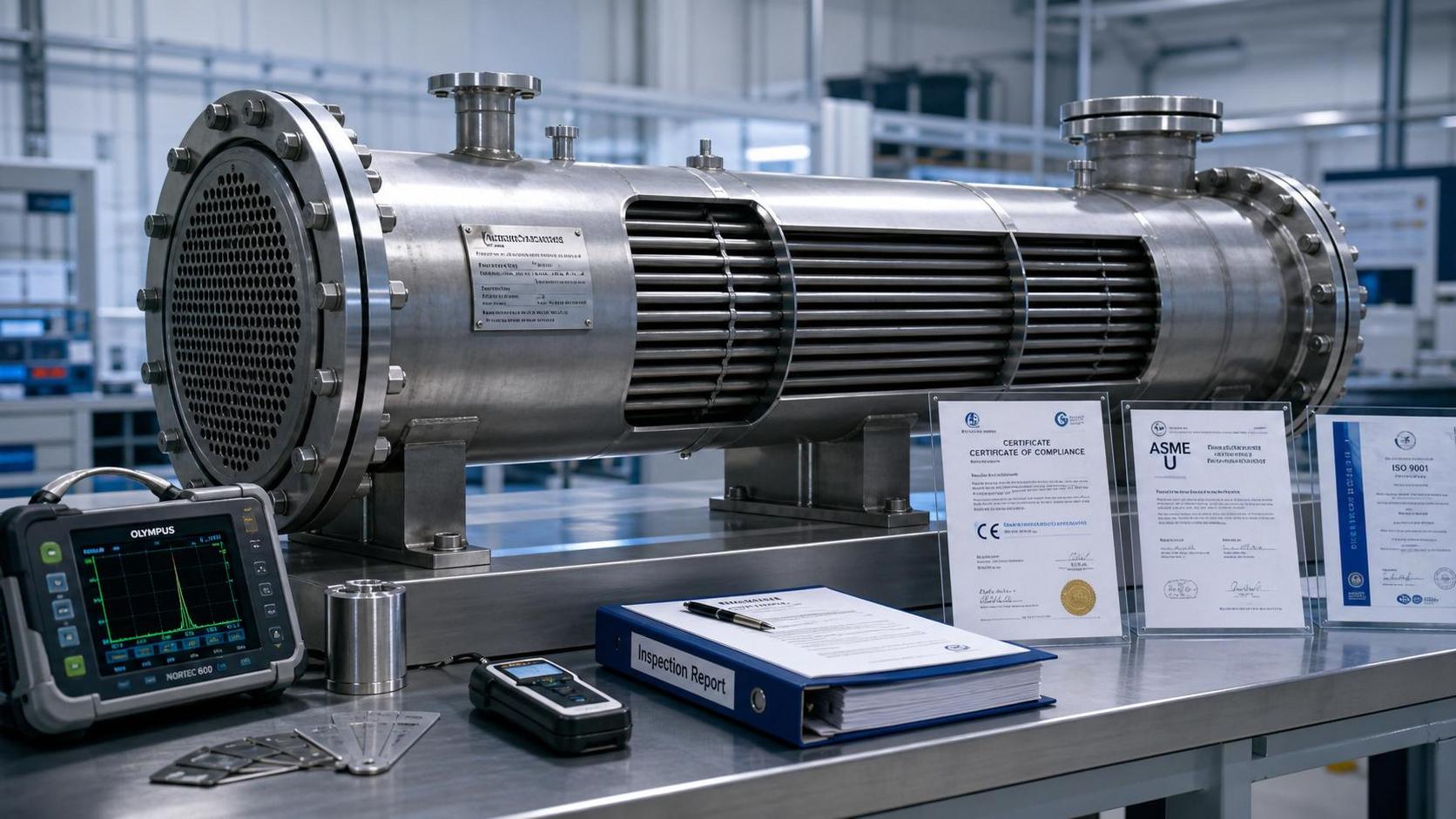
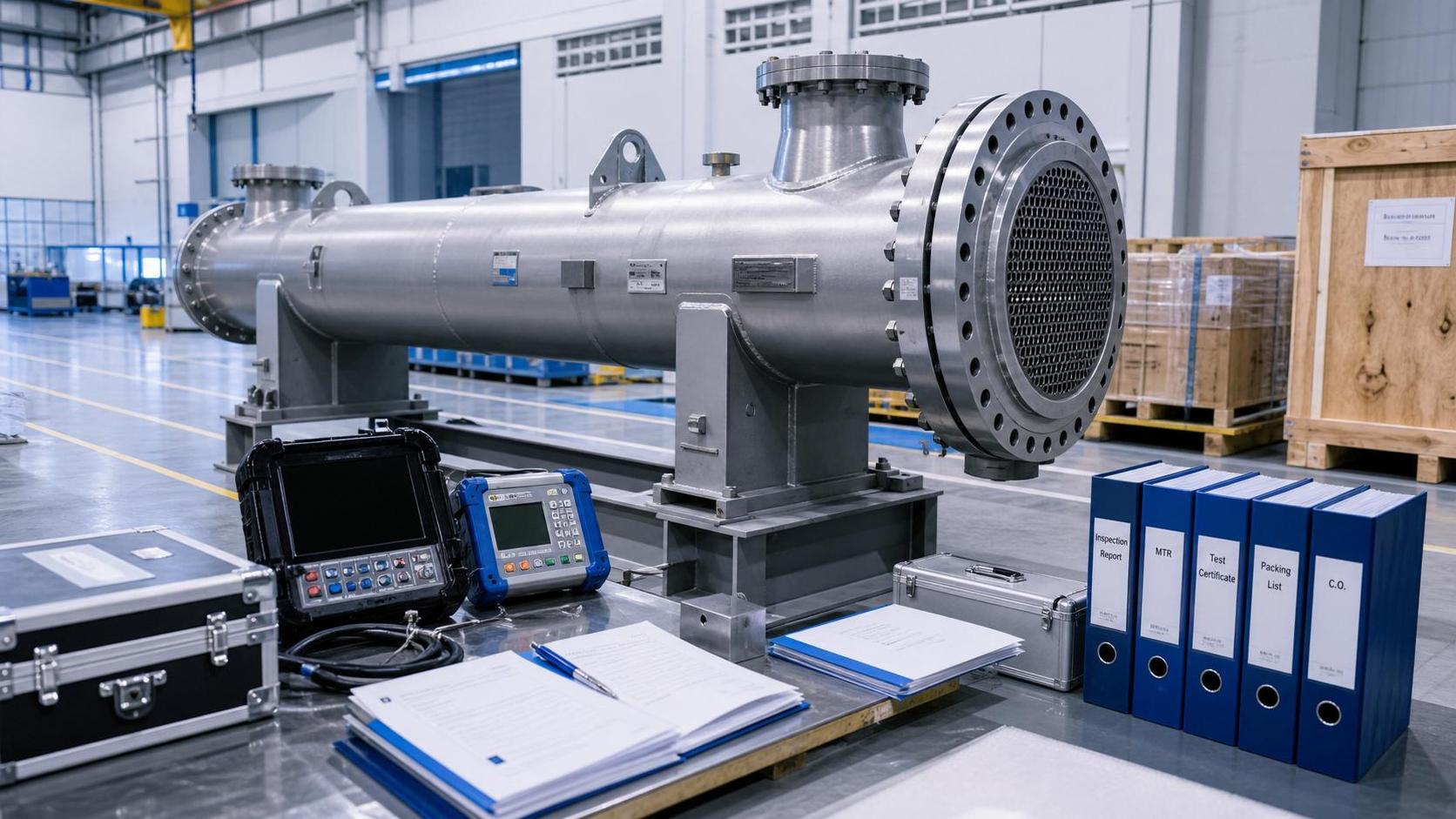
Analysis shows that shell and tube heat exchangers and industrial chiller units are the most directly referenced product areas in the provided summary. For companies active in these categories, the practical focus is whether current products, drawings, materials documentation, and inspection records are already prepared for EN 13445 or ASME-related customer requirements in target markets.
Separate policy signal from immediate order conversion
It is more appropriate to understand this as a policy-supported improvement in export conditions rather than a confirmed change in demand. Companies should avoid treating the announcement as proof of near-term order growth and instead evaluate where it may reduce friction in quotation, compliance review, production coordination, and final delivery.
Prepare client communication and delivery documents earlier
For exporters and project teams, an immediate operational issue is readiness. If overseas customers in the EU, Middle East, or Southeast Asia are likely to ask more detailed questions on standards, fabrication scope, or delivery compliance, suppliers may need to strengthen early-stage document preparation and expectation setting before contracts move into execution.
Why this looks more like a structural signal than a finished result
Observably, this development should not be read as a completed market outcome. It is better understood as a structural policy signal that may help concentrate export-oriented manufacturing capacity around relevant industrial parks, especially in product areas linked to green manufacturing and regulated overseas delivery. Analysis shows that the most meaningful question is not whether the policy exists, but how quickly it turns into measurable coordination gains across manufacturing, certification, and export execution. That is why the sector still needs continued observation.
How to read the development at this stage
At this stage, the news matters because it connects industrial park policy with export readiness in equipment categories that already depend on technical standards and buyer confidence. A cautious reading is more appropriate than a definitive one: the announcement suggests improved conditions for shell and tube heat exchanger exports and related equipment delivery, but the scale and speed of that effect still depend on subsequent implementation and actual order-side response. For now, it is more appropriate to understand this as an important directional signal with practical implications for compliance-led exporters.
Basis of this article and points for further verification
This article is based on the user-provided news title, event timing note, and event summary. The specific official source link was not provided in the input, so continued verification remains necessary. For this type of industry development, relevant source categories usually include official government announcements, company disclosures, industry association updates, authoritative media reporting, and standard-related documentation. The main follow-up points to monitor are whether further official clarification appears, how the policy is implemented in practice, and whether compliance and delivery advantages become visible in actual export business for shell and tube heat exchangers and related equipment.
Related News
- EU Rule Requires Digital Energy Monitoring for Shell & Tube Heat ExchangersAuthor :Thermodynamics Analyst

- DOE Raises Shell & Tube Efficiency Floor for 2027Author :Thermodynamics Analyst

- EU EN 13445-4:2026 Tightens Dual Certification for Heat ExchangersAuthor :Thermodynamics Analyst

- EN 13445-4:2026 Tightens EU Heat Exchanger ComplianceAuthor :Thermodynamics Analyst

- EN 13445-4:2026 Adds Digital Twin Fatigue ChecksAuthor :Thermodynamics Analyst

- How to Improve Heat Exchanger Efficiency Without Major System DowntimeAuthor :Thermodynamics Analyst

- EU Rule Takes Effect for Shell-and-Tube Heat ExchangersAuthor :Thermodynamics Analyst

- When Energy-Efficient Heat Exchange Systems Deliver Real PaybackAuthor :Thermodynamics Analyst

- DOE Cuts R449A Chiller Transition to 9 MonthsAuthor :Thermodynamics Analyst

- Rail Corridor Surge Cuts Shell & Tube Lead TimeAuthor :Thermodynamics Analyst

- Rail Corridor Hits 2,000 Trains as Heat Exchanger Lead Time FallsAuthor :Thermodynamics Analyst

- Rail Corridor Surge Cuts Shell & Tube Delivery to 28 DaysAuthor :Thermodynamics Analyst

- China-Europe Rail Corridor Tops 2,000 Trains as Heat Exchanger Export Delivery Falls to 28 DaysAuthor :Thermodynamics Analyst

- How to Improve Heat Exchanger Efficiency Without Major RetrofitsAuthor :Thermodynamics Analyst
![]()
- Rail Corridor Speeds Heat Exchanger ExportsAuthor :Thermodynamics Analyst
![]()
- China Names New Trade Parks for Heat Exchanger ExportsAuthor :Thermodynamics Analyst
![]()
- Rail Corridor Eases Lead Times for Shell-and-Tube ExportsAuthor :Thermodynamics Analyst

- Rail Freight Priority Cuts Shell & Tube Lead TimesAuthor :Thermodynamics Analyst

- Vietnam Cement WHR Rule Lifts Exchanger DemandAuthor :Thermodynamics Analyst

- EN 13445-4:2026 Effective for Shell & Tube Heat ExchangersAuthor :Thermodynamics Analyst
![]()
- SANY Excavators Capture >60% of Indonesia's Nickel Mine Equipment MarketAuthor :Thermodynamics Analyst

- APEC Trade Ministers Focus on Digital & Green Supply ChainsAuthor :Thermodynamics Analyst
![]()
- Pakistan PM Visit to China Spurs Shell & Tube, Centrifuge Tech LocalizationAuthor :Thermodynamics Analyst

- Putin's China Visit Resumes Shell & Tube Heat Exchanger Export PathAuthor :Thermodynamics Analyst

- EU Imposes Final Anti-Dumping Duties on Chinese Adipic AcidAuthor :Thermodynamics Analyst

- EN 13445-4:2026 Enters Force for Shell & Tube Heat ExchangersAuthor :Thermodynamics Analyst

- EU Updates EN 13445-4:2026 for Shell & Tube Heat ExchangersAuthor :Thermodynamics Analyst

- China's Petrochemical '15th Five-Year' Digitalization Guide ReleasedAuthor :Thermodynamics Analyst

- Heat Exchanger Technology: Plate vs Shell & Tube Selection GuideAuthor :Thermodynamics Analyst

- China to Upgrade Shell & Tube Heat Exchanger Standard to MandatoryAuthor :Thermodynamics Analyst

- Thermodynamics Analysis in Shell & Tube Selection: What Really MattersAuthor :Thermodynamics Analyst

- How to Compare Heat Exchanger Efficiency Across System DesignsAuthor :Thermodynamics Analyst