EN 13445-4:2026 Tightens EU Heat Exchanger Compliance




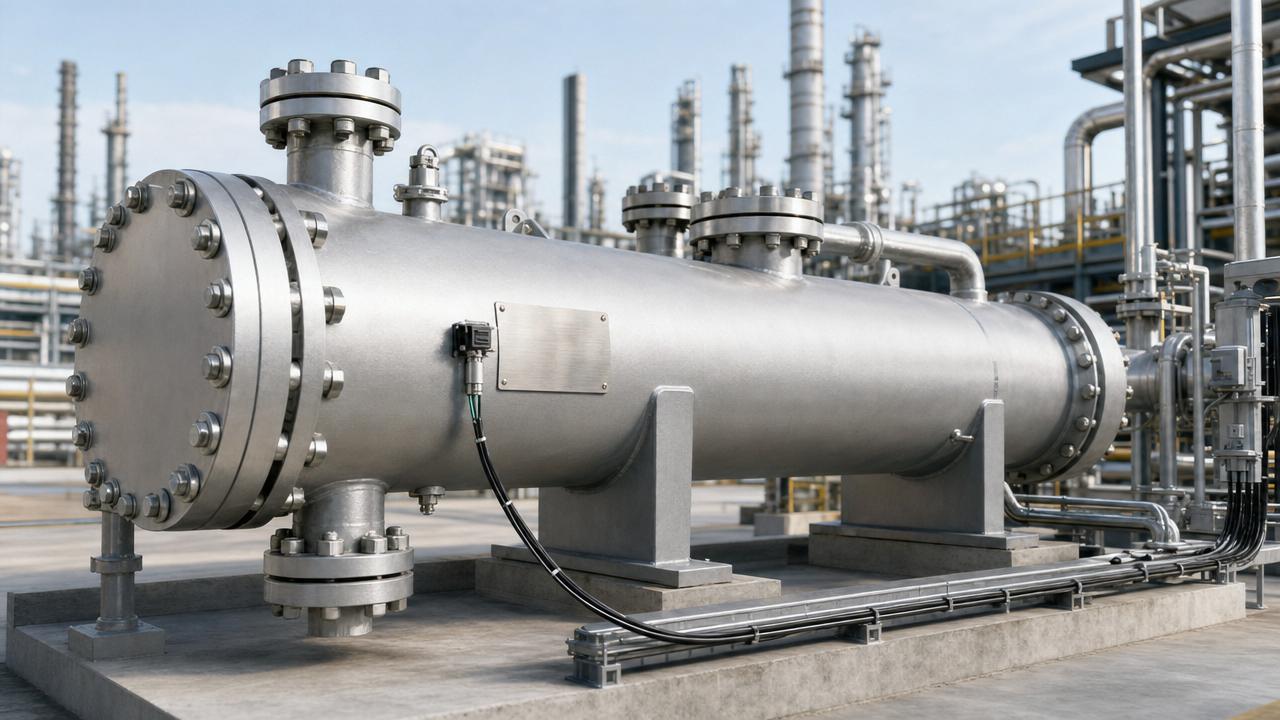
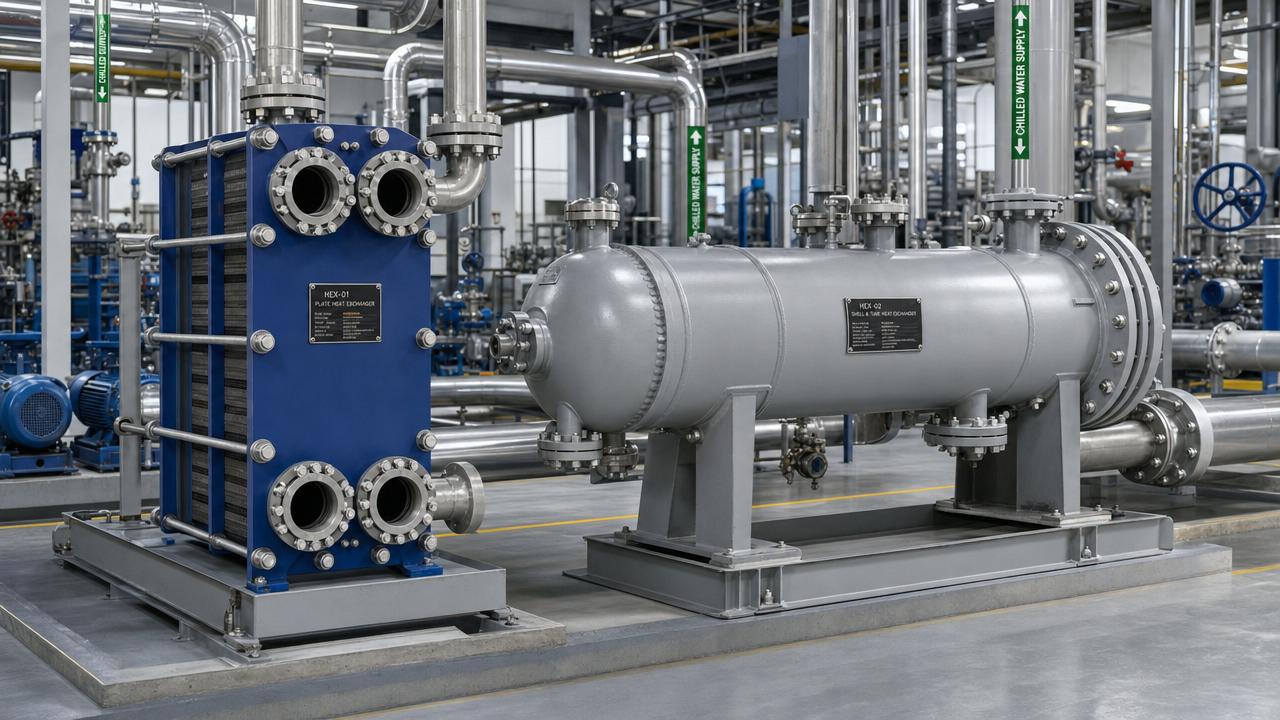
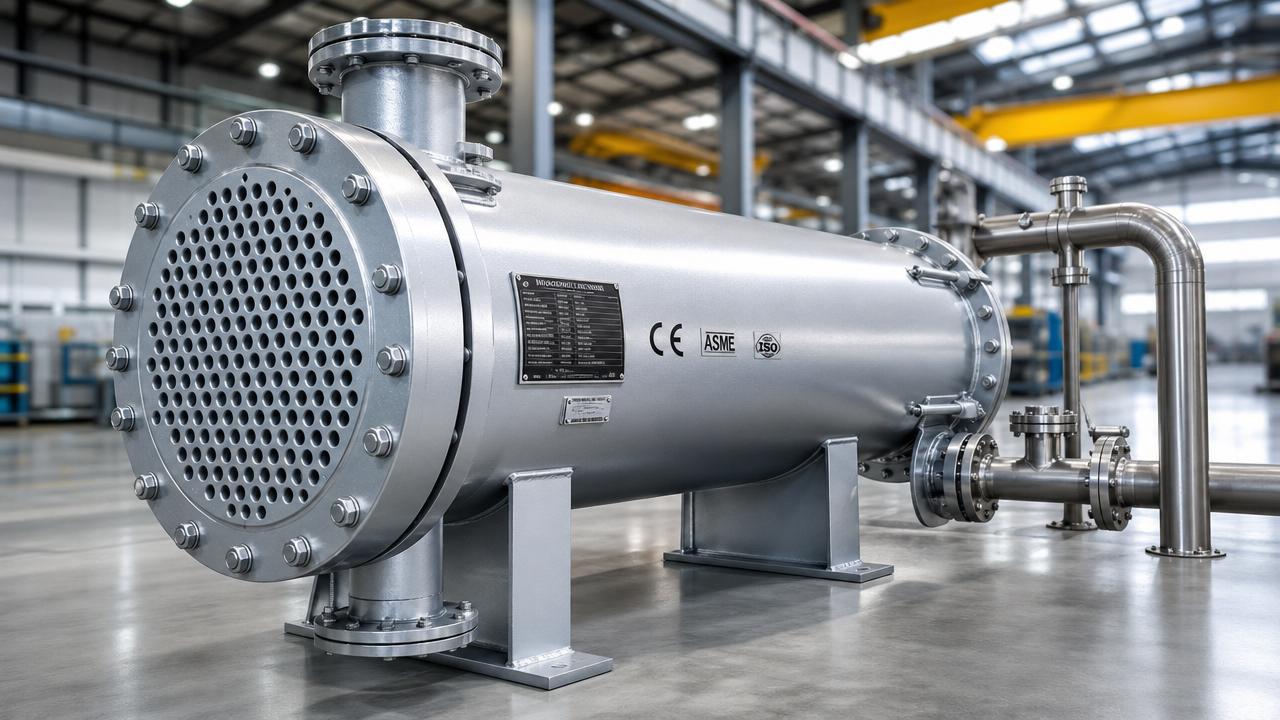
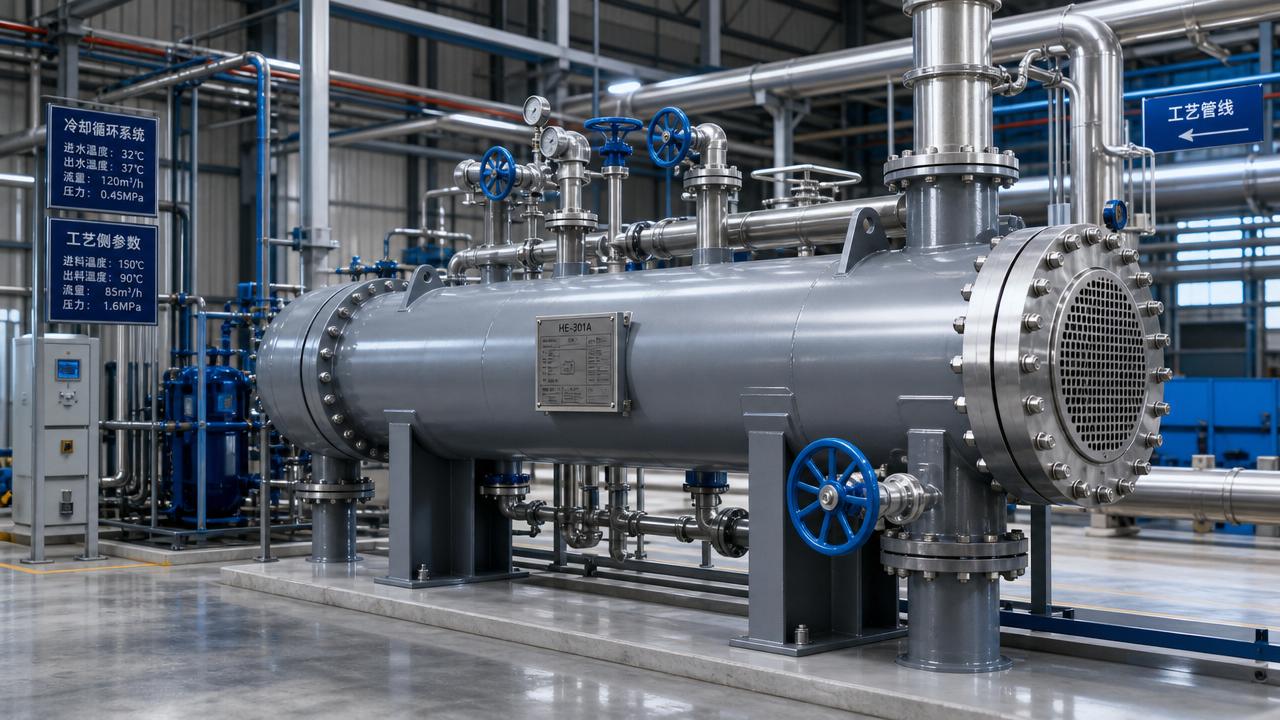
On June 30, 2026, CEN formally issued EN 13445-4:2026 for shell-and-tube heat exchangers under the framework for unfired pressure vessels. The update introduces new mandatory points around fatigue life verification, full non-destructive testing coverage for welded joints, and submission of digital twin design documentation. With mandatory application set for March 1, 2027, the change deserves close attention from exporters, manufacturers, certification-related service providers, buyers, and project teams involved in CE compliance, technical documentation, inspection scheduling, and delivery planning for Shell & Tube equipment entering the EU market.
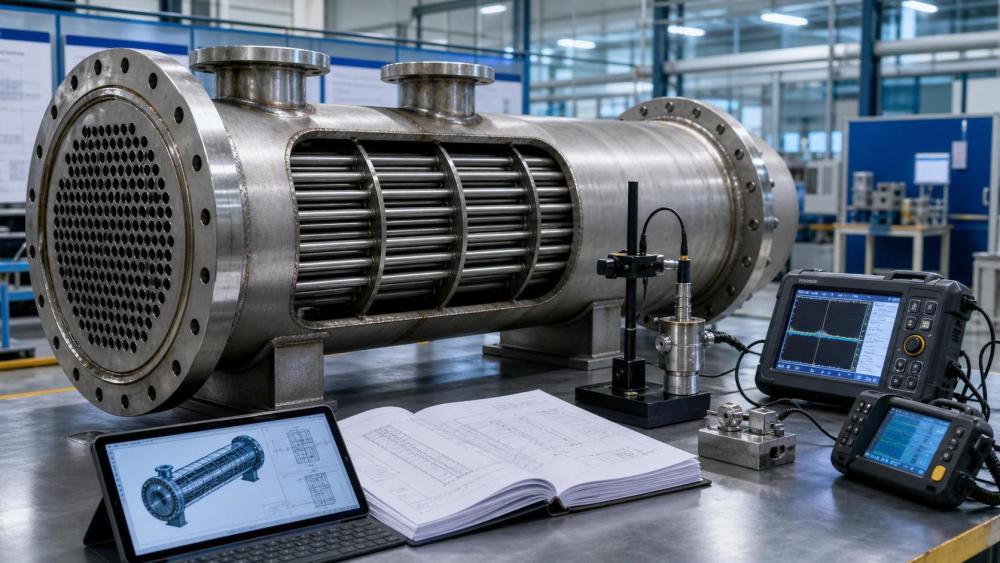
What the published revision explicitly changes
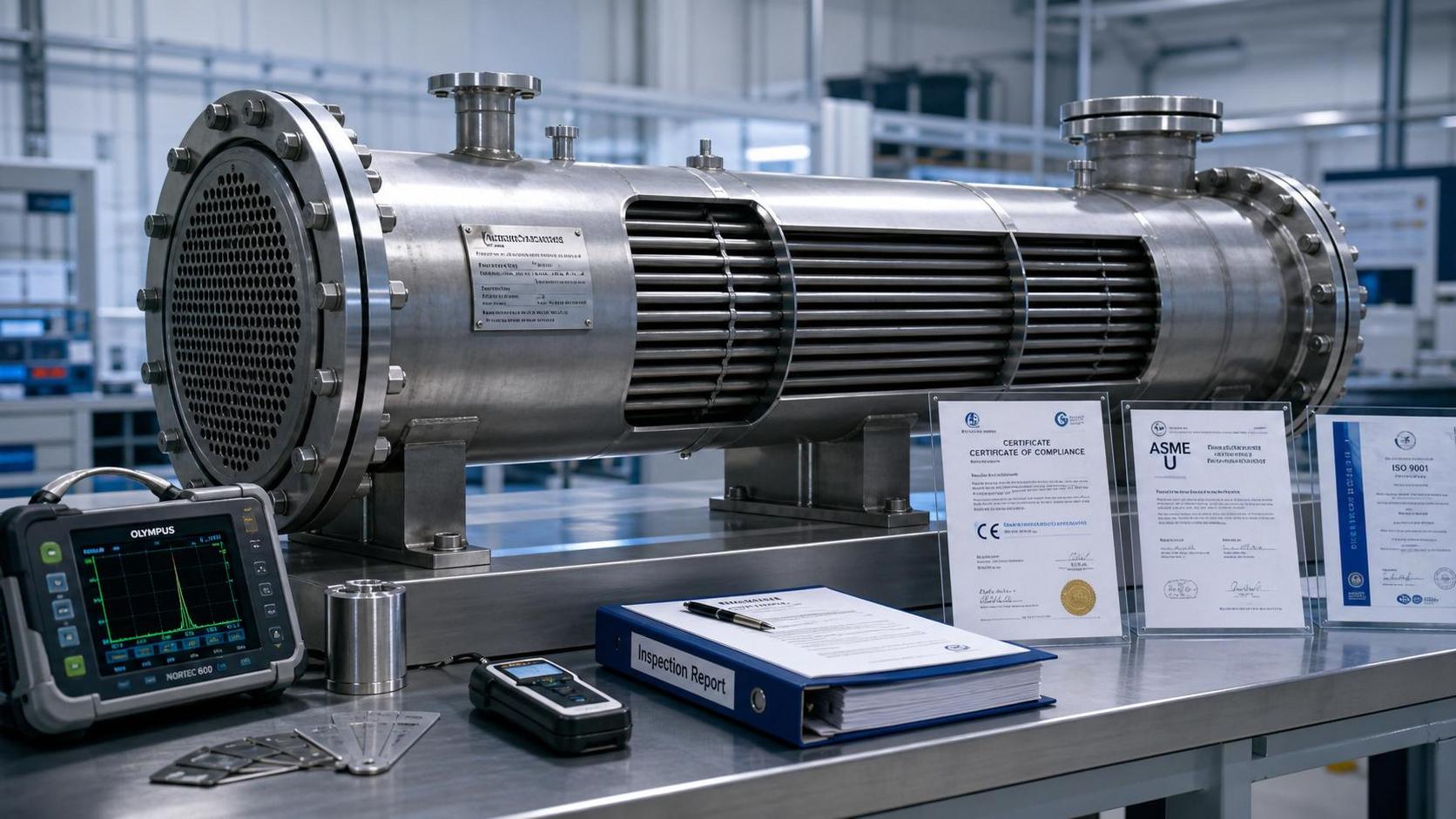
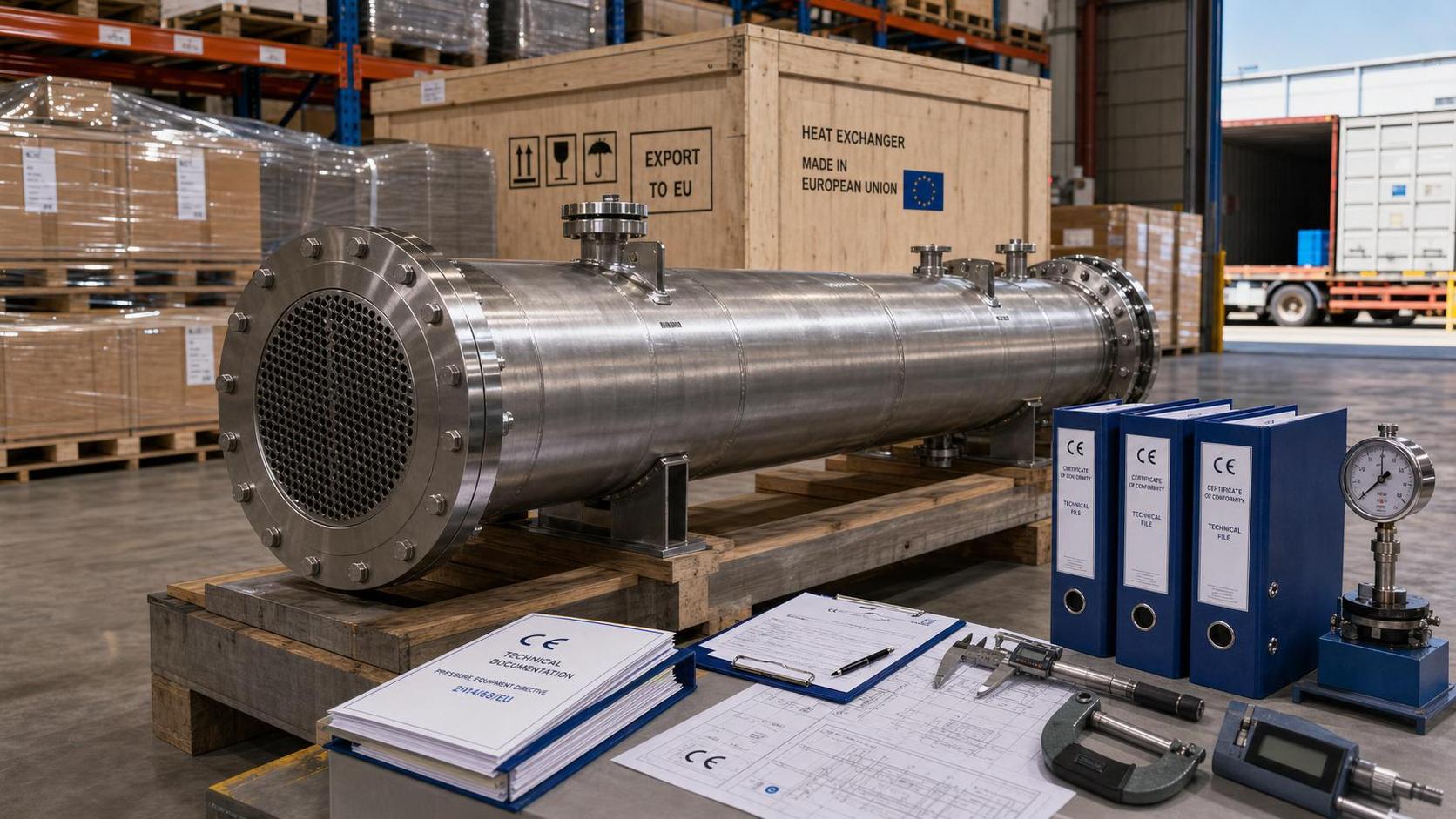
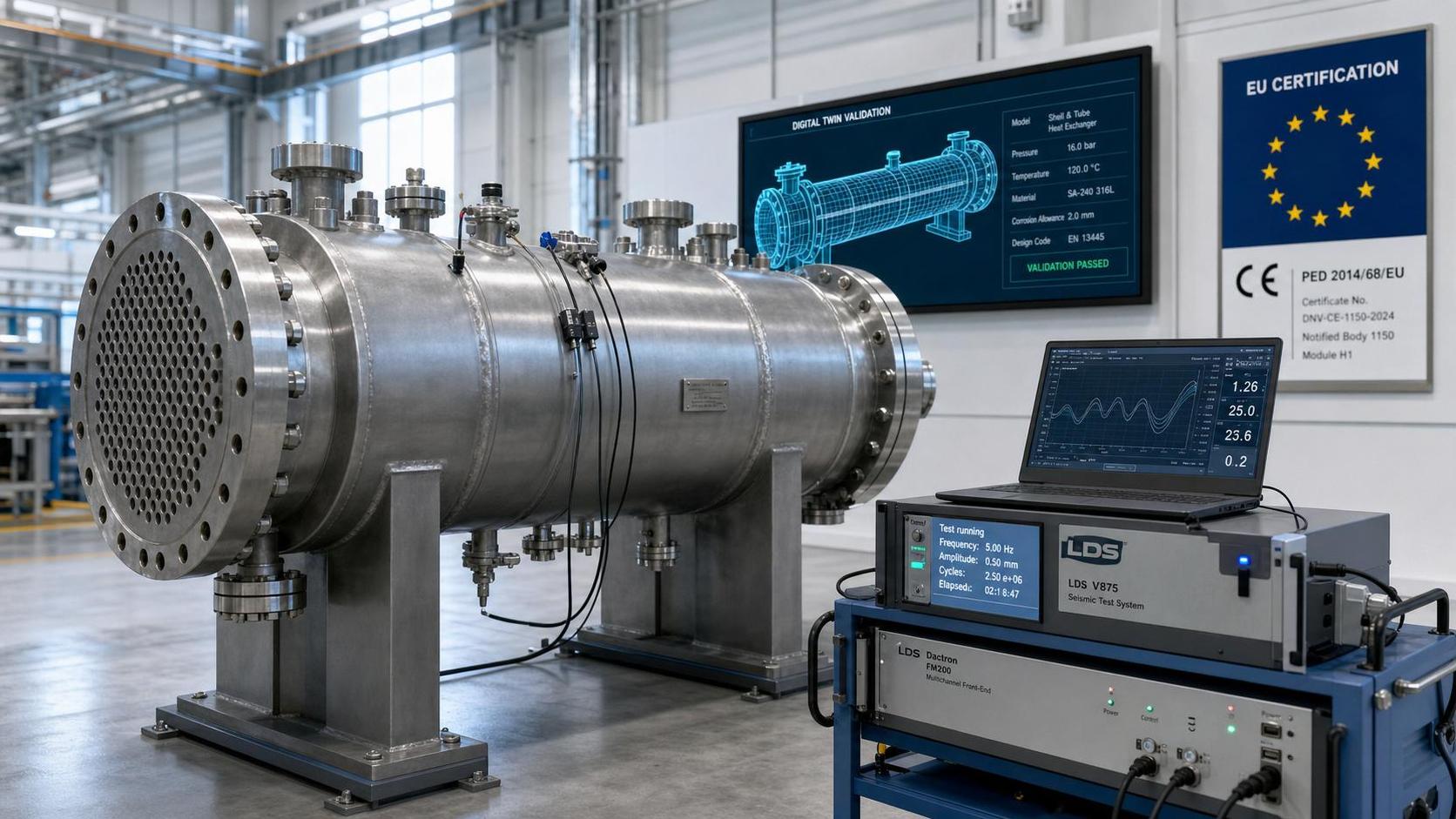
The confirmed facts are limited but commercially relevant. CEN released EN 13445-4:2026 on June 30, 2026 as the part of the EN 13445 series covering special requirements for shell-and-tube heat exchangers. According to the provided summary, the revised text adds three specific requirements: fatigue life verification, non-destructive testing coverage of welded joints at no less than 100%, and mandatory submission of digital twin design documentation. The standard is scheduled to become mandatory on March 1, 2027. The provided information also indicates that the revision will directly affect the CE certification path and type-testing cycle for Shell & Tube equipment exported from China to the EU.
Where the commercial effect is most likely to appear
Export programs tied to CE approval
From an industry perspective, exporters are likely to feel the change first through certification timing and document readiness. Because the provided information directly links the revision to CE certification pathways, companies shipping shell-and-tube equipment to the EU should pay closer attention to whether existing technical files, design verification packages, and inspection planning remain aligned with the revised standard before the March 2027 implementation date.
Manufacturing and inspection coordination
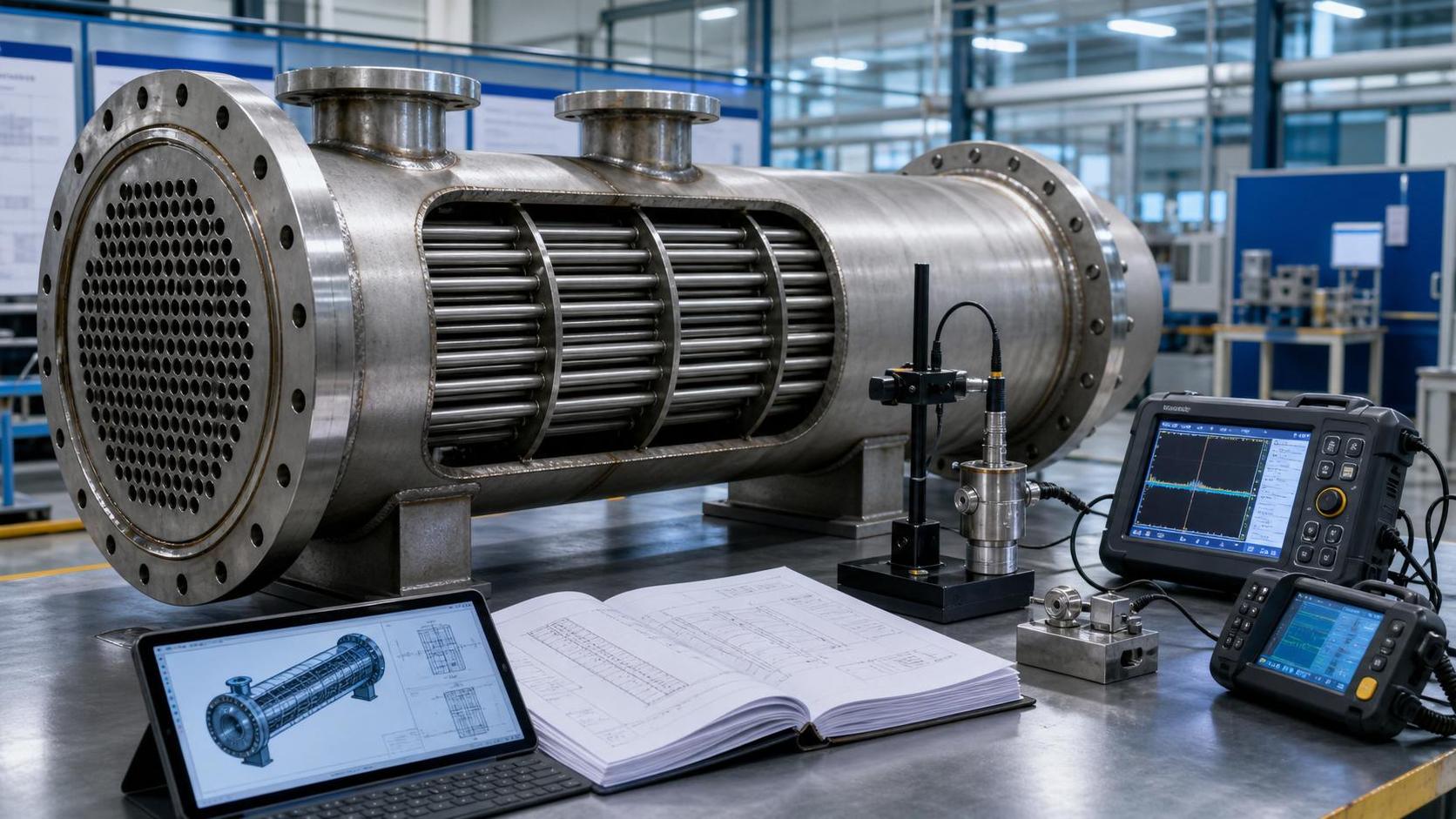
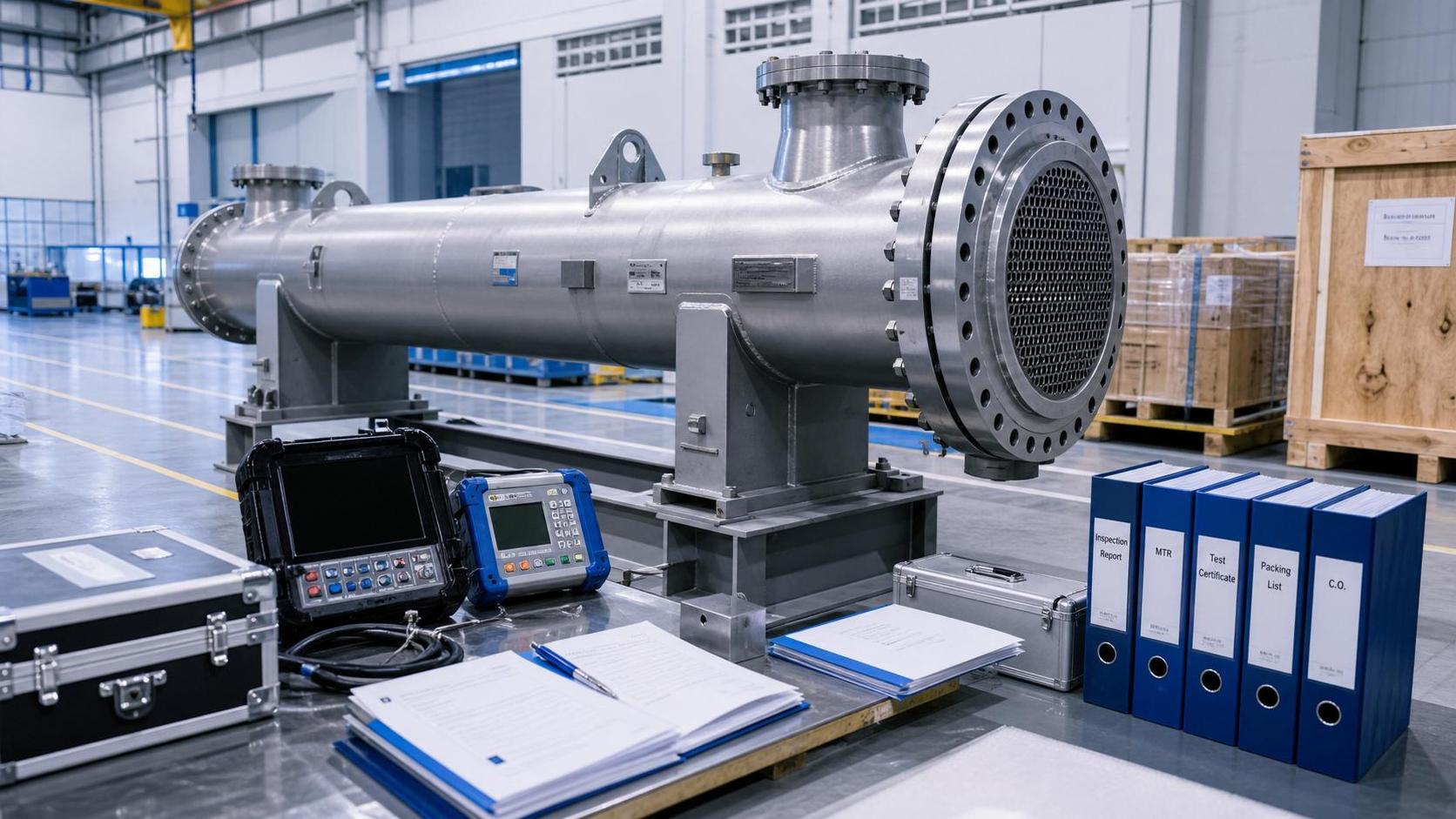
Manufacturers and inspection-linked teams may be affected at the workshop execution level. Analysis shows that a requirement for at least 100% non-destructive testing coverage of welded joints can influence how welding records, inspection sequences, hold points, and acceptance documentation are prepared for projects intended for the EU market. Even where implementation details are not yet provided in the input, the compliance burden is likely to move upstream into production planning rather than staying only at final certification.
Engineering documentation and technical bid alignment
The mandatory submission of digital twin design documentation is especially relevant for engineering, bid, and document-control functions. What deserves closer attention is that this is not only a design matter; it can also affect tender responses, client technical clarification rounds, and the completeness of submission packages used for conformity review. Companies serving EU-bound orders may therefore need to review whether their document sets are structured to support this new requirement.
Buyers, sourcing teams, and supply-chain partners
Buyers and supply-chain service providers may also see practical effects in supplier qualification and delivery risk assessment. Observably, if certification paths and type-testing cycles are affected, procurement teams may need to examine whether supplier schedules, inspection resources, and compliance documents can still support committed delivery windows for shell-and-tube pressure equipment destined for the EU.
Practical points companies should monitor now
Review the certification file before the transition date
Analysis shows that the immediate issue is not only the existence of a new standard version, but whether current CE-related files for EU-bound Shell & Tube equipment can be updated in time. Companies should closely monitor how fatigue life verification, welded-joint testing records, and digital twin design documents are expected to appear in conformity review materials.
Check whether inspection scope and reporting formats need adjustment
The stated requirement of non-destructive testing coverage at or above 100% means inspection planning should be watched carefully. Where internal quality systems or supplier agreements were built around different coverage assumptions, firms should review whether test planning, report formats, and retained records remain usable for future EU submissions after the mandatory date.
Watch for execution language in tenders and project specifications
What deserves closer attention is how the revised standard may begin to appear in procurement documents, client specifications, and technical bid requirements ahead of March 2027. Even without further confirmed implementation detail in the input, companies involved in quoting and project delivery should monitor whether purchasers start requesting alignment with EN 13445-4:2026 before the formal mandatory date.
Prepare for possible effects on project timing
The provided information explicitly mentions an impact on type-testing cycles. It is therefore reasonable to treat scheduling as a live risk area. This should be understood as a compliance planning issue rather than a confirmed delay outcome, but exporters and project managers may need to reassess milestones for document approval, inspection booking, and shipment readiness.
How this change is best understood at this stage
Observably, this development is more than a routine editorial update because it introduces new named compliance elements and a defined mandatory date. At the same time, it is not yet a basis for broad market conclusions beyond the facts provided. It is more appropriate to understand this as an implemented standards change with clear execution signals, while the exact enforcement approach, certification interpretation, and market response still require continued observation.
What the sector should take from this update
For companies connected to shell-and-tube pressure equipment entering the EU, the main significance of EN 13445-4:2026 lies in the tightening of verifiable compliance inputs: design validation, full welded-joint testing coverage, and digital documentation submission. The most balanced reading is that this is a concrete rule change with direct consequences for certification preparation and project execution, but the practical burden on timing, procurement, and supplier coordination should still be assessed through ongoing market and implementation feedback.
Basis of this article and what still needs verification
This article is based on the user-provided news title, event date, and event summary. For developments of this kind, relevant source categories commonly include official announcements, regulator publications, trade or customs authority information, industry association releases, standards organization documents, and reporting by established professional media. A specific official source link was not provided in the input, so the exact official reference path still needs to be verified on an ongoing basis. What still warrants continued monitoring includes detailed implementation wording, certification interpretation, changes in tender documents, industry feedback, and how affected companies translate the revised standard into actual execution practice.
Related News
- EU Rule Requires Digital Energy Monitoring for Shell & Tube Heat ExchangersAuthor :Thermodynamics Analyst

- DOE Raises Shell & Tube Efficiency Floor for 2027Author :Thermodynamics Analyst

- EU EN 13445-4:2026 Tightens Dual Certification for Heat ExchangersAuthor :Thermodynamics Analyst

- EN 13445-4:2026 Tightens EU Heat Exchanger ComplianceAuthor :Thermodynamics Analyst

- EN 13445-4:2026 Adds Digital Twin Fatigue ChecksAuthor :Thermodynamics Analyst

- How to Improve Heat Exchanger Efficiency Without Major System DowntimeAuthor :Thermodynamics Analyst

- EU Rule Takes Effect for Shell-and-Tube Heat ExchangersAuthor :Thermodynamics Analyst

- When Energy-Efficient Heat Exchange Systems Deliver Real PaybackAuthor :Thermodynamics Analyst

- DOE Cuts R449A Chiller Transition to 9 MonthsAuthor :Thermodynamics Analyst

- Rail Corridor Surge Cuts Shell & Tube Lead TimeAuthor :Thermodynamics Analyst

- Rail Corridor Hits 2,000 Trains as Heat Exchanger Lead Time FallsAuthor :Thermodynamics Analyst

- Rail Corridor Surge Cuts Shell & Tube Delivery to 28 DaysAuthor :Thermodynamics Analyst

- China-Europe Rail Corridor Tops 2,000 Trains as Heat Exchanger Export Delivery Falls to 28 DaysAuthor :Thermodynamics Analyst

- How to Improve Heat Exchanger Efficiency Without Major RetrofitsAuthor :Thermodynamics Analyst
![]()
- Rail Corridor Speeds Heat Exchanger ExportsAuthor :Thermodynamics Analyst
![]()
- China Names New Trade Parks for Heat Exchanger ExportsAuthor :Thermodynamics Analyst
![]()
- Rail Corridor Eases Lead Times for Shell-and-Tube ExportsAuthor :Thermodynamics Analyst

- Rail Freight Priority Cuts Shell & Tube Lead TimesAuthor :Thermodynamics Analyst

- Vietnam Cement WHR Rule Lifts Exchanger DemandAuthor :Thermodynamics Analyst

- EN 13445-4:2026 Effective for Shell & Tube Heat ExchangersAuthor :Thermodynamics Analyst
![]()
- SANY Excavators Capture >60% of Indonesia's Nickel Mine Equipment MarketAuthor :Thermodynamics Analyst

- APEC Trade Ministers Focus on Digital & Green Supply ChainsAuthor :Thermodynamics Analyst
![]()
- Pakistan PM Visit to China Spurs Shell & Tube, Centrifuge Tech LocalizationAuthor :Thermodynamics Analyst

- Putin's China Visit Resumes Shell & Tube Heat Exchanger Export PathAuthor :Thermodynamics Analyst

- EU Imposes Final Anti-Dumping Duties on Chinese Adipic AcidAuthor :Thermodynamics Analyst

- EN 13445-4:2026 Enters Force for Shell & Tube Heat ExchangersAuthor :Thermodynamics Analyst

- EU Updates EN 13445-4:2026 for Shell & Tube Heat ExchangersAuthor :Thermodynamics Analyst

- China's Petrochemical '15th Five-Year' Digitalization Guide ReleasedAuthor :Thermodynamics Analyst

- Heat Exchanger Technology: Plate vs Shell & Tube Selection GuideAuthor :Thermodynamics Analyst

- China to Upgrade Shell & Tube Heat Exchanger Standard to MandatoryAuthor :Thermodynamics Analyst

- Thermodynamics Analysis in Shell & Tube Selection: What Really MattersAuthor :Thermodynamics Analyst

- How to Compare Heat Exchanger Efficiency Across System DesignsAuthor :Thermodynamics Analyst