Rail Corridor Eases Lead Times for Shell-and-Tube Exports




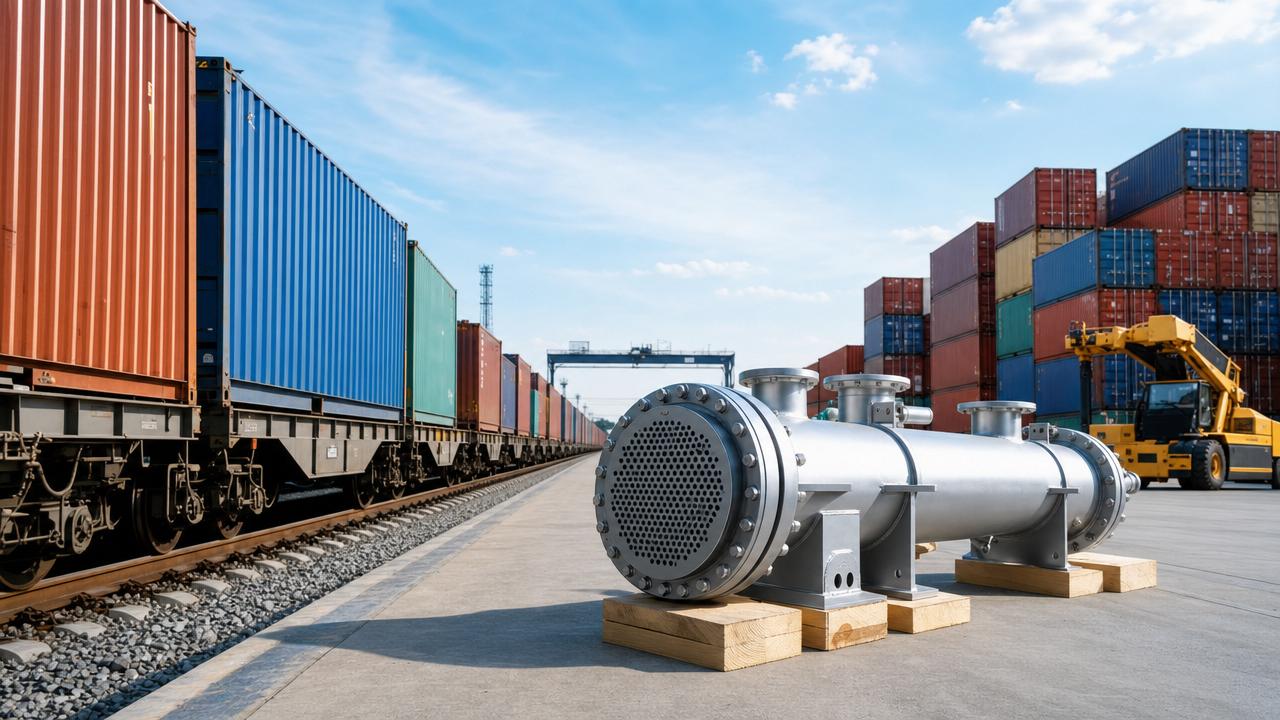
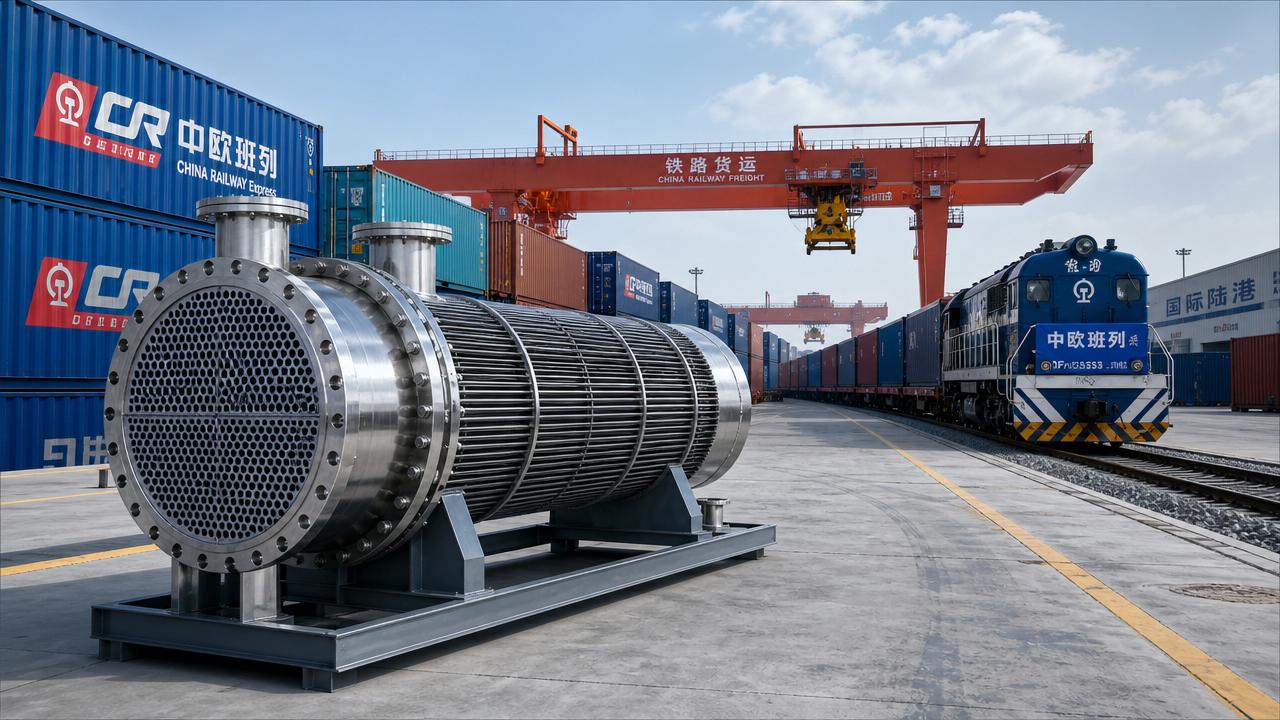
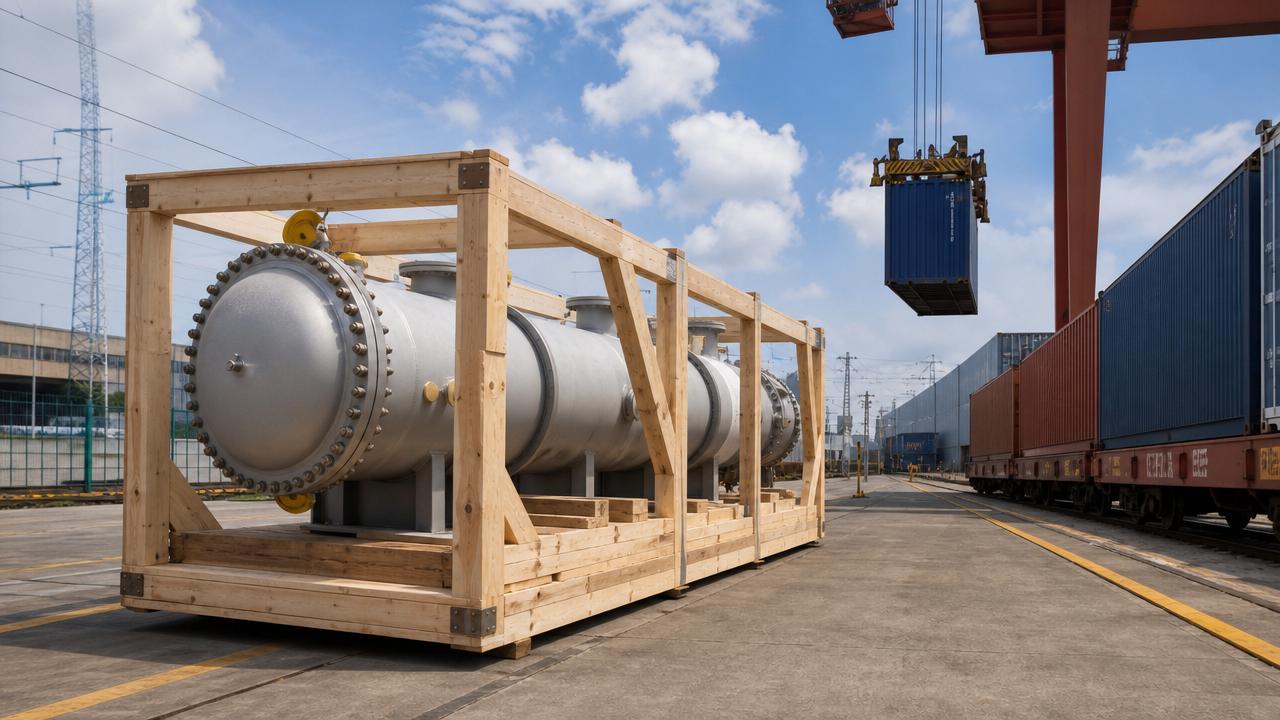
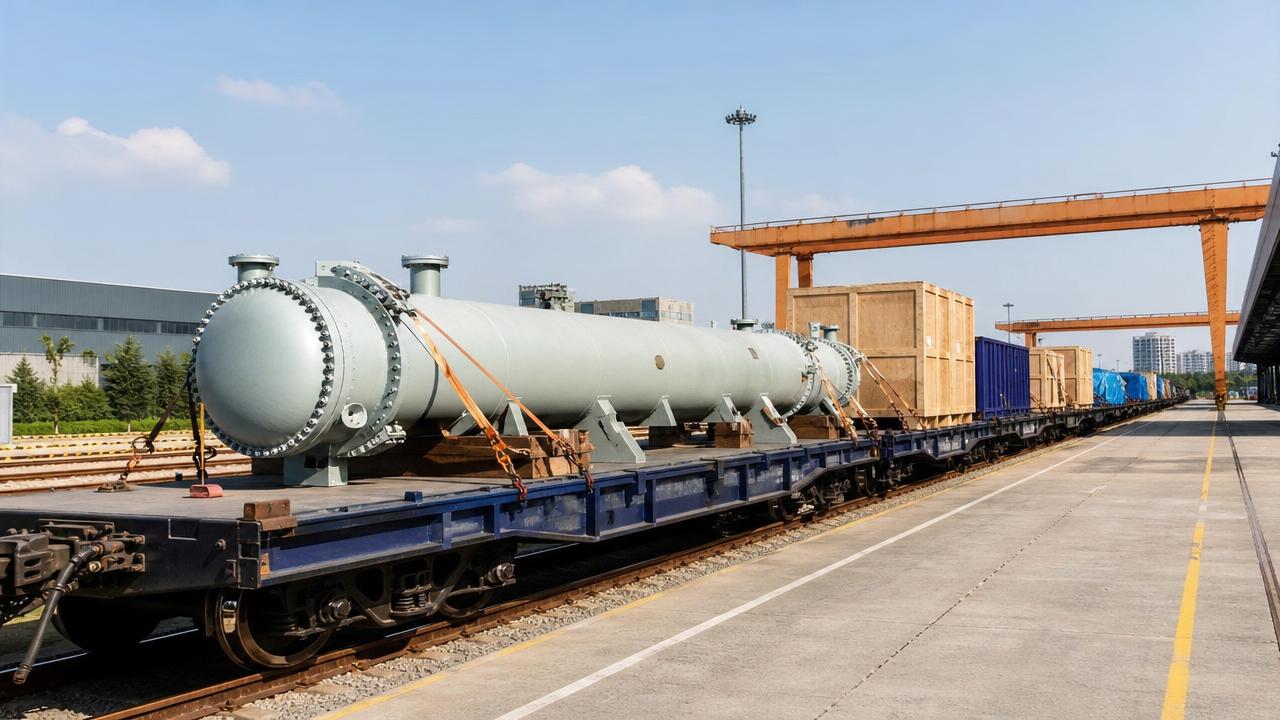
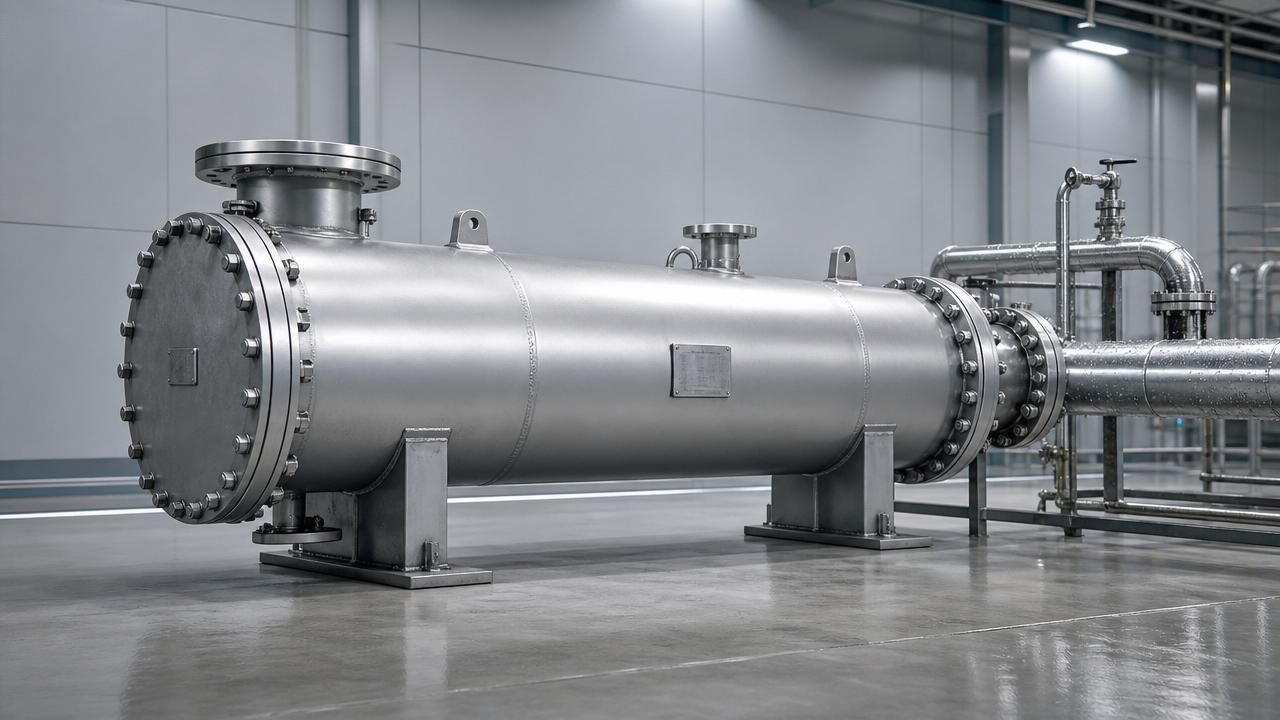
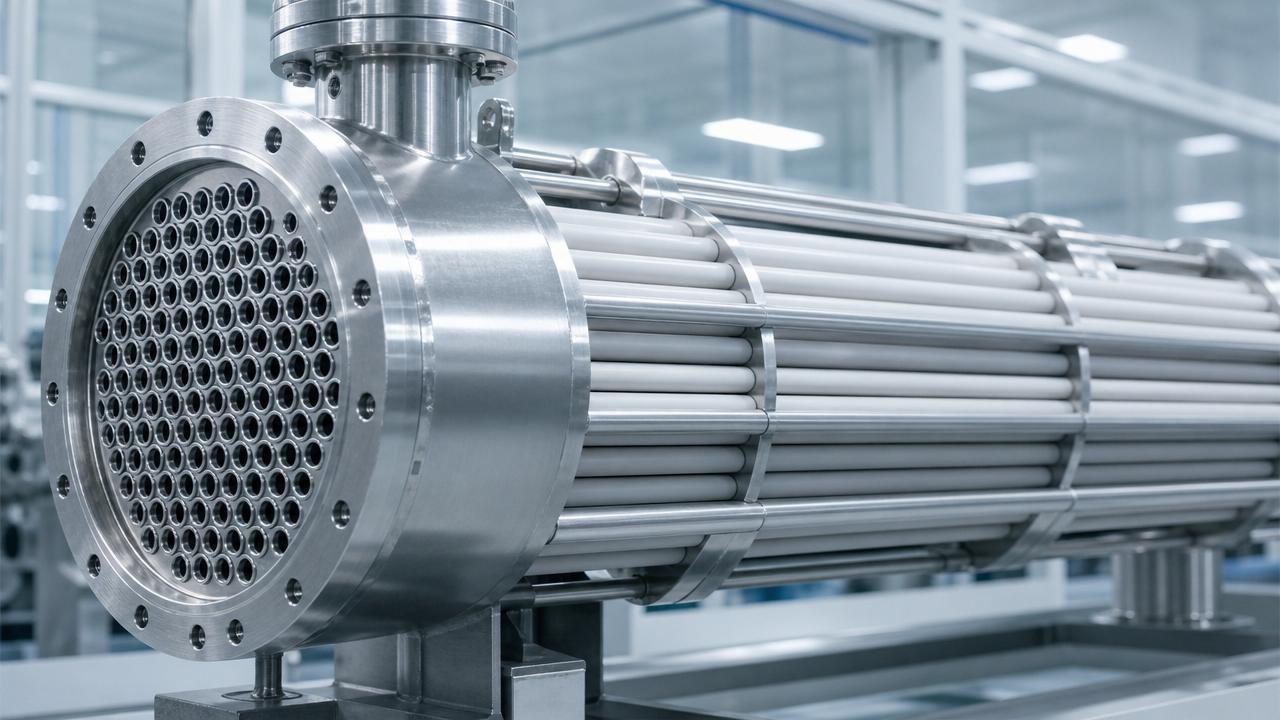
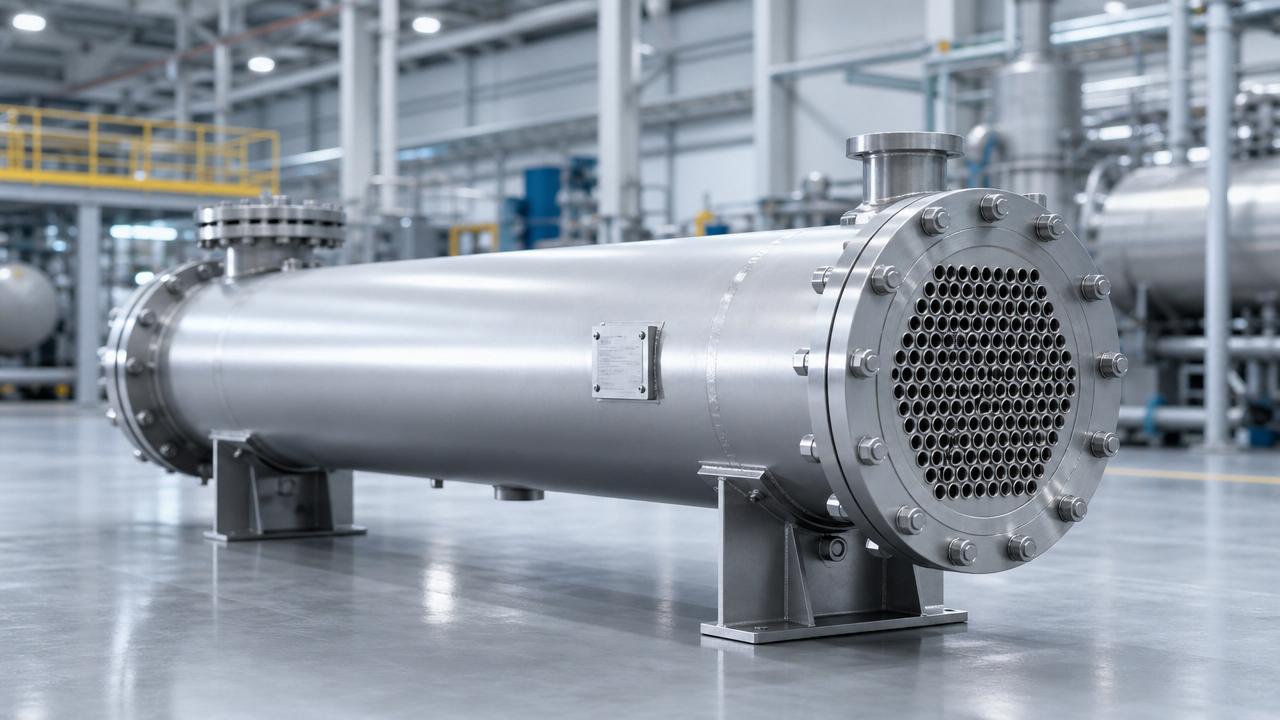
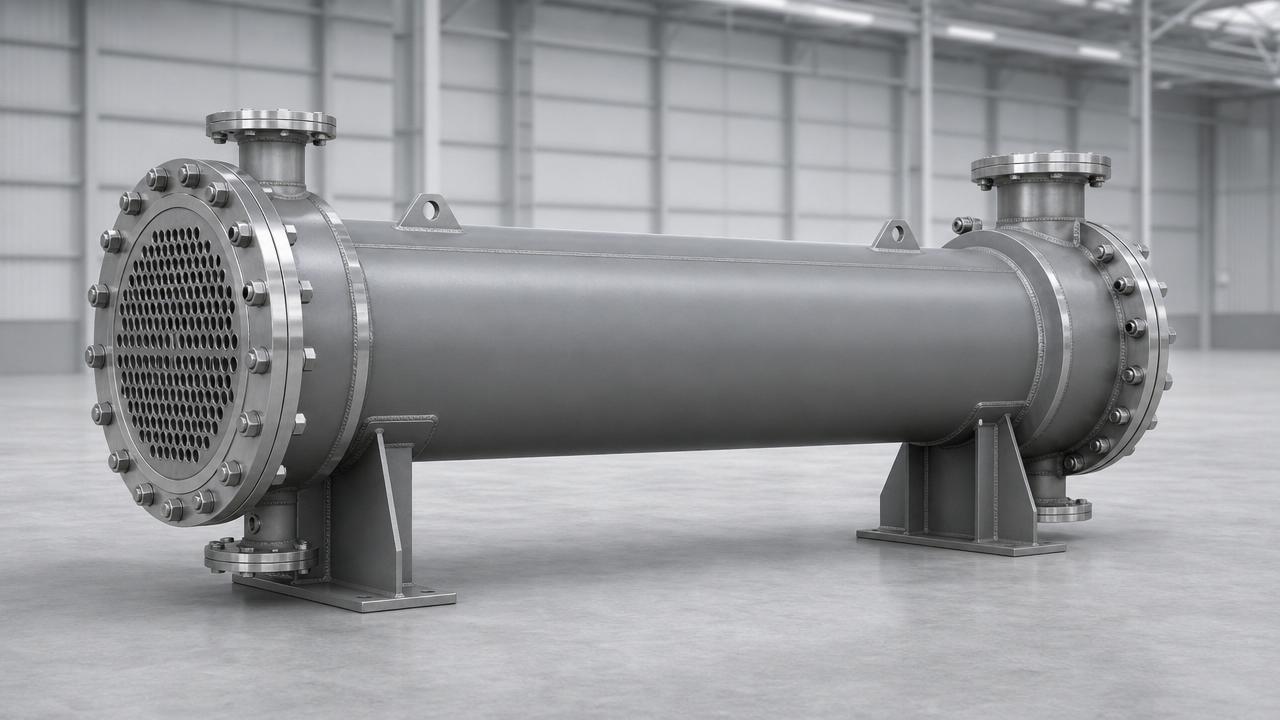
On June 6, 2026, the latest rail traffic update signaled a meaningful execution change for industrial export logistics rather than a routine transport statistic. With higher throughput on the central China-Europe rail corridor, exporters of shell-and-tube heat exchangers and other heavy thermal equipment serving time-sensitive European orders are seeing shorter delivery cycles and better schedule stability. For manufacturers, buyers, and supply-chain service providers, the key issue is not only faster transit, but how this operational shift may affect delivery commitments, export documentation timing, procurement planning, and contract execution.
What the latest corridor data confirms
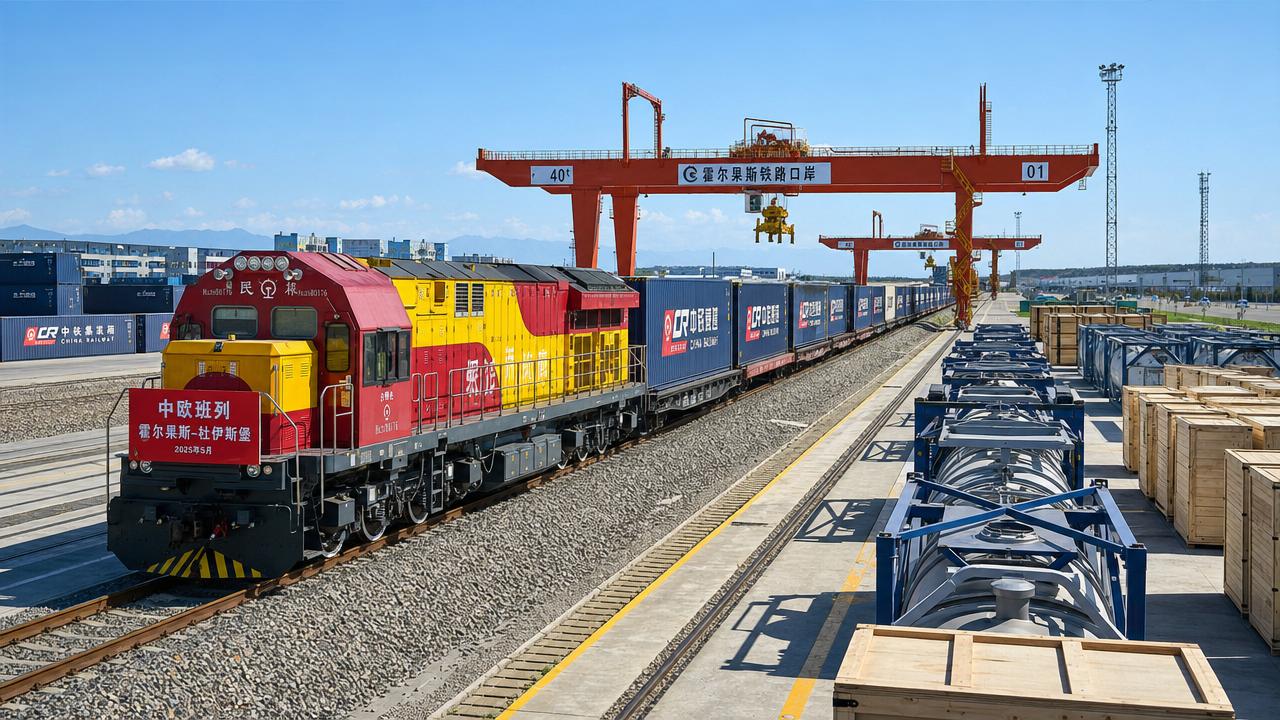
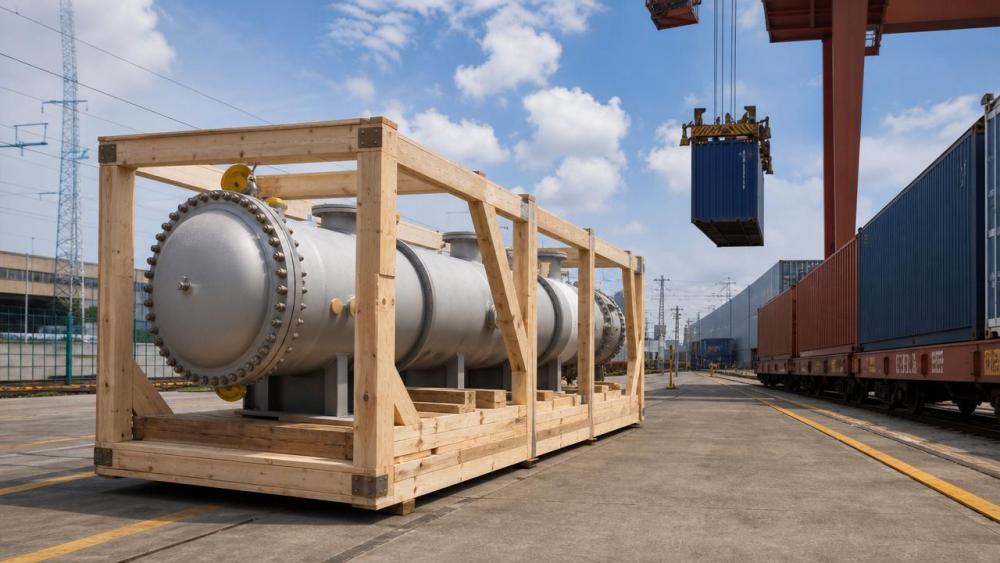
According to the latest notice from China State Railway Group, the central corridor of China-Europe freight trains, operating via Erenhot and Zamyn-Uud, handled a cumulative 2,037 train services from January to May 2026, up 41% year on year. The release of transport capacity has materially eased export congestion for industrial equipment shipments from East China and North China. For shell-and-tube heat exchangers and other heavy heat-transfer equipment with time-sensitive European orders, the average delivery cycle has shortened from 68 days to 52 days, with improved logistics stability.
Where the operational impact is likely to appear first
Export equipment suppliers face a new delivery baseline
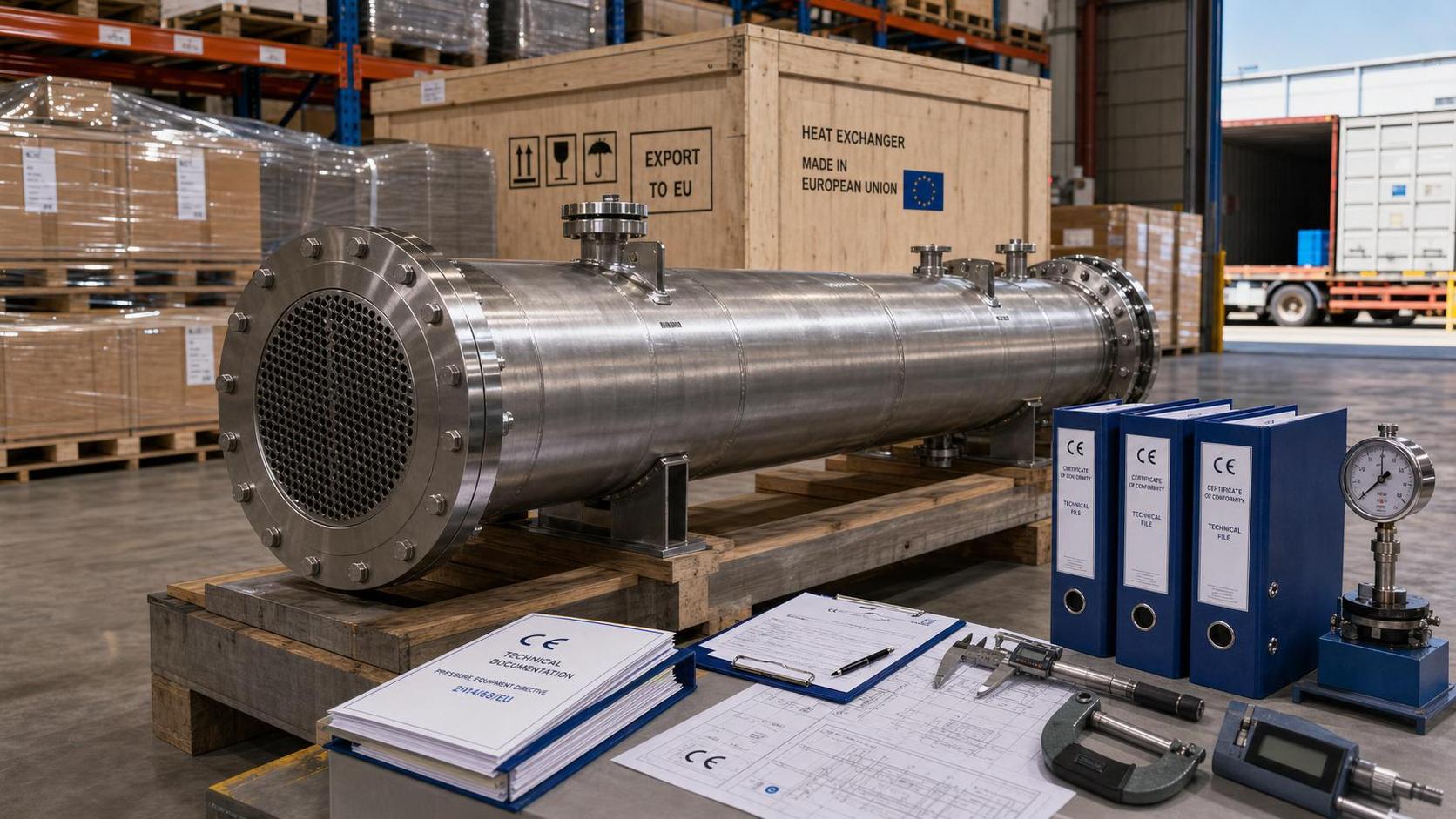
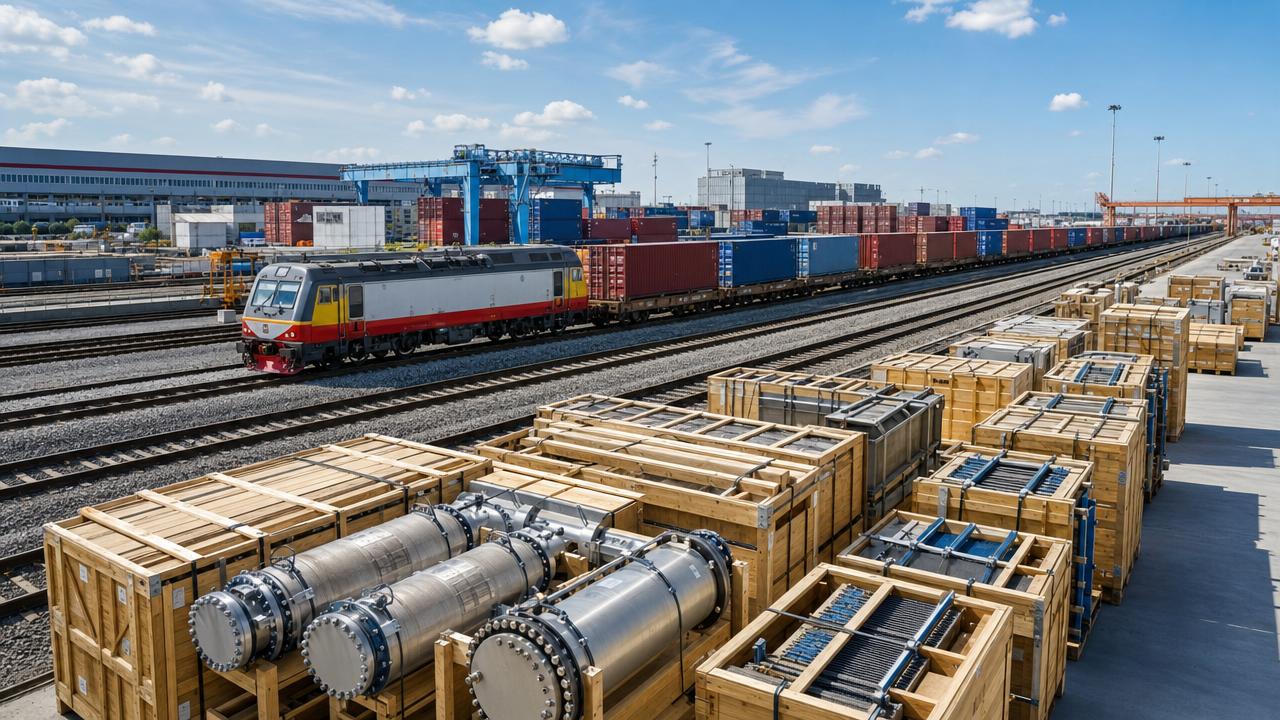
From an industry perspective, companies shipping shell-and-tube heat exchangers may be affected first because delivery promises for heavy equipment often depend on transport reliability as much as factory completion. The immediate impact is likely to appear in shipment scheduling, customer commitment dates, export handover timing, and coordination of packing and dispatch documents. What deserves closer attention is whether internal delivery terms, technical submission timing, and outbound document preparation are still aligned with the shorter logistics window.
Procurement teams may adjust ordering and buffering logic
Analysis shows that procurement-side participants, including buyers sourcing project equipment, may need to revisit lead-time assumptions that were previously built around congestion risk. The effect is not necessarily a rule change in procurement itself, but a practical shift in how order placement, supplier confirmation, and delivery milestones are evaluated. Teams involved in tendering, project purchasing, and equipment replacement should closely check whether current schedules, document cut-off dates, and acceptance planning still reflect the improved transport cadence.
Logistics and trade service providers need tighter execution control
Supply-chain service providers are also likely to feel the change because shorter average delivery cycles reduce tolerance for handover delays between factory, forwarder, customs-related preparation, and rail loading arrangements. Observably, the pressure moves from waiting for capacity toward managing consistency in booking, cargo readiness, paperwork completeness, and cross-party coordination. Even without new regulatory text in the input, this is relevant to trade compliance because execution risk often shifts to document accuracy and timing when transport becomes more predictable.
Practical points companies should review now
Recheck delivery clauses against current transit conditions
Analysis shows that exporters should review whether contracts, quotations, and internal planning still use older delivery assumptions. If the logistics cycle has compressed, mismatches can arise between commercial commitments and actual shipping capability, especially for time-sensitive European orders.
Keep compliance files synchronized with faster shipment readiness
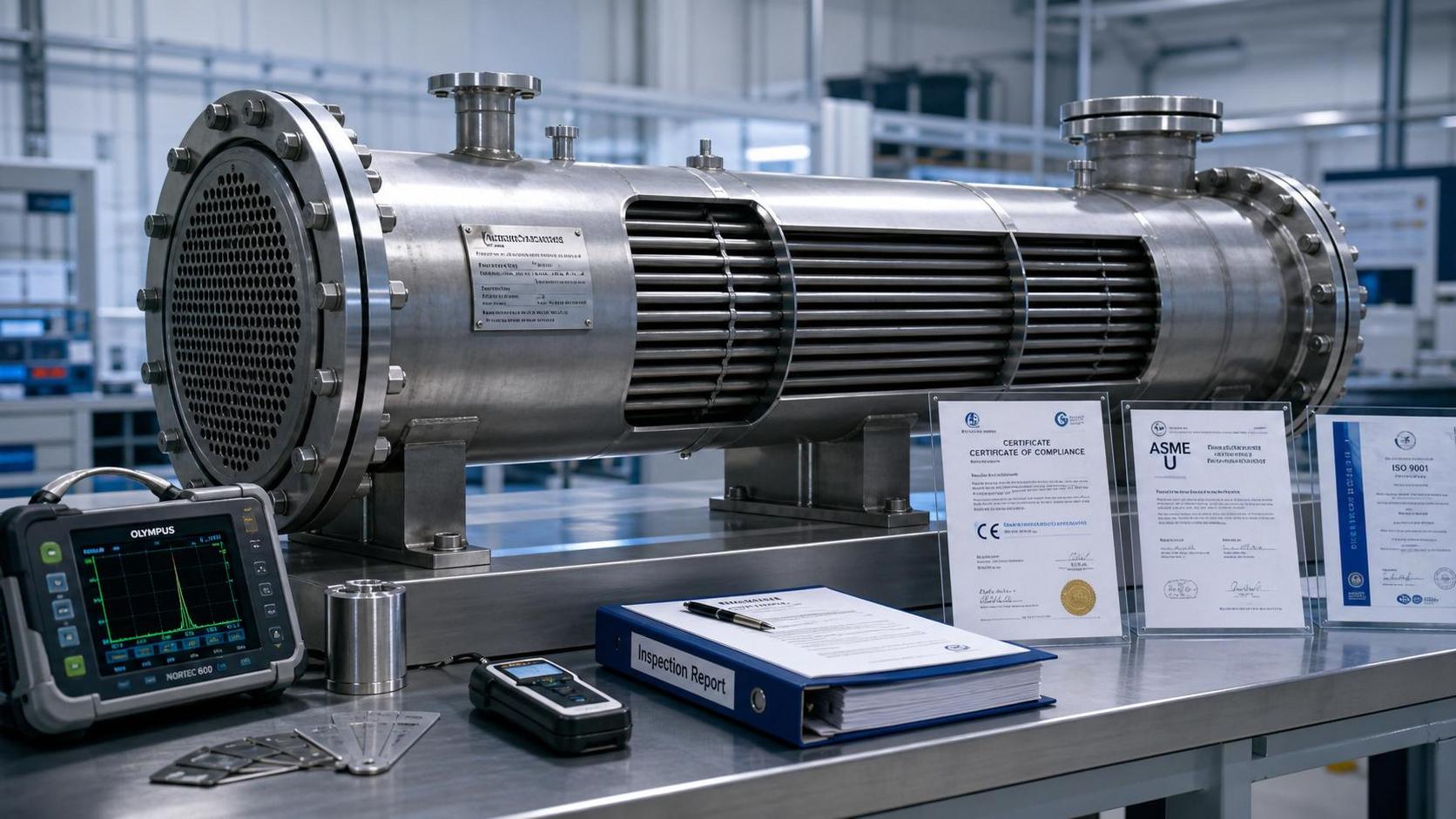
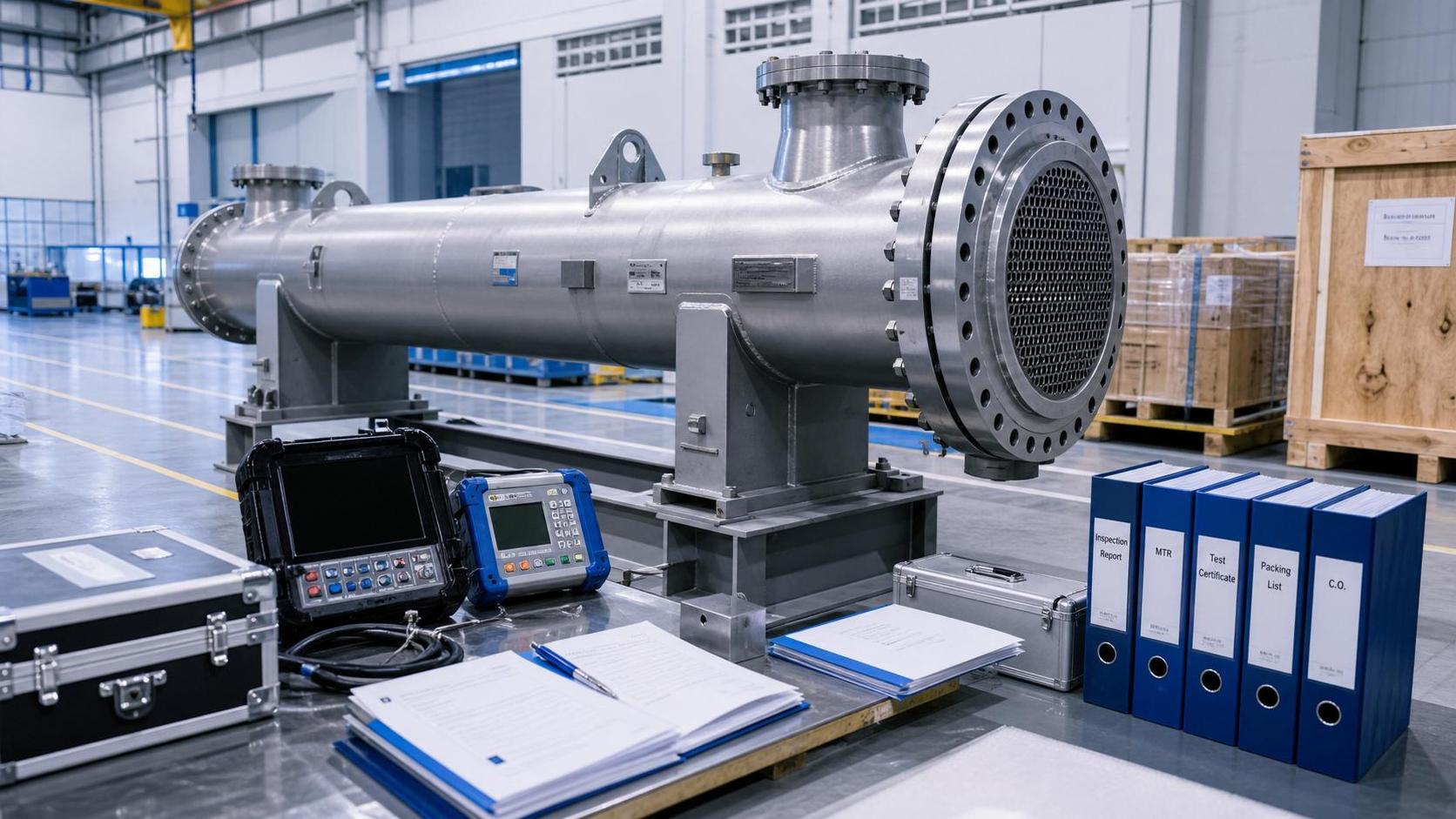
What deserves closer attention is the timing of technical documents, inspection records, product files, and export-related paperwork. Even where no new certification or regulatory requirement is stated in the input, faster dispatch readiness can expose weak document workflows if factories and trade teams are not preparing in parallel.
Watch how buyers and tender documents respond
Observably, the next area to monitor is whether buyer expectations, tender schedules, or delivery terms begin to reflect improved rail stability. Companies should not assume that market-side requirements have already changed, but they should be prepared for tighter requested lead times or reduced tolerance for avoidable delay.
Align after-sales and traceability arrangements with shorter cycles
From an industry perspective, shorter export lead times can compress the time available for final shipment checks, packing verification, and service record organization. Companies involved in export delivery should ensure that quality traceability and after-sales handover materials remain complete even when the outbound schedule accelerates.
Why this looks more like an execution signal than a formal rule rewrite
Analysis shows that this development is better understood as an execution signal with trade and compliance implications, rather than as a newly published regulation or certification rule on its own. The confirmed facts point to improved transport capacity and shorter delivery cycles, but they do not by themselves establish a new formal standard, policy text, or mandatory compliance threshold. For the industry, the significance lies in how operating assumptions may change across export planning, procurement coordination, and customer delivery management. Continued attention is still needed because market practice, document requirements, and contract language often adjust after logistics conditions improve, not at the same moment the transport data is released.
How the market should read this development
At this stage, it is more appropriate to understand the news as evidence that logistics conditions for certain industrial equipment exports have materially improved, with direct relevance to shell-and-tube heat exchanger delivery planning. The confirmed change is operational and measurable in lead time, but its broader effect on procurement terms, compliance workflows, and buyer expectations still requires observation. A neutral reading is that the corridor data strengthens confidence in execution, while leaving room for further market adjustment in how delivery obligations are set and monitored.
Basis of this article and what still needs verification
This article is generated from the user-provided news title, event date, and event summary. For developments of this type, commonly relevant source categories may include official notices, regulator releases, customs or trade authority information, industry association updates, standards organization documents, and reporting by established media. A specific official source link was not provided in the input, so the exact originating document still requires ongoing verification. It remains necessary to monitor any later official wording, execution guidance, tender document changes, certification-related interpretations, industry feedback, and company-level implementation responses.
Related News
- EU Rule Requires Digital Energy Monitoring for Shell & Tube Heat ExchangersAuthor :Thermodynamics Analyst

- DOE Raises Shell & Tube Efficiency Floor for 2027Author :Thermodynamics Analyst

- EU EN 13445-4:2026 Tightens Dual Certification for Heat ExchangersAuthor :Thermodynamics Analyst

- EN 13445-4:2026 Tightens EU Heat Exchanger ComplianceAuthor :Thermodynamics Analyst

- EN 13445-4:2026 Adds Digital Twin Fatigue ChecksAuthor :Thermodynamics Analyst

- How to Improve Heat Exchanger Efficiency Without Major System DowntimeAuthor :Thermodynamics Analyst

- EU Rule Takes Effect for Shell-and-Tube Heat ExchangersAuthor :Thermodynamics Analyst

- When Energy-Efficient Heat Exchange Systems Deliver Real PaybackAuthor :Thermodynamics Analyst

- DOE Cuts R449A Chiller Transition to 9 MonthsAuthor :Thermodynamics Analyst

- Rail Corridor Surge Cuts Shell & Tube Lead TimeAuthor :Thermodynamics Analyst

- Rail Corridor Hits 2,000 Trains as Heat Exchanger Lead Time FallsAuthor :Thermodynamics Analyst

- Rail Corridor Surge Cuts Shell & Tube Delivery to 28 DaysAuthor :Thermodynamics Analyst

- China-Europe Rail Corridor Tops 2,000 Trains as Heat Exchanger Export Delivery Falls to 28 DaysAuthor :Thermodynamics Analyst

- How to Improve Heat Exchanger Efficiency Without Major RetrofitsAuthor :Thermodynamics Analyst
![]()
- Rail Corridor Speeds Heat Exchanger ExportsAuthor :Thermodynamics Analyst
![]()
- China Names New Trade Parks for Heat Exchanger ExportsAuthor :Thermodynamics Analyst
![]()
- Rail Corridor Eases Lead Times for Shell-and-Tube ExportsAuthor :Thermodynamics Analyst

- Rail Freight Priority Cuts Shell & Tube Lead TimesAuthor :Thermodynamics Analyst

- Vietnam Cement WHR Rule Lifts Exchanger DemandAuthor :Thermodynamics Analyst

- EN 13445-4:2026 Effective for Shell & Tube Heat ExchangersAuthor :Thermodynamics Analyst
![]()
- SANY Excavators Capture >60% of Indonesia's Nickel Mine Equipment MarketAuthor :Thermodynamics Analyst

- APEC Trade Ministers Focus on Digital & Green Supply ChainsAuthor :Thermodynamics Analyst
![]()
- Pakistan PM Visit to China Spurs Shell & Tube, Centrifuge Tech LocalizationAuthor :Thermodynamics Analyst

- Putin's China Visit Resumes Shell & Tube Heat Exchanger Export PathAuthor :Thermodynamics Analyst

- EU Imposes Final Anti-Dumping Duties on Chinese Adipic AcidAuthor :Thermodynamics Analyst

- EN 13445-4:2026 Enters Force for Shell & Tube Heat ExchangersAuthor :Thermodynamics Analyst

- EU Updates EN 13445-4:2026 for Shell & Tube Heat ExchangersAuthor :Thermodynamics Analyst

- China's Petrochemical '15th Five-Year' Digitalization Guide ReleasedAuthor :Thermodynamics Analyst

- Heat Exchanger Technology: Plate vs Shell & Tube Selection GuideAuthor :Thermodynamics Analyst

- China to Upgrade Shell & Tube Heat Exchanger Standard to MandatoryAuthor :Thermodynamics Analyst

- Thermodynamics Analysis in Shell & Tube Selection: What Really MattersAuthor :Thermodynamics Analyst

- How to Compare Heat Exchanger Efficiency Across System DesignsAuthor :Thermodynamics Analyst