Rail Corridor Speeds Heat Exchanger Exports




On June 8, 2026, the latest update on the China-Europe rail middle corridor pointed to more than a traffic milestone: it also showed an execution change in export logistics for large heat exchange equipment. With throughput on the Xi’an-Horgos-Almaty route rising and a dedicated green channel for heat exchange equipment put into use, exporters, manufacturers, buyers, and supply chain service providers now have a clearer signal that delivery planning, transport selection, document readiness, and carbon-related reporting may need to be reassessed in practical terms.
What the June 8 Update Confirmed
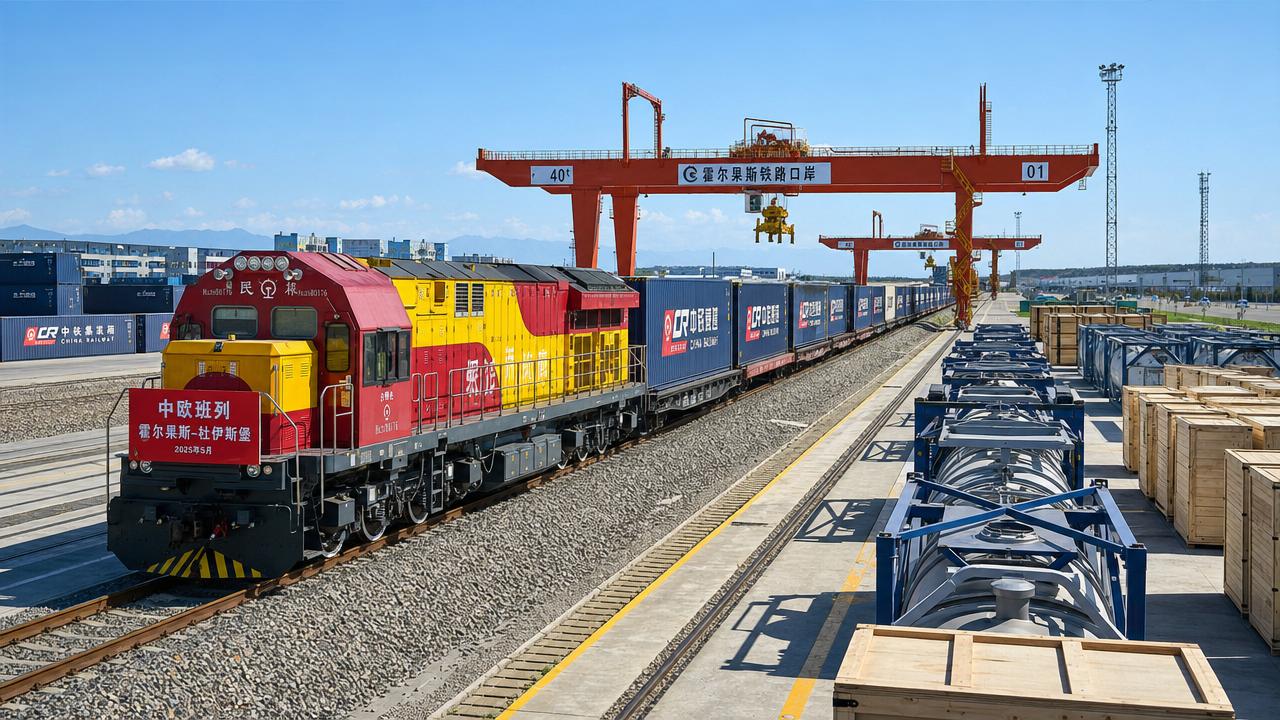
According to a June 8, 2026 briefing by China State Railway Group, the China-Europe rail middle corridor linking Xi’an, Horgos, and Almaty handled 2,017 trains in the first five months of 2026, up 37% year on year.
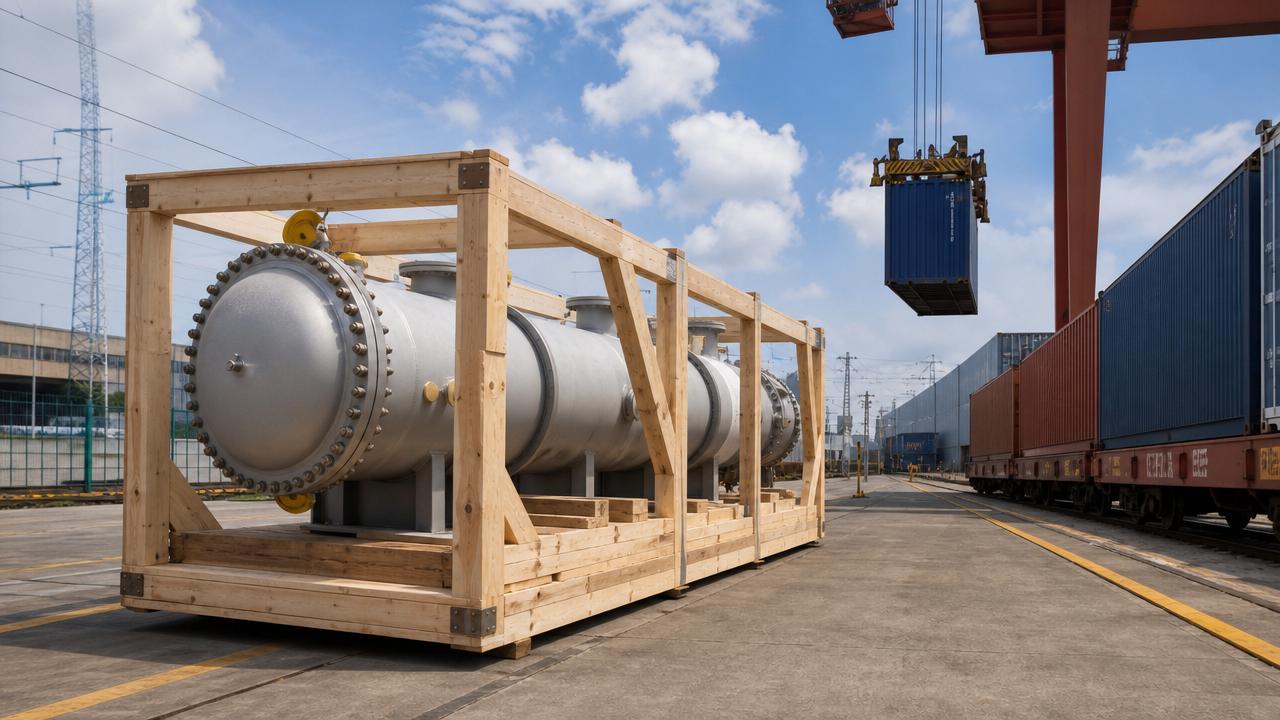
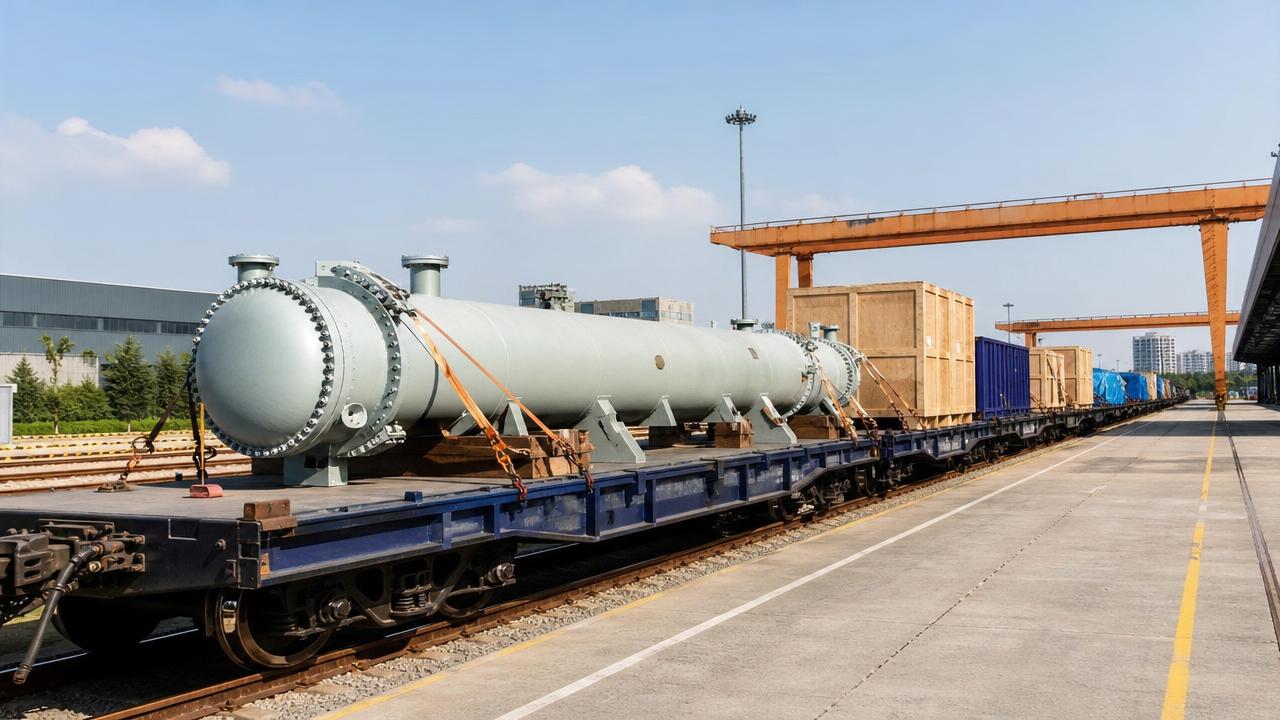
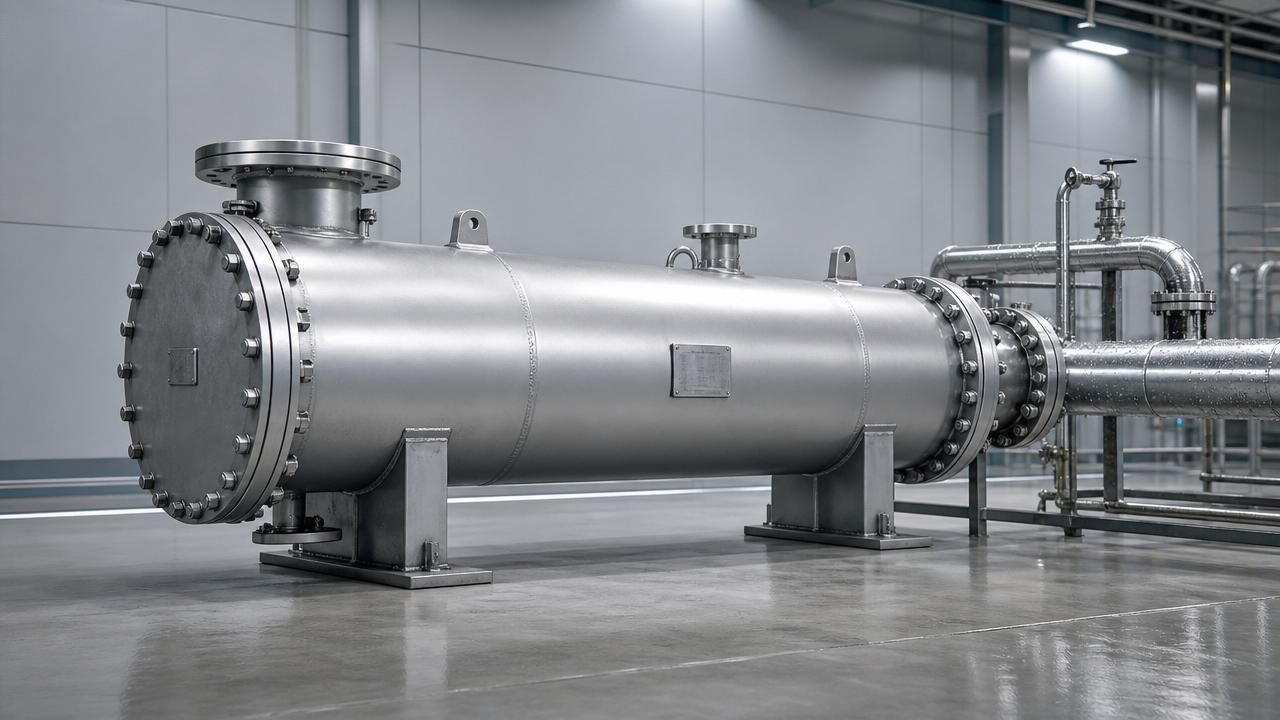
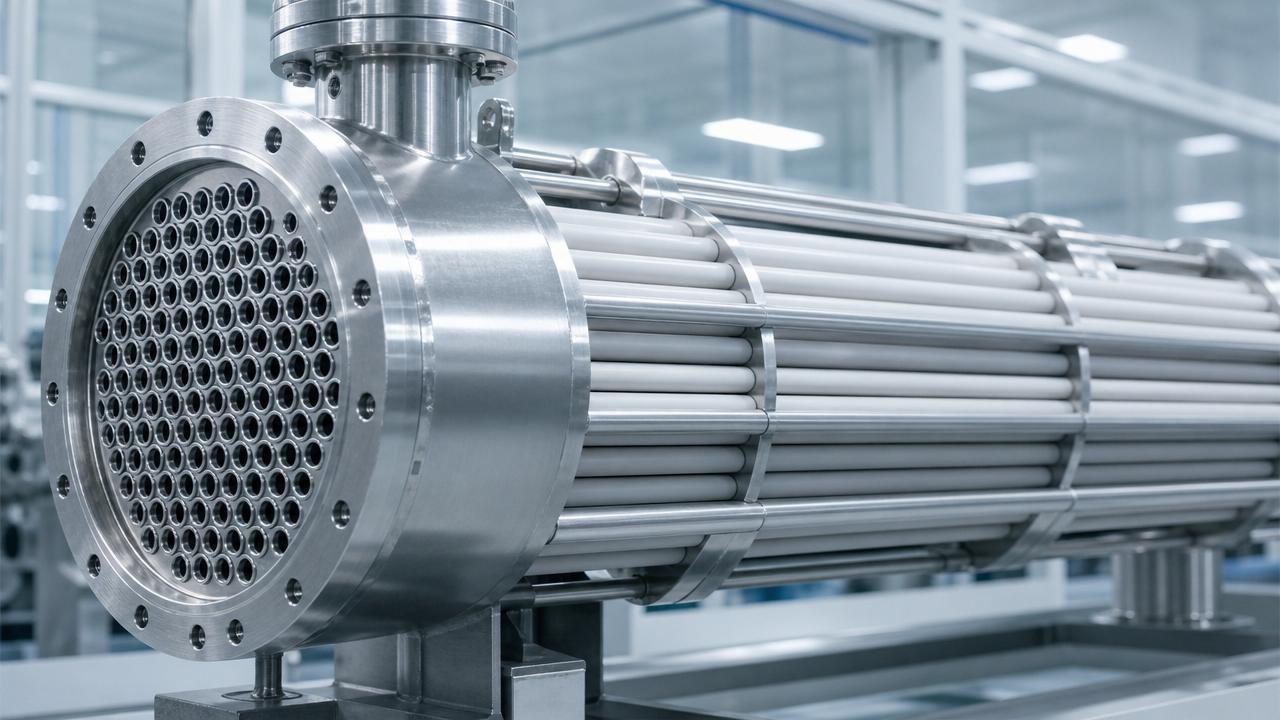
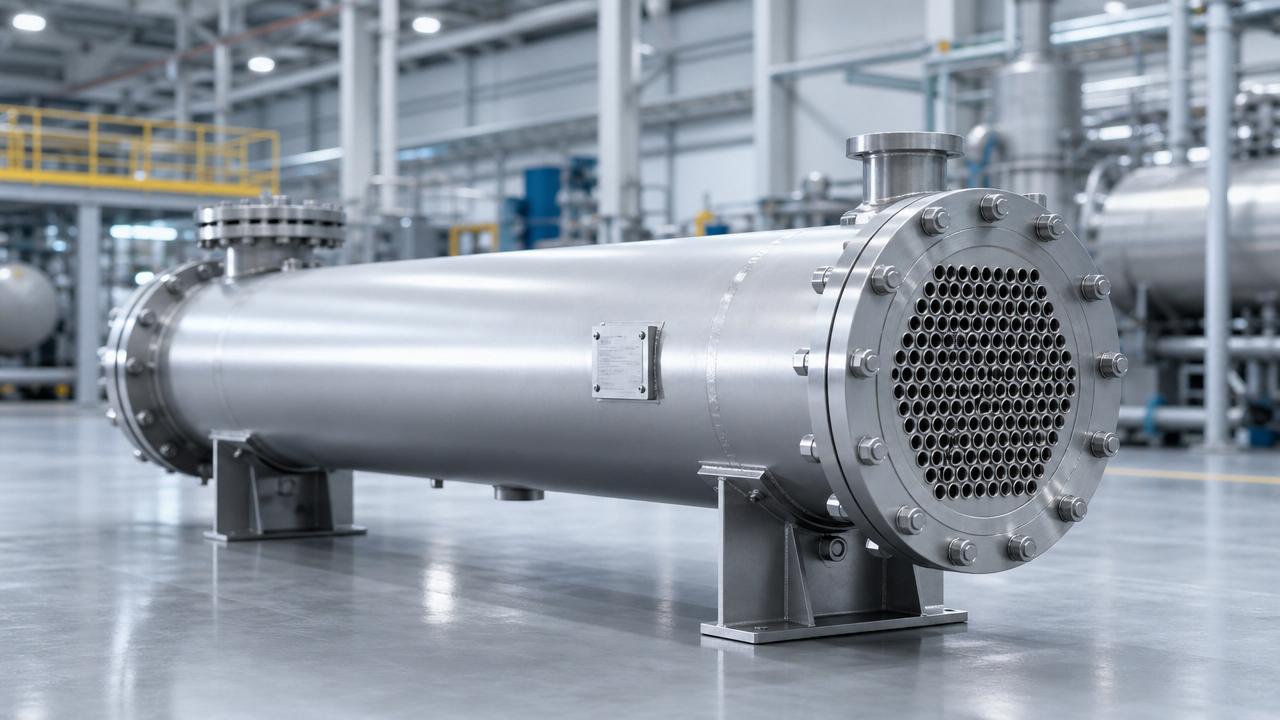
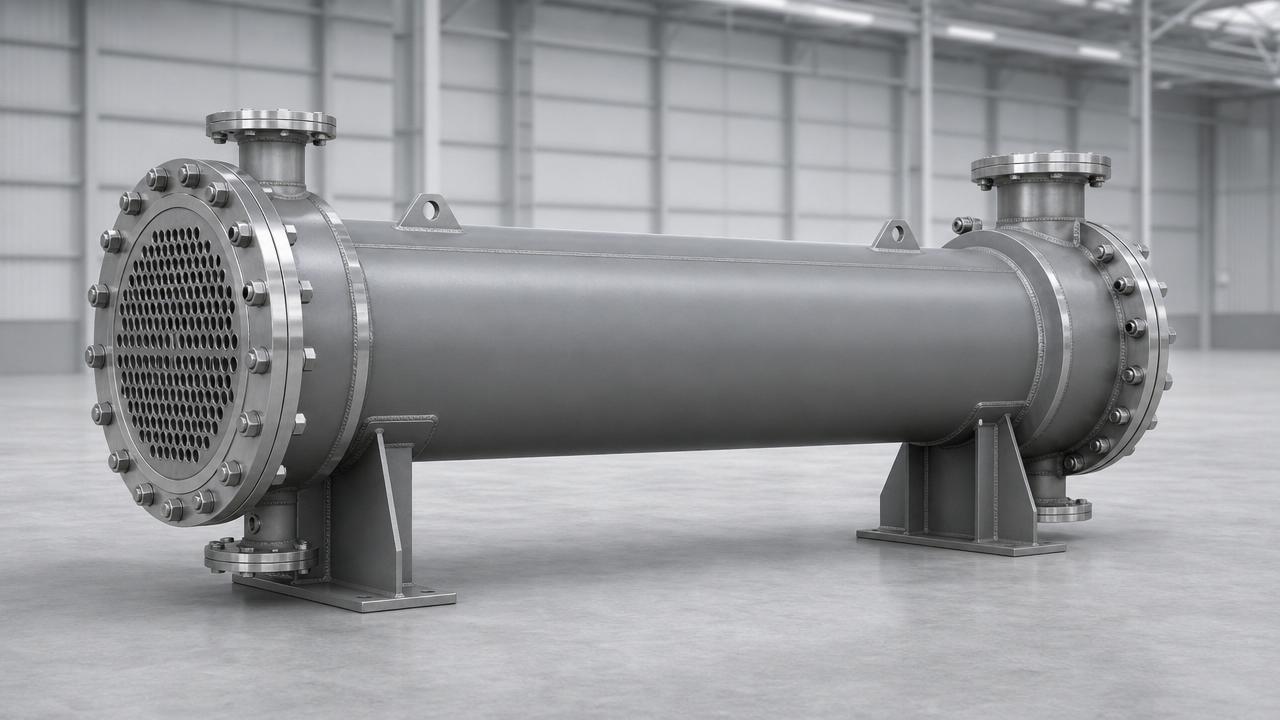
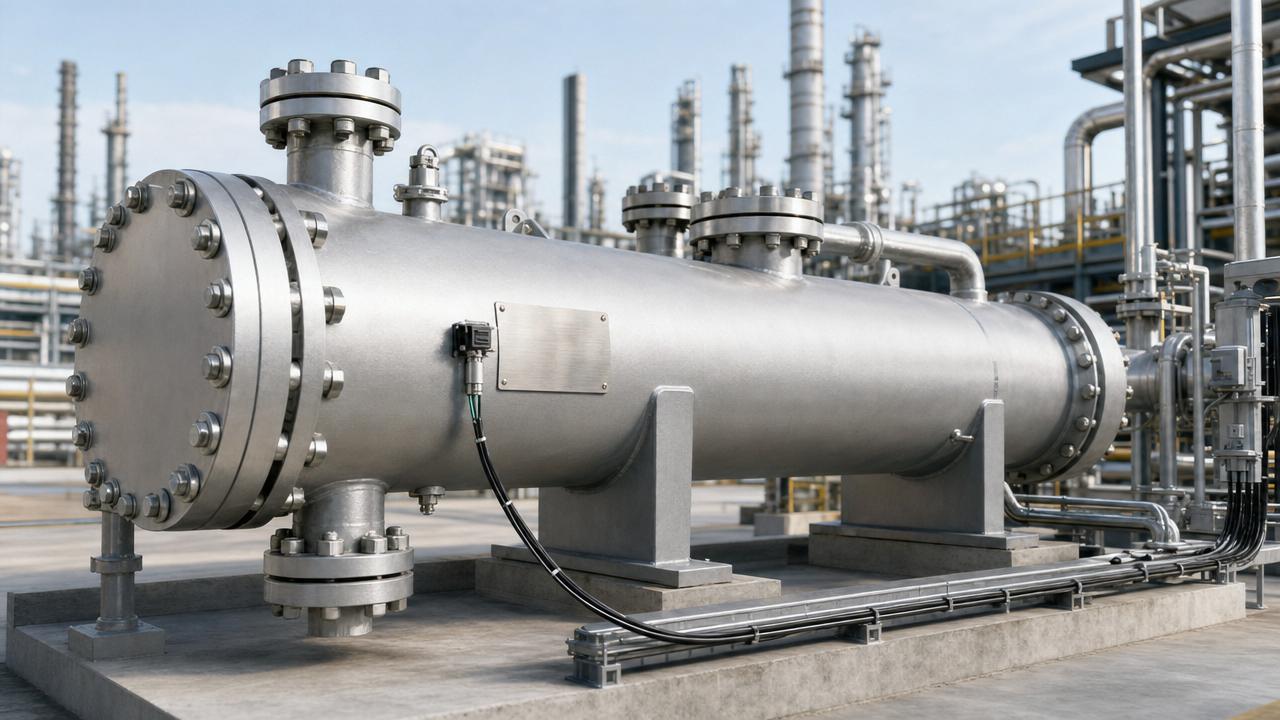
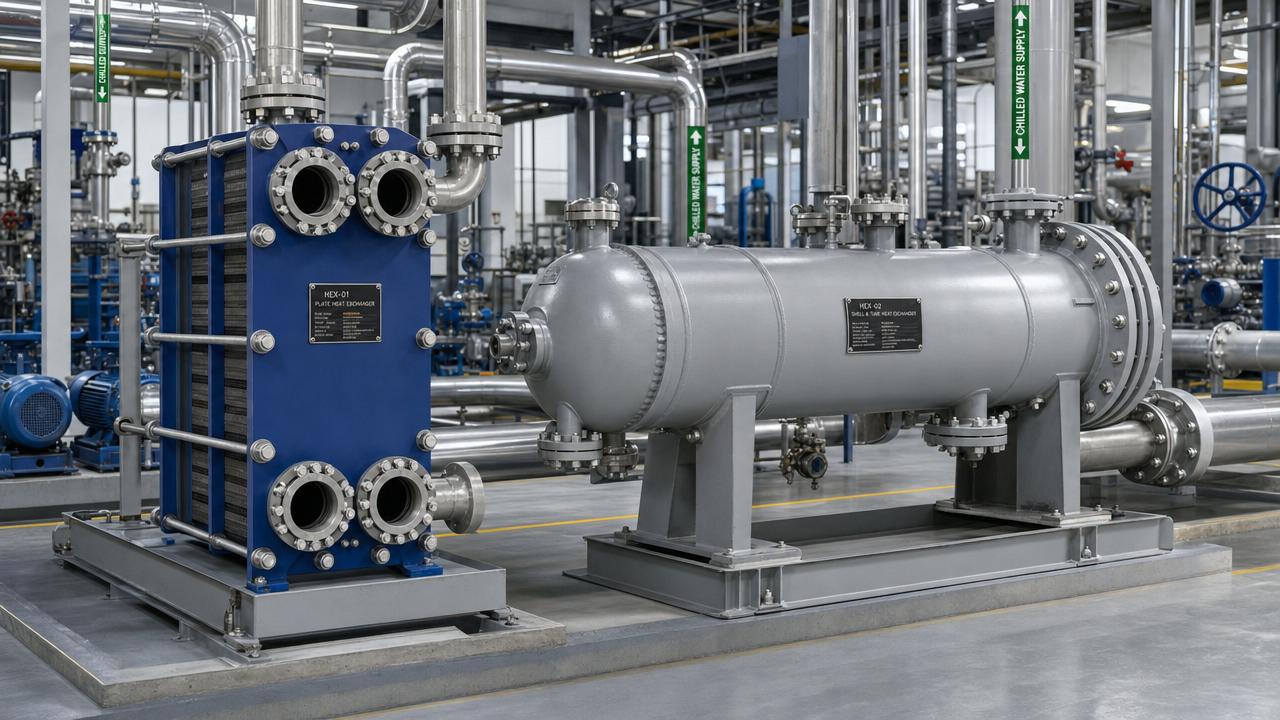
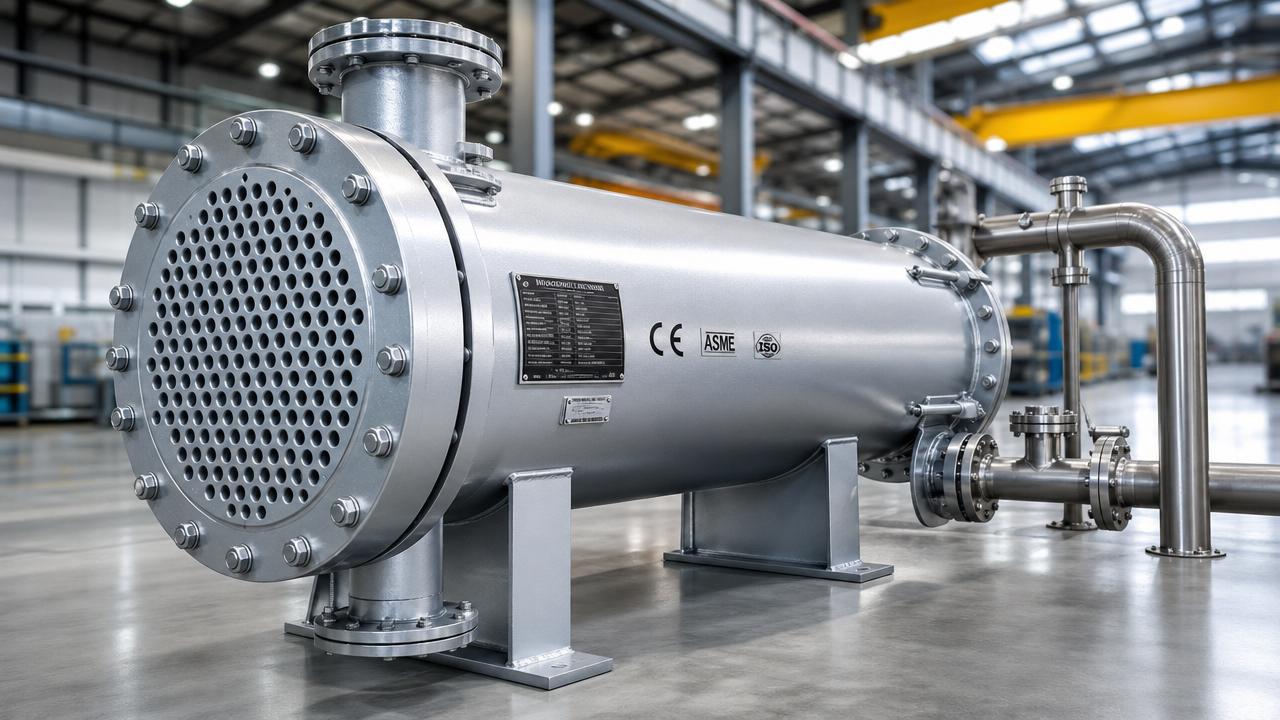
The same update indicated that, together with the launch of a green channel for “heat exchange equipment dedicated trains” by the Urumqi Railway Bureau, the average overland export delivery cycle for large equipment including shell-and-tube heat exchangers and plate heat exchangers was reduced from 42 days to 28 days.
The summary also stated that this rail delivery cycle is 15 days faster than sea transport and delivers a 62% lower carbon footprint.
Where the operational pressure is likely to shift
Export scheduling becomes more sensitive for equipment suppliers
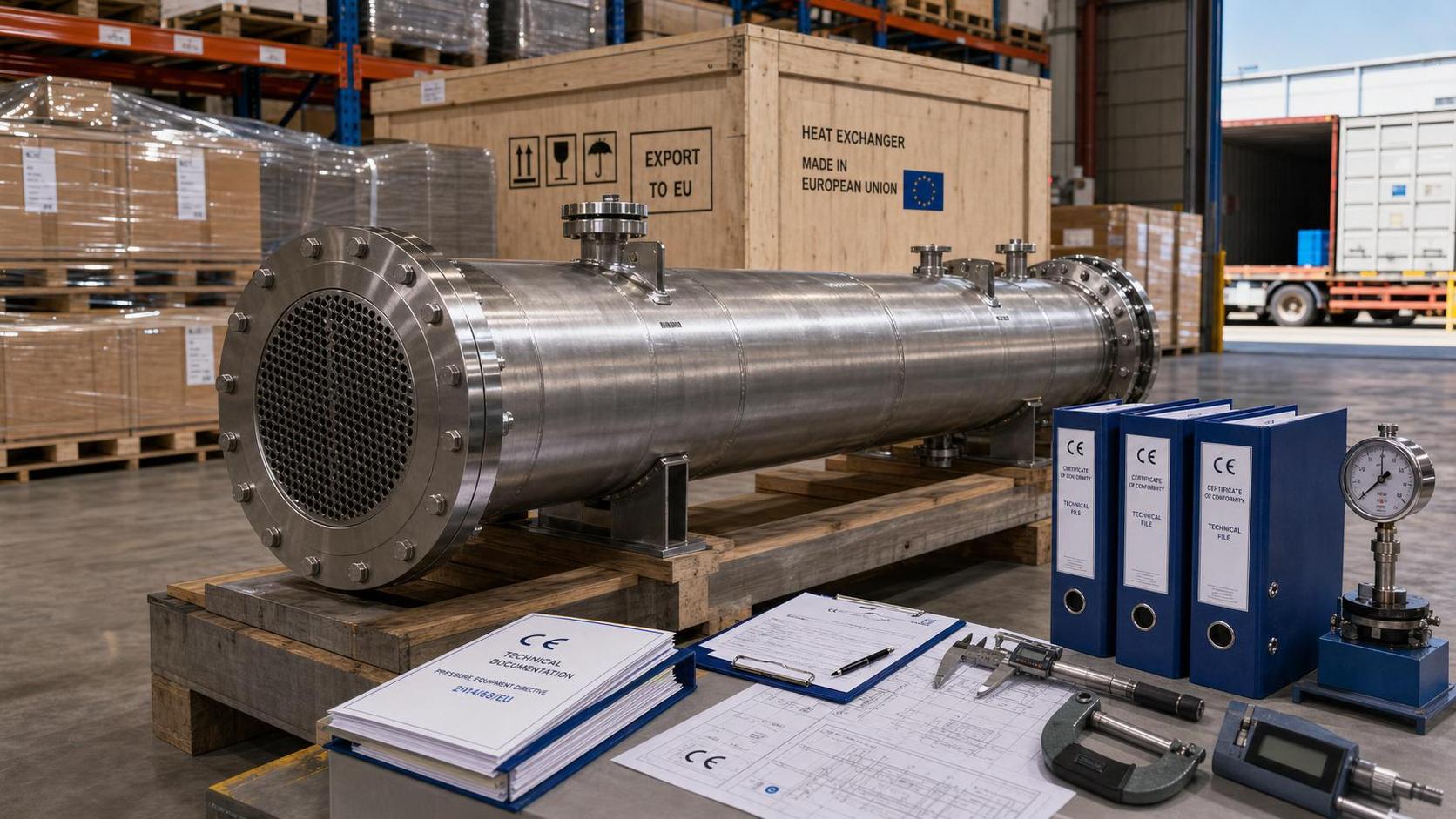
From an industry perspective, manufacturers and export traders of shell-and-tube and plate heat exchangers may be affected first because a shorter rail lead time changes how shipment windows are planned. The practical impact is likely to fall on production sequencing, packing completion, shipment booking coordination, and the timing of export documents. What deserves closer attention is whether internal delivery promises, contract milestones, and transport mode selection are adjusted to reflect the newly reported 28-day average rather than older assumptions.
Procurement teams may revisit lead-time assumptions
Buyers and procurement teams may also feel the effect because a shorter overland cycle can alter sourcing comparisons between rail and sea transport for large process equipment. Analysis shows that the key issue is not only speed, but also whether tender schedules, project procurement calendars, and supplier delivery commitments continue to use outdated logistics assumptions. Procurement functions should pay closer attention to technical delivery terms, document completeness, and any transport-related compliance requirements attached to large equipment export orders.
Logistics and trade service providers face tighter execution requirements
Supply chain service providers, freight coordinators, and trade execution teams may be affected through higher expectations for booking accuracy and document readiness. If a green channel is now available for heat exchange equipment, the operational benefit will depend on whether cargo classification, transport paperwork, and shipment handover processes are aligned in time. Observably, the business risk moves from pure transit duration toward execution discipline at the pre-shipment stage.
Carbon reporting and customer communication may gain weight
For exporters serving customers that review delivery emissions, the reported 62% lower carbon footprint may become commercially relevant. This does not by itself create a new certification rule in the facts provided, but it can influence how exporters prepare supporting statements, logistics comparisons, and customer-facing documentation. Companies involved in bidding, export sales, or after-sales support should therefore watch whether customers begin asking for more structured transport and emissions evidence in commercial files.
What companies should check now
Reconfirm transport documents and shipment readiness
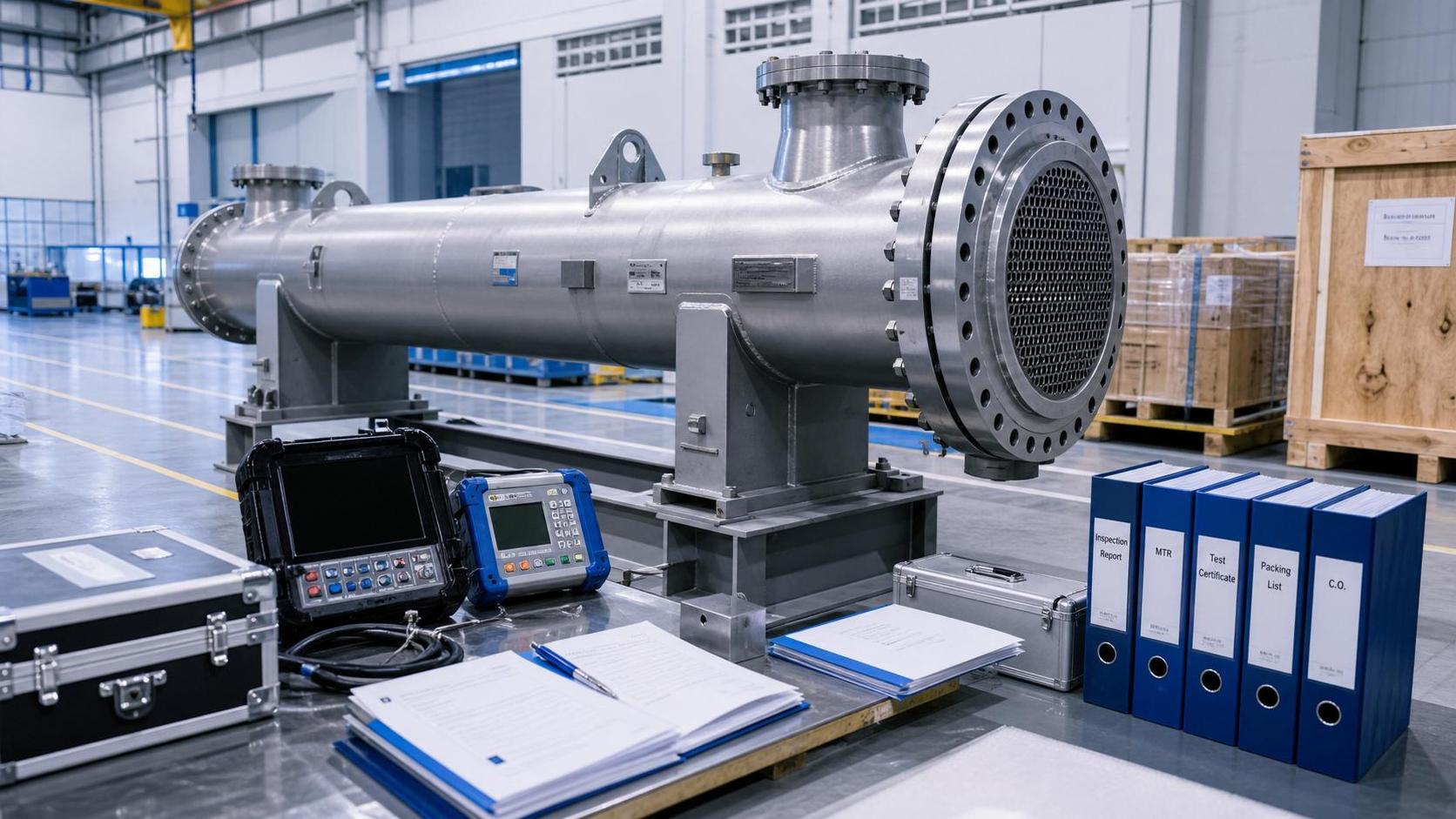
Analysis shows that companies should first review whether export files for large heat exchange equipment are prepared early enough to match a shortened rail cycle. Where the official summary does not provide detailed execution rules, it is more appropriate to understand this as a signal to verify document workflows rather than as proof that every shipment will move under the same timing.
Review contract dates and procurement commitments
Enterprises should also recheck delivery clauses, promised shipment dates, and procurement planning assumptions tied to shell-and-tube and plate heat exchangers. If contracts and internal plans still reflect a 42-day overland expectation, there may be room to revise planning logic, but any adjustment should be made cautiously and against actual booking and execution conditions.
Watch for changes in customer compliance requests
What deserves closer attention is whether buyers, project owners, or intermediaries begin to incorporate shorter rail lead times or lower logistics emissions into bid documents, vendor assessments, or shipment instructions. The current information does not confirm such downstream rule changes, so companies should treat this as an area to monitor rather than an established new requirement.
Keep after-sales and traceability aligned with faster delivery
A faster export cycle can also compress preparation time for installation support files, inspection records, and product traceability materials that customers may request close to delivery. Exporters and service teams should therefore check whether technical documentation and handover records can keep pace with a shorter logistics window.
How this signal should be read at this stage
Observably, this update is best understood as an execution signal in cross-border equipment logistics rather than as a fully defined new regulatory regime. The confirmed facts show a throughput increase on the rail corridor and the activation of a dedicated green channel for heat exchange equipment, both of which matter for trade execution. At the same time, the available information does not provide detailed operational criteria, documentary standards, or formal compliance procedures linked to the green channel, so further market observation remains necessary.
From an industry perspective, the most important takeaway is that logistics capability is beginning to influence compliance, procurement timing, and delivery credibility more directly in large equipment exports. Whether this develops into broader purchasing rules, tender language changes, or more formal reporting expectations still needs to be tracked through subsequent official wording and market practice.
Why the development matters without being overstated
This development is significant not because it proves a universal shift in all export routes, but because it shows that for large heat exchange equipment, rail execution conditions may already be improving in a measurable way. It is more appropriate to understand this as a practical operating change with possible compliance and procurement consequences, not as a final rule outcome for the whole market. Companies that depend on export timing, document coordination, and customer delivery commitments have reason to follow the next round of official clarification and market response closely.
Basis of this article and what still needs verification
This article is generated from the user-provided news title, event date, and event summary. For events of this kind, relevant source categories commonly include official announcements, regulatory or transport authority releases, customs or trade administration information, industry association updates, standards-related documents, and reporting by authoritative media.
A specific official source link was not provided in the input, so the exact official publication path still requires further verification. Follow-up attention should remain on later official wording, execution criteria, customer compliance requests, tender document changes, industry feedback, and how enterprises actually apply the shorter delivery cycle in export operations.
Related News
- EU Rule Requires Digital Energy Monitoring for Shell & Tube Heat ExchangersAuthor :Thermodynamics Analyst

- DOE Raises Shell & Tube Efficiency Floor for 2027Author :Thermodynamics Analyst

- EU EN 13445-4:2026 Tightens Dual Certification for Heat ExchangersAuthor :Thermodynamics Analyst

- EN 13445-4:2026 Tightens EU Heat Exchanger ComplianceAuthor :Thermodynamics Analyst

- EN 13445-4:2026 Adds Digital Twin Fatigue ChecksAuthor :Thermodynamics Analyst

- How to Improve Heat Exchanger Efficiency Without Major System DowntimeAuthor :Thermodynamics Analyst

- EU Rule Takes Effect for Shell-and-Tube Heat ExchangersAuthor :Thermodynamics Analyst

- When Energy-Efficient Heat Exchange Systems Deliver Real PaybackAuthor :Thermodynamics Analyst

- DOE Cuts R449A Chiller Transition to 9 MonthsAuthor :Thermodynamics Analyst

- Rail Corridor Surge Cuts Shell & Tube Lead TimeAuthor :Thermodynamics Analyst

- Rail Corridor Hits 2,000 Trains as Heat Exchanger Lead Time FallsAuthor :Thermodynamics Analyst

- Rail Corridor Surge Cuts Shell & Tube Delivery to 28 DaysAuthor :Thermodynamics Analyst

- China-Europe Rail Corridor Tops 2,000 Trains as Heat Exchanger Export Delivery Falls to 28 DaysAuthor :Thermodynamics Analyst

- How to Improve Heat Exchanger Efficiency Without Major RetrofitsAuthor :Thermodynamics Analyst
![]()
- Rail Corridor Speeds Heat Exchanger ExportsAuthor :Thermodynamics Analyst
![]()
- China Names New Trade Parks for Heat Exchanger ExportsAuthor :Thermodynamics Analyst
![]()
- Rail Corridor Eases Lead Times for Shell-and-Tube ExportsAuthor :Thermodynamics Analyst

- Rail Freight Priority Cuts Shell & Tube Lead TimesAuthor :Thermodynamics Analyst

- Vietnam Cement WHR Rule Lifts Exchanger DemandAuthor :Thermodynamics Analyst

- EN 13445-4:2026 Effective for Shell & Tube Heat ExchangersAuthor :Thermodynamics Analyst
![]()
- SANY Excavators Capture >60% of Indonesia's Nickel Mine Equipment MarketAuthor :Thermodynamics Analyst

- APEC Trade Ministers Focus on Digital & Green Supply ChainsAuthor :Thermodynamics Analyst
![]()
- Pakistan PM Visit to China Spurs Shell & Tube, Centrifuge Tech LocalizationAuthor :Thermodynamics Analyst

- Putin's China Visit Resumes Shell & Tube Heat Exchanger Export PathAuthor :Thermodynamics Analyst

- EU Imposes Final Anti-Dumping Duties on Chinese Adipic AcidAuthor :Thermodynamics Analyst

- EN 13445-4:2026 Enters Force for Shell & Tube Heat ExchangersAuthor :Thermodynamics Analyst

- EU Updates EN 13445-4:2026 for Shell & Tube Heat ExchangersAuthor :Thermodynamics Analyst

- China's Petrochemical '15th Five-Year' Digitalization Guide ReleasedAuthor :Thermodynamics Analyst

- Heat Exchanger Technology: Plate vs Shell & Tube Selection GuideAuthor :Thermodynamics Analyst

- China to Upgrade Shell & Tube Heat Exchanger Standard to MandatoryAuthor :Thermodynamics Analyst

- Thermodynamics Analysis in Shell & Tube Selection: What Really MattersAuthor :Thermodynamics Analyst

- How to Compare Heat Exchanger Efficiency Across System DesignsAuthor :Thermodynamics Analyst